Tag Archives: National Recreation Area

Ashley National Forest

Ashley National Forest

Utah, Wyoming

Managed by U.S. Forest Service, Intermountain Region

1,402,656 acres (1,382,346 federal/ 20,310 other)

Website: https://www.fs.usda.gov/ashley

Overview

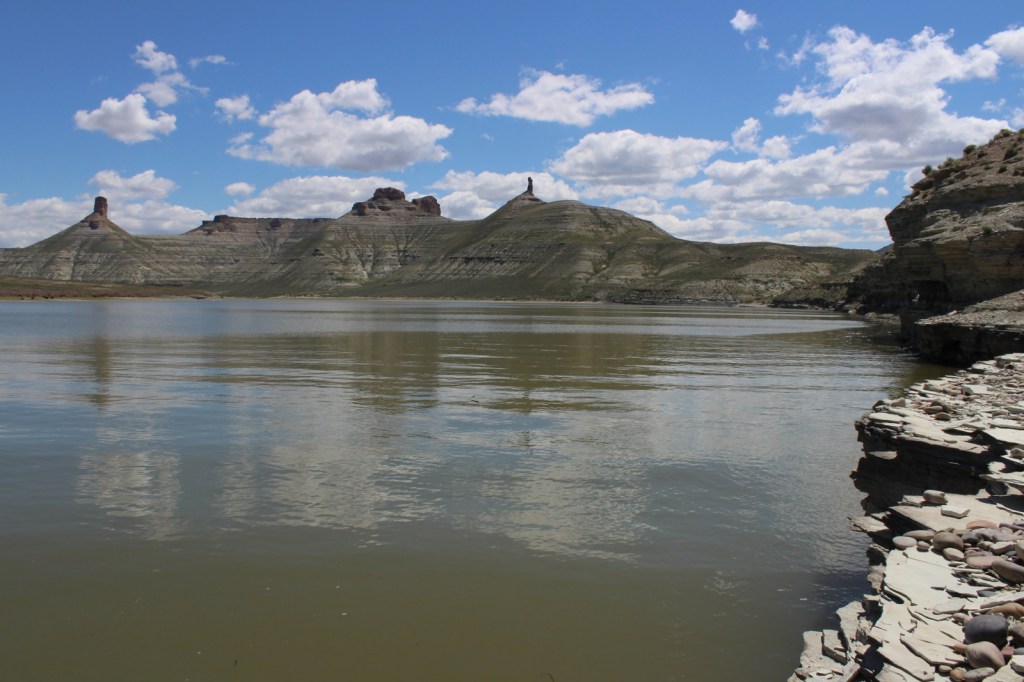
Ashley National Forest is located on the Utah-Wyoming border and includes the High Uintas Wilderness and Flaming Gorge National Recreation Area (which we will discuss in our next blog post).  The Uinta Mountains are a popular destination for campers, hikers, mountain bikers, horseback riders, and anybody who is into magnificent mountain peaks and picturesque lakes.  It is one of the few east-west running ranges in North America and includes the highest point in Utah: 13,528-foot tall Kings Peak.  In 2019, Congress set aside 173,475 acres of the National Forest as the Ashley Karst National Recreation and Geologic Area, the first such designation in the U.S.

Highlights

Flaming Gorge National Recreation Area, Red Cloud Loop Scenic Backway, Flaming Gorge-Uinta Scenic Byway, Indian Canyon Scenic Byway, Outlaw ATV Trail, Moon Lake, Strawberry Peak, Swett Ranch, Kings Peak, Highline Trail

Must-Do Activity

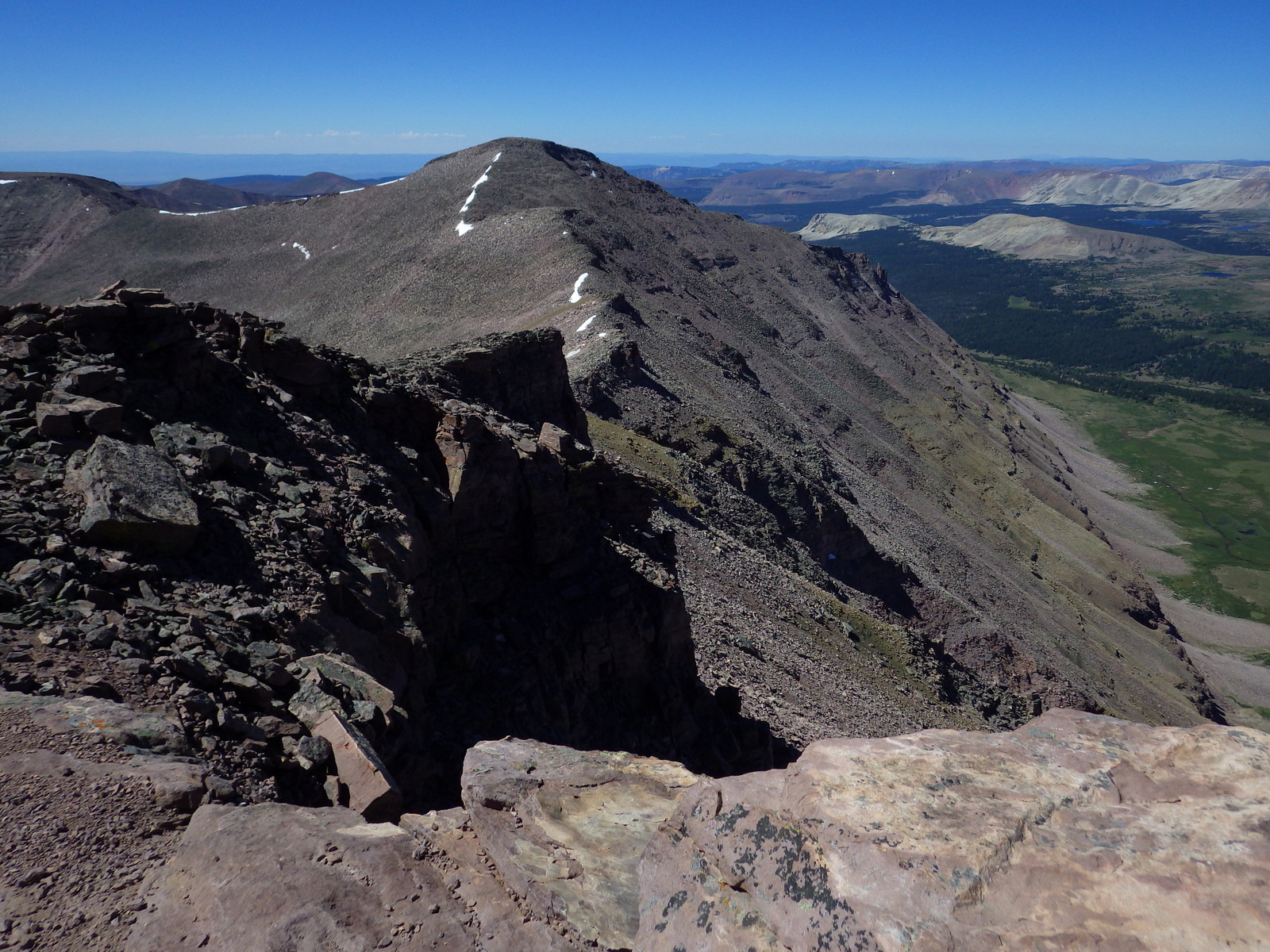
The High Uintas Wilderness is a premier backpacking destination with numerous lakes and 545 miles of trails.  The Wilderness is actually found in both the Wasatch and Ashley National Forests, but not Uinta National Forest.  Even if that makes sense to you, you will probably still need a good map to navigate your way to the highest point in Utah.  Summiting Kings Peak is a minimum 30 miles roundtrip from the Henrys Fork Trailhead in Wasatch National Forest to the north, and even further from the southern trailheads.

Best Trail

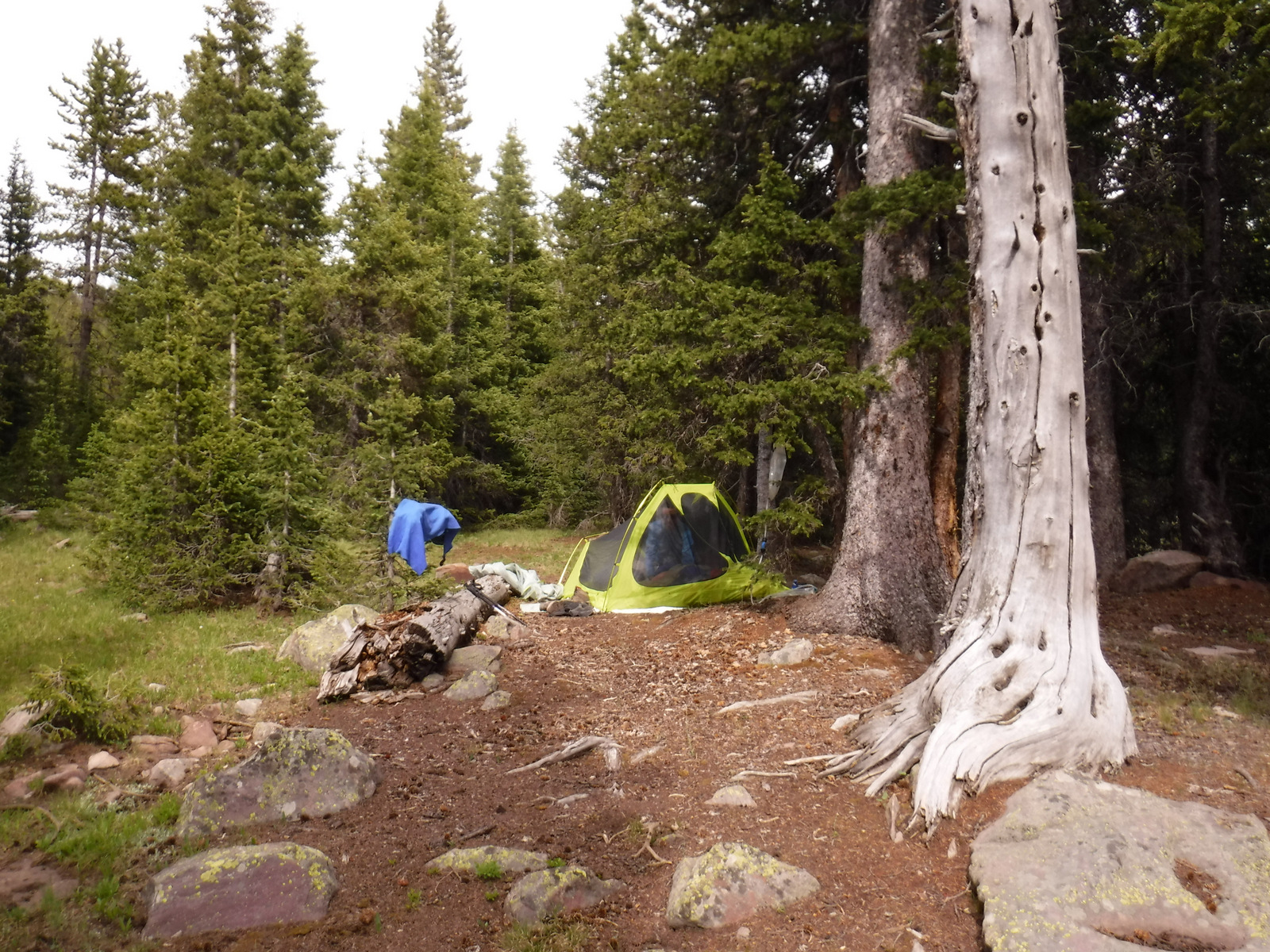
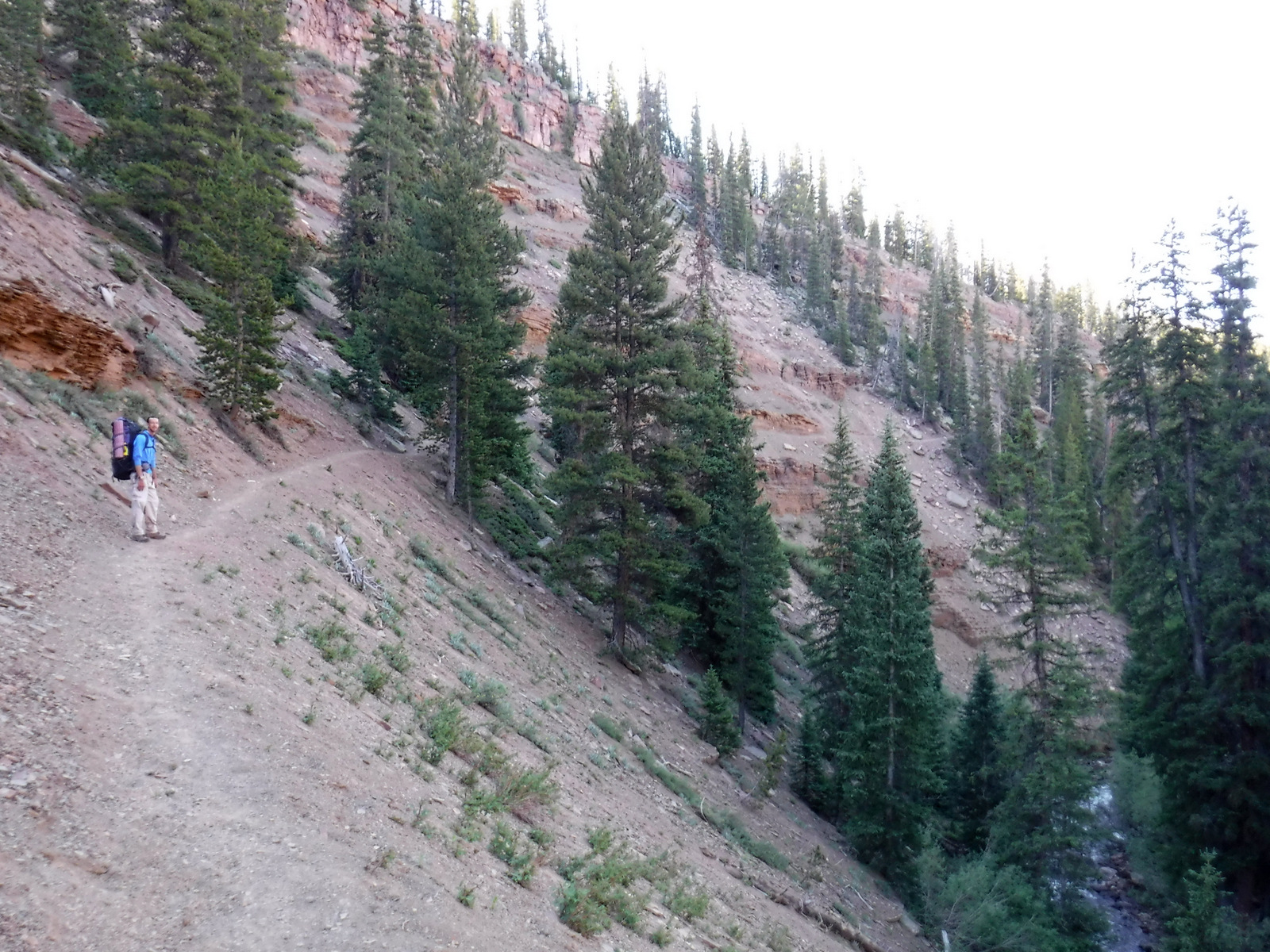
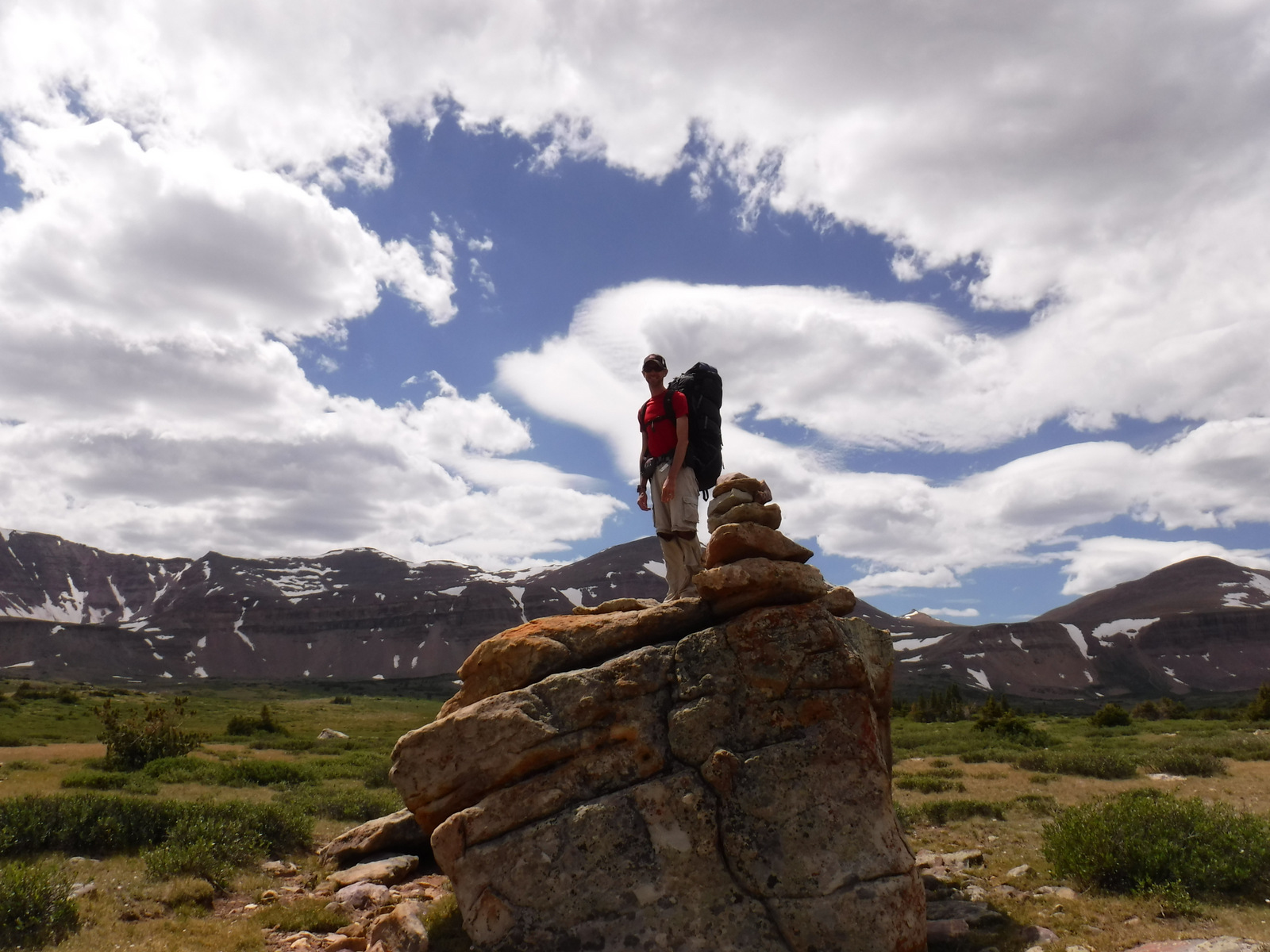
We backpacked into the High Uintas Wilderness on a 41-mile lollipop loop leaving from the Uinta Canyon Trailhead.  The first portion along the Uinta River Trail was flat, then started climbing when we split off on the Chain Lakes-Atwood Trail to cross Roberts Pass and Trail Rider Pass into Painter Basin, a beautiful area that sits below Kings Peak.  At more than 90 miles in length, the Highline Trail runs east-west through the area and is accessible from many side-trails, including the ones we were on.

Watchable Wildlife

Flaming Gorge Reservoir is known for its large population lake trout, as well as kokanee salmon, rainbow trout, brown trout, smallmouth bass, channel catfish, and burbot.  The reservoir also hosts a large nesting colony of ospreys, as well as many other raptors.  In the mountains, watch for moose, elk, mule deer, mountain goats, and black bears.

Instagram-worthy Photo

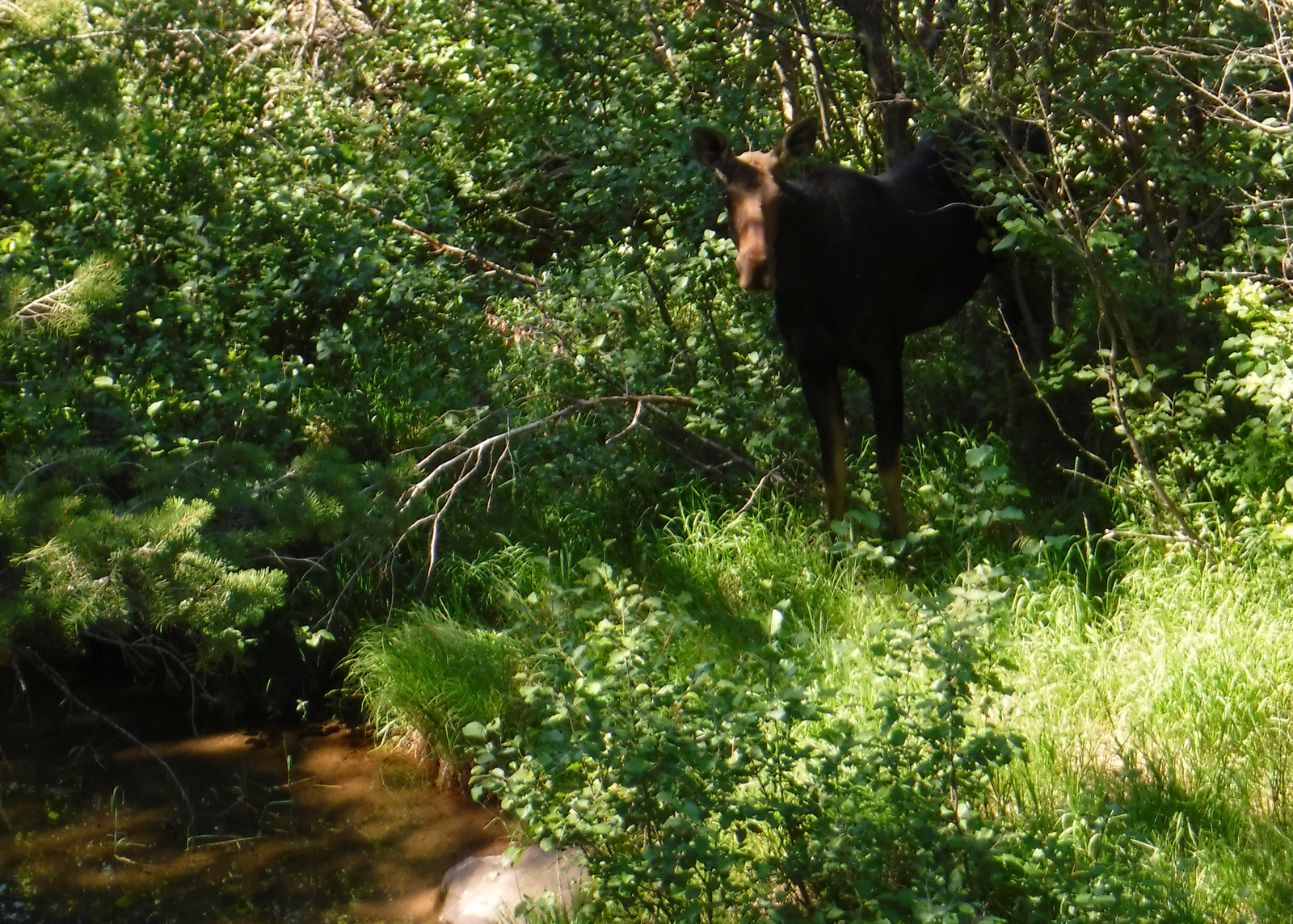
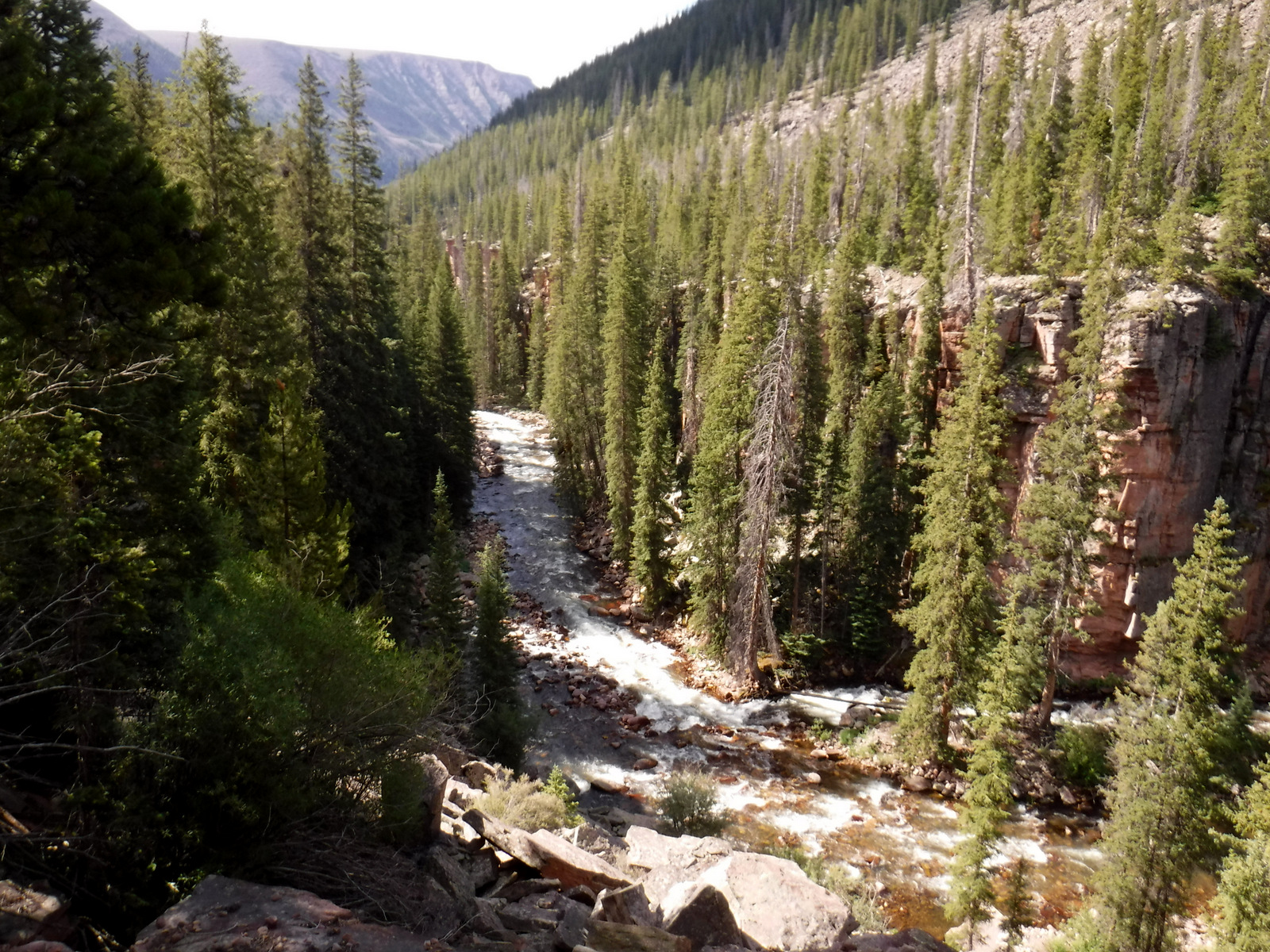
Leaving from the Uinta Canyon Trailhead, after about an hour of walking the Uinta River Trail reaches a bridge across its namesake.  The river is popular with fisherman and we spotted a moose grazing near the water.

Peak Season

Summer

Fees

Every boat launch and day-use area in Flaming Gorge National Recreation Area requires a recreation pass ($5 per day, $15 per week) or America the Beautiful pass, but there is no charge to drive the Flaming Gorge-Uinta Scenic Byway or cross the dam.  We did not encounter any fees in the rest of Ashley National Forest, except in campgrounds.

Road Conditions

The 82-mile Flaming Gorge-Uinta Scenic Byway is paved the whole way, but there are many unpaved roads off it including access to popular Red Canyon and Sheep Creek National Geological Area.  Many roads are closed seasonally, like Red Cloud Loop and Spirit Lake Scenic Backways.

Camping

There are numerous campgrounds on and off the lake in Flaming Gorge National Recreation Area, mostly open May to September, although Dripping Springs is open year round.  There are also campgrounds near most of the trailheads that access the High Uintas Wilderness.  We found dirt roads off Highway 191 to be packed with dispersed campers and RVs in mid-July 2020.

Wilderness Areas

High Uintas Wilderness (also in Wasatch National Forest)

Related Sites

Dinosaur National Monument (Utah-Colorado)

Timpanogos Cave National Monument (Utah)

Fossil Butte National Monument (Wyoming)

Nearest National Park

Arches (Utah)

Conifer Tree Species

lodgepole pine, limber pine, ponderosa pine, pinyon pine, Douglas-fir, subalpine fir, white fir, Engelmann spruce, Rocky Mountain juniper

Flowering Tree Species

quaking aspen, blue elderberry, Gambel oak, bigtooth maple, boxelder, western birch, red osier dogwood, narrowleaf cottonwood, sagebrush

Explore More –Ashley National Forest is named after whom?

Arapaho National Recreation Area

Arapaho National Recreation Area

Colorado

Managed by U.S. Forest Service, Arapaho National Forest

30,690 acres

Website: https://www.fs.usda.gov/attmain/arp/specialplaces

Overview

On the west side of Rocky Mountain National Park are the first of many dams across the Colorado River forming several lakes around Granby, Colorado.  Arapaho National Recreation Area contains five reservoirs, the largest of which is Lake Granby (but not including Grand Lake and Shadow Mountain Lake).  Also nearby, Monarch Lake is the starting point for multiple trails into the Indian Peaks Wilderness.  Despite its proximity to the Denver metropolitan area, this untamed country is home to a variety of wildlife including moose, martens, and mountain lions, as well as the river otter and ouzel (or dipper) we saw during our January visit. 

Highlights

Lake Granby, Monarch Lake, Meadow Creek Reservoir, Roaring Fork Falls, Willow Creek Reservoir, High Lonesome Trail, Continental Divide National Scenic Trail

Must-Do Activity

The largest reservoir in Arapaho National Recreation Area is Lake Granby, an area popular with snowmobilers and ice fisherman in the winter.  Summer is also a good time to visit when the lakes are unfrozen and available for boating, swimming, and other water sports.  That’s when backpackers on the Continental Divide National Scenic Trail prefer to come through here.

Best Trail

Snowshoers looking for some quiet can drive to the eastern end of Lake Granby and hike a mile to Monarch Lake on a road that is closed during the winter months.  Throughout the year, Monarch Lake is the starting point for multiple trails that climb into the high elevations of the Indian Peaks Wilderness, plus the Continental Divide National Scenic Trail.

Instagram-worthy Photo

Under a blanket of snow, there is a majestic view from Monarch Lake looking at the Arapaho Creek Valley.

Peak Season

Summer

Fees

During the summer, day-use fees apply at portions of Arapaho National Recreation Area, like Monarch Lake and boat launches.

Road Conditions

The road back to Monarch Lake and many others are closed seasonally due to heavy snow accumulations.

Camping

Campgrounds on the lakes fill up in the summer and even the dirt roads around the west entrance to Rocky Mountain National Park can be jam-packed with dispersed campers.

Related Sites

Curecanti National Recreation Area (Colorado)

Colorado National Monument (Colorado)

Dinosaur National Monument (Utah-Colorado)

Nearest National Park

Rocky Mountain (Colorado)

Lake Granby in summer

Explore More – When was Arapaho National Recreation Area established?

Arapaho National Forest

Arapaho National Forest

Colorado

Managed by U.S. Forest Service, Rocky Mountain Region

770,604 acres (724,678 federal/ 45,926 other)

Website: https://www.fs.usda.gov/arp

Overview

Arapaho National Forest is managed jointly with Roosevelt National Forest and Pawnee National Grassland in northern Colorado.  Easily accessible from Interstate 70 west of Denver, the National Forest is best known for its many ski resorts.  Mt. Blue Sky (formerly Evans) Highway and Guanella Pass Scenic Byway provide access to the high country in the summer when a rainbow of wildflowers bloom, both above and below treeline.

Highlights

Arapaho National Recreation Area, Mt. Blue Sky (formerly Evans), St. Mary’s Glacier, Guanella Pass Scenic Byway, Devil’s Thumb Lake, Berthoud Falls, Ute Peak, Boardwalk Trail, Continental Divide National Scenic Trail

Must-Do Activity

Located just west of Denver, the Mt. Blue Sky (formerly Evans) Highway (the highest fully-paved road in North America) provides access to the rarely-seen world above 14,000 feet in elevation.  Online reservations are now required before you show up, so be sure to click to include a stop at Mt. Goliath Research Natural Area, which provides an interpretive hike through a forest of long-lived Rocky Mountain bristlecone pine trees.  Keep your eyes sharp for bighorn sheep and mountain goats along the road once you hit the switchbacks around Summit Lake.  While the Crest House is no longer in business near the summit, you can still park there and walk the remaining one-hundred feet to the top of the 14,264-foot peak for unsurpassed views.

Best Trail

The easiest way to access the aptly-named Never Summer Wilderness is from the Kawuneeche Valley in Rocky Mountain National Park.  You can backpack the 18-mile loop of Baker Gulch to Bowen Gulch in either direction, but keep an eye out for moose as we saw six along the way!  High elevation dwellers like yellow-bellied marmots and pikas were also abundant along the trail, which enters Routt National Forest on the west side of Fairview Mountain.

Watchable Wildlife

Moose and elk can be found throughout the National Forest, but are often easiest to locate around the west entrance to Rocky Mountain National Park.  Bighorn sheep and mountain goats are known to approach cars on the paved road to the top of Mt. Blue Sky (formerly Evans).  During our January visit to Arapaho National Recreation Area we spotted a river otter and ouzel (or dipper, a swimming songbird) in one of the few sections of unfrozen creek.

Instagram-worthy Photo

North of the ski resort town of Winter Park is Fraser Experimental Forest, managed by the U.S. Forest Service’s Rocky Mountain Research Station.  In winter, roads within Fraser Experimental Forest are closed and turn into routes for cross-country skiers and snowshoers with no entry fee charged.

Peak Season

Summer

Fees

A $15 fee is charged per vehicle (online reservation required before arrival, $2 fee even if you use your America the Beautiful pass) to drive the one-way Mt. Blue Sky (formerly Evans) Highway during its short open season.  Also during the summer, day-use fees apply at Fraser Experimental Forest and Arapaho National Recreation Area.

Road Conditions

The road to the top of Mt. Blue Sky (formerly Evans) is paved the whole way, but there are plenty of rough dirt roads to explore throughout Arapaho National Forest.  The road back to Monarch Lake is closed seasonally in Arapaho National Recreation Area.

Camping

Campgrounds fill up in the summer and even the dirt roads around the west entrance to Rocky Mountain National Park can be jam-packed with dispersed campers.  There are some scenic campgrounds around Fraser Experimental Forest near Winter Park, Colorado.

Wilderness Areas

Byers Peak Wilderness

Eagles Nest Wilderness (also in White River National Forest)

Indian Peaks Wilderness (also in Roosevelt National Forest)

Mt. Blue Sky (formerly Evans) Wilderness (also in Pike National Forest)

Never Summer Wilderness (also in Routt National Forest)

Ptarmigan Pass Wilderness

Vasquez Peak Wilderness

Related Sites

Arapaho National Recreation Area (Colorado)

Florissant Fossil Beds National Monument (Colorado)

Sand Creek Massacre National Historic Site (Colorado)

Nearest National Park

Rocky Mountain (Colorado)

Conifer Tree Species

Engelmann spruce, Colorado blue spruce, subalpine fir, Douglas-fir, Rocky Mountain bristlecone pine, ponderosa pine, lodgepole pine

Flowering Tree Species

quaking aspen, Rocky Mountain maple, narrowleaf cottonwood, mountain ash, dwarf willow, Scouler willow, mountain willow, alpine fen willow, purple-twig willow, sandbar willow, Geyer’s willow, Wolf’s willow

Explore More – When did research begin in Fraser Experimental Forest on the response of conifer species to different harvesting techniques, insect outbreaks, and climate conditions?
We are a participant in the Amazon Services LLC Associates Program, an affiliate advertising program designed to provide a means for us to earn fees by linking to Amazon.com and affiliated sites.

Allegheny National Recreation Area

Allegheny National Recreation Area

Pennsylvania

Managed by U.S. Forest Service, Allegheny National Forest

24,145 acres

Website: https://www.fs.usda.gov/attmain/allegheny/specialplaces/

Overview

Allegheny National Recreation Area was created by Congress in 1984 under the Pennsylvania Wilderness Act.  It is managed as three separate parcels of land within Allegheny National Forest.  The first is named Cornplanter after an Iroquois warrior and leader during the American Revolution and it has two boat launches and no developed trails on the federal lands west of the Allegheny Reservoir.  The second is Tracy Ridge to the east of the reservoir, which we will discuss below.  Farther south, the third parcel is the Allegheny Front on the east side of the Allegheny River from Charlie Run to South Slater Run, bordered on the west by Highway 62.

Highlights

Willow Bay Recreation Area, Tracy Ridge Hiking Trail System, North Country National Scenic Trail

Must-Do Activity

Tracy Ridge is easily accessible from scenic State Highway 321 and it has an extensive system of hiking trails, including a 10-mile section of the North Country National Scenic Trail.  Further north, Willow Bay Recreation Area (day-use fee) is the most developed portion of Allegheny National Recreation Area.  The waters of the Allegheny Reservoir between Cornplanter and Tracy Ridge are also considered to be part of the National Recreation Area with three developed boat-in campgrounds (fee). 

Best Trail

In addition to the Tracy Ridge Hiking Trail System, the undeveloped Allegheny Front parcel contains a three-mile segment of the Tanbark Trail.  These areas are popular with hunters, so remember to wear fluorescent clothing during hunting seasons.

Instagram-worthy Photo

While having lunch near the dock in Willow Bay Recreation Area, we saw a bald eagle, a red-tailed hawk, ravens, and a flock of Canada geese.

Peak Season

Summer

Fees

There is an entrance fee at Willow Bay Recreation Area, but it is half price with an America the Beautiful pass.  Even if you hike in to Hopewell and Handsome Lake Campgrounds on the shores of the Allegheny Reservoir, you need to pay the overnight camping fee.  Based on the signs, we think that backpacking in Tracy Ridge is free.

Road Conditions

We did not come across any unpaved roads while driving through Allegheny National Recreation Area, but they probably exist.

Camping

Willow Bay Recreation Area and Tracy Ridge have drive-in campgrounds, plus Hooks Brook, Hopewell, and Handsome Lake are accessible by boat.  Dispersed camping is allowed for no more than 14 consecutive days at one site and not within 1500 feet of the Allegheny Reservoir.  The same goes for backpacking sites on the Tracy Ridge Hiking Trail System where hanging bear bags or using bear-proof containers is recommended.

Related Sites

Allegheny National Forest (Pennsylvania)

Allegheny Portage Railroad National Historic Site (Pennsylvania)

Flight 93 National Memorial (Pennsylvania)

Nearest National Park

Cuyahoga Valley (Ohio)

Explore More – When it is completed, how long will the North Country National Scenic Trail be in its entirety?

Ross Lake National Recreation Area

Overview

Bisecting the two sections of North Cascades National Park in northern Washington is Ross Lake National Recreation Area.  The incredibly scenic Highway 20 (closed seasonally) cuts through the mountains here, less than two hours from Seattle.  The rainshadow effect is readily apparent to anyone who crosses these mountains from the lush west to the arid eastern portion of the state.  Access to the only boat ramp on Ross Lake actually requires a drive through Canada, but you can also pick up a water taxi near Diablo Dam.

Highlights

Diablo Lake Overlook, Gorge Creek Falls, Ross Lake Resort, Sourdough Mountain Trail

Must-Do Activity

If coming from Seattle, start your visit at the North Cascades National Park Visitor Center on the scenic North Cascades Highway (20).  Ross Lake National Recreation Area contains three hydroelectric reservoirs, which have an interesting turquoise color due to glacial silt, especially evident at Diablo Lake Overlook.  Nearby, Colonial Creek Campground offers a peaceful forest in which to spend the night and a good jumping off place for a day hike on Thunder Creek or Fourth of July Trails through old-growth forests with colossal mushroom conchs and giant banana slugs.

Best Trail

Summiting Desolation Peak is often found on the bucket lists of the writer Jack Kerouac’s biggest fans, as he did some of his best writing while stationed as a fire lookout here in 1956.  The observation tower is not far from the Canadian border and the trek is a daunting task, typically utilizing a water taxi to cross Ross Lake.

Instagram-worthy Photo

Do not drive past Diablo Lake Overlook, an awe inspiring and usually gusty stop along Highway 20.  The craggy heights of the geologically young mountains surrounding this spectacular reservoir are magnificent to behold, yet forbidding to enter.

Peak Season

Late summer

Hours

https://www.nps.gov/noca/planyourvisit/hours.htm

Fees

None

Road Conditions

The North Cascades Highway (20) is typically closed east of Ross Dam from mid-November through mid-April (or later).  The unpaved road to Thornton Lakes Trailhead is not suitable for trailers.

Camping

Colonial Creek Campground (164 sites) is only one option, additionally there are Newhalem Creek (119 sites), Goodell Creek (22 sites), and Hozomeen (122 sites accessed via a 40-mile gravel road from Hope, British Columbia).  For the full backcountry experience, pick up a free backpacking permit at the Wilderness Information Center in Marblemount, Washington.

Related Sites

Lake Chelan National Recreation Area (Washington)

Lake Roosevelt National Recreation Area (Washington)

Klondike Gold Rush National Historical Park (Alaska-Washington)

Explore More – Only two miles across at its widest point, how long is Ross Lake?