Tag Archives: tour

Ste. Genevieve National Historical Park

Ste. Genevieve National Historical Park

Missouri

Managed by National Park Service

Established 2020

13 acres

Website: nps.gov/stge

Overview

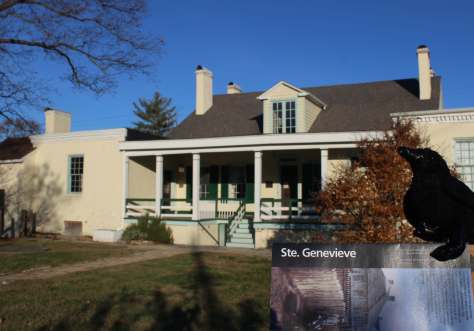
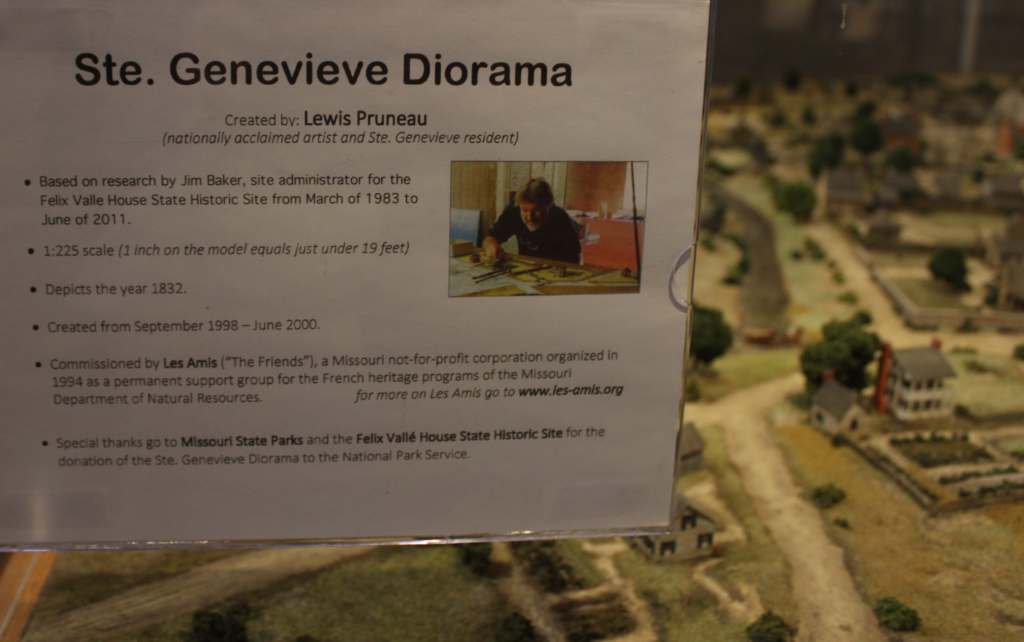
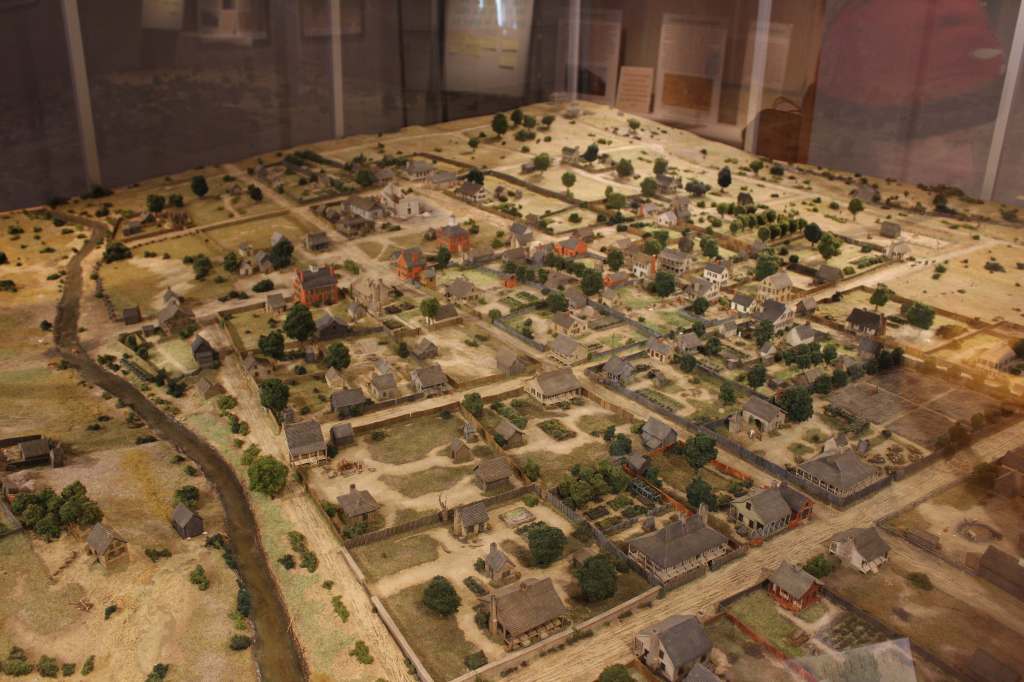
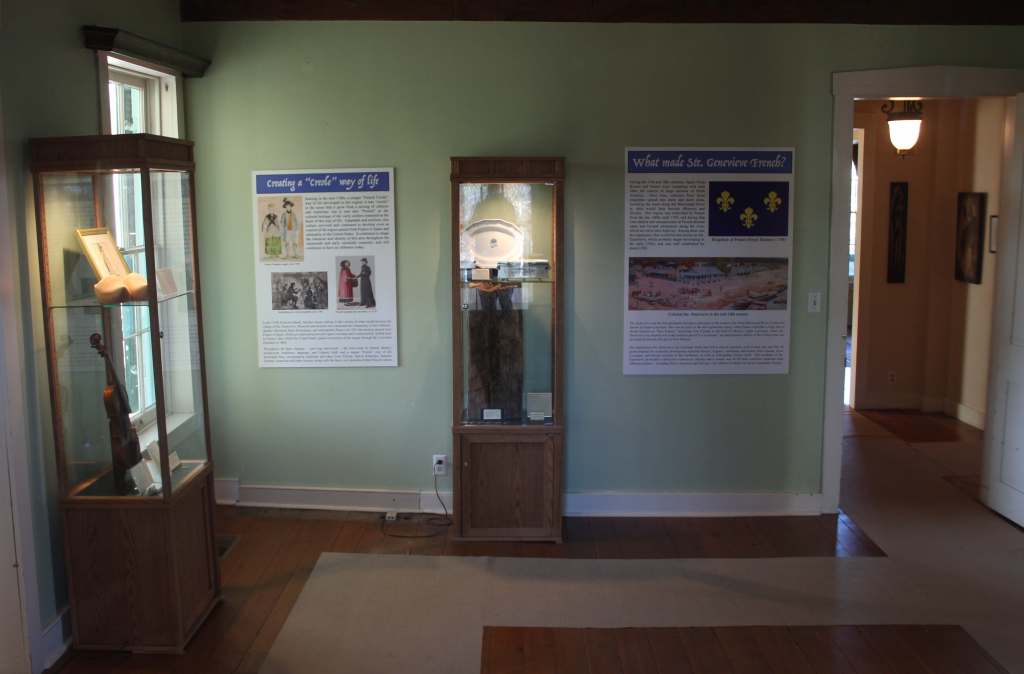
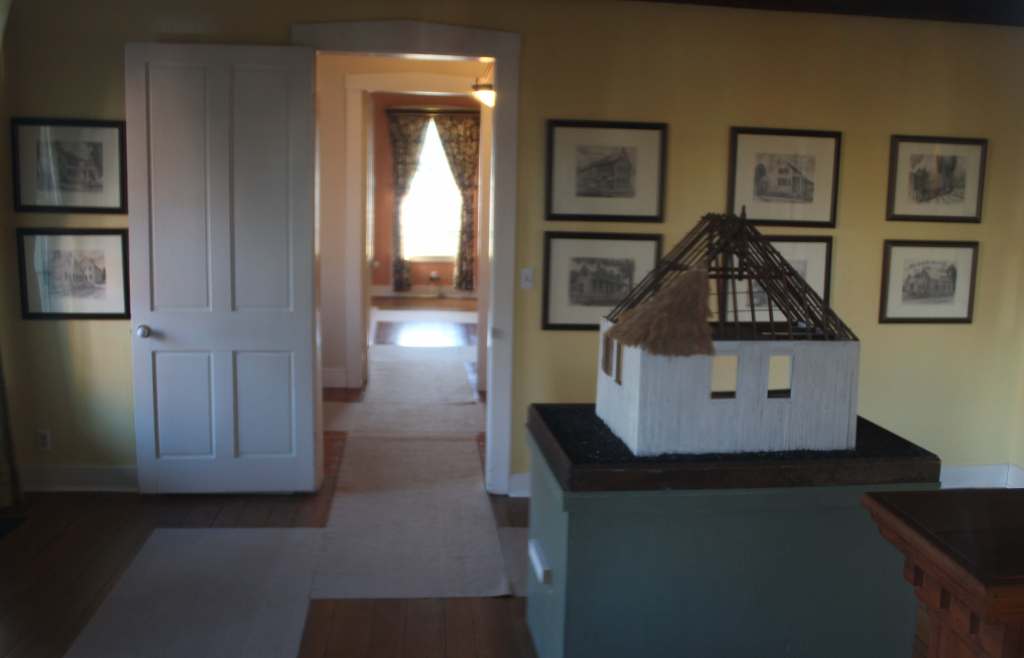
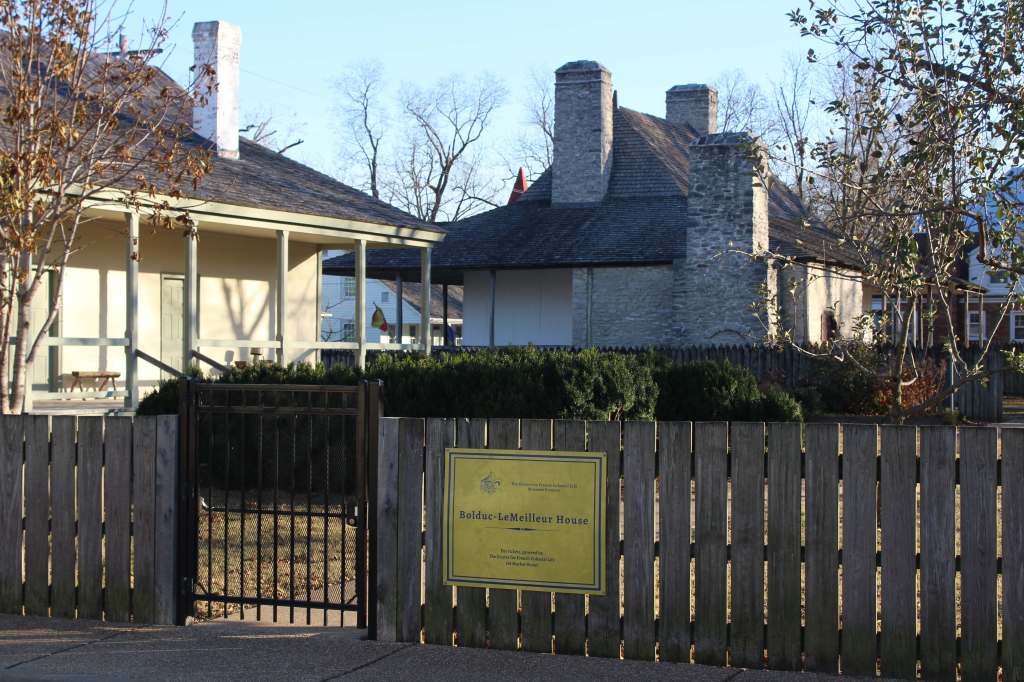
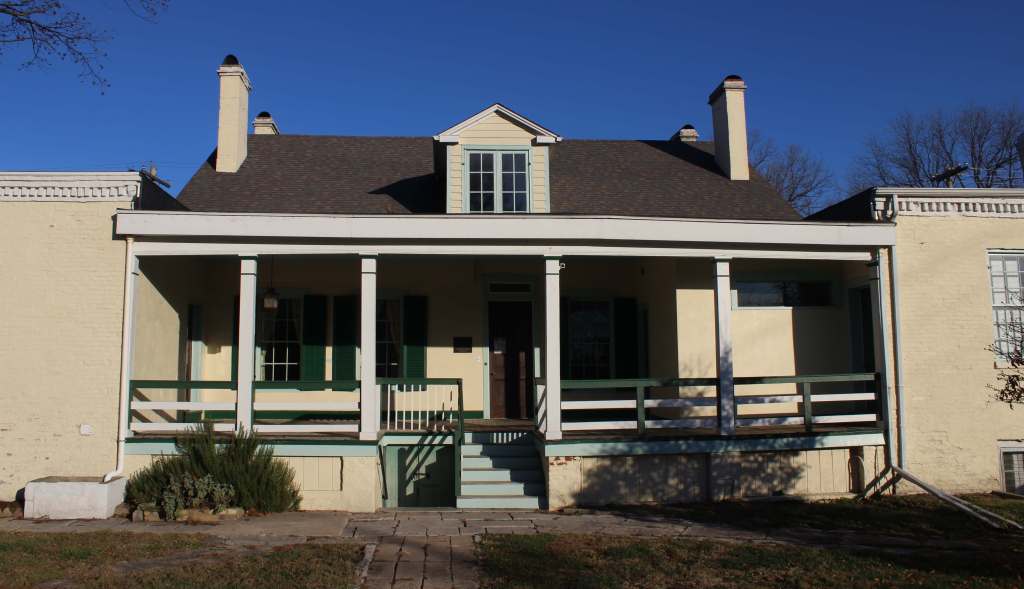
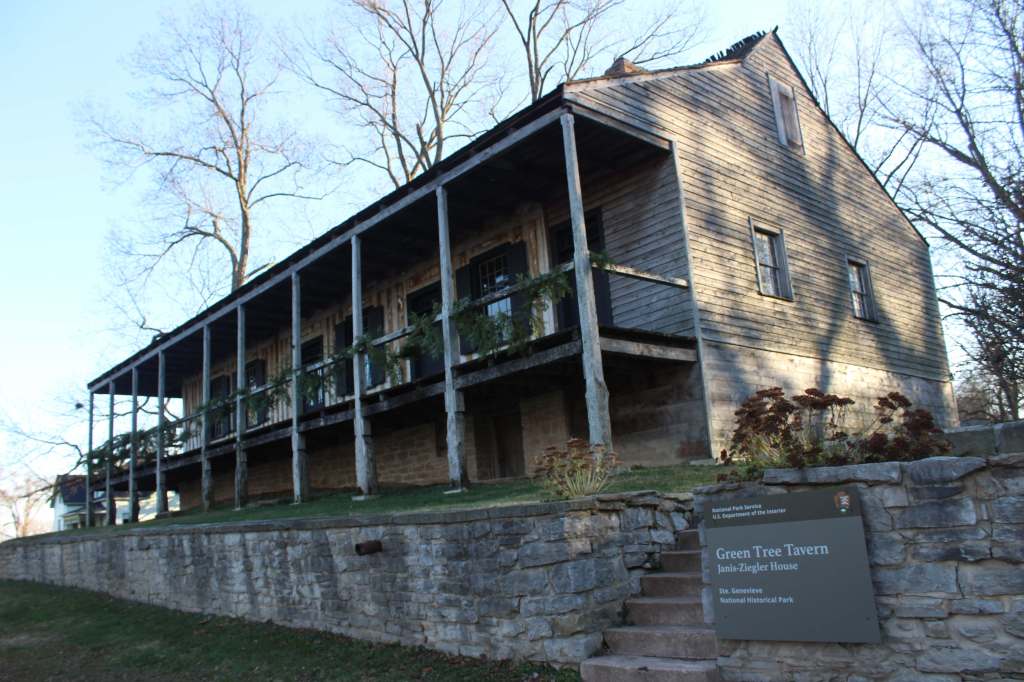
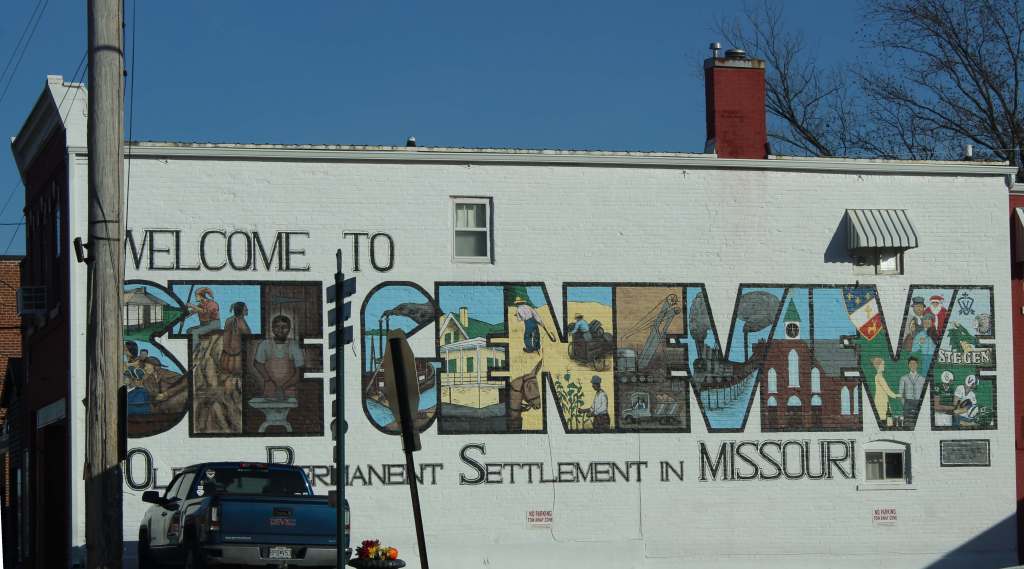
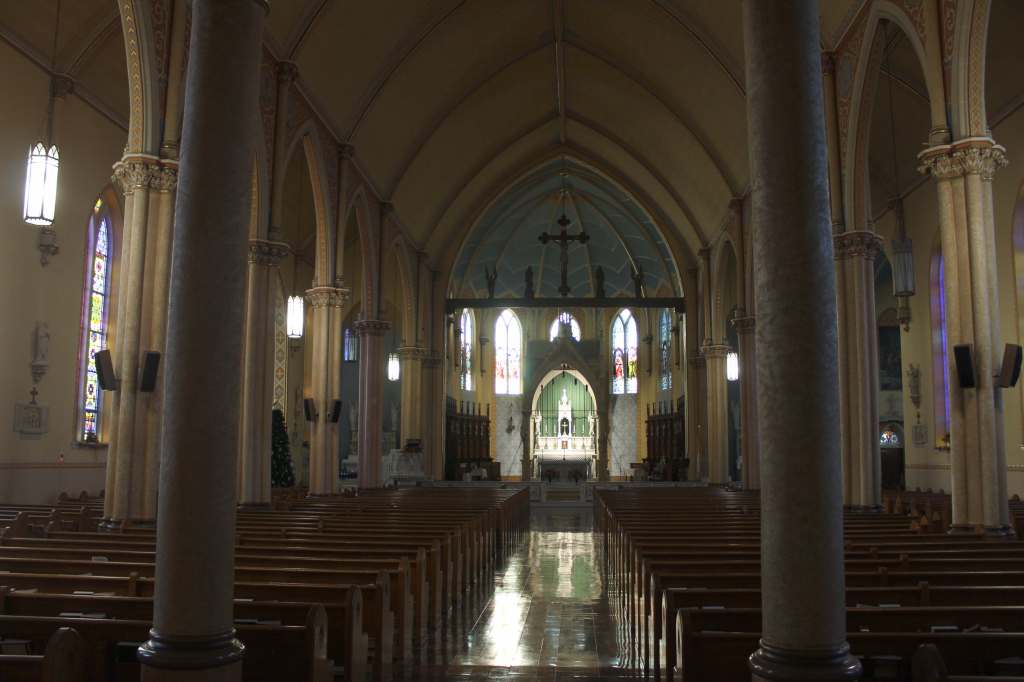
This park was established to protect the French colonial-era houses of Missouri’s first permanent settlement where residents still go all out to celebrate Bastille Day.  Originally colonized by Canadians in the 1750s, the original site of Ste. Genevieve was abandoned and moved three miles away after Mississippi River flooding in 1785.  The oldest standing structure today is the Green Tree Tavern that dates back to 1790 based on dendrochronology.  The Bolduc House (built in 1792) was restored in 1957 and is managed by the National Society of The Colonial Dames of America, while the Old Brick House from 1804 is now a restaurant. 

Highlights

Jean Baptiste Vallé House and Gardens, film, Bauvais-Amoureux House, Green Tree Tavern, Levee Trail

Must-Do Activity

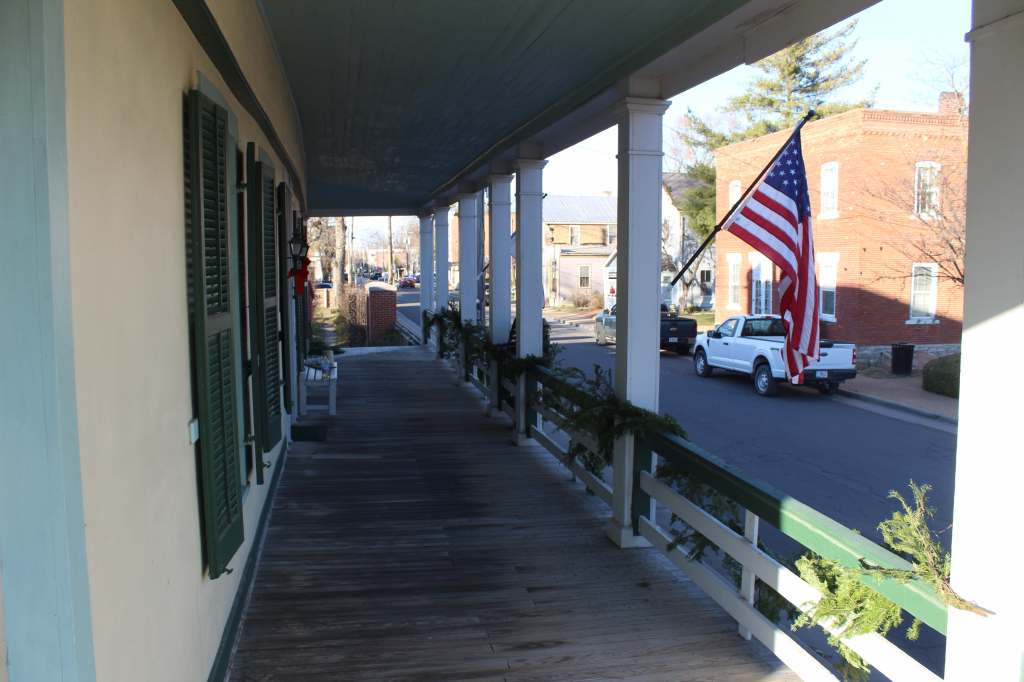
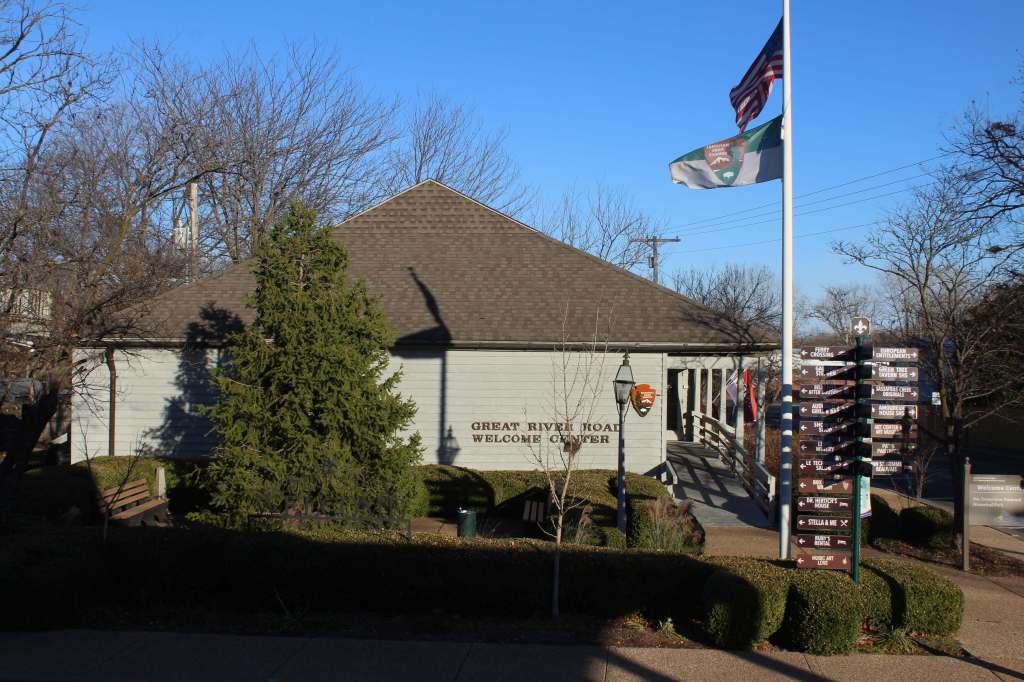
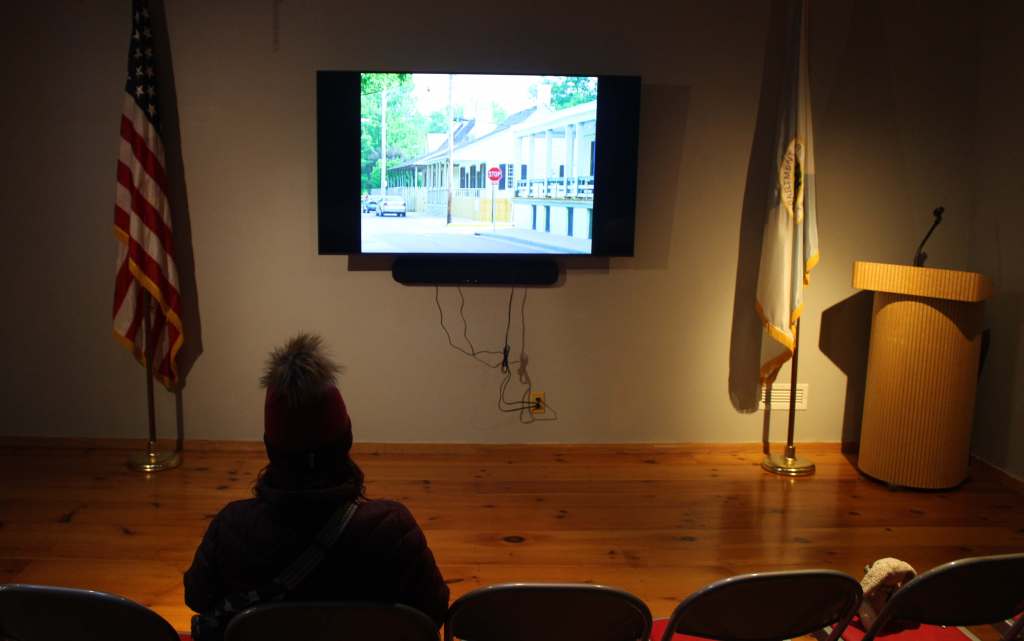
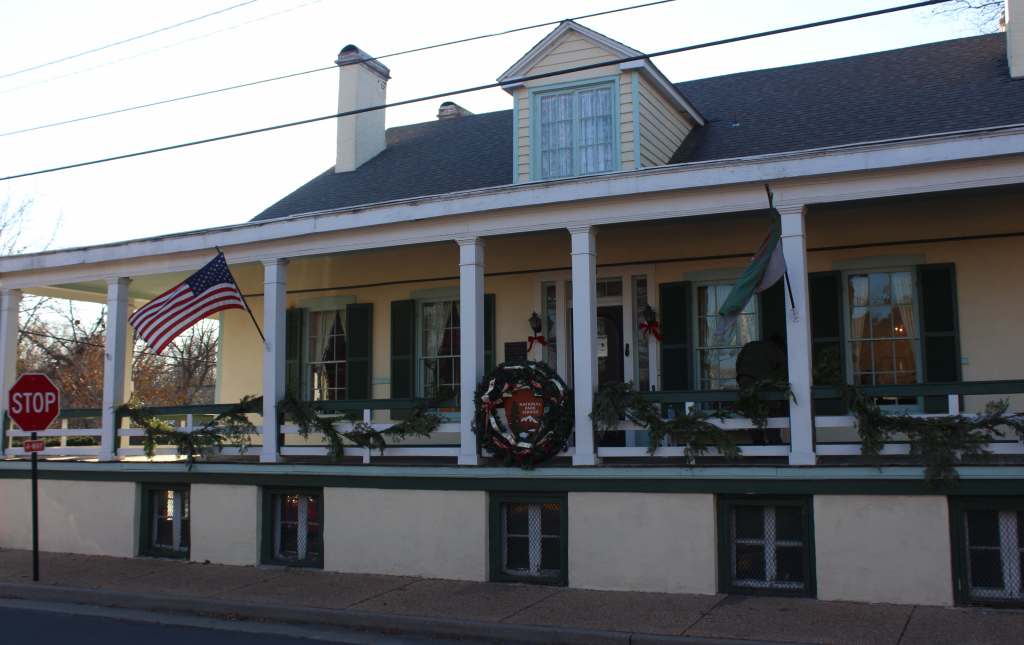
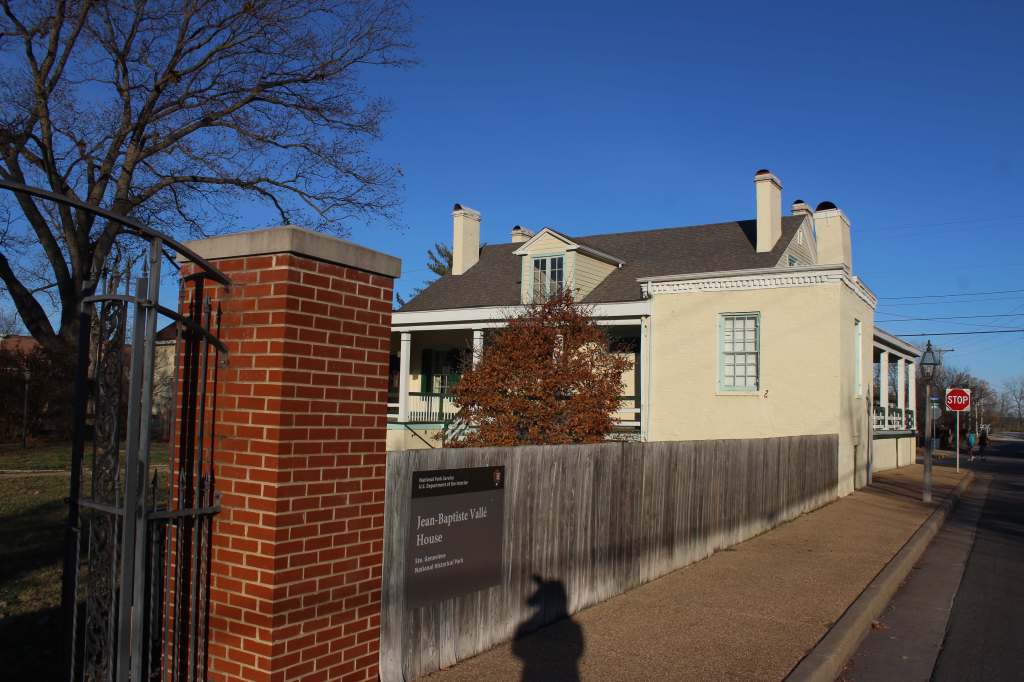
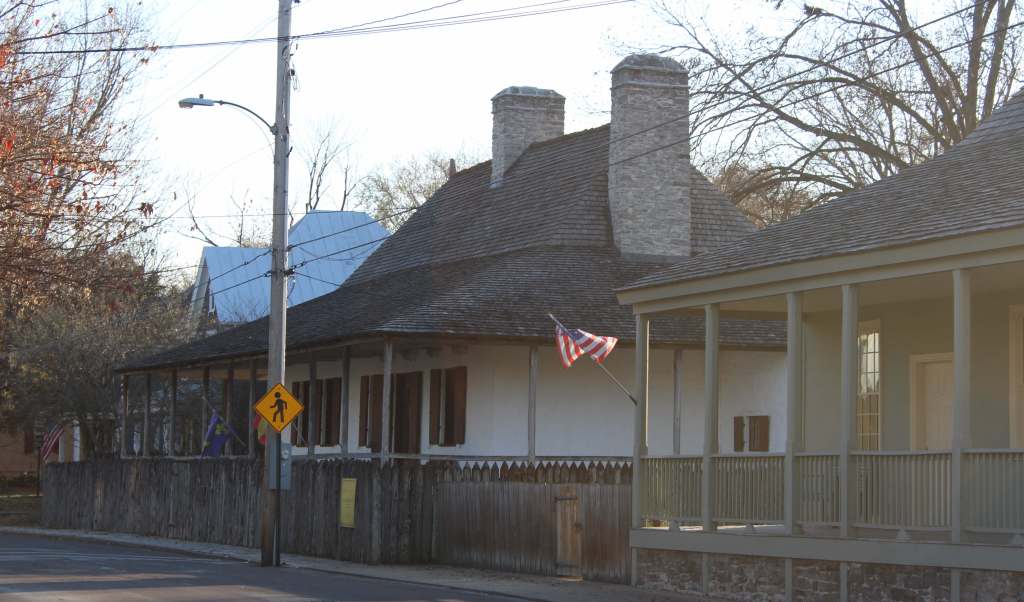
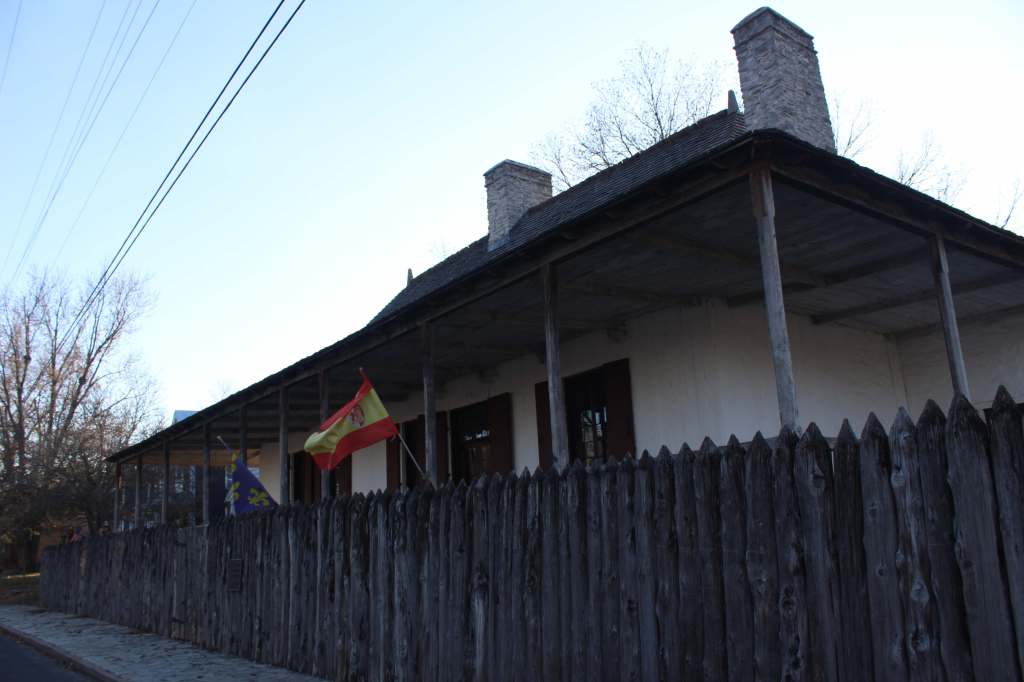
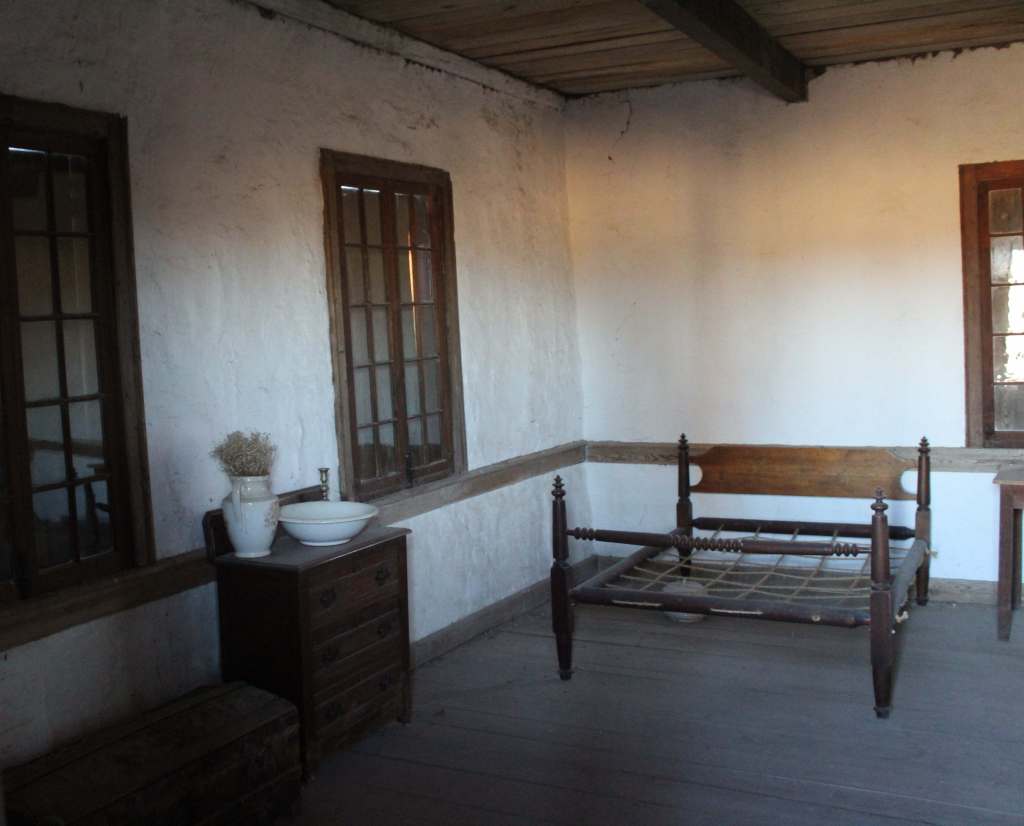
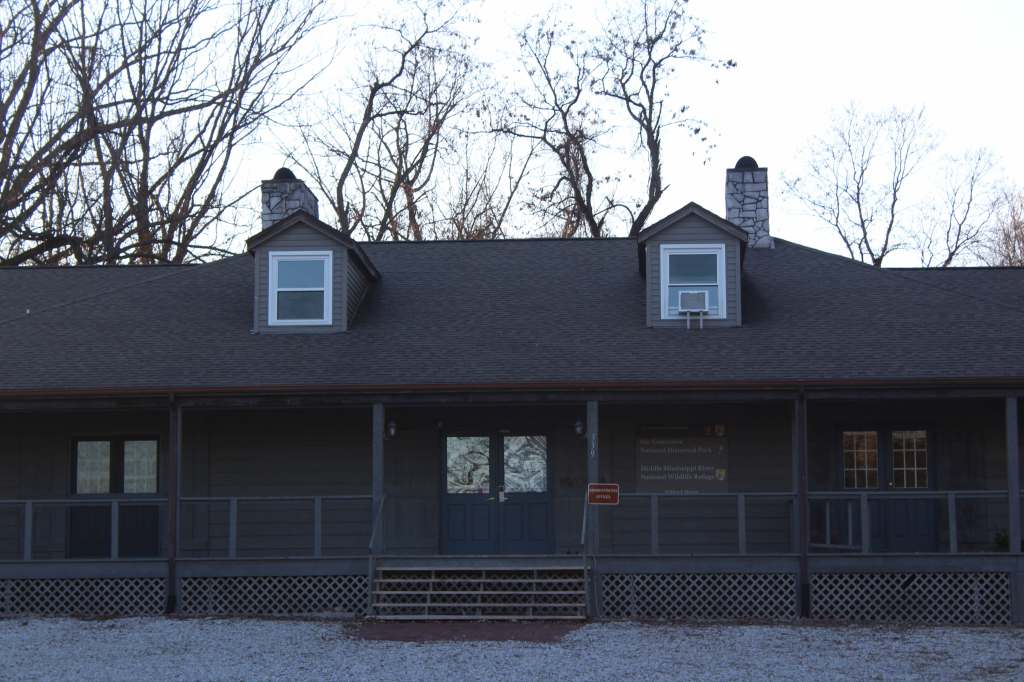
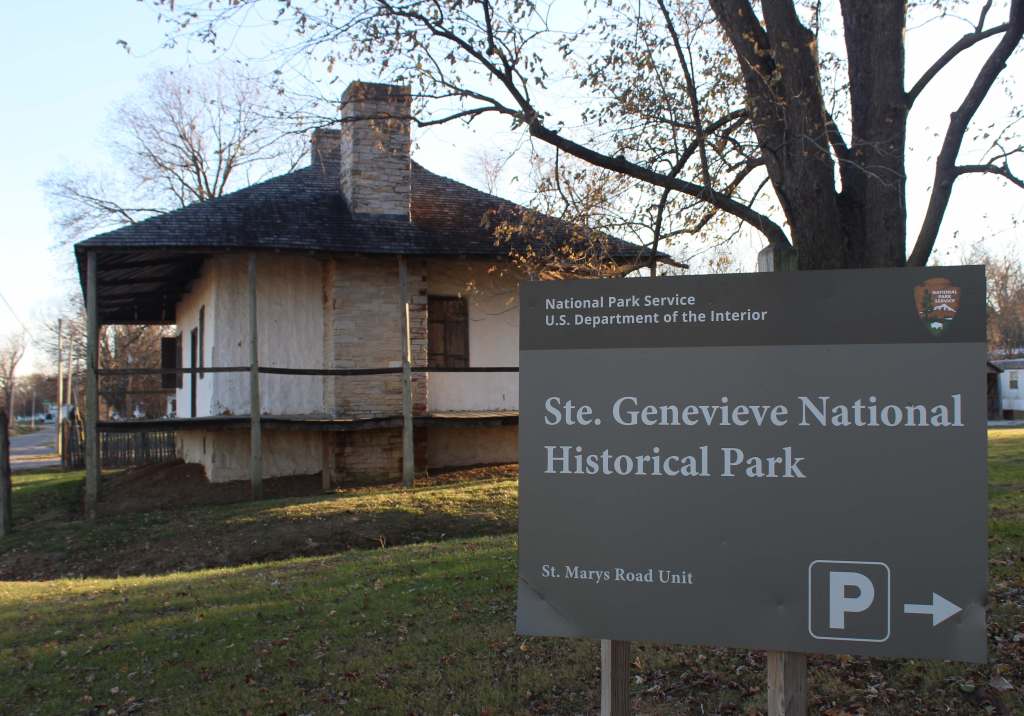
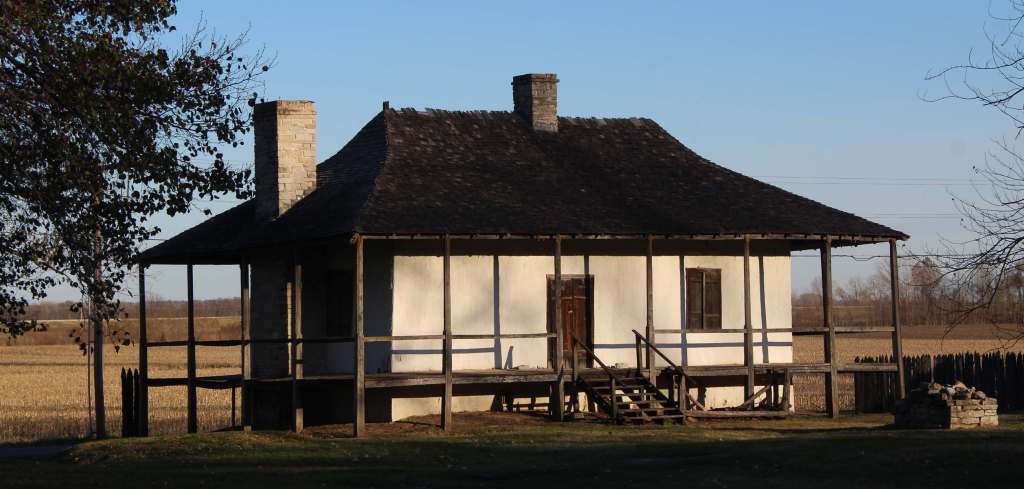
Start at the Ste. Genevieve Welcome Center at 66 South Main Street to watch the film and pick up a Junior Ranger booklet.  Across the street, the Jean Baptiste Vallé House (built in 1794) can be entered for ranger-led programs, while what is believed to be the first rose garden west of the Mississippi River is open dawn to dusk.  The Bauvais-Amoureux House (built in 1792) is one of only five surviving poteaux-en-terre (“post in ground”) style houses in North America.  It is open daily for self-guided visits, as is the Green Tree Tavern. 

Best Trail

The 3.5-mile-long Levee Trail follows the Mississippi River from a gravel parking lot about a mile from the Ste. Genevieve Welcome Center.

Photographic Opportunity

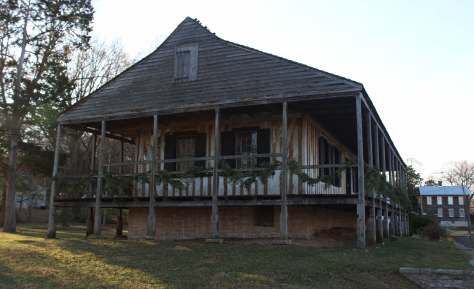
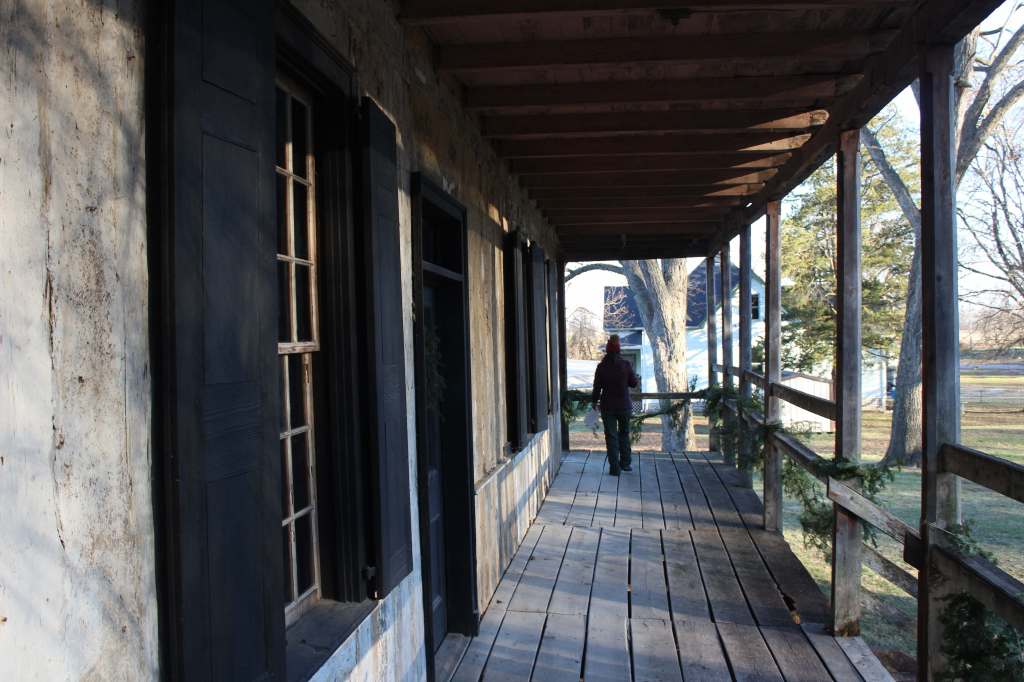
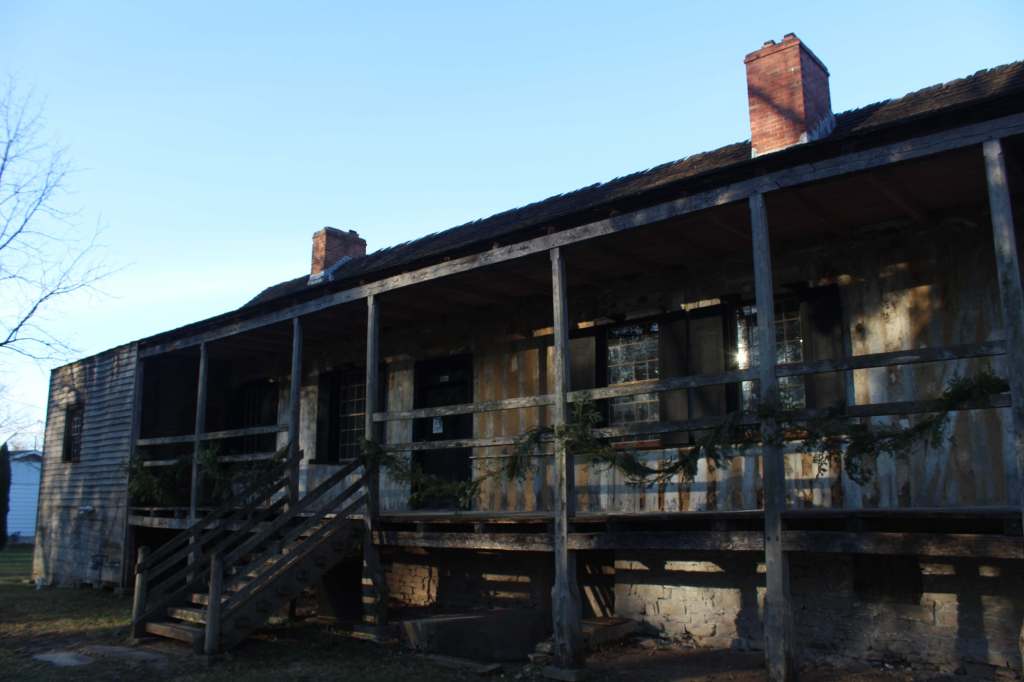
Dating back to 1790, Green Tree Tavern served as a home, inn, tobacco shop, and Masonic Lodge, and it is one of the few buildings where the vertical logs used in construction are clearly visible.

Peak Season

Spring and fall

Hours

https://www.nps.gov/stge/planyourvisit/hours.htm

Fees

None

Road Conditions

From Interstate 55, Missouri Highway 32 heads east for about four miles.  From southern Illinois, the Ste. Genevieve-Modoc Ferry takes cars across the Mississippi River.  While most roads in town are paved, there are narrow gravel drives for parking at Green Tree Tavern and Bauvais-Amoureux House that may not be suitable for RVs.
Camping

Mark Twain National Forest and Ozark National Scenic Riverways both offer numerous campgrounds, and Johnson’s Shut-Ins State Park is renowned for the RV campsites in its campground.

Related Sites

Ulysses S. Grant National Historic Site (Missouri)

George Washington Carver National Monument (Missouri)

Mark Twain National Forest (Missouri)

Ozark National Scenic Riverways (Missouri)

Nearest National Park

Gateway Arch

Explore More – Who was Ste. Genevieve and what famous French city is she the patron saint of?

Port Chicago Naval Magazine National Memorial

Port Chicago Naval Magazine National Memorial

California

Managed by National Park Service

Established 1992

5 acres

Website: nps.gov/poch

Overview

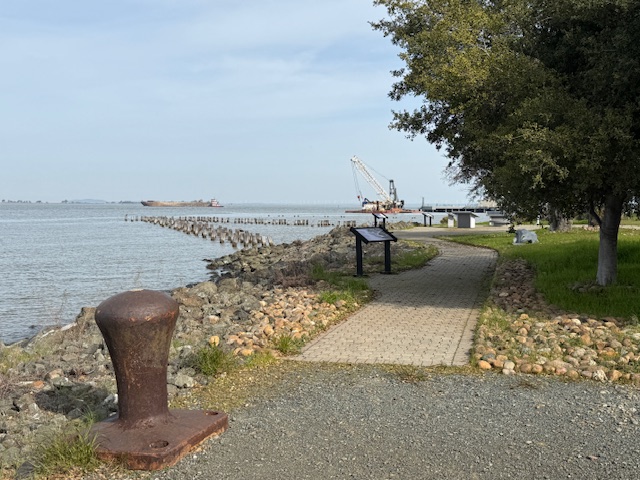
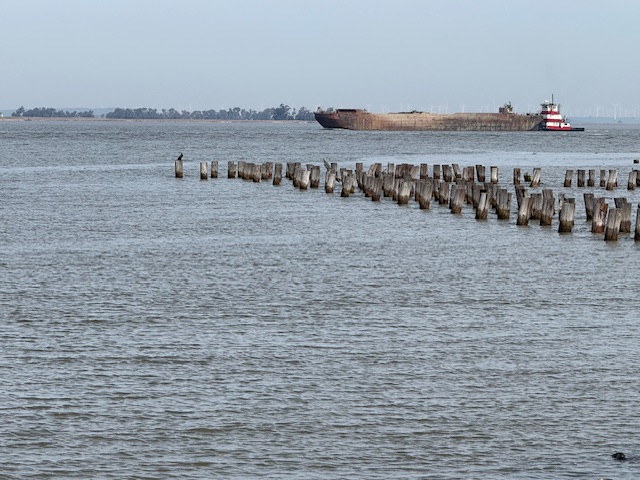
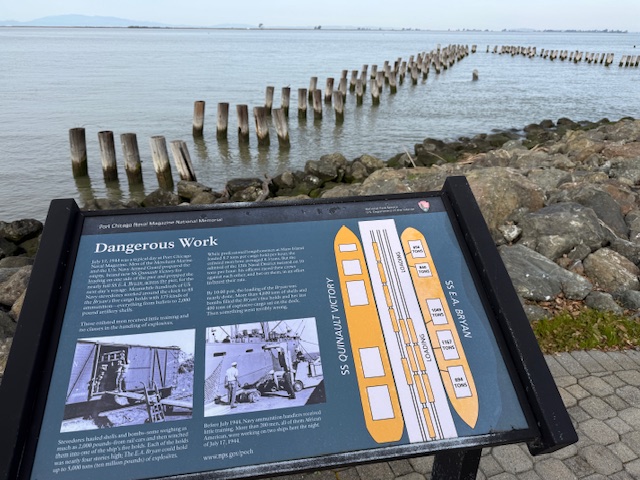
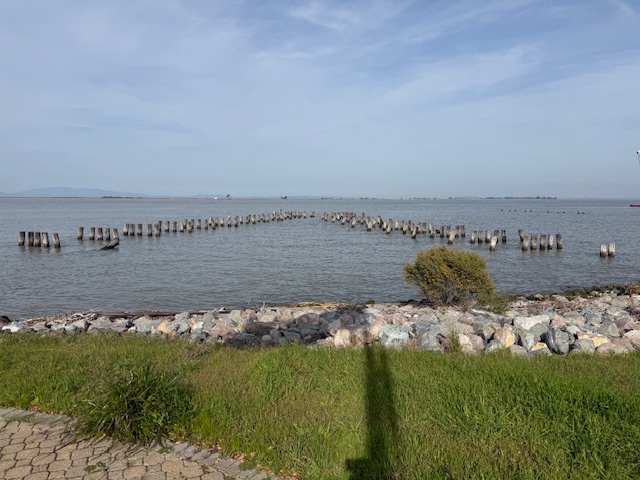
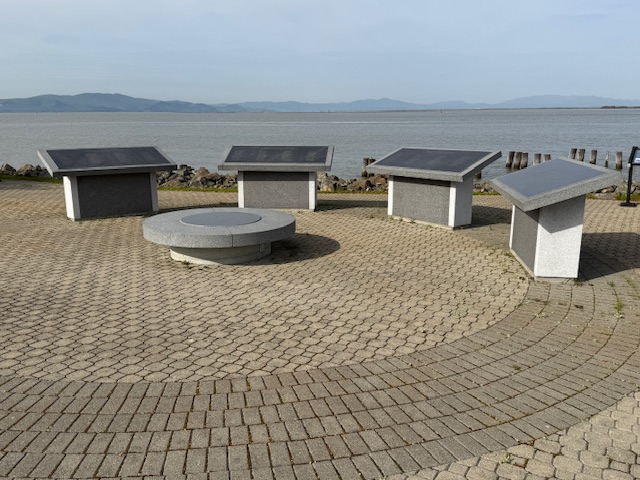
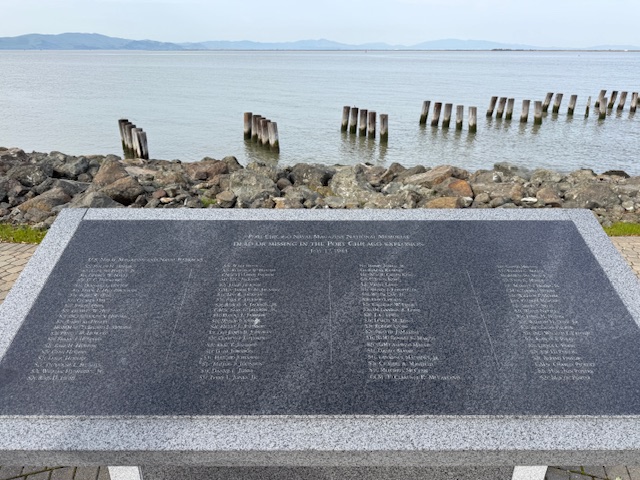
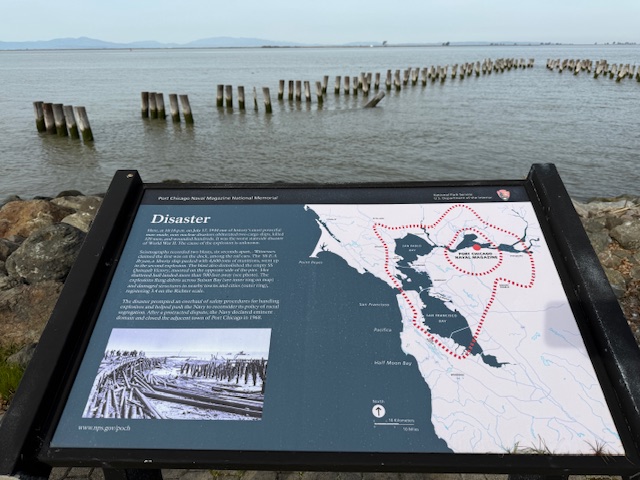
On July 17, 1944 at 10:18 p.m., a massive explosion at a U.S. Navy facility rocked the San Francisco Bay area.  The blast started at a pier where munitions were being loaded onto two ships and killed 320 men.  The majority of the dead were African American sailors who were segregated at the time and not allowed to serve in combat roles or as officers.  After refusing to return to unsafe working conditions, 206 sailors were convicted after a summary courts-martial, and the “Port Chicago 50” were sentenced to 15 years imprisonment for mutiny.  After receiving negative publicity, the Navy actually became the first of the military branches to integrate during World War II, well before President Truman required it in 1948.  On January 6, 1946, the Navy released 47 of the 50 men being held and in 2024, the Navy posthumously exonerated all 256 men and vacated any remaining dishonorable discharges. 

Highlights

Memorial, film, revetment

Must-Do Activity

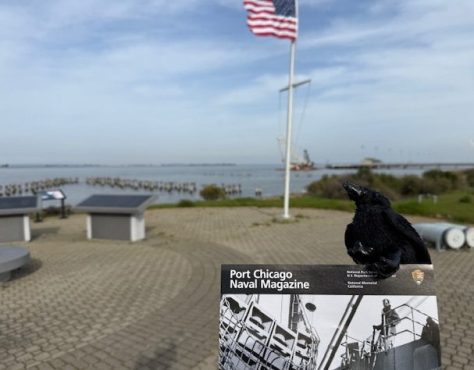
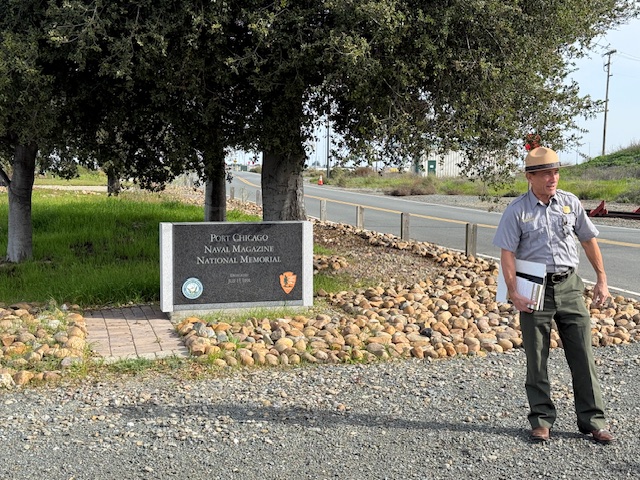
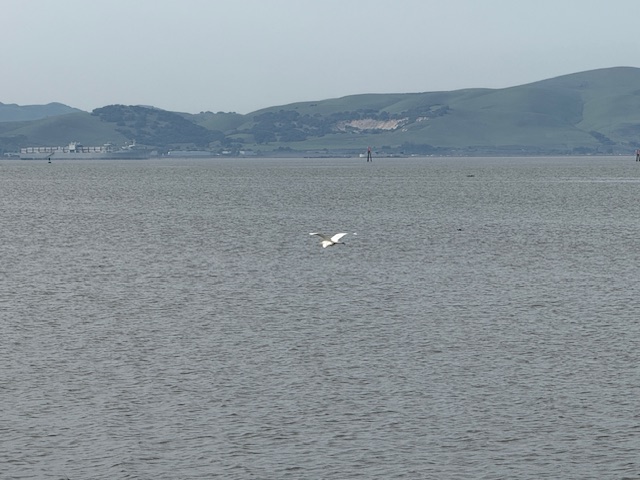
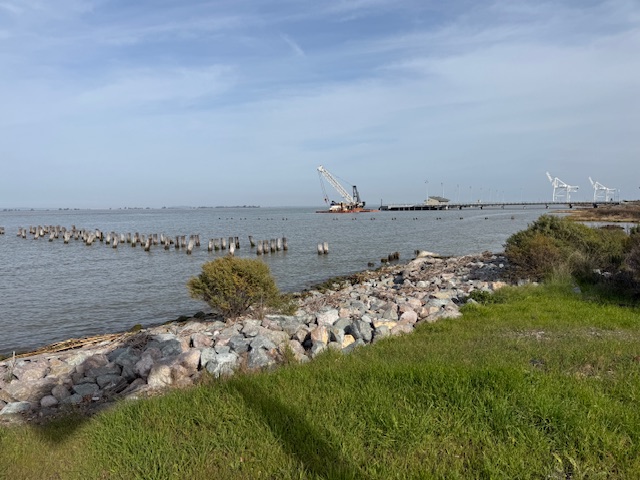
The memorial is located on an active military base called Military Ocean Terminal Concord on Suisun Bay.  Therefore, all visitors are required to be U.S. Citizens and must make a reservation at least two weeks before their visit by calling or emailing the National Park Service (NPS) to receive a background check.  Tours are given only on Thursdays, Fridays, or Saturdays and meet at John Muir National Historic Site (where you can watch a short film) in Martinez where the group boards government vehicles to drive to the site.  After a thorough search of the vehicle and each visitor getting checked off a list, it is a short drive to the memorial where the NPS ranger explains the history of the site at two locations with time to walk around and take photos (but only of the memorial area).

Best Trail

None

Photographic Opportunity

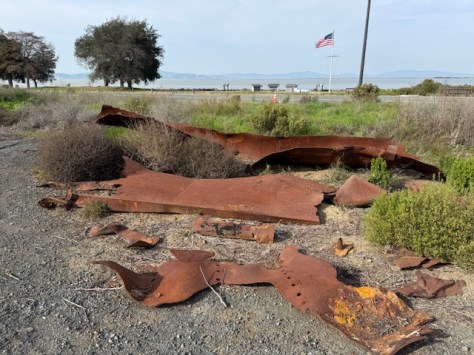
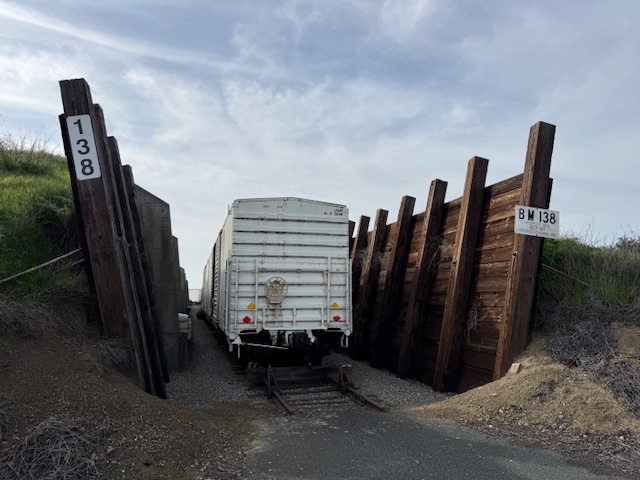
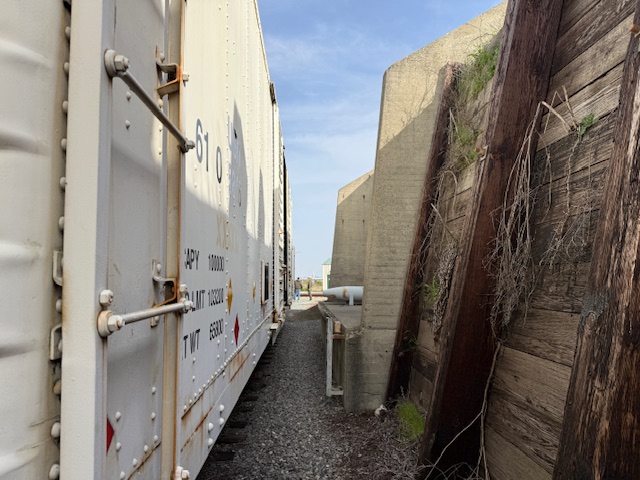
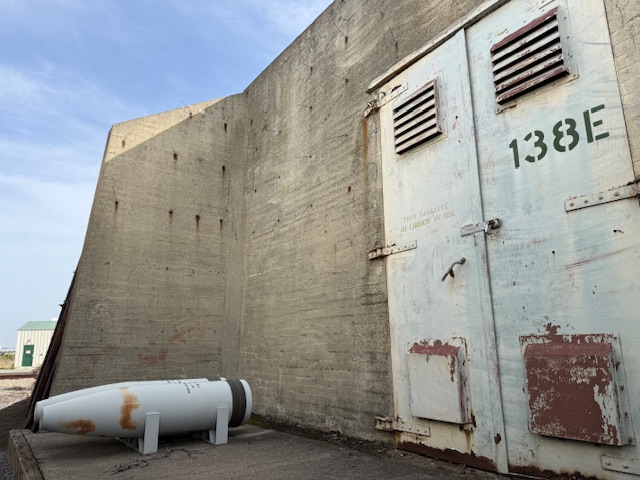
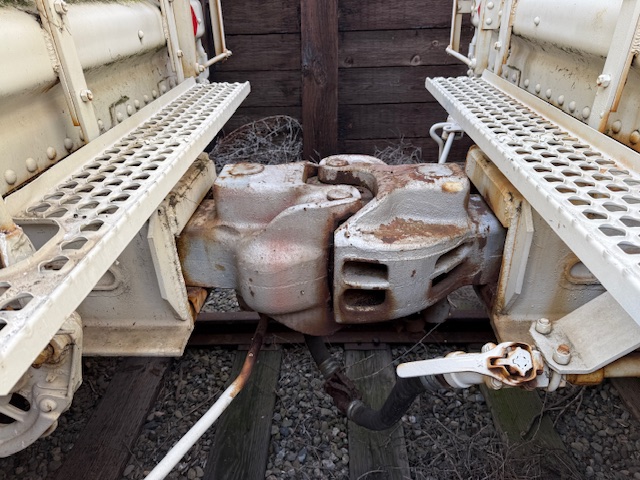
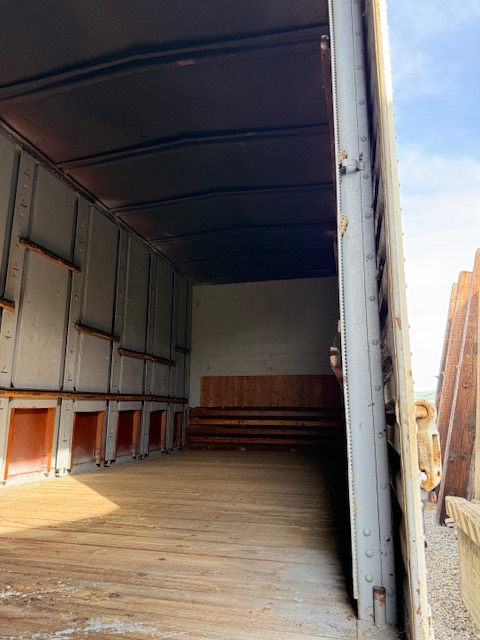
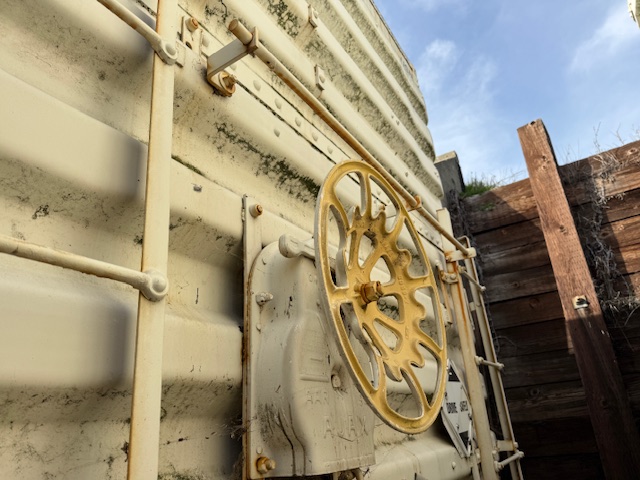
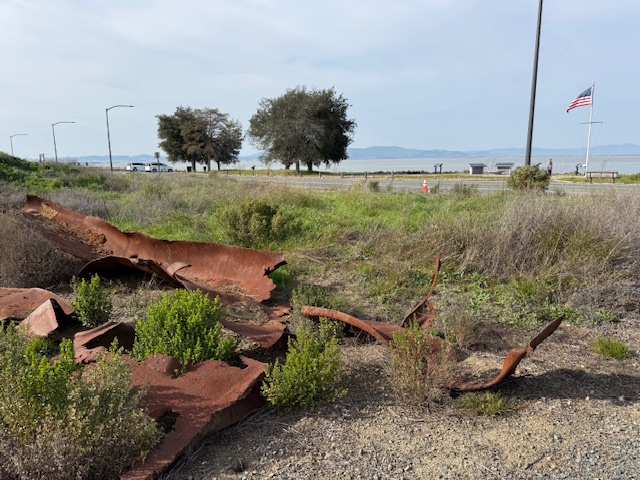
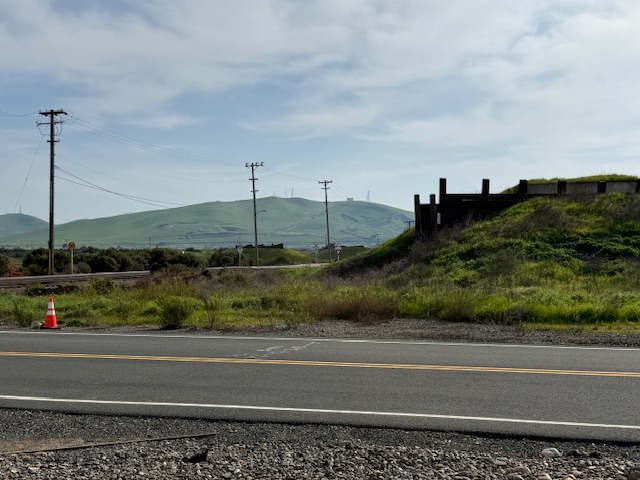
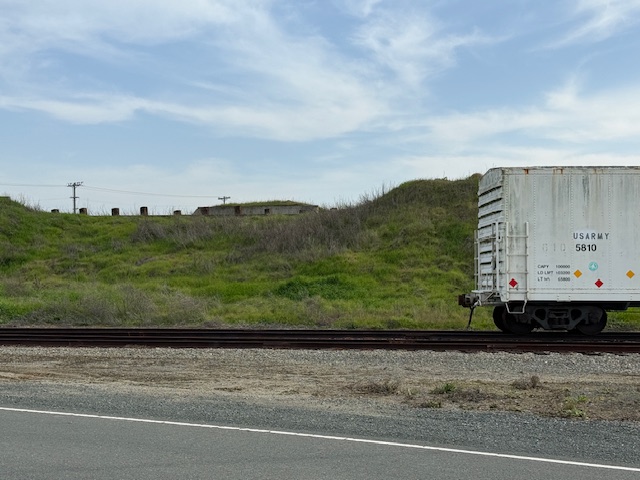
Shrapnel from the 1944 blast is located at the first stop on the guided tour where historic train cars are parked in a revetment. 

Peak Season

Summer

Hours

Tours are available only on Thursdays, Fridays, or Saturdays when the base is not closed to civilians.

https://www.nps.gov/poch/planyourvisit/hours.htm

Fees

None

Road Conditions

All roads are paved to John Muir National Historic Site where there is a free parking lot.

Camping

There are campgrounds at Mount Diablo State Park and backcountry campsites (permit required) at Point Reyes National Seashore.

Related Sites

Rosie the Riveter/World War II Home Front National Historical Park (California)

Muir Woods National Monument (California)

Tuskegee Airmen National Historic Site (Alabama)

Nearest National Park

Pinnacles

Explore More – What future Supreme Court Justice observed the courts-martial and has a regional park named in his honor near Port Chicago Naval Magazine National Memorial?

Blackwell School National Historic Site

Blackwell School National Historic Site

Texas

Managed by National Park Service

Established 2022

0.5 acre

Website: nps.gov/blsc

Overview

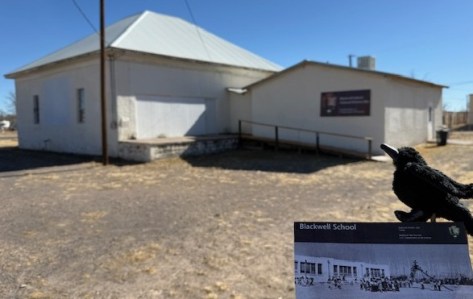
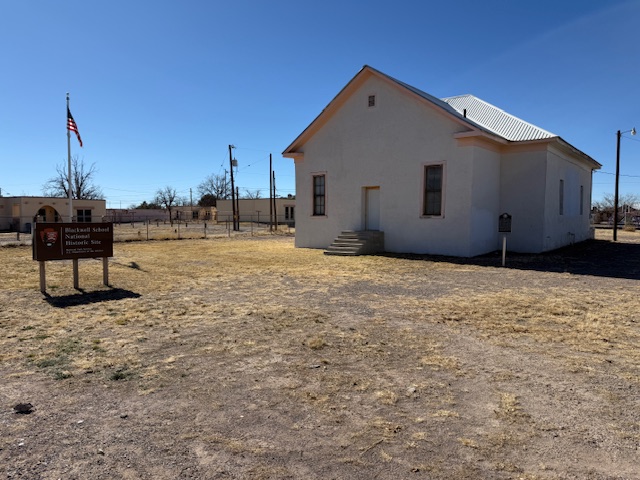
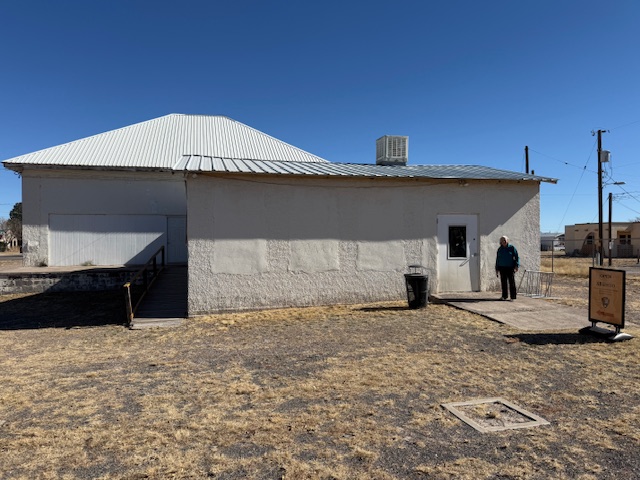
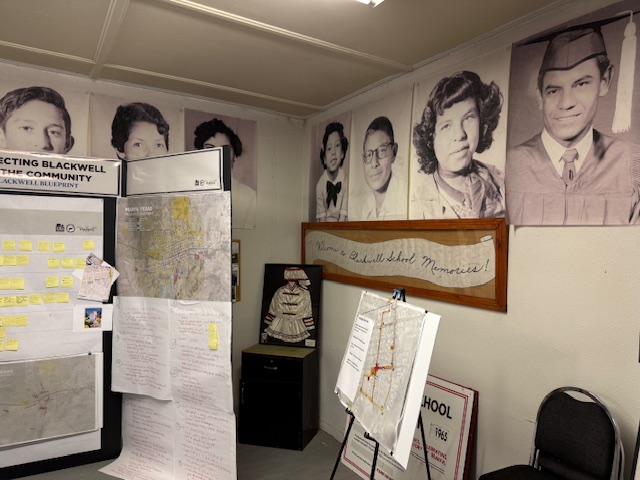
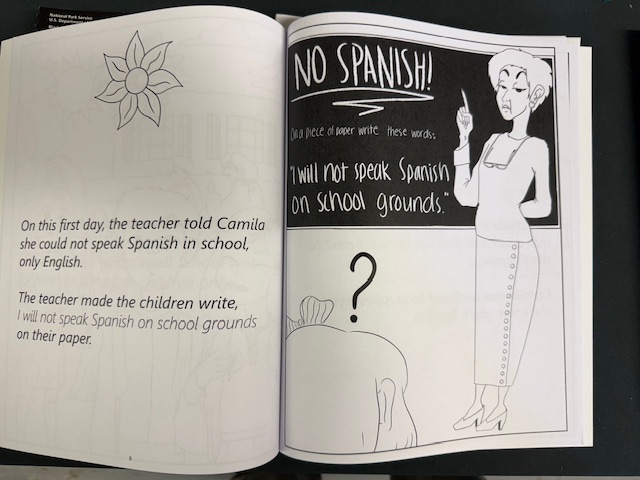
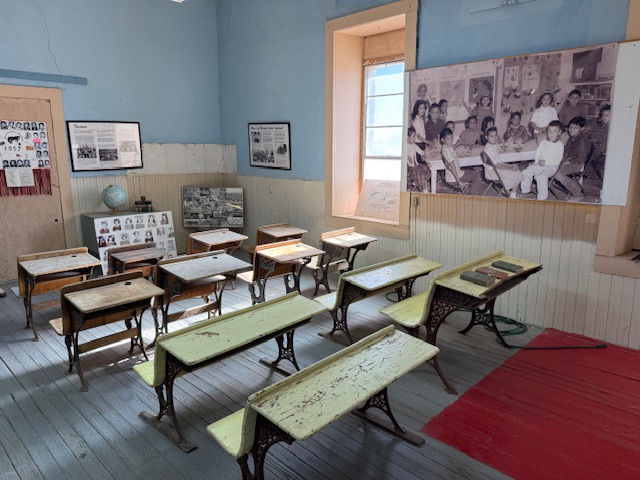
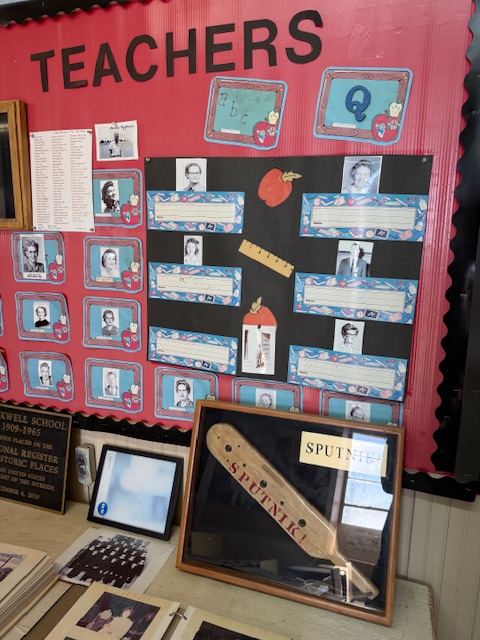
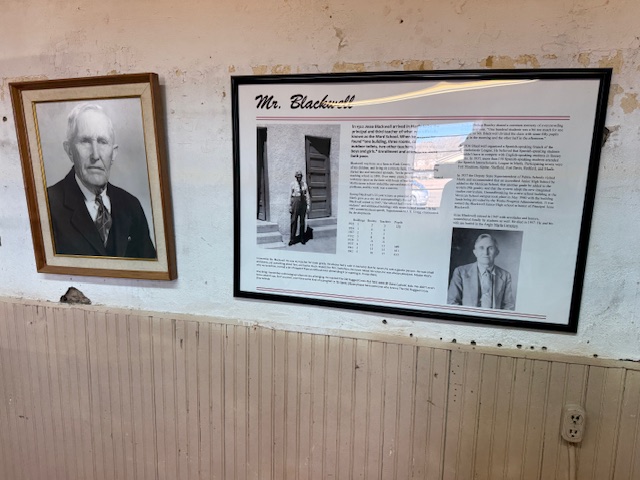
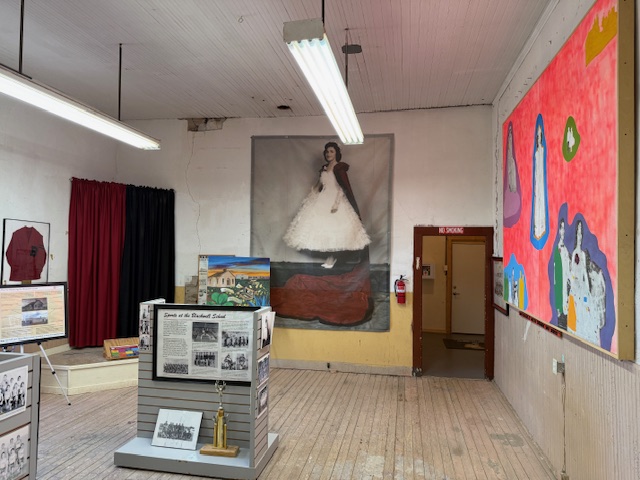
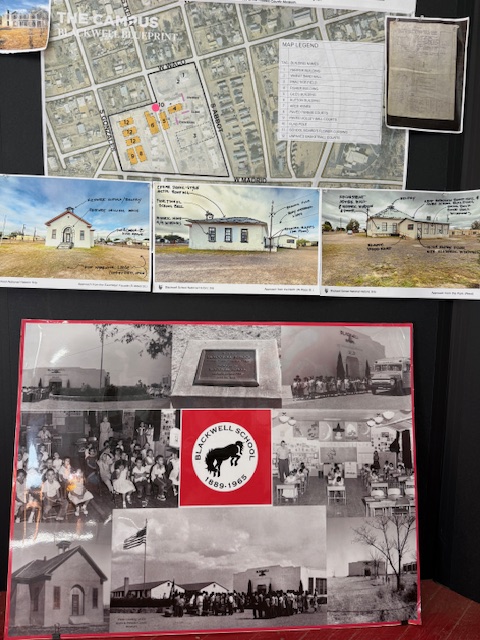
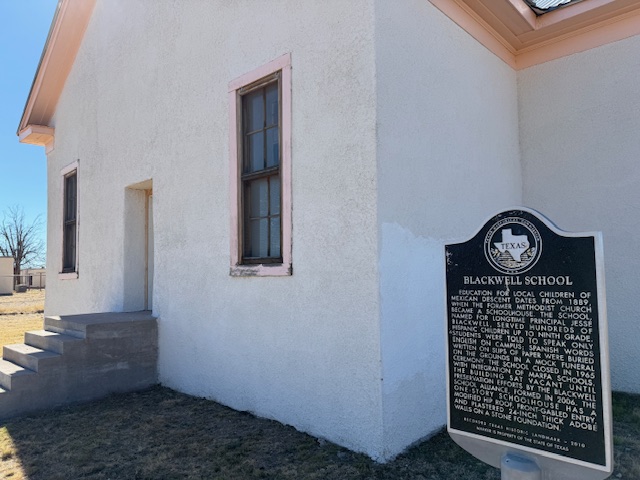
A three-room schoolhouse built for Marfa’s Hispanic children in 1909 is all that remains of a once larger campus (the Band Hall from 1927 is still attached).  Blackwell School was named for a prominent early principal, and it closed in 1965 following legally mandated integration more than a decade after the Brown v. Board of Education decision.  At its peak, the school had more than 600 students, with Hispanic students segregated, except on sports teams.  After 1954, students were no longer allowed to speak Spanish on campus with a mock funeral held for the language and corporal punishment inflicted upon violators.  Not all former students wanted to preserve this site where “separate but equal” education was practiced, but enough felt it was important to recall this history.  The main building was saved from demolition by the nonprofit Blackwell School Alliance who helped the National Park Service (NPS) acquire the property from the Marfa Independent School District in 2024.  The NPS has plans to reconstruct a belltower atop the adobe building. 

Highlights

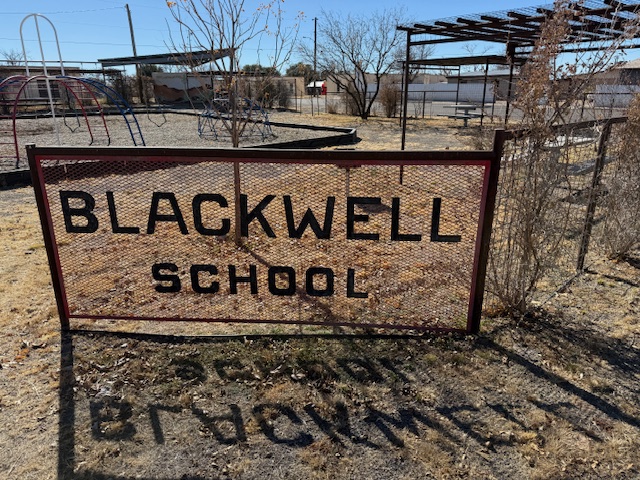
School building, playground

Must-Do Activity

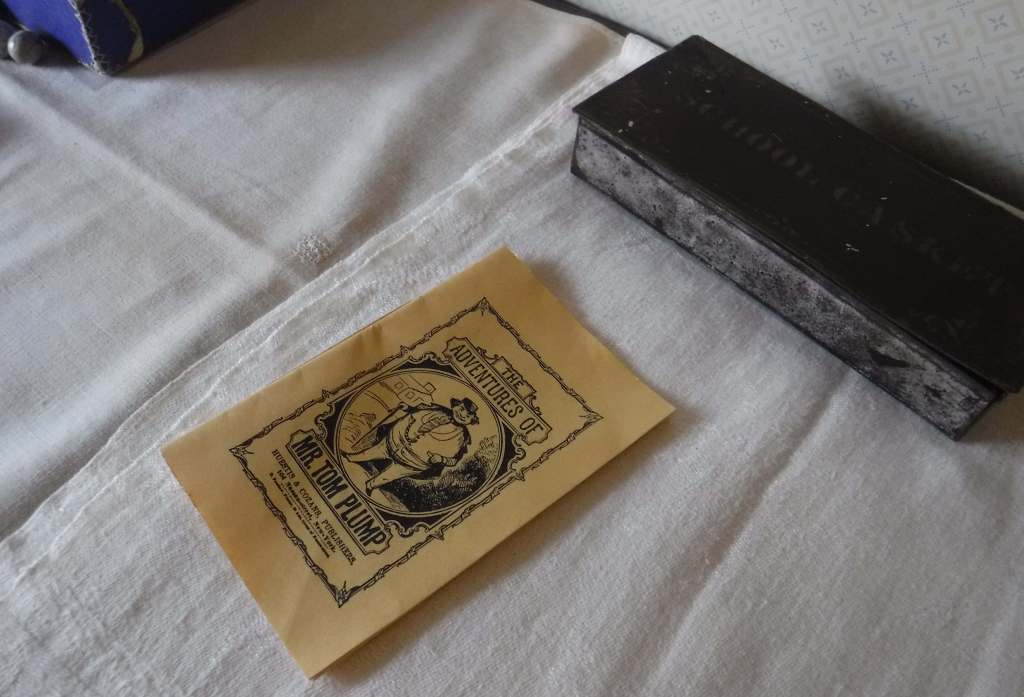
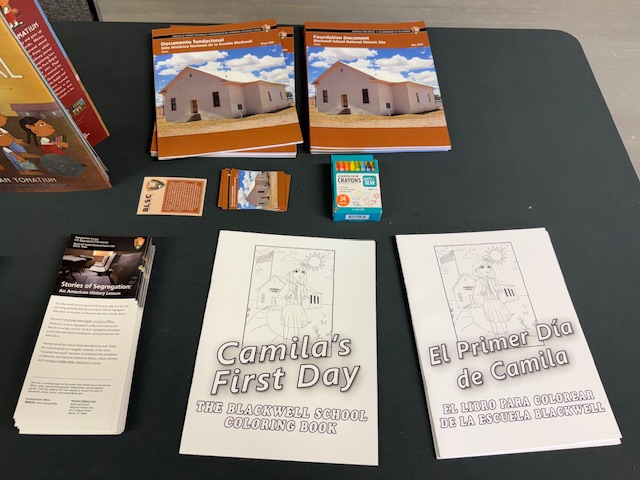
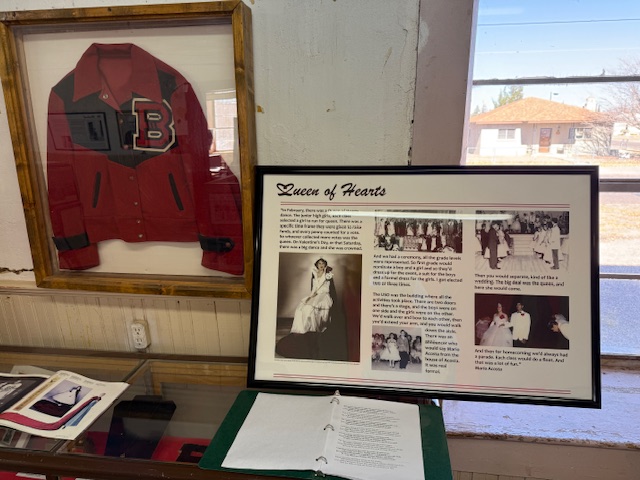
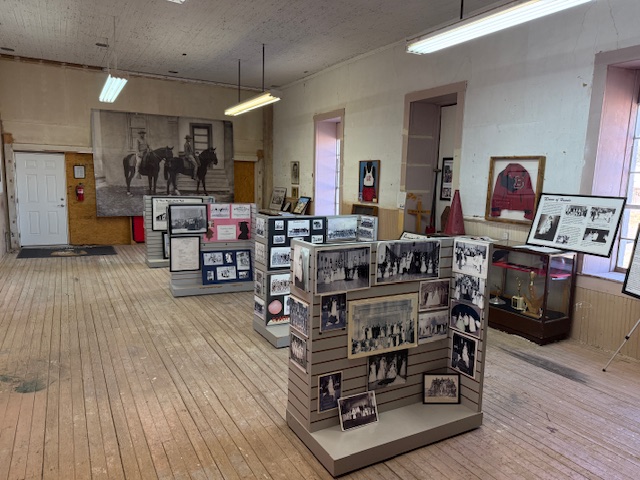
You definitely want to arrive when an NPS employee is on site to allow you inside the building and to explain its history.  There are artifacts and informational panels on display inside.  There is even a coloring book available in both English and Spanish that explains the story of Blackwell School to children. 

Best Trail

None

Photographic Opportunity

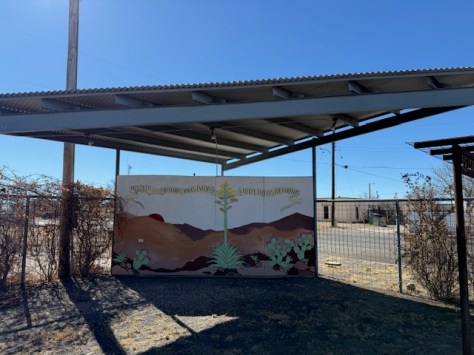
In the lot next to the school building is a playground, and there are plans to install outdoor interpretive signs and photos under the awning to provide information to visitors when the site is closed on weekdays.

Peak Season

Winter

Hours

Currently 12-4 on Saturdays and Sundays only

https://www.nps.gov/blsc/planyourvisit/basicinfo.htm

Fees

None

Road Conditions

Paved street parking is available at the site in Marfa.

Camping

There is an RV park in Marfa, or you can boondock at the Marfa Lights viewing area that has bathrooms.  Big Bend National Park takes reservations for its campsites (with no hookups).

Related Sites

Brown v. Board of Education National Historical Park (Kansas)

César E. Chávez National Monument (California)

Fort Davis National Historic Site (Texas)

Guadalupe Mountains National Park (Texas)

Nearest National Park

Big Bend

Explore More – When was the first ever school opened in Marfa?

Vanderbilt Mansion National Historic Site

Vanderbilt Mansion National Historic Site

New York

Managed by National Park Service

Established 1940

211 acres

Website: nps.gov/vama

Overview

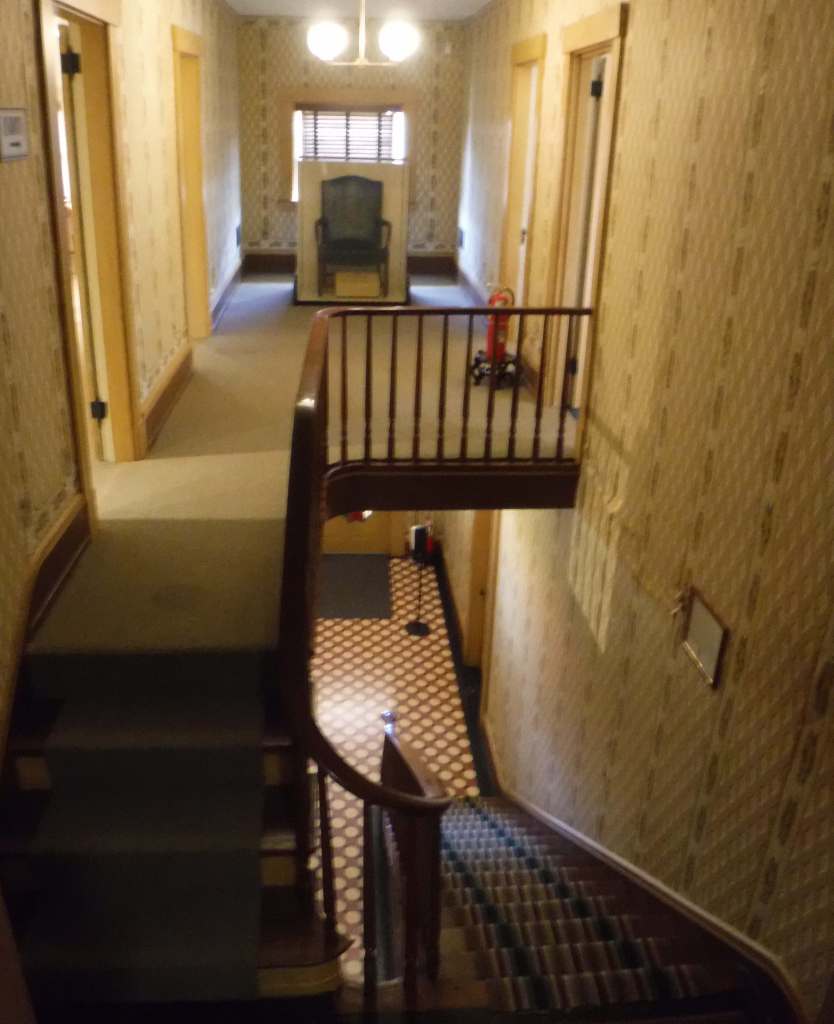
The Gilded Age is the term referring to the period from the Civil War to the end of the century, a time of growth in industry and immigration.  Gilding is the process of putting a thin layer of gold on an object to improve its appearance and was used as a slight to the nouveau riche families that built lavish mansions and threw extravagant parties.  Shipping and railroad tycoon Cornelius Vanderbilt’s grandson Frederick purchased this 600-acre Hyde Park estate in 1895.  He and his wife Louise had the mansion there torn down and it took nearly four years to complete their 54-room mansion ornamented in beaux arts style.  It was the first in the area to have electricity, which was supplied by its own hydroelectric plant.  It was inhabited by the family only in the spring and fall with as many as 60 staff needed to run the place.  When Louise’s niece could not sell the property during the Great Depression, her neighbor President Franklin D. Roosevelt suggested she donate it to the National Park Service. 

Highlights

Mansion, Pavilion, Formal Gardens, Hyde Park Trail

Must-Do Activity

The only way inside the mansion is on a one-hour guided tour that does not take reservations.  They can be purchased at the visitor center inside The Pavilion, a guest house built in 66 days in 1895.  The grounds are free to explore, where you can walk on the carriage roads, picnic at the overlook, and peruse the Italian gardens.  The mansion was designed by the leading architectural firm McKim, Mead & White, known for their emphasis on high classicism.  It features a large living room, grand staircase, and semicircular portico overlooking the Hudson River and Catskill Mountains.  The house cost $660,000 at the time, while the interior furnishings pushed the total cost to $2.3-million (equivalent to about $90-million today) since many of the decorations were purchased in Europe.

Best Trail

Vanderbilt Service Road Trail loops through this 211-acre site and Bard Rock Road Trail splits off to a point on the Hudson River.  Hyde Park Trail follows the river south to connect with the Home of Franklin D. Roosevelt National Historic Site and Eleanor Roosevelt National Historic Site

Photographic Opportunity

The landscape design (and a ginkgo tree) on the property dates back to the 1700s, while its current look was restored to its 1930s appearance.

Peak Season

Summer

Hours

https://nps.gov/vama/planyourvisit/hours.htm

Fees

$15 per person for the mansion tour or use the annual America the Beautiful pass

Road Conditions

Parking and access roads are paved from the Albany Post Road (Highway 9). 

Camping

Mills-Norrie State Park is located 3.5 miles north on Highway 9 and has a campground offering running water and hot showers. 

Related Sites

Home of Franklin D. Roosevelt National Historic Site (New York)

Eleanor Roosevelt National Historic Site (New York)

Martin Van Buren National Historic Site (New York)

Nearest National Park

Shenandoah

Explore More – Who were the authors who coined the term “Gilded Age” in their 1873 book?

John Fitzgerald Kennedy National Historic Site

John Fitzgerald Kennedy National Historic Site

Massachusetts

Managed by National Park Service

Established 1967

0.09 acre

Website: nps.gov/jofi

Overview

The Coolidge Corner neighborhood of Brookline (a suburb of Boston) contains the birthplace of John F. Kennedy (JFK), the 35th U.S. President and one of four born in Norfolk County.  The house was purchased by Joseph Patrick Kennedy, Sr. in 1914 before his marriage to Rose Elizabeth Fitzgerald.  Rose gave birth to John and his two sisters in the house’s upstairs bedroom before the expanding Irish Catholic family moved a few blocks away in 1920.  Following JFK’s assassination, the family repurchased the home and Rose restored it to its 1917 appearance then donated it to the National Park Service (NPS).

Highlights

Tour, film

Must-Do Activity

The entrance to the NPS site is through the back door into the basement where a film is shown.  On a free, 30-minute guided house tour, rangers show the room where JFK was born and the nursery containing a bassinet that held each of the nine Kennedy children.  About 19% of the furnishings in the home belonged to the family.  Self-guided tours inside the house are allowed during the lunch hour and the closing hour of the day with free audio wands available in a variety of languages.  The third story where the servants lived is off limits to visitors.  The John F. Kennedy Presidential Library and Museum is located about nine miles away.

Best Trail

You can walk around the neighborhood on your own or reserve a spot on a free 90-minute ranger-guided tour of Boston’s North End (beginning at 2:15 Thursday through Sunday), which includes a stop outside Rose Kennedy’s birthplace home.

Photographic Opportunity

You can drive by the Florida Ruffin Ridley School (formerly known as the Coolidge Corner School and the Edward M. Devotion School) that JFK attended.

Peak Season

Summer

Hours

https://www.nps.gov/jofi/planyourvisit/hours.htm

Fees

None

Road Conditions

The house is located at 83 Beals Street and there is free, two-hour parking available on the street in front of neighbors’ houses.  You can also take the train to Coolidge Corner and walk four blocks north up Harvard Street.

Camping

There is camping in Boston Harbor Islands National Recreation Area and outside the city at the famous Walden Pond.

Related Sites

Adams National Historical Park (Massachusetts)

Frederick Law Olmsted National Historic Site (Massachusetts)

Boston National Historical Park (Massachusetts)

Nearest National Park

Acadia

Explore More – Why did gangster Whitey Bulger toss a Molotov cocktail into the house on September 8, 1975?