Tag Archives: National Recreation Area

Spruce Knob-Seneca Rocks National Recreation Area

Spruce Knob-Seneca Rocks National Recreation Area

West Virginia

Managed by U.S. Forest Service, Northern Region

99,794 acres (57,232 federal/ 42,562 other)

Website: https://www.fs.usda.gov/r09/monongahela/recreation/spruce-knob-seneca-rocks-national-recreation-area

Overview

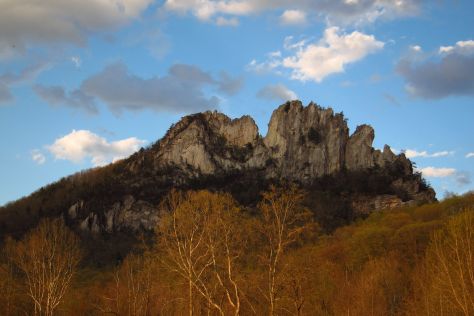
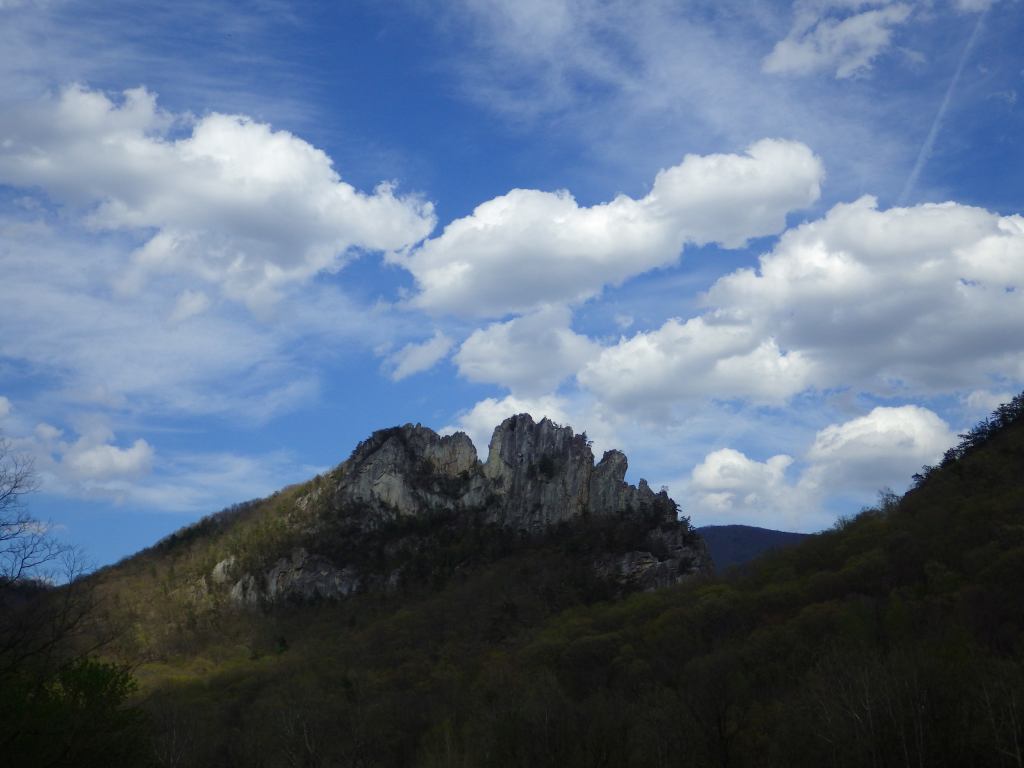
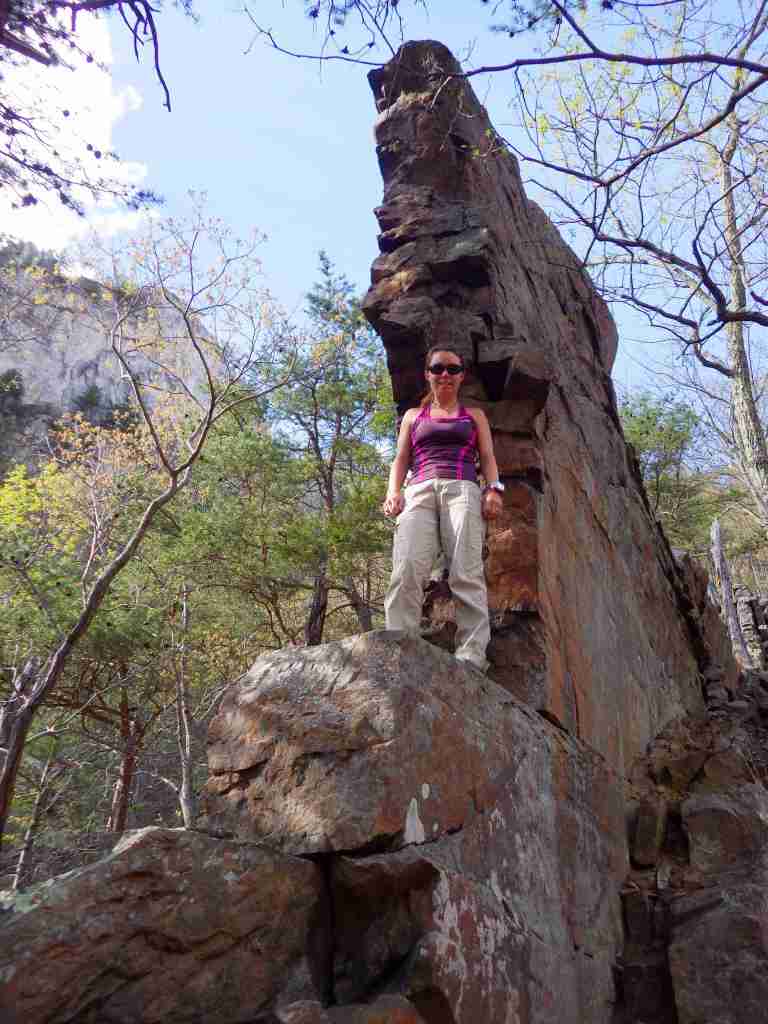
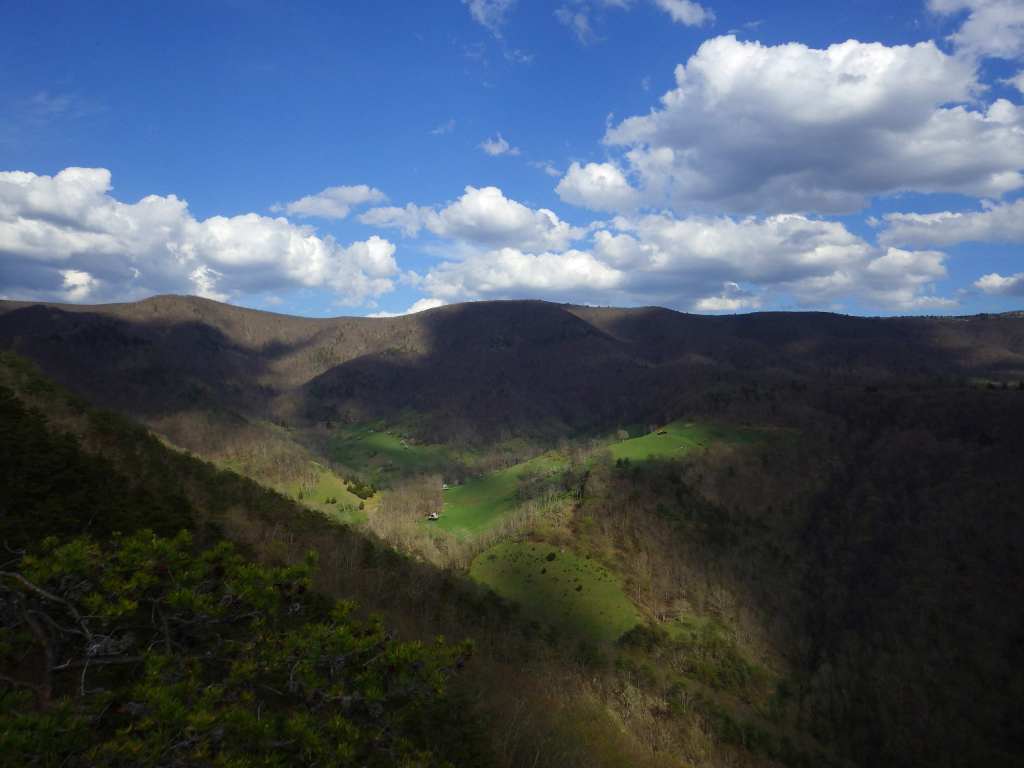
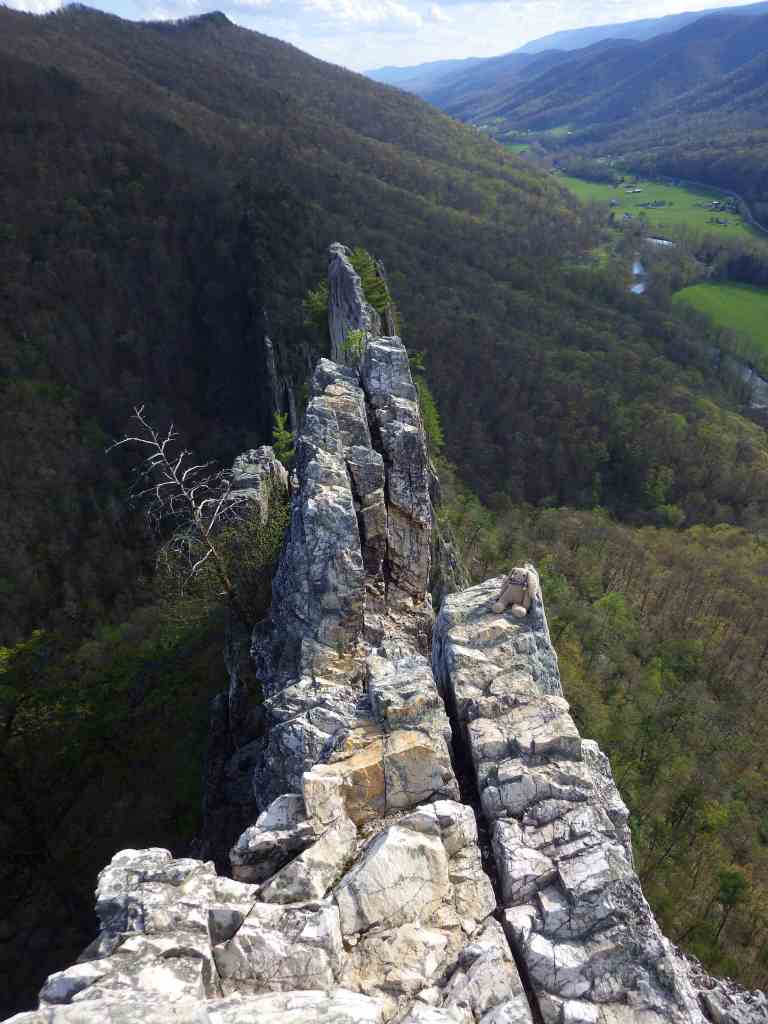
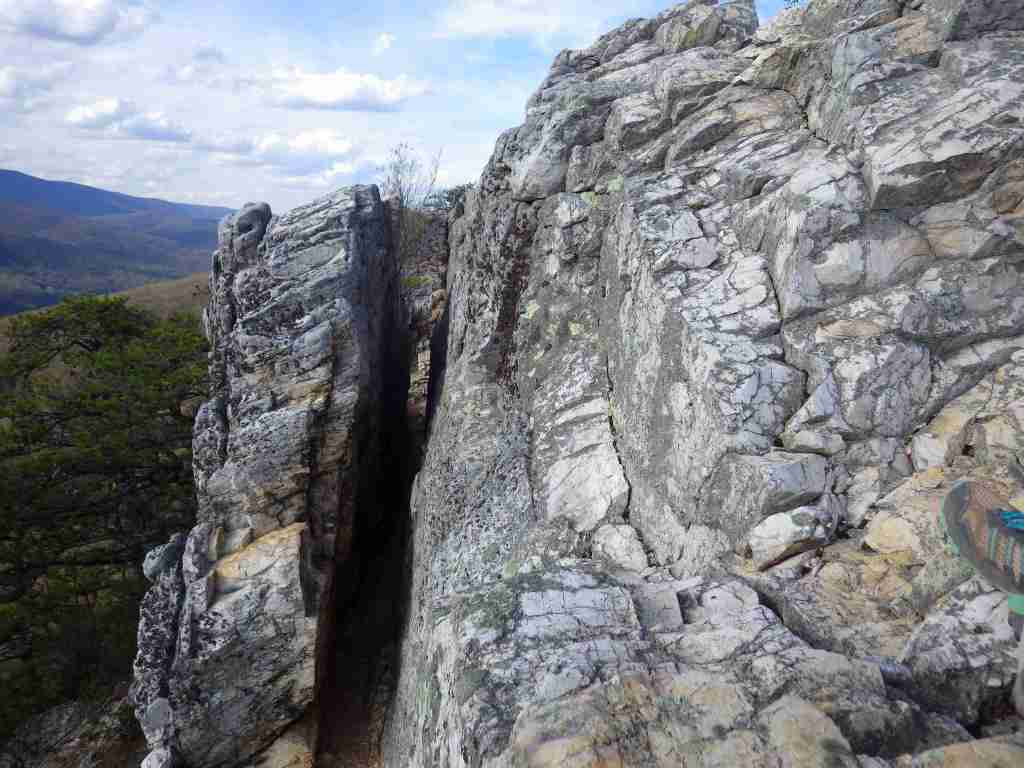
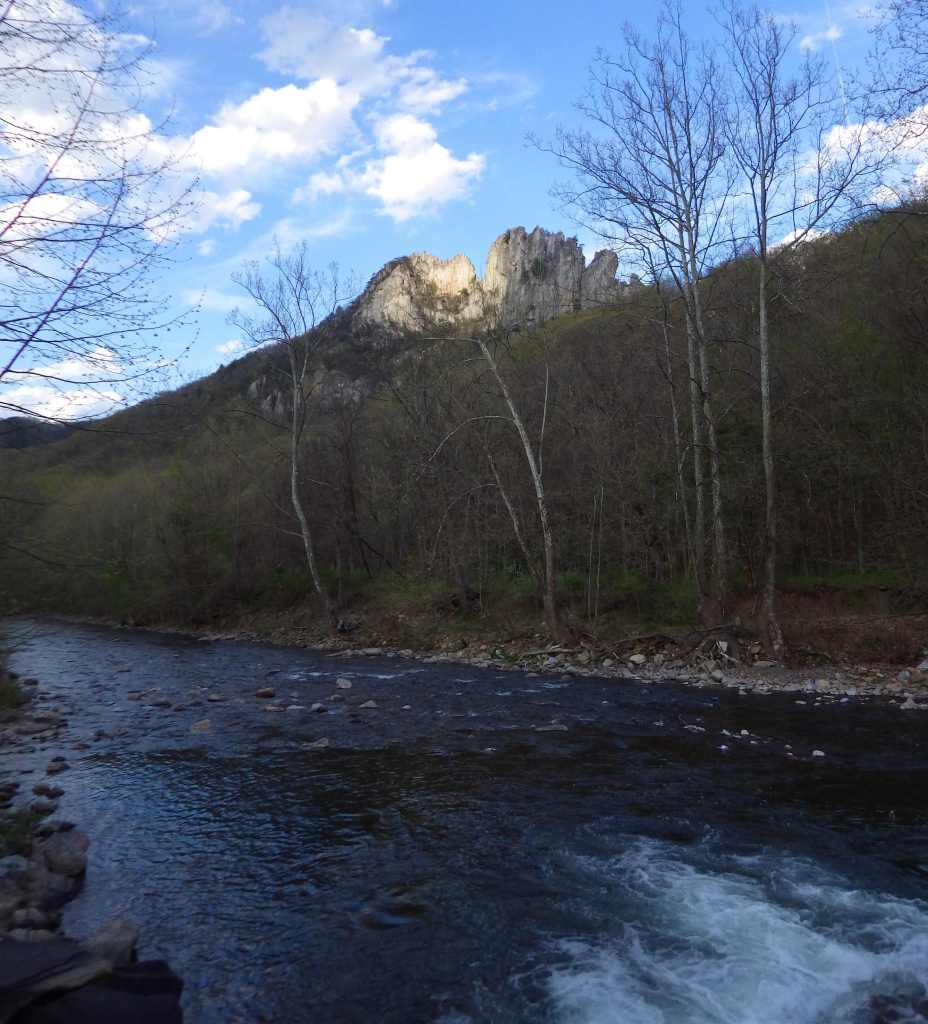
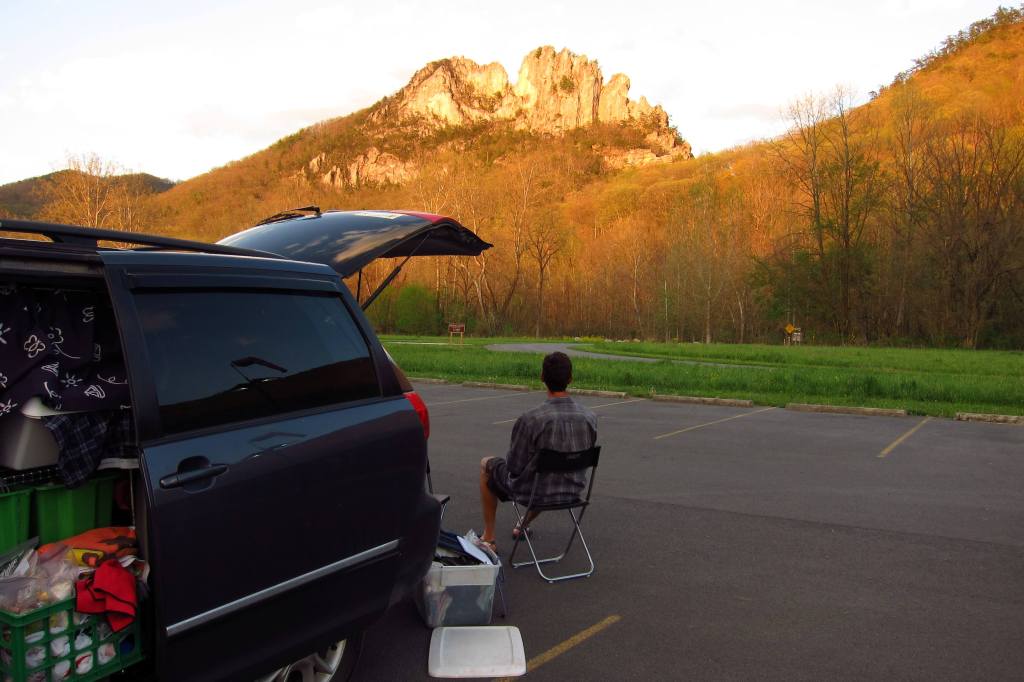
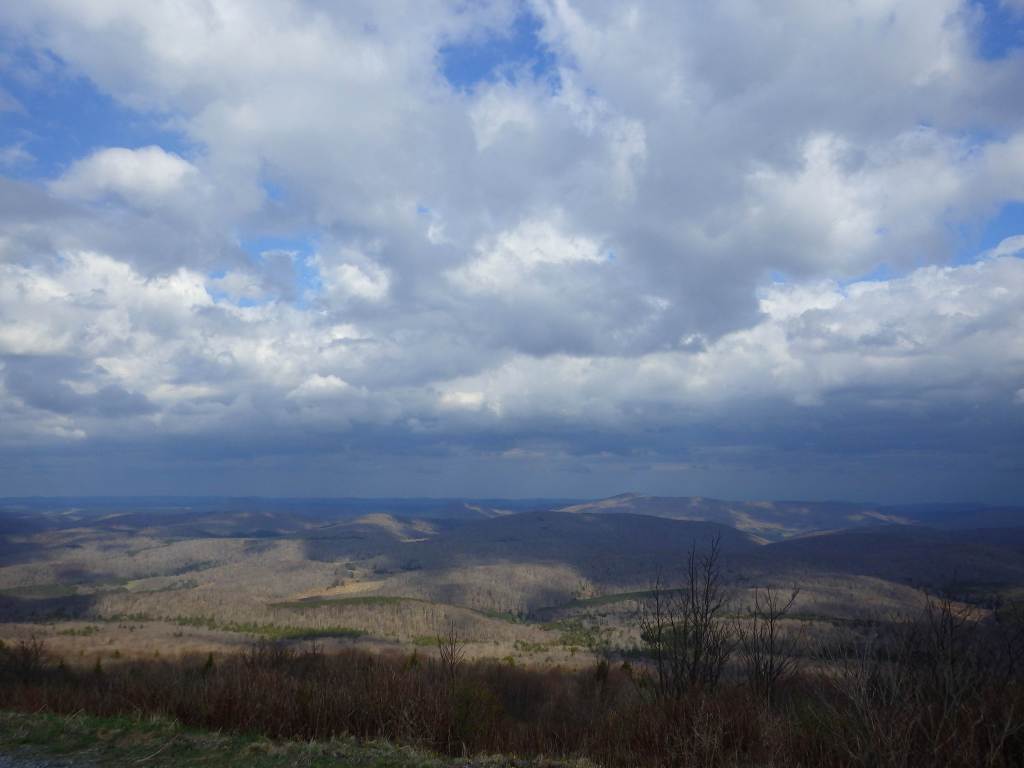
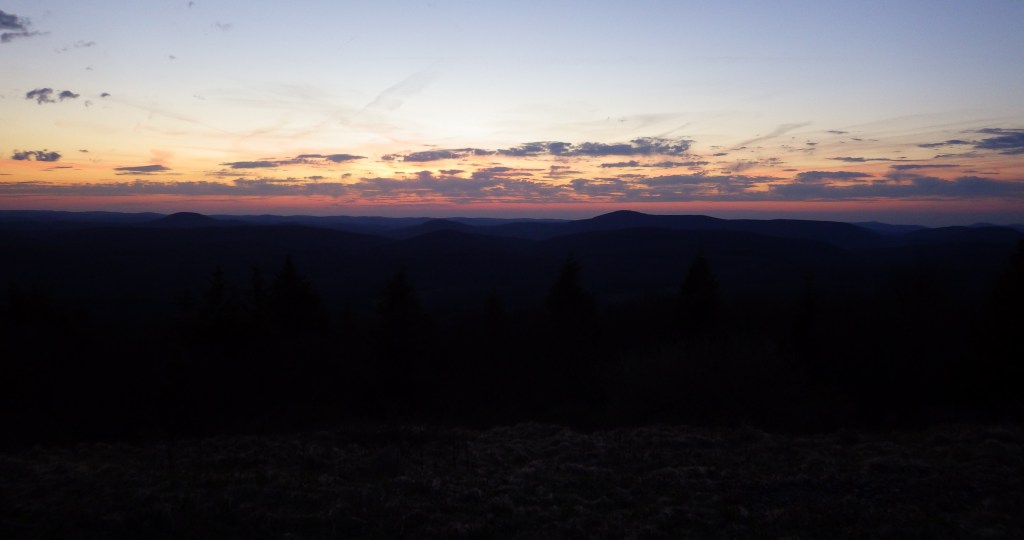
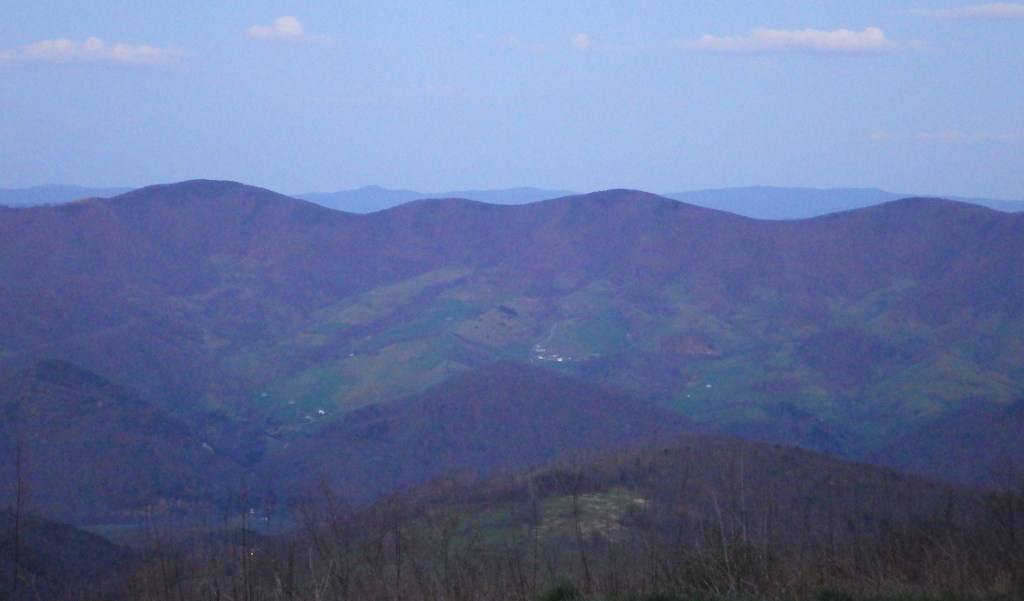
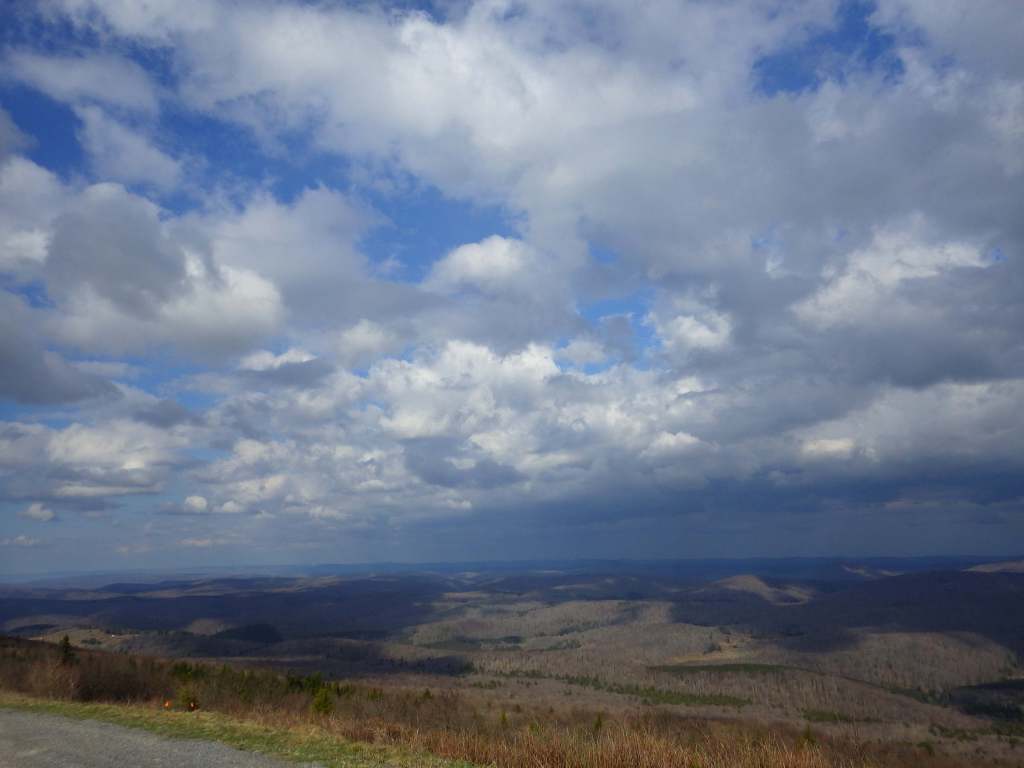
In 1965, this portion of Monongahela National Forest became the first National Recreation Area managed by the U.S. Forest Service.  It includes 4,863-foot-tall Spruce Knob, the highest point in West Virginia and the Alleghany Mountains.  Seneca Rocks is a 900-foot-tall quartzite crag heavily used by rock climbers, including by the military during World War II.  Also part of this area, Smoke Hole Canyon is a rugged 20-mile gorge on the South Branch of the Potomac River.  It is best seen by kayaking and whitewater canoeing since there are few trails.  Formerly, the canyon had remote family homesteads and moonshine stills, and now it is considered one of the most biologically diverse spots in the eastern U.S. 

Highlights

Seneca Rocks Discovery Center, Smoke Hole Canyon, Spruce Knob Tower

Must-Do Activity

When the road is not closed due to snow, it is easy to drive to the top of Spruce Knob where an observation tower was built for seeing over the trees at the flat summit.  The half-mile Whispering Spruce Trail has interpretive signs at the top, and an extensive network of backcountry trails leave from the parking lot to access Seneca Creek and Alleghany Mountain.  To the west, 25-acre Spruce Knob Lake has campgrounds and picnic tables, as well as boating and fishing opportunities (but no swimming is allowed).  Rock climbing is one of the biggest draws to this area, especially at Seneca Rocks and in Smoke Hole Canyon (at Eagle Rocks, the Route 220 entrance, and the walls of Long Branch).

Best Trail

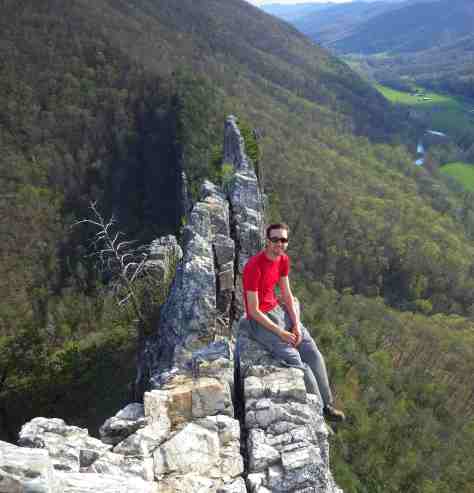
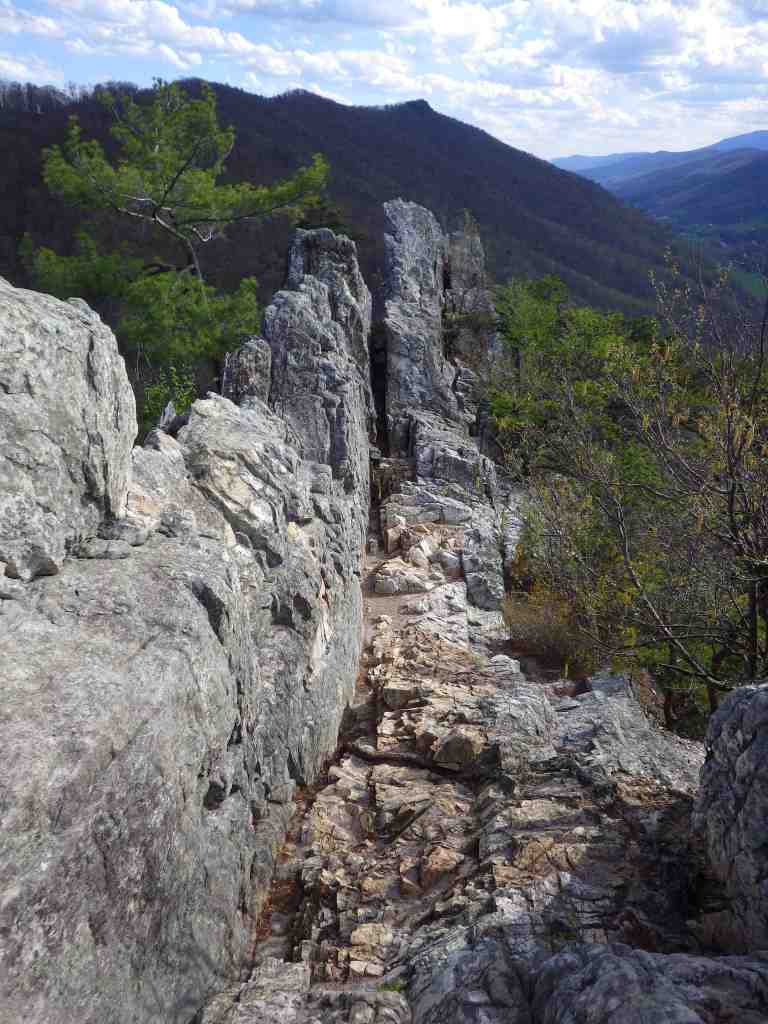
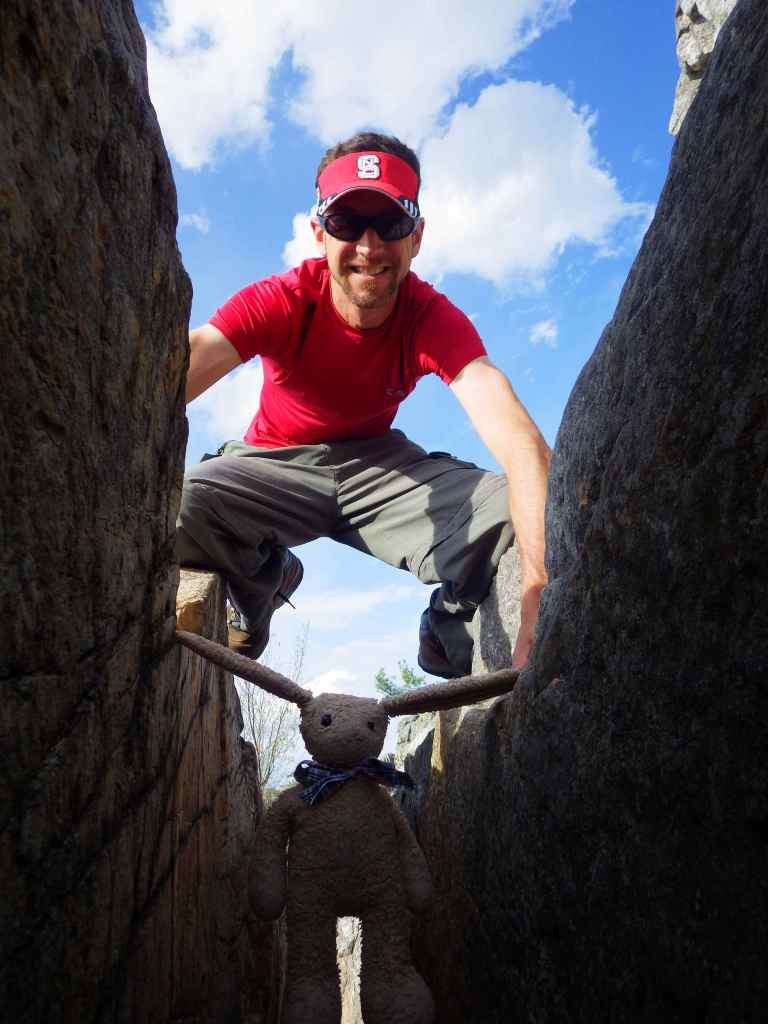
For those not interested in roping up to climb the steep cliffs, stop into the Seneca Rocks Discovery Center open Thursday through Monday in the summer.  Next door at the Sites Homestead, on Saturdays pioneer interpreters demonstrate quilting, fiddling, and basket-weaving.  Hikers can access the narrow rock ledge at Seneca Rocks via a steep 1.3-mile one-way trail that circles the formation. 

Photographic Opportunity

The jagged spires of Seneca Rocks are the most photogenic rock formation in the state.  Since 1971, more than a dozen people have died from falls at the site, so exercise extreme caution at the top of the cliff.

Peak Season

Summer

Fees

None

Road Conditions

The paved road to the top of Spruce Knob is open year-round when it is snow-free.

Camping

Big Bend Campground offers 46 sites with hot showers and is located on a peninsula in Smoke Hole Canyon.  Seneca Shadows Campground accepts online reservations April through October for walk-to tent sites and standard RV sites.  Spruce Knob Lake Campground is more primitive with vault toilets, as are some other campgrounds in Monongahela National Forest.

Related Sites

Allegheny National Recreation Area (Pennsylvania)

Gauley River National Recreation Area (West Virginia)

Mt. Rogers National Recreation Area (Virginia)

Cumberland Gap National Historical Park (Kentucky-Tennessee-Virginia)

Nearest National Park

New River Gorge

Explore More – When was the log house first built at the historic Sites Homestead?

Monongahela National Forest

Monongahela National Forest

West Virginia

Managed by U.S. Forest Service, Northern Region

1,706,898 acres (921,150 federal/ 785,748 other)

Website: https://www.fs.usda.gov/r09/monongahela

Overview

Monongahela National Forest contains the highest point in West Virginia, 4,863-foot-tall Spruce Knob with an observation tower for seeing over the trees at its summit.  It is part of Spruce Knob-Seneca Rocks National Recreation Area (see our full blog post), which is very popular with rock climbers.  The National Forest’s initial 7,200 acres were purchased by the federal government in 1915, and it the grew to 150,367 acres over the next decade.  During World War II, the U.S. Army utilized the area as an artillery and mortar range, in addition to training soldiers in climbing techniques at Seneca, Nelson, and Champe Rocks.  This area receives an average of 60 inches of annual precipitation on the west side of the Allegheny Front and only half that on the rain shadow side.  It is the headwaters of six major rivers: the Monongahela, Potomac, Greenbrier, Elk, Tygart, and Gauley.

Know someone who loves the National Forests? Gift them our travel guidebook Out in the Woods so they can learn more about all 155 National Forests.
Highlights

Spruce Knob-Seneca Rocks National Recreation Area, Cranberry Glades Botanical Area, Highland Scenic Highway, Lake Sherwood Recreation Area, Gaudineer Knob Scenic Area, Cassell Cave, Sinks of Gandy, Stuart Memorial Drive, Champe Rocks, Dolly Sods Scenic Area

Must-Do Activity

There are 94,991 acres in eight designated Wildernesses in Monongahela National Forest, more than half of which is in the Cranberry Wilderness.  A boardwalk traverses the bogs at Cranberry Glades Botanical Area, which has a visitor center run by the Forest Service.  Fishing is a popular pastime, especially at Lake Sherwood, Spruce Knob Lake, and Lake Buffalo.  When winter conditions are right, there is a snowmobile area on Highland Scenic Highway.  The forest is mostly second growth, but 318 acres of old-growth remains, which can be seen at Fanny Bennett Hemlock Grove, Gaudineer Scenic Area (for red spruce), Shavers Mountain Spruce-Hemlock Stand, North Fork Mountain Red Pine Botanical Area, North Spruce Mountain Old Growth Site, and Virgin White Pine Botanical Area.

Best Trail

There is great hiking in Spruce Knob-Seneca Rocks National Recreation Area, and other trails can be found at Lake Sherwood Recreation Area, Falls of Hill Creek Scenic Area, Mt. Porte Canyon, and Stuart Recreation Area.  The 17,371-acreDolly Sods Wilderness encompasses much of the Red Creek drainage with high-elevation bogs and heaths like those found in southern Canada.

Watchable Wildlife

It is hard to believe given their abundant numbers today, but in the 1930s white-tailed deer had to be reintroduced from Michigan.  In 1969, 23 fishers were reintroduced from New Hampshire.  Other large mammals include black bear, red and gray fox, coyote, bobcat, snowshoe hare, beaver, river otter, raccoon, mink, skunk, and opossum.  Of the 230 bird species identified, 159 are known to breed here.  Approximately 90% of the trout waters in West Virginia are within the National Forest, and trout are stocked at Spruce Knob Lake and other locations.

Photographic Opportunity

The iconic Seneca Rocks are a 900-foot-tall quartzite crag heavily used by rock climbers.  On October 22, 1987, a prominent pinnacle dubbed “the Gendarme” fell to the ground.

Peak Season

Summer

Fees

A day use fee applies at Lake Sherwood Recreation Area.

Road Conditions

Most roads are open year-round, including the paved road to the top of Spruce Knob when it is snow-free.

Camping

The National Forest has 23 campgrounds, including popular options in Spruce Knob-Seneca Rocks National Recreation Area at Seneca Shadows and Big Bend (with hot showers). 

Wilderness Areas

Big Draft Wilderness

Cranberry Wilderness

Dolly Sods Wilderness

Laurel Fork North Wilderness

Laurel Fork South Wilderness

Otter Creek Wilderness

Roaring Plains West Wilderness

Spice Run Wilderness

Related Sites

Allegheny National Forest (Pennsylvania)

George Washington National Forest (Virginia-West Virginia)

Jefferson National Forest (Virginia-West Virginia-Kentucky)

Harpers Ferry National Historical Park (West Virginia-Virginia-Maryland)

Nearest National Park
New River Gorge

Conifer Tree Species

eastern hemlock, balsam fir, red spruce, red pine, eastern white pine

Flowering Tree Species

black ash, mountain ash, black cherry, yellow birch, sugar maple, red maple, sweet birch, cucumber magnolia, American beech, basswood, speckled alder, mountain laurel, white rhododendron

Explore More – The Monongahela River gets its name from the Lenape language, and it translates as what in English?

Learn more about this and the 154 other National Forests in our new guidebook Out in the Woods

Lolo National Forest

Lolo National Forest

Montana

Managed by U.S. Forest Service, Northern Region

2,639,224 acres (2,197,966 federal/ 441,258 other)

Website: https://www.fs.usda.gov/r01/lolo

Overview

Located in western Montana, the elevation of Lolo National Forest ranges from less than 2,400 feet on the Clark Fork River below Thompson Falls to the top of 9,186-foot Scapegoat Mountain.  West of Missoula off Interstate 90, the Ninemile Historic Remount Depot preserves a Civilian Conservation Corps (CCC) camp and pack stock training facility.  Founded in 1907, the Savenac Historic Tree Nursery Area is also well developed for visitors, including an arboretum and cabin rentals in what were formerly the cookhouse and bunkhouse. 

Know someone who loves the National Forests? Gift them our travel guidebook Out in the Woods so they can learn more about this and the 154 other National Forests.

Highlights

Rattlesnake National Recreation Area, Lolo Pass Visitor Center, Lolo National Historic Trail, Fort Fizzle, Blue Mountain Recreation Area, Cascade Falls, Savenac Nursery, Petty Creek Bighorn Sheep Viewing Site, Clearwater Canoe Trail, Stark Mountain Vista, Lewis and Clark National Historic Trail

Must-Do Activity

Lolo National Forest surrounds Missoula, where the Aerial Fire Depot and Smokejumper Center offers guided tours and exhibits.  Right outside of the city are numerous hiking trails in Blue Mountain Recreation Area and Rattlesnake National Recreation Area, which contains 73 miles of trails (and has its own blog entry on our website).  Following a path used by the Corps of Discovery in 1805, the Lolo National Historic Trail shadows Highway 12 west into Idaho (see Clearwater National Forest). Take time to stop at the Lolo Pass Visitor Center managed by the U.S. Forest Service.

Best Trail

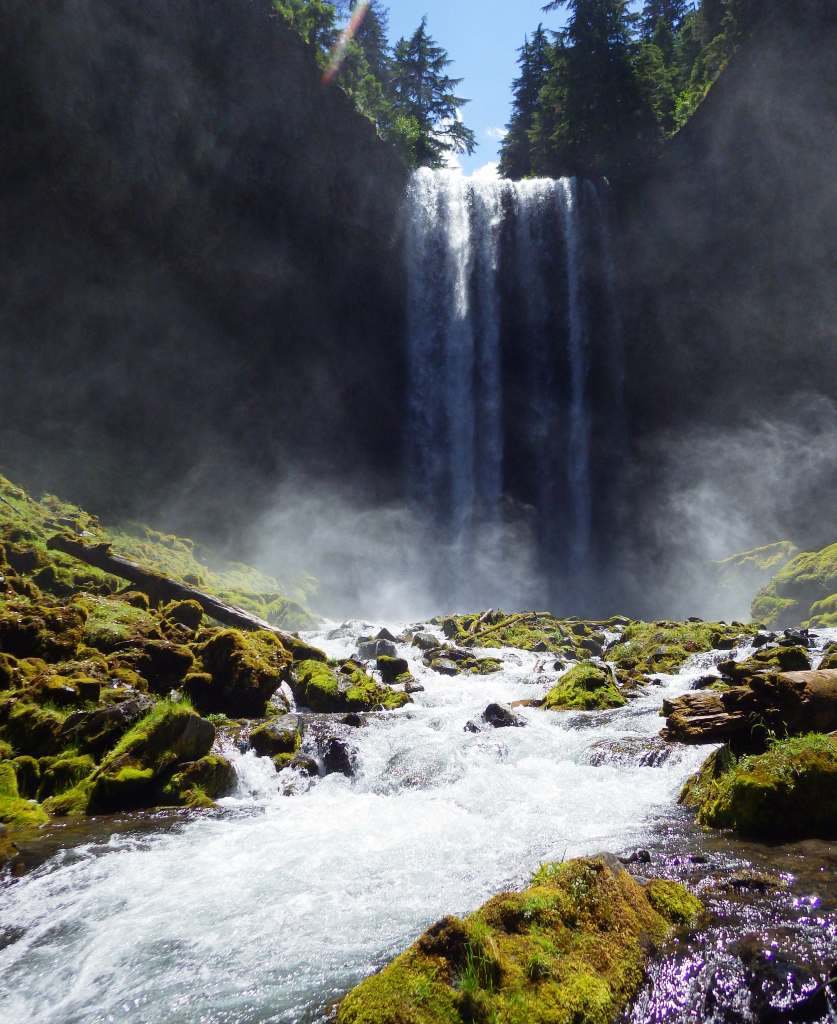
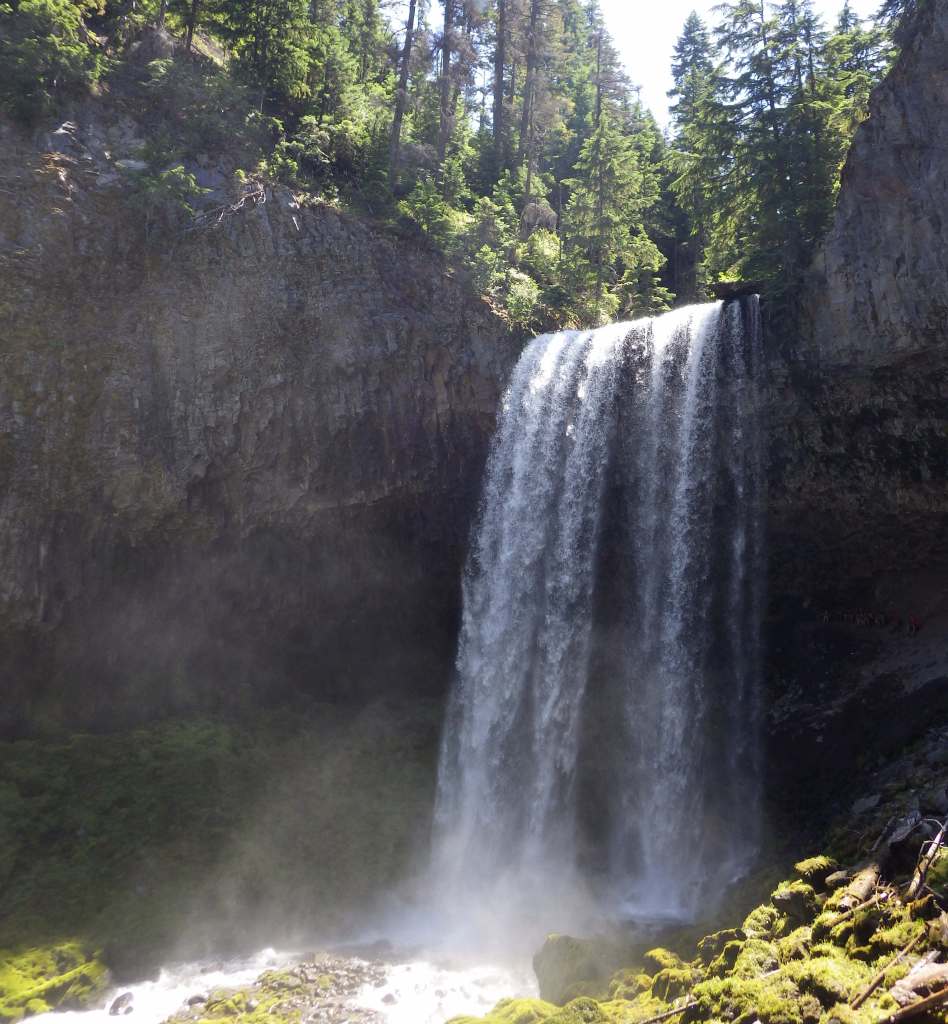
Morrell Falls National Recreation Trail leads to a 90-foot-tall waterfall on the western slope of the Swan Range.  The trail is 5.5 miles out-and-back, mostly flat with some short inclines as it cuts through a burned area now full of beargrass and fireweed.  The waterfall cascades down a rocky outcrop and is well lit in the afternoon.  The trailhead is located 7.5 miles from Highway 83 on a good gravel road that has well-signed intersections.  Also nearby, the Pyramid Pass Trailhead provides access to the Bob Marshall Wilderness in adjacent Flathead National Forest.

Watchable Wildlife

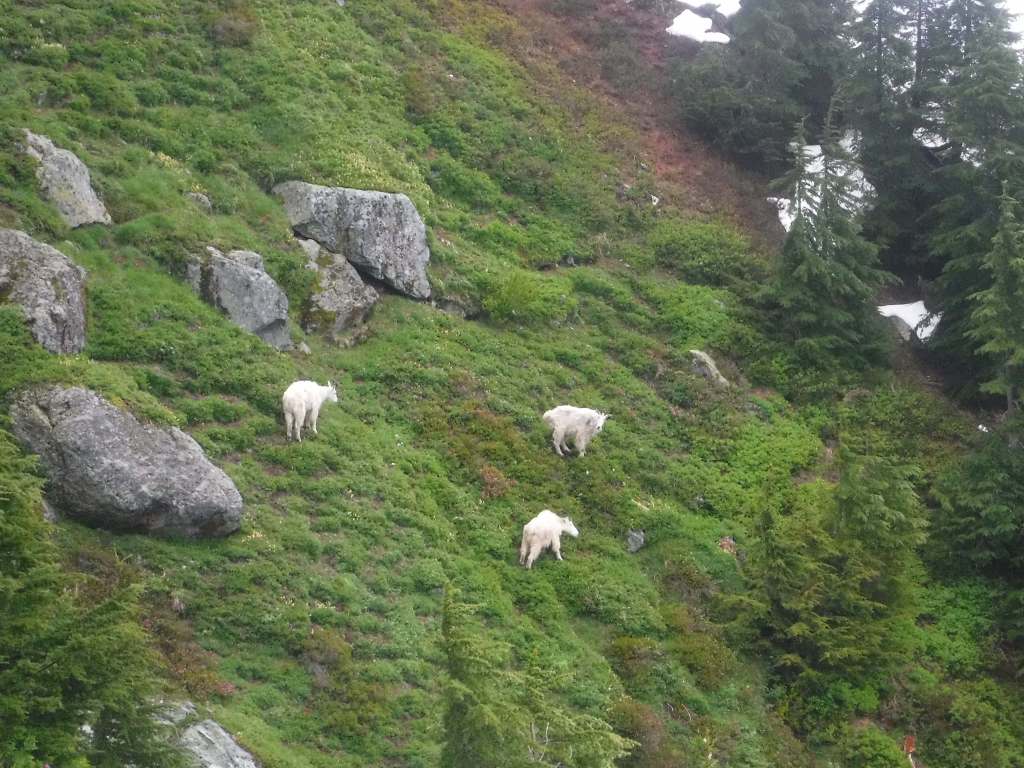
There are 60 species of mammals found in Lolo National Forest, including grizzly/brown bears, black bears, mountain lions, gray wolves, mountain goats, bighorn sheep, elk, moose, and mule deer.  Among the largest of the more than 300 birds spotted are bald eagles, golden eagles, and trumpeter swans.  The five rivers and over 100 lakes are home to 30 varieties of ducks and 20 types of fish.

Photographic Opportunity

Located on the western slope of the Swan Range, 90-foot-tall Morrell Falls is accessed on a 5.5-mile out-and-back hike.

Peak Season

Summer

Fees

None

Road Conditions

The unpaved roads we took were in good shape to Morrell Falls National Recreation Trail and Rattlesnake National Recreation Area.

Camping

The forest has 12 improved campgrounds and several historic fire lookout towers available for overnight rental through the website Recreation.gov

Wilderness Areas

Rattlesnake Wilderness

Scapegoat Wilderness (also in Helena and Lewis and Clark National Forests)

Selway-Bitterroot Wilderness (also in Bitterroot, Clearwater, and Nez Perce National Forests)

Welcome Creek Wilderness

Related Sites

Deerlodge National Forest (Montana)

Upper Missouri River Breaks National Monument (Montana)

Beaverhead National Forest (Montana)

Nearest National Park
Glacier

Conifer Tree Species

western redcedar, alpine larch, western larch, whitebark pine, ponderosa pine, grand fir, subalpine fir, Engelmann spruce, mountain hemlock

Flowering Tree Species

quaking aspen, Rocky Mountain maple, western serviceberry

Explore More – What is the origin of the name Lolo?

Know someone who loves the National Forests? Gift them our travel guidebook Out in the Woods so they can learn more about this and the 154 other National Forests.

Rattlesnake National Recreation Area

Rattlesnake National Recreation Area

Montana

Managed by U.S. Forest Service, Northern Region

28,000 acres

Website: https://www.fs.usda.gov/r01/lolo/recreation/rattlesnake-national-recreation-area-wilderness

Overview

Situated only four miles from Missoula, Montana within Lolo National Forest, Rattlesnake National Recreation Area is a popular area for outdoor recreation year-round.  It was established in 1980, at the same time as the adjacent 32,976-acre Rattlesnake Wilderness, which ranges in elevation from 4,200 feet up to 8,620-foot McLeod Peak.  The National Recreation Area has one of the only Sphagnum bogs in the western U.S. and Rattlesnake Creek hosts bull trout, cutthroat trout, and mountain whitefish. 

Highlights

Rattlesnake Main Trail, Ravine Creek Trail. Sawmill Curry Gulch Loop Trail, Spring Gulch Trail, Stuart Peak Trail

Must-Do Activity

There are 73 miles of hiking trails in the National Recreation Area, but the most heavily used are the first three miles of Rattlesnake Main Trail along Rattlesnake Creek.   These trails are also open to horseback riders, mountain bikers, and cross-country skiers.  Be aware that mountain lions and black bears frequent the area, and we came across a bear on a warm morning in early August. 

Best Trail

Rattlesnake Main Trail follows an old logging road along the creek for the first nine miles before it gets steeper.  Other popular hiking options include Ravine Creek Trail, Sawmill Curry Gulch Loop Trail, Spring Gulch Trail with its moderate elevation gain, and Stuart Peak Trail that climbs steeply up into the Rattlesnake Wilderness.

Photographic Opportunity

Rattlesnake Creek attracts many animals, including the American dipper or ouzel, an aquatic songbird.

Peak Season

Summer

Fees

None

Road Conditions

From the Van Buren Street exit #105 off Interstate 90, head north as it turns into Rattlesnake Drive, which you drive for approximately three miles to the entrance.

Camping

There is no campground within the National Recreation Area and the closest ones in Lolo National Forest are much further west on Interstate 90 or to the north off Highway 83.

Related Sites

Helena National Forest (Montana)

Bitterroot National Forest (Montana)

Clearwater National Forest (Idaho)

Nearest National Park
Glacier

Explore More – What species of native orchids can be found growing here?

Rainbow Bridge National Monument

Rainbow Bridge National Monument

Utah

Managed by National Park Service

Established 1910

160 acres

Website: nps.gov/rabr

Overview

The statistics on Rainbow Bridge are impressive: it spans 275 feet with a height of 290 feet (compare that to the 151-foot-tall Statue of Liberty), and the sandstone at its top is 42 feet thick and 33 feet wide.  Before geologists started lumping together natural bridges and arches, it was considered the largest natural bridge in the world formed by water running underneath it.  The Navajo and other tribes consider Rainbow Bridge sacred and request that nobody walks beneath its span.  When Glen Canyon Dam was completed in 1963, many archaeological sites were submerged beneath Lake Powell and at the reservoir’s peak volume this sacred site has had water reach to its base.  The National Park Service (NPS) manages Rainbow Bridge National Monument as part of Glen Canyon National Recreation Area that straddles the Utah-Arizona border.

Know someone who loves exploring new National Monuments? Gift them our book Monumental America: Your Guide to All 138 National Monuments that is available for sale on Amazon.com.

Highlights

Boat ride, Rainbow Bridge

Must-Do Activity

The NPS runs Carl Hayden Visitor Center in Page, Arizona, which is a good place to plan a visit to Rainbow Bridge or purchase tickets for a Glen Canyon Dam tour.  If you do not want to attempt to navigate 50 miles one-way in your own boat (rentals available), there are all-day commercial boat trips into Bridge Canyon.  Depending on the water level, the hike from the boat dock to the first overlook of the natural bridge is around one-mile one-way and is not wheelchair accessible.  Photos do not do Rainbow Bridge justice, and you must see it for yourself to truly appreciate the size of this entry on our Top 10 NPS Sites for Natural Bridges/Arches

Best Trail

There is always a hike from the boat dock to the overlook, but if you are in good shape continue on the trail around to the left to see the other side of Rainbow Bridge.  With proper permits from the Navajo Nation in Window Rock, Arizona, it is possible to backpack into the site on either a 14-mile or 17-mile trail. 

Photographic Opportunity

Obviously, Rainbow Bridge is the star attraction here.  Navajo legends tell how one of the Hero Twins was saved from drowning when his father Jo’hanaa’éí (the Sun) sent a rainbow, later turned to stone to symbolize a father’s love.  Another story says a measuring worm turned itself to stone to save both Hero Twins.

Peak Season

Spring and fall

Hours

https://nps.gov/rabr/planyourvisit/hours.htm

Fees

There is a $30 per vehicle entrance fee at the two marinas in Page (America the Beautiful passes accepted), in addition to charges for guided boat tours.

Road Conditions

The roads are paved to the marinas in Page, Arizona.  Glen Canyon National Recreation Area is famous for its backcountry 4×4 roads (like Hole-in-the-Rock Road) and flash floods, so check with a park ranger before attempting anything unpaved.  A fee is charged to ferry across Lake Powell between Halls Crossing and Bullfrog Marina.

Camping

There are several developed campgrounds in Glen Canyon National Recreation Area (mostly near marinas), but free primitive camping is also allowed along most dirt roads.  A permit is required for backpack camping in the beautiful Coyote Gulch area off Hole-in-the-Rock Road.

Related Sites

Natural Bridges National Monument (Utah)

Capitol Reef National Park (Utah)

Navajo National Monument (Arizona)

Nearest National Park
Canyonlands
Explore More – Where along the trail to the Rainbow Bridge overlook is the three-toed dinosaur print found in the sandstone?
Learn more about the other 137 National Monuments in our book Monumental America: Your Guide to All 138 National Monuments