Tag Archives: National Monument

Canyon de Chelly National Monument

Overview

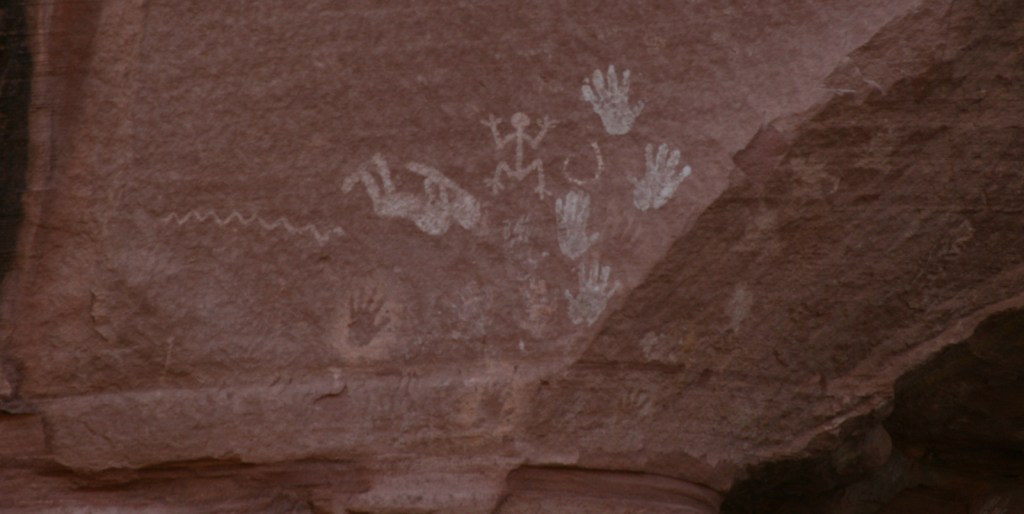
In the heart of the Navajo Nation in northeast Arizona lies Canyon de Chelly National Monument.  Humans have inhabited this area for 4,500 years, leaving behind numerous pictographs and the dramatic ruins of Ancestral Puebloan cliff dwellings.  The Navajo arrived in this region around AD1700 with sheep they gained from Spanish colonists which they utilized to weave intricate wool blankets.  Wars with the Utes, Spanish, Mexicans, and then U.S. government eventually led to their forced migration (“The Long Walk”) to Bosque Redondo in New Mexico around 1864.

Highlights

Spider Rock Overlook, White House Ruin, guided vehicle tours, horseback tours

Must-Do Activity

Four years after being forced to the uninhabitable Bosque Redondo, the Navajo were granted the largest reservation in the country and families still inhabit Canyon de Chelly (pronounced “d’shay”) to this day.  The 84,000-acre National Monument is administered cooperatively with the National Park Service (NPS).  However, entrance into the canyon is limited to guided trips and one publicly accessible trail that drops 500 feet to White House Ruin.  Overlooks along the North and South Rim Drives (17 and 18 miles respectively) are free and open year-round, though.  It not only seems like everything runs on a different clock here, but, unlike the rest of Arizona (and now New Mexico), the Navajo Nation observes Daylight Savings Time, so is always an hour later in the summer months (the same time as New Mexico until the fall).

Best Trail

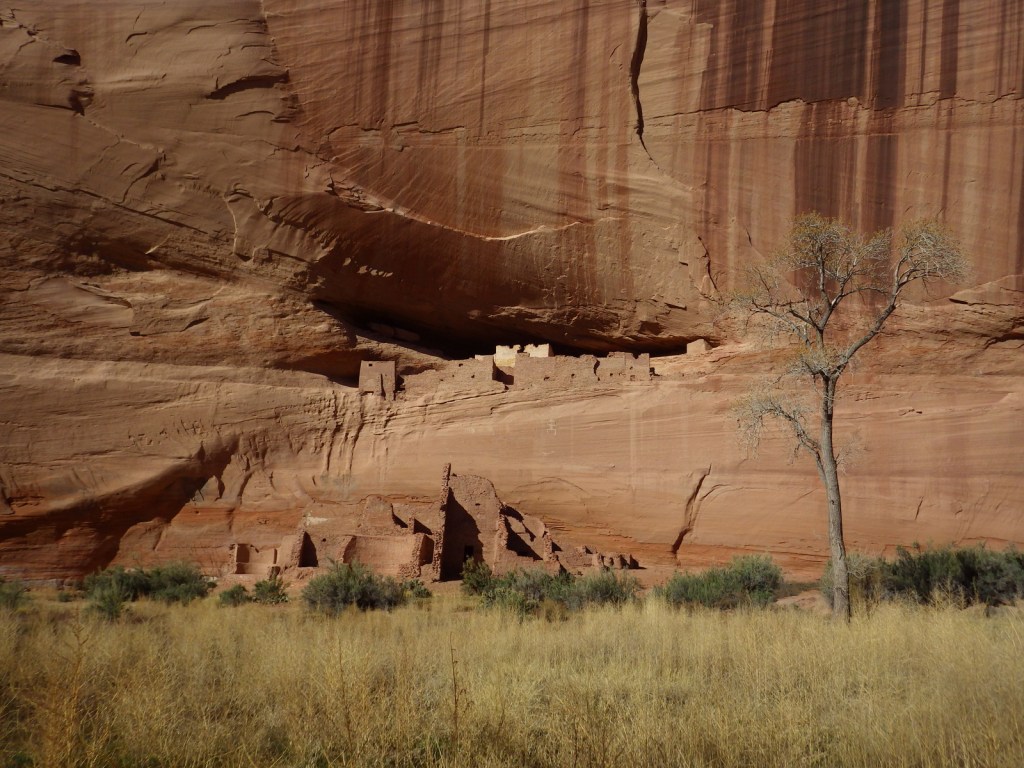
White House Ruin was inhabited AD1060-1275 and is named for the white plaster used to coat the wall in the upper dwelling.  The 2.5-mile roundtrip White House Trail drops down the canyon wall and cuts through a tunnel.

Instagram-worthy Photo

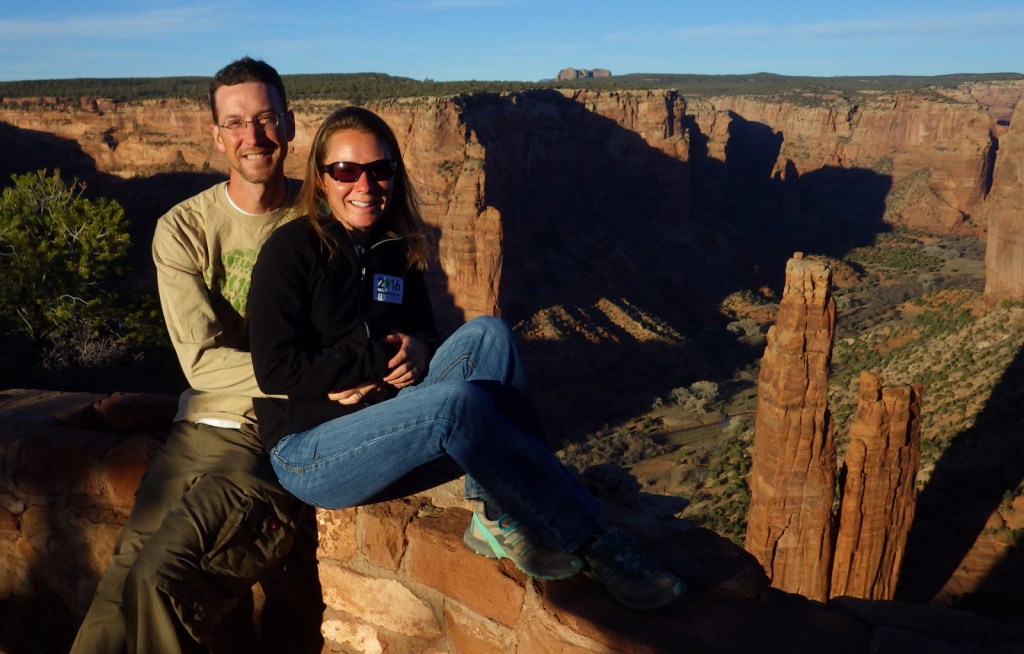
At the end of South Rim Drive is 800-foot tall Spider Rock, a great spot to watch the sun set, which is an ideal time to photograph the canyon’s red sandstone walls.

Peak Season

Summer

Hours

https://www.nps.gov/cach/planyourvisit/hours.htm

Note that there is typically a time difference because Arizona and New Mexico do not observe Daylight Savings Time.

Fees

There is no entrance fee for the North and South Rim Drives, but guided tours into the canyon do charge admission.

Road Conditions

All roads open to the public are paved, but guided tours can be very bumpy since they use the canyon bottom as a road.

Camping

The NPS runs Cottonwood Campground with 96 spaces (and running water in the summer) in a grove of Fremont cottonwood trees that turn yellow in the late autumn.  Guided camping trips in the canyon are also available.

Related Sites

Grand Canyon National Park (Arizona)

Navajo National Monument (Arizona)

Hubbell Trading Post National Historic Site (Arizona)

Explore More – How many millions of years ago did sand dunes turn into Canyon de Chelly’s red sandstone?

Top National Park Service Site in Each State

We kicked off our travel blog by highlighting our favorite National Park Service site in each of the 50 states.

Alabama

Tuskegee Airmen National Historic Site

Alaska

Wrangell-St. Elias National Park and Preserve

Arizona

Organ Pipe Cactus National Monument

Arkansas

Buffalo National River

California

Lava Beds National Monument

Colorado

Great Sand Dunes National Park and Preserve

Connecticut

Weir Farm National Historic Site

Delaware

First State National Historical Park

Florida

Dry Tortugas National Park

Georgia

Andersonville National Historic Site

Hawaii

Kalaupapa National Historical Park

Idaho

City of Rocks National Reserve

Illinois

Pullman National Historical Park

Indiana

Indiana Dunes National Park

Iowa

Effigy Mounds National Monument

Kansas

Brown v. Board of Education National Historic Site

Kentucky

Mammoth Cave National Park

Louisiana

Jean Lafitte National Historical Park and Preserve

Maine

Appalachian National Scenic Trail 

Maryland

Catoctin Mountain Park

Massachusetts

Lowell National Historical Park

Michigan

Pictured Rocks National Lakeshore

Minnesota

Grand Portage National Monument

Mississippi

Vicksburg National Military Park

Missouri

Ozark National Scenic Riverways

Montana

Big Hole National Battlefield

Nebraska

Scotts Bluff National Monument

Nevada

Great Basin National Park

New Hampshire

Saint-Gaudens National Historic Site

New Jersey

Thomas Edison National Historical Park

New Mexico

Bandelier National Monument

New York

Fort Stanwix National Monument

North Carolina

Cape Lookout National Seashore

North Dakota

Theodore Roosevelt National Park

Ohio

Dayton Aviation Heritage National Historical Park

Oklahoma

Chickasaw National Recreation Area

Oregon

John Day Fossil Beds National Monument 

Pennsylvania

Fort Necessity National Battlefield

Rhode Island

Roger Williams National Memorial

South Carolina

Congaree National Park

South Dakota

Jewel Cave National Monument

Tennessee

Big South Fork National River and Recreation Area

Texas

Big Bend National Park

Utah

Capitol Reef National Park

Vermont

Marsh-Billings-Rockefeller National Historical Park 

Virginia

Fort Monroe National Monument

Washington

Lake Chelan National Recreation Area

West Virginia

New River Gorge National Park and Preserve

Wisconsin

Apostle Islands National Lakeshore

…and finally our home state…

Wyoming

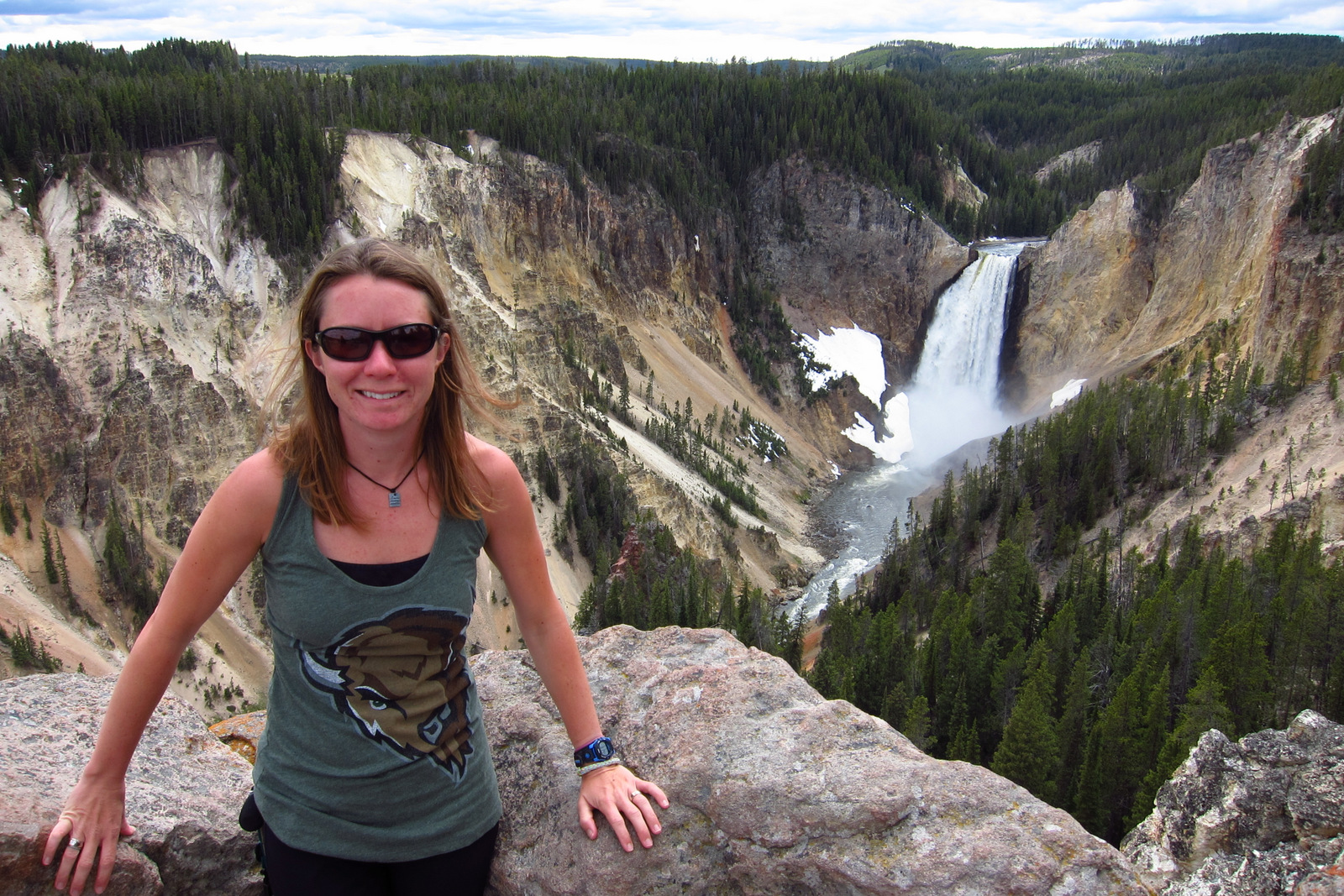
Yellowstone National Park


Honorable Mention

District of Columbia

Ford’s Theatre National Historic Site

Gila Cliff Dwellings National Monument

Overview

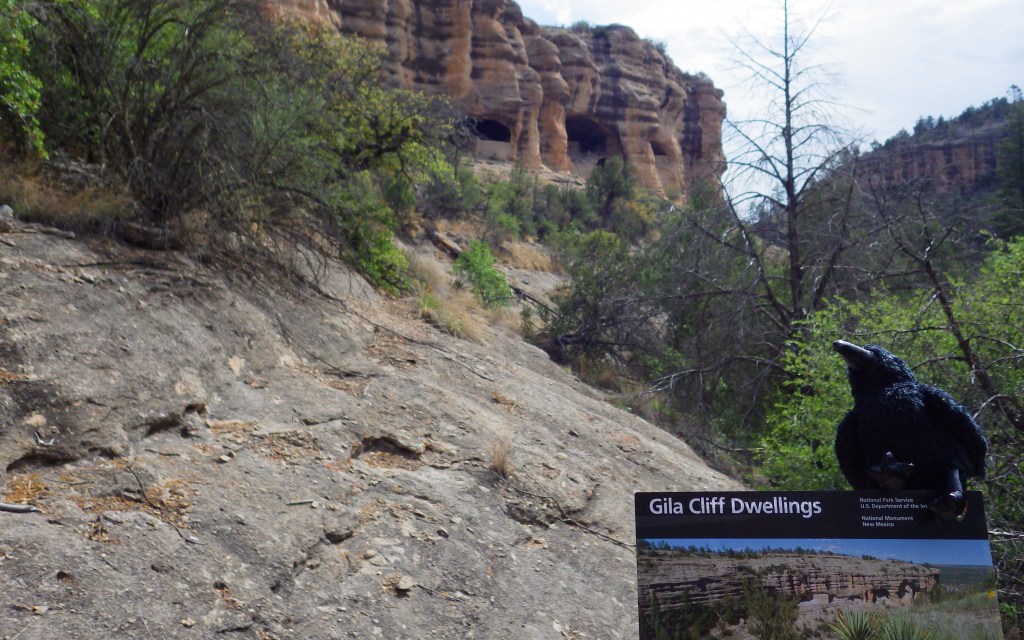
Archaeological evidence suggests indigenous farmers lived around the Gila River dating back thousands of years, but the cliff dwellings were only briefly inhabited between AD 1270 and 1300.  After their initial discovery by Anglo-American settlers in 1878 heavy looting occurred, prompting President Theodore Roosevelt to establish Gila Cliff Dwellings National Monument in 1907.  It is not an easy part of the country to access, but offers two incredibly scenic drives through the Gila National Forest in southwestern New Mexico.  Plan to spend at least a couple days in the area, maybe hiking or backpacking to some hot springs.

Highlights

Museum, film, ruins, scenic views, hot springs in area

Must-Do Activity

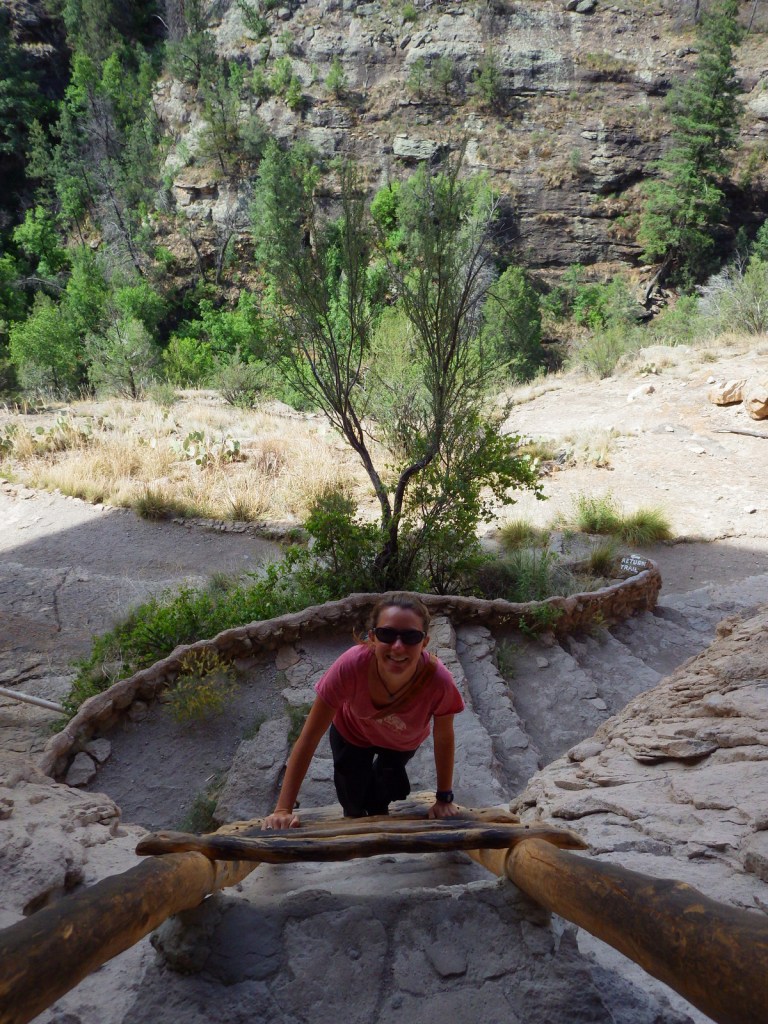
The Gila Visitor Center is jointly managed for the 533-acre National Monument and 558,000-acre Gila Wilderness (which in 1924 became the world’s first designated Wilderness).  From the National Park Service (NPS) contact station located just down the road, a one-mile loop trail climbs 180 feet to a well-preserved collection of cliff dwellings.  If you find that you enjoy climbing ladders up to cliff dwellings, then check out Bandelier National Monument and Balcony House at Mesa Verde National Park.

Best Trail

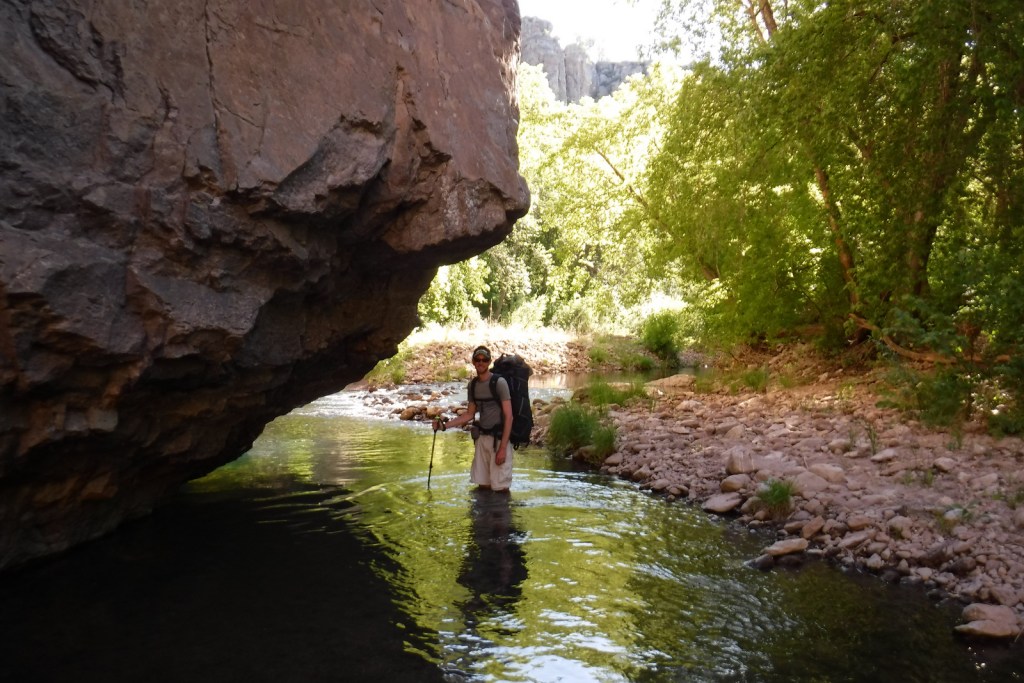
The trailhead also provides access to the Gila Wilderness, so watch for backpackers on the road and black bears along the West Fork Gila River.  Lightfeather Hot Springs is less than one mile from a different trailhead located closer to the Gila Visitor Center.

Instagram-worthy Photo

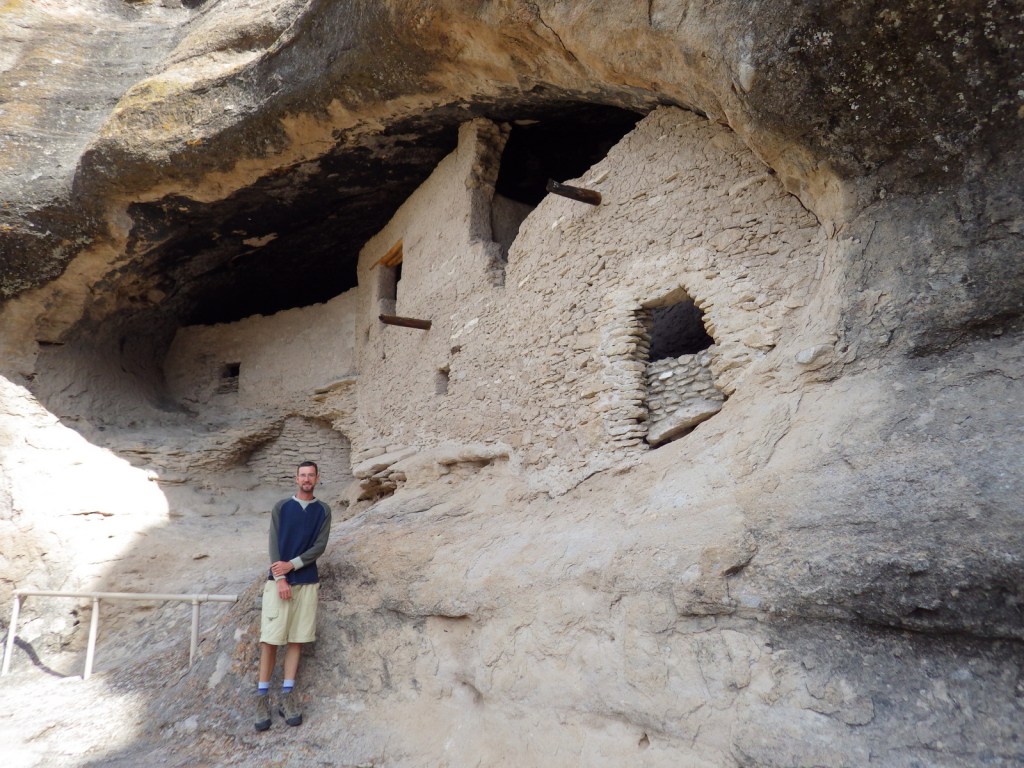
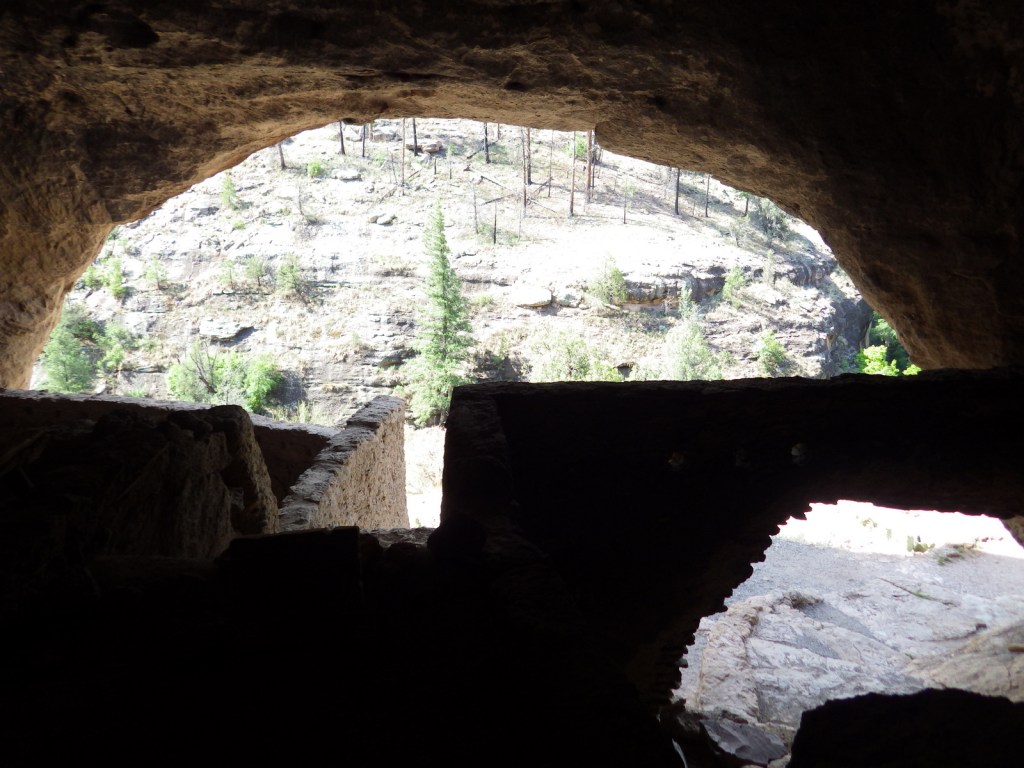
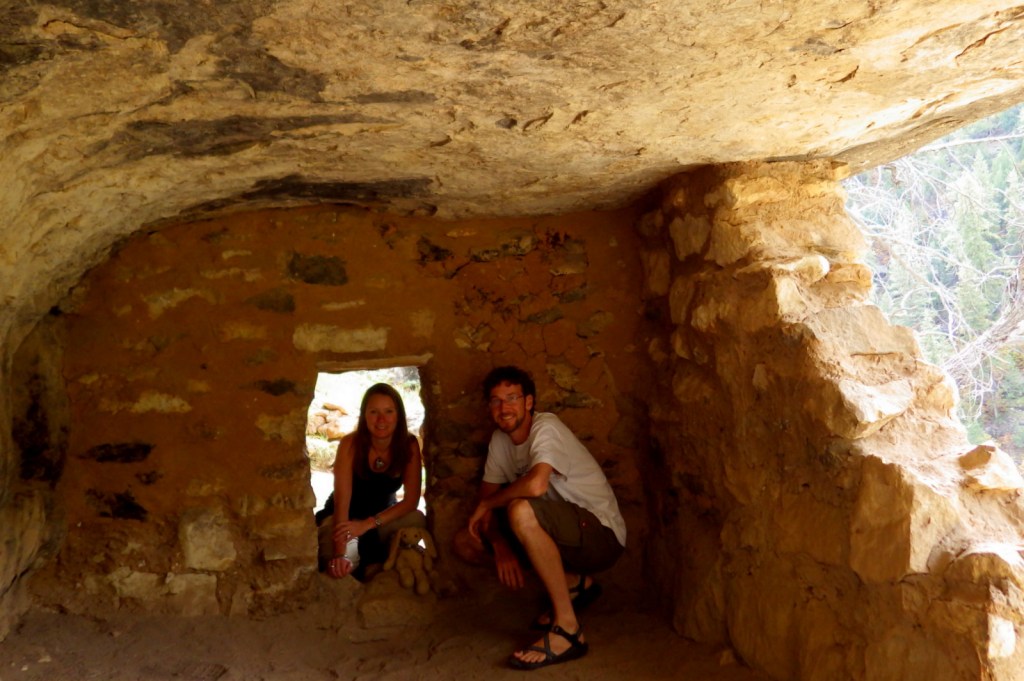
There are about 40 rooms in the cliff dwelling ruins, which housed approximately ten families.  The south-facing cliff dwellings received the sun in the winter and shade in the summer.

Peak Season

Summer

Hours

https://www.nps.gov/gicl/planyourvisit/hours.htm

Fees

None

Road Conditions

The access roads are paved, but narrow and curvy, especially Highway 15 that heads north from Silver City, New Mexico.

Camping

Upper and Lower Scorpion Campgrounds are located just outside the National Monument boundaries in Gila National Forest.  No permits are necessary to backpack in the Gila Wilderness.

Related Sites

Montezuma Castle National Monument (Arizona)

Fort Bowie National Historic Site (Arizona)

Chiricahua National Monument (Arizona)

Explore More – The people who built the cliff dwellings were part of what culture, with pottery designs unique to the Tularosa phase (AD 1100 to 1300)?
Walnut Canyon National Monument

Walnut Canyon National Monument

Arizona

Managed by National Park Service

Established 1915

3,529 acres

Website: nps.gov/waca

Overview

Cliff dwellings were built in Walnut Canyon around the same time another group of Sinagua was living at nearby Wupatki National Monument.  These cliff dwellings were only occupied for about a hundred years and abandoned by AD 1250.  For over a century, they have been protected within Walnut Canyon National Monument, a 3,541-acre park on Interstate 40 east of Flagstaff, Arizona.

Know someone who loves exploring new National Monuments? Gift them our book Monumental America: Your Guide to All 138 National Monuments that is available for sale on Amazon.com.

Highlights

Museum, ruins, scenic views

Must-Do Activity

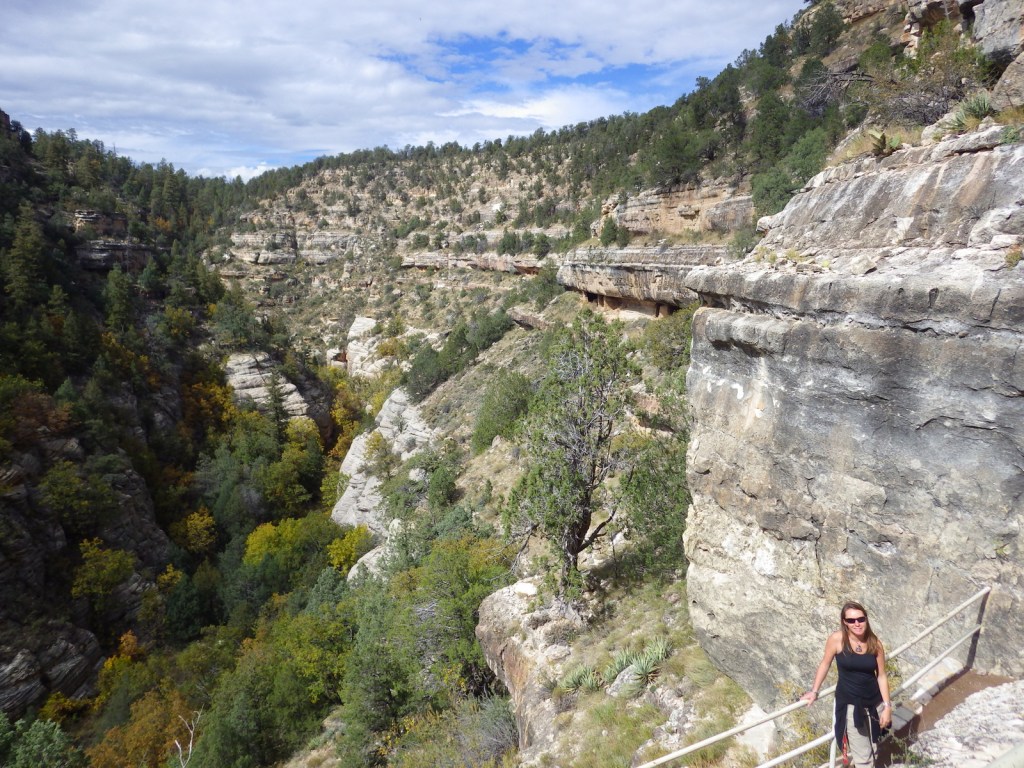
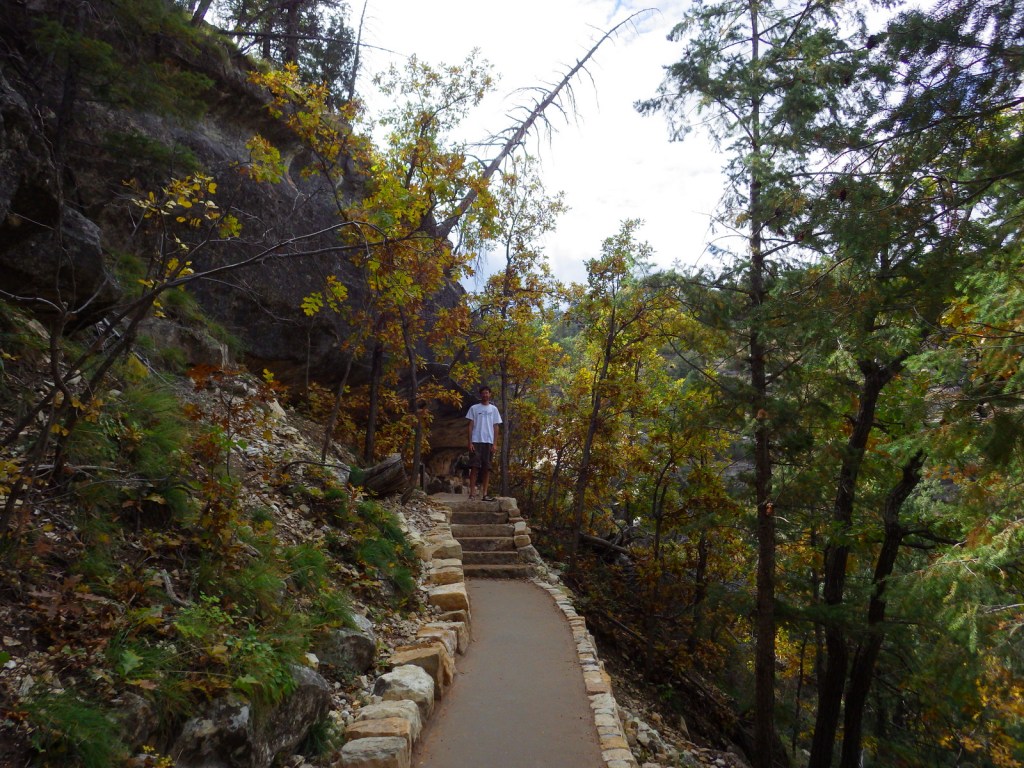
To get up close with the ruins requires a hike down 200 stairs on the one-mile Island Trail loop.  At 6,690 feet in elevation, downhill is easy, but getting back up is another matter entirely.  It is well worth the effort to get a feeling for a life spent inside the shallow limestone recesses in the canyon walls.

Best Trail

The paved Island Trail drops 185 feet and takes you right up to the 25 rooms built into the cliffs.  Above the canyon, 0.75-mile Rim Trail is handicap accessible and provides views of the ruins.

Instagram-worthy Photo

October is a great time to visit to see changing leaves in Walnut Canyon, especially the bigtooth maple trees.

Peak Season

Summer

Hours

https://www.nps.gov/waca/planyourvisit/hours.htm

Fees

$15 per person, $25 per vehicle, or America the Beautiful pass

Road Conditions

Access road is paved

Camping

There is not a campground at the site, but dispersed camping is allowed down the dirt road that turns off to the left just before entering the National Monument.

Related Sites

Sunset Crater Volcano National Monument (Arizona)

Montezuma Castle National Monument (Arizona)

Tuzigoot National Monument (Arizona)

Nearest National Park

Grand Canyon

Explore More – There are multiple Arizona sites in the National Park Service system dedicated to the vanished Sinagua people; what does their name mean in Spanish?

Learn more about the other 137 National Monuments in our book Monumental America: Your Guide to All 138 National Monuments

Muir Woods National Monument

Overview

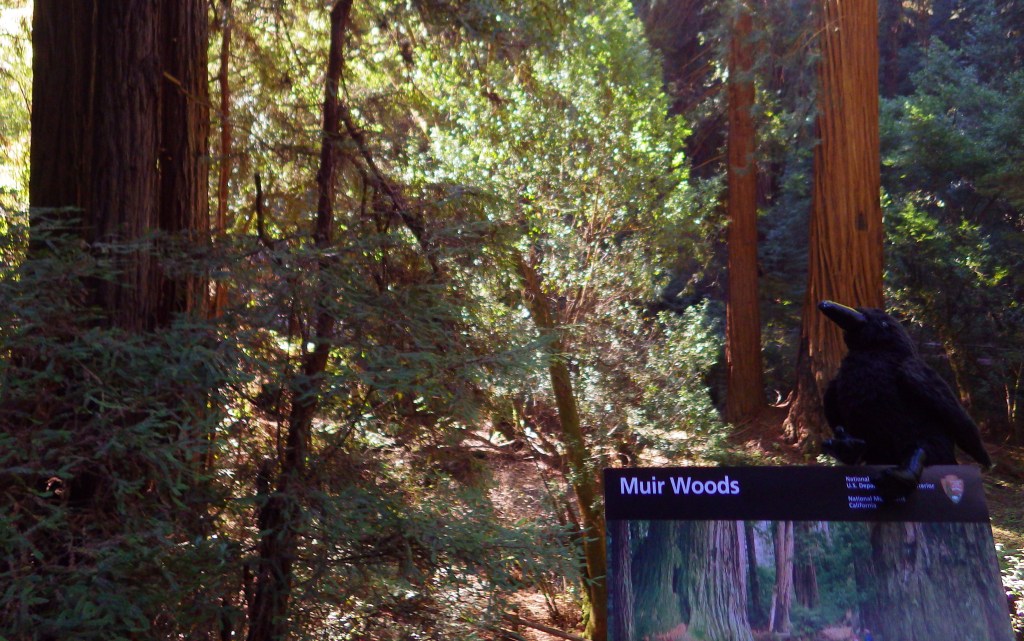
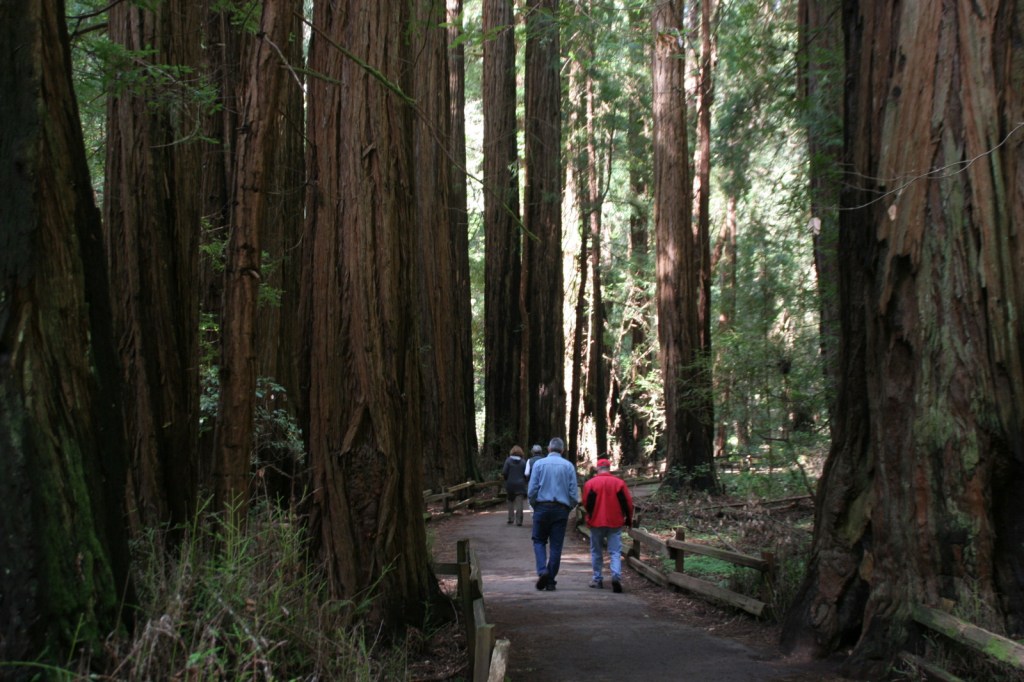
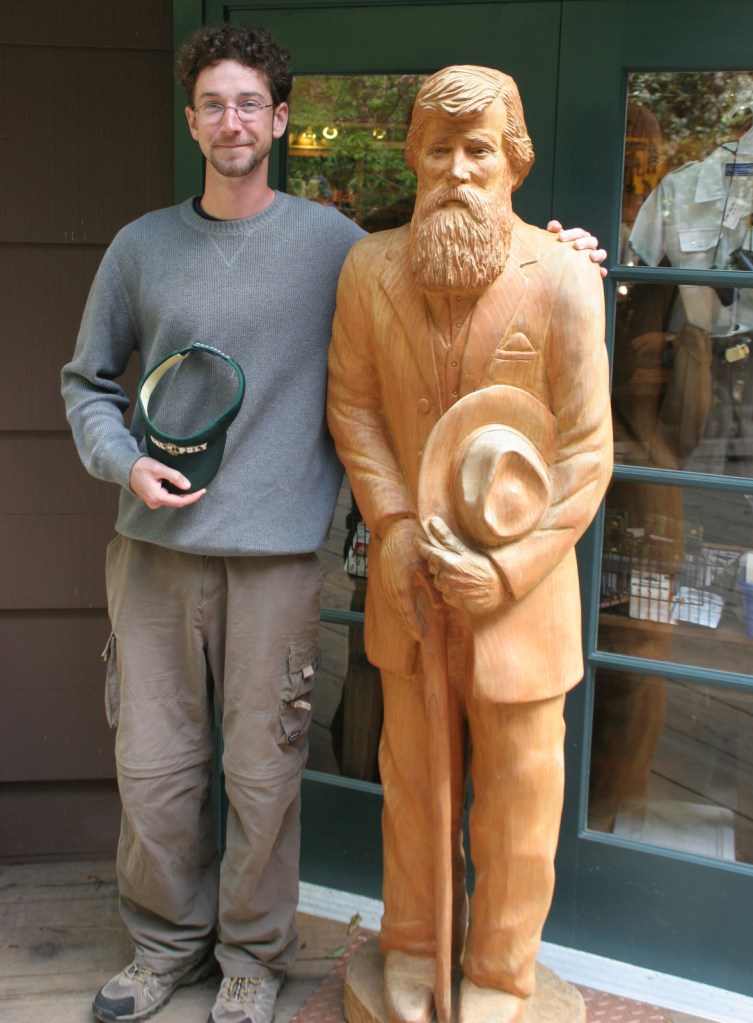
Named for passionate preservationist and Bay Area resident John Muir, this old-growth forest of coast redwood trees is a world away from the bustle of the city.  Originally established in 1908, the National Monument is administered by the National Park Service (NPS) as part of Golden Gate National Recreation Area.  It is located just south of Point Reyes National Seashore and here you can also access the coastline at nearby Muir Beach.

Highlights

Coast redwood trees, Redwood Creek Trail, Canopy View Trail, Muir Beach

Must-Do Activity

North of the Golden Gate Bridge, the San Francisco sprawl gives way to a rugged and idyllic landscape.  The twisty drive over the coastal mountains to 554-acre Muir Woods National Monument is part of the adventure.  There is a café and gift shop, plus the NPS operates a small bookstore, but not a museum at the site.  This small park receives an average of one-million visitors per year, so expect the trails to be crowded on weekends and sunny days.

Best Trail

There are only six miles of trails in the National Monument, but they connect with the extensive system in surrounding Mount Tamalpais State Park.  It is often foggy and always shady beneath these massive trees, so it is best to dress in layers.

Instagram-worthy Photo

The coast redwoods growing here are more than 250 feet tall, so hike up the aptly named Canopy View Trail to get a birds-eye view.

Peak Season

Summer

Hours

https://www.nps.gov/muwo/planyourvisit/hours.htm

Fees

$15 per person or America the Beautiful pass

Road Conditions

The winding access road is steep and narrow, so RVs over 35 feet in length are prohibited.

Camping

There are walk-in tent campsites at Mount Tamalpais State Park and backcountry campsites (permit required) at Point Reyes National Seashore.

Related Sites

John Muir National Historic Site (California)

Redwood National and State Parks (California)

Golden Gate National Recreation Area (California)

Explore More – Coast redwood is the tallest species in the world, requiring coastal fog to stay hydrated; how far inland do the trees naturally occur?