Category Archives: California

Modoc National Forest

Modoc National Forest

California

Managed by U.S. Forest Service, Pacific Southwest Region

1,979,327 acres (1,663,401 federal/ 315,926 other)

Website: https://www.fs.usda.gov/r05/modoc

Overview

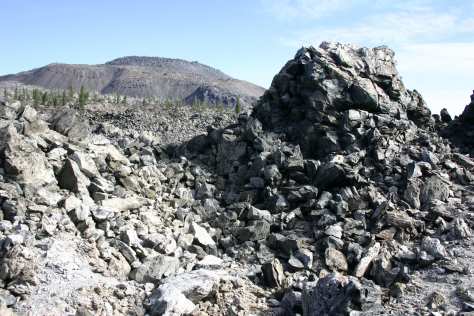
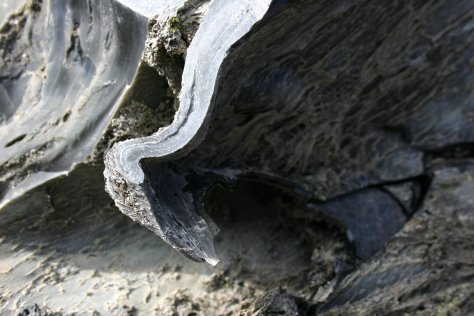
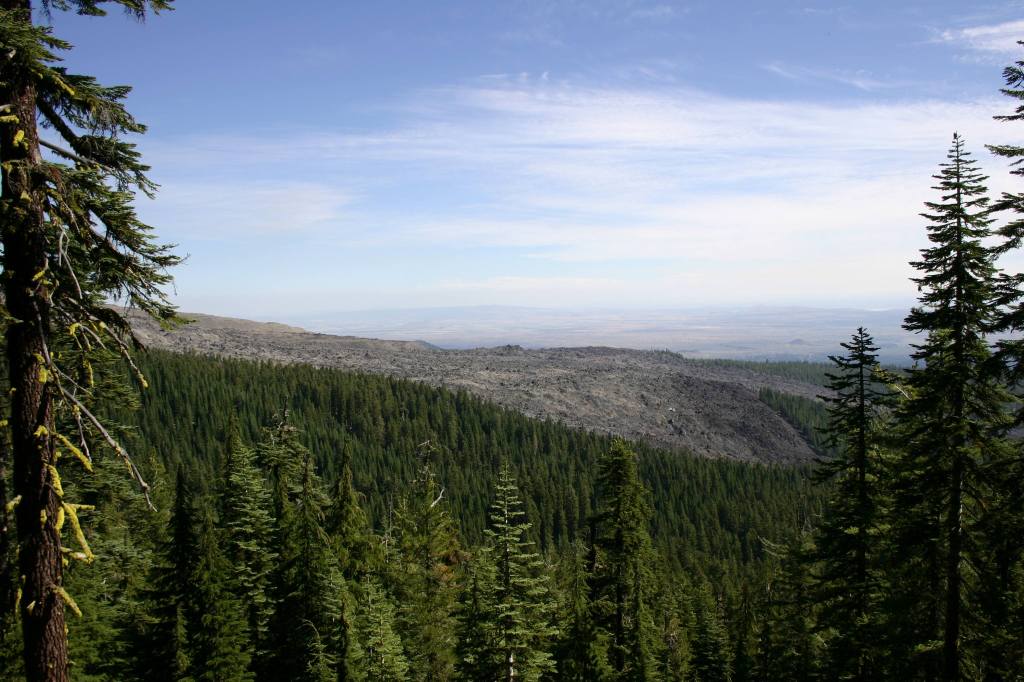
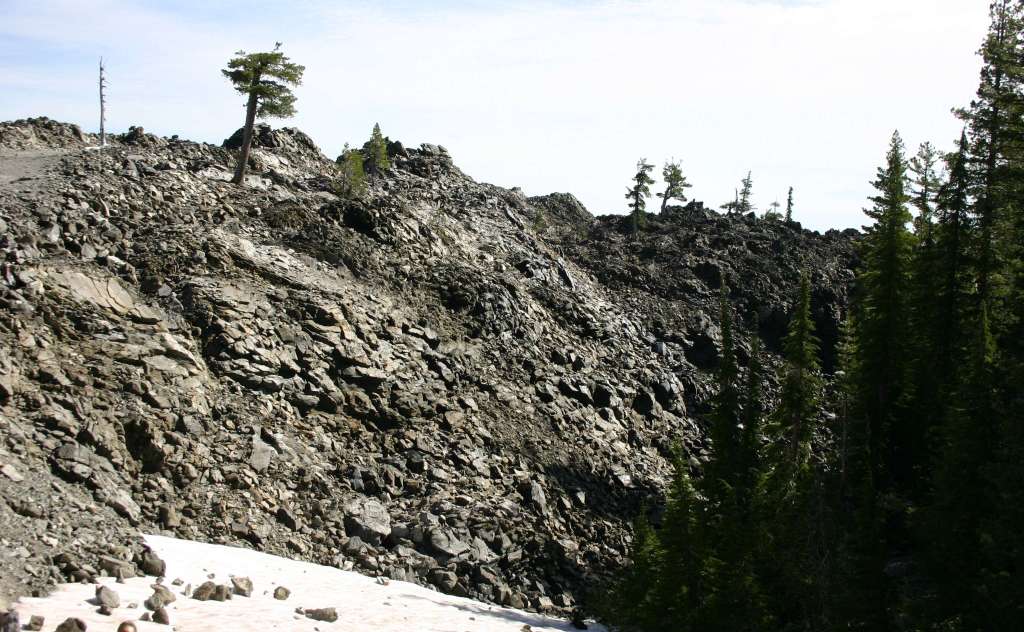
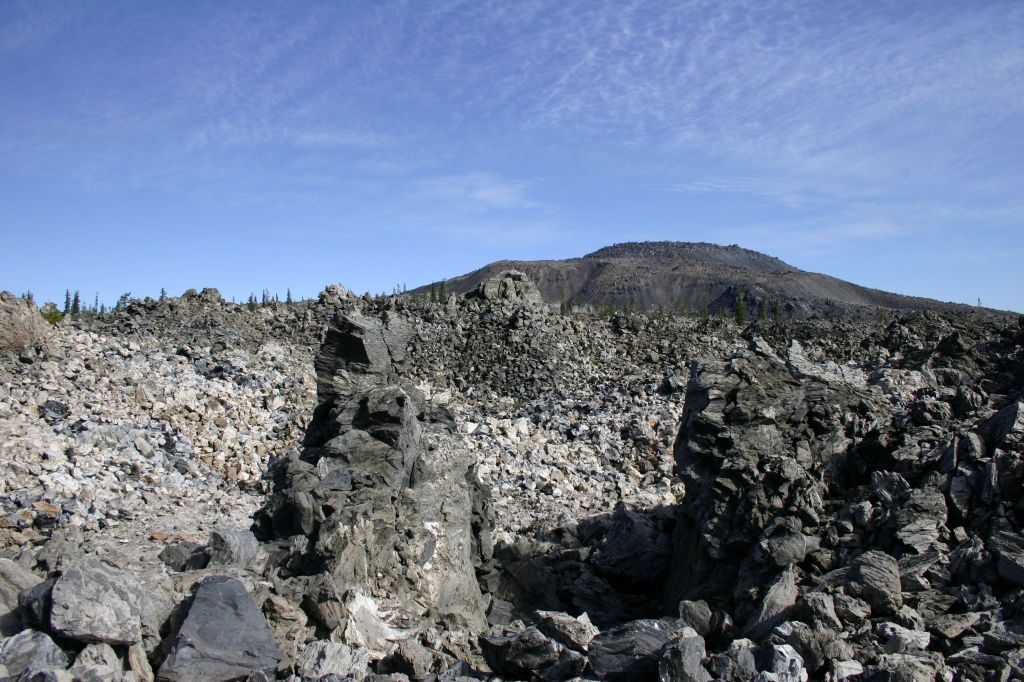
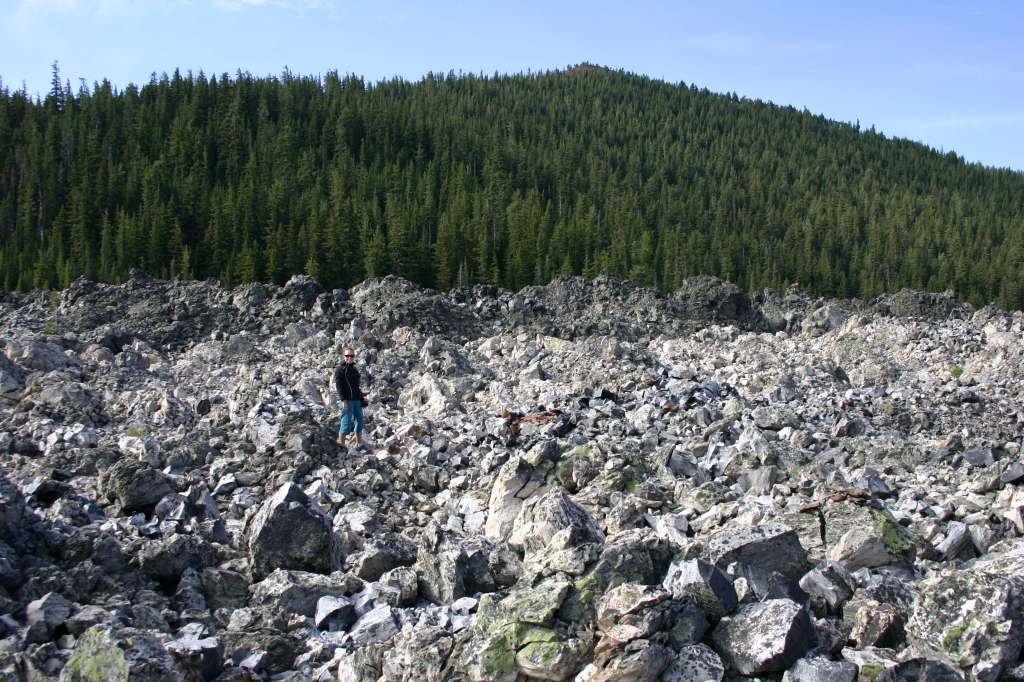
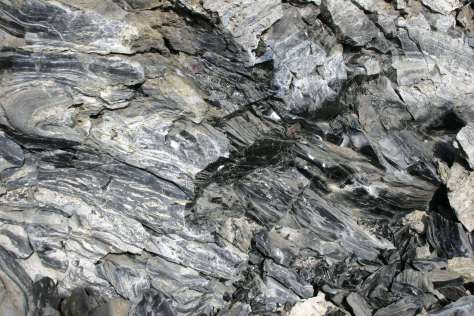
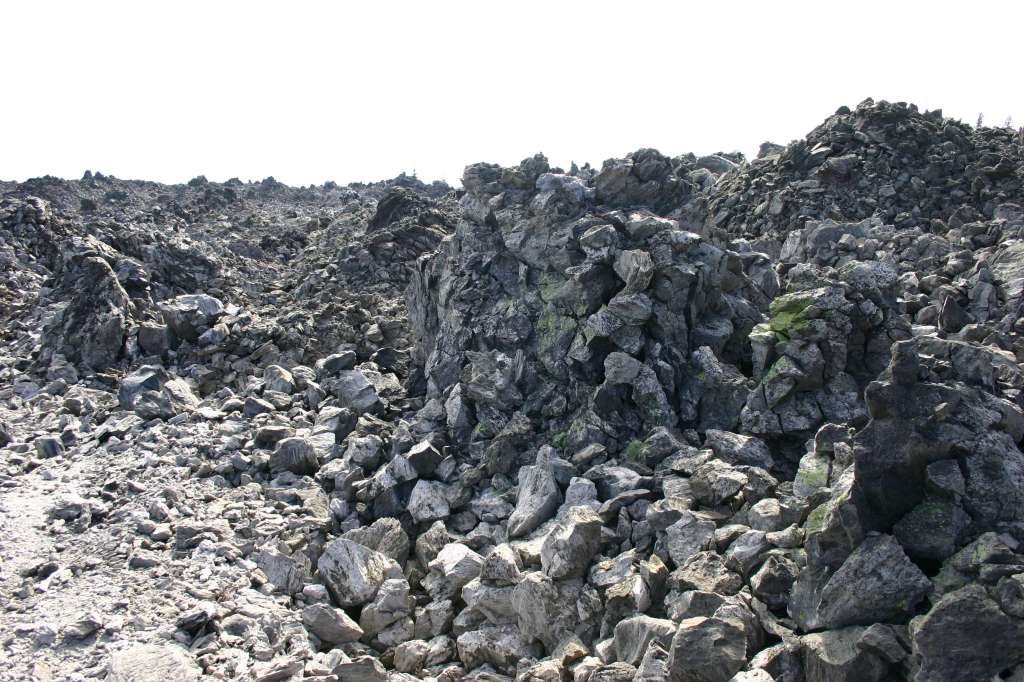
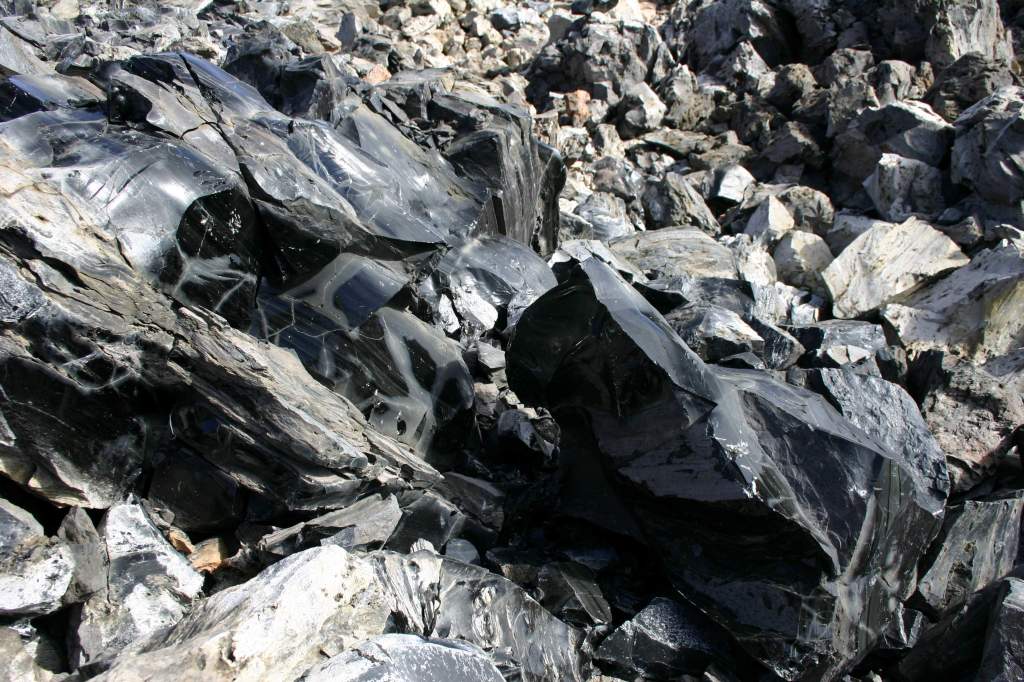
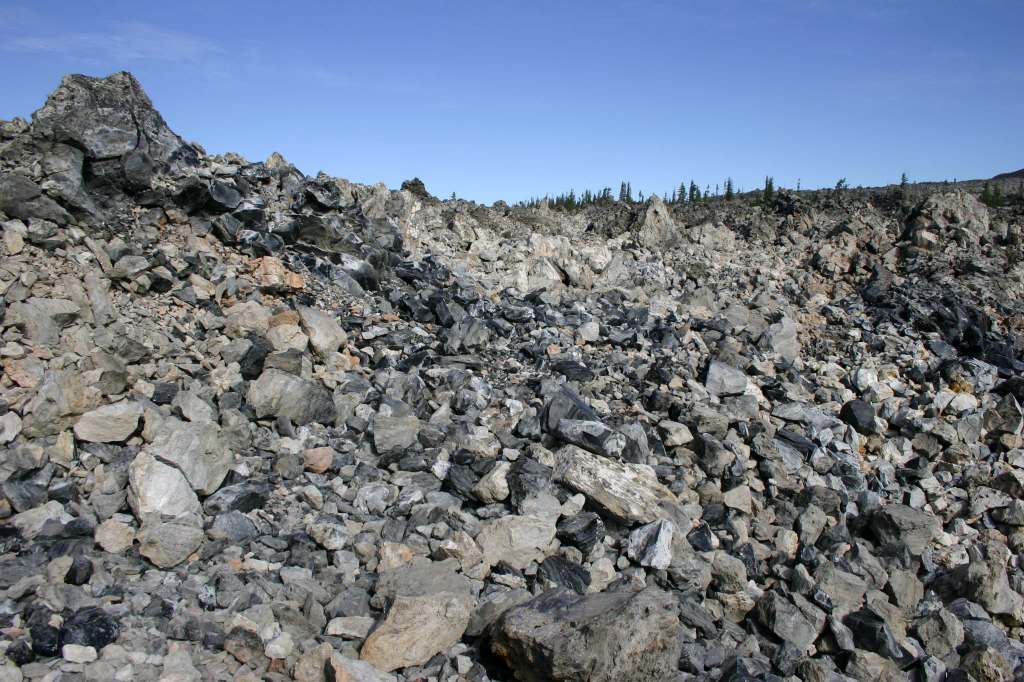
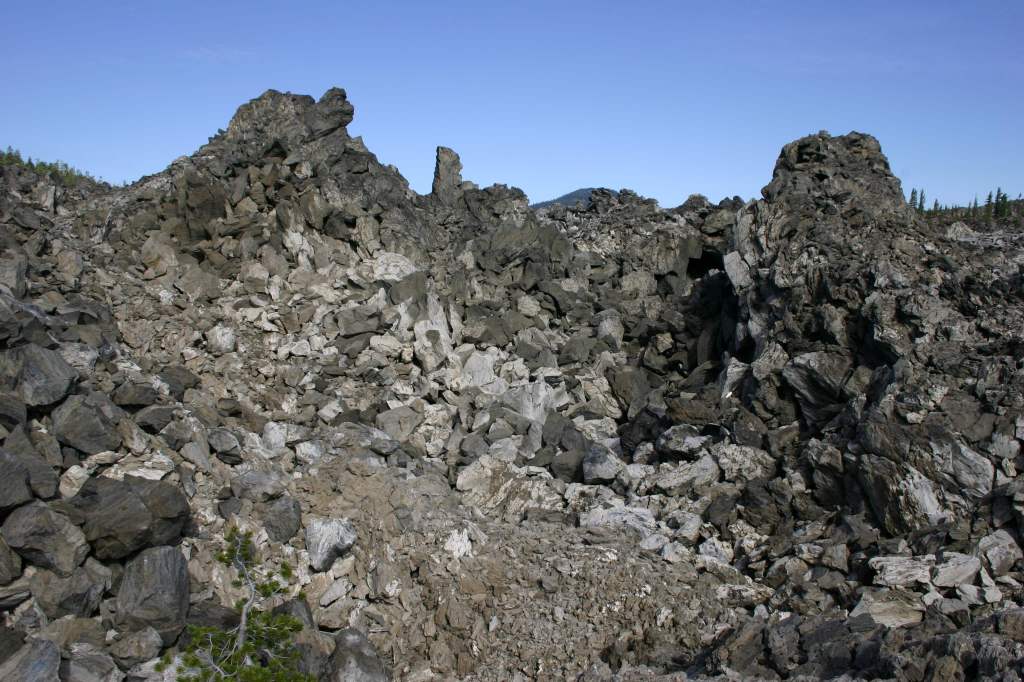
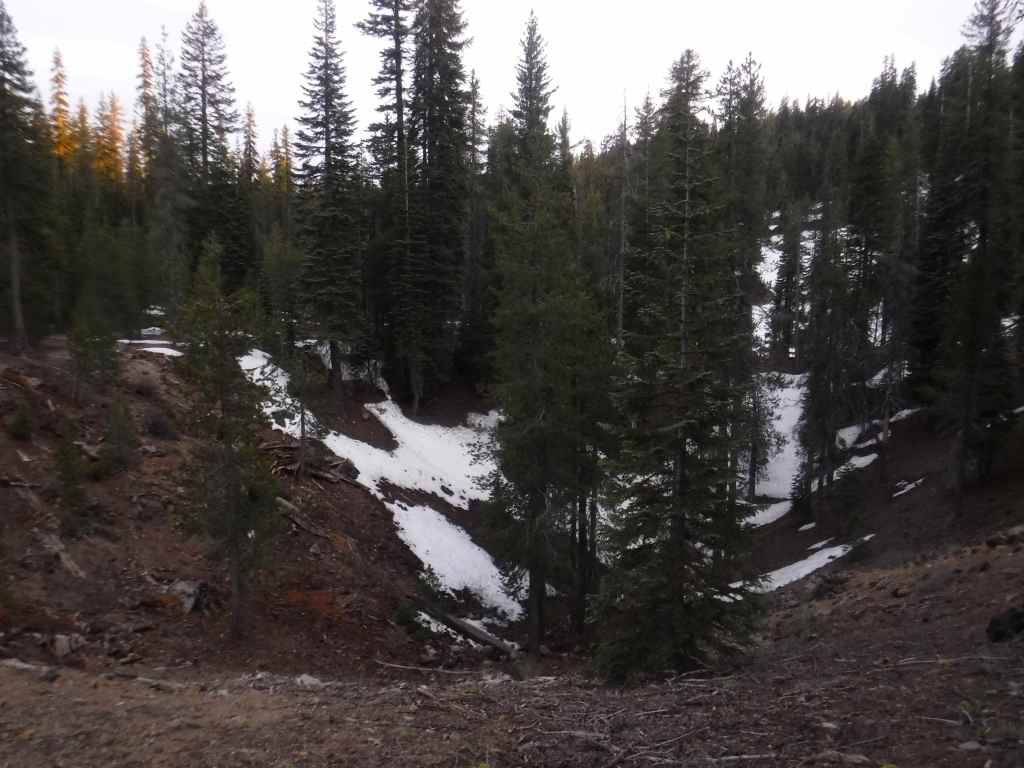
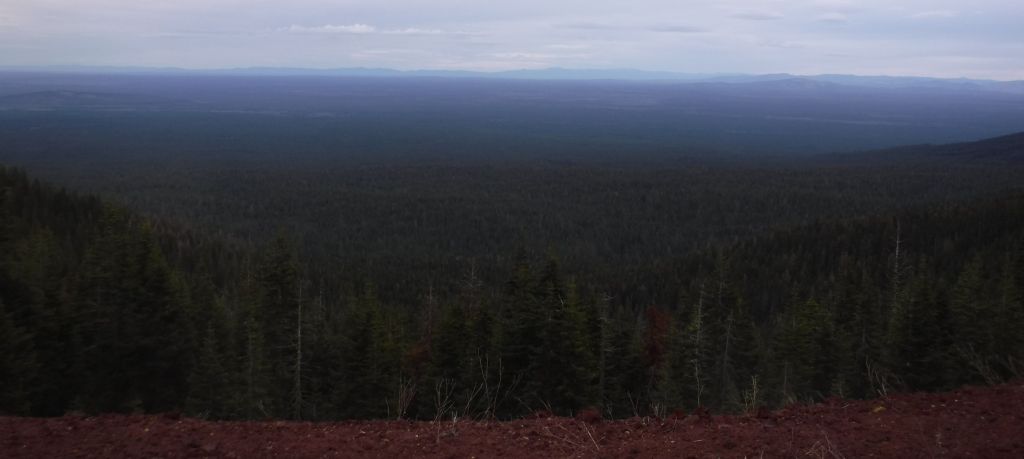
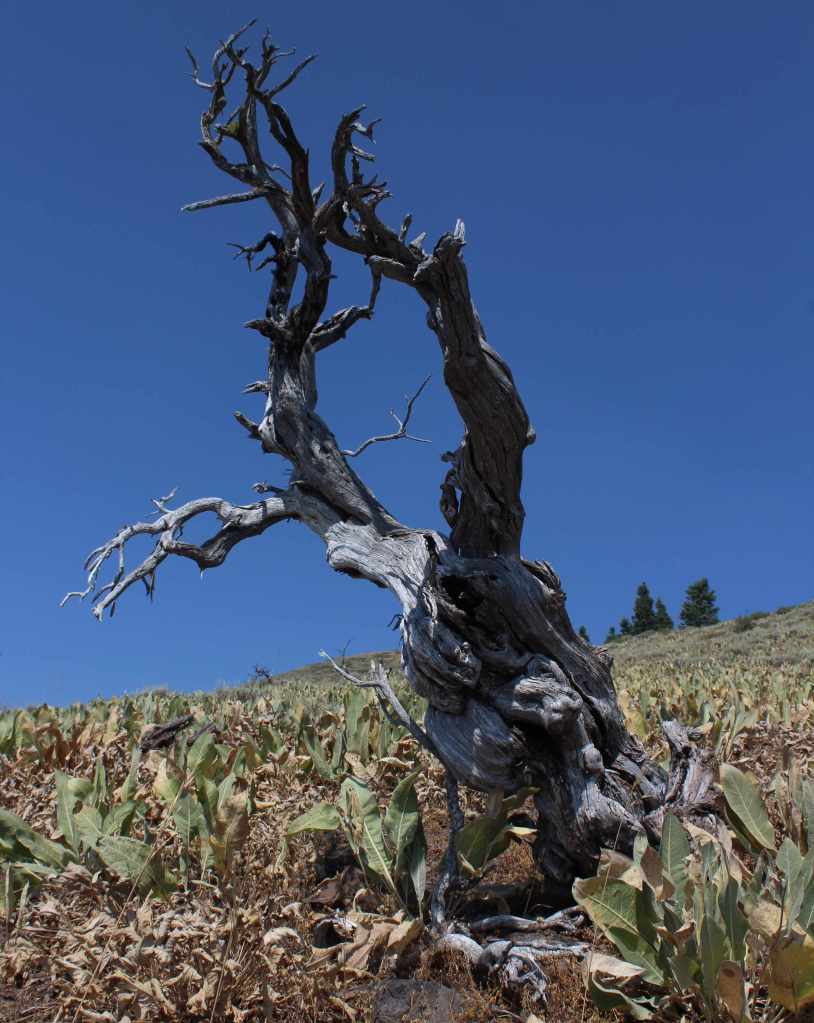
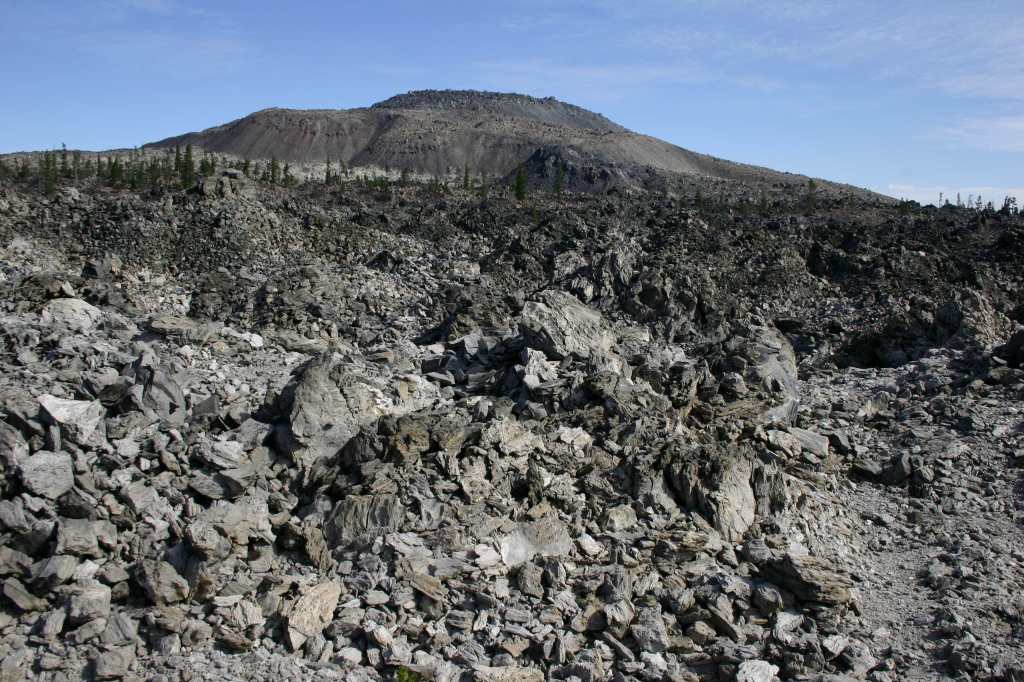
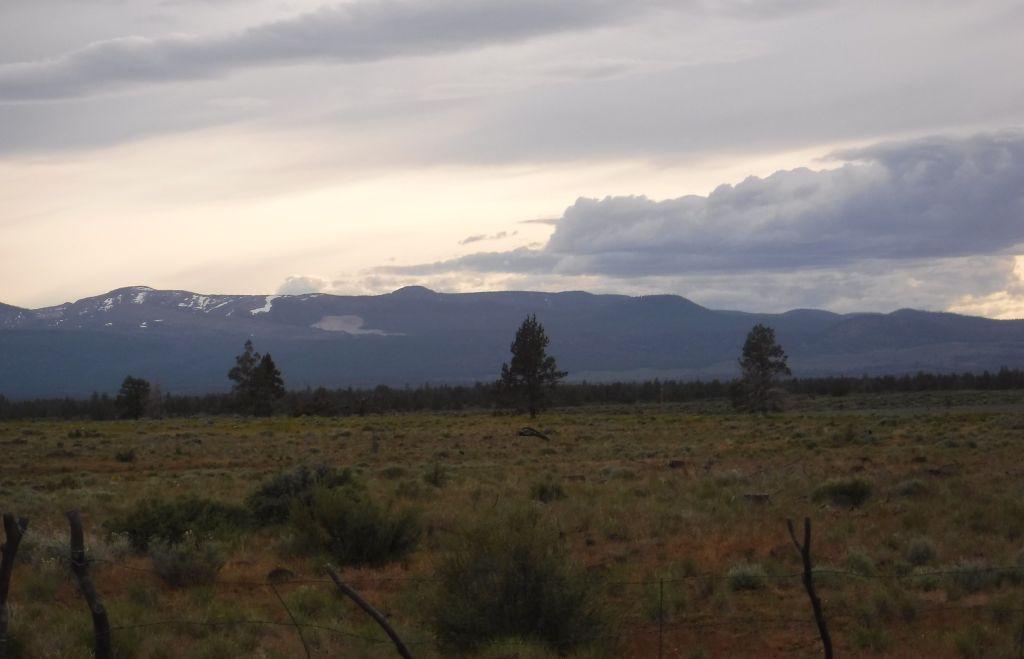
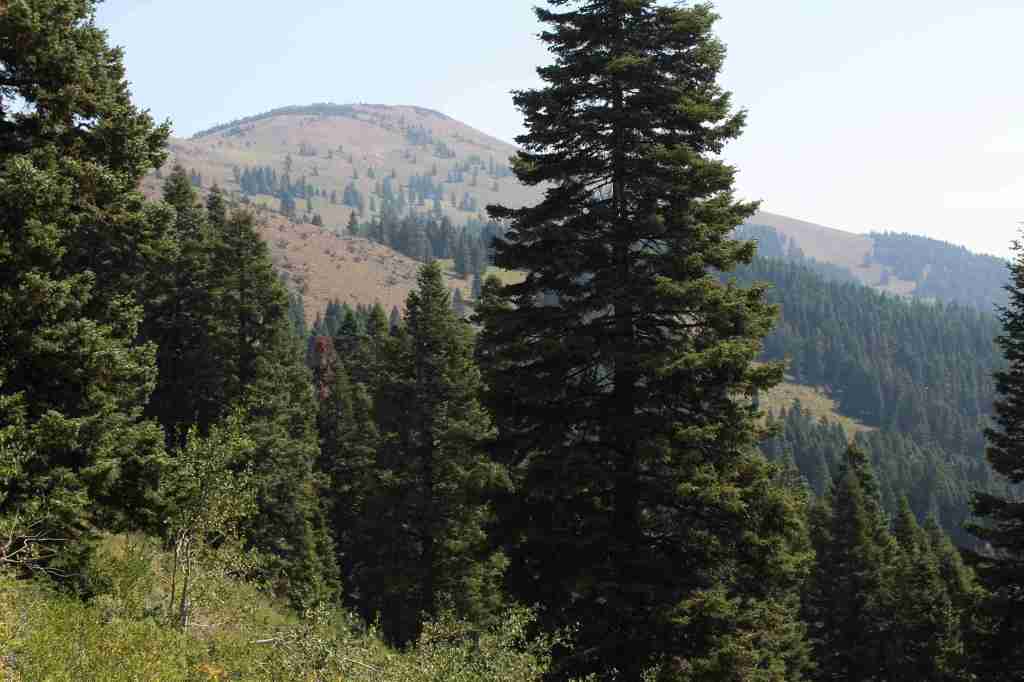
In the northeast corner of California, Modoc National Forest contains the largest shield volcano in North America: 7,921-foot Medicine Lake Volcano.  This region has a long history of volcanism, as seen at Pumice Stone Mountain, Burnt Lava Flow, High Hole Crater, Hot Spot, and Glass Mountain (composed of rhyolite obsidian and glossy dacite).  The basalt-topped plateau of Devil’s Garden is home to an 800-acre stand of western juniper.  East of Goose Lake, the Warner Mountains rise from 4,300 feet to 9,892-foot Eagle Peak, and are covered by a mixed conifer forest of lodgepole pine, whitebark pine, ponderosa pine, incense-cedar, and red fir. 

Know someone who loves the National Forests? Gift them our travel guidebook Out in the Woods so they can learn more about all 155 National Forests.

Highlights

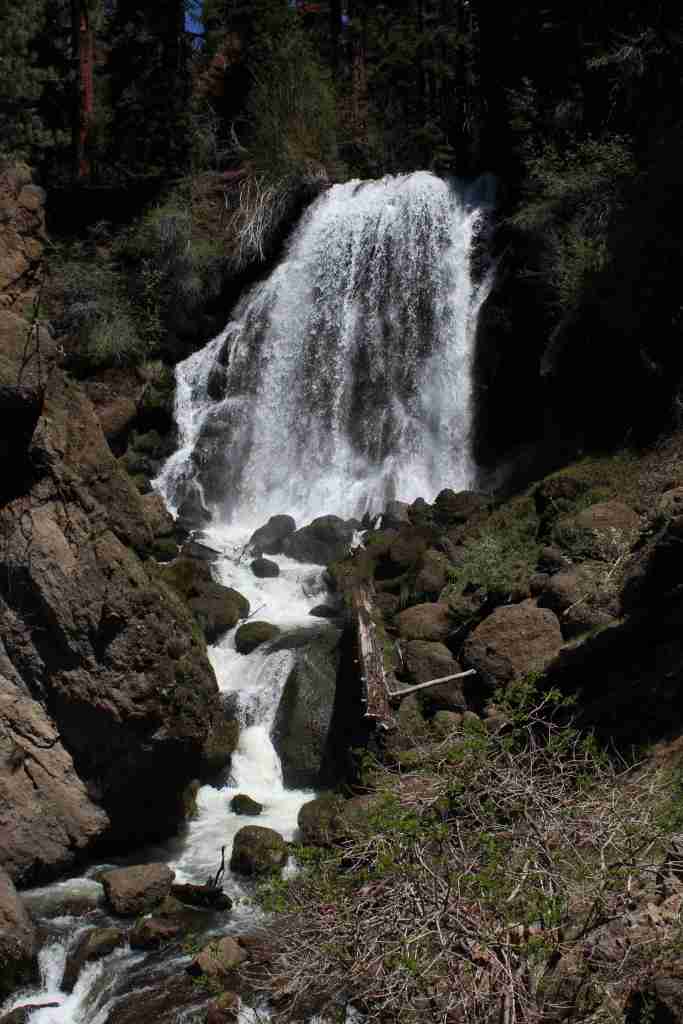
Sáttítla Highlands National Monument, Volcanic Legacy Scenic Byway, Medicine Lake Recreation Area, Glass Mountain, Devil’s Garden Natural Area, Mill Creek Falls, Highgrade National Recreation Trail, Pine Creek Trail

Must-Do Activity

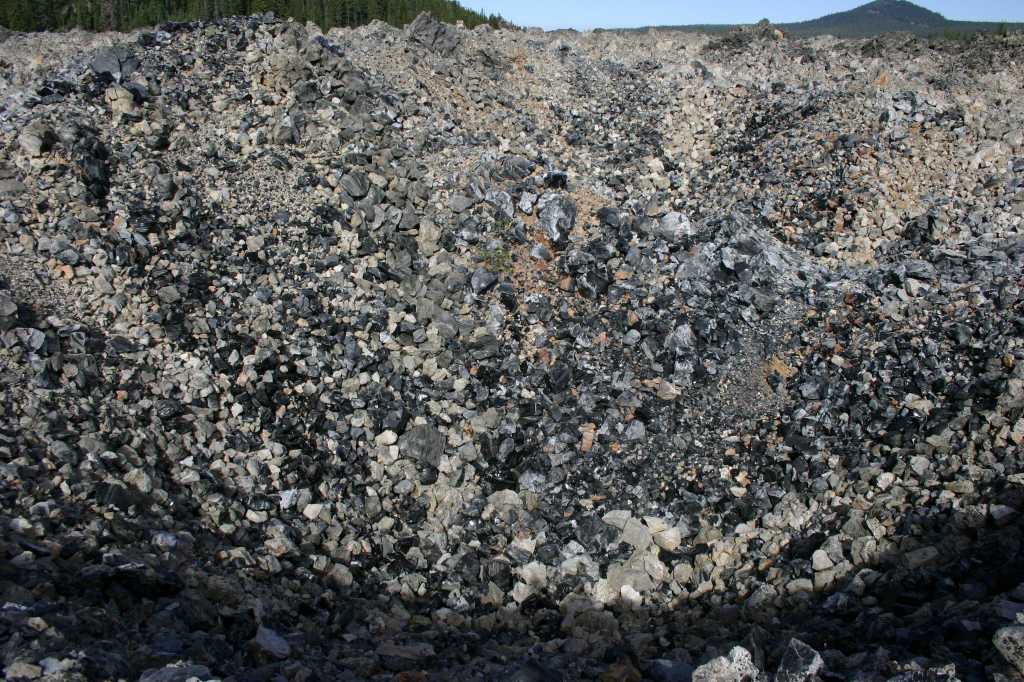
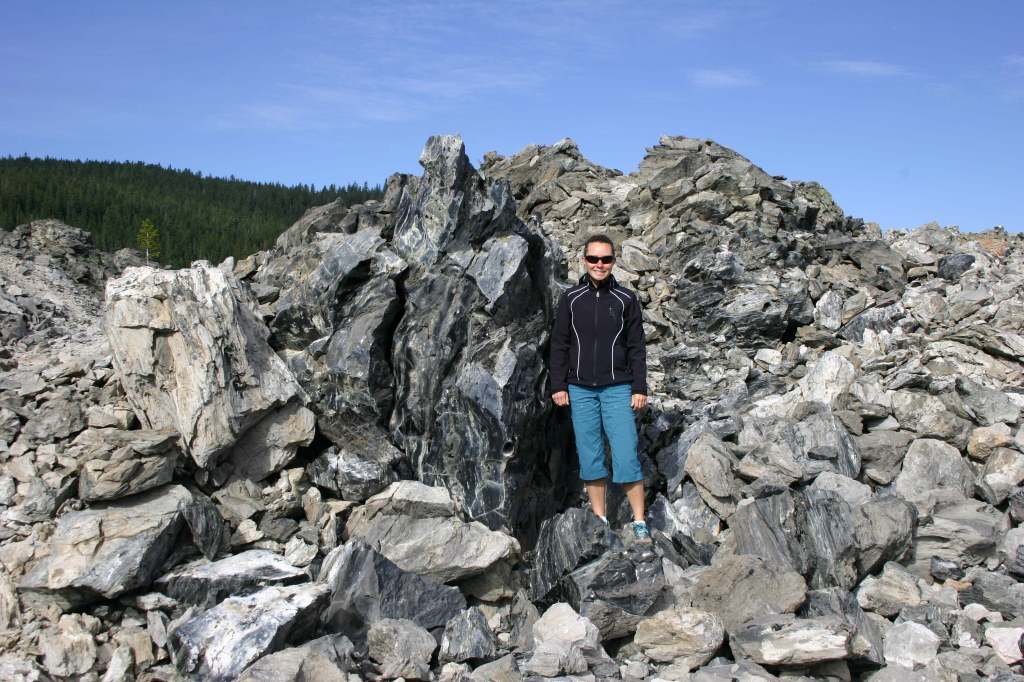
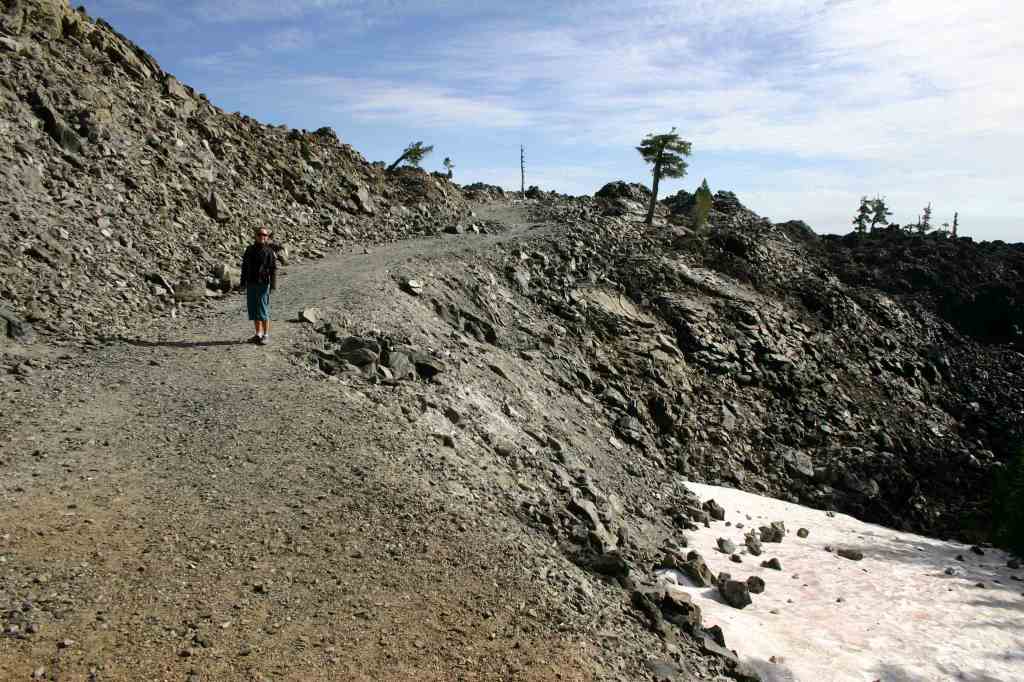
Medicine Lake offers boat ramps, trails, and campgrounds and nearby is Giant Crater, which has the longest known lava tube system in the world at 18 miles (although it is partially collapsed).  Located up a dirt road often blocked by snowdrifts late into the summer, Glass Mountain has a crater full of sharp pieces of rhyolite obsidian and glossy dacite.  This remote corner of California has some of the darkest skies in the continental U.S., so it is great for stargazing on moonless nights.  In the winter, snowmobiling and cross-country skiing are popular activities on groomed trails.  The South Warner Mountain Wilderness is traversed by the 21-mile Summit Trail that passes Eagle Peak, the Devil’s Knob, and The Slide. Mill Creek Falls is also in the Warner Mountains, accessed by a 3.4-mile out-and-back trail.

Best Trail

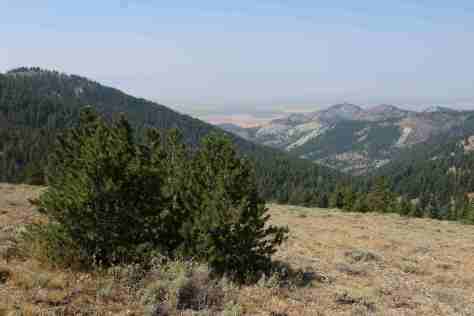
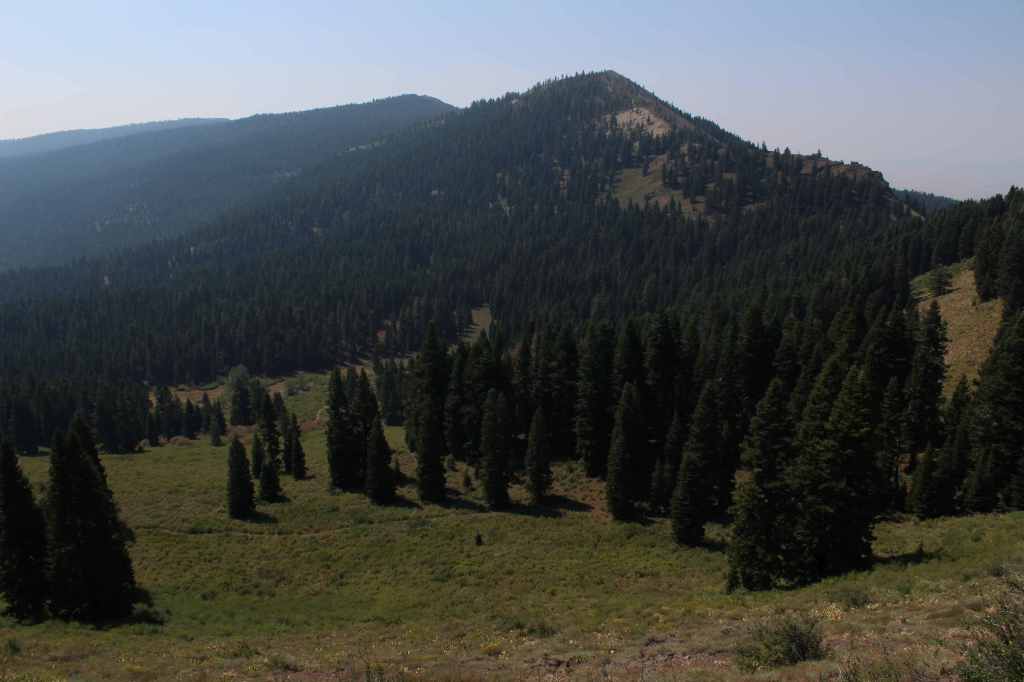
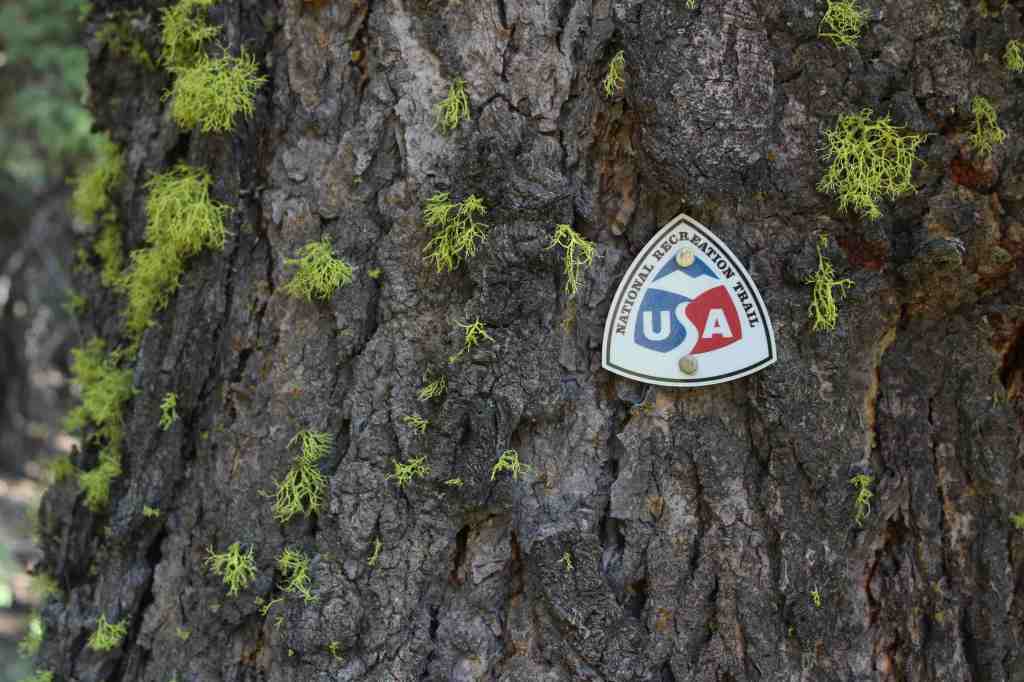
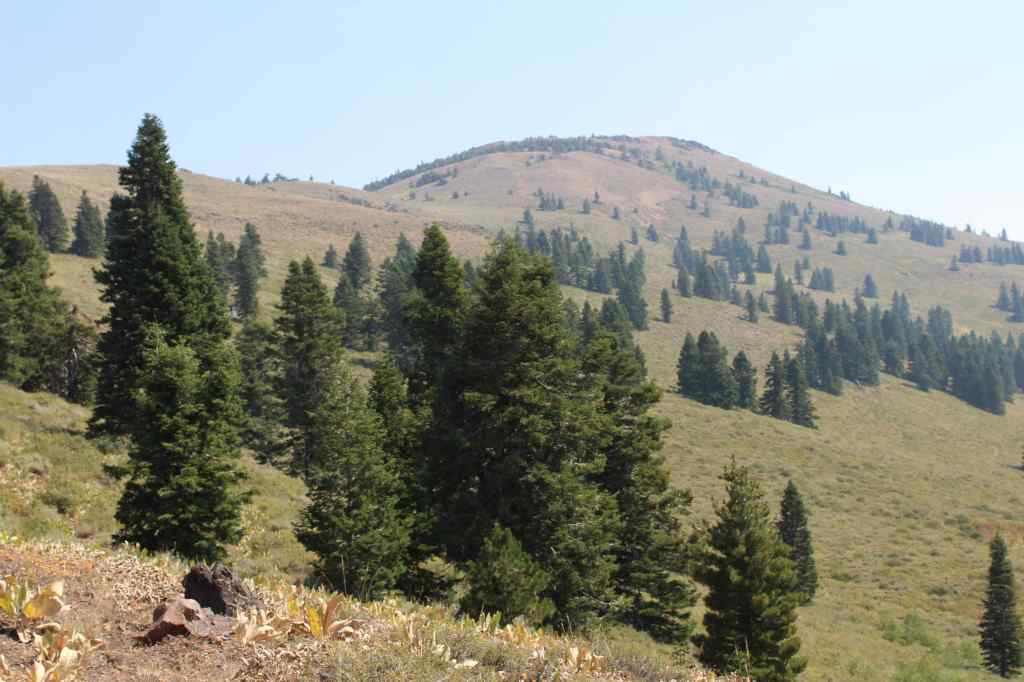
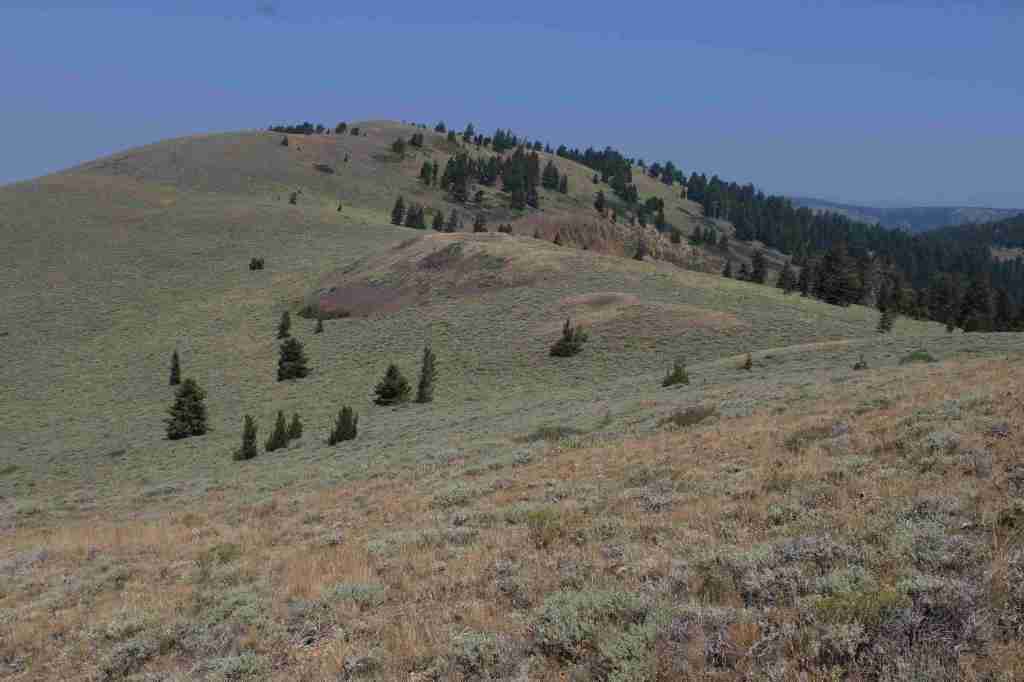
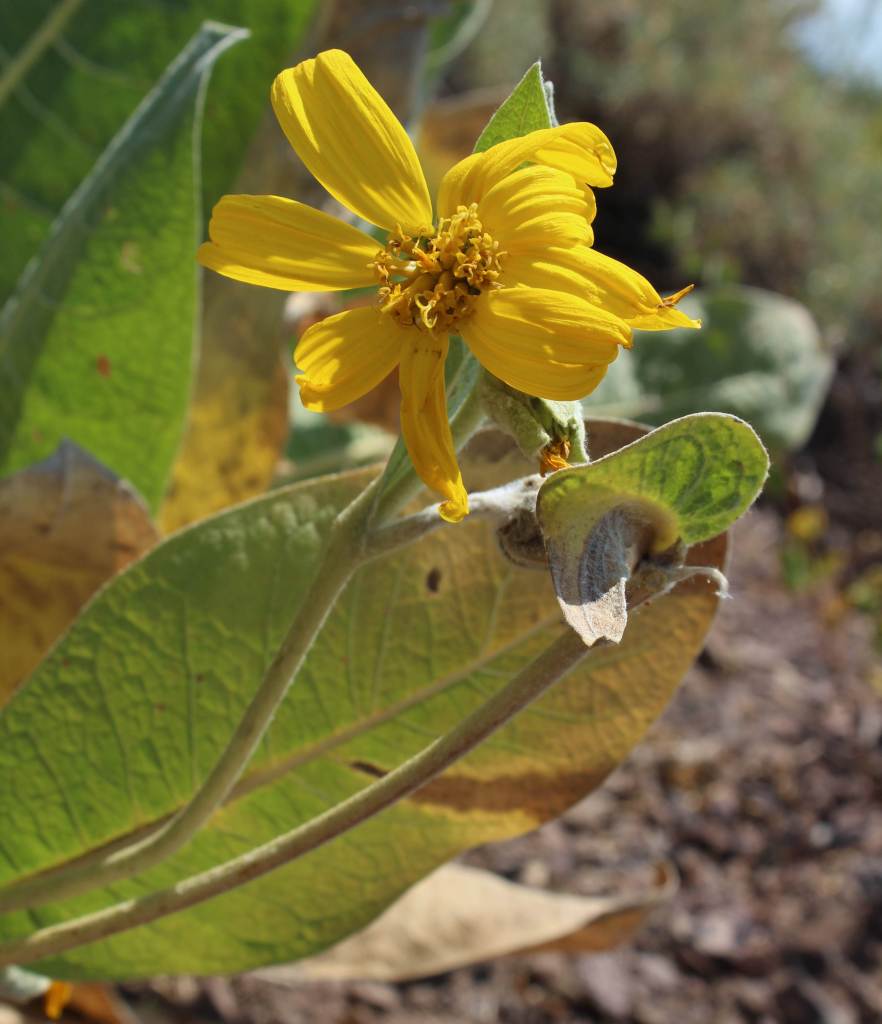
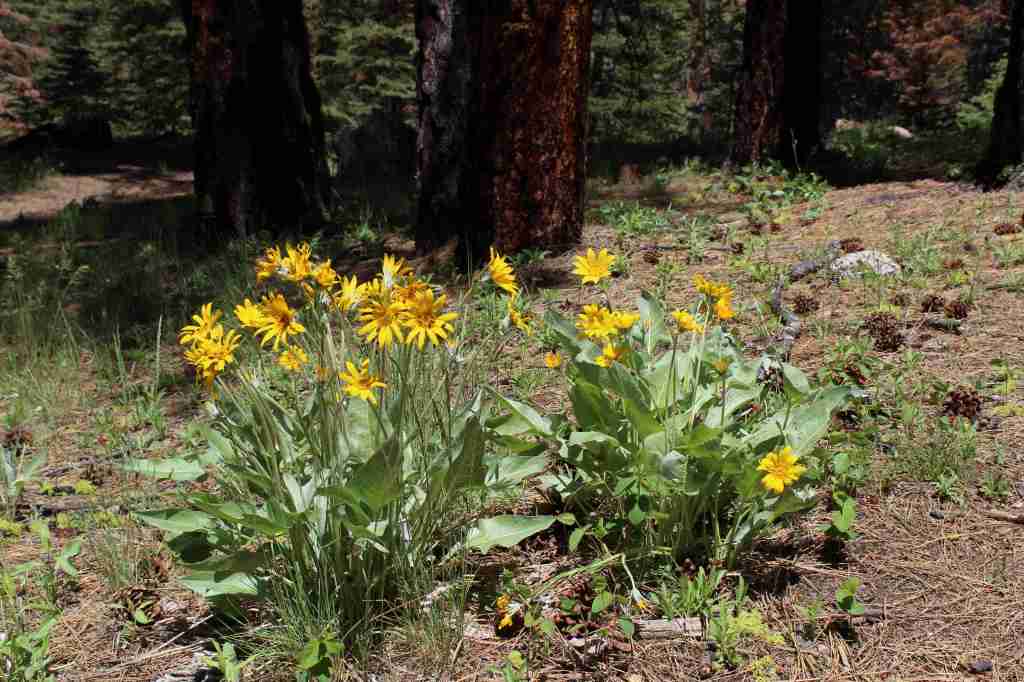
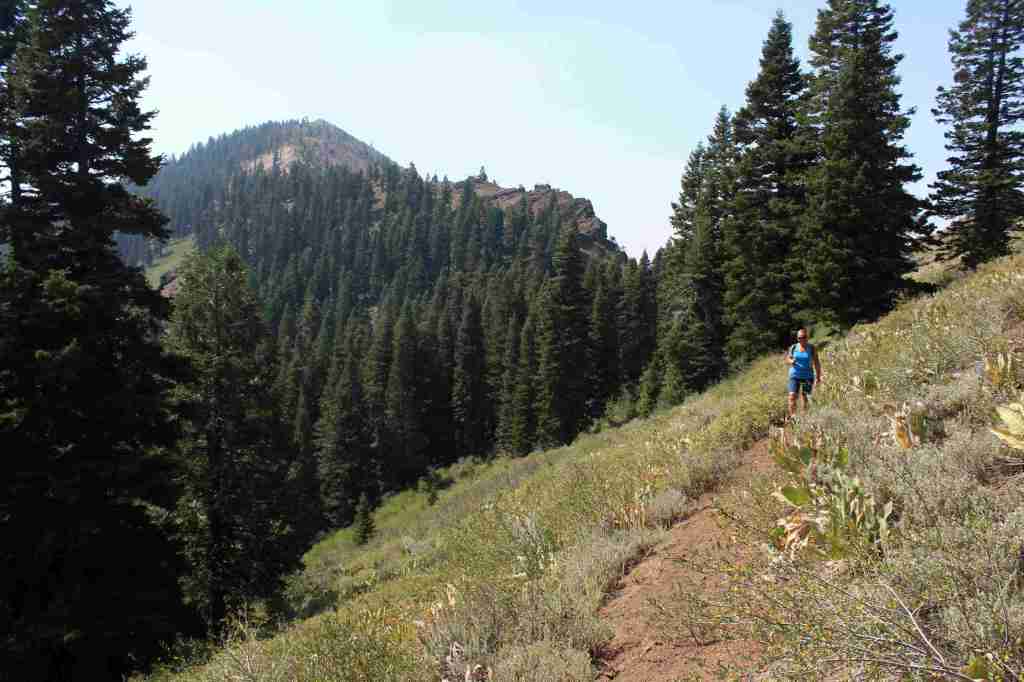
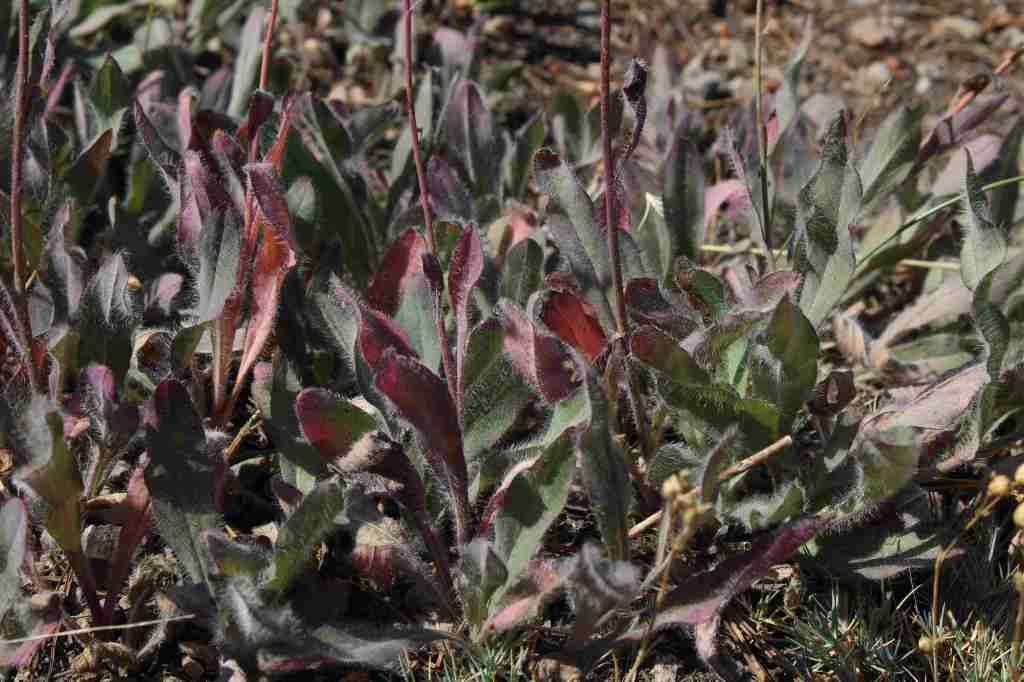
In the Warner Mountains near the border with Oregon’s Fremont National Forest, the 5.5-mile one-way Highgrade National Recreation Trail provides excellent views of Goose Lake.  The trailhead is reached by taking paved County Road 9 five miles east from Highway 395 then turning north on the steep and unpaved Del Pratt Spring Road (Forest Road 47N72) for 6.3 miles.  The trail quickly leaves the shade of the forest as it steadily climbs 800 feet through a slope covered in woolly mule’s ears flowers to a saddle west of 8,224-foot Mt. Vida.  It is possible to summit Mt. Vida from this point, but the trail heads away toward Yellow Mountain following Forest Road 48N10.

Watchable Wildlife

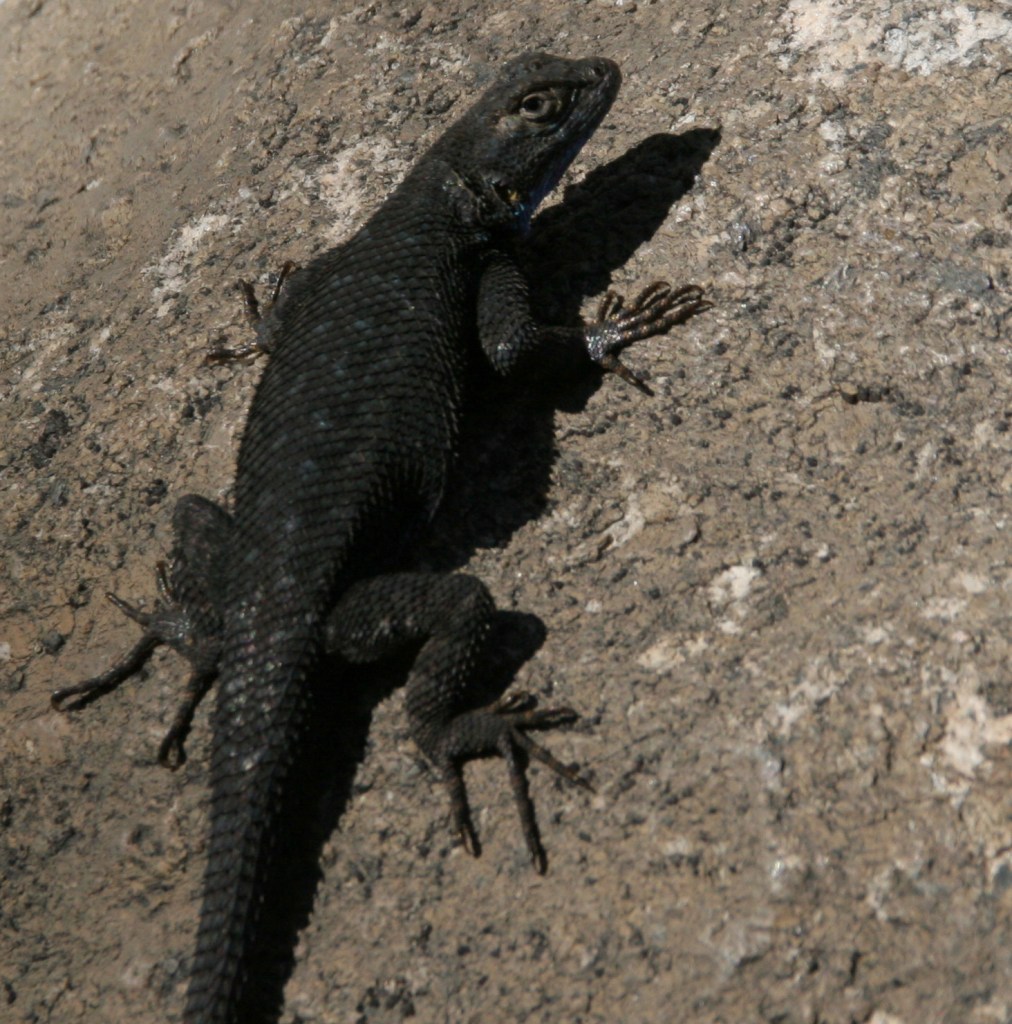
Modoc National Forest borders Lower Klamath National Wildlife Refuge, in addition to Tule Lake, Clear Lake, and Modoc National Wildlife Refuges.  These wetlands provide habitat crucial for bird nesting and migration on the Pacific Flyway.  The many lava tubes provide habitat for numerous species of bats, in addition to violet-green swallows and bushy-tailed woodrats.  Larger mammals include mule deer, pronghorn, badger, skunk, raccoon, pika, jackrabbit, yellow-bellied marmot, coyote, bobcat, and mountain lion.  Large birds found here are great horned owl, short-eared owl, and bald eagle (winter resident).  Reptiles are abundant, including the western fence lizard, northern sagebrush lizard, western skink, Rocky Mountain rubber boa, gopher snake, desert night, and western rattlesnake.

Photographic Opportunity

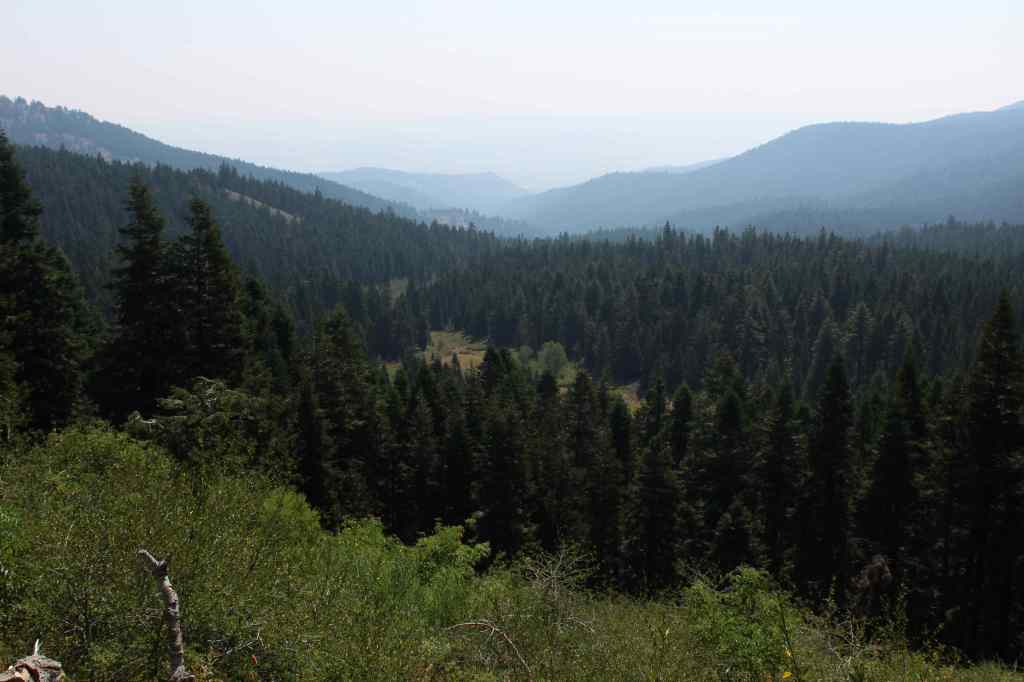
Not far up the steep Highgrade National Recreation Trail there are excellent views of Goose Lake to the west.

Peak Season

Summer

Fees

$5 per vehicle (or the America the Beautiful Pass) at Medicine Lake

Road Conditions

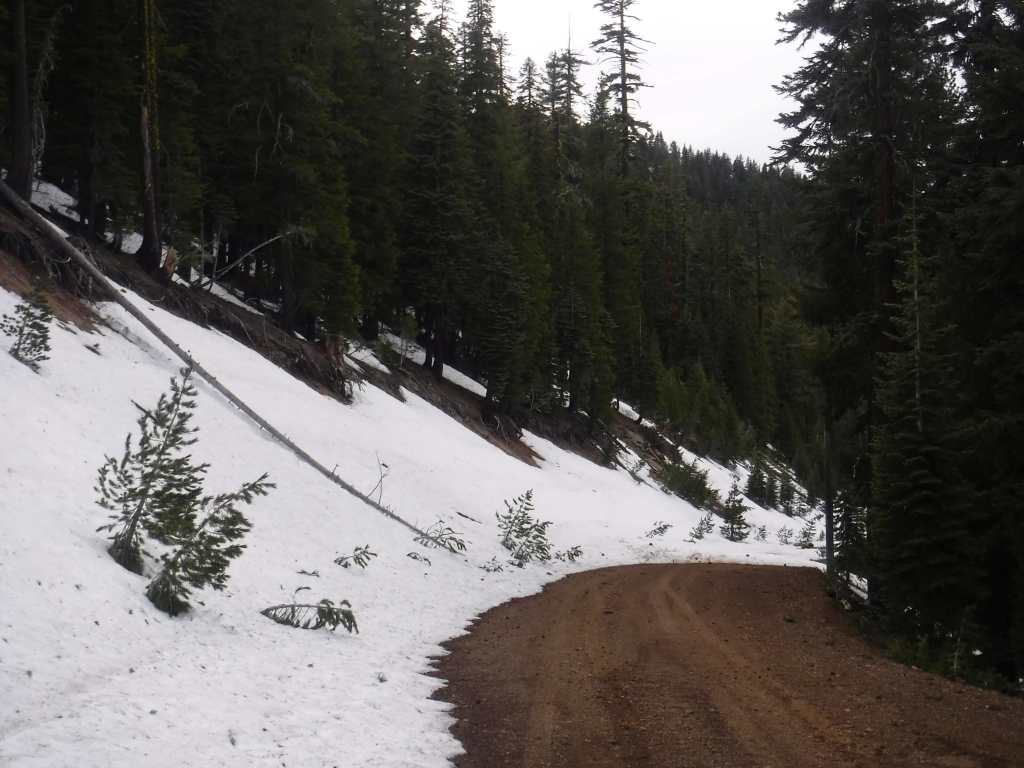
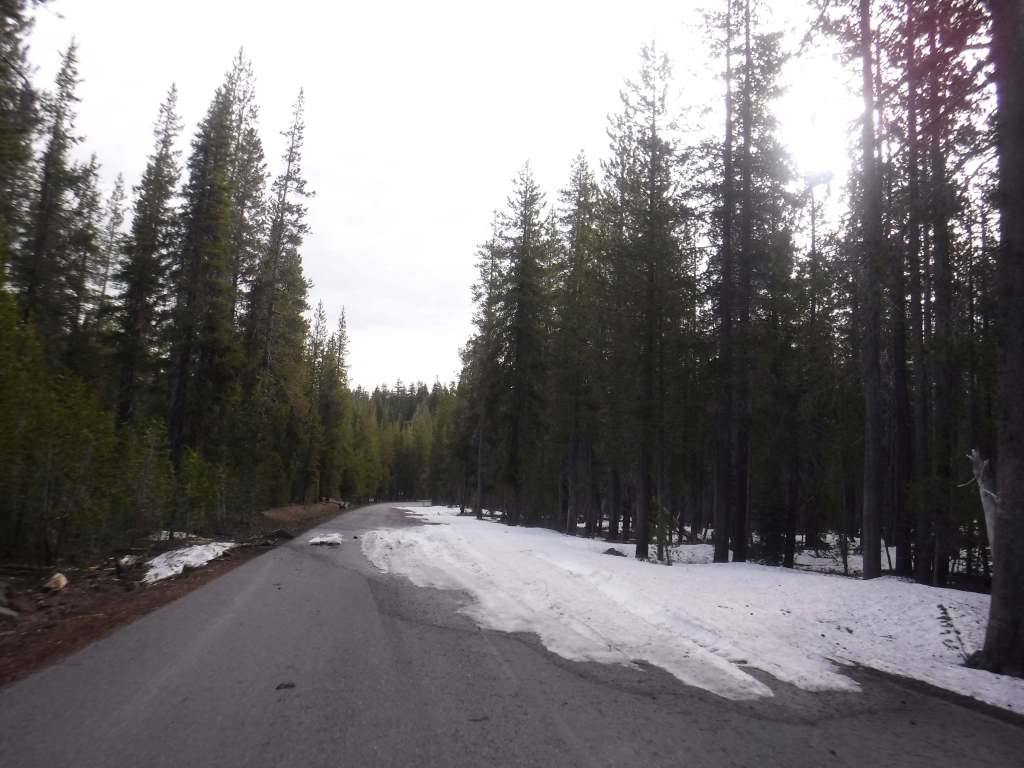
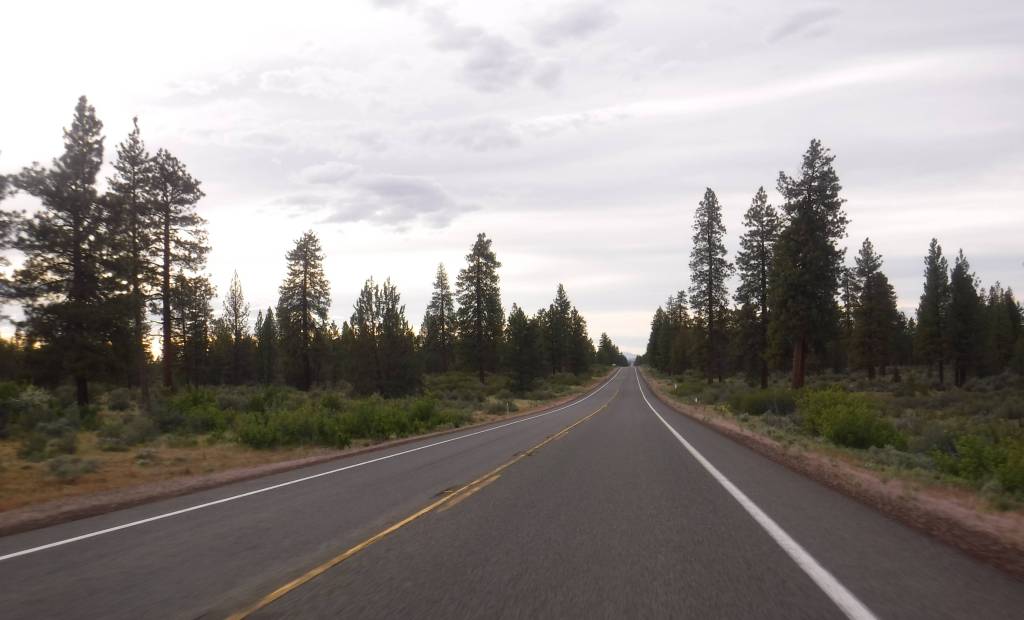
This area receives abundant winter snowfall, and roads can be blocked by snow into July, which we experienced trying to get to Glass Mountain.  The road to Medicine Lake is paved, but almost every other road through the National Monument is unpaved, some requiring a high-clearance vehicle.  Giant Crater is a Geologic Special Interest Area that can be accessed two miles off Medicine Lake Road on Forest Road 43N11. 

Camping

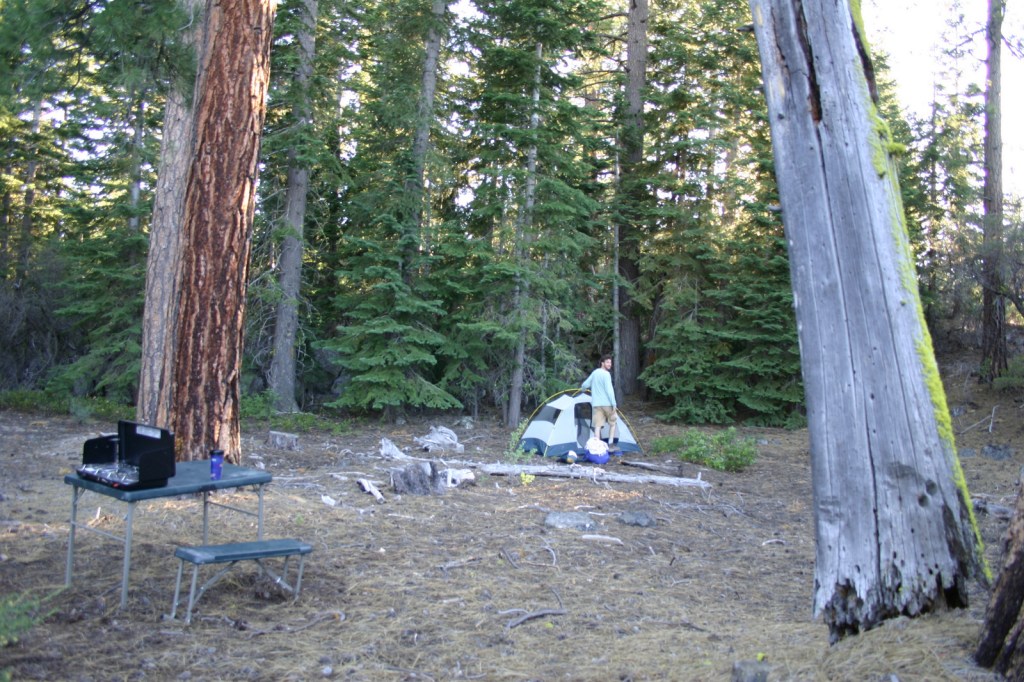
There are multiple Forest Service campgrounds on Medicine Lake, plus two nearby at Blanche Lake and Bullseye Lake.  Dirt roads in Modoc National Forest provide ample dispersed campsites.

Wilderness Areas

South Warner Wilderness

Related Sites

Lava Beds National Monument (California)

Tule Lake National Monument (California)

Sáttítla Highlands National Monument (California)

Butte Valley National Grassland (California)

Nearest National Park

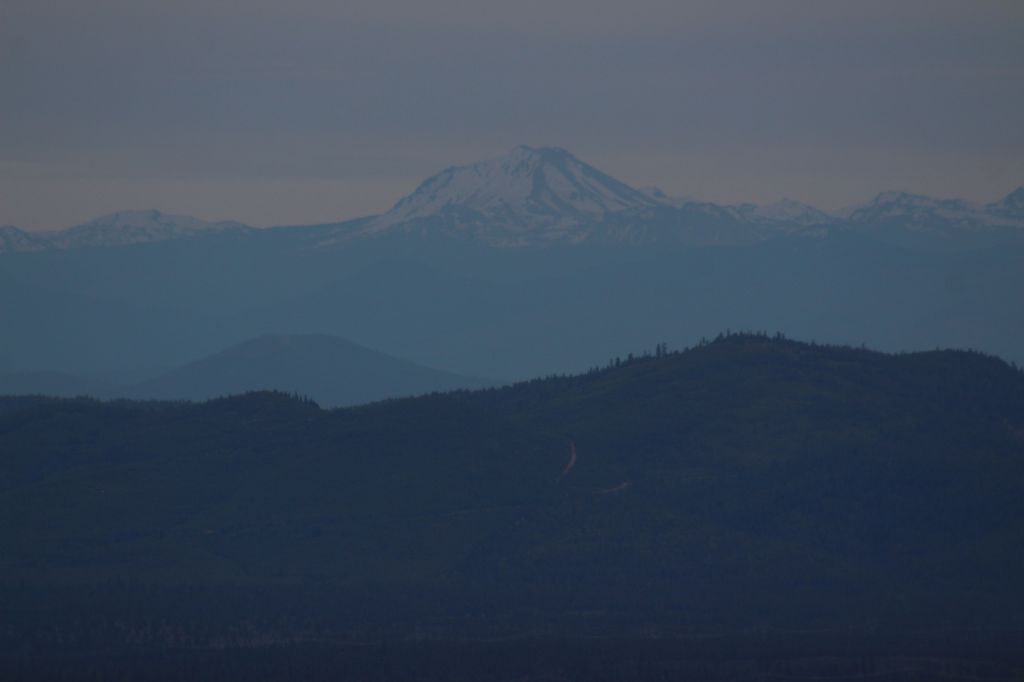
Lassen Volcanic

Conifer Tree Species

ponderosa pine, whitebark pine, red fir, incense-cedar, white fir, lodgepole pine, western white pine, Jeffrey pine, incense-cedar, western juniper

Flowering Tree Species

quaking aspen, curlleaf mountain mahogany, elderberry, sagebrush

Explore More – The Modoc Tribe traditionally lived in this area and the Klamath called them “Moadok Maklaks” that translates as what?

Learn more about this and the 154 other National Forests in our new guidebook Out in the Woods

Port Chicago Naval Magazine National Memorial

Port Chicago Naval Magazine National Memorial

California

Managed by National Park Service

Established 1992

5 acres

Website: nps.gov/poch

Overview

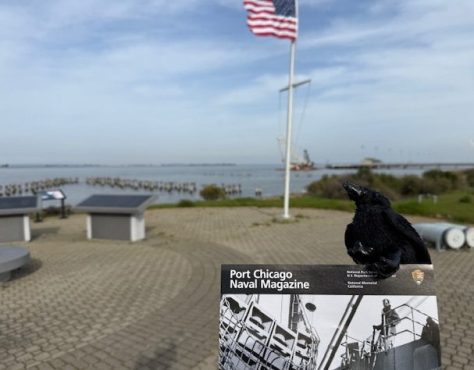
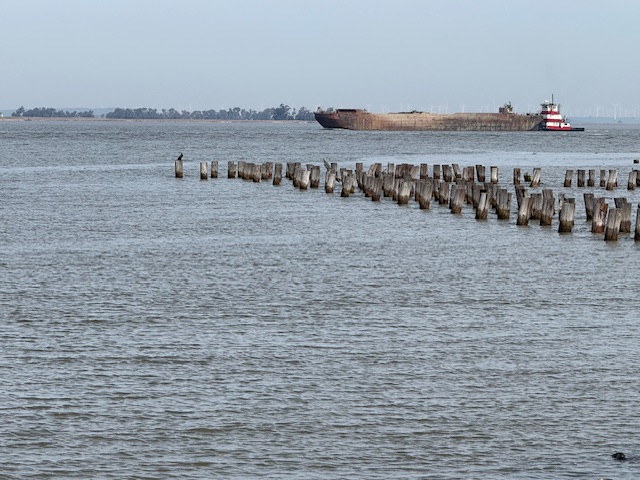
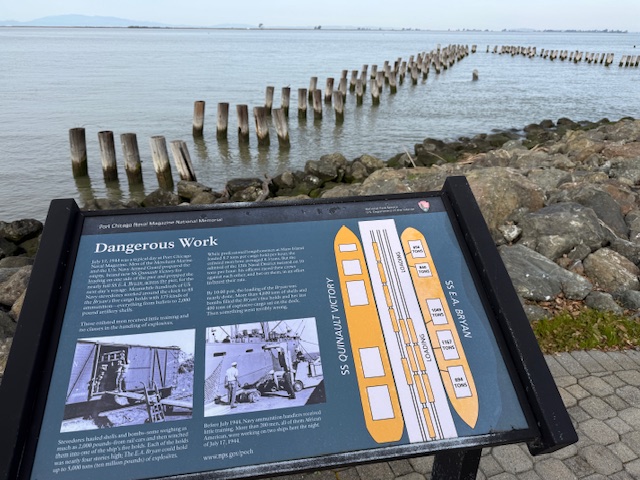
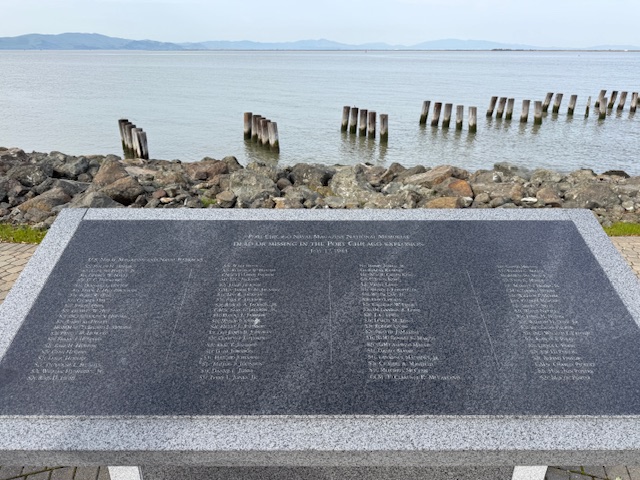
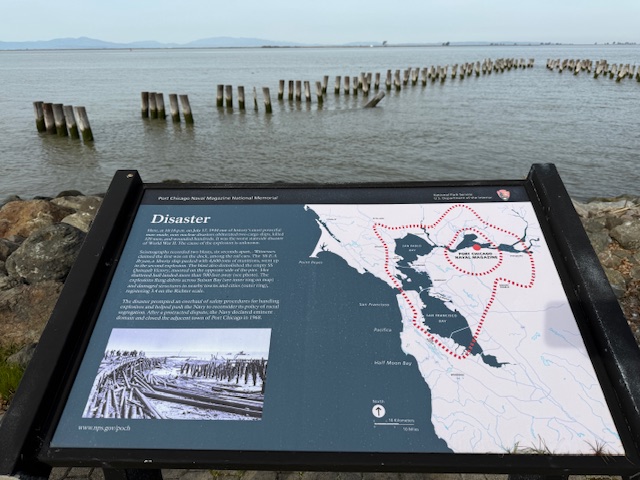
On July 17, 1944 at 10:18 p.m., a massive explosion at a U.S. Navy facility rocked the San Francisco Bay area.  The blast started at a pier where munitions were being loaded onto two ships and killed 320 men.  The majority of the dead were African American sailors who were segregated at the time and not allowed to serve in combat roles or as officers.  After refusing to return to unsafe working conditions, 206 sailors were convicted after a summary courts-martial, and the “Port Chicago 50” were sentenced to 15 years imprisonment for mutiny.  After receiving negative publicity, the Navy actually became the first of the military branches to integrate during World War II, well before President Truman required it in 1948.  On January 6, 1946, the Navy released 47 of the 50 men being held and in 2024, the Navy posthumously exonerated all 256 men and vacated any remaining dishonorable discharges. 

Highlights

Memorial, film, revetment

Must-Do Activity

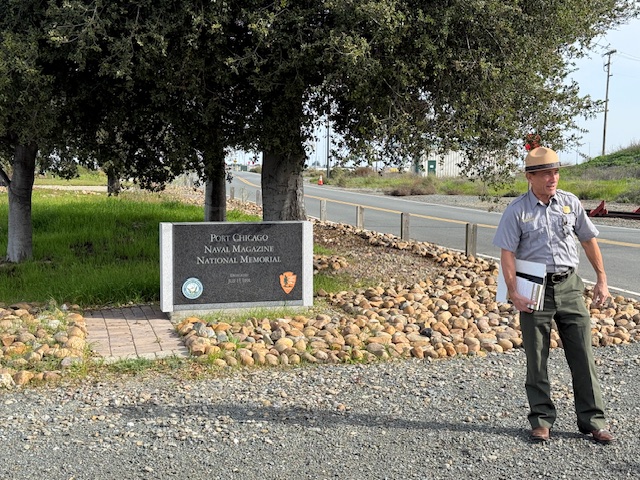
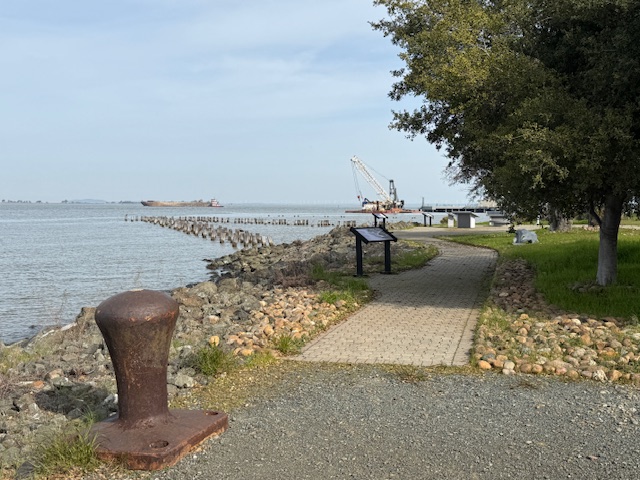
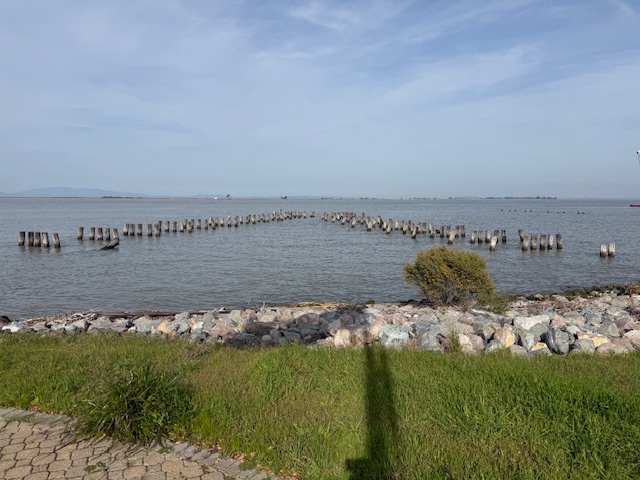
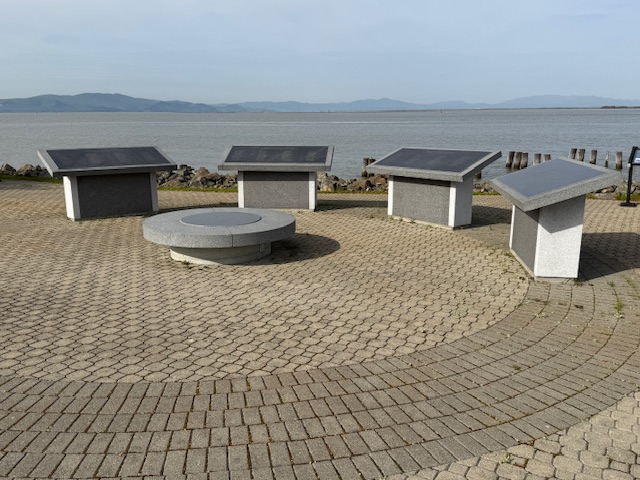
The memorial is located on an active military base called Military Ocean Terminal Concord on Suisun Bay.  Therefore, all visitors are required to be U.S. Citizens and must make a reservation at least two weeks before their visit by calling or emailing the National Park Service (NPS) to receive a background check.  Tours are given only on Thursdays, Fridays, or Saturdays and meet at John Muir National Historic Site (where you can watch a short film) in Martinez where the group boards government vehicles to drive to the site.  After a thorough search of the vehicle and each visitor getting checked off a list, it is a short drive to the memorial where the NPS ranger explains the history of the site at two locations with time to walk around and take photos (but only of the memorial area).

Best Trail

None

Photographic Opportunity

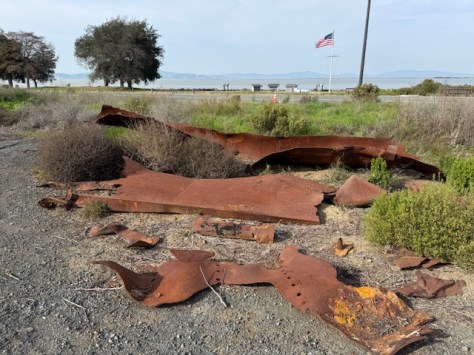
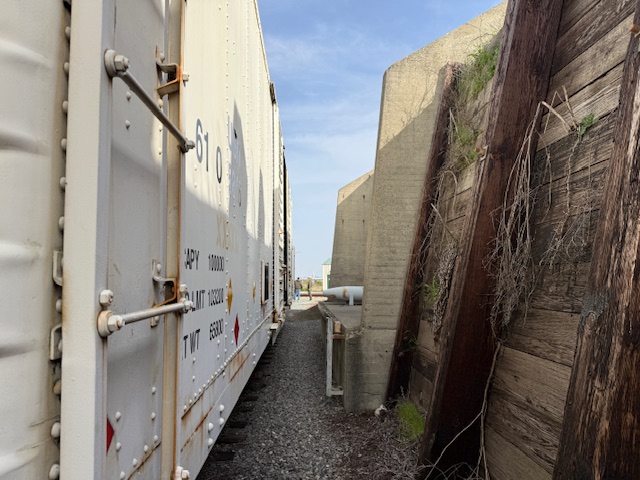
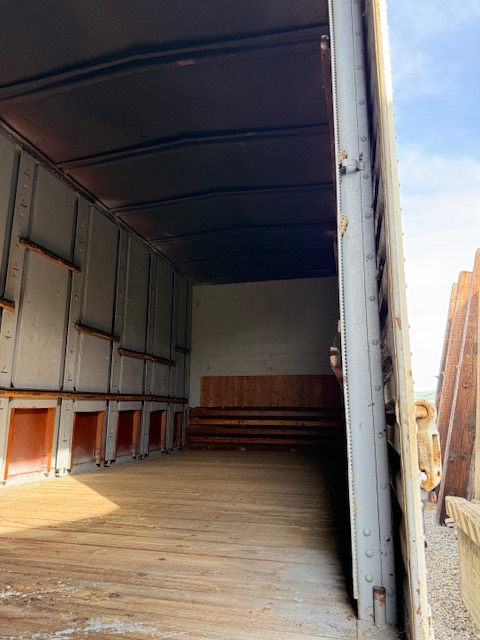
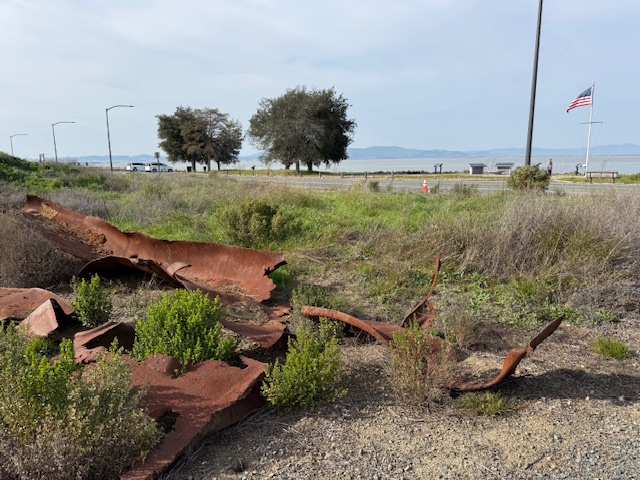
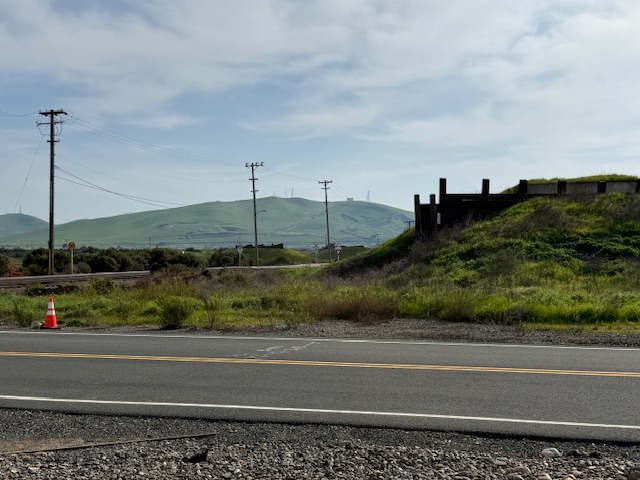
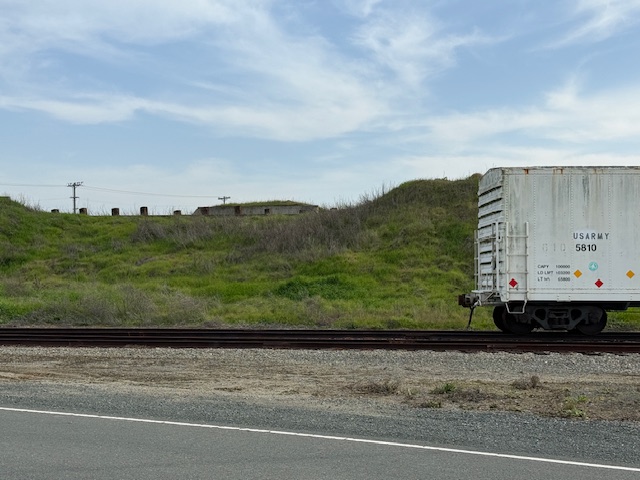
Shrapnel from the 1944 blast is located at the first stop on the guided tour where historic train cars are parked in a revetment. 

Peak Season

Summer

Hours

Tours are available only on Thursdays, Fridays, or Saturdays when the base is not closed to civilians.

https://www.nps.gov/poch/planyourvisit/hours.htm

Fees

None

Road Conditions

All roads are paved to John Muir National Historic Site where there is a free parking lot.

Camping

There are campgrounds at Mount Diablo State Park and backcountry campsites (permit required) at Point Reyes National Seashore.

Related Sites

Rosie the Riveter/World War II Home Front National Historical Park (California)

Muir Woods National Monument (California)

Tuskegee Airmen National Historic Site (Alabama)

Nearest National Park

Pinnacles

Explore More – What future Supreme Court Justice observed the courts-martial and has a regional park named in his honor near Port Chicago Naval Magazine National Memorial?

Mendocino National Forest

Mendocino National Forest

California

Managed by U.S. Forest Service, Pacific Southwest Region

1,079,850 acres (911,733 federal/ 168,117 other)

Website: https://www.fs.usda.gov/r05/mendocino

Overview

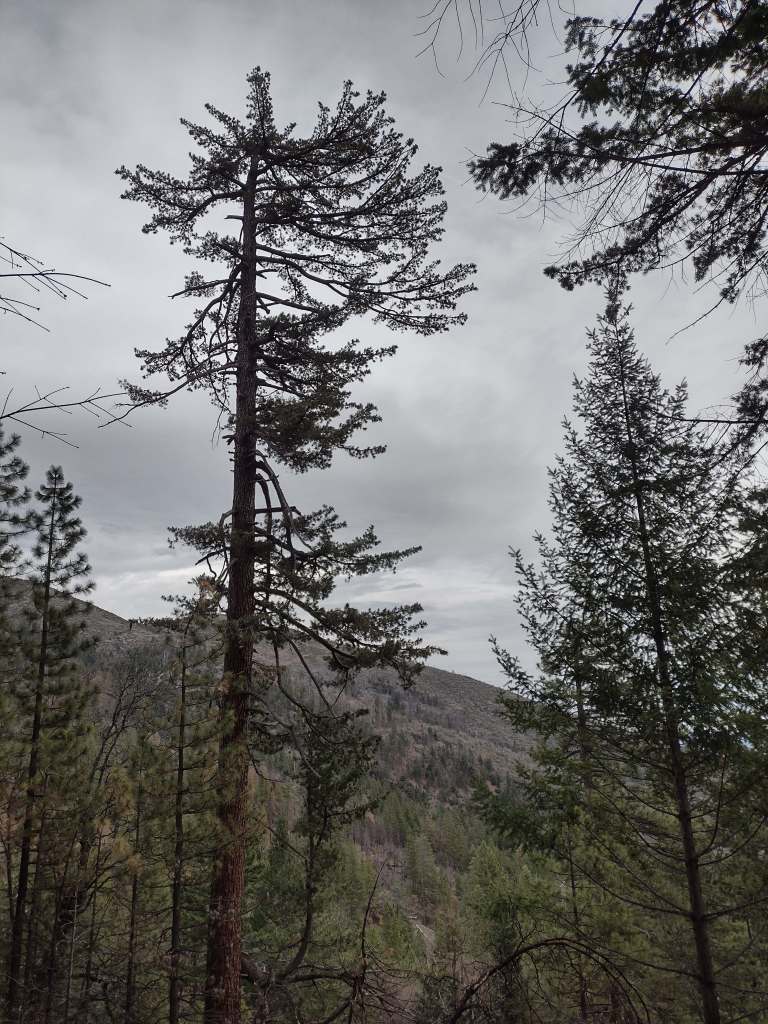
Originally called California National Forest in 1908, this area between Interstate 5 and Highway 101 was renamed Mendocino National Forest 24 years later.  It stretches north-south along the Coast Range covering parts of six counties north of San Francisco.  Similar to Los Padres National Forest, it contains rocky serpentine ridgelines where only specially adapted plants can tolerate the heavy metals in the soil, like Sargent cypress and the shorter McNab cypress.  Both species can be found along Frenzel Creek near Little Stoney Campground.  In 1953, a Forest Service employee and 14 volunteer firefighters died in the Rattlesnake Fire and a memorial overlooking Rattlesnake Canyon is located off Forest Highway 7 on Alder Springs Road.  Mendocino National Forest includes the northern portion of Berryessa Snow Mountain National Monument (see our full blog post), established in 2015 and administered in cooperation with the Bureau of Land Management.

Know someone who loves the National Forests? Gift them our travel guidebook Out in the Woods so they can learn more about all 155 National Forests.

Highlights

Berryessa Snow Mountain National Monument, Lake Pillsbury, Thomes Gorge, Hull Mountain, Frenzel Creek, Harvey Peak, Ide’s Cove Trail

Must-Do Activity

There are 18 National Forests in California (the most of any state), but Mendocino is the only one not crossed by a paved highway.  It is a wonderful destination for outdoor recreation, both motorized and non-motorized, including Hull Mountain which is popular with hang gliders.  Lake Pillsbury is 2,280 acres and offers boat ramps, campgrounds, and a resort, while 35-acre Letts Lake has a campground and access to hiking trails.

Best Trail

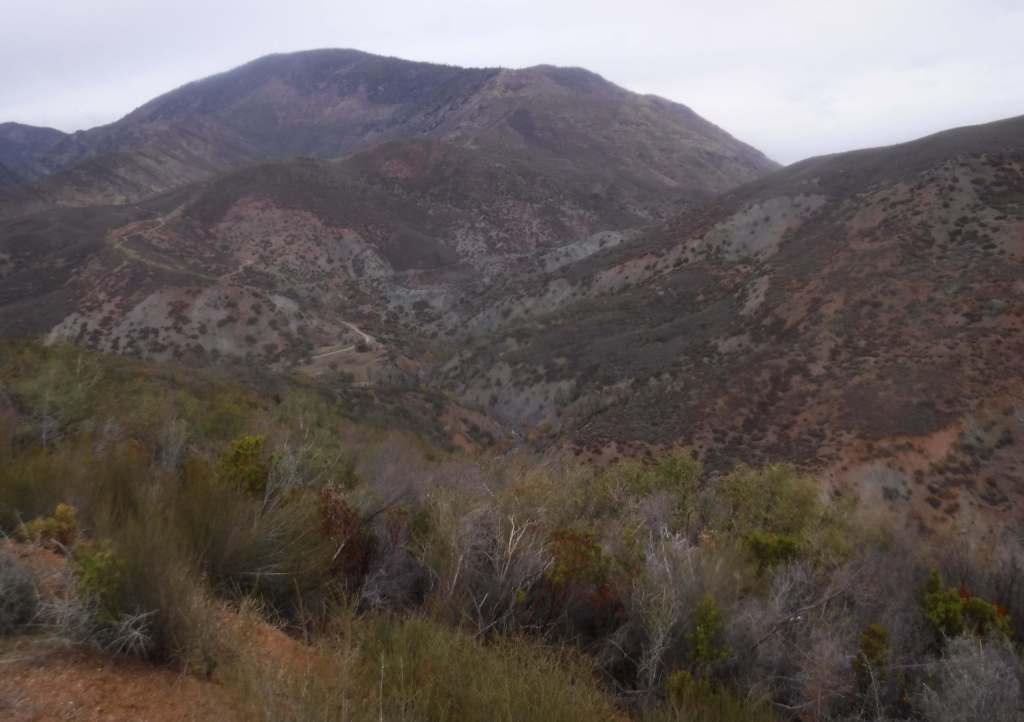
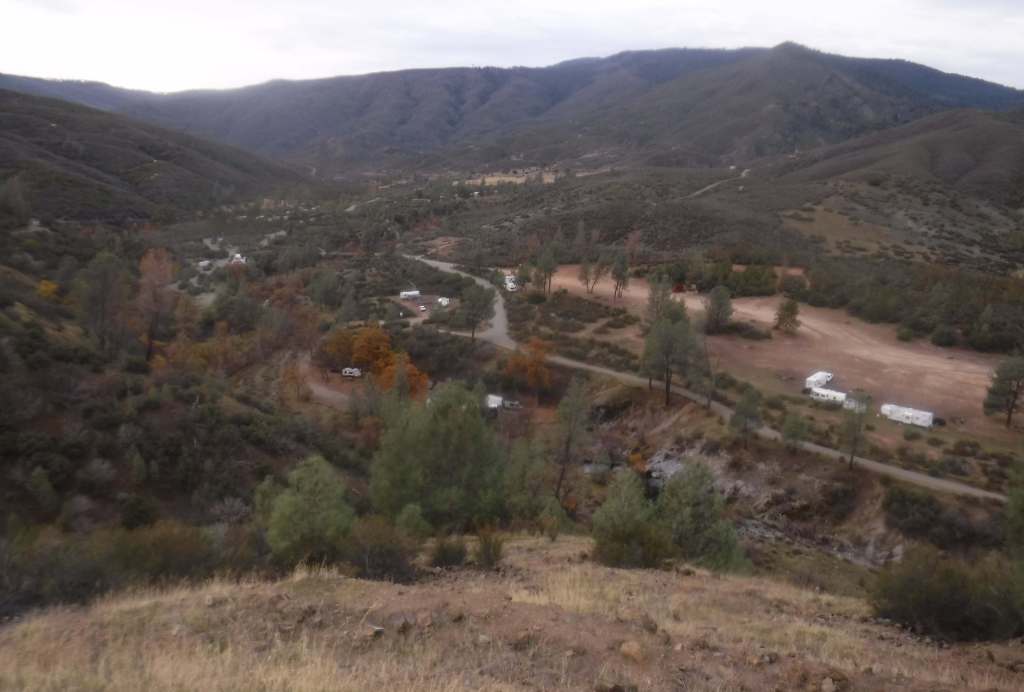
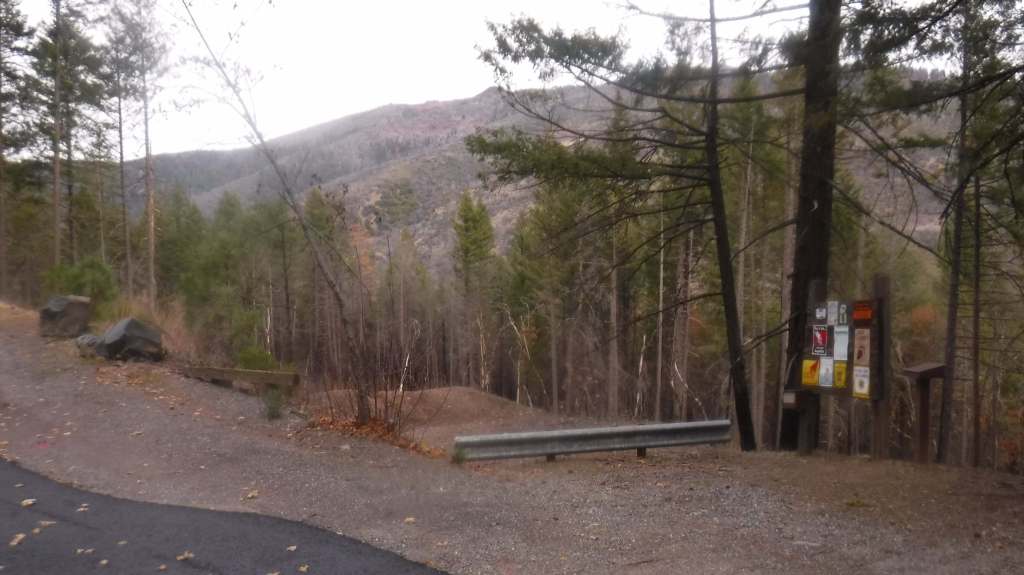
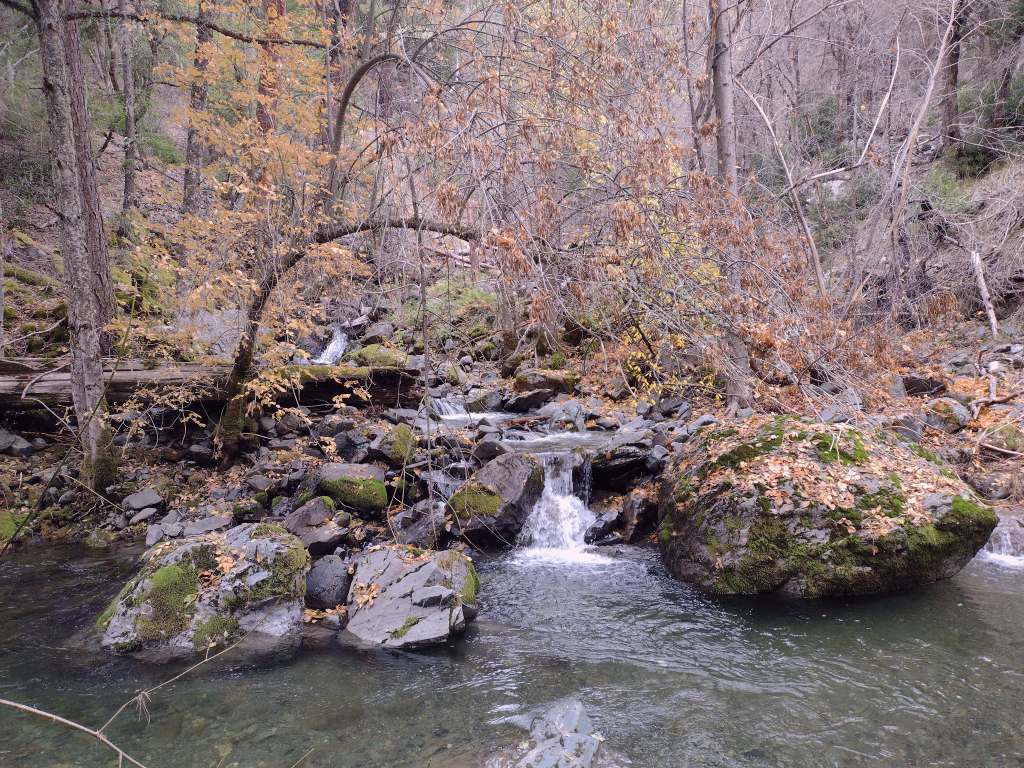
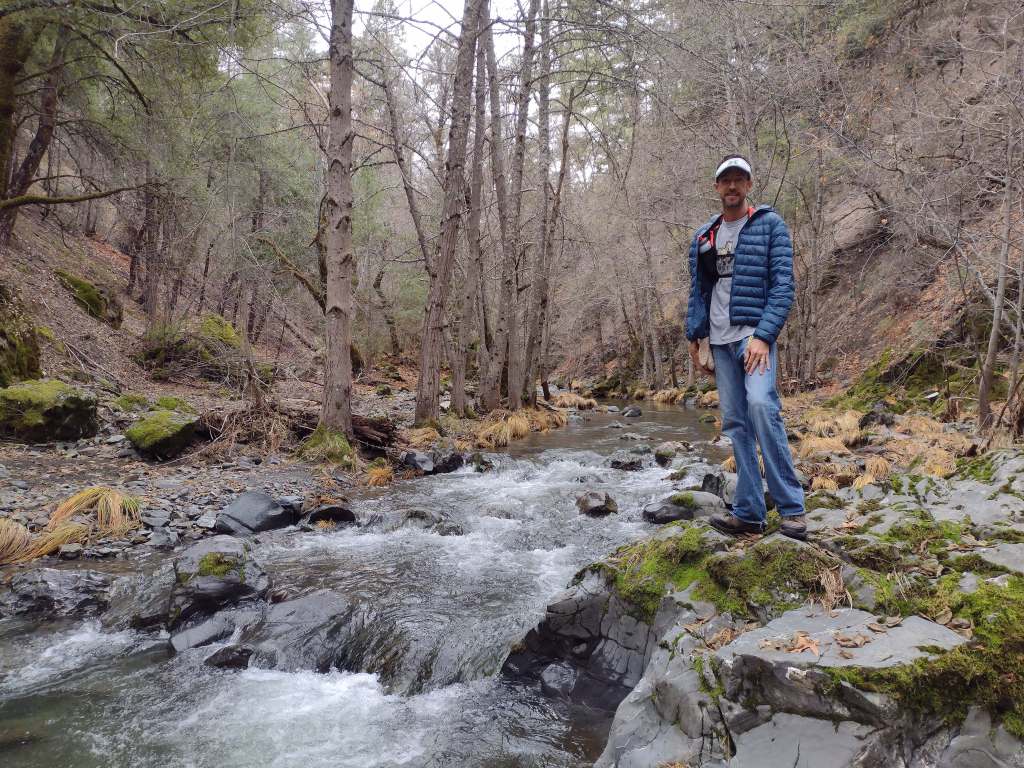
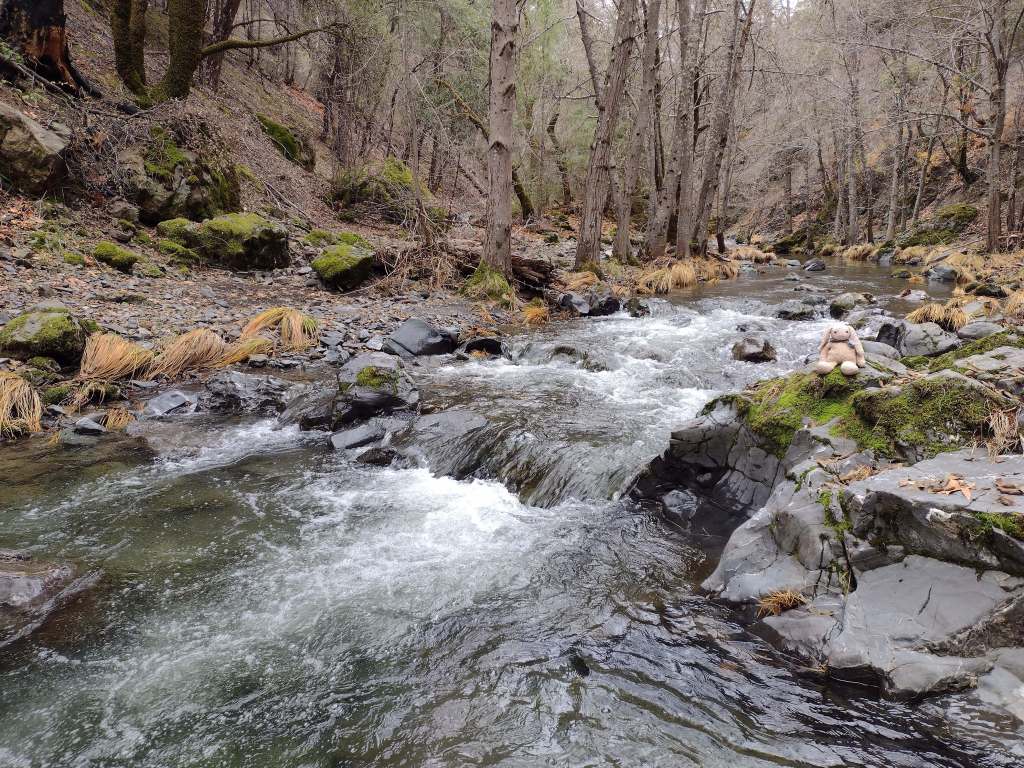
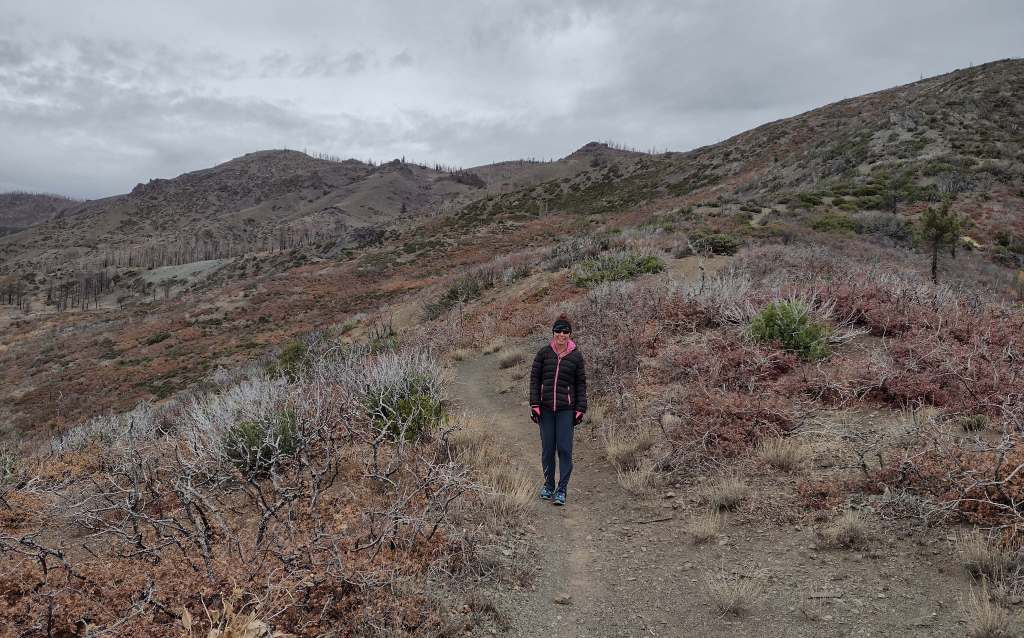
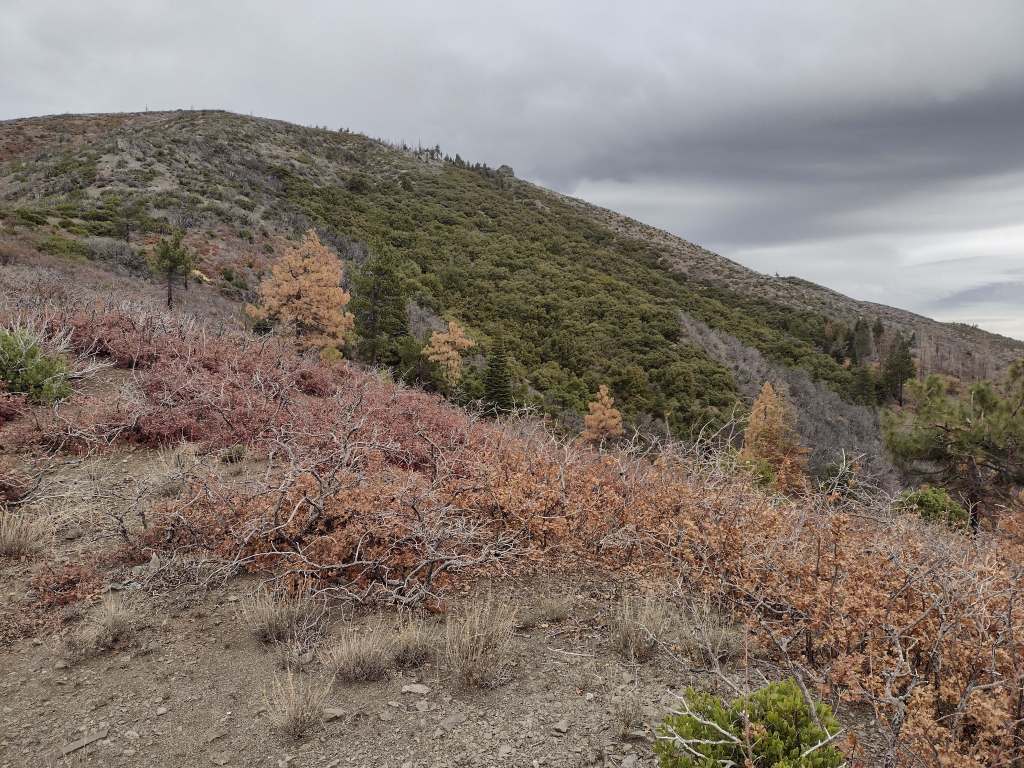
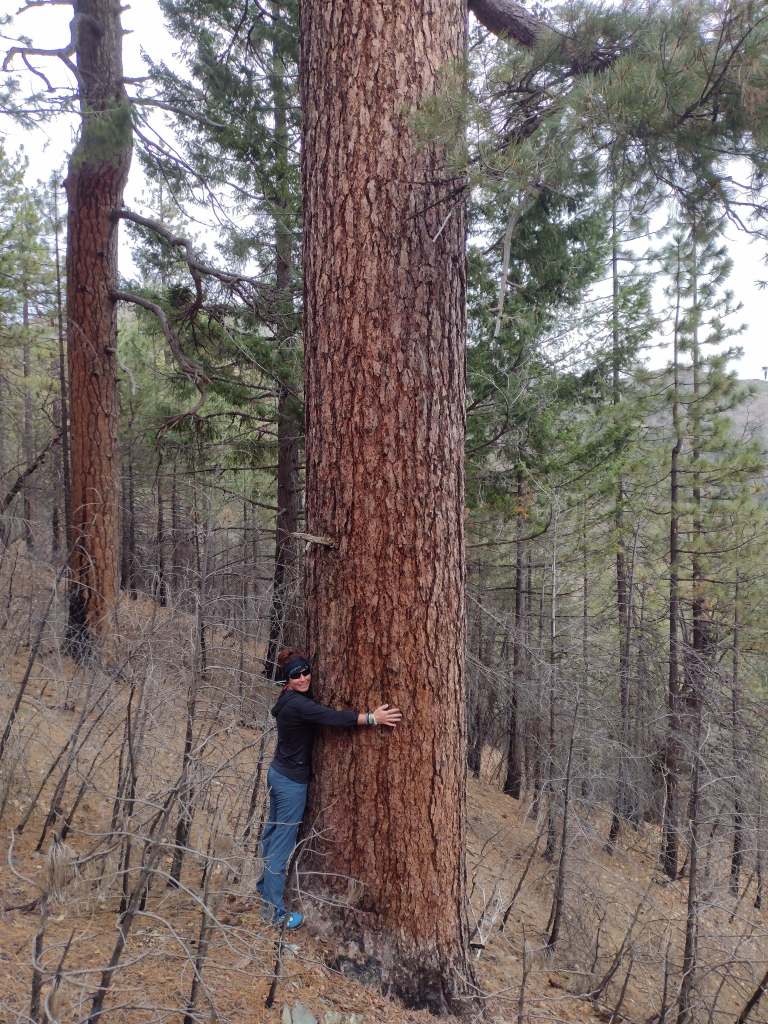
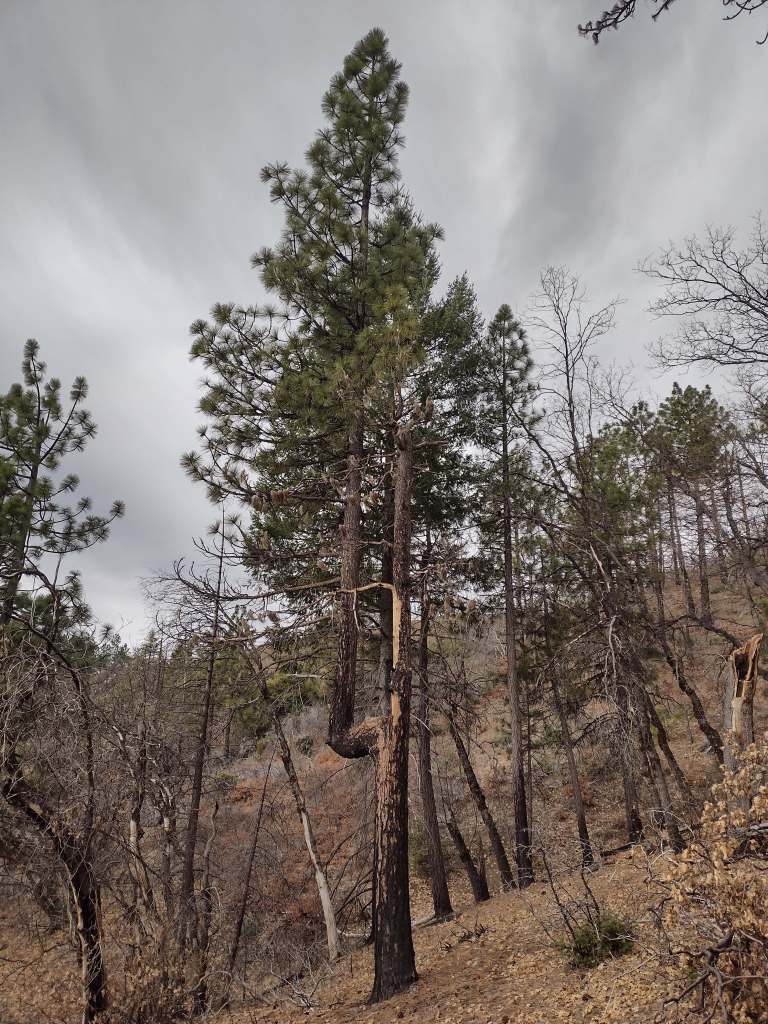
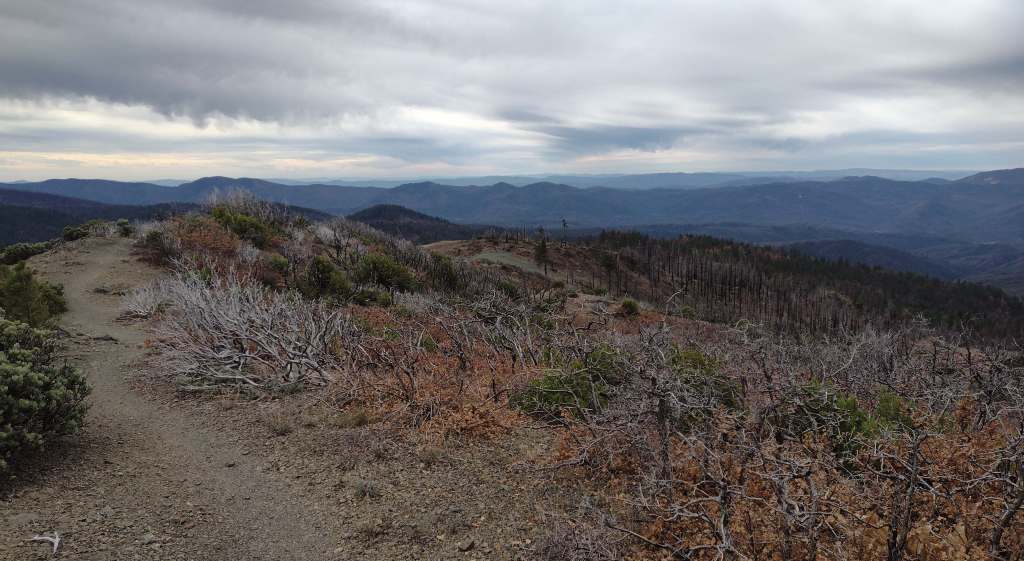
As we drove the winding road from Stonyford to the tiny roadside pullout for Deafy Glade Trail, we passed campgrounds full of RVs that were getting ready for a motorcycle event.  Our hike took us far from any road noise, as we dropped down to and waded across the frigid South Fork of Stony Creek and then climbed steeply to 5,300 feet in elevation.  The trail continued to the summit of 7,056-foot Snow Mountain, but we already had great views of the Rice Valley and decided to turn around at the 4.5-mile point, just inside the official boundary of the Snow Mountain Wilderness.  We expected a desolate landscape after reading about recent fires, but about three-quarters of the trees along the trail were still alive and showed only minor charring at their bases.

Watchable Wildlife

Mendocino National Forest protects a biodiverse area home to tule elk, black-tailed deer, river otters, black bears, and mountain lions.  Rivers that drain these highlands are used by California coastal chinook salmon and Northern California steelhead.  Fishing in the lakes is a popular activity and a chance to see ospreys and bald eagles.

Photographic Opportunity

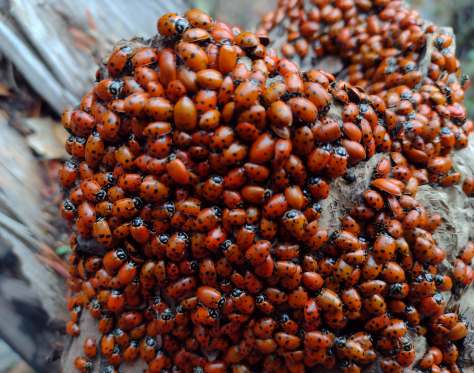
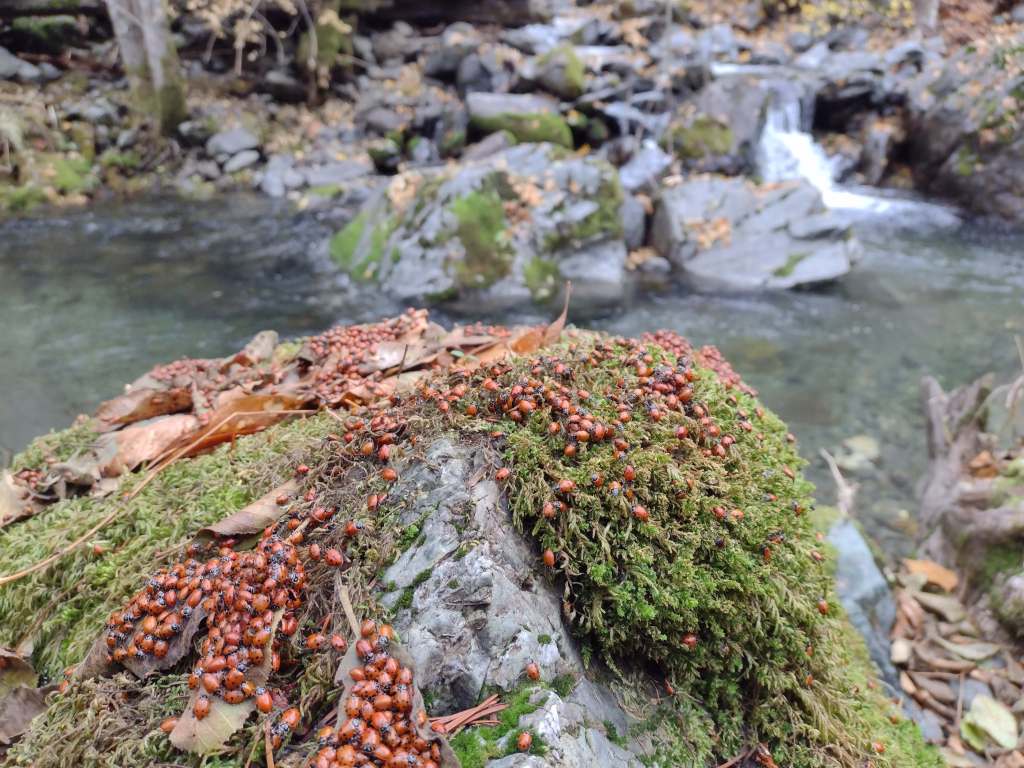
On Deafy Glade Trail, there were congregations of lady bugs that numbered in the hundreds along the South Fork of Stony Creek.

Peak Season

Summer

Fees

None

Road Conditions

Fouts Springs Road (Forest Road M10) is a well-maintained gravel road that crosses the National Forest west of Stonyford.  That area is popular with motorcycles and OHVs, so keep an eye out for them while driving. 

Camping

Mendocino National Forest manages Bear Creek Campground and Lower Nye Dispersed Campground among many others, plus there are countless places for dispersed camping. 

Wilderness Areas

Sanhedrin Wilderness

Snow Mountain Wilderness

Yolla Bolly-Middle Eel Wilderness (also in Six Rivers and Trinity National Forests)

Yuki Wilderness (also run by the Bureau of Land Management)

Related Sites

Berryessa Snow Mountain National Monument (California)

Lassen National Forest (California)

Point Reyes National Seashore (California)

Nearest National Park

Redwood

Conifer Tree Species

Douglas-fir, red fir, white fir, ponderosa pine, sugar pine, gray pine, Sargent cypress, McNab cypress

Flowering Tree Species

western redbud, interior live oak, tanoak, Pacific madrone

Explore More – In 1542, Cape Mendocino was named by explorer Roderiques de Cabrillo to honor whom?

Learn more about this and the 154 other National Forests in our travel guidebook Out in the Woods

Berryessa Snow Mountain National Monument

Berryessa Snow Mountain National Monument

California

Managed by U.S. Forest Service and Bureau of Land Management

Established 2015

344,476 acres

Website: https://www.blm.gov/programs/national-conservation-lands/california/berryessa-snow-mountain-national-monument

Overview

North of the San Francisco Bay and west of Interstate 5, flat-topped 7,056-foot Snow Mountain sheds water into the Berryessa Valley and the Sacramento River.  High elevations are dominated by conifers, while below there are oak-studded hillsides, canyons full of riparian trees, and rocky serpentine ridgelines where only specially adapted plants can tolerate the heavy metals in the soil.  In 2024, the 13,696-acre Molok Luyuk (“Condor Ridge” in the Patwin language) was added to the National Monument since it contains evidence of human occupation dating back more than 10,000 years.

Know someone who loves exploring new National Monuments? Gift them our book Monumental America: Your Guide to All 138 National Monuments that is available for sale on Amazon.com.

Highlights

Cache Creek Wilderness, Knoxville Recreation Area, Nye Cabin, Prather Mill, Deafy Glade Trail, Redbud Trail

Must-Do Activity

In the portion of the National Monument run by the Bureau of Land Management, Cache Creek Wilderness is one of the main attractions for whitewater rafting and backpacking.  Redbud and Judge Davis Trailheads off paved Highway 20 provide the easiest access for hikers.  Further south, Knoxville Recreation Area encompasses rugged terrain for exploration with off-highway vehicles (OHVs).  The northern portion of Berryessa Snow Mountain National Monument within Mendocino National Forest has a network of dirt roads that are also popular with OHV riders.  In the far north, Hull Mountain is utilized by hang gliders.

Best Trail

In Mendocino National Forest, Deafy Glade Trail starts at a tiny roadside pullout along Fouts Springs Road where campgrounds were full of RVs getting ready for a motorcycle event.  Our hike took us far from any road noise, past congregations of lady bugs that numbered in the hundreds as we waded across the frigid South Fork of Stony Creek and climbed steeply to the boundary of the 60,076-acre Snow Mountain Wilderness.  The trail continues to climb 4,300 feet total to the summit over the course of eight miles.  It is half that length with only 2,000 feet of elevation gain from the west via Summit Trail, although the last 1.5 miles of the access road may be impassable to vehicles.

Photographic Opportunity

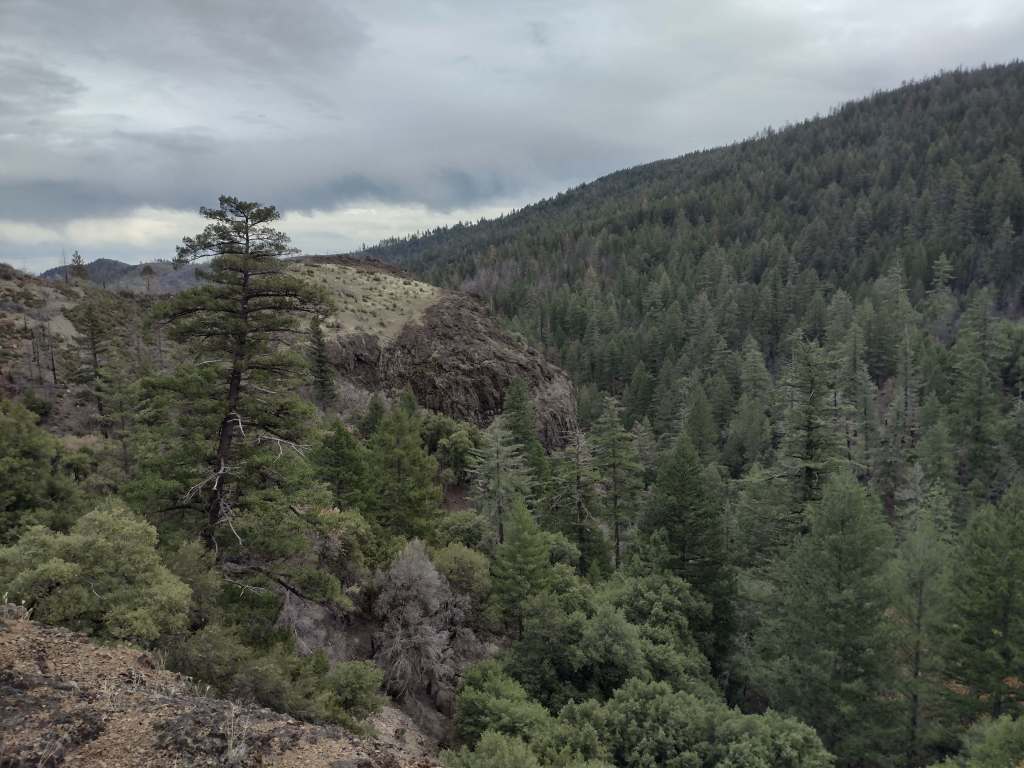
From our turnaround spot on Deafy Glade Trail we got great views of the Rice Valley. 

Peak Season

Spring

Fees

None

Road Conditions

Fouts Springs Road (Forest Road M10) is a well-maintained gravel road that crosses the National Forest west of Stonyford.  That area is popular with OHVs, so keep an eye out for them.  Further south, Highway 20 is a paved route to trailheads in Berryessa Snow Mountain National Monument, but four-wheel-drive may be required to access Buck Island Campground.  The new Molok Luyuk section northeast of Clear Lake is reached by the gravel Walker Ridge Road that requires a high-clearance vehicle.

Camping

Mendocino National Forest manages Bear Creek Campground and Lower Nye Dispersed Campground, plus numerous others outside the National Monument boundaries.  There are several campgrounds on Lake Berryessa, in addition to the ones at Clear Lake State Park and Cache Creek Canyon Regional Park.

Related Sites

Whiskeytown National Recreation Area (California)

Eldorado National Forest (California)

Muir Woods National Monument (California)

Nearest National Park

Lassen Volcanic

Explore More – How did the Berryessa Valley get its name?

Learn more about the other 137 National Monuments in our book Monumental America: Your Guide to All 138 National Monuments

Los Padres National Forest

Los Padres National Forest

California

Managed by U.S. Forest Service, Pacific Southwest Region

1,963,836 acres (1,762,767 federal/ 201,069 other)

Website: http://www.fs.usda.gov/r05/lospadres

Overview

Los Padres National Forest stretches more than 200 miles from Monterrey south beyond Santa Barbara.  It contains most of Big Sur, a name that conjures images of craggy cliffs dropping precipitously into white-capped ocean waves.  This sparsely inhabited stretch of coastline is known as much for its historic bohemians as its coast redwood trees.  It is home to multiple rare tree species with limited native ranges, especially those that can tolerate serpentine soils.  As the only National Forest in California that touches the Pacific Ocean, a road trip down scenic Highway 1 should be on everyone’s bucket list, including stops at Julia Pfeiffer Burns State Park, Bixby Creek Bridge, Hearst Castle State Park, and the elephant seal rookery at Piedras Blancas.  We have hiked many trails here since Scott taught for three years at Cal Poly State University in San Luis Obispo.

Know someone who loves the National Forests? Gift them our travel guidebook Out in the Woods so they can learn more about this and the 154 other National Forests.

Highlights

Big Sur, Sykes Hot Springs, Salmon Creek Falls, Jade Cove, Cuesta Ridge Botanical Area, Figueroa Mountain, Mt. Pinos, Knapp’s Castle, Seven Falls, Sespe Hot Springs

Must-Do Activity

Los Padres National Forest is 48% designated Wilderness, so the recommended activity is to hike into those natural areas.  The Matilija Wilderness is in the Santa Ynez Mountains that loom above the coastal city of Santa Barbara, home to a university, art museum, and historic Presidio built in 1782.  If you go to hike to the ruins of Knapp’s Castle in the National Forest, also make a quick stop at Chumash Painted Cave State Historic Park, which contains colorful pictographs dating back to the 1600s.  Another popular U.S. Forest Service trailhead located closer to town goes either to Inspiration Point or Seven Falls, the latter a better choice on foggy days, which are common on the coast.

Best Trail

There are 323 miles of incredible hiking trails throughout Los Padres National Forest, including a few that access hot springs.  Our favorite trails are in the Santa Lucia Mountains that tower above Big Sur.  One pinnacle accessible by trail is Cone Peak at 5,155 feet in elevation.  The access road is typically closed in the winter, but when it is open the trail is only 2.3 miles to the summit with a vertical gain of 1,400 feet.  Do not expect any shade since multiple fires have burned most of the mountain, although there are still a few surviving examples of the rare Santa Lucia fir tree.  Although some areas are no longer vegetated, the plentiful sunshine above the fog belt means there are often incredible displays of wildflowers along the trail early in summer, including lupine, sticky monkeyflower, and yucca. 

Watchable Wildlife

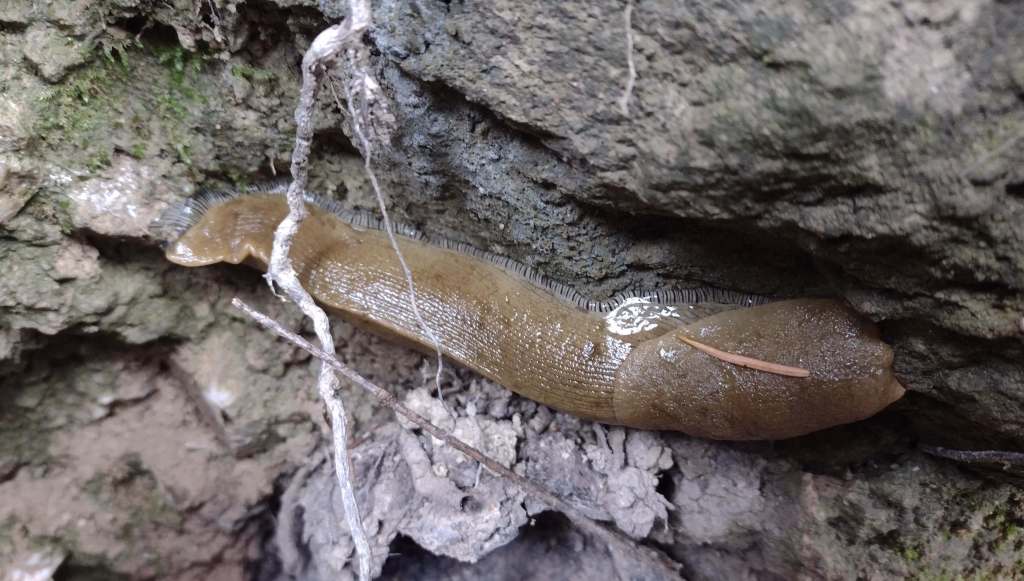
There is a wide range of wildlife found here from sea level up to 8,847 feet in elevation, and the most famous is the reintroduced California condor that nests in the Sespe Condor Sanctuary.  Other birds include barn owls, great horned owls, red-tailed hawks, bald eagles, California quail, and California scrub jays.  Coyotes, black bears, bobcats, mountain lions, black-tailed deer, bighorn sheep, and raccoons are common large mammals.  Species of concern include the foothill yellow-legged frog and California mountain kingsnake.  Look for California newts and banana slugs in the moist understory of coast redwood forests.

Photographic Opportunity

Even if you are not spending the night at Kirk Creek Campground, you can park and walk down the trail to the south that goes past redwood trees to the beach where there is a sea arch and tidepools. 

Peak Season

Fall and winter

Fees

$5 per vehicle Adventure Pass (or America the Beautiful pass) required at most trailheads

Road Conditions

There are some steep unpaved roads in Los Padres National Forest, which can be impassable in wet or snowy conditions.  Portions of the unpaved Tassajara Road to Chews Ridge are narrow and steep, requiring a four-wheel-drive vehicle to reach Tassajara Hot Springs.

Camping

A night spent listening to the ocean waves breaking far below the U.S. Forest Service’s clifftop Kirk Creek Campground is enchanting, which is why it made it on our list of Top 10 Campgrounds in National Forests.  There are 11 campgrounds in total, and a free campfire permit is required if you use a camp stove (which can be obtained online). Sespe Hot Springs is a popular ten-mile one-way backpacking destination.

Wilderness Areas

Chumash Wilderness

Dick Smith Wilderness

Garcia Wilderness

Machesna Mountain Wilderness

Matilija Wilderness

San Rafael Wilderness

Santa Lucia Wilderness

Sespe Wilderness

Silver Peak Wilderness

Ventana Wilderness

Related Sites

Angeles National Forest (California)

Muir Woods National Monument (California)

Point Reyes National Seashore (California)

Channel Islands National Park (California)
Nearest National Park

Pinnacles

Conifer Tree Species

coast redwood, Monterey pine, Coulter pine, gray pine, Jeffrey pine, ponderosa pine, limber pine, bigcone Douglas-fir, Sargent cypress, Monterey cypress, white fir, Santa Lucia fir

Flowering Tree Species

coast live oak, California black oak, tanoak, western redbud, Pacific madrone, manzanita

Explore More – What is the name of the nomadic group that lived in Big Sur dating back 5,500 years ago?

Know someone who loves the National Forests? Gift them our travel guidebook Out in the Woods so they can learn more about this and the 154 other National Forests.