Category Archives: Arizona

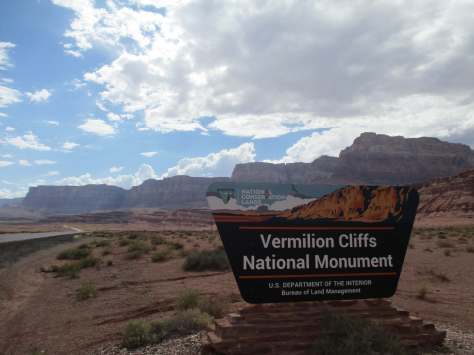
Vermilion Cliffs National Monument

Vermilion Cliffs National Monument

Arizona

Managed by Bureau of Land Management

Established 2000

279,566 acres

Website: https://www.blm.gov/national-conservation-lands/arizona/vermilion-cliffs

Overview

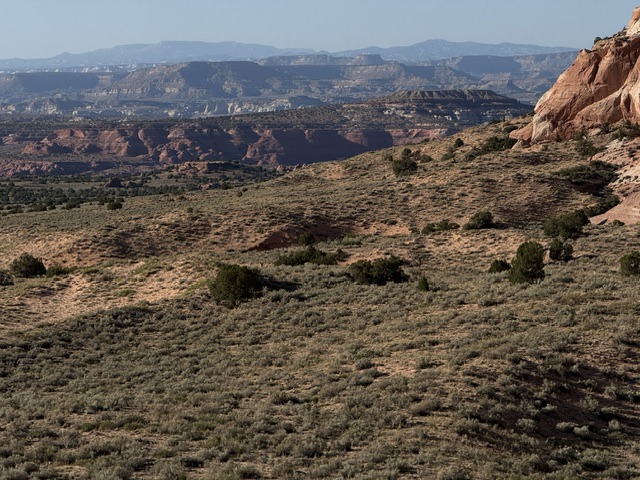
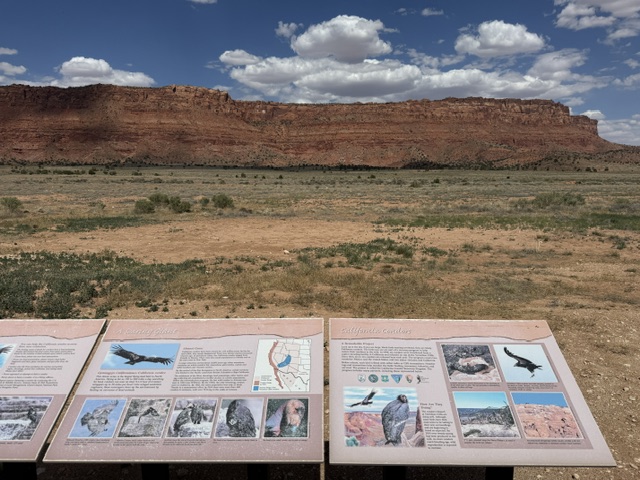
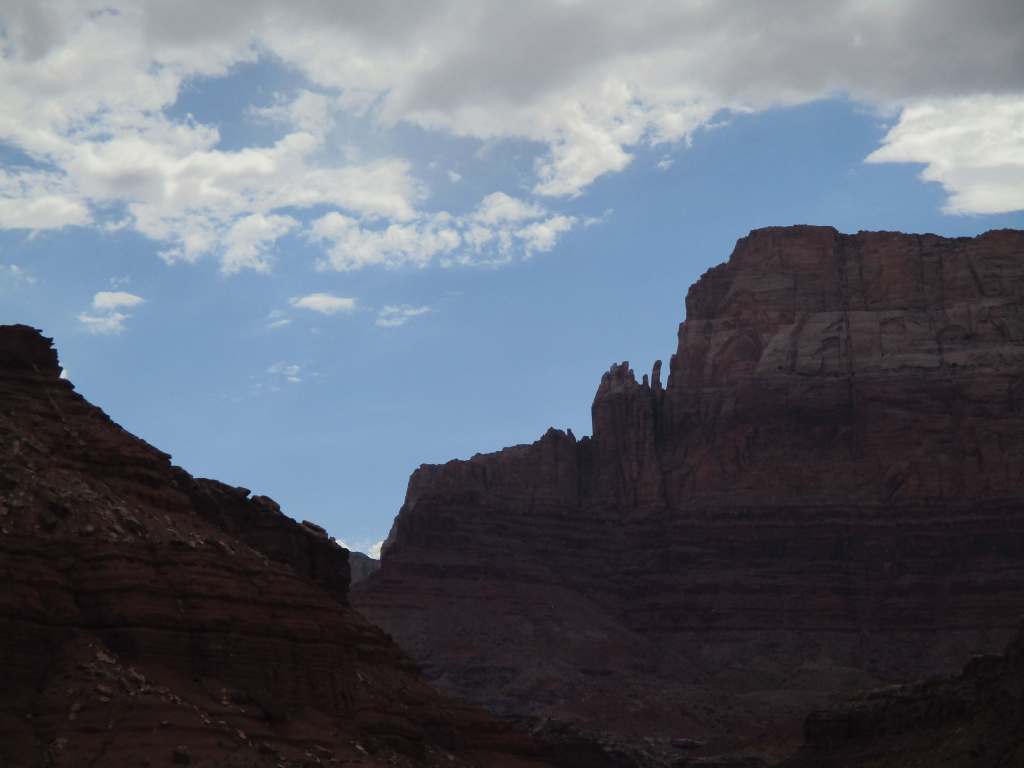
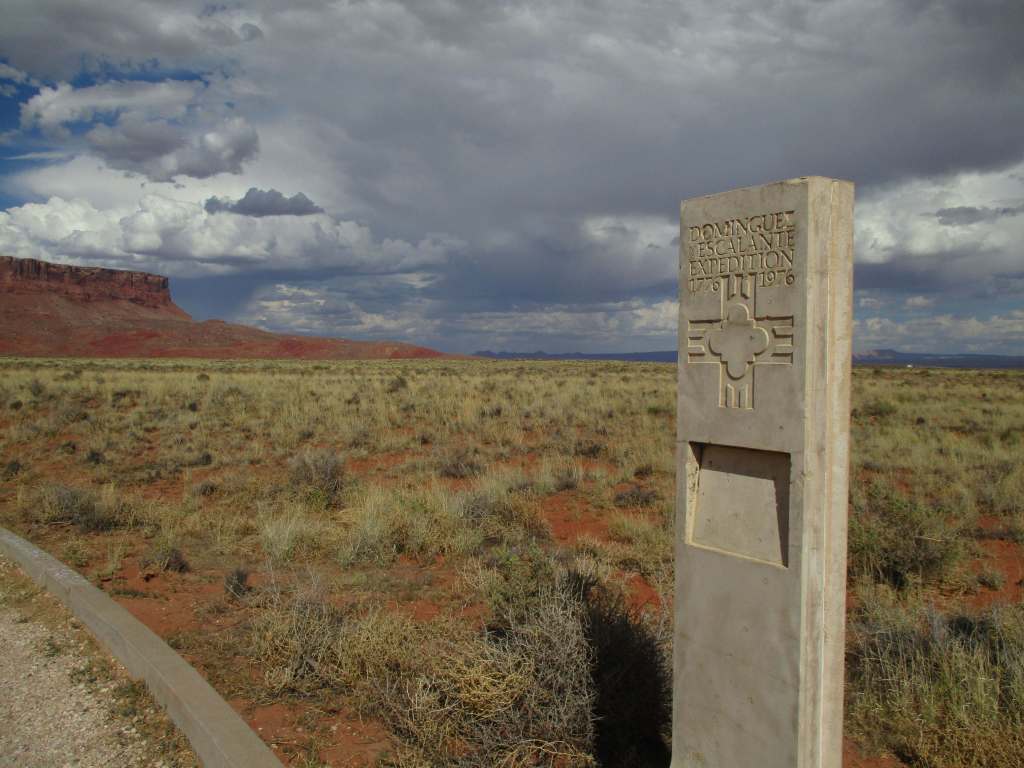
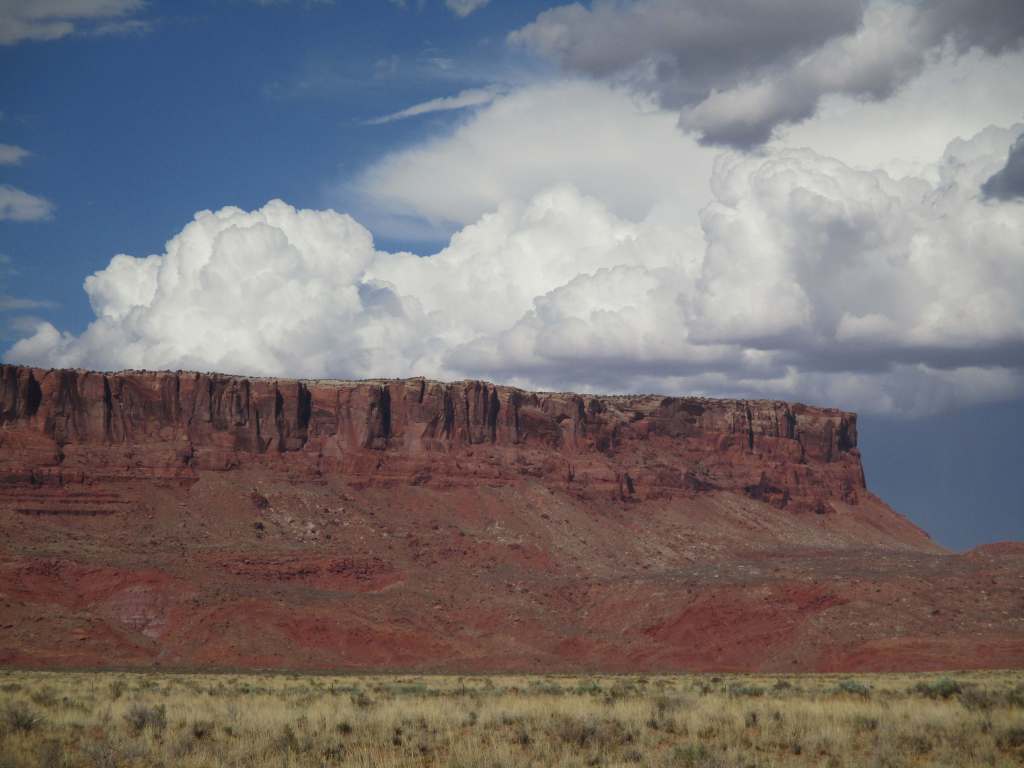
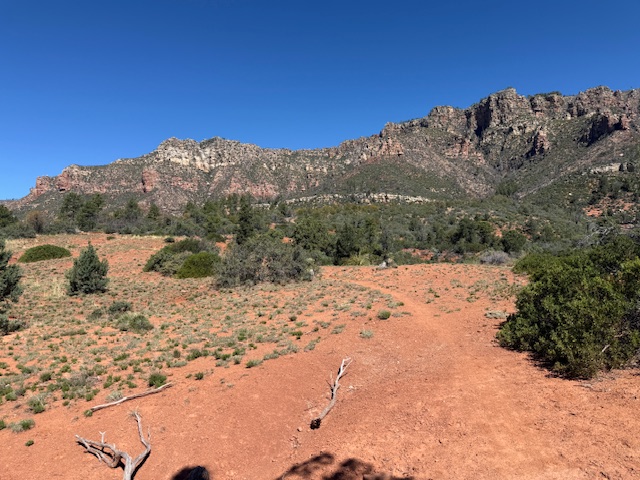
The Vermilion Cliffs are a red sandstone escarpment that rises 3,000 feet above the plains north of Arizona’s Grand Canyon (and they especially glow vermilion at sunrise and sunset).  This undeveloped geologic wonderland is a colorful mixture of sandstone, siltstone, limestone, and shale.  The cliffs create thermals perfect for 20 species of raptors, including bald eagles, golden eagles, peregrine falcons, and endangered California condors that were first reintroduced here in 1996.   

Highlights

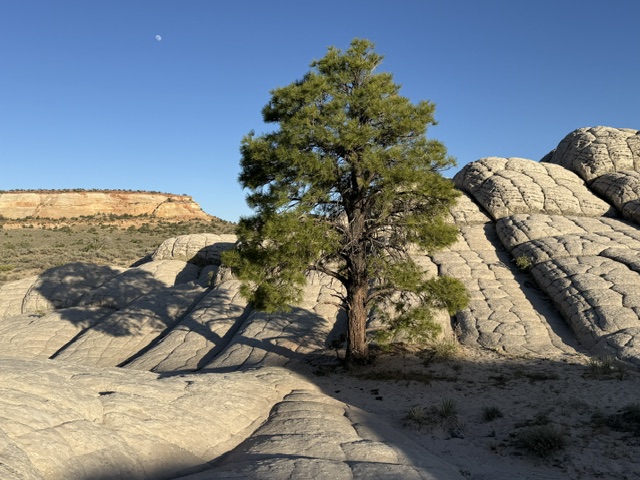
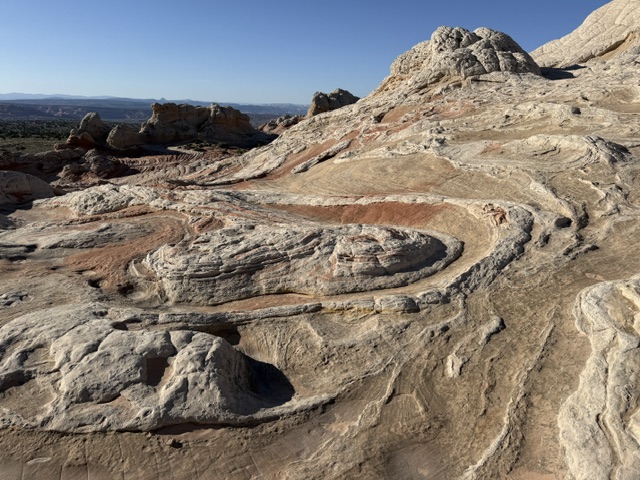
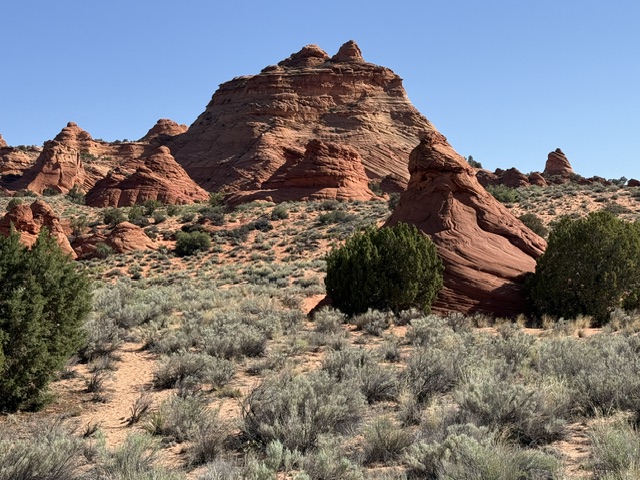
Coyote Buttes North (The Wave), Maze Rock Art Site, White Pocket, Paria River Canyon

Must-Do Activity

There are several visitor centers to get information about the National Monument, including at Navajo Bridge on Highway 89A and the seasonal Paria Contact Station off Highway 89, as well as Bureau of Land Management (BLM) offices in Utah at Kanab, St. George, and Big Water.  Guided tours are available to White Pocket (no permit required) if you do not want the challenge of driving the sandy roads.

Best Trail

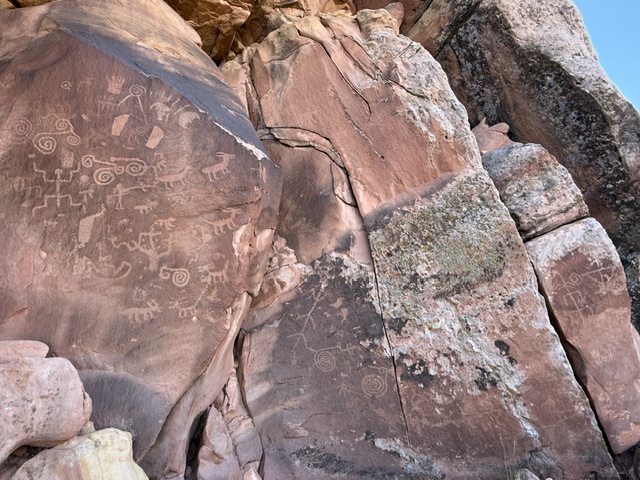
It is a 1.4-mile roundtrip hike to the petroglyphs at the Maze Rock Art Site off House Rock Valley Road that may be more than 1,000 years old.  Backpacking 38-mile-long Paria Canyon is a world-famous route that ends at Lees Ferry in Glen Canyon National Recreation Area.  Permits are required to overnight, and most thru-hikers set out from White House Trailhead within Utah’s Grand Staircase–Escalante National Monument to avoid the slot canyons on Wire Pass Trail or Buckskin Gulch Trail (which often has waist deep mud).

Photographic Opportunity

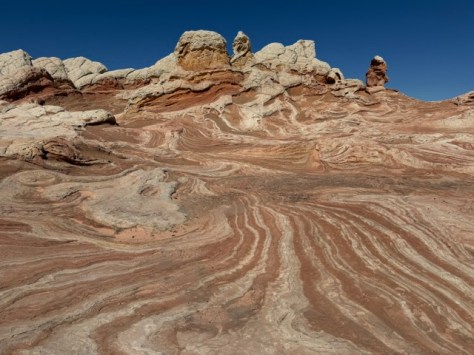
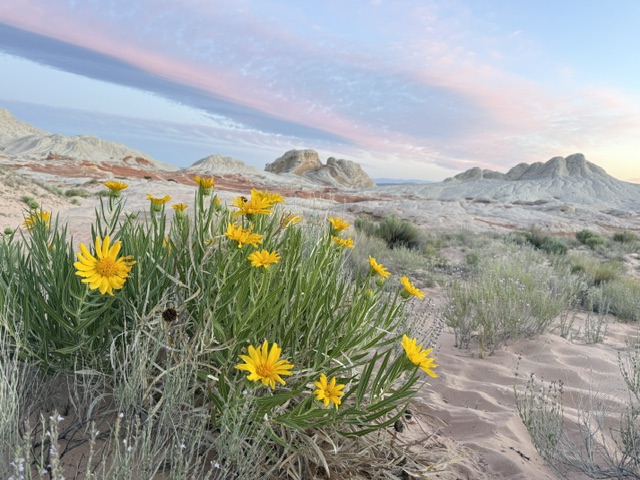
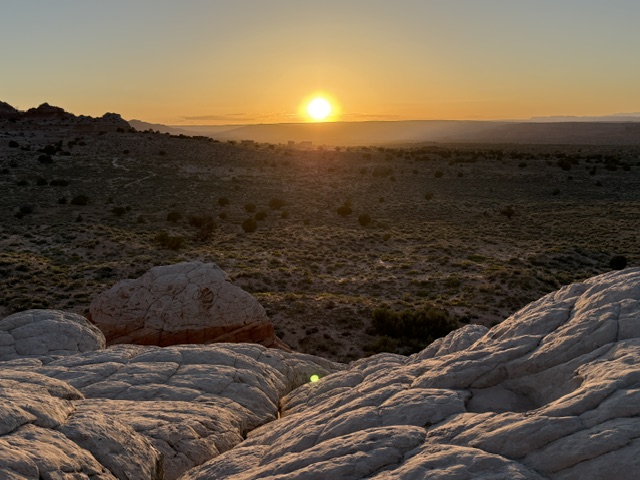
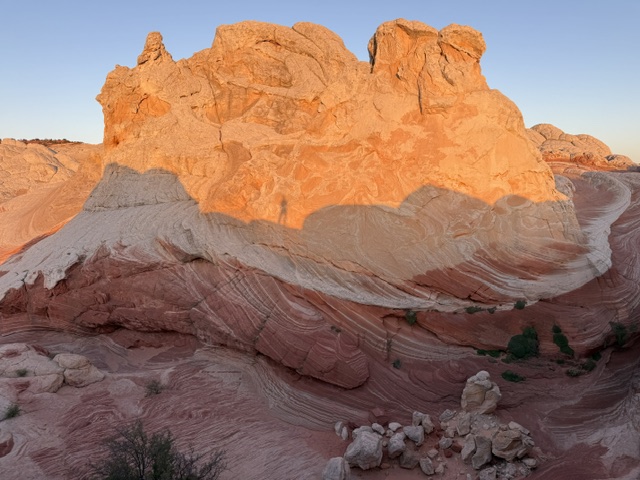
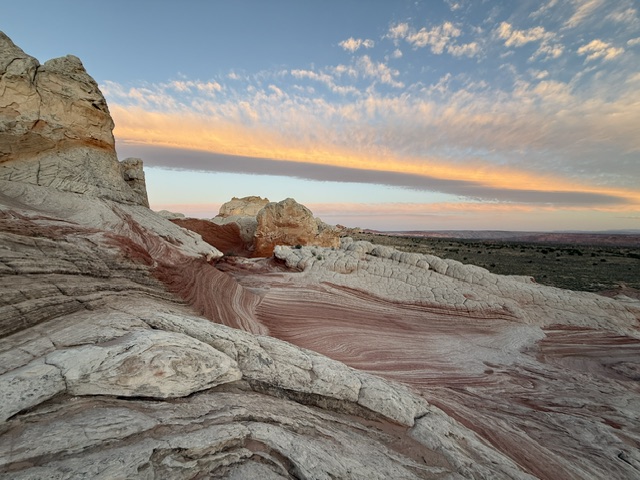
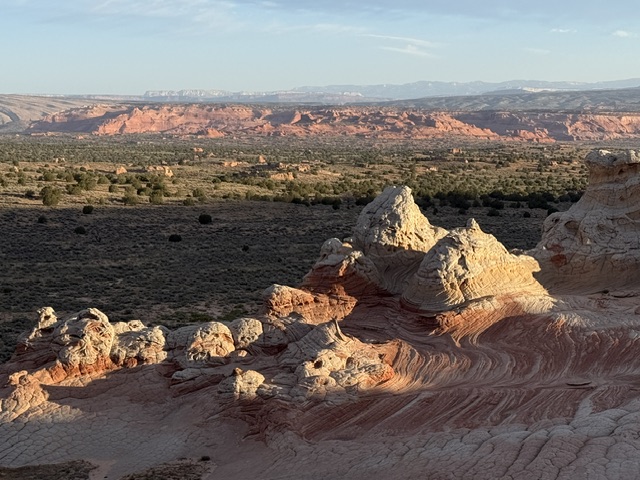
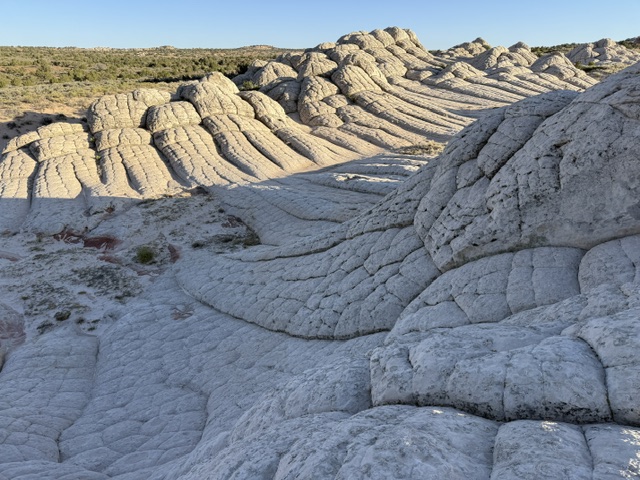
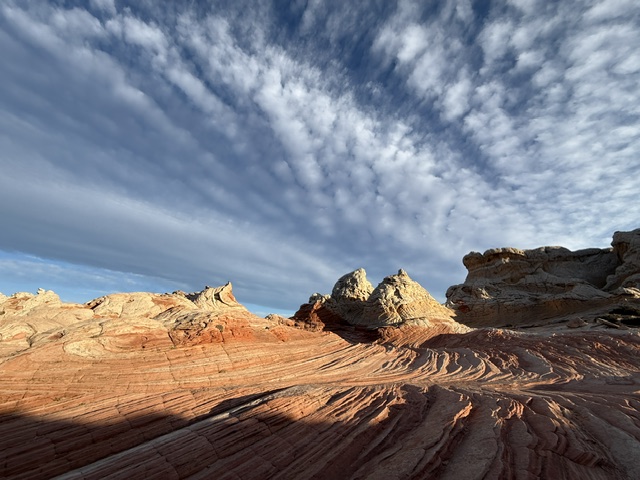
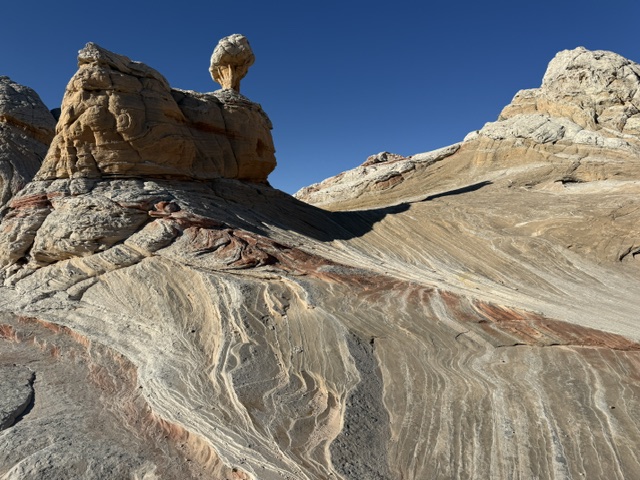
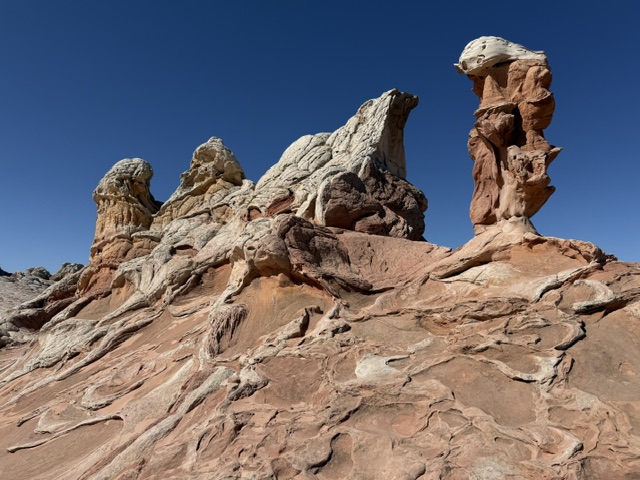
Coyote Buttes North (The Wave) is one of the most sought-after photography locations in the U.S., but most of us will never win that lottery.  Here is a similarly beautiful sandstone formation in White Pocket, which is open to visit by anyone with a 4×4 that can get through miles of deep sand (or hire a guide to drive).

Peak Season

Spring and fall

Hours

https://www.blm.gov/visit/kanab-visitor-center

Fees

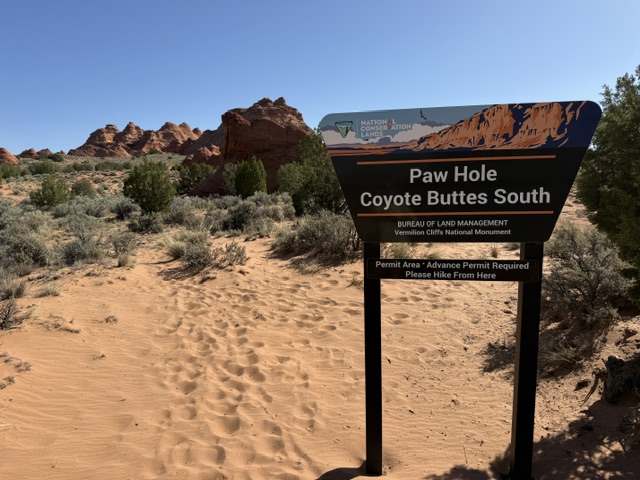
No entrance fee, but a $9 online lottery entry and $7 permits for each person and dog apply for Coyote Buttes North (The Wave), they cost slightly less for Coyote Buttes South and Paria River Canyon

Road Conditions

House Rock Valley Road (BLM 700) runs 30 miles between Highways 89 and 89A to the south, crossing several washes, but it is passable with a passenger vehicle when dry.  Most of the roads running east from House Rock Valley Road require four-wheel drive due to deep sand (including access to White Pocket).

Camping

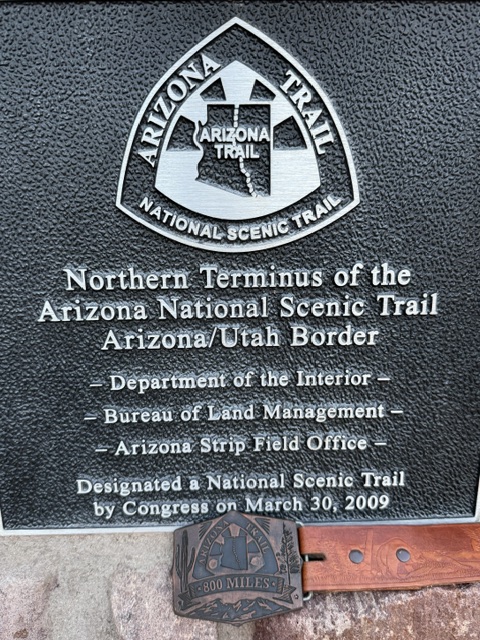
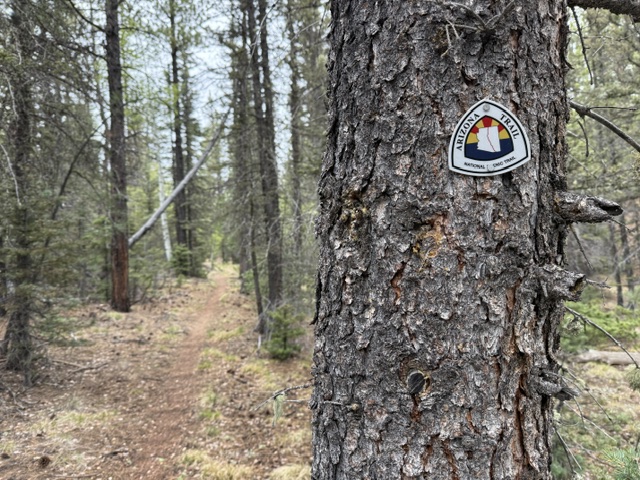
Dispersed camping is allowed in most of Vermilion Cliffs National Monument, and the BLM runs the free Stateline Campground (that is the official northern terminus of the Arizona National Scenic Trail) on the northern border and White House Campground (fee) in Utah. 

Related Sites

Grand Staircase–Escalante National Monument (Utah)

Kaibab National Forest (Arizona)

Pipe Spring National Monument (Arizona)

Baaj Nwaavjo I’tah Kukveni – Ancestral Footprints of the Grand Canyon National Monument (Arizona)

Nearest National Park

Grand Canyon

Explore More – The Vermilion Cliffs are called as Angkar Mukwanikant in what indigenous language?

Arizona National Scenic Trail

Arizona National Scenic Trail

Arizona

Managed by U.S. Forest Service, National Park Service, Bureau of Land Management

Established 2009

800 miles

Website: aztrail.org

Overview

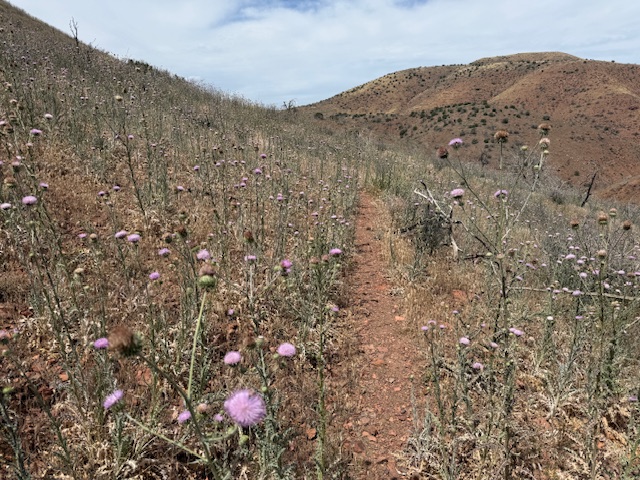
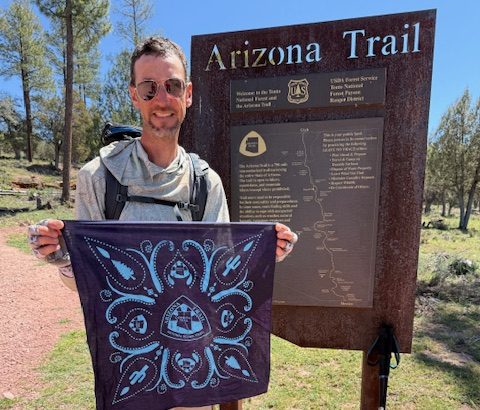
The Arizona National Scenic Trail (AZT) runs 800 miles from Coronado National Memorial on the Mexican border to Stateline Campground in Utah (where Vermilion Cliffs and Grand Staircase-Escalante National Monuments meet).  The AZT has a cumulative elevation gain of more than 100,000 feet and goes above 9,000 feet in several locations, with the low point at 1,646 feet on the Gila River around Mile 270.  Credit for developing and promoting the AZT began in 1985 with Dale Shewalter, a Flagstaff teacher who has a memorial in Buffalo Park on the urban alternate route of the AZT.  There is also a mountain biking AZT that avoids Wilderness areas and an equestrian route that is mostly the same except for some road crossings and a loop around Flagstaff. 

I completed the AZT northbound in spring 2026 and you can read my series of short daily blog posts here:

Highlights

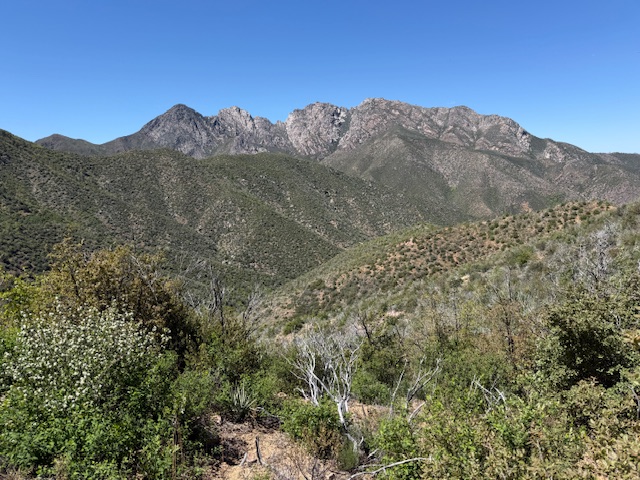
Huachuca Mountains, Mica Mountain, Upper Sabino Canyon, Gila River, Four Peaks Wilderness, East Verde River, Mogollon Rim, Anderson Mesa, Grand Canyon National Park

Must-Do Activity

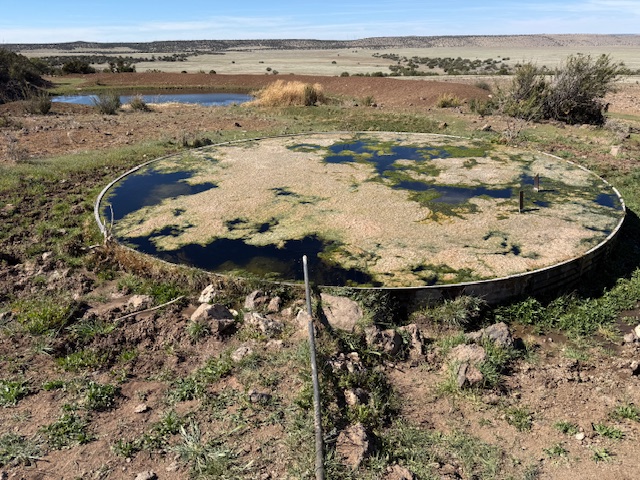
Must keep moving!  How many miles to do in a day is entirely up to the individual backpacker, but the less distance covered the more food carried.  Water filtration is also a must-do activity because caches are few and far between, so springs, cattle tanks, and creeks provide the majority of liquid (the FarOut app is the most updated source of information).  Popular resupply towns along the route are Patagonia, Tucson, Summerhaven, Oracle, Kearney, Superior, Roosevelt Lake, Pine, Flagstaff, Tusayan, and Jacob Lake. 

Best Trail

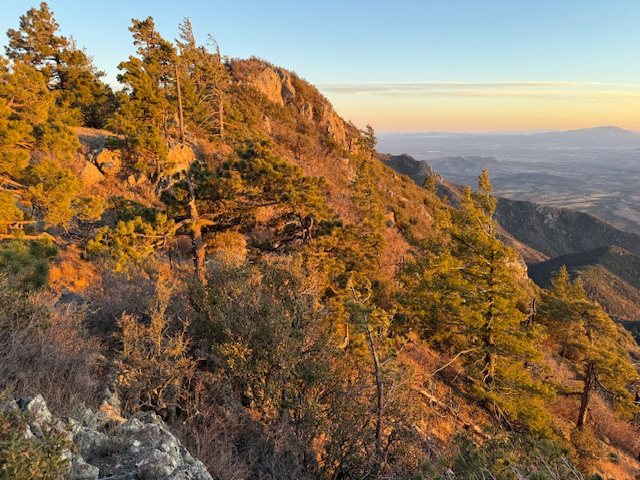
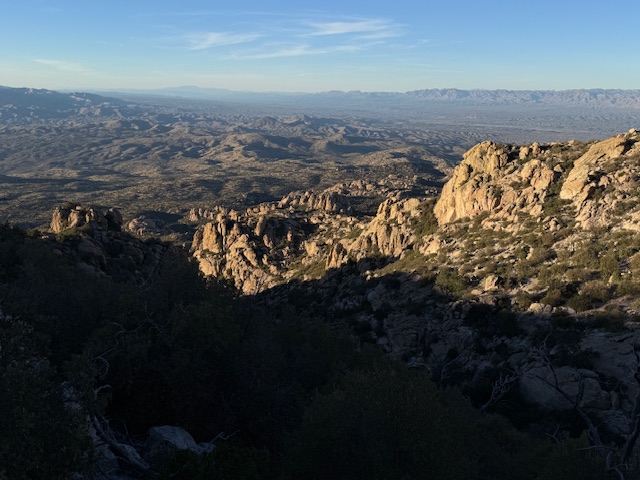
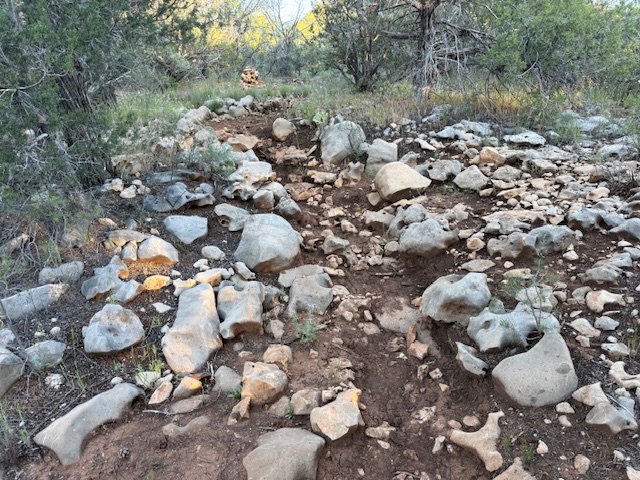
My favorite section of the trail was west of Gordon Hirabayashi Campground in Coronado National Forest’s Upper Sabino Canyon at the base of the Santa Catalina Mountains (before it started steeply climbing up to Mt. Lemmon).  The southernmost section that immediately ascends above 9,000 feet in the Huachuca Mountains was also surprising, pleasantly for the scenery and unpleasantly for the steep grades and loose rocks (and blisters).

Photographic Opportunity

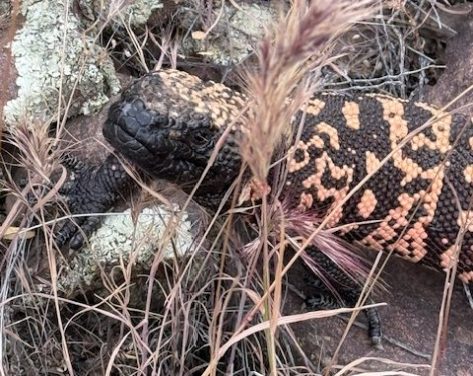
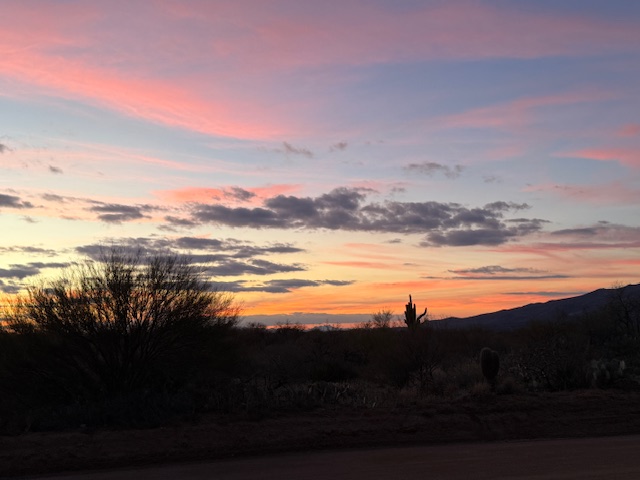
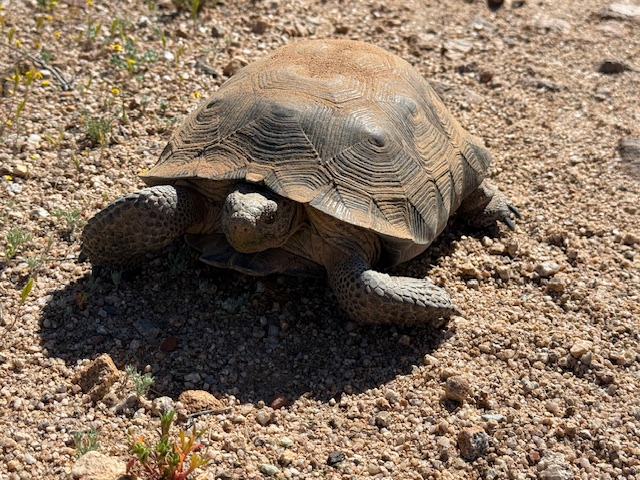
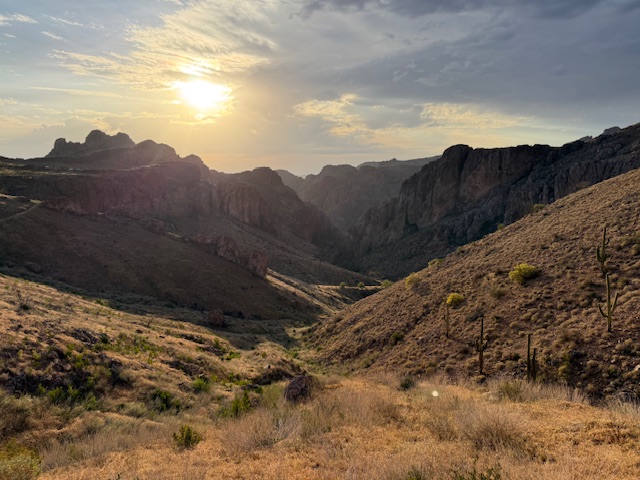
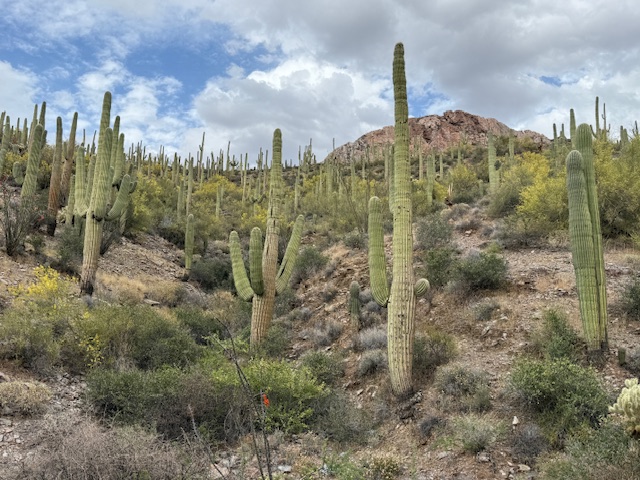
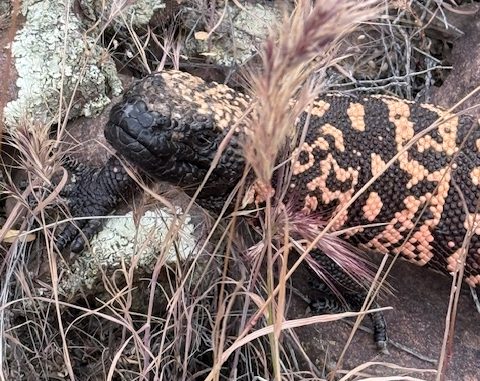
The AZT goes from “spines to pines” and then back and forth between the two again and again.  I was excited that after living in Arizona for 11 years of my life, I finally saw my first wild desert tortoise and two Gila monsters in the Sonoran Desert.

Peak Season

March and October

Fees

The only fee required is to pass through 18 miles of Saguaro National Park (an America the Beautiful pass also works)

Road Conditions

A few trailheads are on paved roads, but most require dirt roads and some are no longer accessible at all.  A good but narrow dirt road climbs to Montezuma Pass at Mile 2, while House Rock Valley Road at Mile 800 requires a high-clearance vehicle (and can be impassable when wet).  Shuttle services are available by reservation for thru-hikers at both ends.

Camping

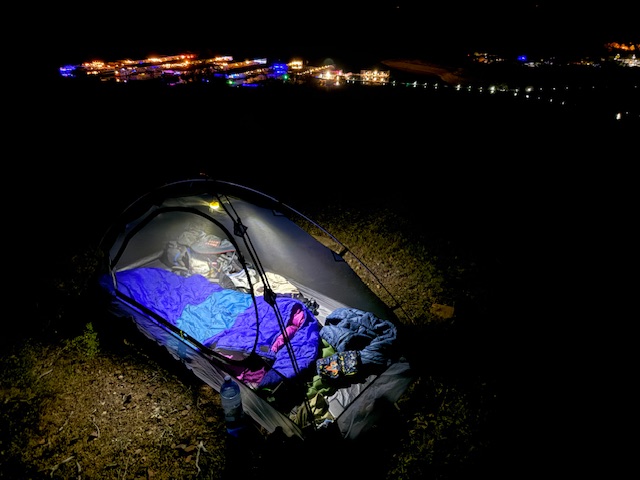
If thru-hikers wish to camp in the 18 miles of Saguaro National Park that climbs Mica Mountain, they must pay to make a reservation at Grass Shack or Manning Camp.  Grand Canyon National Park does not charge for thru-hikers to stay at the hiker-biker campsites on either rim or for a permit to camp at Bright Angel or Cottonwood Campgrounds at the bottom of the canyon.  Stateline Campground on the Utah border is small but free with no water available. 

Related Sites

Coronado National Memorial

Coronado National Forest

Saguaro National Park

Tonto National Forest

Coconino National Forest

Walnut Canyon National Monument

Kaibab National Forest

Baaj Nwaavjo I’tah Kukveni–Ancestral Footprints of the Grand Canyon National Monument

Grand Canyon National Park

Vermilion Cliffs National Monument

Explore More – One of only 11 National Scenic Trails in the U.S., what year was the first official thru-hike on the AZT once the final gap was completed along the Gila River?

Arizona Trail Days plus+1 to plus+3

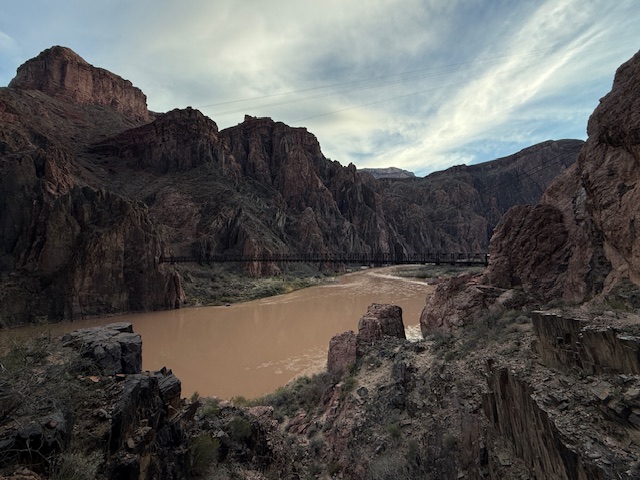
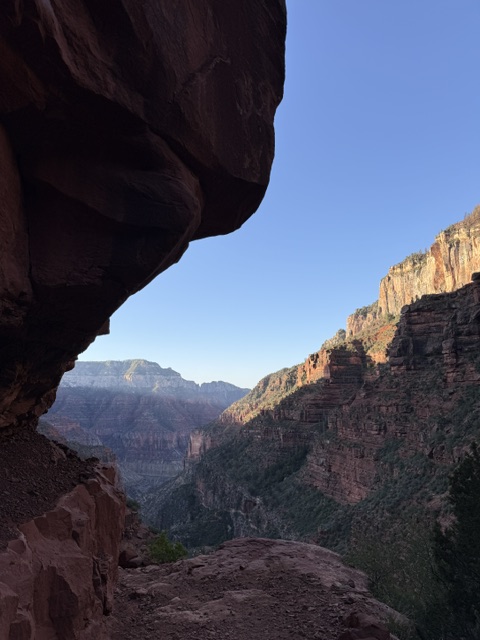
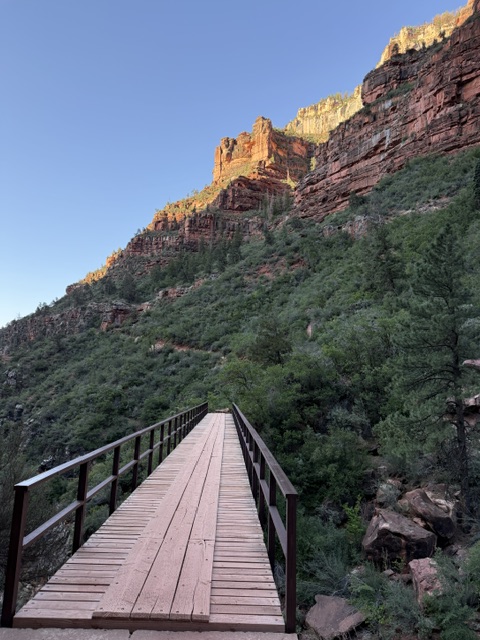
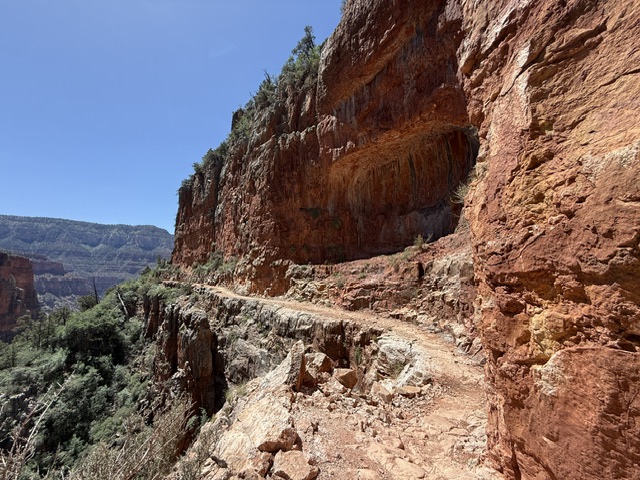
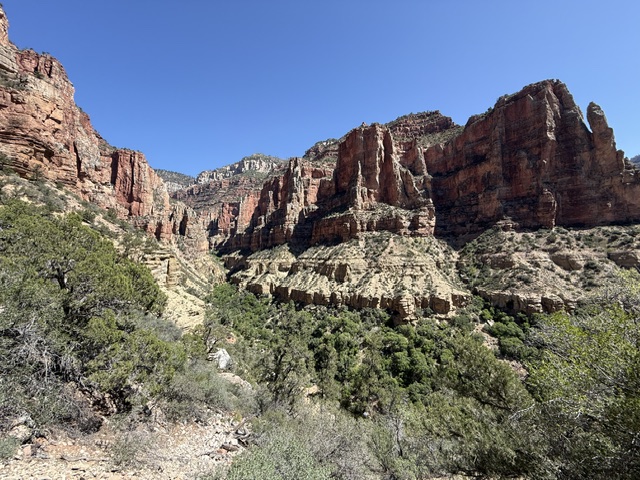
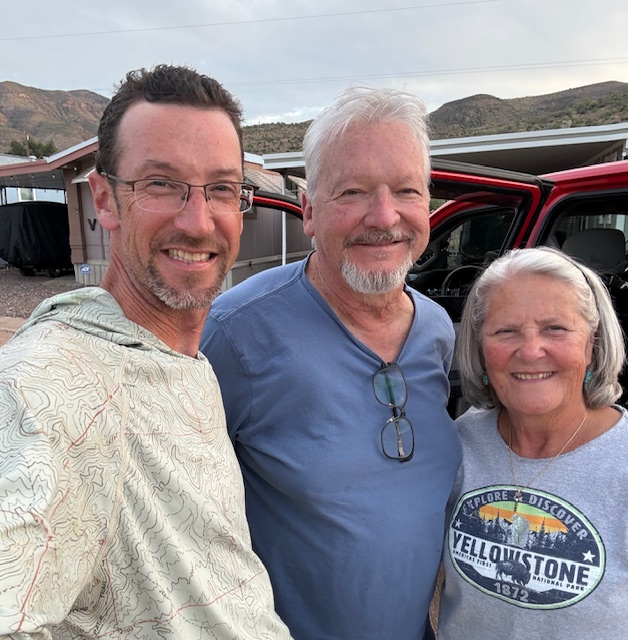
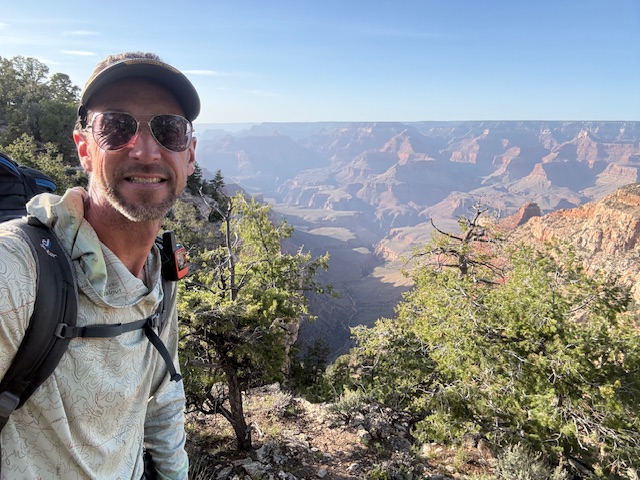
After completing the southernmost 713 miles of the Arizona National Scenic Trail (AZT) in March, I took 45 days off to wait for the North Kaibab Trail to reopen so I could finish hiking through Grand Canyon National Park and north to the Utah border. I had gone hiking in the time between, but was unsure how “backpacking ready” my body would be after the time off. I surprised myself by starting with a 26-mile day that included going to the bottom of the Grand Canyon and turning around, then following that up with a 31- and 37-mile day to reach where I left my vehicle parked at the end. Again, I could not have done this without assistance from my wonderful Mom who drove up north from Pine, Arizona with me.

This has been a wonderful experience, and I met some fascinating people even though I spent 95% of the trail miles alone. It has me excited about doing the 214-mile John Muir Trail in California’s Sierra Nevada in August. At this point in my life, I am fairly certain that I am not mentally ready to take on a multi-month-long trail.

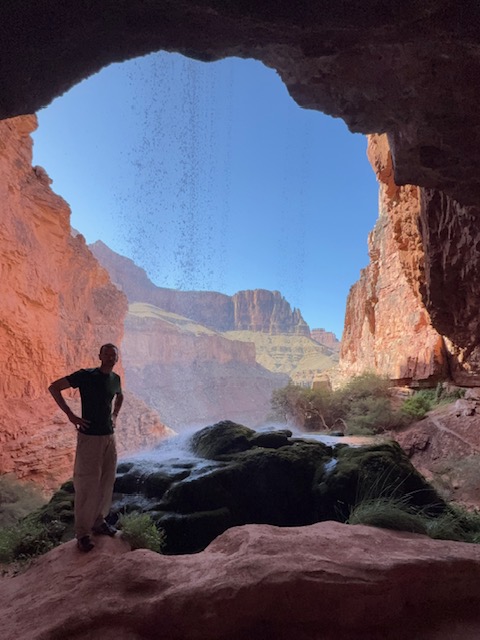
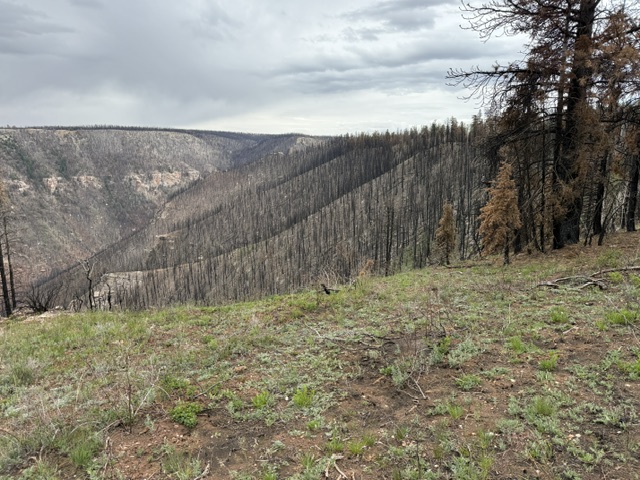
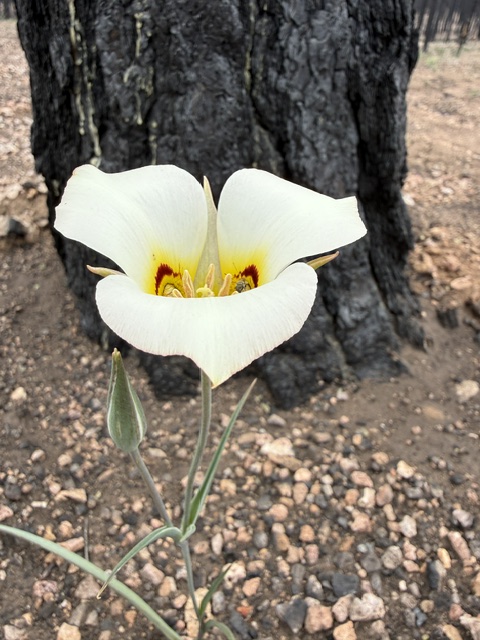
Arizona Trail Day plus+1, Mile 721 to 713 to 730 returned to Ribbon Falls in the Grand Canyon where I made it day one on March 4. There were lots of people out on the trail early, plus trail crews working hard to fix and maintain the steep route. Today had a 7,000-foot cumulative elevation gain and 6,000-foot cumulative loss. However, thanks to my Mom, I just carried a day pack. Got to start hiking through part of the 2025 Dragon Bravo Fire as I left the National Park and entered Baaj Nwaavjo I’tah Kukveni–Ancestral Footprints of the Grand Canyon National Monument.

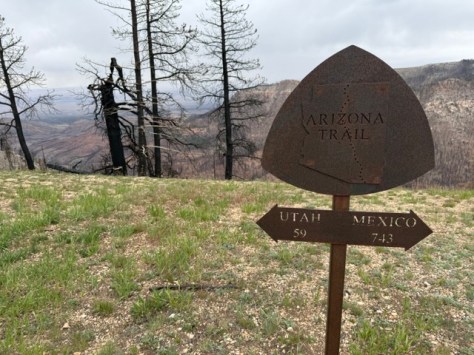
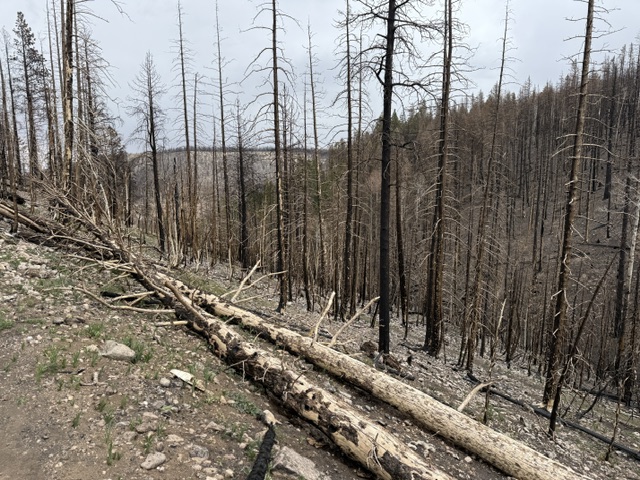
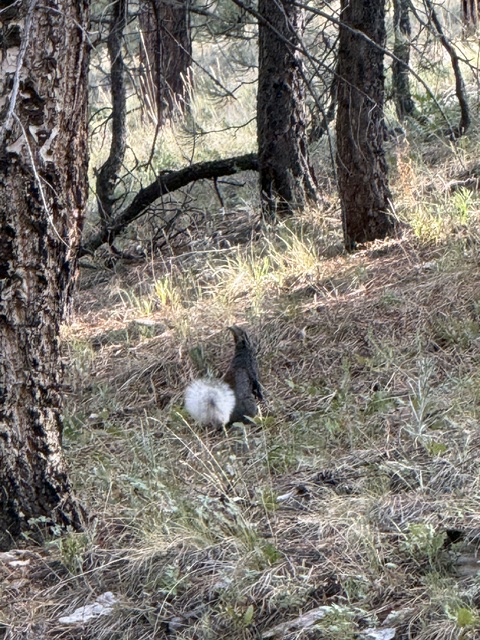
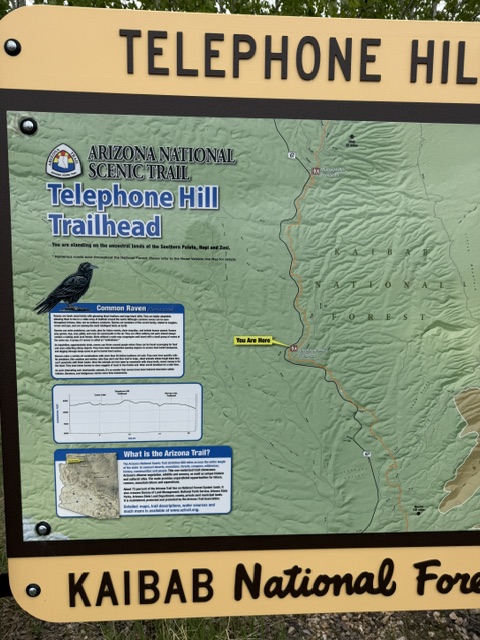
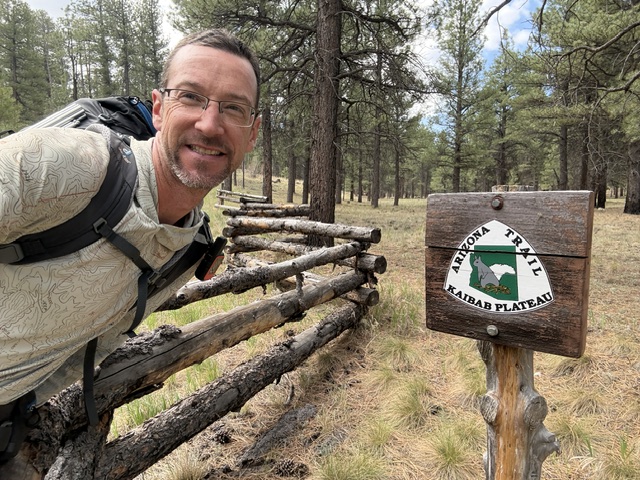
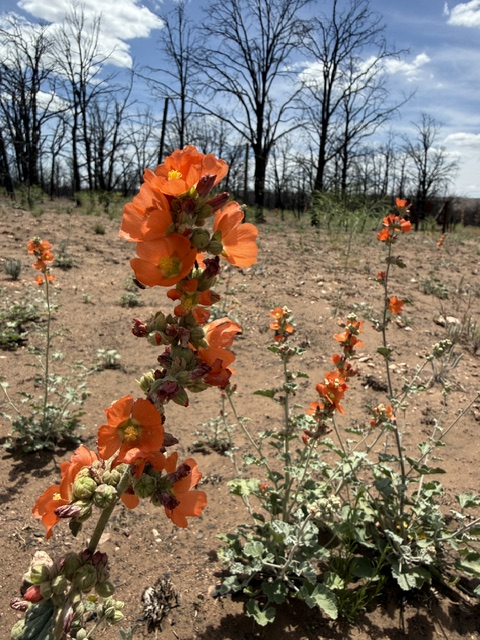
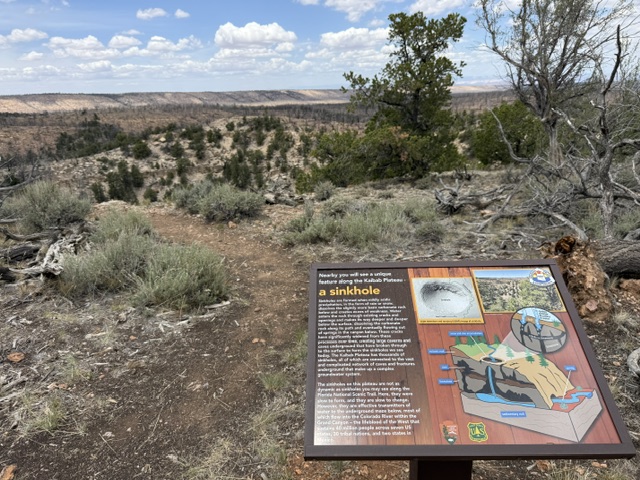
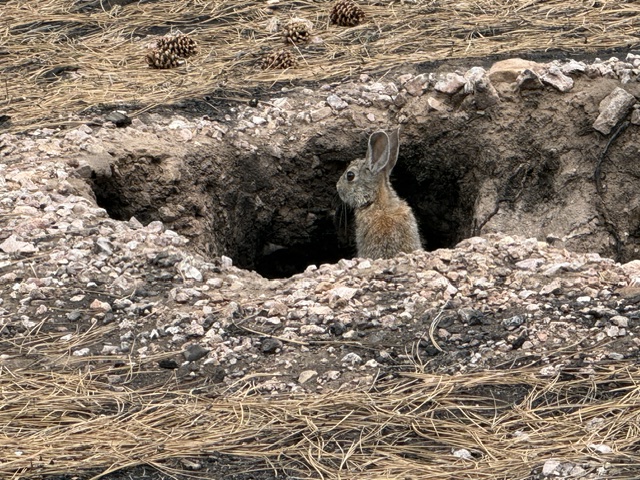
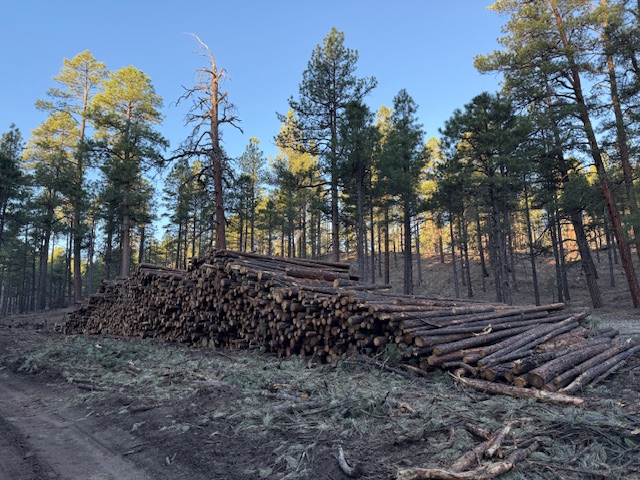
Arizona Trail Day plus+2, Mile 730 to 761 on the Kaibab Plateau through the 2025 Dragon Bravo Fire. Started by climbing to 9,139 feet, the highest point on the entire trail. Big thanks to the sawyers who cut thousands of dead trees for safety in Kaibab National Forest. Saw mule deer, grouse, and my first Kaibab squirrel (with the long ear tufts), but no bison. Had a nice dinner at Jacob Lake Inn with my Mom and trail buddy Jake (“Earthshaker”) who I met today.

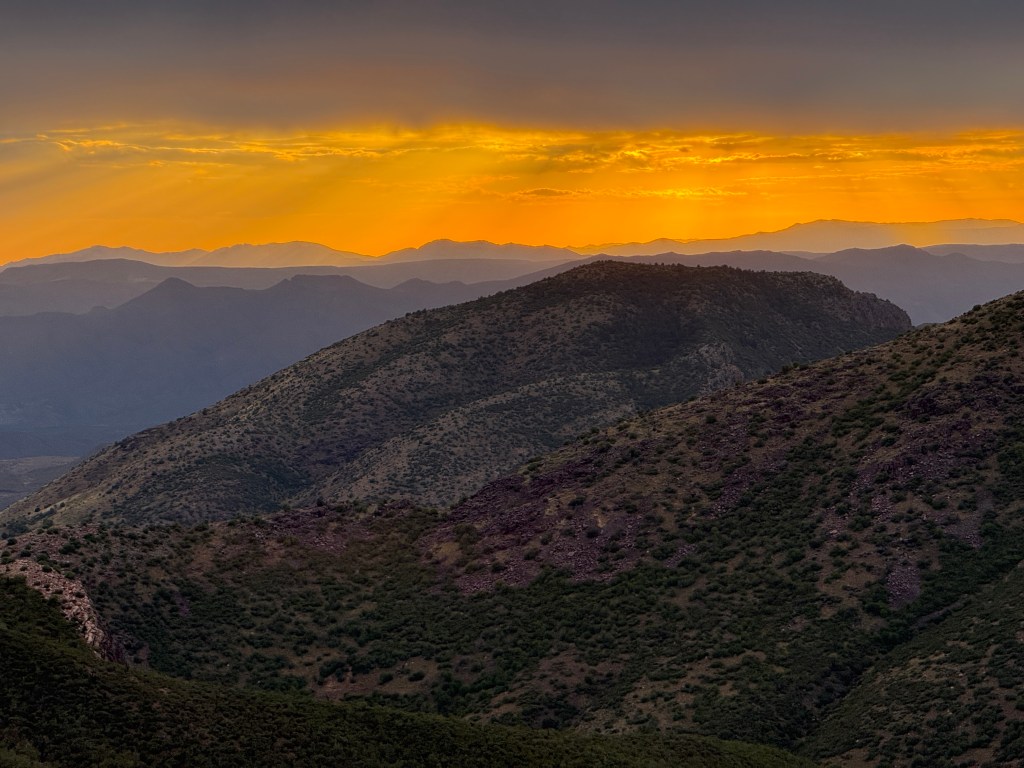
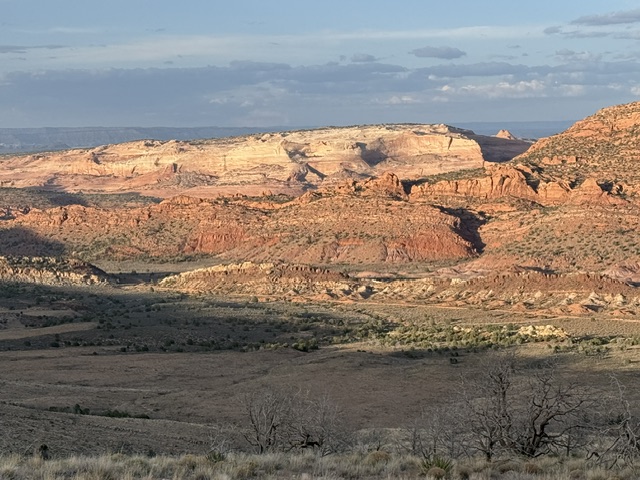
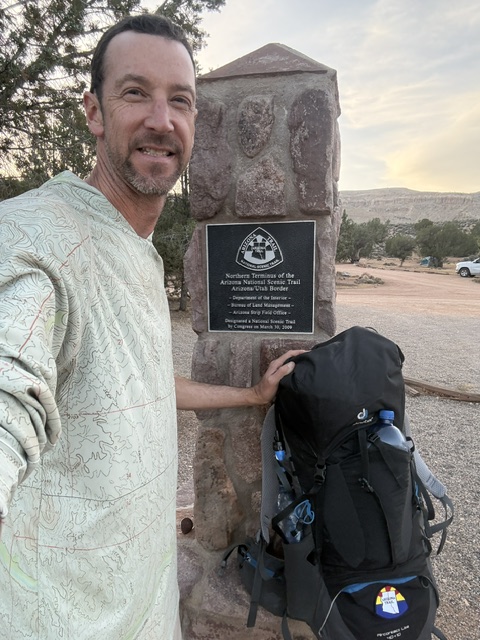
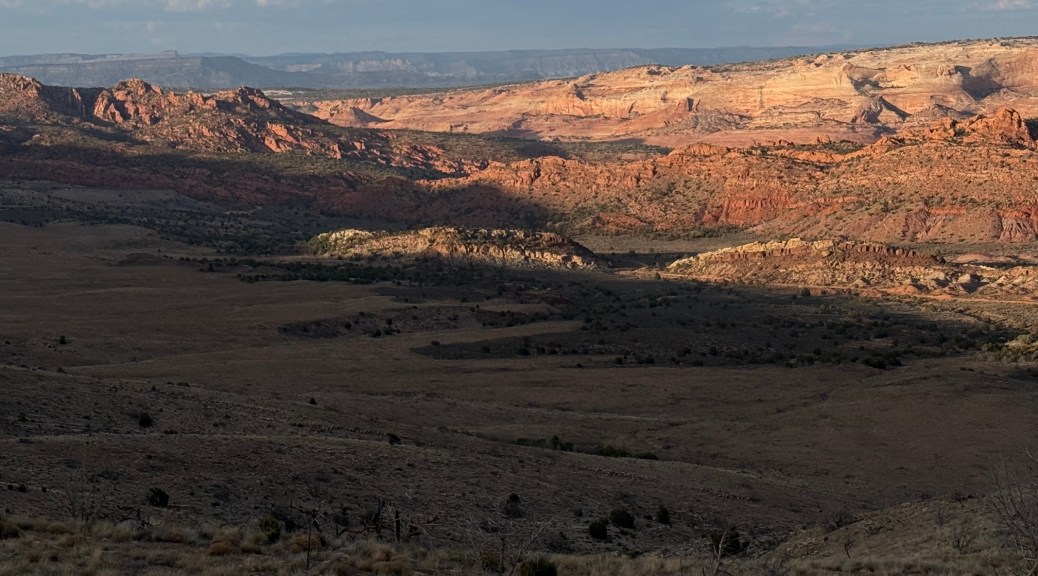
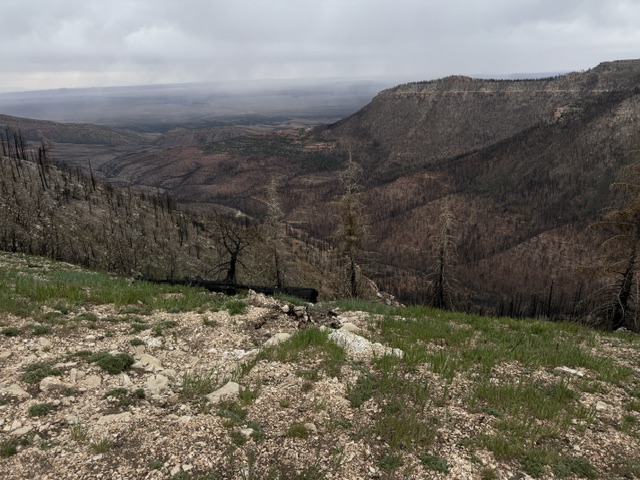
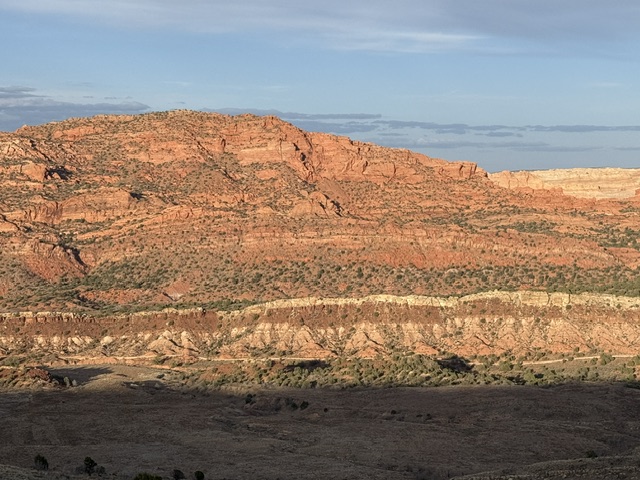
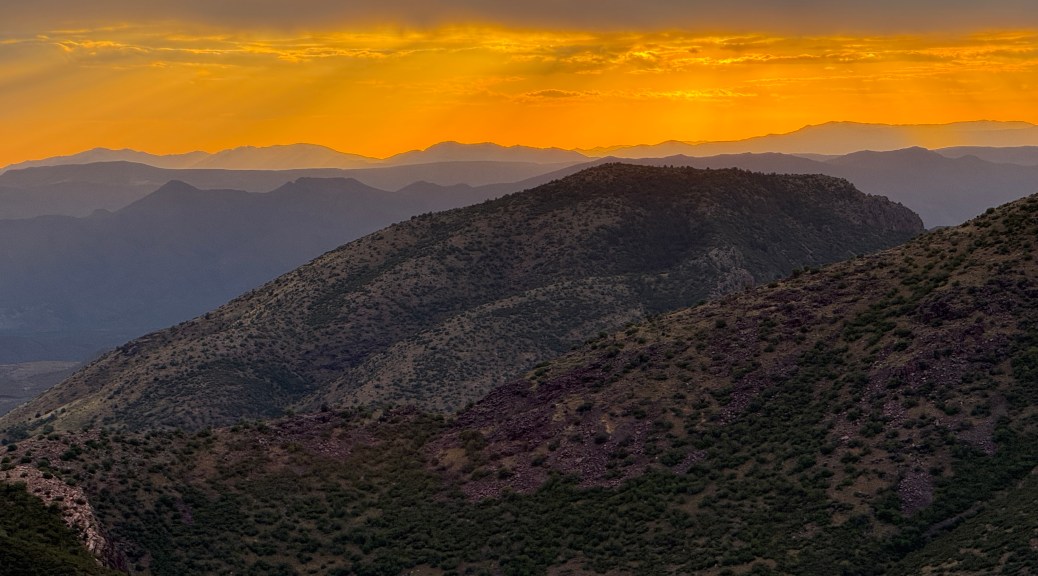
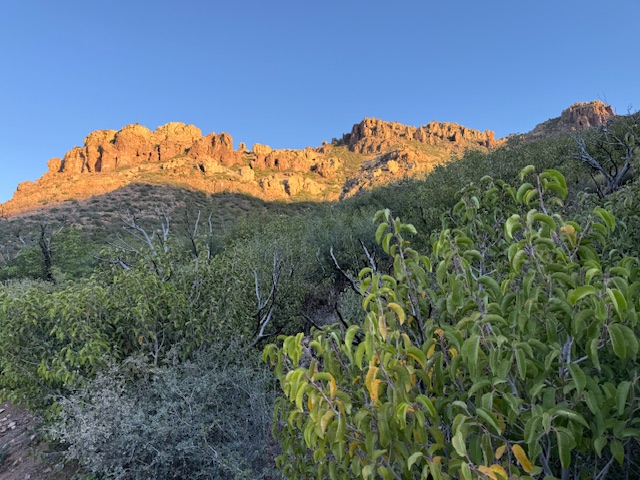
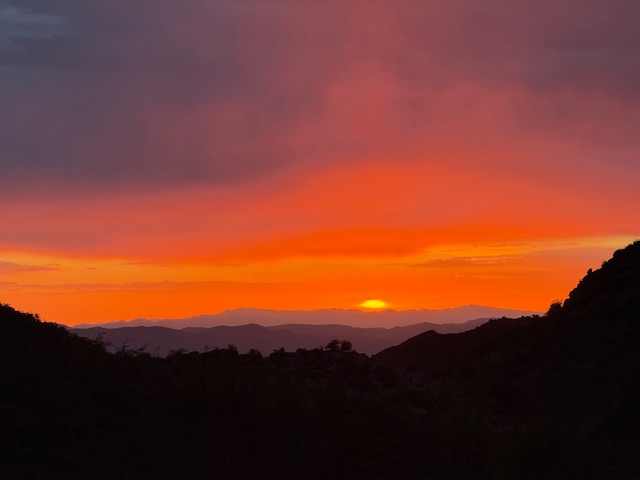
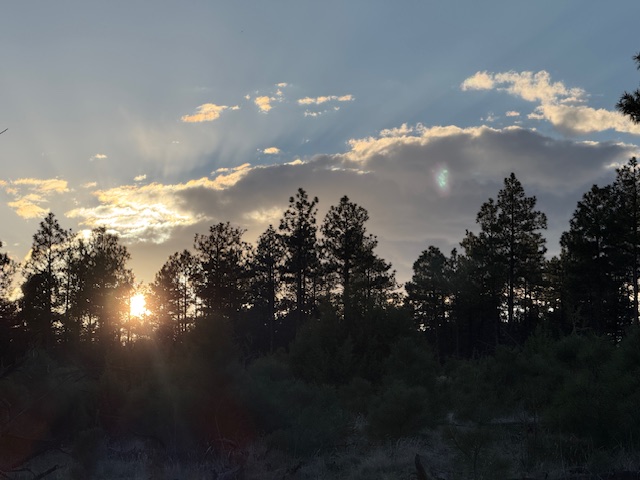
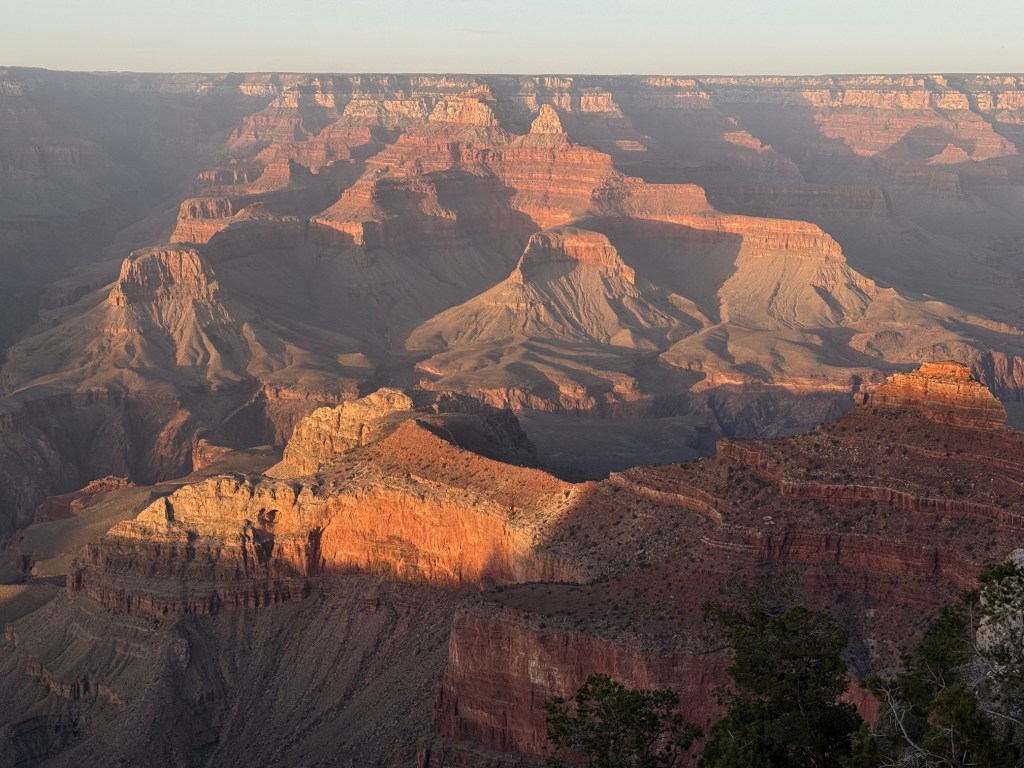
Arizona Trail Day plus+3, Mile 761 to 798 to finish at the State Line Campground on the Utah border for my highest mileage day of the journey. This was my 33rd hiking day, plus I took 6 zero days and 45 days off waiting for the North Kaibab Trail to open in Grand Canyon National Park. The scenery was epic the final two miles as the setting sun lit up the Vermilion Cliffs and Grand Staircase-Escalante National Monuments. A wonderful ending to an unforgettable adventure.

Previous trail journal blog posts:

Know someone who loves exploring new National Monuments? Gift them our book Monumental America: Your Guide to All 138 National Monuments that is available for sale on Amazon.com.
Arizona Trail Days 24 to 34

After two “zero days” I returned to the Gila River at the lowest point on the Arizona Trail (AZT) where temperatures had cooled considerably from two weeks before. In 36 days (including six zeroes), I have now completed the southernmost 713 miles on the 800-mile AZT since starting on March 4, 2026. Good news is the National Park Service is planning to reopen the North Kaibab Trail on May 15, so I plan to wait to do the final 100 miles through the Grand Canyon and up to the Utah border.

This journey has exceeded my expectations as my first “long trail.” I have seen amazing wildlife and scenery. I met some interesting people. I had days where I did not see another person. It has been introspective and healing. I have walked further and faster than I imagined possible. I’m thankful that past thru-hikers have made this a socially acceptable (even laudable) activity. Mostly, it’s just really fun and feels like an accomplishment to walk between two arbitrary borderlines. I could not have done it without my parents and friends driving all across the state to resupply me. I cannot say thank you enough!

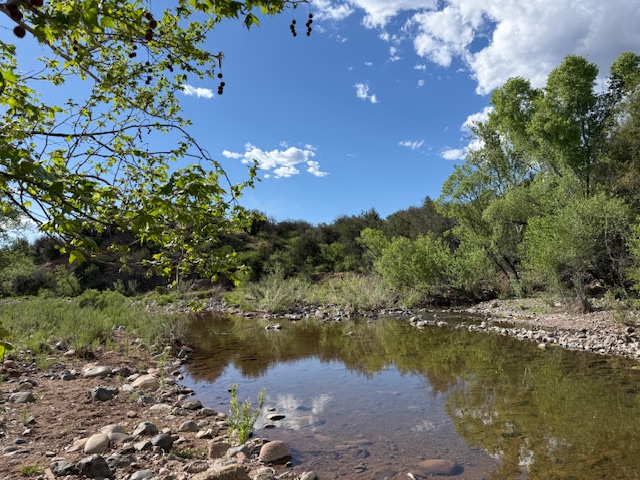
Arizona Trail Day 26, Mile 265 to 291 plus 2 when I took a wrong turn from the Gila River where I took an afternoon dip. So many grasshoppers! Tried out a sun umbrella then didn’t need it when clouds rolled in for an awesome sunset hour. This was my restart point after avoiding desert heat for two weeks.

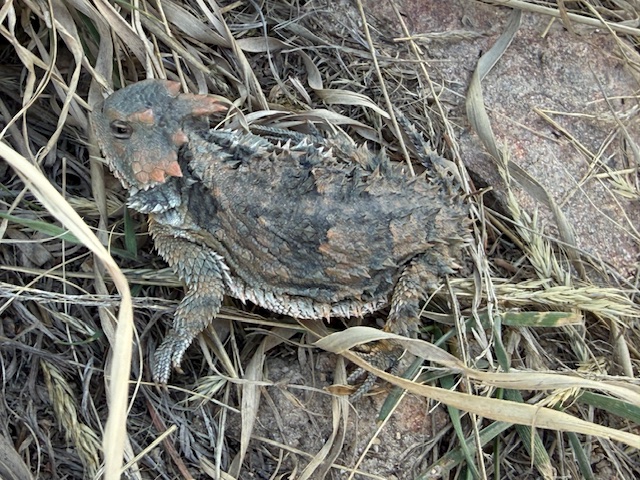
Arizona Trail Day 27, Mile 291 to 321 across Highway 60 climbing steeply into the Superstition Wilderness. Started at 5 a.m. when it was sprinkling and my sun umbrella worked well for rain. Saw my first ever Gila monster, which was amazing.

Arizona Trail Day 28, Mile 321 to 347 down from Reavis Ranch in Tonto National Forest to Roosevelt Lake. It was nice to hike a while with Michelle and Adam from Seattle. I saw my second ever Gila monster, which was also amazing! Big thanks to my parents who drove down from Pine to resupply me before sunset.

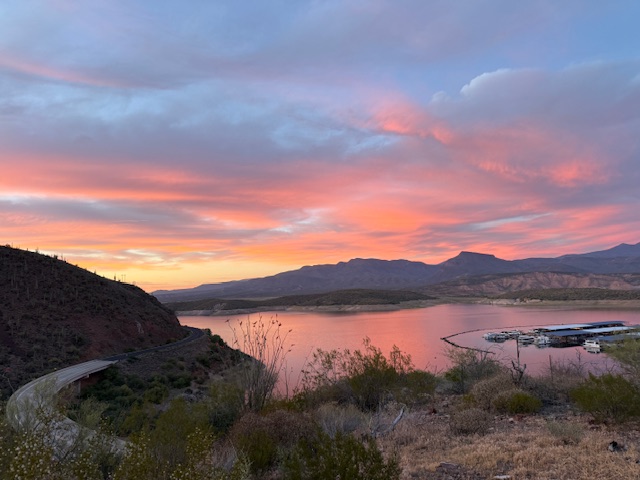
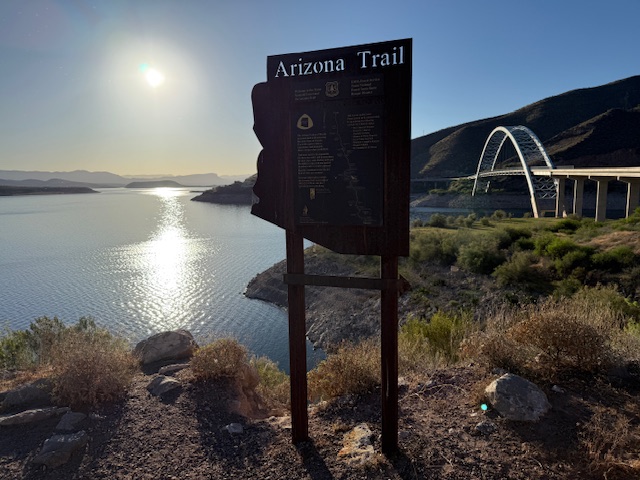
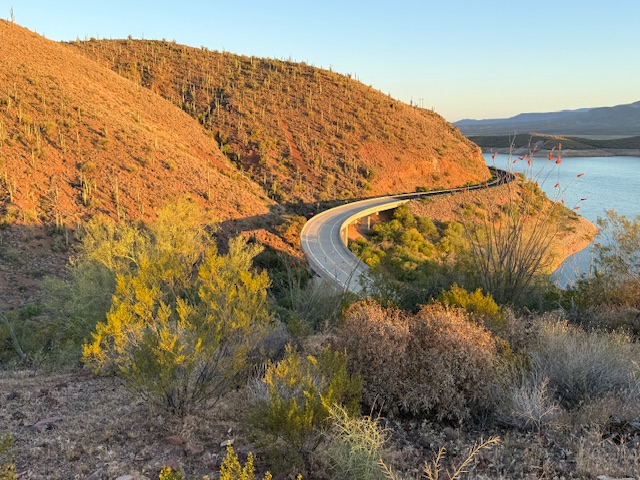
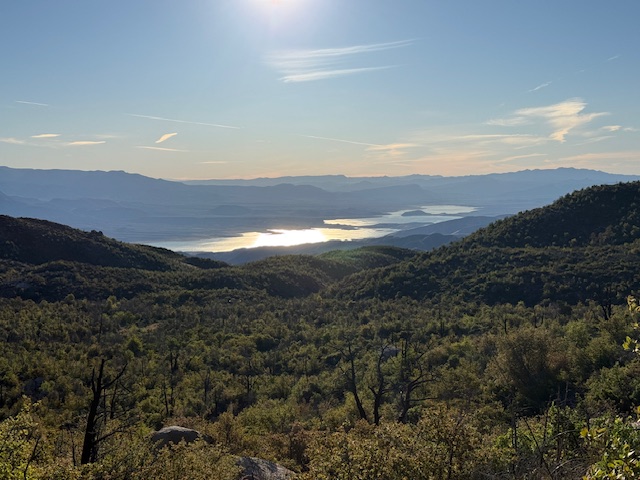
Arizona Trail Day 29, Mile 347 to 366 across Roosevelt Lake Bridge up into the Four Peaks Wilderness. Shake Spring was flowing nicely this afternoon so I decided to camp nearby and cut my day short to enjoy the shade.

Arizona Trail Day 30, Mile 366 to 387 down the mountain from Four Peaks Wilderness to the Beeline Highway 87. At some point Saturday I surpassed 600 miles on the 800-mile Arizona National Scenic Trail! My parents brought me a milkshake down from Payson, which tasted amazing.

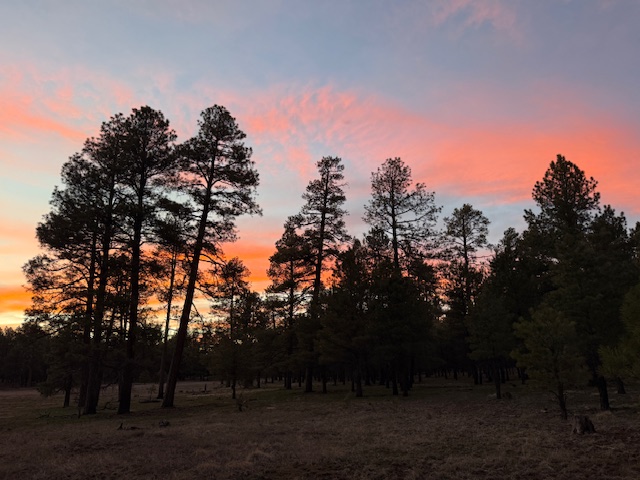
Arizona Trail Day 32, Mile 387 to 417 into the Mazatzal Wilderness after a zero day to spend Easter with family in Chandler. Cloudy and drizzly weather helped me stay cool and I didn’t have to drink much. Cumulative 6,500-foot ascent and 4,000-foot descent over the 30 miles! Great sunset over Horseshoe Lake.

Arizona Trail Day 33, Mile 417 to 442 out of the Mazatzal Mountains down to the East Verde River where I took an afternoon swim. I met a lot of friendly people backpacking today, including one volunteer doing trail maintenance who provided trail magic in the form of a delicious cheese stick.

Arizona Trail Day 34, Mile 442 to 459 back home to Pine. I have now completed the southernmost 713 miles of the AZT since March 4. I plan to finish the final 100 miles when North Kaibab Trail through Grand Canyon National Park opens after May 15. I could not have done this without the help of my parents and friends along the way. Thank you so much!

I have also been updating my Instagram account daily with photos: https://www.instagram.com/ravenabouttheparks/

Arizona Trail Days 14 to 23

With temperatures 28 degrees above average in the Sonoran Desert, I jumped ahead 200 miles on the Arizona Trail to my home in Pine at Mile 459. After two “zero days” I was able to quickly cover the higher elevation miles and made it back to where I started on the South Rim of the Grand Canyon at Mile 700. The final six days I backpacked 187 miles, which I did not think I was capable of before I started on the AZT. This was all at elevations above 6,000 feet with the last 100 miles including water carries of 22, 17, 18, and 21 miles between refills. It was great to see friends and family in Pine and Flagstaff. I have surpassed 500 miles on the 800-mile AZT and will now return to the section I skipped north of the Gila River. Good news is the National Park Service is planning to reopen the North Kaibab Trail on May 15, so if I wait I may be able to do the final 100 miles through the Grand Canyon and up to the Utah border.

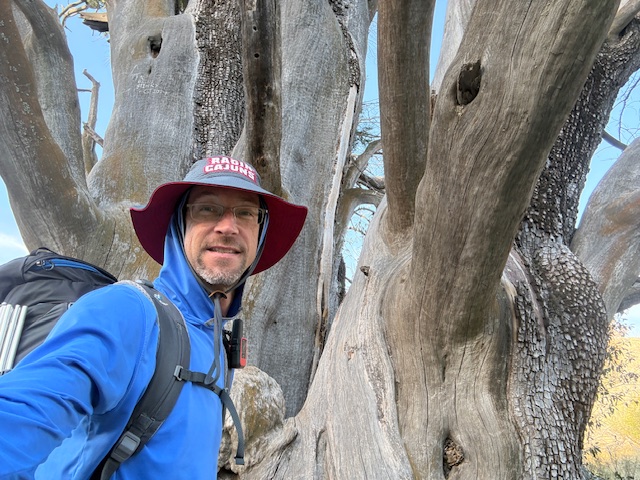
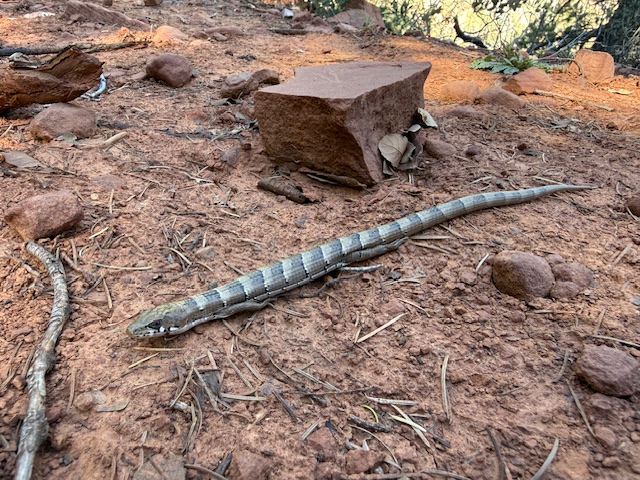
Arizona Trail Day 16, Mile 459 to 483 after jumping ahead 200 miles to my home in Pine I picked up the Highline Trail to the top of the Mogollon Rim. Enjoyed the cooler temperatures and the first Arizona cypress trees along the route, plus I saw a Madrean alligator lizard.

Arizona Trail Day 17, Mile 483 to 498 atop the Mogollon Rim across Clear Creek. Finished before noon for a trailhead pickup by my parents and one more night at home in Pine. Enjoying the cooler temperatures as I head towards Flagstaff through Coconino National Forest.

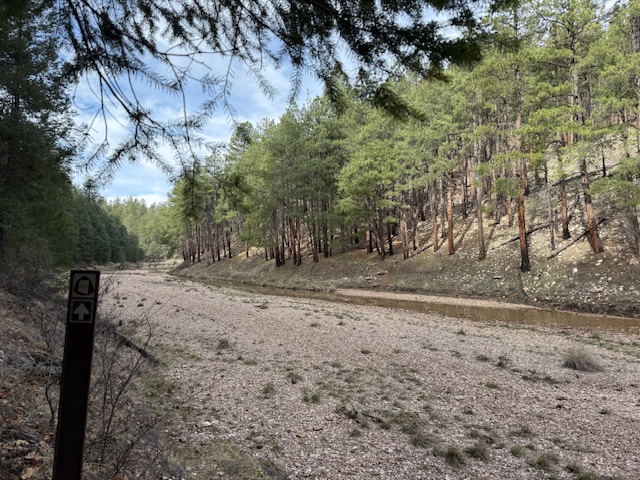
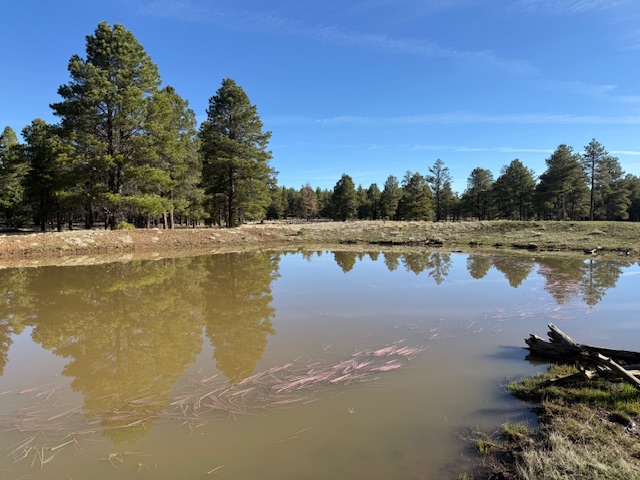
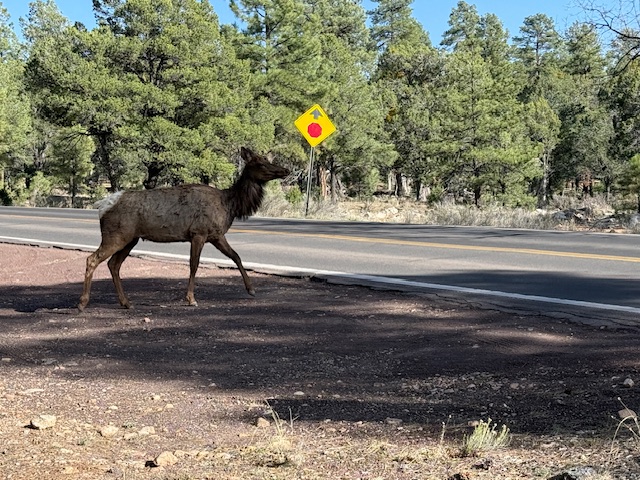
Arizona Trail Day 18, Mile 498 to 529 through forests towards Mormon Lake. Saw 3 herds of elk and the first Abert’s squirrel with its tassel ears. Water was mostly filtered from cattle tanks in various tints of yellow, but it tasted okay.

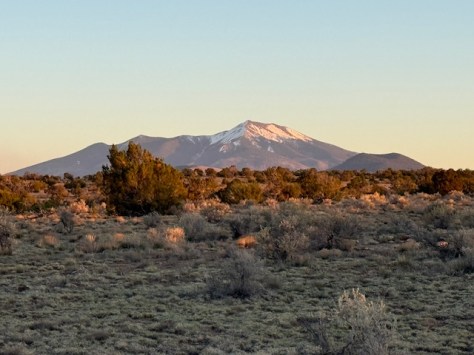
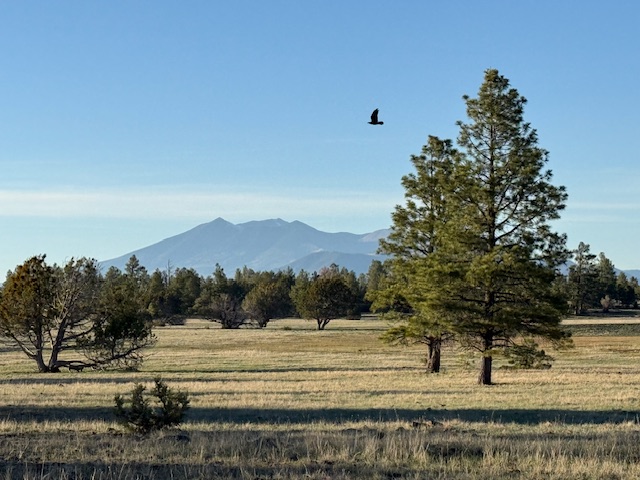
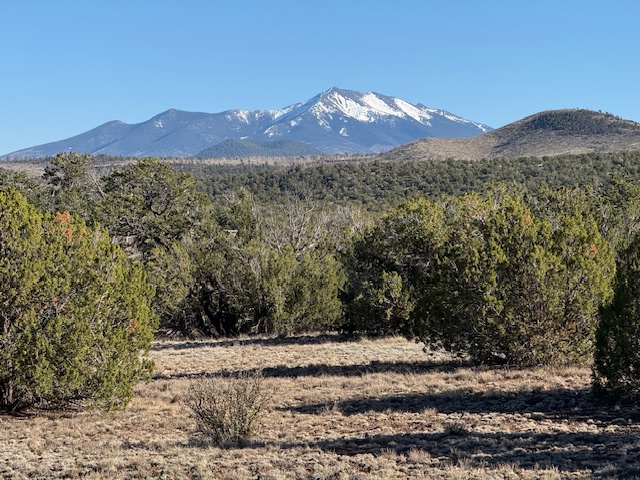
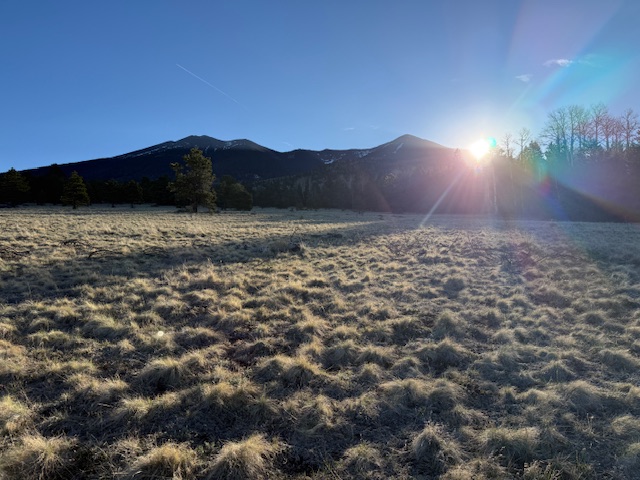
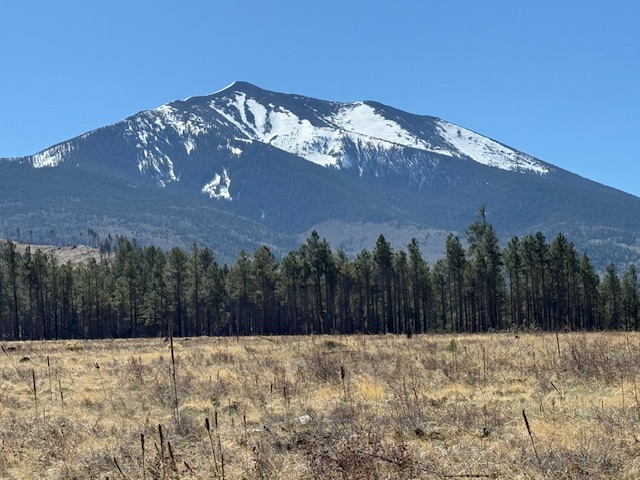
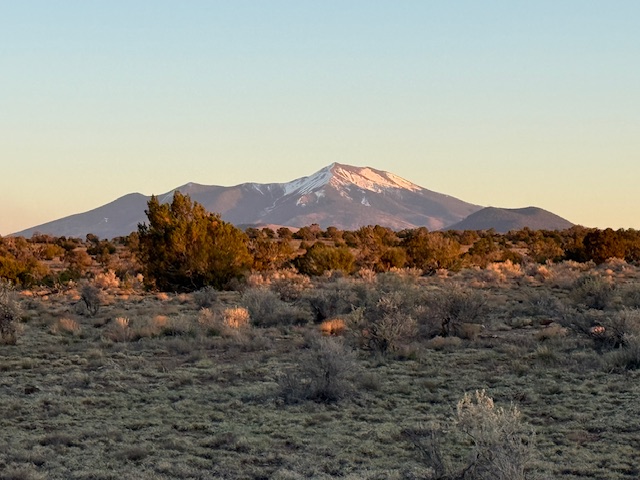
Arizona Trail Day 19, Mile 529 to 561 across Anderson Mesa where I saw two groups of mule deer. I got a resupply from my parents and my first views of the San Francisco Peaks north of Flagstaff. I feel nostalgic walking towards the town where I earned my undergrad degree from Northern Arizona University.

Arizona Trail Day 20, Mile 561 to 568 plus 16 miles on the urban route shortcut then Mile 599 to 608 through my college home of Flagstaff. Thanks to my friend Robin for helping lighten my backpack load earlier, picking me up near Snowbowl, and hosting me after a long 32-mile day.

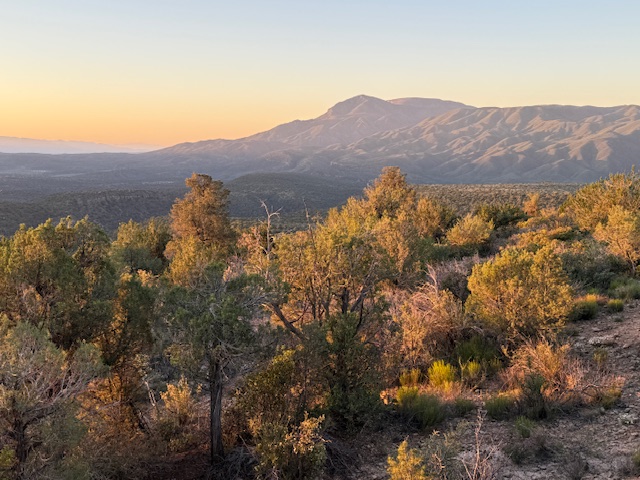
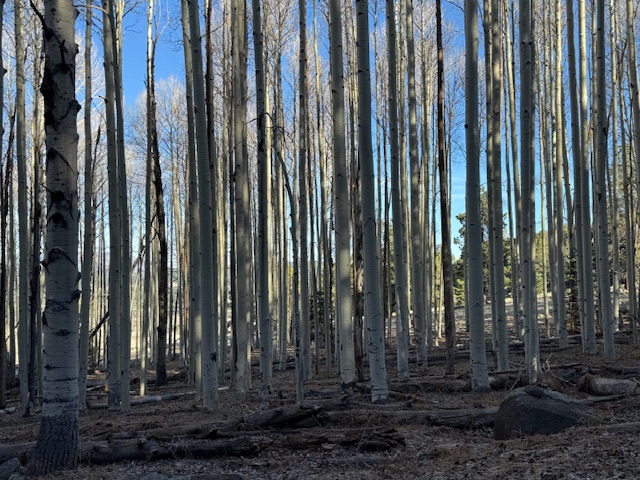
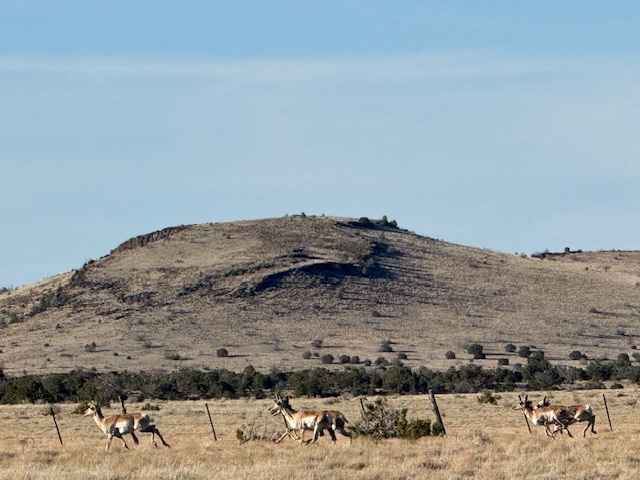
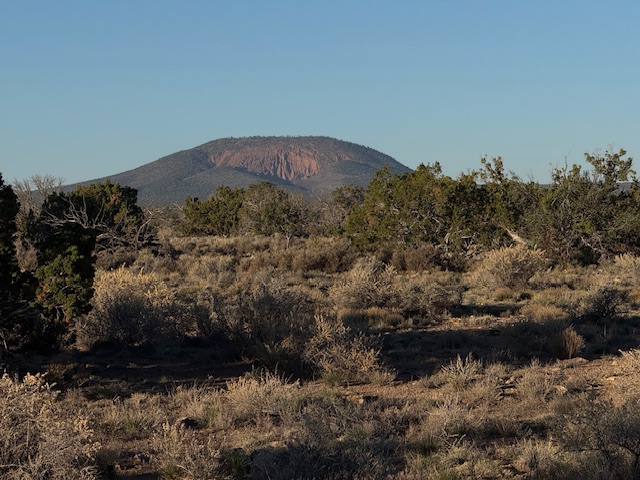
Arizona Trail Day 21, Mile 608 to 638 dropped down from Aspen Corner on Snowbowl Road onto Hart Prairie. Saw mule deer, pronghorns, and corkbark fir, one of my favorite tree species. Passed scenic Red Mountain on my way to a dry camp in the pinyon juniper woodland.

Arizona Trail Day 22, Mile 638 to 668 through Babbitt Ranch and into Kaibab National Forest and the new Ancestral Footprints of the Grand Canyon National Monument. Not many water sources out here so you take what you can get.

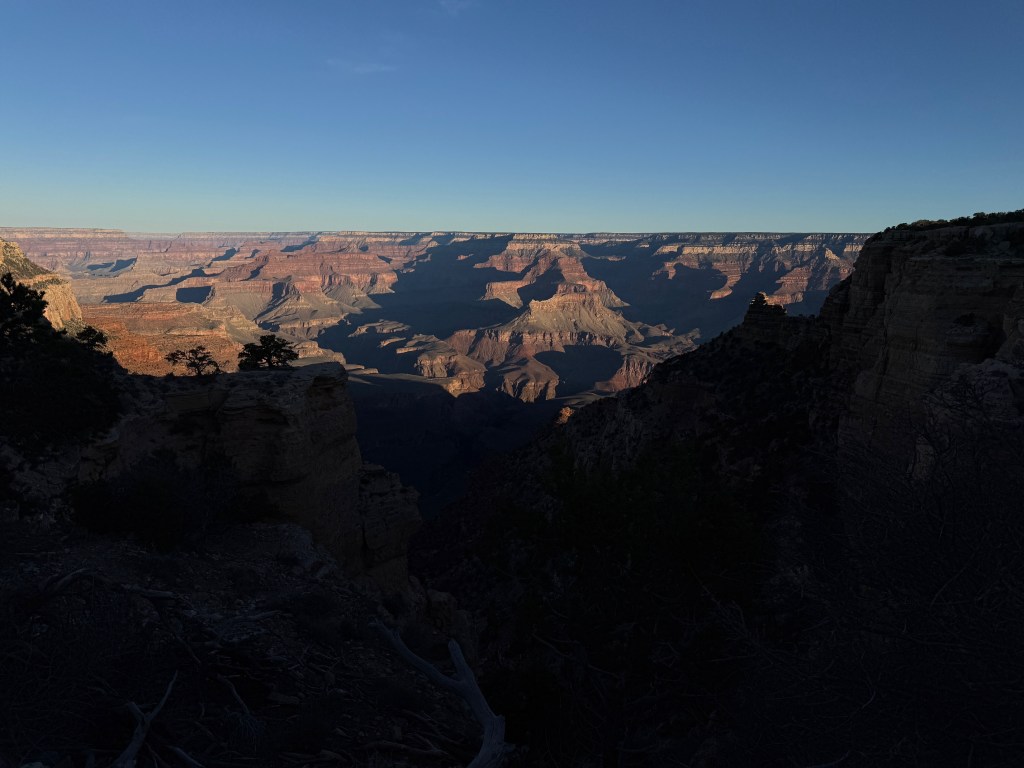
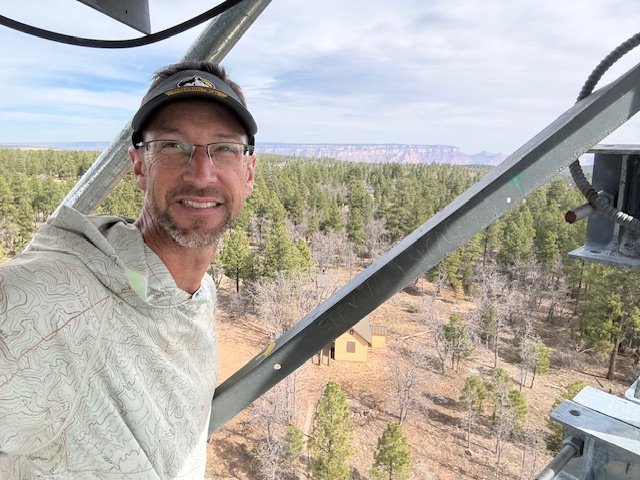
Arizona Trail Day 23, Mile 668 to 700 past Grandview Tower to Tusayan for fast food and then into Grand Canyon National Park where I started on March 4th. At some point today I surpassed 500 miles on the 800-mile AZT. I also had my first hotel stay of the journey. I’m taking a zero day before heading back to the Gila River at Mile 265.

You can keep track of where I am at on the Garmin website through this link: https://live.garmin.com/ScottSink

I will also be updating my Instagram account with photos when I have signal: https://www.instagram.com/ravenabouttheparks/

Know someone who loves exploring new National Monuments? Gift them our book Monumental America: Your Guide to All 138 National Monuments that is available for sale on Amazon.com.