Tag Archives: beach

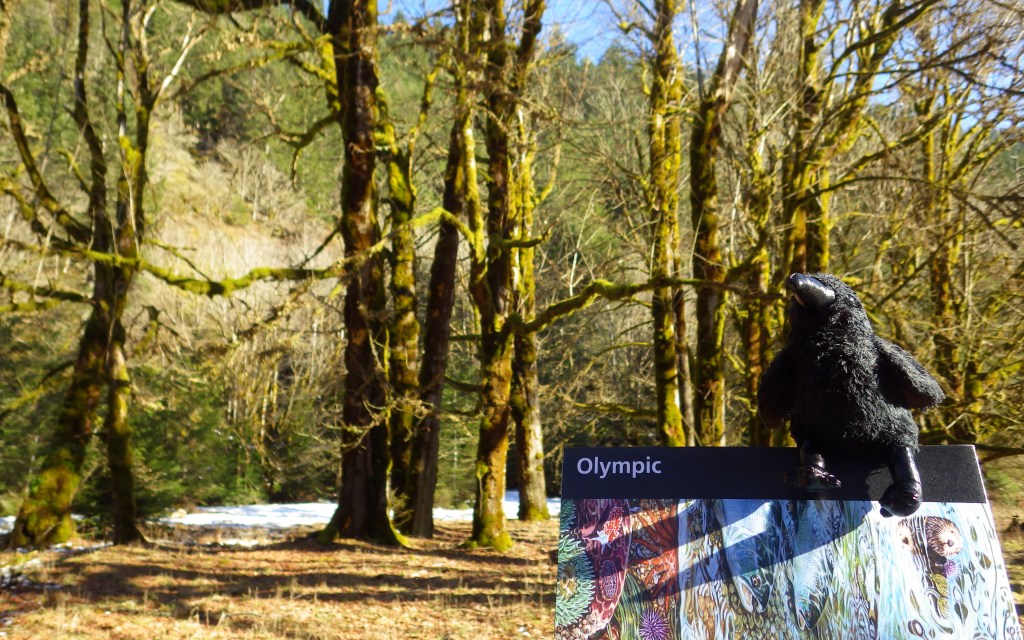
Olympic National Park

Overview

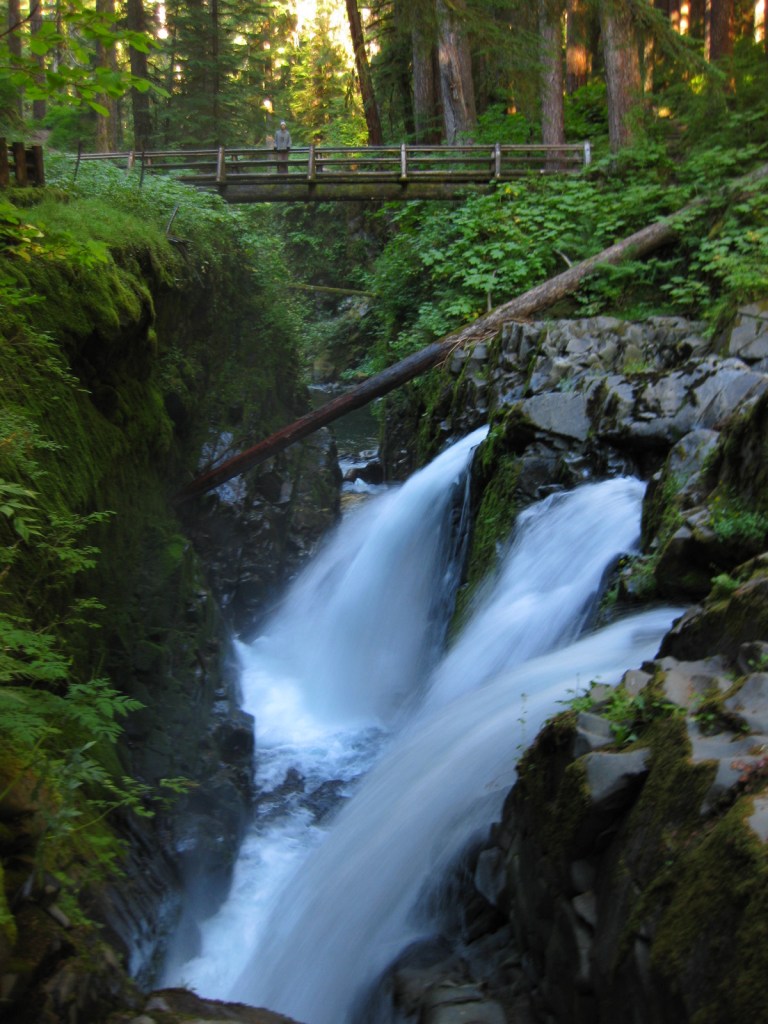
Rising from the Pacific Ocean to 7,980-foot tall Mount Olympus, western Washington’s Olympic National Park is arguably the most diverse National Park in the entire country.  Originally named as a National Monument in 1909 by President Theodore Roosevelt to protect his namesake Roosevelt elk, the area was almost named Elk National Park when upgraded in 1938. 

Learn more in our guidebook to the National Parks, A Park to Yourself: Finding Adventure in America’s National Parks (available on Amazon).
Highlights

Ruby Beach, Lake Quinault, Hoh Rainforest, Sol Duc Falls, Hurricane Ridge

Must-Do Activity

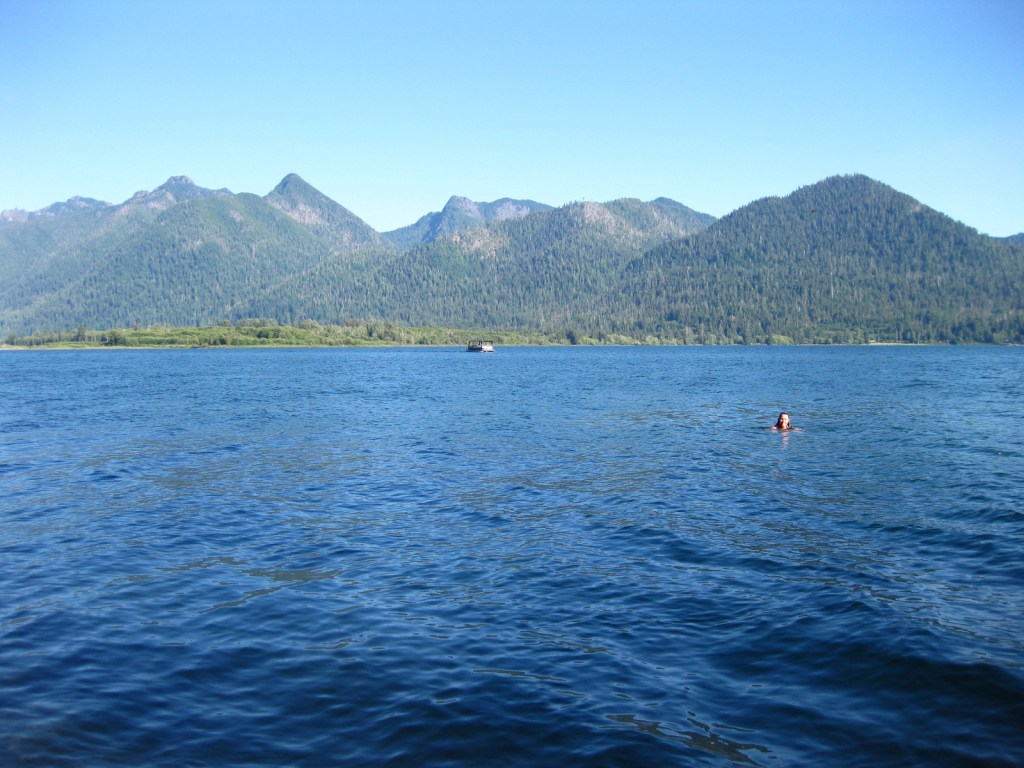
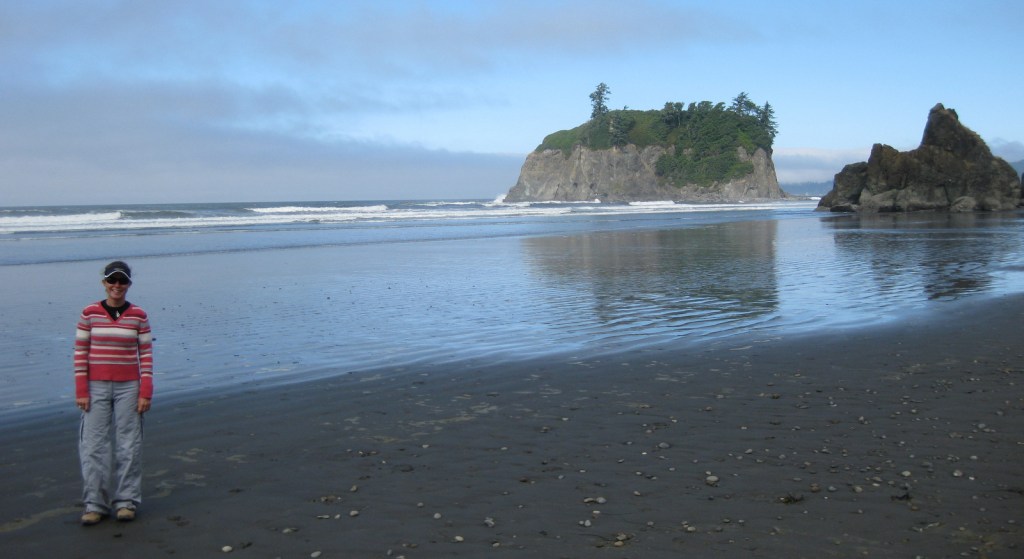
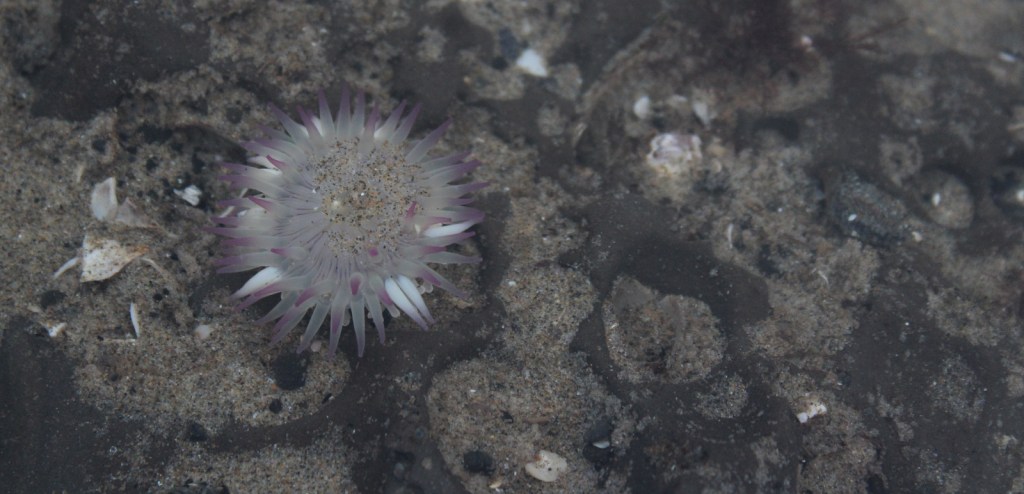
Visitors can explore tidepools at Ruby Beach (pictured in our logo below), soak at a hot springs resort after hiking around Sol Duc Falls, experience sweeping mountain vistas from Hurricane Ridge, and boat across picturesque Lake Crescent.

Best Trail

There are more than 600 miles of trails, but one of the quietest is on the north shore of Lake Quinault and leads to a huge, hollow western redcedar tree.

Instagram-worthy Photo

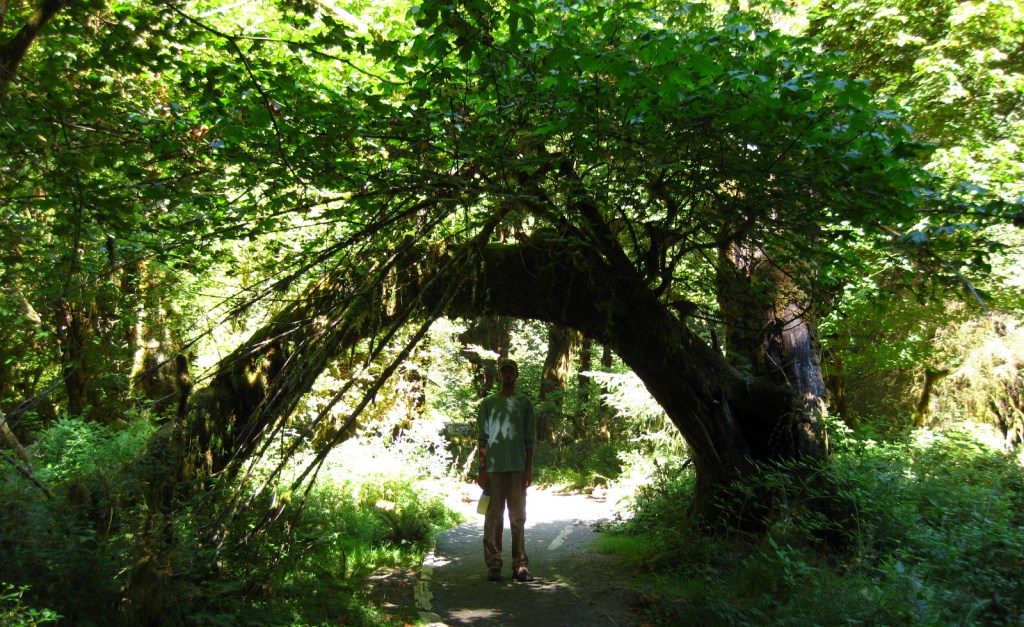
Discover the moss-draped Hoh Rainforest, which at 160 inches annually experiences the highest rainfall totals in the continental U.S.

Peak Season

Summer

Hours

https://www.nps.gov/olym/planyourvisit/hours.htm

Fees

$30 per vehicle or America the Beautiful pass

Road Conditions

All major roads are paved, but notably the road up to Hurricane Ridge is not open every day of the week in the offseason.

Camping

There are numerous campgrounds and four lodges, plus the historic Lake Quinault Lodge built in 1926 (and technically outside of the park).

Related Sites

Lewis and Clark National Historical Park (Oregon-Washington)

Ebey’s Landing National Historic Reserve (Washington)

Mount Rainier National Park (Washington)

This design we created to celebrate Olympic National Park is available on a variety of products at Cafe Press and Amazon.

Explore More – Although they are shrinking, how many glaciers are found in the Olympic Mountains?

We are a participant in the Amazon Services LLC Associates Program, an affiliate advertising program designed to provide a means for us to earn fees by linking to Amazon.com and affiliated sites.

Canaveral National Seashore

Overview

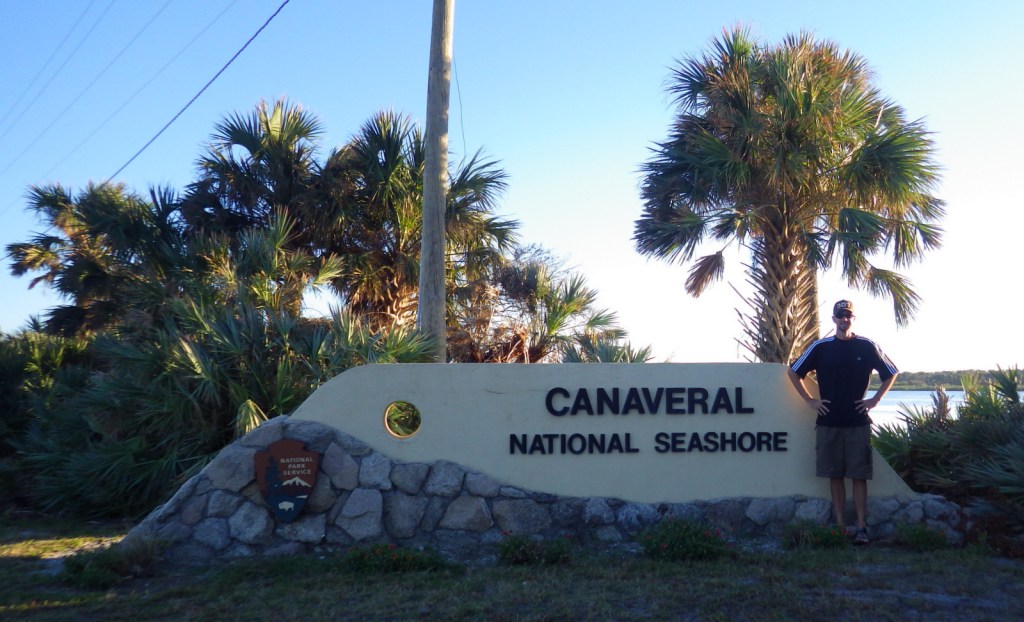
When NASA (National Aeronautics and Space Administration) prevented this portion of Florida coast from development in the 1950s, surely they did not imagine it would soon become one of the last long stretches of wild coastline left on the Atlantic seaboard.  The area north of John F. Kennedy Space Center was set aside as Canaveral National Seashore (in 1975) and Merritt Island National Wildlife Refuge (in 1963).

Highlights

Eldora State House, shell mounds, wildlife, fishing, kayaking, beaches

Must-Do Activity

About 310 avian species have been spotted in Merritt Island National Wildlife Refuge.  Other than birds, we were excited to see our first living armadillo and manatee outside of a zoo.  Despite its unappealing name, Mosquito Lagoon is a nice spot for fishing and paddling.  We hope someday to return to witness a rocket launch from John F. Kennedy Space Center.

Best Trail

Human activity in Canaveral National Seashore is evident in Timucuan shell mounds that date back thousands of years, with a separate trail to Eldora State House preserving more recent history.  At the southern end of the park in Merritt Island National Wildlife Refuge, you will find Oak and Palm Hammock Trails, as well as Cruickshank Trail that leads to an observation tower.

Instagram-worthy Photo

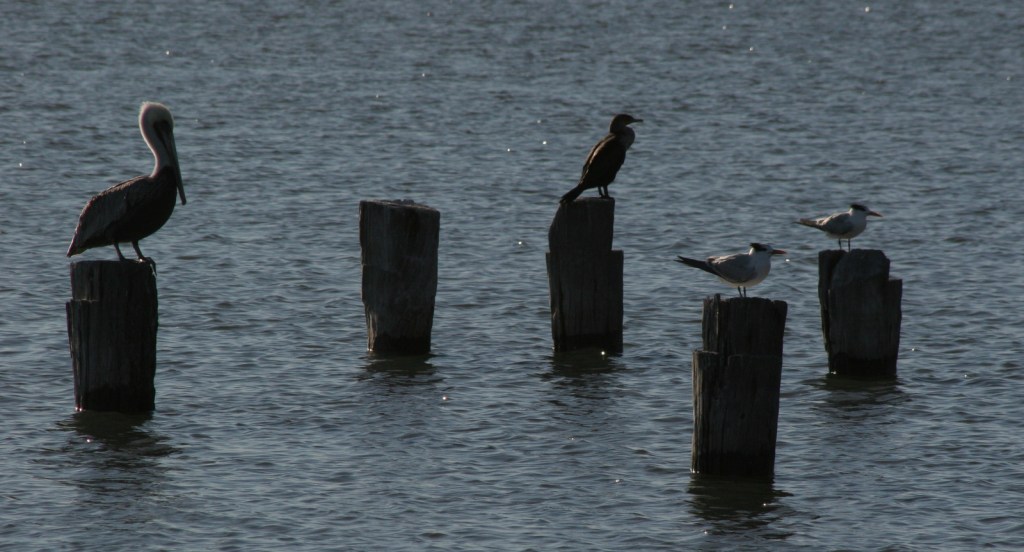
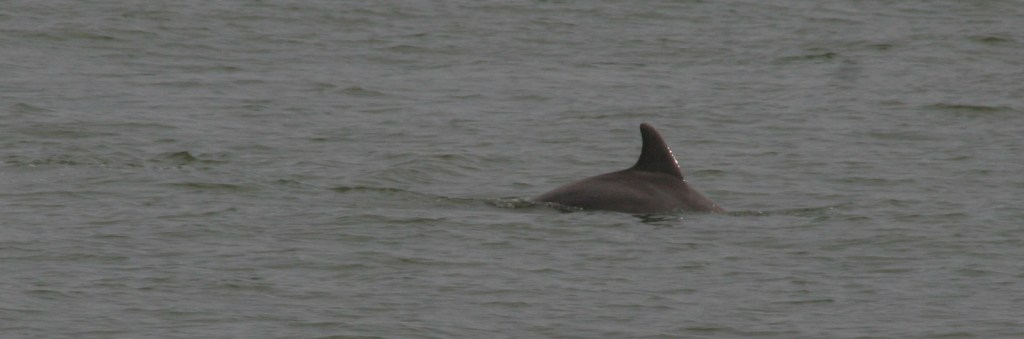
The park ranger told us the most likely place to see a West Indian manatee was at the boat launch in New Smyrna Beach, Florida just north of the park boundary.  There were also dolphins, great blue herons, anhingas, great egrets, ospreys, brown pelicans, and royal terns.

Peak Season

Summer

Hours

https://www.nps.gov/cana/planyourvisit/hours.htm

Fees

$20 per vehicle day use or America the Beautiful pass

Road Conditions

The main access roads are paved, but the six-mile Black Point Wildlife Drive and some boat launches are not.  Unlike at other National Seashores, there is no driving on the beach allowed, but you can bicycle or walk to remote Klondike Beach.

Camping

Inside the park boundaries there are no campgrounds, but backcountry camping is allowed with a permit.

Related Sites

Castillo de San Marcos National Monument (Florida)

Cumberland Island National Seashore (Georgia)

Fort Caroline National Memorial (Florida)

Explore More – What did engineers build in the 1950s to limit the breeding area for saltmarsh mosquitoes?

Muir Woods National Monument

Overview

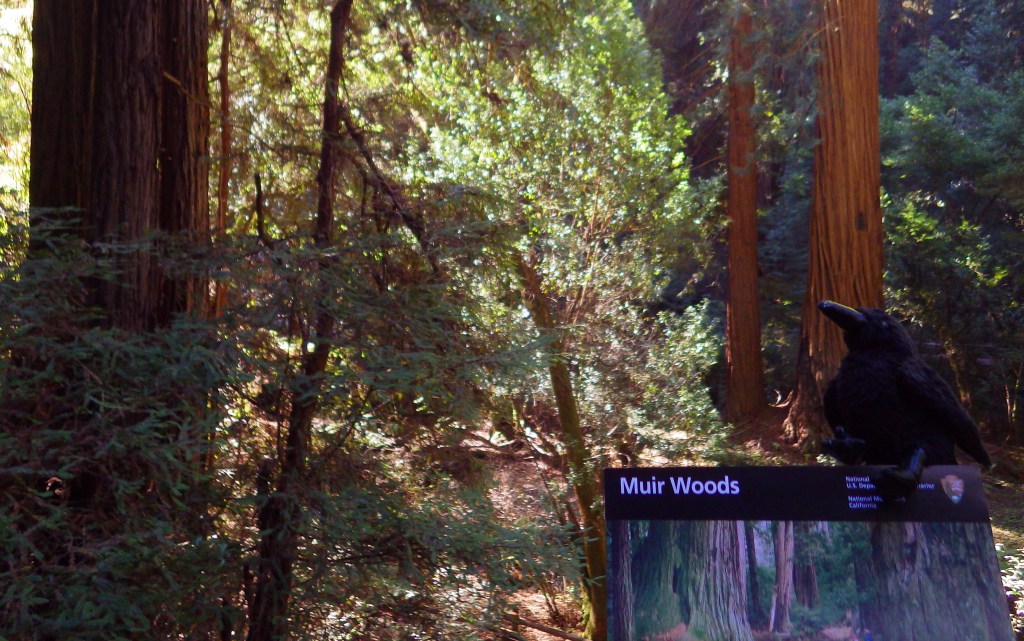
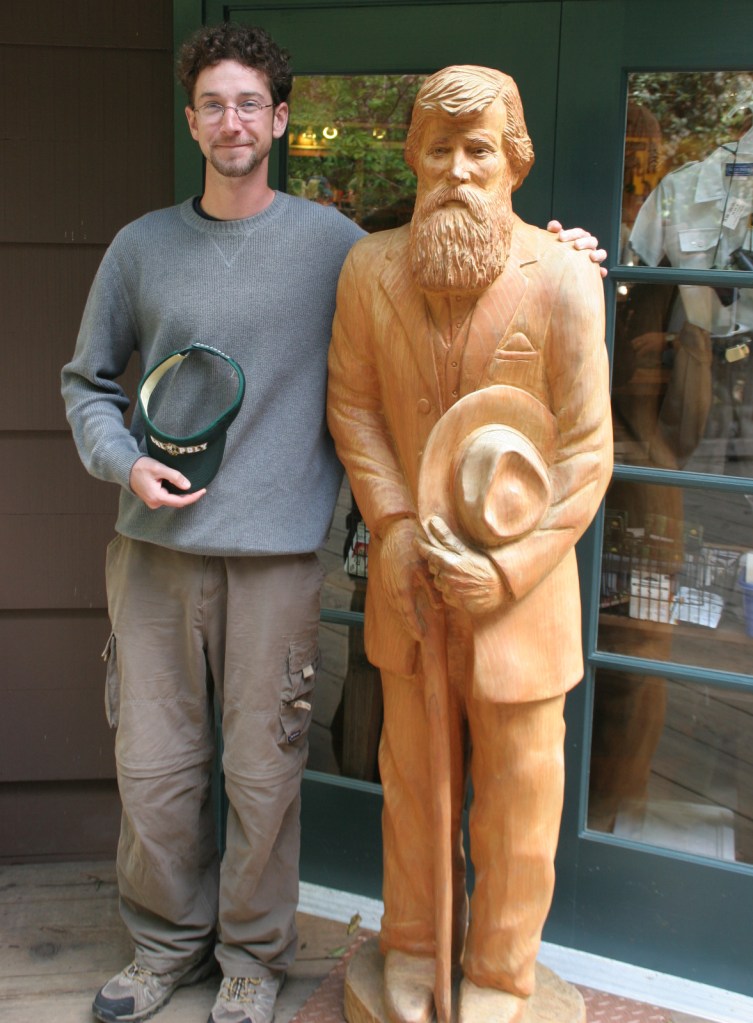
Named for passionate preservationist and Bay Area resident John Muir, this old-growth forest of coast redwood trees is a world away from the bustle of the city.  Originally established in 1908, the National Monument is administered by the National Park Service (NPS) as part of Golden Gate National Recreation Area.  It is located just south of Point Reyes National Seashore and here you can also access the coastline at nearby Muir Beach.

Highlights

Coast redwood trees, Redwood Creek Trail, Canopy View Trail, Muir Beach

Must-Do Activity

North of the Golden Gate Bridge, the San Francisco sprawl gives way to a rugged and idyllic landscape.  The twisty drive over the coastal mountains to 554-acre Muir Woods National Monument is part of the adventure.  There is a café and gift shop, plus the NPS operates a small bookstore, but not a museum at the site.  This small park receives an average of one-million visitors per year, so expect the trails to be crowded on weekends and sunny days.

Best Trail

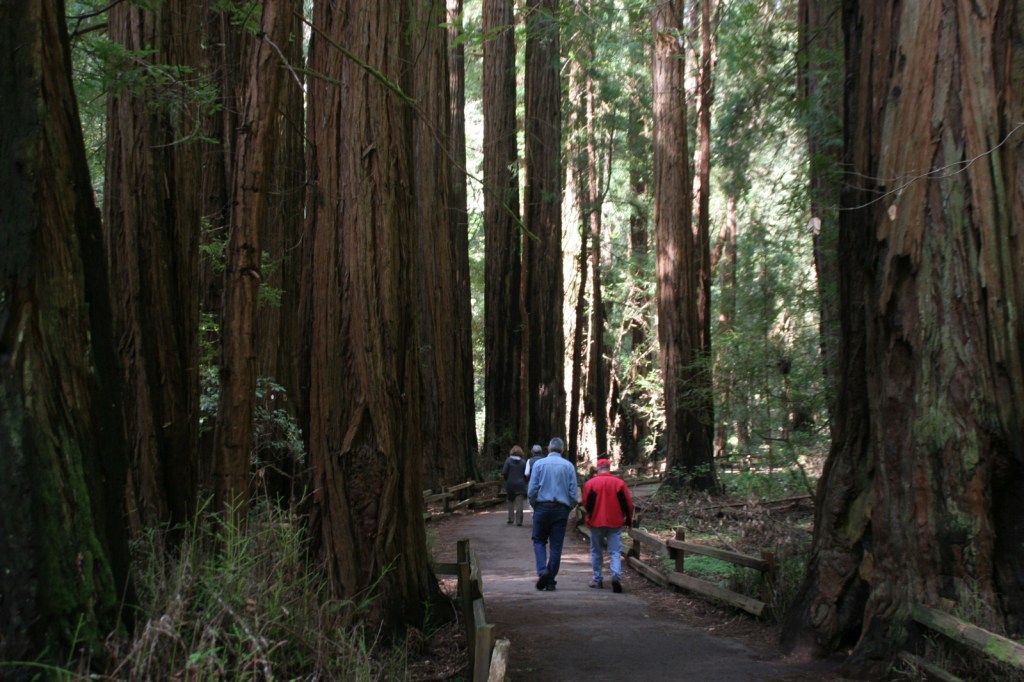
There are only six miles of trails in the National Monument, but they connect with the extensive system in surrounding Mount Tamalpais State Park.  It is often foggy and always shady beneath these massive trees, so it is best to dress in layers.

Instagram-worthy Photo

The coast redwoods growing here are more than 250 feet tall, so hike up the aptly named Canopy View Trail to get a birds-eye view.

Peak Season

Summer

Hours

https://www.nps.gov/muwo/planyourvisit/hours.htm

Fees

$15 per person or America the Beautiful pass

Road Conditions

The winding access road is steep and narrow, so RVs over 35 feet in length are prohibited.

Camping

There are walk-in tent campsites at Mount Tamalpais State Park and backcountry campsites (permit required) at Point Reyes National Seashore.

Related Sites

John Muir National Historic Site (California)

Redwood National and State Parks (California)

Golden Gate National Recreation Area (California)

Explore More – Coast redwood is the tallest species in the world, requiring coastal fog to stay hydrated; how far inland do the trees naturally occur?

Chincoteague National Wildlife Refuge

Chincoteague National Wildlife Refuge

Virginia

Managed by U.S. Fish and Wildlife Service

Established 1943

14,000 acres

Website: www.fws.gov/refuge/chincoteague

Overview

Chincoteague National Wildlife Refuge was established to protect migratory birds, like the greater snow goose. To the north, Assateague Island National Seashore was authorized 22 years later and in combination with Assateague State Park they protect a 37-mile stretch of undeveloped shoreline that crosses the border of Maryland and Virginia. The National Park Service comanages the visitor center at the refuge. Unlike Assateague Island National Seashore, no pets are allowed in the refuge, even in vehicles.

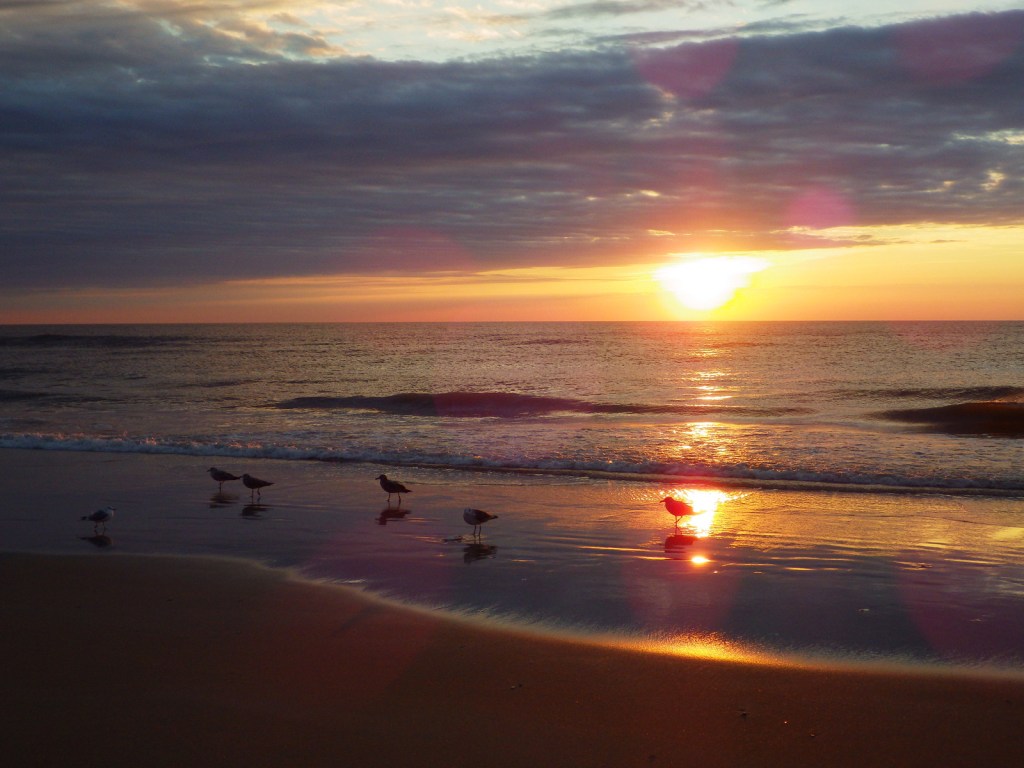
A serene sunset over the ocean with vibrant orange, pink, and purple hues reflecting on the water.

Highlights

Herbert H. Bateman Educational and Administrative Center, film, Assateague Lighthouse, wild ponies, kayaking, swimming, beachcombing

Must-Do Activity

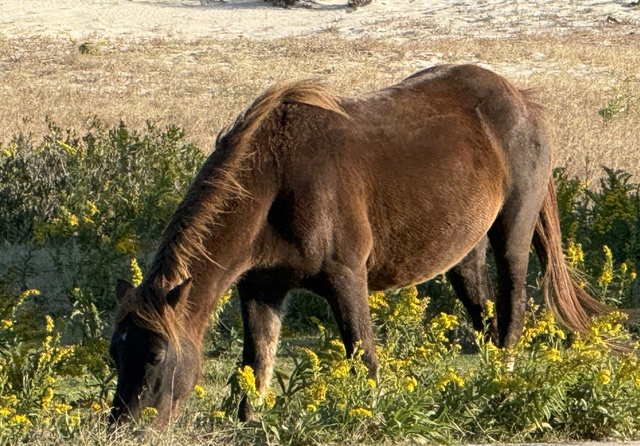
Assateague Island’s most renowned residents are its wild ponies, purported to have swum ashore from a wrecked Spanish galleon.  Every year since the 1700s, the Chincoteague Volunteer Fire Company has herded the ponies that live on Assateague Island for an auction to raise funds for firefighting.  This annual event was chronicled in the classic children’s book Misty of Chincoteague by Marguerite Henry (which made our Top 10 NPS Novels list).  The ponies can often be spotted by hikers on the Woodland Trail, a three-mile loop hike.  Nearby there is also a free NASA visitor center at Wallops Flight Facility where they launch rockets and 343-acre Wallops Island National Wildlife Refuge, which offers hunting opportunities with a permit.

Best Trail

We mentioned the Woodland Trail above, but this park is all about walking the beach, especially the ten miles of wild beach only accessible by foot. Unlike Assateague Island National Seashore, no pets are allowed in the refuge, even in vehicles.
Watchable Wildlife

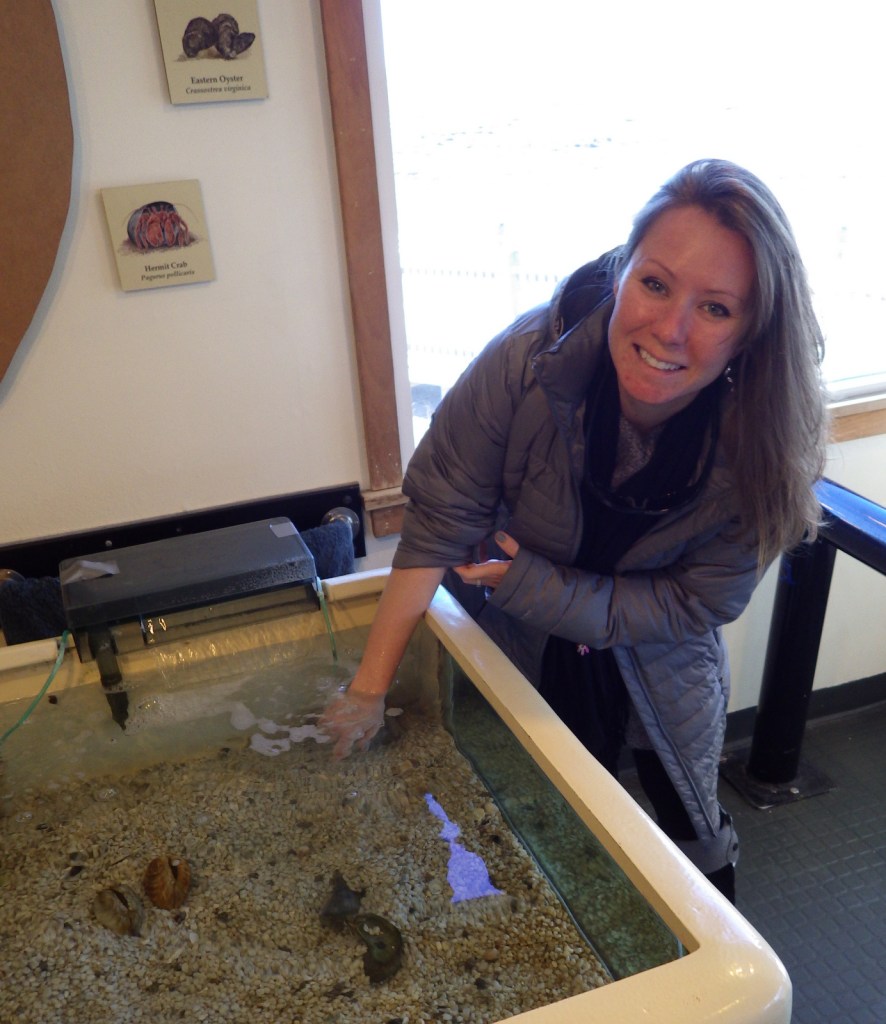
Atlantic horseshoe crabs are one of the iconic species of the beach, and you will see their shells even if you miss a spawning event correlated with the highest tides of the warmer months. Wild ponies and sika deer are non-native species to the island. Native animals commonly seen include red foxes, Delmarva Peninsula fox squirrels, piping plovers, and brown pelicans. A wide variety of birds migrate through this area in the spring and fall (also a good time to see monarch butterflies). There are touch tanks for visitors to dunk their hands into at the Herbert H. Bateman Educational and Administrative Center.
Instagram-worthy Photo

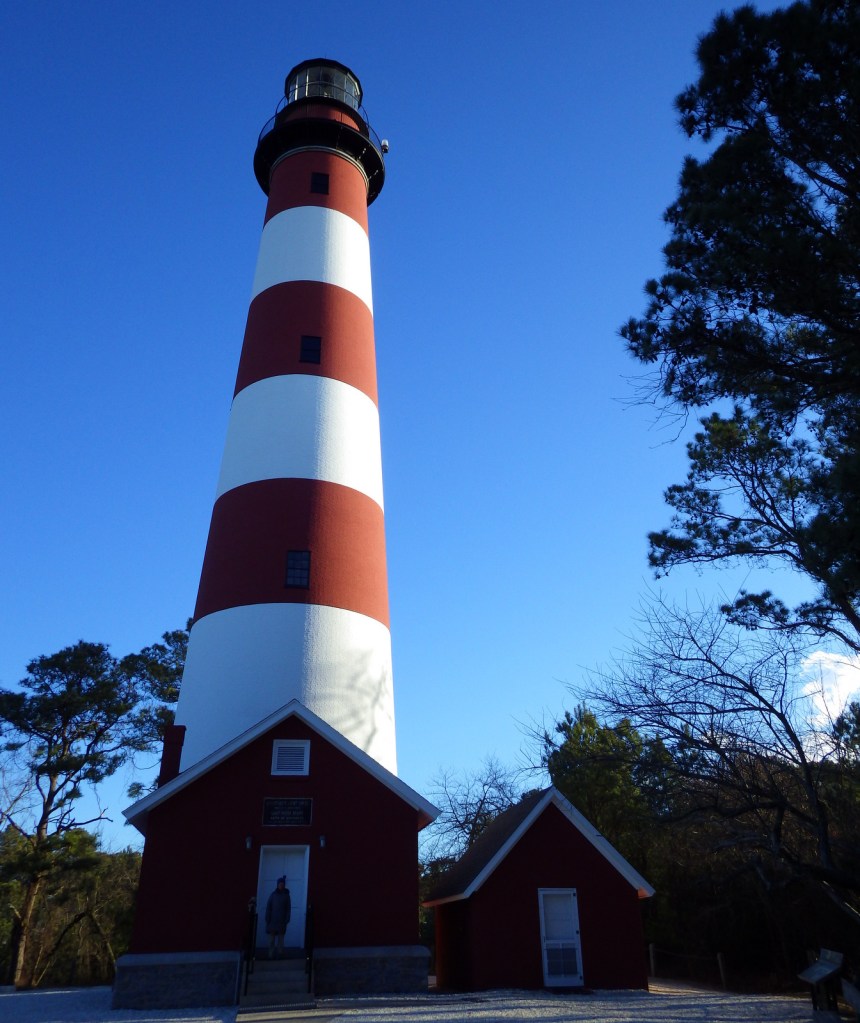
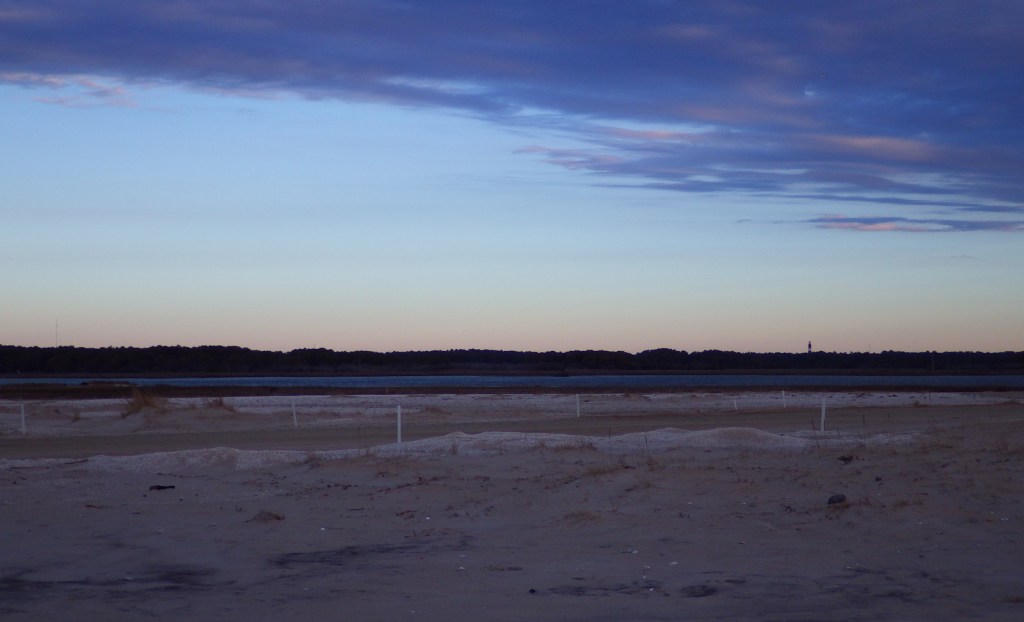
The first Assateague Lighthouse was built in 1833, while the structure seen today was completed in 1867.

A tall striped lighthouse with red and white bands standing against a clear blue sky, accompanied by a small red building at its base.

Peak Season

Summer

Hours

https://www.fws.gov/refuge/chincoteague/visit-us

Fees

$25 per vehicle or America the Beautiful pass

Road Conditions

The access road is paved, and with a permit you can drive Wildlife Loop Trail from 3:00 p.m. to dusk (always open as a hiking and biking trail). Over-sand vehicle zones within the refuge are managed by Assateague Island National Seashore. It takes about 1.2 hours to drive the highways between the north and south bridges to Assateague Island.

Camping

Outside the refuge on the island’s northern portion in Maryland, the National Park Service (NPS) operates two campgrounds with cold showers, and the one nearby in Assateague State Park offers hot showers.  Two oceanside backpacking camps and four bayside kayak-in camps are also available by permit in the north.

Related Sites

Assateague Island National Seashore (Maryland-Virginia)

Harriet Tubman Underground Railroad National Historical Park (Maryland)

First State National Historical Park (Delaware)

Cape Hatteras National Seashore (North Carolina)

Explore More – Not just a safe haven for wild ponies, where in the refuge do seahorses anchor to underwater grasses?

Cape Hatteras National Seashore

Overview

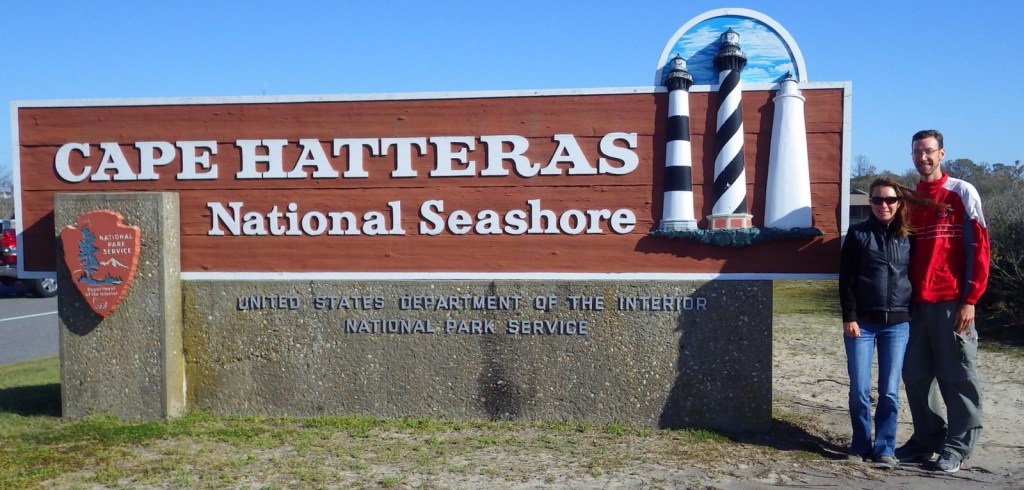
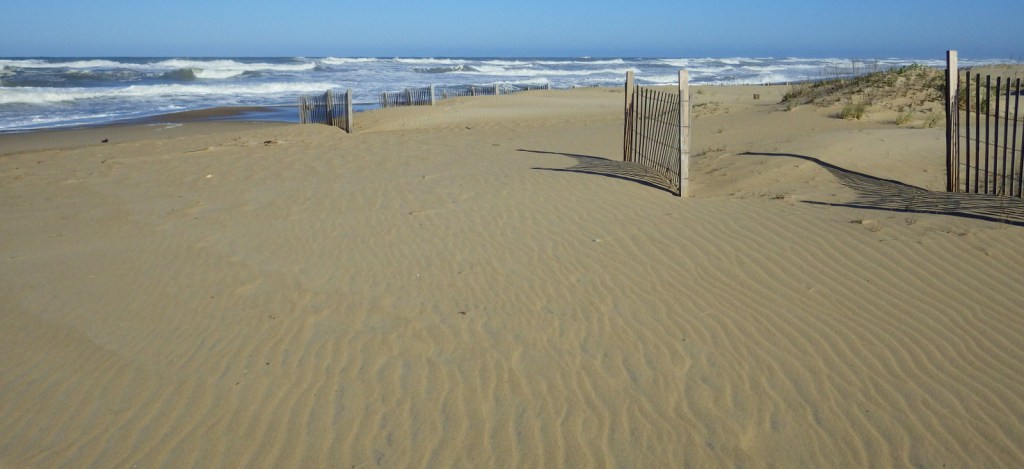
The Outer Banks of North Carolina have sparked the imaginations of travelers ever since British colonists landed here in 1585.  If you are seeking undeveloped beaches that have changed little over the centuries then this is the place to go.  The 70 miles of barrier islands protected as Cape Hatteras National Seashore are interrupted only by small seaside villages and one long section by Pea Island National Wildlife Refuge.  Bodie Island and Hatteras Island are connected by bridges, but Ocracoke Island is only accessible by ferry.

Highlights

1870 Cape Hatteras Lighthouse, 1872 Bodie Island Lighthouse, Ocracoke Island Campground, beaches

Must-Do Activity

The main National Park Service (NPS) visitor center is located at iconic Cape Hatteras Lighthouse where you can learn about shipwrecks, pirates, and the monumental effort to move the 208-foot tall brick structure in 1999.  Further down Highway 12, pick up a free ferry to Ocracoke Island, a renowned vacation destination.  Several campgrounds are found along the seashore, including one on Ocracoke.  Since this remote strip of sand is not easy to get to, you will want to spend at least a night or two.

Best Trail

Walking the beach and collecting seashells is the most popular diversion, but there are also the Hammock Hills Nature Trail on Ocracoke Island and Buxton Woods Nature Trail on Hatteras Island.

Instagram-worthy Photo

Ocracoke Lighthouse is the oldest operating lighthouse in North Carolina, dating back to 1823, but it is not open to enter inside.

Peak Season

Summer

Hours

https://www.nps.gov/caha/planyourvisit/hours.htm

Fees

None, except a fee is charged to climb Bodie Island and Cape Hatteras Lighthouses

Road Conditions

All main roads are paved and there are designated access points to drive on the beach.

Camping

There are four NPS campgrounds and they all take reservations.

Related Sites

Cape Lookout National Seashore (North Carolina)

Fort Raleigh National Historic Site (North Carolina)

Wright Brothers National Memorial (North Carolina)

Explore More – The Outer Banks are known as the “Graveyard of the Atlantic,” so how many shipwrecks have been recorded in this area?