
Chincoteague National Wildlife Refuge
Virginia
Managed by U.S. Fish and Wildlife Service
Established 1943
14,000 acres
Website: www.fws.gov/refuge/chincoteague
Overview
Chincoteague National Wildlife Refuge was established to protect migratory birds, like the greater snow goose. To the north, Assateague Island National Seashore was authorized 22 years later and in combination with Assateague State Park they protect a 37-mile stretch of undeveloped shoreline that crosses the border of Maryland and Virginia. The National Park Service comanages the visitor center at the refuge. Unlike Assateague Island National Seashore, no pets are allowed in the refuge, even in vehicles.

Highlights
Herbert H. Bateman Educational and Administrative Center, film, Assateague Lighthouse, wild ponies, kayaking, swimming, beachcombing
Must-Do Activity
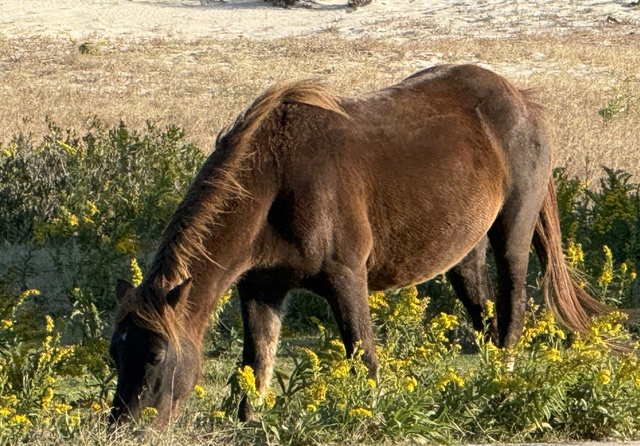
Assateague Island’s most renowned residents are its wild ponies, purported to have swum ashore from a wrecked Spanish galleon. Every year since the 1700s, the Chincoteague Volunteer Fire Company has herded the ponies that live on Assateague Island for an auction to raise funds for firefighting. This annual event was chronicled in the classic children’s book Misty of Chincoteague by Marguerite Henry (which made our Top 10 NPS Novels list). The ponies can often be spotted by hikers on the Woodland Trail, a three-mile loop hike. Nearby there is also a free NASA visitor center at Wallops Flight Facility where they launch rockets and 343-acre Wallops Island National Wildlife Refuge, which offers hunting opportunities with a permit.
Best Trail
We mentioned the Woodland Trail above, but this park is all about walking the beach, especially the ten miles of wild beach only accessible by foot. Unlike Assateague Island National Seashore, no pets are allowed in the refuge, even in vehicles.
Watchable Wildlife
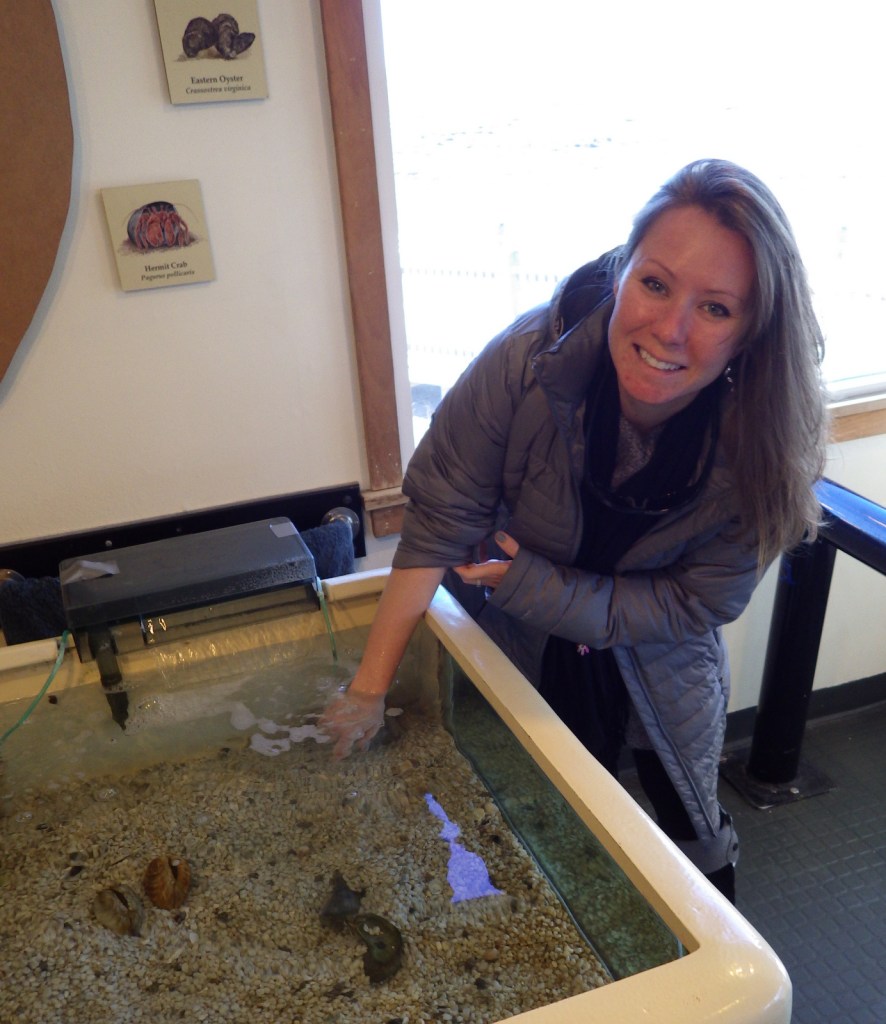
Atlantic horseshoe crabs are one of the iconic species of the beach, and you will see their shells even if you miss a spawning event correlated with the highest tides of the warmer months. Wild ponies and sika deer are non-native species to the island. Native animals commonly seen include red foxes, Delmarva Peninsula fox squirrels, piping plovers, and brown pelicans. A wide variety of birds migrate through this area in the spring and fall (also a good time to see monarch butterflies). There are touch tanks for visitors to dunk their hands into at the Herbert H. Bateman Educational and Administrative Center.
Instagram-worthy Photo
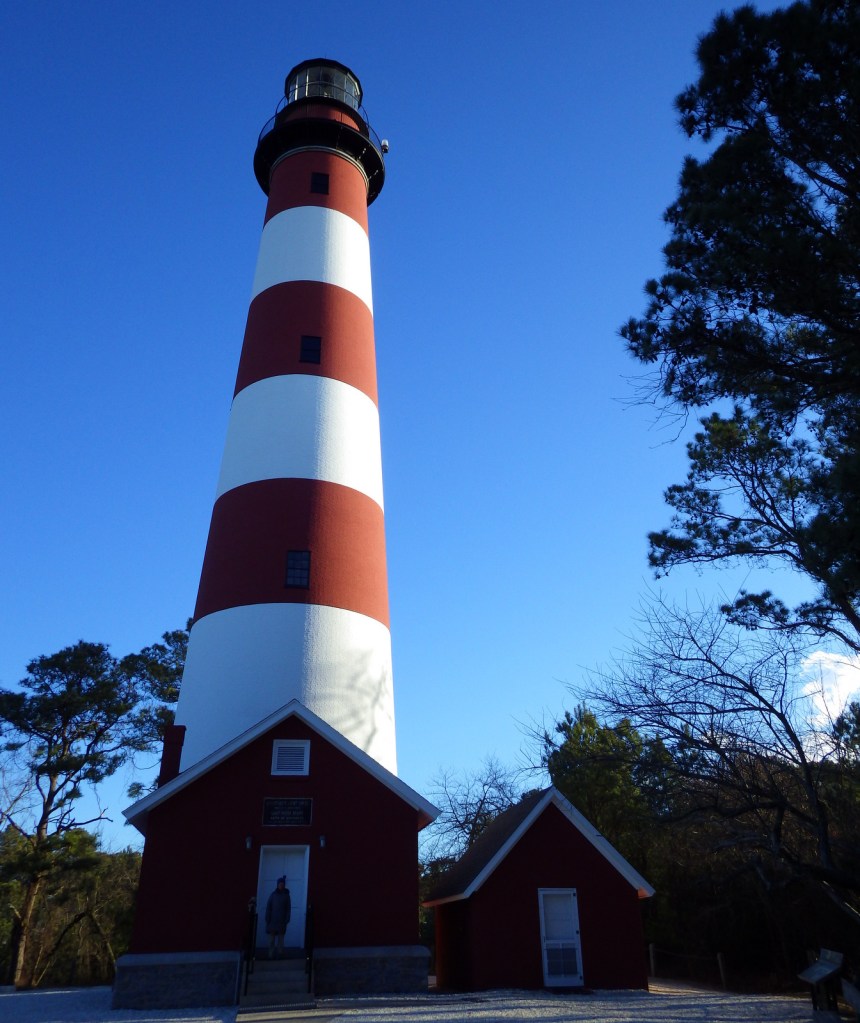
The first Assateague Lighthouse was built in 1833, while the structure seen today was completed in 1867.
Peak Season
Summer
Hours
https://www.fws.gov/refuge/chincoteague/visit-us
Fees
$25 per vehicle or America the Beautiful pass
Road Conditions
The access road is paved, and with a permit you can drive Wildlife Loop Trail from 3:00 p.m. to dusk (always open as a hiking and biking trail). Over-sand vehicle zones within the refuge are managed by Assateague Island National Seashore. It takes about 1.2 hours to drive the highways between the north and south bridges to Assateague Island.
Camping
Outside the refuge on the island’s northern portion in Maryland, the National Park Service (NPS) operates two campgrounds with cold showers, and the one nearby in Assateague State Park offers hot showers. Two oceanside backpacking camps and four bayside kayak-in camps are also available by permit in the north.
Related Sites
Assateague Island National Seashore (Maryland-Virginia)
Harriet Tubman Underground Railroad National Historical Park (Maryland)
First State National Historical Park (Delaware)
Cape Hatteras National Seashore (North Carolina)





Explore More – Not just a safe haven for wild ponies, where in the refuge do seahorses anchor to underwater grasses?


Love the Marguerite Henry Books. What a fun place to visit.
LikeLiked by 1 person
Being from Arizona we both read Brighty of the Grand Canyon as kids, but didn’t come across Misty of Chincoteague until we were adults and still loved it.
LikeLiked by 1 person