Boston Harbor Islands National Recreation Area

Overview

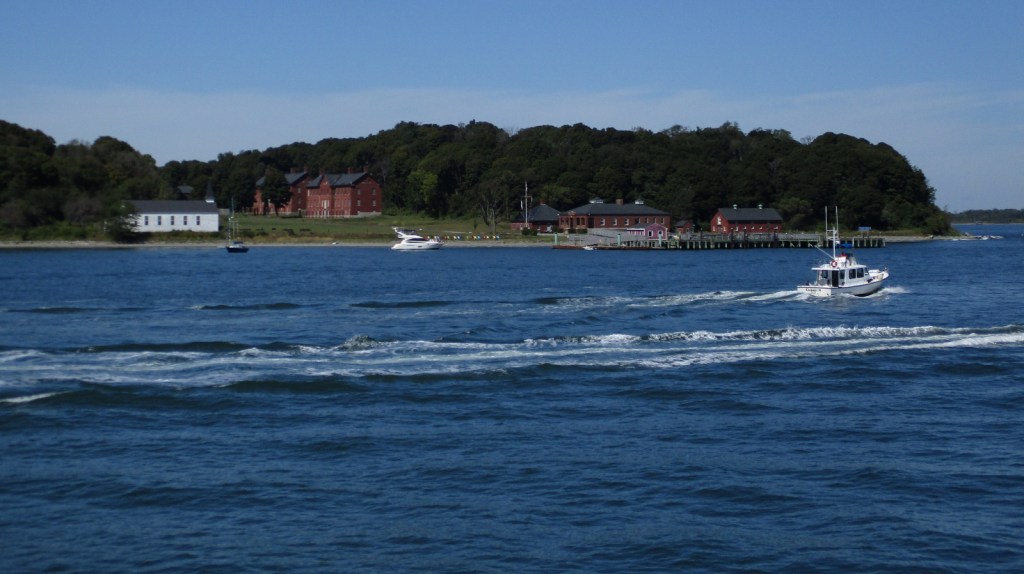
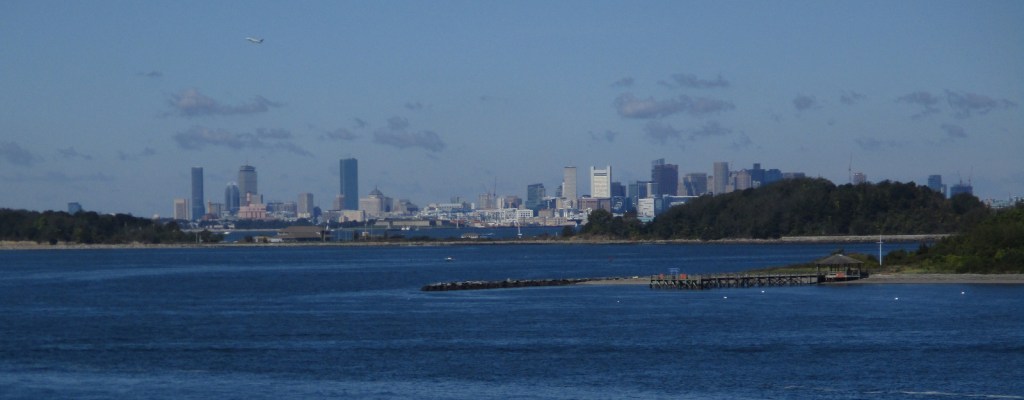
Established in 1996, there are 34 separate sites encompassed within Boston Harbor Islands National Recreation Area.  Not all of the areas are islands, some, like Worlds End, are the tips of peninsulas with roads accessing them from the suburbs of Boston, Massachusetts.  The park is a managed by a hodgepodge of agencies, including the U.S. Coast Guard’s Boston Light on Little Brewster Island (open to ranger-led tours in the summer months).

Highlights

Worlds End, Governors Island, Webb Memorial State Park, Spectacle Island

Must-Do Activity

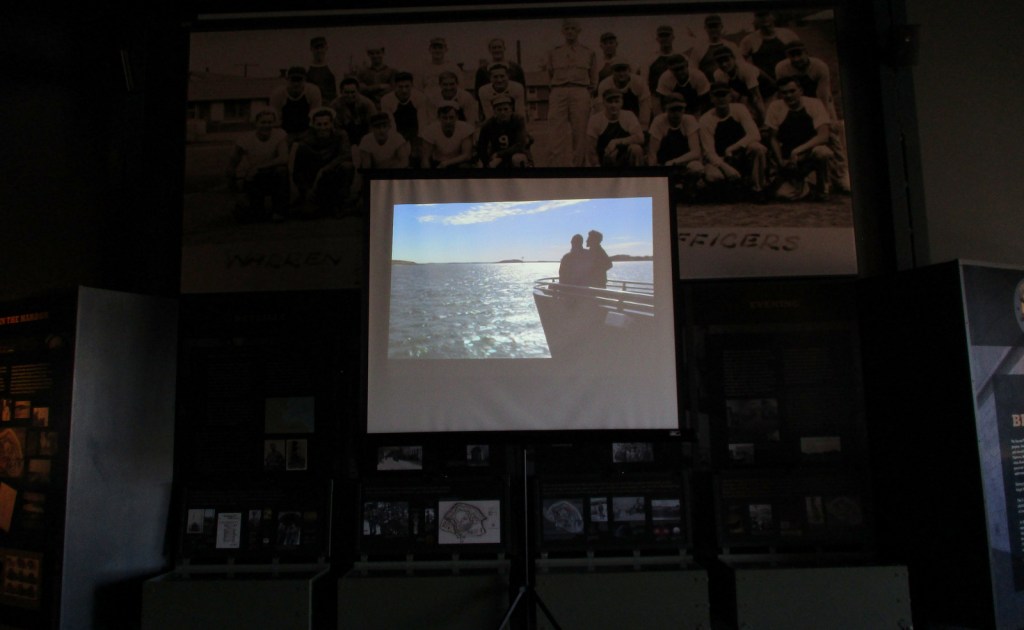
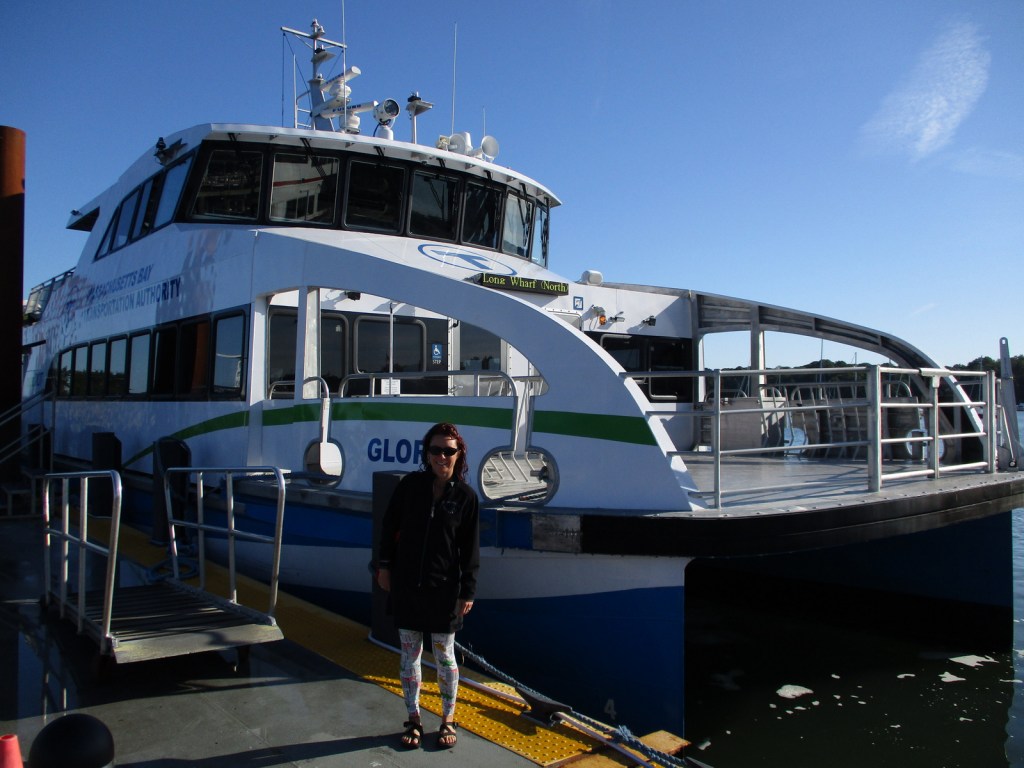
It is probably best to pick one island and thoroughly explore it by catching a ferry from Long Wharf North in downtown Boston, Hingham Shipyard, or Pemberton Point in Hull.  We chose Georges Island which is mostly taken up by Fort Warren, which dates back to 1850.  During the Civil War, the fort served as an artillery base and a prison.  The National Park Service (NPS) operates an excellent museum on the island and shows a film on its history.  Georges and Spectacle Islands are the only two islands that offer food for sale, plus they have water taxis leave from each dock to access many of the other islands.

Best Trail

Spectacle Island has five miles of hiking trails and also contains the highest point within Boston Harbor Islands National Recreation Area at 157 feet in elevation.

Instagram-worthy Photo

The site of the first lighthouse in America, Boston Light on Little Brewster Island can be seen from Georges Island and is open to guided tours in the summer.

Peak Season

Summer

Hours

https://www.nps.gov/boha/planyourvisit/basicinfo.htm

Fees

Passengers ferries charge fares, but there is not an entrance fee to the islands or Webb Memorial State Park.

Road Conditions

Most of the islands do not allow private vehicles, but you can bring your bicycle onto the ferries.  Webb Memorial State Park, Deer Island, Worlds End, and Nut Island are accessible by paved roads in the Boston area.

Camping

There are yurts on Peddocks Island and tent camping is allowed on Bumpkin, Grape, Peddocks, and Lovells Islands from late June through Labor Day.  Backcountry permits are required for stays on undeveloped islands.

Related Sites

Boston National Historical Park (Massachusetts)

Cape Cod National Seashore (Massachusetts)

Gateway National Recreation Area (New York-New Jersey)
Explore More – During the Civil War, who wrote the lyrics to “John Brown’s Body” while serving at Fort Warren?

Lake Roosevelt National Recreation Area

Overview

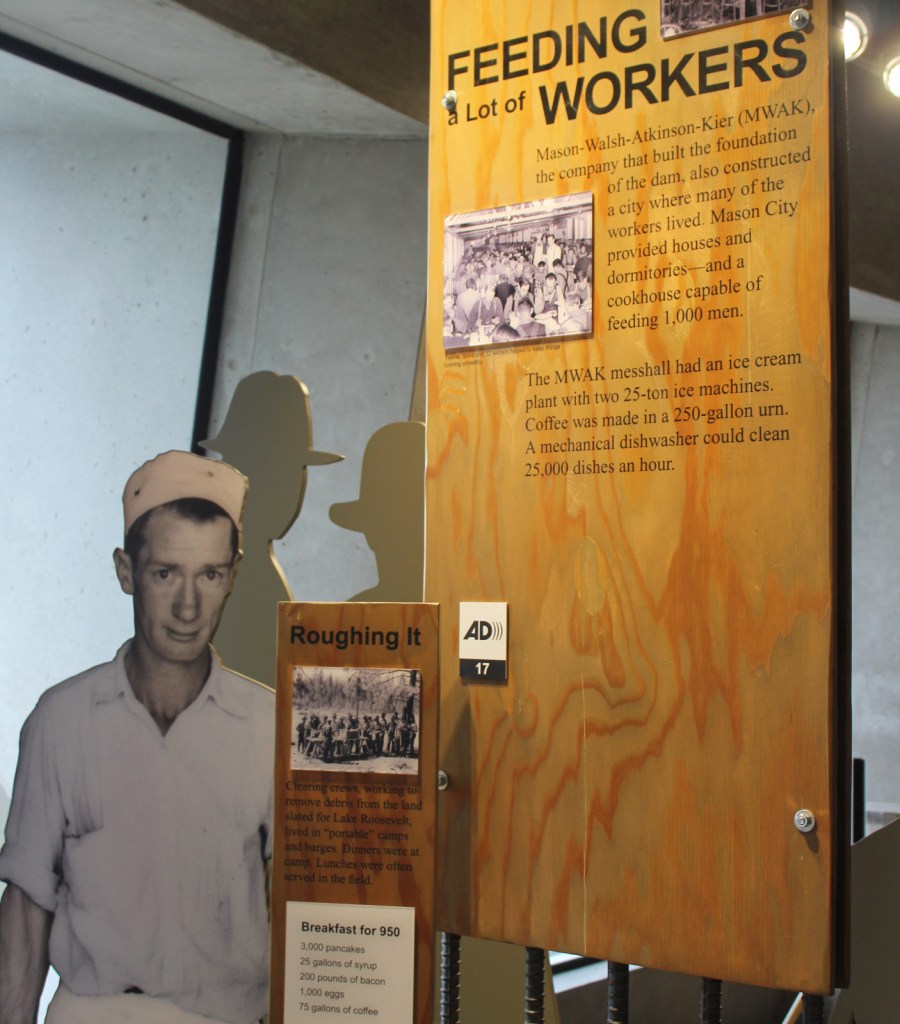
Stretching nearly one mile (5,223 feet) in length, the Grand Coulee Dam was the first constructed across the mighty Columbia River between 1933 and 1942.  In case you are wondering what a “coulee” is, that is a regional name for a canyon, many of which were carved by the walls of water that scoured this region after Lake Missoula burst through its ice dams periodically 15,000 to 13,000 years ago.  The reservoir created by the dam was named for President Franklin D. Roosevelt, which is why the National Park Service (NPS) manages it as Lake Roosevelt National Recreation Area.

Highlights

Grand Coulee Dam Visitor Center, Fort Spokane, St. Paul’s Mission, watersports

Must-Do Activity

The Bureau of Reclamation manages the museum at Grand Coulee Dam Visitor Center and a free laser light show is projected on the mile-long dam during the summer months.  Near a major river confluence, Fort Spokane was established in 1880 and now has a one-mile trail explaining its diverse history.  The reservoir submerged the salmon fishing grounds at Kettle Falls that had been used for millennia.  Native Americans still inhabit this region today, as the lake creates a border between the Colville and Spokane Indian Reservations.  Campgrounds and boat launch sites are located all along the narrow lake’s 129-mile length, although some may close due to changing reservoir levels.

Best Trail

A quarter-mile trail with interpretive signs is located at St. Paul’s Mission, one of the oldest churches in Washington state.  Here you will learn about (now submerged) Kettle Falls and the Hudson’s Bay Company’s historic impact on the region.

Instagram-worthy Photo

At the time, the Grand Coulee Dam became the largest masonry structure ever built, breaking a record held for 4,700 years by the Great Pyramid in Egypt.

Peak Season

Summer

Hours

https://www.nps.gov/laro/planyourvisit/hours.htm

Fees

The NPS charges a fee at boat launches and you cannot use the America the Beautiful pass.  Grand Coulee Dam Visitor Center is free, as are the Keller Ferry and Gifford–Inchelium Ferry that cross the lake.

Road Conditions

There are some unpaved roads, but the designated Scenic Drive follows only paved roads and utilizes two free ferries.

Camping

There are 26 campgrounds available on a first-come, first-served basis, while sites at a few take reservations.  Boat-in campgrounds and shoreline camping are both free.

Related Sites

Whitman Mission National Historic Site (Washington)

Glen Canyon National Recreation Area (Arizona-Utah)

Lake Mead National Recreation Area (Nevada-Arizona)

Explore More – During peak construction, how many people were employed at the Grand Coulee Dam?
Glen Canyon National Recreation Area

Overview

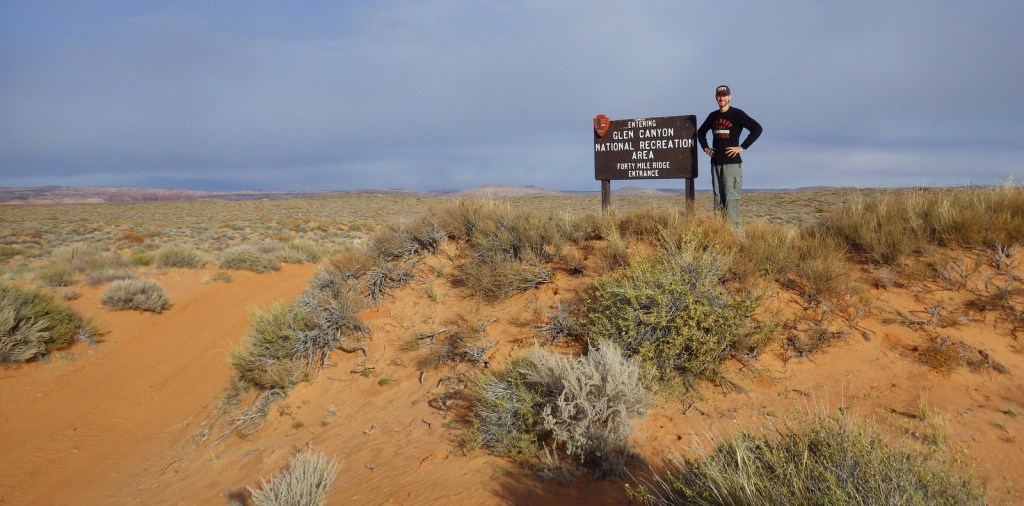
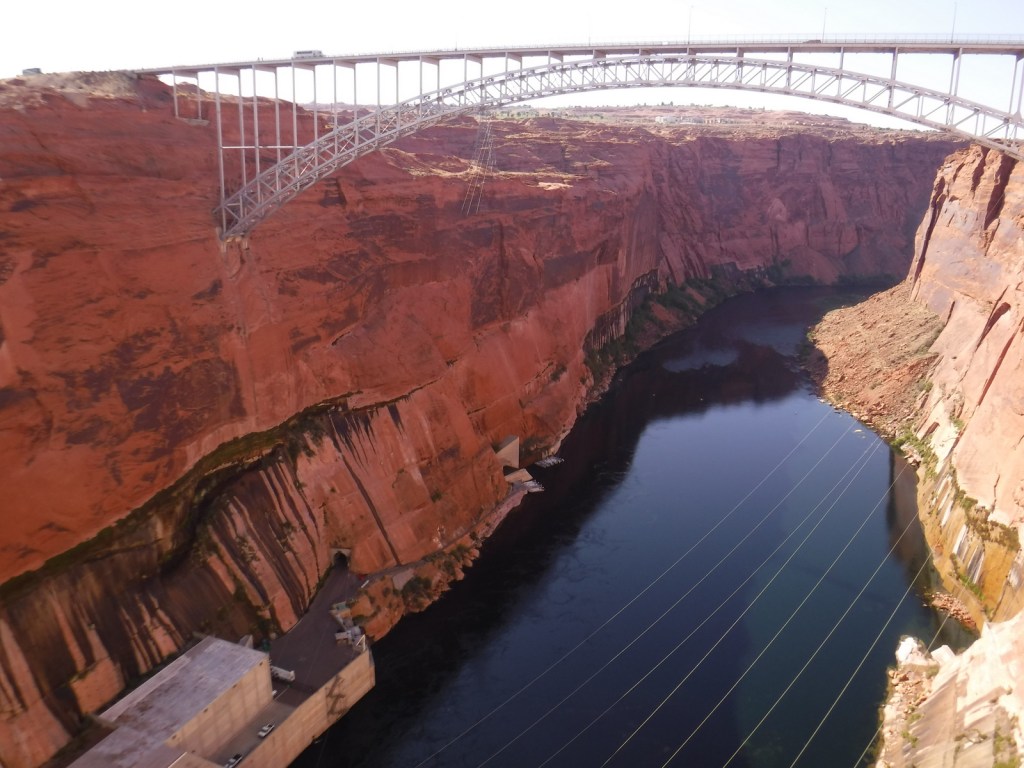
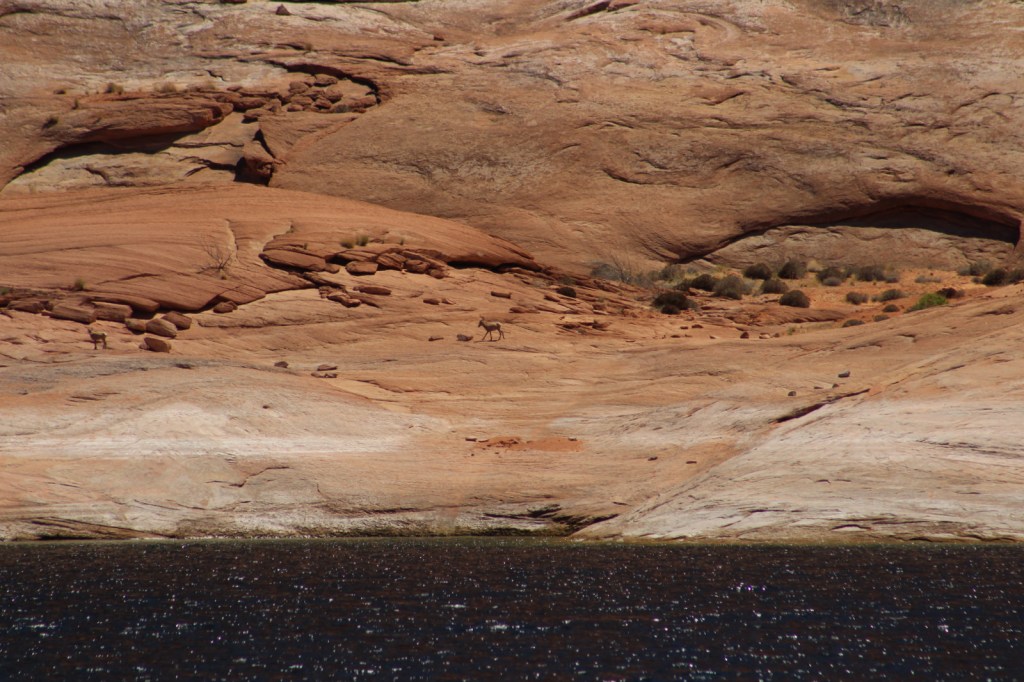
Glen Canyon National Recreation Area encompasses 1.2-million acres surrounding the snaky shoreline of Lake Powell, named for geologist John Wesley Powell who led a mapping expedition down the Colorado River in 1869.  The reservoir was formed by the Glen Canyon Dam, which was built between 1956-63 to store water for the Southwestern U.S. and generate hydroelectricity.  The damming was controversial because it destroyed archaeological sites, submerged scenic canyons, and altered the flow of the Colorado River into Grand Canyon National Park

Highlights

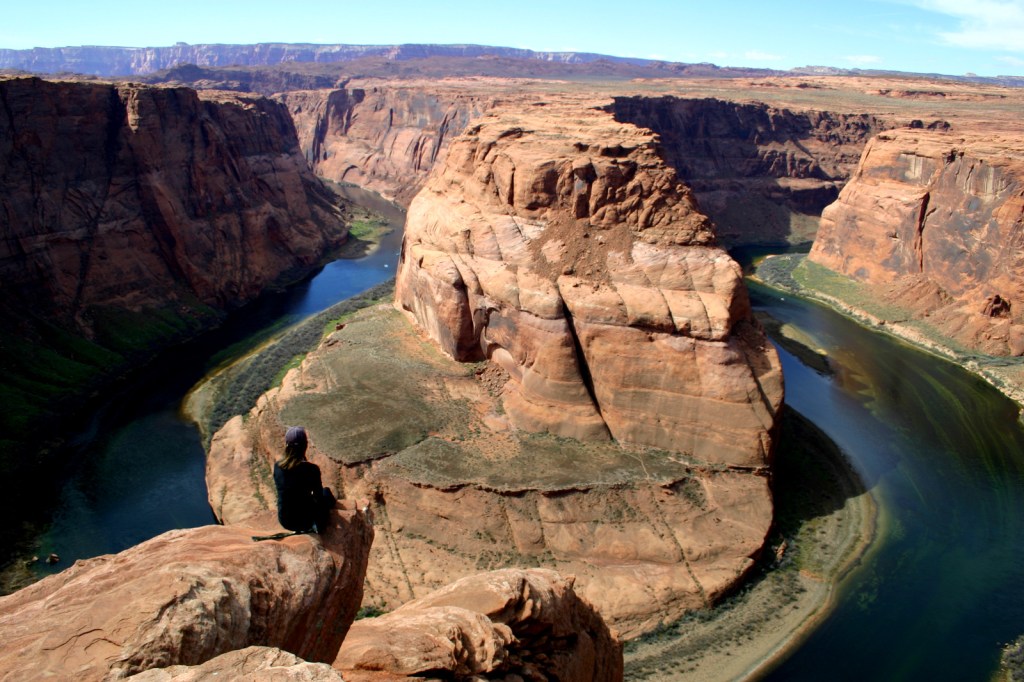
Horseshoe Bend Overlook, Lake Powell, Glen Canyon Dam, Cathedral Wash, Lees Ferry, Hole-in-the-Rock

Must-Do Activity

The National Park Service (NPS) run Carl Hayden Visitor Center in Page, Arizona is a good place to start a visit, where you can purchase tickets for a dam tour.  The meandering lake has about 2,000 miles of shoreline (mostly in Utah) with plenty of coves to explore and spend the night aboard a houseboat (rentals available).  If you do not want to attempt navigation there are many commercial boat trips, including an all-day cruise to Rainbow Bridge National Monument.  If you plan to stay on land, be sure to walk out to Horseshoe Bend Overlook, hike through the high desert landscape, or drive some of the hundreds of miles of dirt roads.

Best Trail

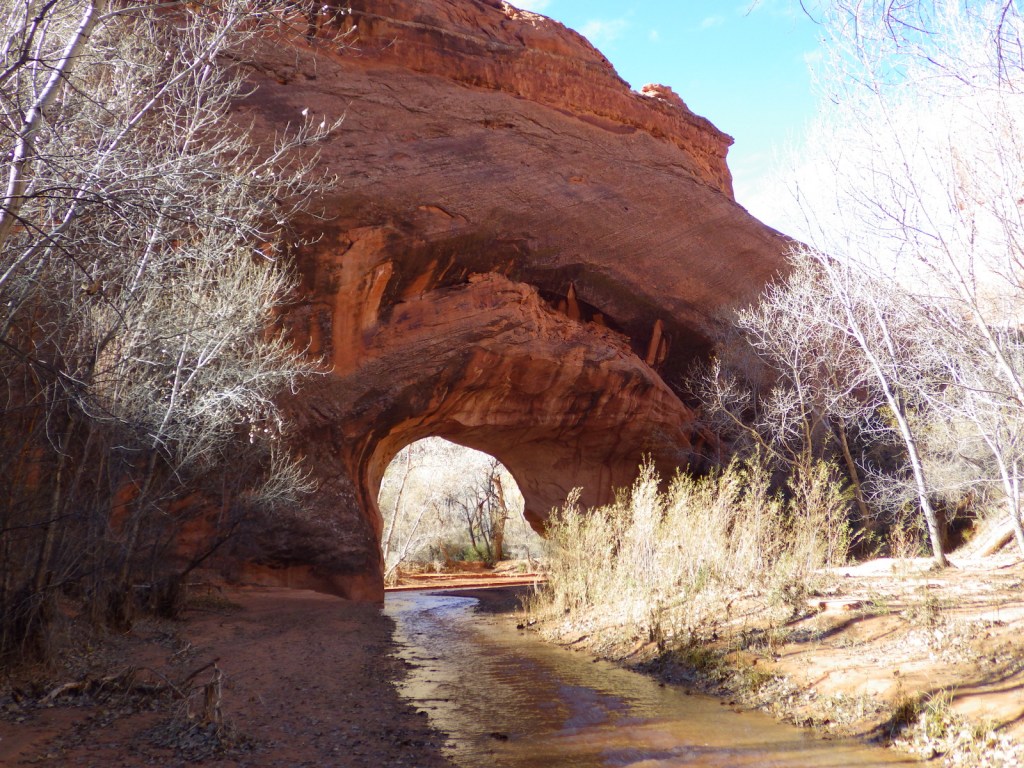
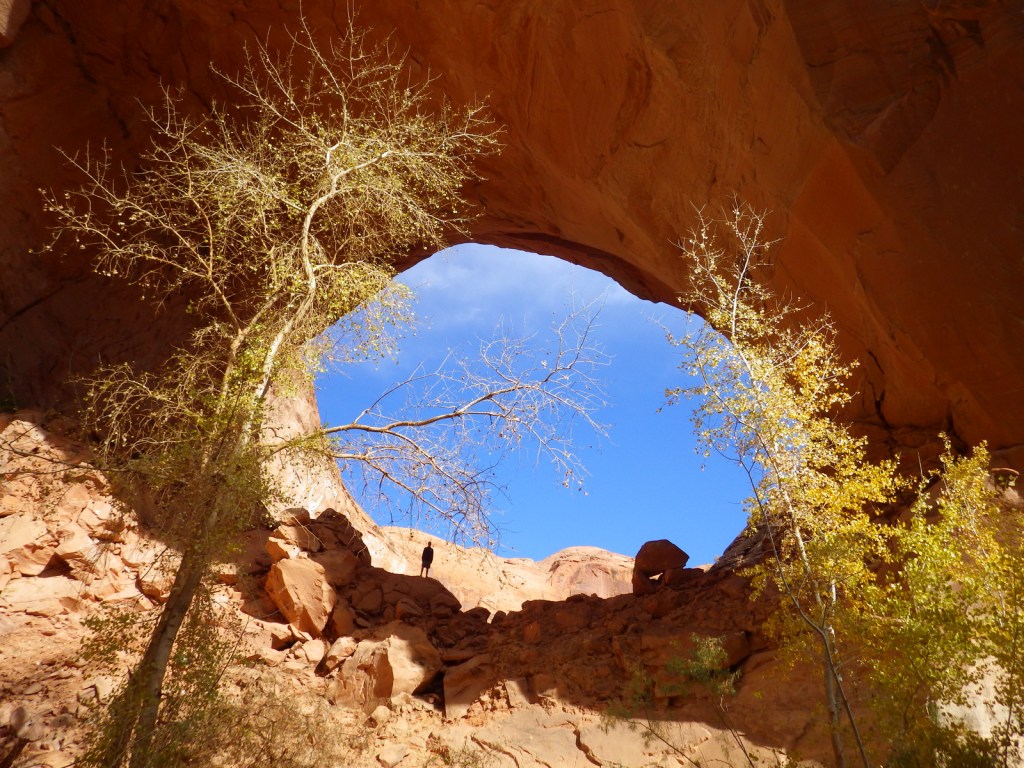
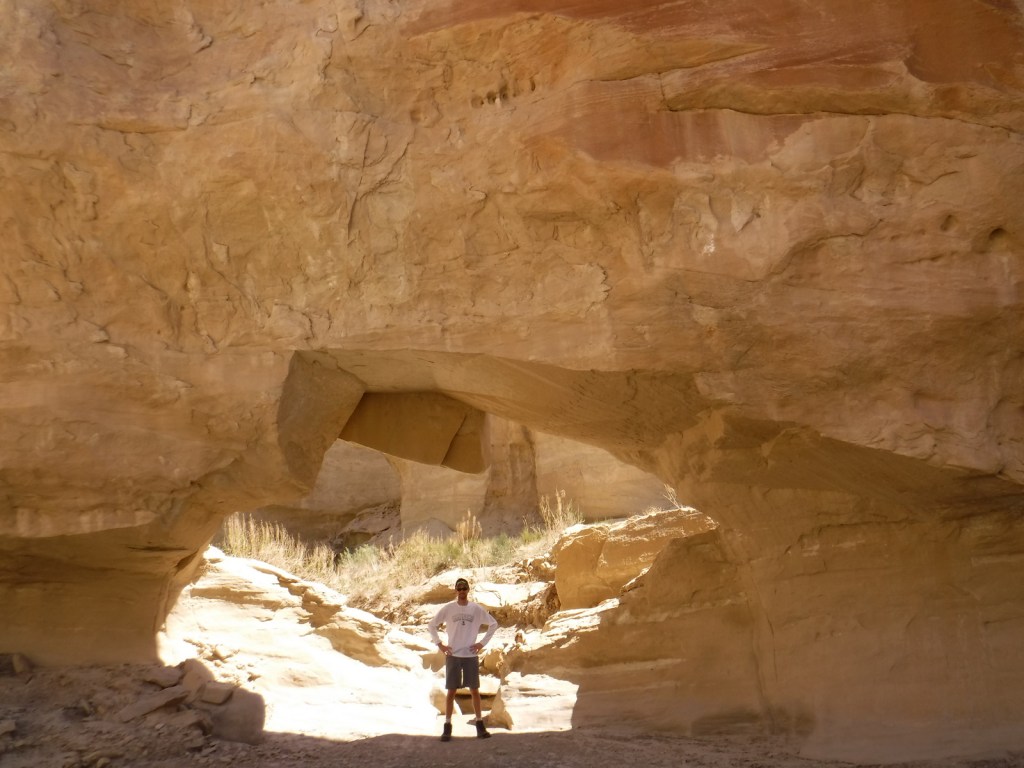
Wiregrass Canyon is located east of Big Water, Utah and the rocky trail passes hoodoos and two natural bridges.

Instagram-worthy Photo

You might want to bring your “selfie stick” to iconic Horseshoe Bend Overlook, a short 0.7-mile one-way hike from the parking area on Highway 89 outside Page, Arizona.

Peak Season

Spring and fall

Hours

https://www.nps.gov/glca/planyourvisit/hours.htm

Fees

Parking is now $10 at Horseshoe Bend Overlook (no NPS passes accepted), but many other sites are free. There is a $30 per vehicle entrance fee at some marinas (NPS passes accepted), in addition to charges for the dam tour and guided boat tours.

Road Conditions

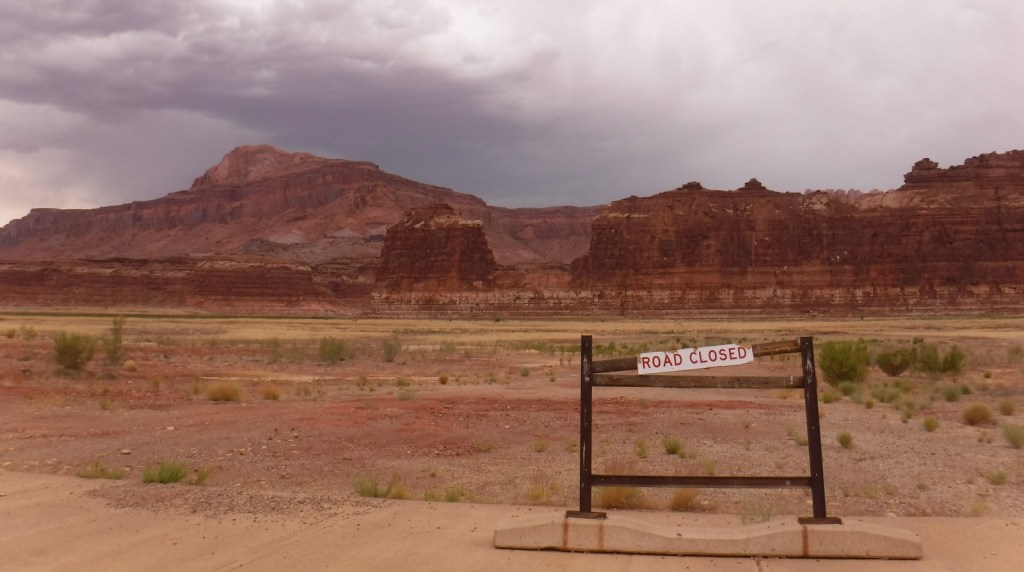
This park is famous for its backcountry 4×4 roads (like Hole-in-the-Rock Road) and flash floods, so check with a park ranger before attempting anything unpaved.  A fee is charged to ferry across the lake between Halls Crossing and Bullfrog Marina.

Camping

There are several developed campgrounds (mostly near marinas), but free primitive camping is allowed along most dirt roads.  A permit is required for overnight camping in the beautiful Coyote Gulch area, which is popular with backpackers.

Related Sites

Lake Mead National Recreation Area (Nevada-Arizona)

Canyon de Chelly National Monument (Arizona)

Capitol Reef National Park (Utah)

Explore More – Lake Powell is well known for its “bath tub ring,” so when did the reservoir last reach its high-water mark?

Top National Park Service Site in Each State

We kicked off our travel blog by highlighting our favorite National Park Service site in each of the 50 states.

Alabama

Tuskegee Airmen National Historic Site

Alaska

Wrangell-St. Elias National Park and Preserve

Arizona

Organ Pipe Cactus National Monument

Arkansas

Buffalo National River

California

Lava Beds National Monument

Colorado

Great Sand Dunes National Park and Preserve

Connecticut

Weir Farm National Historic Site

Delaware

First State National Historical Park

Florida

Dry Tortugas National Park

Georgia

Andersonville National Historic Site

Hawaii

Kalaupapa National Historical Park

Idaho

City of Rocks National Reserve

Illinois

Pullman National Historical Park

Indiana

Indiana Dunes National Park

Iowa

Effigy Mounds National Monument

Kansas

Brown v. Board of Education National Historic Site

Kentucky

Mammoth Cave National Park

Louisiana

Jean Lafitte National Historical Park and Preserve

Maine

Appalachian National Scenic Trail 

Maryland

Catoctin Mountain Park

Massachusetts

Lowell National Historical Park

Michigan

Pictured Rocks National Lakeshore

Minnesota

Grand Portage National Monument

Mississippi

Vicksburg National Military Park

Missouri

Ozark National Scenic Riverways

Montana

Big Hole National Battlefield

Nebraska

Scotts Bluff National Monument

Nevada

Great Basin National Park

New Hampshire

Saint-Gaudens National Historic Site

New Jersey

Thomas Edison National Historical Park

New Mexico

Bandelier National Monument

New York

Fort Stanwix National Monument

North Carolina

Cape Lookout National Seashore

North Dakota

Theodore Roosevelt National Park

Ohio

Dayton Aviation Heritage National Historical Park

Oklahoma

Chickasaw National Recreation Area

Oregon

John Day Fossil Beds National Monument 

Pennsylvania

Fort Necessity National Battlefield

Rhode Island

Roger Williams National Memorial

South Carolina

Congaree National Park

South Dakota

Jewel Cave National Monument

Tennessee

Big South Fork National River and Recreation Area

Texas

Big Bend National Park

Utah

Capitol Reef National Park

Vermont

Marsh-Billings-Rockefeller National Historical Park 

Virginia

Fort Monroe National Monument

Washington

Lake Chelan National Recreation Area

West Virginia

New River Gorge National Park and Preserve

Wisconsin

Apostle Islands National Lakeshore

…and finally our home state…

Wyoming

Yellowstone National Park


Honorable Mention

District of Columbia

Ford’s Theatre National Historic Site

Chickamauga and Chattanooga National Military Park

Overview

Chickamauga and Chattanooga National Military Park was authorized in 1890, the first park of its kind in the United States.  It covers multiple battlefields from late-1863 that straddle the Tennessee-Georgia borderline.  Though the Confederate army initially won at Chickamauga, Georgia, the Union took control of Chattanooga, Tennessee after the arrival of General Ulysses S. Grant with reinforcements in November.  Like Fort Monroe in Virginia, this area then became a beacon for escaped slaves, eventually numbering 2,000 people.

Highlights

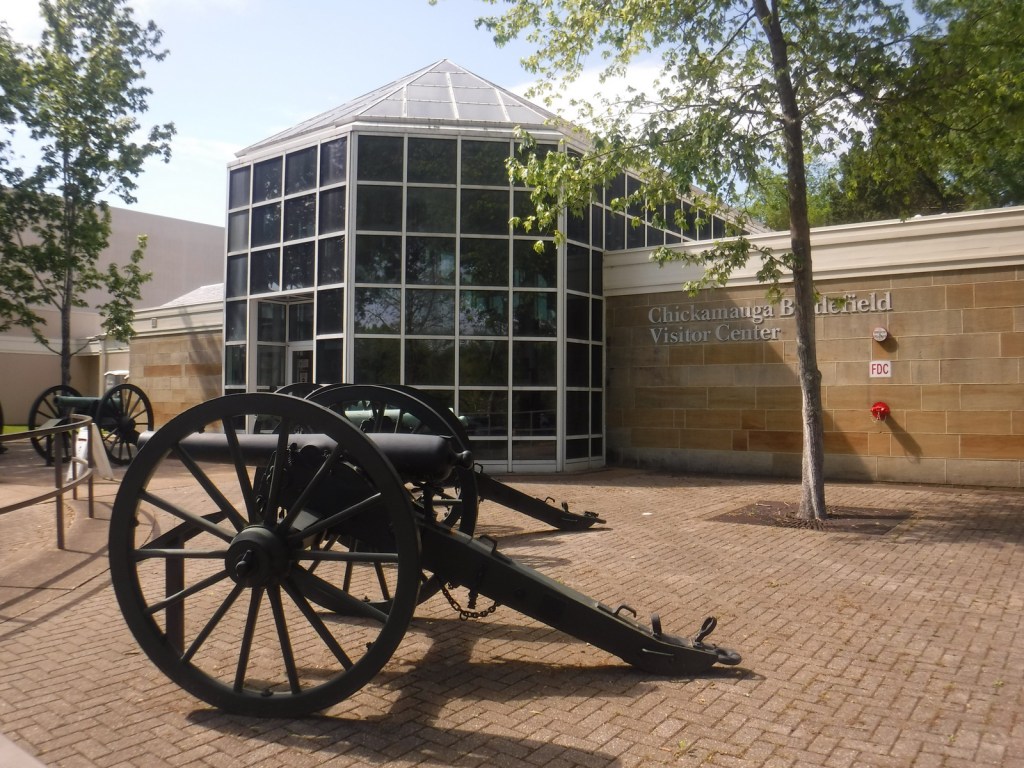
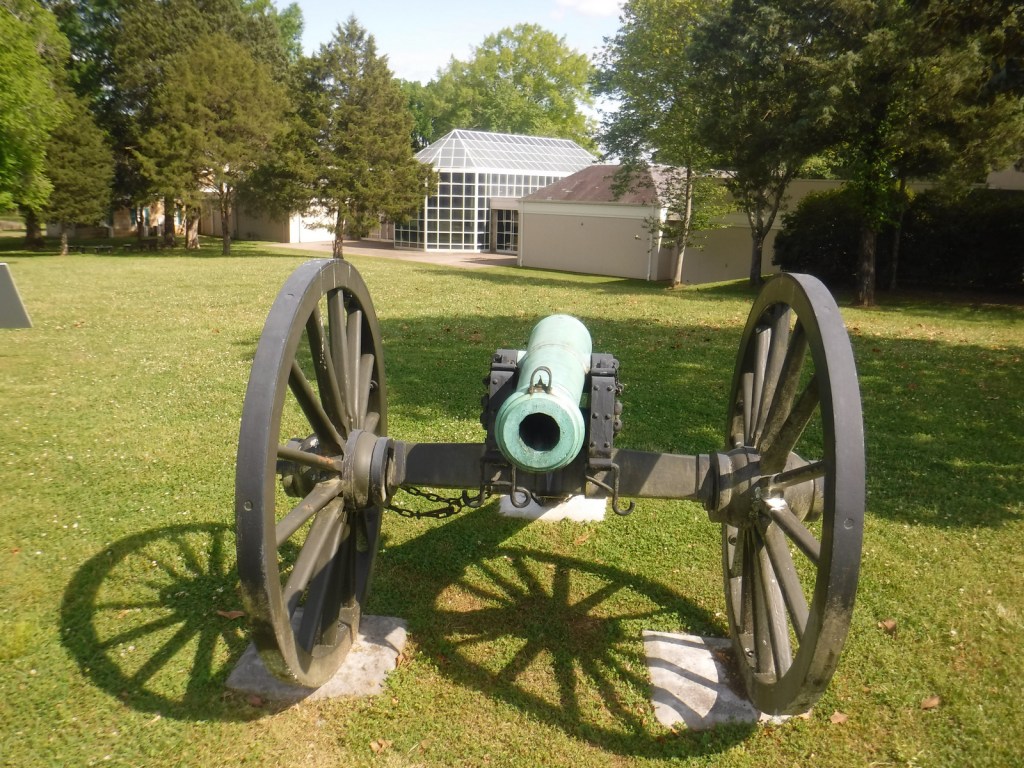
Museums, film, driving tour, Point Park, Ochs Memorial Observatory, Cravens House, cannons

Must-Do Activity

Point Park sits on top of Lookout Mountain offering awesome views of the city of Chattanooga and Moccasin Bend on the Tennessee River.  It is also the home of Ochs Memorial Observatory and museum, one reason Point Park charges an admission fee.  The nearby National Park Service (NPS) visitor center displays the 30×13-foot painting The Battle of Lookout Mountain by James Walker.  At the Chickamauga battlefield, a seven-mile long driving tour explains what happened there on September 20, 1863.  The National Military Park also entails seven small military reservations and the Phelps Monument along the road atop Missionary Ridge, east of Chattanooga.

Best Trail

There are miles of trails atop Lookout Mountain and Ochs Memorial Observatory is only accessible by trail (and many stair steps).  It contains a museum dedicated to the Civil War and American Indians, specifically the Cherokee who passed through Moccasin Bend (which has its own three-mile loop trail) on the Trail of Tears in 1838.

Instagram-worthy Photo

The entrance to Point Park is designed to look like the Army Corps of Engineers insignia.

Peak Season

Summer

Hours

https://www.nps.gov/chch/planyourvisit/hours.htm

Fees

$10 per person to enter Point Park or America the Beautiful pass

Road Conditions

All roads paved, but there is limited free parking available at the NPS visitor center near Point Park.

Camping

Cloudland Canyon State Park in Georgia is about 20 miles southwest of Chattanooga, Tennessee.

Related Sites

Fort Donelson National Battlefield (Tennessee-Kentucky)

Shiloh National Military Park (Tennessee-Mississippi)

Kennesaw Mountain National Battlefield Park (Georgia)

Explore More – Why did President Abraham Lincoln consider capturing Chattanooga (a town of only 2,500) as important as Atlanta?