Tag Archives: wildlife

Virgin Islands Coral Reef National Monument

Overview

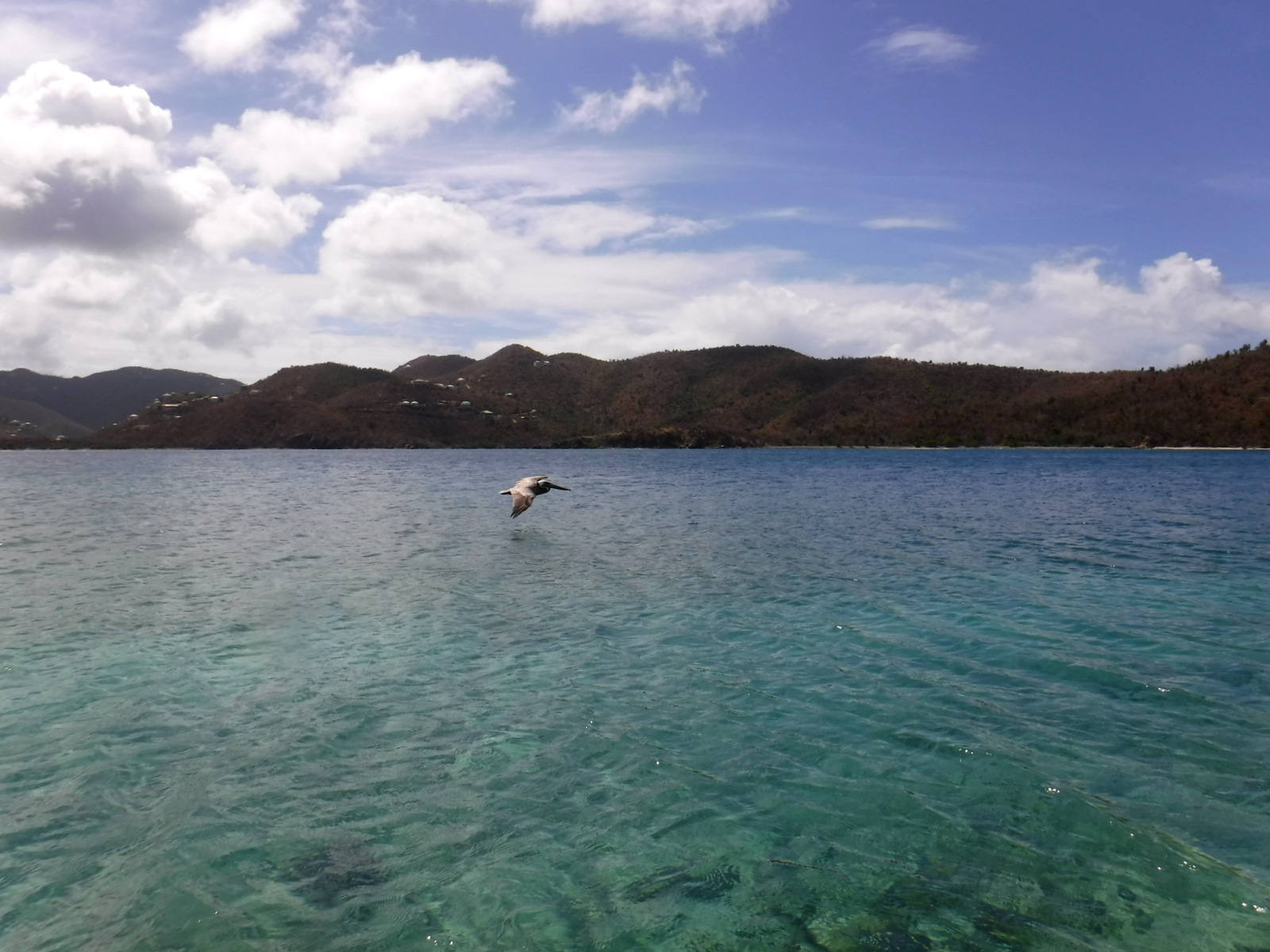
Established in 2001, Virgin Islands Coral Reef National Monument covers 12,708 acres of ocean around Virgin Islands National Park on St. John.  The National Monument consists of four separate areas in the Sir Francis Drake Channel and Caribbean Sea.  Its primary access point is in Coral Bay where it touches the island’s shoreline and kayaks can be launched from the road at Borck Creek, Princess Bay, and Haulover Bay.  

Highlights

Borck Creek, Princess Bay, Haulover Bay

Must-Do Activity

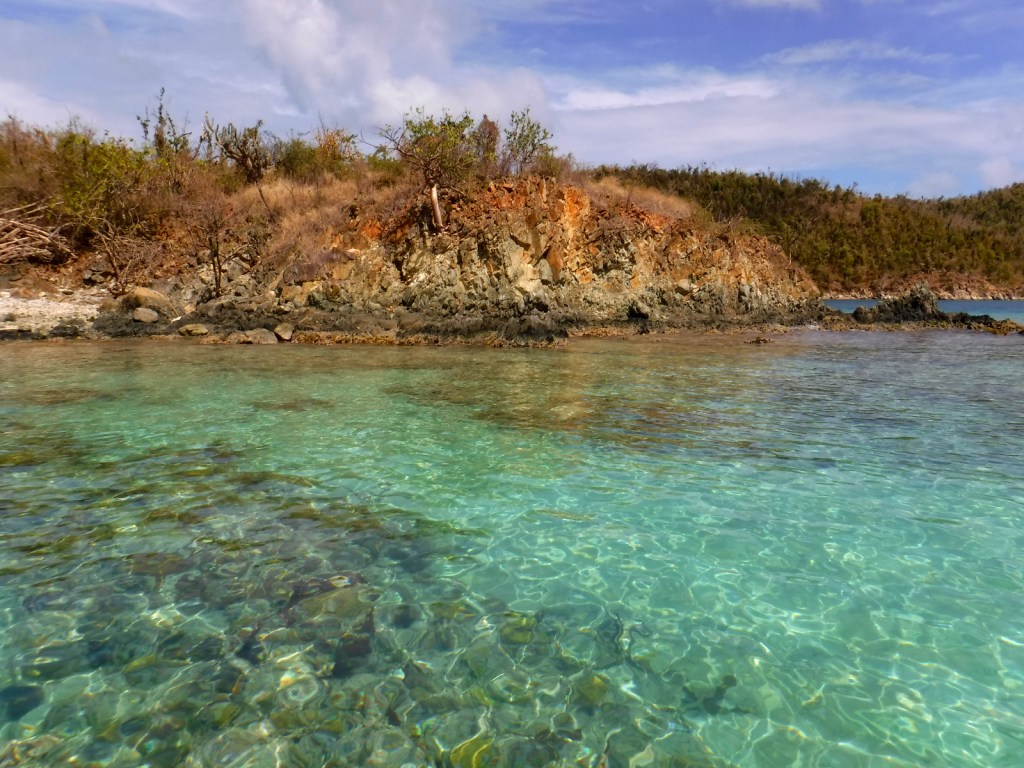
We rented a tandem kayak from Crabby’s in Coral Harbor and paddled east into Hurricane Hole to access the monument.  We found the snorkeling to be best around Borck Creek.  Guided kayaking and snorkeling trips can be arranged with concessionaires on the island.

Best Trail

None

Instagram-worthy Photo

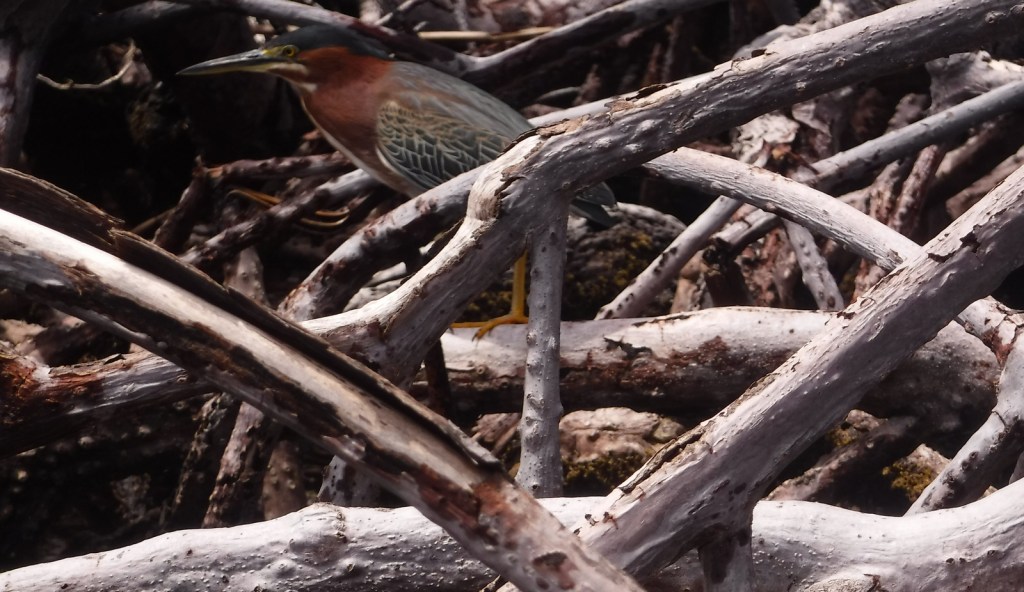
In 2017, Hurricanes Irma and Maria killed a large portion of the red mangroves surrounding the bays within the monument.  However, even the dead roots provide structure for coral and fish.  The best way to see this is to snorkel in the shallow water, but be careful not to touch a mangrove jellyfish which can trigger a group response when the first one stings.

Peak Season

Winter

Hours

These are the hours for the Virgin Islands National Park visitor center on St. John:

https://www.nps.gov/viis/planyourvisit/hours.htm

Fees

None

Road Conditions

No roads in this completely underwater monument, but watch for potholes and oncoming truck traffic if you drive to Princess Bay on Centerline Road from the ferry terminal in Cruz Bay.  Note: you drive on the left side of the road in the U.S. Virgin Islands, but in standard American left-side driver seat vehicles.

Camping

There are overnight moorings (no anchors allowed) for boats in Water Creek and other bays around St. John.  There are currently no campgrounds open on the island.

Explore More – Why do barracudas often follow snorkelers and divers?
Badlands National Park

Overview

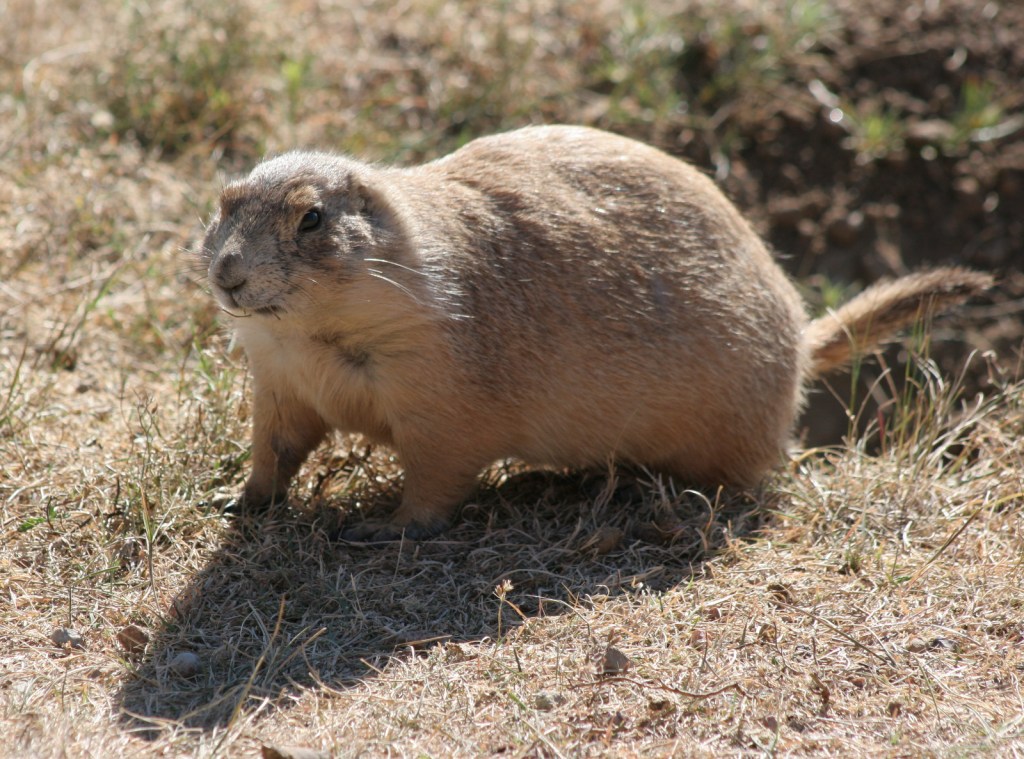
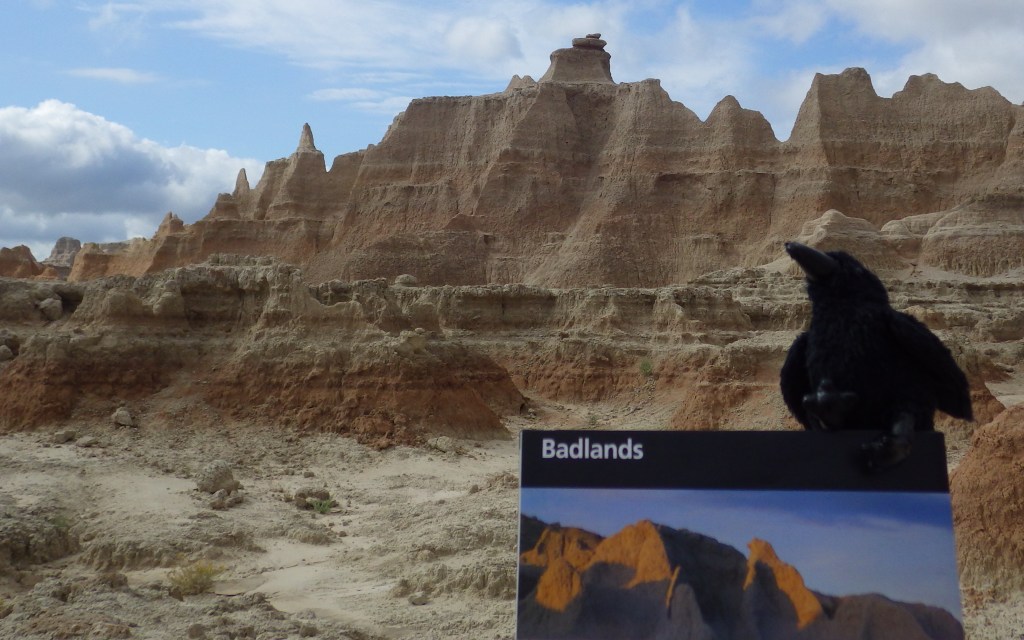
Badlands National Park is known for its fossils, but not all of the mammals here are extinct.  Bison and bighorn sheep were reintroduced to the park, in addition to common prairie residents that include pronghorn, mule deer, prairie dogs, and coyotes.

Highlights

Door Trail, Notch Trail, Conata Basin, Sage Creek Road

Must-Do Activity

Driving the dirt road back to the free Sage Creek Primitive Campground, you will likely encounter a roaming bison herd and several prairie dog towns.  Bighorn sheep and pronghorn can also be found near the road.

Best Trail

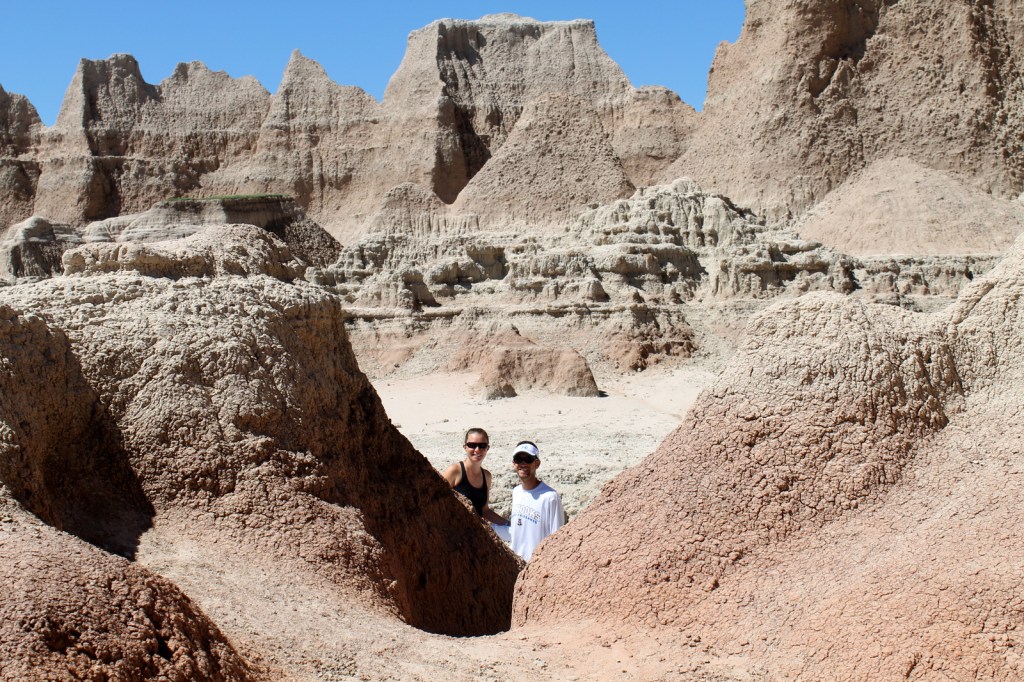
The Notch Trail is only 1.5 miles in and out, but is an adventure with a large ladder, badlands, cliffs, and an excellent overlook at the end.

Instagram-worthy Photo

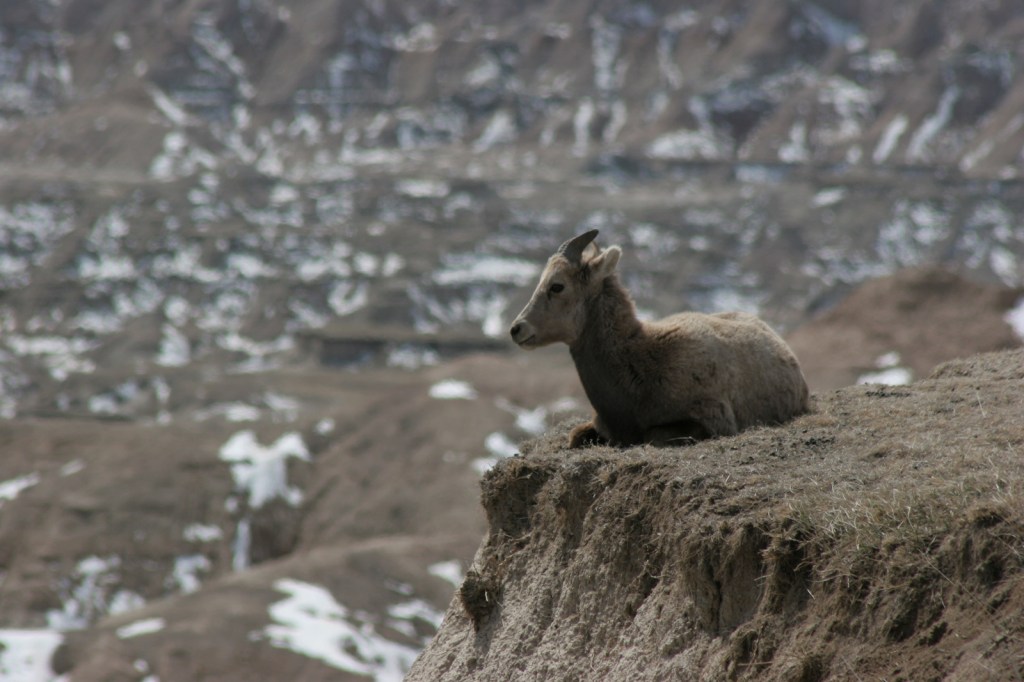
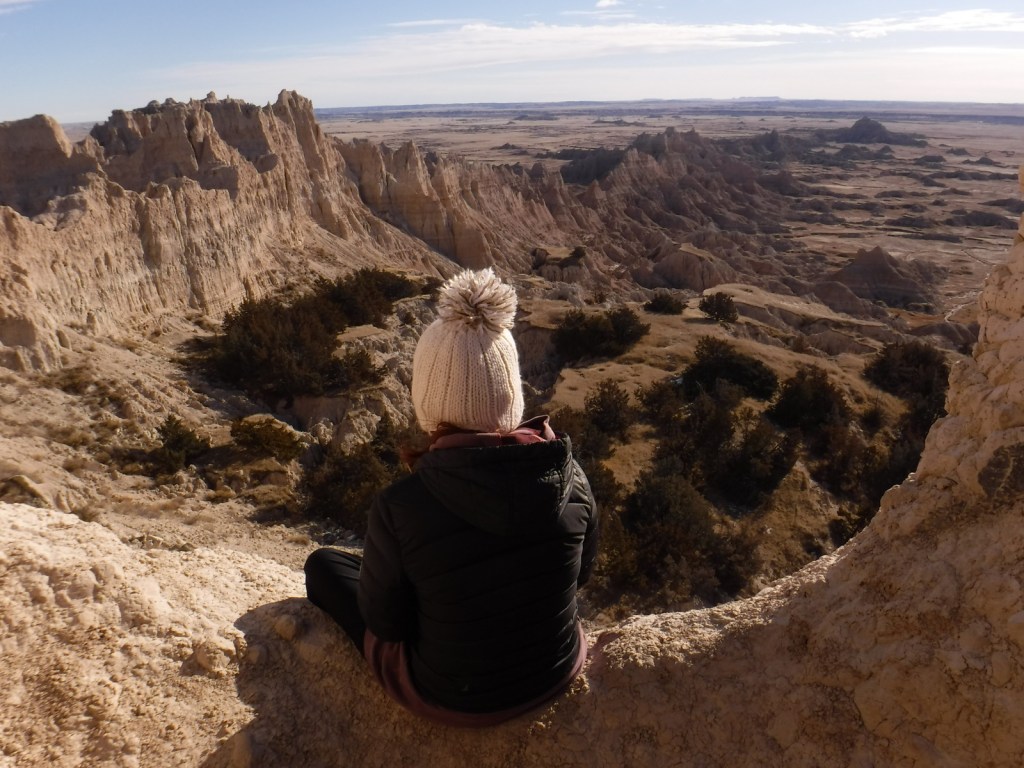
Bighorn sheep, many with large curling horns, seem to pose atop the badlands formations, especially around the Pinnacles Overlook.

A big horn sheep in Badlands National Park

Peak Season

Summer, but we prefer the fall when it is less crowded, especially in Sage Creek Primitive Campground.

Hours

https://www.nps.gov/badl/planyourvisit/hours.htm

Fees

$25 per vehicle or America The Beautiful pass

Road Conditions

Badlands Loop Road is paved, and Sage Creek Road and Conata Road are both graded and passable to all vehicles.  Sheep Mountain Table Road in the Stronghold Unit may be more difficult when wet, but otherwise does not require four-wheel drive as designated on the park map.

Camping

Cedar Pass Campground has RV sites and the free Sage Creek Primitive Campground is located down a good dirt road on the west side of the park. Backpacking is free and only requires registration at the trailhead.


This design we created to celebrate Badlands National Park is available on a variety of products at Cafe Press and Amazon.

Explore More – How many endangered black-footed ferrets were reintroduced to the park in 1994?

We are a participant in the Amazon Services LLC Associates Program, an affiliate advertising program designed to provide a means for us to earn fees by linking to Amazon.com and affiliated sites.

Tallgrass Prairie National Preserve

Overview

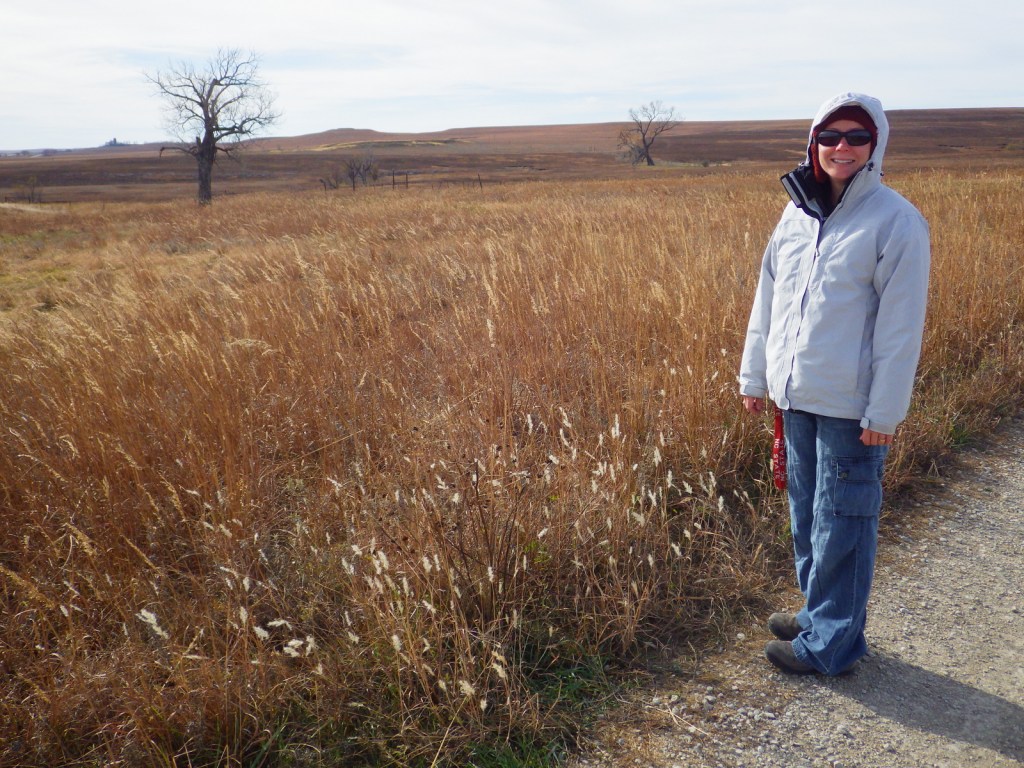
The tallgrass prairie formerly covered 170-million acres of North America, but today only 4% of that exists in a few isolated pockets due to conversion to agriculture.  The Flint Hills of eastern Kansas were too rocky for tilling, so this was an ideal place to create Tallgrass Prairie National Preserve in 1996.  Occasionally, land managers utilize fire to support fire-adapted native grasses against invasive species. Before our visit in November 2014, large areas were burned.  The bison that live here enjoy eating the fresh green grass that sprouts following a fire and wildflowers thrive with the release of available soil nutrients.

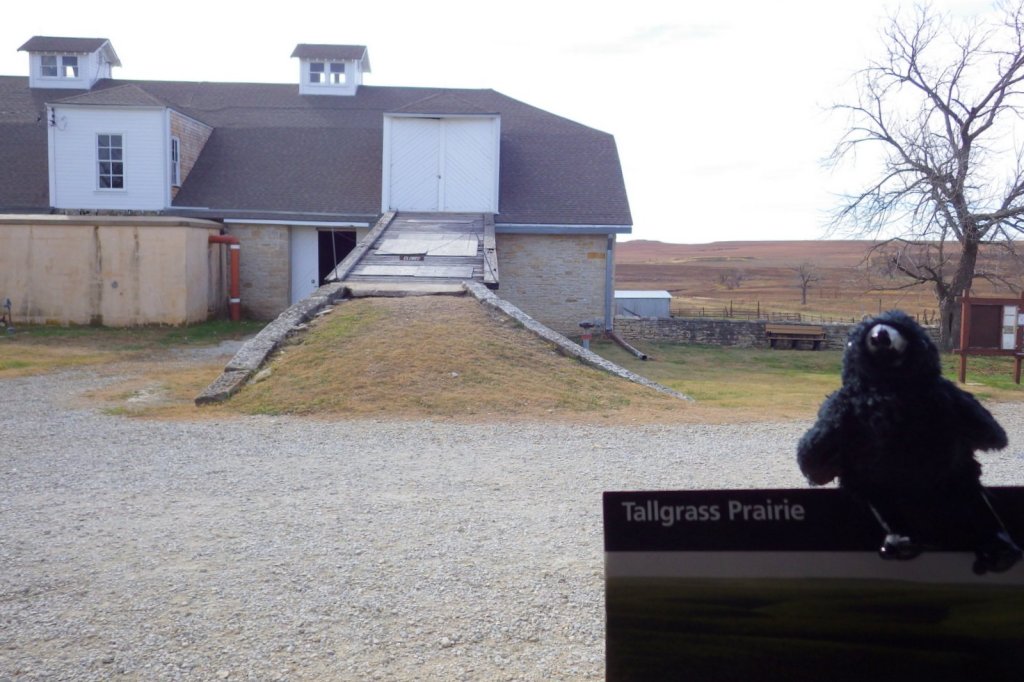
Echo at Tallgrass Prairie

Highlights

Spring Hill Ranch, Lower Fox Creek School, bison herd

Must-Do Activity

After reading the interpretive panels at the visitor center, walk around the buildings next door at the historic Spring Hill Ranch.  The 1881 ranch house is open for tours seasonally.

Best Trail

There are many trails that wander through the 10,894-acre preserve that is jointly run by the Nature Conservancy and National Park Service.  Many loop options are possible, but no backpacking is allowed, possibly due to the bison herd.

Instagram-worthy Photo

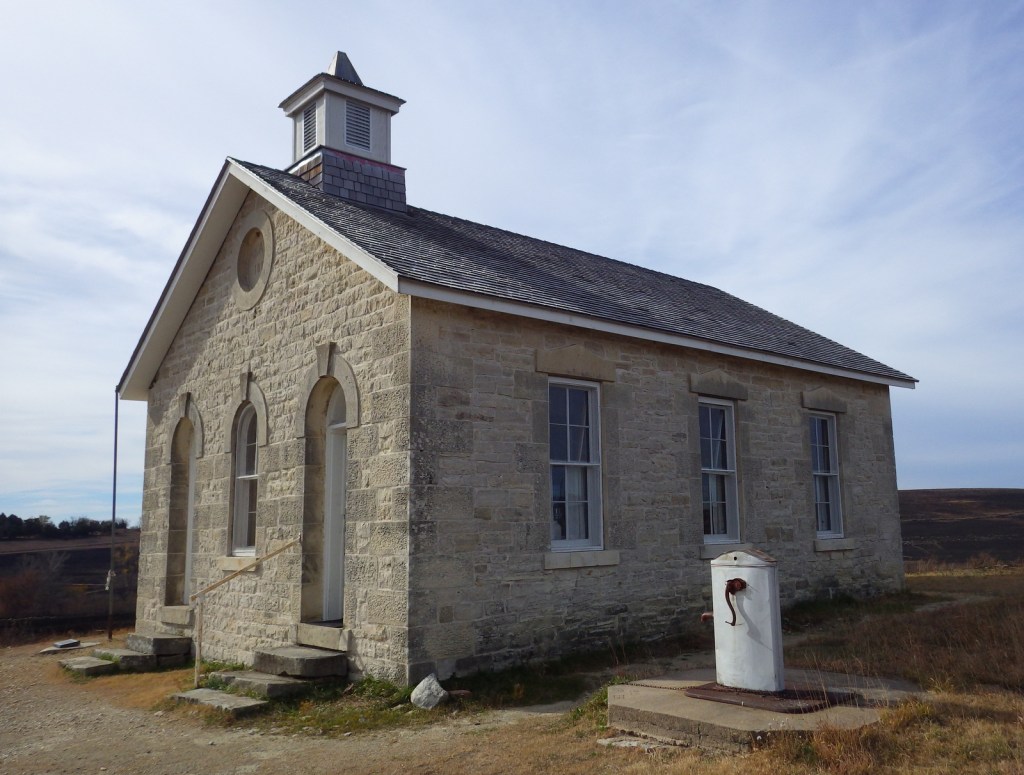
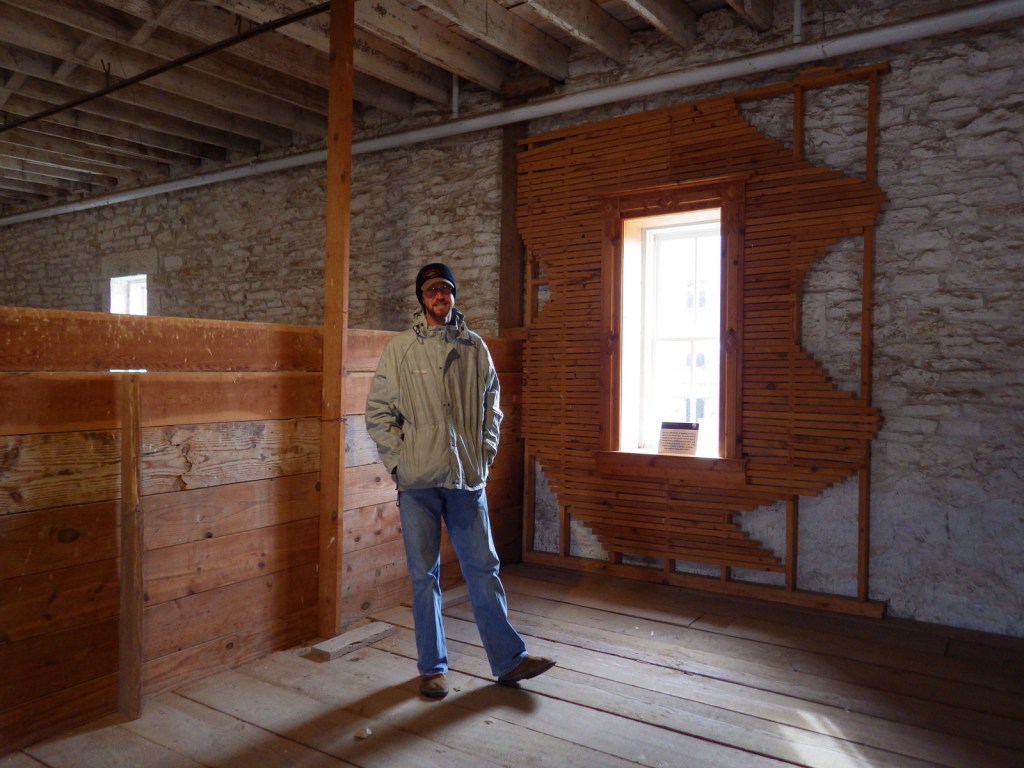
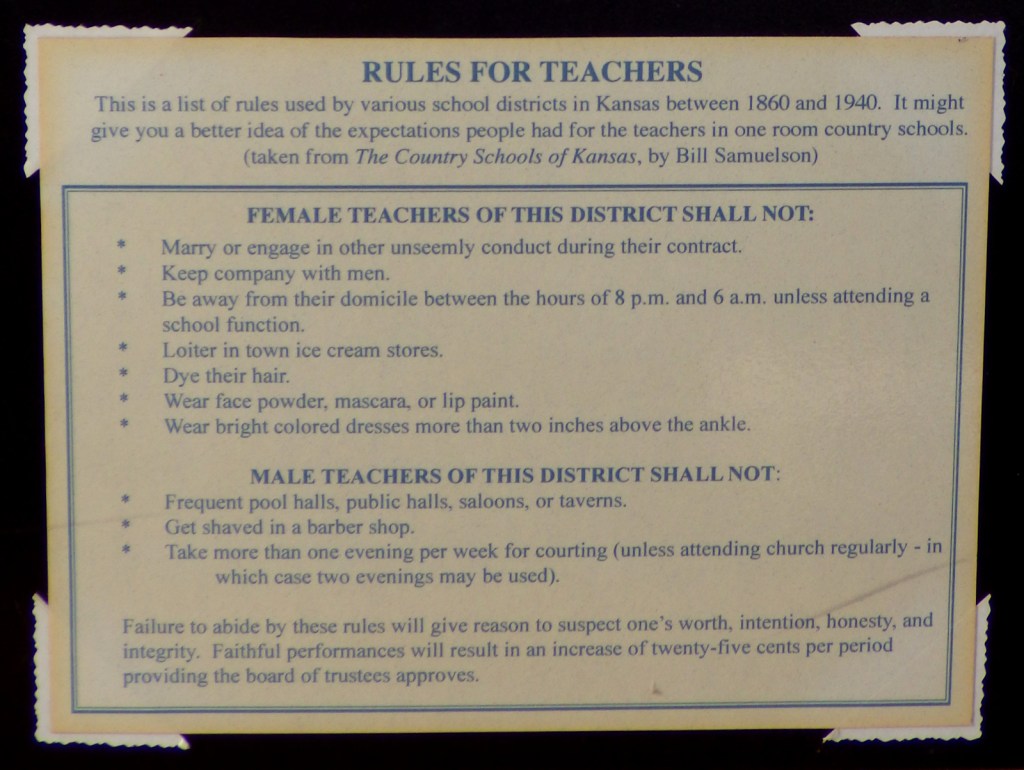
Just down the road from Spring Hill Ranch is the one-room Lower Fox Creek School which was open from 1884 to 1930.  Its walls are made of local limestone.

Peak Season

Summer

Hours

https://www.nps.gov/tapr/planyourvisit/hours.htm

Fees

None

Road Conditions

All roads paved

Camping

Chase State Fishing Lake has 10 primitive campsites two miles outside Cottonwood Falls, Kansas.  Several U.S. Army Corps of Engineers campgrounds surround Council Grove Lake, which is located 20 miles north.

Explore More – At first the grasslands may all look the same, but how many species of plants are found within Tallgrass Prairie National Preserve?

We are a participant in the Amazon Services LLC Associates Program, an affiliate advertising program designed to provide a means for us to earn fees by linking to Amazon.com and affiliated sites.

Devils Tower National Monument

Wyoming

Managed by National Park Service

Established 1906

1,347 acres

Website: nps.gov/deto

Overview

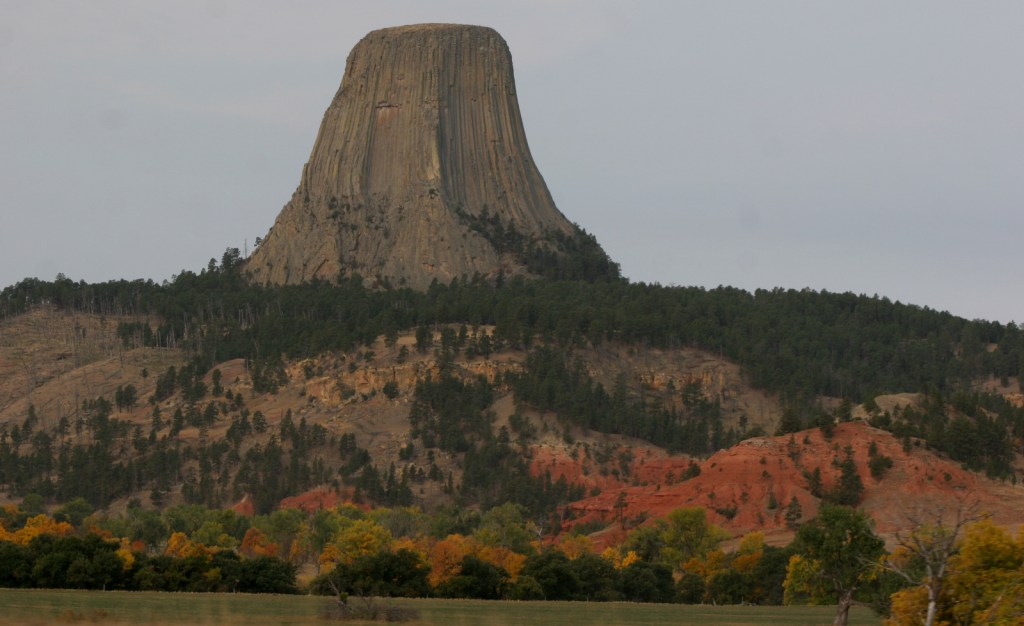
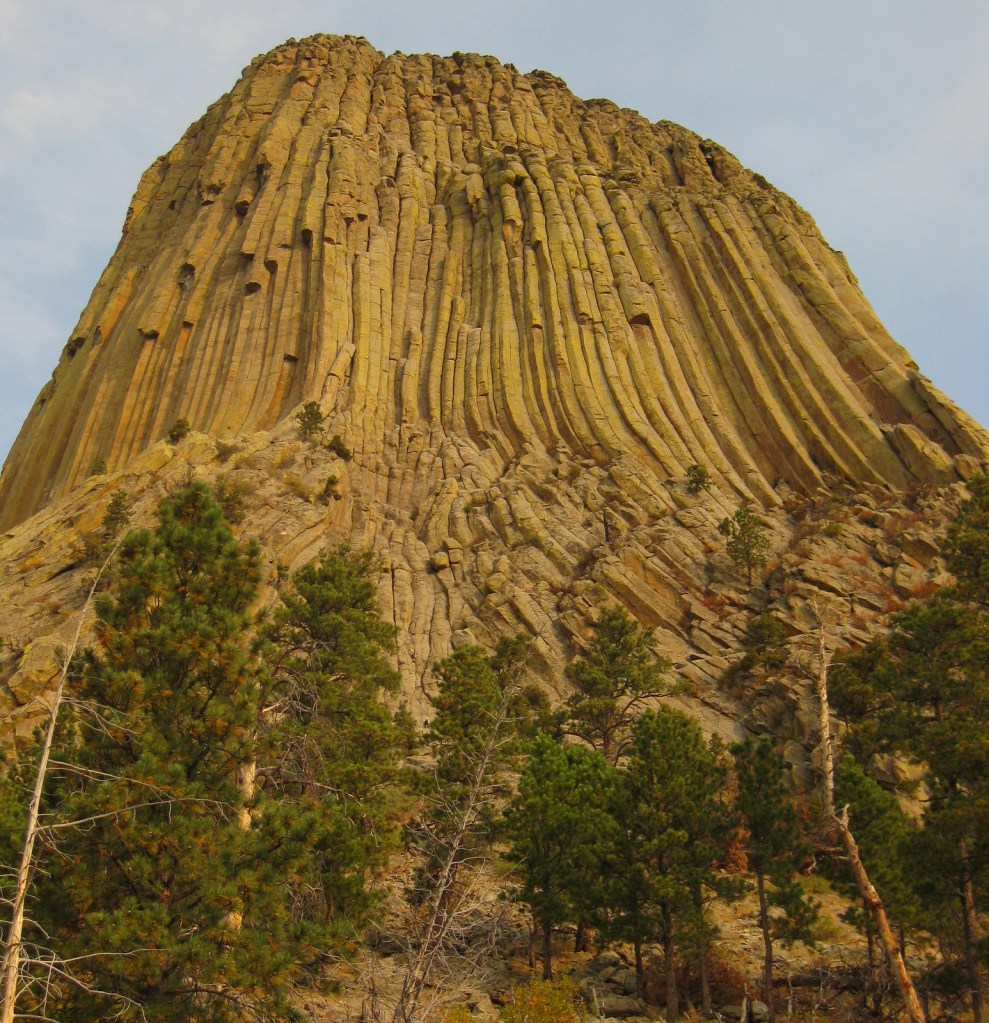
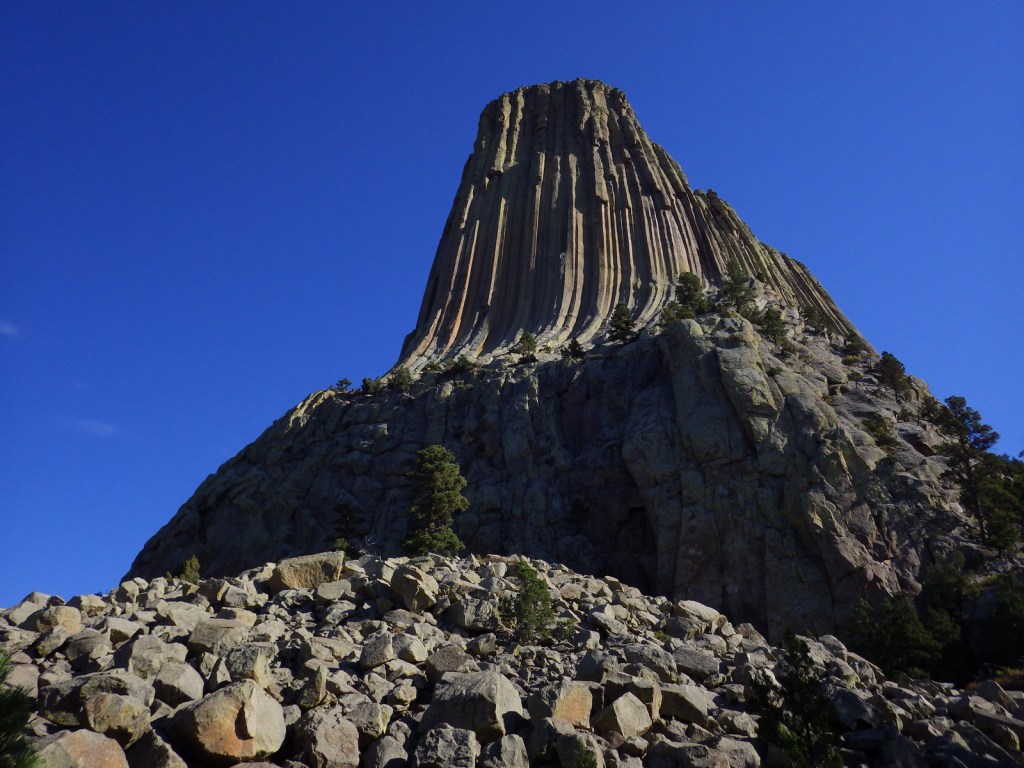
Devils Tower was named the United States’ first National Monument by President Teddy Roosevelt in 1906.  Legend has it that its deep stripes were made by the tearing claws of a giant bear attempting to climb after seven girls who were saved when the rock grew from three feet high to its current 867 feet.  You can see the girls today as the constellation Pleiades.  The bear came to rest in Bear Butte State Park in South Dakota.

Know someone who loves the National Monuments? Gift them our travel guidebook Monumental America: Your Guide to All 138 National Monuments that is available for sale on Amazon.com.
Highlights

Tower Trail, Joyner Ridge Trail, Prairie Dog Town

Must-Do Activity

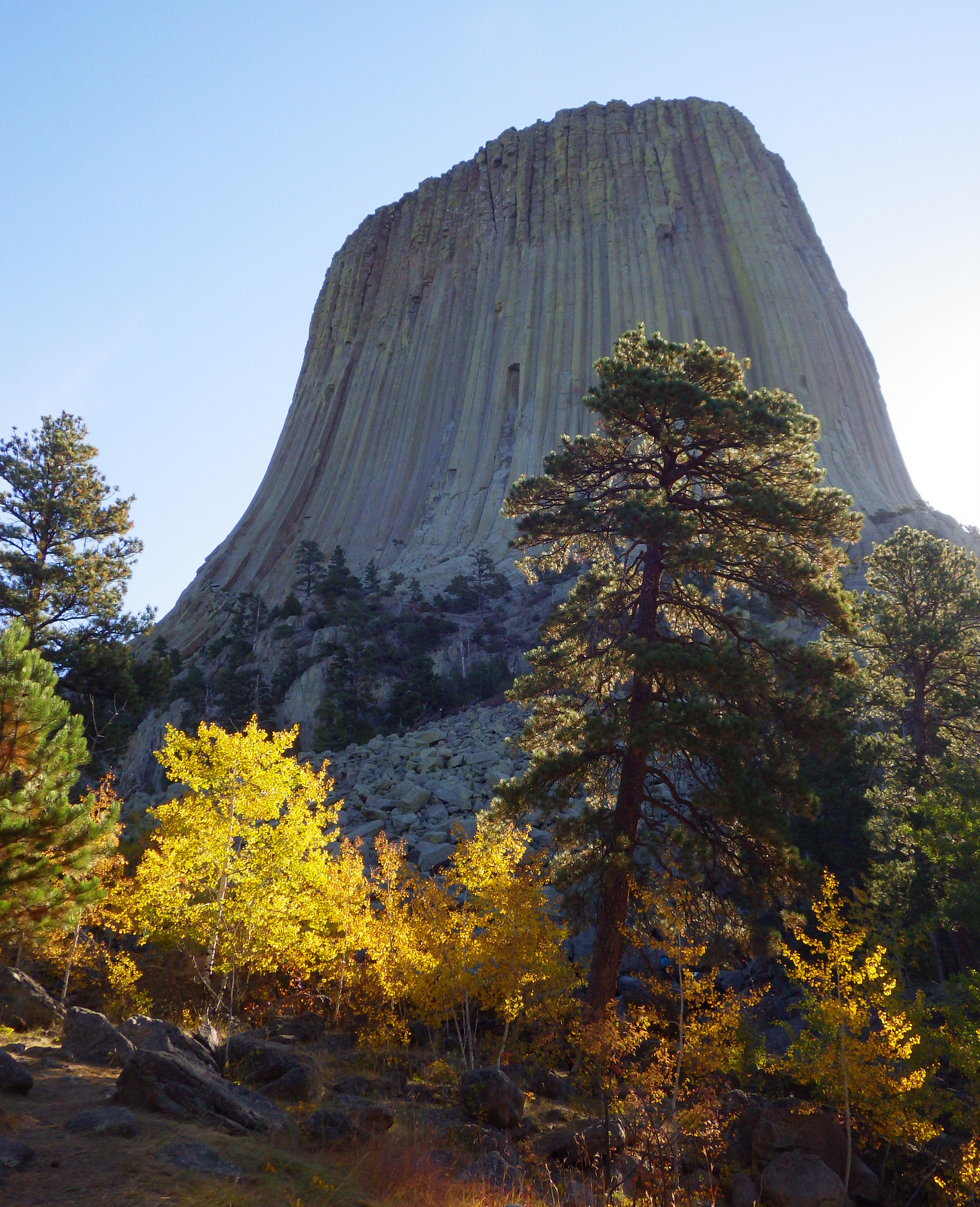
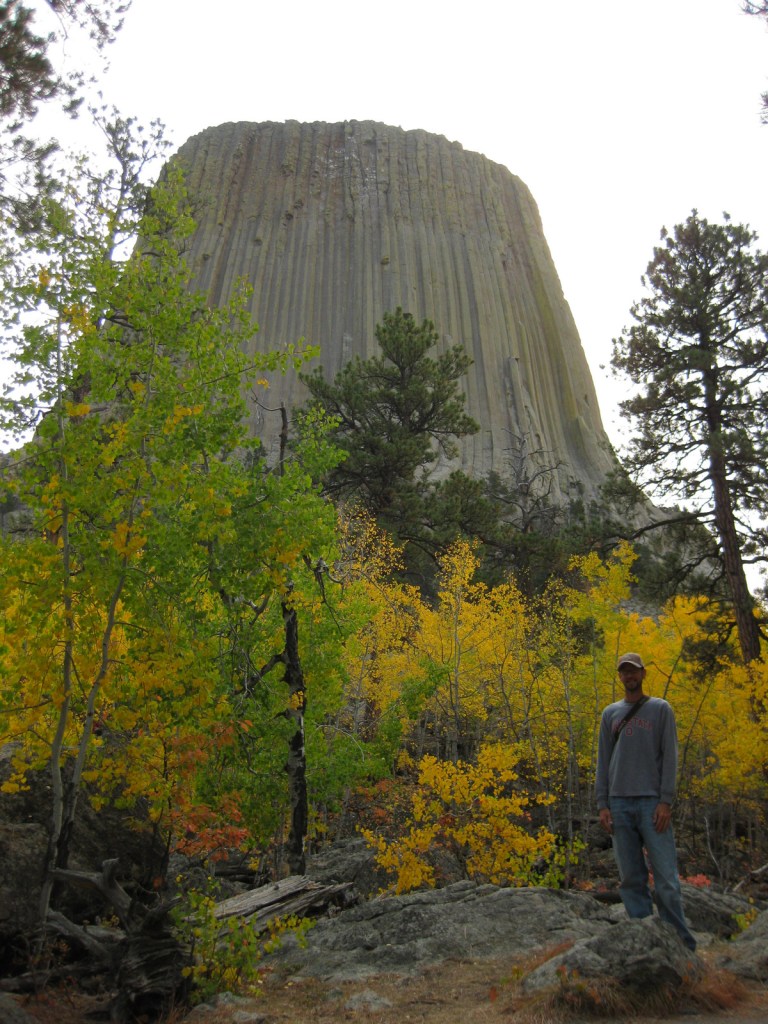
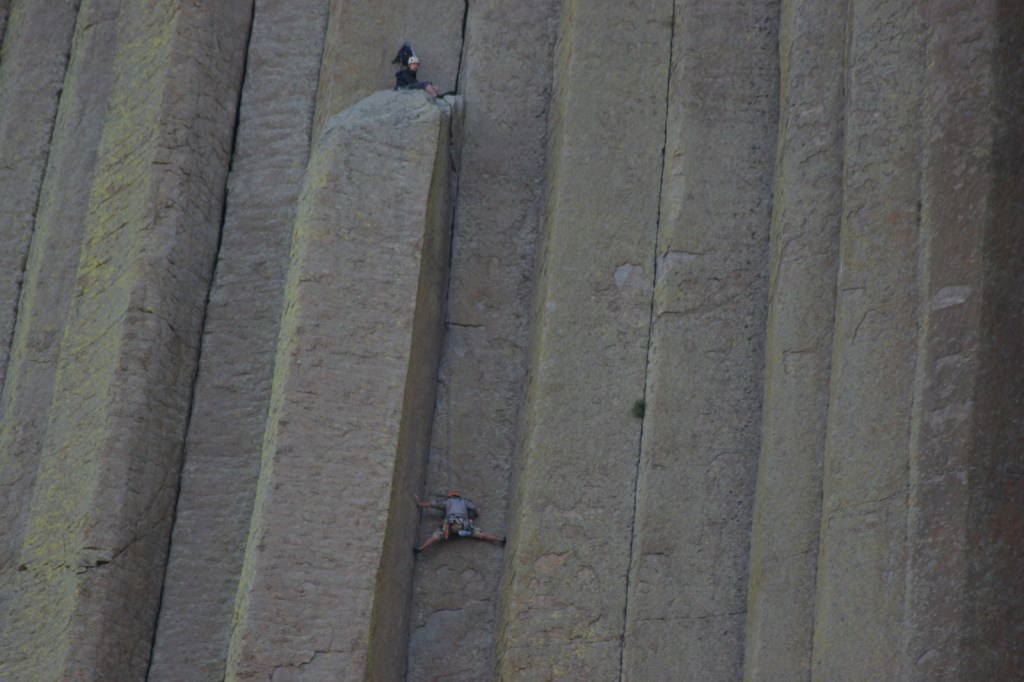
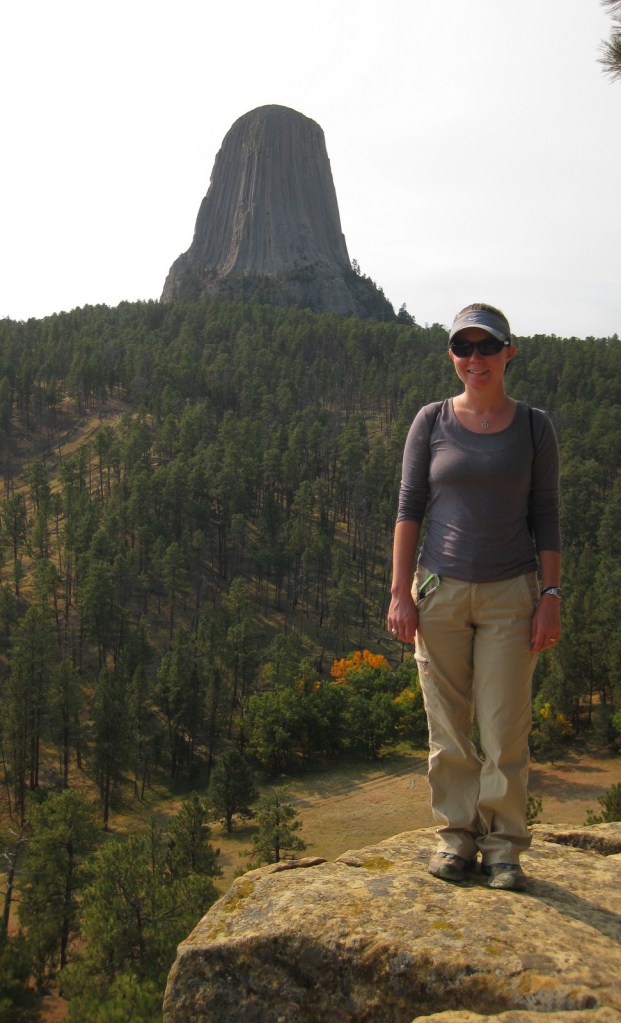
Devils Tower is a distinctive 50-million-year-old volcanic plug, whose steep sides have been an irresistible challenge to rock climbers for years.  Watch for them as you complete the 1.3-mile loop trail around the entire tower, as it looks different from every angle.  Also look for the colorful prayer cloths left by Native Americans, many of whom would prefer this sacred site be renamed Bear Lodge National Monument.

Best Trail

Joyner Ridge Trail provides a unique view of the tower and forms a 1.5-mile loop or connects to the longer Red Beds Trail that circumnavigates it.

Instagram-worthy Photo

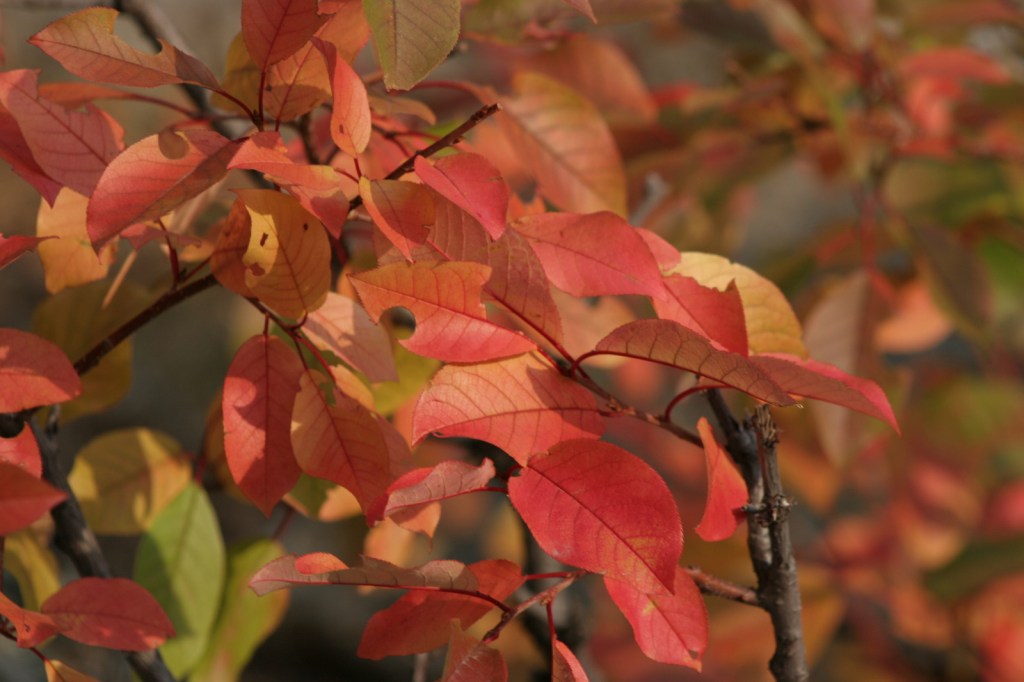
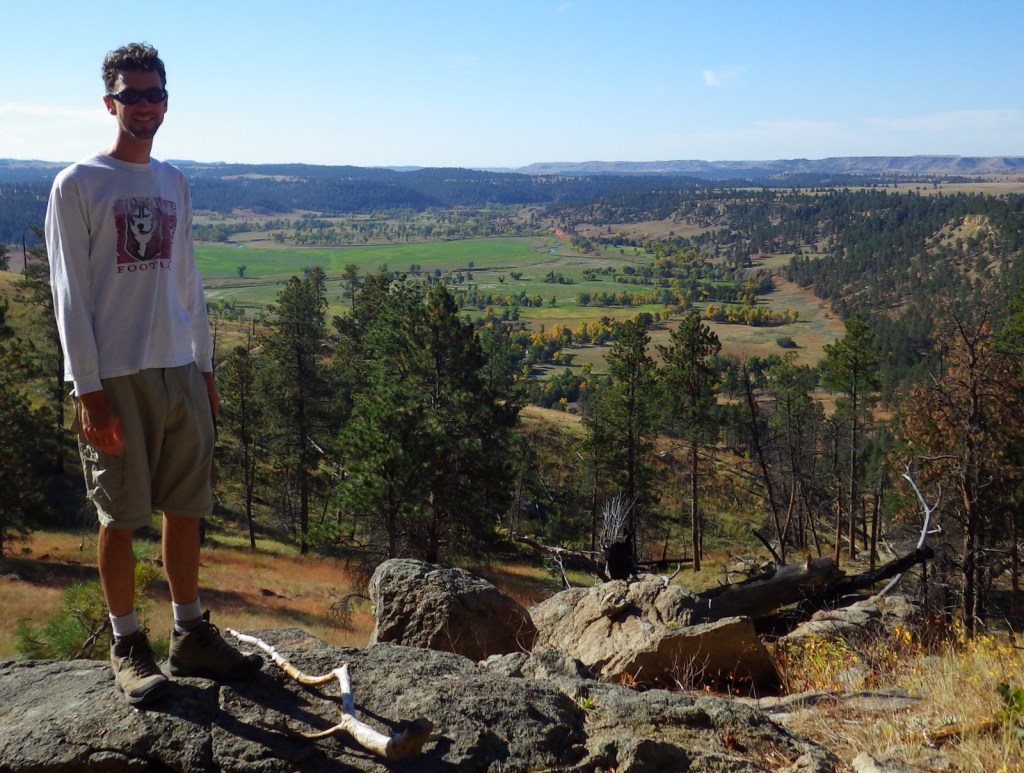
Visit in late September for fall foliage: golden quaking aspens and red chokecherry bushes.

Peak Season

Summer

Hours

https://www.nps.gov/deto/planyourvisit/hours.htm

Fees

$25 per vehicle or America The Beautiful pass

Road Conditions

Long vehicles must park just below the visitor center and hike a short ways up.  The short West Road to Joyner Ridge Trailhead is a good dirt road.

Camping

On the prairie below Devils Tower, a 50-site campground is located within a grove of cottonwood trees, with running water available May through October.  A private campground with RV hookups is located near the park entrance. Dispersed camping is possible in parts of Black Hills National Forest, but be careful to avoid private inholdings.

Related Sites

Yellowstone National Park (Wyoming-Montana-Idaho)

Black Hills National Forest (South Dakota-Wyoming)

Fossil Butte National Monument (Wyoming)

Grand Teton National Park (Wyoming)

Nearest National Park

Wind Cave

Explore More – How is park connected with the classic 1978 film Close Encounters of the Third Kind?

Learn more about the other 137 National Monuments in our book Monumental America: Your Guide to All 138 National Monuments

Padre Island National Seashore

Overview

To experience the natural side of this semitropical region, make a trip to Padre Island National Seashore south of Corpus Christi, Texas.  Unlike touristy South Padre Island, this barrier island offers 65 miles of undeveloped beaches for exploration by foot and 4-wheel-drive vehicles. 

Highlights

Malaquite Beach, Grasslands Nature Trail, Bird Island Basin

Must-Do Activity

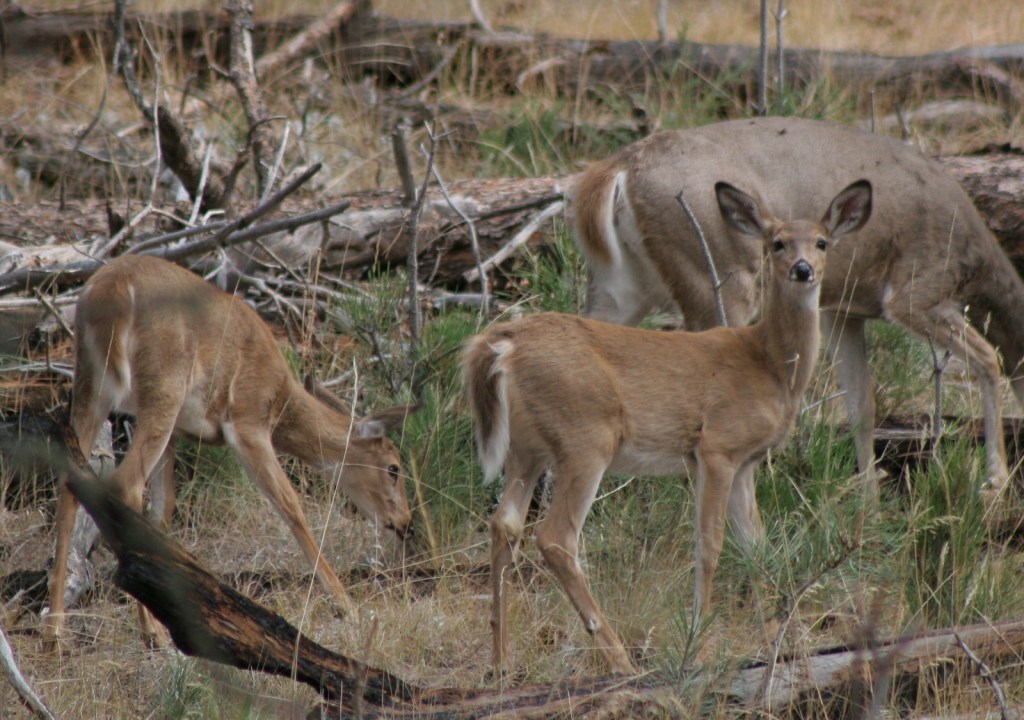
This wild island attracts a lot of wildlife, like white-tailed deer, a variety of shorebirds, and, unfortunately, Portuguese man-o-wars.  Keep an eye out for sea turtle patrols that drive up and down the beach all day seeking females laying eggs, including the endangered Kemp’s ridley.  Head further north for more bird watching, as Aransas National Wildlife Refuge typically sees a few overwintering whooping cranes, an extremely rare species.

Best Trail

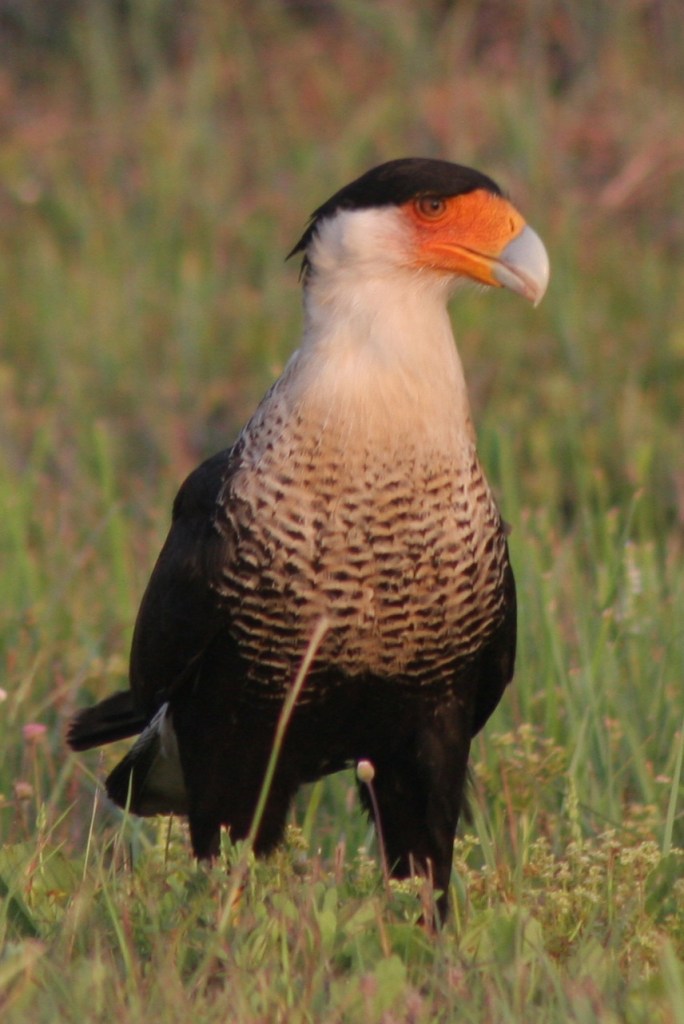
Take a walk on a boardwalk through the sand dunes on Grasslands Nature Trail to find white-tailed deer and maybe even a crested caracara.  Also look for caracaras along the roadside since they will eat carrion.

Instagram-worthy Photo

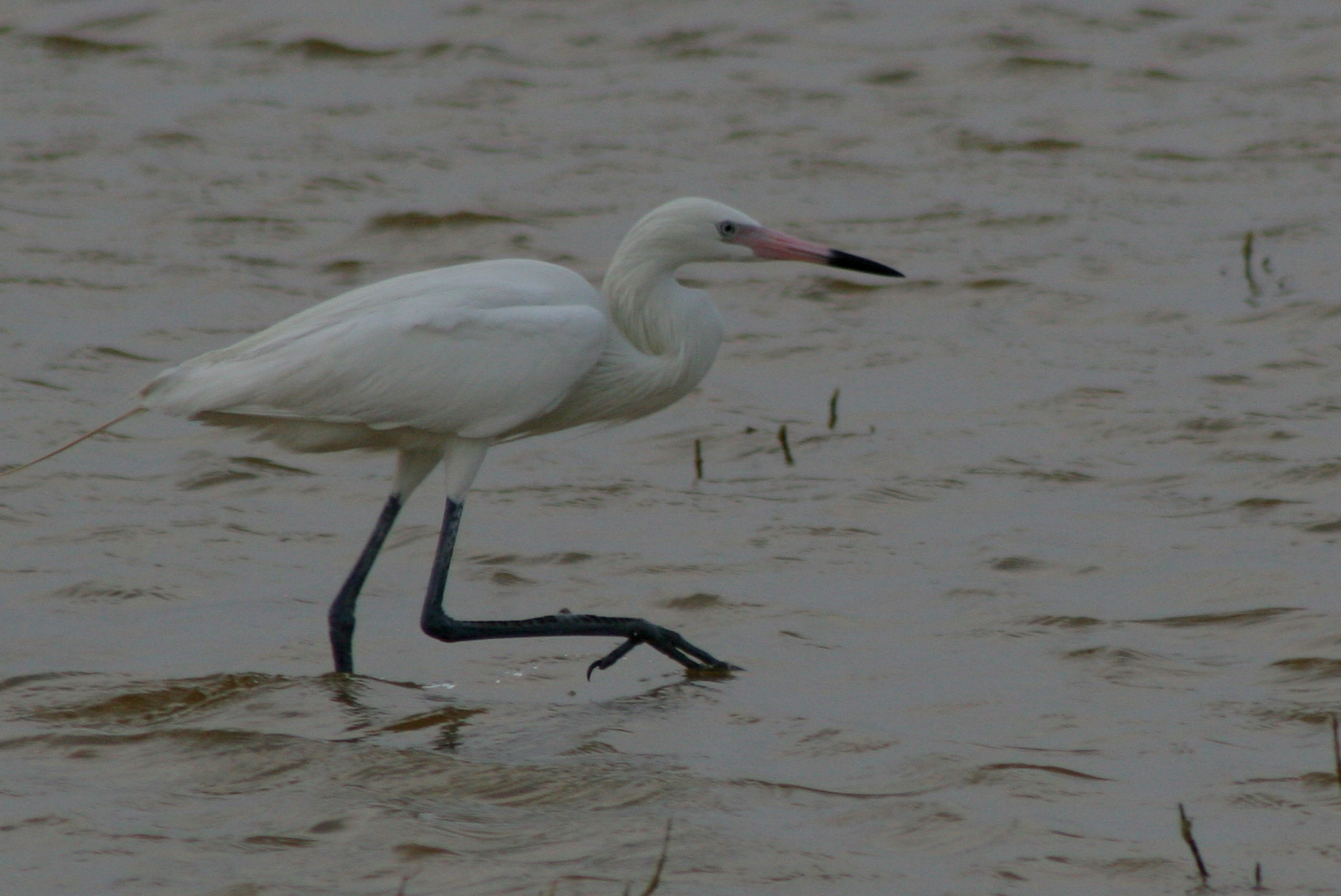
On the bay side of the barrier island, you can camp and watch kitesurfers at Bird Island Basin where herons and egrets are a common sight.  We also saw white pelicans in the spring.

Peak Season

Summer

Hours

https://www.nps.gov/pais/planyourvisit/hours.htm

Fees

$20 per vehicle or America The Beautiful pass

Road Conditions

Roads are paved to Malaquite Beach visitor center and from there you can drive most of the beaches with a 4-wheel-drive vehicle. 

Camping

Primitive camping is allowed on the beaches, but there is also a nice campground with water and showers near Malaquite Beach visitor center.  If you cannot find a campsite at Padre Island National Seashore, try up north at Mustang Island State Park.

Explore More – Currents in the Gulf of Mexico bring significant amounts of floating trash to the shoreline; how can you help during your visit?