Tag Archives: wildflowers

Cache National Forest

Cache National Forest

Utah, Idaho

Managed by U.S. Forest Service, Intermountain Region

1,216,778 acres (701,652 federal/ 515,126 other)

Website: https://www.fs.usda.gov/uwcnf

Overview

Cache National Forest surrounds Logan, Utah on three sides covering the Bear River Range and Wellsville Mountains, which are considered to have the steepest grade in the entire nation.  Since August 2007, Cache National Forest is officially part of the massive Uinta-Wasatch-Cache National Forest that sprawls across northeastern Utah.  To add to the bureaucratic confusion, the 263,940 acres of Cache National Forest in Idaho have been administered since 1973 by Caribou National Forest (see our next blog post).  When you subtract that land area, it only includes 437,712 acres of federal land, making it one of the smallest National Forests in the western U.S.

Highlights

Logan Canyon Scenic Byway, Wind Cave, Jardine Juniper, Tea Pot Rock, Old Limber Pine Nature Trail, Ogden River Scenic Byway, Pineview Reservoir, Tony Grove Lake Campground, Causey Reservoir, Wellsville Mountains, Naomi Peak National Recreation Trail

Must-Do Activity

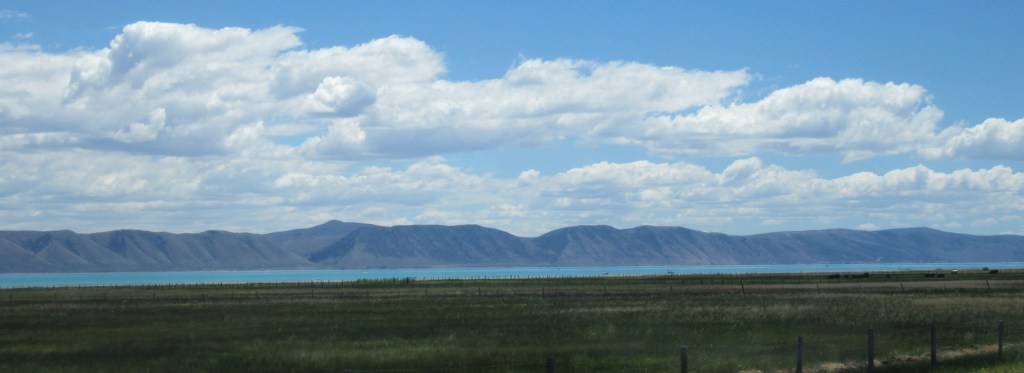
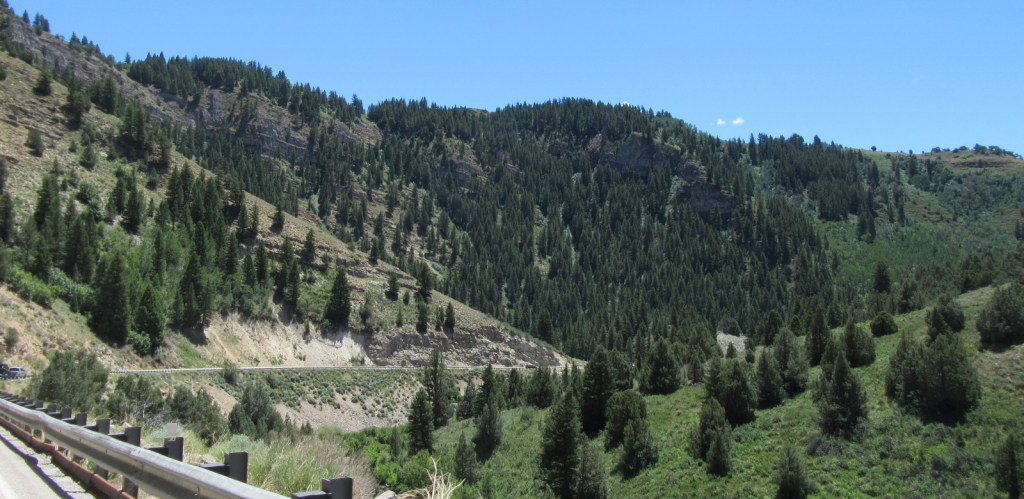
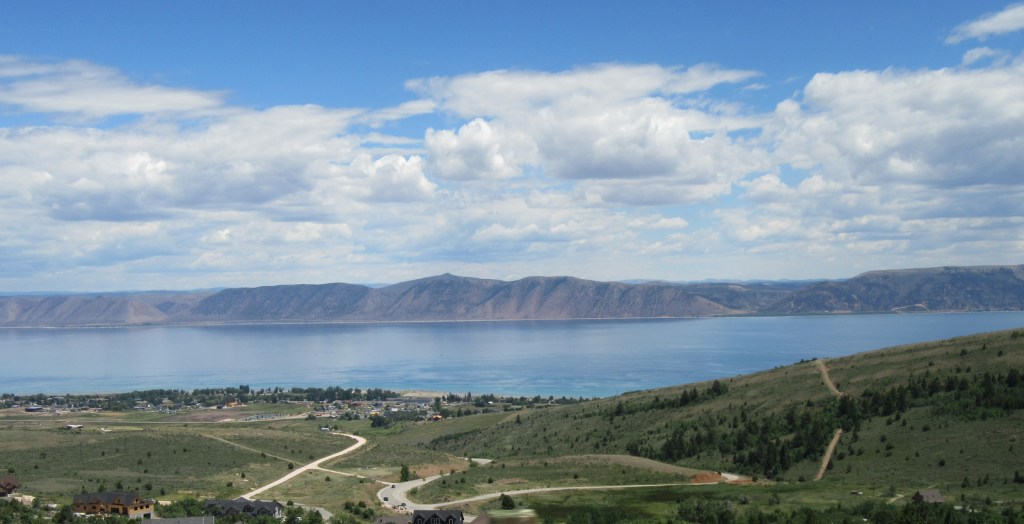
Logan Canyon Scenic Byway follows Highway 89 and the beautiful Logan River up to a pass with views of Bear Lake, a naturally-formed body of water that gets its turquoise color from suspended limestone sediment (earning it’s the nickname “Caribbean of the Rockies”).  Logan Canyon is especially busy in the fall when the leaves change on quaking aspens and three species of maples: boxelder, canyon/bigtooth maple, and Rocky Mountain maple. 

Best Trail

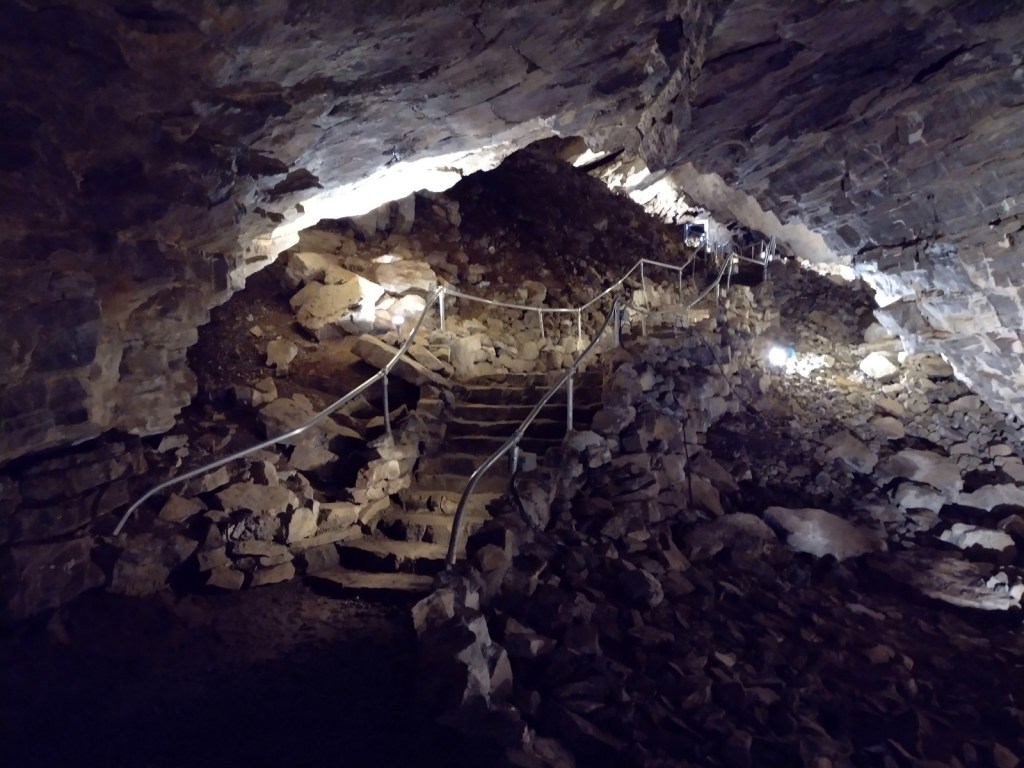
Logan Canyon has two popular, but steep trails that lead to Wind Cave and the Old Jardine Juniper, the world’s largest Rocky Mountain juniper estimated to be at least 3,000 years old.  The 3.6-mile out-and-back trail to Wind Cave starts from a roadside pullout across from Guinavah-Malibu Campground and gains more than 900 feet in elevation.  Hiking to the Old Jardine Juniper requires a climb of over 2,100 feet along the five-mile one-way trail, which continues further into the Mt. Naomi Wilderness.

Watchable Wildlife

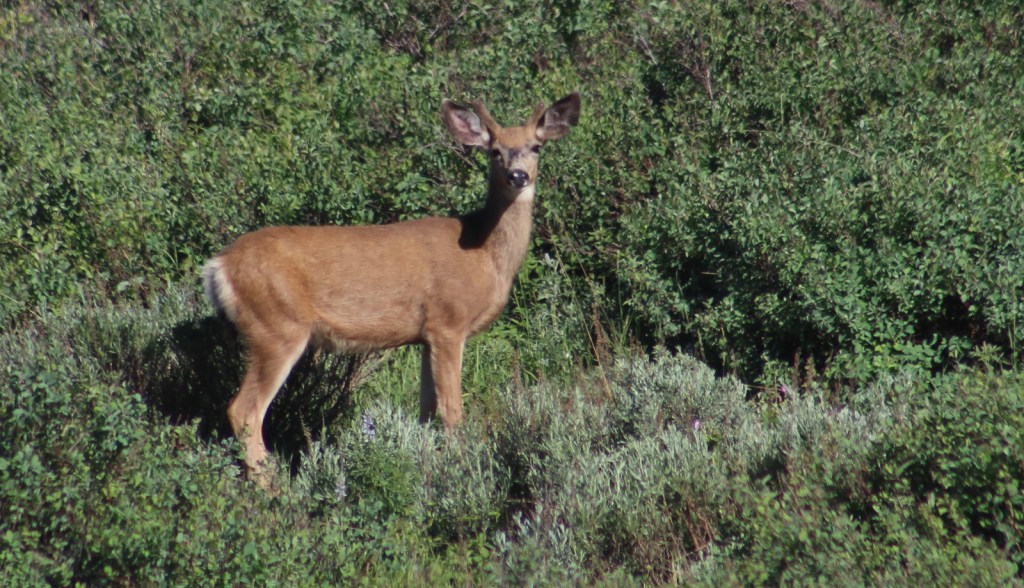
Trout fishing is a popular activity due to all of the rivers and streams in Cache National Forest.  Large mammalian species include elk, mule deer, pronghorns, and black bears.  Watch the skies above Logan Canyon for ravens and a variety of birds of prey.

Instagram-worthy Photo

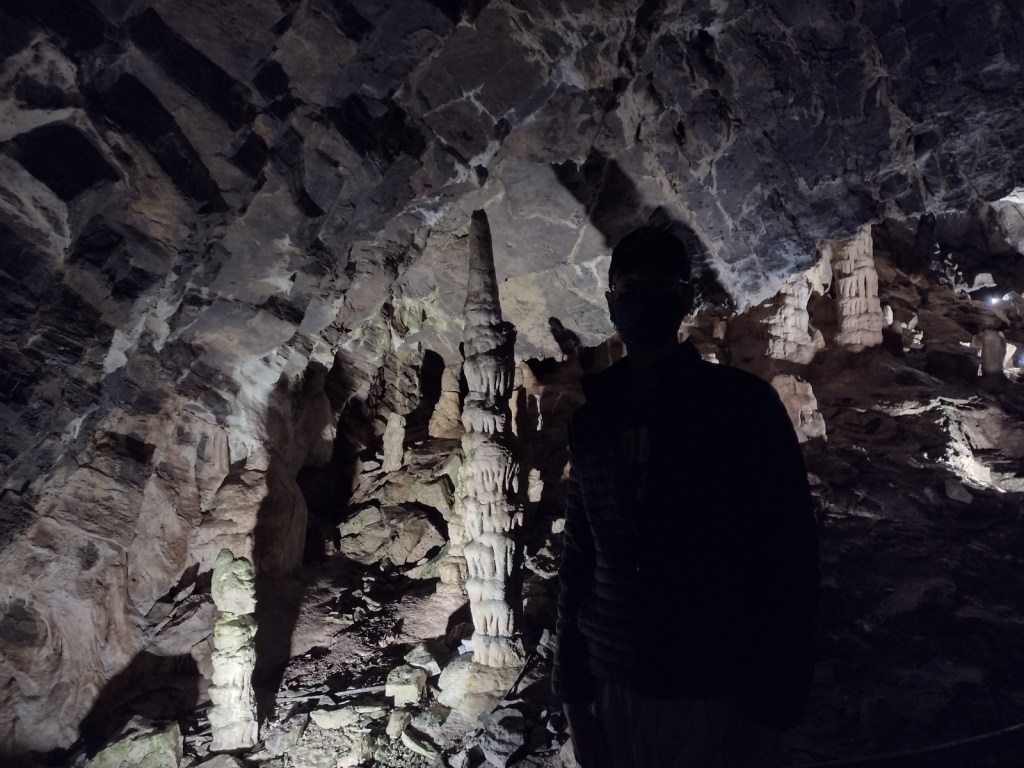
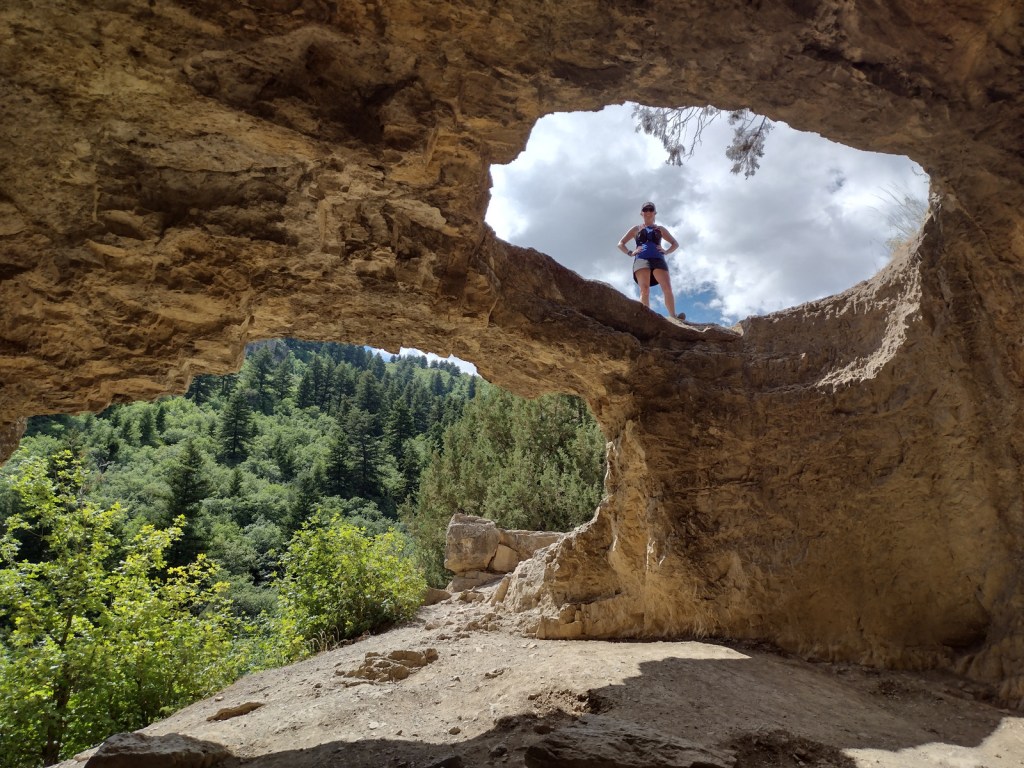
The limestone arches of Wind Cave originally formed underground then were exposed when the Logan River cut its steep canyon.

Peak Season

Summer

Fees

None

Road Conditions

Logan Canyon (Highway 89) and Ogden River (Highway 39) Scenic Byways are both paved.  We did not drive any unpaved roads, but we did notice that the dirt roads around Bear Lake Summit (on Highway 89) looked very rutted and four-wheel-drive only.

Camping

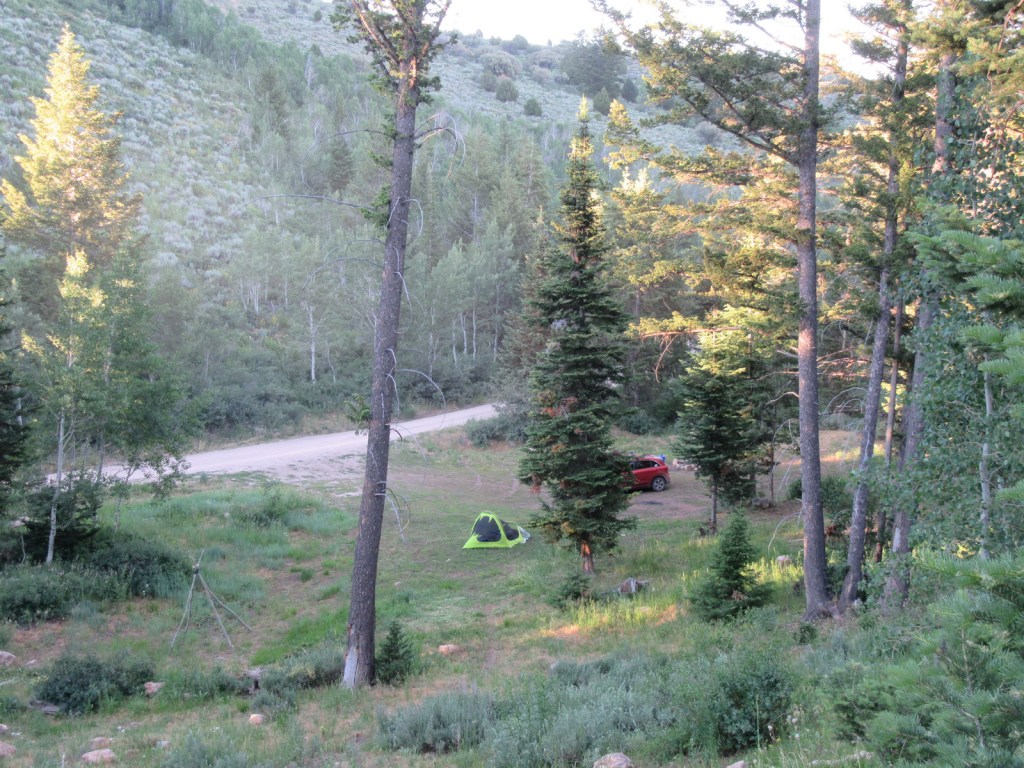
There are numerous campgrounds along both the Logan Canyon and Ogden River Scenic Byways.  We did not notice any dispersed campsites in these areas, although there probably are some options in more remote portions of the National Forest.

Wilderness Areas

Mt. Naomi Wilderness

Wellsville Mountain Wilderness

Related Sites

Golden Spike National Historical Park (Utah)

Timpanogos Cave National Monument (Utah)

Wasatch National Forest (Utah-Wyoming)

Nearest National Park

Grand Teton (Wyoming)

Conifer Tree Species

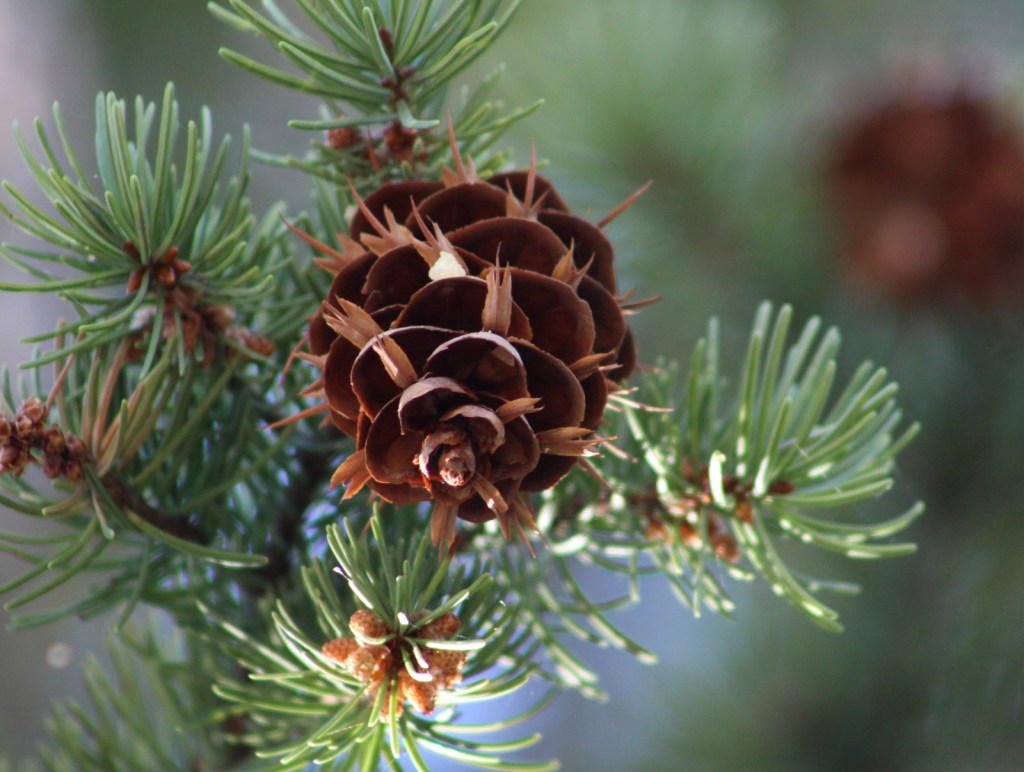
Rocky Mountain juniper, Utah juniper, limber pine, whitebark pine, ponderosa pine, lodgepole pine, Engelmann spruce, subalpine fir, white fir, Douglas-fir

Flowering Tree Species

quaking aspen, river birch, boxelder, canyon/bigtooth maple, Rocky Mountain maple, Bebb willow, blue elderberry, chokecherry, curlleaf mountain-mahogany, sagebrush

Explore More – In what year did the Cache Valley host the second-ever rendezvous of fur-trapping mountain men?

Learn more about Cache and the 154 other National Forests in our new guidebook Out in the Woods

We are a participant in the Amazon Services LLC Associates Program, an affiliate advertising program designed to provide a means for us to earn fees by linking to Amazon.com and affiliated sites.

Bridger National Forest

Bridger National Forest

Wyoming

Managed by U.S. Forest Service, Intermountain Region

1,744,705 acres (1,736,115 federal/ 8,590 other)

Website: https://www.fs.usda.gov/btnf

Overview

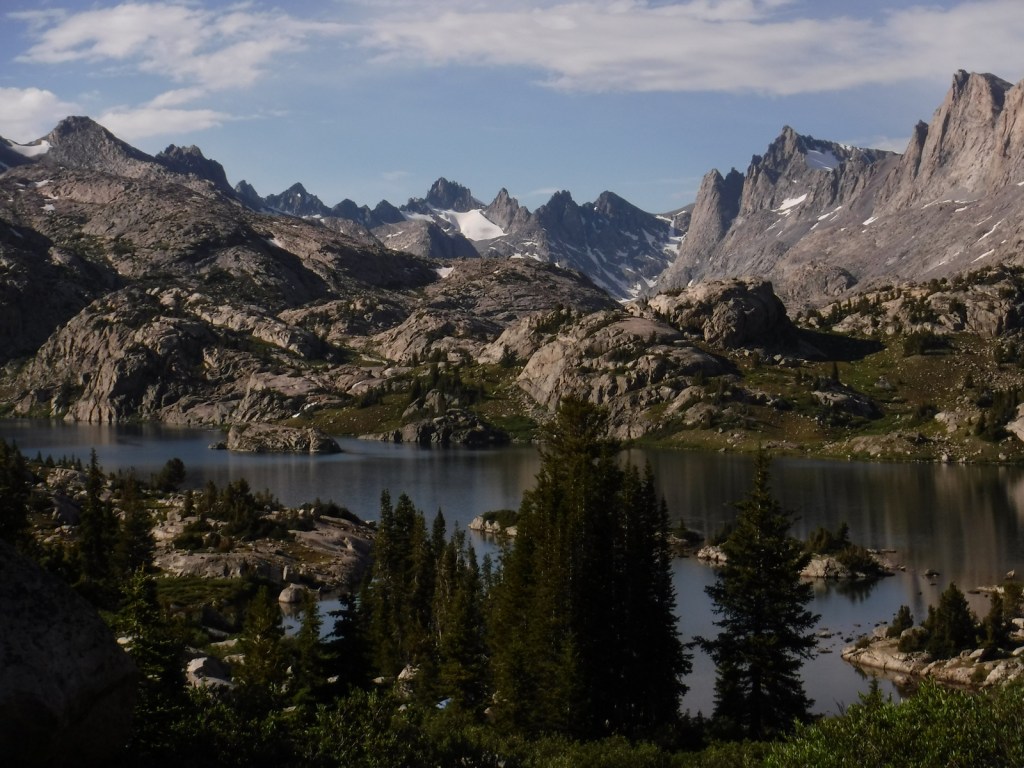
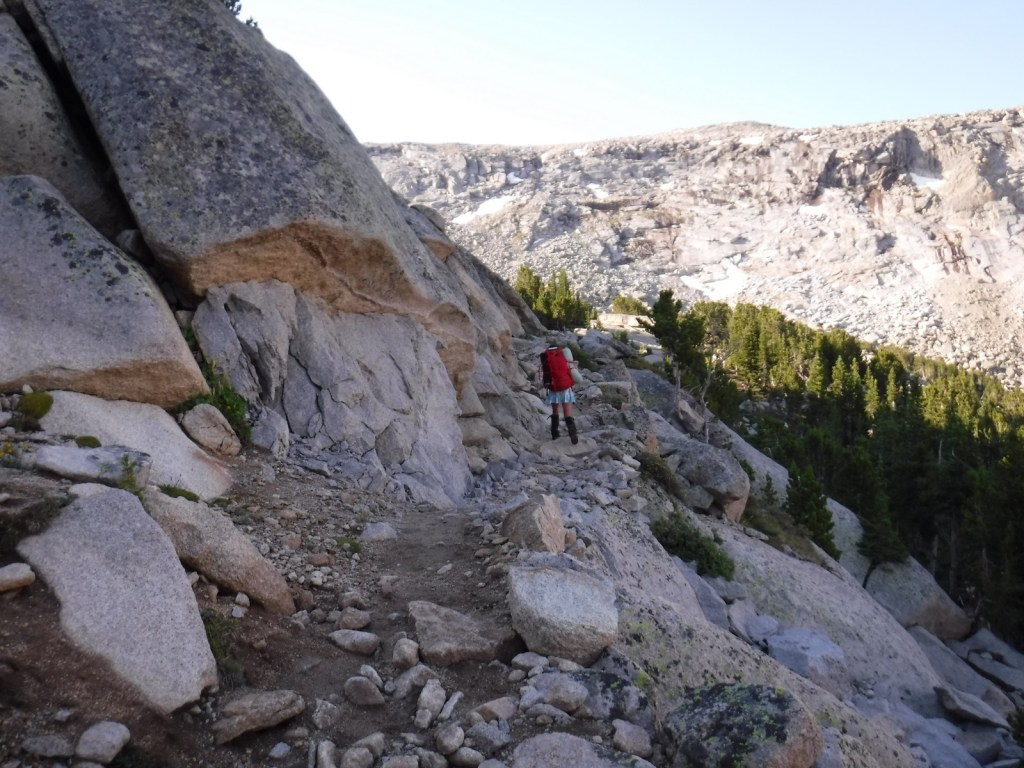
The peaks of the Wind River Range not only represent the Continental Divide, but also a division between Bridger-Teton National Forest and Shoshone National Forest which happen to be in two different U.S. Forest Service Regions.  These mountains are our favorite place to go backpacking in the entire world with jagged peaks that rival the Teton Range for picturesqueness and a fraction of the visitors (except at overcrowded Titcomb Basin and the Cirque of the Towers).  Read more about our 120-mile trip on the Highline Trail in our newspaper article.

Know someone who loves the National Forests? Gift them our travel guidebook Out in the Woods so they can learn more about this and the 154 other National Forests.

Highlights

Fremont Lake, Kendall Warm Springs, Green River Lakes, Wind River Range, Titcomb Basin, Periodic Spring geyser, Lake Alice, Wyoming Range National Recreation Trail, Highline Trail, Continental Divide National Scenic Trail

Must-Do Activity

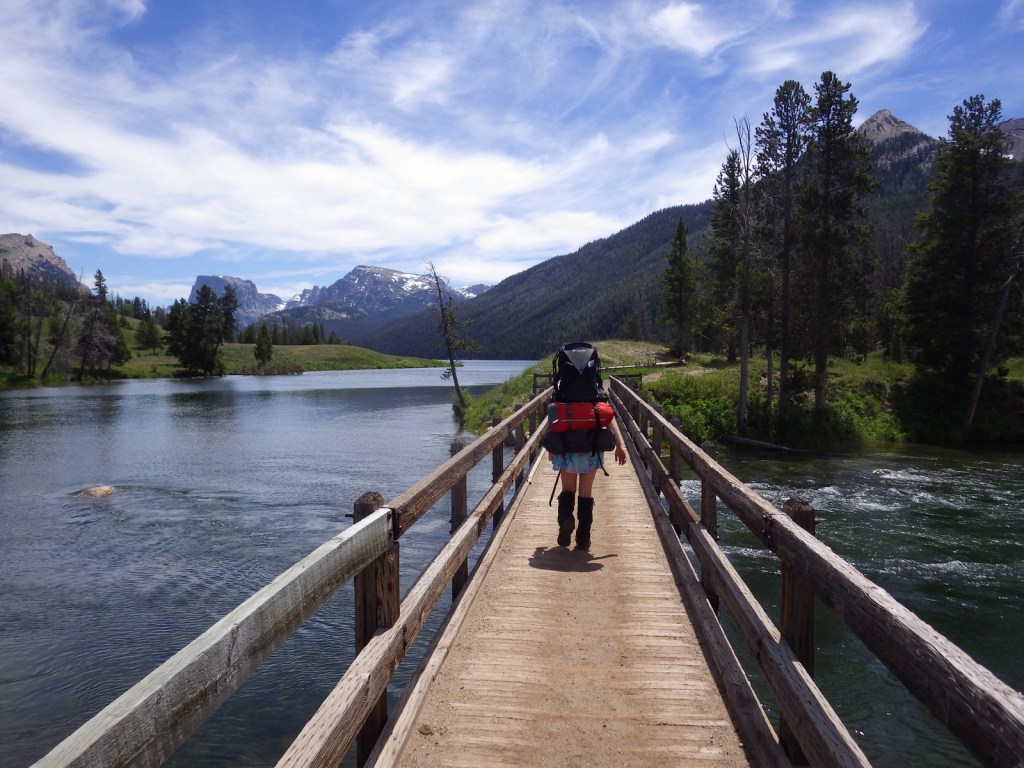
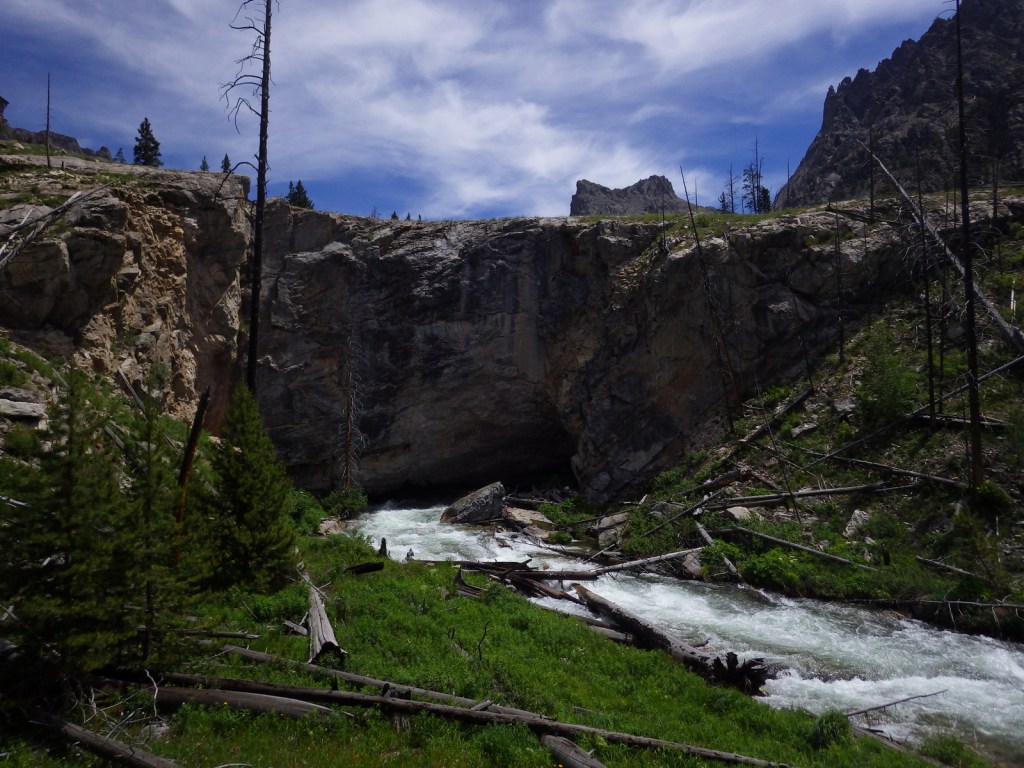
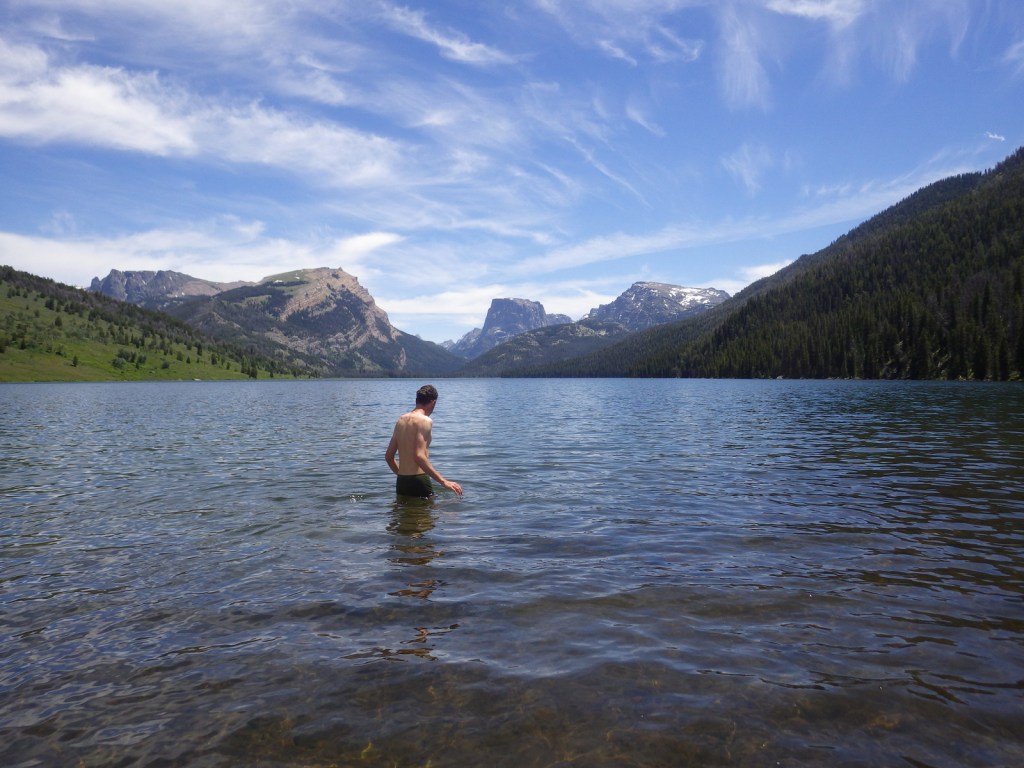
From Pinedale, Wyoming, a 50-mile partially-paved drive leads to the campground at Green River Lakes, which opens up into a beautiful valley that frames photogenic Squaretop Mountain.  Hiking around the northerly of the two lakes makes a great couple-hour jaunt, but if you are looking for a unique destination add the two-mile spur to fascinating Clear Creek Natural Bridge.  Here the water pours through and continues to widen a four-foot tall gap in the limestone.  Starting from the campground, the Highline Trail is a 72-mile one-way trek popular with backpackers.  The first ten miles are very flat following the river to Beaver Meadows, which offers 360° mountain views. 

Best Trail

Further south in the Wind River Range than stunning Squaretop Mountain, it is only eight miles from Big Sandy Trailhead to the Cirque of the Towers, which is famous among rock climbers and actually in neighboring Shoshone National Forest.  Even though there were a lot of campers back there, we found a secluded spot between Big Sandy Lake and Clear Lake in Bridger National Forest.  When we finally made it over 10,800-foot Jackass Pass to the cirque, it was full of fog and hail was dropping from the sky.  Although we have been back on a sunny day, that was the more memorable experience, which is why we selected a photo from that morning for the cover of our new guidebook Out in the Woods (see bottom of this post).

Watchable Wildlife

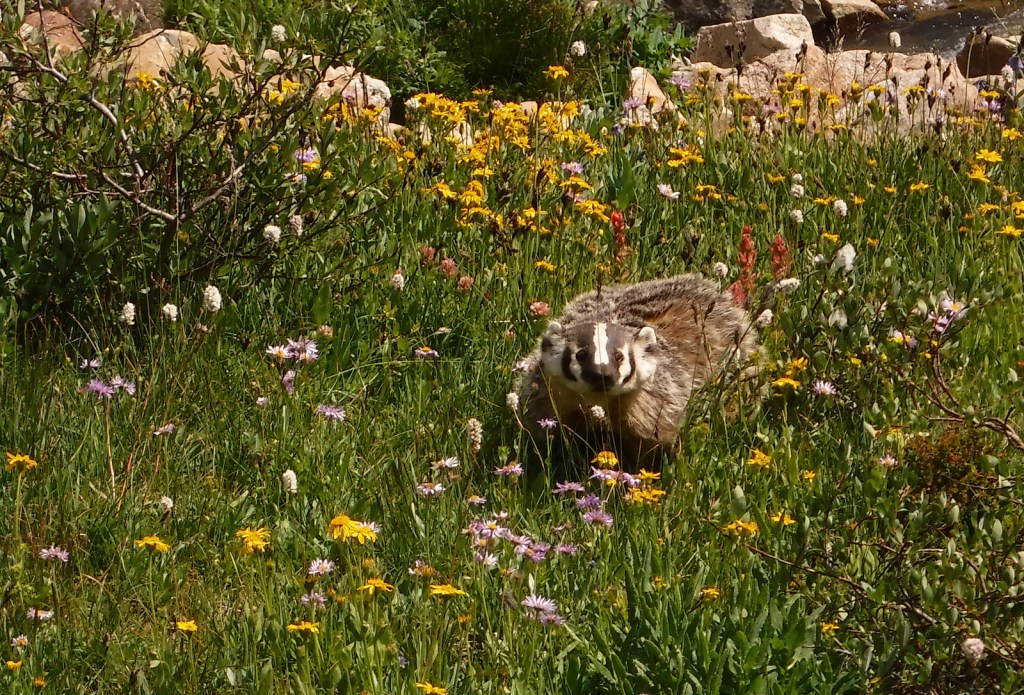
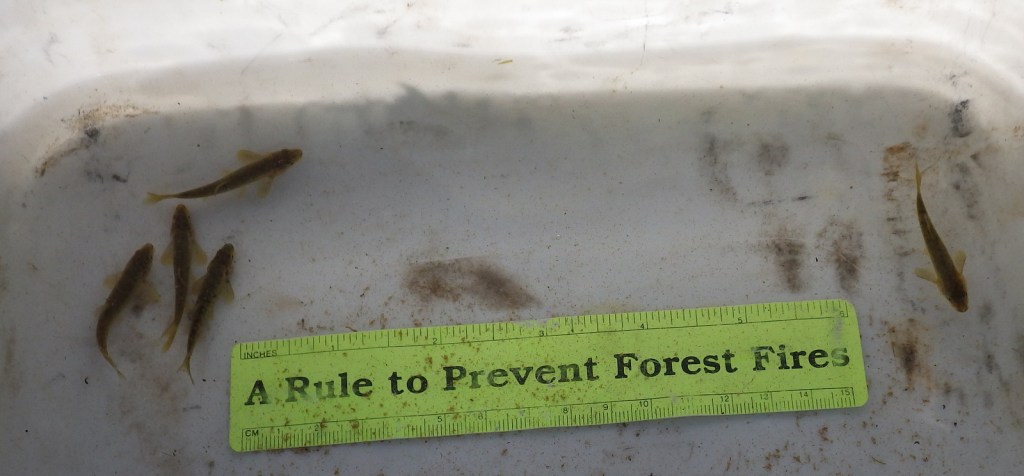
On the way to Green River Lakes outside Pinedale, Wyoming, make time for a quick stop at Kendall Warm Springs where the water is a constant 85°F but is protected from human bathing.  The main attraction is a fish less than 2-inches long, the endangered Kendall Warm Springs dace.  During spawning (which occurs frequently throughout the year due to the warm water), the males turn purple and the females light green.  U.S. Forest Service biologists keep careful track of the population and if you’re lucky, you’ll meet them when they are out there conducting a survey.  On the trails and roads, keep an eye out for moose, elk, mule deer, pronghorns, both black and grizzly bears, and badgers (even in the middle of the day).  Trout fishing is also a major attraction to this area’s many lakes and streams.

Instagram-worthy Photo

This incredible view of Squaretop Mountain and Green River Lakes is at the end of a long drive down a washboard dirt road; maybe that is why it is on the Wyoming license plate.

Peak Season

Summer

Fees

None

Road Conditions

The long dirt roads back to the trailheads at Big Sandy and Green River Lakes are well maintained, and we have never had a problem accessing them in a passenger vehicle.  Limited parking when you get there is the bigger problem.

Camping

The campground at Green River Lakes has an incredible view of Squaretop Mountain (which is on the 2010s Wyoming license plate).  There are more dispersed campsites on the road to Big Sandy Trailhead than Green River Lakes.

Wilderness Areas

Bridger Wilderness

Related Sites

Shoshone National Forest (Wyoming)

Fossil Butte National Monument (Wyoming)

Yellowstone National Park (Wyoming-Montana-Idaho)

Nearest National Park

Grand Teton (Wyoming)

Conifer Tree Species

Engelmann spruce, subalpine fir, Douglas-fir, lodgepole pine, ponderosa pine, limber pine, whitebark pine

Flowering Tree Species

quaking aspen, Rocky Mountain maple, bog birch, Booth’s willow, red osier dogwood, sagebrush

Explore More – What is the entire length of the stream that is the only place where the endangered Kendall Warm Springs dace lives (before it pours into the chilly Green River, home to a genetically distinct dace population)?

Know someone who loves the National Forests? Gift them our travel guidebook Out in the Woods so they can learn more about this and the 154 other National Forests.

Bitterroot National Forest

Bitterroot National Forest

Montana, Idaho

Managed by U.S. Forest Service, Northern Region

1,655,753 acres (1,587,070 federal/ 68,683 other)

Website: https://www.fs.usda.gov/bitterroot

Overview

First established as the 4.1-million-acre Bitter Root Forest Reserve in 1898, the smaller Bitterroot National Forest today flanks both sides of Highway 93 and the Bitterroot River Valley.  This stretch of the Idaho-Montana border is rough, mountainous country and about half this National Forest is designated Wilderness (see below).  The Continental Divide National Scenic Trail follows a portion of the boundary between Bitterroot National Forest and Beaverhead National Forest, heading northeast from Lost Trail Pass where Highway 93 crosses into Idaho.

Highlights

Nez Perce Auto Trail, Lost Trail Pass, Lake Como, Magruder Massacre Site, Trapper Peak, Skalkaho Falls, Blodgett Canyon, Boulder Creek Falls, Palisade Mountain National Recreation Trail, Continental Divide National Scenic Trail

Must-Do Activity

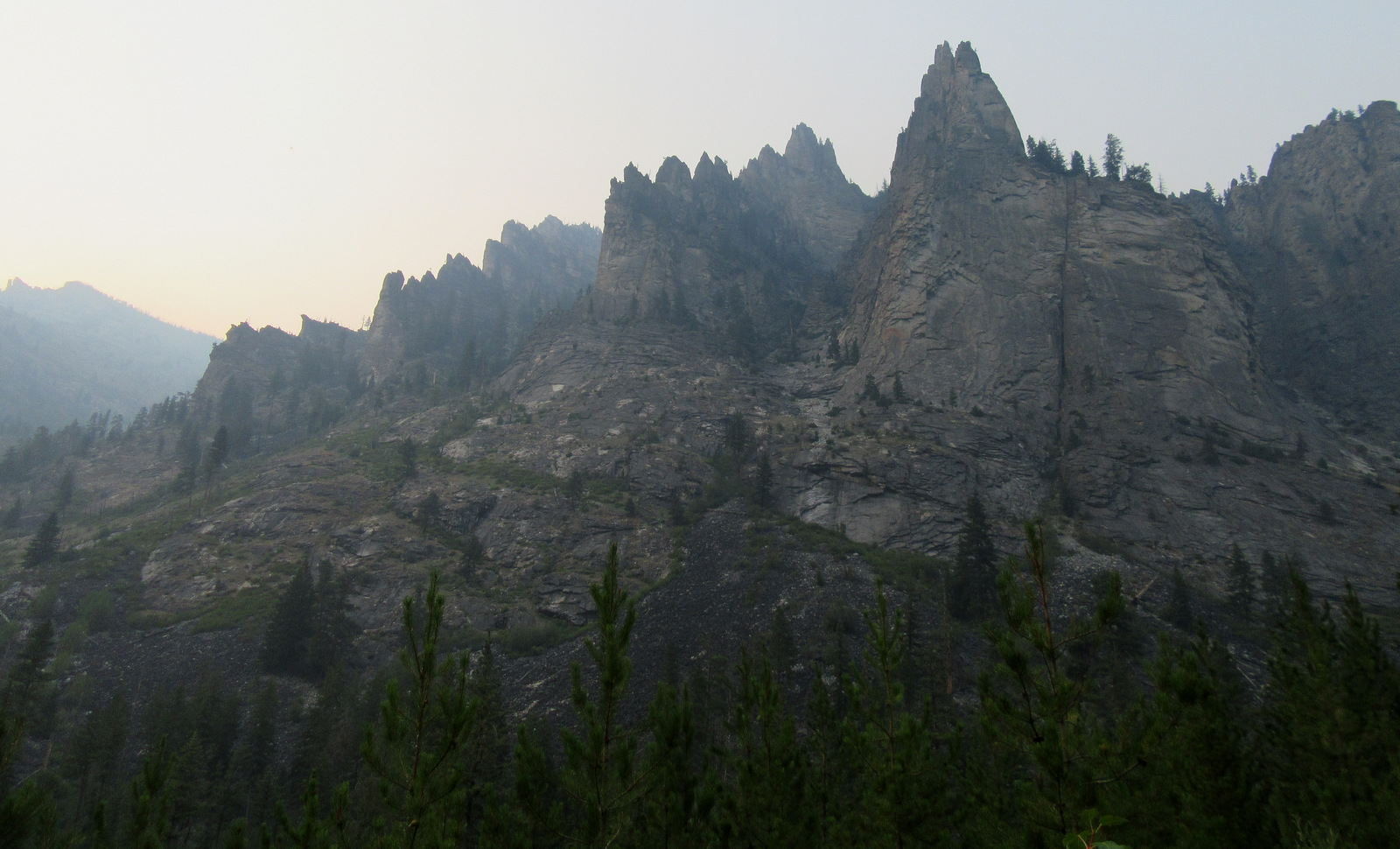
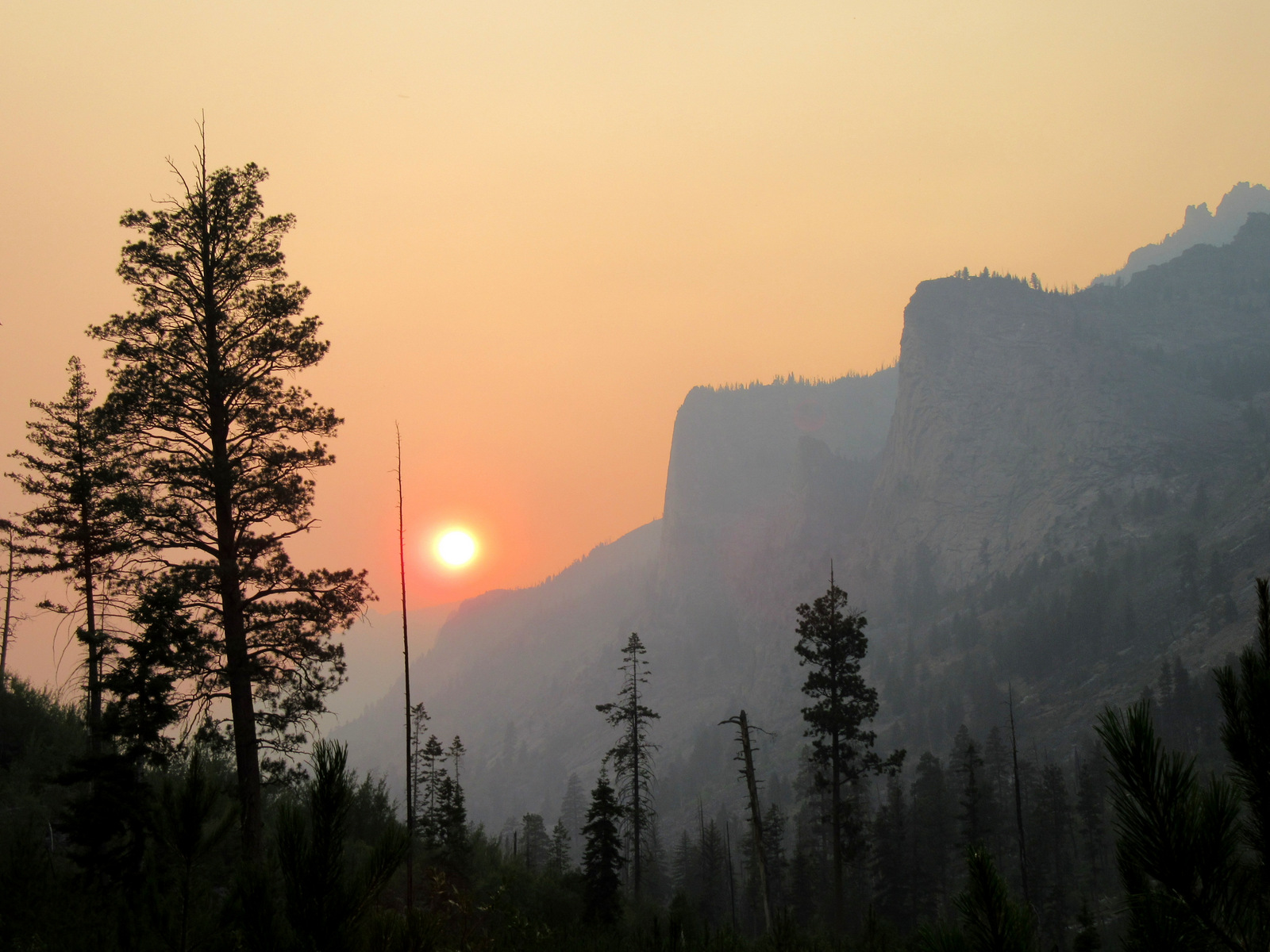
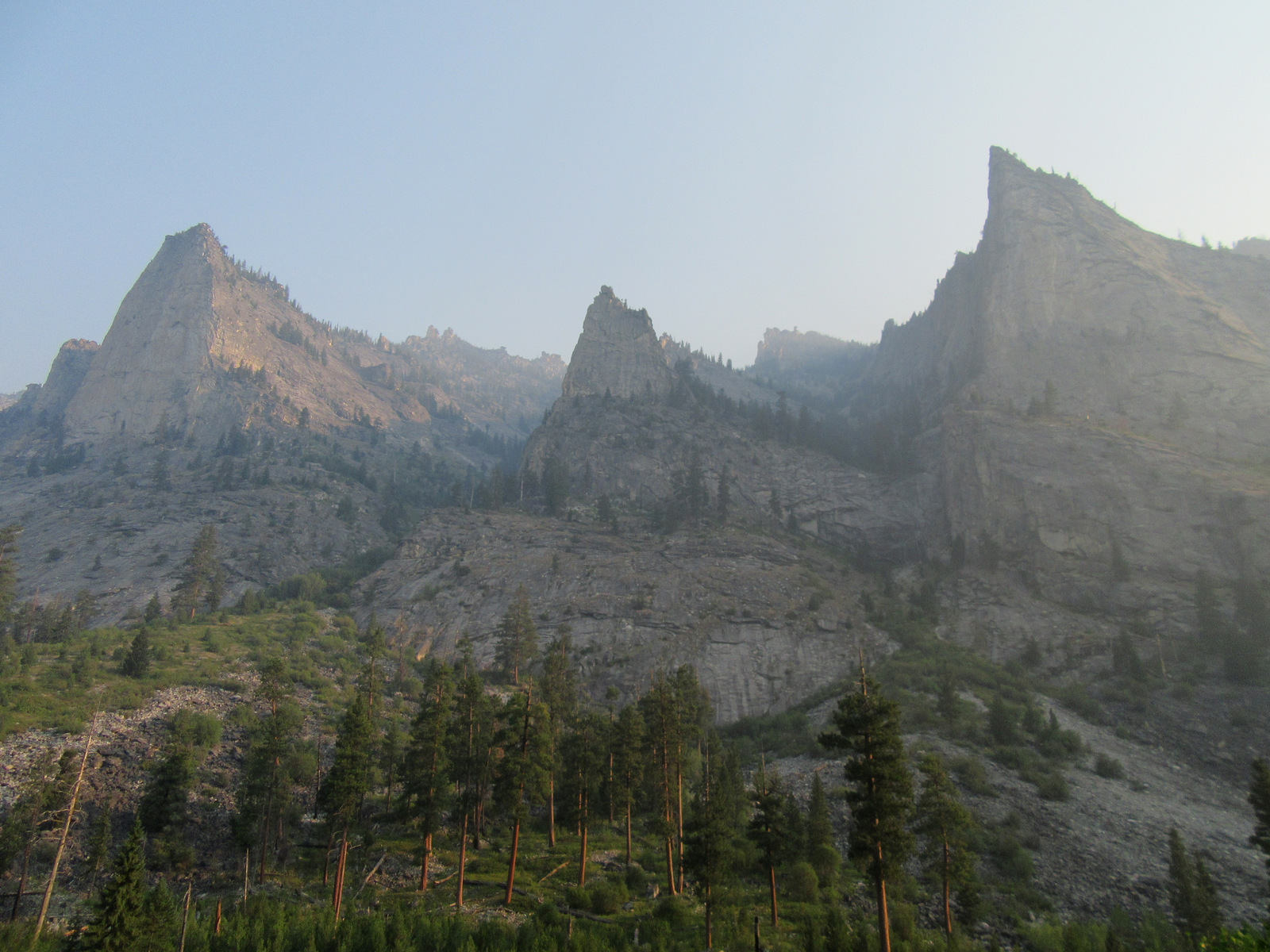
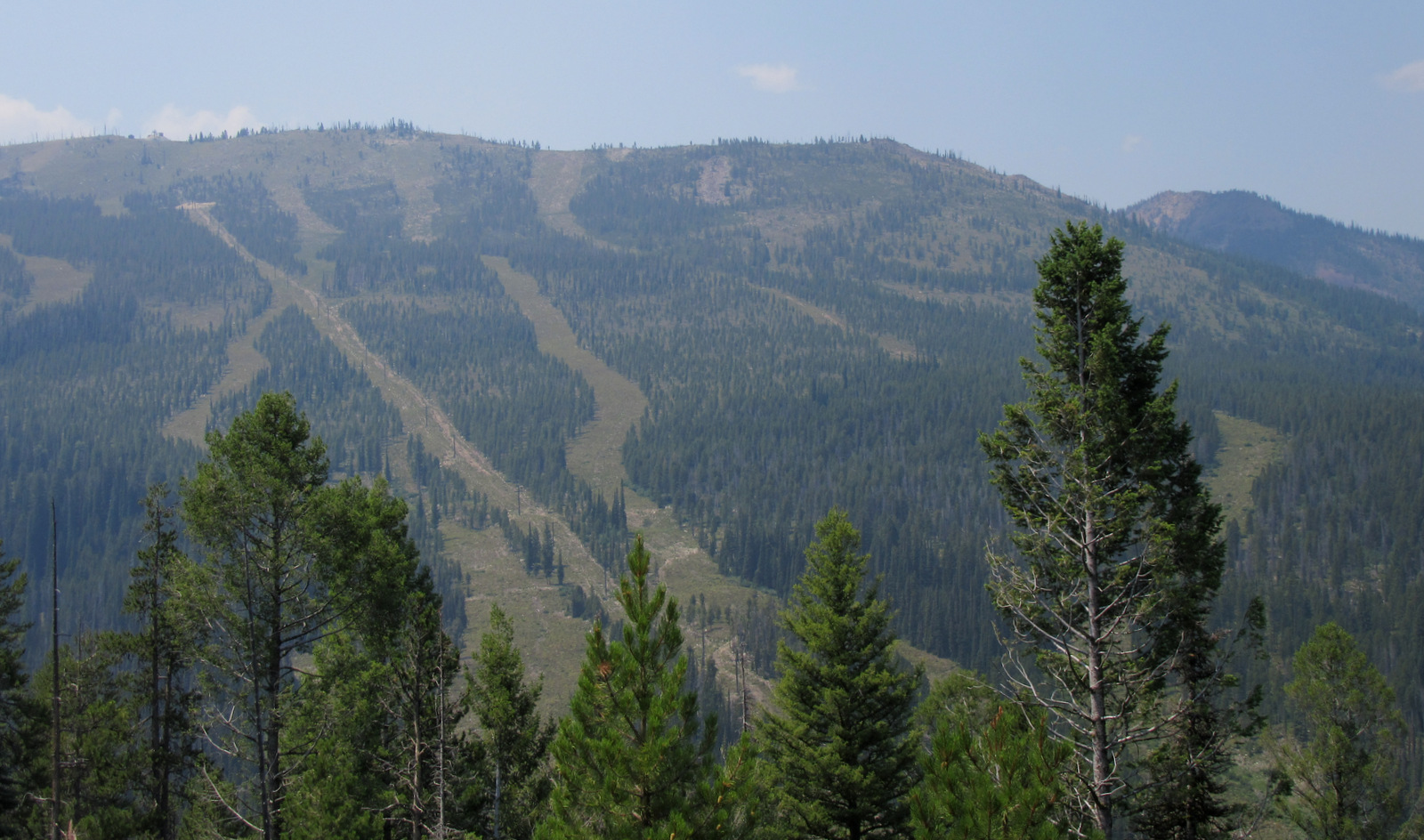
There are trails going west up seemingly every canyon in the Bitterroot Mountains, while Lost Horse Creek has a road that follows it nearly to the Idaho border.  Wildfire smoke obscured the views during our visit in July 2021, but the glacier-carved mountain scenery was still impressive on Blodgett Creek Trail.  We imagine on a clear day the views would rival California’s Yosemite Valley.  There are many more roads (and some trails) to explore in the Sapphire Mountains east of Highway 93.

Best Trail

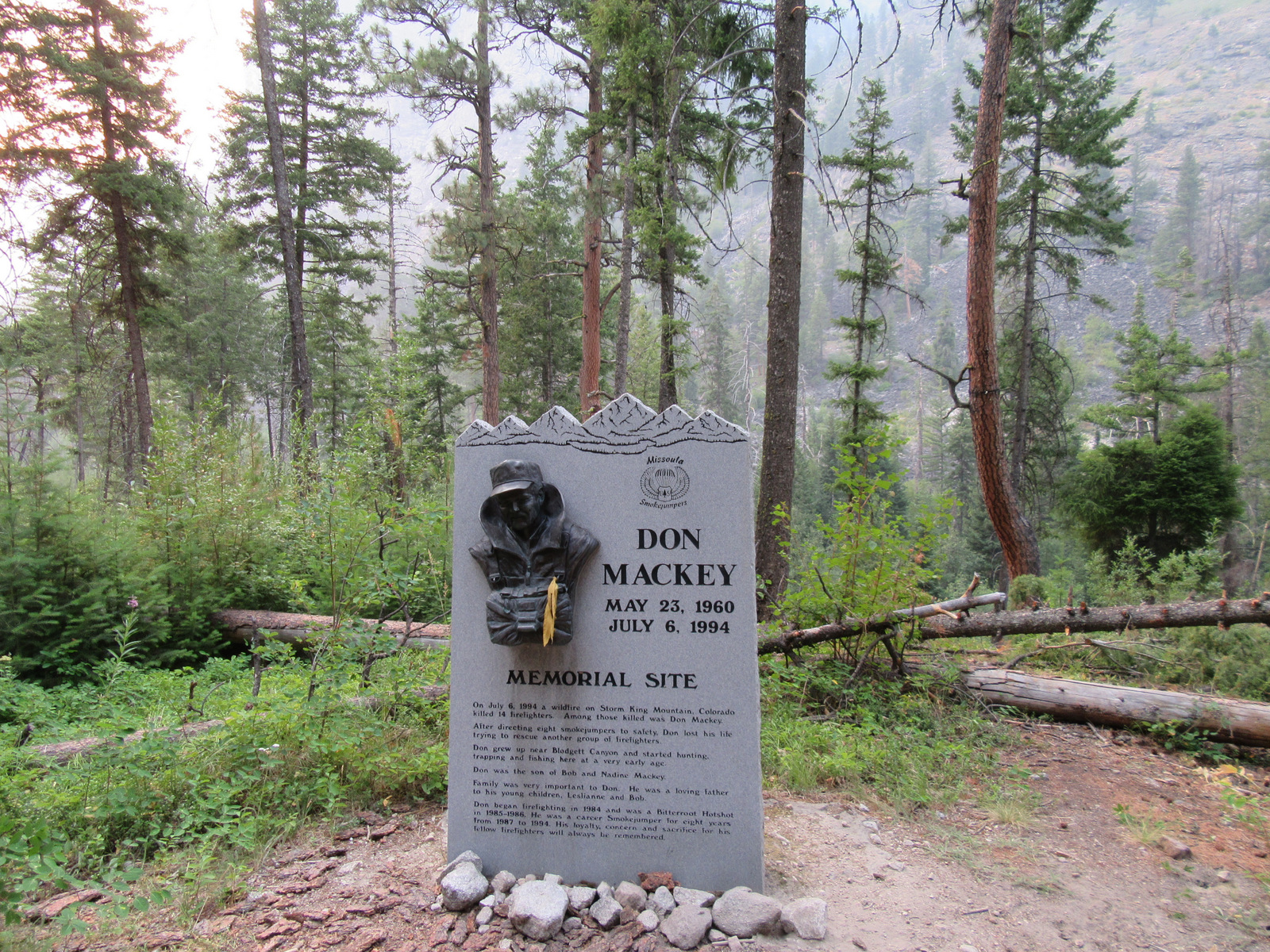
Blodgett Creek Trail leads 12.6 miles one-way to Blodgett Lake, but you do not have to go that far to appreciate its incredible beauty.  The trail climbs steadily as it follows the creek, passing the memorial to smokejumper Don Mackey on its way to two waterfalls: the first at 4.5 miles hidden in a slot canyon and the second a wide cascade only a half-mile further (for a cumulative elevation gain of 1,637 feet).  Leaving from a nearby trailhead, Blodgett Overlook Trail is a steep 2.8 miles out-and-back.  A similar trek with outstanding views, Bear Creek Overlook Trail climbs about 1,000 feet as it switchbacks 2.6 miles one-way.

Watchable Wildlife

On our backpacking trip into Blodgett Canyon we saw bats, many trout and a beaver dam in the creek, plus a variety of bird life, including a dipper (or ouzel) and a hairy woodpecker.  We also heard hermit thrushes and pikas calling in the rocky scree slopes.  The Bitterroot and Sapphire Mountains are home to elk, mule deer, white-tailed deer, bighorn sheep, mountain goats, and moose, as well as mountain lions, black bears, and grizzly bears (which were reintroduced starting in 2003).  Wildlife watchers should drive the U.S. Forest Service’s Sula Deer, Elk, and Bighorn Driving Tour.

Instagram-worthy Photo

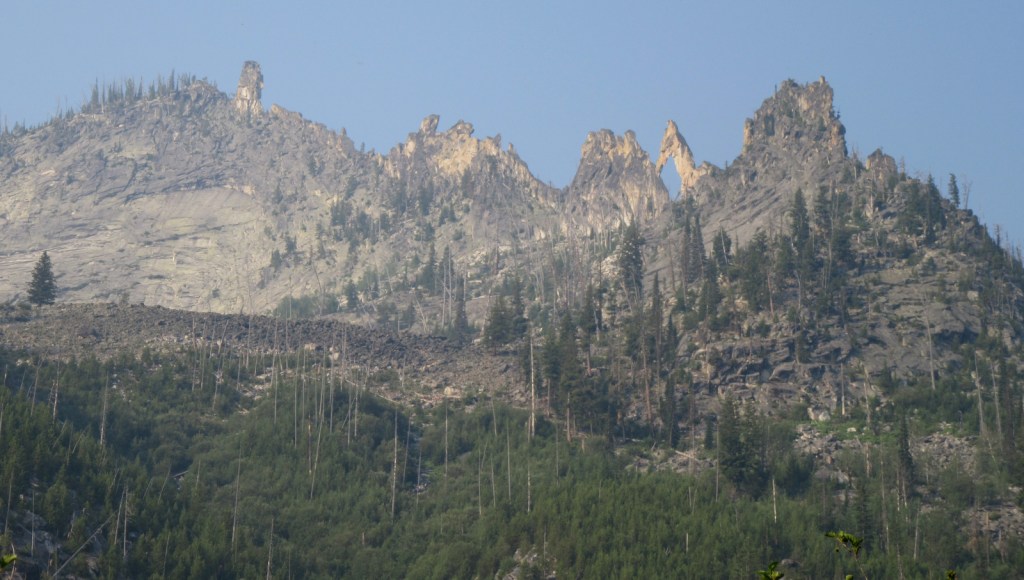
As you hike the Blodgett Creek Trail keep an eye on the ridgeline to the south for a massive natural arch that punches a hole in the skyline.

Peak Season

Summer

Fees

None

Road Conditions

The last three miles to Blodgett Trailhead were well-groomed dirt road and the route from Hamilton, Montana had signs at every turn.

Camping

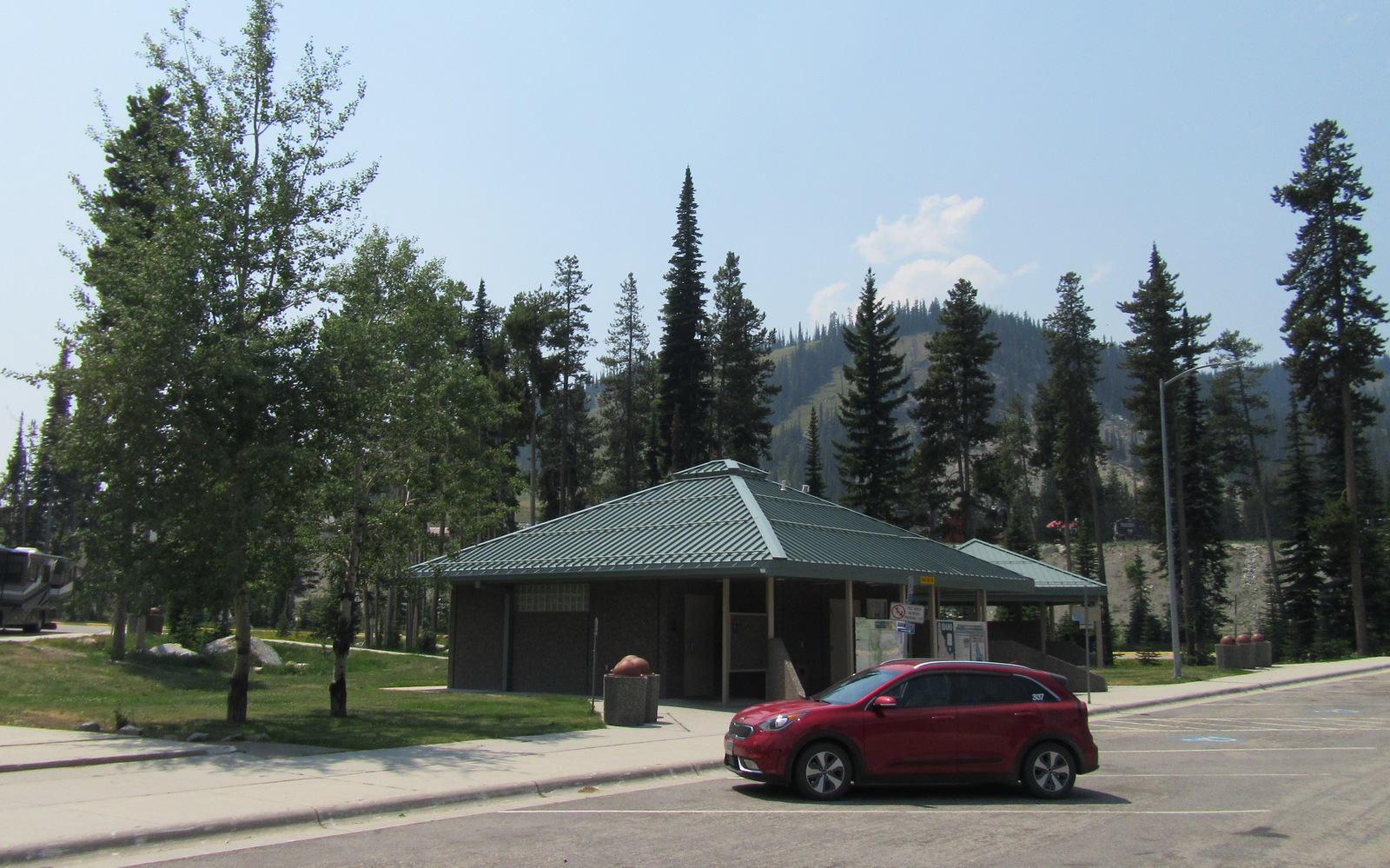
Located on a creek, Blodgett Campground (fee) seemed like a nice spot, though it was a bit noisy and smoky on a weekend in mid-July.  We also read that Deep Creek Campground is nice and is located near the ruins of a 1930s Civilian Conservation Corps camp.

Wilderness Areas

Anaconda-Pintler Wilderness (also in Beaverhead-Deerlodge National Forest)

Frank Church-River of No Return Wilderness (also in Payette, Salmon-Challis, Boise, and Nez Perce National Forests)

Selway-Bitterroot Wilderness (also in Nez Perce, Clearwater, and Lolo National Forests)

[Allan Mountain Roadless Area]

Related Sites

Beaverhead National Forest (Montana)

Big Hole National Battlefield (Montana)

Yellowstone National Park (Wyoming-Montana-Idaho)

Nearest National Park

Glacier (Montana)

Conifer Tree Species

ponderosa pine, whitebark pine, lodgepole pine, Douglas-fir, western redcedar, subalpine larch, Engelmann spruce, subalpine fir, grand fir, western yew

Flowering Tree Species

quaking aspen, black cottonwood, bog birch, Rocky Mountain maple, red alder, red-osier dogwood, sagebrush

Explore More – How tall is Trapper Peak, the highest point in Bitterroot National Forest?

Apache National Forest

Apache National Forest

Arizona, New Mexico

Managed by U.S. Forest Service, Southwestern Region

1,876,891 acres (1,813,601 federal/ 63,290 other)

Website: https://www.fs.usda.gov/main/asnf/home

Overview

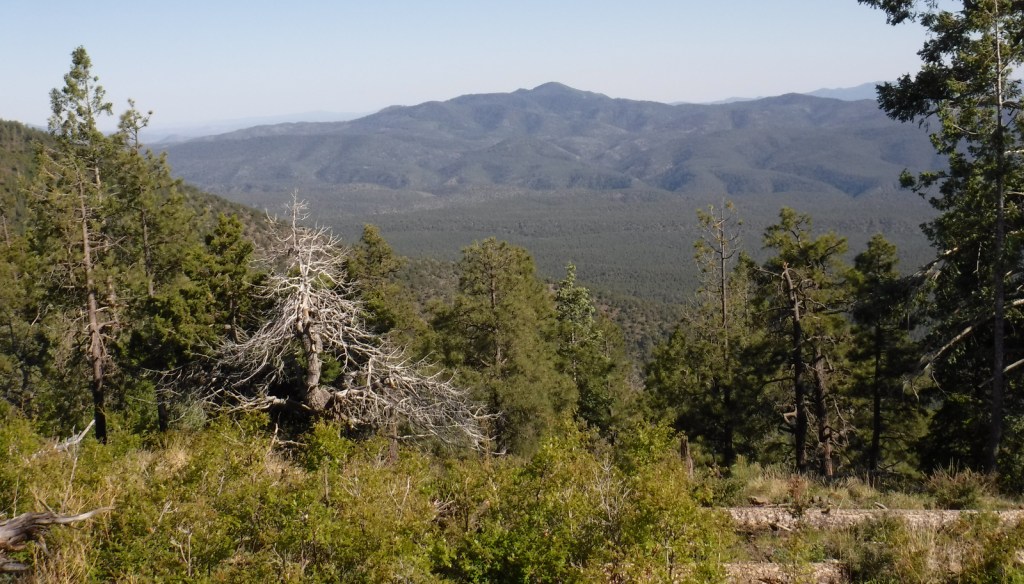
Growing up in Arizona, we only ever heard this referred to as Apache-Sitgreaves National Forest since it was merged in 1974.  The more eastern Apache National Forest section represents about 69% of the combined forests total acreage and partly spills into New Mexico.  On its west side it borders the Fort Apache and the San Carlos Indian Reservations, only containing one side of Mt. Baldy (which is famous for its ski resort).  The National Forest contains the eastern portions of the White Mountains and Mogollon Rim, a forested escarpment that cuts 200 miles across much of the state of Arizona.

Highlights

Coronado Trail Scenic Byway, Mt. Baldy, Butler Canyon, Escudilla National Recreation Trail, Hannagan Meadow, Chitty Canyon, Big Tree Trail, Eagle National Recreation Trail

Must-Do Activity

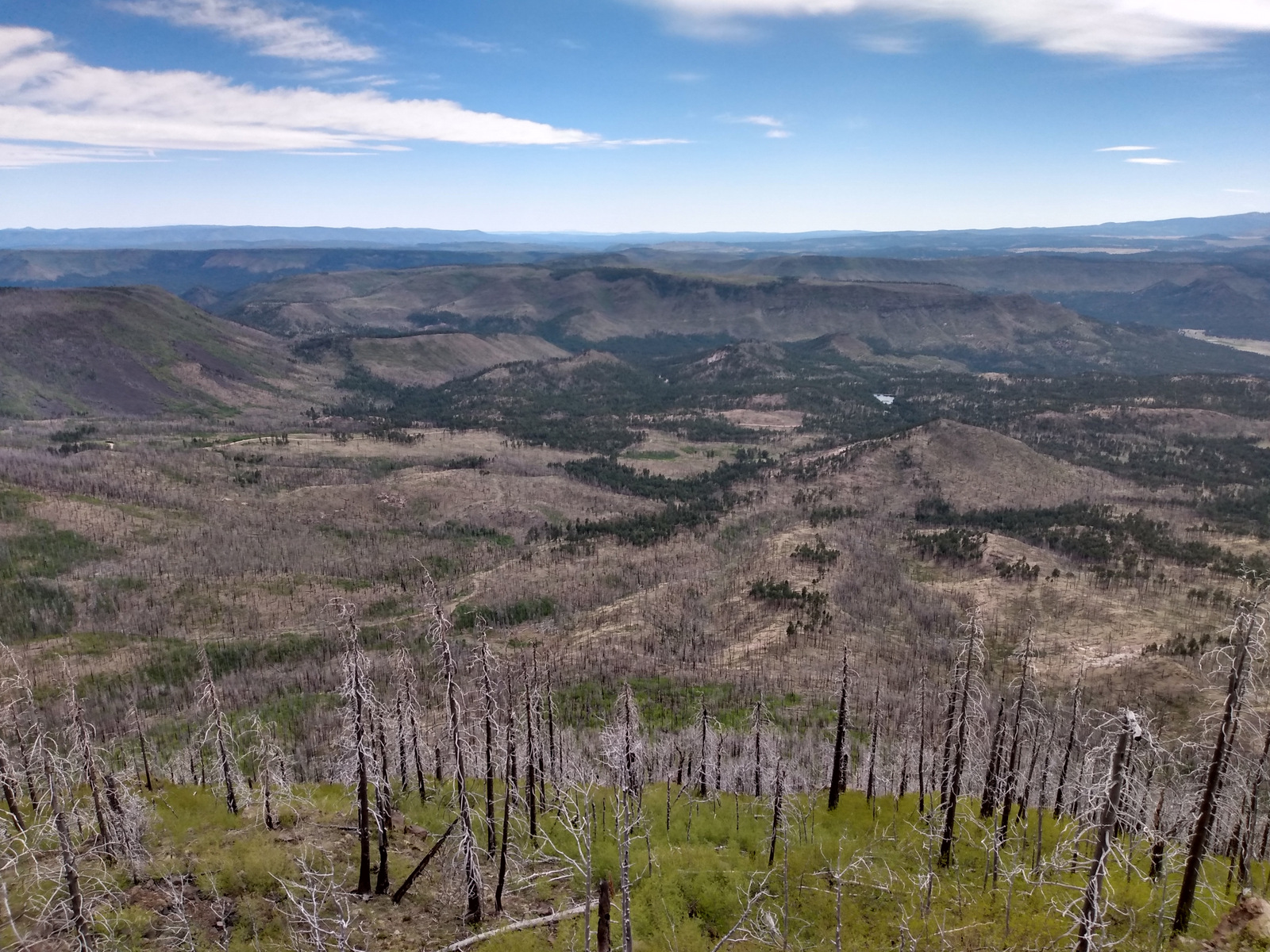
The Coronado Trail Scenic Byway (Highway 191) is a narrow, winding paved road that runs 120 miles north-south through Apache National Forest and is the best way to explore.  Near the northern end of the highway, a steep unpaved road leads east up to the trailhead for Escudilla National Recreation Trail.  A fire burned the 10,912-foot mountain that the trail summits and on our hike in May 2020 we counted 75 downed trees that we had to step over, both on the three miles in and the three miles out.  To the east, the remote Blue Range Primitive Area was created in 1933, but has yet to receive Wilderness designation.  About 18 miles south of Alpine make a stop at the historic Hannagan Meadow lodge, the only place to get gas along the route (or air if like us you have to put on your spare tire).  The highway continues south dropping down from the Mogollon Rim into a more desert-like environment.

Best Trail

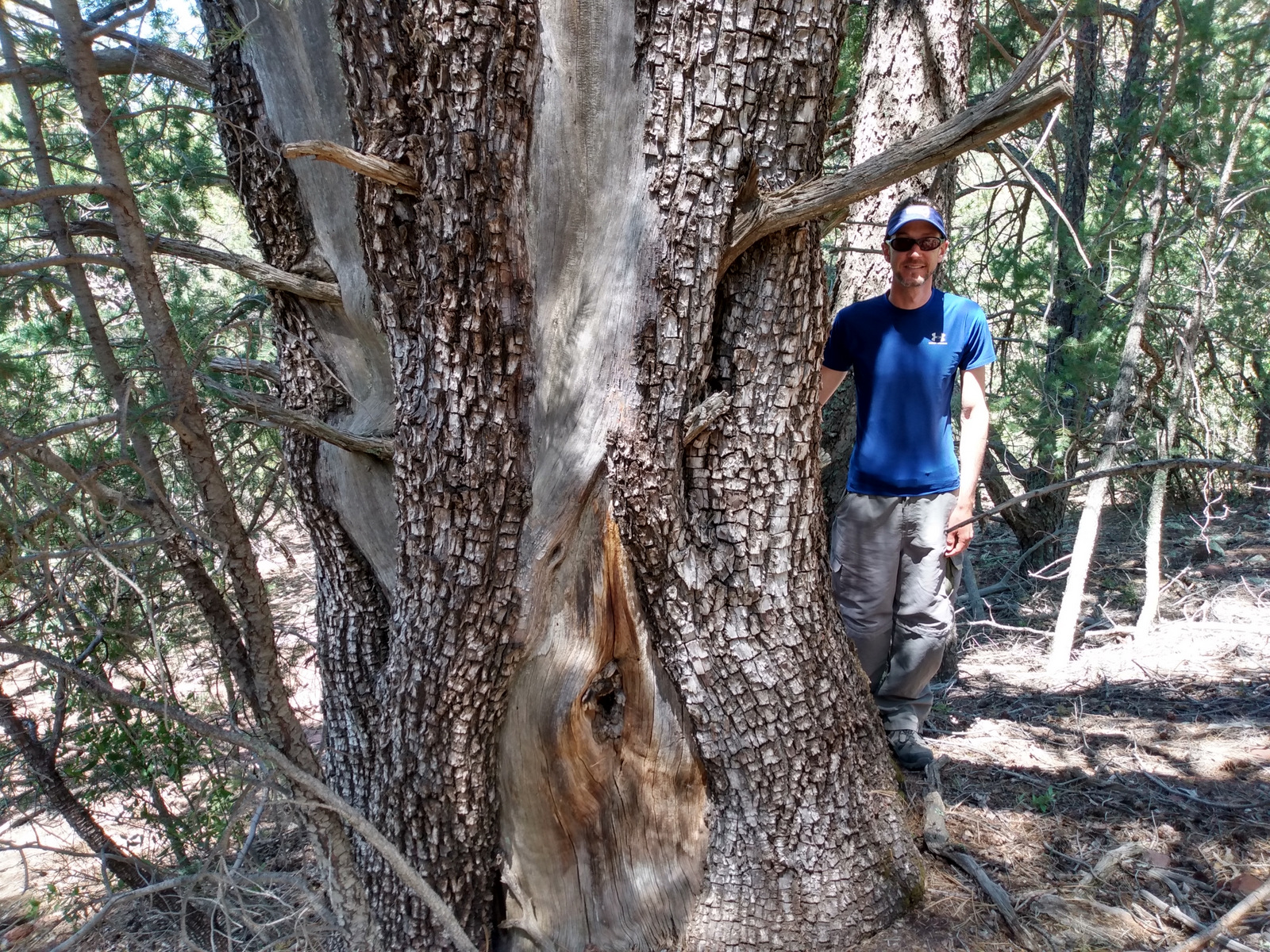
A short, but worthwhile hike descends west from Sardine Saddle near the southern end of the Coronado Trail Scenic Byway.  At the end of the 0.4-mile trail is the largest Arizona cypress tree growing in the United States (97 feet tall with a 181-inch trunk circumference).  There are also some big alligator juniper trees growing near the bottom of the canyon, and if you see their bark you will realize why they got their name.

Watchable Wildlife

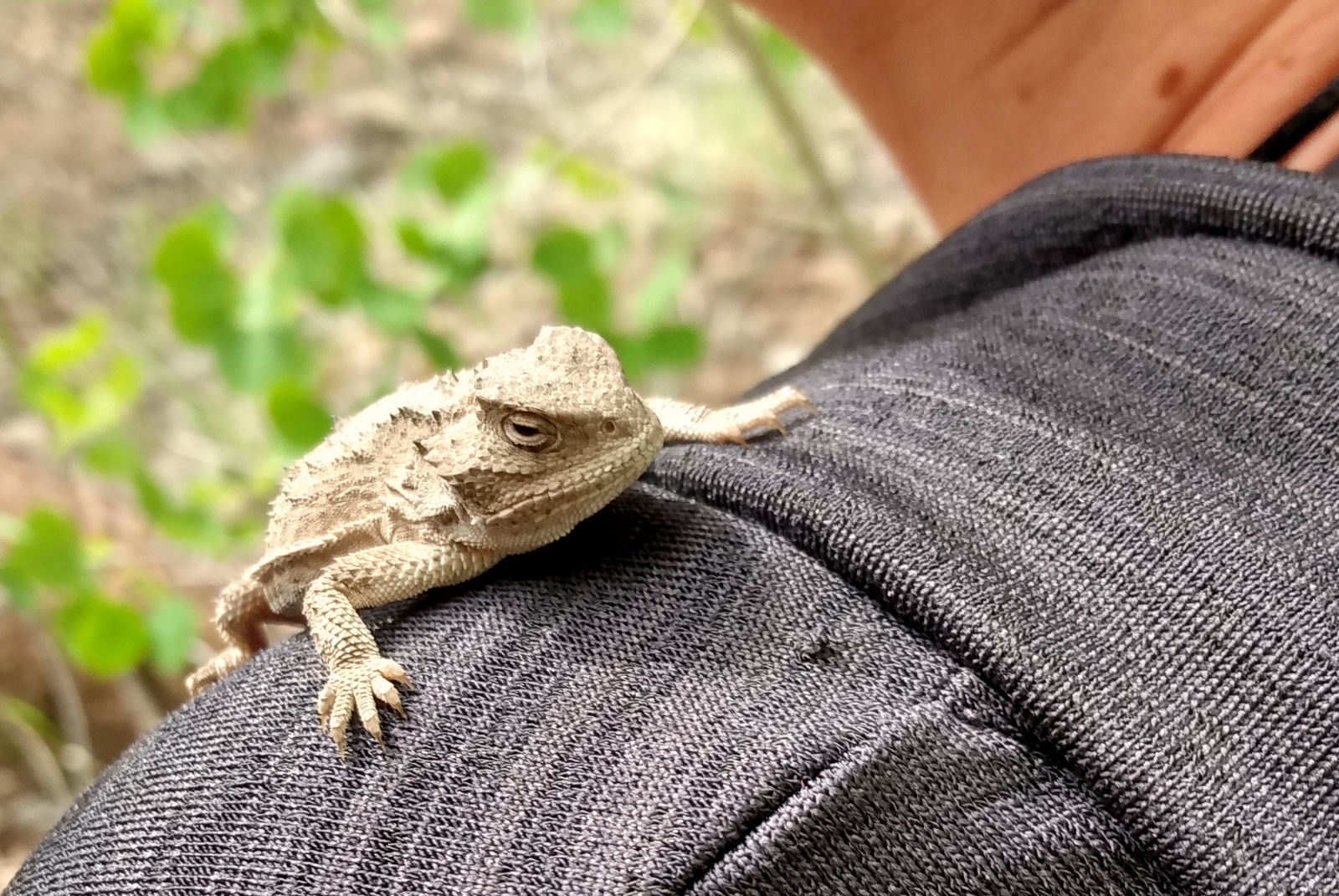
We were excited to find horned lizards (a.k.a. frogs or toads) along the Escudilla National Recreation Trail.  The cliffs of the Mogollon Rim provide good thermal updrafts so are a good place to looks for turkey vultures and a variety of raptors.  The ranges of mule deer and Coues whitetail deer overlap in this part of the country.  We saw turkeys on the road back to Rose Spring Trail (Forest Road 54).

Instagram-worthy Photo

There are great views from atop the Mogollon Rim at Blue Point Overlook on the Coronado Trail Scenic Byway.

Peak Season

Spring and fall

Fees

None

Road Conditions

Highway 191 is paved, but is a slow drive due to its many curves.  Many of the side roads are very rough and a high-clearance vehicle is recommended.  We got a flat tire on the rocky Forest Road 54.

Camping

There are several developed campgrounds, including one at Luna Lake and several along the East Fork of the Black River.  Dispersed camping options abound, including on the road to Escudilla National Recreation Trail and we found a nice campsite near the entrance to Forest Road 54.

Wilderness Areas

Bear Wallow Wilderness

Escudilla Wilderness

Mount Baldy Wilderness

[Blue Range Primitive Area]

Related Sites

Coronado National Memorial (Arizona)

Chiricahua National Monument (Arizona)

Fort Bowie National Historic Site (Arizona)

Nearest National Park

Petrified Forest (Arizona)

Conifer Tree Species

Arizona cypress, alligator juniper, pinyon pine, ponderosa pine, Chihuahua pine, Douglas-fir, white fir, Engelmann spruce

Flowering Tree Species

quaking aspen, Emory oak, Arizona white oak, turbinella oak, New Mexico locust, Rocky Mountain maple, pointleaf manzanita

Explore More – The Apache arrived in this area from the north in the 1300s and their name comes from a Zuni word translated as what?

We are a participant in the Amazon Services LLC Associates Program, an affiliate advertising program designed to provide a means for us to earn fees by linking to Amazon.com and affiliated sites.

Allegheny National Forest

Allegheny National Forest

Pennsylvania

Managed by U.S. Forest Service, Eastern Region

742,693 acres (513,175 federal/ 229,518 other)

Website: https://www.fs.usda.gov/allegheny

Overview

The only National Forest in Pennsylvania was created in 1923 utilizing the federal government’s ability to purchase land under the Weeks Act of 1911.  However, they could not afford the subsurface or mineral rights, which has created issues in this oil-producing area.  Before it became Allegheny National Forest, most of the hillsides were clearcut to feed the area’s wood chemical plants, allowing black cherry and early successional species to dominate the second growth forests.  The National Forest contains two Wild and Scenic Rivers: the Clarion River (51.7 miles) and Allegheny River (87 miles in three separate sections).

Highlights

Allegheny National Recreation Area, Hearts Content Scenic Area, Willow Bay Recreation Area, Old Powerhouse, Timberdoodle Flats Interpretive Trail, Minister Creek, Buzzard Swamp Hiking Area, Clarion Wild and Scenic River, Allegheny Wild and Scenic River, Buckaloons Recreation Area, Hall Barn Wildlife Viewing Area, North Country National Scenic Trail

Must-Do Activity

A good place to start exploring Allegheny National Forest is by driving the Longhouse Scenic Byway, a 36-mile loop, which includes views of the Allegheny Reservoir and Kinzua Dam, plus a side trip up to Jakes Rocks Overlook.  We drove in from the east and found the easy walks on the Timberdoodle Flats Wildlife Interpretive Trail to be a good introduction to this region.  This is one of the few places in Pennsylvania with old-growth forests, so be sure to stop at Hearts Content Scenic Area or Tionesta Scenic and Research Natural Areas. 

Best Trail

Huge eastern hemlock and eastern white pine trees up to 400 years old can be found in the 20-acre Hearts Content Scenic Area.  This National Natural Landmark has a picnic area constructed by the Civilian Conservation Corps (CCC) and is located across from a nice campground.  There are two short, flat loop trails located here, but you can also connect into 7.8 miles of cross-country skiing and snowshoeing routes.  Other popular hiking destinations include Rimrock Trail and a 10-mile section of the North Country National Scenic Trail within the Tracy Ridge Hiking Trail System (see our post on Allegheny National Recreation Area for more information).

Watchable Wildlife

As hard as it is to believe given their prevalence now, low populations of white-tailed deer in the 1920s allowed this new National Forest to grow back quickly.  Campers should exercise caution with their food and trash since black bears are in the area.  Turkeys, bald eagles, barred owls, Canada geese, black-capped chickadees, and pileated woodpeckers are common bird species.  Hall Barn Wildlife Viewing Area is known for its summer population of 1,000 roosting bats.  There is also evidence of beavers on the Timberdoodle Flats Wildlife Interpretive Trail.  Allegheny Reservoir has walleye, trout, bass, catfish, northern pike, and muskellunge, and small native brook trout can be found in the Farnsworth Stream and other creeks.  We recently learned that the PA Firefly Festival is held in Tionesta, Pennsylvania every June because of their population of synchronous fireflies (or lightning bugs).

Instagram-worthy Photo

Kinzua Dam was completed in 1965 and stands 179 feet tall and 1,897 feet in length.  Kinzua is a Seneca Indian word that translates as “place of many big fishes.”  Watch for fish that gather in eddies at the edges of the Allegheny Reservoir near the dam, but remember that fishing and feeding the fish is prohibited at this spot.

Peak Season

Summer

Fees

There is an entrance fee at both Willow Bay and Buckaloons Recreation Areas, but it is half price with an America the Beautiful pass.

Road Conditions

All roads are paved to Willow Bay Recreation Area and Hearts Content Scenic Area, which are popular with RV campers. 

Camping

Allegheny National Forest contains 15 campgrounds with more than 1,000 sites, and Willow Bay Recreation Area also has cabins for rent.  We enjoyed our stay at Heart’s Content Campground, but found Buckaloons Campground to be too crowded.  Allegheny Islands Wilderness has seven islands that can be used for boat-in dispersed camping.

Wilderness Areas

Allegheny Islands Wilderness

Hickory Creek Wilderness

Related Sites

Allegheny National Recreation Area (Pennsylvania)

Grey Towers National Historic Site (Pennsylvania)

Fort Necessity National Battlefield (Pennsylvania)

Nearest National Park

Cuyahoga Valley (Ohio)

Conifer Tree Species

eastern hemlock, eastern white pine

Flowering Tree Species

sugar maple, black maple, red maple, striped maple, silver maple, mountain maple, yellow birch, sweet birch, black walnut, bitternut hickory, shagbark hickory, sycamore, American beech, white ash, tulip-poplar, green ash, cucumber magnolia, quaking aspen, bigtooth aspen, black cherry, pin cherry, choke cherry, northern red oak, basswood, American elm, slippery elm

Explore More – Timberdoodle is a local nickname for which native bird species that nests in this forest?