Tag Archives: National Recreation Area

Chattahoochee National Forest

Chattahoochee National Forest

Georgia

Managed by U.S. Forest Service, Southern Region

1,516,006 acres (750,145 federal/ 765,861 other)

Website: https://www.fs.usda.gov/conf

Overview

In mountainous northern Georgia, Chattahoochee National Forest stretches 200 miles east to west, bordering North Carolina, South Carolina, and Tennessee.  In addition to the highest point in Georgia (4,784-foot Brasstown Bald), the National Forest includes the headwaters of the Chattahoochee River and one side of the Chattooga National Wild and Scenic River.  West of the North Georgia Mountains, the Ridge and Valley Scenic Byway traverses the disjunct portion of the National Forest encompassing Johns Mountain, Little Sand Mountain, and Taylor Ridge.

Highlights

Ed Jenkins National Recreation Area, Ridge and Valley Scenic Byway, Keown Falls, Russell-Brasstown Scenic Byway, Brasstown Bald, High Shoal Falls Scenic Area, Lake Conasauga Recreation Area, Anna Ruby Falls, Sosebee Cove Scenic Area, Timpson Falls, Popcorn Overlook, Track Rock Gap Petroglyph Site, DeSoto Falls Scenic Area, Angel Falls, Raven Cliff Trail, Helton Creek Falls Trail, Duncan Ridge National Recreation Trail, Appalachian National Scenic Trail

Must-Do Activity

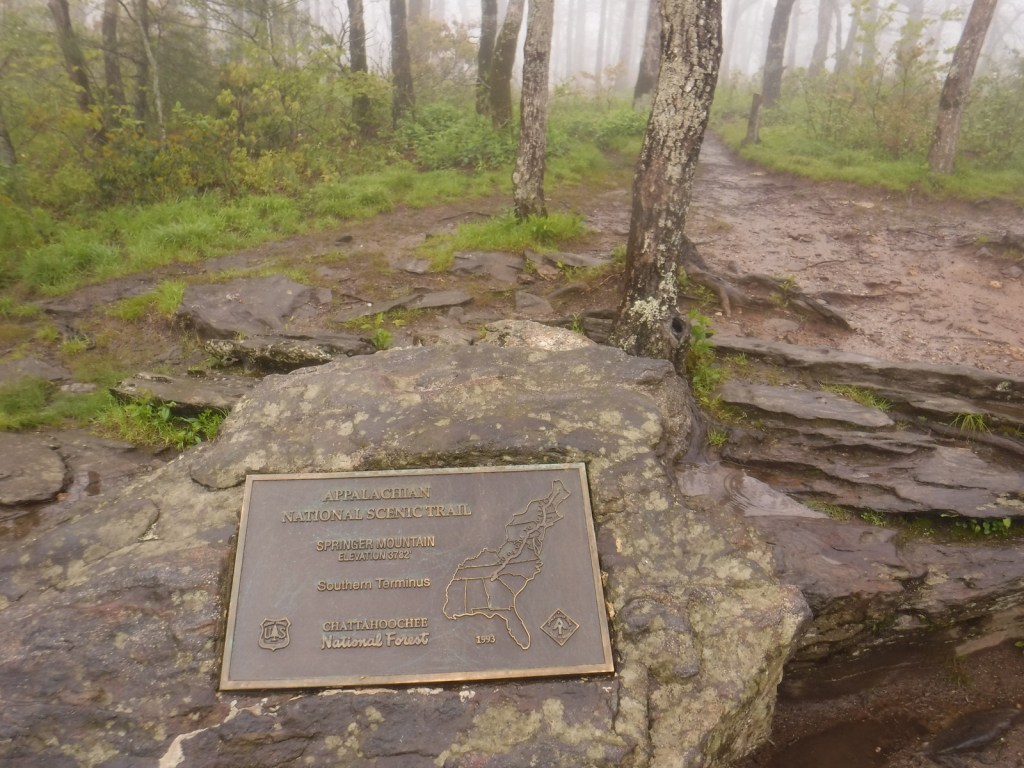
One of the National Forest’s most popular spots, 150-foot-tall Anna Ruby Falls is accessed by a short trail northeast of Helen, Georgia on State Route 356.  Large tulip-poplar and yellow buckeye trees grow in 175-acre Sosebee Cove Scenic Area, even though it is a second growth forest.  We will have a separate blog post on Ed Jenkins National Recreation Area, which surrounds Springer Mountain, the southern terminus of the 2,185-mile long Appalachian National Scenic Trail.

Best Trail

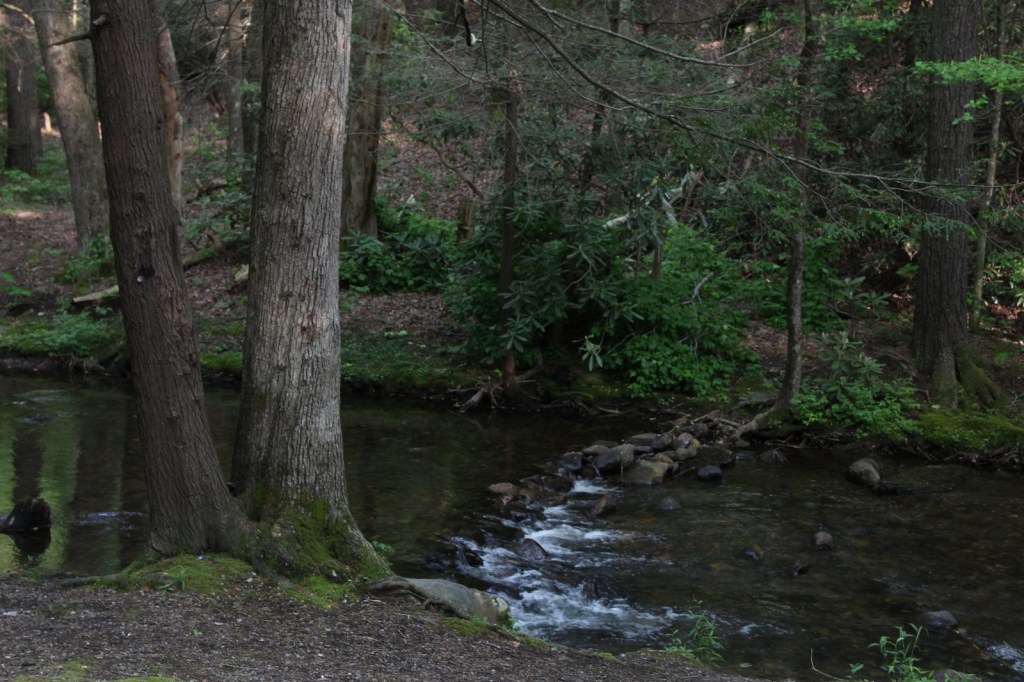
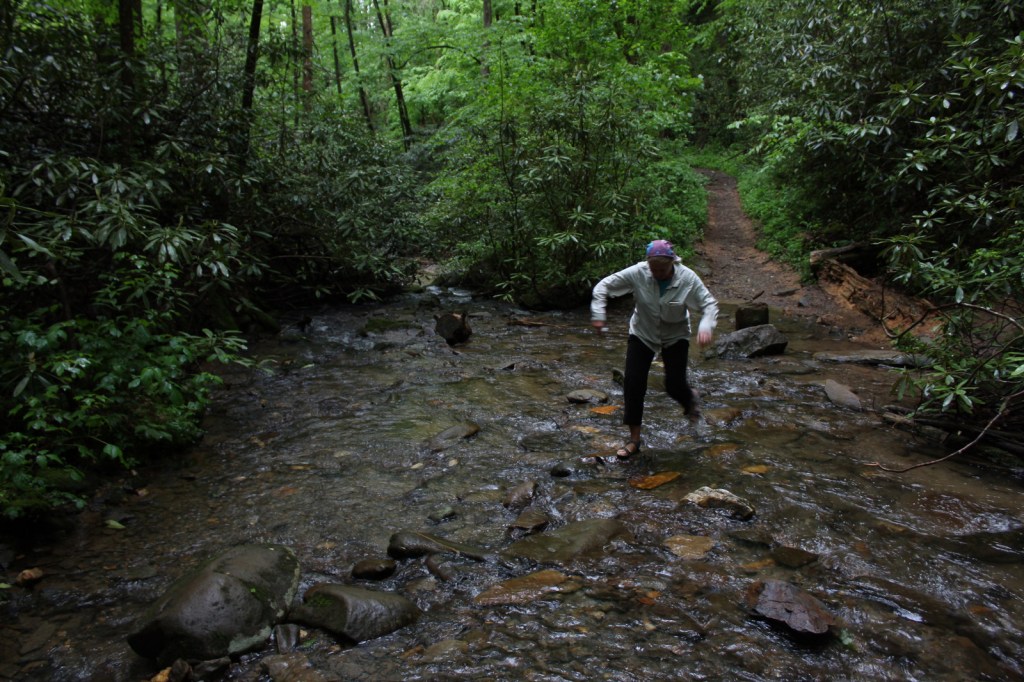
Chattahoochee National Forest started when the Forest Service purchased 31,000 acres from the Gennett family in 1911 for $7 per acre.  Visitors can still see their namesake Gennett Poplar (a tulip-poplar tree more than five feet in diameter) by hiking 1.8 miles out-and-back with two stream crossings on the Bear Creek Trail.  The rows of holes in the old tree’s trunk were made by yellow-bellied sapsuckers, a type of woodpecker.  The trail continues and connects with the Pinhoti Trail to form a 6.6 to 9-mile long loop.

Watchable Wildlife

In addition to the plentiful white-tailed deer, other large mammals found in Chattahoochee National Forest include black bears, coyotes, bobcats, red foxes, squirrels, beavers, and river otters.  There are a wide variety of songbirds, waterfowl, and raptors, as well as wild turkeys.  One insect species of note is the blue ghost firefly, which produces a distinctive blue phosphorescence.  Panther Creek is among the approximately 2,000 miles of rivers and streams popular for fishing.

Instagram-worthy Photo

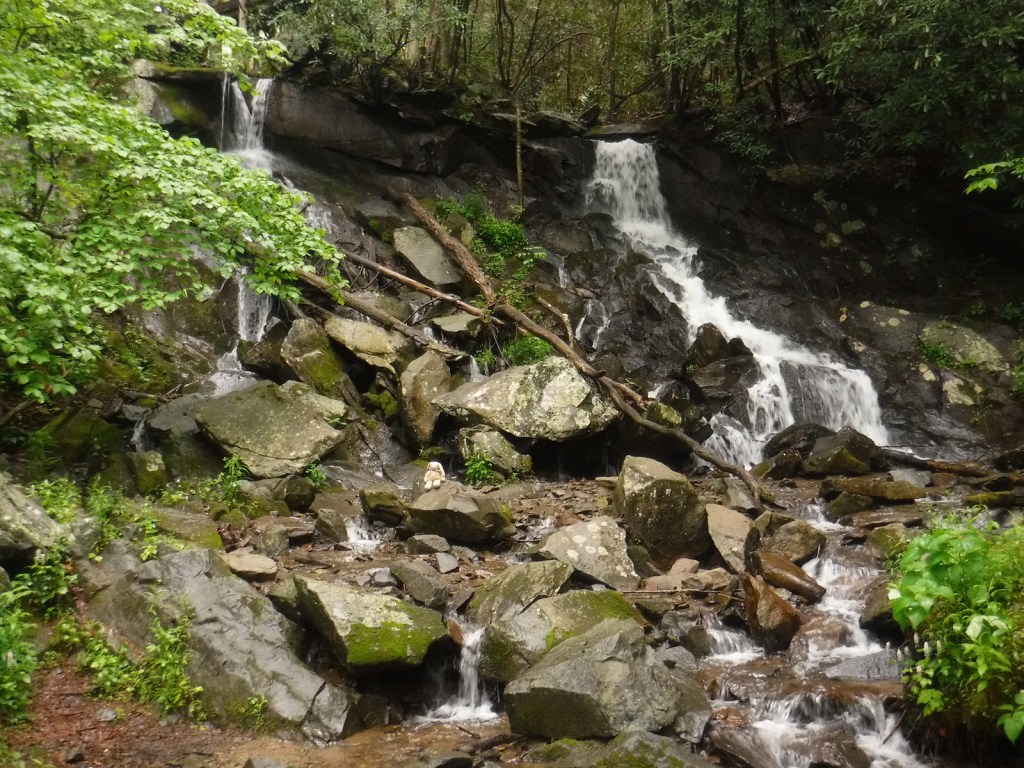
There is a small waterfall at Barnes Creek Picnic Area, which was built by the Civilian Conservation Corps (CCC) in the 1930s.
Peak Season

Summer

Fees

None

Road Conditions

Most of the major routes in Chattahoochee National Forest are paved.  Forest Service Road 42 that accesses the Springer Mountain Trailhead is unpaved and full of potholes, but it is doable in a passenger vehicle (as are the dirt roads to Hickey Gap Campground and Bear Creek Trail). 

Camping

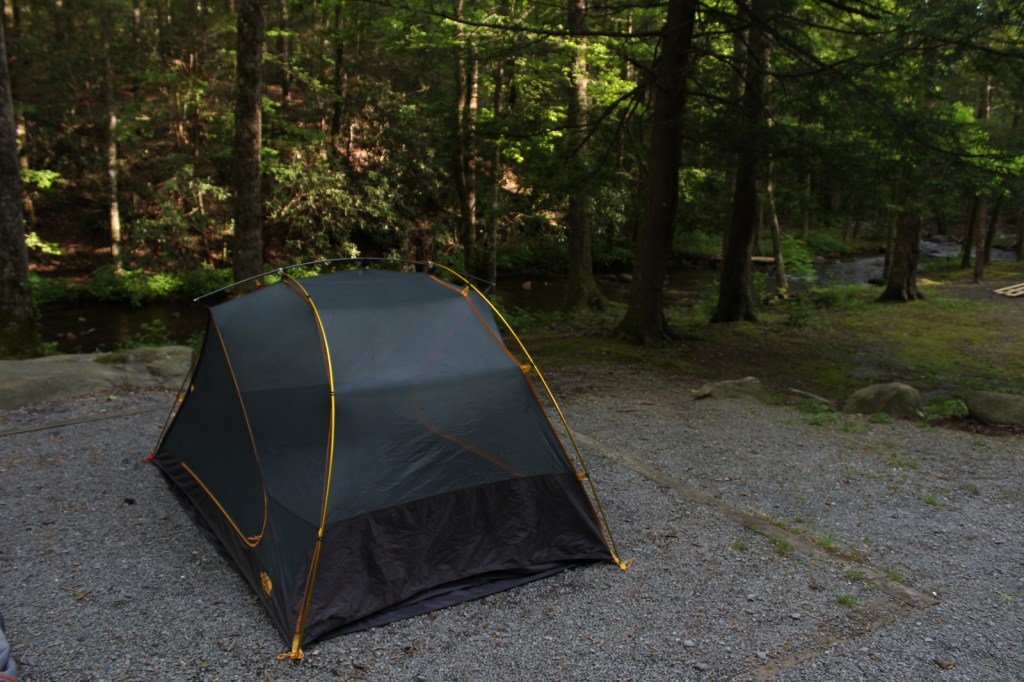
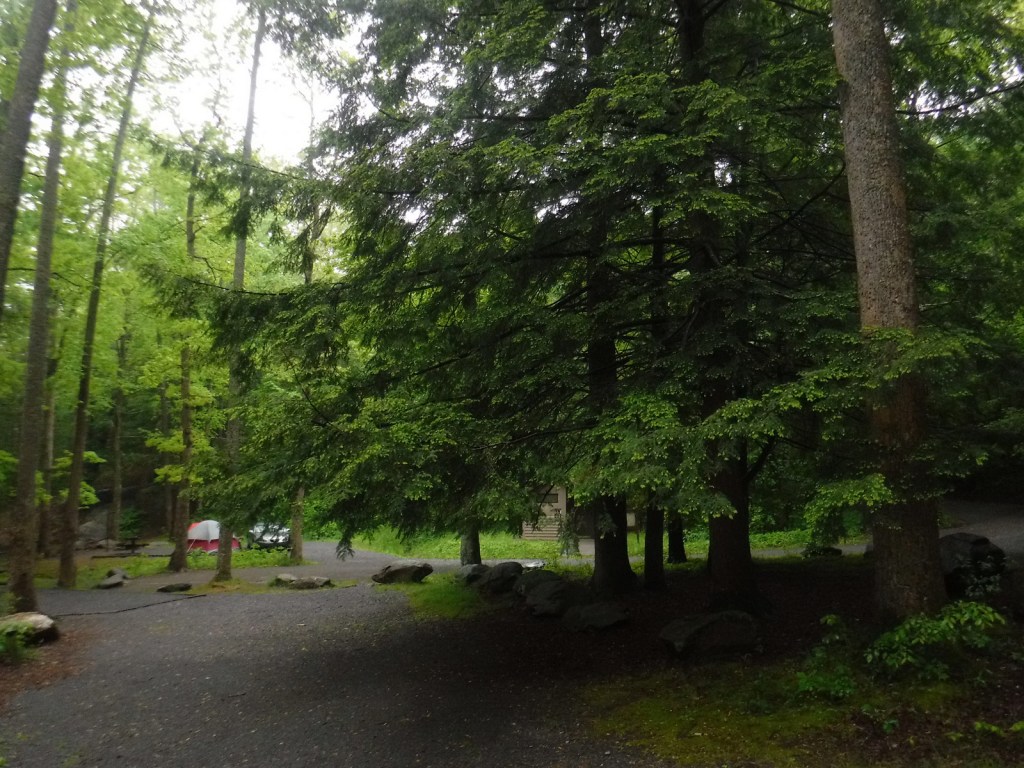
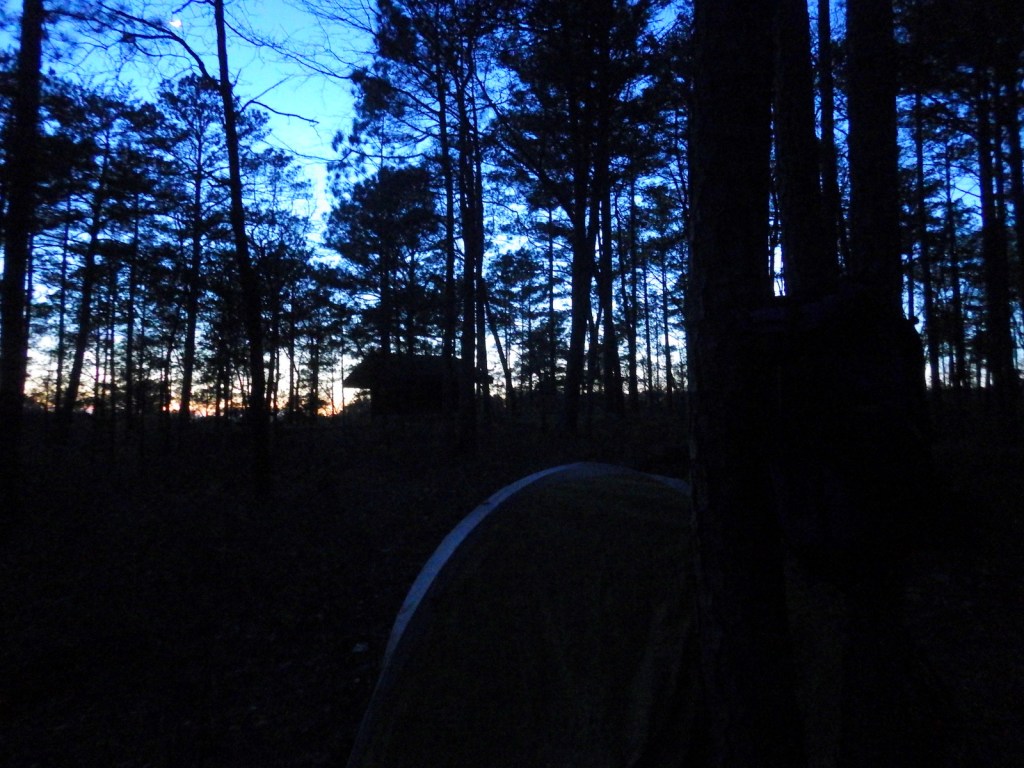
The riverside Hickey Gap Campground is so nice that it made it into our list of the Top 10 Campgrounds in National Forests; the best part is: it is free.  We once overnighted at the Locust Stake ORV Area Trailhead north of Atlanta, which was fine until someone decided to ride their motocross bike at 2 a.m.

Wilderness Areas

Big Frog Wilderness (also in Cherokee NF)

Blood Mountain Wilderness

Brasstown Wilderness

Cohutta Wilderness (also in Cherokee National Forest)

Ellicott Rock Wilderness (also in Nantahala and Sumter National Forests)

Mark Trail Wilderness

Raven Cliffs Wilderness

Rich Mountain Wilderness

Southern Nantahala Wilderness (also in Nantahala National Forest)

Tray Mountain Wilderness

Related Sites

Chattahoochee River National Recreation Area (Georgia)

Martin Luther King, Jr. National Historical Park (Georgia)

Ed Jenkins National Recreation Area (Georgia)

Nearest National Park

Great Smoky Mountains

Conifer Tree Species

eastern hemlock, loblolly pine, shortleaf pine, Table Mountain pine, pitch pine

Flowering Tree Species

flowering dogwood, mountain laurel, pawpaw, American beech, white basswood, red maple, mountain maple, moosewood maple, tulip-poplar, sweet buckeye, yellowwood, yellow birch, cucumber magnolia, black cherry, sourwood, pale hickory, mockernut hickory, rock chestnut oak, scarlet oak, black oak, Catawba rhododendron, yellow birch, sweet bay magnolia, mountain-ash, ninebark

Explore More – How many acres are within the Cohutta Wilderness, the largest designated Wilderness east of the Mississippi River?

Learn more about Chattahoochee and the 154 other National Forests in our new guidebook Out in the Woods

We are a participant in the Amazon Services LLC Associates Program, an affiliate advertising program designed to provide a means for us to earn fees by linking to Amazon.com and affiliated sites.

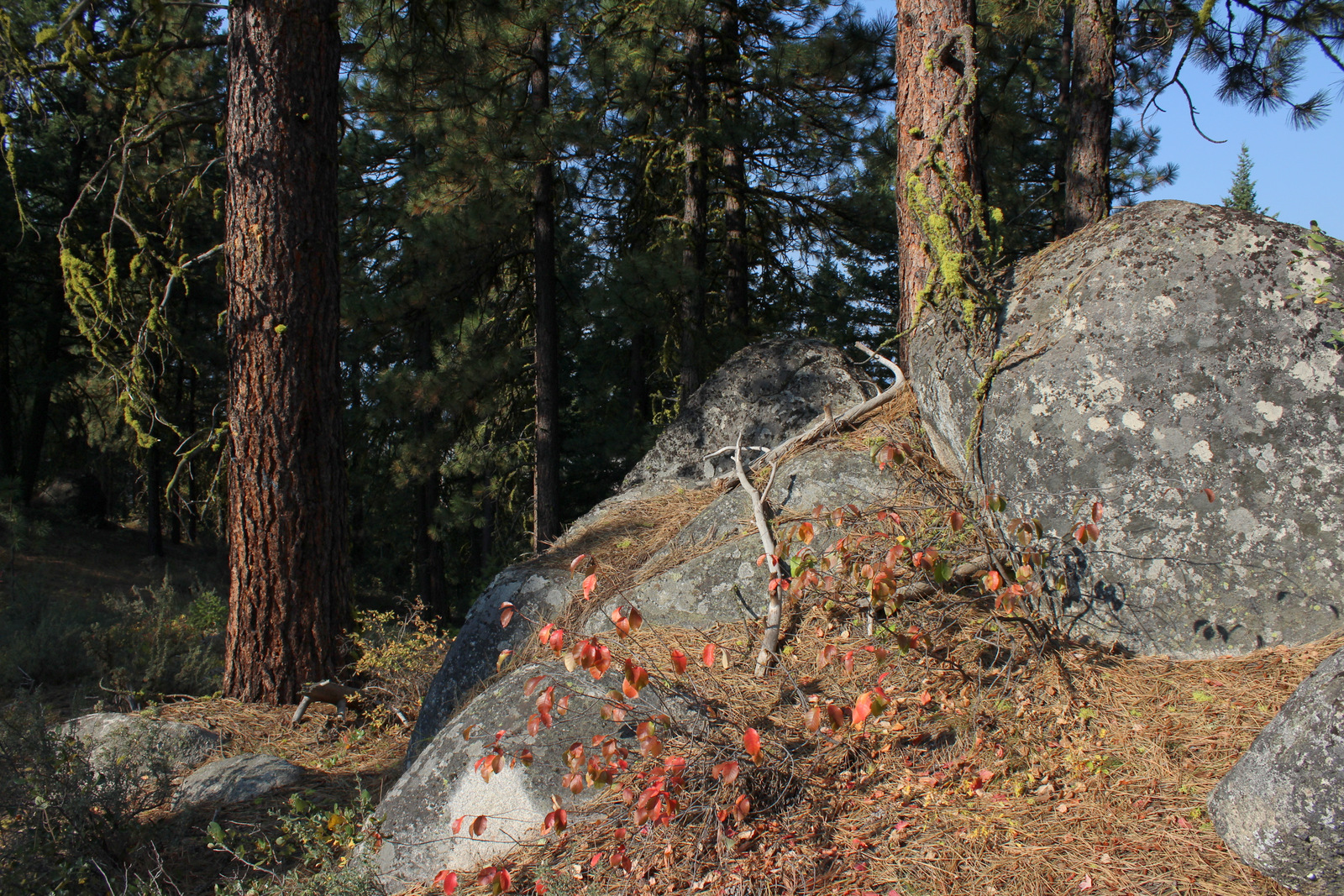
Boise National Forest

Boise National Forest

Idaho

Managed by U.S. Forest Service, Intermountain Region

2,959,305 acres (2,654,004 federal/ 305,301 other)

Website: https://www.fs.usda.gov/boise

Overview

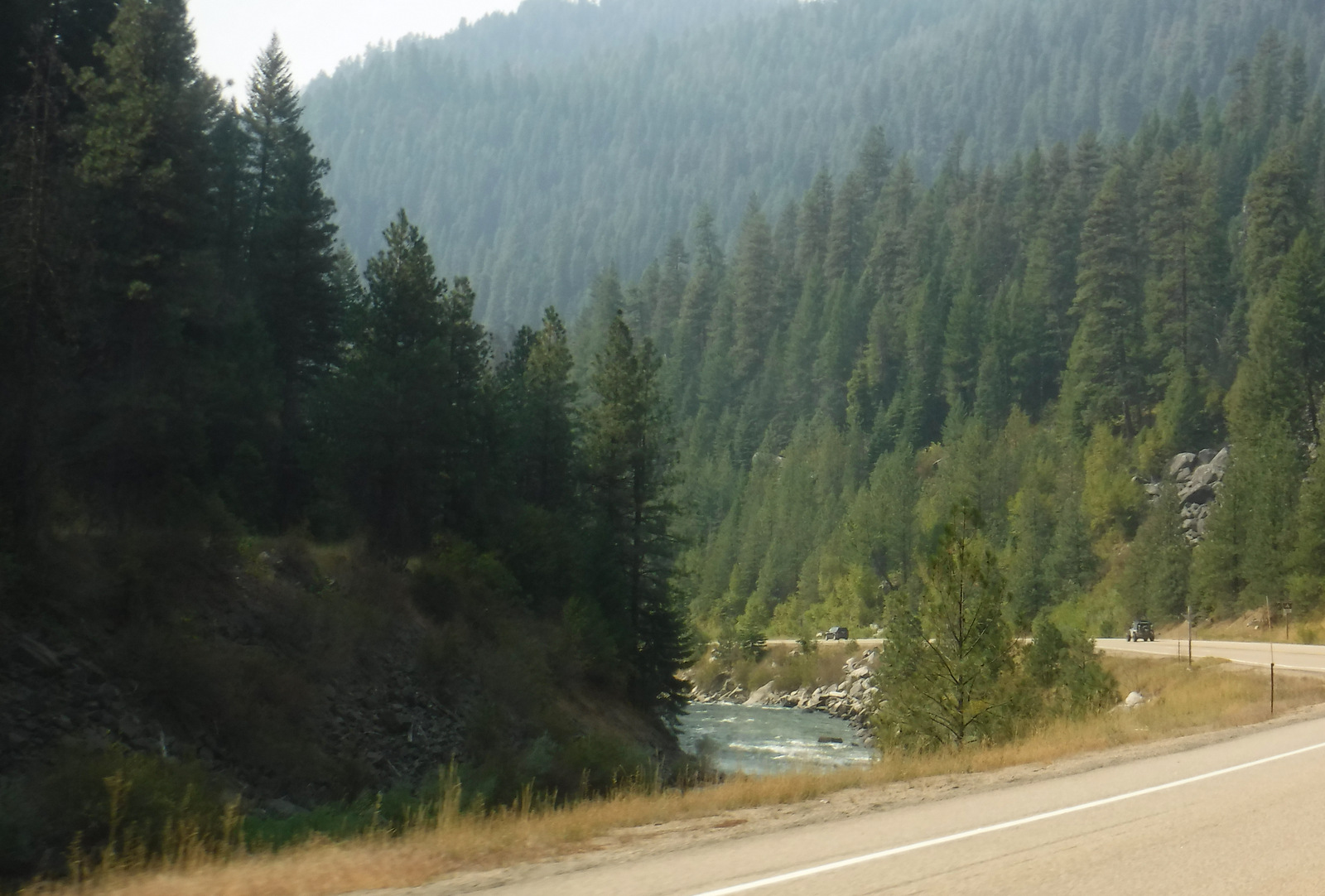
Boise National Forest is famous for its gold rush ghost towns and hot springs along the South Fork of the Payette River.  The best way to explore this National Forest is by stopping along three scenic byways: Ponderosa Pine (Highway 21), Wildlife Canyon (Highway 24), and Payette River (Highway 55) Scenic Byways.  Ghost towns dating back to the 1860s include Atlanta, Banner, Brummer, Graham, Pioneerville, Quartzburg, Thunder, and the more-developed Idaho City.

Highlights

Sawtooth National Recreation Area, Payette River Scenic Byway, Big Falls, Ponderosa Pine Scenic Byway, Kirkham Hot Springs, Sage Hen Reservoir, Dagger Falls, Atlanta ghost town, Trinity Recreation Area, Ardeth Lake, Velvet Falls, Baron Lakes, Kirkham Ridge Trail, Idaho Centennial Trail

Must-Do Activity

Starting in Boise, Idaho, the Ponderosa Pine Scenic Byway (Highway 21) leads 131 miles northeast through Boise National Forest.  Be sure to stop (and try some delicious huckleberry ice cream) in Idaho City, where wooden board sidewalks and unpaved streets take you back to the gold rush era.  Ponderosa Pine Scenic Byway continues to Lowman where it follows the South Fork of the Payette River past the campgrounds at Kirkham and Bonneville Hot Springs (reservations recommended) and up to 7,056-foot Banner Summit at the boundary with Challis National Forest.

Best Trail

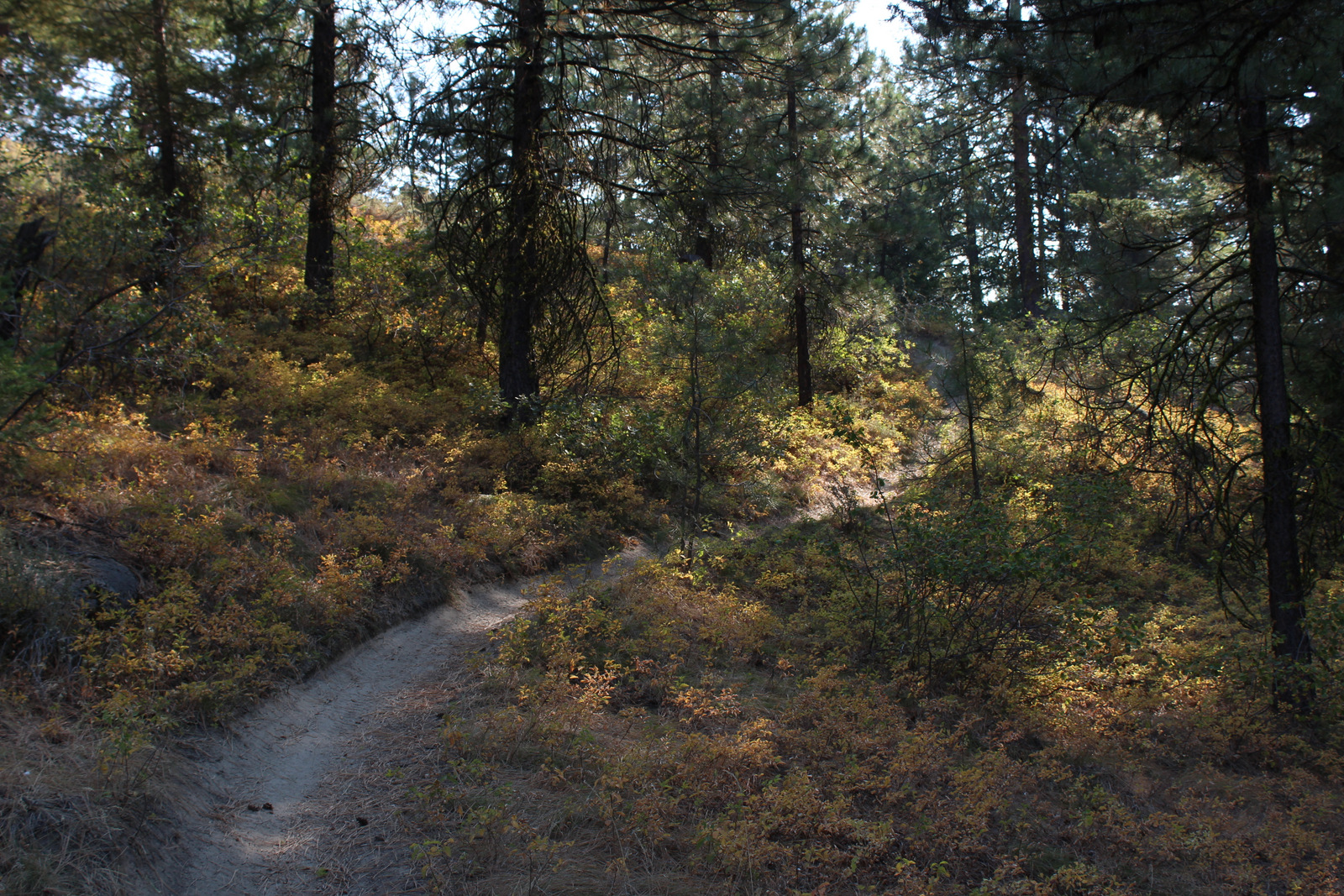
Located just three miles east of Highway 55 and Lake Cascade along paved Warm Creek Road is the Eagle Nest Trail.  Look for the parking pullout on the south side of the road across from the big rock that marks the entrance to the Eagle Nest neighborhood.  After crossing the road, the Eagle Nest Trail steadily climbs (from 4,850 to 6,050 feet in the first 2.5 miles) and occasionally opens up for views of the mountains above Cascade Lake.  Located further south, Fool Creek Trail drops 2,728 feet in 4.1 miles to the Middle Fork of the Payette River.

Watchable Wildlife

On a smoky September morning on the Eagle Nest Trail, we saw fresh turkey and mule deer prints in the dirt.  Other common large animals include elk, moose, pronghorns, coyotes, and black bears.  At higher elevations watch for mountain goats, pikas, and yellow-bellied marmots.  In addition to several trout species, chinook and sockeye salmon migrate up the Columbia and Snake Rivers.  Non-migratory Kokanee salmon are native to Warm Lake, plus introduced into Anderson Ranch, Arrowrock, Lucky Peak, and Deadwood Reservoirs.  

Instagram-worthy Photo

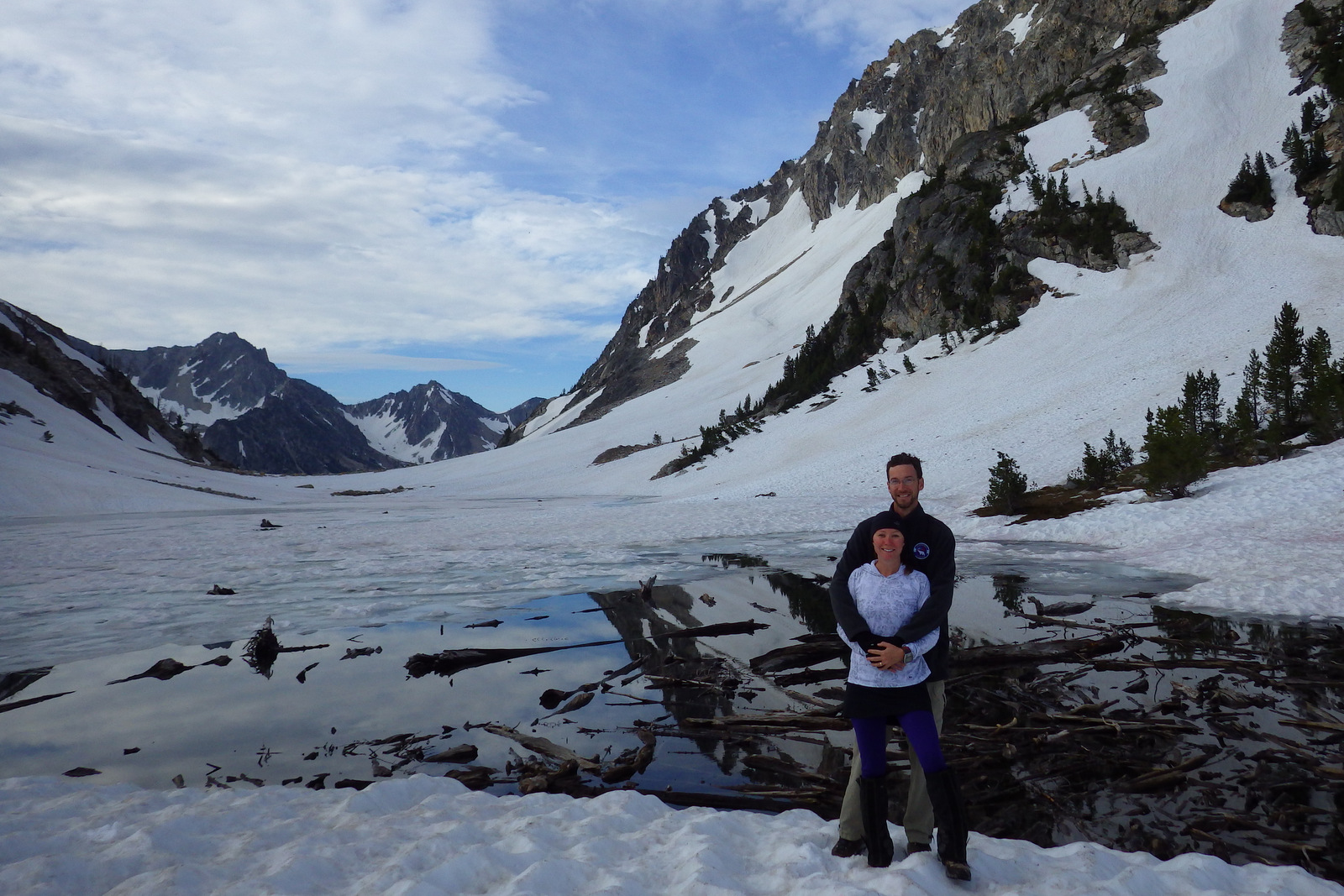
In Sawtooth National Recreation Area, 10,190-foot Mt. Regan stands at the south end of Sawtooth Lake marking the boundary between Challis and Boise National Forests.

Peak Season

Summer

Fees

There is a day-use fee at parking areas near hot springs

Road Conditions

Ponderosa Pine Scenic Byway is winding and full of switchbacks, so take your time.  Warm Creek Road is paved to the roadside trailhead for Eagle Nest.  The Grandjean Road back to the campground is unpaved, but open year round.

Camping

Most of the campgrounds along Highway 21 take reservations due to their popularity.  We have read good things about the 31 sites in the Grandjean Campground (first-come, first-served) on the South Fork of the Payette River (hot springs are 1.5 miles away) near the western boundary of the Sawtooth Wilderness.

Wilderness Areas

Frank Church-River of No Return Wilderness (also in Payette, Salmon-Challis, Bitterroot, and Nez Perce National Forests)

Sawtooth Wilderness (also in Sawtooth and Challis National Forests)

Related Sites

Sawtooth National Recreation Area (Idaho)

Hagerman Fossil Beds National Monument (Idaho)

Nez Perce National Historical Park (Idaho-Oregon-Washington-Montana)

Nearest National Park

Yellowstone (Wyoming-Montana-Idaho)

Conifer Tree Species

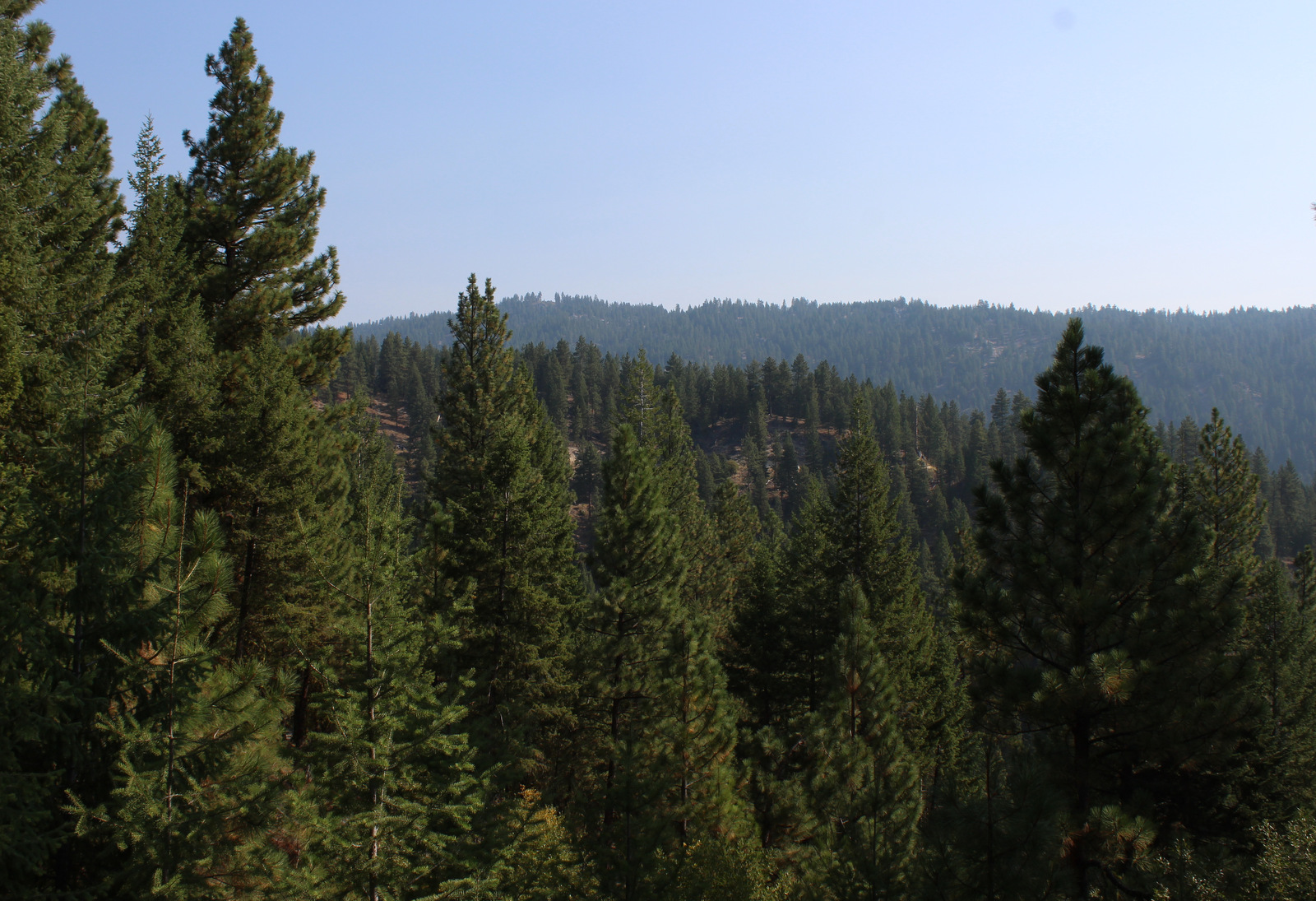
ponderosa pine, lodgepole pine, whitebark pine, Douglas-fir, Engelmann spruce, subalpine fir, western larch

Flowering Tree Species

quaking aspen, black cottonwood, narrowleaf cottonwood, thinleaf alder, water birch, Rocky Mountain maple, chokecherry, sagebrush

Explore More – Boise National Forest is full of water with 15,400 acres covered by lakes and reservoirs, plus how many miles of streams and rivers?

Flaming Gorge National Recreation Area

Flaming Gorge National Recreation Area

Wyoming, Utah

Managed by U.S. Forest Service, Ashley National Forest

207,363 acres

Website: https://www.fs.usda.gov/attmain/ashley/specialplaces

Overview

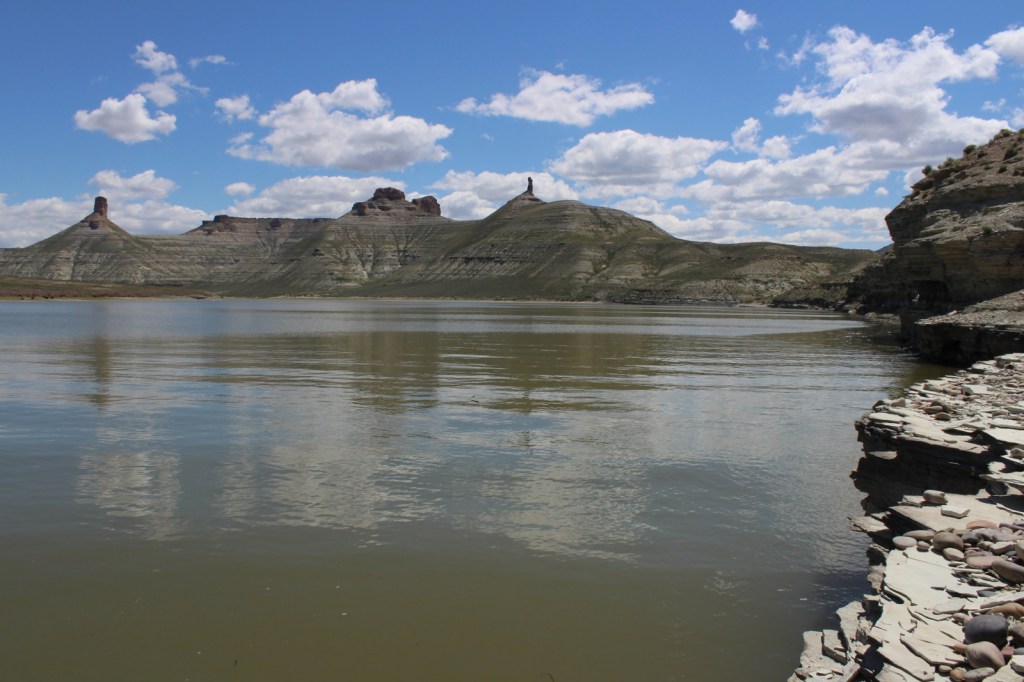
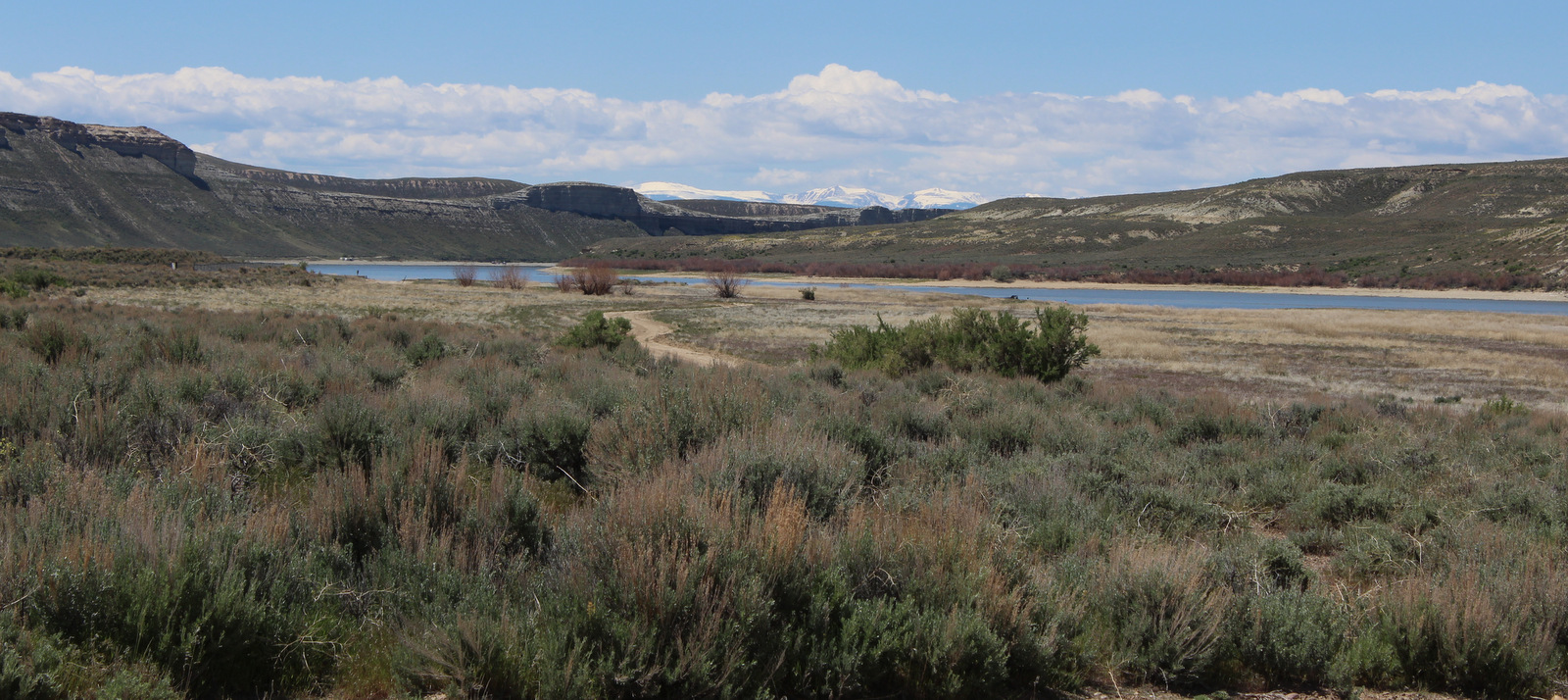
Flaming Gorge National Recreation Area surrounds the Flaming Gorge Reservoir that straddles the Wyoming-Utah border in the northern portion of Ashley National Forest.  The partially-submerged canyon was named by John Wesley Powell who in 1869 started his expedition down the Colorado River near the headwaters of the Green River.  The reservoir has 360 miles of shoreline, five full-service marinas, and numerous boat launches and campgrounds.

Highlights

Sheep Creek National Geological Area, Flaming Gorge-Uinta Scenic Byway, Cart Creek Bridge, Flaming Gorge Dam, Red Canyon Recreation Complex, Green River, Firehole Canyon

Must-Do Activity

The top activities in Flaming Gorge National Recreation Area are boating and fishing, as the reservoir is known for its large population lake trout, as well as kokanee salmon, rainbow trout, brown trout, smallmouth bass, channel catfish, and burbot.  Ice fishing is available in the winter, as are trails for snowmobiling and cross-country skiing.  Southwest of the reservoir, Sheep Creek National Geological Area offers a scenic drive through nine rock formations with interpretive signs.  Downstream from the dam, the Green River is a rafting destination.

Best Trail

Little Hole National Recreation Trail runs 7.2 miles along the Green River from the Flaming Gorge Spillway to the Little Hole boat ramp.  Canyon Rim Trail starts at the Red Canyon Overlook and follows the canyon rim for 1.5 miles before cutting three miles towards the Greendale Overlook.

Instagram-worthy Photo

The Flaming Gorge Dam stands 502 feet high and is crossed by Highway 191 on the Flaming Gorge-Uinta Scenic Byway, as is beautiful Cart Creek Bridge.

Peak Season

Summer

Fees

Every boat launch and day-use area requires a recreation pass ($5 per day, $15 per week, or America the Beautiful pass), but there is no fee to drive the Flaming Gorge-Uinta Scenic Byway or across the dam.

Road Conditions

The 82-mile long Flaming Gorge-Uinta Scenic Byway is paved the whole way, but there are many unpaved roads including popular Red Canyon and Sheep Creek National Geological Area.  Access roads to boat ramps at Lucerne Valley, Antelope Flat, Cedar Springs, Mustang Ridge, Buckboard Crossing, and Firehole Canyon are paved.

Camping

There are numerous campgrounds on and off the lake, mostly open May to September, although Dripping Springs is open year round.

Related Sites

Canyonlands National Park (Utah)

Glen Canyon National Recreation Area (Arizona-Utah)

Lake Mead National Recreation Area (Nevada-Arizona)

Nearest National Park

Arches (Utah)

Explore More – When was the Flaming Gorge Dam completed?

Ashley National Forest

Ashley National Forest

Utah, Wyoming

Managed by U.S. Forest Service, Intermountain Region

1,402,656 acres (1,382,346 federal/ 20,310 other)

Website: https://www.fs.usda.gov/ashley

Overview

Ashley National Forest is located on the Utah-Wyoming border and includes the High Uintas Wilderness and Flaming Gorge National Recreation Area (which we will discuss in our next blog post).  The Uinta Mountains are a popular destination for campers, hikers, mountain bikers, horseback riders, and anybody who is into magnificent mountain peaks and picturesque lakes.  It is one of the few east-west running ranges in North America and includes the highest point in Utah: 13,528-foot tall Kings Peak.  In 2019, Congress set aside 173,475 acres of the National Forest as the Ashley Karst National Recreation and Geologic Area, the first such designation in the U.S.
Highlights

Flaming Gorge National Recreation Area, Red Cloud Loop Scenic Backway, Flaming Gorge-Uinta Scenic Byway, Indian Canyon Scenic Byway, Outlaw ATV Trail, Moon Lake, Strawberry Peak, Swett Ranch, Kings Peak, Highline Trail

Must-Do Activity

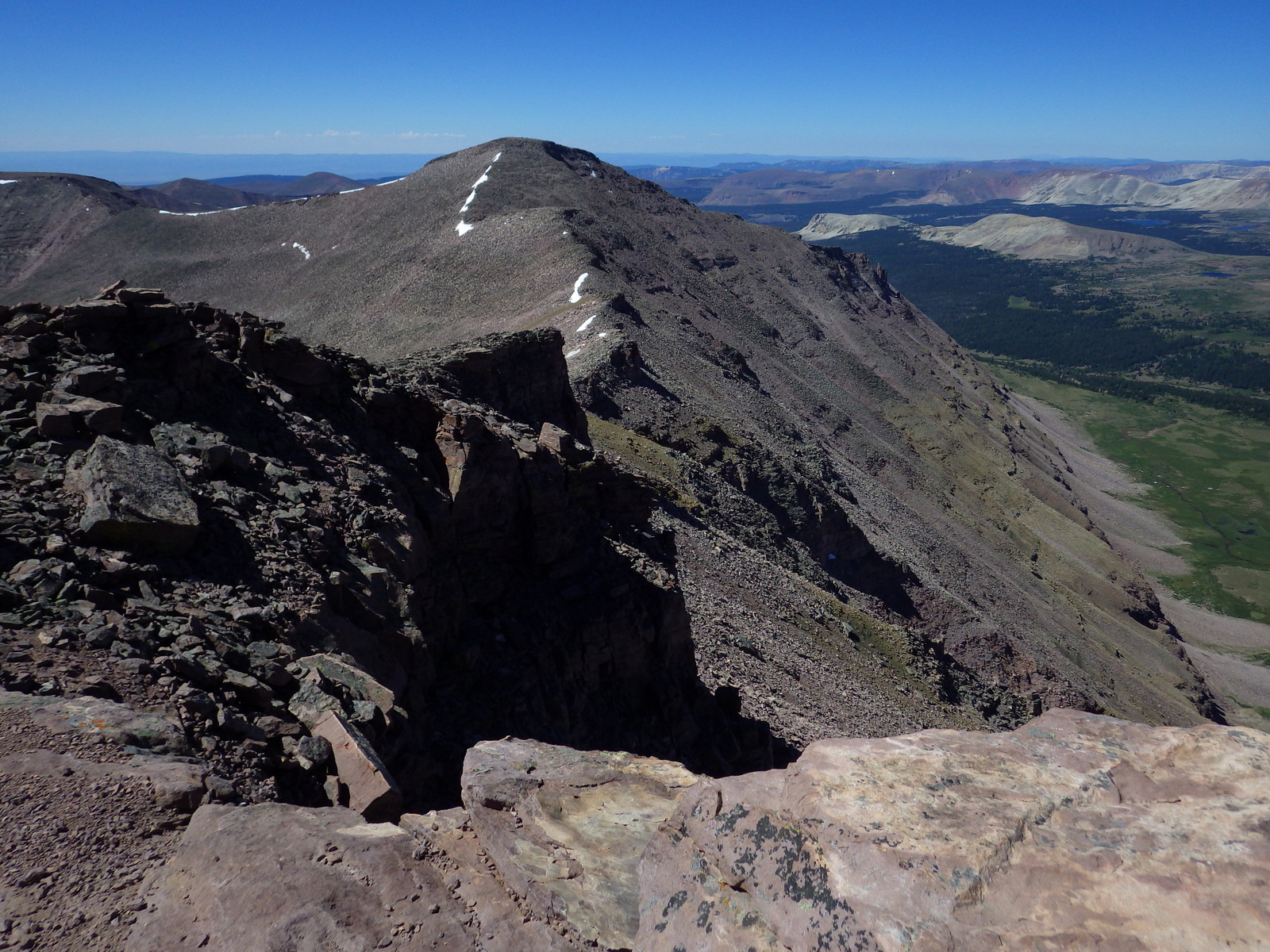
The High Uintas Wilderness is a premier backpacking destination with numerous lakes and 545 miles of trails.  The Wilderness is actually found in both the Wasatch and Ashley National Forests, but not Uinta National Forest.  Even if that makes sense to you, you will probably still need a good map to navigate your way to the highest point in Utah.  Summiting Kings Peak is a minimum 30 miles roundtrip from the Henrys Fork Trailhead in Wasatch National Forest to the north, and even further from the southern trailheads.

Best Trail

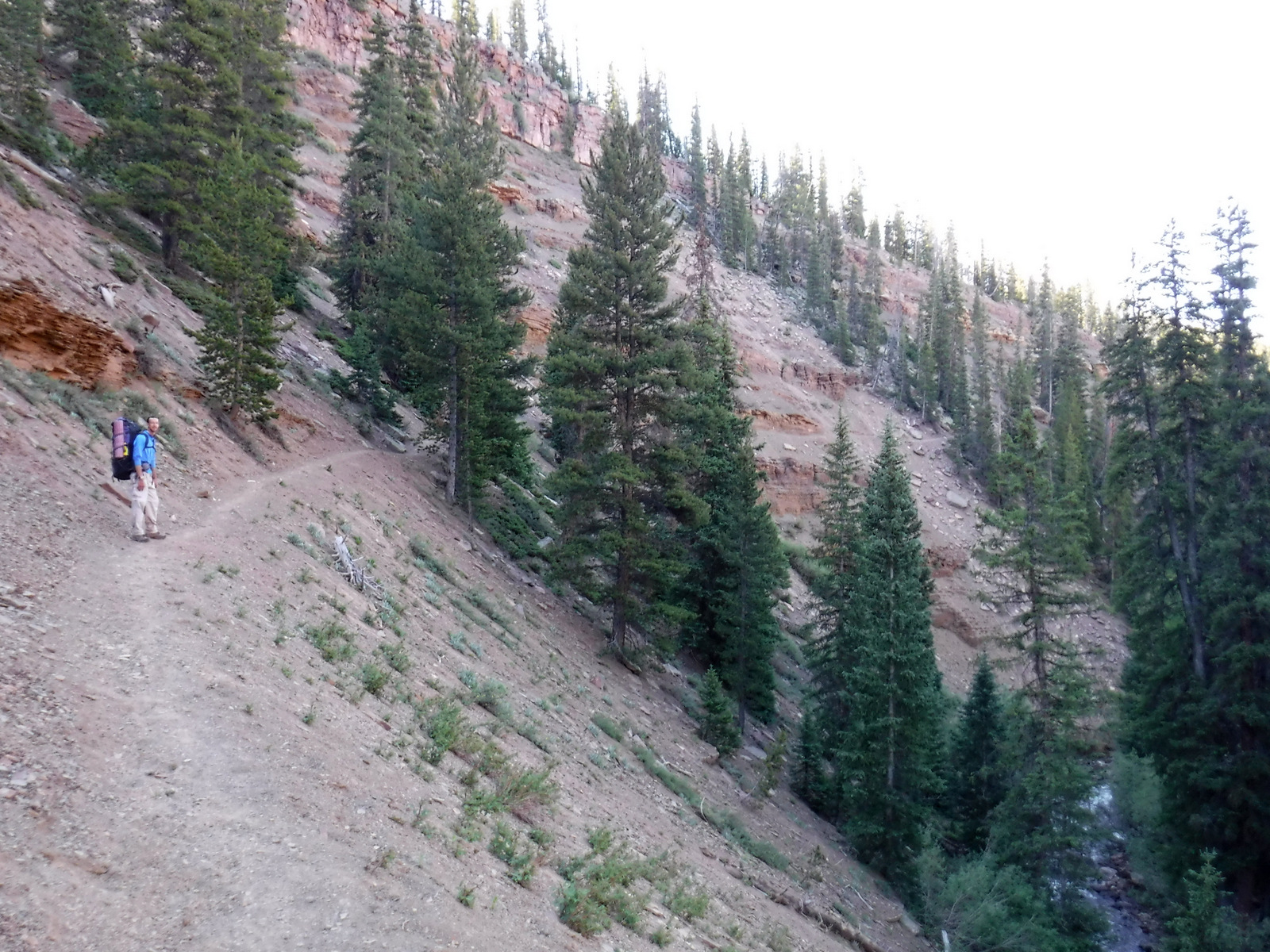
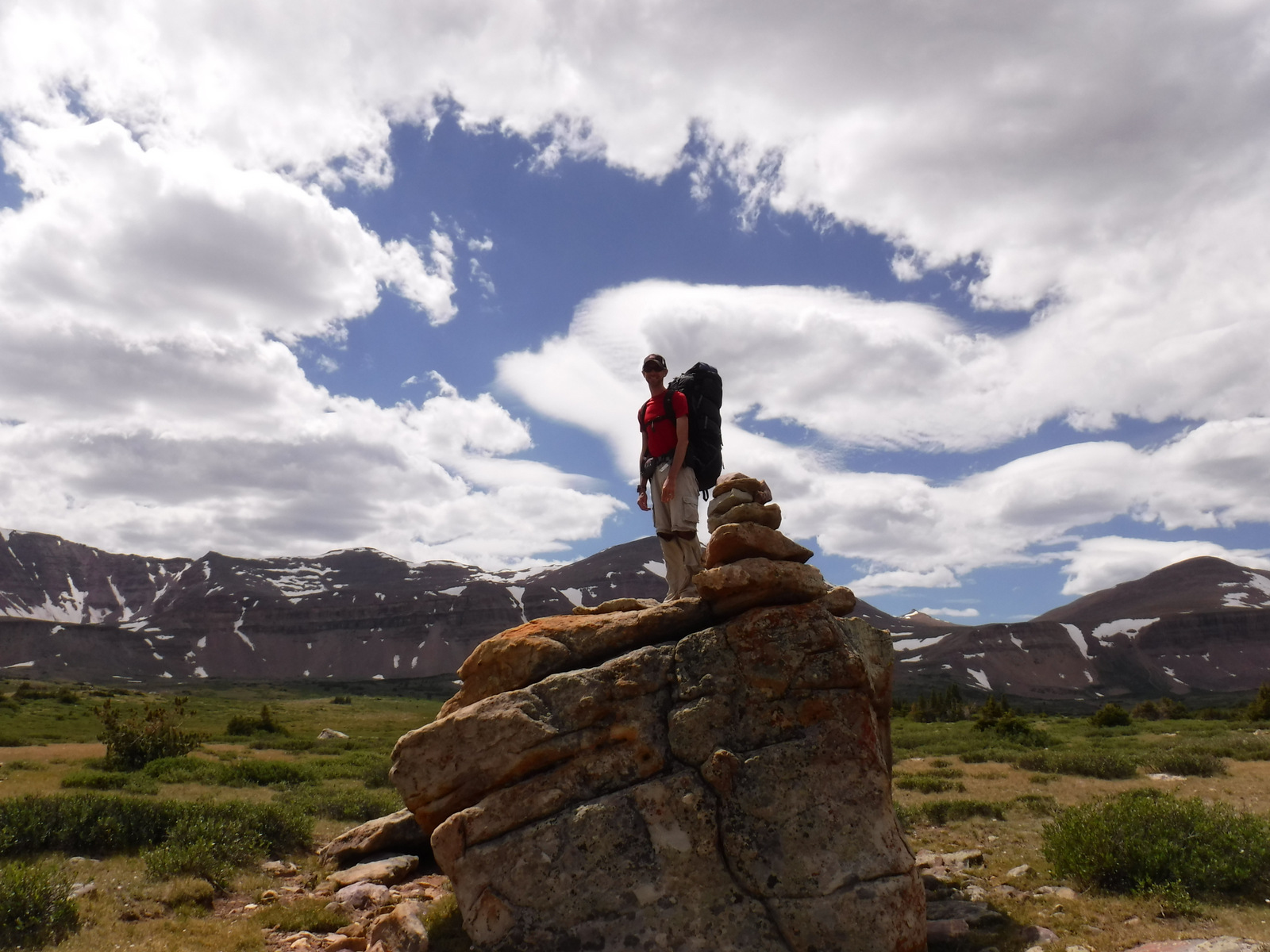
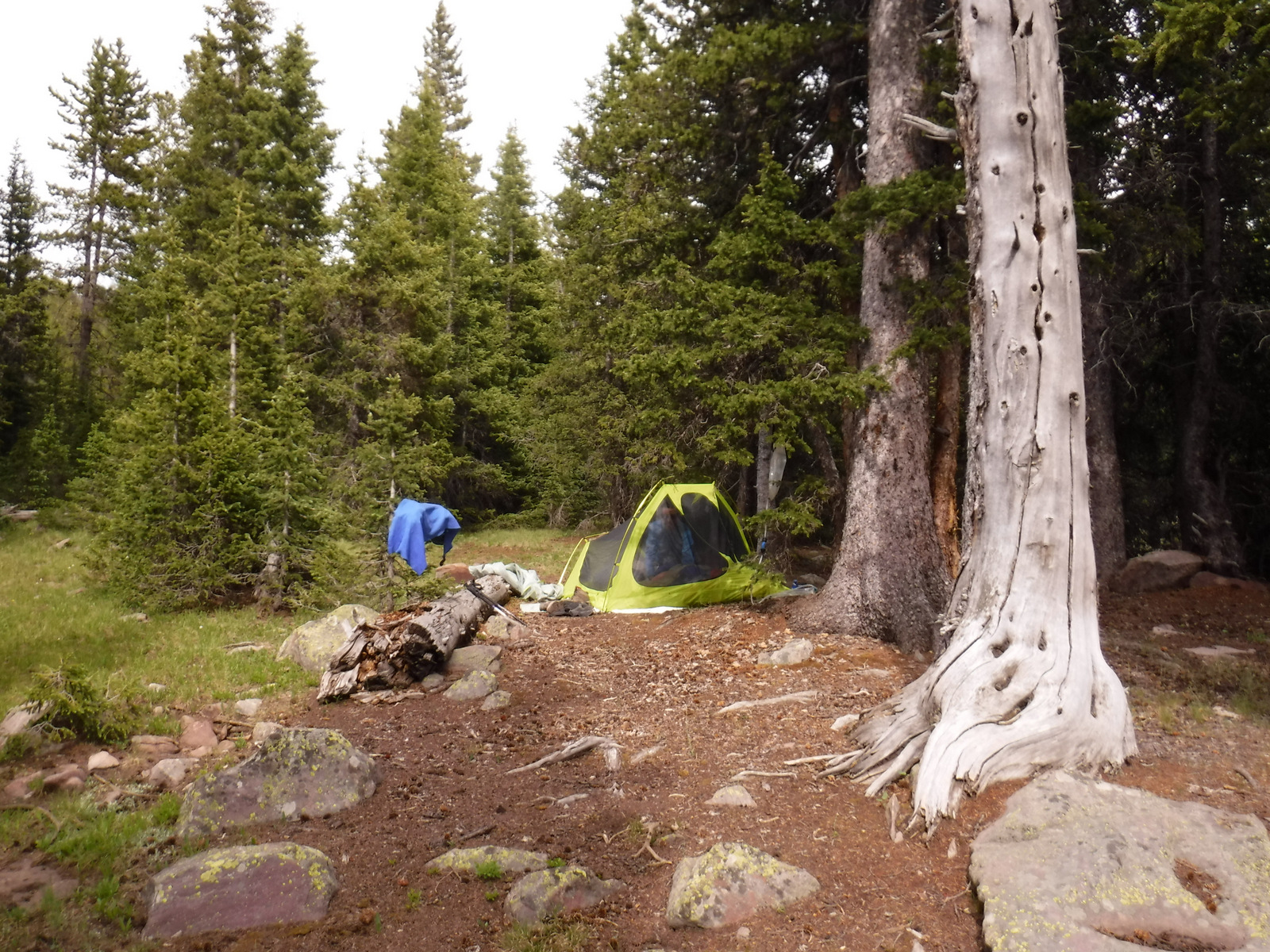
We backpacked into the High Uintas Wilderness on a 41-mile lollipop loop leaving from the Uinta Canyon Trailhead.  The first portion along the Uinta River Trail was flat, then started climbing when we split off on the Chain Lakes-Atwood Trail to cross Roberts Pass and Trail Rider Pass into Painter Basin, a beautiful area that sits below Kings Peak.  At more than 90 miles in length, the Highline Trail runs east-west through the area and is accessible from many side-trails, including the ones we were on.

Watchable Wildlife

Flaming Gorge Reservoir is known for its large population lake trout, as well as kokanee salmon, rainbow trout, brown trout, smallmouth bass, channel catfish, and burbot.  The reservoir also hosts a large nesting colony of ospreys, as well as many other raptors.  In the mountains, watch for moose, elk, mule deer, mountain goats, and black bears.

Instagram-worthy Photo

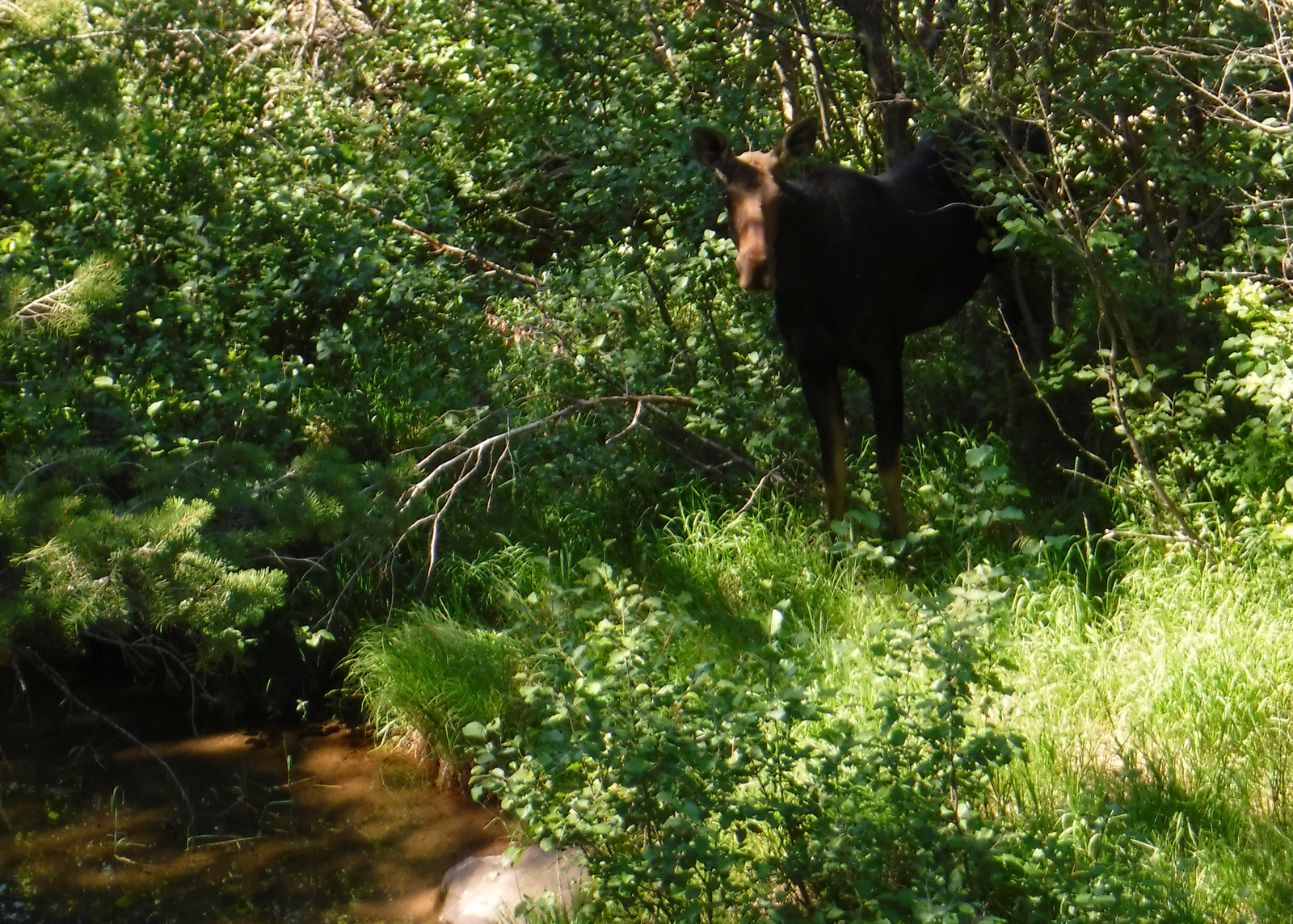
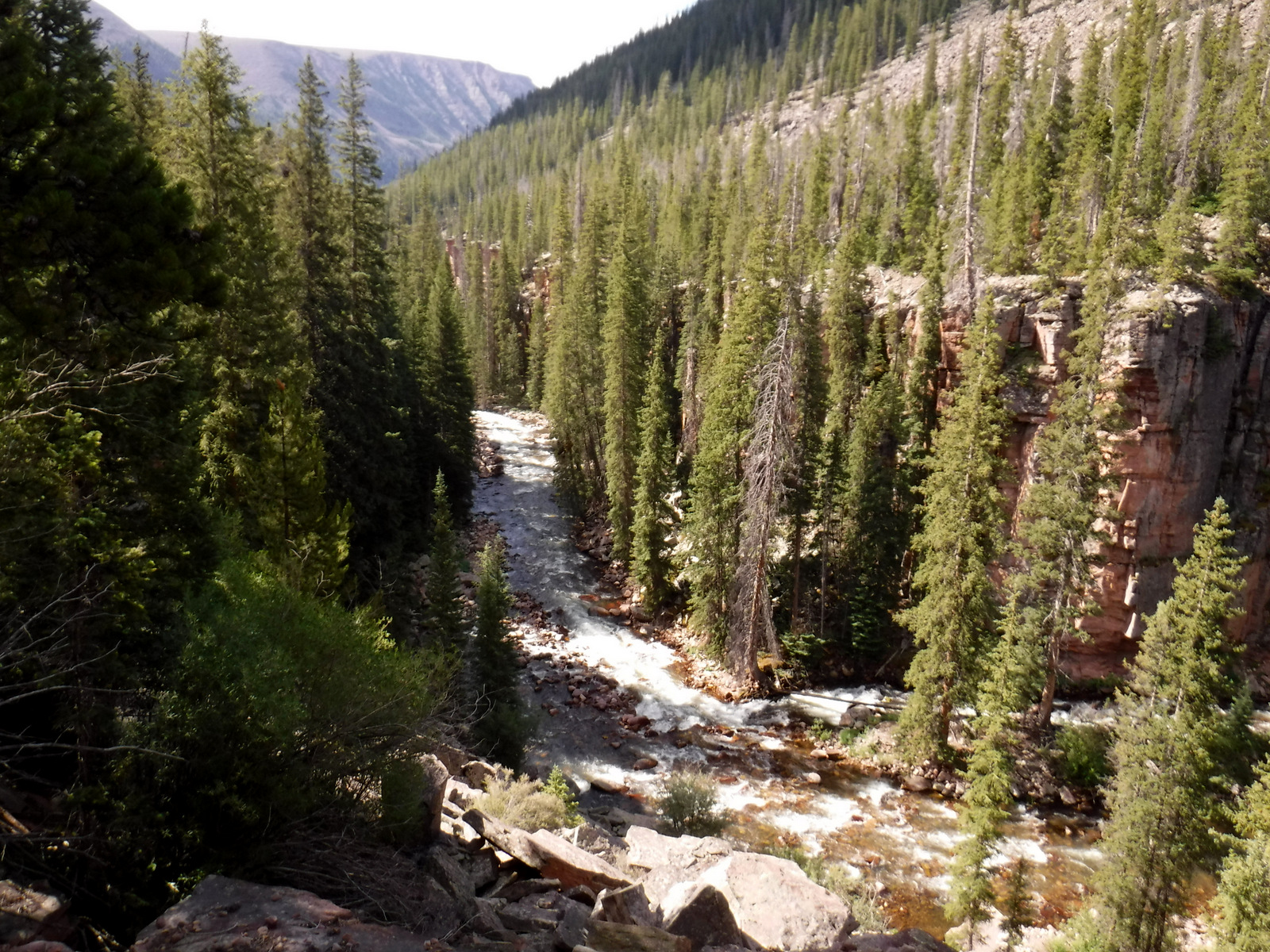
Leaving from the Uinta Canyon Trailhead, after about an hour of walking the Uinta River Trail reaches a bridge across its namesake.  The river is popular with fisherman and we spotted a moose grazing near the water.

Peak Season

Summer

Fees

Every boat launch and day-use area in Flaming Gorge National Recreation Area requires a recreation pass ($5 per day, $15 per week) or America the Beautiful pass, but there is no charge to drive the Flaming Gorge-Uinta Scenic Byway or cross the dam.  We did not encounter any fees in the rest of Ashley National Forest, except in campgrounds.

Road Conditions

The 82-mile Flaming Gorge-Uinta Scenic Byway is paved the whole way, but there are many unpaved roads off it including access to popular Red Canyon and Sheep Creek National Geological Area.  Many roads are closed seasonally, like Red Cloud Loop and Spirit Lake Scenic Backways.

Camping

There are numerous campgrounds on and off the lake in Flaming Gorge National Recreation Area, mostly open May to September, although Dripping Springs is open year round.  There are also campgrounds near most of the trailheads that access the High Uintas Wilderness.  We found dirt roads off Highway 191 to be packed with dispersed campers and RVs in mid-July 2020.

Wilderness Areas

High Uintas Wilderness (also in Wasatch National Forest)

Related Sites

Dinosaur National Monument (Utah-Colorado)

Timpanogos Cave National Monument (Utah)

Fossil Butte National Monument (Wyoming)

Nearest National Park

Arches (Utah)

Conifer Tree Species

lodgepole pine, limber pine, ponderosa pine, pinyon pine, Douglas-fir, subalpine fir, white fir, Engelmann spruce, Rocky Mountain juniper

Flowering Tree Species

quaking aspen, blue elderberry, Gambel oak, bigtooth maple, boxelder, western birch, red osier dogwood, narrowleaf cottonwood, sagebrush

Explore More –Ashley National Forest is named after whom?

Arapaho National Recreation Area

Arapaho National Recreation Area

Colorado

Managed by U.S. Forest Service, Arapaho National Forest

30,690 acres

Website: https://www.fs.usda.gov/attmain/arp/specialplaces

Overview

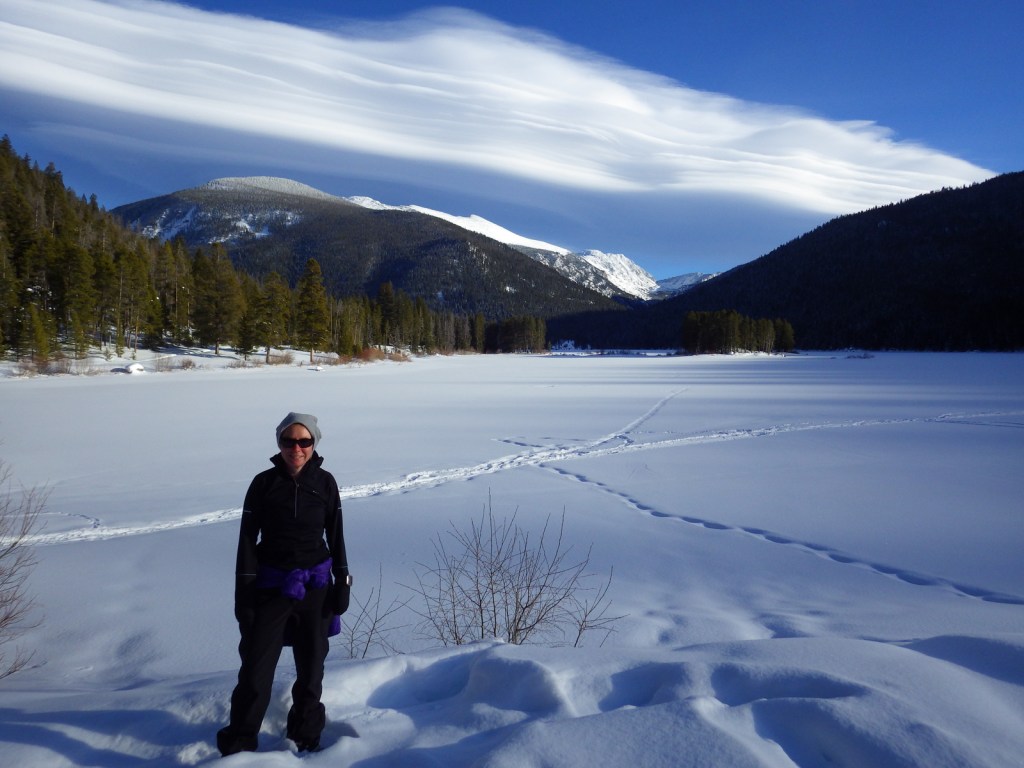
On the west side of Rocky Mountain National Park are the first of many dams across the Colorado River forming several lakes around Granby, Colorado.  Arapaho National Recreation Area contains five reservoirs, the largest of which is Lake Granby (but not including Grand Lake and Shadow Mountain Lake).  Also nearby, Monarch Lake is the starting point for multiple trails into the Indian Peaks Wilderness.  Despite its proximity to the Denver metropolitan area, this untamed country is home to a variety of wildlife including moose, martens, and mountain lions, as well as the river otter and ouzel (or dipper) we saw during our January visit. 

Highlights

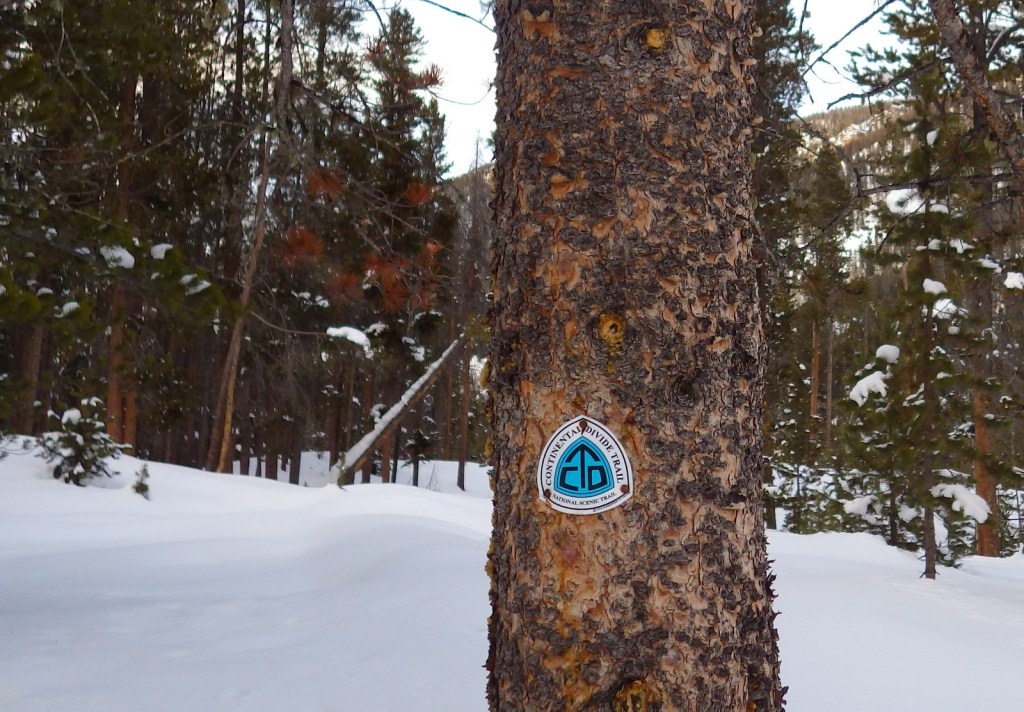
Lake Granby, Monarch Lake, Meadow Creek Reservoir, Roaring Fork Falls, Willow Creek Reservoir, High Lonesome Trail, Continental Divide National Scenic Trail

Must-Do Activity

The largest reservoir in Arapaho National Recreation Area is Lake Granby, an area popular with snowmobilers and ice fisherman in the winter.  Summer is also a good time to visit when the lakes are unfrozen and available for boating, swimming, and other water sports.  That’s when backpackers on the Continental Divide National Scenic Trail prefer to come through here.

Best Trail

Snowshoers looking for some quiet can drive to the eastern end of Lake Granby and hike a mile to Monarch Lake on a road that is closed during the winter months.  Throughout the year, Monarch Lake is the starting point for multiple trails that climb into the high elevations of the Indian Peaks Wilderness, plus the Continental Divide National Scenic Trail.

Instagram-worthy Photo

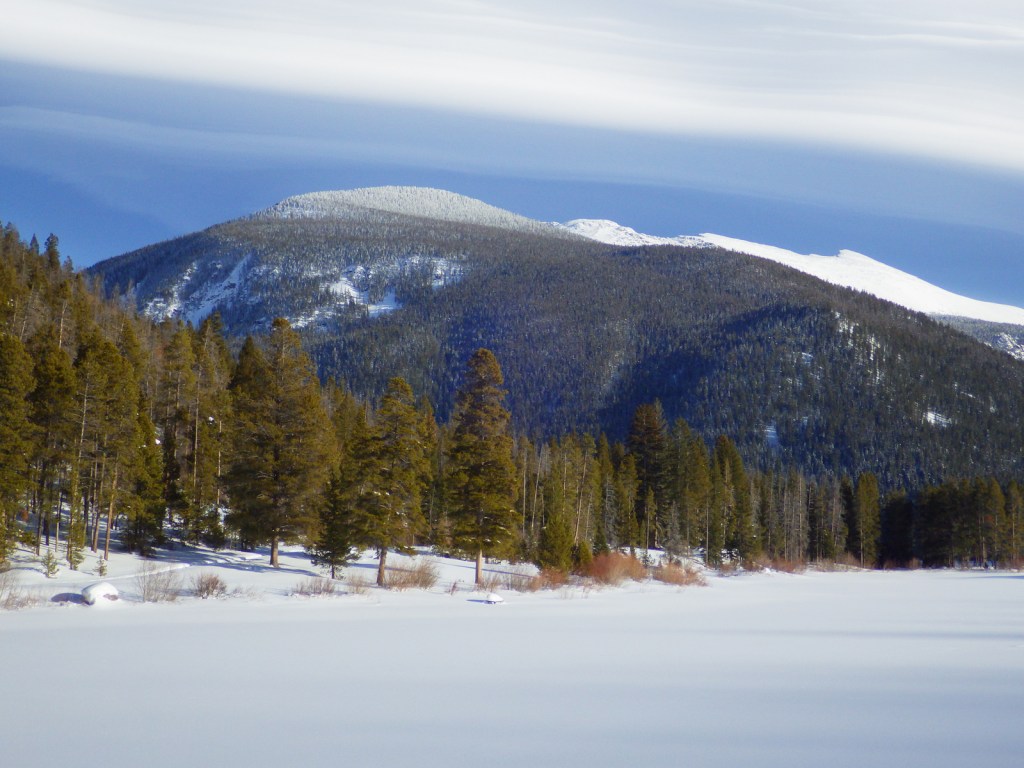
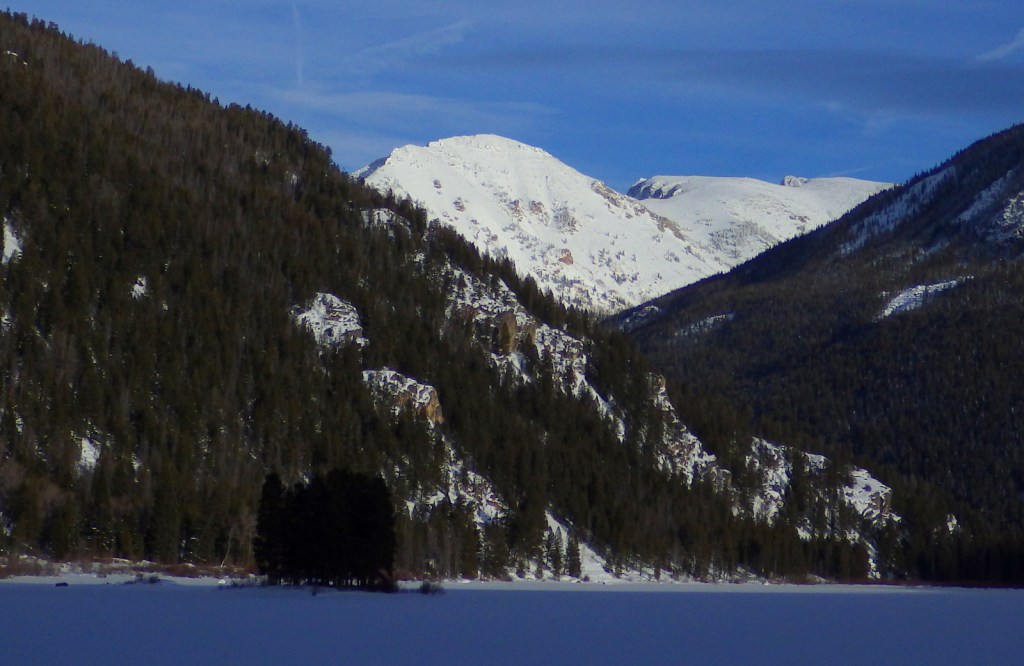
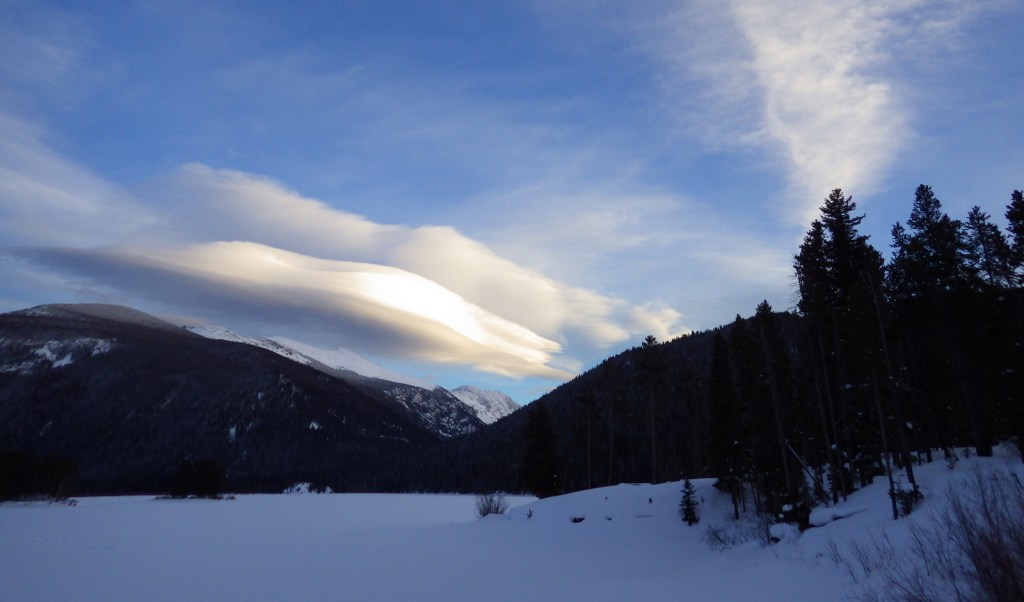
Under a blanket of snow, there is a majestic view from Monarch Lake looking at the Arapaho Creek Valley.

Peak Season

Summer

Fees

During the summer, day-use fees apply at portions of Arapaho National Recreation Area, like Monarch Lake and boat launches.

Road Conditions

The road back to Monarch Lake and many others are closed seasonally due to heavy snow accumulations.

Camping

Campgrounds on the lakes fill up in the summer and even the dirt roads around the west entrance to Rocky Mountain National Park can be jam-packed with dispersed campers.

Related Sites

Curecanti National Recreation Area (Colorado)

Colorado National Monument (Colorado)

Dinosaur National Monument (Utah-Colorado)

Nearest National Park

Rocky Mountain (Colorado)

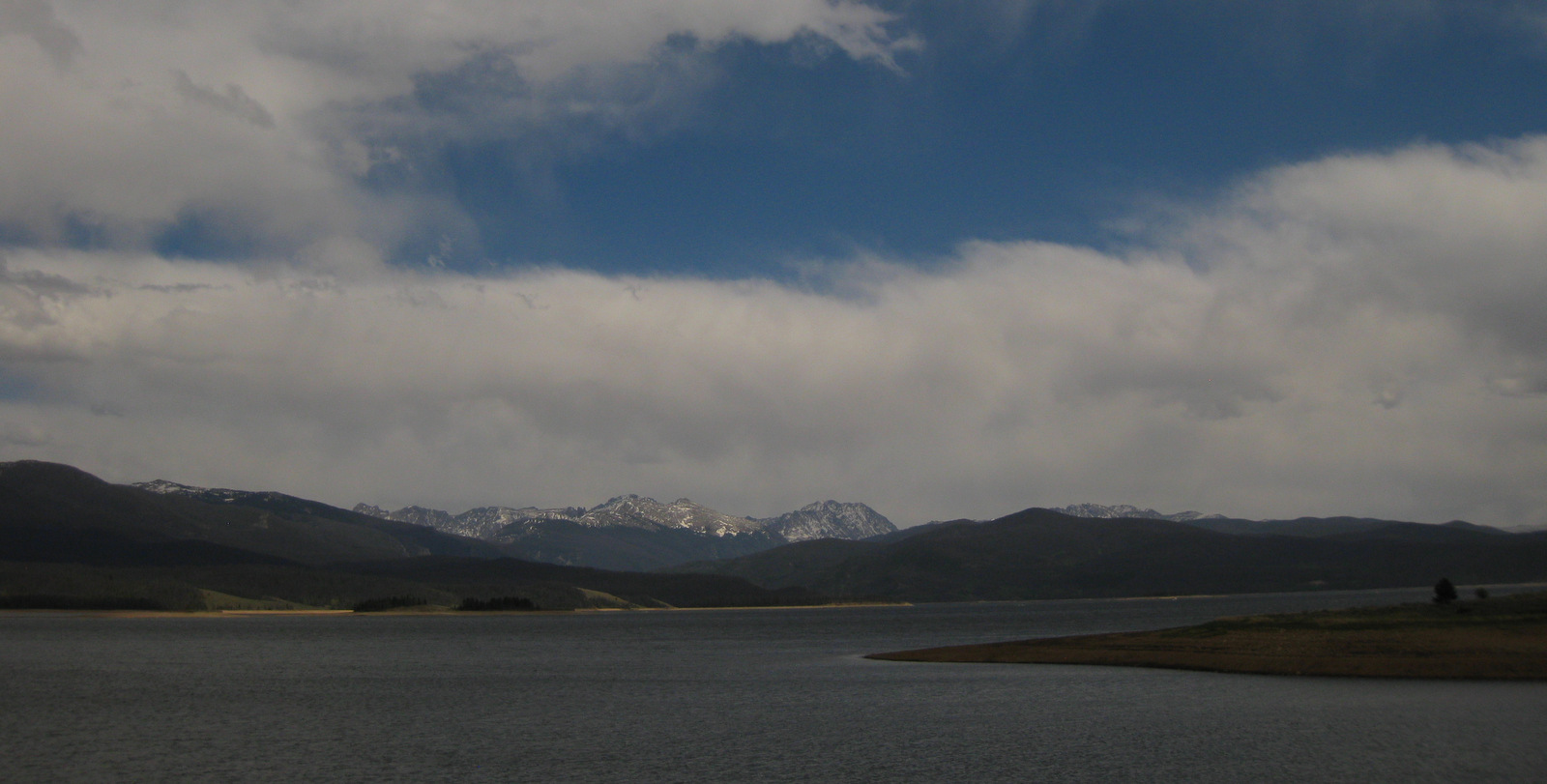
Lake Granby in summer

Explore More – When was Arapaho National Recreation Area established?