Tag Archives: biking

Midewin National Tallgrass Prairie

Midewin National Tallgrass Prairie

Illinois

Managed by U.S. Forest Service, Northern Region

20,283 acres

Website: https://www.fs.usda.gov/midewin

Overview

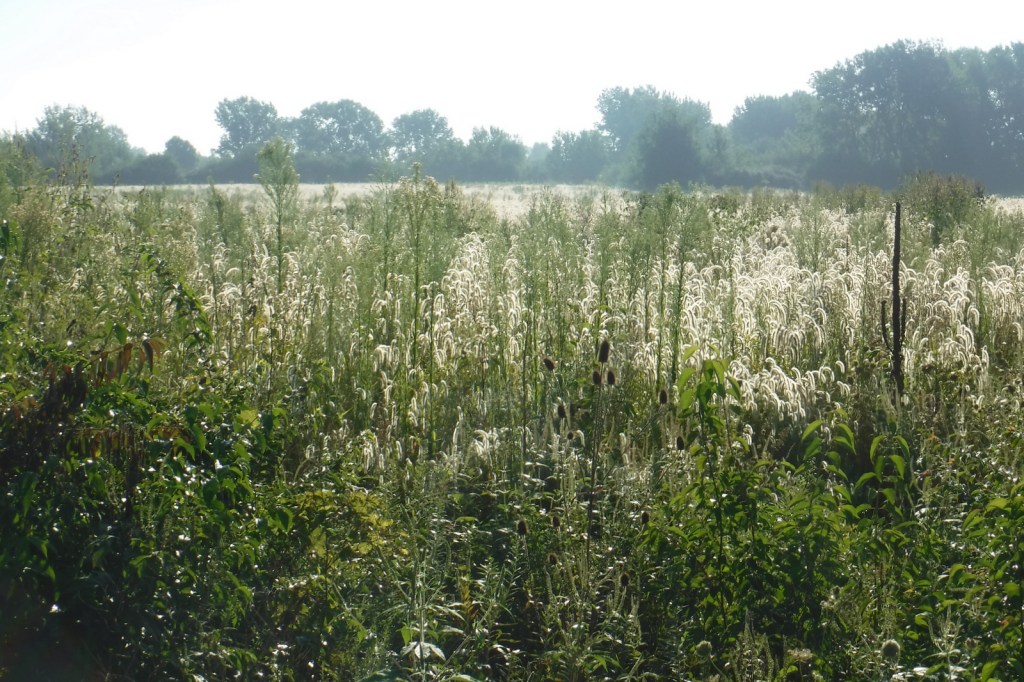
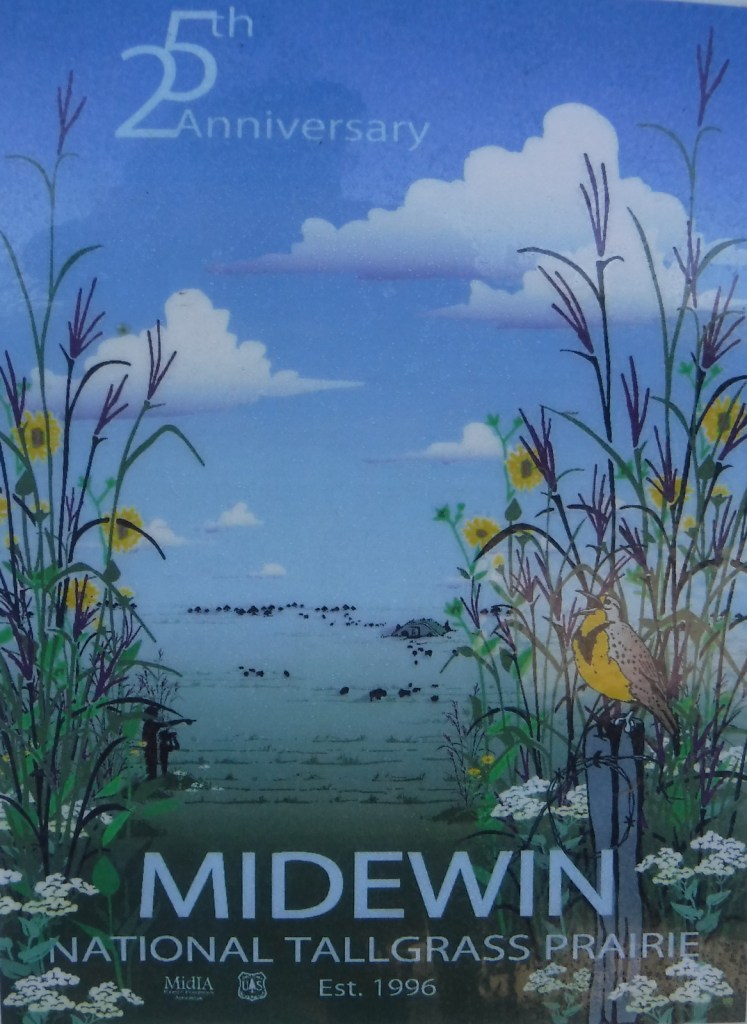
Midewin National Tallgrass Prairie was established in 1996 and opened to visitors eight years later following some ecological restoration and decontamination.  It is located on the site of the Joliet Army Ammunition Plant that produced TNT from 1940 to 1976.  In combination with neighboring Des Plaines Fish and Wildlife Area and other preserves, over 40,000 acres are protected in this area south of Chicago’s suburbs.  Restoration of the tallgrass prairie is ongoing with planting and prescribed burning to promote the growth of native plants.  In 2015, 27 bison were introduced on 1,200 acres and the herd has grown to more than 50.  Midewin (pronounced “mi-DAY-win”) is a Potowatomi word referring to tribal healers.
Highlights

Midewin Welcome Center, Route 66, historic bunkers, bison herd

Must-Do Activity

The best place to start a visit is the Midewin Welcome Center on Highway 53, just south of the Southwest Bison Overlook.  There you can read about the history of the area, pick up pamphlets on birds and wildflowers, and get information on the more than 30 miles of trails, including 21.7 miles open to bikers and equestrians.  The 7,000 acres of accessible public lands are open 4 a.m. to 10 p.m. daily.

Best Trail

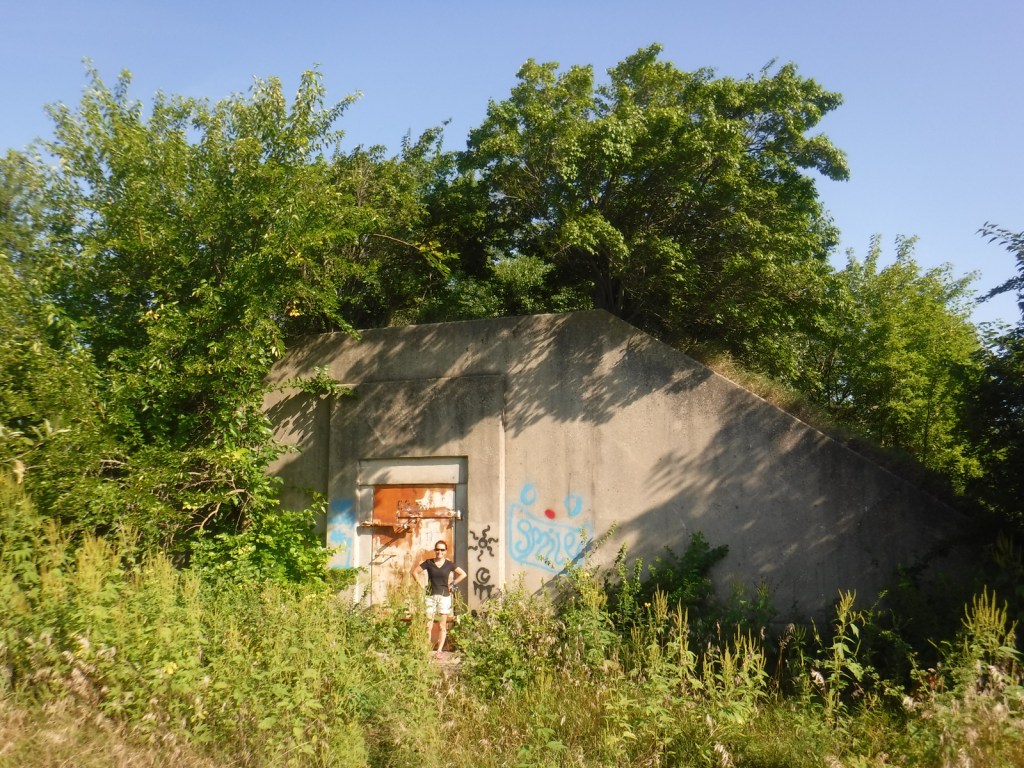
Several trails leave from the Iron Bridge Trailhead north of the visitor center.  We took Group 63 Trail that starts in a forest then opens up as it accesses Bunker 63-1, which is unlocked for exploration.  The entire trail makes a 3.5-mile loop around a group of bunkers following the northern border of the fenced-off bison pasture. 

Watchable Wildlife

Midewin remains the only federal tallgrass prairie preserve east of the Mississippi River, restoring an extremely rare ecosystem that was mostly converted to agriculture.  Golden gophers (or 13-lined ground squirrels) fill the ecological niche of prairie dogs here.  Coyotes and white-tailed deer are also found in this area.  In 2015, bison were introduced on 1,200 acres of the preserve, and the herd has increased from the original four bulls and 23 cows.  A color pamphlet highlighting native birds is available at the visitor center and trailheads.  In addition to songbirds, raptors like red-tailed hawks, northern harriers, and short-eared owls can be seen.  We came across a flock of turkeys near the turtle pond south of Hoff Road. 

Instagram-worthy Photo

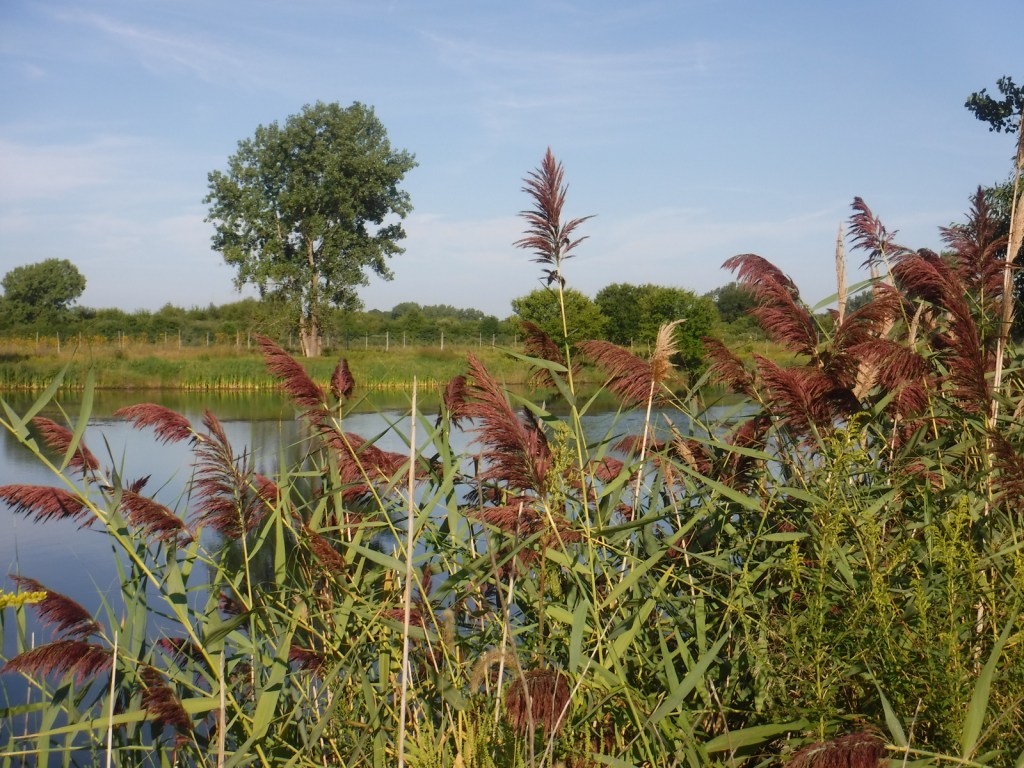
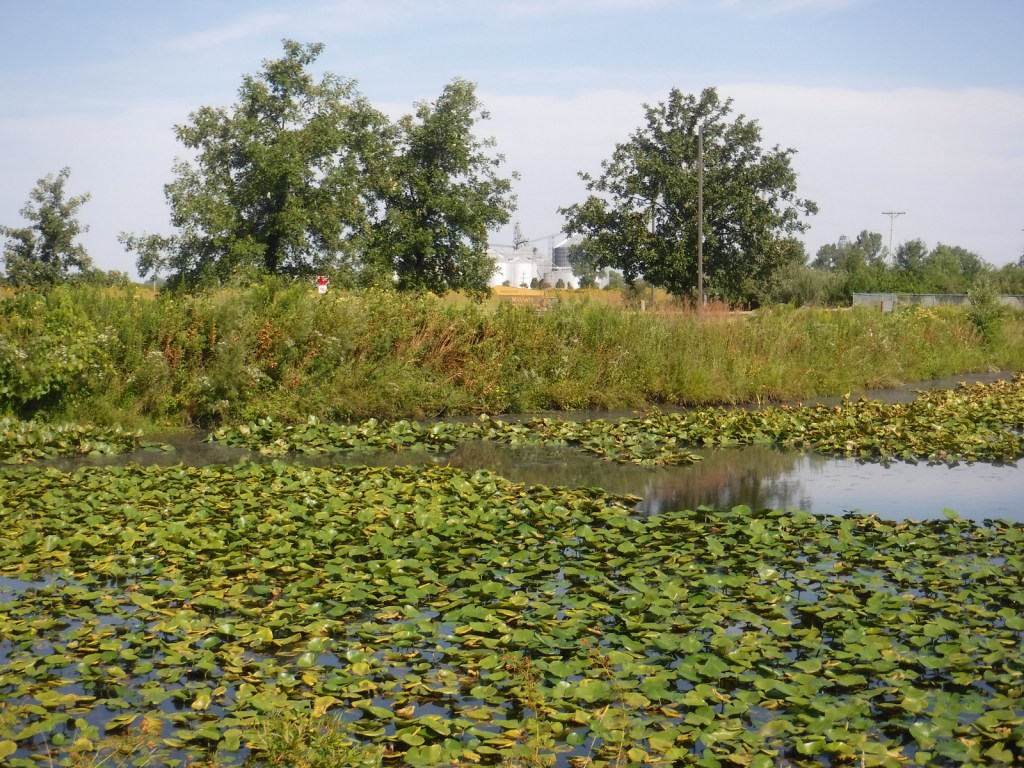
A turtle pond is accessible by walking a closed road one mile from the Hoff Road Trailhead.

Peak Season

Spring

Fees

None

Road Conditions

The main access roads are paved and the trailhead parking areas are gravel lots.  Many of the trails are former roads, both paved and unpaved.  At the Iron Bridge Trailhead, bicycles are available to rent as part of the 75 miles of trails following the Illinois and Michigan Canal National Heritage Corridor.

Camping

There is no camping at Midewin National Tallgrass Prairie, as the public lands are only open 4 a.m. to 10 p.m. daily.  Campgrounds outside of Chicago include Starved Rock State Park, Illini State Park, Des Plaines Conservation Area, and across the state border at Indiana Dunes National Park.

Related Sites

Tallgrass Prairie National Preserve (Kansas)

Pullman National Historical Park (Illinois)

Cedar River National Grassland (North Dakota)

Nearest National Park

Indiana Dunes

Explore More – During World War II, 3,400 women worked at the Joliet Army Ammunition Plant, representing what percentage of the workforce?

Dixie National Forest

Dixie National Forest

Utah

Managed by U.S. Forest Service, Intermountain Region

1,967,165 acres (1,889,127 federal/ 78,038 other)

Website: https://www.fs.usda.gov/dixie

Overview

Dixie National Forest is spread across southwest Utah surrounding Cedar Breaks National Monument and near three National Parks: Bryce Canyon, Capitol Reef, and Zion.  The National Forest has a wide elevation range from 2,800 feet near St. George to 11,322 feet on Boulder Mountain.  The change in average temperature and precipitation leads to wide variety of ecosystems from a desert-like environment all the way up to subalpine conifer forests and tundra.  The warmth of southern Utah reminded some early emigrants of “Dixie,” the part of the U.S. south of the Mason-Dixon Line, but with growing public distaste for that name it may be changed in the future.

Highlights

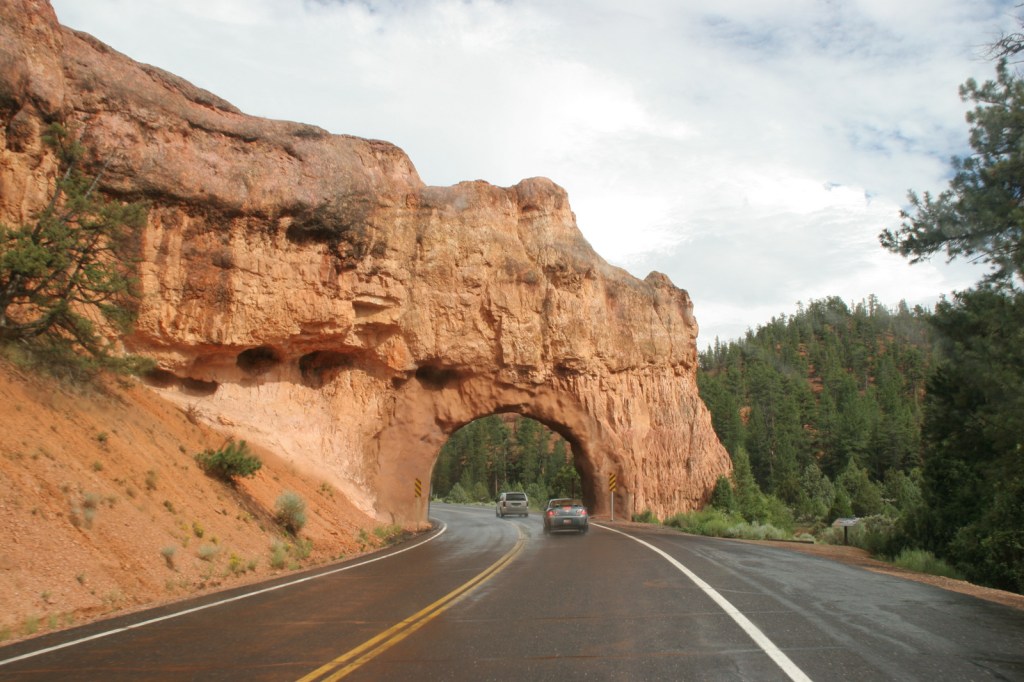
Markagunt National Scenic Byway, Brian Head, Navajo Lake, Cascade Falls, Strawberry Point, Red Canyon Recreation Area, Honeycomb Rocks, Powell Point, Hell’s Backbone Bridge, Virgin River Rim Trail, Hancock Peak Trail, Whipple Trail, Casto Canyon Trail

Must-Do Activity

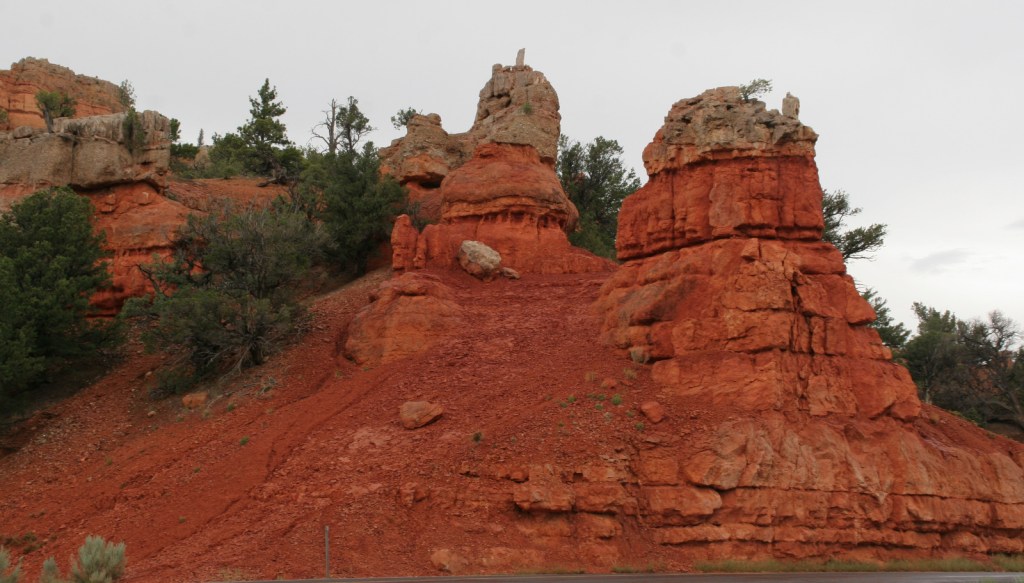
Highway 12 Scenic Byway winds through much of the National Forest, including Red Canyon Recreation Area where the popular Casto Canyon Trail is open to hikers, bicycles, horses, and ATVs.  The mountain ranges west of Interstate 15 are a less-visited section of the forest, with numerous trails traversing the Pine Valley Mountains Wilderness, including the 35-mile Summit Trail.

Best Trail

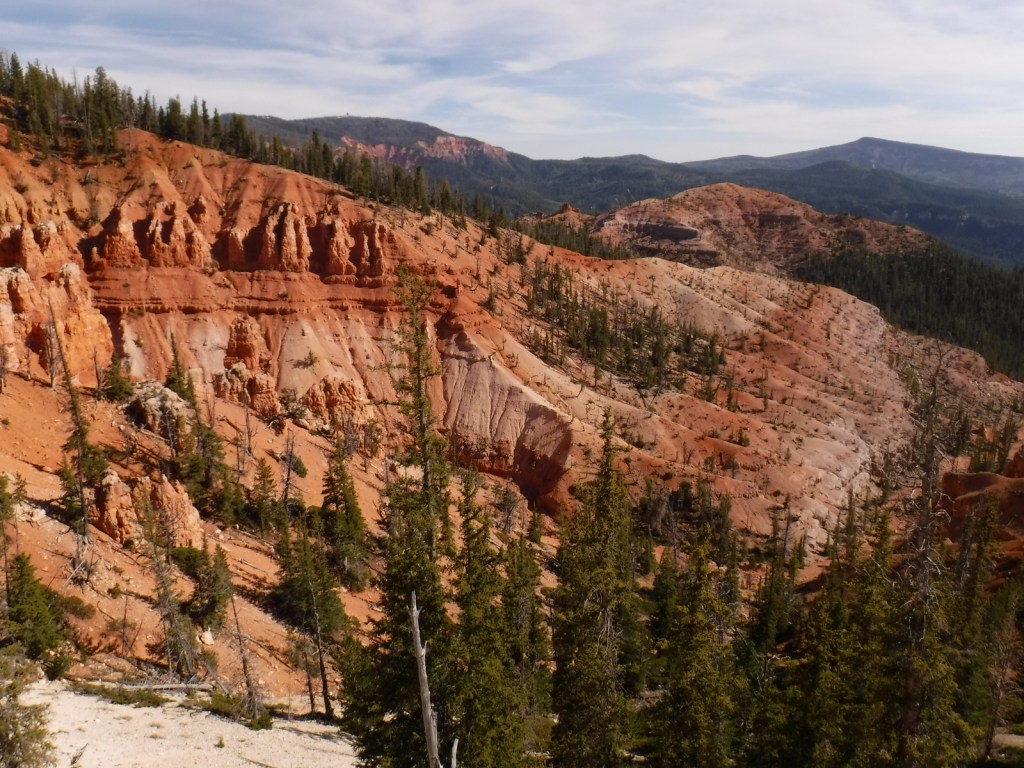
Leaving from a trailhead across Highway 143 from the road to the top of 11,312-foot-tall Brian Head, Rattlesnake Creek Trail skirts the edge of spectacular Cedar Breaks National Monument and enters the Ashdown Gorge Wilderness (established in 1984).  About one mile in, one of several side trails leads off to the left for an overlook of the Cedar Breaks, a red rock badlands full of hoodoos situated at the edge of the Markagunt Plateau.  Gnarled Great Basin bristlecone pine trees cling to the eroding edge of the natural amphitheater, making a great foreground for photographs with a beautiful backdrop.  The trail continues to drop more than 2,400 feet to the canyon bottom over four miles connecting with Ashdown Creek which eventually crosses Highway 14, but there is not an official trailhead there.

Watchable Wildlife

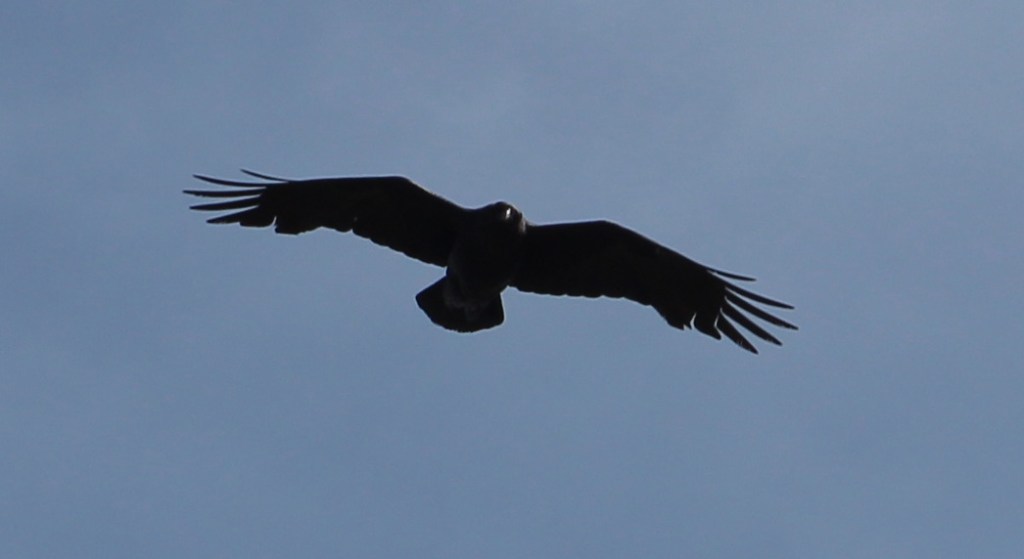
A variety of mammals call Dixie National Forest home: black bears, mountain lions, bobcats, coyotes, three species of foxes, minks, pine martens, porcupines, beavers, raccoons, skunks, badgers, snowshoe hares, pika, mountain goats, bighorn sheep, elk, mule deer, and pronghorns.  Large birds include bald eagles, golden eagles, California condors, turkey vultures, wild turkeys, and various species of woodpeckers.  There are many gamefish found in the streams and small lakes spread across the high-elevation Markagunt, Paunsaugunt, and Aquarius Plateaus.

Instagram-worthy Photo

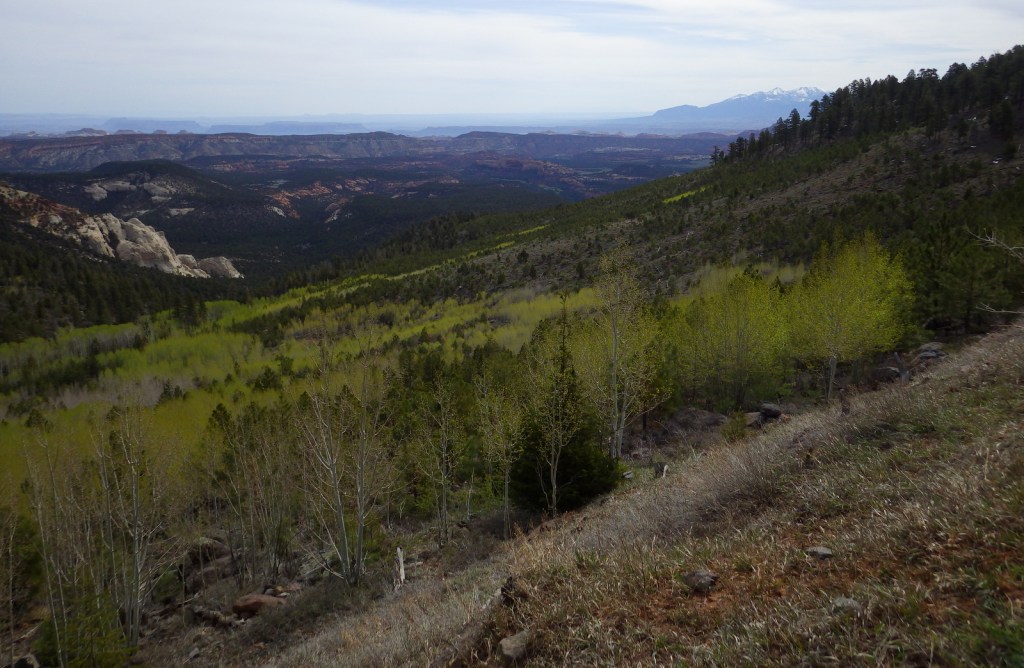
South of Torrey, Highway 12 climbs into an aspen forest with incredible views of Capitol Reef National Park and Waterpocket Fold.

Peak Season

Late summer

Fees

None

Road Conditions

Highway 12 and Highway 143 are paved roads that access the high elevations of Dixie National Forest, but they may be closed seasonally due to snow.  There are numerous dirt roads that traverse the area, including the popular route to the top of 11,312-foot-tall Brian Head.

Camping

There are numerous campgrounds located throughout the National Forest, as well as dispersed camping opportunities on dirt roads west of Bryce Canyon National Park.

Wilderness Areas

Ashdown Gorge Wilderness

Box-Death Hollow Wilderness

Cottonwood Forest Wilderness

Pine Valley Mountains Wilderness

Related Sites

Cedar Breaks National Monument (Utah)

Grand Staircase-Escalante National Monument (Utah)

Capitol Reef National Park (Utah)

Nearest National Park

Bryce Canyon

Conifer Tree Species

Utah juniper, singleleaf pinyon pine, ponderosa pine, Douglas-fir, Engelmann spruce, subalpine fir, Great Basin bristlecone pine

Flowering Tree Species

quaking aspen, Bebb willow

Explore More – On the Markagunt Plateau, Navajo Lake drains out of two lava tubes that formed how many millions of years ago?

Learn more about this and the 154 other National Forests in our new guidebook Out in the Woods

We are a participant in the Amazon Services LLC Associates Program, an affiliate advertising program designed to provide a means for us to earn fees by linking to Amazon.com and affiliated sites.

Chequamegon National Forest

Chequamegon National Forest

Wisconsin

Managed by U.S. Forest Service, Northeastern Region

1,049,540 acres (868,392 federal/ 181,148 other)

Website: https://www.fs.usda.gov/cnnf

Overview

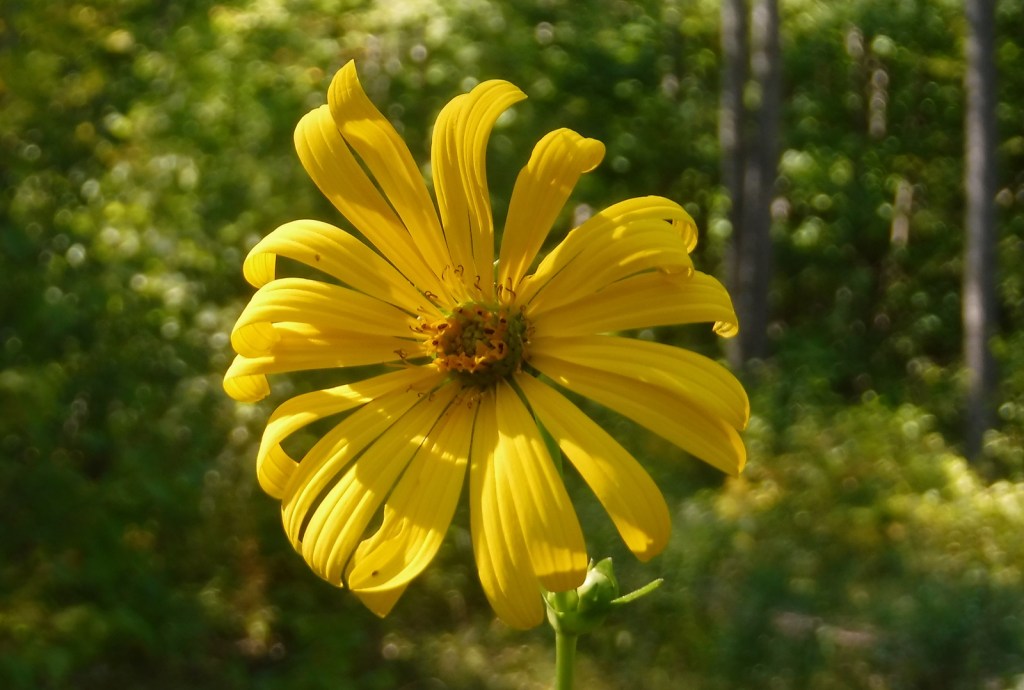
Chequamegon National Forest gets its name from Lake Superior’s Chequamegon Bay, which is derived from the Ojibwe word for the bay’s prominent sand bar on the east side of Wisconsin’s Bayfield Peninsula.  Managed as Chequamegon-Nicolet National Forest since 1998, the more western Chequamegon National Forest contains a 61-mile stretch of the North Country National Scenic Trail and 49 miles of the Ice Age National Scenic Trail that winds through Wisconsin.  On the Bayfield Peninsula is Moquah Pine Barrens National Natural Landmark, first set aside by the Forest Service in 1935 to study its red pine savannah and upland jack pine barrens.  The Moquah Pine Barrens is notable for its summer wildflower bloom and fall berry picking.

Highlights

Great Divide Scenic Byway, Drummond Woods, Valhalla Recreation Area, South Fork of Flambeau River, Mondeaux Dam Recreation Area, Moquah Barrens National Natural Landmark, Clam Lake, Schumland Wetland Area, Chequamegon Water Flowage, Tucker Lake Hemlocks Natural Area, Morgan Falls, St. Peter’s Dome, West Torch Ski Trail, Mukwonago Ski Trail, Camba Mountain Bike Trail, Mt. Valhalla, Caro Forest Trail, West Twin Lake Trail, Aldo Leopold Commemorative Trail, North Country National Scenic Trail, Ice Age National Scenic Trail

Must-Do Activity

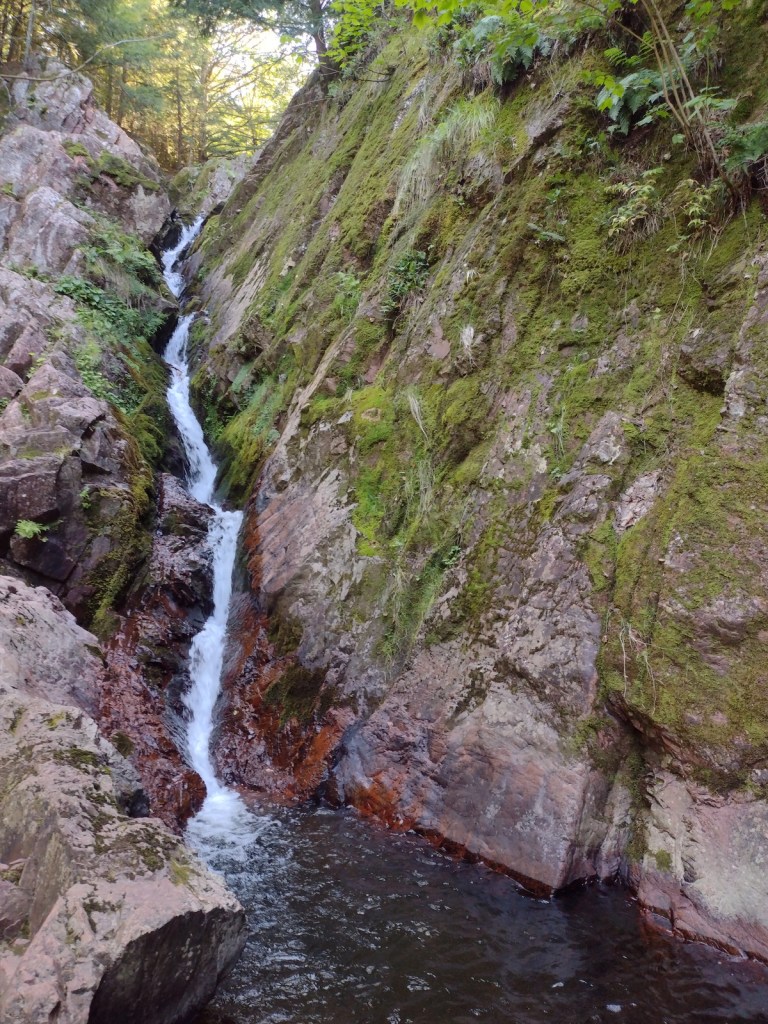
St. Peter’s Dome and Morgan Falls Recreation Area (fee) is the most developed site in Chequamegon National Forest.  A wide, level trail with new bridges leads 0.75 miles one-way to Morgan Falls, which tumbles 70 feet down a narrow rock crevice.  The trail splits and becomes steeper as it ascends to St. Peter’s Dome, a rock outcropping that offers views north to Chequamegon Bay and the Apostle Islands.  To visit both spots is a 3.8-mile roundtrip hike with an elevation gain of 500 feet.  Make sure you have good directions before you go because the drive to the trailhead has unsigned turns on unpaved back roads. 

Best Trail

In the southern portion of the National Forest, the Aldo Leopold Commemorative Trail is a 1.2-mile out-and-back hike that follows a glacial esker above a wetland near the Mondeaux Flowage.  The path is lined with wooden boards with quotes from the famous ecologist who wrote his seminal book A Sand County Almanac (see our Top 10 Books about Trees and Forests) at his Wisconsin farm. 

Watchable Wildlife

Gray wolves and elk have been reintroduced to Chequamegon National Forest, in addition to native moose, black bears, red foxes, raccoons, rabbits, beavers, river otters, and (of course in Wisconsin) badgers.  Common loons with their distinctive calls are the most iconic bird of the North Woods, with other notable species being barred owls, bald eagles, common ravens, turkeys, ruffed grouse, and boreal chickadees.  Fishing is a big deal in this part of the world and Hayward, Wisconsin is home to the Freshwater Fishing Hall of Fame (where you can stand in the mouth of a giant muskie sculpture).  Major gamefish include lake trout, rainbow trout, small and largemouth bass, crappie, walleye, northern pike, and muskellunge (muskie). 

Instagram-worthy Photo

It might require a bit of creative climbing to get a good photo of Morgan Falls, located only 1.5 miles roundtrip from the trailhead (fee).

Peak Season

Summer and fall

Fees

There is a $5 day-use fee to park at the trailhead for St. Peter’s Dome and Morgan Falls Recreation Area.

Road Conditions

The road through the Moquah Barrens is paved, and even the sand-surfaced roads were all in good shape during our visits.

Camping

There are developed campgrounds throughout the National Forest and nearby Apostle Islands National Lakeshore, but we have always dispersed camped off the back roads on the Bayfield Peninsula, including a pleasant night spent on the Moquah Barrens.

Wilderness Areas

Porcupine Lake Wilderness

Rainbow Lake Wilderness

Related Sites

Apostle Islands National Lakeshore (Wisconsin)

St. Croix National Scenic Riverway (Wisconsin-Minnesota)

Keweenaw National Historical Park (Michigan)

Nearest National Park

Isle Royale

Conifer Tree Species

jack pine, red pine, eastern white pine, balsam fir, black spruce, white spruce, northern white-cedar, tamarack, balsam fir, eastern hemlock

Flowering Tree Species

sugar maple, red maple, mountain maple, black ash, white ash, basswood, yellow birch, paper birch, river birch, northern red oak, white oak, black oak, American beech, quaking aspen, bigtooth aspen, balsam poplar, white ash, beaked hazelnut, tag alder

Explore More – The 636-acre Moquah Barrens Research Natural Area was established in 1935 and named a Wisconsin State Natural Area in 1970, but when was it designated a National Natural Landmark?

Learn more about Chequamegon and the 154 other National Forests in our new guidebook Out in the Woods

We are a participant in the Amazon Services LLC Associates Program, an affiliate advertising program designed to provide a means for us to earn fees by linking to Amazon.com and affiliated sites.

Allegheny National Forest

Allegheny National Forest

Pennsylvania

Managed by U.S. Forest Service, Eastern Region

742,693 acres (513,175 federal/ 229,518 other)

Website: https://www.fs.usda.gov/allegheny

Overview

The only National Forest in Pennsylvania was created in 1923 utilizing the federal government’s ability to purchase land under the Weeks Act of 1911.  However, they could not afford the subsurface or mineral rights, which has created issues in this oil-producing area.  Before it became Allegheny National Forest, most of the hillsides were clearcut to feed the area’s wood chemical plants, allowing black cherry and early successional species to dominate the second growth forests.  The National Forest contains two Wild and Scenic Rivers: the Clarion River (51.7 miles) and Allegheny River (87 miles in three separate sections).

Highlights

Allegheny National Recreation Area, Hearts Content Scenic Area, Willow Bay Recreation Area, Old Powerhouse, Timberdoodle Flats Interpretive Trail, Minister Creek, Buzzard Swamp Hiking Area, Clarion Wild and Scenic River, Allegheny Wild and Scenic River, Buckaloons Recreation Area, Hall Barn Wildlife Viewing Area, North Country National Scenic Trail

Must-Do Activity

A good place to start exploring Allegheny National Forest is by driving the Longhouse Scenic Byway, a 36-mile loop, which includes views of the Allegheny Reservoir and Kinzua Dam, plus a side trip up to Jakes Rocks Overlook.  We drove in from the east and found the easy walks on the Timberdoodle Flats Wildlife Interpretive Trail to be a good introduction to this region.  This is one of the few places in Pennsylvania with old-growth forests, so be sure to stop at Hearts Content Scenic Area or Tionesta Scenic and Research Natural Areas. 

Best Trail

Huge eastern hemlock and eastern white pine trees up to 400 years old can be found in the 20-acre Hearts Content Scenic Area.  This National Natural Landmark has a picnic area constructed by the Civilian Conservation Corps (CCC) and is located across from a nice campground.  There are two short, flat loop trails located here, but you can also connect into 7.8 miles of cross-country skiing and snowshoeing routes.  Other popular hiking destinations include Rimrock Trail and a 10-mile section of the North Country National Scenic Trail within the Tracy Ridge Hiking Trail System (see our post on Allegheny National Recreation Area for more information).

Watchable Wildlife

As hard as it is to believe given their prevalence now, low populations of white-tailed deer in the 1920s allowed this new National Forest to grow back quickly.  Campers should exercise caution with their food and trash since black bears are in the area.  Turkeys, bald eagles, barred owls, Canada geese, black-capped chickadees, and pileated woodpeckers are common bird species.  Hall Barn Wildlife Viewing Area is known for its summer population of 1,000 roosting bats.  There is also evidence of beavers on the Timberdoodle Flats Wildlife Interpretive Trail.  Allegheny Reservoir has walleye, trout, bass, catfish, northern pike, and muskellunge, and small native brook trout can be found in the Farnsworth Stream and other creeks.  We recently learned that the PA Firefly Festival is held in Tionesta, Pennsylvania every June because of their population of synchronous fireflies (or lightning bugs).

Instagram-worthy Photo

Kinzua Dam was completed in 1965 and stands 179 feet tall and 1,897 feet in length.  Kinzua is a Seneca Indian word that translates as “place of many big fishes.”  Watch for fish that gather in eddies at the edges of the Allegheny Reservoir near the dam, but remember that fishing and feeding the fish is prohibited at this spot.

Peak Season

Summer

Fees

There is an entrance fee at both Willow Bay and Buckaloons Recreation Areas, but it is half price with an America the Beautiful pass.

Road Conditions

All roads are paved to Willow Bay Recreation Area and Hearts Content Scenic Area, which are popular with RV campers. 

Camping

Allegheny National Forest contains 15 campgrounds with more than 1,000 sites, and Willow Bay Recreation Area also has cabins for rent.  We enjoyed our stay at Heart’s Content Campground, but found Buckaloons Campground to be too crowded.  Allegheny Islands Wilderness has seven islands that can be used for boat-in dispersed camping.

Wilderness Areas

Allegheny Islands Wilderness

Hickory Creek Wilderness

Related Sites

Allegheny National Recreation Area (Pennsylvania)

Grey Towers National Historic Site (Pennsylvania)

Fort Necessity National Battlefield (Pennsylvania)

Nearest National Park

Cuyahoga Valley (Ohio)

Conifer Tree Species

eastern hemlock, eastern white pine

Flowering Tree Species

sugar maple, black maple, red maple, striped maple, silver maple, mountain maple, yellow birch, sweet birch, black walnut, bitternut hickory, shagbark hickory, sycamore, American beech, white ash, tulip-poplar, green ash, cucumber magnolia, quaking aspen, bigtooth aspen, black cherry, pin cherry, choke cherry, northern red oak, basswood, American elm, slippery elm

Explore More – Timberdoodle is a local nickname for which native bird species that nests in this forest?

Top 10 NPS Sites for Biking

Many visitors to the National Park Service (NPS) system bring along their bicycles to fully enjoy their vacation, planning to ride on paved pathways or bumpy trails.  Although some NPS hiking and horse trails are closed to bikes, many allow them and some have been built just for them.  For example, a paved bike trail now connects Jackson, Wyoming with Grand Teton National Park.  The NPS sites we chose for this list all have trails specifically designated for bicycle use.  Click here to see all of our Top 10 Lists.

10. Canyonlands National Park (Utah)

Moab, Utah is a mountain biking mecca and the 100-mile White Rim Road is a popular challenge

9. Point Reyes National Seashore (California)

Although excluded from Wilderness areas, there are plenty of other roads and trails to explore north of San Francisco

8. Indiana Dunes National Park (Indiana)

The park has several designated bike trails, including the 9-mile Calumet Bike Trail

7. Mammoth Cave National Park (Kentucky)

Mountain biking the 32-mile Ferry Loop includes a ferry trip across the Green River, or try the 10-mile Mammoth Cave Railroad Bike and Hike Trail

6. Chesapeake and Ohio Canal National Historical Park (Maryland-West Virginia-District of Columbia)

You can bike the entire 184.5-mile graded towpath that follows the Potomac River, camping at designated sites along the way

5. George Washington Memorial Parkway (Virginia)

The 18-mile Mount Vernon Trail passes NPS sites like Theodore Roosevelt Island and Lyndon Baines Johnson Memorial Grove on the Potomac

4. Mississippi National River and Recreation Area (Minnesota)

A 72-mile bike path follows the mighty Mississippi River through Minnesota

3. New River Gorge National Park and Preserve (West Virginia)

Stone Cliff, Southside, Kaymoor, and Keeney’s Creek Rail Trail all track the New River, or try the 13 miles of mountain bike trails built by the Boy Scouts of America

2. Acadia National Park (Maine)

The 45 miles of carriage roads are excellent for biking, but remember to yield to horses

…and finally the #1 National Park Service site for biking:

1. Cuyahoga Valley National Park (Ohio)

A popular day trip is to bike 20 miles of the Ohio & Erie Canal Towpath Trail then pick up the Cuyahoga Valley Scenic Railroad for a cheap return ticket

Honorable Mentions

Yellowstone National Park (Wyoming-Montana-Idaho)

Every spring when snow plows are working to clear roads, bicycles get exclusive access to the Great Loop Road, but come prepared because there are no services

Glacier National Park (Montana)

Many cross-country bikers choose to take Logan Pass (6,646 feet) across the Continental Divide, but keep in mind that the 50-mile long Going-to-the-Sun Road is closed to bicycles between 11 a.m. and 4 p.m.

Great Smoky Mountains National Park (Tennessee-North Carolina)

Most trails are closed to bicycles, but there are designated times when Cades Cove Loop Road is closed to motorists to allow bikers

Tiff at Great Basin National Park in Nevada