Tag Archives: trail

Lake Mead National Recreation Area

Overview

In 1964, Lake Mead became the first National Recreation Area administered by the National Park Service (NPS).  It actually encompasses two reservoirs on the Colorado River: Lake Mead formed by Boulder Dam in 1936 and (further south) Lake Mohave formed by Davis Dam in 1951.  Boulder Dam was later renamed Hoover Dam and is one big reason this is among the busiest NPS sites with about 7-million annual visitors (also partly due to its proximity to Las Vegas, Nevada).

Highlights

Hoover Dam, Northshore Road, Redstone Trail, Arizona Hot Springs, boating

Must-Do Activity

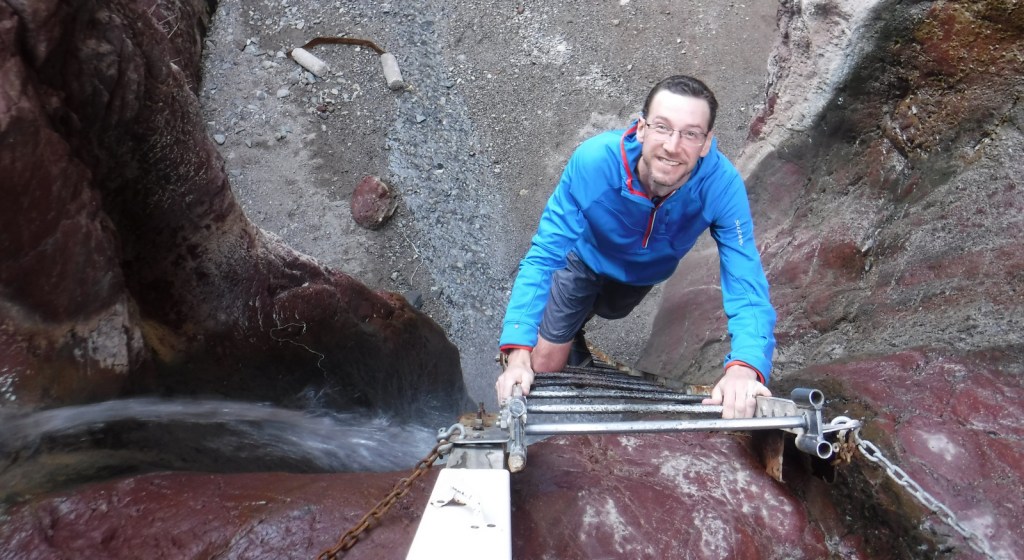
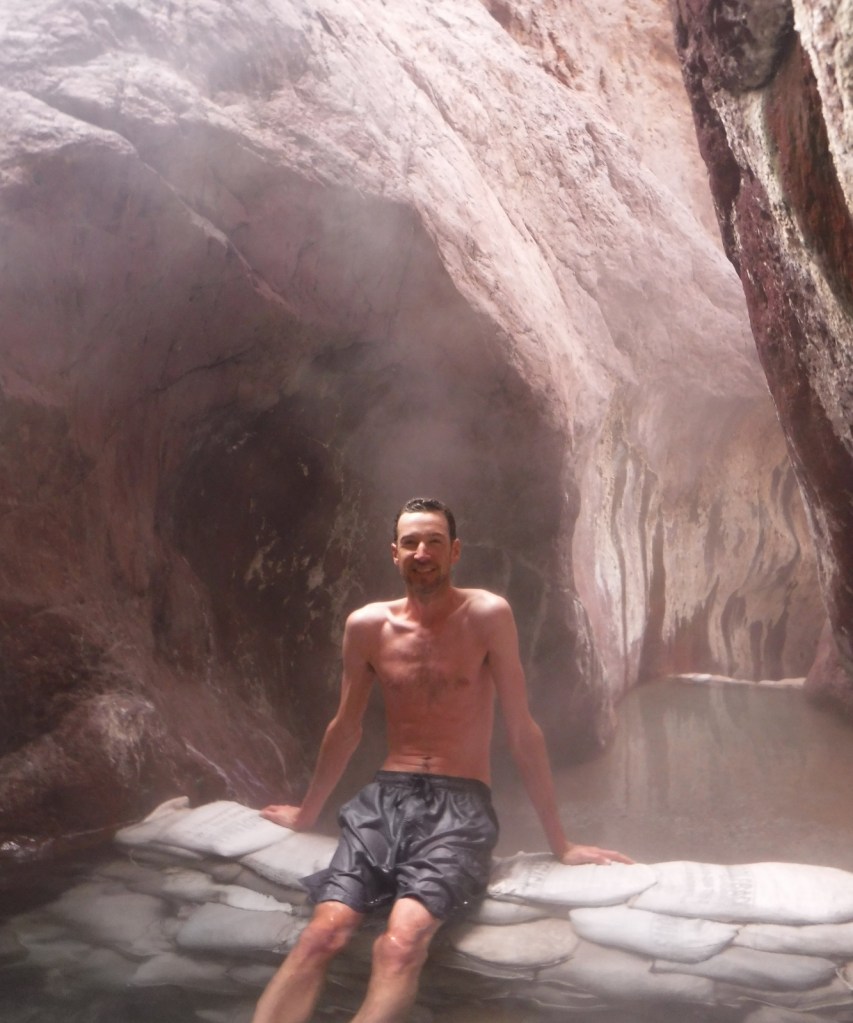
The most fantastic destination in Lake Mead National Recreation Area is Arizona Hot Springs, where pools are formed by sandbags in a narrow canyon.  It is accessible from Liberty Bell Trailhead by a 6.5-mile roundtrip hike through a beautiful canyon down to the Colorado River.  The trail is closed during the hot summer months, but you can still access it by canoe or kayak from Willow Beach Marina or just downstream from the Hoover Dam (with a special permit). Downriver in Black Canyon, stop at Emerald Cove for incredible photographs.

Best Trail

Redstone Trail is a short loop hike through a fantastic red rock area found just off North Shore Drive.  It is similar to the photogenic Valley of Fire State Park located to the north.

Instagram-worthy Photo

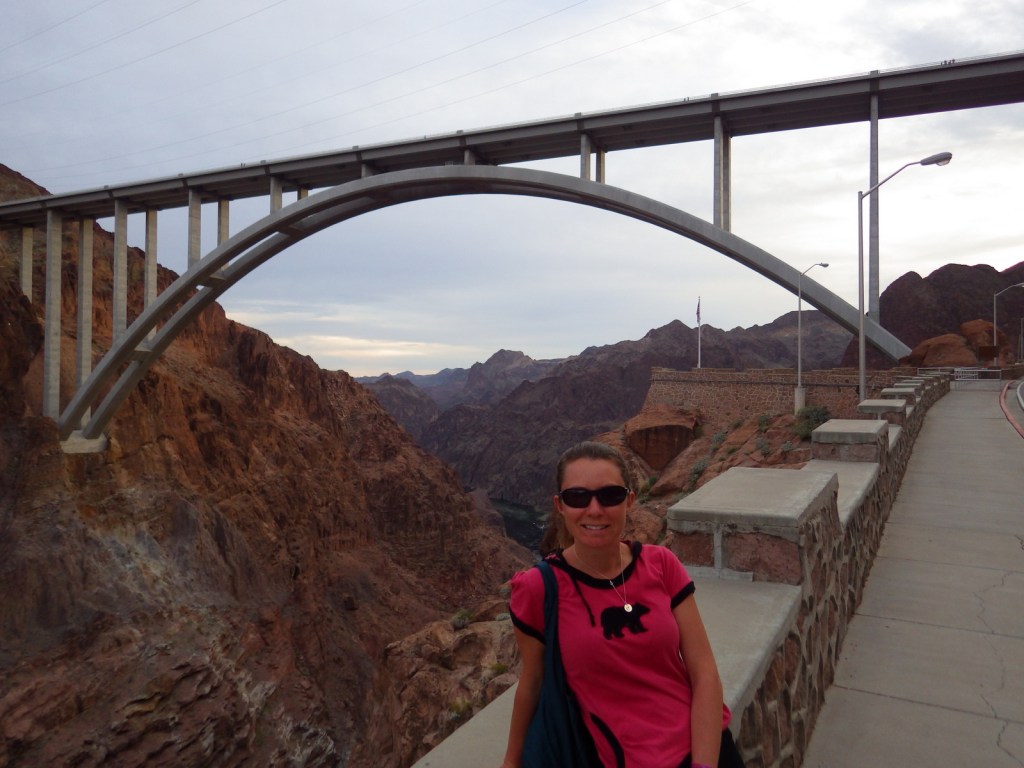
The area around the Hoover Dam can get very crowded, as can the outstanding overlook on the 1,900-foot long Pat Tillman Memorial Bridge (completed in 2010 to route Highway 93 traffic off the dam).  Standing 890-feet above the river below, it ranks as the second highest bridge in the United States behind Colorado’s Royal Gorge Bridge.  Be prepared to pass through a security screening if you park at the bridge or Hoover Dam.

Peak Season

Spring and fall

Hours

https://www.nps.gov/lake/planyourvisit/hours.htm

Fees

$25 per vehicle or America the Beautiful pass to access Willow Beach Marina or Lake Mead itself.  At Hoover Dam there is free parking on the Arizona side, but fees for the museum and tours.

Road Conditions

All major roads are paved, including the steep drive down to Willow Beach Marina, which also has a fish hatchery open to visitors.

Camping

There are multiple NPS campgrounds around the perimeter of Lake Mead and Lake Mohave.  Backcountry camping is allowed without a permit at Arizona Hot Springs, which is even more spectacular after dark.

Related Sites

Grand Canyon National Park (Arizona)

Glen Canyon National Recreation Area (Arizona-Utah)

Tule Springs Fossil Beds National Monument (Nevada)
Explore More – Lake Mead is not often filled to capacity, so when was the last time its spillways were needed during a big snowmelt year?

Lewis and Clark National Historical Park

Overview

In the wake of the Louisiana Purchase in 1803, President Thomas Jefferson was anxious to know what he had just bought from France and find out if it provided an easy route to the Pacific Ocean.  He tapped his secretary Captain Meriwether Lewis as leader of the Corps of Discovery, who in turn named his former colleague Captain William Clark co-commander.  Lewis and Clark National Historical Park celebrates the wet winter of 1805-06 that the expedition spent on the coast of Oregon at the mouth of the Columbia River.

Highlights

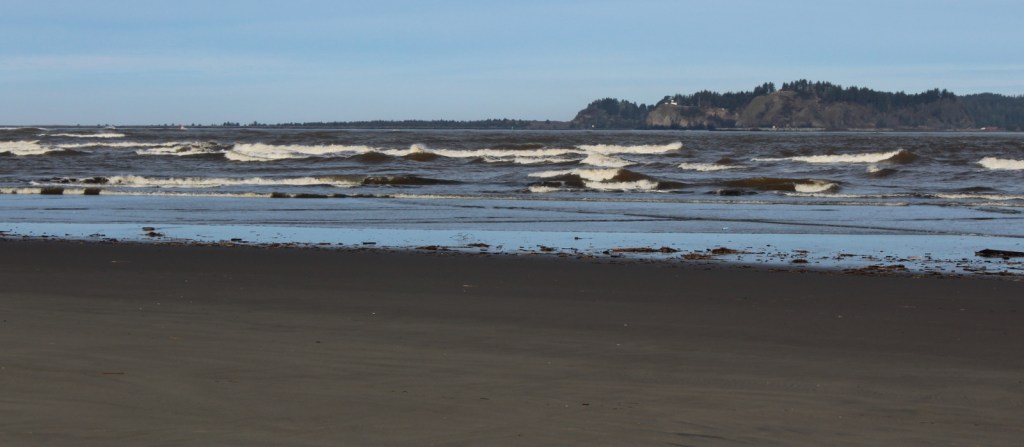
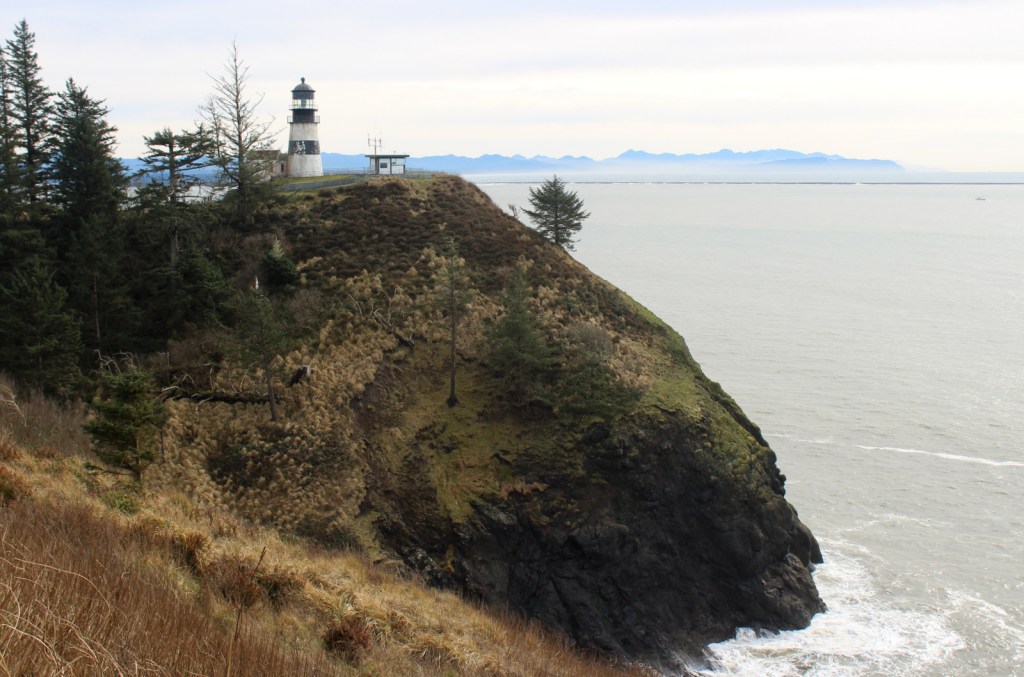
Fort Clatsop, Fort to Sea Trail, Cape Disappointment State Park, Fort Stevens State Park

Must-Do Activity

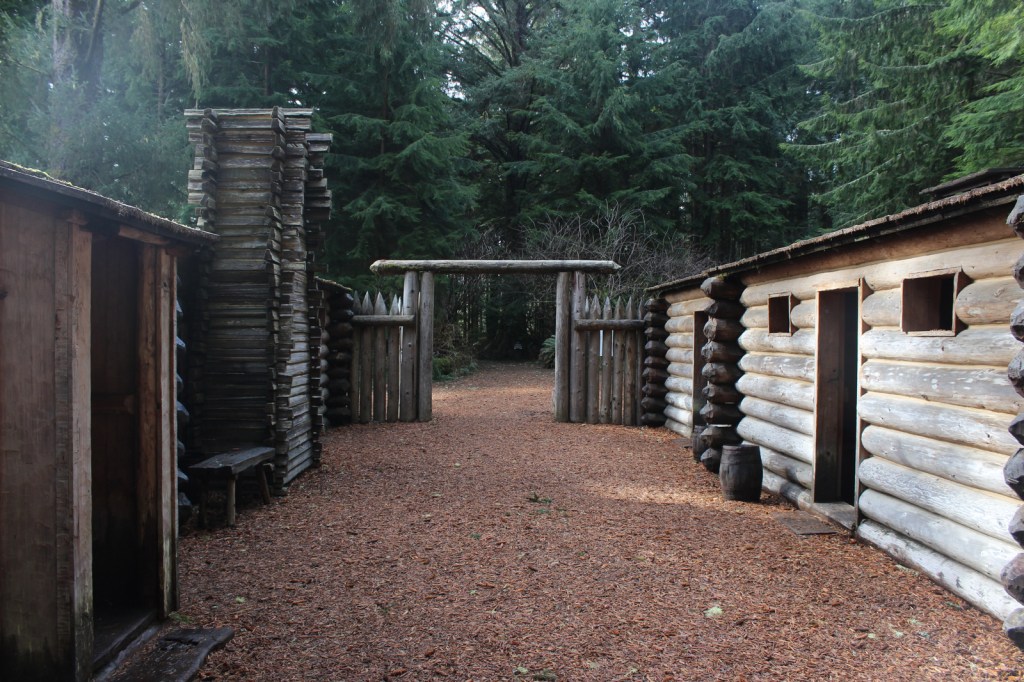
The park is spread across multiple sites, including scenic Cape Disappointment State Park in Washington, plus Fort Clatsop and Fort Stevens State Park in Oregon.  Fort Clatsop was named a National Memorial in 1958 and still serves as the primary National Park Service (NPS) visitor center with exhibits and a film.  Other points of interest include the spot Sacagawea visited to see a beached whale and the salt works where seawater was boiled to produce the necessary commodity for the return trip.

Best Trail

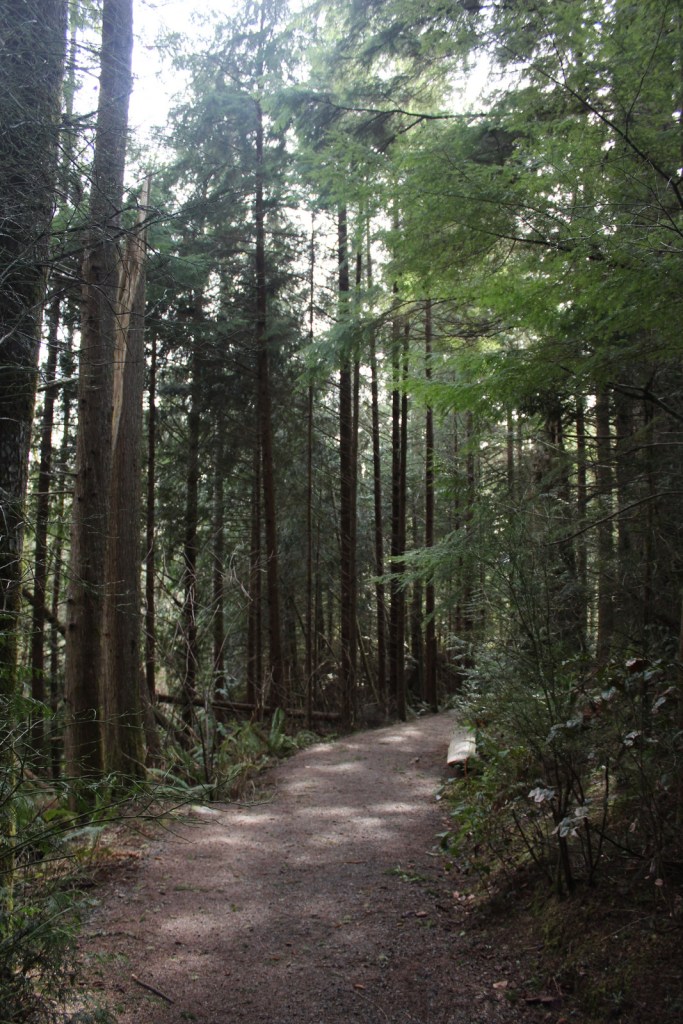
When the Corps of Discovery finally saw the Pacific Ocean on November 7, 1805, Clark journaled, “Ocian in view! O! the joy.”  You can follow in their footsteps by starting at Fort Clatsop then hiking the 6.5-mile one-way Fort to Sea Trail, which marks the terminus of the 4,900-mile long Lewis and Clark National Historic Trail (which is mostly a driving route).

Instagram-worthy Photo

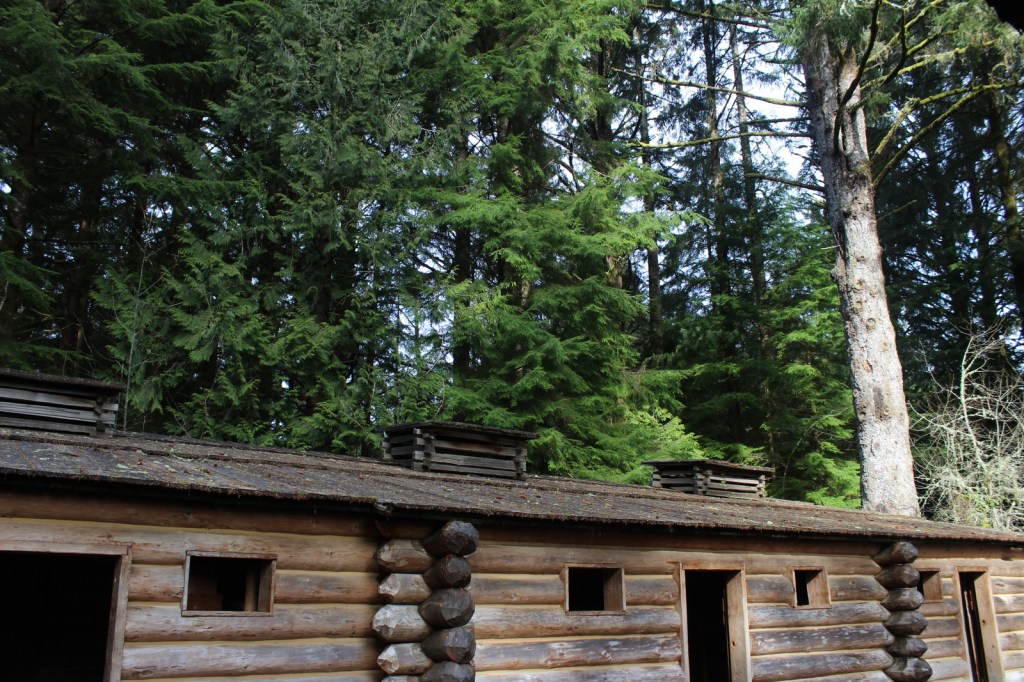
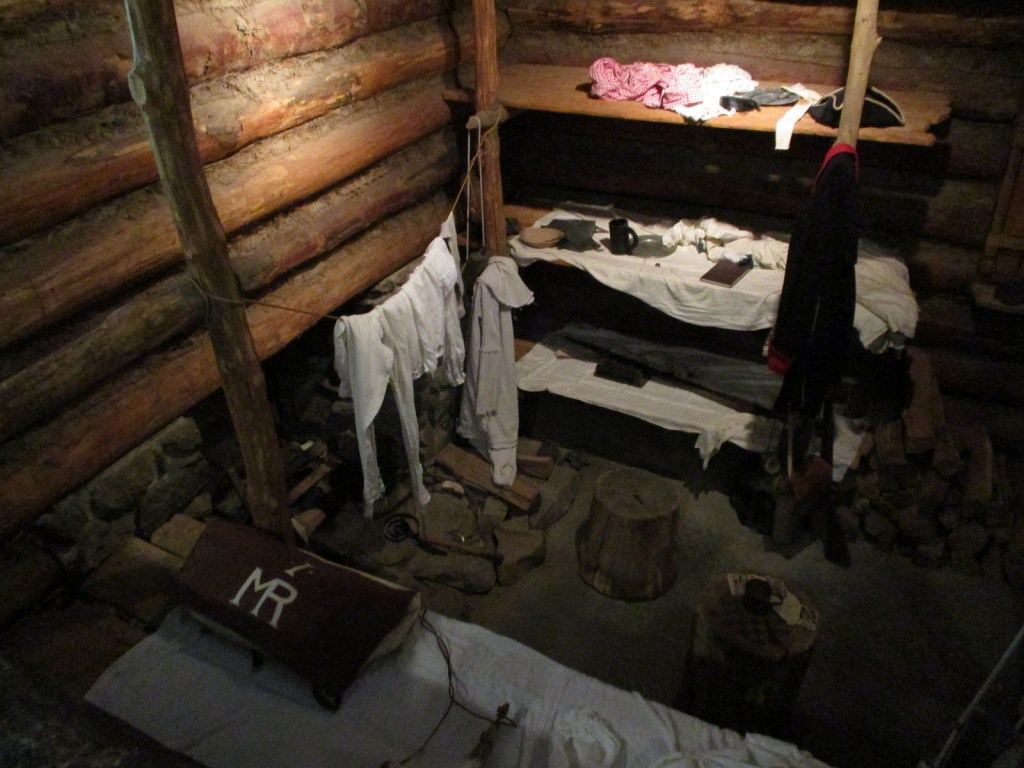
Fort Clatsop is a well-made replica of the small structure where Lewis and Clark spent the winter of 1805-06 and inside you will find rustic furniture similar to that built in 1805.

Peak Season

Summer for costumed demonstrations, though a winter visit would be more historically accurate.

Hours

https://www.nps.gov/lewi/planyourvisit/hours.htm

Fees

$10 per person to visit Fort Clatsop (or America the Beautiful pass) and each State Park has a separate entry fee

Road Conditions

Access roads are paved

Camping

Fort Stevens State Park on the Oregon coast has hundreds of campsites for tents and RVs, and there is also camping available at Cape Disappointment State Park in Washington.

Related Sites

Knife River Indian Villages National Historic Site (North Dakota)

Nez Perce National Historical Park (Idaho-Oregon-Washington)

Missouri National Recreation River (Nebraska-South Dakota)

Explore More – Where did the Corps of Discovery spend the winter prior to Fort Clatsop and first meet Sacagawea?
We are a participant in the Amazon Services LLC Associates Program, an affiliate advertising program designed to provide a means for us to earn fees by linking to Amazon.com and affiliated sites.

Update to Our Guidebook: A Park to Yourself

Since White Sands National Monument was upgraded to the 62nd National Park on December 20, 2019, we decided to update our guidebook to the parks.  If you already bought your copy on Amazon, please find the new page 308 posted below.  White Sands is one of our favorite of the many National Park Service units in New Mexico.  You can read more about the park on this blog

White Sands

New Mexico

148,558 acres

Established 2019

603,008 visitors in 2018

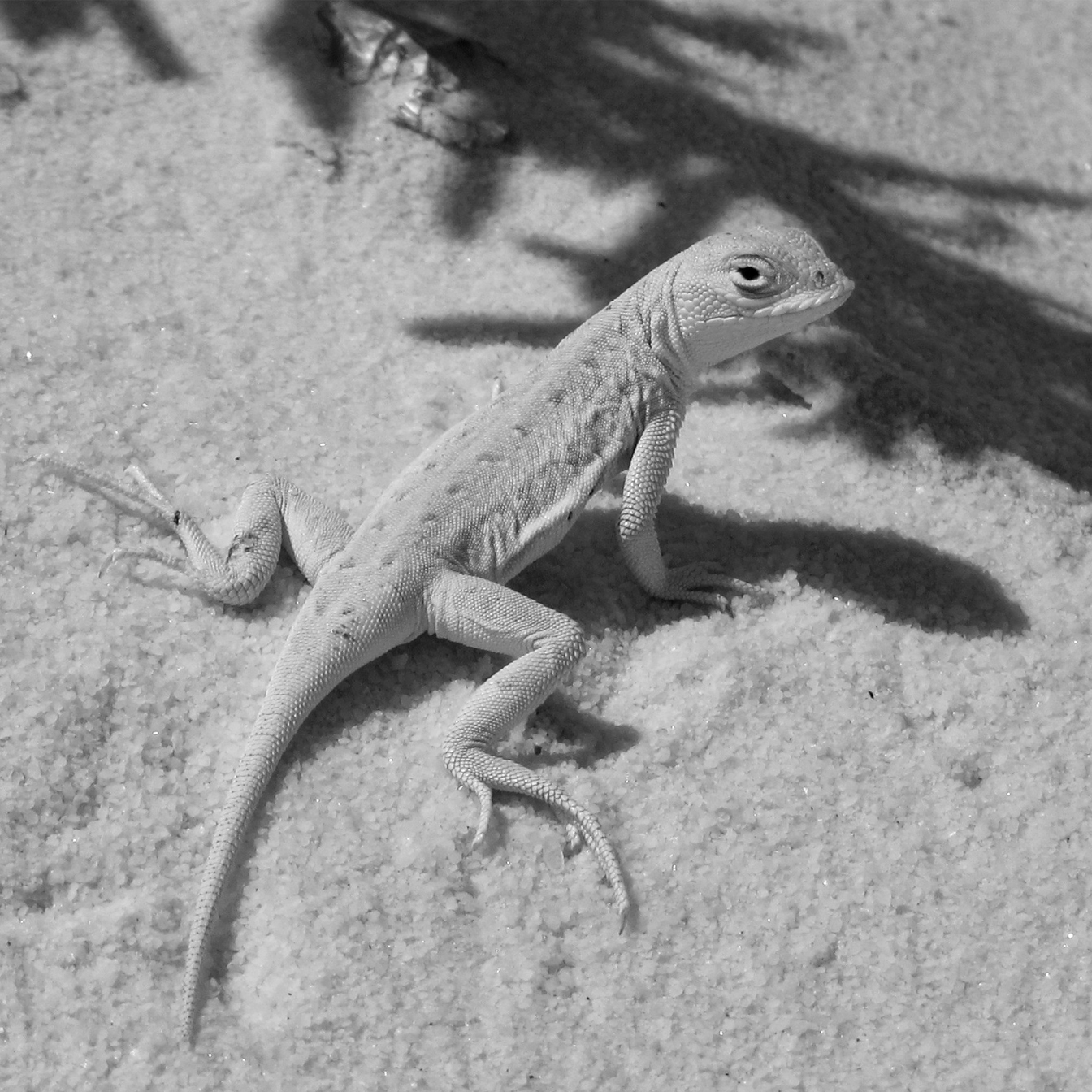
Dunes composed of gypsum make a great destination for snow sledding year round, especially when the sand is wet.  Gypsum readily dissolves in water, but here it forms dunes because no river drains the Tularosa Basin.  Follow markers on the five-mile roundtrip Alkali Flat Trail that goes up and down dunes and provides views of the San Andres Mountains.  Most of the wildlife here is nocturnal, but during the day you may spot bleached earless lizards that evolved to camouflage in the gypsum.  The white dunes take on the colors of the sunset if you attend the ranger-guided Sunset Stroll or backpack camp.  There is no campground and only ten backcountry campsites, and their availability is dependent upon whether the military is conducting missile tests overnight, so call ahead or check the schedule online.  Oliver Lee Memorial State Park offers a full service campground in a beautiful setting south of Alamogordo, New Mexico.

We are a participant in the Amazon Services LLC Associates Program, an affiliate advertising program designed to provide a means for us to earn fees by linking to Amazon.com and affiliated sites.

Cumberland Gap National Historical Park

Overview

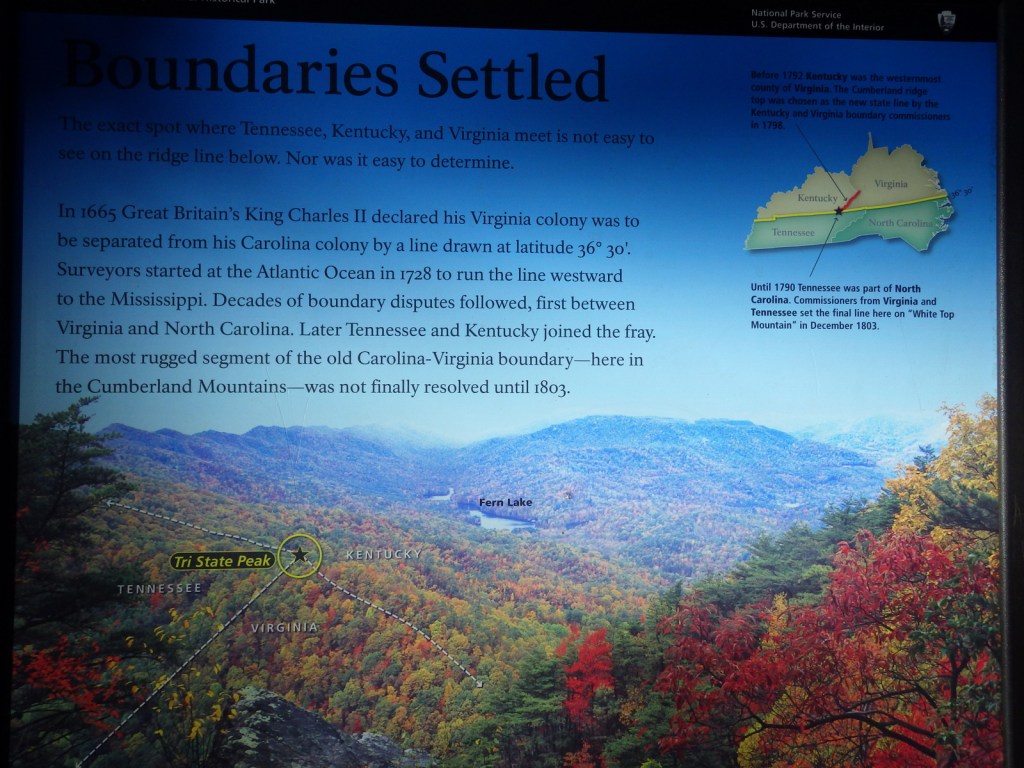
As one of the easiest crossings of the Alleghany Mountains, Cumberland Gap saw steady foot traffic from 1775 to 1810 as American settlers moved west then sent their trade goods and livestock east.  It later became the corner where the states of Kentucky, Tennessee, and Virginia all converge.  Today there is a tunnel on Highway 25E, maintaining the park’s quiet and its appearance of centuries ago. 

Highlights

Pinnacle Overlook, Tri-State Peak, Wilderness Road Trail, Hensley Settlement, Gap Cave

Must-Do Activity

All visitors will want to drive the steep four-mile long Pinnacle Road, along which trailheads lead to scenic overlooks and earthen forts dating to the 1860s.  Reservations are recommended if you want to take a tour of the Hensley Settlement or Gap Cave, which typically sell out.  Even if you cannot make it on a tour, there are 85 miles of shady trails through the park’s 24,000 acres of forest to make your visit worthwhile.

Best Trail

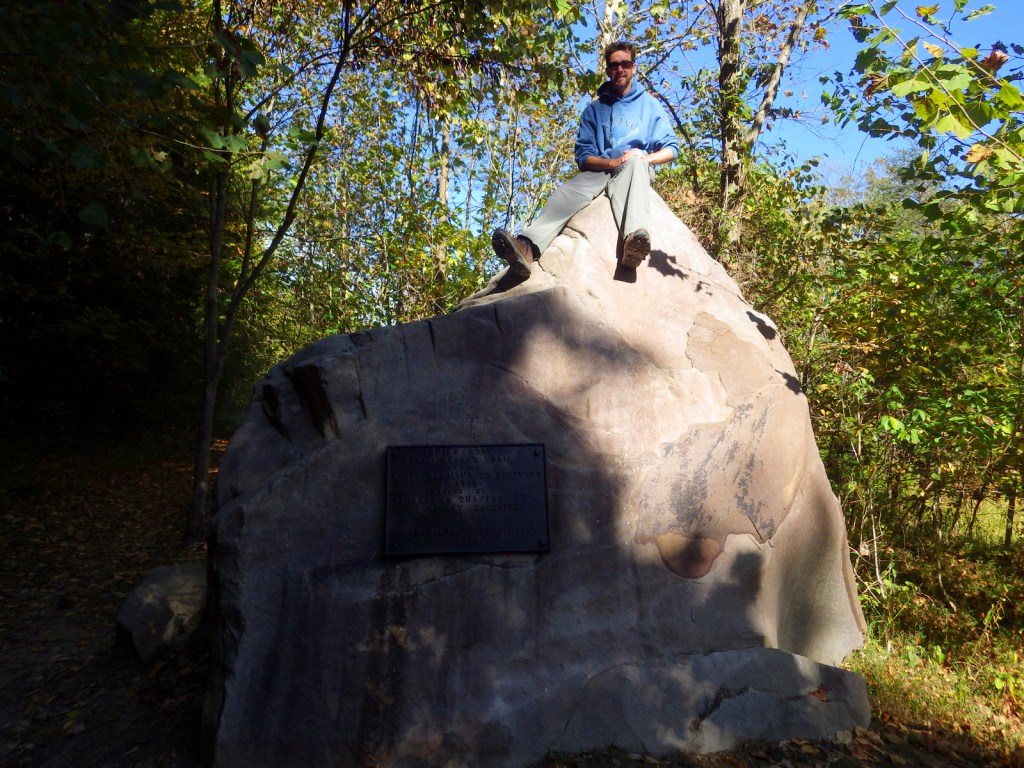
At Cumberland Gap National Historical Park you can follow in the footsteps of salt-seeking bison, Shawnee and Cherokee warriors, hundreds of thousands of pioneers, and Civil War soldiers from both sides.  Hike the Wilderness Road Trail to the saddle of the official Cumberland Gap, which is marked by a sign.  You will also pass the same Indian Rock that was seen by frontiersman Daniel Boone when he helped blaze the Wilderness Trail in 1775.

Instagram-worthy Photo

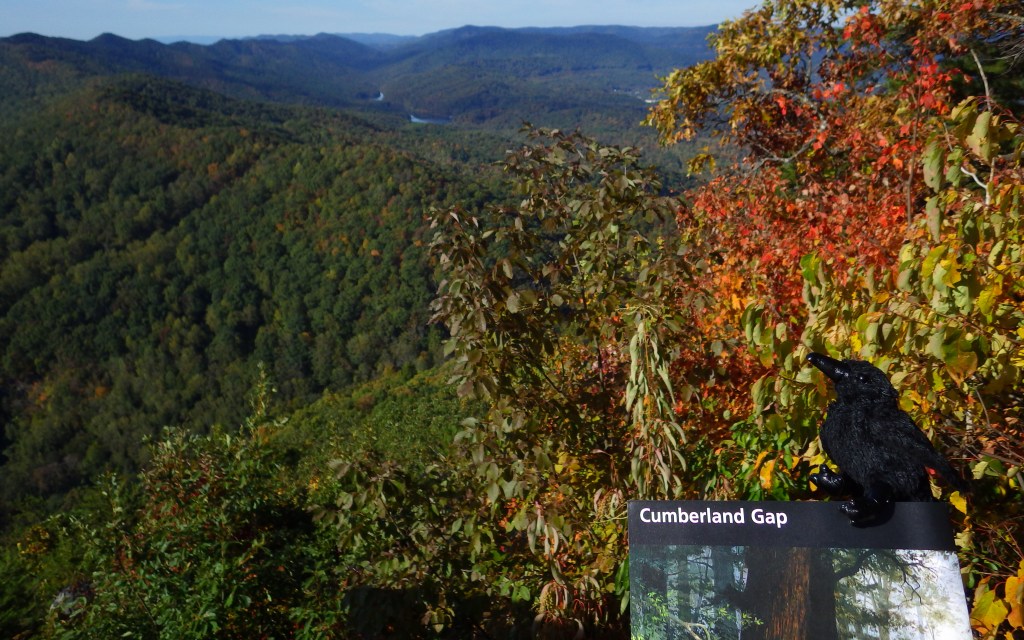
You can see parts of Kentucky, Virginia, and Tennessee from Pinnacle Overlook at 2,440 feet in elevation.  With its commanding views, you can see why both sides found the Cumberland Gap strategic during the Civil War.

Peak Season

Summer

Hours

https://www.nps.gov/cuga/planyourvisit/hours.htm

Fees

None, except for the separate tours of Hensley Settlement and Gap Cave (reservations recommended).

Road Conditions

The four-mile long road up to Pinnacle Overlook is paved but steep enough to be closed to all trailers and vehicles over 20 feet in length.

Camping

The park’s Wilderness Road Campground is large and open year round.  Free permits are available for backcountry campsites.  Black bears are common in the park, so proper food storage is required.

Related Sites

Mammoth Cave National Park (Kentucky)

Big South Fork National River and Recreation Area (Tennessee-Kentucky)

Great Smoky Mountains National Park (Tennessee-North Carolina)

Explore More – Who was the Virginian who first “discovered” and named the Cumberland Gap in 1750?

We are a participant in the Amazon Services LLC Associates Program, an affiliate advertising program designed to provide a means for us to earn fees by linking to Amazon.com and affiliated sites.

Morristown National Historical Park

Overview

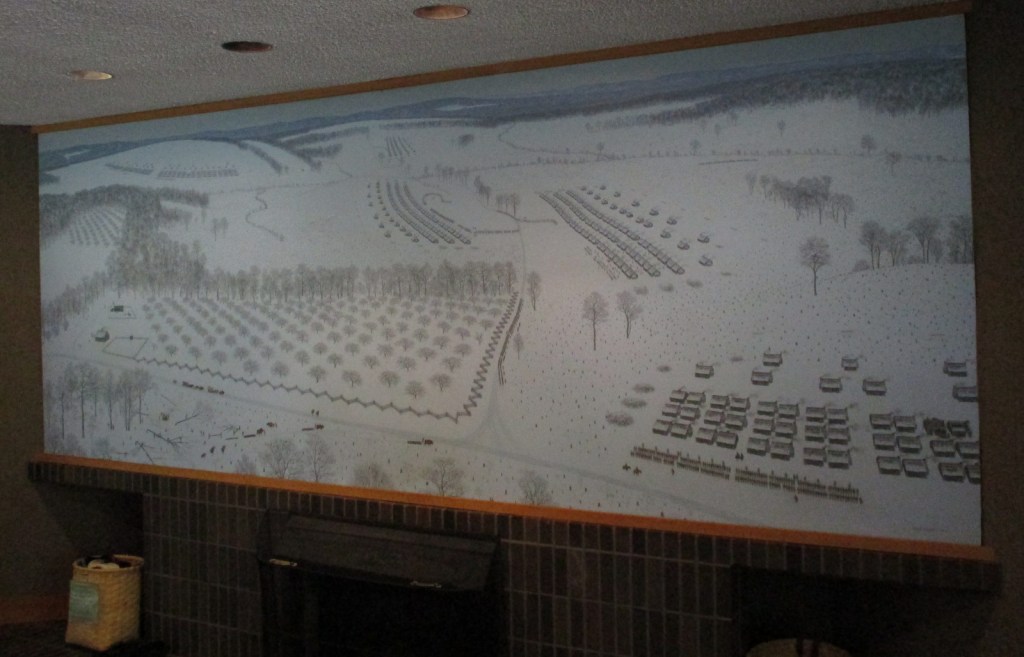
Not as famous as Valley Forge National Historical Park in Pennsylvania, Morristown was the winter camp for the Continental Army during the winter of 1776-77, following the successful Christmas surprise attack on Trenton, New Jersey.  General George Washington again chose this site for his 10,000 troops during the winter of 1779-80, considered by historians as the harshest weather of the 18th century.  Morristown was established as the nation’s first National Historical Park in 1933.

Highlights

Ford Mansion, films, Wick House, replica huts at Jockey Ridge

Must-Do Activity

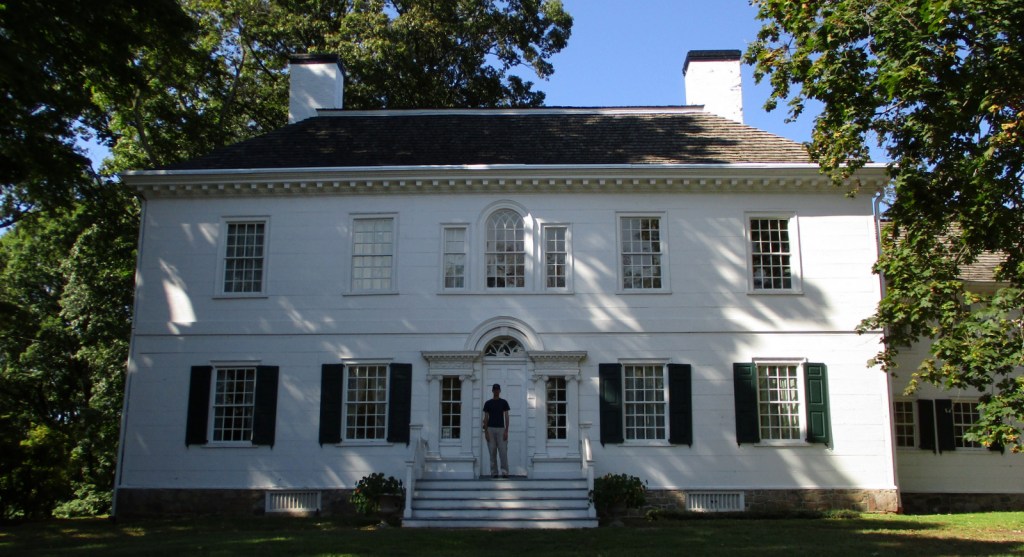
In the town of Morristown, the Georgian-style Ford Mansion served as George and Martha Washington’s home during the winter of 1779-80.  Tours inside the house start at the museum behind it, which also has exhibits and a film.  Down the road, there are no remains of the earthworks built in 1777 at Fort Nonsense, but interpretive panels at the site explain its strategic position and how it later got its name. 

Best Trail

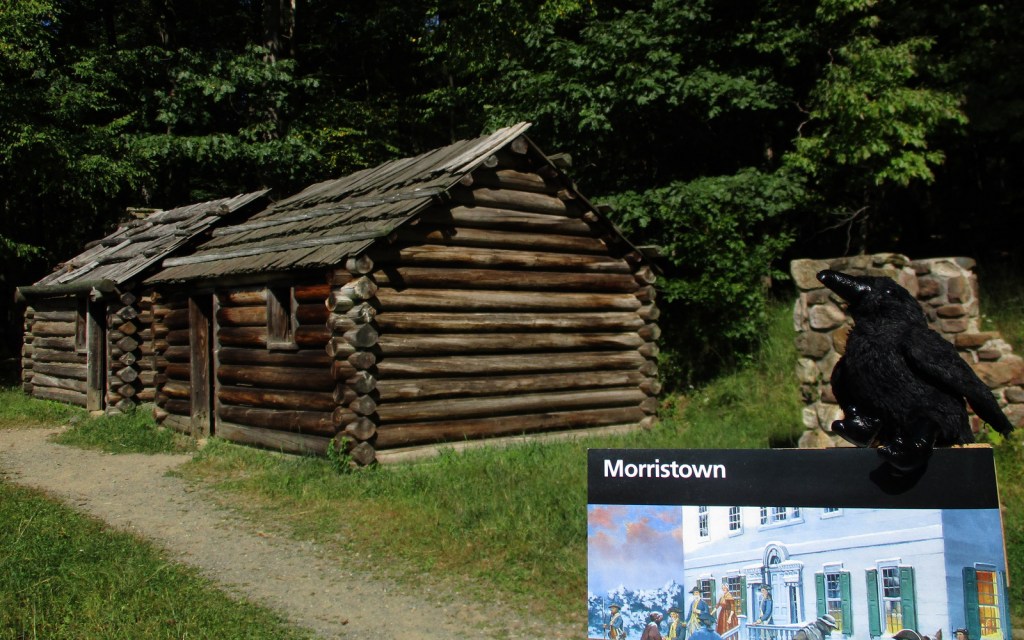
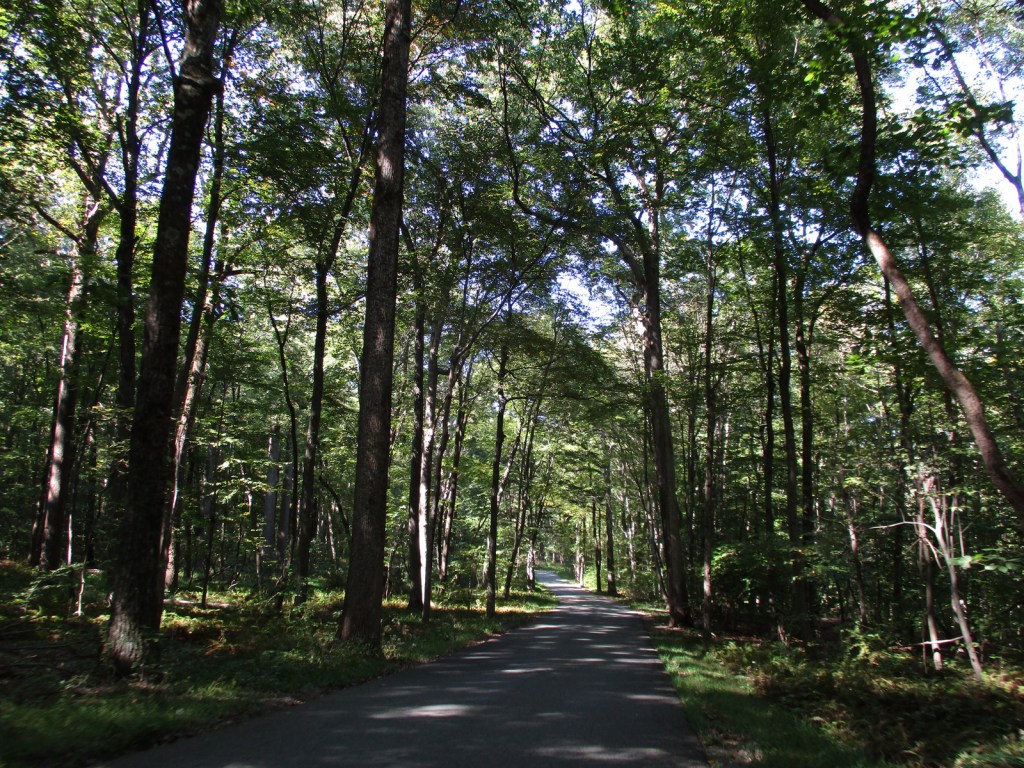
A short trail leads from a parking area up a small hill to replicas of soldiers’ huts at Jockey Ridge.  There are a total of 27 miles of trails in this section of the park that are also open to horseback riding and cross-country skiing.

Instagram-worthy Photo

The Wick House at Jockey Hollow has been restored to its 1750 appearance.  It served as the quarters for Major General Arthur St. Clair during the winter of 1779-80.  Costumed interpreters are sometimes on hand to take visitors inside the farmhouse.

Peak Season

Summer, though winter is more authentic to the American Revolution.

Hours

https://www.nps.gov/morr/planyourvisit/hours.htm

Fees

None

Road Conditions

All roads paved and parking is free

Camping

Allamachy Mountain State Park is about 20 miles northwest of Morristown, New Jersey.

Related Sites

Valley Forge National Historical Park (Pennsylvania)

Gateway National Recreation Area (New York-New Jersey)

Thomas Edison National Historical Park (New Jersey)

Explore More – Morristown National Historical Park is part of which National Heritage Area and located along which National Historic Trail?