Tag Archives: tour

Glacier Bay National Park and Preserve

Overview

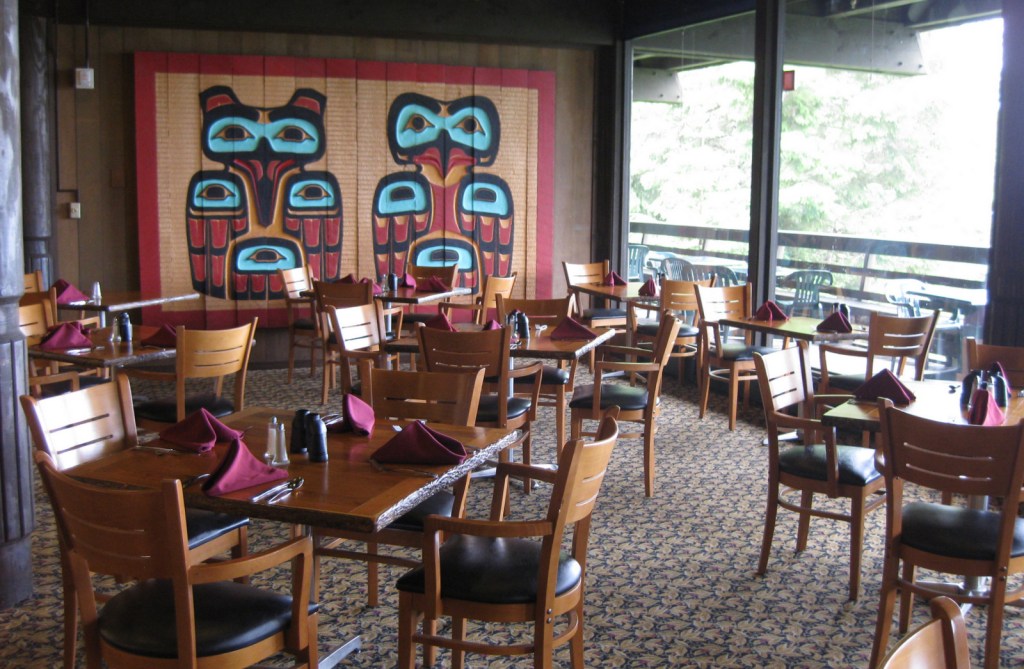
Gustavus, Alaska (population 400) is the gateway to Glacier Bay National Park and Preserve, and can be accessed by air or ferry from Juneau.  Some large cruise ships include the bay on their Inside Passage itinerary, but to get closer and really hear the thunder of cracking Margerie Glacier it is better to take a daytrip aboard a smaller catamaran from the docks at Glacier Bay Lodge.  Guided multi-day kayaking trips are one way to have a wild experience more similar to John Muir’s 1879 exploration detailed in his book Travels in Alaska.  Learn more in our guidebook to the 62 National Parks, A Park to Yourself: Finding Adventure in America’s National Parks (available on Amazon).

Highlights

Sitakaday Narrows, Bartlett River Trail, Margerie Glacier, wildlife

Must-Do Activity

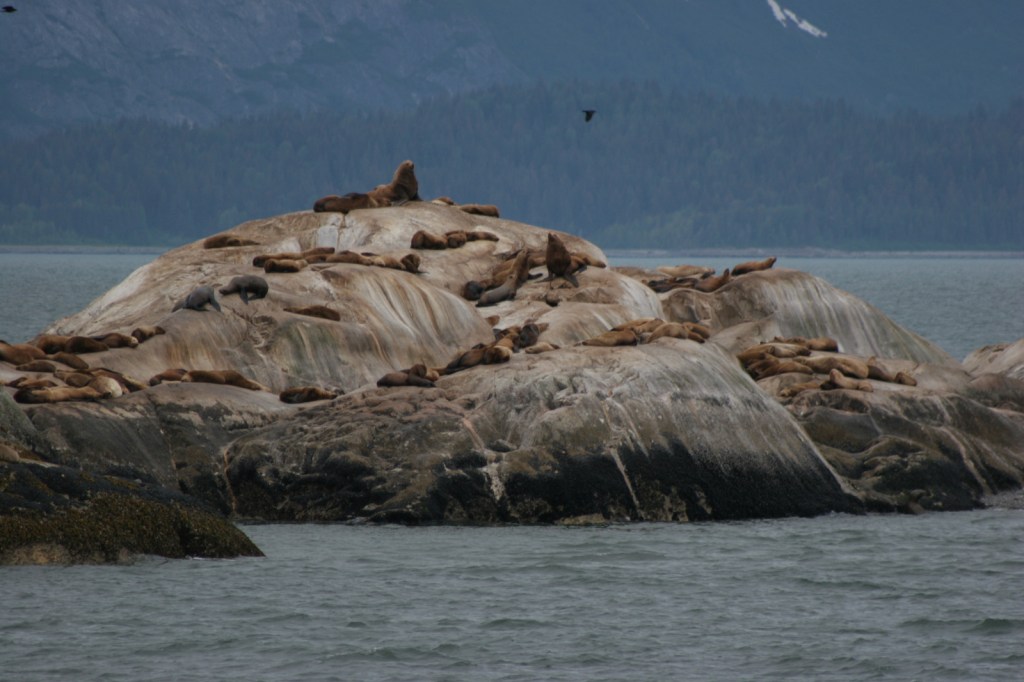
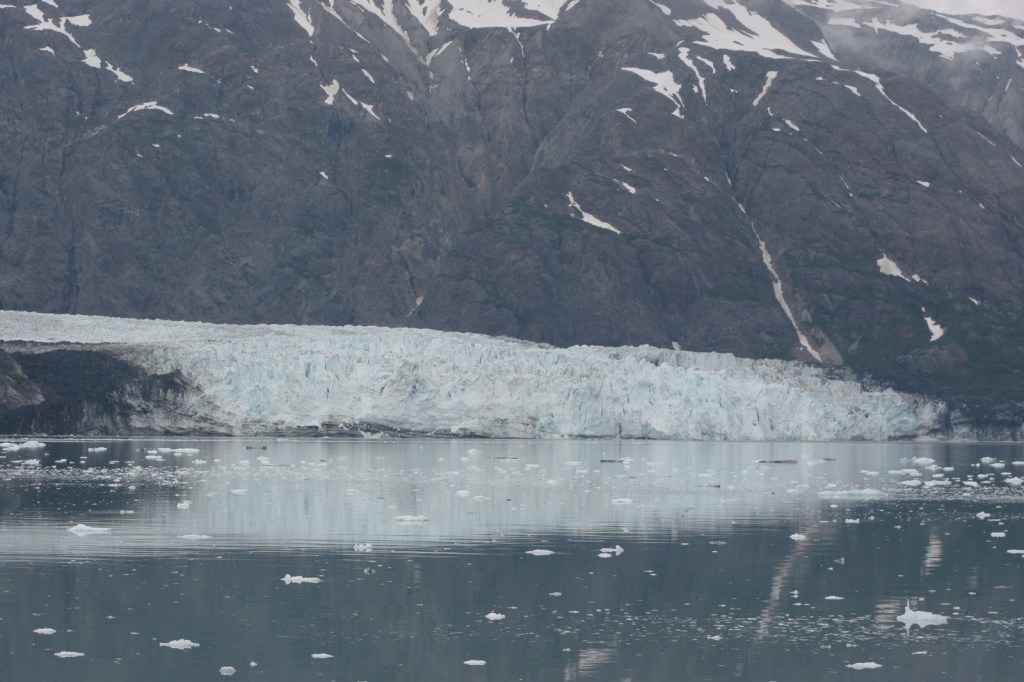
Vacation packages including boat tickets, meals, and a private cabin at the lodge are reasonably priced through the National Park Service (NPS) concessionaire.  Shortly after departing on your all-day boat tour you will see humpback whales in the Sitakaday Narrows, then up the bay are Steller sea lions, harbor seals, and a variety of seabirds.  By scanning the cliffs you might also spot mountain goats and brown bears.  The boat turns around at Margerie Glacier, a great place to witness the thunderous calving of a tidewater glacier, an experience that should be on everyone’s bucket list. 

Best Trail

On the days you are not on the boat, there are several trails around Glacier Bay Lodge or you can explore the shoreline at low tide to see an assortment of marine life. 

Instagram-worthy Photo

Lamplugh Glacier is not as active as Margerie Glacier, but may be more photogenic, which is why we chose to depict it in our logo for this National Park (see below).

Peak Season

Summer

Hours

https://www.nps.gov/glba/planyourvisit/hours.htm

Fees

None for the park, but this is not a cheap place to visit.

Road Conditions

There are no roads to Gustavus, Alaska, which is only accessible by airplane or boat.  The NPS always sends a bus from Glacier Bay Lodge to pick up arrivals at the airport and ferry terminal.

Camping

There is a free NPS campground near Glacier Bay Lodge if you bring your own supplies. 

Related Sites

Sitka National Historical Park (Alaska)

Wrangell-St. Elias National Park and Preserve (Alaska)

Kenai Fjords National Park (Alaska)

This design we created to celebrate Glacier Bay National Park is available on a variety of products at Cafe Press and Amazon.

Explore More – Glacier Bay was named a National Monument in 1925 and was expanded to become the largest NPS site (at the time) in 1939, but when was it finally designated a National Park?

We are a participant in the Amazon Services LLC Associates Program, an affiliate advertising program designed to provide a means for us to earn fees by linking to Amazon.com and affiliated sites.
Pecos National Historical Park

Overview

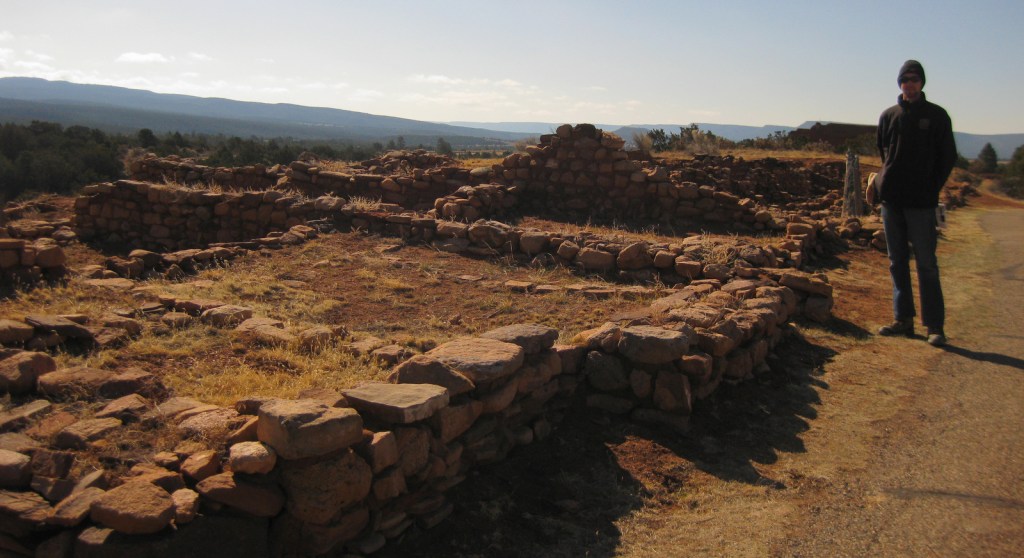
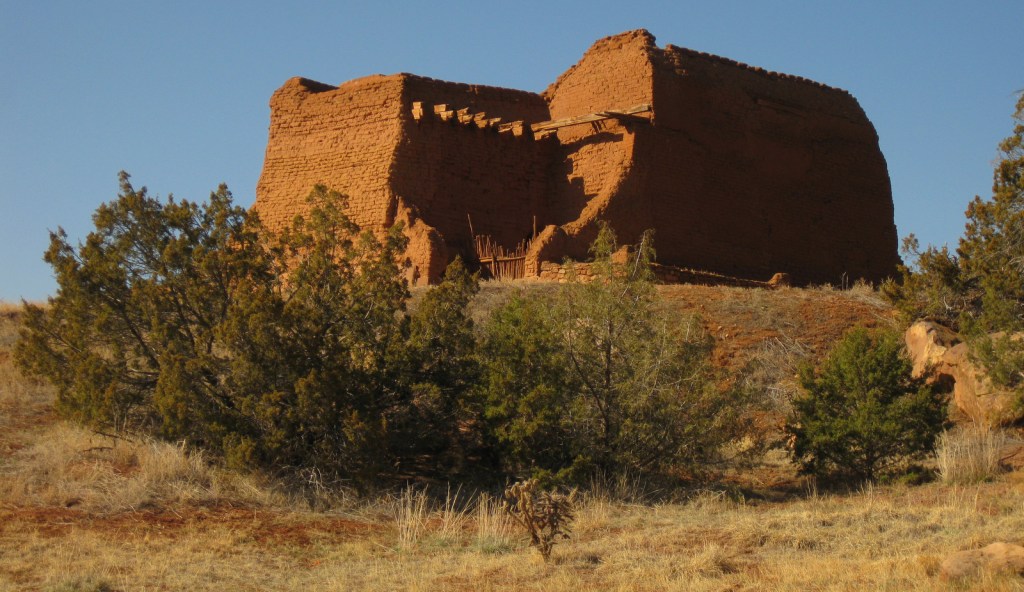
In 1540, Pecos (called Cicuyé by the natives) was a thriving trading center connecting Plains Indians and the Pueblos of northern New Mexico.  It was that year that Spanish conquistador Francisco Vasquez de Coronado led his army to the site during his futile search for the Seven Cities of Gold.  Today you can explore the fascinating ruins at Pecos National Historical Park not far off Interstate 25, which came to replace portions of Route 66, which itself replaced the original Santa Fe Trail.  All of these routes funneled through the mountains at 7,562-foot Glorieta Pass, one of the main reasons for the creation of Northern Rio Grande National Heritage Area.  Glorieta Pass was also the site of a March 26-28, 1862 Civil War battle.

Highlights

Museum, film, Pueblo and Mission Ruins Trail, Glorieta Unit

Must-Do Activity

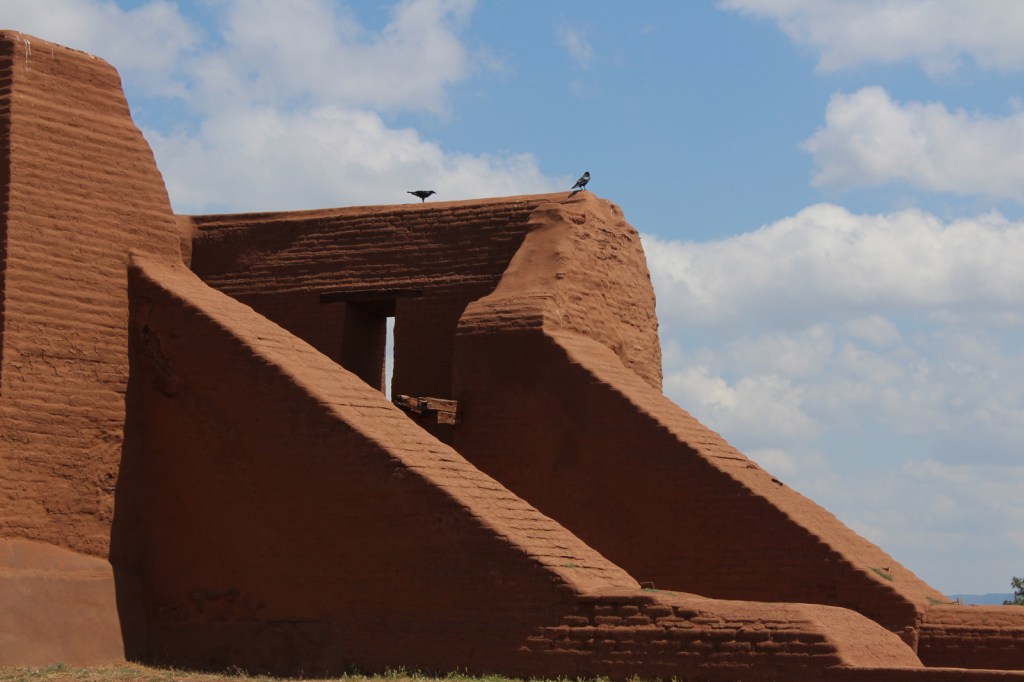
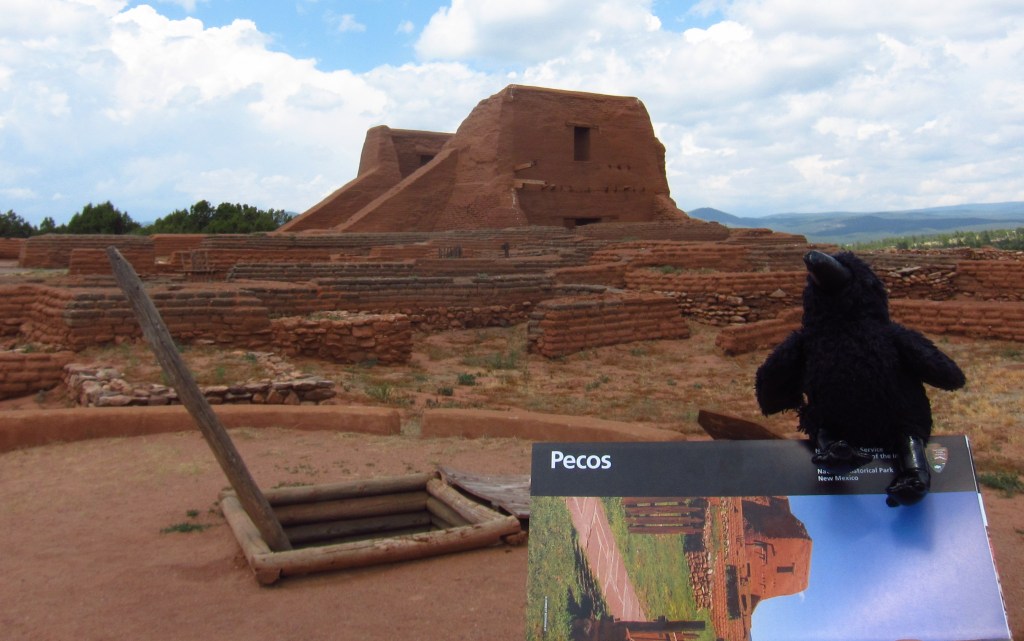
A massive Catholic mission with walls eight feet thick was the legacy the Spanish left behind, which was subsequently destroyed in the widespread revolt of 1680.  The church ruins seen today are a remnant of one rebuilt at a smaller scale in 1717, which interestingly includes ceremonial kivas adjacent to its lofty walls.  In the following centuries Comanche raids commenced, trade routes changed, and the pueblo abandoned in 1838.  At the main National Park Service (NPS) visitor center, you can get the combination for the lock at Pigeon’s Ranch where a 2.25-mile trail passes through parts of the 1862 Battle of Glorieta Pass.

Best Trail

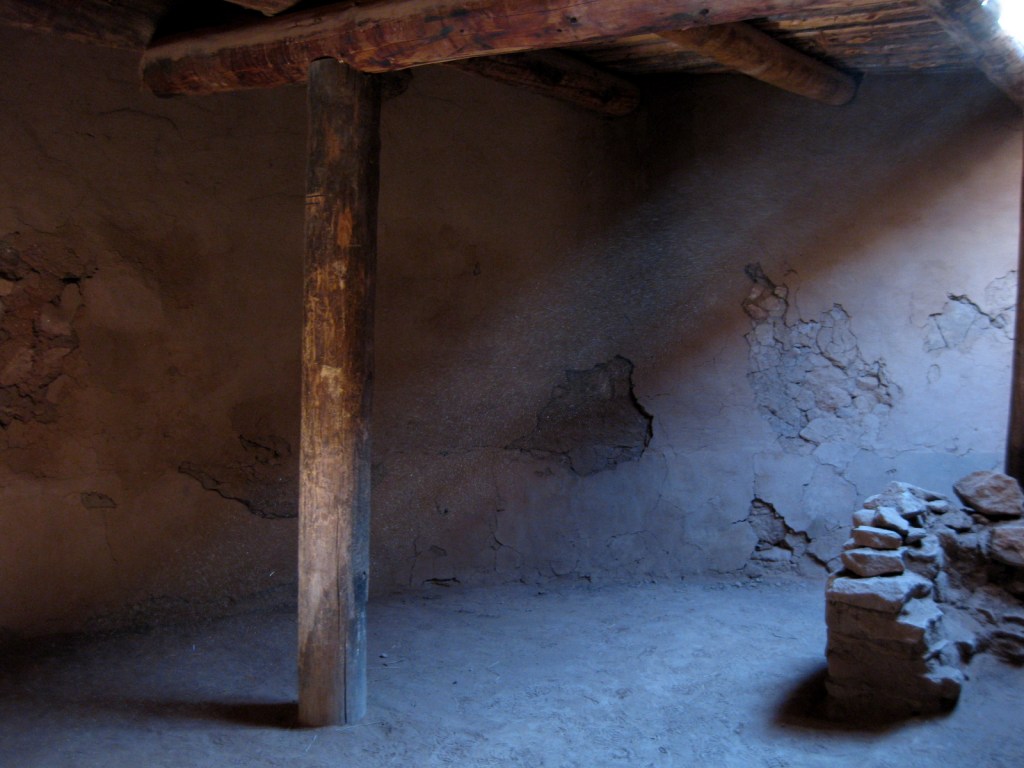
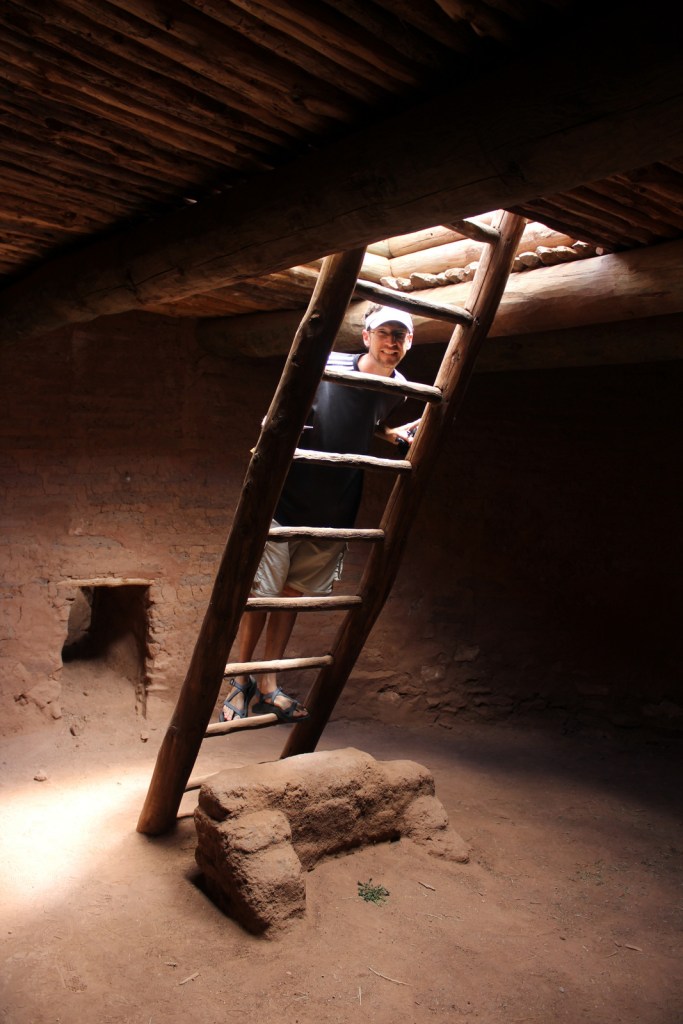
A 1.25-mile self-guided trail allows you to take a peek inside the mission and climb down into two reconstructed kivas to imagine what life was like when this was a bustling pueblo of over 2,000 inhabitants.

Instagram-worthy Photo

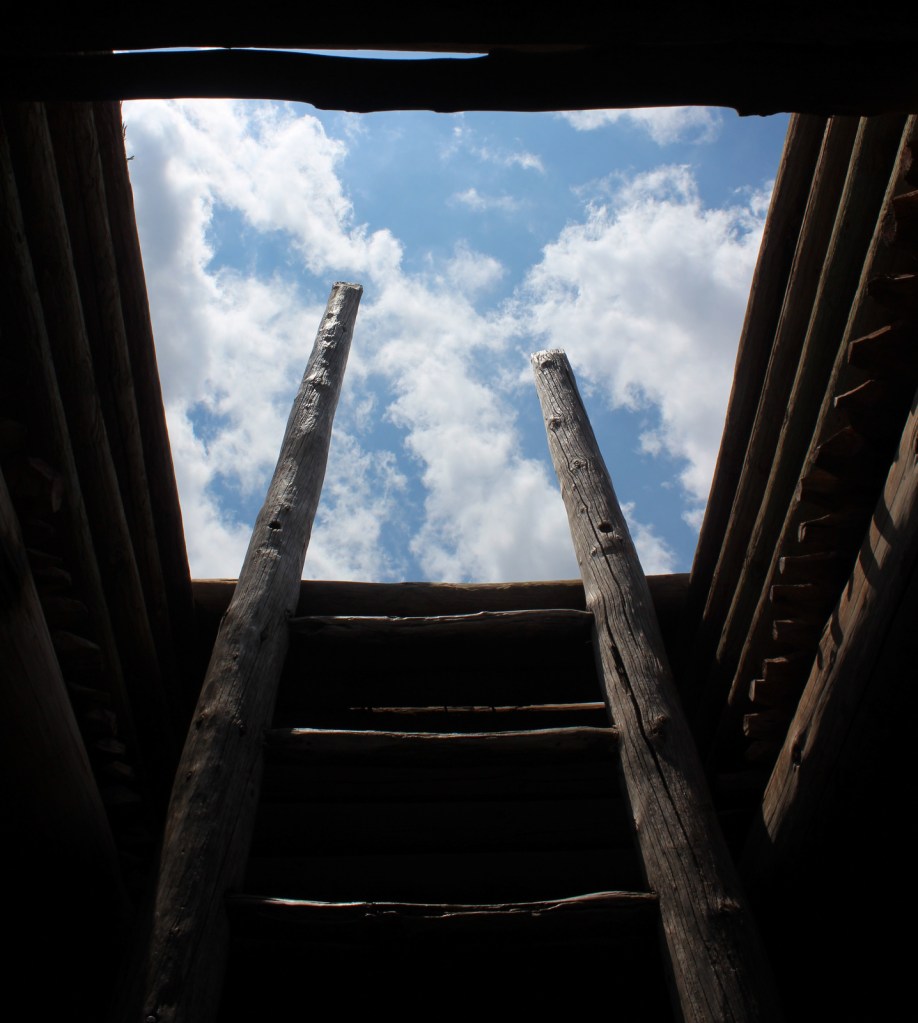
There are two reconstructed kivas along the 1.25-mile Pueblo and Mission Ruins Trail, including one right outside the walls of the Catholic mission.  Climb down into a kiva for a trip back in time and a great photographic opportunity (once the dust settles).

Peak Season

Summer

Hours

https://www.nps.gov/peco/planyourvisit/hours.htm

Fees

None

Road Conditions

All roads paved

Camping

There is no NPS campground at the site, but there are numerous camping opportunities throughout Santa Fe National Forest.

Related Sites

Salinas Pueblo Missions National Monument (New Mexico)

Petroglyph National Monument (New Mexico)

Fort Union National Monument (New Mexico)

Explore More – Who was the religious leader credited with organizing the 1680 Pueblo Revolt that drove the Spanish out of northern New Mexico (though they returned in 1692)?

Appomattox Court House National Historical Park

Overview

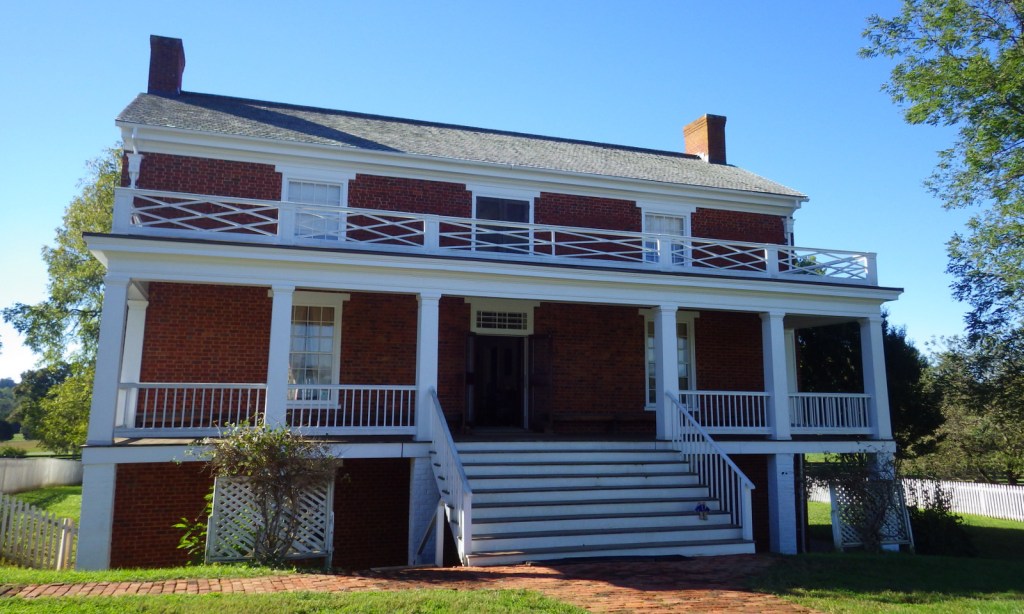
If the name Appomattox Court House rings a bell, that is because in U.S. History class you learned it was where the Civil War ended on April 9, 1865.  There was a courthouse in the town of Appomattox Court House, Virginia, but that is not where Robert E. Lee and Ulysses S. Grant signed surrender papers; actually it was the home of Wilmer McLean.  In 1893, the McLean house was completely disassembled to be turned into an offsite museum, but was later brought back and rebuilt by the National Park Service (NPS).  The county jail is one of several other restored buildings in the park originally designated a National Monument in 1935 and changed to a National Historical Park in 1954.

Highlights

Museum, film, reconstructed McLean House, guided tours

Must-Do Activity

The restored courthouse now serves as the NPS visitor center and museum, from where visitors can start their walk through Meeks General Store, Clover Hill Tavern, the county jail, and other period buildings.  Much of the furniture from the McLean House was taken as souvenirs by Union officers, as well as a doll owned by 7-year-old Lula McLean that was not returned until 1992.

Best Trail

A four-mile hiking trail connects the Village of Appomattox Court House with the April 9, 1865 battlefield and the two General’s headquarters.

Instagram-worthy Photo

You have to take a photo inside the restored room in the McLean house where Lee surrendered his army of 9,000 men, essentially ending the Civil War.

Peak Season

Summer

Hours

https://www.nps.gov/apco/planyourvisit/hours.htm

Fees

None

Road Conditions

All roads paved

Camping

None in the park, but the campground at Holliday Lake State Park is only 12 miles away.

Related Sites

Petersburg National Battlefield (Virginia)

Richmond National Battlefield Park (Virginia)

Booker T. Washington National Monument (Virginia)

Explore More – Seven regiments of African American soldiers in the Union Army participated in the Battle of Appomattox Court House; how many men is that?

Gettysburg National Military Park

Overview

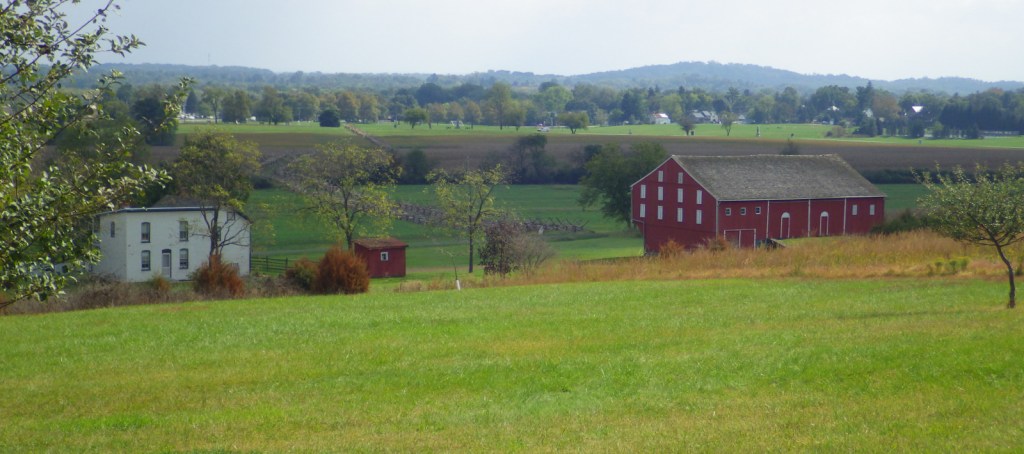
The turning point of the Civil War undoubtedly occurred on July 3, 1863 in Gettysburg, Pennsylvania, especially when considered in combination with the capture of Vicksburg, Mississippi.  After the Confederate invasion of the North was repulsed at Antietam, the next year General Robert E. Lee led 75,000 troops into Pennsylvania to face 88,289 Union soldiers.  After three days of fighting, there were 51,000 men killed, wounded, or missing; the most of any battle on American soil.  It can take more than one full day to visit Gettysburg National Military Park, especially if you add on a bus tour to neighboring Eisenhower National Historic Site.

Highlights

Museum, film, Cyclorama painting, driving tour, David Wills House, cannons

Must-Do Activity

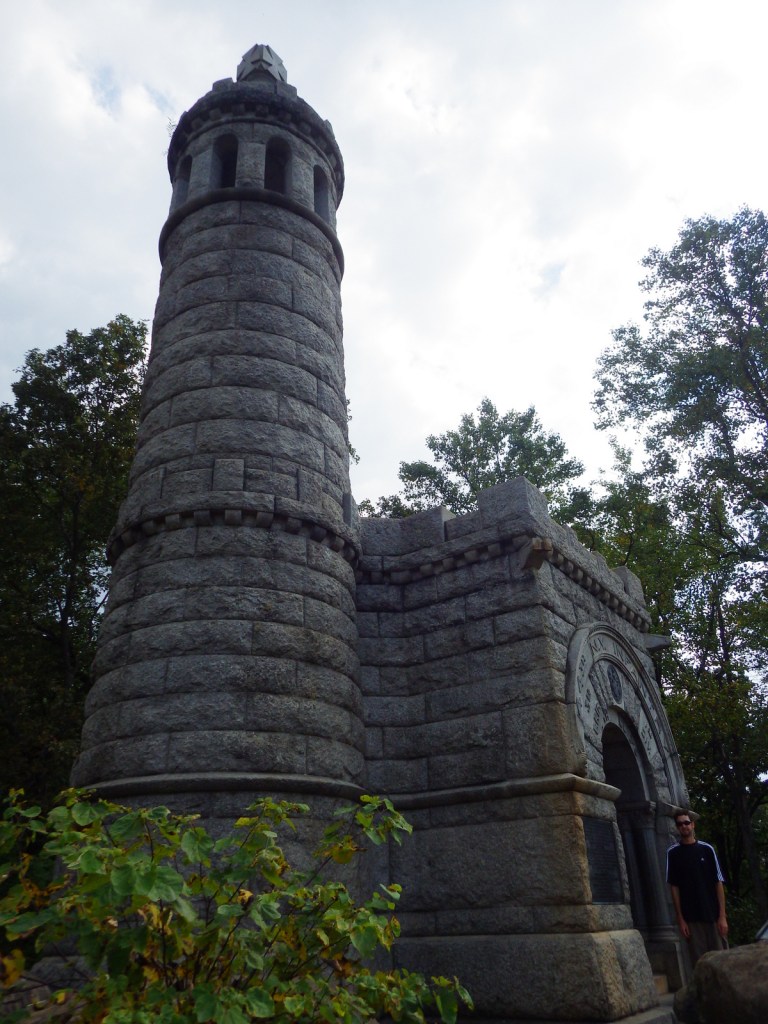
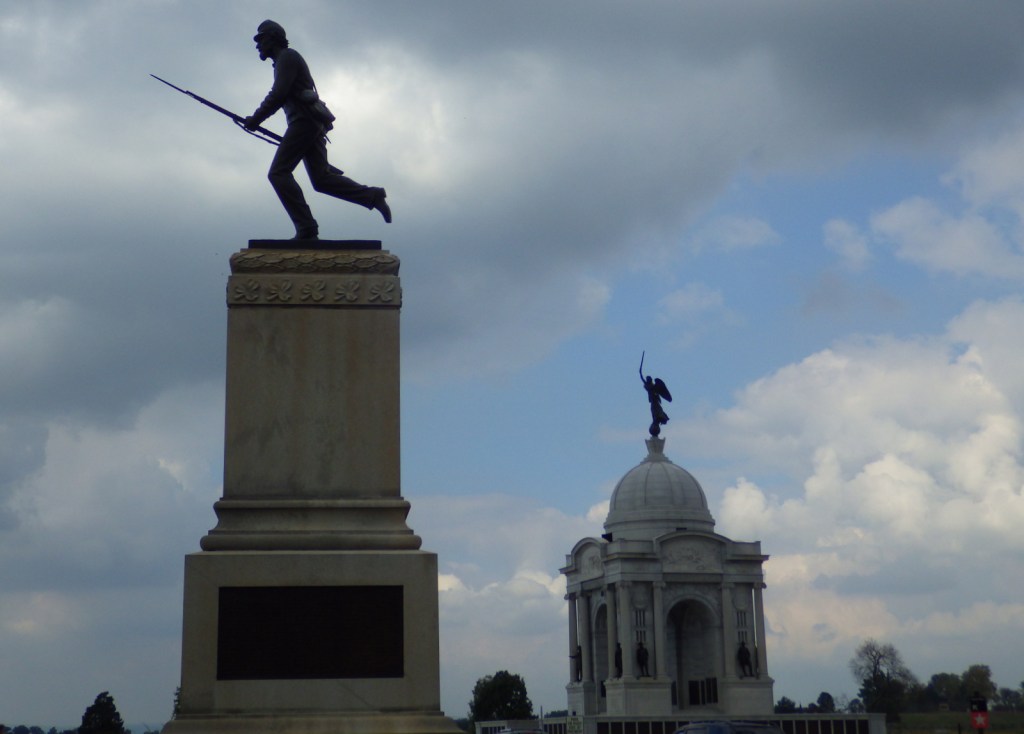
It is free to take the 24-mile long driving tour, but an admission fee is charged for the museum (opened in 2008) that covers the entire Civil War, including Lincoln’s famous Gettysburg Address.  You should also consider watching the excellent 45-minute film A New Birth of Freedom (narrated by Morgan Freeman) and viewing the audio-visual program for the Cyclorama (a 377×42-foot original oil painting on a round canvas that depicts Pickett’s Charge of July 3, 1863).  Commercial bus tours are available and you can also hire a licensed guide to ride in your car and provide a personal two-hour tour past the 1,300 monuments and memorials where so many men gave “the last full measure.”

Best Trail

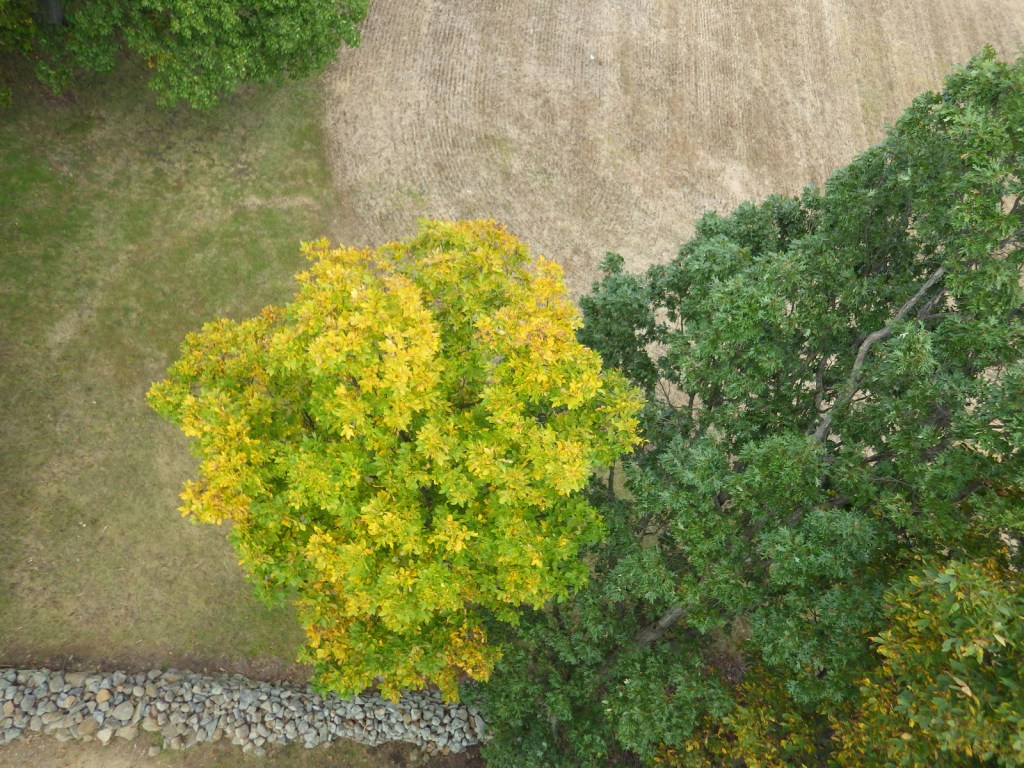
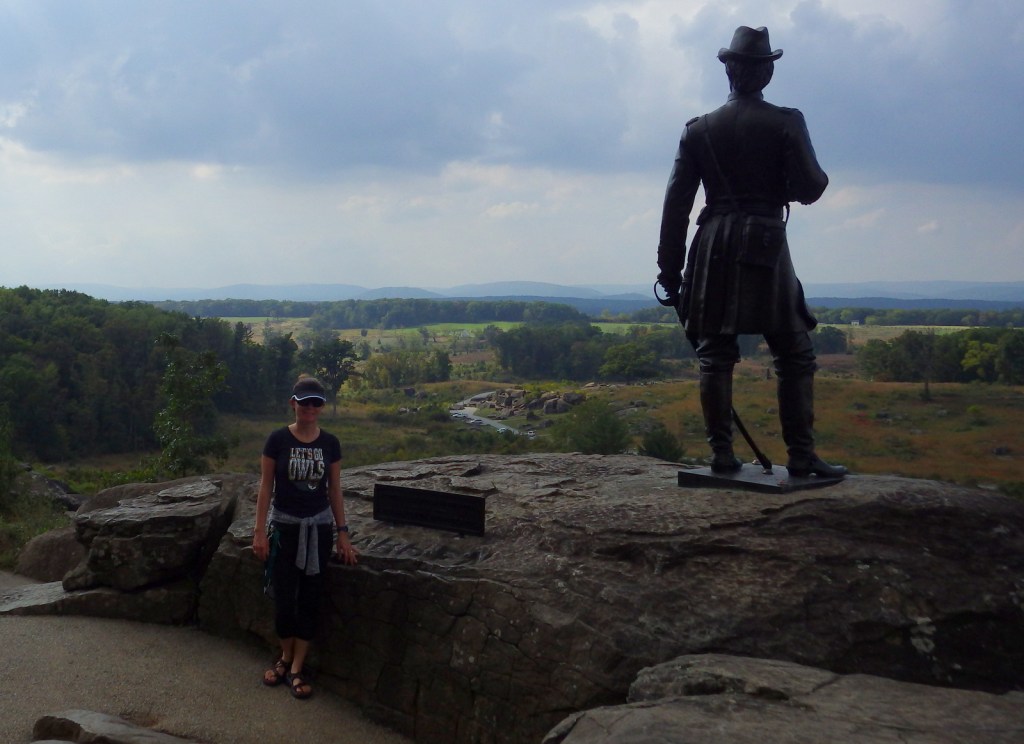
If you have read The Killer Angels by Michael Shaara, you will want to get out of your car and walk around Little Round Top, which overlooks the infamous Devil’s Den, Peach Orchard, and Wheatfield.  The High Water Mark Trail and Soldiers’ National Cemetery Trail are each about one mile in length.

Instagram-worthy Photo

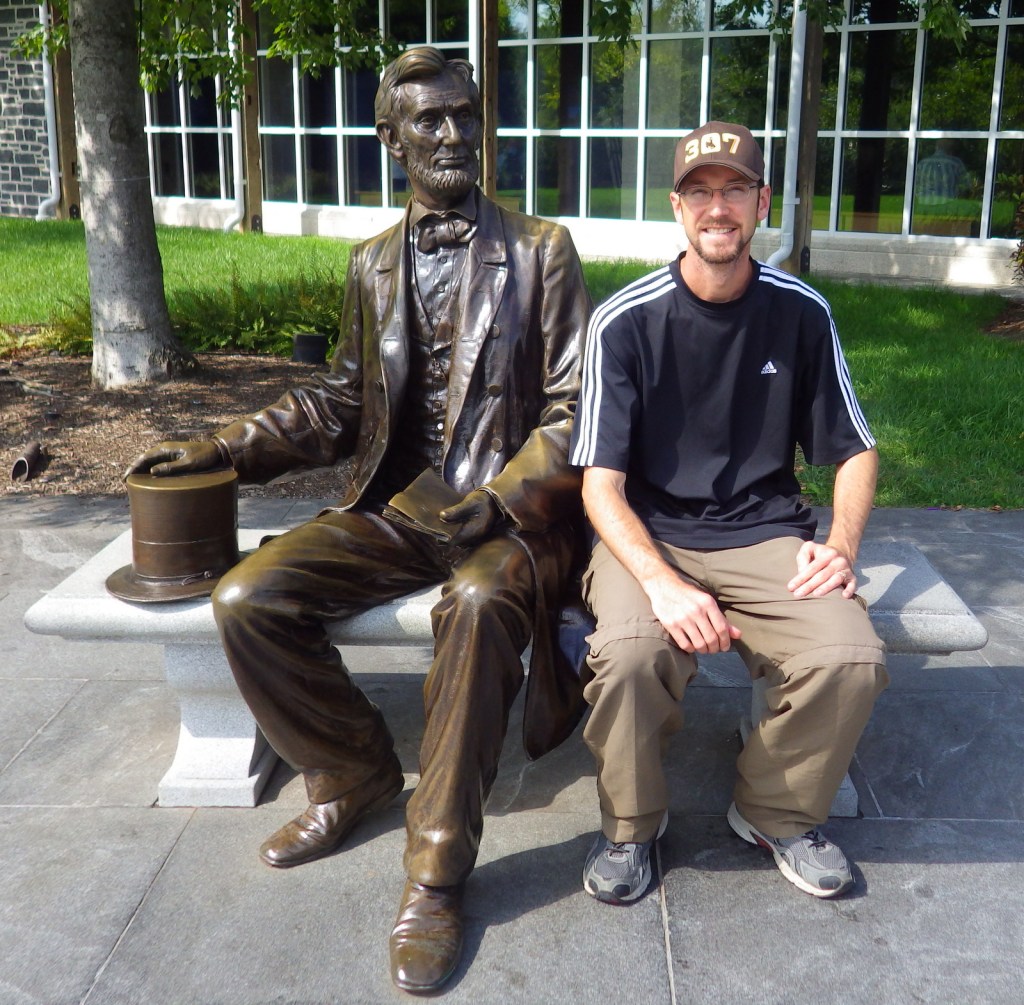
This site is perhaps best known for President Lincoln’s 272-word Gettysburg Address, which he gave in two minutes following a two-hour speech by Edward Everett.  Newspaper reviews from the next day were not favorable for the President.

Peak Season

Summer, though it was very busy even on a weekday in October 2016.

Hours

https://www.nps.gov/gett/planyourvisit/hours.htm

Fees

Free driving tour, $15 per adult for films and museum (no discount for America the Beautiful pass)

Road Conditions

All roads paved

Camping

There a numerous private campgrounds around Gettysburg, and the National Park Service’s Catoctin Mountain Park is only 20 miles away, as are Caledonia and Corodus State Parks.

Related Sites

Antietam National Battlefield (Maryland)

Eisenhower National Historic Site (Pennsylvania)

Allegheny Portage Railroad National Historic Site (Pennsylvania)

Explore More – When was the Cyclorama painting by French artist Paul Philippoteaux completed?

We are a participant in the Amazon Services LLC Associates Program, an affiliate advertising program designed to provide a means for us to earn fees by linking to Amazon.com and affiliated sites.
Fort Sumter and Fort Moultrie National Historical Park

Overview

Located at the entrance to the harbor of Charleston, South Carolina, a group of defensive forts have gone through many permutations since the 1770s.  The most famous, the five-sided Fort Sumter was still unfinished (after 30 years of construction) when South Carolina became the first state to secede from the United States on December 20, 1860.  This led Major Robert Anderson to flee Fort Moultrie with 85 Union troops for Fort Sumter, which Confederates fired at on April 12, 1861, marking the first shot of the Civil War.  Fort Sumter is only accessible by ferry, but you can drive a car to the National Park Service (NPS) museum at Fort Moultrie, commemorated on the U.S. quarter-dollar coin minted in 2016.

Highlights

Museum, Fort Moultrie, Fort Sumter, wildlife

Must-Do Activity

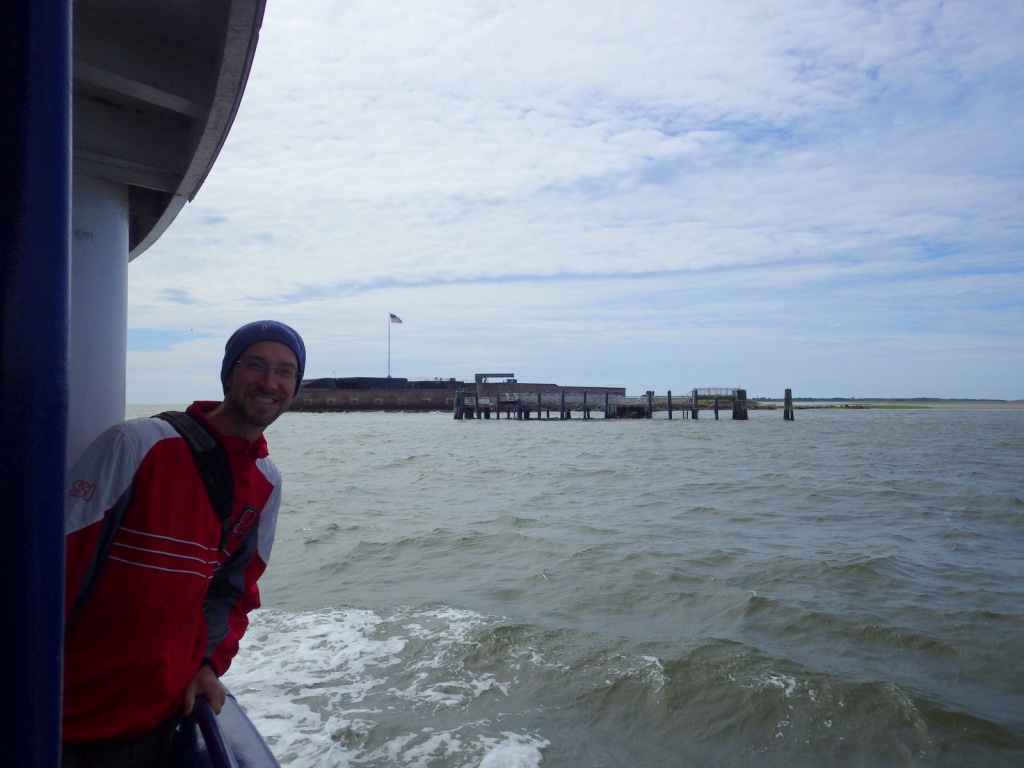
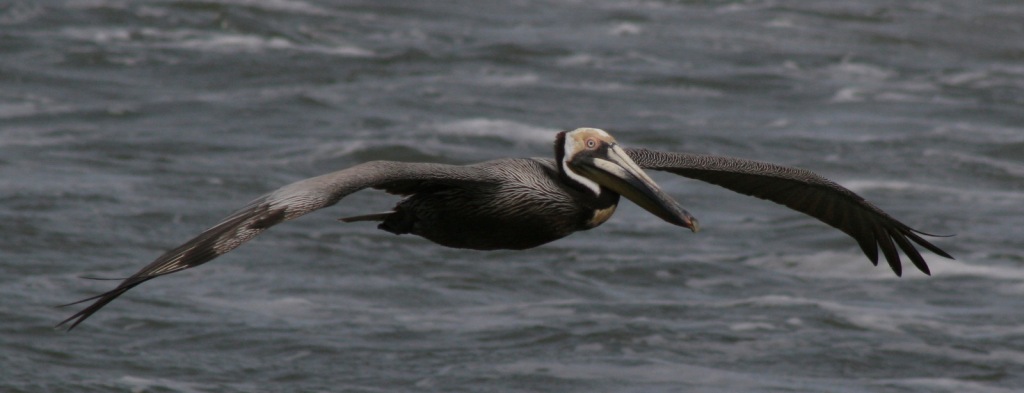
Fort Sumter was built upon a sandbar in Charleston Harbor, raised and leveled with 70,000 tons of granite brought down from New England.  A toll ferry takes visitors to the island from downtown Charleston or Patriots Point Naval and Maritime Museum.   Dolphins, pelicans, and shore birds are commonly spotted on the 40-minute ferry ride to Fort Sumter.  Destroyed by the end of the Civil War, the fort today looks nothing like it did back then, having gone through multiple upgrades before it was deactivated in 1947.  At the site, the NPS displays cannons representing each era alongside interpretive signs.

Best Trail

A walk through Fort Moultrie explains its 170 years of military use before it became part of Fort Sumter National Monument in 1948.  Constructed on Sullivan’s Island in South Carolina, Fort Moultrie was not yet finished when a British attack was repelled on June 28, 1776 at the beginning of the Revolutionary War.  After being destroyed during the Civil War, it saw new life during World War I with the placement of disappearing rifles and World War II with anti-aircraft guns. 

Instagram-worthy Photo

Major Robert Anderson surrendered and lowered the U.S. flag on April 14, 1861, though there were no casualties during the bombardment.  After rifled cannons had reduced the fort’s walls to rubble, Major Anderson raised the exact same flag above Fort Sumter four years later to-the-date near the end of the Civil War. 

Peak Season

Summer

Hours

https://www.nps.gov/fosu/planyourvisit/hours.htm

Fees

$10 per person to visit Fort Moultrie (or America the Beautiful pass); charge for passenger ferry to Fort Sumter but no NPS fee

Road Conditions

Free parking at Fort Moultrie, but pay parking for the ferry from Liberty Square in downtown Charleston or Patriots Point Naval and Maritime Museum.

Camping

None

Related Sites

Fort Pulaski National Monument (Georgia)

Charles Pinckney National Historic Site (South Carolina)

Congaree National Park (South Carolina)

Explore More – Who was the famous Native American chief who died of scarlet fever as a prisoner at Fort Moutlrie in 1838?

We are a participant in the Amazon Services LLC Associates Program, an affiliate advertising program designed to provide a means for us to earn fees by linking to Amazon.com and affiliated sites.