Tag Archives: National Wildlife Refuge

Upper Missouri River Breaks National Monument

Upper Missouri River Breaks National Monument

Managed by Bureau of Land Management

Established 2001

377,346 acres

Website: https://www.blm.gov/programs/national-conservation-lands/montana-dakotas/upper-missouri-river-breaks

Overview

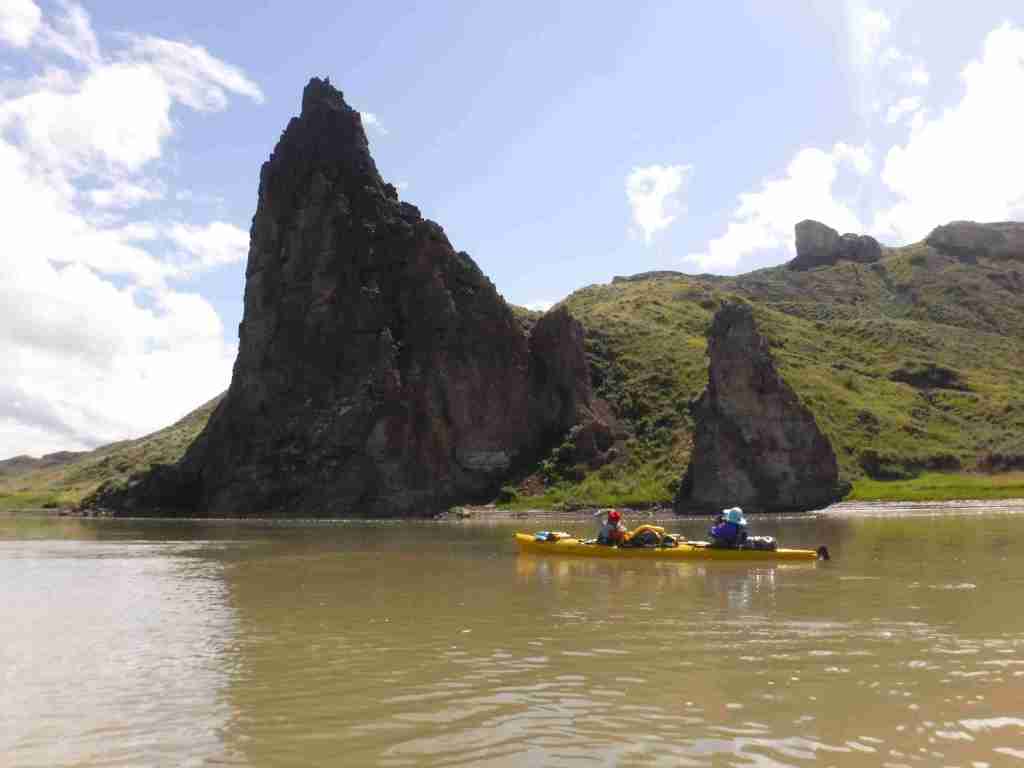
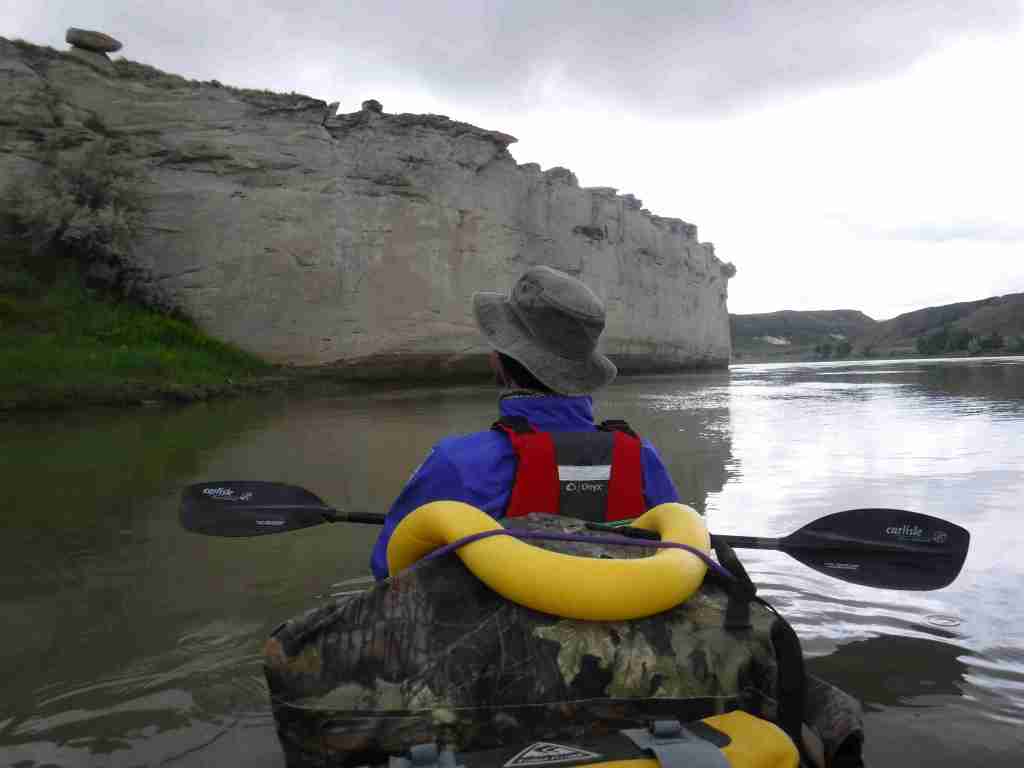
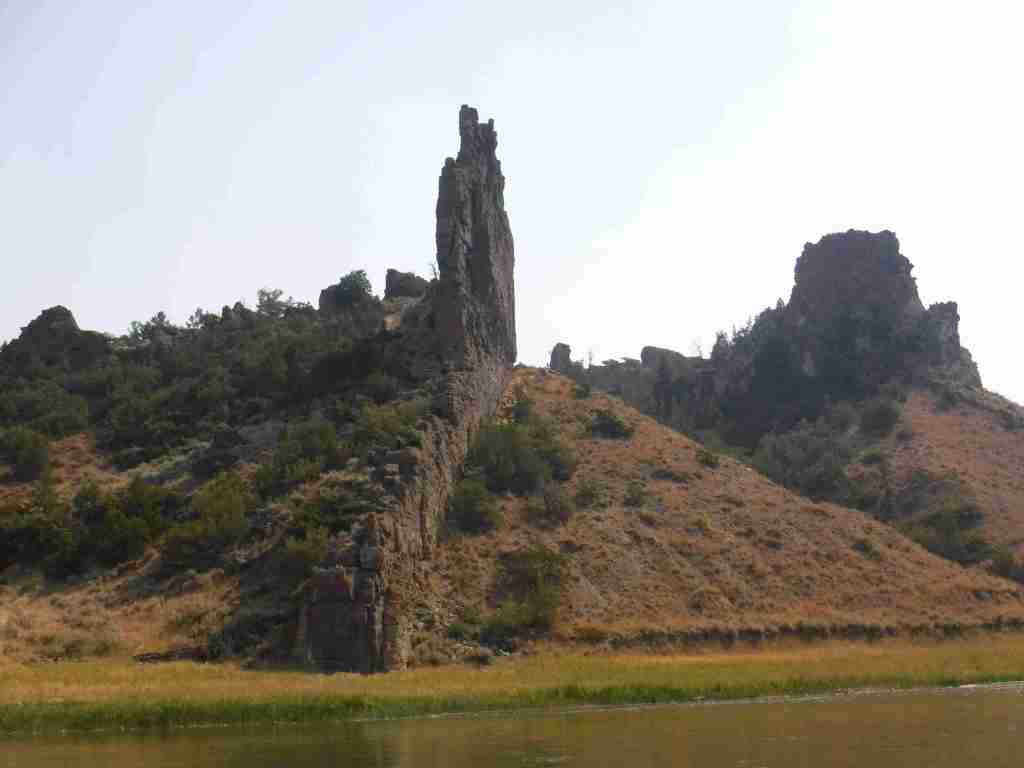
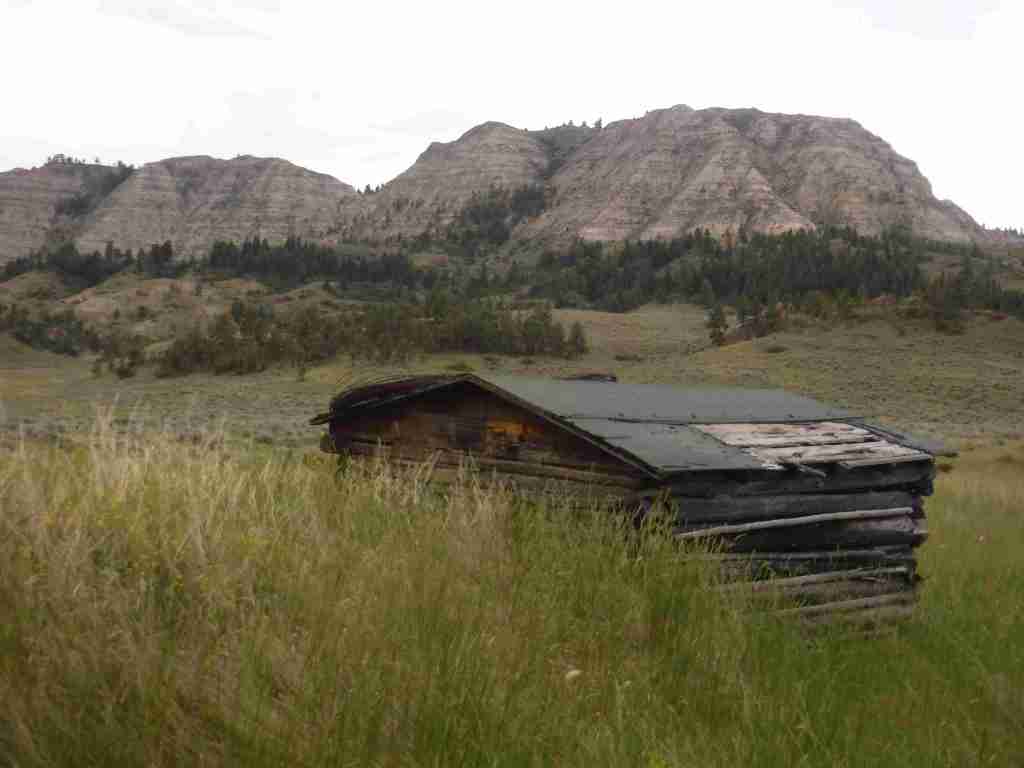
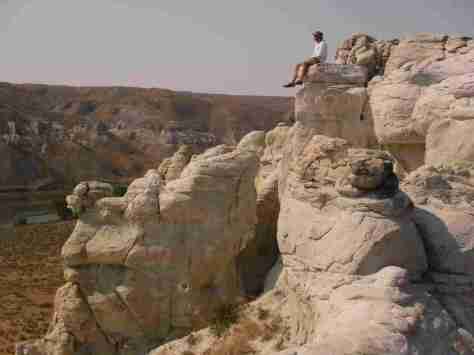
In central Montana, 149 miles of the Upper Missouri River were designated as a National Wild and Scenic River in 1976, upstream from the reservoir in Charles M. Russell National Wildlife Refuge.  This stretch of the river still looks much the way it did when the Lewis and Clark expedition first explored it in 1805 and their former campsites are marked by posts.  The breaks are a topographic area where the Missouri River eroded sedimentary rock that formed as horizontal layers laid down at the bottom of an ancient sea.  The National Monument comprises public land in a matrix with private ranches, with cattle making the water unfit for filtering.  There are a couple places to drive to along the river, but the best way to experience it is by floating a canoe or kayak down the non-motorized sections

Learn more about the other 137 National Monuments in our book Monumental America: Your Guide to All 138 National Monuments. It is now available for sale on Amazon.com.
Highlights

Fort Benton, Decision Point, Neat Coulee, Citadel Rock, Hole-in-the-Wall, Lewis and Clark National Historic Trail

Must-Do Activity

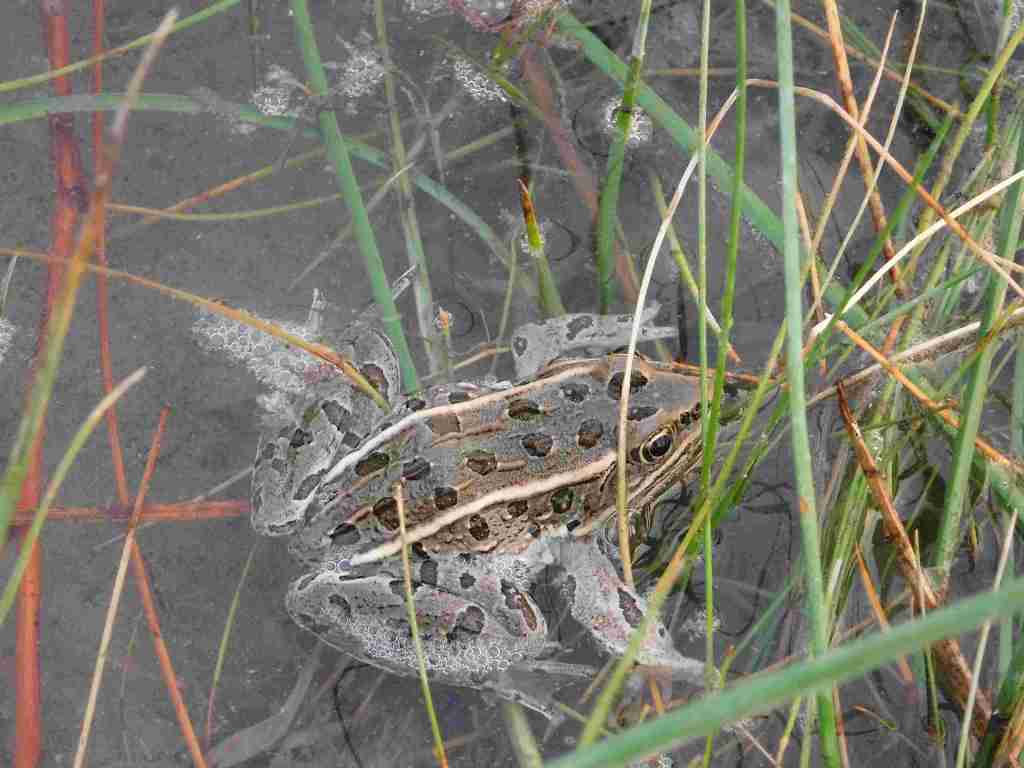
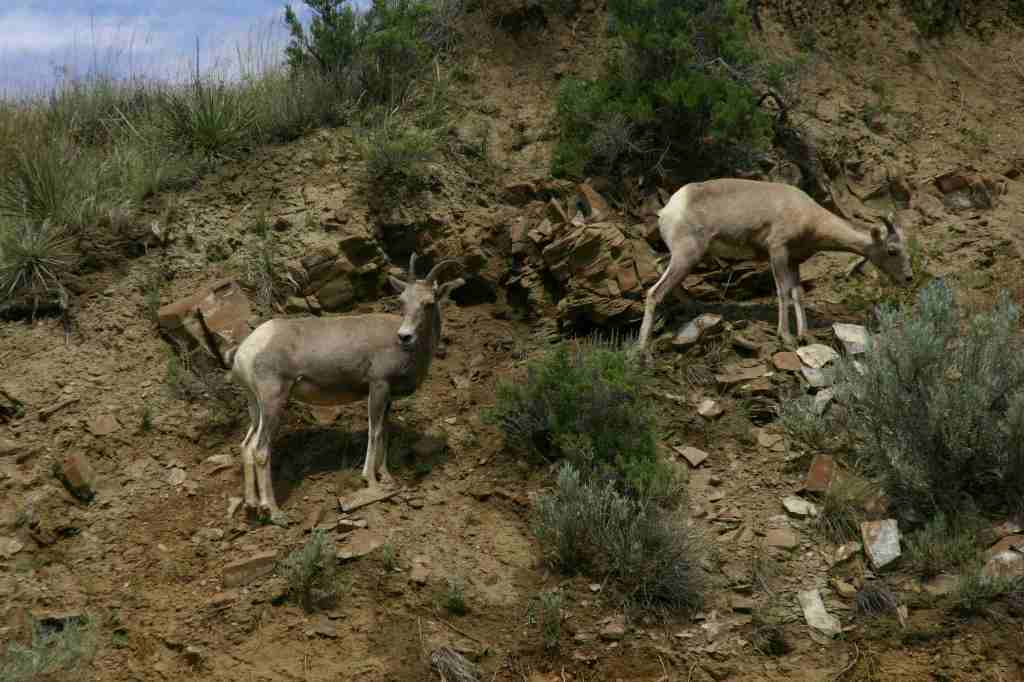
In Fort Benton, start your visit at the free interpretive center run by the Bureau of Land Management (BLM), then head downtown to learn more history by walking the riverfront of Fort Benton National Historic Landmark, including its many museums (admission fees charged) and sculptures of Lewis, Clark, Sacagawea and her son Pompey, and Shep (a local dog famous for his faithfulness).  To find out more about the Corps of Discovery, check out the Lewis and Clark Interpretive Center upstream in Great Falls.  The most scenic stretch to float lies in the 44 miles between Coal Banks Landing and Judith Landing where there are no rapids and the river current is so strong that paddling is mostly reserved for steering.  A permit (fee) is required from the BLM, and we recommend you purchase a Boaters’ Guide and W.A.G. bags.  Wildlife we spotted along the river included bighorn sheep, bald eagles, white pelicans, great blue herons, and beavers. 

Best Trail

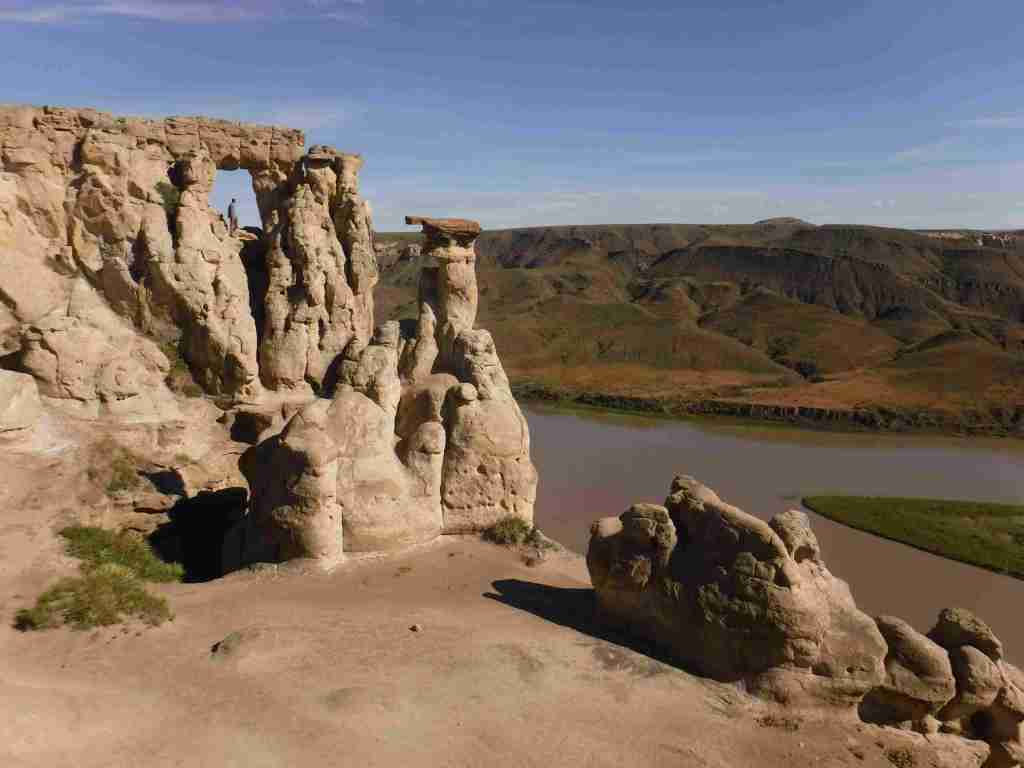
Only accessible by boat, the hike up the slot canyon at Neat Coulee from the Eagle Creek Developed Boat Camp is worth a stop.  It is also possible to scramble up to the eight-foot-tall Hole-in-the-Wall arch that comes into view on the south side of the river just past Citadel Rock.

Photographic Opportunity

One of the few places with road access in Upper Missouri River Breaks National Monument, at Decision Point, Captains Lewis and Clark were not sure which was the main route: the Marias or Missouri River.

Peak Season

Summer

Fees

There is a small fee charged per person per day to be on the river, which helps pay for the maintenance of vault toilets along the route (other waste must be packed out in W.A.G. bags).  An America the Beautiful pass covers the admission fee for the small museum at the BLM visitor center in Ft. Benton.

Road Conditions

Dirt roads doable by passenger vehicles lead to Coal Banks Landing and Judith Landing, while paved roads lead to put-ins at Chouteau County Fairgrounds in Ft. Benton and Kipp Recreation Area at the western edge of Charles M. Russell National Wildlife Refuge.

Camping

There are campgrounds at Chouteau County Fairgrounds, Coal Banks Landing, and Kipp Recreation Area.  Throughout the National Monument developed riverside campgrounds can be accessed by boat, with dispersed camping allowed anywhere on public land (a good map is essential to avoid private land). 

Related Sites

Custer National Forest (Montana)

Pompeys Pillar National Monument (Montana)

Lewis and Clark National Forest (Montana)

Nearest National Park

Glacier

Explore More – Who was Charles M. Russell and why did he get a National Wildlife Refuge named after him?

Learn more about the other 137 National Monuments in our book Monumental America: Your Guide to All 138 National Monuments

Tule Lake National Monument

Tule Lake National Monument

California

Managed by National Park Service and U.S. Fish and Wildlife Service

Established 2008

1,391 acres

Website: nps.gov/tule

Overview

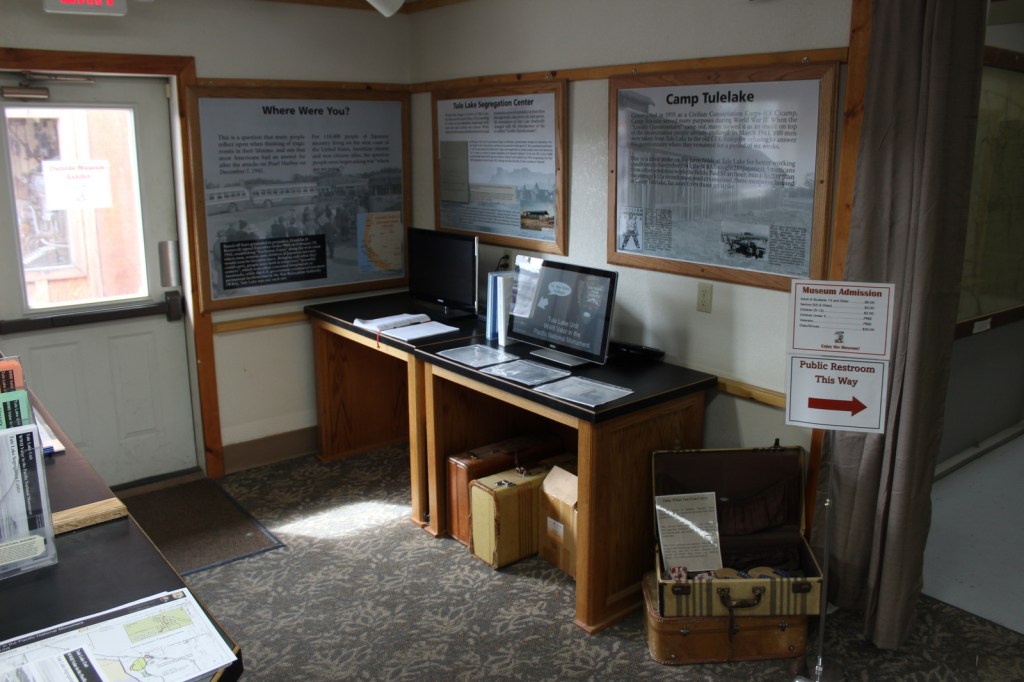
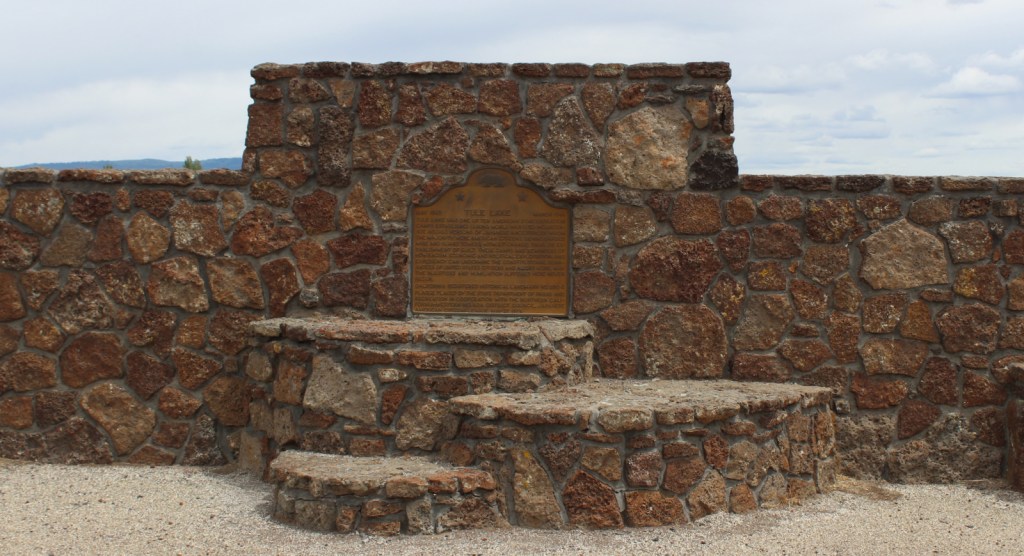
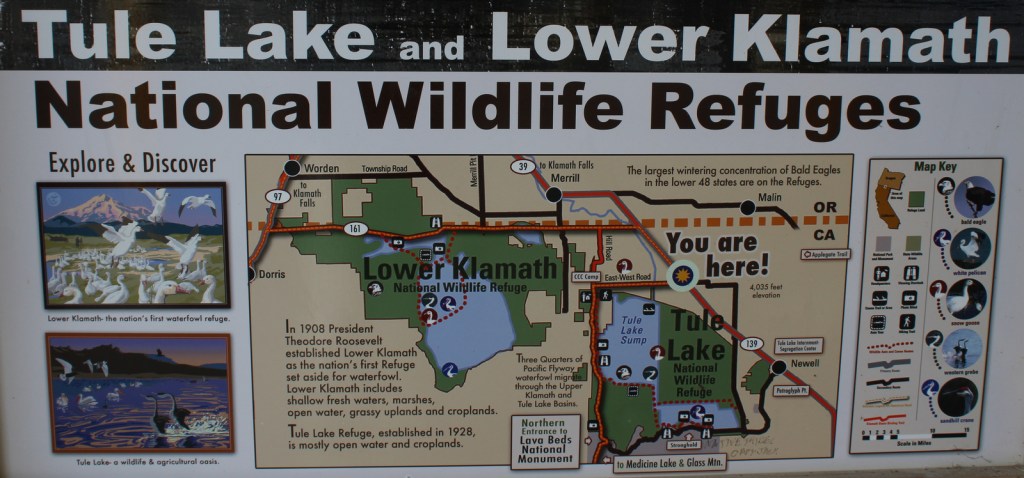
Following the 1941 attack on Pearl Harbor, President Franklin D. Roosevelt signed an executive order authorizing the detention of more than 110,000 U.S. citizens of Japanese descent at ten concentration camps in the contiguous United States.  At Tule Lake War Relocation Center, 7,400 acres were enclosed by barbwire to hold about 12,000 people in northeast California.  Once a loyalty questionnaire was distributed throughout the ten camps, those considered disloyal to the U.S. government were all shipped to the renamed Tule Lake Segregation Center, which held 18,789 inmates at its peak.  Overcrowding, harassment, beatings, and a fatal farm accident led to riots and mass demonstrations, and martial law was declared from November 13, 1943 to January 15, 1944.  This camp was the last to be closed on March 20, 1946, months after the end of the war.  It was named a National Historic Landmark in 2006, and two years later became one of nine sites within World War II Valor in the Pacific National Monument (which included Pearl Harbor National Memorial).  When that was disbanded in 2019, Tule Lake National Monument was created.

Learn more about the other 137 National Monuments in our book Monumental America: Your Guide to All 138 National Monuments. It is now available for sale on Amazon.com.

Highlights

Tulelake-Butte Valley Fairgrounds Museum, Tule Lake Segregation Center prison

Must-Do Activity

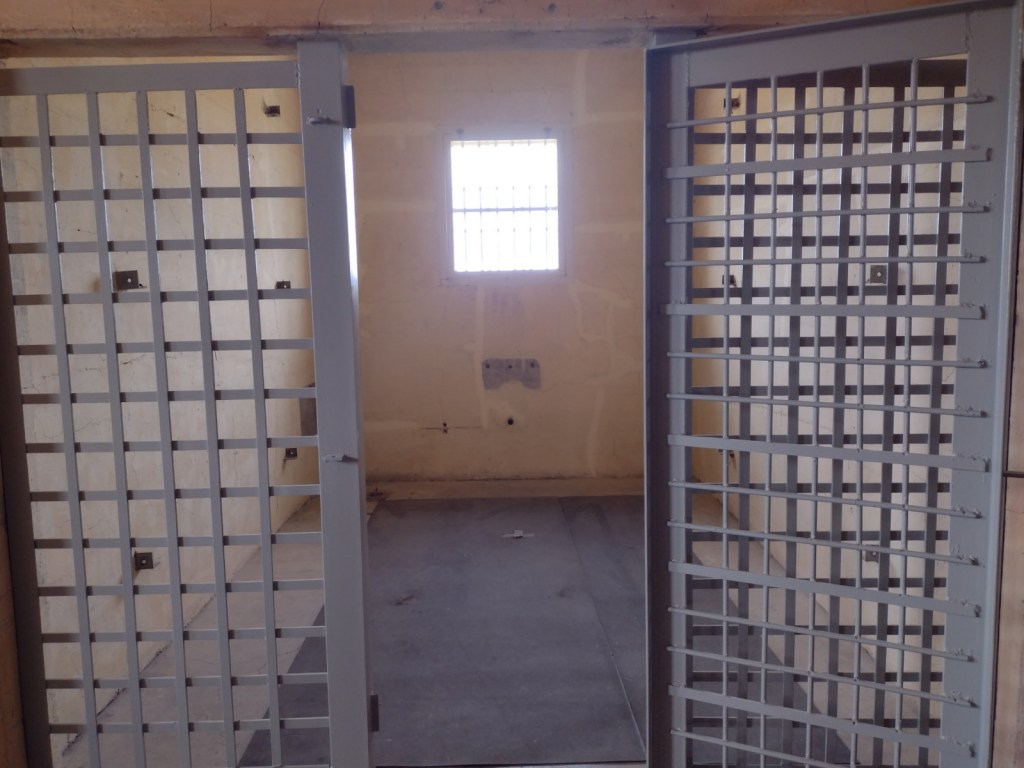
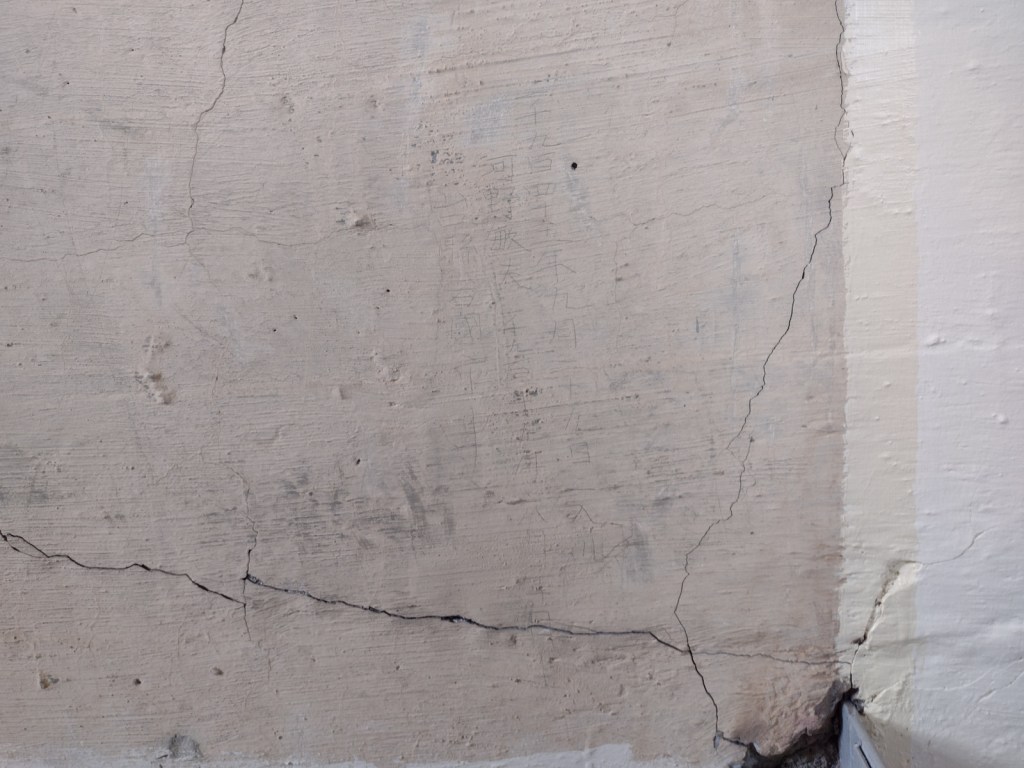
Most of the buildings at Tule Lake Segregation Center were moved elsewhere following the war.  One of the few remaining structures is the prison, which is only accessible on ranger-guided tours offered Memorial Day to Labor Day on Thursdays through Sundays (call ahead for required reservations).  The concrete jail had six cells to hold 24 men, but incarcerated over 100 at one time mostly outside in Army tents used as unheated punishment quarters.  The prison is always visible from the National Park Service (NPS) visitor center off Highway 139.  It is worth getting a tour to go inside to see original graffiti from inmates and the reinstalled metal doors that were purchased by a private citizen in the 1940s and kept at their farm for decades.  Tulelake-Butte Valley Fairgrounds Museum (fee) has a one-hour audio tour and there are online virtual tours that show several sites within Tule Lake National Monument, including the inside of the jail prior to the restoration.

Best Trail

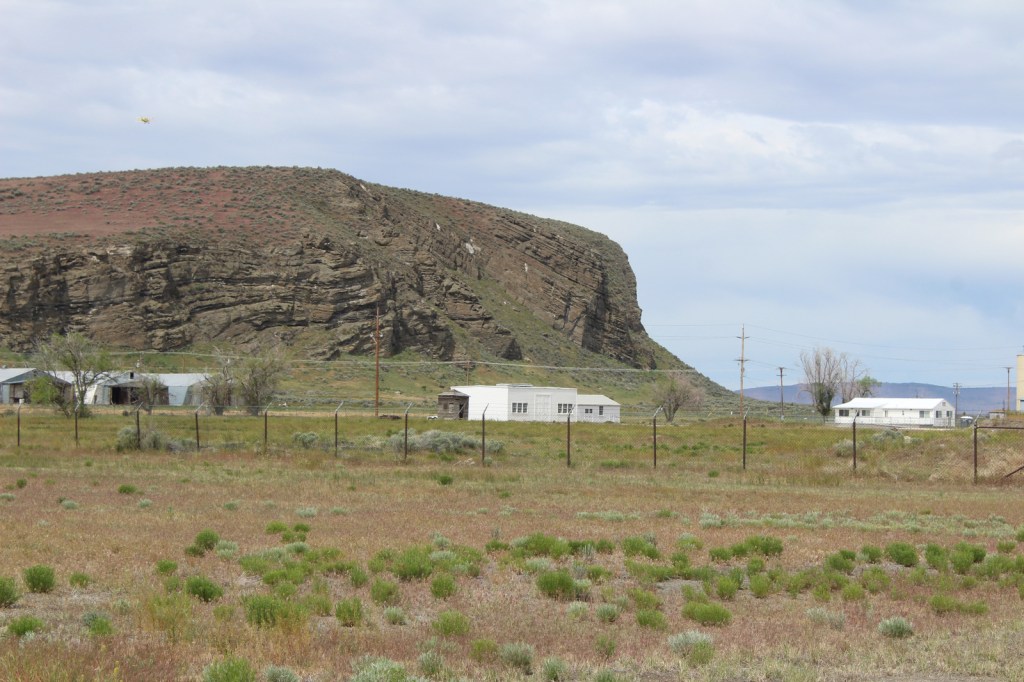
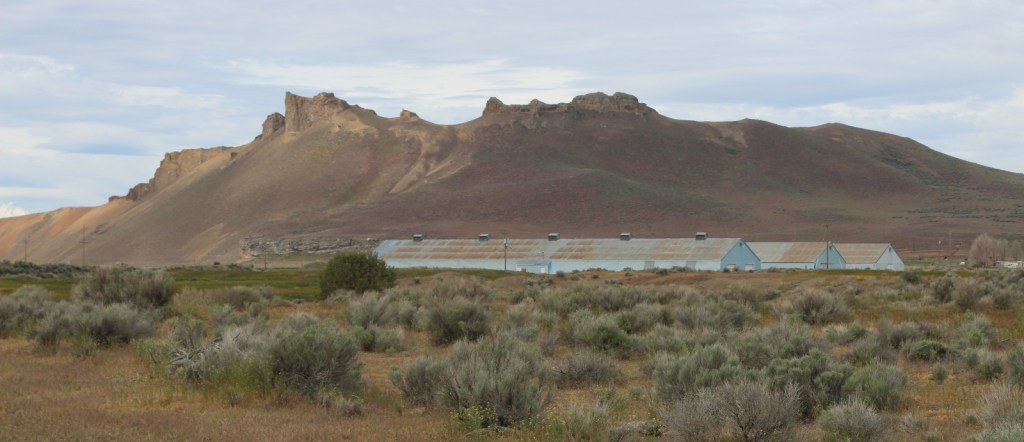
There are no designated trails there, but from the NPS visitor center near Newell you can photograph the rock formation known as Peninsula/Castle Rock (solely managed by the U.S. Fish and Wildlife Service).  It is also visible while checking out the rock art at Petroglyph Point within Lava Beds National Monument.

Photographic Opportunity

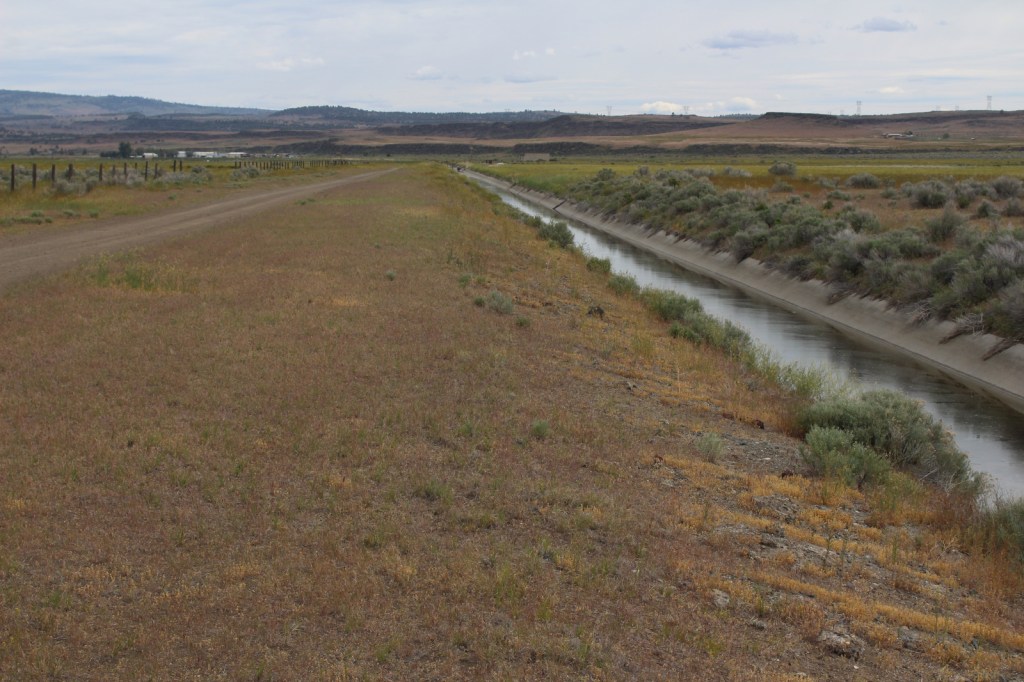
The Civilian Conservation Corps (CCC) was stationed at Camp Tulelake from 1935 to 1942, constructing 23 buildings and repairing canals.  Several small groups of Japanese Americans were held at Camp Tulelake to separate them from the general population at Tule Lake Segregation Center.  Later in the war, Italian and German POWs were stationed there before the buildings were transferred to the U.S. Fish and Wildlife Service.  Currently, tours of Camp Tulelake are not available due to ongoing preservation work, but you can photograph it through the fence on Hill Road and hike to bird viewing blinds in Tule Lake National Wildlife Refuge.

Peak Season

Summer

Hours

https://www.nps.gov/tule/planyourvisit/hours.htm

Fees

Ranger-guided tours require a reservation, but they are free.  There is an entrance fee for the museum at Tulelake-Butte Valley Fairgrounds.

Road Conditions

Highway 139 and Hill Road are paved, but most of the roads through the former Tule Lake Segregation Center and Tule Lake National Wildlife Refuge are unpaved.

Camping

Indian Well Campground is located in Lava Beds National Monument near the visitor center and Cave Loop Road.  Dirt roads in the nearby Modoc and Klamath National Forests provide free dispersed camping.

Related Sites

Manzanar National Historic Site (California)

Minidoka National Historic Site (Idaho-Washington)

Amache National Historic Site (Colorado)

Explore More – Providing crucial habitat along the Pacific Flyway, what type of migratory birds can be seen at Tule Lake, Clear Lake, and Modoc National Wildlife Refuges?

Learn more about the other 137 National Monuments in our book Monumental America: Your Guide to All 138 National Monuments

Mississippi National River and Recreation Area

Overview

The 2,320-mile long Mississippi River is legendary in our nation and well-known worldwide.  Mississippi National River and Recreation Area (NRRA) covers 72 miles of the famous river’s course through Minnesota, from busy metropolitan sections in the Twin Cities to secluded stretches of water.  Along this section it changes from its shallow headwaters to a powerful force at its confluence with the St. Croix River.  Established in 1988, the National Park Service (NPS) owns only 35 acres of the 54,000 acres protected within the NRRA.

Highlights

St. Anthony Falls, Minnehaha Falls, Coldwater Spring, Indian Mounds Park, Mississippi Gorge Regional Park

Must-Do Activity

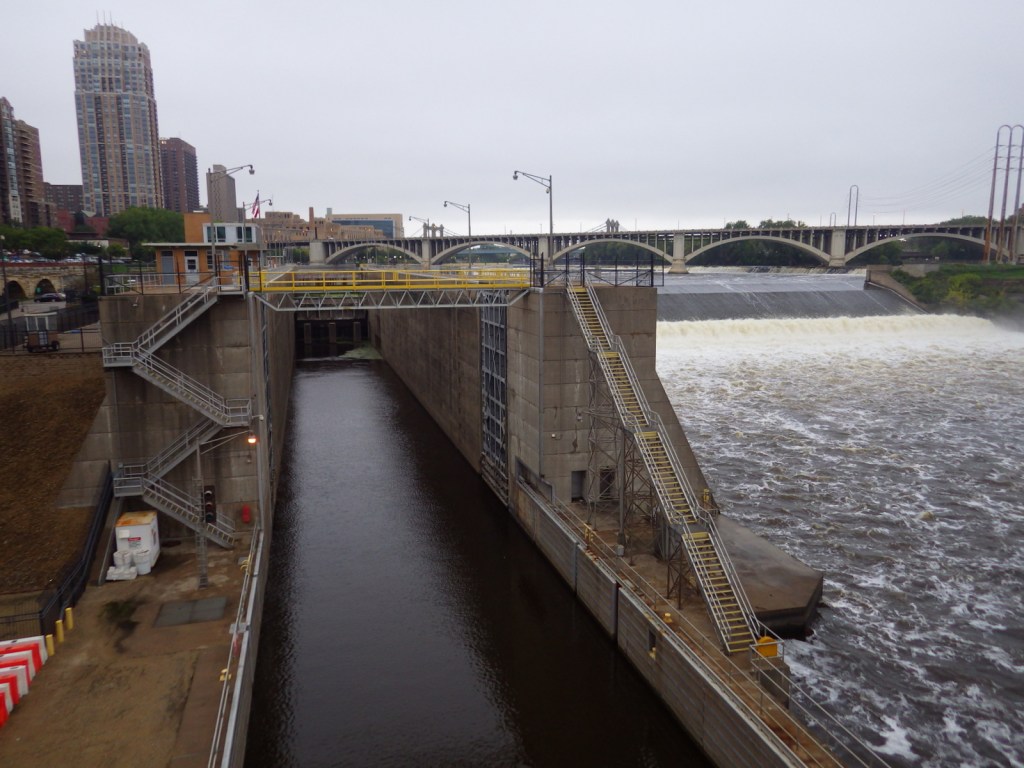
Near downtown Minneapolis is St. Anthony Falls, the only true waterfall on the Mississippi River’s entire length.  The falls powered gristmills and sawmills on both banks that drove the settlement of Minneapolis-St. Paul.  Opportunities for walking, biking, boating, fishing, cross-country skiing, and wildlife watching (especially at Minnesota Valley National Wildlife Refuge) abound along the river depending upon the season.

Best Trail

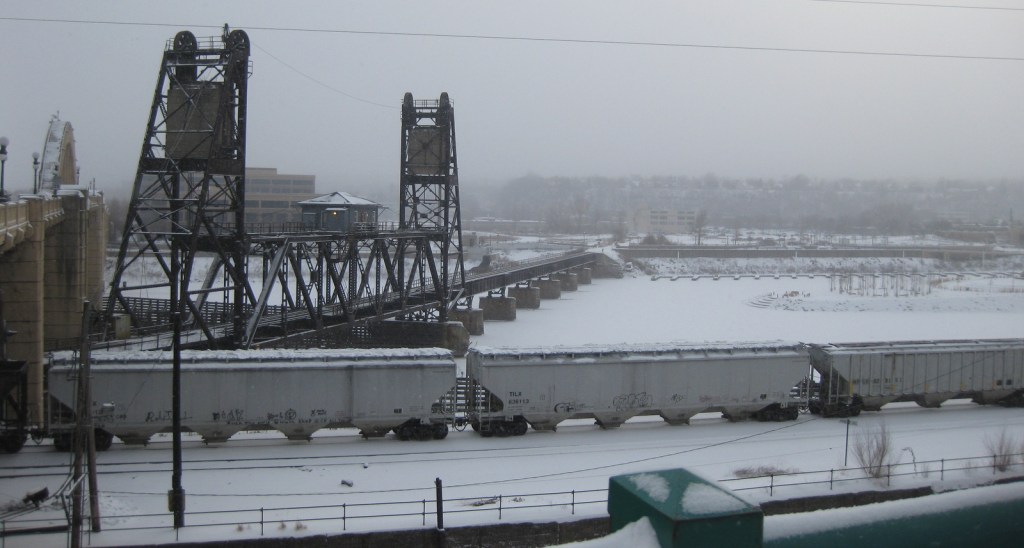
In winter, urban trails along the Mississippi River are very pretty under a layer of white snow, and it can be very quiet and peaceful.

Instagram-worthy Photo

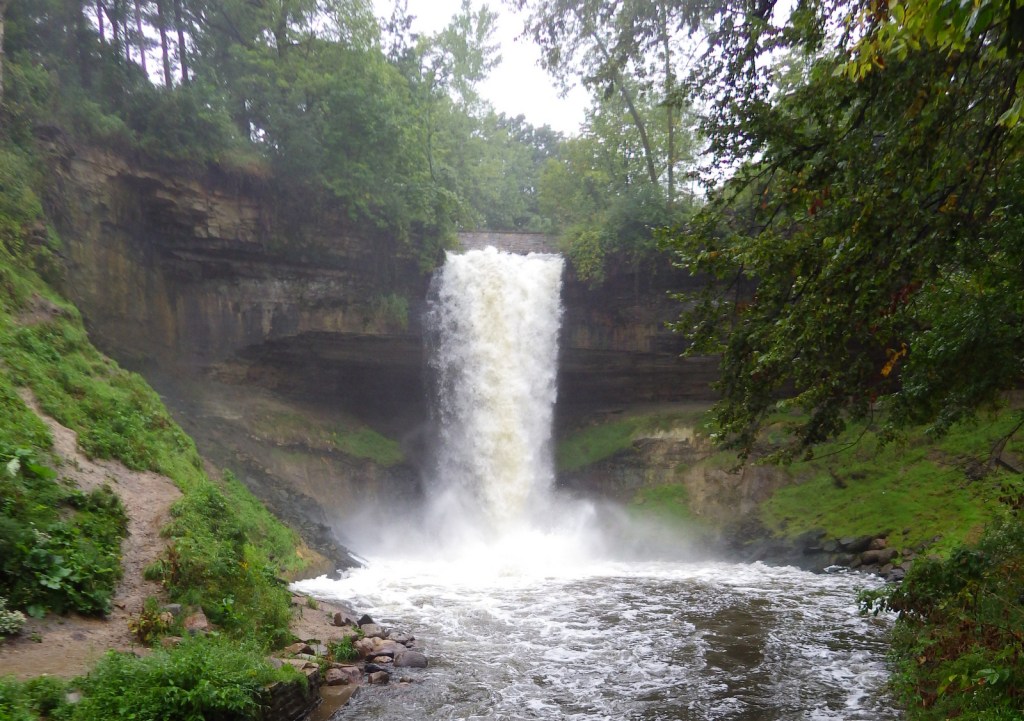
We enjoyed Minnehaha Regional Park where we found the 53-foot tall waterfall celebrated in Henry Wadsworth Longfellow’s Song of Hiawatha.

Peak Season

Summer

Hours

https://www.nps.gov/miss/planyourvisit/hours.htm

Fees

None

Road Conditions

All roads paved, but there is no free parking available at the NPS visitor center located inside the lobby for the Science Museum of Minnesota.

Camping

There are no campgrounds managed by the National Park Service within the NRRA, however, there are many places to camp in the area.

Related Sites

Saint Croix National Scenic Riverway (Minnesota-Wisconsin)

Missouri National Recreational River (Nebraska-South Dakota)

Pipestone National Monument (Minnesota)

Explore More – What did the city of Minneapolis do to make sure Minnehaha Falls was flowing for President Lyndon B. Johnson’s visit during the 1964 drought?

Canaveral National Seashore

Overview

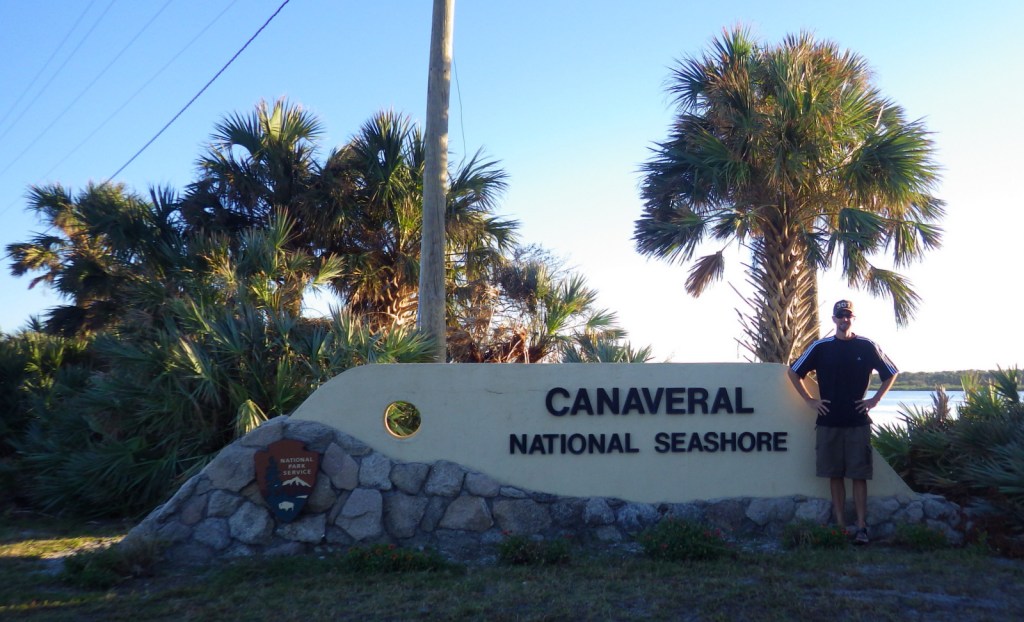
When NASA (National Aeronautics and Space Administration) prevented this portion of Florida coast from development in the 1950s, surely they did not imagine it would soon become one of the last long stretches of wild coastline left on the Atlantic seaboard.  The area north of John F. Kennedy Space Center was set aside as Canaveral National Seashore (in 1975) and Merritt Island National Wildlife Refuge (in 1963).

Highlights

Eldora State House, shell mounds, wildlife, fishing, kayaking, beaches

Must-Do Activity

About 310 avian species have been spotted in Merritt Island National Wildlife Refuge.  Other than birds, we were excited to see our first living armadillo and manatee outside of a zoo.  Despite its unappealing name, Mosquito Lagoon is a nice spot for fishing and paddling.  We hope someday to return to witness a rocket launch from John F. Kennedy Space Center.

Best Trail

Human activity in Canaveral National Seashore is evident in Timucuan shell mounds that date back thousands of years, with a separate trail to Eldora State House preserving more recent history.  At the southern end of the park in Merritt Island National Wildlife Refuge, you will find Oak and Palm Hammock Trails, as well as Cruickshank Trail that leads to an observation tower.

Instagram-worthy Photo

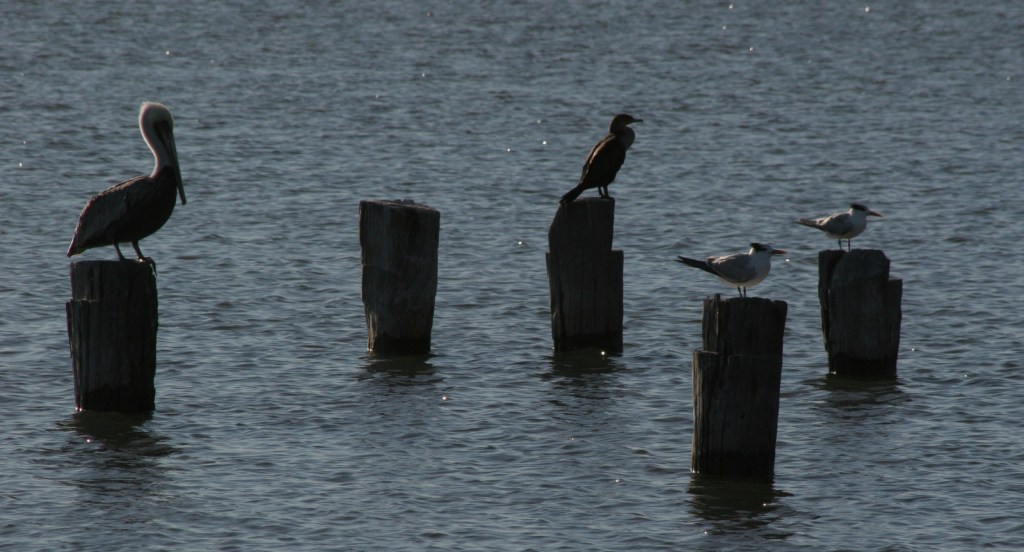
The park ranger told us the most likely place to see a West Indian manatee was at the boat launch in New Smyrna Beach, Florida just north of the park boundary.  There were also dolphins, great blue herons, anhingas, great egrets, ospreys, brown pelicans, and royal terns.

Peak Season

Summer

Hours

https://www.nps.gov/cana/planyourvisit/hours.htm

Fees

$20 per vehicle day use or America the Beautiful pass

Road Conditions

The main access roads are paved, but the six-mile Black Point Wildlife Drive and some boat launches are not.  Unlike at other National Seashores, there is no driving on the beach allowed, but you can bicycle or walk to remote Klondike Beach.

Camping

Inside the park boundaries there are no campgrounds, but backcountry camping is allowed with a permit.

Related Sites

Castillo de San Marcos National Monument (Florida)

Cumberland Island National Seashore (Georgia)

Fort Caroline National Memorial (Florida)

Explore More – What did engineers build in the 1950s to limit the breeding area for saltmarsh mosquitoes?

Assateague Island National Seashore

Overview

Assateague Island National Seashore was authorized in 1963, twenty years after neighboring Chincoteague National Wildlife Refuge was established to protect migratory birds, like the greater snow goose.  In combination with Assateague State Park they protect a 37-mile stretch of undeveloped shoreline that crosses the border of Maryland and Virginia (and is very close to Delaware).  The National Park Service (NPS) manages the National Seashore and the U.S. Fish and Wildlife Service manages the National Wildlife Refuge, but there is also an NPS visitor center at the refuge.

Highlights

Museum, film, Assateague Lighthouse, wildlife, kayaking, swimming, beachcombing

Must-Do Activity

Assateague Island’s most renowned residents are its wild ponies, purported to have swum ashore from a wrecked Spanish galleon.  Every year since the 1700s, the Chincoteague Volunteer Fire Company has herded the ponies that live on Assateague Island for an auction to raise funds for firefighting.  This annual event was chronicled in the classic children’s book Misty of Chincoteague by Marguerite Henry (which made our Top 10 NPS Novels list).  The ponies can often spotted by hikers on the Woodland Trail, a three-mile loop hike.  Nearby there is also a free NASA visitor center at Wallops Flight Facility where they launch rockets.
Best Trail

We mentioned the Woodland Trail above, but this park is all about walking the beach, especially the 10 miles of wild beach only accessible by foot within Chincoteague National Wildlife Refuge.

Instagram-worthy Photo

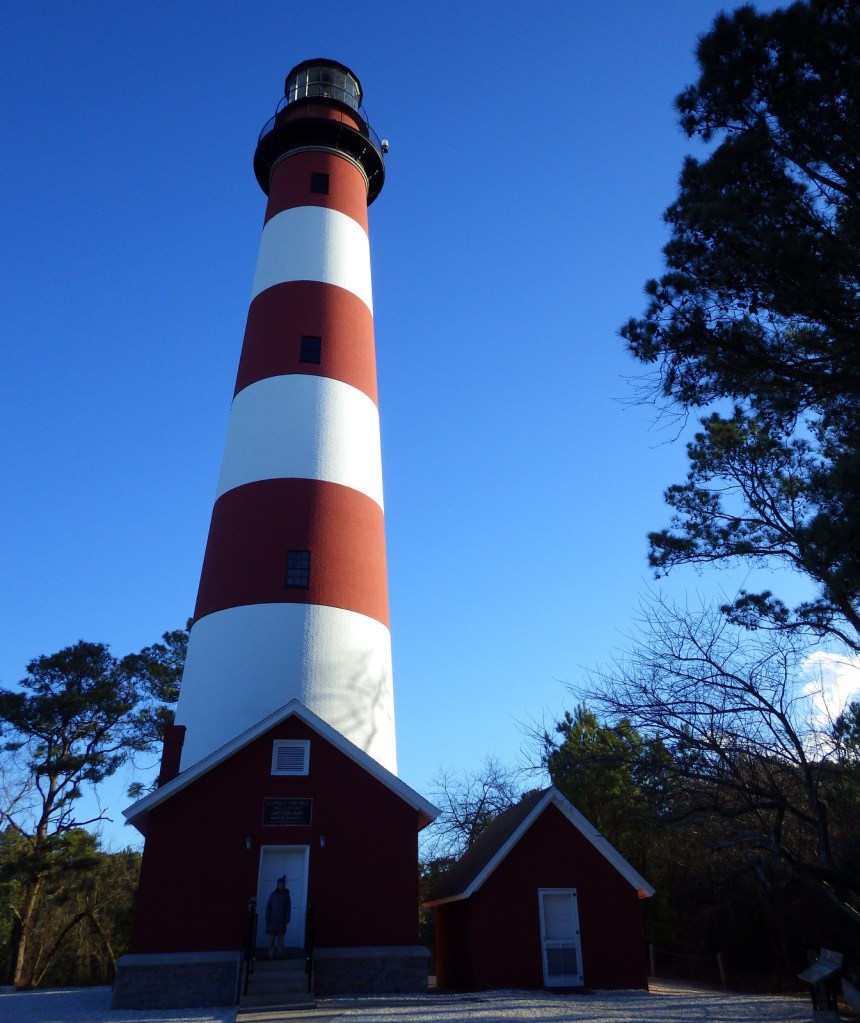
The first Assateague Lighthouse was built in 1833, while the structure seen today was completed in 1867.

Peak Season

Summer

Hours

https://www.nps.gov/asis/planyourvisit/hours.htm

Fees

$25 per vehicle or America the Beautiful pass

Road Conditions

The access roads are paved, but with a permit you can drive 13 miles of beach on the Maryland side and five miles on the Virginia side.  It takes about 1.2 hours to drive the highways between the north and south bridges to Assateague Island.

Camping

On the Maryland side, the NPS operates two campgrounds with cold showers, but the one in Assateague State Park offers hot showers.  Two oceanside backpacking camps and four bayside kayak-in camps are also available by permit.

Related Sites

Harriet Tubman Underground Railroad National Historical Park (Maryland)

First State National Historical Park (Delaware)

Cape Hatteras National Seashore (North Carolina)

Explore More – Not just a safe haven for wild ponies, where in the National Seashore do seahorses anchor to underwater grasses?