Tag Archives: fishing

Chattahoochee National Forest

Chattahoochee National Forest

Georgia

Managed by U.S. Forest Service, Southern Region

1,516,006 acres (750,145 federal/ 765,861 other)

Website: https://www.fs.usda.gov/conf

Overview

In mountainous northern Georgia, Chattahoochee National Forest stretches 200 miles east to west, bordering North Carolina, South Carolina, and Tennessee.  In addition to the highest point in Georgia (4,784-foot Brasstown Bald), the National Forest includes the headwaters of the Chattahoochee River and one side of the Chattooga National Wild and Scenic River.  West of the North Georgia Mountains, the Ridge and Valley Scenic Byway traverses the disjunct portion of the National Forest encompassing Johns Mountain, Little Sand Mountain, and Taylor Ridge.

Highlights

Ed Jenkins National Recreation Area, Ridge and Valley Scenic Byway, Keown Falls, Russell-Brasstown Scenic Byway, Brasstown Bald, High Shoal Falls Scenic Area, Lake Conasauga Recreation Area, Anna Ruby Falls, Sosebee Cove Scenic Area, Timpson Falls, Popcorn Overlook, Track Rock Gap Petroglyph Site, DeSoto Falls Scenic Area, Angel Falls, Raven Cliff Trail, Helton Creek Falls Trail, Duncan Ridge National Recreation Trail, Appalachian National Scenic Trail

Must-Do Activity

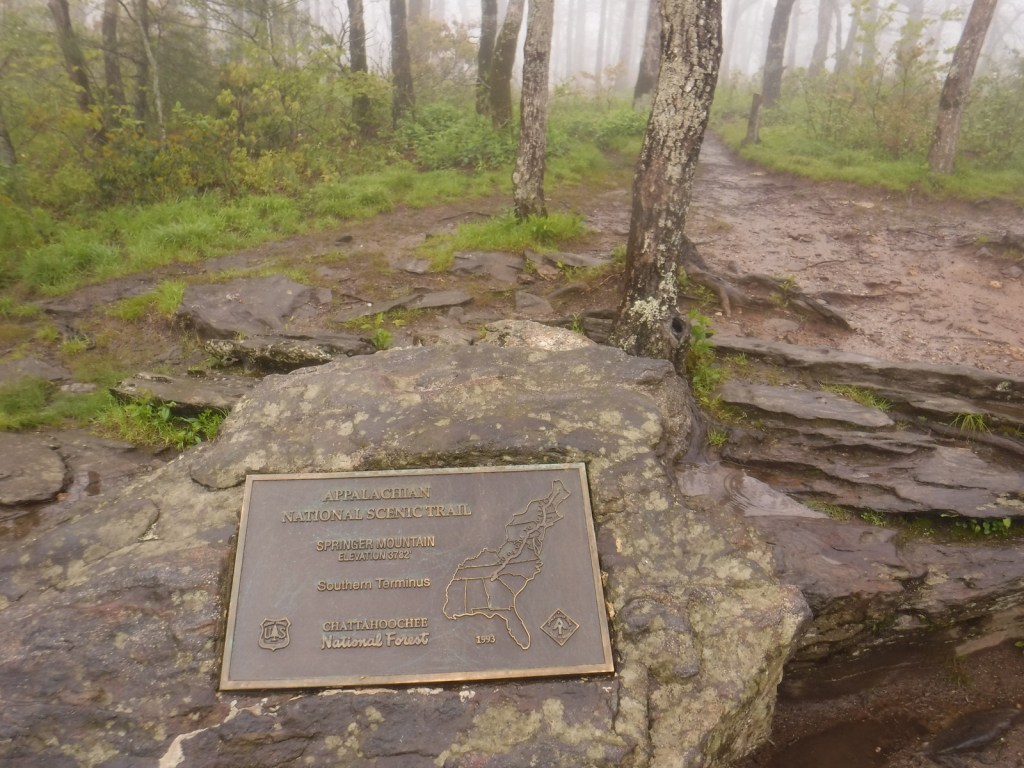
One of the National Forest’s most popular spots, 150-foot-tall Anna Ruby Falls is accessed by a short trail northeast of Helen, Georgia on State Route 356.  Large tulip-poplar and yellow buckeye trees grow in 175-acre Sosebee Cove Scenic Area, even though it is a second growth forest.  We will have a separate blog post on Ed Jenkins National Recreation Area, which surrounds Springer Mountain, the southern terminus of the 2,185-mile long Appalachian National Scenic Trail.

Best Trail

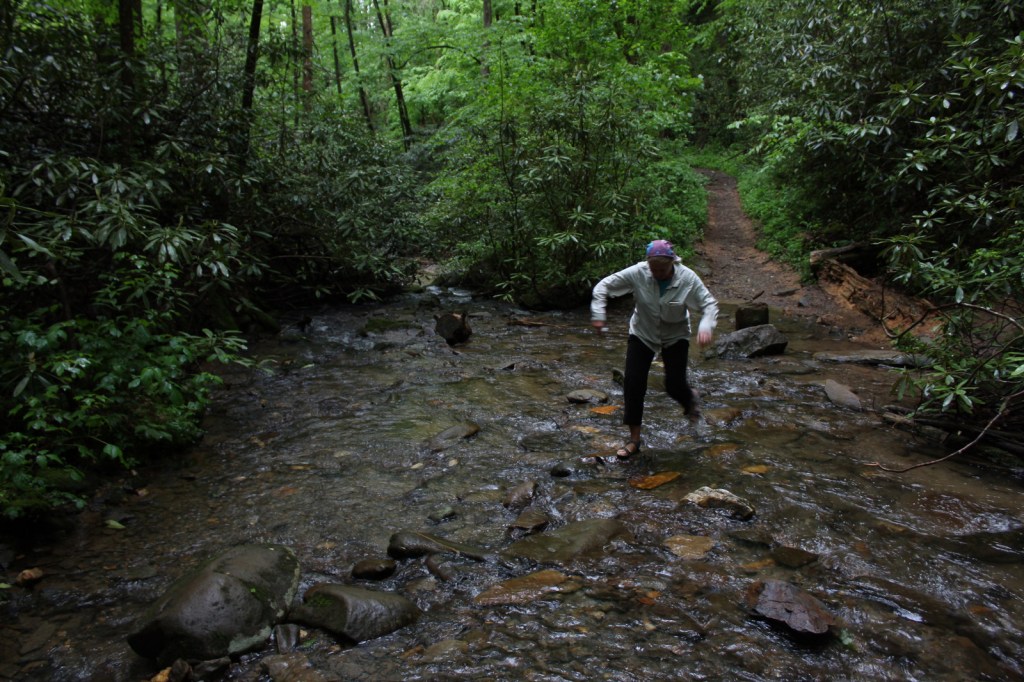
Chattahoochee National Forest started when the Forest Service purchased 31,000 acres from the Gennett family in 1911 for $7 per acre.  Visitors can still see their namesake Gennett Poplar (a tulip-poplar tree more than five feet in diameter) by hiking 1.8 miles out-and-back with two stream crossings on the Bear Creek Trail.  The rows of holes in the old tree’s trunk were made by yellow-bellied sapsuckers, a type of woodpecker.  The trail continues and connects with the Pinhoti Trail to form a 6.6 to 9-mile long loop.

Watchable Wildlife

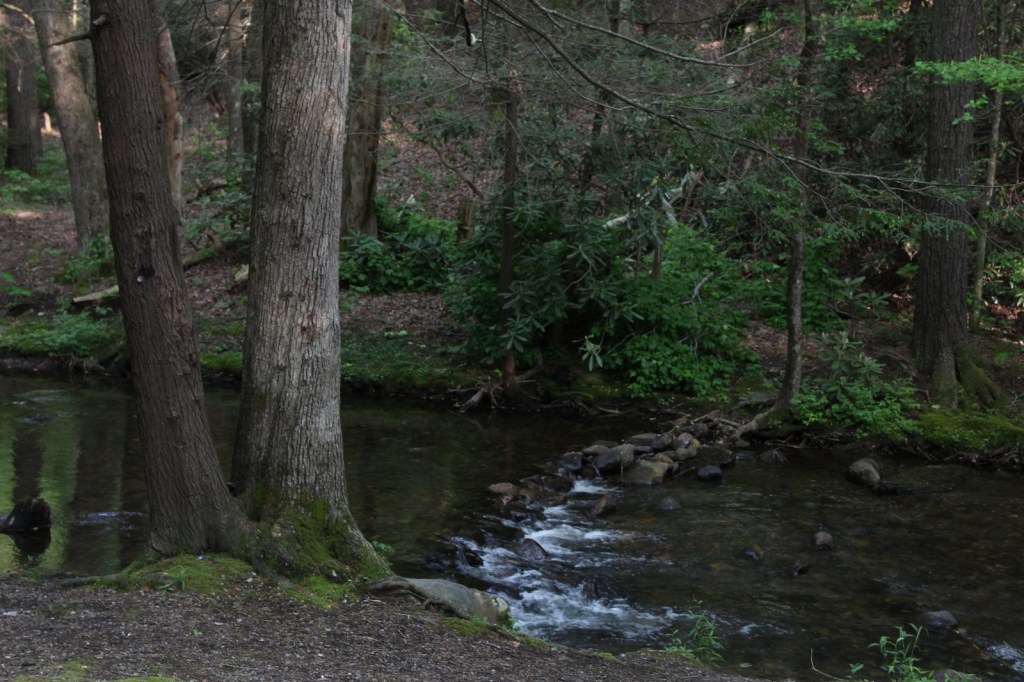
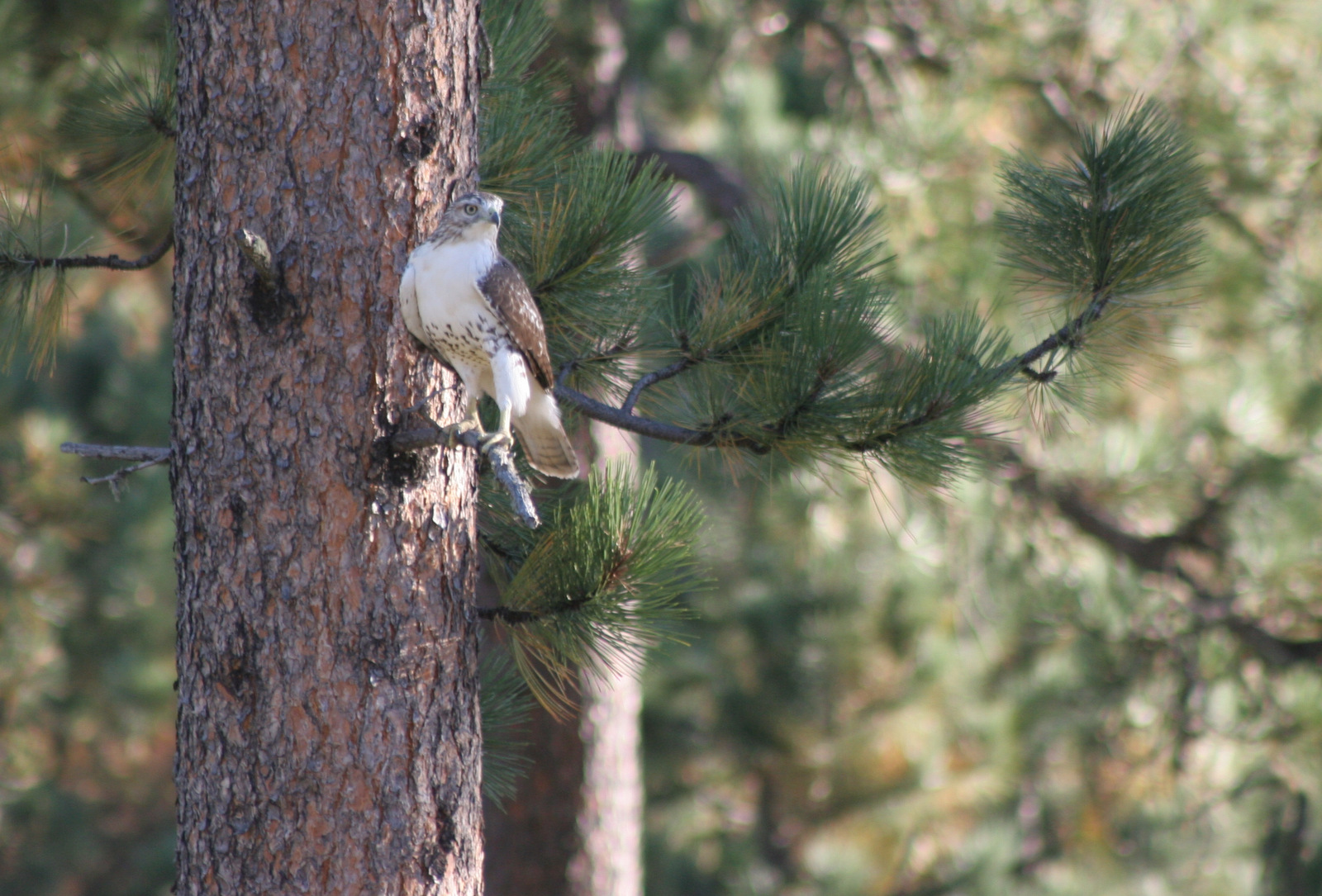
In addition to the plentiful white-tailed deer, other large mammals found in Chattahoochee National Forest include black bears, coyotes, bobcats, red foxes, squirrels, beavers, and river otters.  There are a wide variety of songbirds, waterfowl, and raptors, as well as wild turkeys.  One insect species of note is the blue ghost firefly, which produces a distinctive blue phosphorescence.  Panther Creek is among the approximately 2,000 miles of rivers and streams popular for fishing.

Instagram-worthy Photo

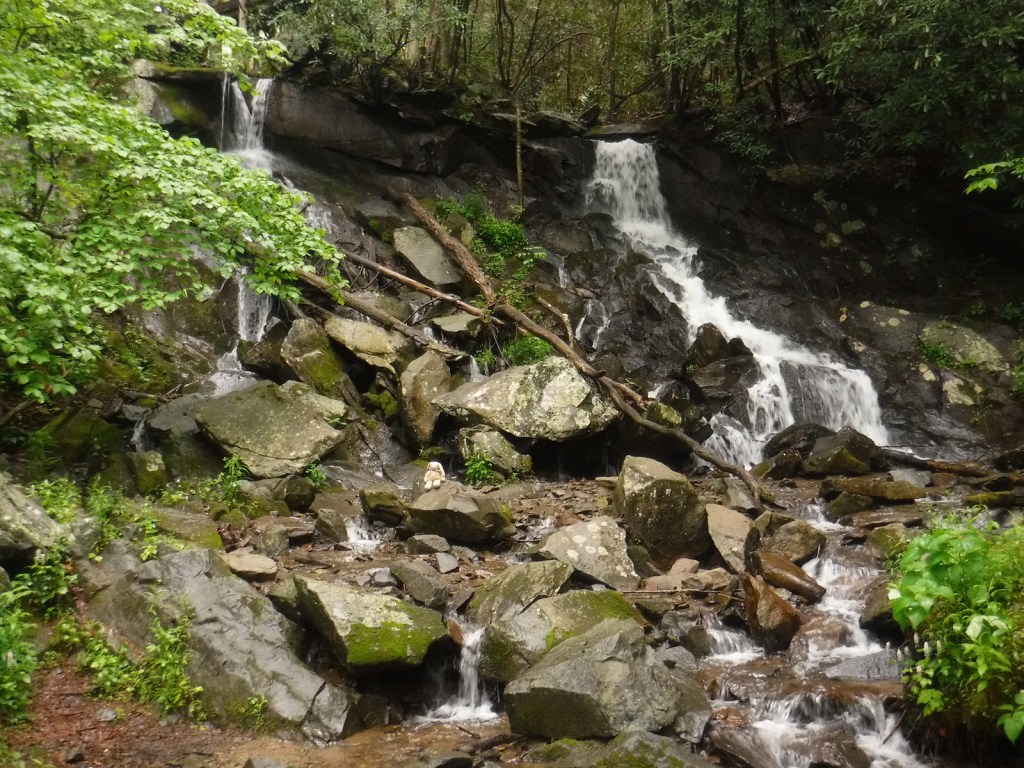
There is a small waterfall at Barnes Creek Picnic Area, which was built by the Civilian Conservation Corps (CCC) in the 1930s.
Peak Season

Summer

Fees

None

Road Conditions

Most of the major routes in Chattahoochee National Forest are paved.  Forest Service Road 42 that accesses the Springer Mountain Trailhead is unpaved and full of potholes, but it is doable in a passenger vehicle (as are the dirt roads to Hickey Gap Campground and Bear Creek Trail). 

Camping

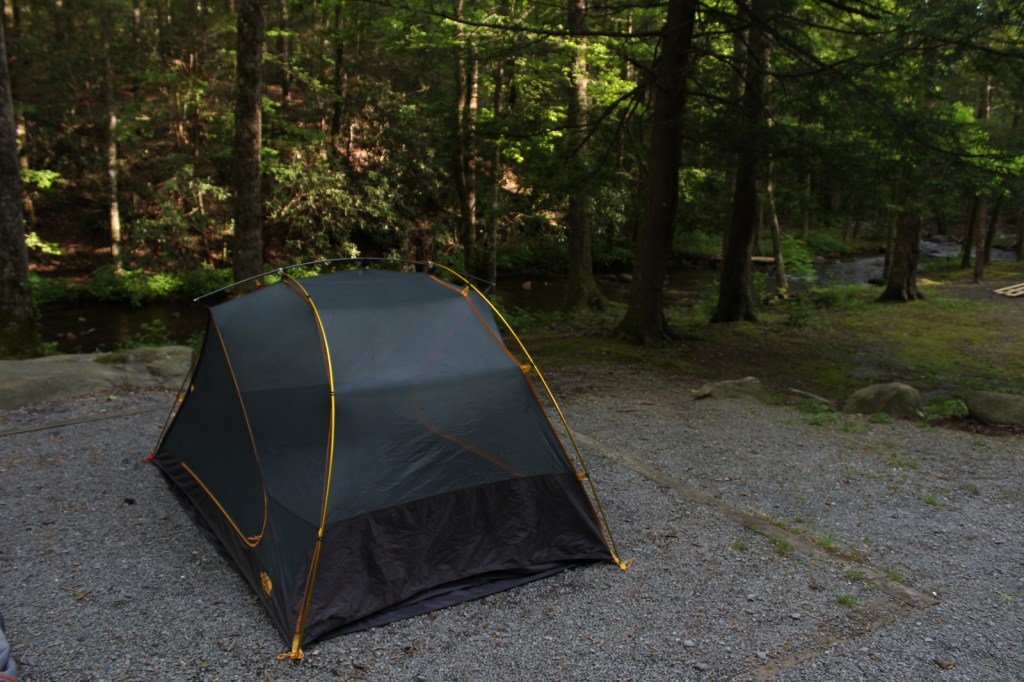
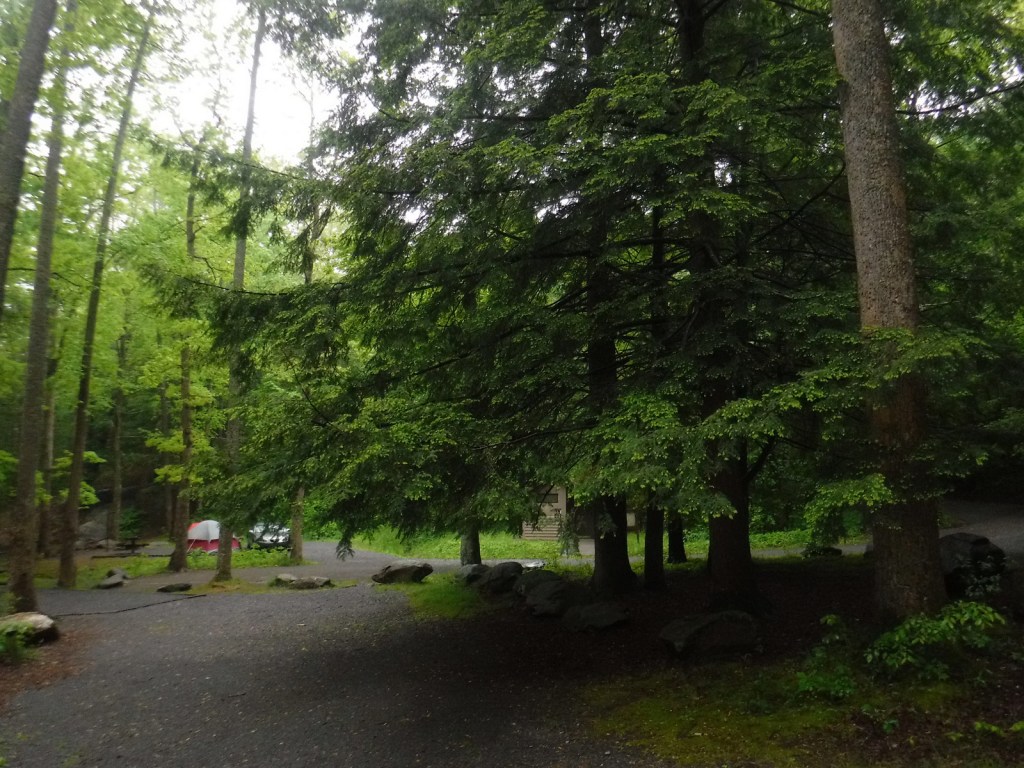
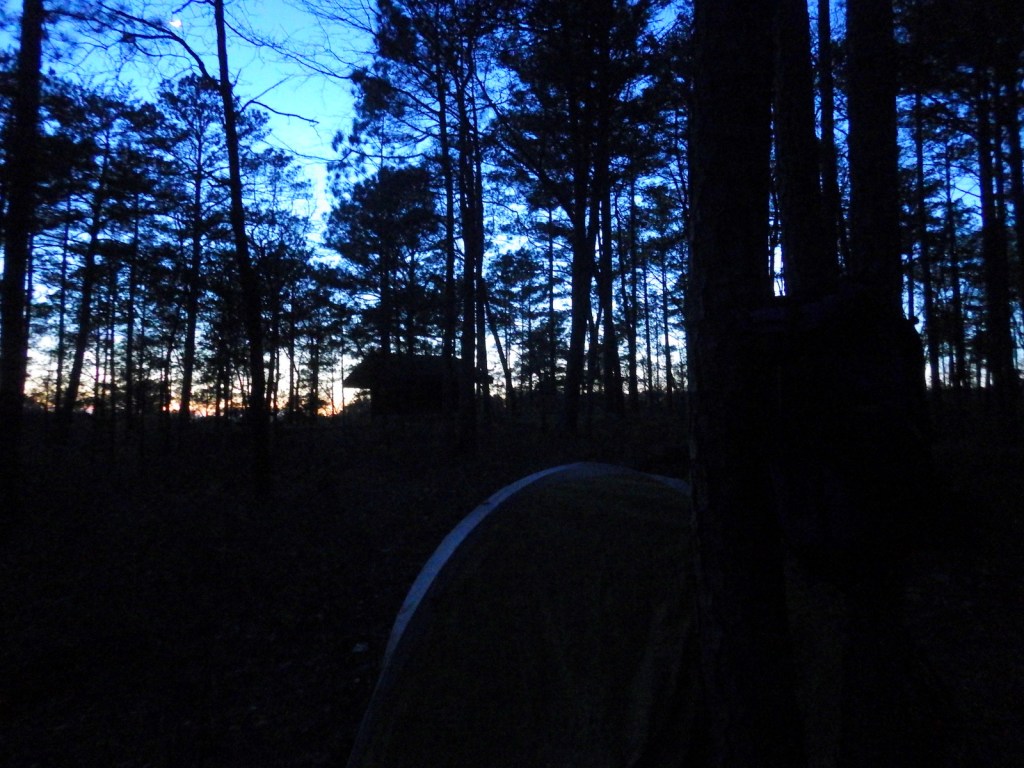
The riverside Hickey Gap Campground is so nice that it made it into our list of the Top 10 Campgrounds in National Forests; the best part is: it is free.  We once overnighted at the Locust Stake ORV Area Trailhead north of Atlanta, which was fine until someone decided to ride their motocross bike at 2 a.m.

Wilderness Areas

Big Frog Wilderness (also in Cherokee NF)

Blood Mountain Wilderness

Brasstown Wilderness

Cohutta Wilderness (also in Cherokee National Forest)

Ellicott Rock Wilderness (also in Nantahala and Sumter National Forests)

Mark Trail Wilderness

Raven Cliffs Wilderness

Rich Mountain Wilderness

Southern Nantahala Wilderness (also in Nantahala National Forest)

Tray Mountain Wilderness

Related Sites

Chattahoochee River National Recreation Area (Georgia)

Martin Luther King, Jr. National Historical Park (Georgia)

Ed Jenkins National Recreation Area (Georgia)

Nearest National Park

Great Smoky Mountains

Conifer Tree Species

eastern hemlock, loblolly pine, shortleaf pine, Table Mountain pine, pitch pine

Flowering Tree Species

flowering dogwood, mountain laurel, pawpaw, American beech, white basswood, red maple, mountain maple, moosewood maple, tulip-poplar, sweet buckeye, yellowwood, yellow birch, cucumber magnolia, black cherry, sourwood, pale hickory, mockernut hickory, rock chestnut oak, scarlet oak, black oak, Catawba rhododendron, yellow birch, sweet bay magnolia, mountain-ash, ninebark

Explore More – How many acres are within the Cohutta Wilderness, the largest designated Wilderness east of the Mississippi River?

Learn more about Chattahoochee and the 154 other National Forests in our new guidebook Out in the Woods

We are a participant in the Amazon Services LLC Associates Program, an affiliate advertising program designed to provide a means for us to earn fees by linking to Amazon.com and affiliated sites.

Carson National Forest

Carson National Forest

New Mexico

Managed by U.S. Forest Service, Southwestern Region

1,490,468 acres (1,391,674 federal/ 98,794 other)

Website: https://www.fs.usda.gov/carson

Overview

Carson National Forest is spread across the Sangre de Cristo Mountains that run 200 miles from northern New Mexico into southern Colorado’s Rio Grande and San Isabel National Forests.  In 1982, the Pennzoil Corporation donated the Valle Vidal Unit (about 100,000 acres) to the Forest Service.  A decade earlier, the Taos Pueblo successfully lobbied to return sacred Blue Lake to the tribe and remove it from Carson National Forest. 

Highlights

Enchanted Circle Scenic Byway, Wheeler Peak, Clayton Pass, Vista Grande, Brazos Ridge Overlook, Canjilon Lakes, Lobo Peak, Echo Amphitheater, Cabresto Lake, Pot Creek Cultural Site, Amole Canyon, Devisadero Loop Trail, Continental Divide National Scenic Trail, Columbine-Twining National Recreation Trail

Must-Do Activity

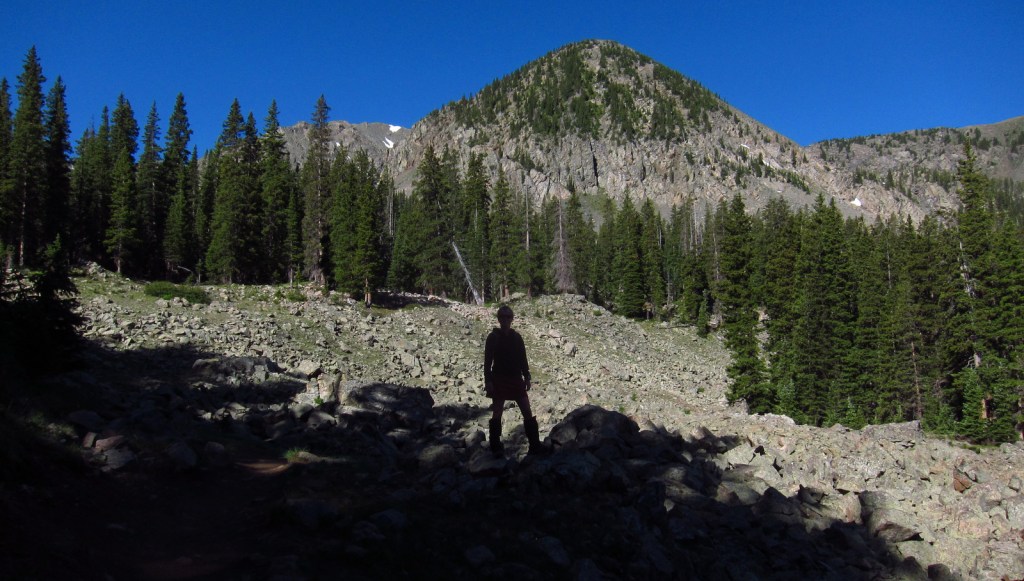
The National Forest contains New Mexico’s highest point (13,161-foot Wheeler Peak) near Taos Ski Valley, one of several ski resorts found here.  The gravel parking lot fills up early on summer weekends, as those looking to summit want to finish before afternoon thunderstorms.  If a 14-mile roundtrip hike with 3,771 feet of elevation gain sounds too strenuous, there are plenty of other trails around Taos Ski Valley listed below.

Best Trail

There is an extensive trail system that spiders out from Taos Ski Valley, including several that follow canyon streams and access small mountain lakes.  We recommend the Bull of the Woods Trail if you want to avoid the crowds summiting Wheeler Peak.  Other hiking options in the area include Williams Lake, Long Canyon, Lobo Peak, and Goose Lake.

Watchable Wildlife

Mule deer, elk, pronghorn, and bighorn sheep are large ungulates found in Carson National Forest.  Its carnivores include black bears, coyotes, red foxes, bobcats, and mountain lions.  The National Forest’s lakes and 400 miles of rivers and streams are mostly stocked with native trout species.

Instagram-worthy Photo

Alpine views abound on the hike up to 13,161-foot Wheeler Peak, the highest point in New Mexico.

Peak Season

Summer

Fees

None

Road Conditions

State Highway 150 is paved to Taos Ski Valley except for the very end, which is a good gravel road (as is FR 597 north of Red River).

Camping

There are many great places to camp in Carson National Forest, with notable areas being Elephant Rock Campground, Hopewell Lake Campground, and several campgrounds around the Canjilon Lakes.  We set up a dispersed camp near a high mountain pass on FR 597 above the town of Red River in the summer.

Wilderness Areas

Chama River Canyon Wilderness (also in Santa Fe National Forest)

Cruces Basin Wilderness

Latir Peak Wilderness

Pecos Wilderness (also in Santa Fe National Forest)

Wheeler Peak Wilderness

Related Sites

Pecos National Historical Park (New Mexico)

Bandelier National Monument (New Mexico)

Fort Union National Monument (New Mexico)

Nearest National Park

Great Sand Dunes

Conifer Tree Species

Engelmann spruce, limber pine, Rocky Mountain bristlecone pine, two-needle pinyon pine, ponderosa pine, Douglas-fir, white fir, subalpine fir

Flowering Tree Species

Gambel oak, quaking aspen, bigtooth maple, boxelder, New Mexico locust, Fremont cottonwood, netleaf hackberry

Explore More – Who was the U.S. President that pushed through Congress the Taos Pueblo appeal to return Blue Lake?

Learn more about Carson and the 154 other National Forests in our new guidebook Out in the Woods

We are a participant in the Amazon Services LLC Associates Program, an affiliate advertising program designed to provide a means for us to earn fees by linking to Amazon.com and affiliated sites.
Cache National Forest

Cache National Forest

Utah, Idaho

Managed by U.S. Forest Service, Intermountain Region

1,216,778 acres (701,652 federal/ 515,126 other)

Website: https://www.fs.usda.gov/uwcnf

Overview

Cache National Forest surrounds Logan, Utah on three sides covering the Bear River Range and Wellsville Mountains, which are considered to have the steepest grade in the entire nation.  Since August 2007, Cache National Forest is officially part of the massive Uinta-Wasatch-Cache National Forest that sprawls across northeastern Utah.  To add to the bureaucratic confusion, the 263,940 acres of Cache National Forest in Idaho have been administered since 1973 by Caribou National Forest (see our next blog post).  When you subtract that land area, it only includes 437,712 acres of federal land, making it one of the smallest National Forests in the western U.S.

Highlights

Logan Canyon Scenic Byway, Wind Cave, Jardine Juniper, Tea Pot Rock, Old Limber Pine Nature Trail, Ogden River Scenic Byway, Pineview Reservoir, Tony Grove Lake Campground, Causey Reservoir, Wellsville Mountains, Naomi Peak National Recreation Trail

Must-Do Activity

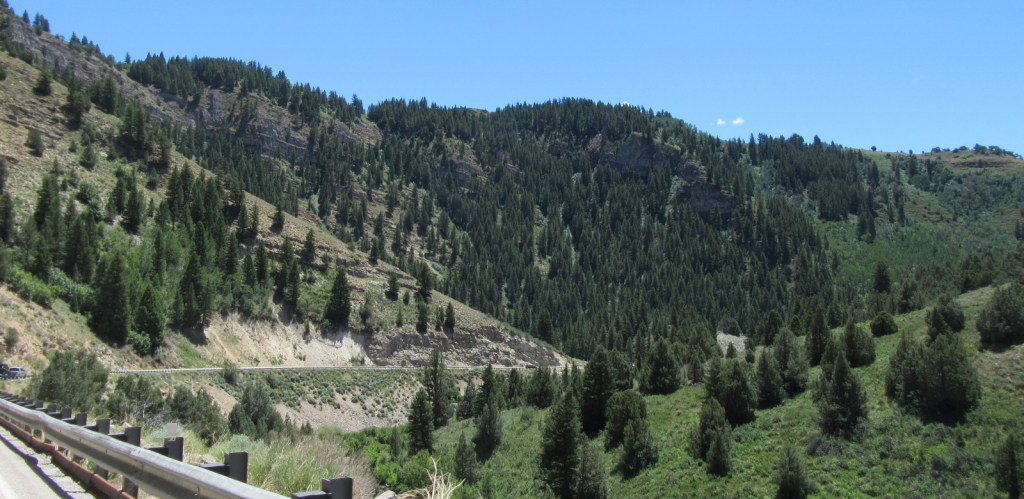
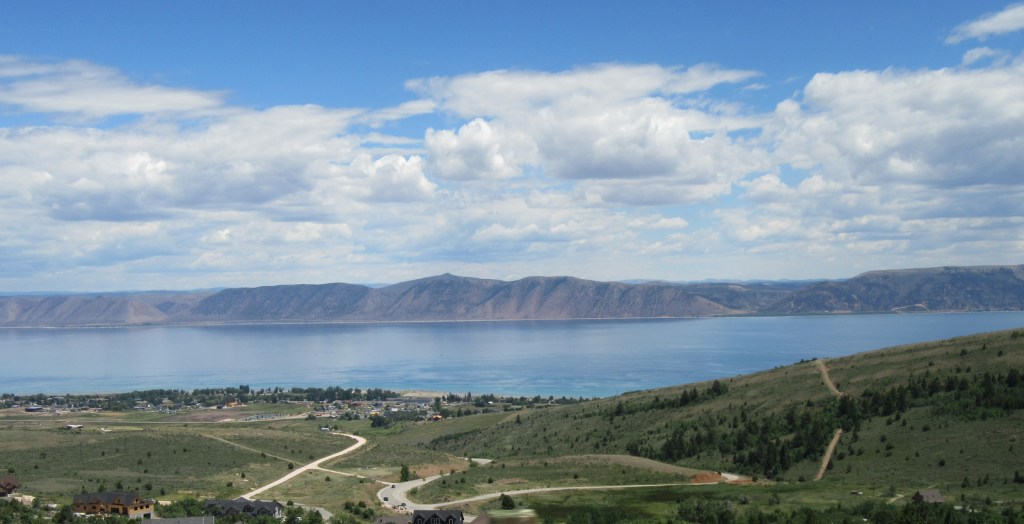
Logan Canyon Scenic Byway follows Highway 89 and the beautiful Logan River up to a pass with views of Bear Lake, a naturally-formed body of water that gets its turquoise color from suspended limestone sediment (earning it’s the nickname “Caribbean of the Rockies”).  Logan Canyon is especially busy in the fall when the leaves change on quaking aspens and three species of maples: boxelder, canyon/bigtooth maple, and Rocky Mountain maple. 

Best Trail

Logan Canyon has two popular, but steep trails that lead to Wind Cave and the Old Jardine Juniper, the world’s largest Rocky Mountain juniper estimated to be at least 3,000 years old.  The 3.6-mile out-and-back trail to Wind Cave starts from a roadside pullout across from Guinavah-Malibu Campground and gains more than 900 feet in elevation.  Hiking to the Old Jardine Juniper requires a climb of over 2,100 feet along the five-mile one-way trail, which continues further into the Mt. Naomi Wilderness.

Watchable Wildlife

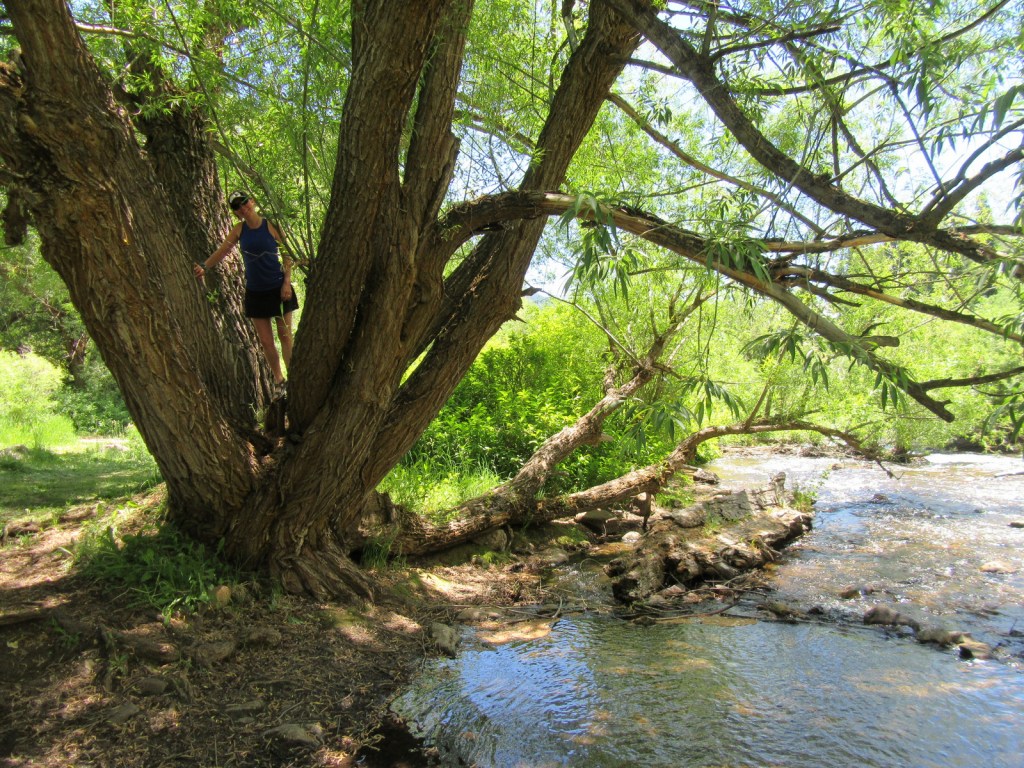
Trout fishing is a popular activity due to all of the rivers and streams in Cache National Forest.  Large mammalian species include elk, mule deer, pronghorns, and black bears.  Watch the skies above Logan Canyon for ravens and a variety of birds of prey.

Instagram-worthy Photo

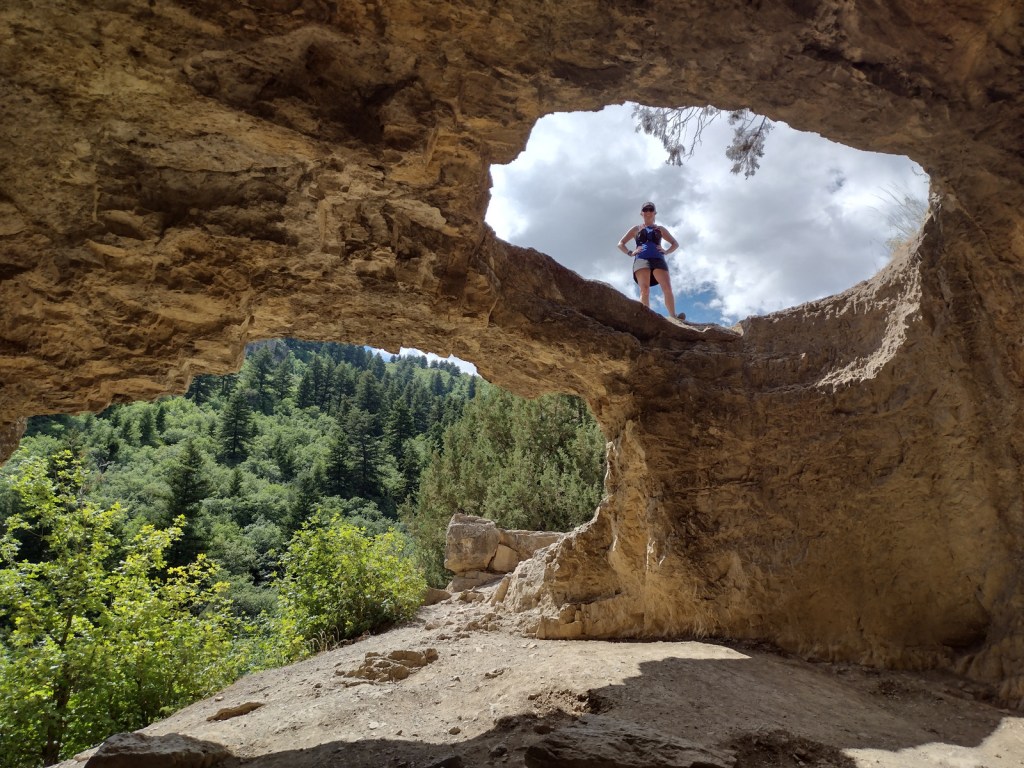
The limestone arches of Wind Cave originally formed underground then were exposed when the Logan River cut its steep canyon.

Peak Season

Summer

Fees

None

Road Conditions

Logan Canyon (Highway 89) and Ogden River (Highway 39) Scenic Byways are both paved.  We did not drive any unpaved roads, but we did notice that the dirt roads around Bear Lake Summit (on Highway 89) looked very rutted and four-wheel-drive only.

Camping

There are numerous campgrounds along both the Logan Canyon and Ogden River Scenic Byways.  We did not notice any dispersed campsites in these areas, although there probably are some options in more remote portions of the National Forest.

Wilderness Areas

Mt. Naomi Wilderness

Wellsville Mountain Wilderness

Related Sites

Golden Spike National Historical Park (Utah)

Timpanogos Cave National Monument (Utah)

Wasatch National Forest (Utah-Wyoming)

Nearest National Park

Grand Teton (Wyoming)

Conifer Tree Species

Rocky Mountain juniper, Utah juniper, limber pine, whitebark pine, ponderosa pine, lodgepole pine, Engelmann spruce, subalpine fir, white fir, Douglas-fir

Flowering Tree Species

quaking aspen, river birch, boxelder, canyon/bigtooth maple, Rocky Mountain maple, Bebb willow, blue elderberry, chokecherry, curlleaf mountain-mahogany, sagebrush

Explore More – In what year did the Cache Valley host the second-ever rendezvous of fur-trapping mountain men?

Learn more about Cache and the 154 other National Forests in our new guidebook Out in the Woods

We are a participant in the Amazon Services LLC Associates Program, an affiliate advertising program designed to provide a means for us to earn fees by linking to Amazon.com and affiliated sites.

Bridger National Forest

Bridger National Forest

Wyoming

Managed by U.S. Forest Service, Intermountain Region

1,744,705 acres (1,736,115 federal/ 8,590 other)

Website: https://www.fs.usda.gov/btnf

Overview

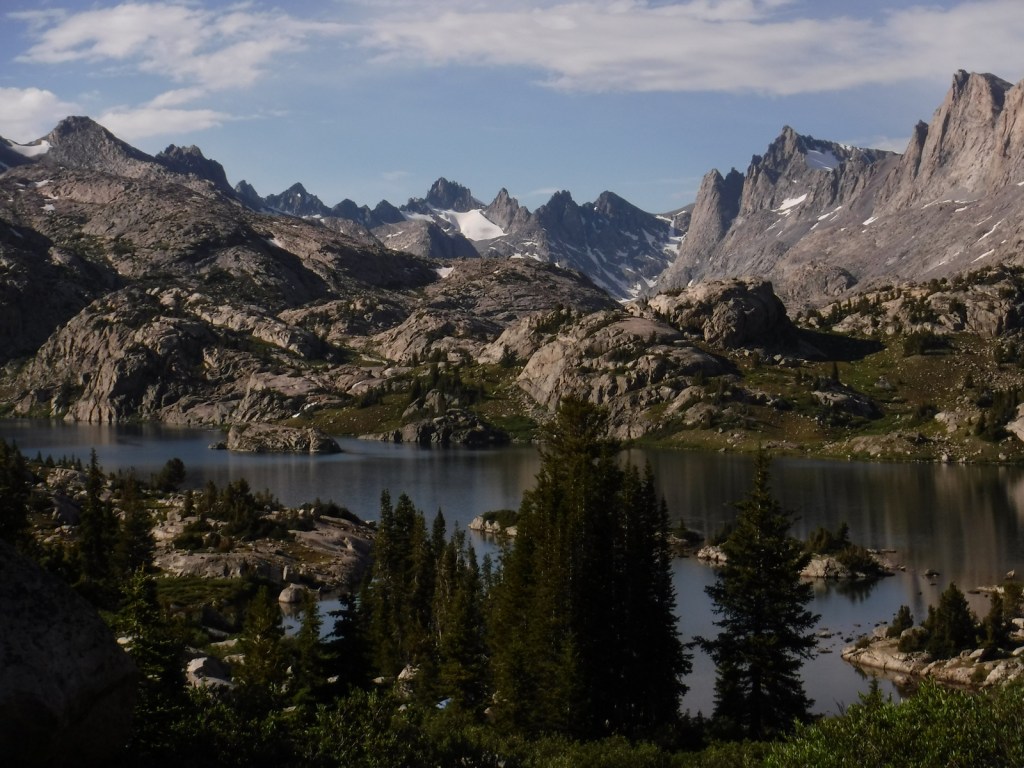
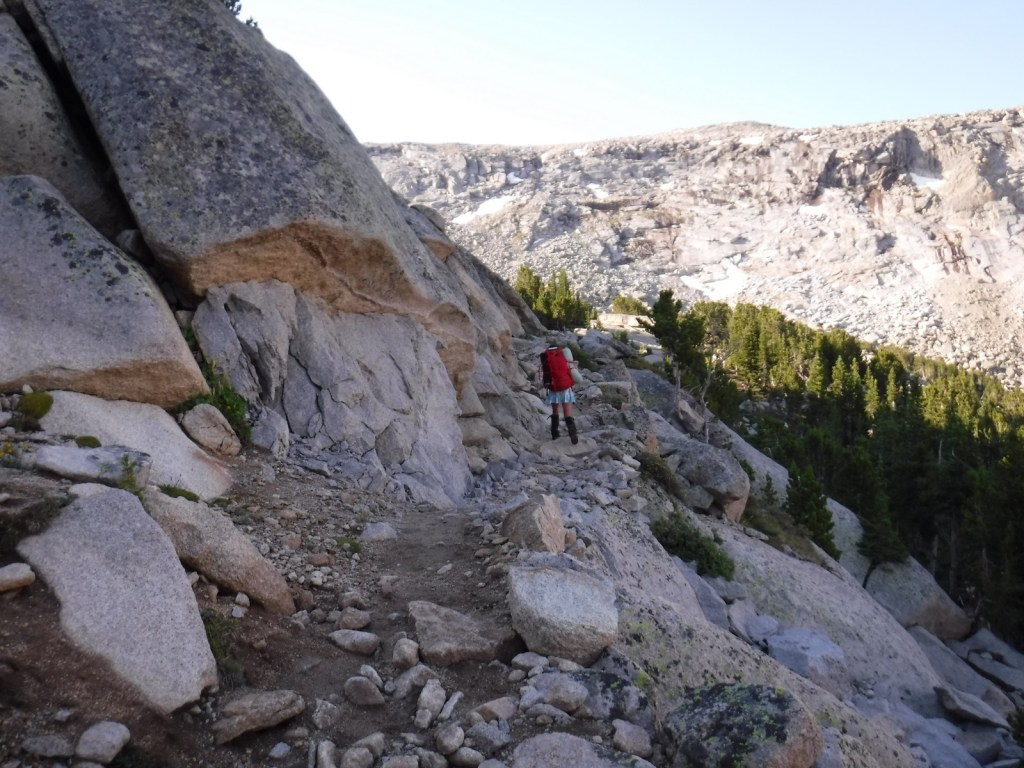
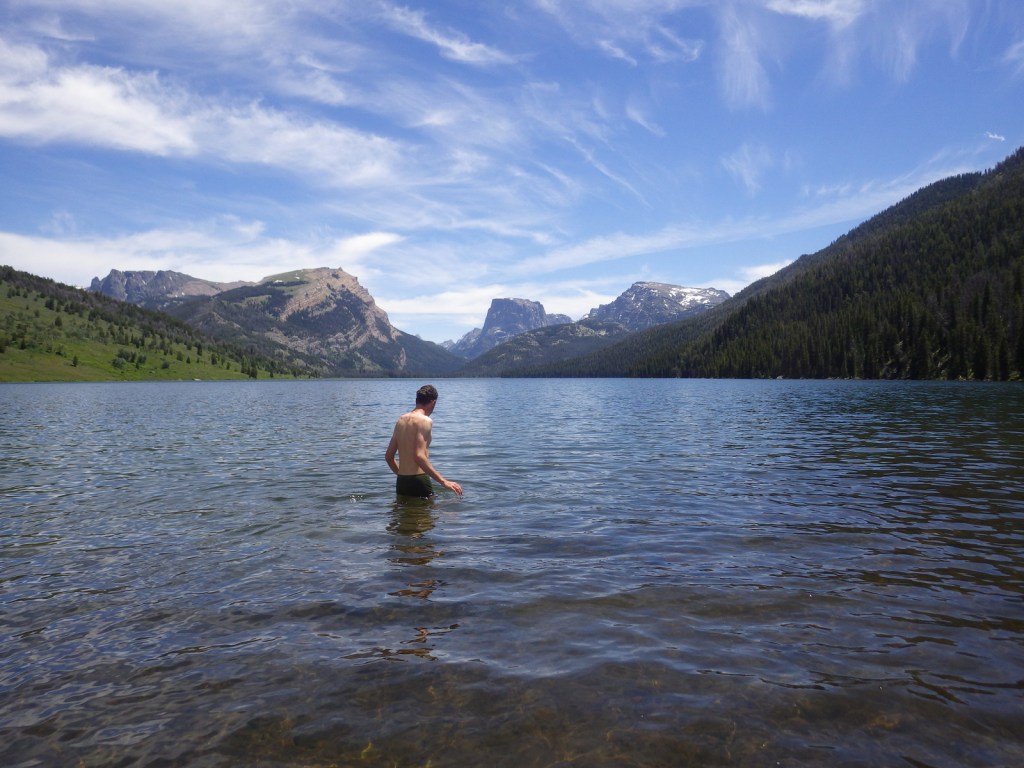
The peaks of the Wind River Range not only represent the Continental Divide, but also a division between Bridger-Teton National Forest and Shoshone National Forest which happen to be in two different U.S. Forest Service Regions.  These mountains are our favorite place to go backpacking in the entire world with jagged peaks that rival the Teton Range for picturesqueness and a fraction of the visitors (except at overcrowded Titcomb Basin and the Cirque of the Towers).  Read more about our 120-mile trip on the Highline Trail in our newspaper article.

Know someone who loves the National Forests? Gift them our travel guidebook Out in the Woods so they can learn more about this and the 154 other National Forests.

Highlights

Fremont Lake, Kendall Warm Springs, Green River Lakes, Wind River Range, Titcomb Basin, Periodic Spring geyser, Lake Alice, Wyoming Range National Recreation Trail, Highline Trail, Continental Divide National Scenic Trail

Must-Do Activity

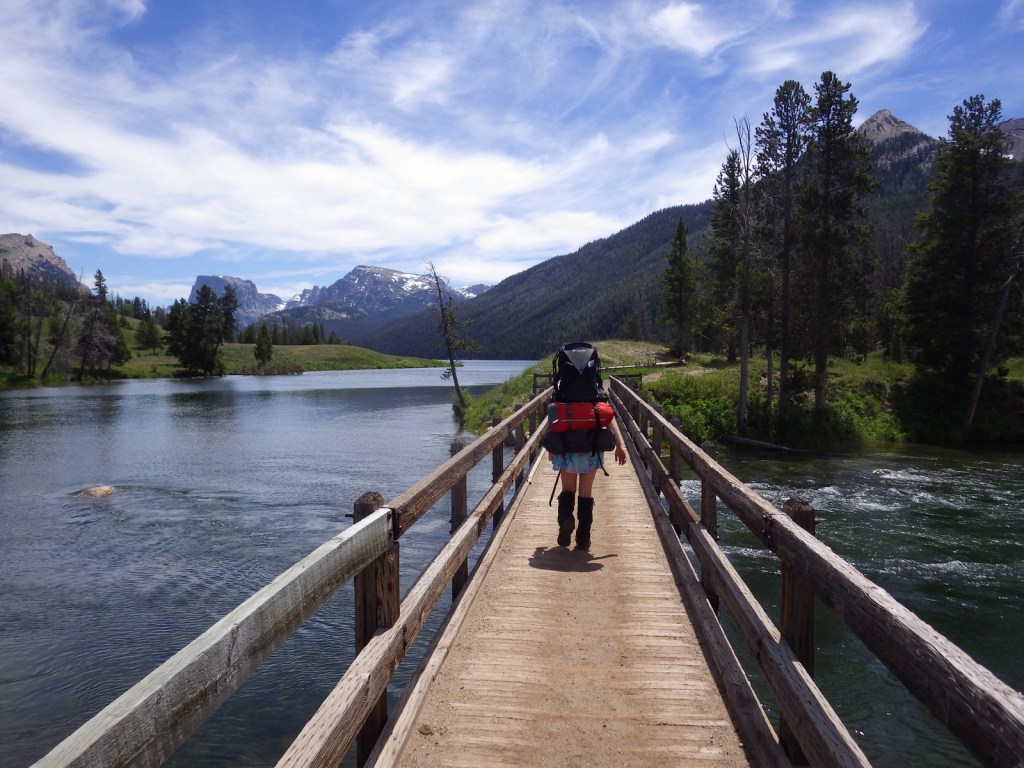
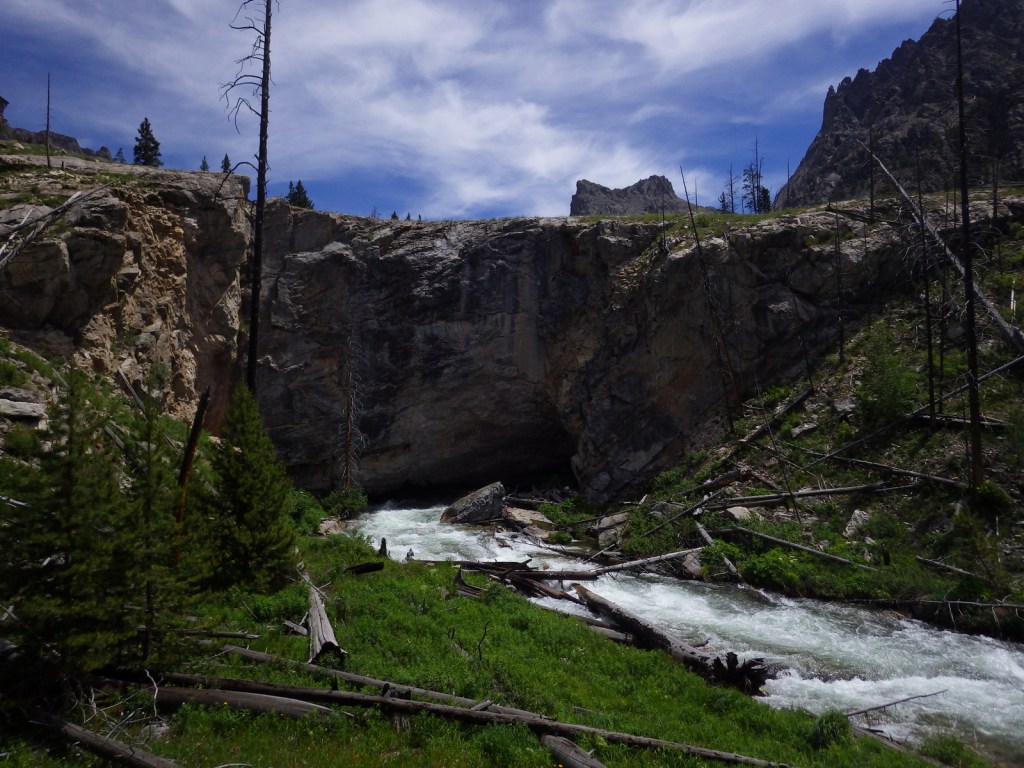
From Pinedale, Wyoming, a 50-mile partially-paved drive leads to the campground at Green River Lakes, which opens up into a beautiful valley that frames photogenic Squaretop Mountain.  Hiking around the northerly of the two lakes makes a great couple-hour jaunt, but if you are looking for a unique destination add the two-mile spur to fascinating Clear Creek Natural Bridge.  Here the water pours through and continues to widen a four-foot tall gap in the limestone.  Starting from the campground, the Highline Trail is a 72-mile one-way trek popular with backpackers.  The first ten miles are very flat following the river to Beaver Meadows, which offers 360° mountain views. 

Best Trail

Further south in the Wind River Range than stunning Squaretop Mountain, it is only eight miles from Big Sandy Trailhead to the Cirque of the Towers, which is famous among rock climbers and actually in neighboring Shoshone National Forest.  Even though there were a lot of campers back there, we found a secluded spot between Big Sandy Lake and Clear Lake in Bridger National Forest.  When we finally made it over 10,800-foot Jackass Pass to the cirque, it was full of fog and hail was dropping from the sky.  Although we have been back on a sunny day, that was the more memorable experience, which is why we selected a photo from that morning for the cover of our new guidebook Out in the Woods (see bottom of this post).

Watchable Wildlife

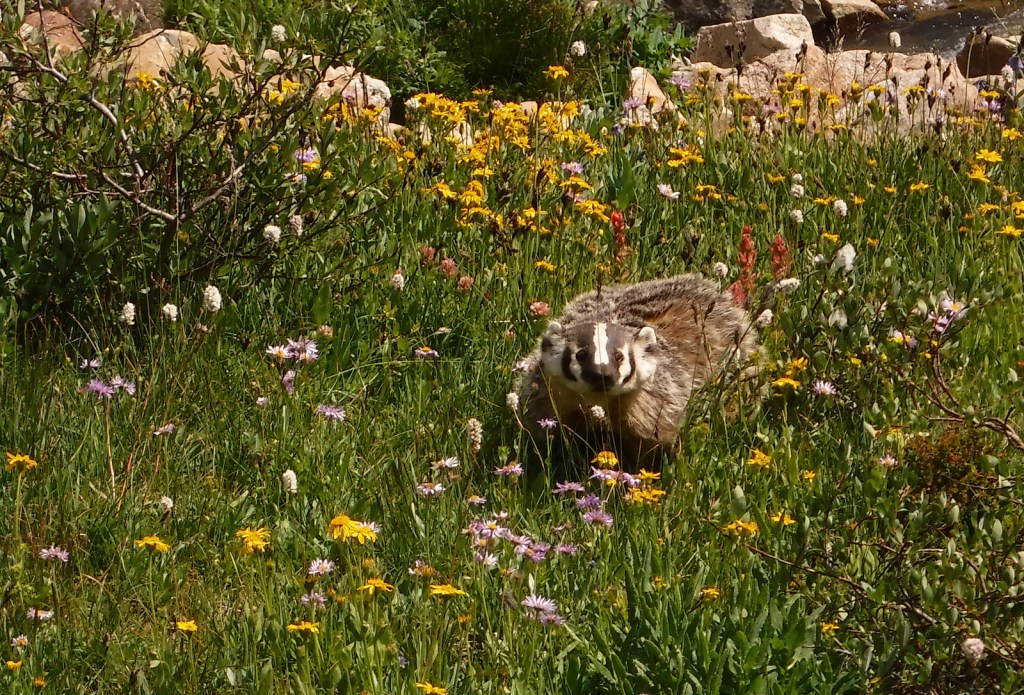
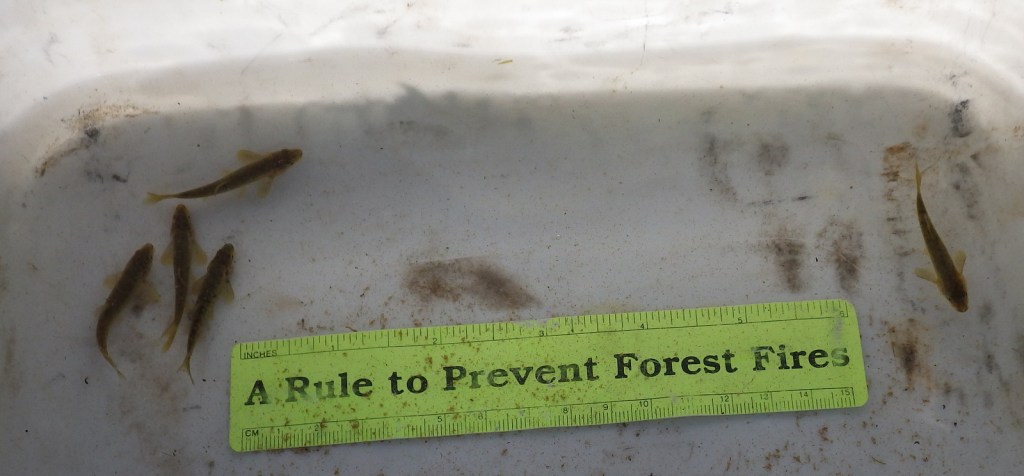
On the way to Green River Lakes outside Pinedale, Wyoming, make time for a quick stop at Kendall Warm Springs where the water is a constant 85°F but is protected from human bathing.  The main attraction is a fish less than 2-inches long, the endangered Kendall Warm Springs dace.  During spawning (which occurs frequently throughout the year due to the warm water), the males turn purple and the females light green.  U.S. Forest Service biologists keep careful track of the population and if you’re lucky, you’ll meet them when they are out there conducting a survey.  On the trails and roads, keep an eye out for moose, elk, mule deer, pronghorns, both black and grizzly bears, and badgers (even in the middle of the day).  Trout fishing is also a major attraction to this area’s many lakes and streams.

Instagram-worthy Photo

This incredible view of Squaretop Mountain and Green River Lakes is at the end of a long drive down a washboard dirt road; maybe that is why it is on the Wyoming license plate.

Peak Season

Summer

Fees

None

Road Conditions

The long dirt roads back to the trailheads at Big Sandy and Green River Lakes are well maintained, and we have never had a problem accessing them in a passenger vehicle.  Limited parking when you get there is the bigger problem.

Camping

The campground at Green River Lakes has an incredible view of Squaretop Mountain (which is on the 2010s Wyoming license plate).  There are more dispersed campsites on the road to Big Sandy Trailhead than Green River Lakes.

Wilderness Areas

Bridger Wilderness

Related Sites

Shoshone National Forest (Wyoming)

Fossil Butte National Monument (Wyoming)

Yellowstone National Park (Wyoming-Montana-Idaho)

Nearest National Park

Grand Teton (Wyoming)

Conifer Tree Species

Engelmann spruce, subalpine fir, Douglas-fir, lodgepole pine, ponderosa pine, limber pine, whitebark pine

Flowering Tree Species

quaking aspen, Rocky Mountain maple, bog birch, Booth’s willow, red osier dogwood, sagebrush

Explore More – What is the entire length of the stream that is the only place where the endangered Kendall Warm Springs dace lives (before it pours into the chilly Green River, home to a genetically distinct dace population)?

Know someone who loves the National Forests? Gift them our travel guidebook Out in the Woods so they can learn more about this and the 154 other National Forests.

Black Hills National Forest

Black Hills National Forest

South Dakota, Wyoming

Managed by U.S. Forest Service, Rocky Mountain Region

1,534,471 acres (1,253,308 federal/ 281,163 other)

Website: https://www.fs.usda.gov/blackhills

Overview

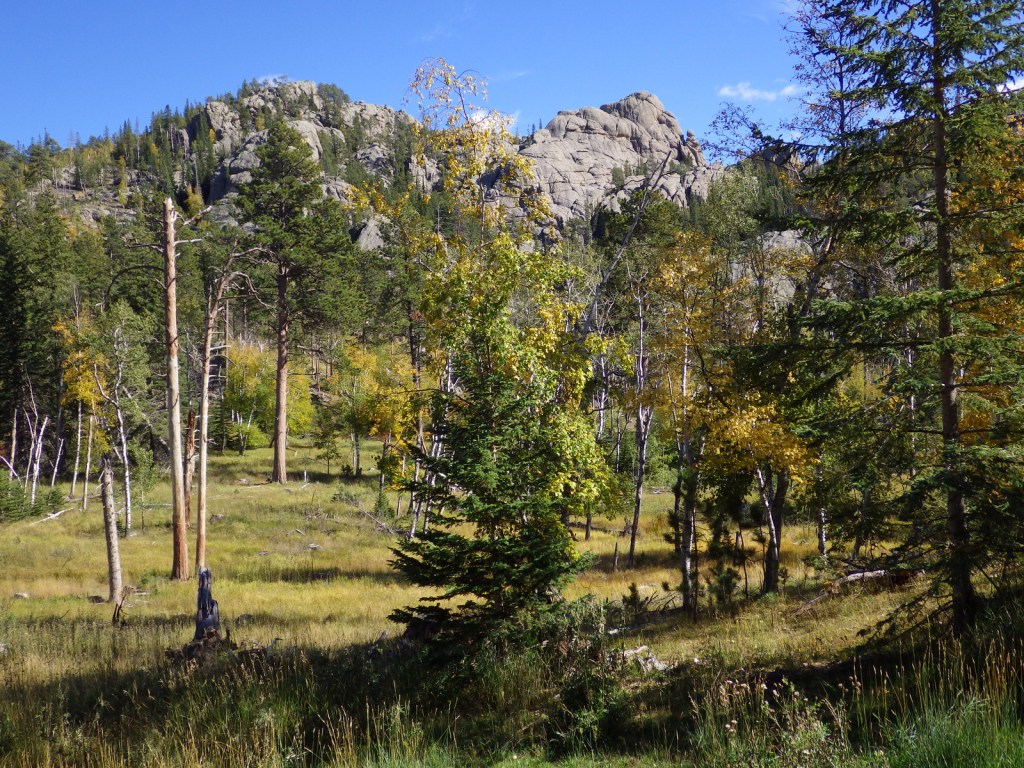
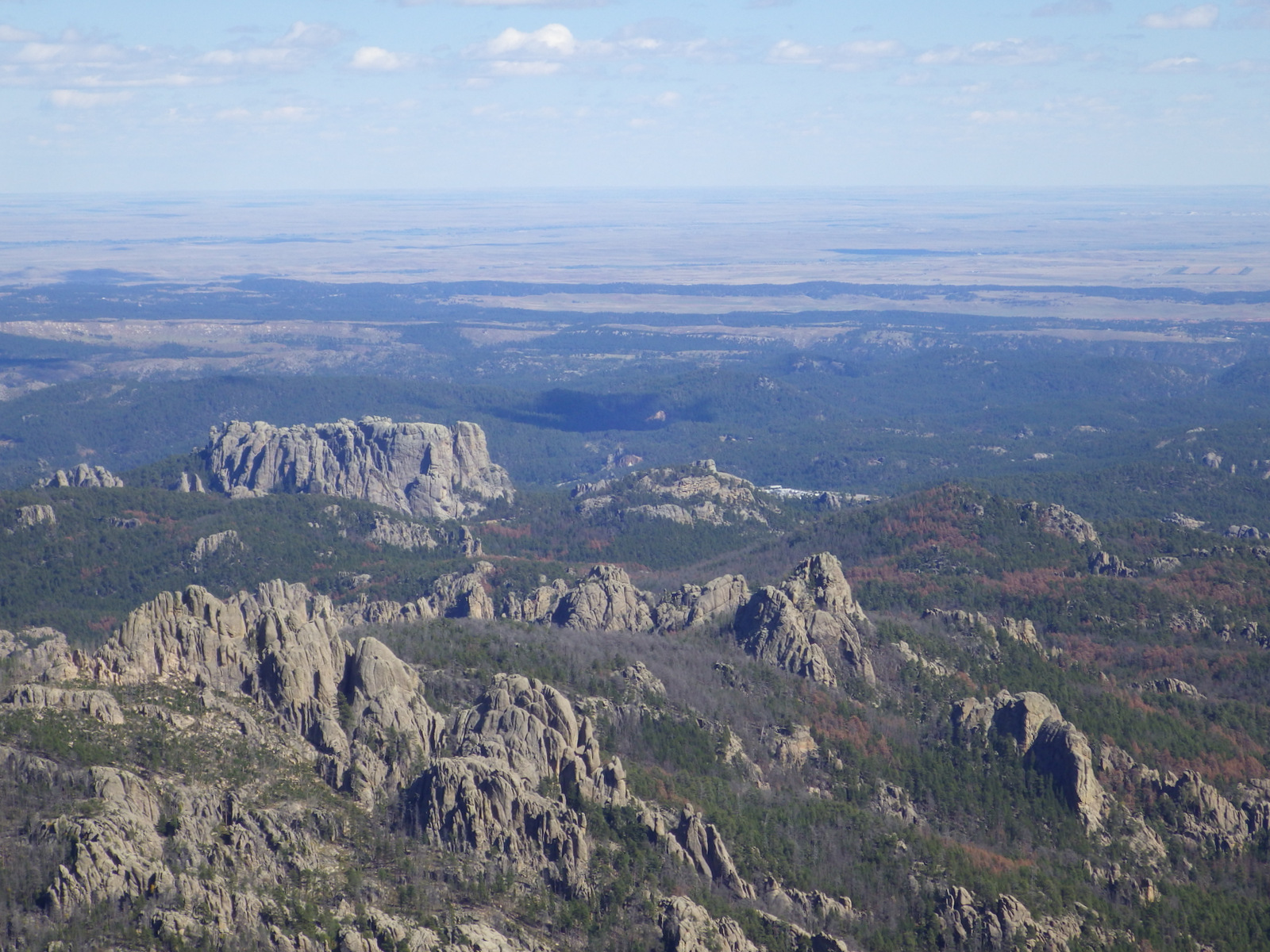
Straddling the Wyoming-South Dakota border is a region known as the Black Hills, where a gold rush took place in the mid-1870s.  The area was a traditional hunting ground for American Indians and site of the sacred Bear Butte, which led to numerous conflicts.  The hills may be called black because of the ponderosa pine forests that dominate the rocky landscape that rises above the surrounding prairie.  Explore some of its 353 miles of trails on foot, drive the miles of back roads, and be sure to keep an eye out for wildlife. 

Highlights

Peter Norbeck Scenic Byway, Black Elk Peak, Pactola Reservoir, Spearfish Canyon Scenic Byway, Bridal Veil Falls, Centennial Trail, Old Baldy Trail, Flume National Recreation Trail, Buzzards Roost Trail

Must-Do Activity

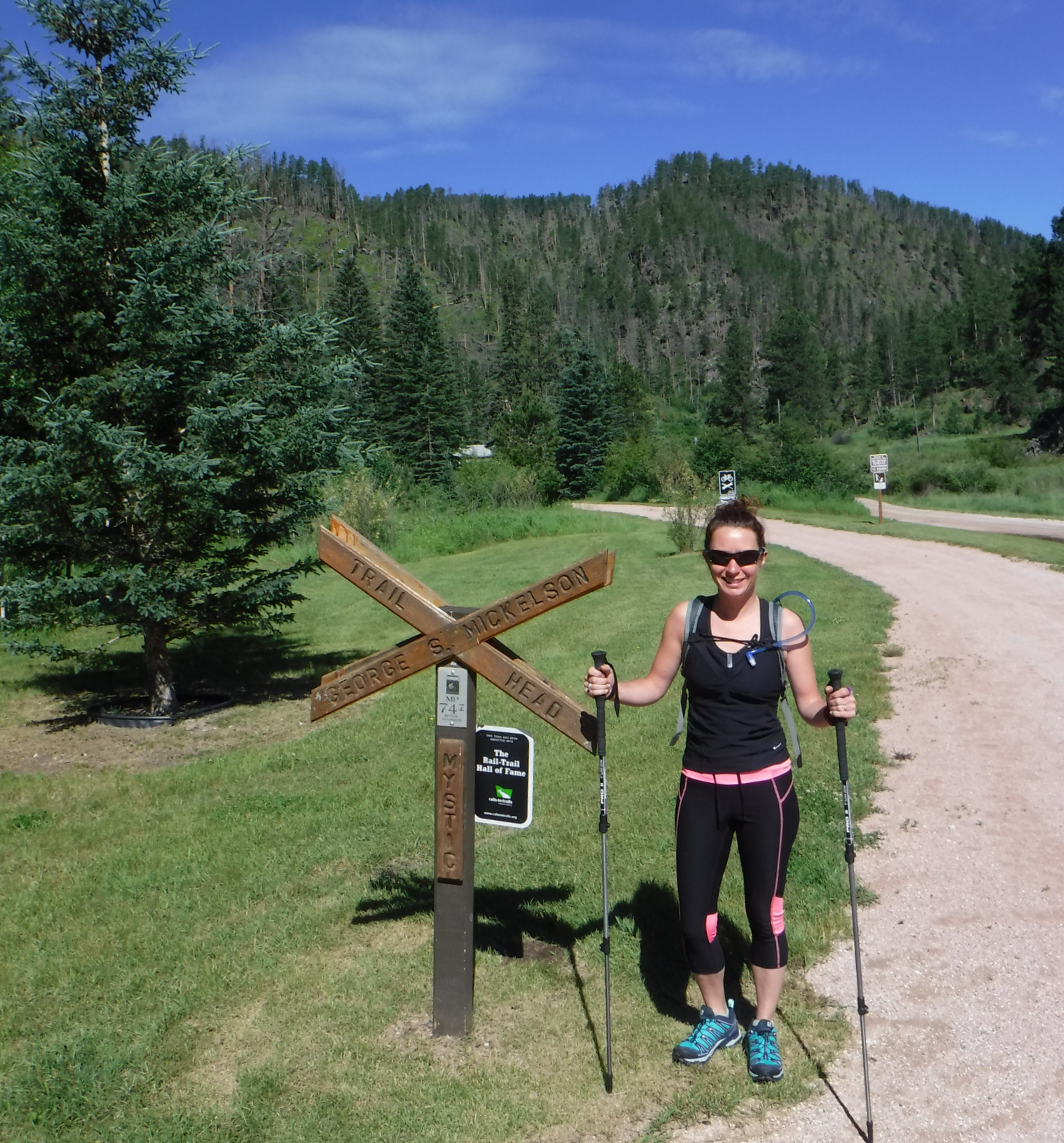
In Wyoming, scenic Bear Lodge Road cuts through the forest between Sundance and Alva, east of Devils Tower National Monument.  In South Dakota, we love Black Hills National Forest because it offers tranquil dispersed camping not far from the hubbub that surrounds Custer State Park, Mount Rushmore, Crazy Horse Memorial, Roughlock Falls, and Deadwood.  To escape the crowds, hike a portion of the 111-mile Centennial Trail or 108-mile George S. Mickelson Rail Trail (which is free to hike or bike, but requires a parking fee at its official trailheads). 

Best Trail

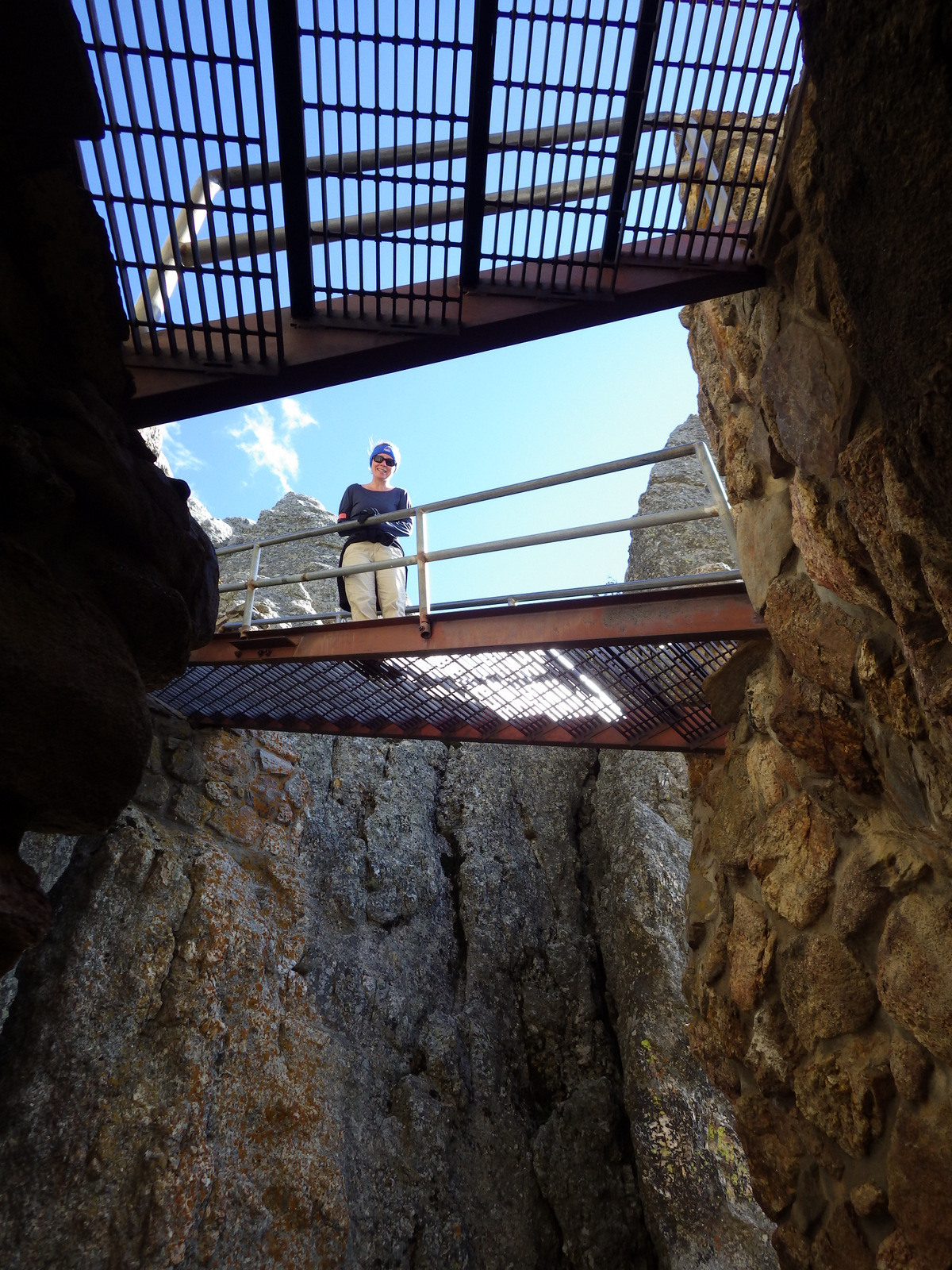
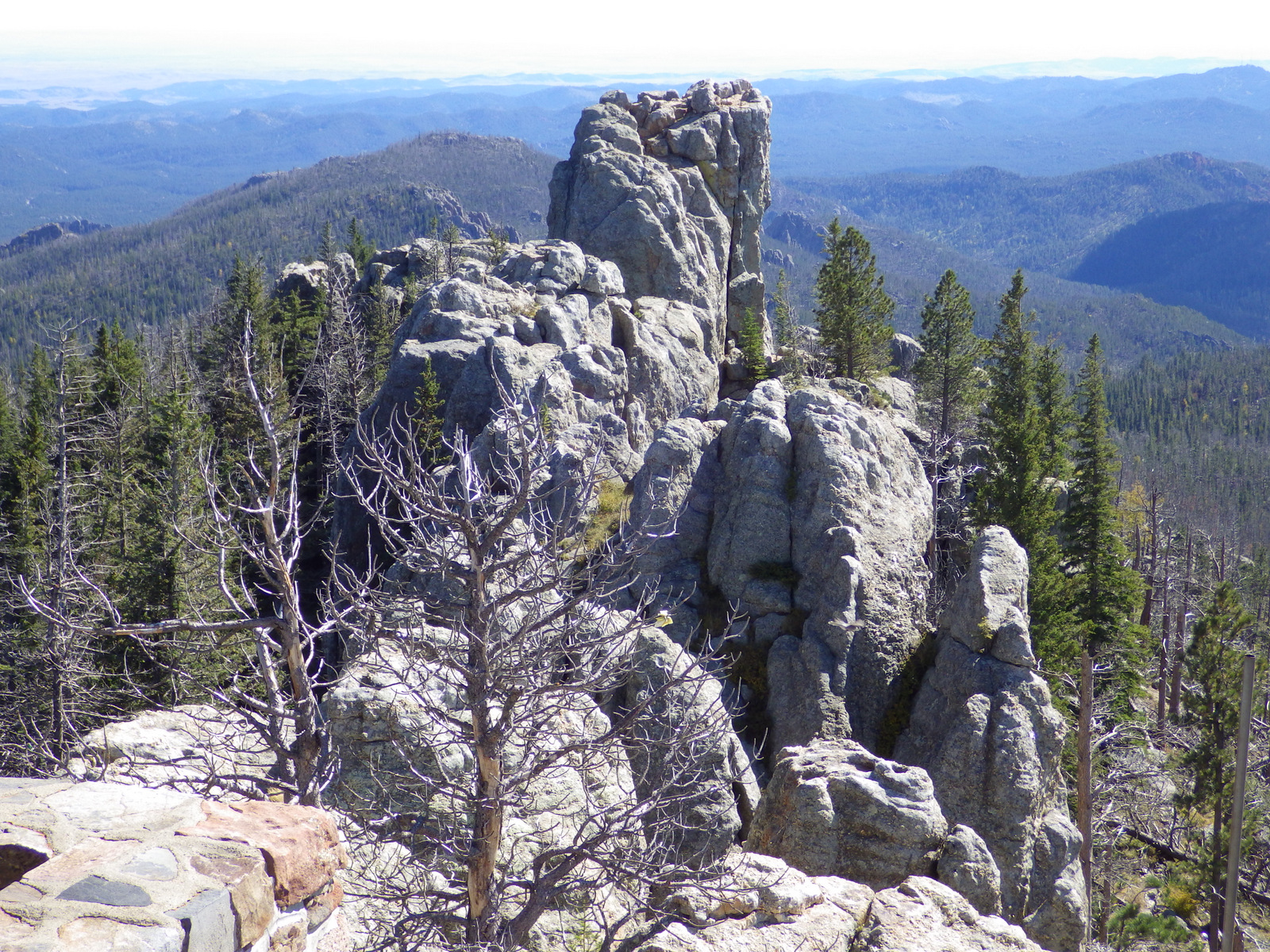
Rising in the center of the Black Elk Wilderness is 7,242-foot tall Black Elk Peak (formerly Harney Peak), the highest spot in South Dakota and the highest point in the U.S. east of the Rocky Mountains.  Trails to the summit start from near Mount Rushmore National Memorial (4.7 miles one-way) and Sylvan Lake in Custer State Park (parking fee, 3.8 miles one-way).

Watchable Wildlife

Elk can be found spread throughout Black Hills National Forest, but these nocturnal ungulates are elusive.  Mule deer, white-tailed deer, bighorn sheep, pronghorns, prairie dogs, and turkeys are more commonly sighted.  While driving past Mount Rushmore National Memorial keep an eye out for mountain goats that were introduced to this area.  Both Wind Cave National Park (free) and Custer State Park (entrance fee) have herds of bison, but fences keep them out of the National Forest.

Instagram-worthy Photo

West of Rapid City, South Dakota on Highway 44 is the trailhead for the Buzzards Roost trail system.  Loops of different lengths connect to the scenic overlook at Buzzards Roost Lookout, the shortest option being 1.1 miles one-way.

Peak Season

Summer, plus Buffalo Roundup weekend (late September)

Fees

None

Road Conditions

Iron Mountain Road (Highway 16A) is part of the Peter Norbeck National Scenic Byway where you will discover the meaning of the term “pigtail bridges.”  Although it cuts through Custer State Park, you do not have to pay the entrance fee if you are driving straight through.  We have found the dirt roads in Black Hills National Forest to be well maintained throughout the year.

Camping

The U.S. Forest Service operates 32 campgrounds (no RV hookups) with nominal fees, especially compared to Custer State Park.  There is also a campground at Wind Cave National Park, but we prefer dispersed camping along Forest Service roads although you have to be careful of private property boundaries.

Wilderness Areas

Black Elk Wilderness

Related Sites

Mount Rushmore National Memorial (South Dakota)

Jewel Cave National Monument (South Dakota)

Badlands National Park (South Dakota)

Nearest National Park

Wind Cave (South Dakota)

Conifer Tree Species

ponderosa pine, lodgepole pine, limber pine, white spruce, Rocky Mountain juniper

Flowering Tree Species

quaking aspen, paper birch, boxelder, green ash, American elm, eastern cottonwood, red osier dogwood, bur oak, hophornbeam

Explore More – When was the stone fire lookout tower atop Black Elk Peak built by the Civilian Conservation Corps?