Tag Archives: fish

Hiawatha National Forest

Hiawatha National Forest

Michigan

Managed by U.S. Forest Service, Eastern Region

1,294,645 acres (894,836 federal/ 399,809 other)

Website: https://www.fs.usda.gov/hiawatha

Overview

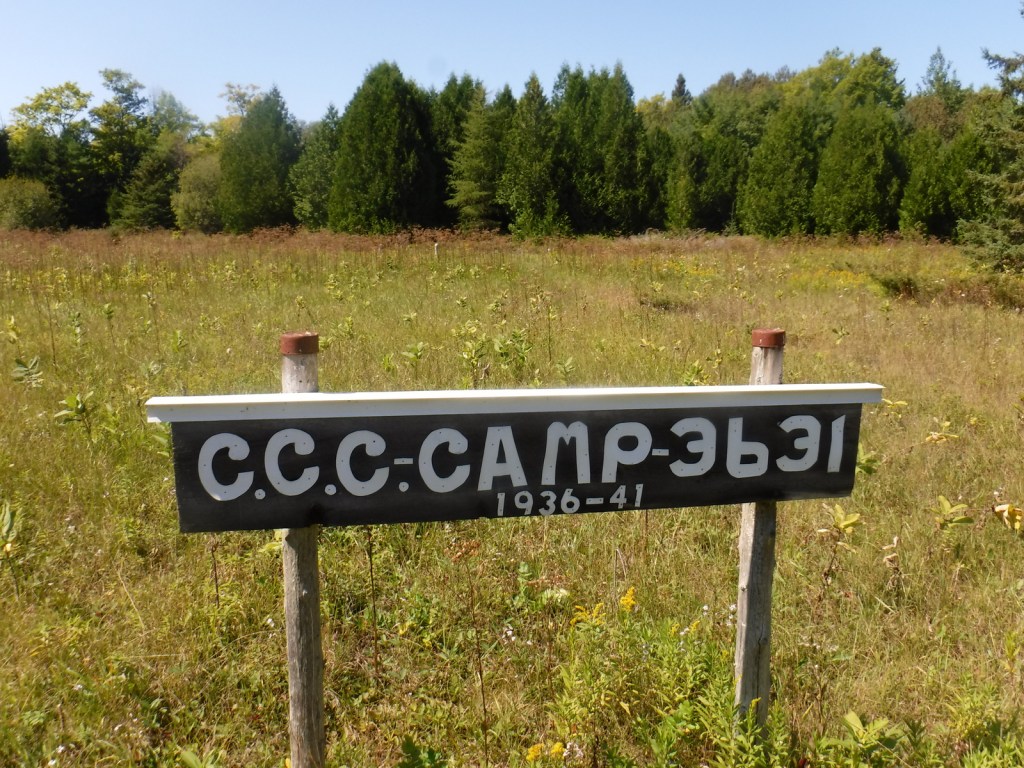
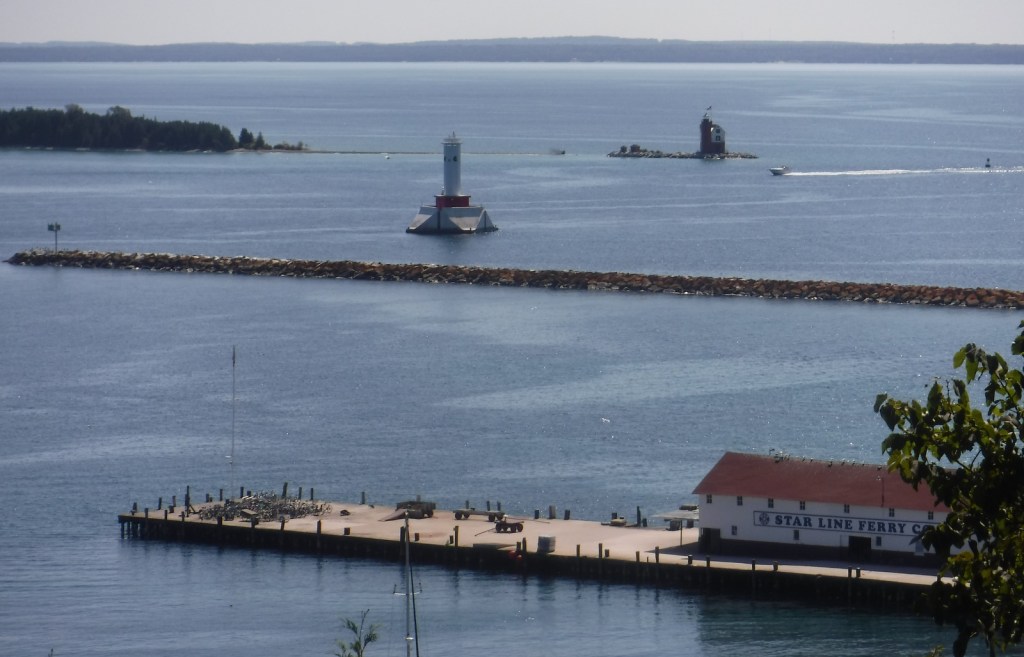
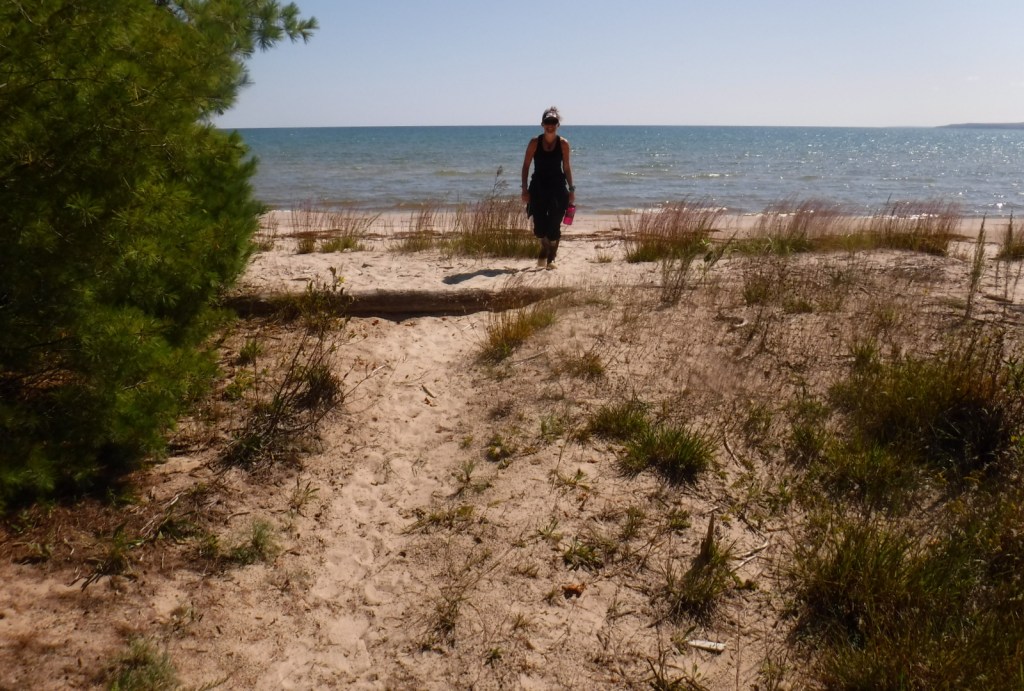
Hiawatha National Forest is separated into two sections on the Upper Peninsula of Michigan, both of which touch Lake Superior and Lake Michigan.  The East Unit also fronts Lake Huron, and includes scenic Round Island Lighthouse near Mackinac Island, as well as beautiful Point Iroquois Light Station.  Most of these sandy soils in the East Unit were never homesteaded, so they were easily designated Marquette National Forest by President Theodore Roosevelt in 1909.  Land purchases for the West Unit began in 1928, and were later replanted by the Civilian Conservation Corps (CCC).  The West Unit includes 13,500-acre Grand Island National Recreation Area (see our blog post) in Lake Superior, a popular destination for camping, biking, and kayaking at the western edge of Pictured Rocks National Lakeshore.
Highlights

Grand Island National Recreation Area, St. Helena Island National Scenic Area, Whitefish Bay Scenic Byway, Point Iroquois Light Station, Scott Falls, Diamond Hill Lookout, Porcupine Nature Trail, Haymeadow Falls Trail, Naomikong Point Blue Trail, North Country National Scenic Trail

Must-Do Activity

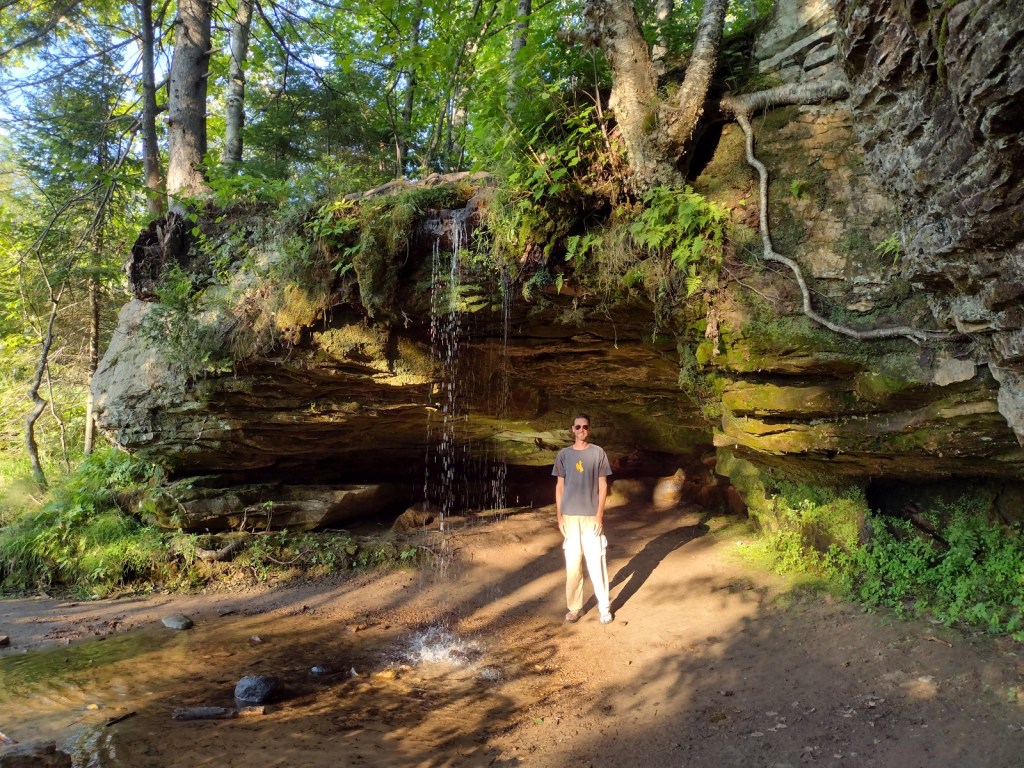
Several lighthouses are located along the shores of the Great Lakes, including the picturesque Round Island Lighthouse near touristy Mackinac Island, Point Iroquois Light Station (see Instagram-worthy Photo) on the Whitefish Bay Scenic Byway, and one on private land near Wick Point within Grand Island National Recreation Area (see our blog post).  Further to the west Highway M-28 follows the shores of Lake Superior, where a Wayside Park at the east side of AuTrain Bay provides parking for those wishing to carefully cross the road to see ten-foot-tall Scott Falls.

Best Trail

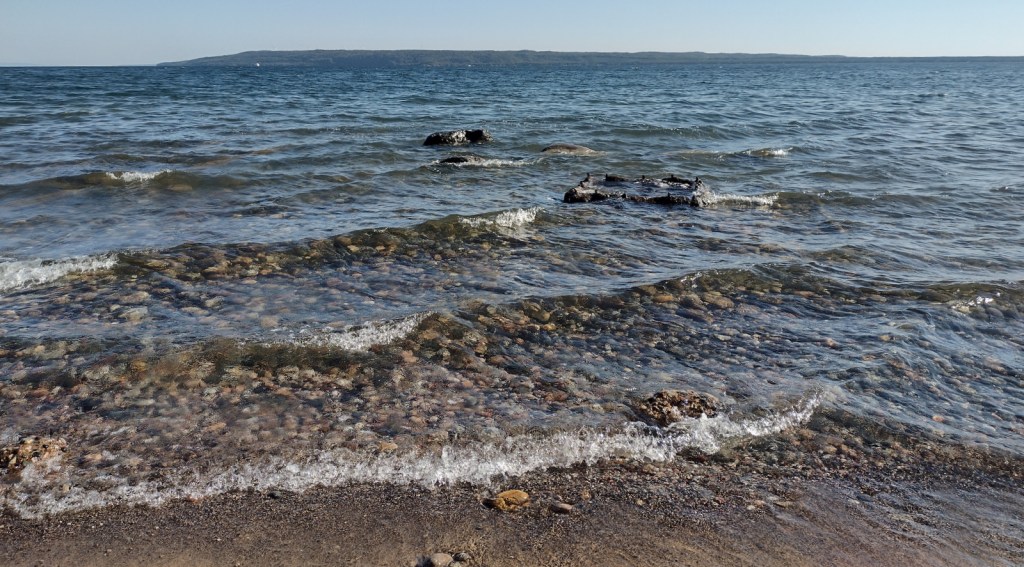
Foley Creek Day Use Area is located just off Interstate 75 at a large pullout along paved Mackinac Trail Road.  A hike starts at the north end of a former campground, and soon the sound of the freeway is dispersed by the trees as you enter the small Horseshoe Bay Wilderness.  The trail has boardwalks across the wettest spots and after 1.4 miles opens up to a secluded sandy beach on Lake Huron with views of Mackinac Island.  Naomikong Point Blue Trail is a popular 3.4-mile out-and-back trail that connects with the North Country National Scenic Trail, crossing Naomikong Creek on a suspension bridge then ending at Menekaunee Point on Naomikong Island.

Watchable Wildlife

These forests are home to gray wolves, black bears, bobcats, Canada lynx, mountain lions, red foxes, coyotes, striped skunks, weasels, minks, river otters, porcupines, beavers, muskrats, snowshoe hares, white-tailed deer, and moose.  Large birds found here include wild turkeys, spruce grouse, ruffed grouse, golden eagles, bald eagles, ospreys, great blue herons, sandhill cranes, and trumpeter swans.  Hiawatha National Forest has more than 100 miles of shoreline on three Great Lakes, offering fishing for walleye, northern pike, muskies, Atlantic salmon, and steelhead trout.  In addition, there are 75 inland lakes and 600 miles of streams, including five National Wild and Scenic Rivers: Carp River, Indian River, Sturgeon River, Tahquamenon River (East Branch), and Whitefish River.  The 0.9-mile Haymeadow Falls Trail loop partially follows a productive trout stream.

Instagram-worthy Photo

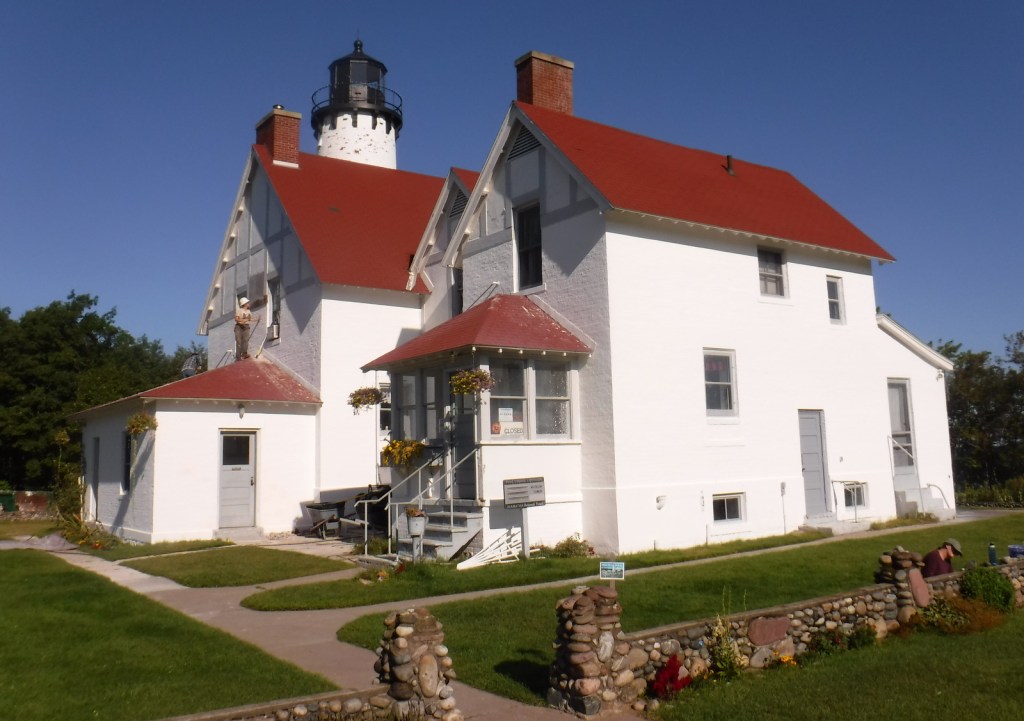
Located on the Whitefish Bay Scenic Byway, the iconic 65-foot Point Iroquois Light Station stands on the shores of Lake Superior at the mouth of St. Mary’s River.  The first lighthouse and residence were built here in 1855, and the current buildings were placed on the National Register of Historic Places in 1975.  When not under construction, you can pay to enter the museum and climb the spiral staircase to the top of the tower.

Peak Season

Summer

Fees

None

Road Conditions

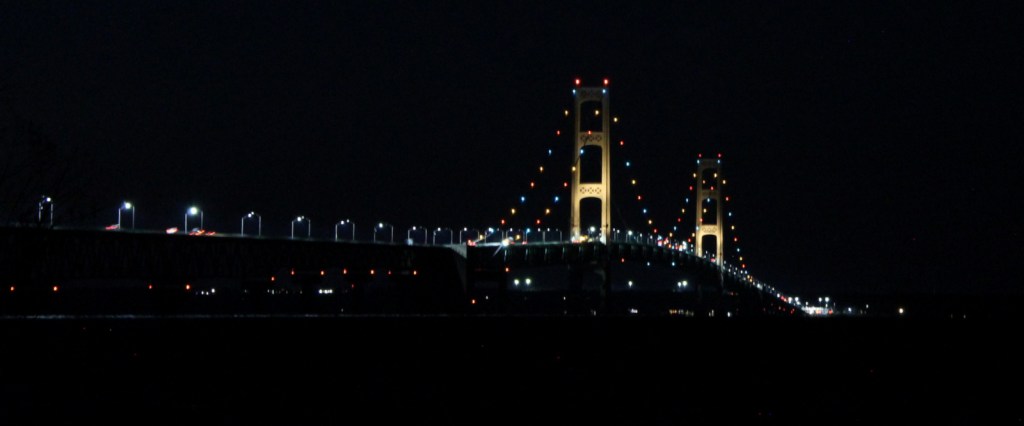
Whitefish Bay Scenic Byway is fully paved, and we found the unpaved roads to Hovey Lake Campground to be in good enough shape for our passenger vehicle.

Camping

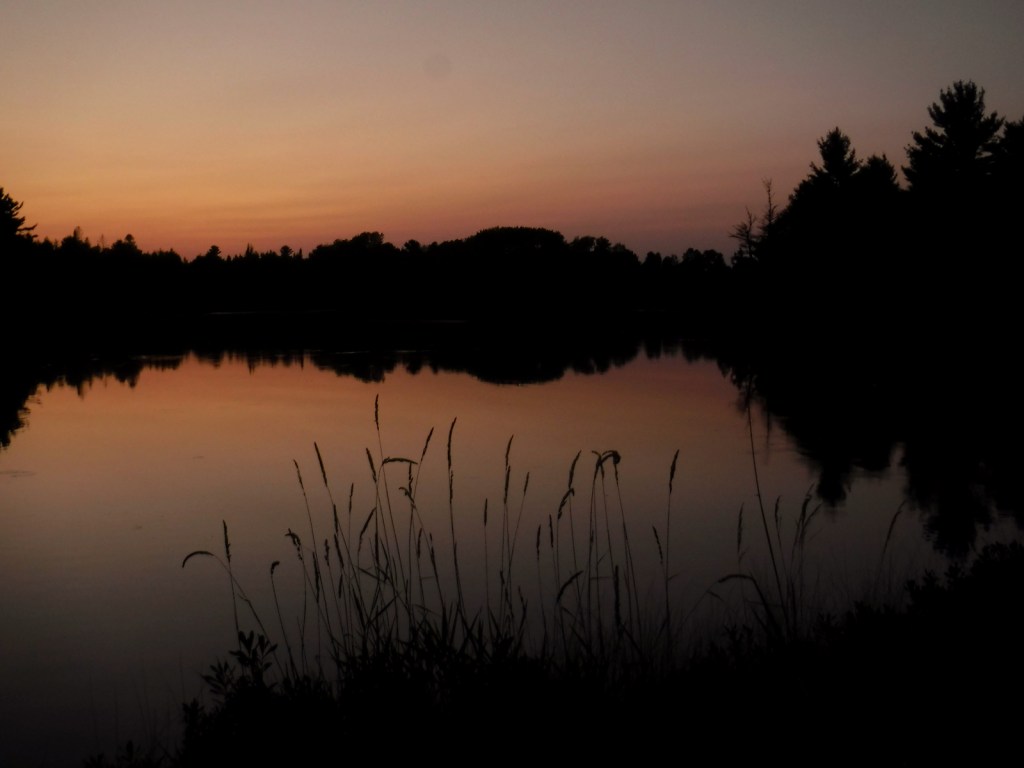
We spent an enjoyable night at the free Hovey Lake Campground and awoke to find a pair of trumpeter swans on the water.  Hiawatha National Forest has many other campgrounds, including two near the Mackinaw Toll Bridge: Lake Michigan (35 campsites) and Carp River (44 sites).  Near the town of Brimley on Lake Superior, Bay View (24 sites) and Monocle Lake (39 sites) Campgrounds are also popular.

Wilderness Areas

Big Island Lake Wilderness

Delirium Wilderness

Horseshoe Bay Wilderness

Mackinac Wilderness

Rock River Canyon Wilderness

Round Island Wilderness

Related Sites

Ottawa National Forest (Michigan)

Keweenaw National Historical Park (Michigan)

Pictured Rocks National Lakeshore (Michigan)

Nearest National Park

Isle Royale
Conifer Tree Species

eastern hemlock, jack pine, eastern white pine, red pine, balsam fir, black spruce, white spruce, eastern arborvitae, tamarack

Flowering Tree Species

basswood, red maple, sugar maple, American beech, quaking aspen, paper birch, white birch, northern red oak, mountain holly

Explore More – The subject of a famous Henry Wadsworth Longfellow poem, who was Hiawatha in real life?

Learn more about this and the 154 other National Forests in our new guidebook Out in the Woods

Chugach National Forest

Chugach National Forest

Alaska

Managed by U.S. Forest Service, Alaska Region

6,908,540 acres (5,384,460 federal/ 1,524,080 other)

Website: https://www.fs.usda.gov/chugach/

Overview

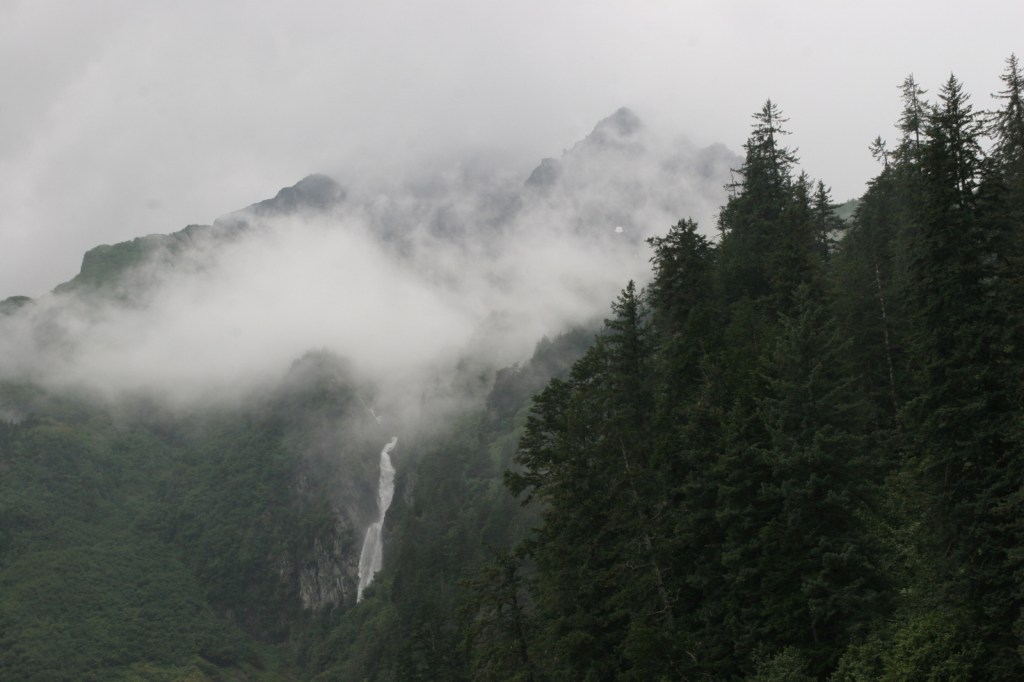
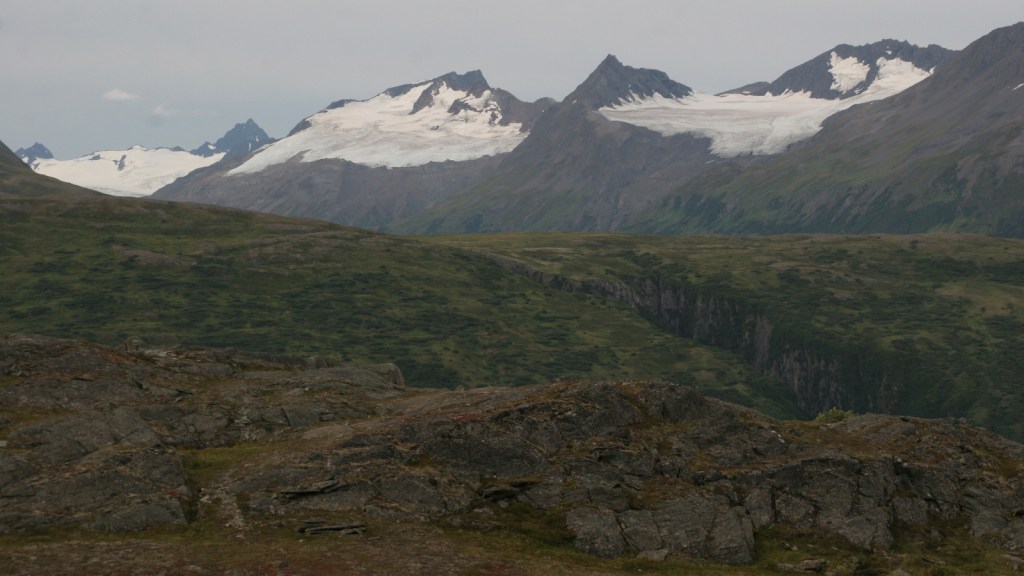
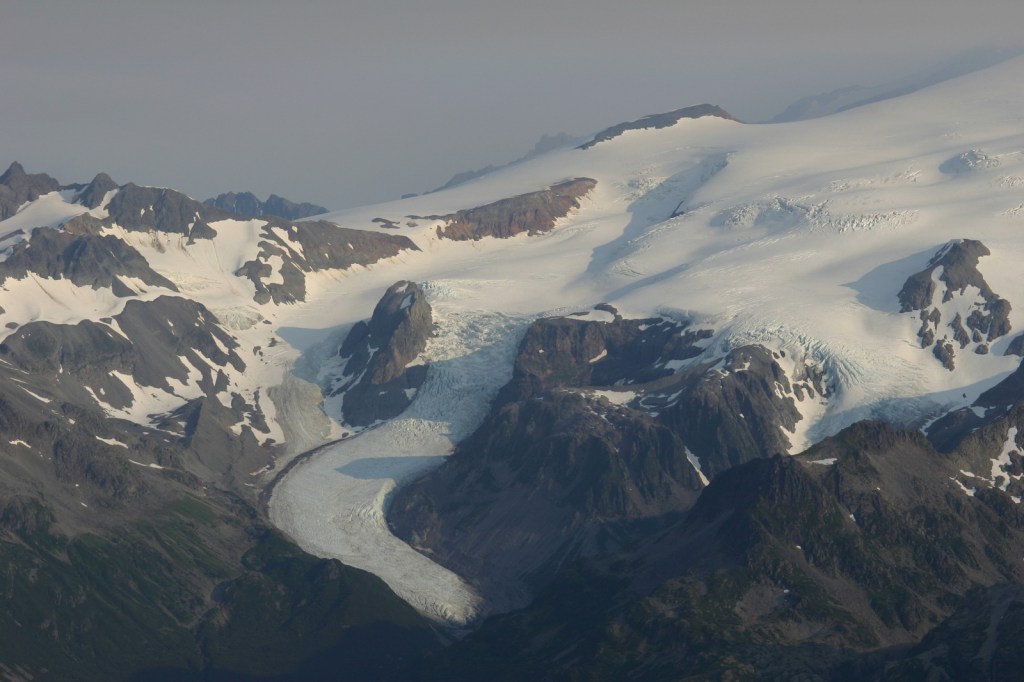
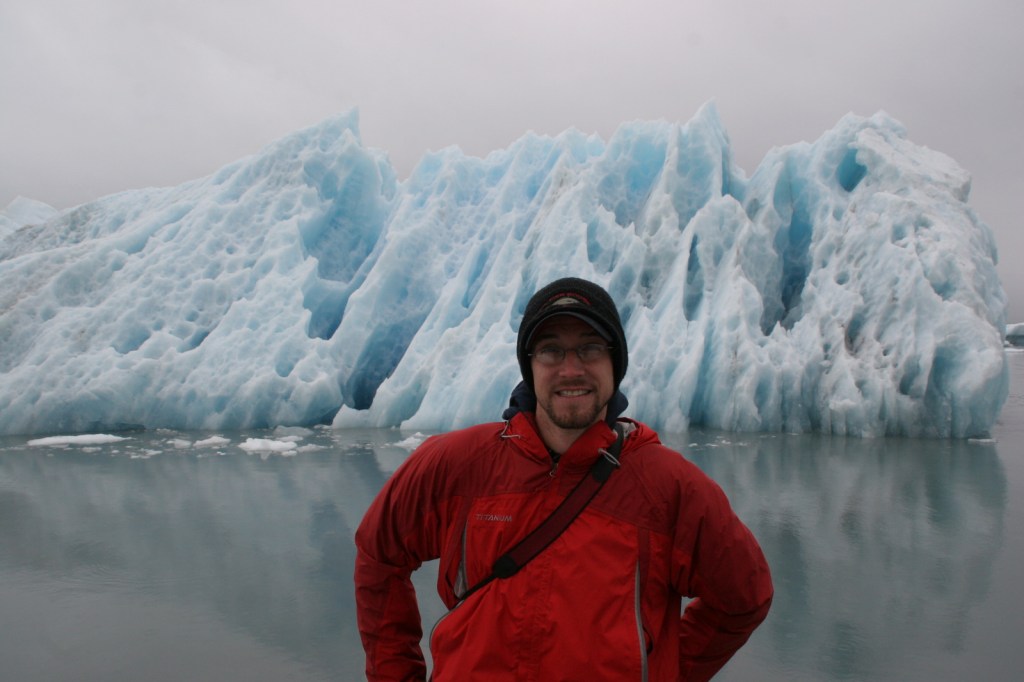
Roughly the size of New Hampshire, Chugach National Forest stretches from Seward, Alaska to the east beyond Cordova.  It encompasses 3,500 miles of shoreline in scenic Prince William Sound, one of the sport fishing world’s top destinations for halibut, ling cod, and salmon.  It is the northernmost and westernmost of all 155 National Forests, and 30% of its acreage is covered by glaciers (including 22 tidewater glaciers).  Chugach National Forest was established in 1907 from part of a Forest Reserve originally created in 1892, only 25 years after Alaska was purchased from Russia.

Highlights

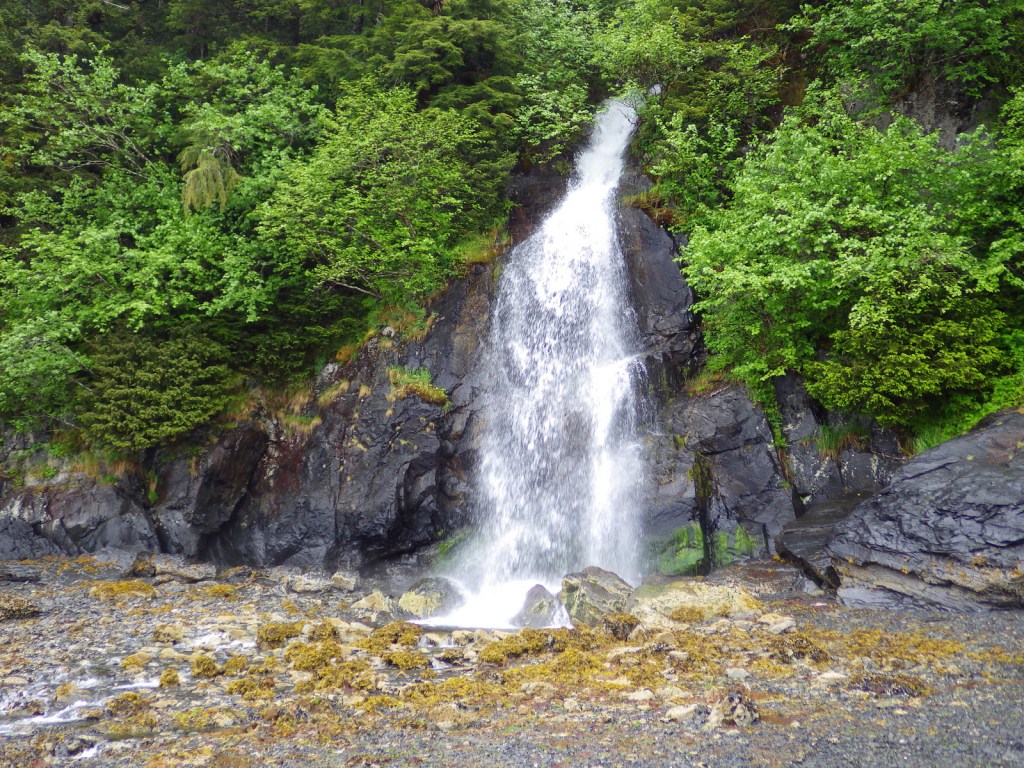
Seward Scenic Byway, Turnagain Arm, Portage Glacier, Porcupine Campground, Russian River, Columbia Glacier, Million Dollar Bridge, Childs Glacier, Grayling Lake, Porcupine Creek Falls, Hope Point Trail, Iditarod National Historic Trail, Johnson Pass Trail, Russian Lakes Trail

Must-Do Activity

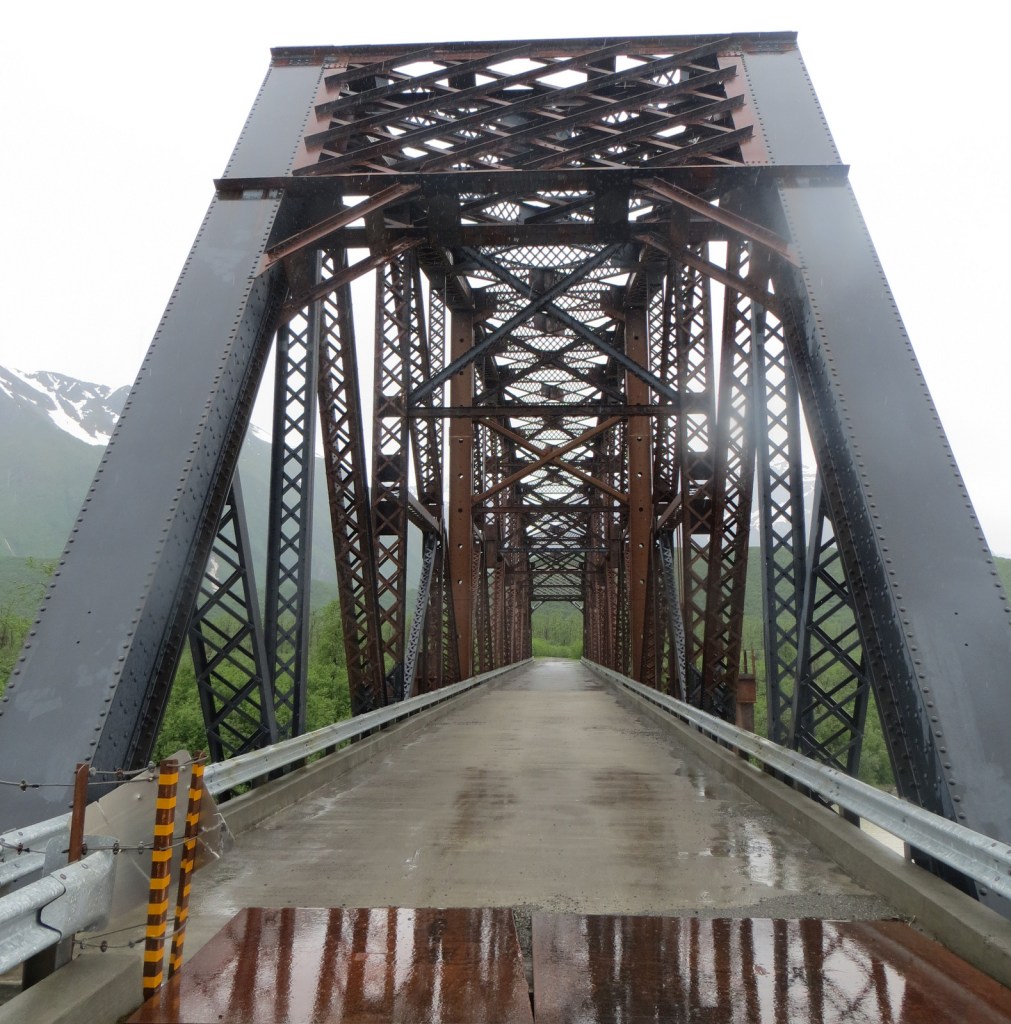
Cut off from the road system of Alaska, Cordova is a fishing village on Prince William Sound at the end of the Copper River Delta, which is considered the largest contiguous wetlands complex on North America’s Pacific coast.  Surrounded by Chugach National Forest, Cordova’s road network was dramatically shortened in 2011 when the mighty Copper River washed out a bridge 36 miles outside of town.  Now if you want to get to the dramatic Million Dollar Bridge or stunning Childs Glacier you have to arrange a trip by air boat.  Starting in 1911, the Million Dollar Bridge brought railcars full of copper ore from Kennecott Mine (which is now part of Wrangell-St. Elias National Park and Preserve).  Just across the Million Dollar Bridge, a short climb up a small hill provides great views of Miles Lake and the surrounding area.

Best Trail

There are over 500 miles of designated trails in the National Forest, including several long trails on the Kenai Peninsula, which is accessible by paved roads from Anchorage.  Three trails popular with backpackers are the 23-mile Johnson Pass Trail, 22-mile long Russian Lakes Trail (with three Forest Service cabins for rent along its route), and 39-mile Resurrection Pass Trail (with eight Forest Service cabins). 

Watchable Wildlife

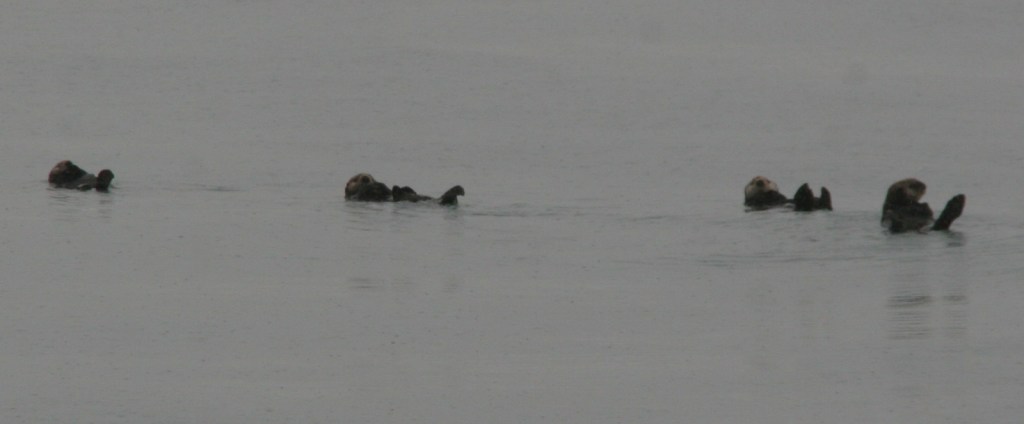
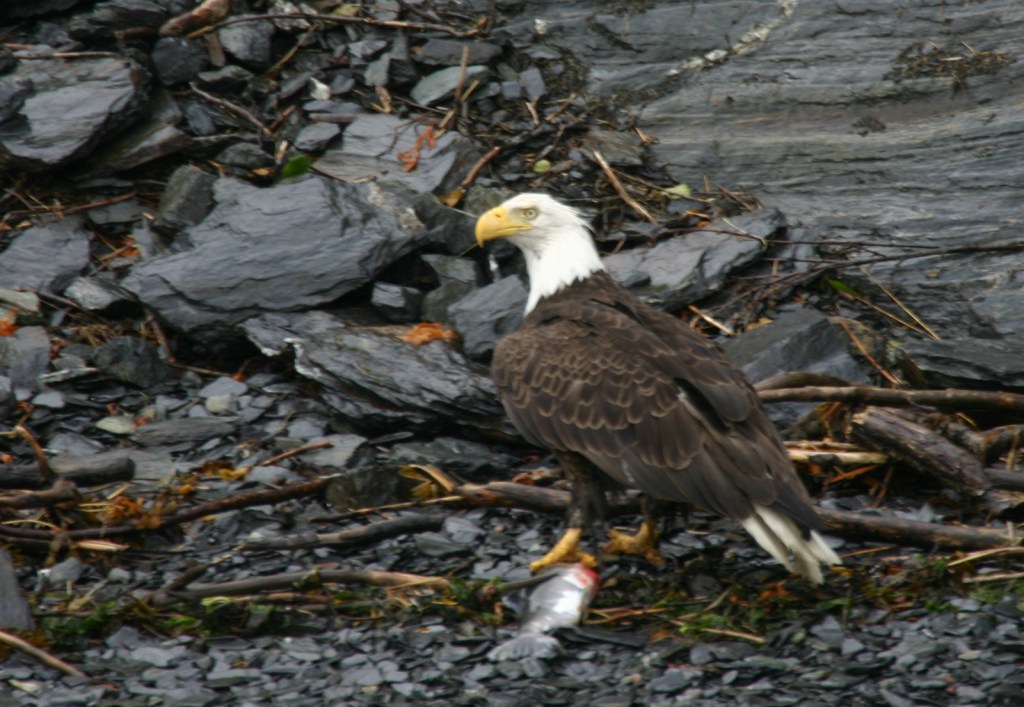
Chugach National Forest provides nesting habitat for millions of birds, including a huge population of bald eagles and more than 200 colonies of seabirds.  Large mammals include moose, caribou, Sitka black-tailed deer, Dall sheep, mountain goats, pine martens, coyotes, gray wolves, black bears, and grizzly/brown bears.  Marine mammals include humpback whales, minke whales, Dall’s porpoises, Steller sea lions, and sea otters.  Rivers and creeks provide spawning beds for all five species of Pacific salmon: chinook/king, sockeye/red, coho/silver, chum/dog, and pink/humpback. 

Instagram-worthy Photo

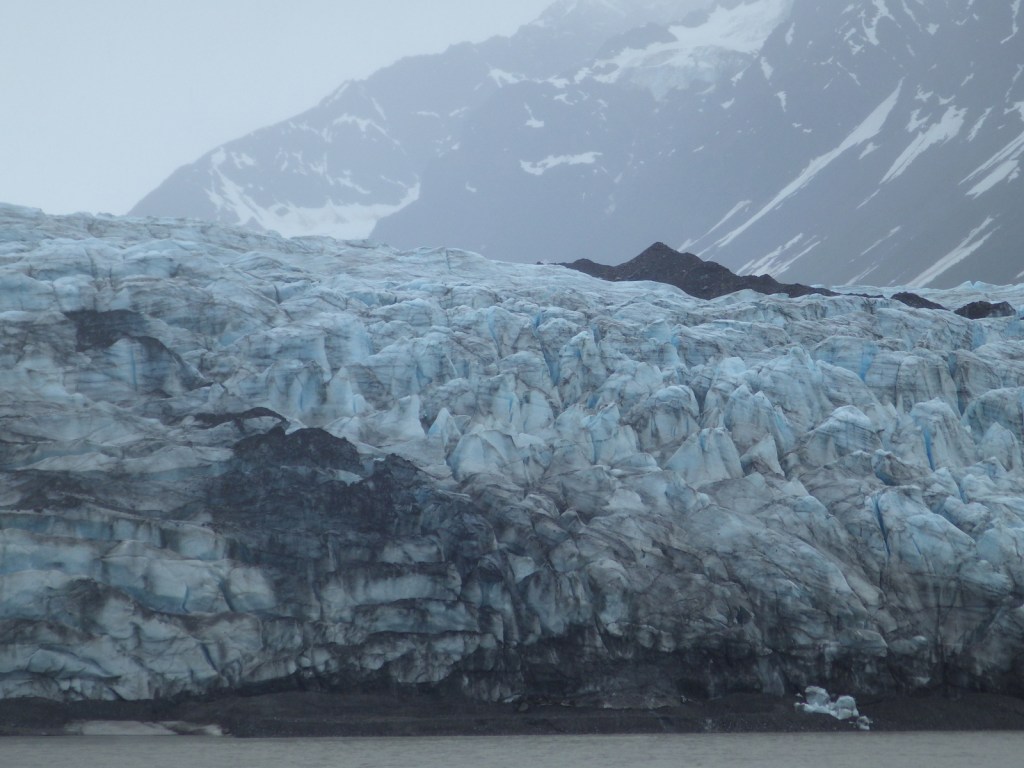
Boat tours out of the beautiful port of Valdez get close to the massive Columbia Glacier, a tidewater glacier that produces so many icebergs that it is inaccessible from the water.

Peak Season

Summer

Fees

None

Road Conditions

There are not many roads in Chugach National Forest, and to access the Million Dollar Bridge and Childs Glacier outside Cordova you will need to arrange a trip by air boat since a bridge washed out in 2011.

Camping

There are 16 campgrounds in Chugach National Forest, including the Porcupine Campground in Hope near a creek popular for salmon fishing.

Wilderness Areas

Nellie Juan-College Fiord Wilderness Study Area

Related Sites

Katmai National Park and Preserve (Alaska)

Wrangell-St. Elias National Park and Preserve (Alaska)

Glacier Bay National Park and Preserve (Alaska)

Nearest National Park

Kenai Fjords

Conifer Tree Species

Sitka spruce, western hemlock, mountain hemlock, yellow-cedar

Flowering Tree Species

thinleaf alder, balsam poplar, paper birch, Scouler willow, Bebb willow, feltleaf willow, undergreen willow, Barclay willow, netleaf willow, arctic willow, Sitka willow, Sitka mountain-ash, Oregon crab apple

Explore More – Chugach National Forest covers nearly seven-million acres of land, but how many miles of Forest Service roads are there?

Learn more about Chugach and the 154 other National Forests in our new guidebook Out in the Woods

We are a participant in the Amazon Services LLC Associates Program, an affiliate advertising program designed to provide a means for us to earn fees by linking to Amazon.com and affiliated sites.

Katmai National Park and Preserve

Katmai National Park and Preserve

Alaska

Managed by National Park Service

Established 1918 National Monument, 1980 National Park

3,674,529 acres

Website: nps.gov/katm

Overview

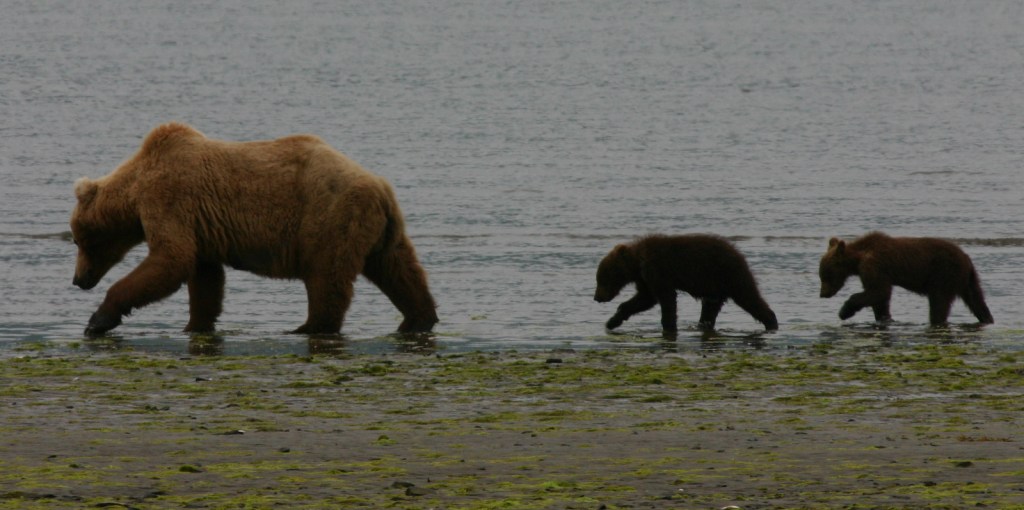
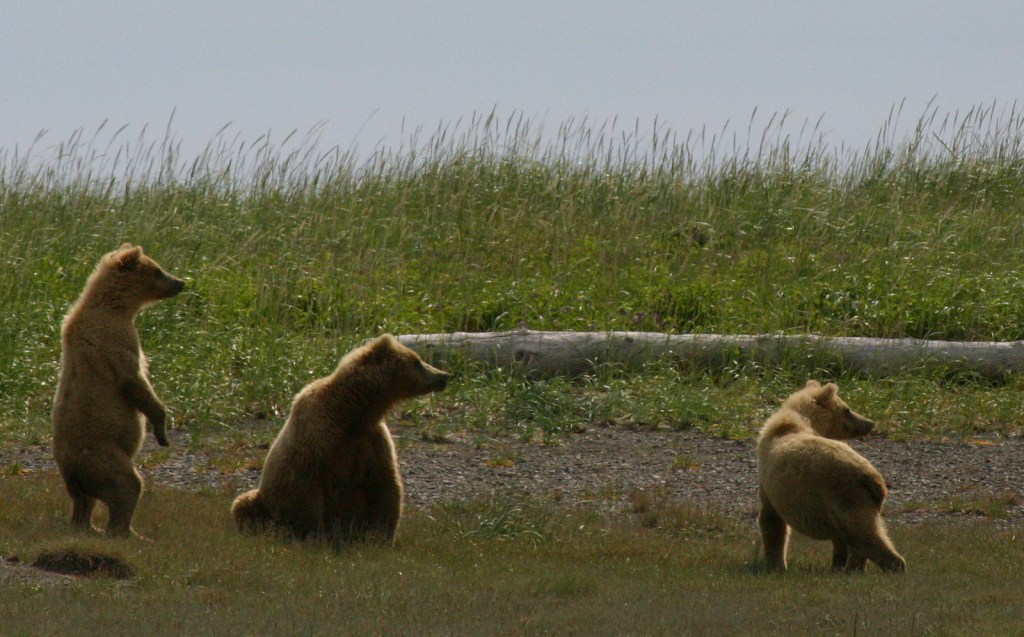
Katmai National Monument was created after the Novarupta Volcano erupted in 1912 (an event recorded in the skinny tree rings grown throughout Alaska that year).  Ash fell in Seattle (1,500 miles away) and piled up to 700 feet deep in the Valley of Ten Thousand Smokes.  The valley is no longer smoking, but it is there are still 15 active volcanoes within the park’s boundaries.  This remote park on the Alaska Peninsula has few roads and is only accessible by airplane (typically equipped with floats for water landings).  Oh yeah, and there are lots of grizzly bears, or brown bears as they are called in coastal areas of Alaska.

Highlights

Brooks Falls, North Arm of Naynek Lake, Hallo Bay, Valley of Ten Thousand Smokes, Baked Mountain Huts, Savonoski Loop

Must-Do Activity

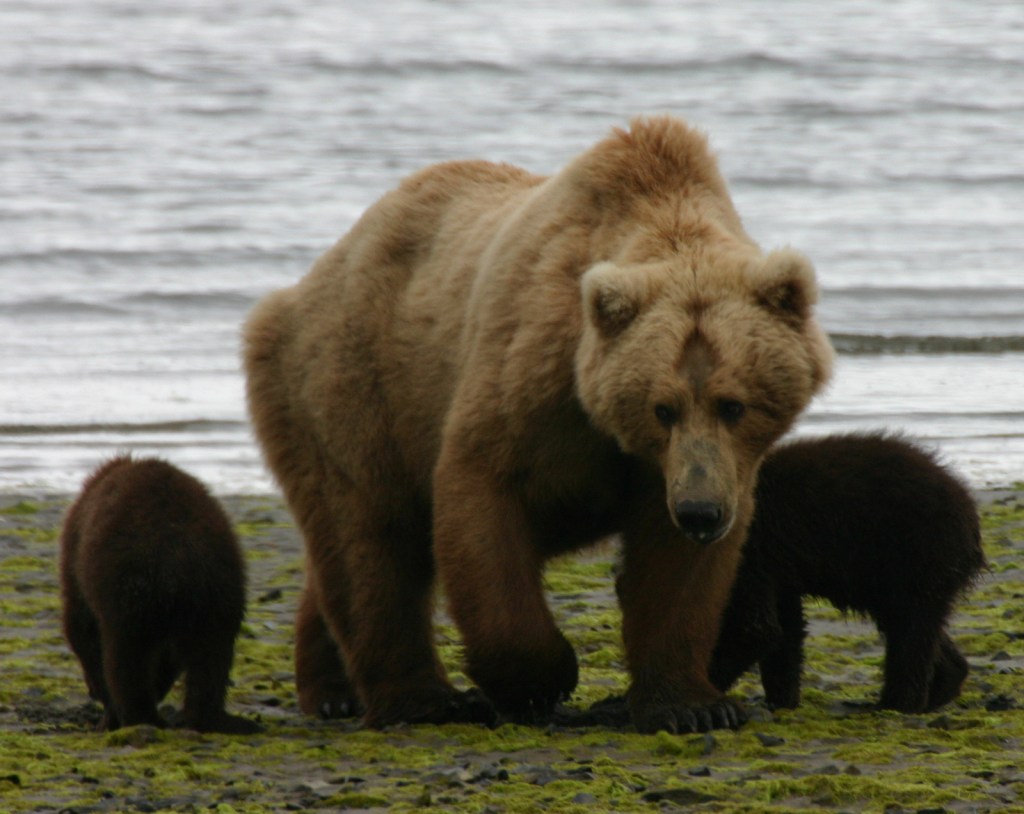
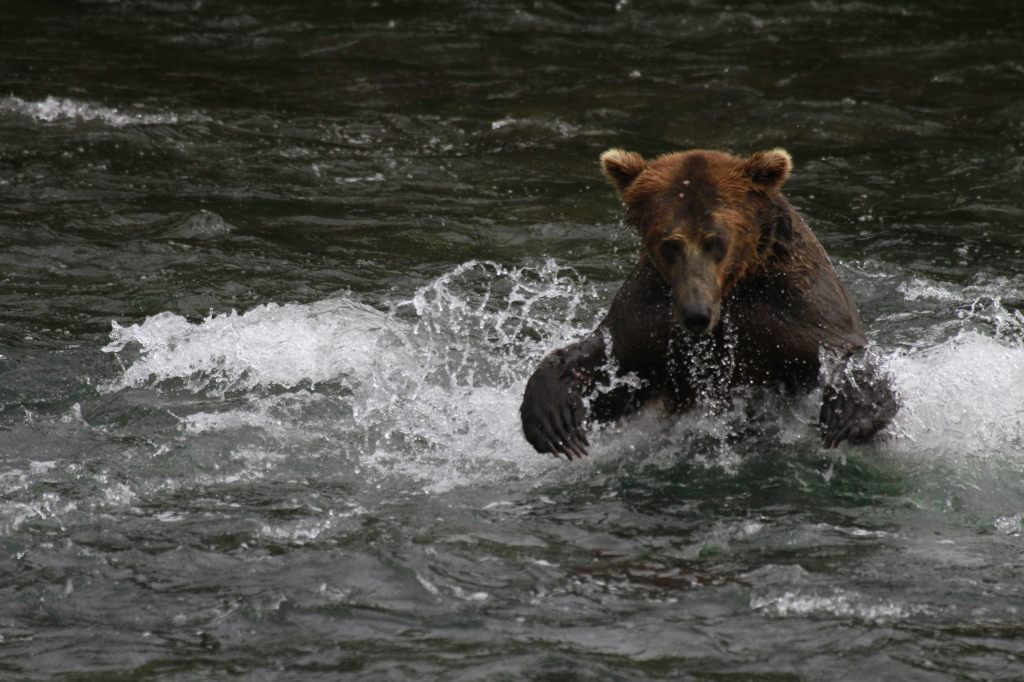
The grizzly/brown bears of Brooks Falls are celebrities due to the annual Fat Bear Week vote for the chunkiest bear on social media.  Less famous are the bears that hang out around Hallo Bay on the coastline, eating grass and shellfish until the salmon arrive.  Regardless of your destination, flights from road-accessible portions of Alaska (like Homer and Kenai) can be quite costly.  Most of the approximately 50,000 annual visitors come only for a day trip, although there are three expensive lodges and a campground in the park.

Best Trail

Brooks Falls Trail connects the Lower River Bear Viewing Platform 1.2 miles to the Falls and Riffles Platforms at Brooks Falls.  Near the visitor center, the short Cultural Site Trail visits a prehistoric camp and reconstructed dwelling.

Instagram-worthy Photo

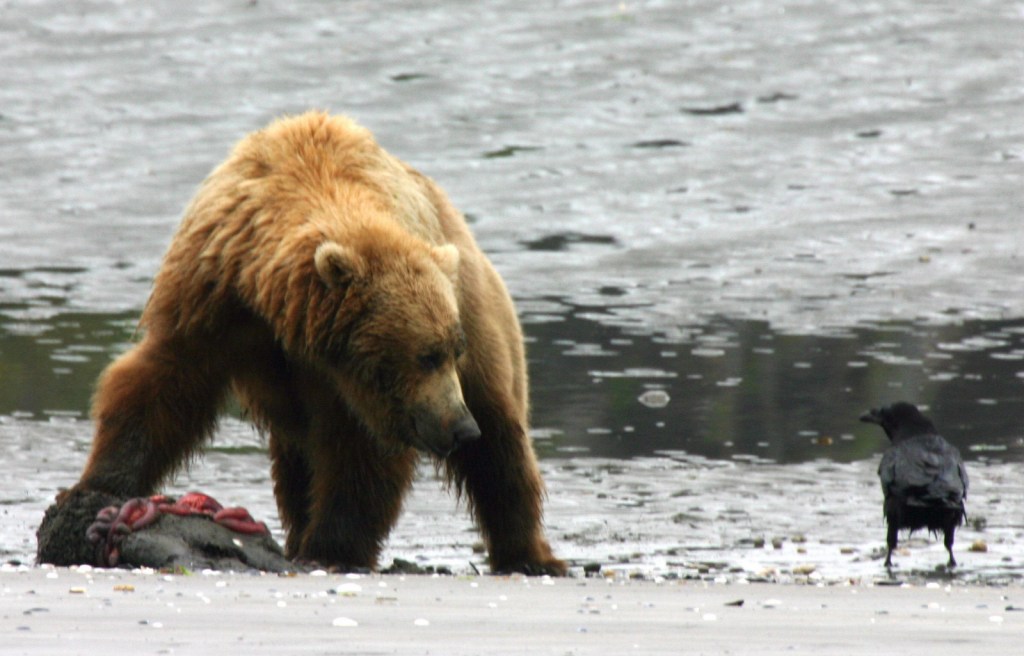
Brooks Falls is a world-class destination for wildlife photographers from around the world, so you might want to bring along a camera with a good zoom lens if you pay to get there during the peak months of July and September. This photo is from Scott’s father (see more of his photos and paintings at Bruce Sink.com)

Peak Season

Summer

Hours

https://www.nps.gov/katm/planyourvisit/hours.htm

Fees

The National Park Service does not charge an entry fee, but it is very expensive to fly to Brooks Camp or Hallo Bay.

Road Conditions

There is a 23-mile long road that leads from Brooks Falls to the Valley of Ten Thousand Smokes and a daily eight-hour ranger-guided bus tour is available in the summer.  Backpackers can buy one-way tickets and explore the area, with the Baked Mountain Huts a popular destination 12 miles away across two difficult river crossings.

Camping

There are 60 sites at Brooks Camp Campground (reservations required prior to arrival), which is surrounded by an electric fence to keep bears out.

Related Sites

Kenai Fjords National Park (Alaska)

Lake Clark National Park and Preserve (Alaska)

Denali National Park and Preserve (Alaska)

Explore More – How many grizzly/brown bears are estimated to live within Katmai National Park and Preserve?

We are a participant in the Amazon Services LLC Associates Program, an affiliate advertising program designed to provide a means for us to earn fees by linking to Amazon.com and affiliated sites.

Allegheny National Forest

Allegheny National Forest

Pennsylvania

Managed by U.S. Forest Service, Eastern Region

742,693 acres (513,175 federal/ 229,518 other)

Website: https://www.fs.usda.gov/allegheny

Overview

The only National Forest in Pennsylvania was created in 1923 utilizing the federal government’s ability to purchase land under the Weeks Act of 1911.  However, they could not afford the subsurface or mineral rights, which has created issues in this oil-producing area.  Before it became Allegheny National Forest, most of the hillsides were clearcut to feed the area’s wood chemical plants, allowing black cherry and early successional species to dominate the second growth forests.  The National Forest contains two Wild and Scenic Rivers: the Clarion River (51.7 miles) and Allegheny River (87 miles in three separate sections).

Highlights

Allegheny National Recreation Area, Hearts Content Scenic Area, Willow Bay Recreation Area, Old Powerhouse, Timberdoodle Flats Interpretive Trail, Minister Creek, Buzzard Swamp Hiking Area, Clarion Wild and Scenic River, Allegheny Wild and Scenic River, Buckaloons Recreation Area, Hall Barn Wildlife Viewing Area, North Country National Scenic Trail

Must-Do Activity

A good place to start exploring Allegheny National Forest is by driving the Longhouse Scenic Byway, a 36-mile loop, which includes views of the Allegheny Reservoir and Kinzua Dam, plus a side trip up to Jakes Rocks Overlook.  We drove in from the east and found the easy walks on the Timberdoodle Flats Wildlife Interpretive Trail to be a good introduction to this region.  This is one of the few places in Pennsylvania with old-growth forests, so be sure to stop at Hearts Content Scenic Area or Tionesta Scenic and Research Natural Areas. 

Best Trail

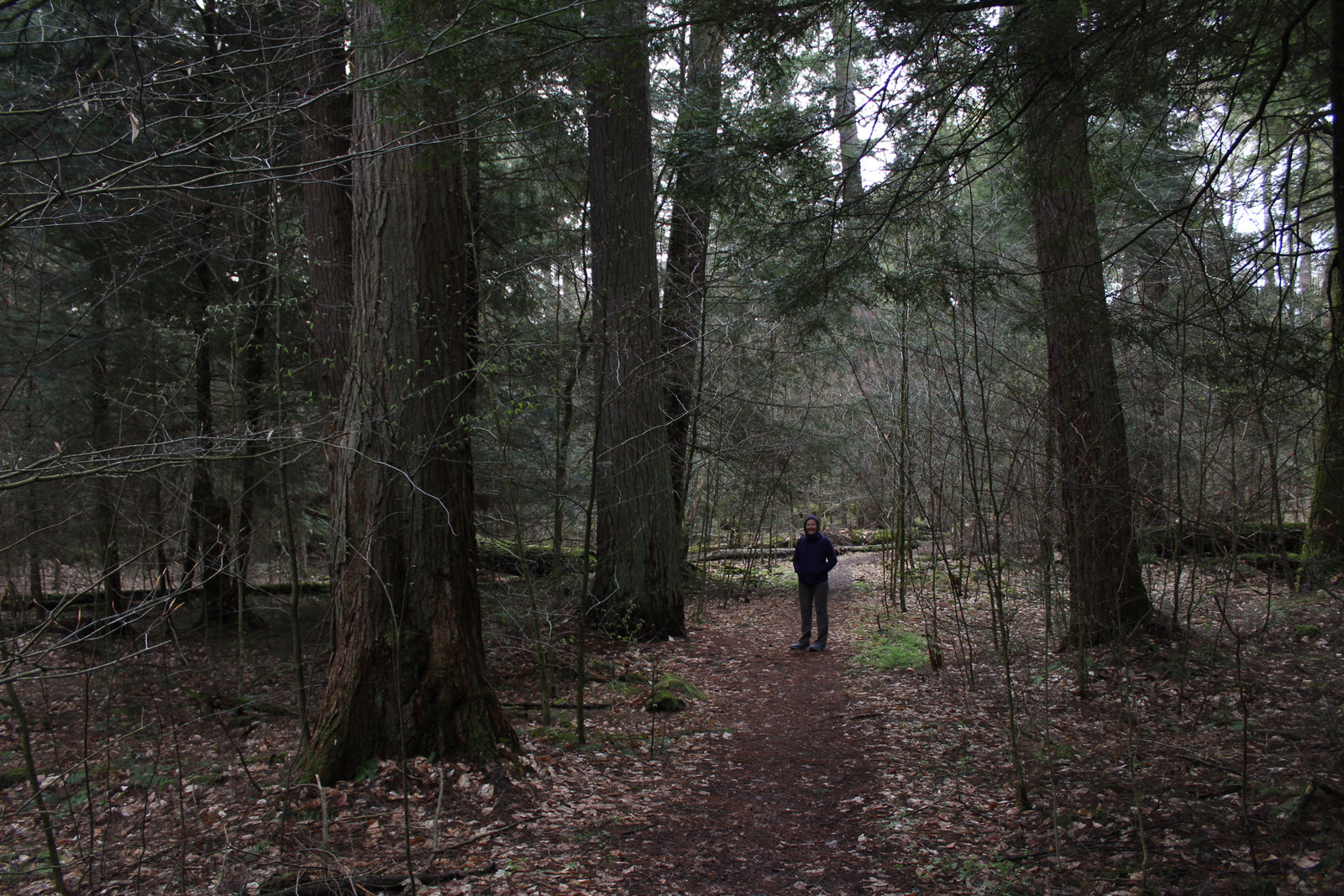
Huge eastern hemlock and eastern white pine trees up to 400 years old can be found in the 20-acre Hearts Content Scenic Area.  This National Natural Landmark has a picnic area constructed by the Civilian Conservation Corps (CCC) and is located across from a nice campground.  There are two short, flat loop trails located here, but you can also connect into 7.8 miles of cross-country skiing and snowshoeing routes.  Other popular hiking destinations include Rimrock Trail and a 10-mile section of the North Country National Scenic Trail within the Tracy Ridge Hiking Trail System (see our post on Allegheny National Recreation Area for more information).

Watchable Wildlife

As hard as it is to believe given their prevalence now, low populations of white-tailed deer in the 1920s allowed this new National Forest to grow back quickly.  Campers should exercise caution with their food and trash since black bears are in the area.  Turkeys, bald eagles, barred owls, Canada geese, black-capped chickadees, and pileated woodpeckers are common bird species.  Hall Barn Wildlife Viewing Area is known for its summer population of 1,000 roosting bats.  There is also evidence of beavers on the Timberdoodle Flats Wildlife Interpretive Trail.  Allegheny Reservoir has walleye, trout, bass, catfish, northern pike, and muskellunge, and small native brook trout can be found in the Farnsworth Stream and other creeks.  We recently learned that the PA Firefly Festival is held in Tionesta, Pennsylvania every June because of their population of synchronous fireflies (or lightning bugs).

Instagram-worthy Photo

Kinzua Dam was completed in 1965 and stands 179 feet tall and 1,897 feet in length.  Kinzua is a Seneca Indian word that translates as “place of many big fishes.”  Watch for fish that gather in eddies at the edges of the Allegheny Reservoir near the dam, but remember that fishing and feeding the fish is prohibited at this spot.

Peak Season

Summer

Fees

There is an entrance fee at both Willow Bay and Buckaloons Recreation Areas, but it is half price with an America the Beautiful pass.

Road Conditions

All roads are paved to Willow Bay Recreation Area and Hearts Content Scenic Area, which are popular with RV campers. 

Camping

Allegheny National Forest contains 15 campgrounds with more than 1,000 sites, and Willow Bay Recreation Area also has cabins for rent.  We enjoyed our stay at Heart’s Content Campground, but found Buckaloons Campground to be too crowded.  Allegheny Islands Wilderness has seven islands that can be used for boat-in dispersed camping.

Wilderness Areas

Allegheny Islands Wilderness

Hickory Creek Wilderness

Related Sites

Allegheny National Recreation Area (Pennsylvania)

Grey Towers National Historic Site (Pennsylvania)

Fort Necessity National Battlefield (Pennsylvania)

Nearest National Park

Cuyahoga Valley (Ohio)

Conifer Tree Species

eastern hemlock, eastern white pine

Flowering Tree Species

sugar maple, black maple, red maple, striped maple, silver maple, mountain maple, yellow birch, sweet birch, black walnut, bitternut hickory, shagbark hickory, sycamore, American beech, white ash, tulip-poplar, green ash, cucumber magnolia, quaking aspen, bigtooth aspen, black cherry, pin cherry, choke cherry, northern red oak, basswood, American elm, slippery elm

Explore More – Timberdoodle is a local nickname for which native bird species that nests in this forest?

Buck Island Reef National Monument

Overview

Located 1.5 miles north of the large Caribbean island of St. Croix is Buck Island, which covers only 176 acres of the 19,015 acres designated as Buck Island Reef National Monument.  Arguably the best coral reef in the entire National Park Service (NPS) system is the barrier reef around the island’s northern and eastern shore, which includes large examples of elkhorn coral with its beautiful yellow branches.  Private boats can get a permit to visit the island, but most tourists reserve trips with an NPS-authorized concessionaire that provides the gear for guided snorkeling and scuba diving experiences.

Highlights

Snorkeling, Underwater Trail, West Beach, Observation Point

Must-Do Activity

Snorkeling on the eastern end of the island is the highlight of a day trip to Buck Island.  The water offshore from St. Croix is cooler, even though your boat will moor in a lagoon, so consider wearing a wet suit.  There is an Underwater Trail with interpretive signs at one location along the coral reef.  Watch for a variety of parrotfish, angelfish, filefish, and sharks (lemon and nurse).  Sea turtles (green, hawksbill, loggerhead, and leatherback) are more common the west side of the island.

Best Trail

A steep, sandy trail climbs from Diedrichs Point and forms a loop when you walk West Beach, the designated anchorage area.  The 45-minute trek has a must-do spur to Observation Point for the best views, otherwise you will not be able to see through the thick vegetation of thorny trees interspersed with organ pipe cactus.  Stay on the trail and be careful not to touch poisonous manchineel trees or Christmas bush (related to poison-ivy).

Instagram-worthy Photo

Bring an underwater camera for great photo opportunities.  We followed a spotted eagle ray and a large school of blue tangs around the reef.  We also saw a nurse shark, lemon shark, and dozens of barracudas.

Peak Season

Anytime except hurricane season

Hours

Buck Island is only open during daylight hours

https://www.nps.gov/buis/planyourvisit/hours.htm

Fees

None, except for concessionaire boat trip

Road Conditions

There are no roads on the island, so a boat tour through an NPS-authorized concessionaire is necessary to access it.  There is a large parking lot (fee) near the Christiansted marina and floatplane airport.  Note: you drive on the left side of the road in the U.S. Virgin Islands, but in standard American left-side driver seat vehicles.

Camping

Buck Island is closed between sunset and sunrise, with no overnight mooring allowed.  On St. Croix, there is no official NPS campground at Salt River Bay National Historical Park and Ecological Preserve, but people camp along the coast there and at many beachside locations around the entire island.

Related Sites

Christiansted National Historic Site (U.S. Virgin Islands)

Salt River Bay National Historical Park and Ecological Preserve (U.S. Virgin Islands)

Virgin Islands National Park (U.S. Virgin Islands)

Explore More – What type of domesticated animals were let loose on Buck Island in the 1700s (permanently altering the vegetation)?