Tag Archives: dam

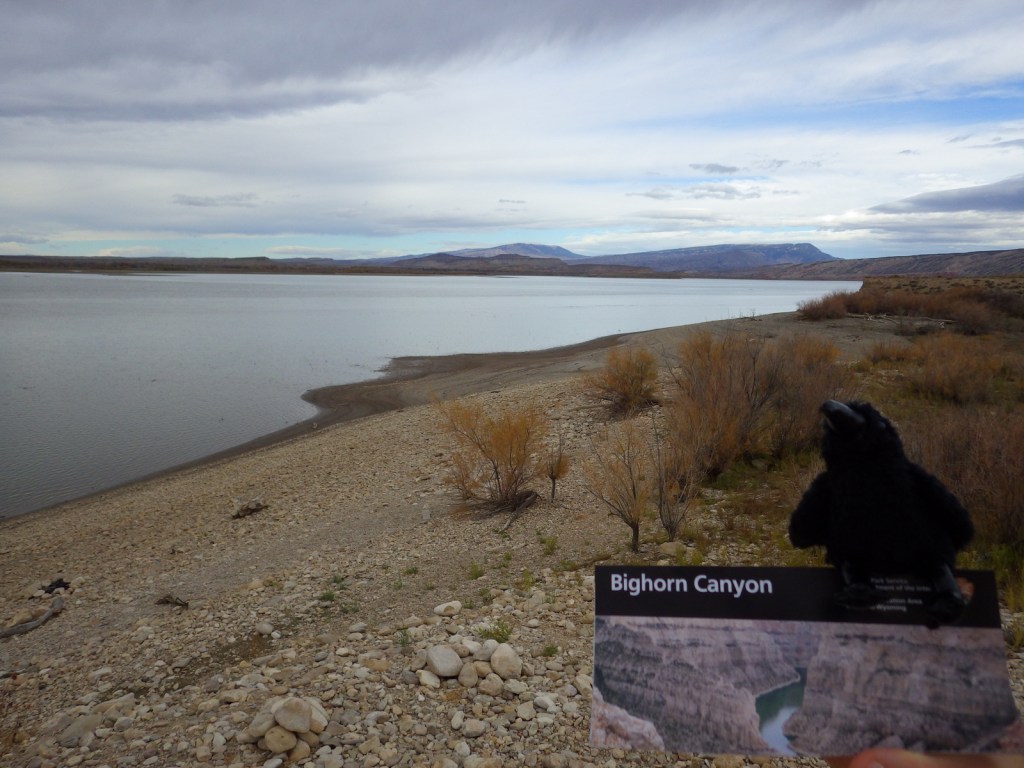
Bighorn Canyon National Recreation Area

Overview

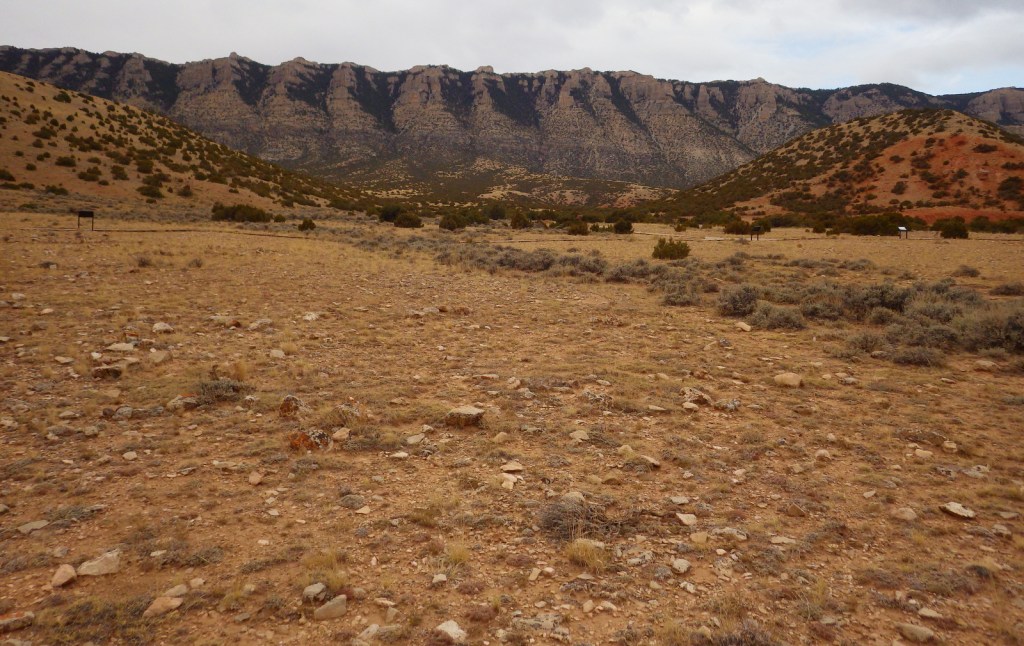
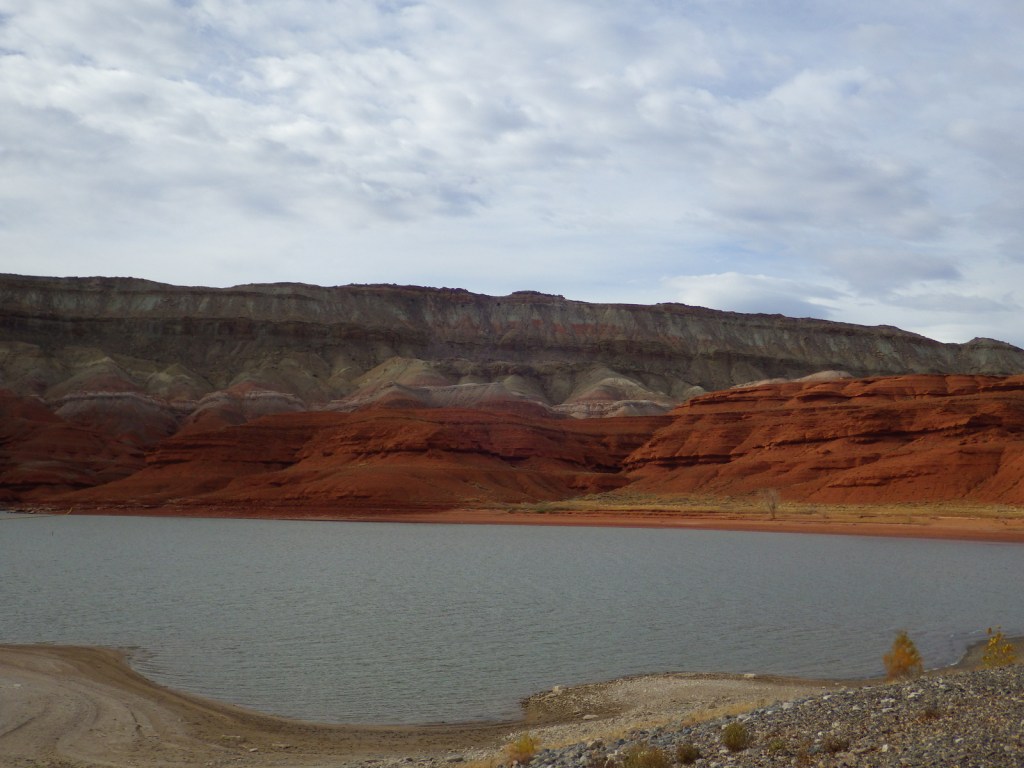
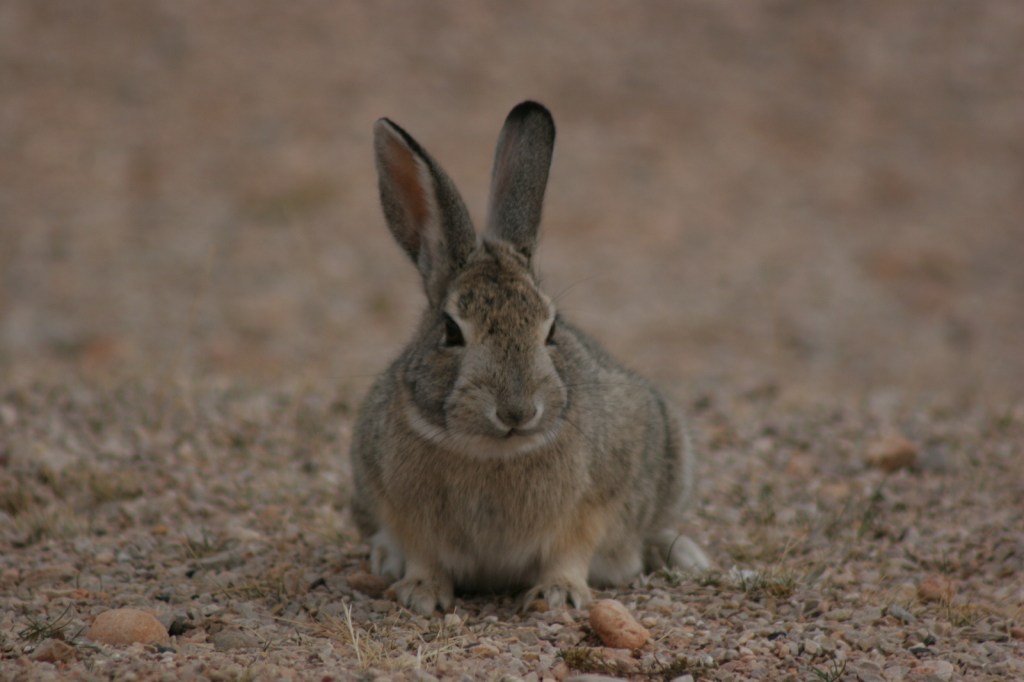
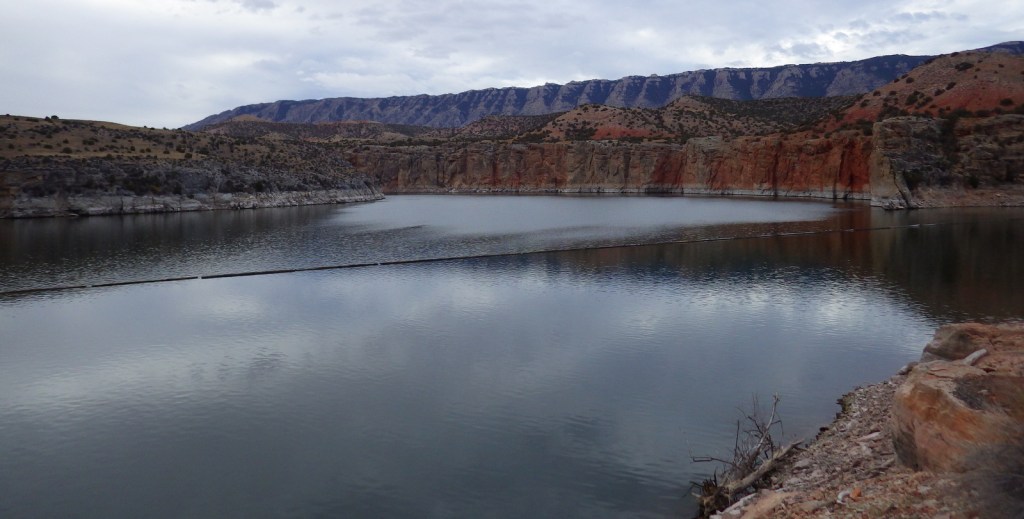
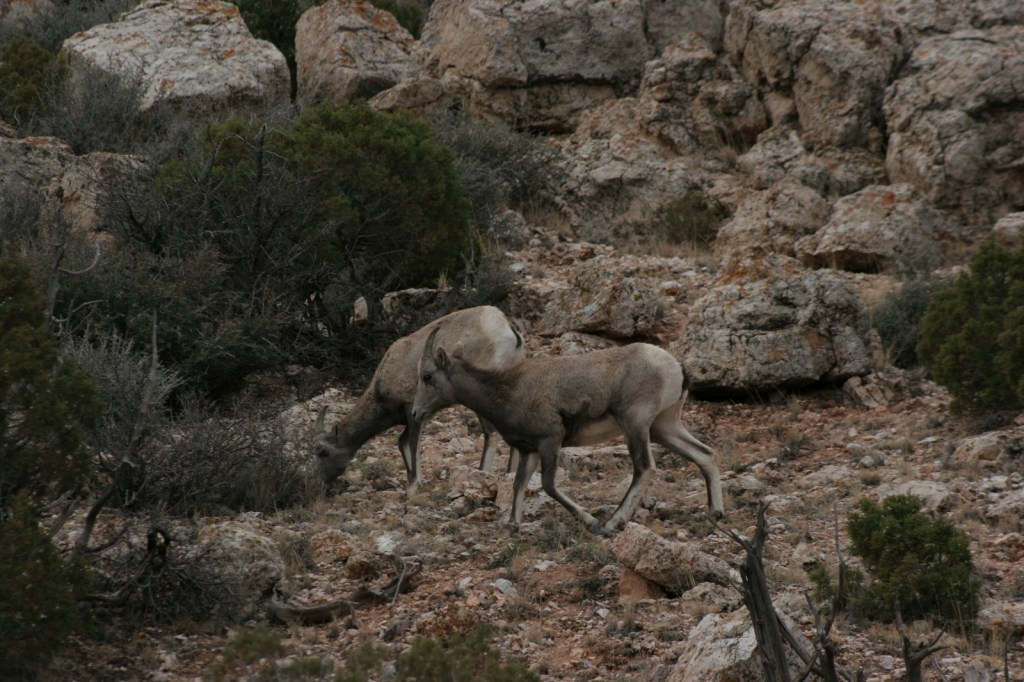
Bighorn Canyon National Recreation Area is an underappreciated gem in the National Park Service (NPS) system.  It has gorgeous scenery, a winding reservoir, and abundant wildlife, including bighorn sheep and wild horses.  The 525-foot tall Yellowtail Dam was completed in 1968, creating a 71-mile long reservoir, the majority of which is in narrow Bighorn Canyon where cliffs soar up to 2,000 feet above the water.
Highlights

Devil Canyon Overlook, Hillsboro Dude Ranch, Horseshoe Bend, Yellowtail Dam

Must-Do Activity

No road connects the north and south portion of the park, making for a long drive between the NPS visitor center in Lovell, Wyoming and the one at the Yellowtail Dam in Montana.  Thus, it is best to choose either one side or the other and explore the canyon by boat.  Devil Canyon Overlook and most of the 27 miles of hiking trails are in the southern section.  This is also where the Pryor Mountain Wild Horse Range enters into Bighorn Canyon National Recreation Area.  In the summer there are lifeguards at the designated swimming areas at Horseshoe Bend and Ok-A-Beh.

Best Trail

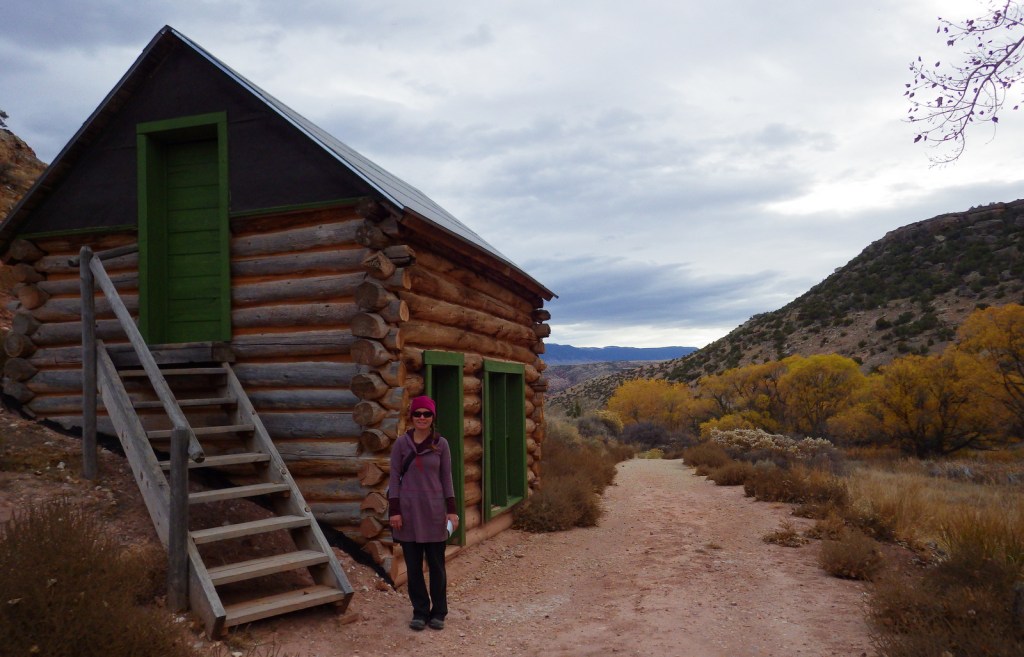
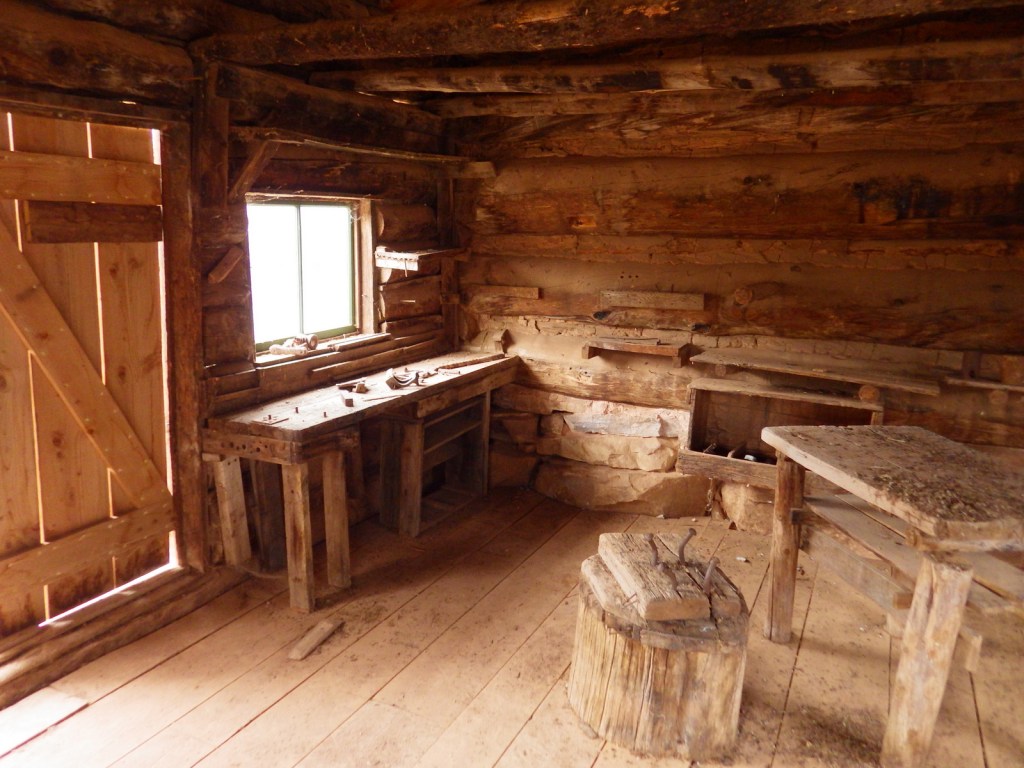
The southern portion of Bighorn Canyon National Recreation Area has trails to historic sites like Hillsboro Dude Ranch and several tipi rings found along Bad Pass Trail, a route which has seen over 10,000 years of human use.

Instagram-worthy Photo

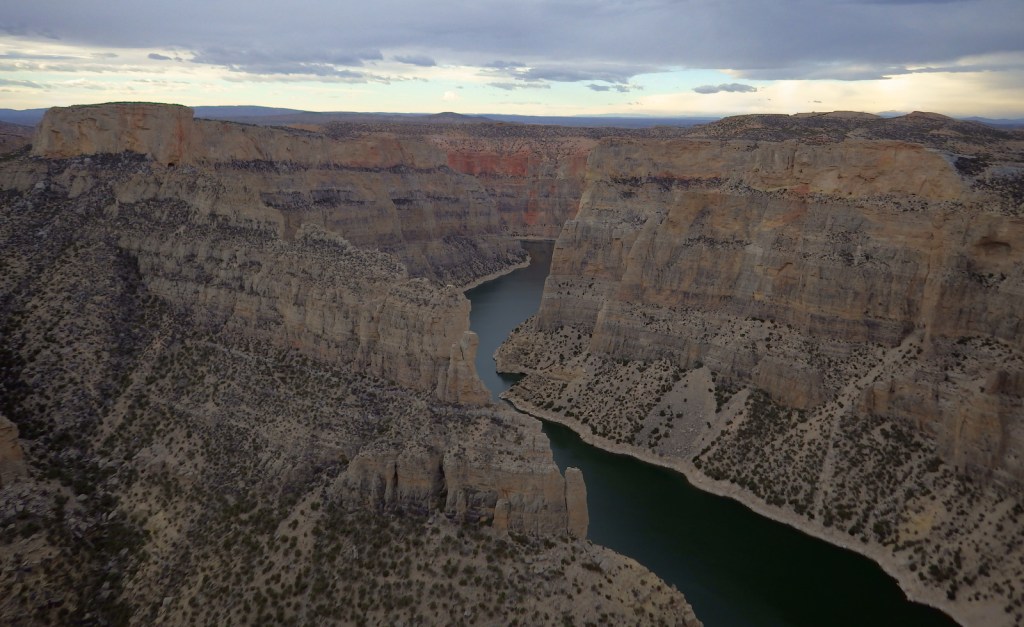
If you are unable to get out on the water, the highlight of the park is Devil Canyon Overlook where the cliffs drop over 1,000 feet straight down to the lake.
Peak Season

Summer

Hours

https://www.nps.gov/bica/planyourvisit/hours.htm

Fees

None

Road Conditions

Almost every road is paved, but they are narrow and winding so may not be advisable for very long RVs.

Camping

There are drive-in campgrounds (fee) in both states, as well as free boat-in campgrounds on the Montana side.  Backcountry camping is allowed below the highwater mark of Bighorn Lake.

Related Sites

Little Bighorn Battlefield National Monument (Montana)

Devils Tower National Monument (Wyoming)

Jewel Cave National Monument (South Dakota)

Explore More – The Yellowtail Dam is named after whom?

Lake Roosevelt National Recreation Area

Overview

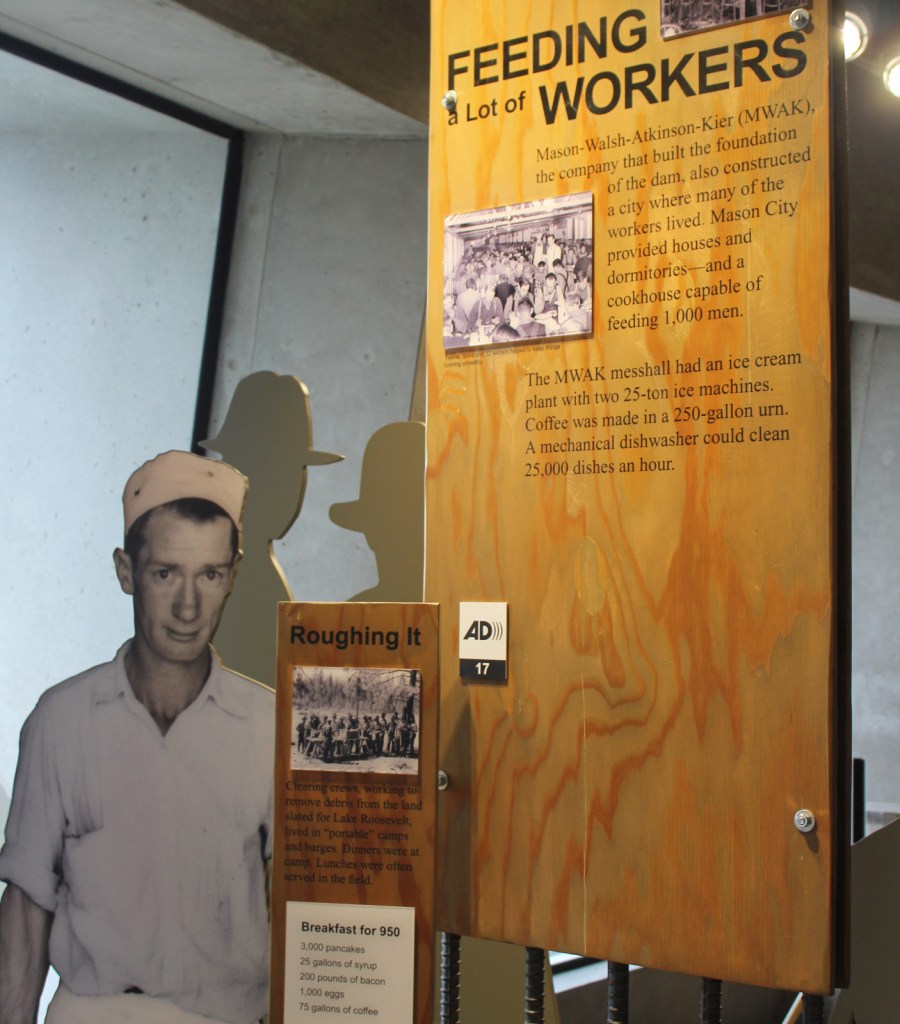
Stretching nearly one mile (5,223 feet) in length, the Grand Coulee Dam was the first constructed across the mighty Columbia River between 1933 and 1942.  In case you are wondering what a “coulee” is, that is a regional name for a canyon, many of which were carved by the walls of water that scoured this region after Lake Missoula burst through its ice dams periodically 15,000 to 13,000 years ago.  The reservoir created by the dam was named for President Franklin D. Roosevelt, which is why the National Park Service (NPS) manages it as Lake Roosevelt National Recreation Area.

Highlights

Grand Coulee Dam Visitor Center, Fort Spokane, St. Paul’s Mission, watersports

Must-Do Activity

The Bureau of Reclamation manages the museum at Grand Coulee Dam Visitor Center and a free laser light show is projected on the mile-long dam during the summer months.  Near a major river confluence, Fort Spokane was established in 1880 and now has a one-mile trail explaining its diverse history.  The reservoir submerged the salmon fishing grounds at Kettle Falls that had been used for millennia.  Native Americans still inhabit this region today, as the lake creates a border between the Colville and Spokane Indian Reservations.  Campgrounds and boat launch sites are located all along the narrow lake’s 129-mile length, although some may close due to changing reservoir levels.

Best Trail

A quarter-mile trail with interpretive signs is located at St. Paul’s Mission, one of the oldest churches in Washington state.  Here you will learn about (now submerged) Kettle Falls and the Hudson’s Bay Company’s historic impact on the region.

Instagram-worthy Photo

At the time, the Grand Coulee Dam became the largest masonry structure ever built, breaking a record held for 4,700 years by the Great Pyramid in Egypt.

Peak Season

Summer

Hours

https://www.nps.gov/laro/planyourvisit/hours.htm

Fees

The NPS charges a fee at boat launches and you cannot use the America the Beautiful pass.  Grand Coulee Dam Visitor Center is free, as are the Keller Ferry and Gifford–Inchelium Ferry that cross the lake.

Road Conditions

There are some unpaved roads, but the designated Scenic Drive follows only paved roads and utilizes two free ferries.

Camping

There are 26 campgrounds available on a first-come, first-served basis, while sites at a few take reservations.  Boat-in campgrounds and shoreline camping are both free.

Related Sites

Whitman Mission National Historic Site (Washington)

Glen Canyon National Recreation Area (Arizona-Utah)

Lake Mead National Recreation Area (Nevada-Arizona)

Explore More – During peak construction, how many people were employed at the Grand Coulee Dam?
Glen Canyon National Recreation Area

Overview

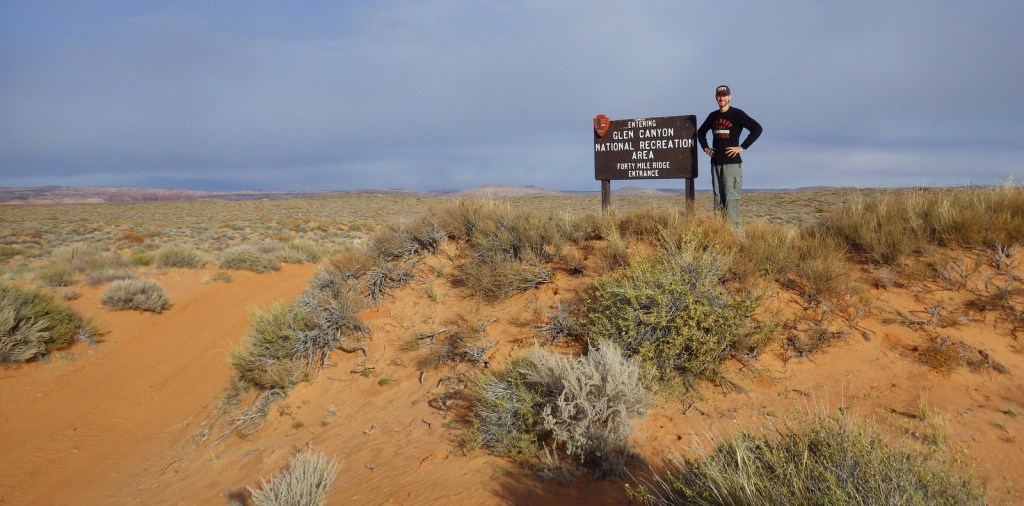
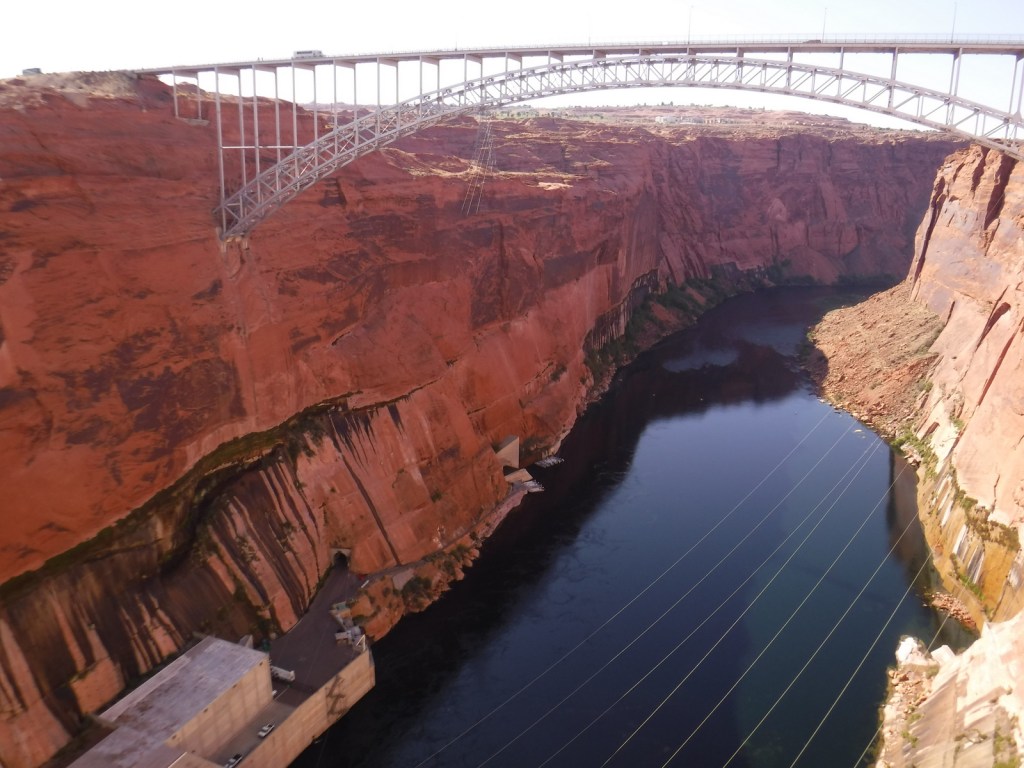
Glen Canyon National Recreation Area encompasses 1.2-million acres surrounding the snaky shoreline of Lake Powell, named for geologist John Wesley Powell who led a mapping expedition down the Colorado River in 1869.  The reservoir was formed by the Glen Canyon Dam, which was built between 1956-63 to store water for the Southwestern U.S. and generate hydroelectricity.  The damming was controversial because it destroyed archaeological sites, submerged scenic canyons, and altered the flow of the Colorado River into Grand Canyon National Park

Highlights

Horseshoe Bend Overlook, Lake Powell, Glen Canyon Dam, Cathedral Wash, Lees Ferry, Hole-in-the-Rock

Must-Do Activity

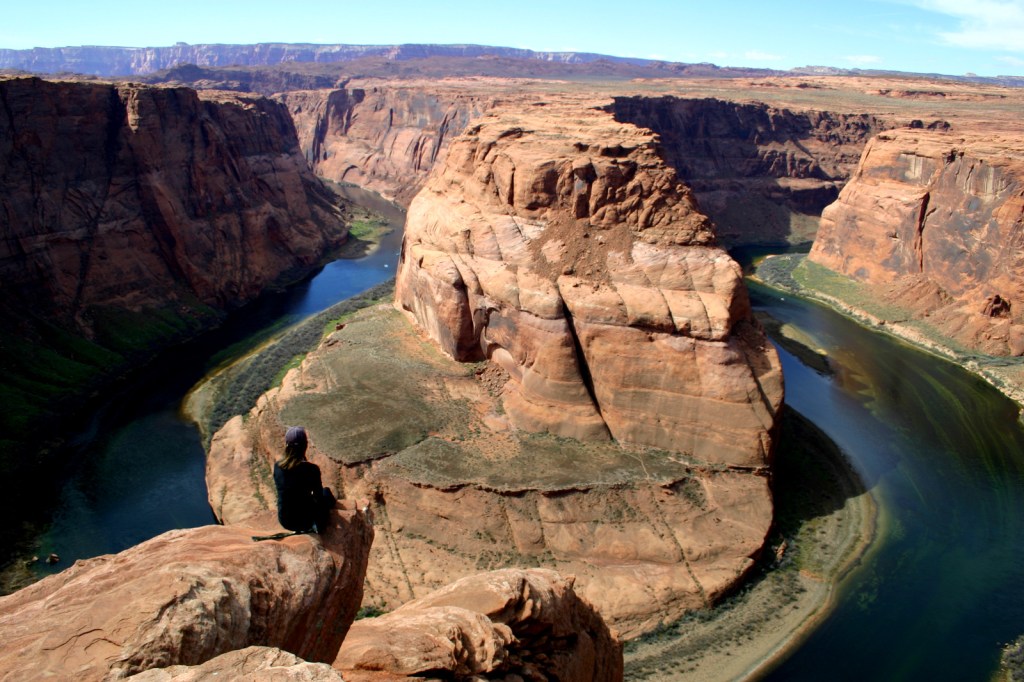
The National Park Service (NPS) run Carl Hayden Visitor Center in Page, Arizona is a good place to start a visit, where you can purchase tickets for a dam tour.  The meandering lake has about 2,000 miles of shoreline (mostly in Utah) with plenty of coves to explore and spend the night aboard a houseboat (rentals available).  If you do not want to attempt navigation there are many commercial boat trips, including an all-day cruise to Rainbow Bridge National Monument.  If you plan to stay on land, be sure to walk out to Horseshoe Bend Overlook, hike through the high desert landscape, or drive some of the hundreds of miles of dirt roads.

Best Trail

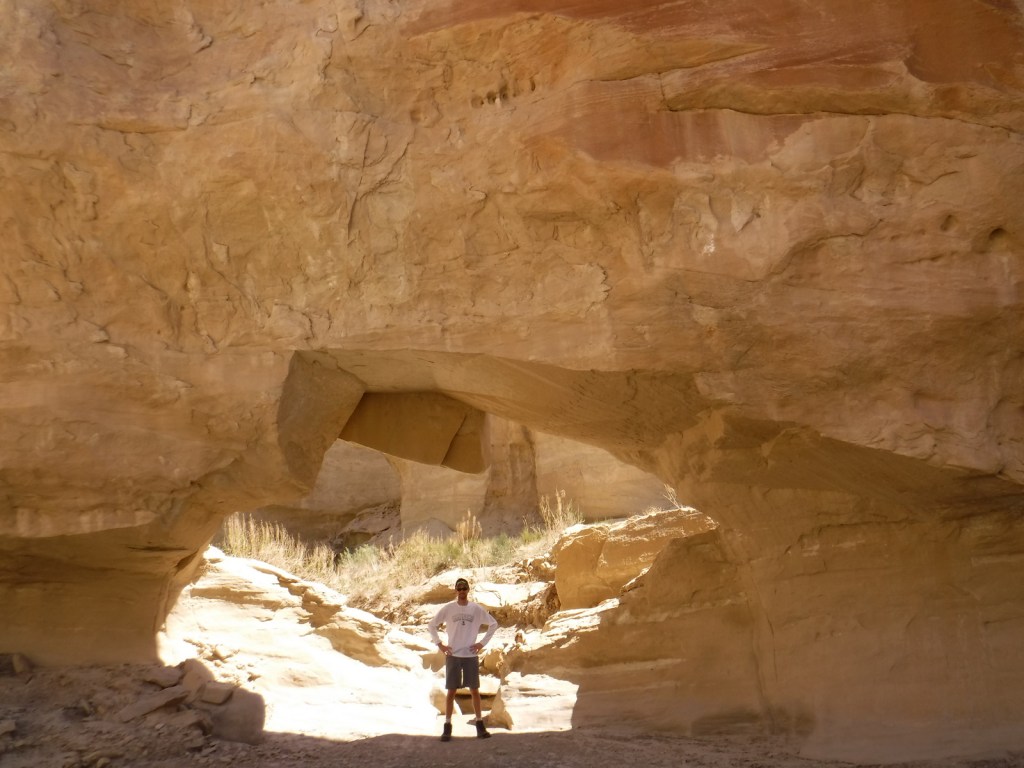
Wiregrass Canyon is located east of Big Water, Utah and the rocky trail passes hoodoos and two natural bridges.

Instagram-worthy Photo

You might want to bring your “selfie stick” to iconic Horseshoe Bend Overlook, a short 0.7-mile one-way hike from the parking area on Highway 89 outside Page, Arizona.

Peak Season

Spring and fall

Hours

https://www.nps.gov/glca/planyourvisit/hours.htm

Fees

Parking is now $10 at Horseshoe Bend Overlook (no NPS passes accepted), but many other sites are free. There is a $30 per vehicle entrance fee at some marinas (NPS passes accepted), in addition to charges for the dam tour and guided boat tours.

Road Conditions

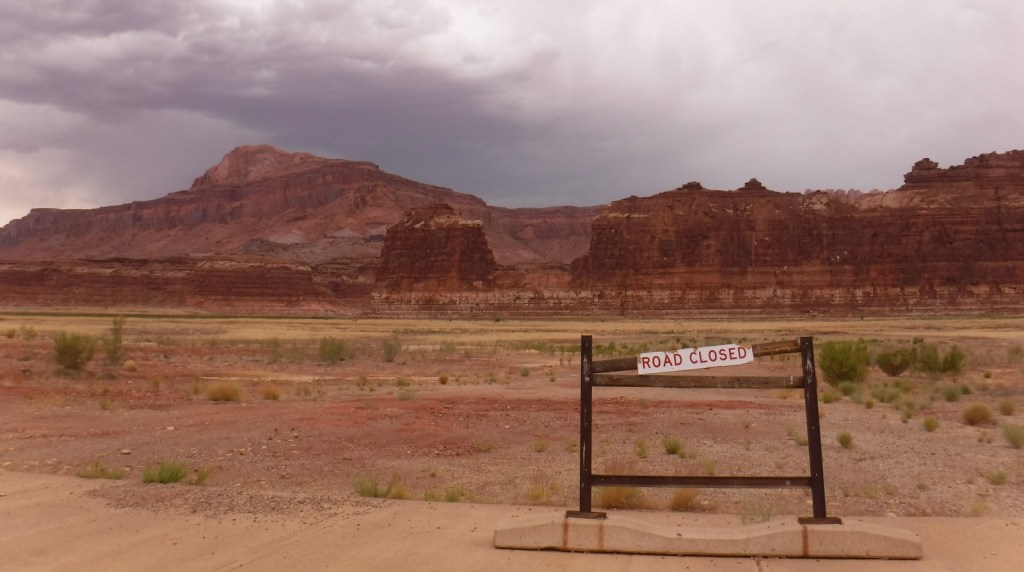
This park is famous for its backcountry 4×4 roads (like Hole-in-the-Rock Road) and flash floods, so check with a park ranger before attempting anything unpaved.  A fee is charged to ferry across the lake between Halls Crossing and Bullfrog Marina.

Camping

There are several developed campgrounds (mostly near marinas), but free primitive camping is allowed along most dirt roads.  A permit is required for overnight camping in the beautiful Coyote Gulch area, which is popular with backpackers.

Related Sites

Lake Mead National Recreation Area (Nevada-Arizona)

Canyon de Chelly National Monument (Arizona)

Capitol Reef National Park (Utah)

Explore More – Lake Powell is well known for its “bath tub ring,” so when did the reservoir last reach its high-water mark?
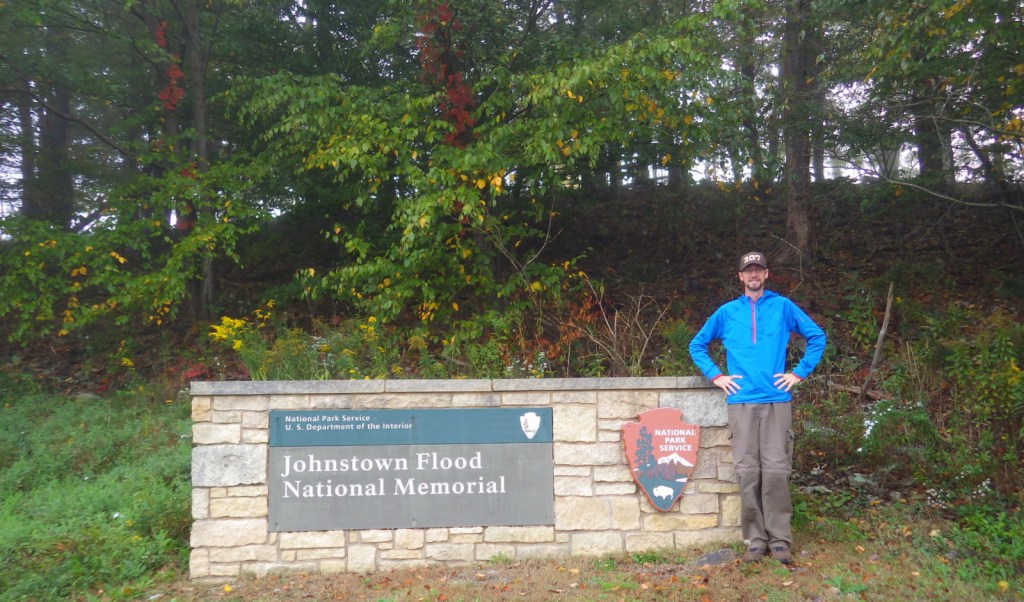
Johnstown Flood National Memorial

Overview

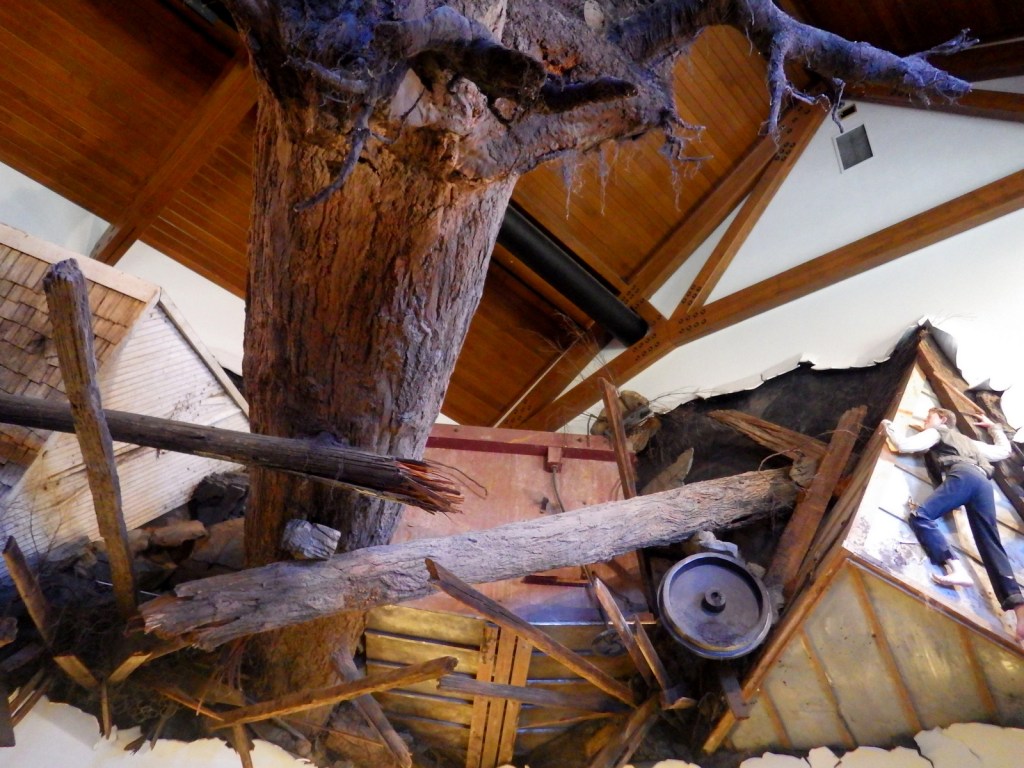
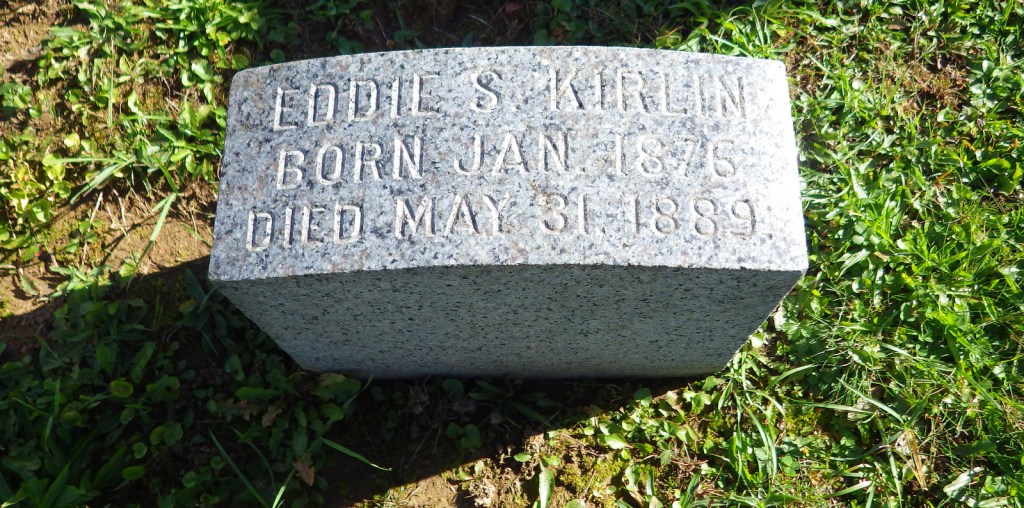
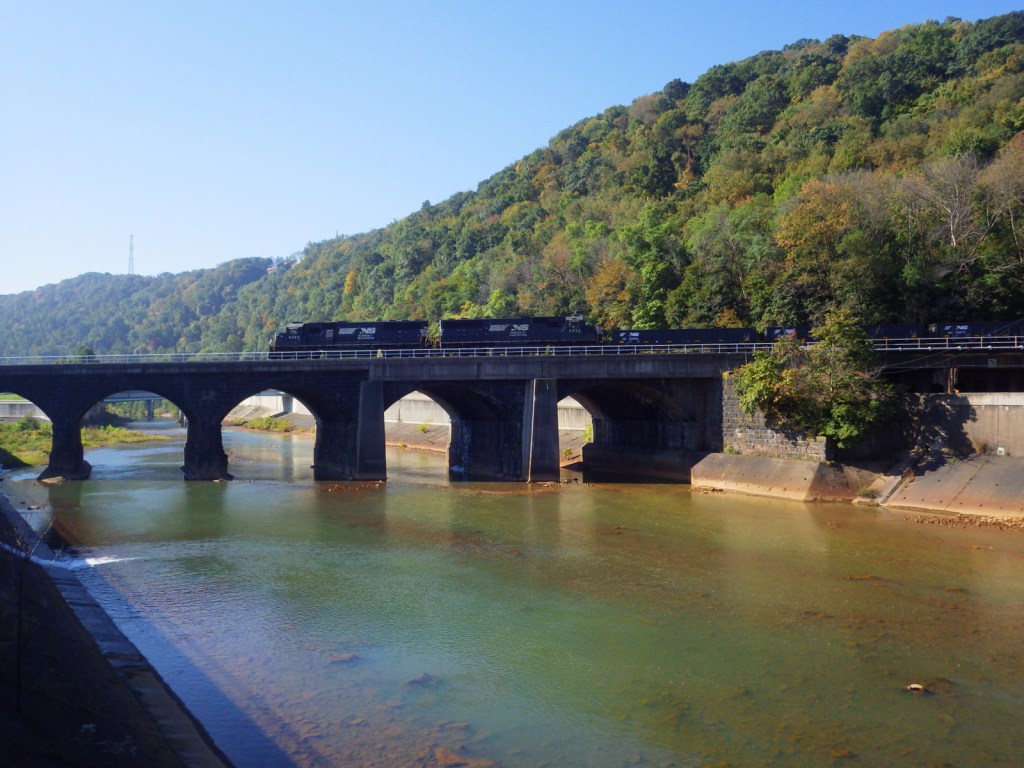
May 31, 1889 was the infamous day when a dam broke sending a 40-foot wall of water downstream, leveling multiple towns and killing more than 2,200 people.  The earthen South Fork Dam was designed for a lower lake level, was poorly maintained since 1853, and was completely ignored by the South Fork Fishing and Hunting Club (with wealthy members such as Andrew Carnegie and Andrew Mellon).  Clara Barton’s newly formed American Red Cross sent a staff of 50 doctors and nurses to assist with recovery efforts, which took years.

Highlights

Museum, film, South Fork Fishing and Hunting Club Historic District, Grandview Cemetery

Must-Do Activity

Start your visit at the National Park Service (NPS) museum at the dam site in South Fork, Pennsylvania.  The 35-minute film shown there is not appropriate for young children.  A driving tour leads around the dry lakebed to the South Fork Fishing and Hunting Club Historic District.  Much of the Little Conemaugh River downstream is not accessible by roads, but be sure to drive downstream to Johnstown to visit the Grandview Cemetery and, if you have time, the Johnstown Flood Museum (admission fee). Every year since 1989 on the anniversary, the NPS lights 2,209 luminaria in memoriam.

Best Trail

There is a trail that follows a portion of the Little Conemaugh River and leads to Staple Bend Tunnel, part of Allegheny Portage Railroad National Historic Site.

Instagram-worthy Photo

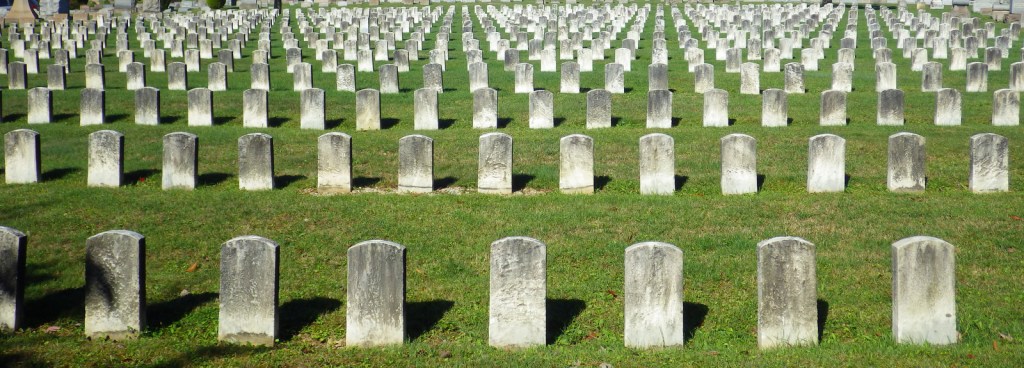
A memorial to the unidentified victims of the May 31, 1889 flood stands in Grandview Cemetery in Johnstown, Pennsylvania.

Peak Season

Summer

Hours

https://www.nps.gov/jofl/planyourvisit/hours.htm

Fees

None, except at the unaffiliated Johnstown Flood Museum in Johnstown, Pennsylvania

Road Conditions

The main access roads are paved, but some of the smaller roads to the Little Conemaugh River may not be.

Camping

Prince Gallitzin State Park offers a campground with showers 20 miles northwest of Altoona, Pennsylvania.

Related Sites

Flight 93 National Memorial (Pennsylvania)

Fort Necessity National Battlefield (Pennsylvania)

Allegheny Portage Railroad National Historic Site (Pennsylvania)

Explore More – Where did the miles of barbwire that wrapped around the flood debris originate?

Lake Mead National Recreation Area

Overview

In 1964, Lake Mead became the first National Recreation Area administered by the National Park Service (NPS).  It actually encompasses two reservoirs on the Colorado River: Lake Mead formed by Boulder Dam in 1936 and (further south) Lake Mohave formed by Davis Dam in 1951.  Boulder Dam was later renamed Hoover Dam and is one big reason this is among the busiest NPS sites with about 7-million annual visitors (also partly due to its proximity to Las Vegas, Nevada).

Highlights

Hoover Dam, Northshore Road, Redstone Trail, Arizona Hot Springs, boating

Must-Do Activity

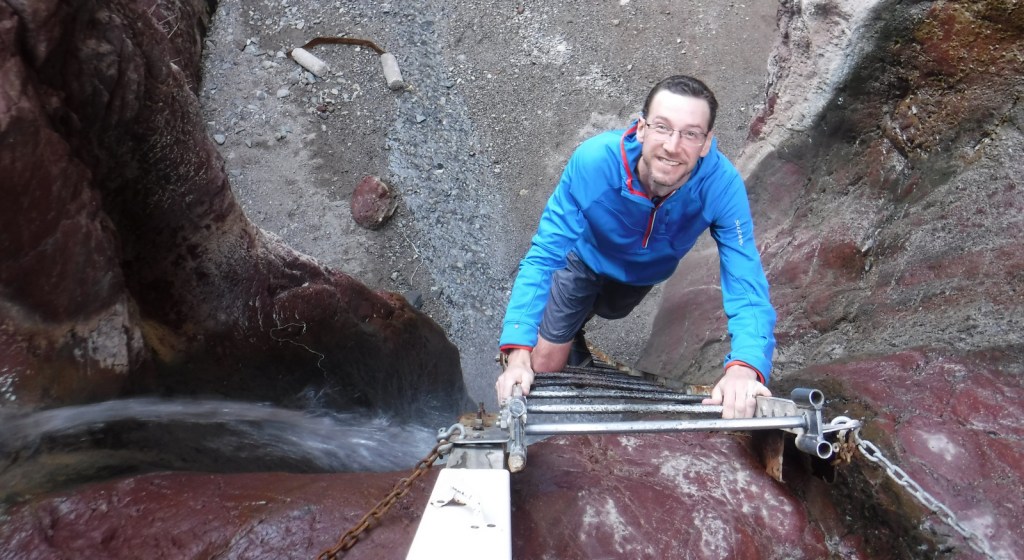
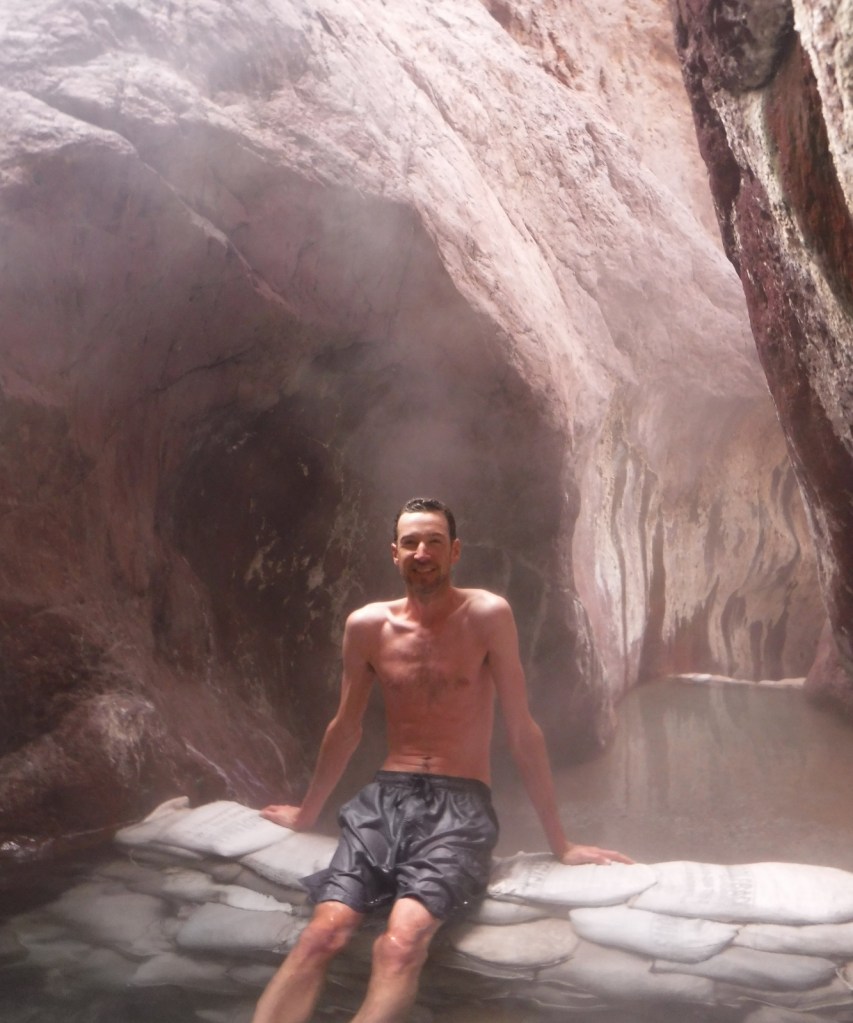
The most fantastic destination in Lake Mead National Recreation Area is Arizona Hot Springs, where pools are formed by sandbags in a narrow canyon.  It is accessible from Liberty Bell Trailhead by a 6.5-mile roundtrip hike through a beautiful canyon down to the Colorado River.  The trail is closed during the hot summer months, but you can still access it by canoe or kayak from Willow Beach Marina or just downstream from the Hoover Dam (with a special permit). Downriver in Black Canyon, stop at Emerald Cove for incredible photographs.

Best Trail

Redstone Trail is a short loop hike through a fantastic red rock area found just off North Shore Drive.  It is similar to the photogenic Valley of Fire State Park located to the north.

Instagram-worthy Photo

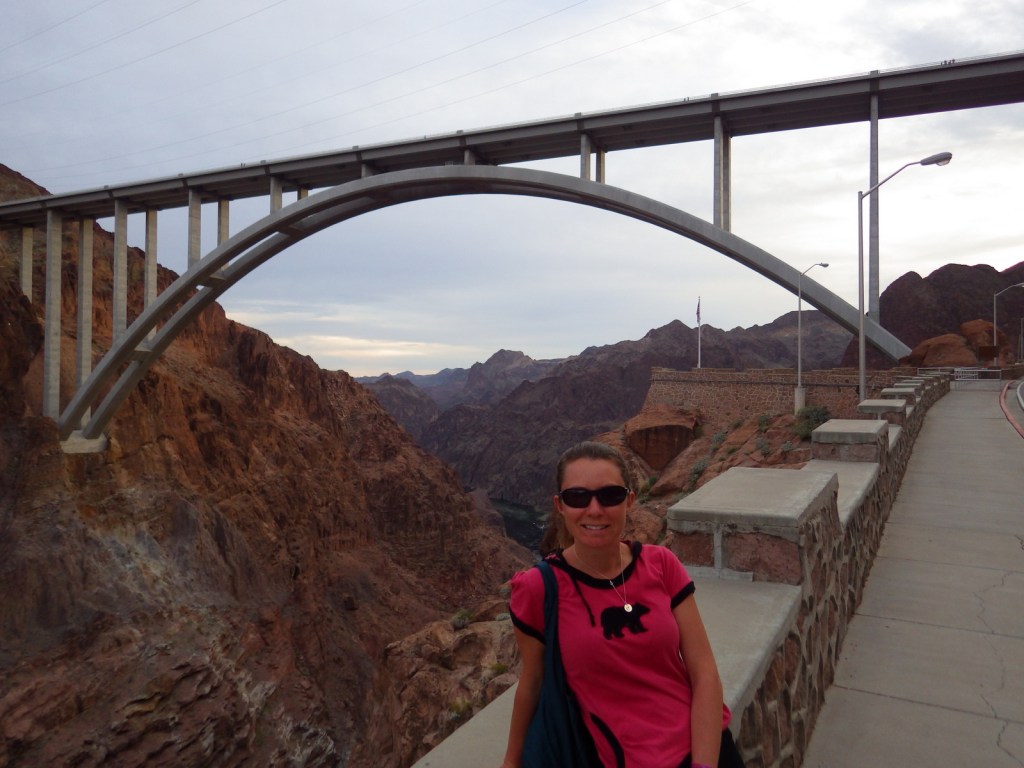
The area around the Hoover Dam can get very crowded, as can the outstanding overlook on the 1,900-foot long Pat Tillman Memorial Bridge (completed in 2010 to route Highway 93 traffic off the dam).  Standing 890-feet above the river below, it ranks as the second highest bridge in the United States behind Colorado’s Royal Gorge Bridge.  Be prepared to pass through a security screening if you park at the bridge or Hoover Dam.

Peak Season

Spring and fall

Hours

https://www.nps.gov/lake/planyourvisit/hours.htm

Fees

$25 per vehicle or America the Beautiful pass to access Willow Beach Marina or Lake Mead itself.  At Hoover Dam there is free parking on the Arizona side, but fees for the museum and tours.

Road Conditions

All major roads are paved, including the steep drive down to Willow Beach Marina, which also has a fish hatchery open to visitors.

Camping

There are multiple NPS campgrounds around the perimeter of Lake Mead and Lake Mohave.  Backcountry camping is allowed without a permit at Arizona Hot Springs, which is even more spectacular after dark.

Related Sites

Grand Canyon National Park (Arizona)

Glen Canyon National Recreation Area (Arizona-Utah)

Tule Springs Fossil Beds National Monument (Nevada)

Explore More – Lake Mead is not often filled to capacity, so when was the last time its spillways were needed during a big snowmelt year?