Tag Archives: cave

Caribou National Forest

Caribou National Forest

Idaho, Utah, Wyoming

Managed by U.S. Forest Service, Intermountain Region

1,085,966 acres (987,216 federal/ 98,750 other)

Website: https://www.fs.usda.gov/ctnf

Overview

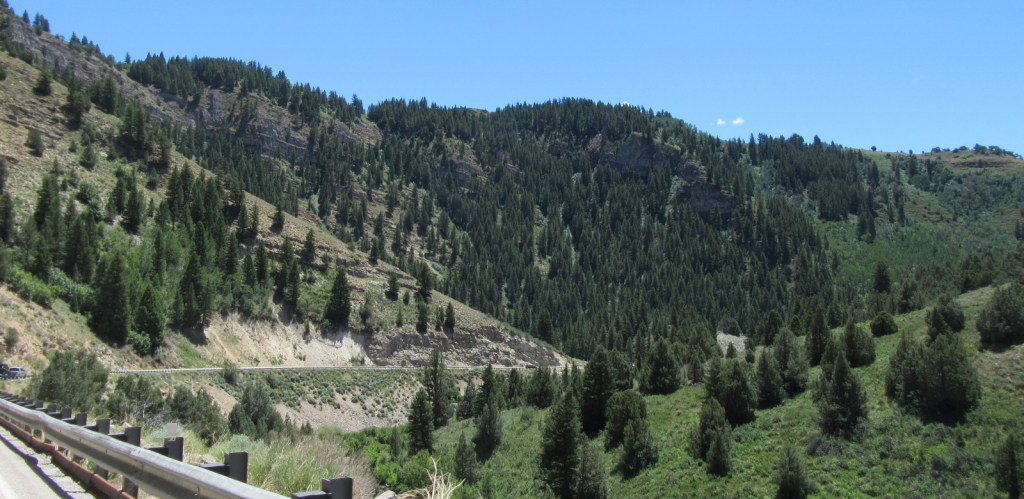
Co-managed as Caribou-Targhee National Forest since 2000, Caribou National Forest is located in the southeastern corner of Idaho.  To add to the jurisdictional muddle, Caribou National Forest has also administered the 263,940-acre Idaho portion of Wasatch-Cache National Forest since 1973 (see previous blog post).  However, nearly 50 years later all of the wooden signs in this area still read Cache National Forest.  Despite the signage, U.S. Forest Service publications and topographic maps identify Minnetonka Cave and Paris Ice Cave as being in Caribou-Targhee National Forest, so we went with that.  Confused?  So are we, so much so that we made a phone call to a Forest Service employee in this ranger district that still did not clear up the bureaucratic mess.

Highlights

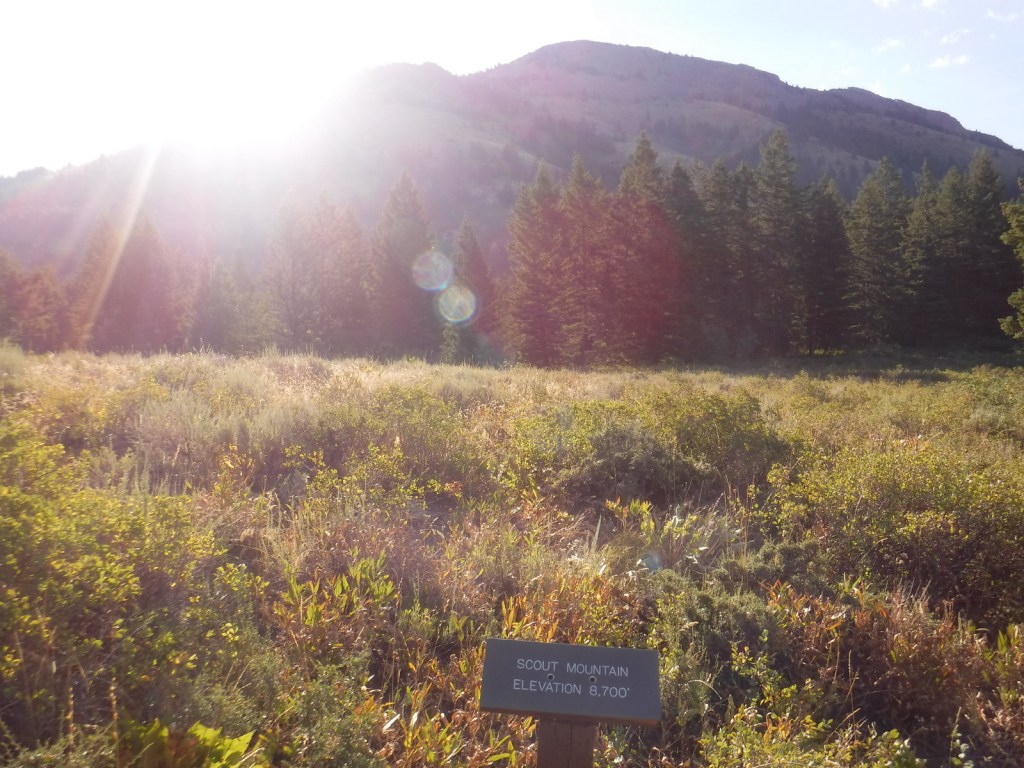
Pioneer Historic Scenic Byway, Minnetonka Cave, Paris Ice Cave, Caribou City ghost town, Malad Range, Tincup Mountain, Oregon Trail-Bear Lake Scenic Byway, Lander Cutoff, Oneida Salt Works, Cherry Springs Nature Area, Montpelier Canyon, Bloomington Lake, Scout Mountain Nature Trail

Must-Do Activity

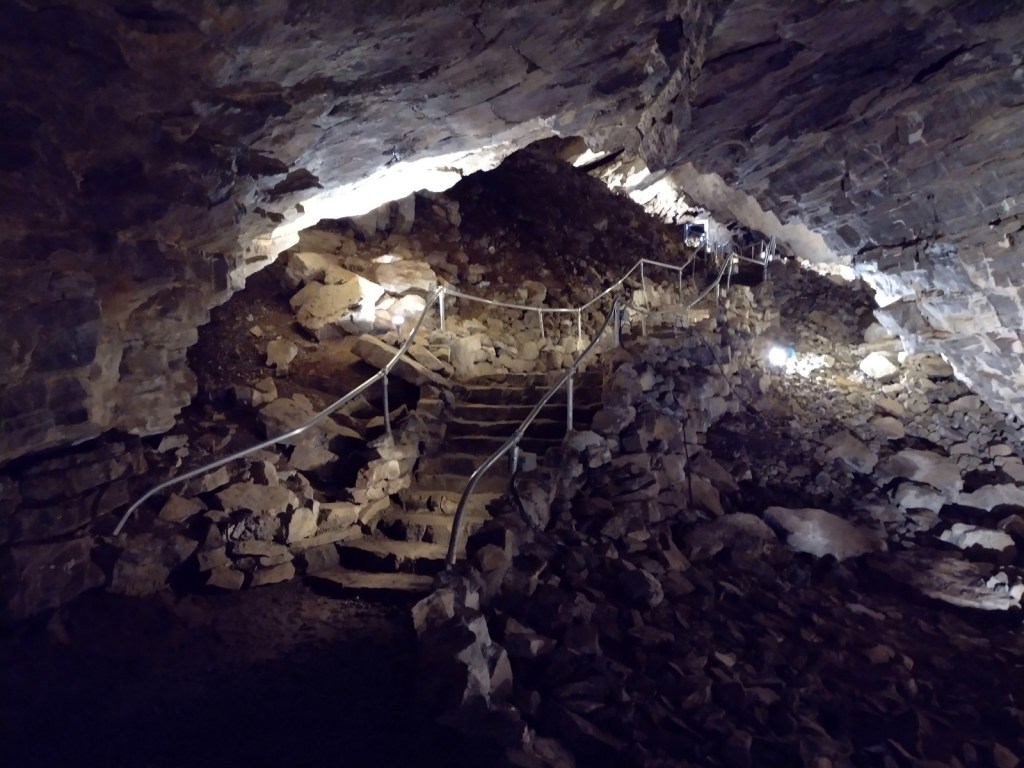
In Montpelier, Idaho, the National Oregon/California Trail Center is managed by the U.S. Forest Service on the Pioneer Historic Scenic Byway.  To the southwest, Minnetonka Cave is one of the few developed cave tours offered by (a concessionaire for) the Forest Service.  The natural entrance to Minnetonka Cave was widened and the route lighted by the Works Progress Administration in the 1930s when 444 stairs were installed to allow large groups to visit.  The tour goes out and back on the same route so the steep downward sections become climbs on the return trip, but guides make multiple stops in both directions to allow you to catch your breath at this high elevation.

Best Trail

Further north than Minnetonka Cave, a 9.5-mile long dirt road drive up to 7,800 feet in elevation leads to the short boardwalk through the Paris Ice Cave.  This photogenic natural tunnel is open at both ends so it does not require a flashlight, but does retain snowpack deep into the summer months.  Signs at both caves still say Cache National Forest even though this district has not been managed by them since 1973.

Watchable Wildlife

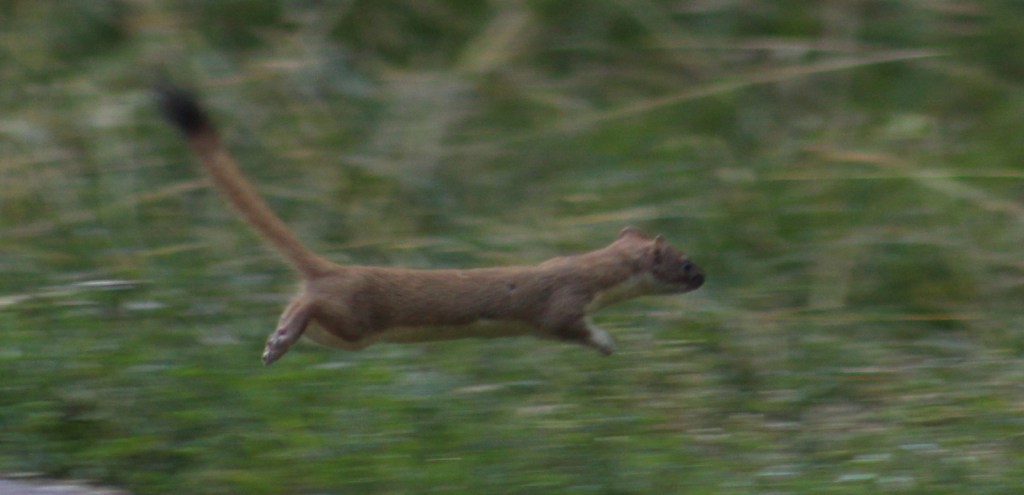
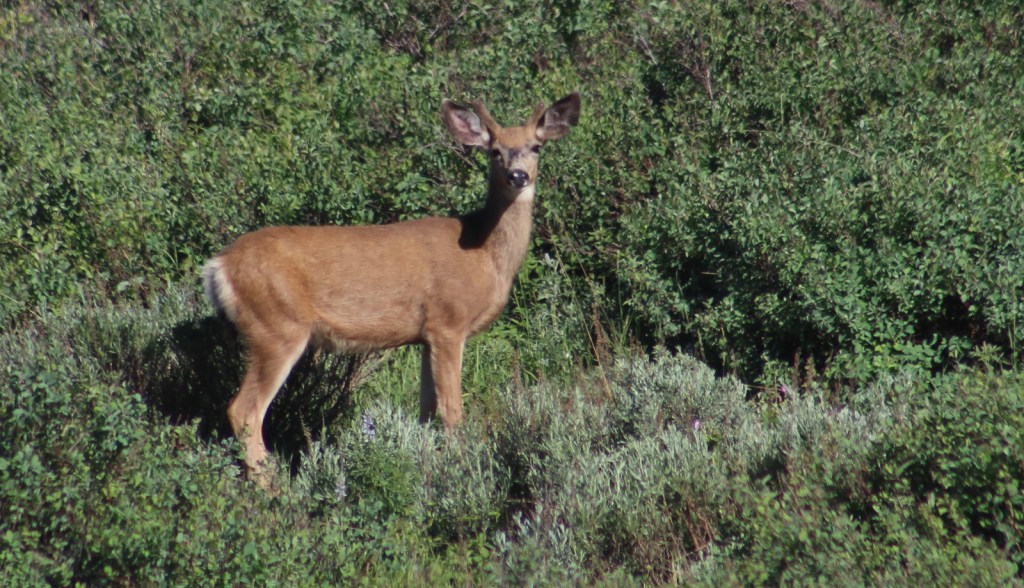
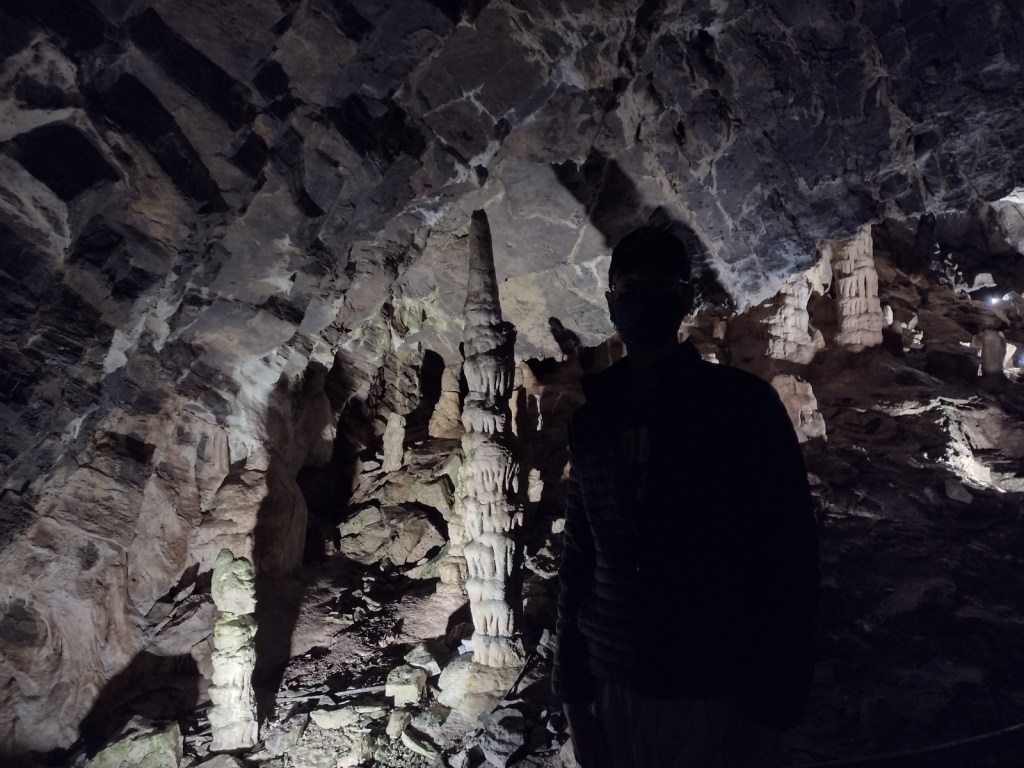
This is a fairly arid portion of the west, so you are more likely to see a ground squirrel, coyote, or mule deer than any other wildlife.  In Minnetonka Cave, our tour guide pointed out a couple Townsend’s big-eared bats, which is why they screen all visitors for white-nosed bat syndrome.  We disturbed a nesting robin when exiting the Paris Ice Cave.

Instagram-worthy Photo

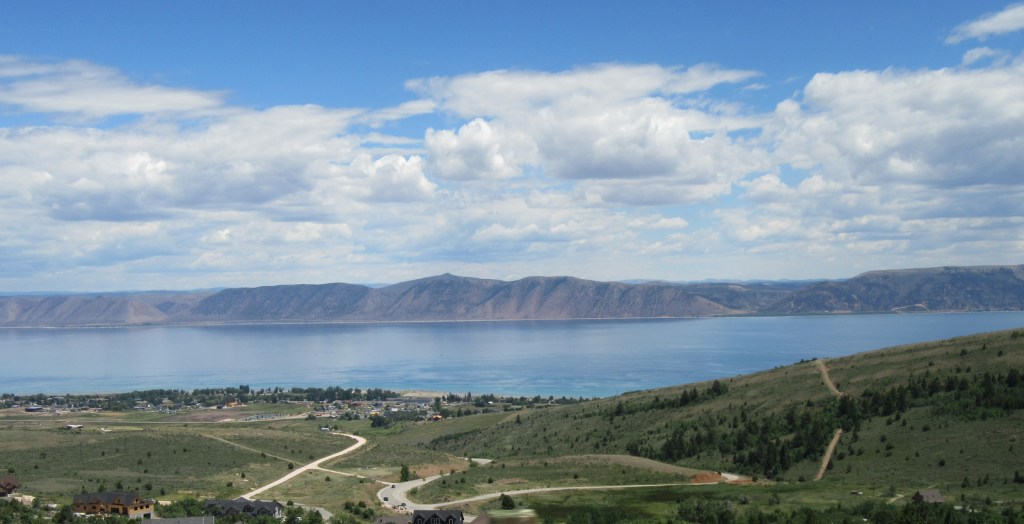
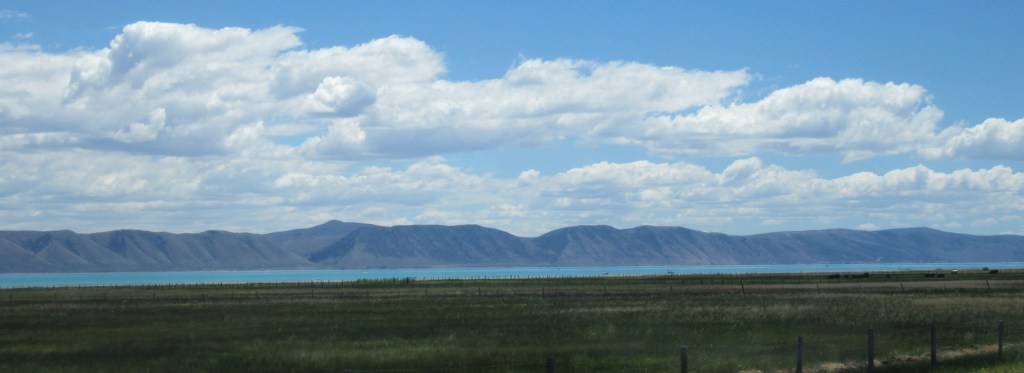
On the Idaho-Utah border, the 109-square-mile Bear Lake has been called the “Caribbean of the Rockies” because of its water’s intense turquoise color, due to suspended limestone sediment.  The naturally-formed lake sits at 5,924 feet in elevation and its maximum depth is 208 feet.  Both states have their own Bear Lake State Park with boat ramps and beaches for swimming. 
Peak Season

Summer

Fees

It costs $12 per person for the 80-minute Minnetonka Cave Tour that you must pay before driving up to the actual cave, but we did not come across any other fees.

Road Conditions

Access to Minnetonka Cave is paved and the 9.5-mile long dirt road drive up to Paris Ice Cave was good enough for our passenger vehicle to handle.

Camping

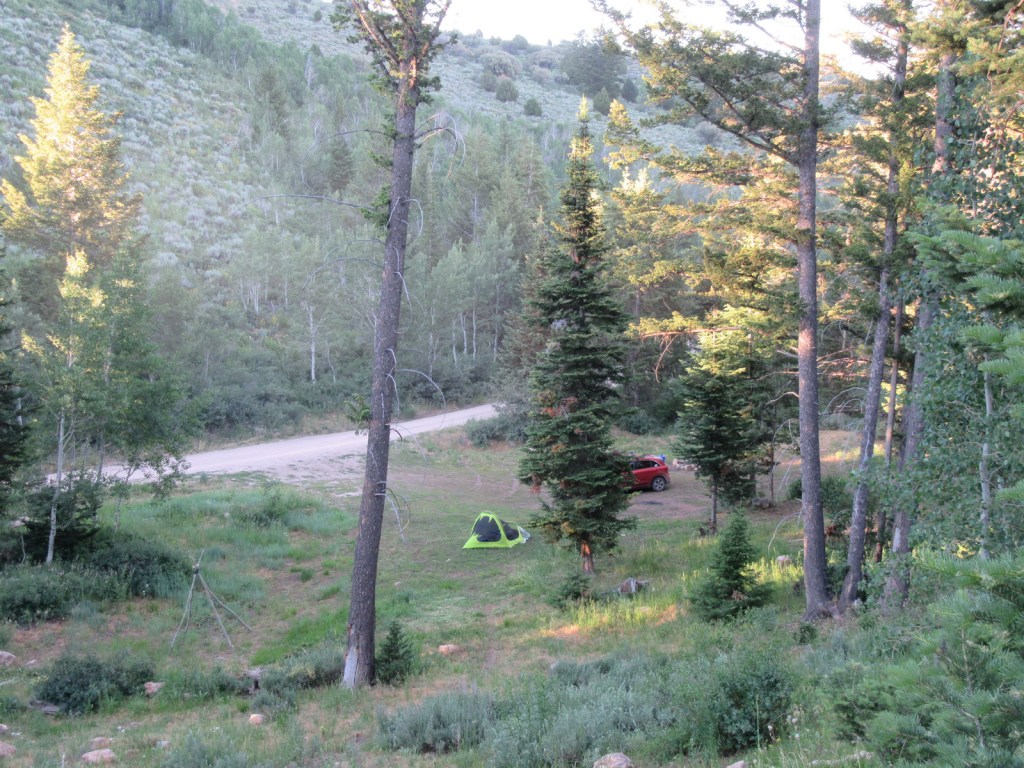
There are numerous campgrounds on the way to Minnetonka Cave and we found a large, flat dispersed camp along the road to Paris Ice Cave.

Wilderness Areas

None

Related Sites

Targhee National Forest (Idaho-Wyoming)

Fossil Butte National Monument (Wyoming)

Timpanogos Cave National Monument (Utah)

Nearest National Park

Grand Teton (Wyoming)

Conifer Tree Species

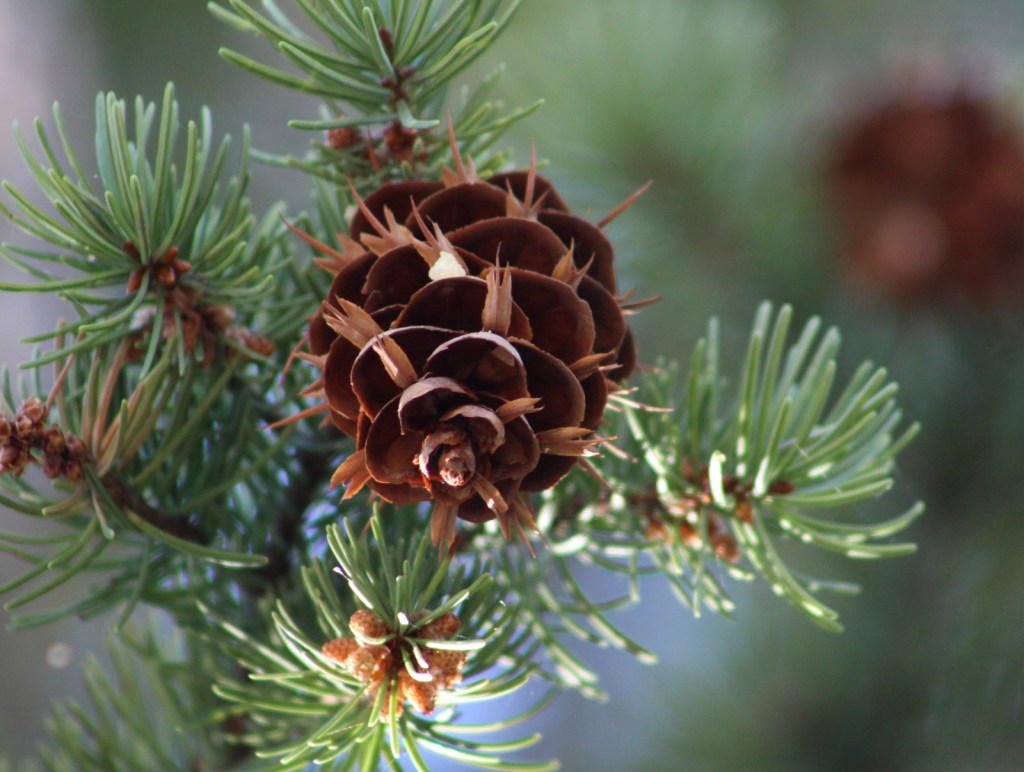
Rocky Mountain juniper, Utah juniper, limber pine, whitebark pine, ponderosa pine, lodgepole pine, Engelmann spruce, subalpine fir, white fir, Douglas-fir

Flowering Tree Species

quaking aspen, river birch, boxelder, Rocky Mountain maple, Bebb willow, blue elderberry, red osier dogwood, chokecherry, curlleaf mountain-mahogany, sagebrush

Explore More – The Caribou Mountains were named for a gold miner nicknamed “Cariboo Jack,” but what was his real name?

Learn more about Caribou and the 154 other National Forests in our new guidebook Out in the Woods

We are a participant in the Amazon Services LLC Associates Program, an affiliate advertising program designed to provide a means for us to earn fees by linking to Amazon.com and affiliated sites.

Cache National Forest

Cache National Forest

Utah, Idaho

Managed by U.S. Forest Service, Intermountain Region

1,216,778 acres (701,652 federal/ 515,126 other)

Website: https://www.fs.usda.gov/uwcnf

Overview

Cache National Forest surrounds Logan, Utah on three sides covering the Bear River Range and Wellsville Mountains, which are considered to have the steepest grade in the entire nation.  Since August 2007, Cache National Forest is officially part of the massive Uinta-Wasatch-Cache National Forest that sprawls across northeastern Utah.  To add to the bureaucratic confusion, the 263,940 acres of Cache National Forest in Idaho have been administered since 1973 by Caribou National Forest (see our next blog post).  When you subtract that land area, it only includes 437,712 acres of federal land, making it one of the smallest National Forests in the western U.S.

Highlights

Logan Canyon Scenic Byway, Wind Cave, Jardine Juniper, Tea Pot Rock, Old Limber Pine Nature Trail, Ogden River Scenic Byway, Pineview Reservoir, Tony Grove Lake Campground, Causey Reservoir, Wellsville Mountains, Naomi Peak National Recreation Trail

Must-Do Activity

Logan Canyon Scenic Byway follows Highway 89 and the beautiful Logan River up to a pass with views of Bear Lake, a naturally-formed body of water that gets its turquoise color from suspended limestone sediment (earning it’s the nickname “Caribbean of the Rockies”).  Logan Canyon is especially busy in the fall when the leaves change on quaking aspens and three species of maples: boxelder, canyon/bigtooth maple, and Rocky Mountain maple. 

Best Trail

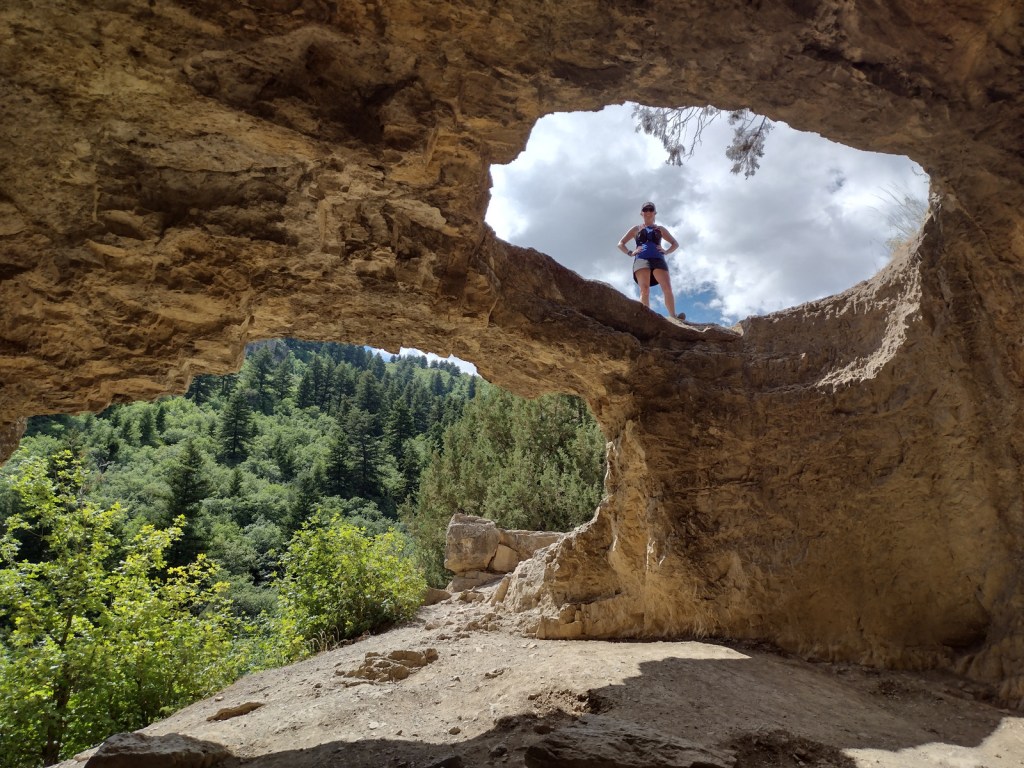
Logan Canyon has two popular, but steep trails that lead to Wind Cave and the Old Jardine Juniper, the world’s largest Rocky Mountain juniper estimated to be at least 3,000 years old.  The 3.6-mile out-and-back trail to Wind Cave starts from a roadside pullout across from Guinavah-Malibu Campground and gains more than 900 feet in elevation.  Hiking to the Old Jardine Juniper requires a climb of over 2,100 feet along the five-mile one-way trail, which continues further into the Mt. Naomi Wilderness.

Watchable Wildlife

Trout fishing is a popular activity due to all of the rivers and streams in Cache National Forest.  Large mammalian species include elk, mule deer, pronghorns, and black bears.  Watch the skies above Logan Canyon for ravens and a variety of birds of prey.

Instagram-worthy Photo

The limestone arches of Wind Cave originally formed underground then were exposed when the Logan River cut its steep canyon.

Peak Season

Summer

Fees

None

Road Conditions

Logan Canyon (Highway 89) and Ogden River (Highway 39) Scenic Byways are both paved.  We did not drive any unpaved roads, but we did notice that the dirt roads around Bear Lake Summit (on Highway 89) looked very rutted and four-wheel-drive only.

Camping

There are numerous campgrounds along both the Logan Canyon and Ogden River Scenic Byways.  We did not notice any dispersed campsites in these areas, although there probably are some options in more remote portions of the National Forest.

Wilderness Areas

Mt. Naomi Wilderness

Wellsville Mountain Wilderness

Related Sites

Golden Spike National Historical Park (Utah)

Timpanogos Cave National Monument (Utah)

Wasatch National Forest (Utah-Wyoming)

Nearest National Park

Grand Teton (Wyoming)

Conifer Tree Species

Rocky Mountain juniper, Utah juniper, limber pine, whitebark pine, ponderosa pine, lodgepole pine, Engelmann spruce, subalpine fir, white fir, Douglas-fir

Flowering Tree Species

quaking aspen, river birch, boxelder, canyon/bigtooth maple, Rocky Mountain maple, Bebb willow, blue elderberry, chokecherry, curlleaf mountain-mahogany, sagebrush

Explore More – In what year did the Cache Valley host the second-ever rendezvous of fur-trapping mountain men?

Learn more about Cache and the 154 other National Forests in our new guidebook Out in the Woods

We are a participant in the Amazon Services LLC Associates Program, an affiliate advertising program designed to provide a means for us to earn fees by linking to Amazon.com and affiliated sites.

El Malpais National Monument

Overview

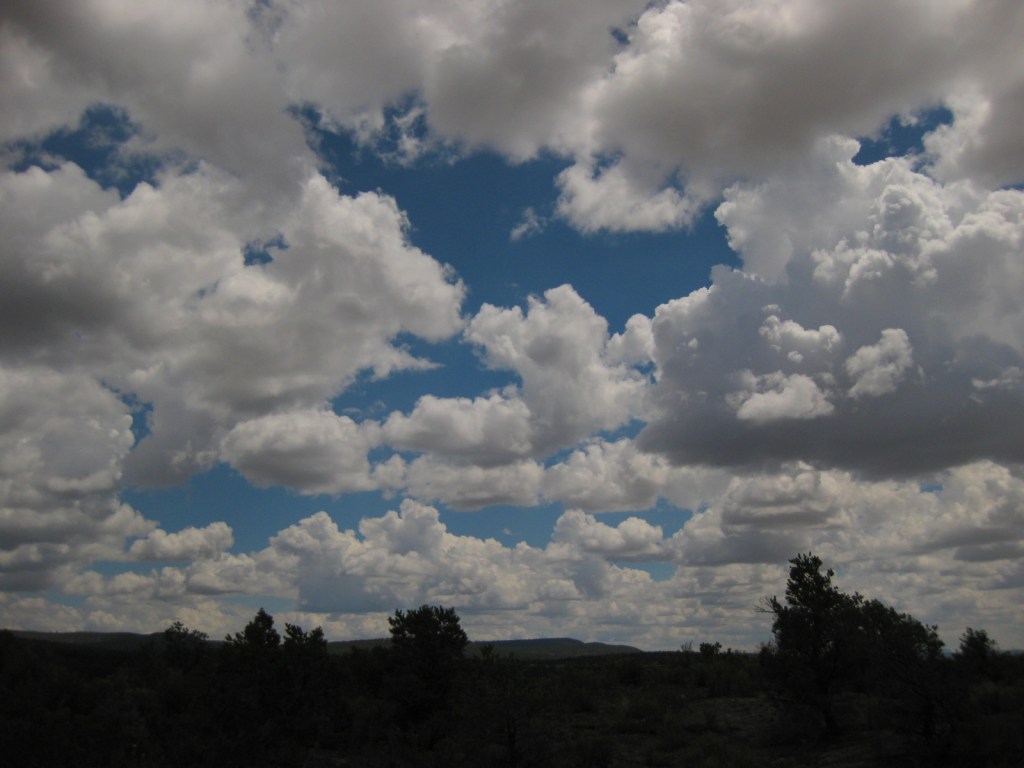
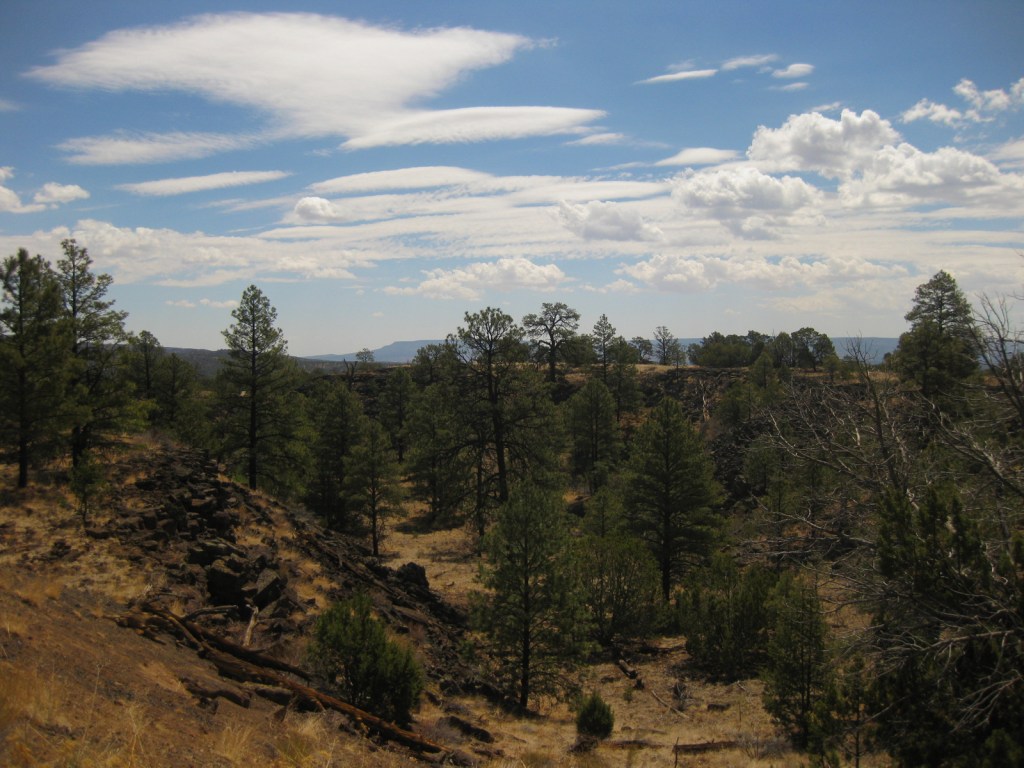
Navajo legend states that during a battle on Mount Taylor, the Twin Gods struck off a giant’s head which became Cabezon Peak, its blood flowing southward, coagulating into the Malpais.  Meaning “the badland” in Spanish, this National Monument contains lava tubes and ice caves among its 114,000 rugged acres.  Easily accessible from Interstate 40, it does not take long before you feel like you are in the middle of nowhere watching beautiful patterns of cloud shadows drift slowly across the landscape.

Highlights

El Calderon lava tubes, Sandstone Bluffs Overlook, Zuni-Acoma Trail, La Ventana Natural Arch

Must-Do Activity

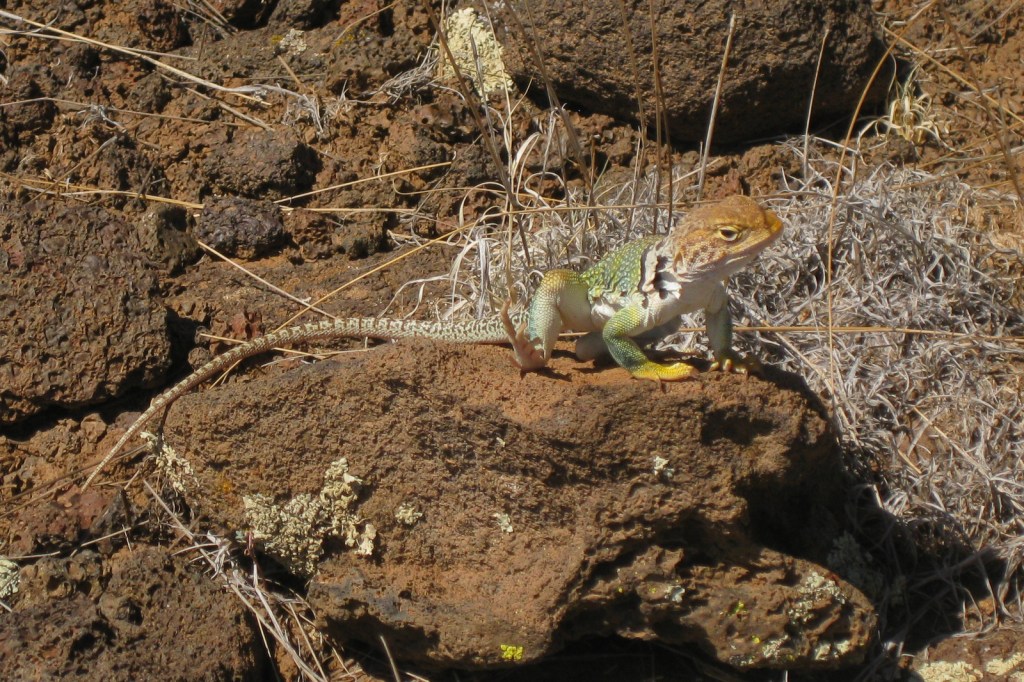
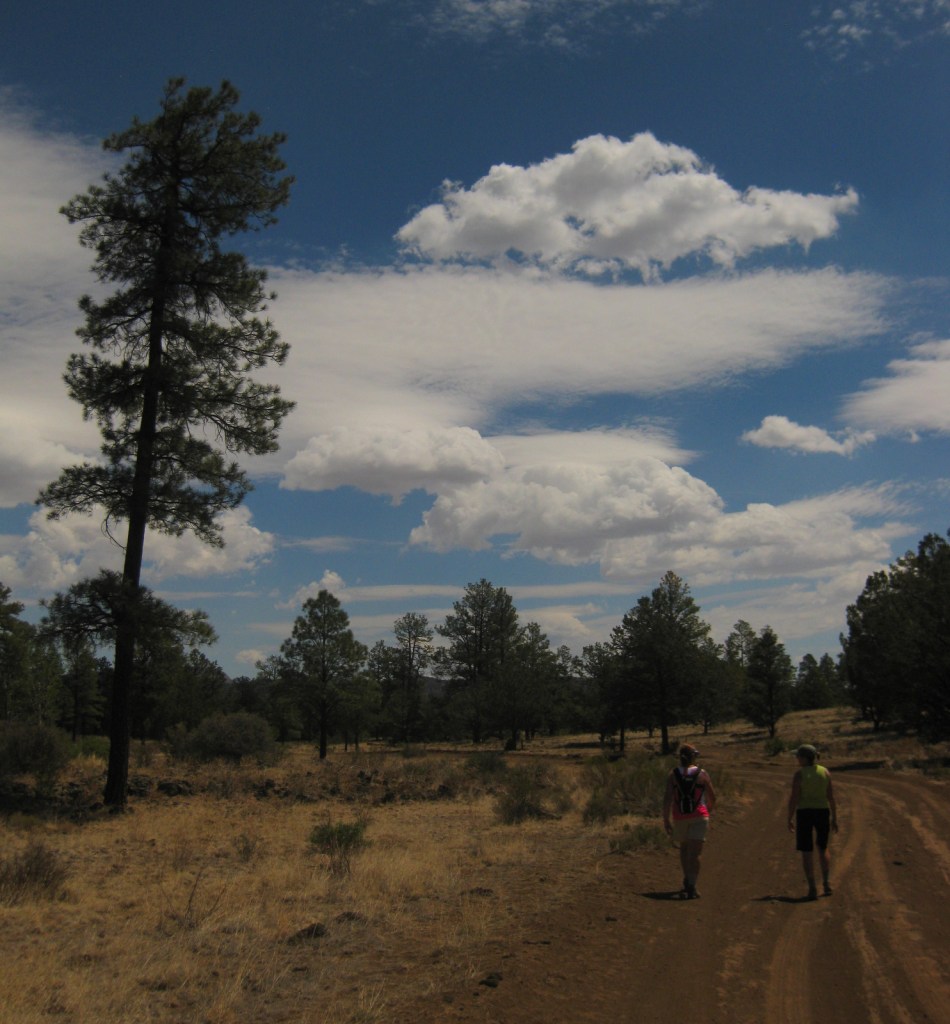
Be sure to take a hike to truly appreciate these lava flows, the most recent of which inundated agricultural fields of the Acoma people as recently as the 1400s.  Carefully stepping across the jagged rocks, we wondered if another cinder cone may be forthcoming to the region.  Geologists suggest that the volcanic activity in this area has ceased indefinitely, yet some of the eruptions here go back over a million years, making us wonder if it is only a temporary lull.  Be careful during the monsoon season, when giant cumulostratus clouds form in the wide-open blue sky foretelling afternoon thunderstorms. 

Best Trail

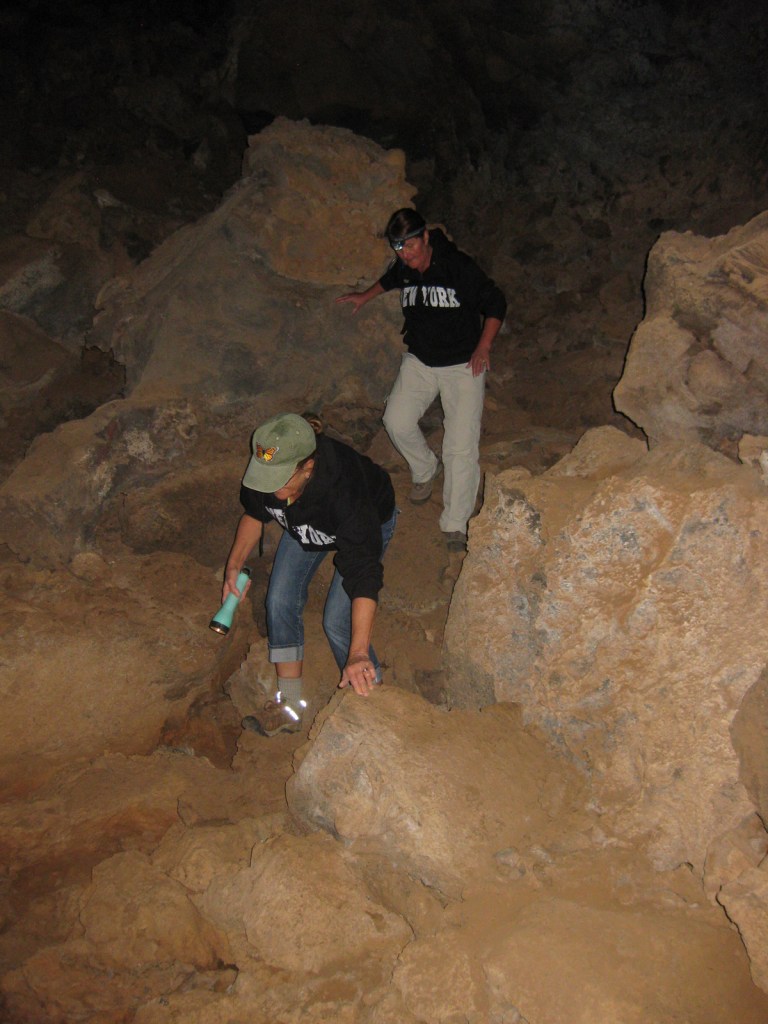
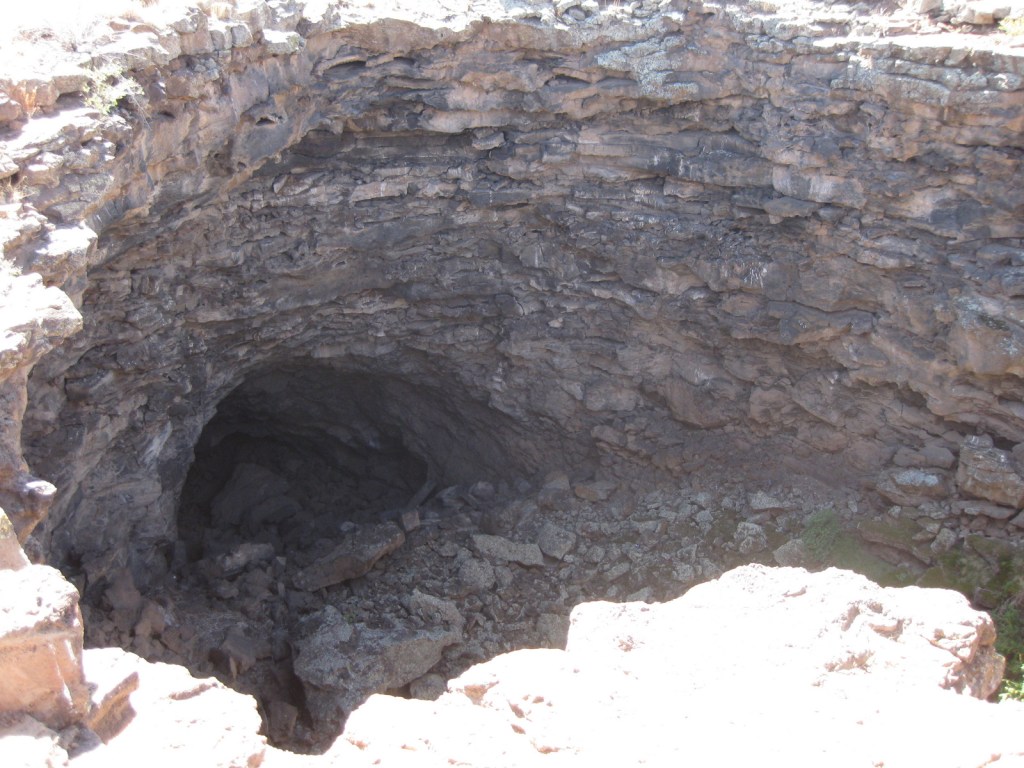
Lava tube caves are a major attraction to the park (and are sometimes closed), but before entering you must pick up a free permit to ensure you do not spread white-nosed bat syndrome.  El Calderon Area is easier to access than the rough road to Big Tubes Area, and in a 3.8-mile loop passes a cinder cone and bat cave, then enters a lava tube.  The Continental Divide National Scenic Trail and difficult 7.5-mile Zuni-Acoma Trail also traverse this mostly shadeless environment.

Instagram-worthy Photo

Take the short hike back to stand below towering La Ventana Natural Arch and enjoy the aroma of juniper wafting through the desert air.  It is technically in the Bureau of Land Management’s El Malpais National Conservation Area, not the neighboring National Monument run by the National Park Service.

Peak Season

Summer

Hours

https://www.nps.gov/elma/planyourvisit/hours.htm

Fees

None

Road Conditions

Most trailheads are off paved roads, but some roads in El Malpais National Monument require four-wheel drive (especially when wet), so check at a visitor center before setting out.

Camping

There are no developed campgrounds, but primitive camping is allowed on back roads and in the surrounding Cibola National Forest.  On Interstate 40, Bluewater Lake State Park has full RV hookups.  There is also a small campground located west down Highway 53 in El Morro National Monument.

Related Sites

Petroglyph National Monument (New Mexico)

Lava Beds National Monument (California)

Sunset Crater Volcano National Monument (Arizona)

Explore More – Privately owned and open for tourists, what makes nearby Bandera Crater special?

Pinnacles National Park

Overview

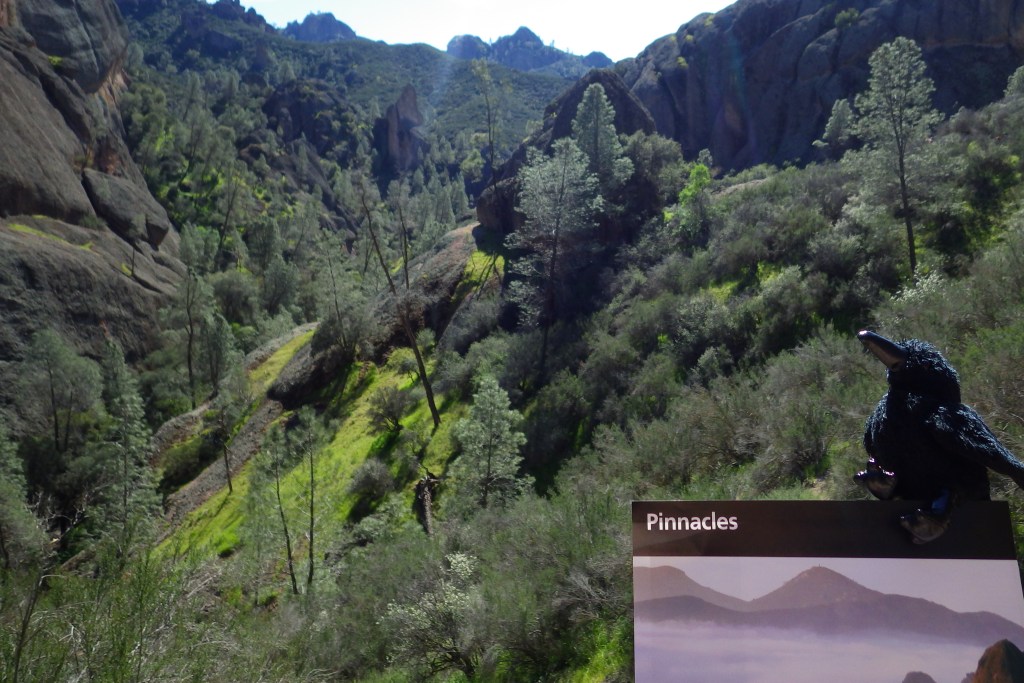
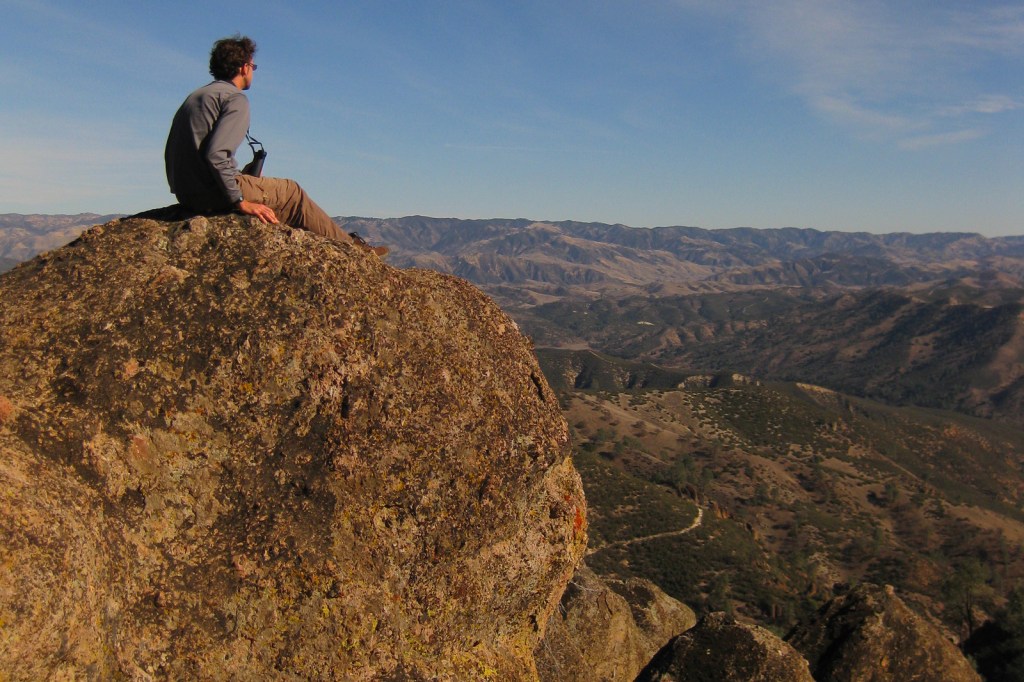
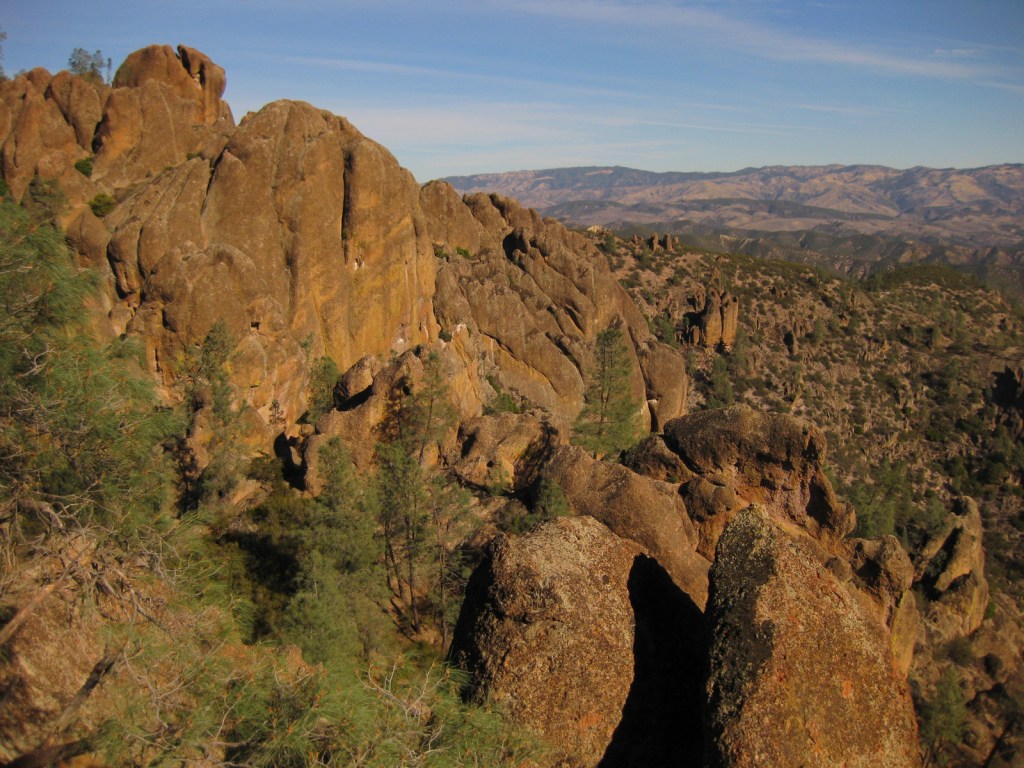
California has nine National Parks, which is more than any other state, including Alaska.  The newest is Pinnacles National Park, upgraded from a National Monument in 2013.  Rising above the agricultural Salinas Valley, it does have quite a long history, going back even before President Theodore Roosevelt officially recognized its significance in 1908.  The park’s West Entrance is accessible from Highway 101 and the East Entrance is closer to Interstate 5 and the Central Valley.  It is actually faster to hike from one side to another, than to drive two hours around. 

Learn more in our guidebook to the National Parks, A Park to Yourself: Finding Adventure in America’s National Parks (available on Amazon).

Highlights

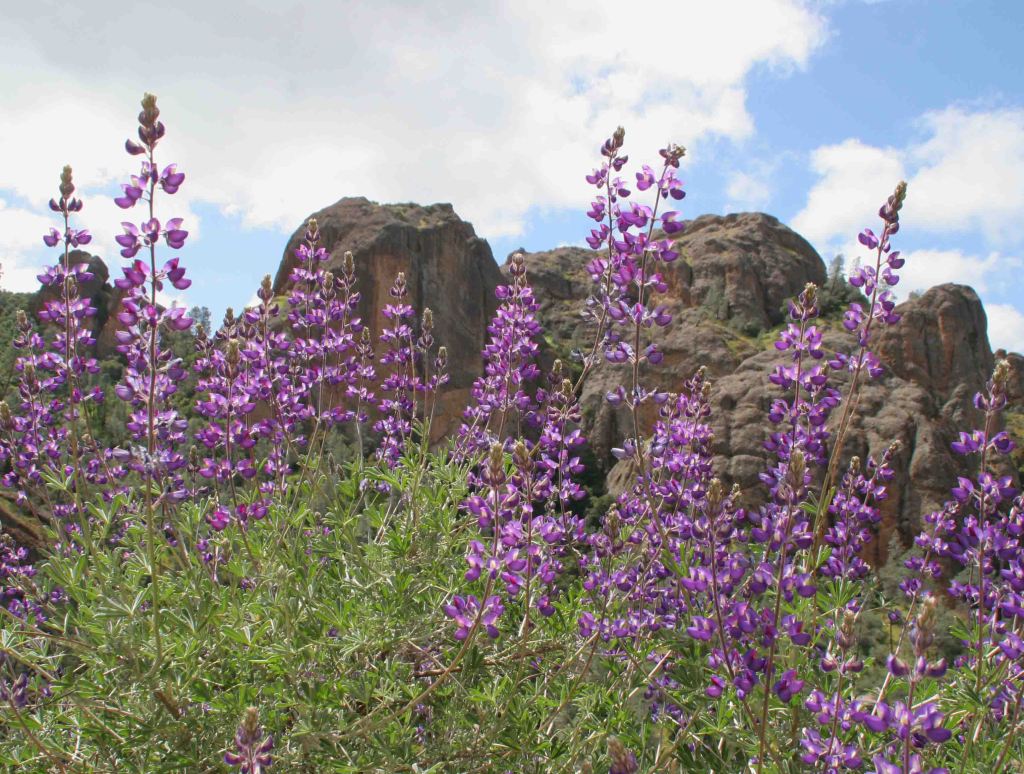
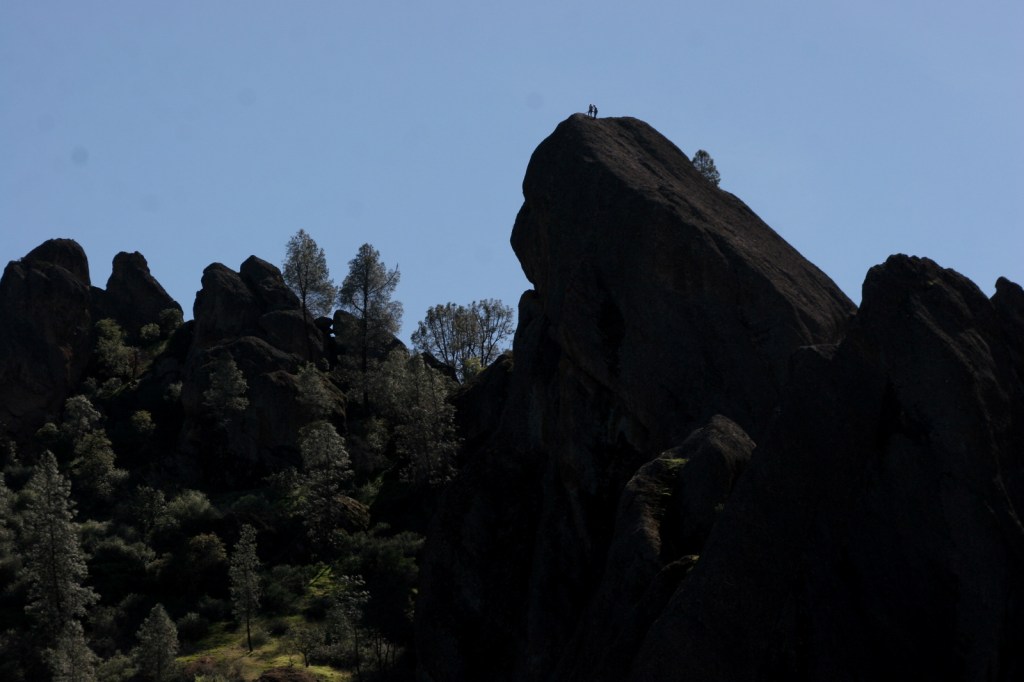
Scenic views, talus caves, rock climbing, endangered California condors

Must-Do Activity

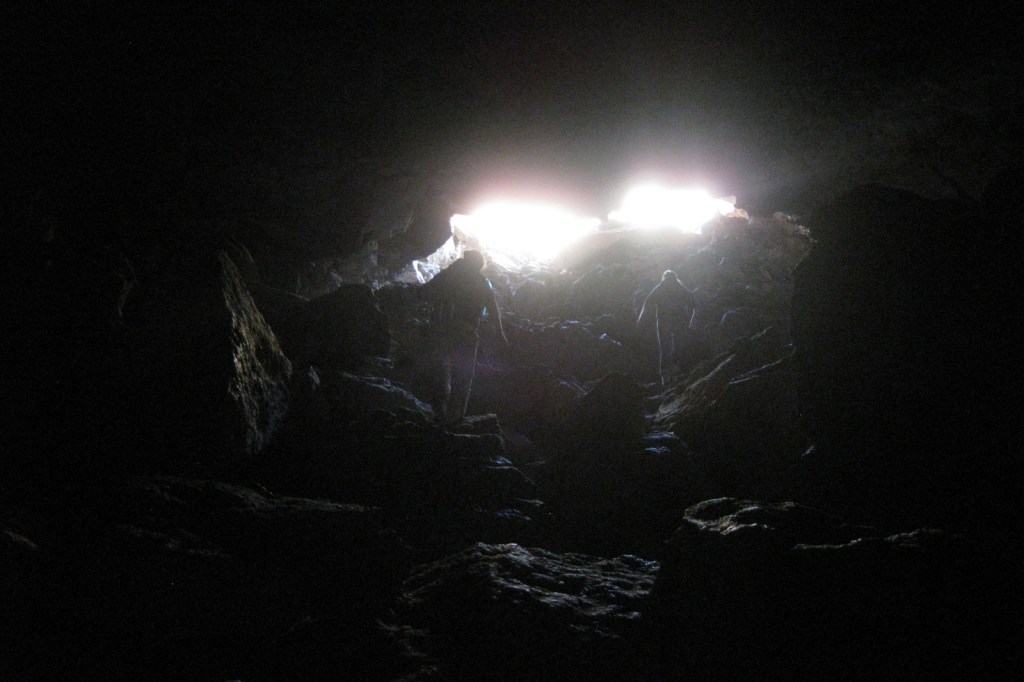
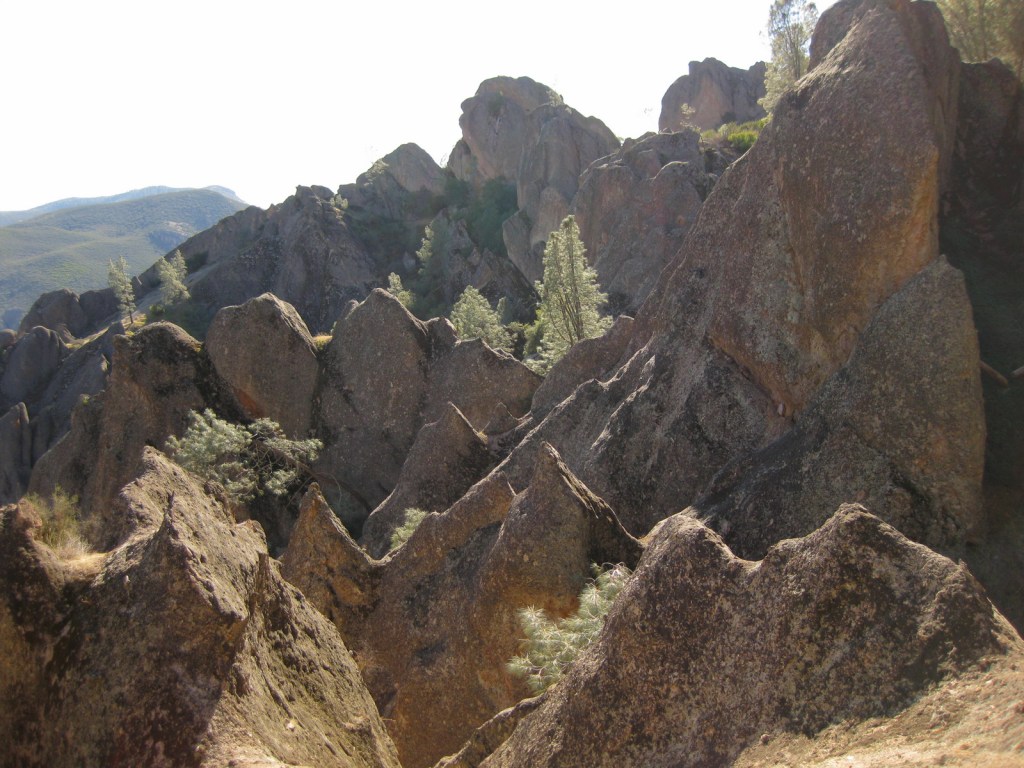
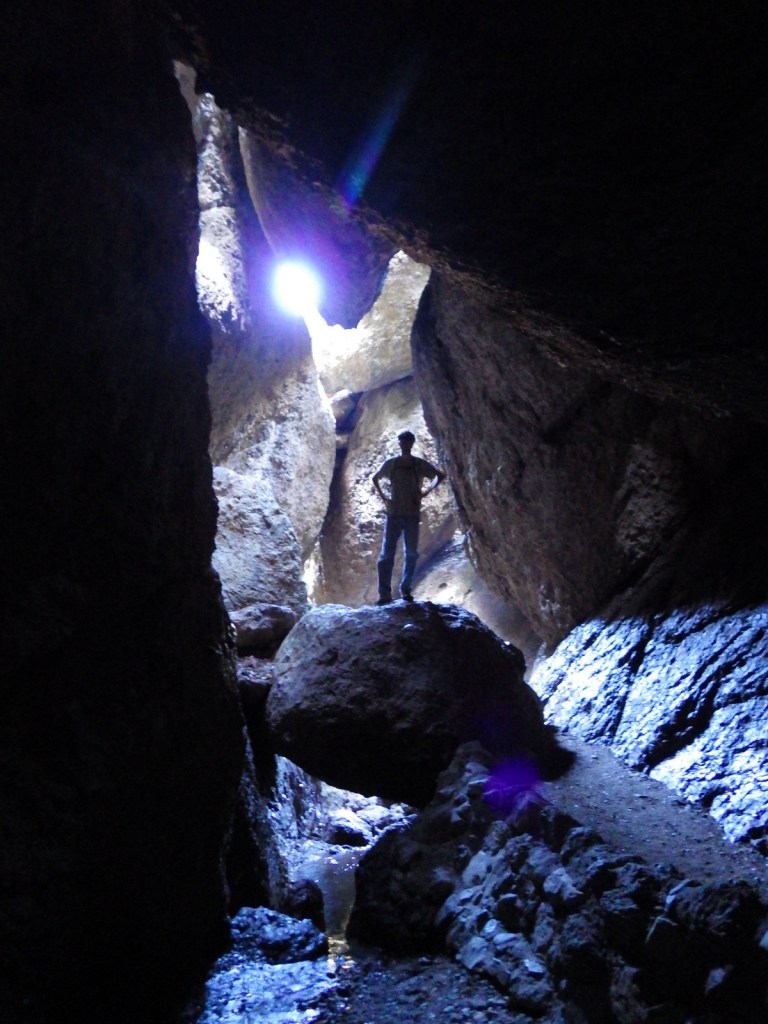
In addition to its striking rock spires, the park is known for talus caves, which are tunnels formed by boulders falling and catching between narrow canyon walls.  Flashlights are necessary to navigate through them, although small gaps in the chaotic ceiling often allow shafts of light through in picturesque fashion.  You might spot a bat flying through the caves, which are seasonally closed for their protection.

Best Trail

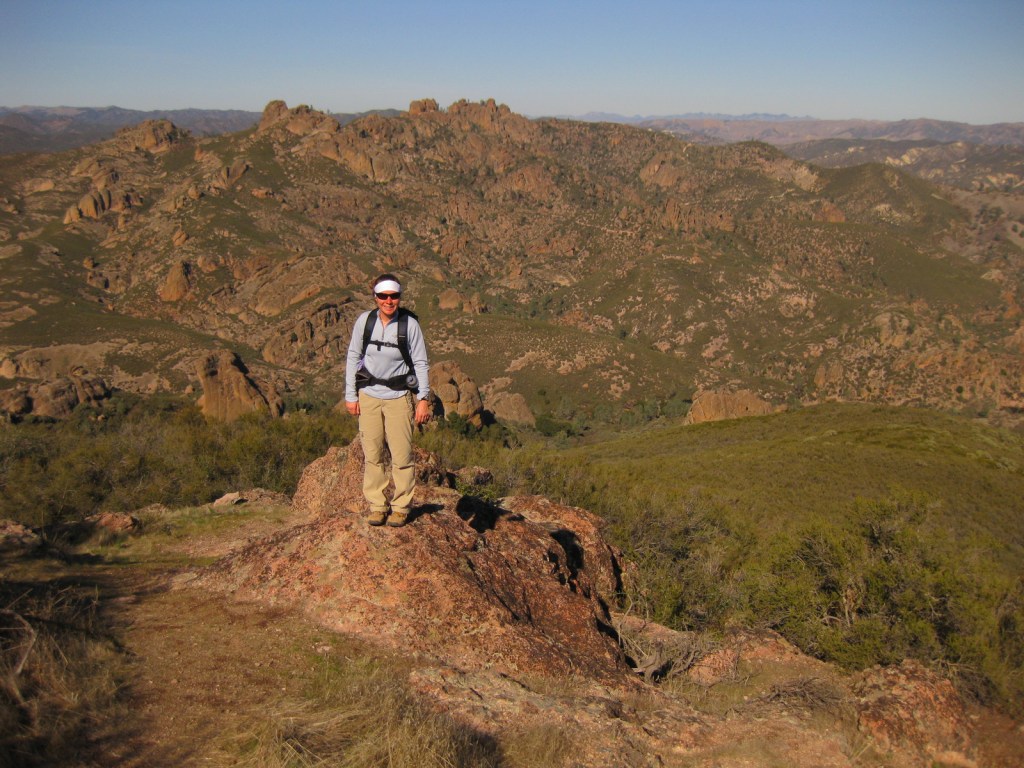
Mild temperatures make this a park for hiking in all seasons.  Just be sure to hold onto the chains while navigating the Steep and Narrow section of the steep High Peaks Trail.

Instagram-worthy Photo

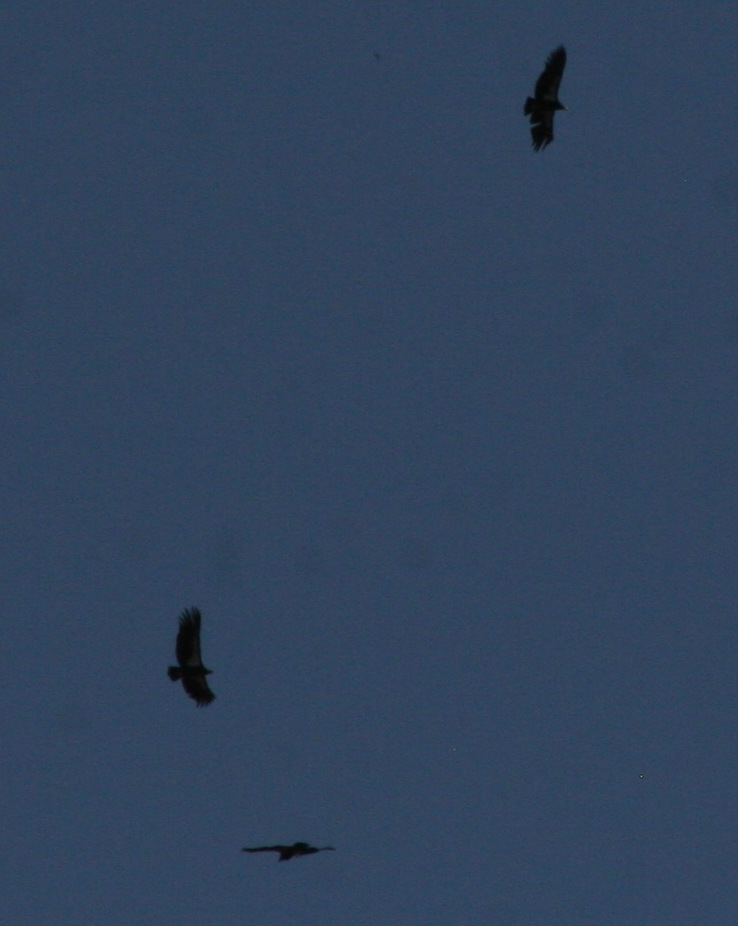
While you may not see a bat in the talus caves of Pinnacles National Park, it is likely you will spot the nine-foot wingspan of a California condor slicing the blue sky outside the caves.  This is perhaps the most successful of all release sites for this species teetering on the brink of extinction.

Peak Season

Summer

Hours

https://www.nps.gov/pinn/planyourvisit/hours.htm

Fees

$30 per vehicle or America the Beautiful pass

Road Conditions

All roads are paved, but there is not a road connecting the East and West Entrances, which are about a two-hour drive apart.

Camping

The West Entrance gate is locked every night as it is day use only, but there is a campground that takes reservations at the East Entrance.  No backcountry camping is allowed.

Related Sites

Yosemite National Park (California)

Channel Islands National Park (California)

Sequoia National Park (California)

This design we created to celebrate Joshua Tree National Park is available on a variety of products at Cafe Press and Amazon.

Explore More – Accessible by a nine-mile roundtrip hike with more than 2,000 feet of elevation gain, how tall is North Chalone Peak?

We are a participant in the Amazon Services LLC Associates Program, an affiliate advertising program designed to provide a means for us to earn fees by linking to Amazon.com and affiliated sites.

Wind Cave National Park

Overview

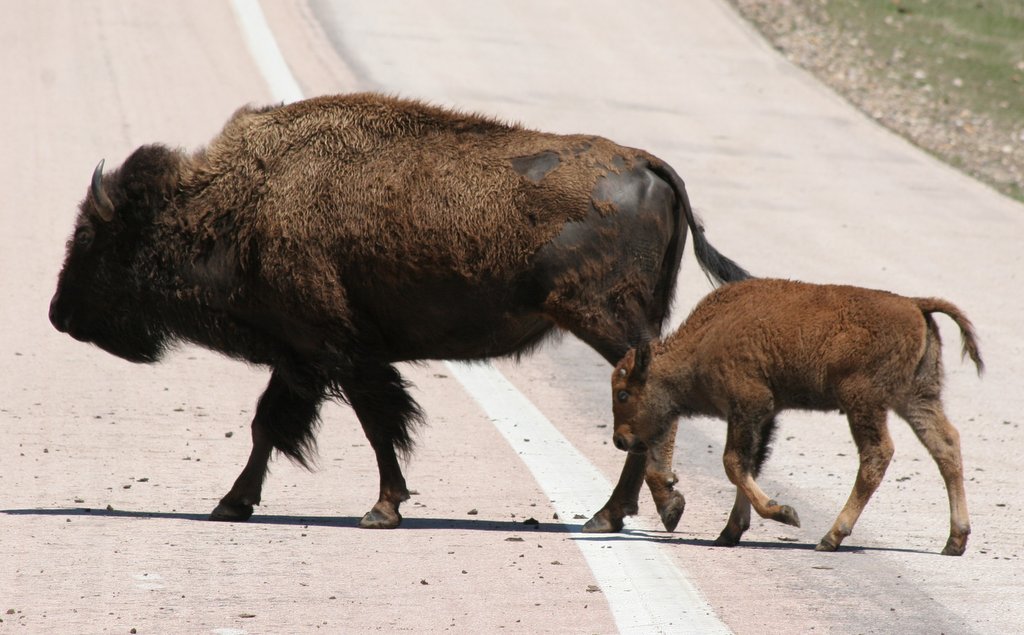
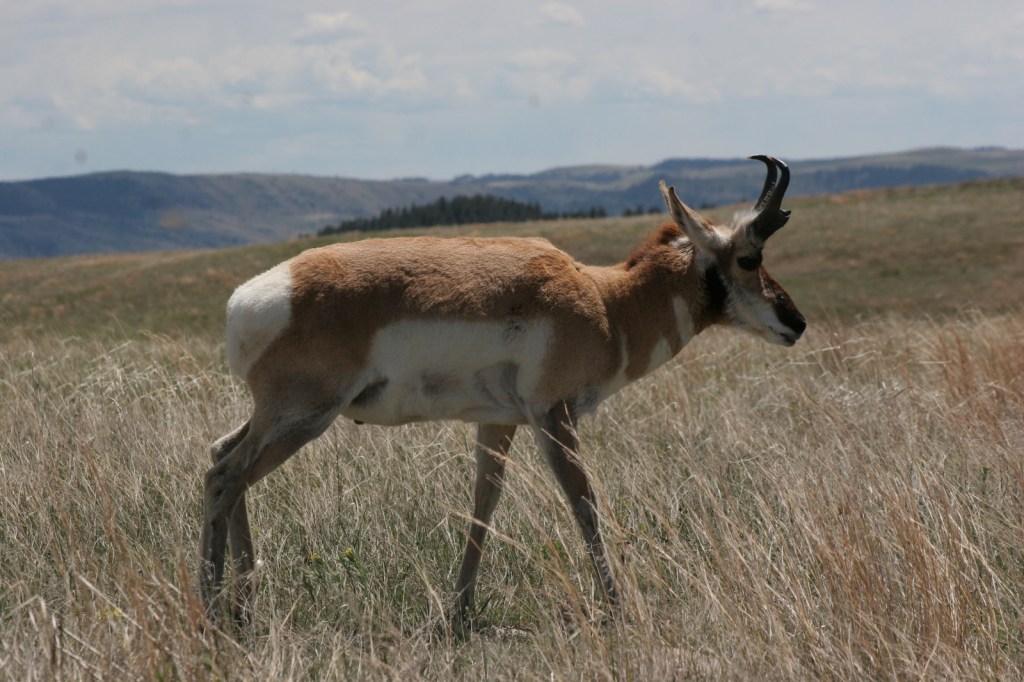
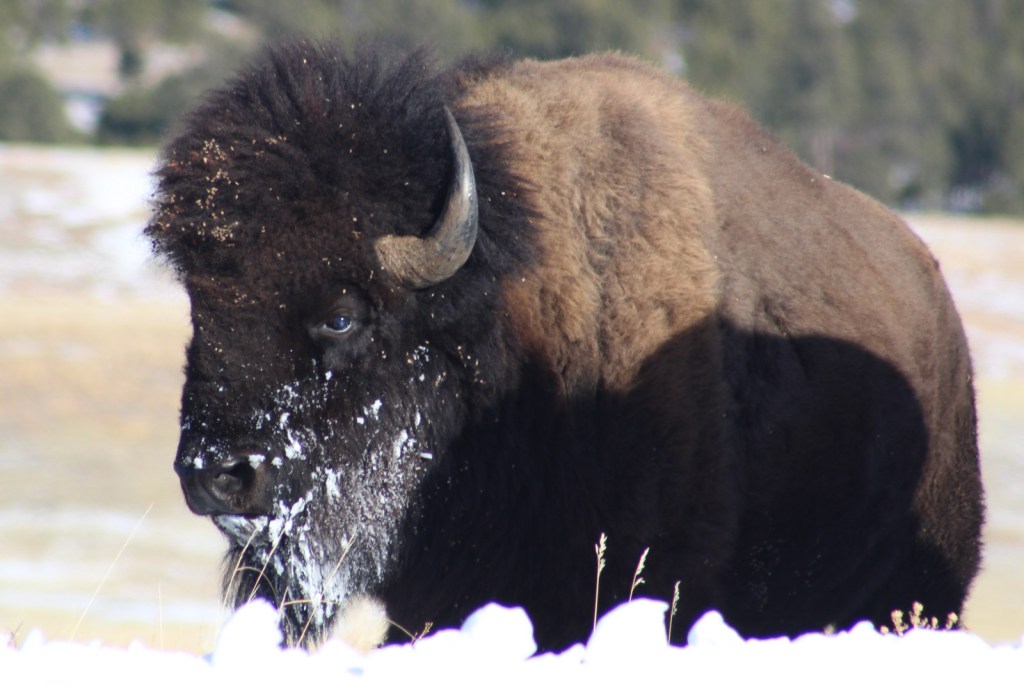
The seventh-longest mapped cave in the world, Wind Cave was discovered in 1881 by Black Hills settlers who noticed a whistling sound coming from its narrow natural entrance.  It was named a national park in 1903 and is famous for its boxwork calcite formations.  The National Park has a herd of approximately 400 bison, in addition to pronghorns, prairie dogs, turkeys, coyotes, white-tailed deer, and elk.

Learn more in our guidebook A Park to Yourself: Finding Adventure in America’s National Parks (available on Amazon).

Highlights

Museum, cave tours, Rankin Ridge lookout tower, Highland Creek Trail, wildlife

Must-Do Activity

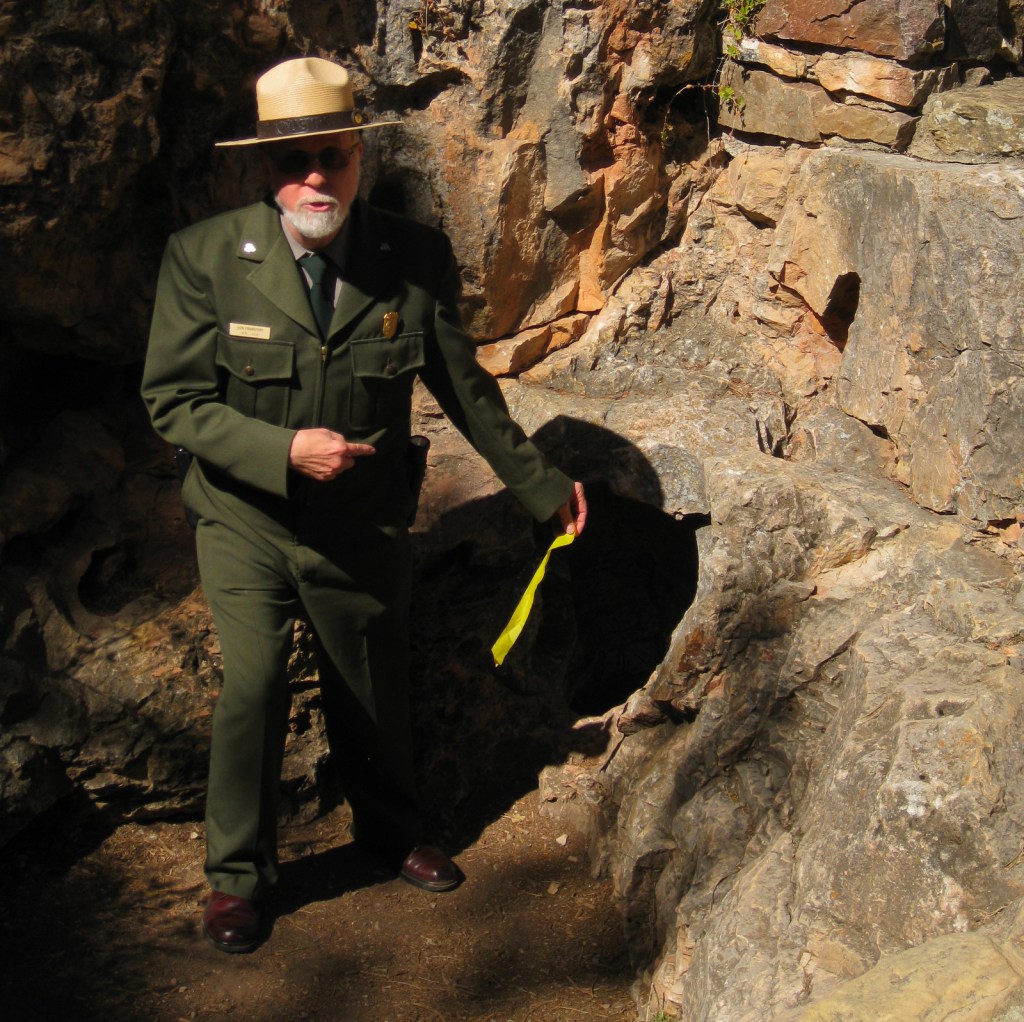
The interior of Wind Cave is a constant 53°F, so bring a jacket if you sign up for one of several tours.  For first-timers we recommend the Natural Entrance Tour, which involves entering a vapor lock revolving door and stair steps, not squeezing through the actual tiny natural entrance.  On the Candlelight Tour you carry lightweight metal candle-lanterns, just like 19th-century tourists.  It is only offered in the summer and explores an unlit section of the cave, but no cameras are allowed due to the open flames. 

Best Trail

There are several good trails that traverse the prairie and canyons that can be connected in a variety of loops.  We enjoy backpacking (free permit required) on Highland Creek Trail, where we always see bison.
Instagram-worthy Photo

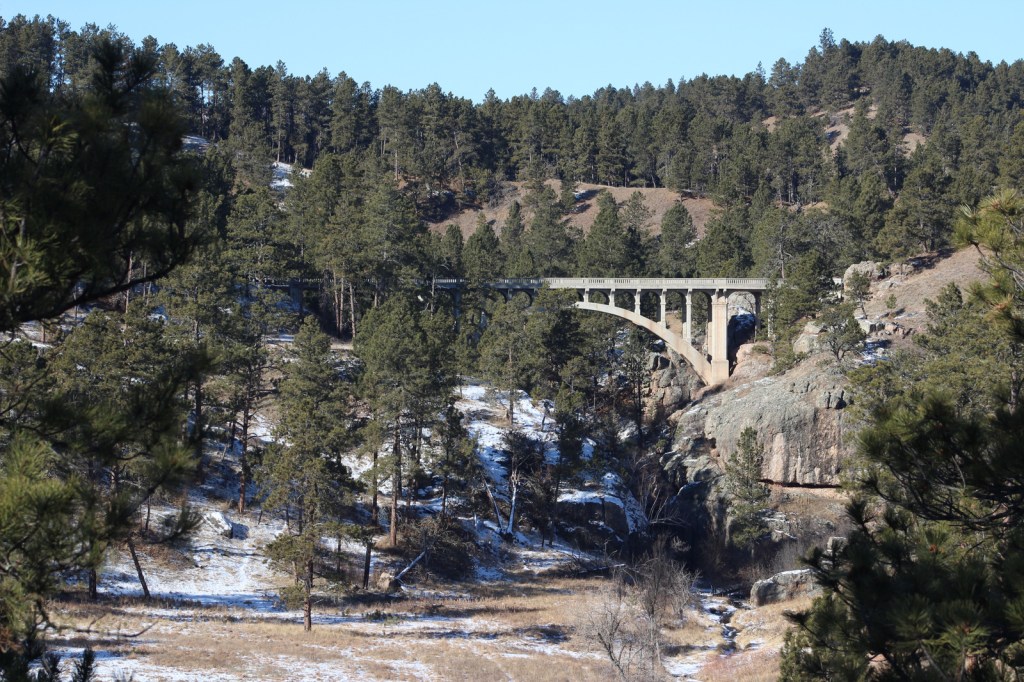
We have always loved the view of this bridge on Highway 87 over Beaver Creek.  There is also a wooden trestle “Pigtail Bridge” further down the road.

Peak Season

Summer

Hours

https://www.nps.gov/wica/planyourvisit/hours.htm

Fees

None for entry, but $12 per person for each cave tour ($30 for Wild Cave)

Road Conditions

The main roads are paved, but bison are most commonly spotted along Road 5, a graded dirt road through the scenic eastern section of the park bordering Custer State Park (admission fee).

Camping

The NPS runs Elk Mountain Campground or you can backpack camp with a free permit from the visitor center.  The surrounding Black Hills National Forest offers campgrounds and dispersed camping.

Related Sites

Jewel Cave National Monument (South Dakota)

Mount Rushmore National Memorial (South Dakota)

Badlands National Park (South Dakota)

This design we created to celebrate Wind Cave National Park is available on a variety of products at Cafe Press and Amazon.

Explore More – Wind Cave contains what percentage of the boxwork calcite formations discovered in the entire world?

We are a participant in the Amazon Services LLC Associates Program, an affiliate advertising program designed to provide a means for us to earn fees by linking to Amazon.com and affiliated sites.