Palo Alto Battlefield National Historical Park

Overview

The first battle of the Mexican-American War took place on May 9, 1846 north of the Rio Grande near present-day Brownsville, Texas.  General Zachary Taylor and a young Ulysses S. Grant (both future presidents) led U.S. troops during this engagement.  Palo Alto Battlefield National Historical Park was established in 1991 across 3,400 acres, and in 2011 an additional 38 acres were added in the heart of Brownsville to commemorate the Resaca de la Palma Battlefield.  Plus, a few earthen mounds remain of Fort Texas (later renamed Fort Brown) near a golf course on the campus of the University of Texas at Brownsville.

Highlights

Museum, film, cannons, interpretive trail

Must-Do Activity

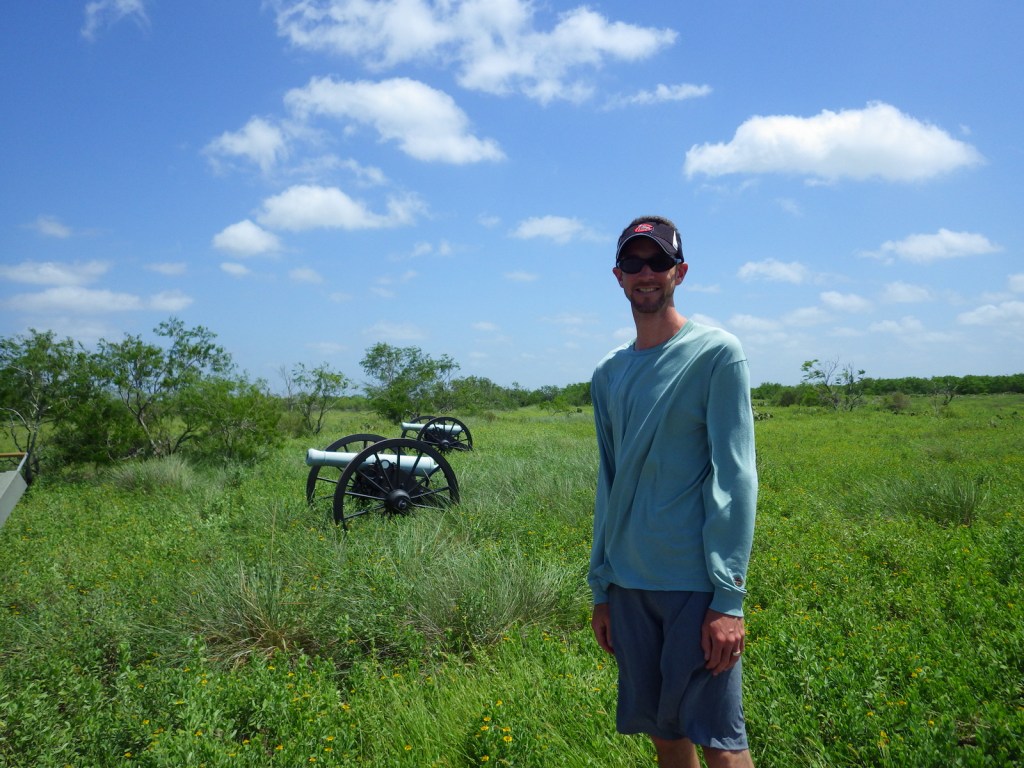
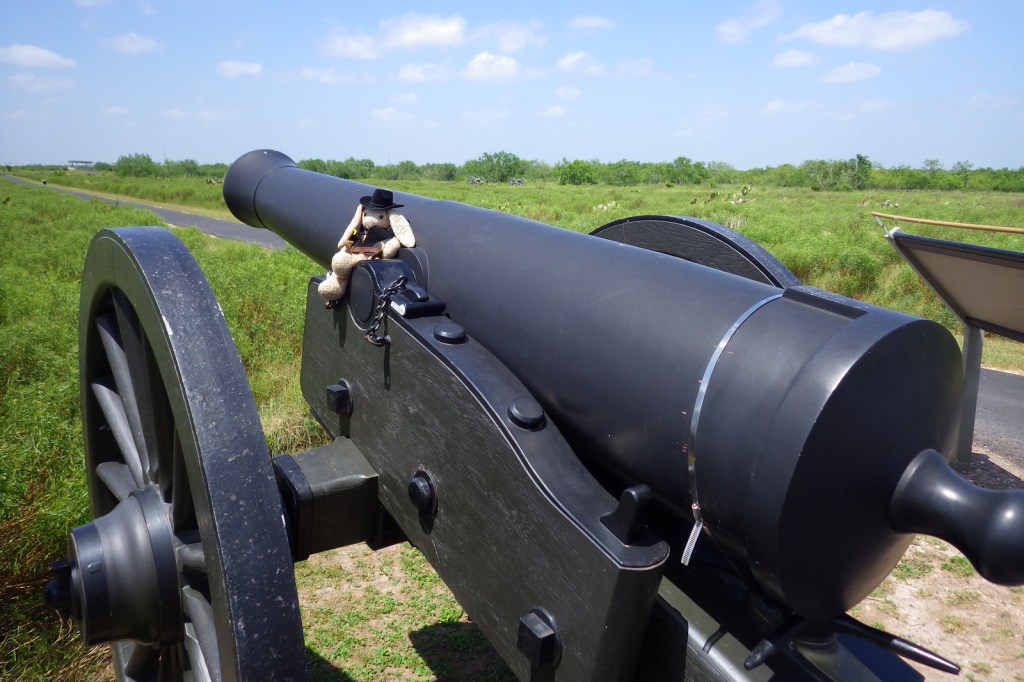
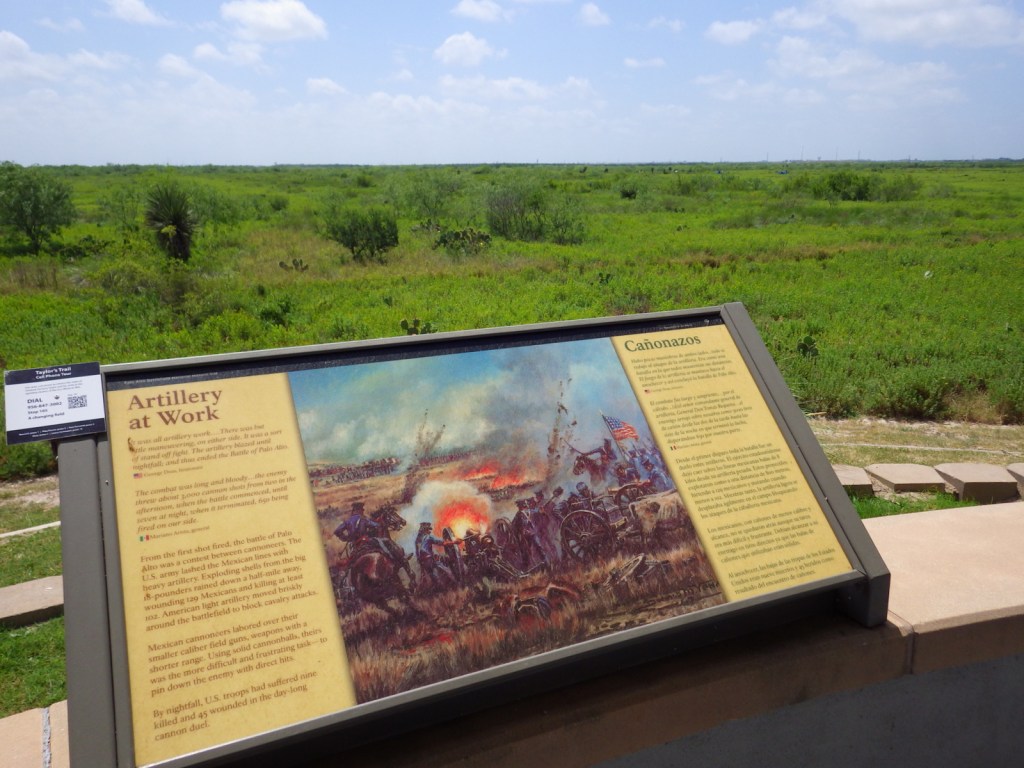
The 1846 battle was primarily an artillery conflict, so there are many cannons at Palo Alto Battlefield National Historical Park today showing how close the battle lines were.  This skirmish and a subsequent fight at Resaca de la Palma pushed Mexican troops back across the Rio Grande for the remainder of the two-year long war.  History buffs will also be interested in the Civil War history of this region, including the final battle of the war fought May 12-13, 1865 at Palmito Ranch.  Information about all of these sites can be found at the small yet nice visitor center that opened here in 2003. 

Best Trail

A half-mile paved interpretive trail leads through the battlefield from the visitor center.  While here you can also learn about Harris’s hawks, horned lizards, javelinas, and other remarkable species that live in the area and the surrounding Laguna Atascosa National Wildlife Refuge.

Instagram-worthy Photo

If you make it to this remote southern corner of the United States, make it a point to take a guided tram tour through Resaca de la Palma State Park.  The park is a great place to see bird species found nowhere else in the country, like the great kiskadee (pictured) and rose-throated becard.

Peak Season

Spring and fall

Hours

https://www.nps.gov/paal/planyourvisit/hours.htm

Fees

None for the NPS site, but there is an admission fee at Resaca de la Palma State Park.

Road Conditions

All roads paved

Camping

There are several private campgrounds around Brownsville, Texas.

Related Sites

Chamizal National Memorial (Texas)

Big Bend National Park (Texas)

Amistad National Recreation Area (Texas)
Explore More – Who was the president that campaigned on the platform of extending the U.S. border to the Pacific Ocean and subsequently annexed Texas in 1845 (fomenting the Mexican-American War)?
Niobrara National Scenic River

Overview

When most folks think of Nebraska they imagine endless dusty prairie scenes of the Oregon Trail, yet between the wide Platte and Missouri Rivers also runs the 535-mile long Niobrara River.  The Niobrara cuts across the 100th Meridian of Longitude that roughly divides in half the continental U.S.  This special area is home to species representative of the eastern forests, Rocky Mountains, boreal forests, and prairies; consequently it has high biodiversity.  The motto on the National Park Service (NPS) signs is “Public Waters, Private Land.”

Highlights

Fort Niobrara National Wildlife Refuge, Fort Falls Trail, Smith Falls State Park, canoeing, tubing

Must-Do Activity

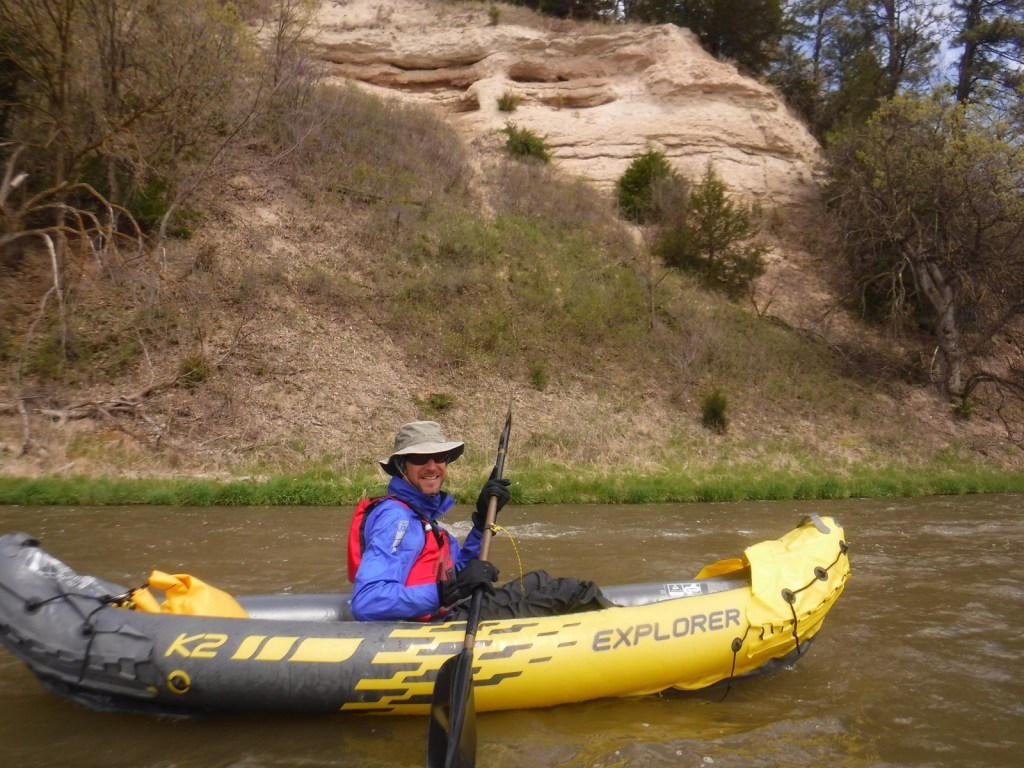
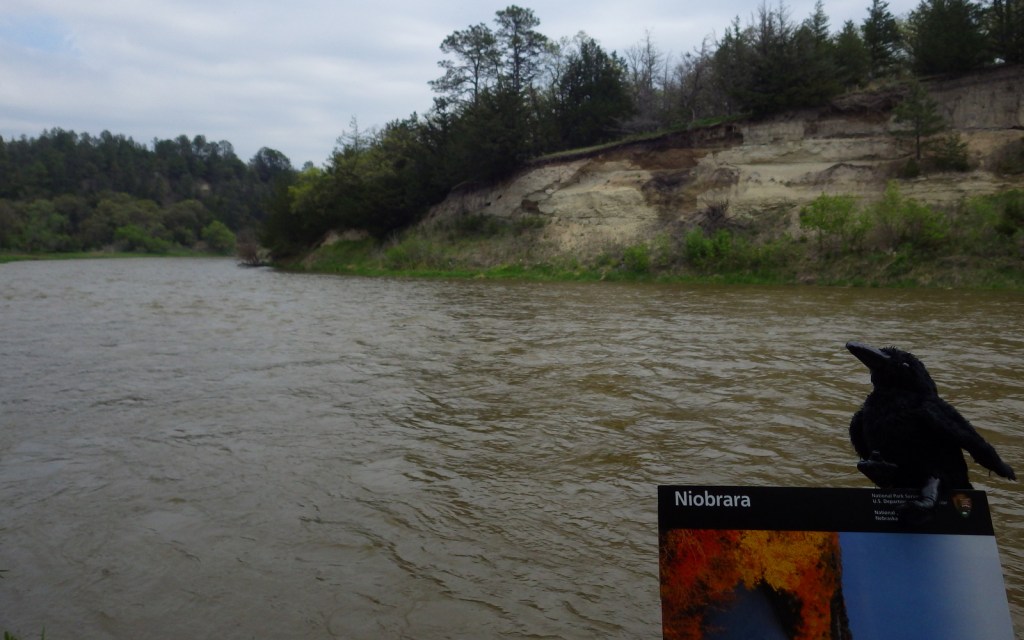
The 76-mile section of river designated the Niobrara National Scenic River in 1991 begins within Fort Niobrara National Wildlife Refuge where the first 4.8 miles are closed to the public.  The 22-mile section starting from Cornell Bridge is the most popular portion for canoers, tubers, and people who float downstream in round metal cattle troughs.  The Niobrara River has a few big Class IV rapids, but nothing more than Class II through the first 27 miles.  We floated to the portage at dangerous Rocky Ford Rapid at high water in May and encountered only Class I rapids and a few strainers along the shorelines.

Best Trail

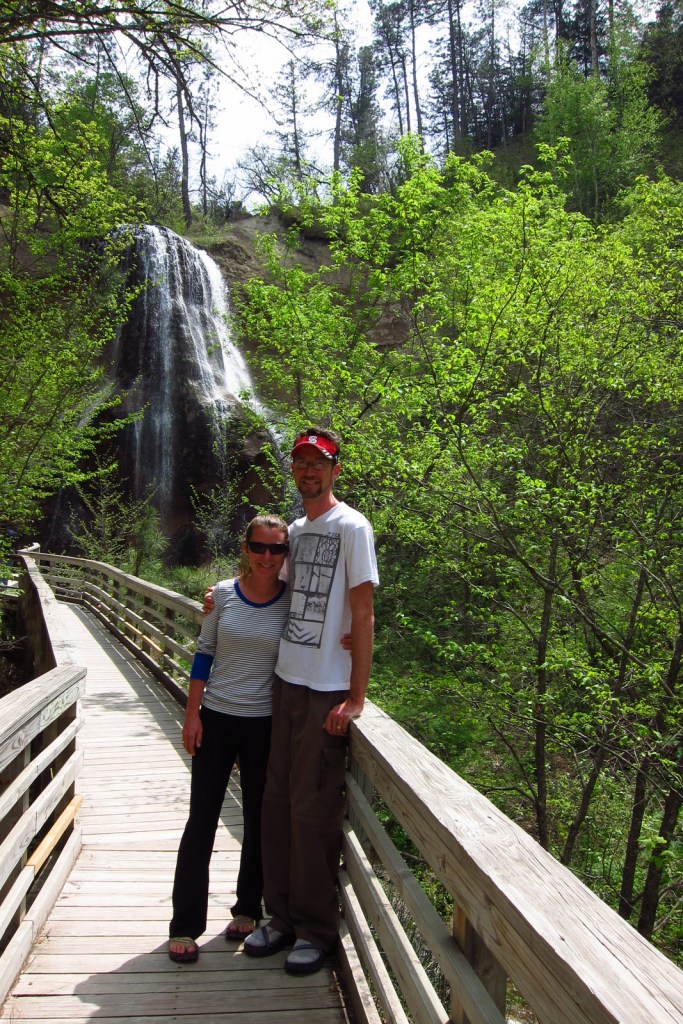
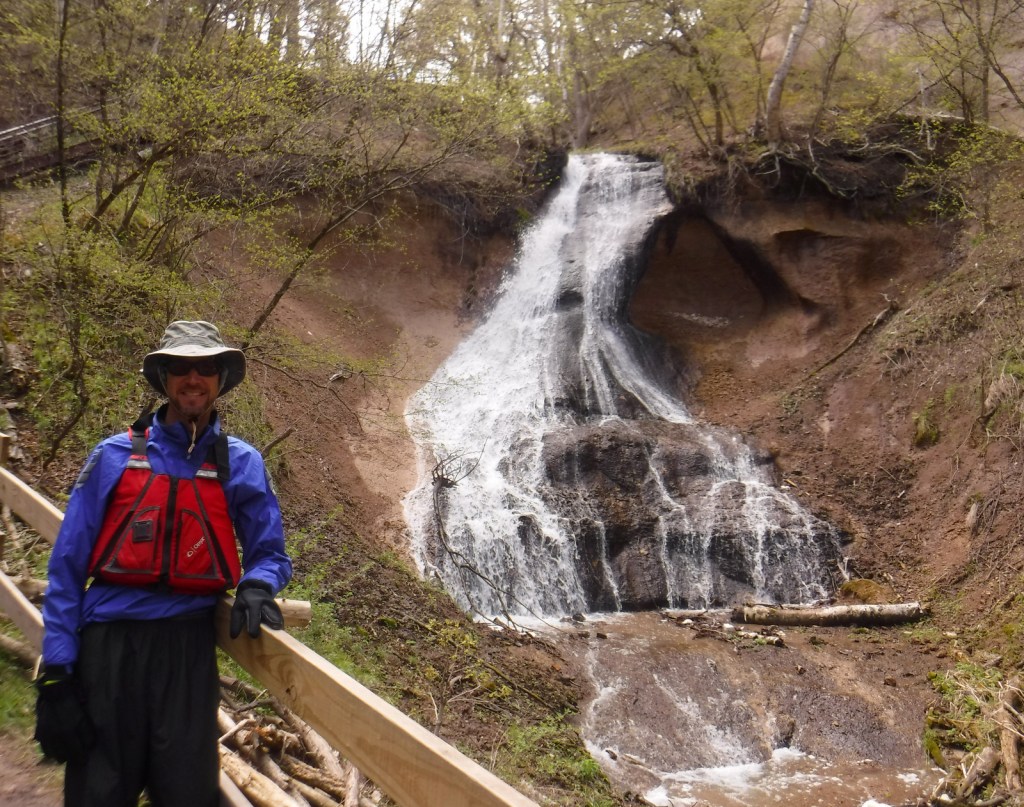
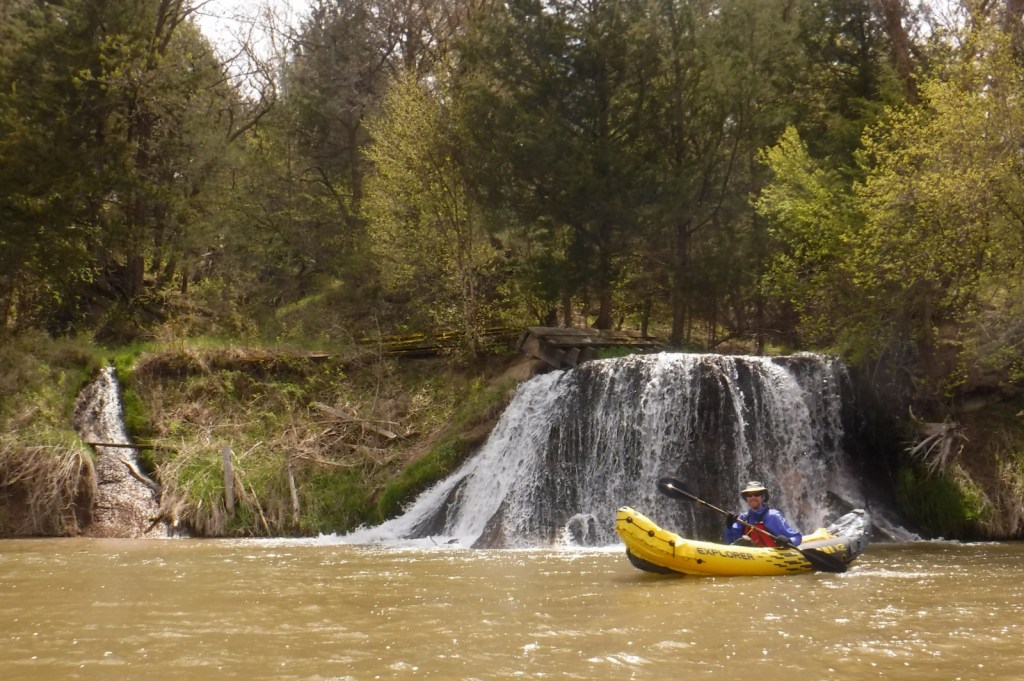
Pull off the river around Mile 15 in Smith Falls State Park to take the short boardwalk to a 63-foot tall waterfall.  The waterfalls along these cliffs are interesting because instead of pouring off a cut bank they develop a prominent ledge that grows as the limestone is dissolved and redeposited (like a cave formation).  You can also drive to the state park and walk over the Niobrara River on the Verdigre Bridge, originally built in 1910 and relocated here in 1996.

Instagram-worthy Photo

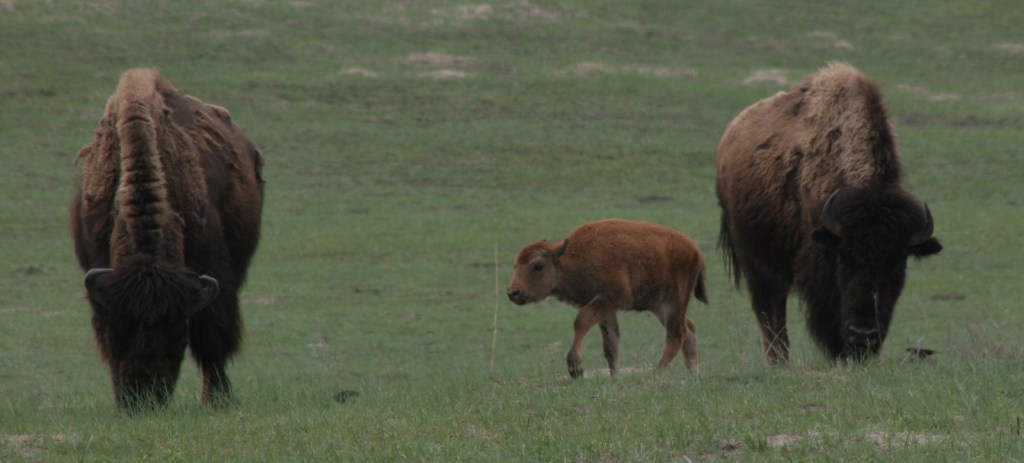
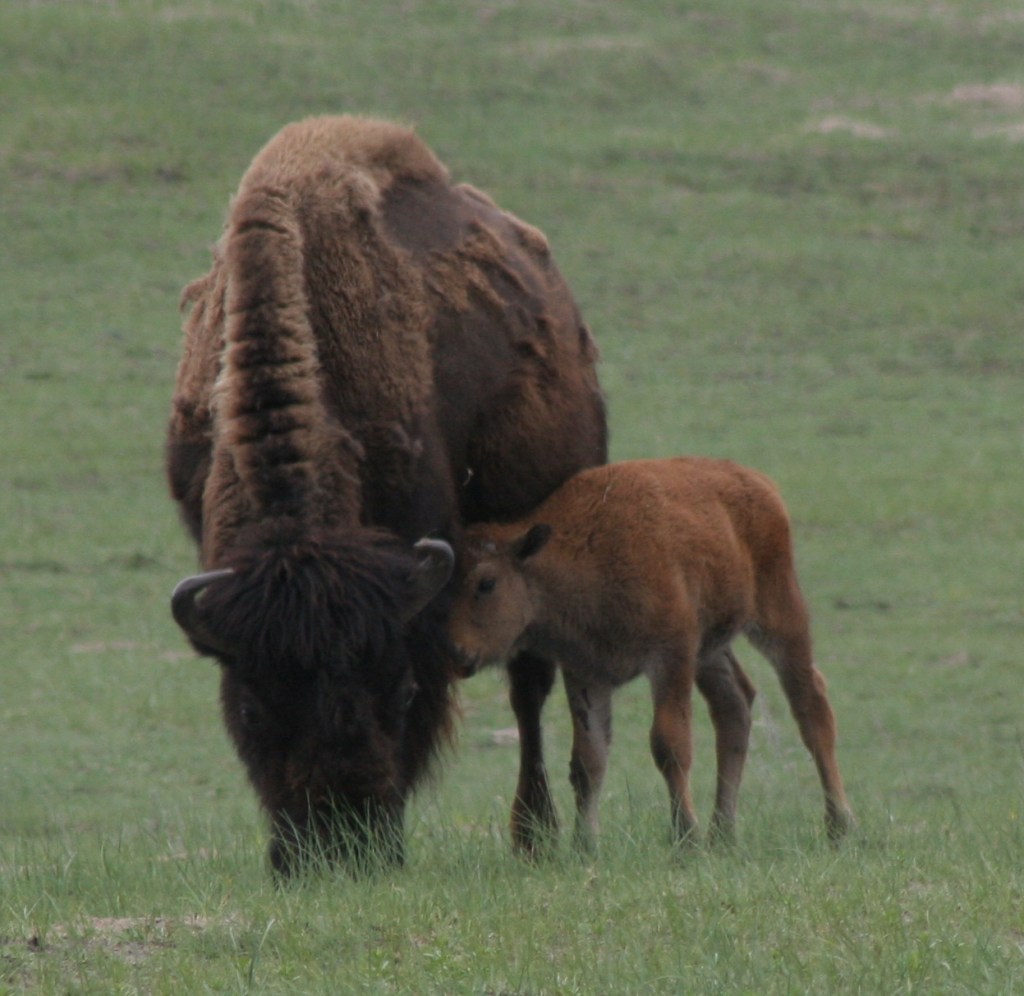
Do not miss the opportunity to drive the dirt road through Fort Niobrara National Wildlife Refuge to see the bison herd, especially in May when the bison calves are born.  The refuge also contains the short Fort Falls Trail, which forms a loop with views of a 45-foot tall waterfall.

Peak Season

Summer, though water levels drop after June.

Hours

https://www.nps.gov/niob/planyourvisit/hours.htm

Fees

None for the river, but there is a $1 per person launch fee in Fort Niobrara National Wildlife Refuge and entry/camping fees at Smith Falls State Park.

Road Conditions

The dirt roads in Fort Niobrara National Wildlife Refuge and Smith Falls State Park are well-maintained and passable to all vehicles.

Camping

Camping options are limited since most of the river banks are privately owned, though Smith Falls State Park offers a campground ($6/person/night) and other private campsites are marked on river maps.

Related Sites

Missouri National Recreation River (Nebraska-South Dakota)

Agate Fossil Beds National Monument (Nebraska)

Scotts Bluff National Monument (Nebraska)

Explore More – Named for a town in Nebraska, the Valentine Formation holds what types of fossils?

Yosemite National Park

Overview

Given its 4-million annual visitors, it can be hard to practice social distancing at Yosemite National Park.  In the summer, it can even be difficult to find parking in bustling Yosemite Valley.  The legendary valley is home to El Capitan and Half Dome, rock formations known around the world, as well as countless waterfalls.  For more ideas on what to do during your visit and how to avoid the crowds, check out our National Park guidebook, A Park to Yourself: Finding Adventure in America’s National Parks (available on Amazon).

Highlights

Yosemite Valley, Glacier Point, Tuolumne Meadows, Mariposa Grove

Must-Do Activity

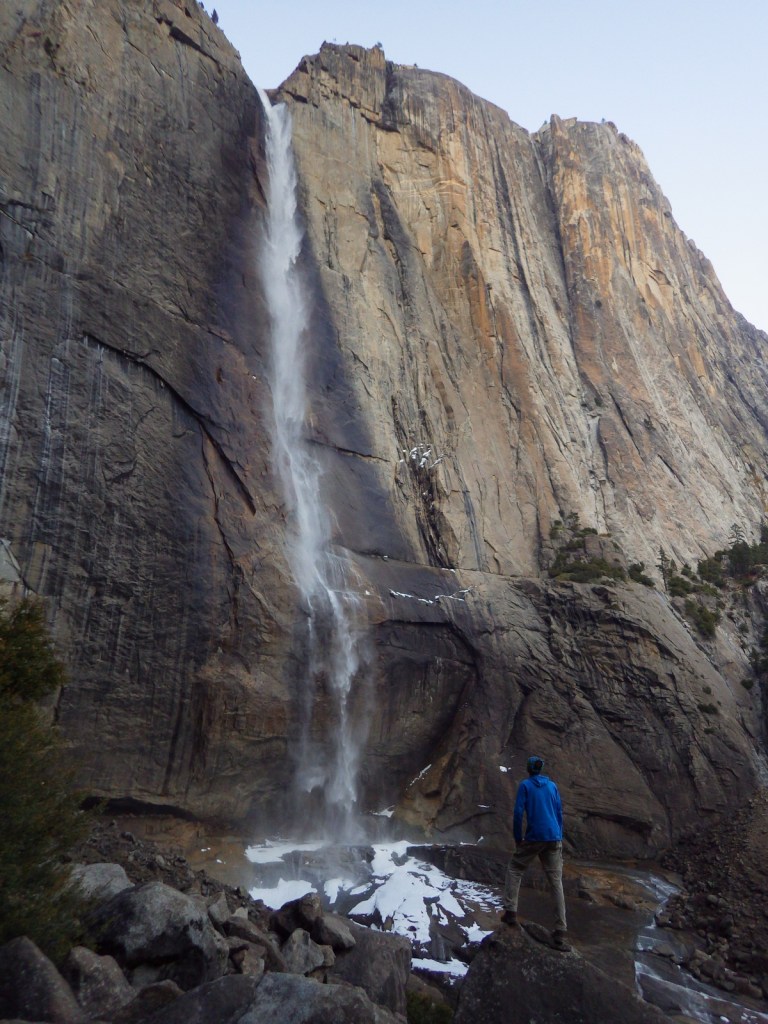
When entering Yosemite Valley on Highway 41 from the south, your first sight of the valley is stunning upon emerging from a long tunnel.  You simply have to stop at the iconic Tunnel View parking area.  Although the forest here is denser than in the past, the scene has not changed much since President Lincoln signed the bill to preserve this area in 1864.  While the Yosemite Valley can get incredibly busy during peak tourist season, hike a mile up a trail and you might find a solitary place to enjoy one of the numerous waterfalls.

Best Trail

Formerly a paved tram route, the trail through the Mariposa Grove of giant sequoia trees is a major highlight outside Yosemite Valley.  We especially enjoyed snowshoeing there in the winter.

Instagram-worthy Photo

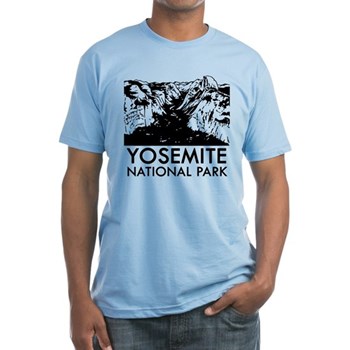
From May to November, you can drive up to Glacier Point for great views into Yosemite Valley from the cliffs above.  We chose this overlook for our original logo of Yosemite National Park (see below).

Peak Season

Summer

Hours

https://www.nps.gov/yose/planyourvisit/hours.htm

Fees

$35 per vehicle or America the Beautiful pass

Road Conditions

All roads are paved, even the one that goes over 9,945-foot high Tioga Pass, which crosses the Sierra Nevada and is closed in the winter (as is Glacier Point Road, though it remains open to cross-country skiers).

Camping

There are multiple campgrounds within the park and some take reservations, but there are no RV hookups except outside the park.

Related Sites

Sequoia National Park (California)

Devils Postpile National Monument (California)

Whiskeytown National Recreation Area (California)

This design we created to celebrate Yosemite National Park is available on a variety of products at Cafe Press and Amazon.

Explore More – John Muir wrote extensively about the Yosemite Valley and Sierra Nevada, but many of his readers do not know he was an immigrant to America; in what country was he born?

We are a participant in the Amazon Services LLC Associates Program, an affiliate advertising program designed to provide a means for us to earn fees by linking to Amazon.com and affiliated sites.

Cape Cod National Seashore

Overview

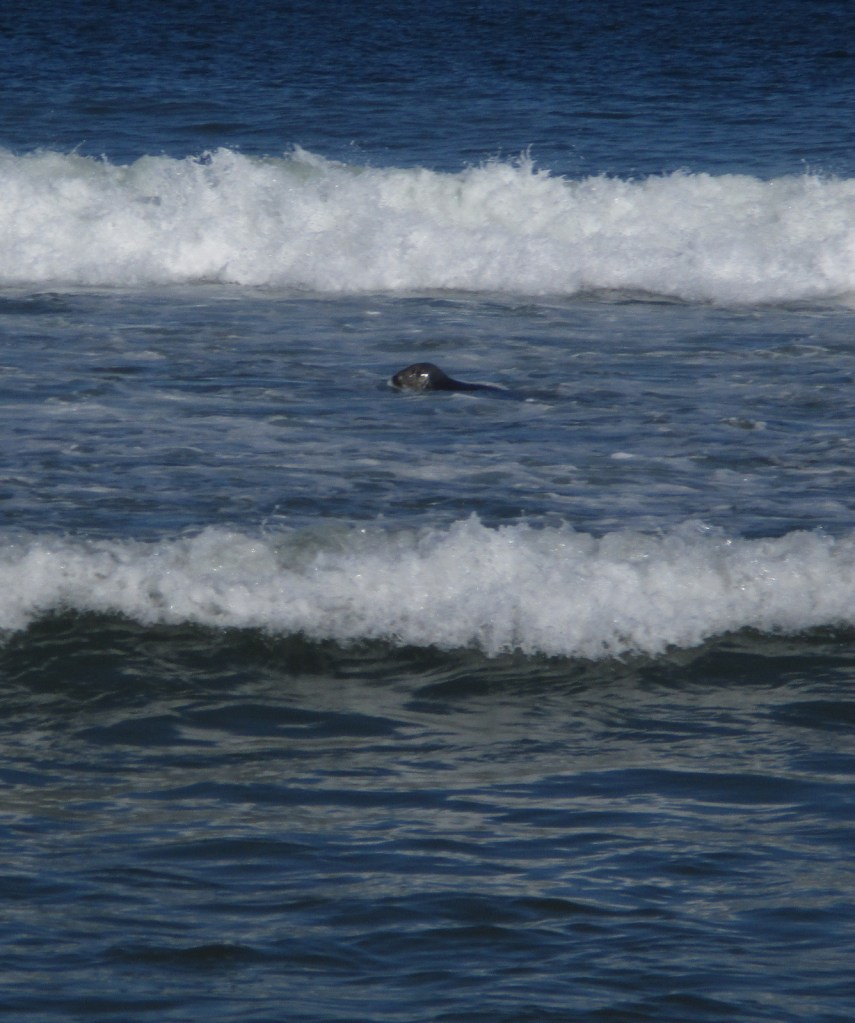
Northernmost of the ten National Seashores in the National Park Service (NPS) system, Cape Cod National Seashore includes 40 miles of shoreline on the narrow glacial deposit that sticks out of Massachusetts like a fishhook.  Its 44,000 acres are interspersed with towns that manage (and charge for) many of the beaches along the coastline.  Watch for gray seals playing in the surf, which attract predators like great white sharks to the shallows.  Even if you want to swim in the chilly ocean water, if you see gray seals it is best to go somewhere else so you are not confused with food.

Highlights

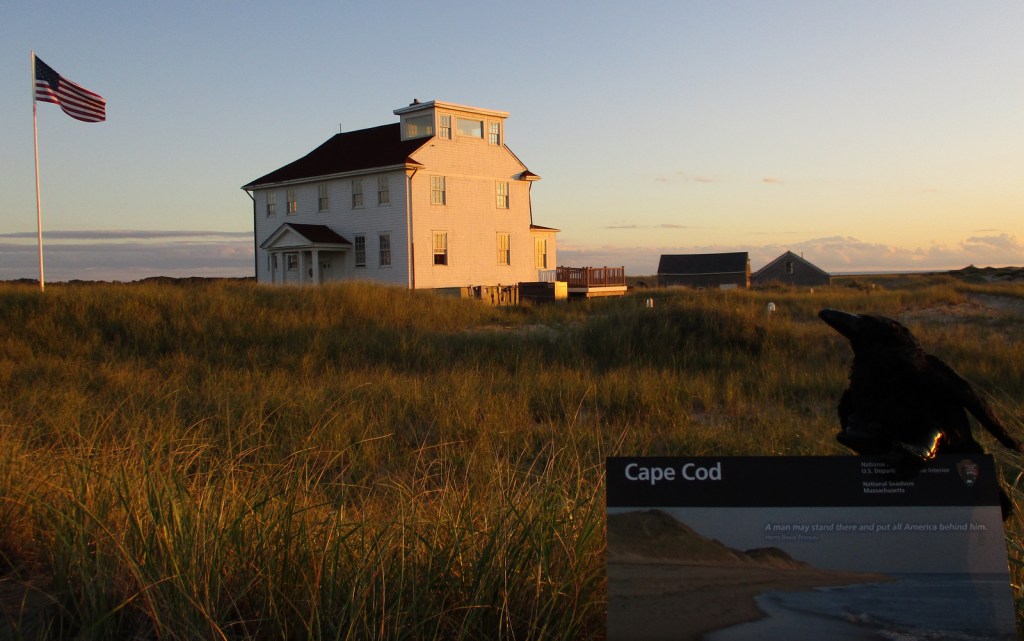
Nauset Light, Three Sisters Lighthouses, Old Harbor Life-Saving Station Museum

Must-Do Activity

The best place to start your visit is Salt Pond Visitor Center, which has a museum run by the NPS.  Located right off Highway 6, it is also a great place to stretch your legs on the Buttonbush or Nauset Marsh Trails.  From there, it is a short drive to Coast Guard or Nauset Light Beaches that offer tram service when parking lots are full.  Lifeguards are on duty at specific beaches from late June through Labor Day, which should give an indication of the short season when it is actually warm enough to enjoy the water.

Best Trail

There are 12 self-guided trails within Cape Cod National Seashore, plus three bicycle trails up to 7.3 miles long.  Our favorite was the one-mile Beech Forest Trail near Race Point Beach at the tip of Cape Cod.

Instagram-worthy Photo

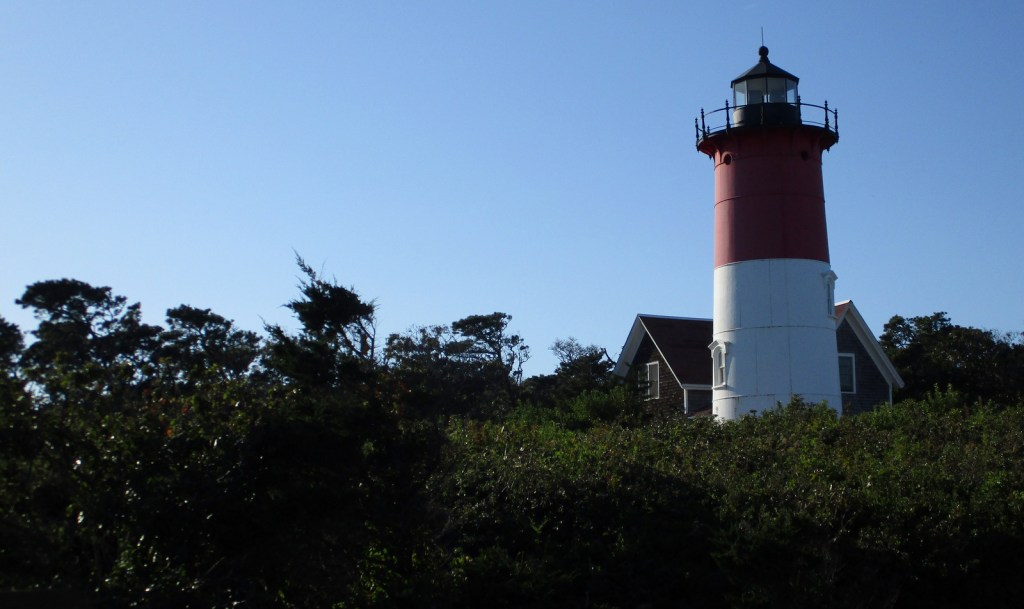
If the red-striped Nauset Light looks familiar that is because you might have seen it on a bag of potato chips at the grocery store.  While there, take a walk over to the Three Sisters Lighthouses that have also been moved inland from their original eroding clifftop locations.

Peak Season

Summer

Hours

https://www.nps.gov/caco/planyourvisit/hours.htm

Fees

$25 per vehicle or America the Beautiful pass

Road Conditions

All roads are paved and a permit from the Oversand Station at Race Point is required for those wishing to drive on designated sand routes.

Camping

No camping is offered through the NPS, but there are several private and state-run campgrounds, plus countless motels and vacation rentals.

Related Sites

Salem Maritime National Historic Site (Massachusetts)

Boston Harbor Islands National Recreation Area (Massachusetts)

Fire Island National Seashore (New York)

Explore More –Who was the famous Italian inventor that transmitted transatlantic radio signals from massive antennas on Cape Cod in the early 1900s?

Top 10 National Park Service Sites for Wildlife Watching

There are 419 units in the National Park Service (NPS) system and they are among the best places to watch wildlife in the United States.  We previously ranked our Top 10 places for spotting wildlife among the 62 National Parks, so this is the best of the rest.  Click here to check out all of our Top 10 lists.

10. Ozark National Scenic Riverways (Missouri)

There are many fish-eating birds all along these floatable rivers, plus beavers.

9. Big Thicket National Preserve (Texas)

Wildlife in this diverse preserve ranges from alligators to roadrunners.

8. Virgin Islands Coral Reef National Monument (U.S. Virgin Islands)

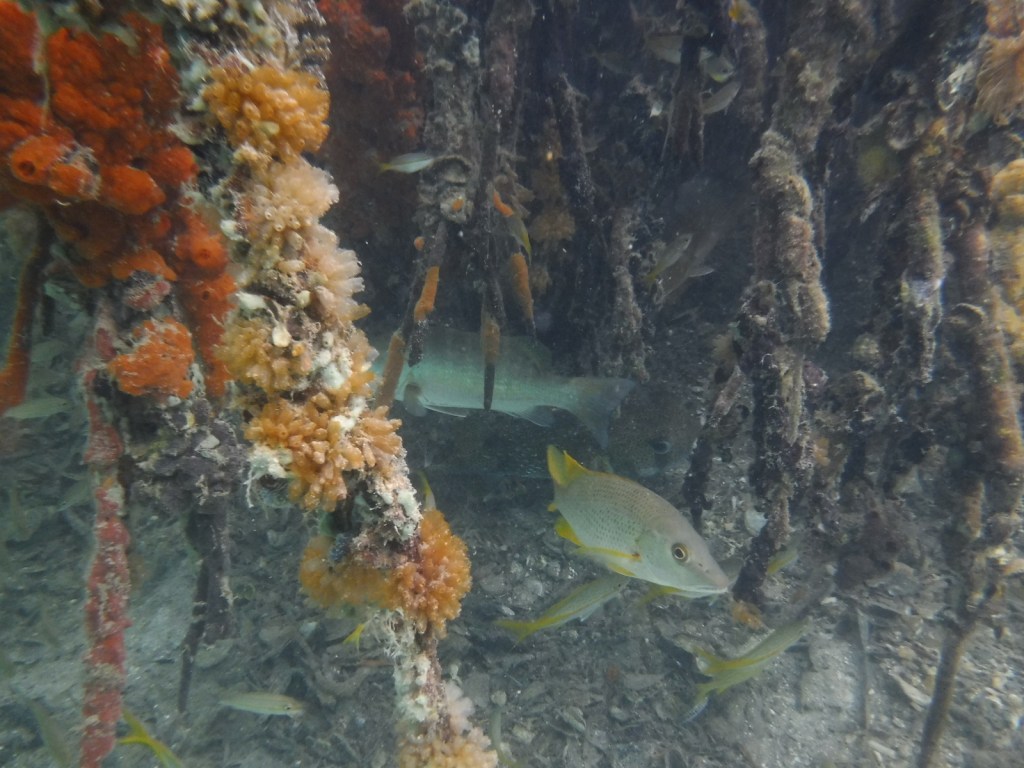
There is no dry land within its acreage, so expect many tropical fish and other mangrove residents.

7. Cumberland Island National Seashore (Georgia)

Feral horses are one of the main draws to this remote section of the Atlantic Coast.

6. Padre Island National Seashore (Texas)

The Gulf Coast is a great place for white-tailed deer and sea turtles, but watch out for Portuguese man-o-wars.

5. Kaloko-Honokōhau National Historical Park (Hawai‘i)

There is good snorkeling just outside the park where sea turtles are commonly seen.

4. Cape Cod National Seashore (Massachusetts)

Gray seals attract great white sharks, so swim at your own risk.

3. Big Cypress National Preserve (Florida)

Alligators and Florida panthers are among the residents of this wild section of the Everglades.

2. Buck Island Reef National Monument (U.S. Virgin Islands)

Possibly the best coral reef in the entire NPS system surrounds this tiny island.

…and finally our #1 National Park Service sites for wildlife watching:

1. Point Reyes National Seashore (California)

Tule elk have been reintroduced here, plus watch elephant seals and gray whales in the winter.

Honorable Mentions

Harriet Tubman Underground Railroad National Historical Park (Maryland)

Blackwater National Wildlife Refuge is adjacent to this swampy park.

San Juan Island National Historical Park (Washington)

Tide pools are a big attraction to this park’s 6.1 miles of protected shoreline.

Buffalo National River (Arkansas)

Bald eagles, ospreys, and great blue herons make this a dangerous place to be a fish.