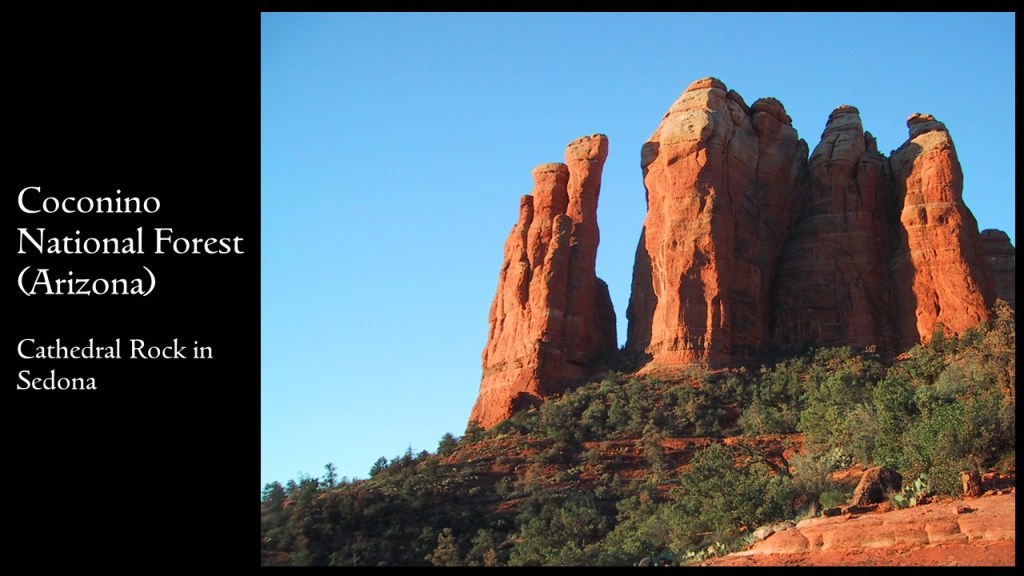
Carson National Forest

Carson National Forest

New Mexico

Managed by U.S. Forest Service, Southwestern Region

1,490,468 acres (1,391,674 federal/ 98,794 other)

Website: https://www.fs.usda.gov/carson

Overview

Carson National Forest is spread across the Sangre de Cristo Mountains that run 200 miles from northern New Mexico into southern Colorado’s Rio Grande and San Isabel National Forests.  In 1982, the Pennzoil Corporation donated the Valle Vidal Unit (about 100,000 acres) to the Forest Service.  A decade earlier, the Taos Pueblo successfully lobbied to return sacred Blue Lake to the tribe and remove it from Carson National Forest. 

Highlights

Enchanted Circle Scenic Byway, Wheeler Peak, Clayton Pass, Vista Grande, Brazos Ridge Overlook, Canjilon Lakes, Lobo Peak, Echo Amphitheater, Cabresto Lake, Pot Creek Cultural Site, Amole Canyon, Devisadero Loop Trail, Continental Divide National Scenic Trail, Columbine-Twining National Recreation Trail

Must-Do Activity

The National Forest contains New Mexico’s highest point (13,161-foot Wheeler Peak) near Taos Ski Valley, one of several ski resorts found here.  The gravel parking lot fills up early on summer weekends, as those looking to summit want to finish before afternoon thunderstorms.  If a 14-mile roundtrip hike with 3,771 feet of elevation gain sounds too strenuous, there are plenty of other trails around Taos Ski Valley listed below.

Best Trail

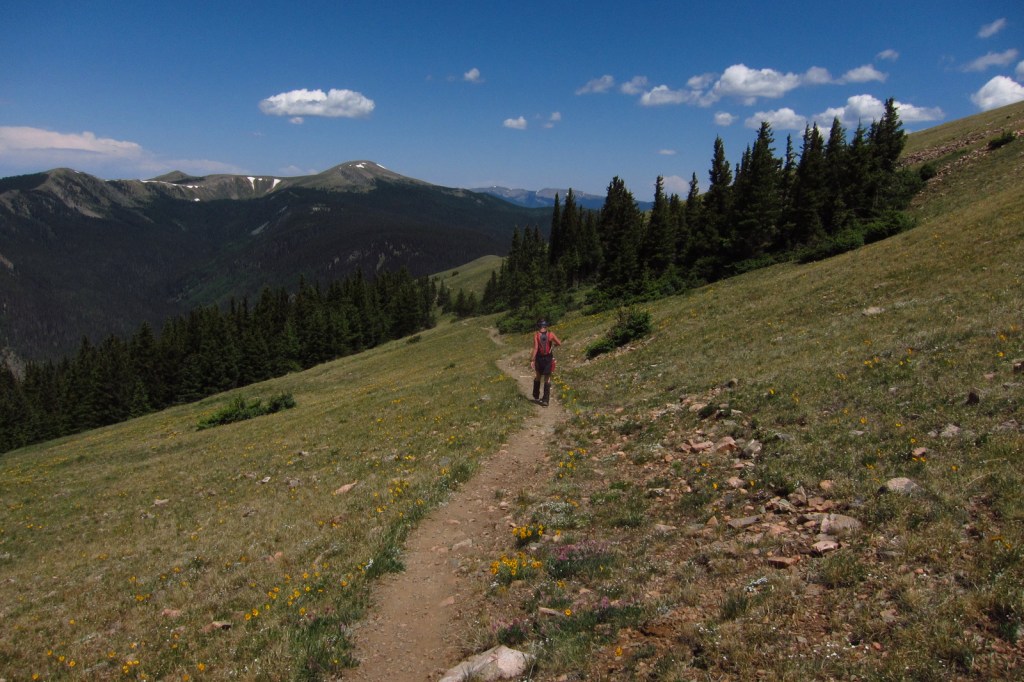
There is an extensive trail system that spiders out from Taos Ski Valley, including several that follow canyon streams and access small mountain lakes.  We recommend the Bull of the Woods Trail if you want to avoid the crowds summiting Wheeler Peak.  Other hiking options in the area include Williams Lake, Long Canyon, Lobo Peak, and Goose Lake.

Watchable Wildlife

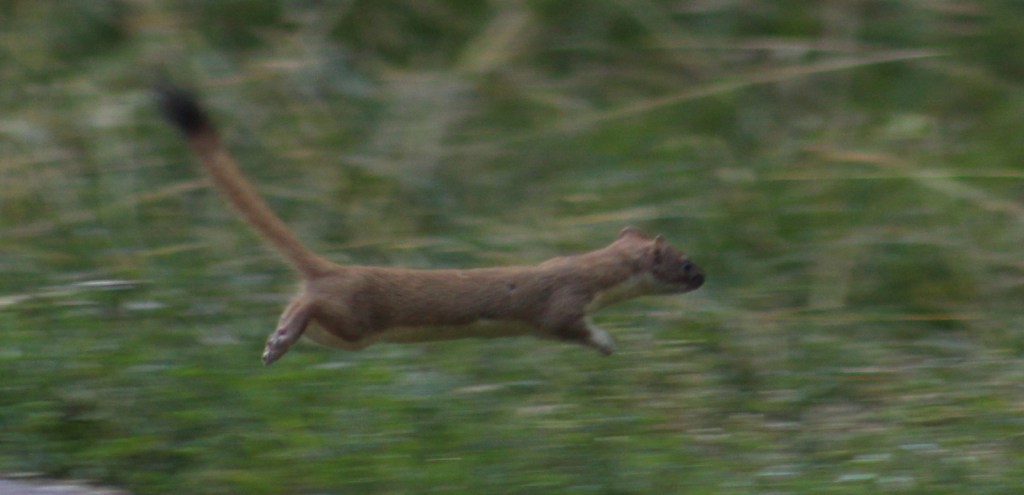
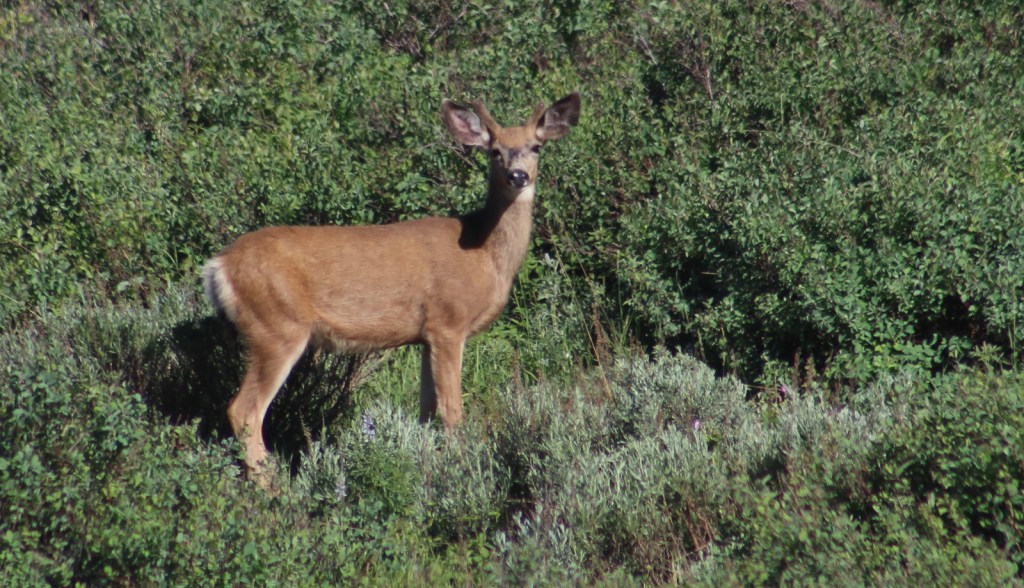
Mule deer, elk, pronghorn, and bighorn sheep are large ungulates found in Carson National Forest.  Its carnivores include black bears, coyotes, red foxes, bobcats, and mountain lions.  The National Forest’s lakes and 400 miles of rivers and streams are mostly stocked with native trout species.

Instagram-worthy Photo

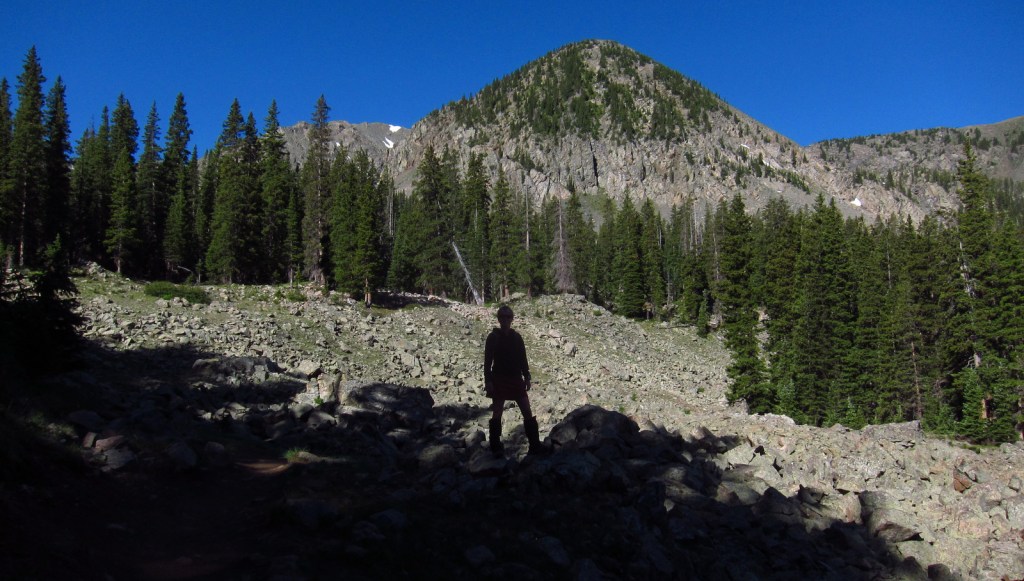
Alpine views abound on the hike up to 13,161-foot Wheeler Peak, the highest point in New Mexico.

Peak Season

Summer

Fees

None

Road Conditions

State Highway 150 is paved to Taos Ski Valley except for the very end, which is a good gravel road (as is FR 597 north of Red River).

Camping

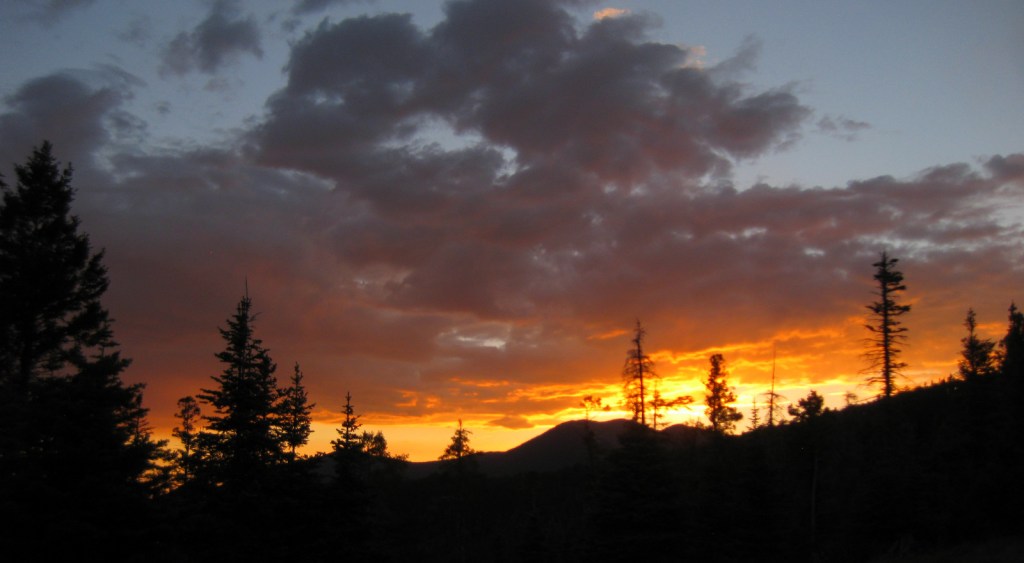
There are many great places to camp in Carson National Forest, with notable areas being Elephant Rock Campground, Hopewell Lake Campground, and several campgrounds around the Canjilon Lakes.  We set up a dispersed camp near a high mountain pass on FR 597 above the town of Red River in the summer.

Wilderness Areas

Chama River Canyon Wilderness (also in Santa Fe National Forest)

Cruces Basin Wilderness

Latir Peak Wilderness

Pecos Wilderness (also in Santa Fe National Forest)

Wheeler Peak Wilderness

Related Sites

Pecos National Historical Park (New Mexico)

Bandelier National Monument (New Mexico)

Fort Union National Monument (New Mexico)

Nearest National Park
Great Sand Dunes

Conifer Tree Species

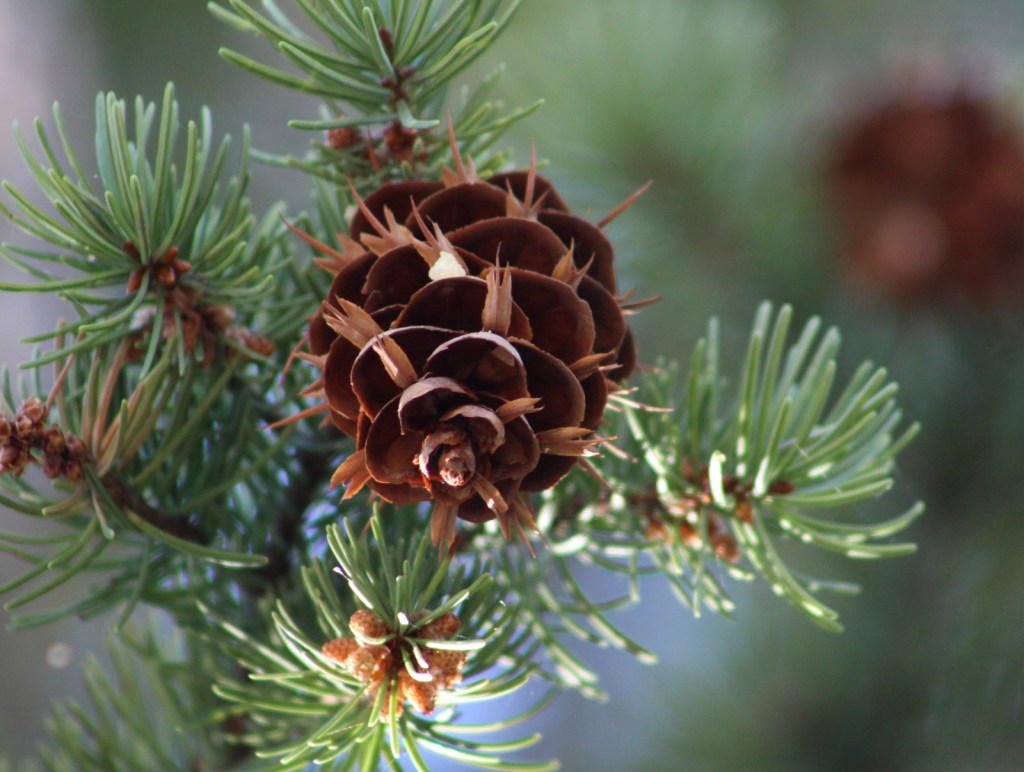
Engelmann spruce, limber pine, Rocky Mountain bristlecone pine, two-needle pinyon pine, ponderosa pine, Douglas-fir, white fir, subalpine fir

Flowering Tree Species

Gambel oak, quaking aspen, bigtooth maple, boxelder, New Mexico locust, Fremont cottonwood, netleaf hackberry

Explore More – Who was the U.S. President that pushed through Congress the Taos Pueblo appeal to return Blue Lake?

Learn more about Carson and the 154 other National Forests in our new guidebook Out in the Woods

We are a participant in the Amazon Services LLC Associates Program, an affiliate advertising program designed to provide a means for us to earn fees by linking to Amazon.com and affiliated sites.
Top 10 Blog Posts from Our Fourth 100

To celebrate reaching the milestone of our 400th blog post, we are linking to our top 10 posts from 301-400 based on number of likes.  Please check out our Top 10 from the first 100, 200, and 300 (or click here if you want to see all of our Top 10 Lists, including our meta Top 10 of Our Top 10 Lists).  Thank you to our readers for inspiring us to continue traveling and to share the wonders with you all.

When we last posted we were starting work on our guidebook for the 155 U.S. National Forests, which is now published on Amazon.  We had no idea we would write four articles for our local newspaper (and be interviewed for another), give a presentation at our library on National Forests, or publish a coloring book based on illustrations from our first guidebook to the National Parks.  Who knows what we will do between now and our 500th post?

10. Canaveral National Seashore (Florida)

9. Chattahoochee River National Recreation Area (Georgia)

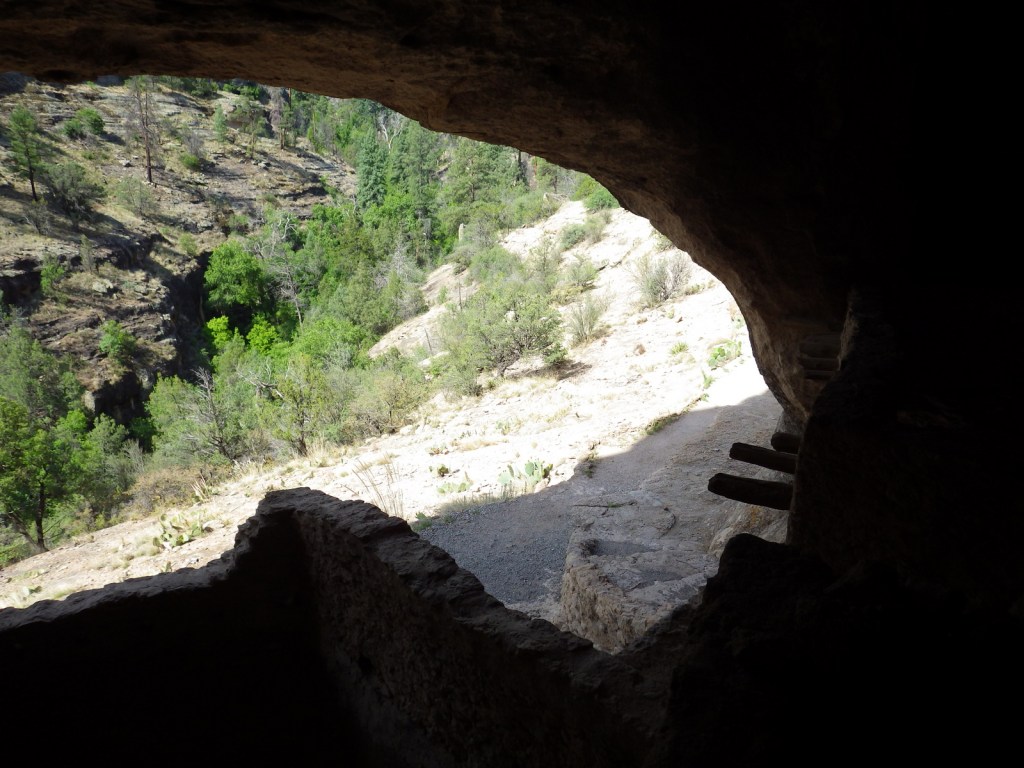
Gila Cliff Dwellings National Monument (New Mexico)

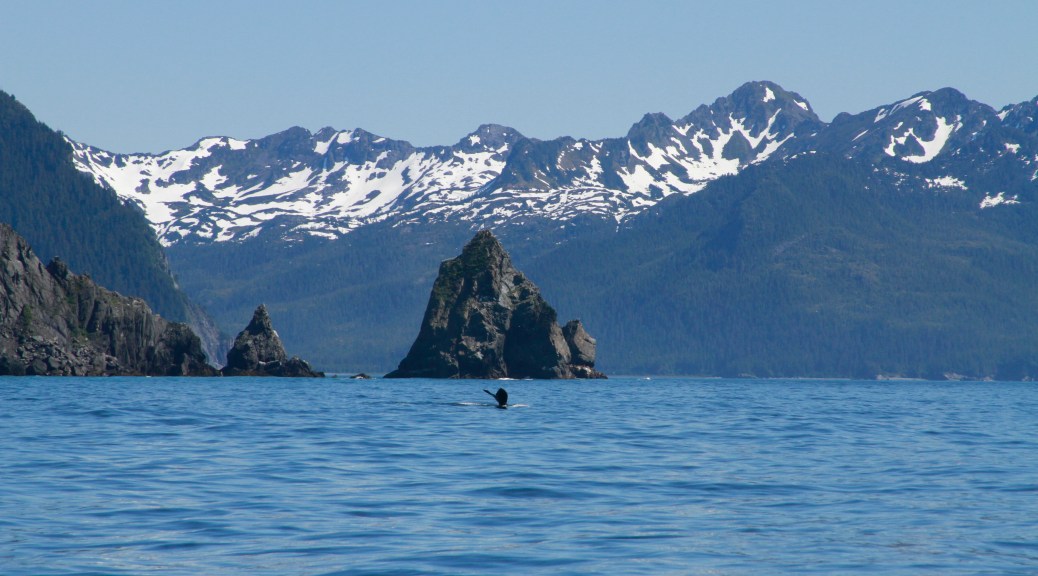
7. Kenai Fjords National Park (Alaska)

6. Arapaho National Recreation Area (Colorado)

5. Cuyahoga Valley National Park (Ohio)

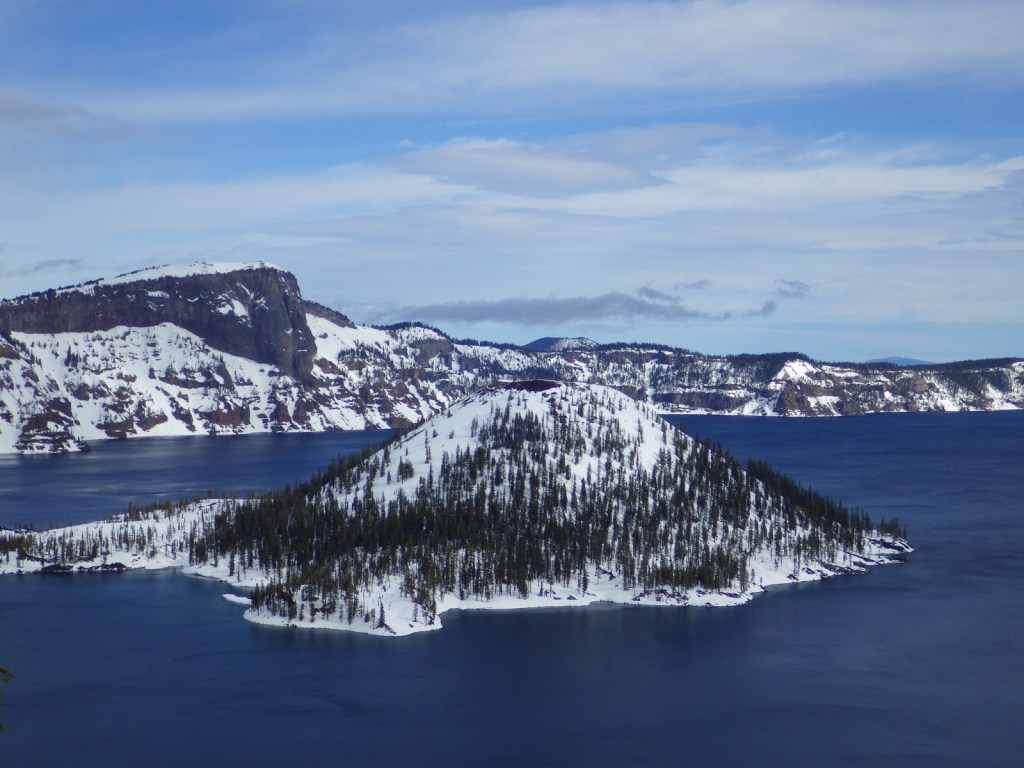
4. Crater Lake National Park (Oregon)

3. Pinnacles National Park (California)

2. Colorado National Monument (Colorado)

…and finally our #1 blog post from our fourth 100:

1. Arches National Park (Utah)

Honorable Mentions

Minidoka National Historic Site (Idaho)

The new visitor center is open where you can watch an excellent film on the internment of U.S. citizens during WWII

Channel Islands National Park (California)

We added photos from our kayaking trip around Santa Cruz Island from November 2021

Indiana Dunes National Park (Indiana)

We visited the eastern parts of this new National Park after visiting it in 2016 as a National Lakeshore

Theodore Roosevelt National Park (North Dakota)

We backpacked around the park’s Petrified Forest Trail in July 2022 and saw an awesome double rainbow and woke up 50 feet from a sleeping bison

Learn more about finding solitude in the National Parks in our guidebook:

We are a participant in the Amazon Services LLC Associates Program, an affiliate advertising program designed to provide a means for us to earn fees by linking to Amazon.com and affiliated sites.

Caribou National Forest

Caribou National Forest

Idaho, Utah, Wyoming

Managed by U.S. Forest Service, Intermountain Region

1,085,966 acres (987,216 federal/ 98,750 other)

Website: https://www.fs.usda.gov/ctnf

Overview

Co-managed as Caribou-Targhee National Forest since 2000, Caribou National Forest is located in the southeastern corner of Idaho.  To add to the jurisdictional muddle, Caribou National Forest has also administered the 263,940-acre Idaho portion of Wasatch-Cache National Forest since 1973 (see previous blog post).  However, nearly 50 years later all of the wooden signs in this area still read Cache National Forest.  Despite the signage, U.S. Forest Service publications and topographic maps identify Minnetonka Cave and Paris Ice Cave as being in Caribou-Targhee National Forest, so we went with that.  Confused?  So are we, so much so that we made a phone call to a Forest Service employee in this ranger district that still did not clear up the bureaucratic mess.

Highlights

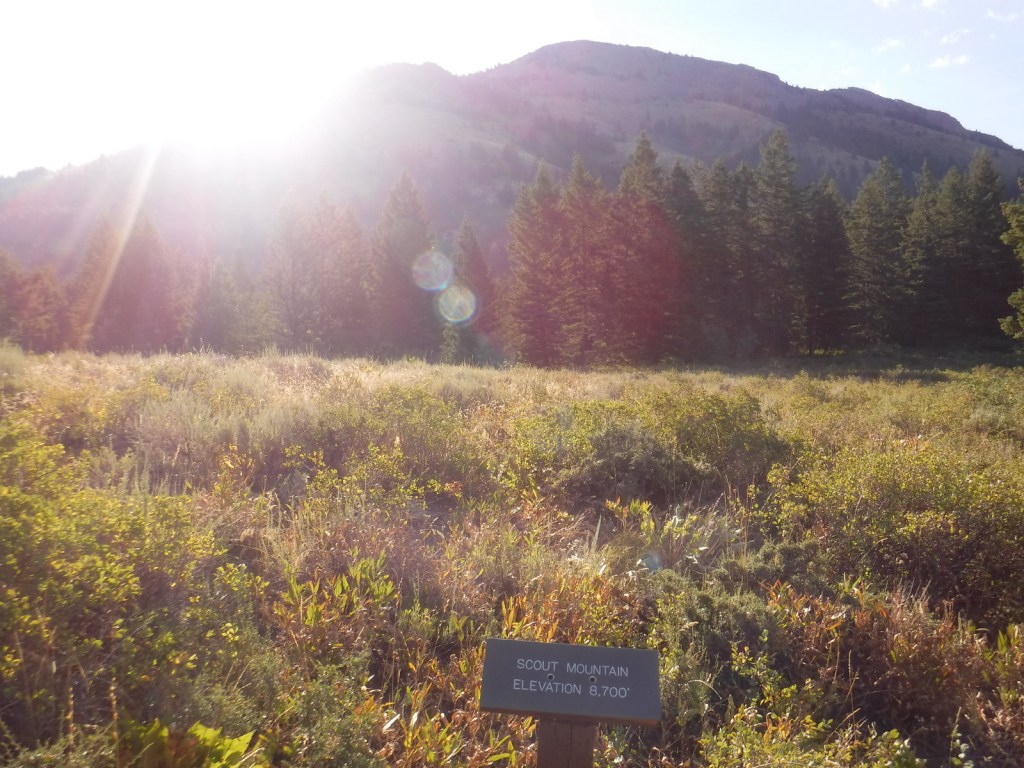
Pioneer Historic Scenic Byway, Minnetonka Cave, Paris Ice Cave, Caribou City ghost town, Malad Range, Tincup Mountain, Oregon Trail-Bear Lake Scenic Byway, Lander Cutoff, Oneida Salt Works, Cherry Springs Nature Area, Montpelier Canyon, Bloomington Lake, Scout Mountain Nature Trail

Must-Do Activity

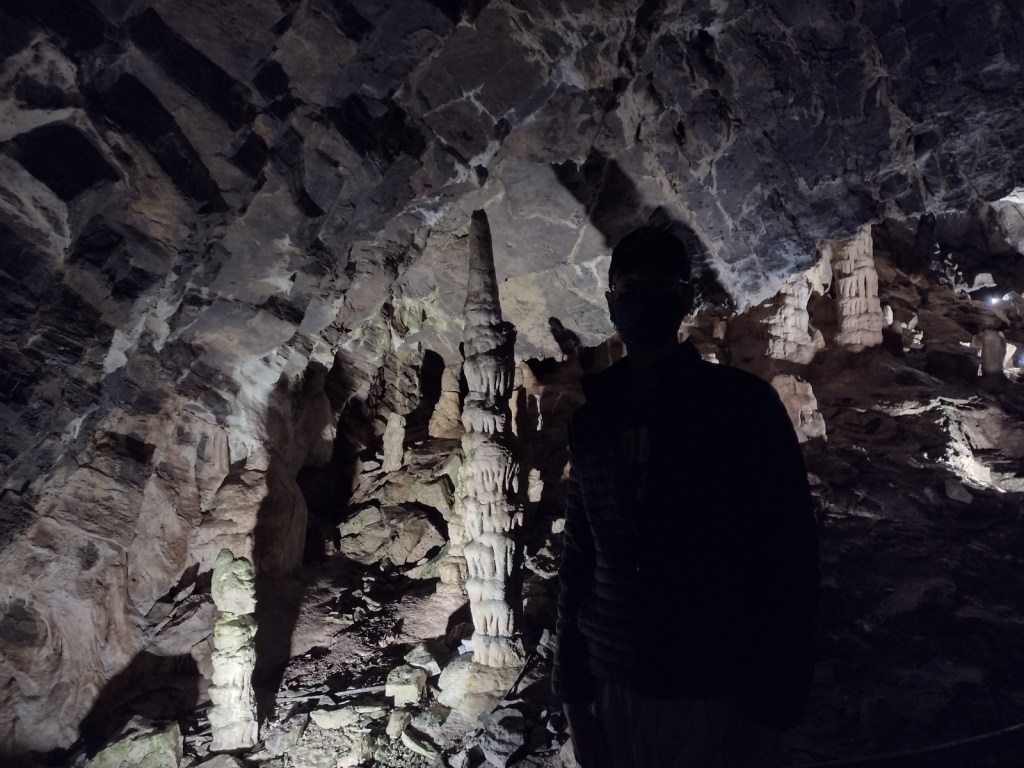
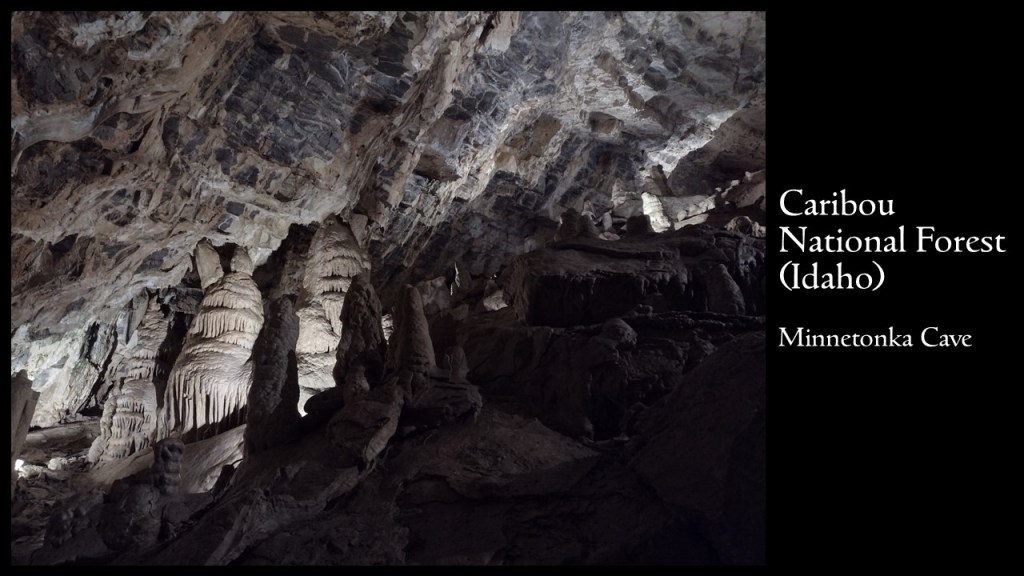
In Montpelier, Idaho, the National Oregon/California Trail Center is managed by the U.S. Forest Service on the Pioneer Historic Scenic Byway.  To the southwest, Minnetonka Cave is one of the few developed cave tours offered by (a concessionaire for) the Forest Service.  The natural entrance to Minnetonka Cave was widened and the route lighted by the Works Progress Administration in the 1930s when 444 stairs were installed to allow large groups to visit.  The tour goes out and back on the same route so the steep downward sections become climbs on the return trip, but guides make multiple stops in both directions to allow you to catch your breath at this high elevation.

Best Trail

Further north than Minnetonka Cave, a 9.5-mile long dirt road drive up to 7,800 feet in elevation leads to the short boardwalk through the Paris Ice Cave.  This photogenic natural tunnel is open at both ends so it does not require a flashlight, but does retain snowpack deep into the summer months.  Signs at both caves still say Cache National Forest even though this district has not been managed by them since 1973.

Watchable Wildlife

This is a fairly arid portion of the west, so you are more likely to see a ground squirrel, coyote, or mule deer than any other wildlife.  In Minnetonka Cave, our tour guide pointed out a couple Townsend’s big-eared bats, which is why they screen all visitors for white-nosed bat syndrome.  We disturbed a nesting robin when exiting the Paris Ice Cave.

Instagram-worthy Photo

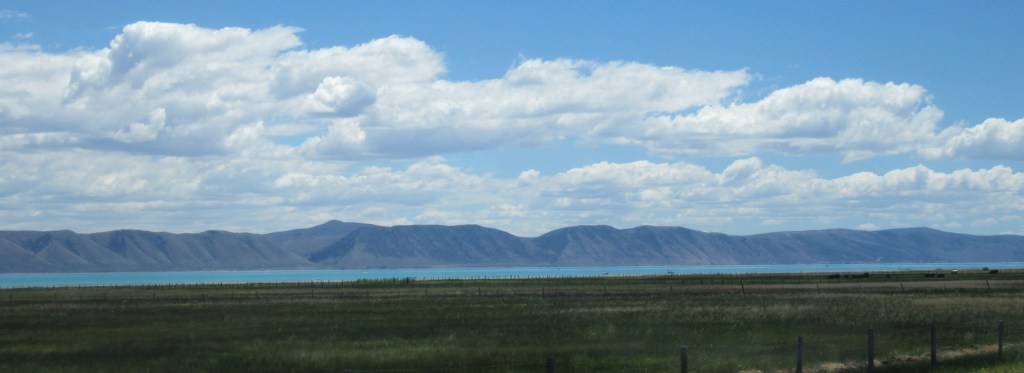
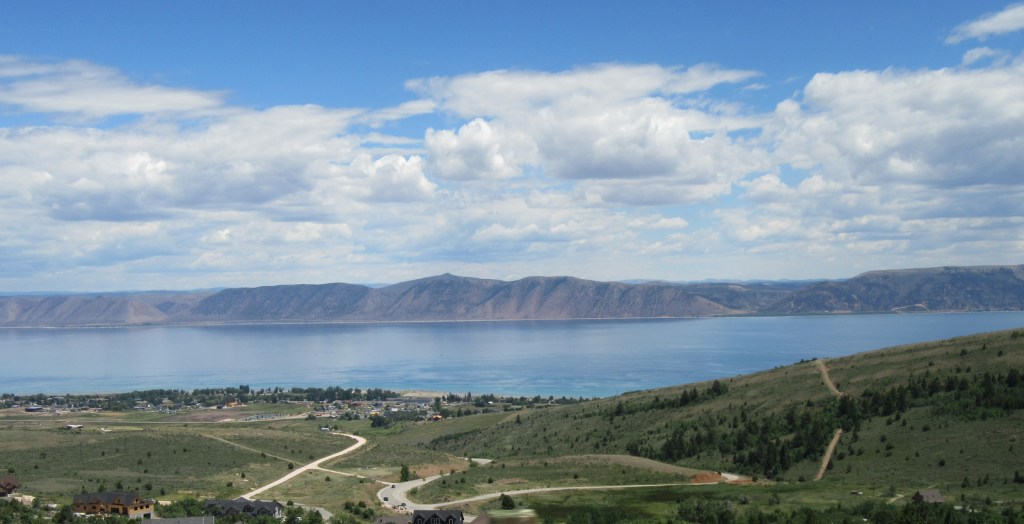
On the Idaho-Utah border, the 109-square-mile Bear Lake has been called the “Caribbean of the Rockies” because of its water’s intense turquoise color, due to suspended limestone sediment.  The naturally-formed lake sits at 5,924 feet in elevation and its maximum depth is 208 feet.  Both states have their own Bear Lake State Park with boat ramps and beaches for swimming. 

Peak Season

Summer

Fees

It costs $12 per person for the 80-minute Minnetonka Cave Tour that you must pay before driving up to the actual cave, but we did not come across any other fees.

Road Conditions

Access to Minnetonka Cave is paved and the 9.5-mile long dirt road drive up to Paris Ice Cave was good enough for our passenger vehicle to handle.

Camping

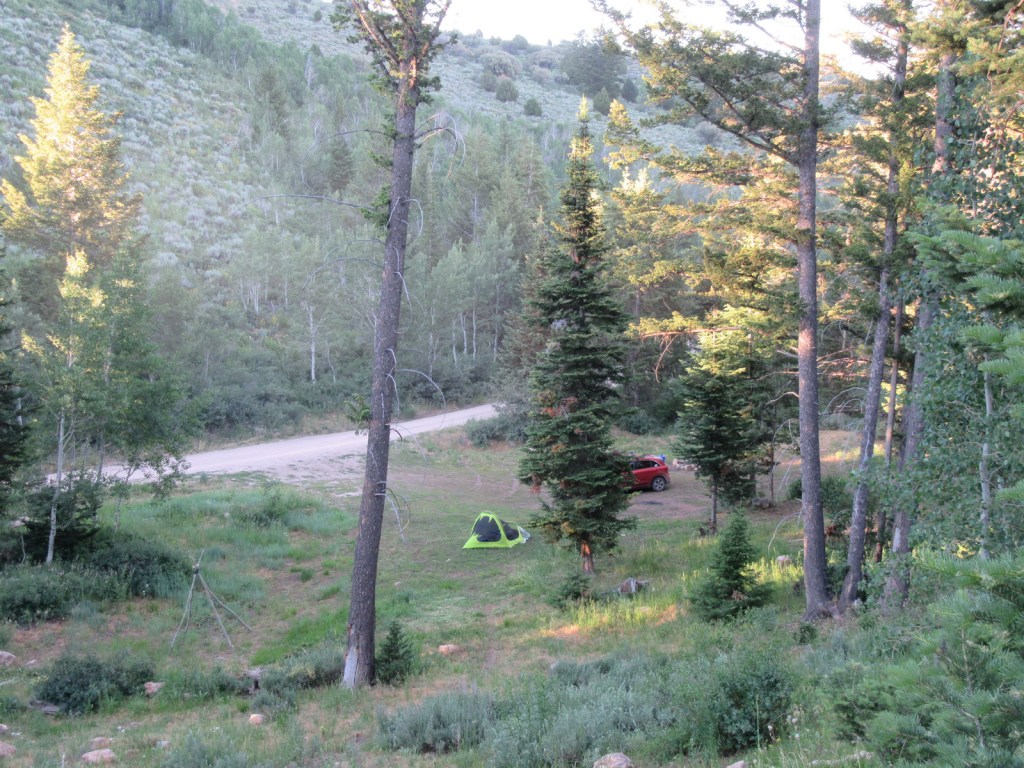
There are numerous campgrounds on the way to Minnetonka Cave and we found a large, flat dispersed camp along the road to Paris Ice Cave.

Wilderness Areas

None

Related Sites

Targhee National Forest (Idaho-Wyoming)

Fossil Butte National Monument (Wyoming)

Timpanogos Cave National Monument (Utah)

Nearest National Park

Grand Teton (Wyoming)

Conifer Tree Species

Rocky Mountain juniper, Utah juniper, limber pine, whitebark pine, ponderosa pine, lodgepole pine, Engelmann spruce, subalpine fir, white fir, Douglas-fir

Flowering Tree Species

quaking aspen, river birch, boxelder, Rocky Mountain maple, Bebb willow, blue elderberry, red osier dogwood, chokecherry, curlleaf mountain-mahogany, sagebrush

Explore More – The Caribou Mountains were named for a gold miner nicknamed “Cariboo Jack,” but what was his real name?

Learn more about Caribou and the 154 other National Forests in our new guidebook Out in the Woods

We are a participant in the Amazon Services LLC Associates Program, an affiliate advertising program designed to provide a means for us to earn fees by linking to Amazon.com and affiliated sites.

Cache National Forest

Cache National Forest

Utah, Idaho

Managed by U.S. Forest Service, Intermountain Region

1,216,778 acres (701,652 federal/ 515,126 other)

Website: https://www.fs.usda.gov/uwcnf

Overview

Cache National Forest surrounds Logan, Utah on three sides covering the Bear River Range and Wellsville Mountains, which are considered to have the steepest grade in the entire nation.  Since August 2007, Cache National Forest is officially part of the massive Uinta-Wasatch-Cache National Forest that sprawls across northeastern Utah.  To add to the bureaucratic confusion, the 263,940 acres of Cache National Forest in Idaho have been administered since 1973 by Caribou National Forest (see our next blog post).  When you subtract that land area, it only includes 437,712 acres of federal land, making it one of the smallest National Forests in the western U.S.

Highlights

Logan Canyon Scenic Byway, Wind Cave, Jardine Juniper, Tea Pot Rock, Old Limber Pine Nature Trail, Ogden River Scenic Byway, Pineview Reservoir, Tony Grove Lake Campground, Causey Reservoir, Wellsville Mountains, Naomi Peak National Recreation Trail

Must-Do Activity

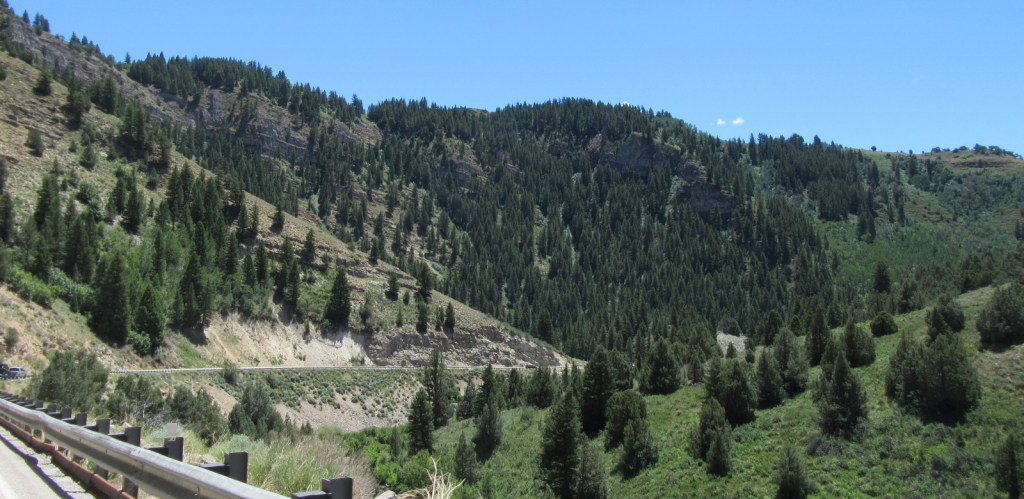
Logan Canyon Scenic Byway follows Highway 89 and the beautiful Logan River up to a pass with views of Bear Lake, a naturally-formed body of water that gets its turquoise color from suspended limestone sediment (earning it’s the nickname “Caribbean of the Rockies”).  Logan Canyon is especially busy in the fall when the leaves change on quaking aspens and three species of maples: boxelder, canyon/bigtooth maple, and Rocky Mountain maple. 

Best Trail

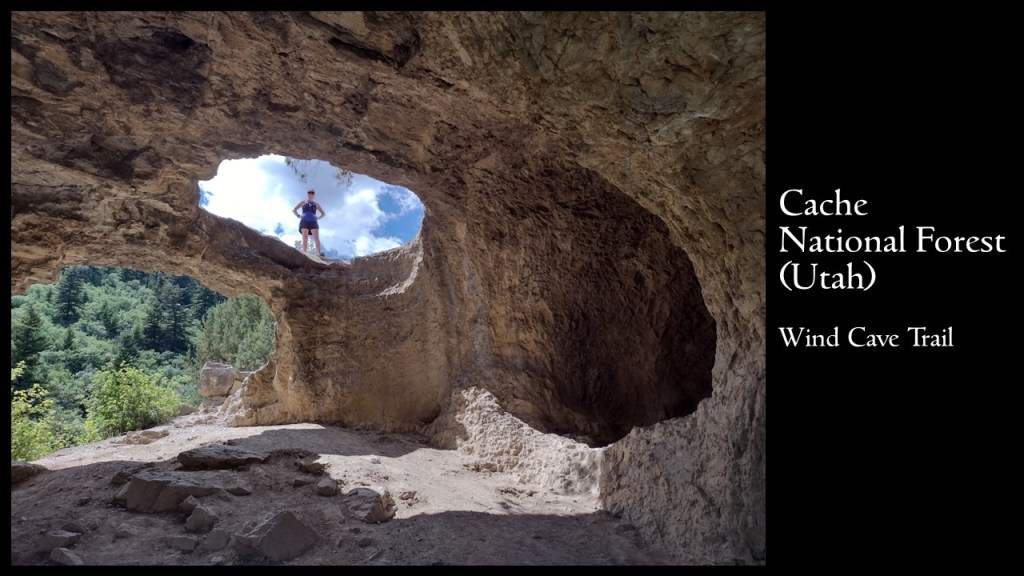
Logan Canyon has two popular, but steep trails that lead to Wind Cave and the Old Jardine Juniper, the world’s largest Rocky Mountain juniper estimated to be at least 3,000 years old.  The 3.6-mile out-and-back trail to Wind Cave starts from a roadside pullout across from Guinavah-Malibu Campground and gains more than 900 feet in elevation.  Hiking to the Old Jardine Juniper requires a climb of over 2,100 feet along the five-mile one-way trail, which continues further into the Mt. Naomi Wilderness.

Watchable Wildlife

Trout fishing is a popular activity due to all of the rivers and streams in Cache National Forest.  Large mammalian species include elk, mule deer, pronghorns, and black bears.  Watch the skies above Logan Canyon for ravens and a variety of birds of prey.

Instagram-worthy Photo

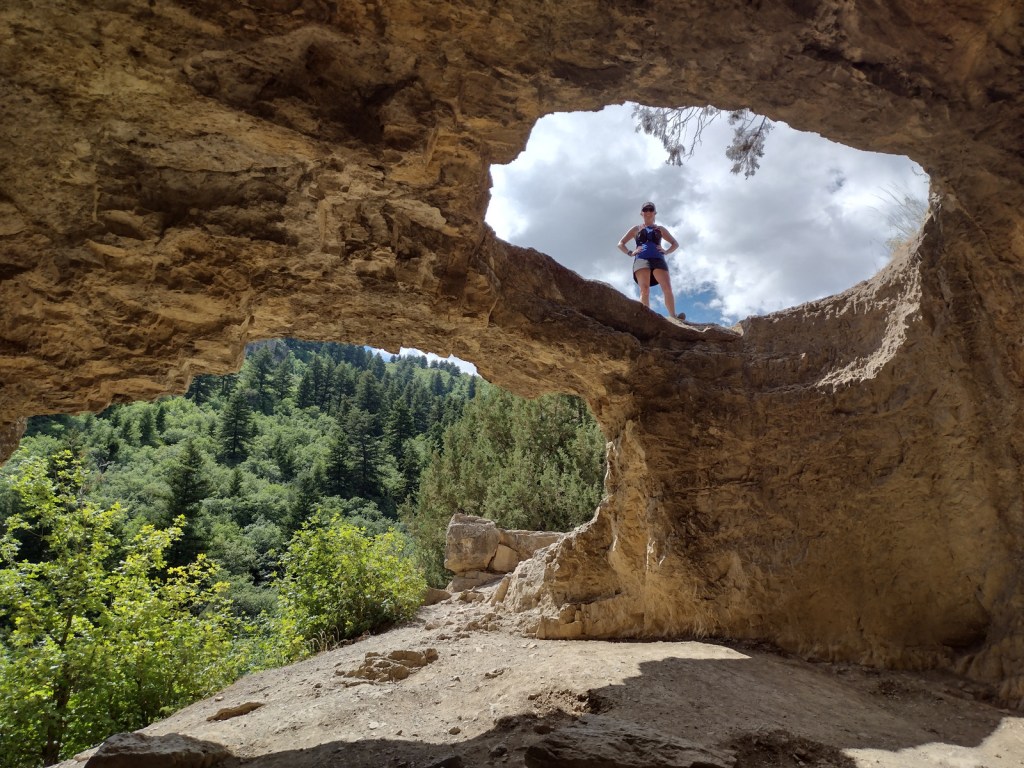
The limestone arches of Wind Cave originally formed underground then were exposed when the Logan River cut its steep canyon.

Peak Season

Summer

Fees

None

Road Conditions

Logan Canyon (Highway 89) and Ogden River (Highway 39) Scenic Byways are both paved.  We did not drive any unpaved roads, but we did notice that the dirt roads around Bear Lake Summit (on Highway 89) looked very rutted and four-wheel-drive only.

Camping

There are numerous campgrounds along both the Logan Canyon and Ogden River Scenic Byways.  We did not notice any dispersed campsites in these areas, although there probably are some options in more remote portions of the National Forest.

Wilderness Areas

Mt. Naomi Wilderness

Wellsville Mountain Wilderness

Related Sites

Golden Spike National Historical Park (Utah)

Timpanogos Cave National Monument (Utah)

Wasatch National Forest (Utah-Wyoming)

Nearest National Park

Grand Teton (Wyoming)

Conifer Tree Species

Rocky Mountain juniper, Utah juniper, limber pine, whitebark pine, ponderosa pine, lodgepole pine, Engelmann spruce, subalpine fir, white fir, Douglas-fir

Flowering Tree Species

quaking aspen, river birch, boxelder, canyon/bigtooth maple, Rocky Mountain maple, Bebb willow, blue elderberry, chokecherry, curlleaf mountain-mahogany, sagebrush

Explore More – In what year did the Cache Valley host the second-ever rendezvous of fur-trapping mountain men?

Learn more about Cache and the 154 other National Forests in our new guidebook Out in the Woods

We are a participant in the Amazon Services LLC Associates Program, an affiliate advertising program designed to provide a means for us to earn fees by linking to Amazon.com and affiliated sites.

Thank you for attending our presentation!

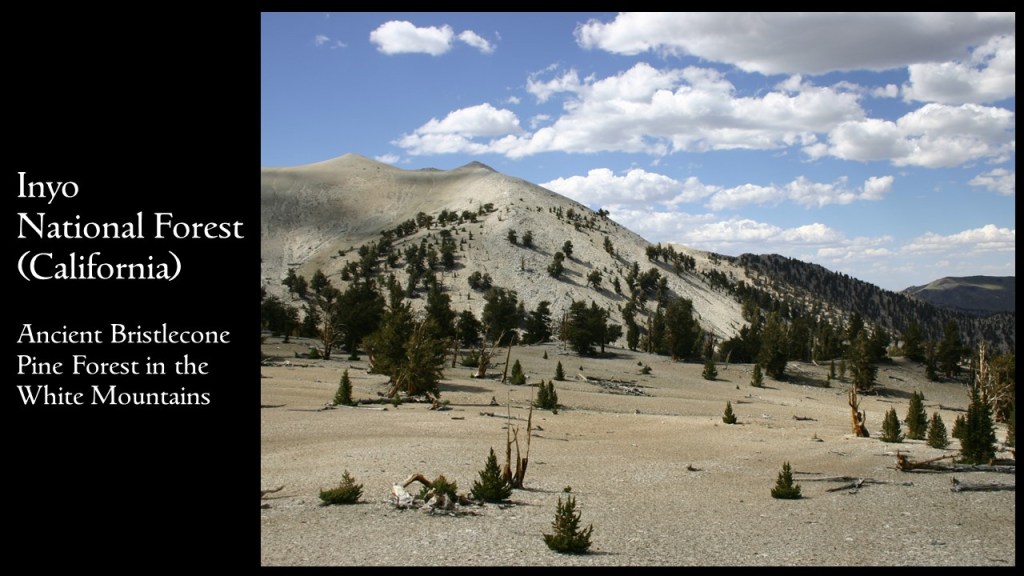
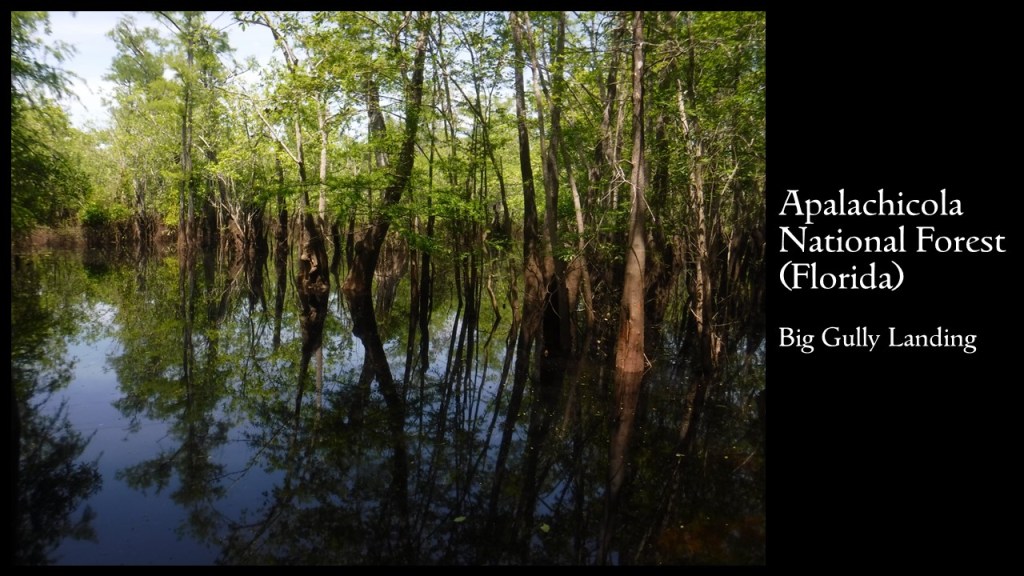
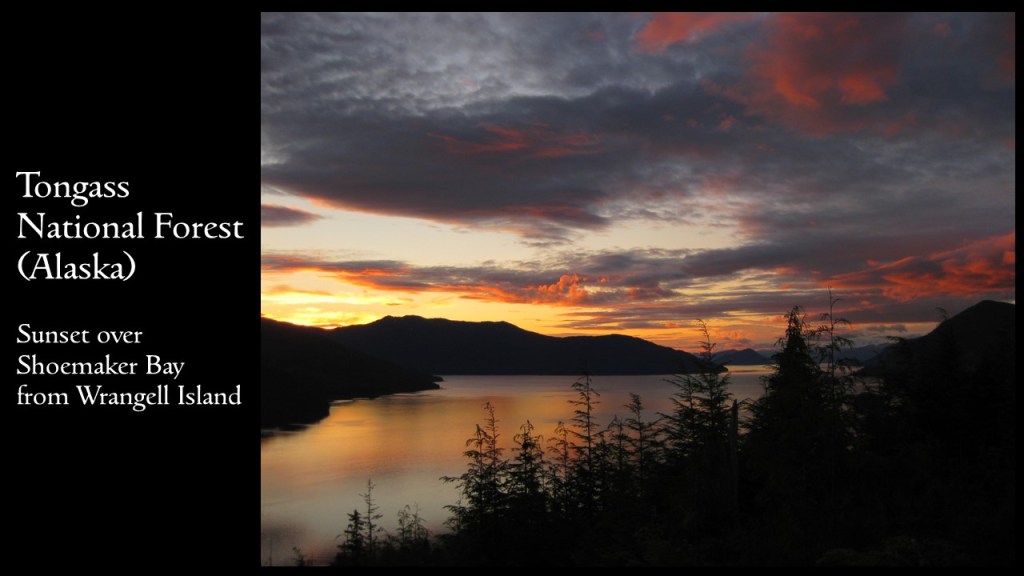
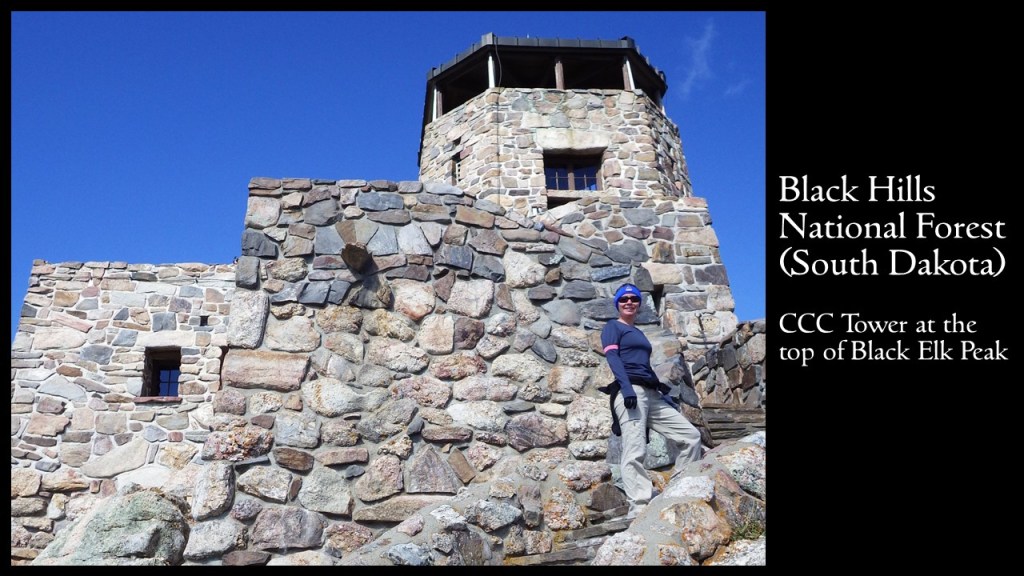
Thank you to everyone who attended our presentation last night at the library! If you couldn’t make it, please check out the short video we made to explain our quest to hike in all 155 National Forests (and learn more in our newspaper articles).

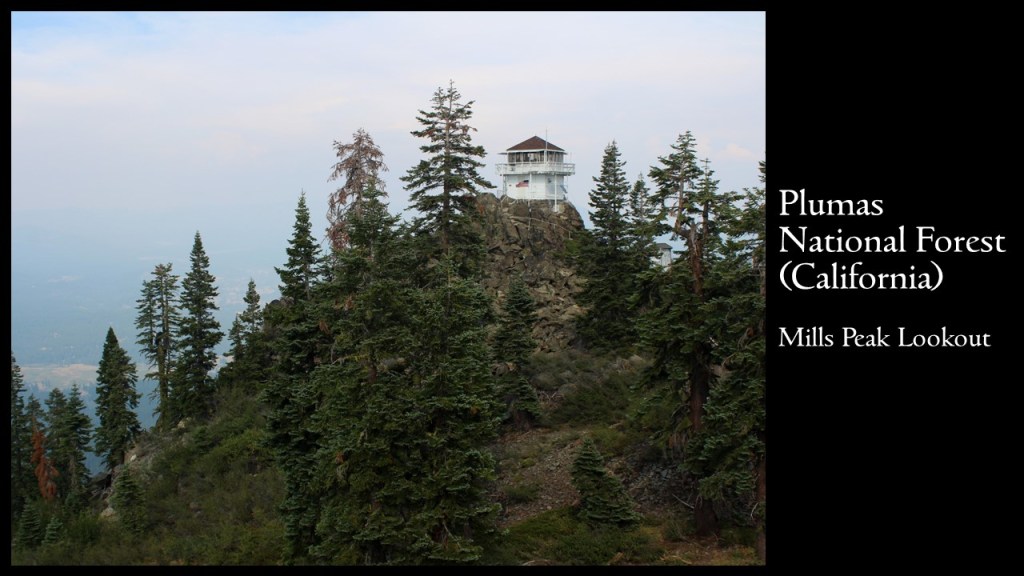
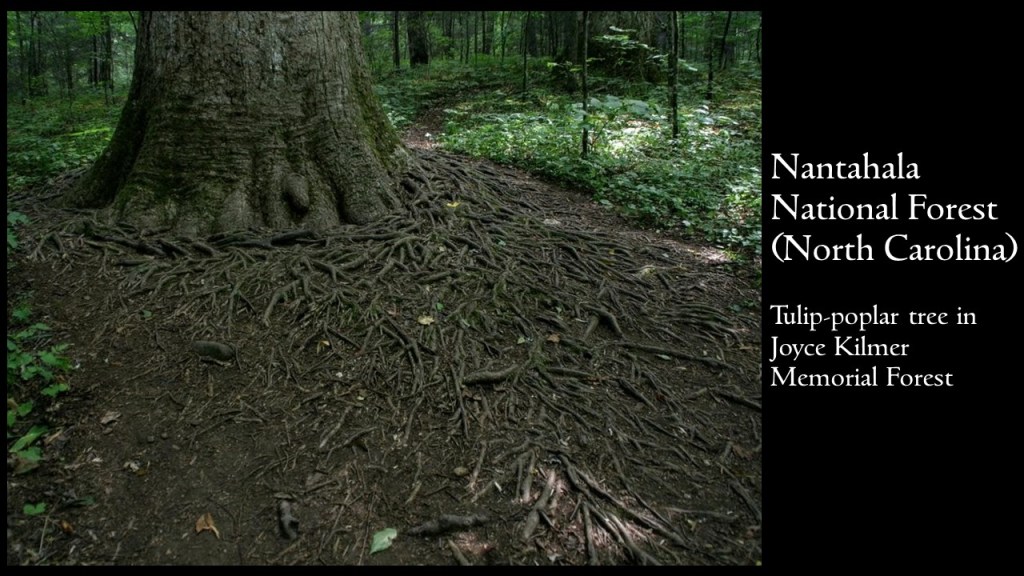
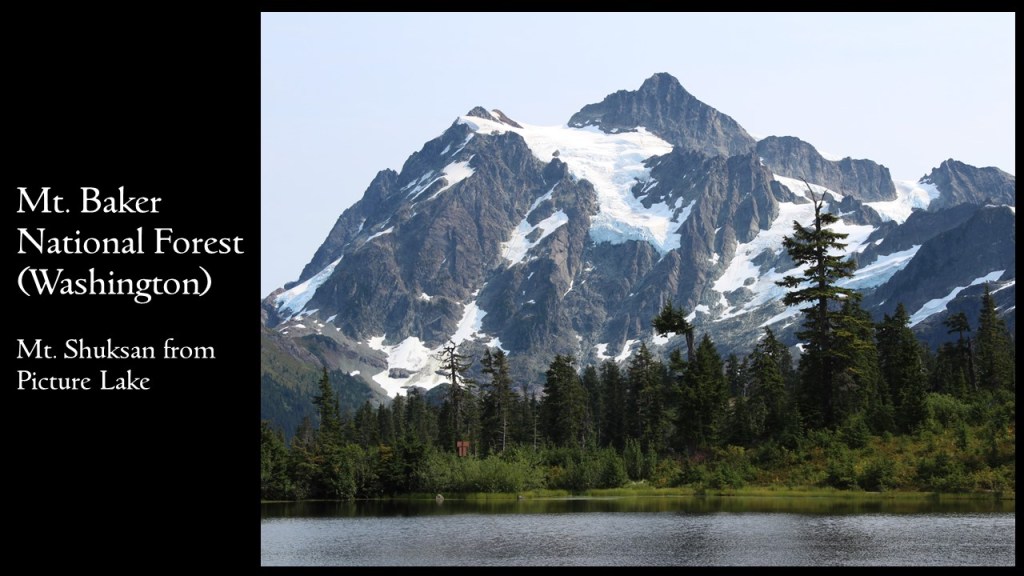
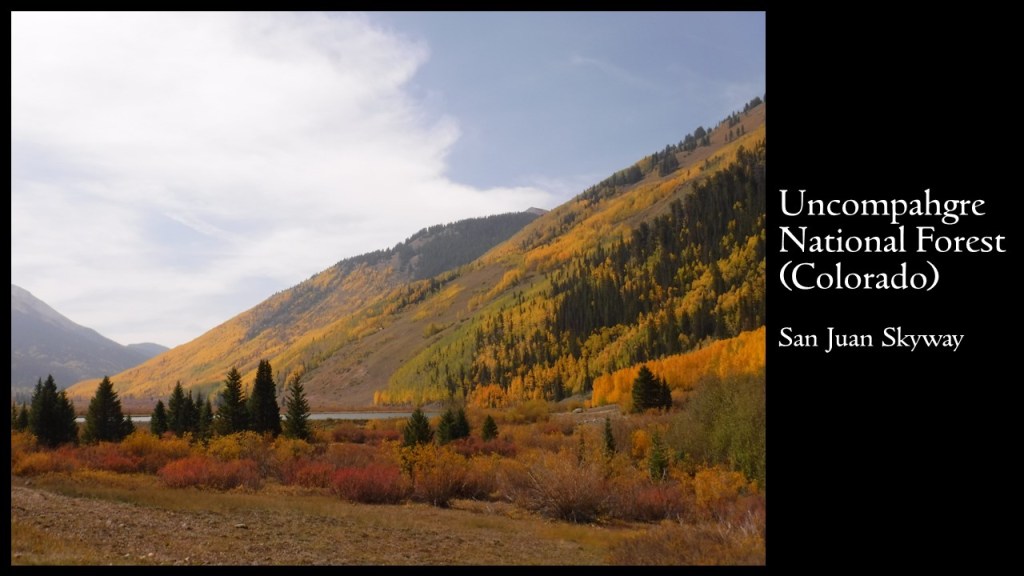
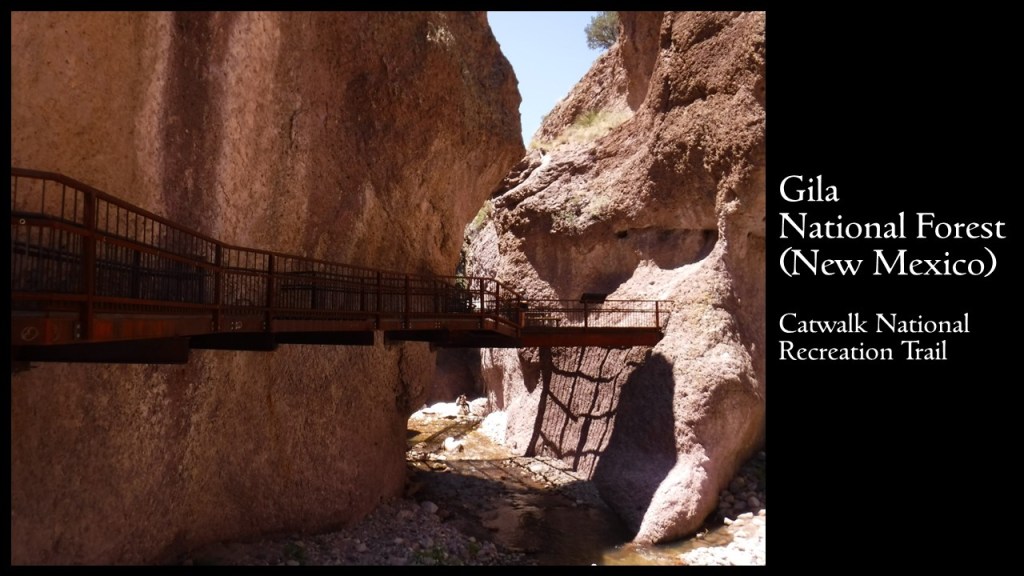
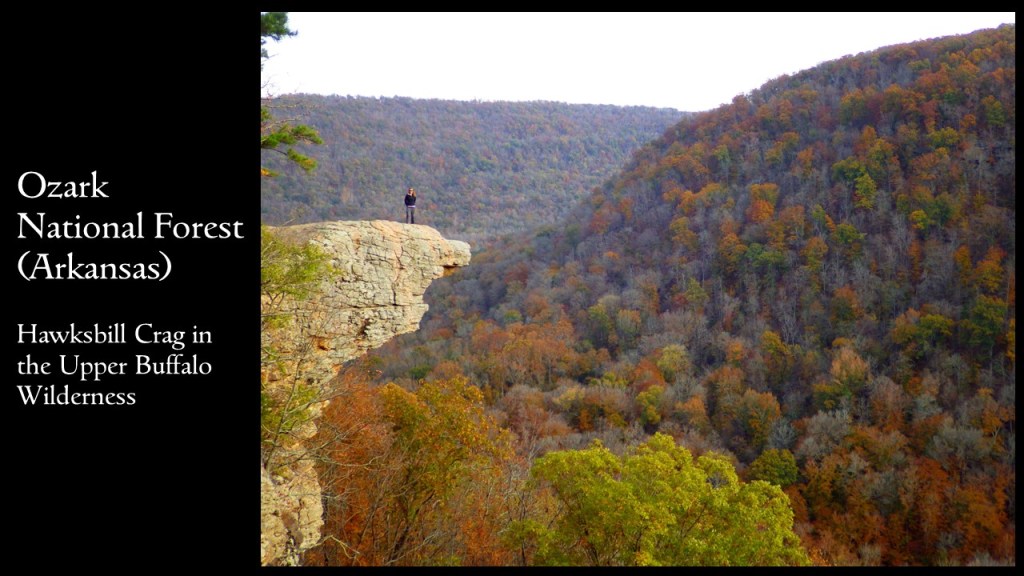
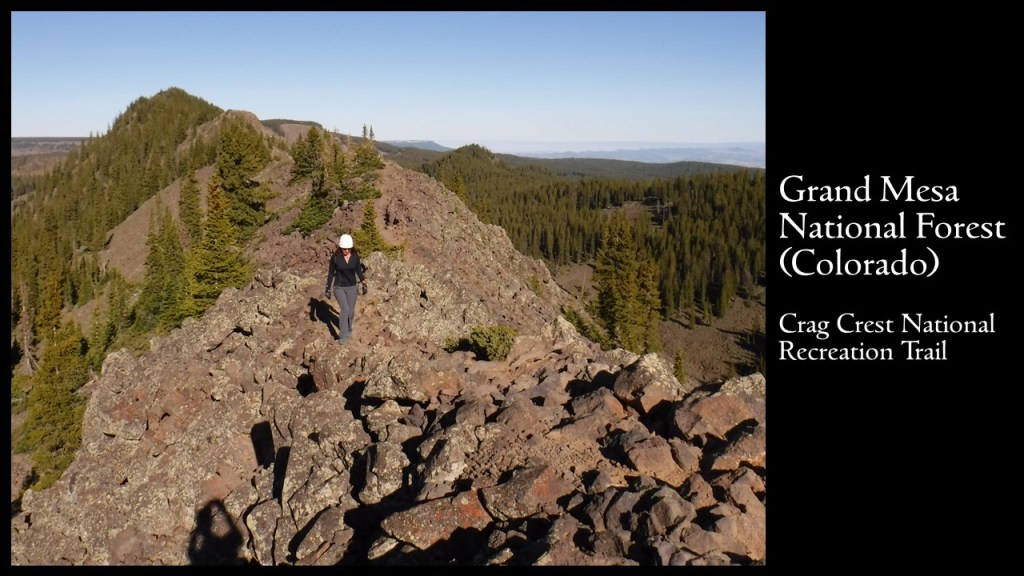
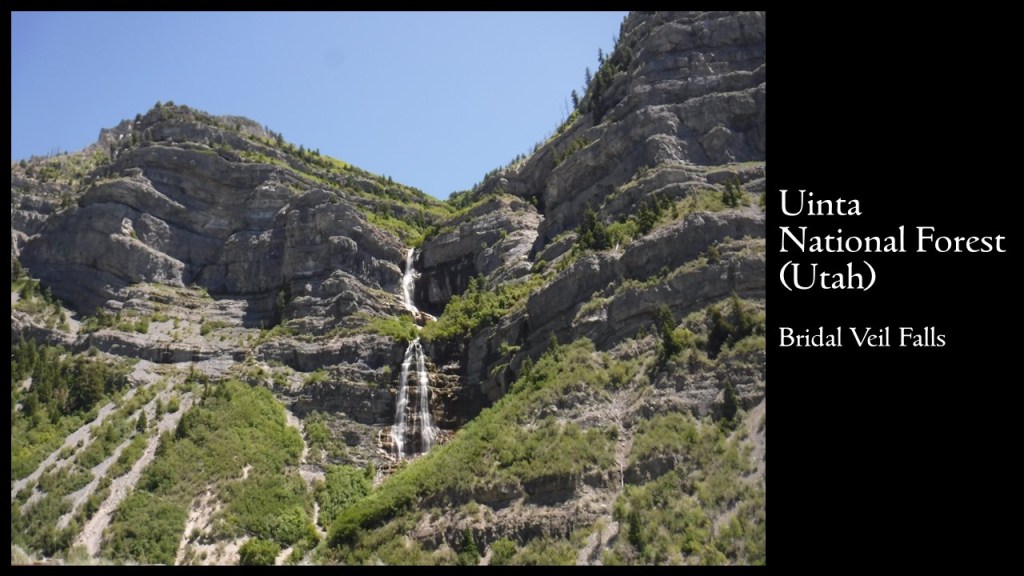
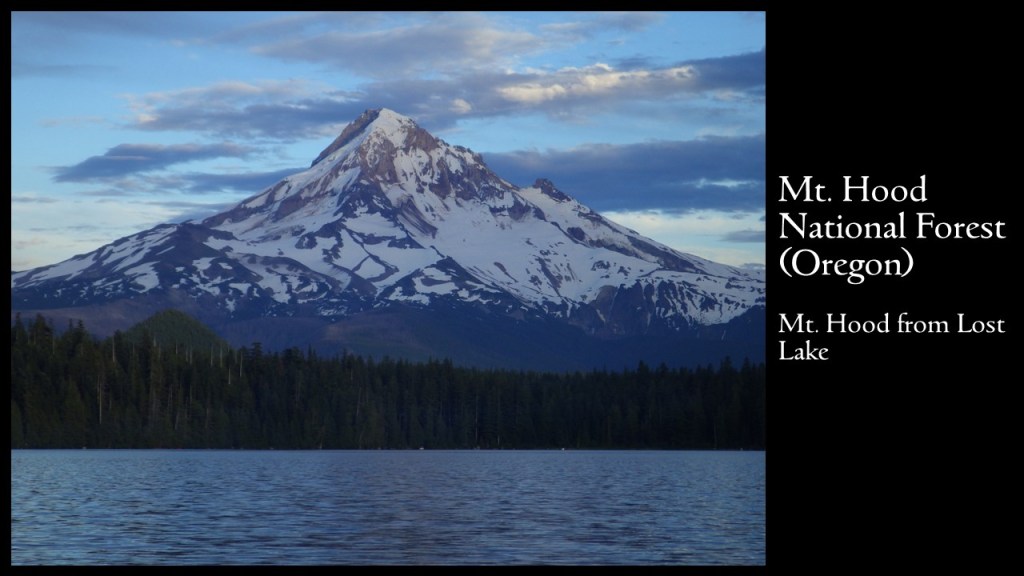
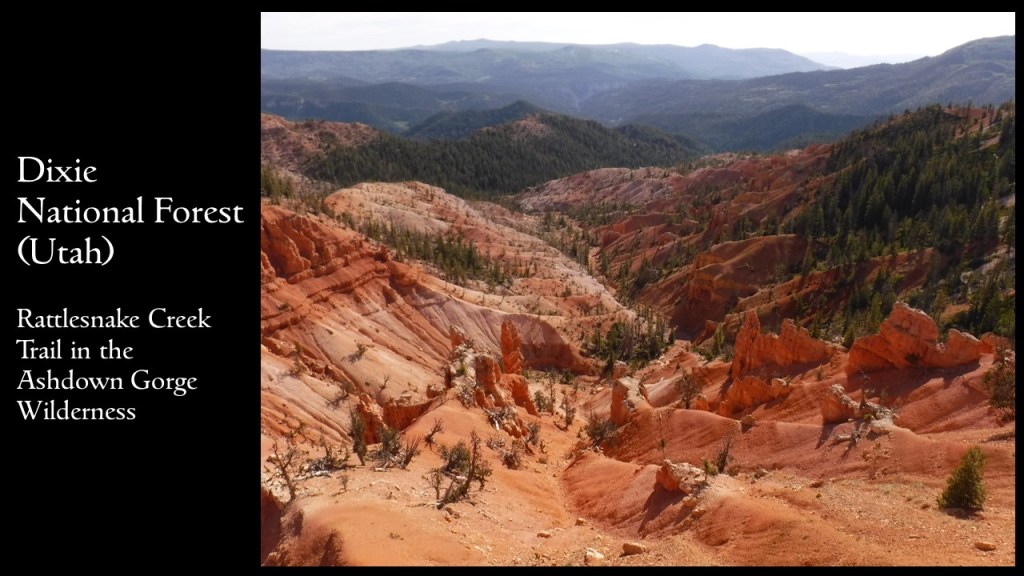
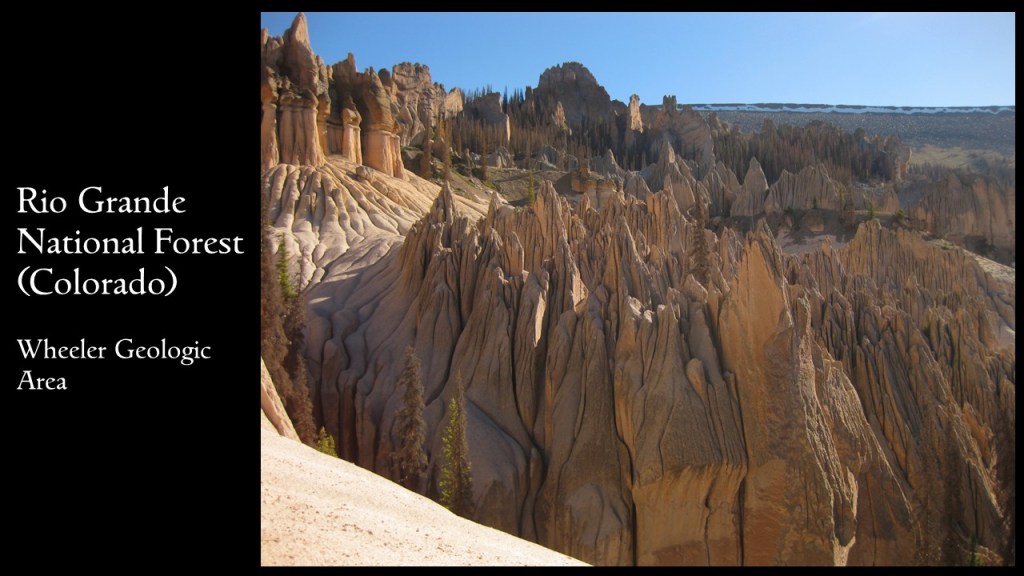
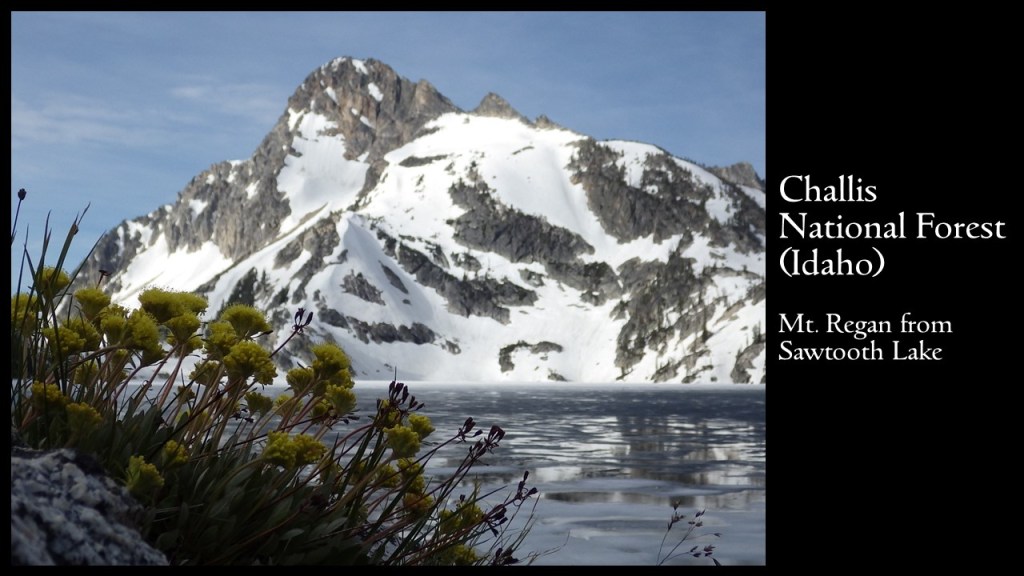
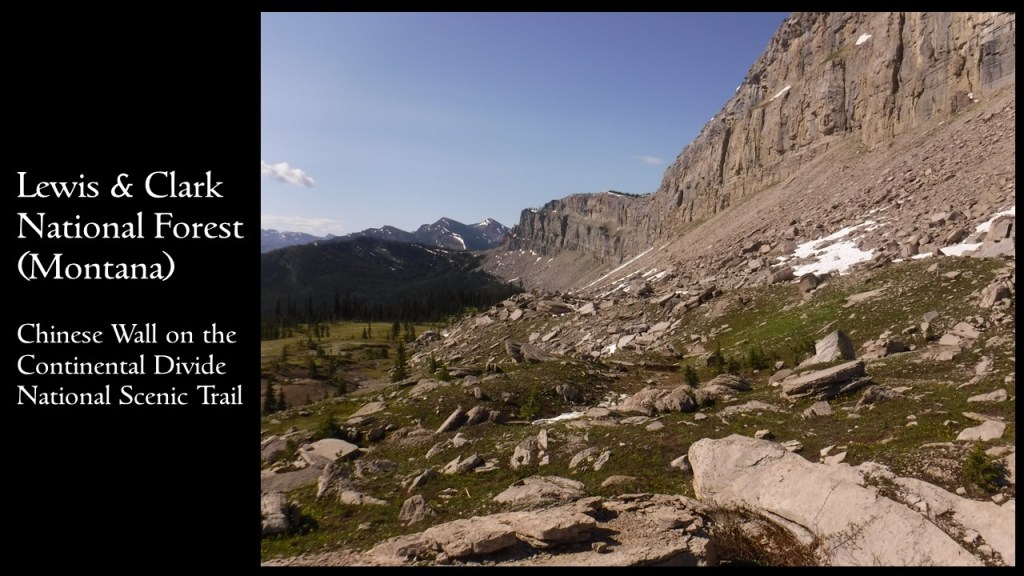
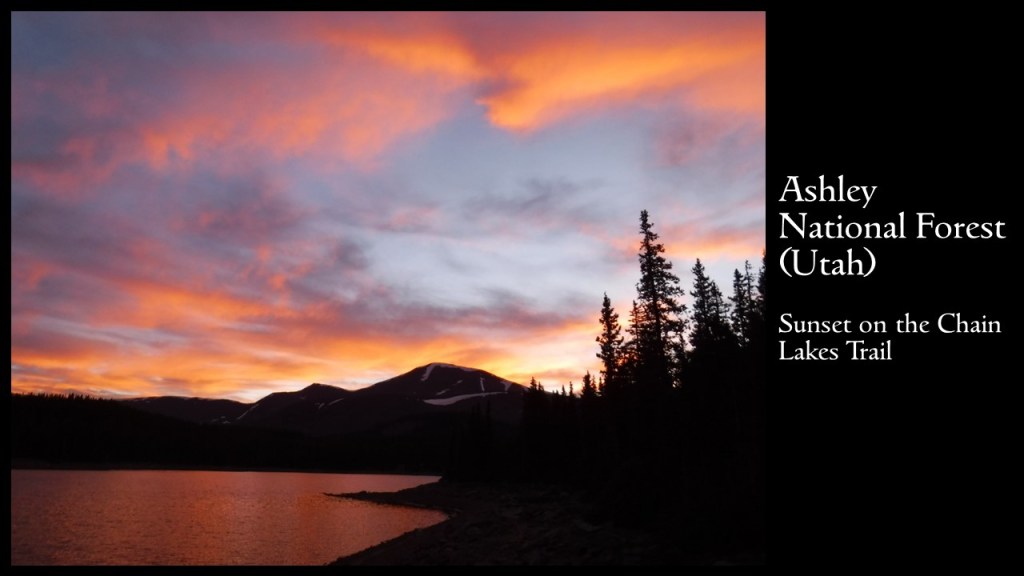
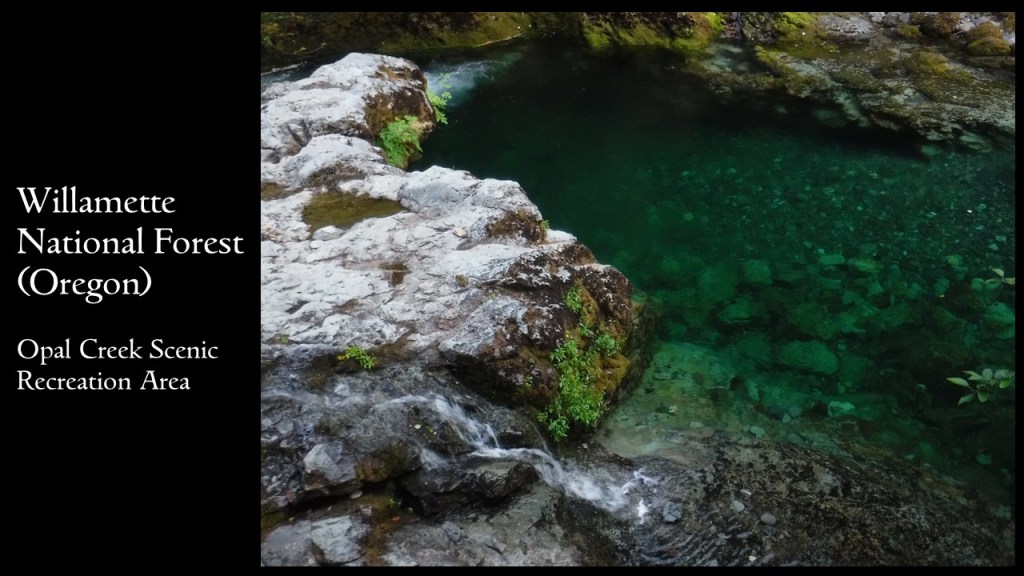
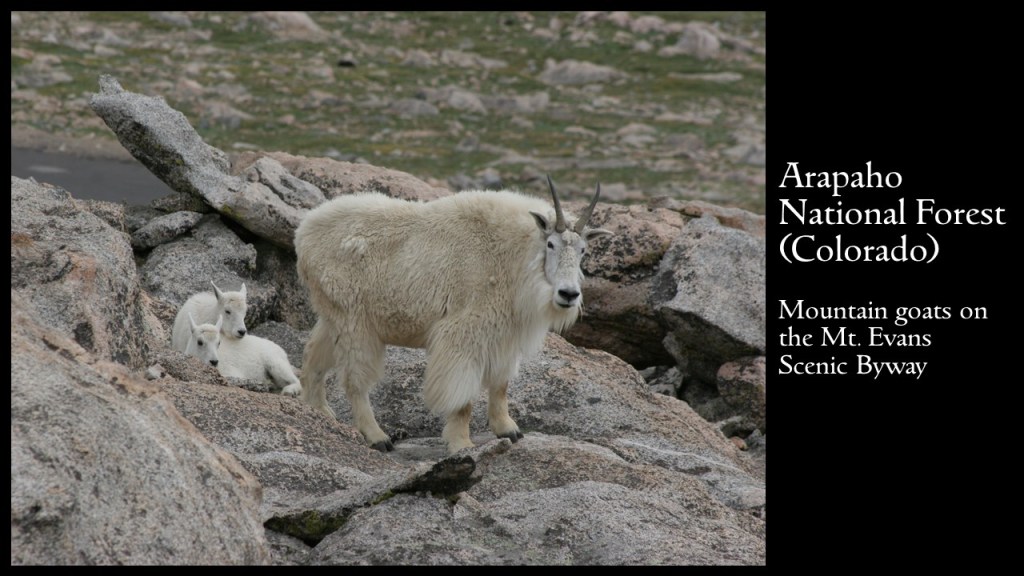
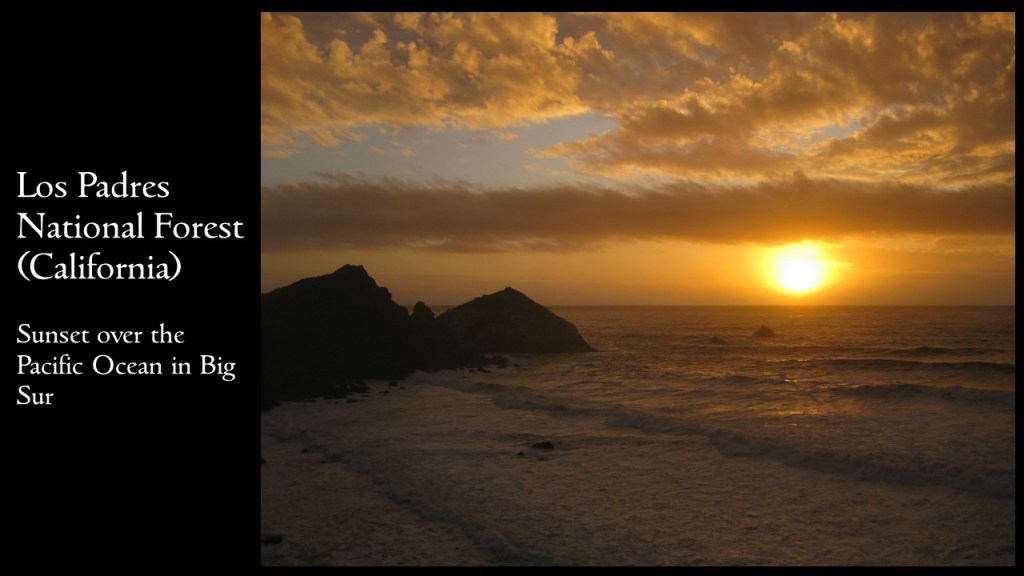
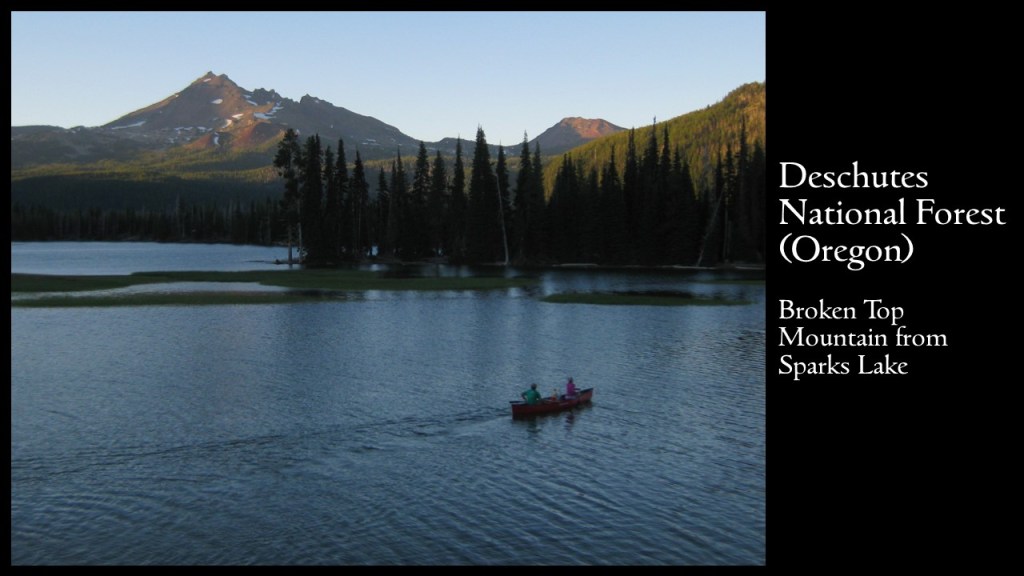
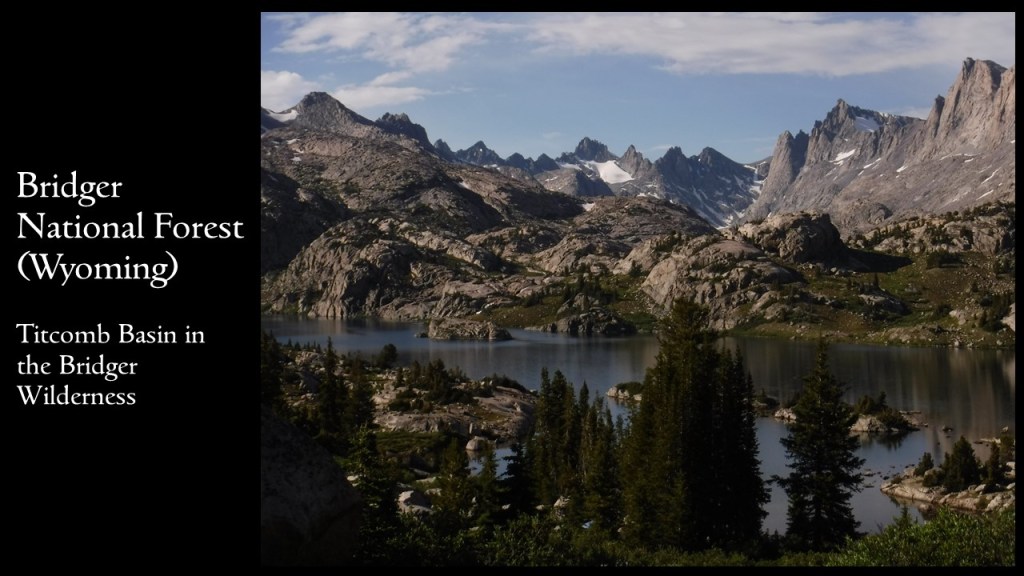
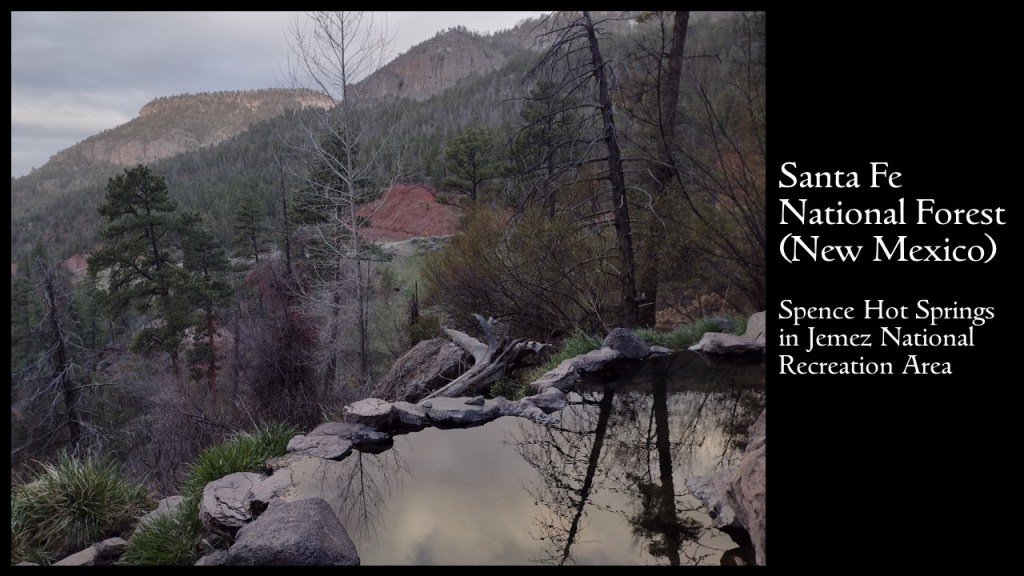
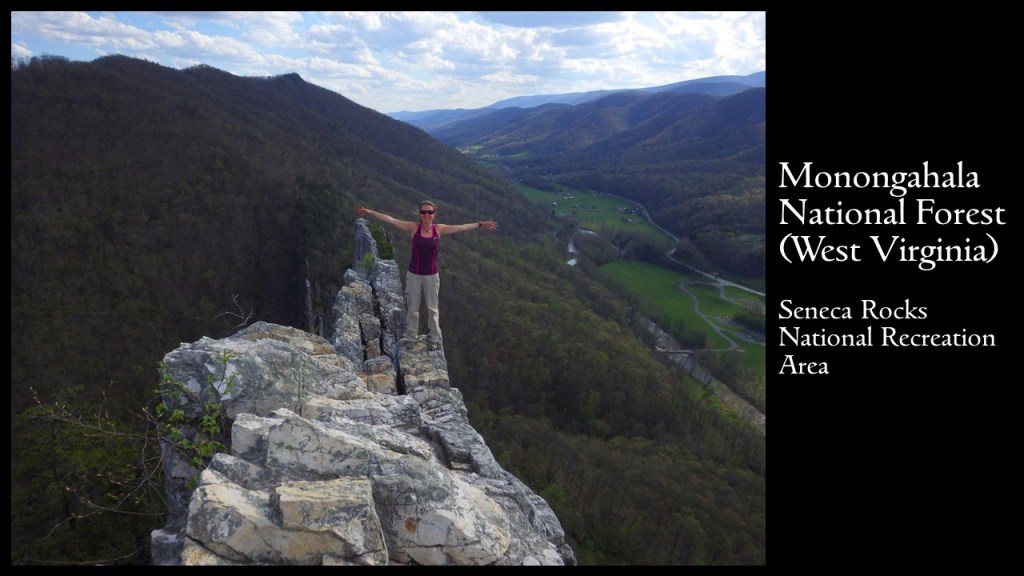
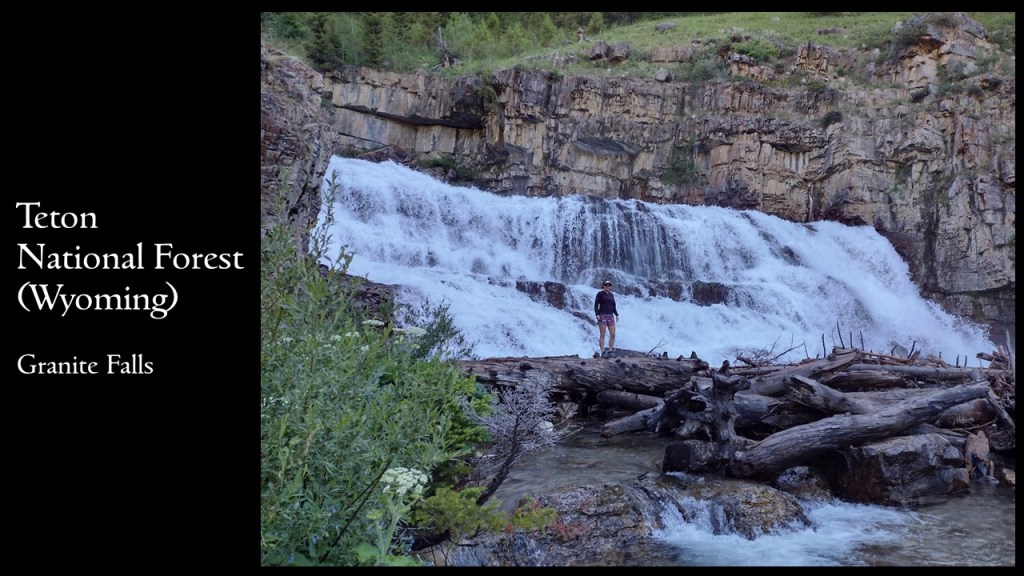
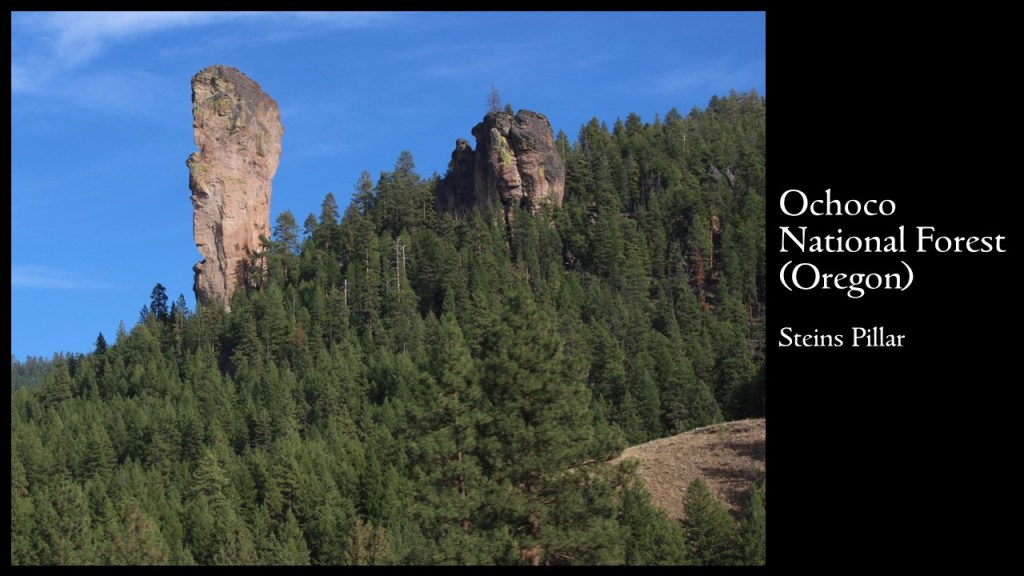
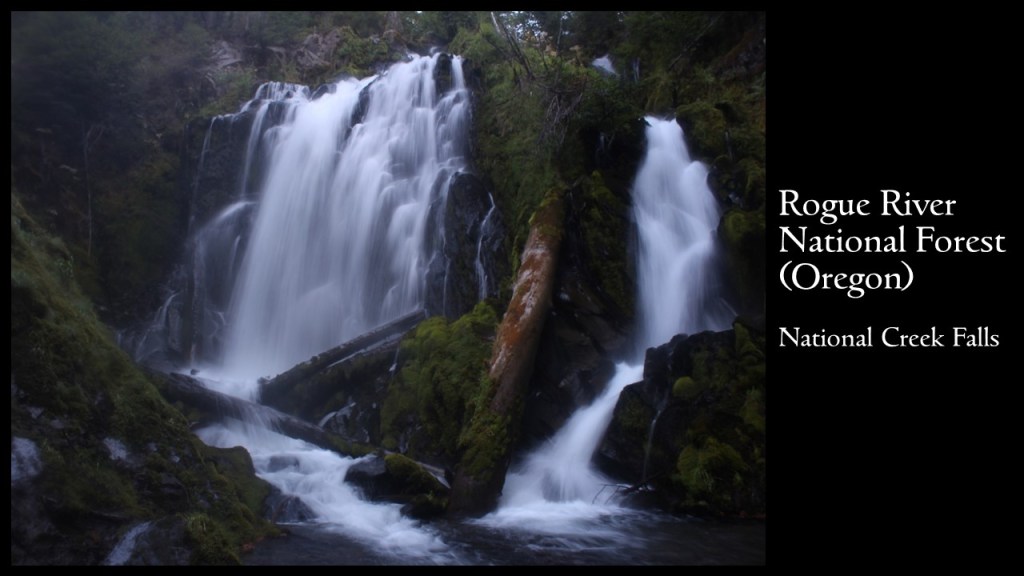
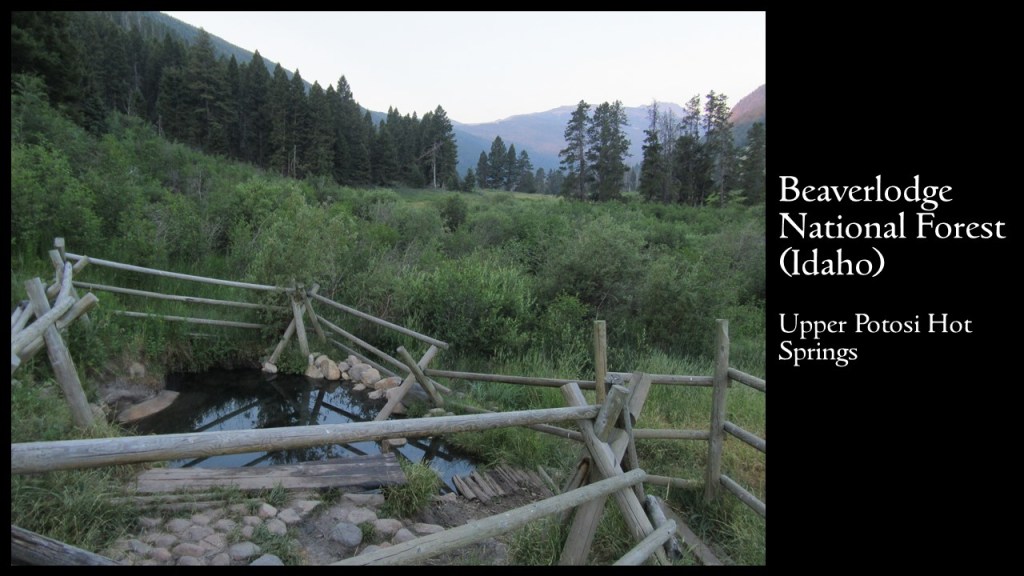
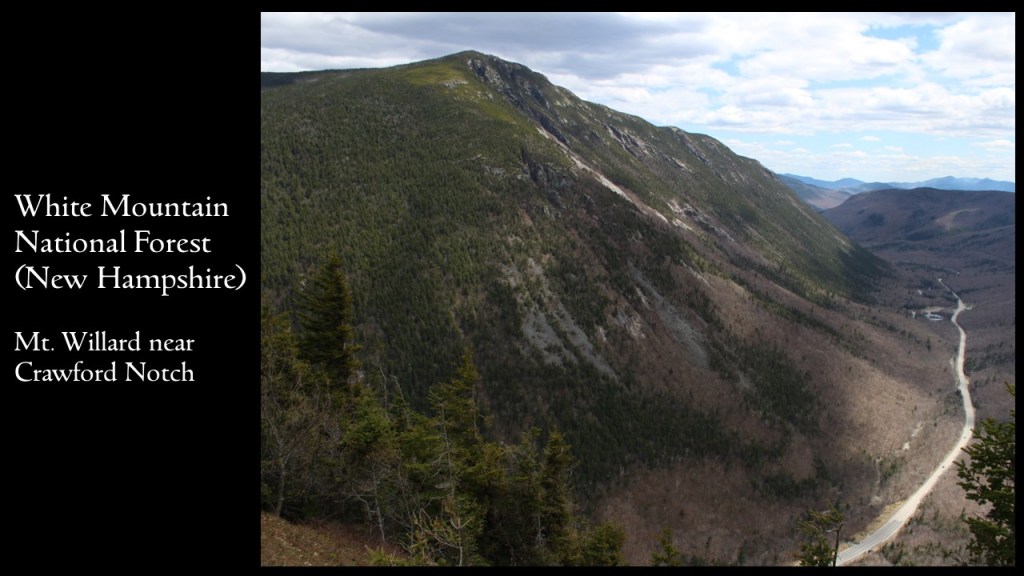
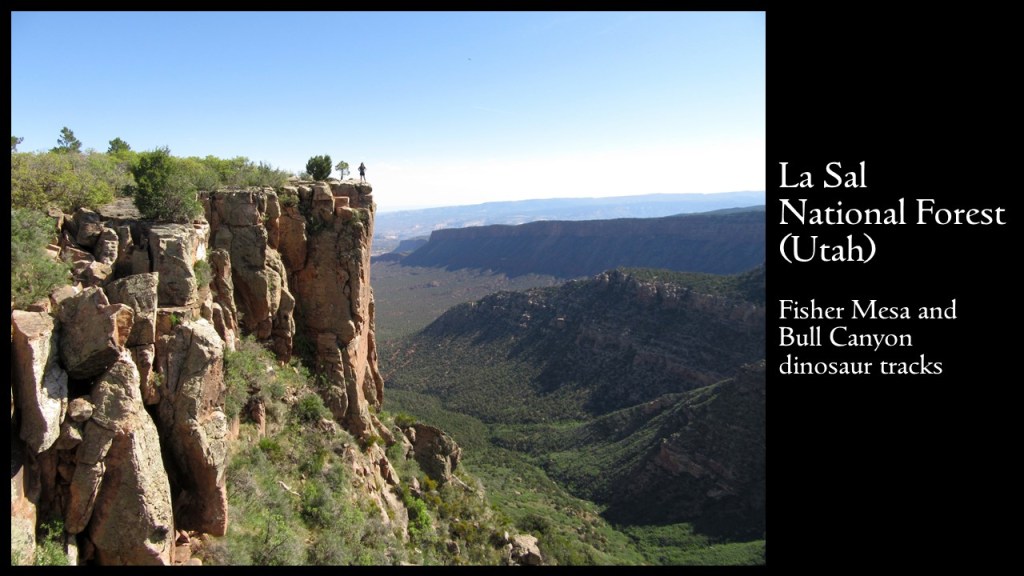
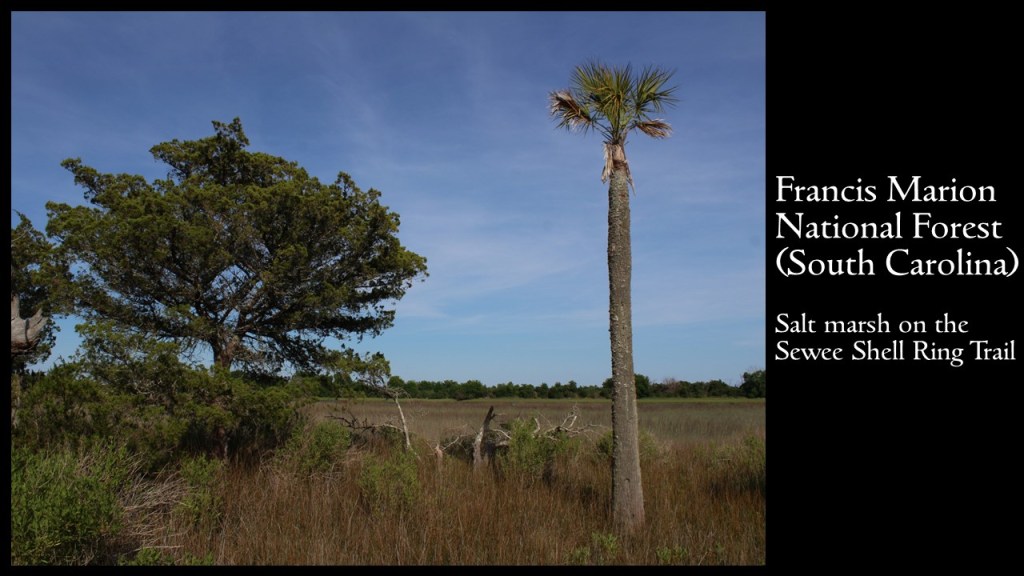
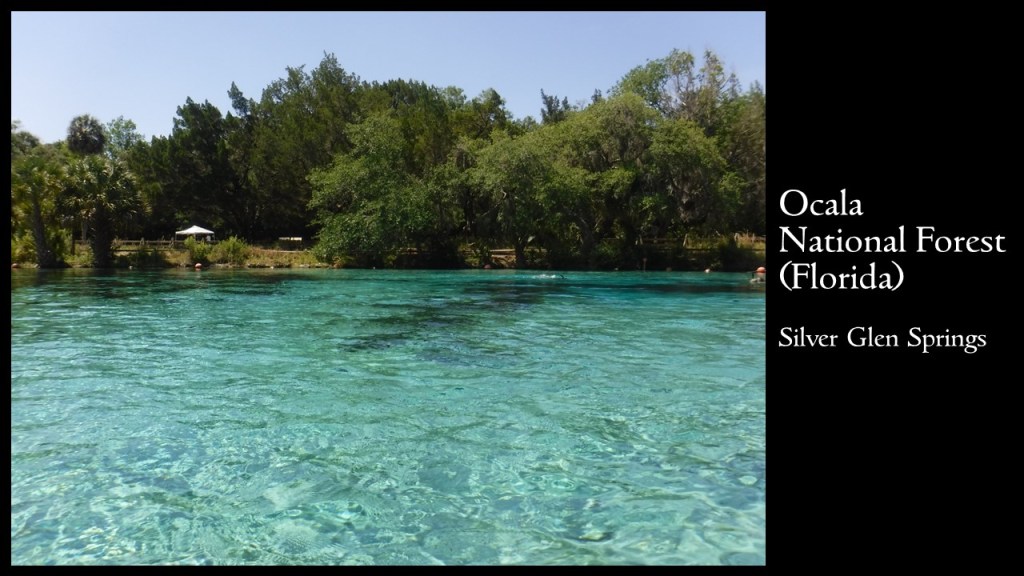
Please find below a gallery of the Powerpoint slides that ran before the presentation. And if you haven’t already, please check out our new guidebook to the National Forests.

We look forward to sharing more about National Forests in the future on this website.