All posts by Raven About The Parks

Natural Bridges National Monument

Overview

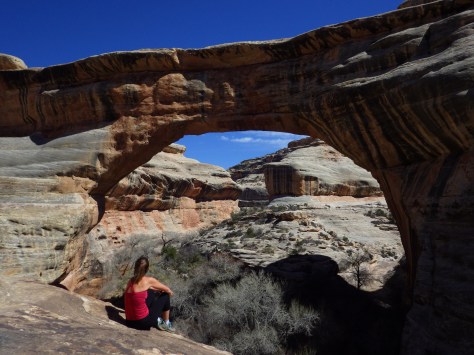
South of Canyonlands National Park is isolated Natural Bridges National Monument.  First established by President Theodore Roosevelt in 1908, it was not accessible by road until uranium mining developed this part of Utah in the 1950s.  As you may recall from our post on Arches National Park, bridges are created by flowing water, unlike arches that are primarily carved by wind.

Highlights

3 huge natural bridges, scenic views, ruins, hiking, stargazing

Must-Do Activity

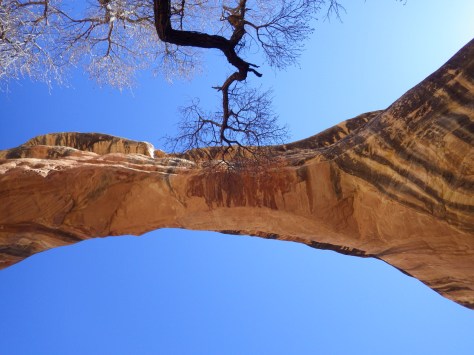
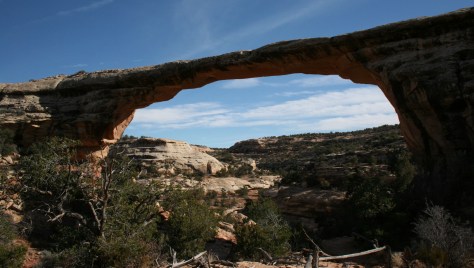
The monument is home to 220-foot tall Sipapu Bridge, which is second only to Glen Canyon’s Rainbow Bridge as the largest in the world.  Kachina Bridge, at 210 feet and growing, may catch up to it someday.  Perhaps the most visually striking of the three standing bridges is the 180-foot span of Owachomo Bridge that is only nine feet thick at its center.  Handicap accessible overlooks are available along Bridge View Drive.

Best Trail

A nine-mile loop hike connects all three natural bridges, which are also accessible by shorter trails from the rim drive.  Do not attempt this rugged trek if you are not prepared; it is a rocky canyon bottom at high elevation with little shade.

Instagram-worthy Photo

Owachomo Bridge is the oldest of the three standing natural bridges in the National Monument.
Peak Season

Summer

Hours

https://www.nps.gov/nabr/planyourvisit/hours.htm

Fees

$20 per vehicle or America the Beautiful pass

Road Conditions

All roads paved

Camping

The secluded nature of this region and its elevation of 6,500 feet were factors in naming it the first International Dark Sky Park in 2007.  If you make it out this far, you might want to spend the night under the stars at the campground.

Related Sites

Rainbow Bridge National Monument (Utah)

Bryce Canyon National Park (Utah)

Capitol Reef National Park (Utah)
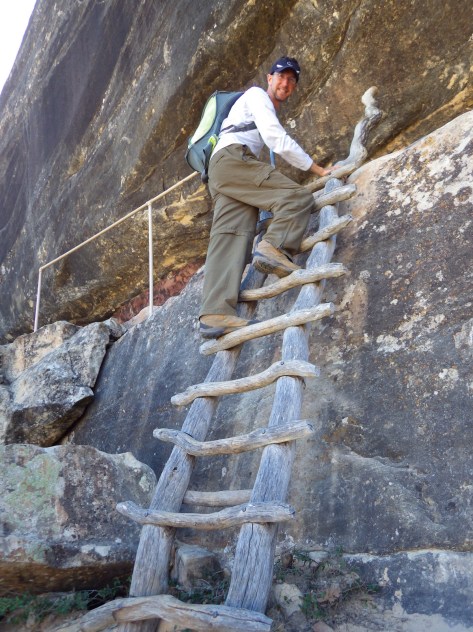
Explore More – In 1992, how many tons of rock fell from Kachina Bridge (the youngest of the three)?

Frederick Law Olmsted National Historic Site

Overview

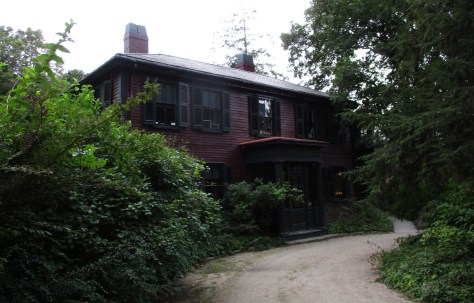
Frederick Law Olmsted, Sr. (1822-1903) is considered the founder of American landscape architecture.  His most famous designs include New York City’s Central Park and the Biltmore Estate in North Carolina, but he also created the protective ramada for Casa Grande Ruins National Monument in Arizona.  This seven-acre site outside Boston, Massachusetts was authorized in 1979 to preserve his house and the Olmsted Archives for future researchers.

Highlights

Museum, film, office tour, Olmsted Archives

Must-Do Activity

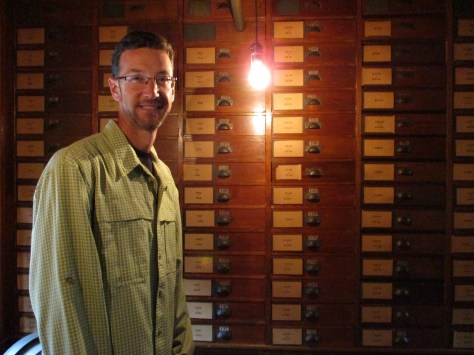
In 1883, Frederick Law Olmsted, Sr. moved to Brookline, Massachusetts to establish the world’s first landscape design office.  Self-guided exhibits and a short film inside his home (called Fairsted) are a good place to start before a ranger-guided tour of his office space full of historical artifacts and documents.  Occasionally, rangers lead tours of some of Olmsted’s parks in “The Emerald Necklace” of Boston.

Best Trail

There is a short path on the property and you can also walk to nearby Brookline Reservoir.

Instagram-worthy Photo

Relax on the veranda of Fairsted before or after your tour, which is especially nice when it is raining like during our visit.

Peak Season

Summer

Hours

https://www.nps.gov/frla/planyourvisit/hours.htm

Fees

None

Road Conditions

All roads are paved, but the parking lot is small and street parking in the surrounding neighborhood may be necessary.  It is a bit of a walk from the Brookline Hills Subway Station.

Camping

Wompatuck State Park south of Boston has the nearest large campground, but camping is also allowed in parts of Boston Harbor Islands National Recreation Area.

Related Sites

Boston National Historical Park (Massachusetts)

Adams National Historical Park (Massachusetts)

Longfellow House – Washington’s Headquarters National Historic Site (Massachusetts)

Explore More –Frederick Law Olmsted’s 1865 report was influential in the protection of which “crown jewel” of the National Park Service System?
Arches National Park

Overview

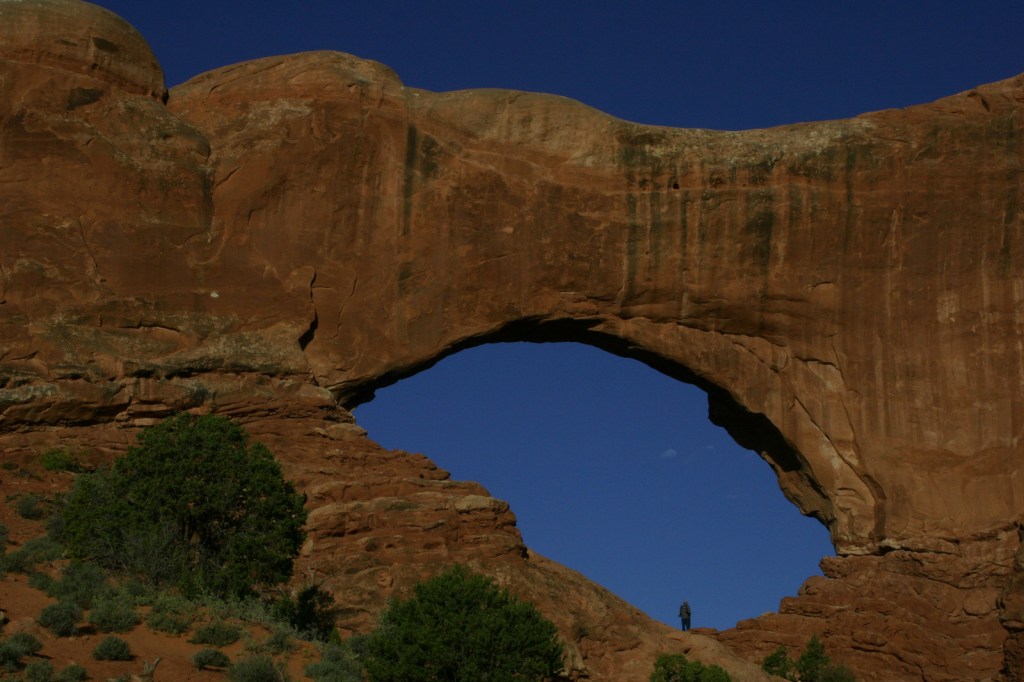
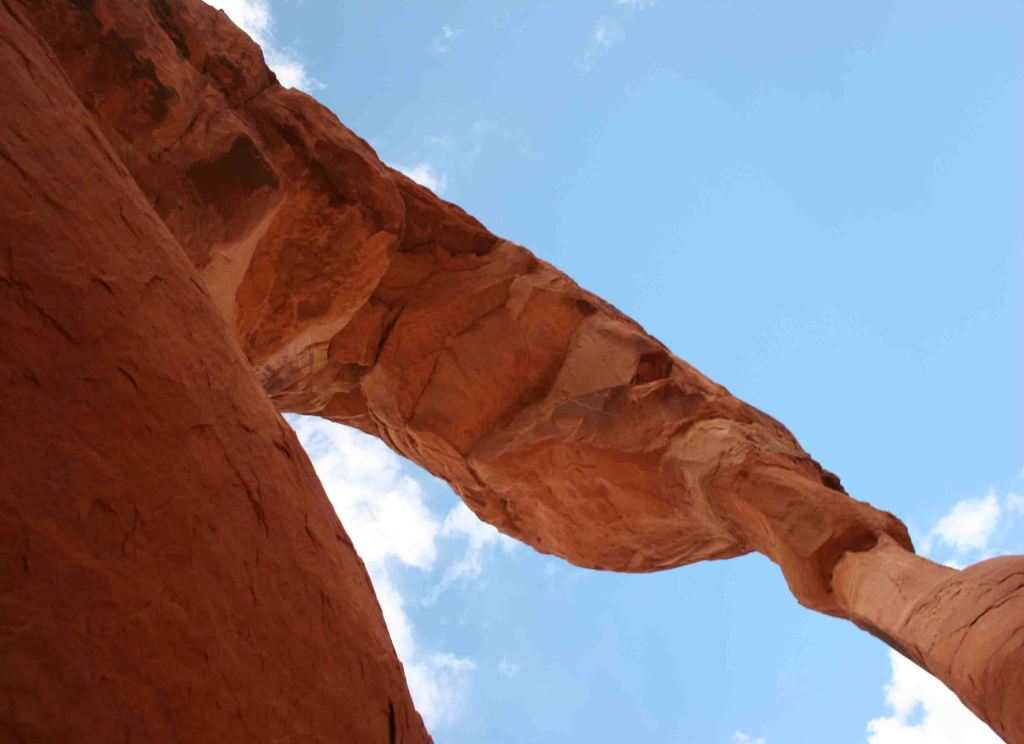
Arches National Park in Moab, Utah is home to 2,500 wind-carved holes in its famed orange sandstone, ranging in size from a minimum of three feet to 290-foot wide Landscape Arch (the fifth longest span in the world).  As opposed to natural bridges which are carved by flowing water, arches are primarily wind formed, although water and ice can contribute. 

Learn more in our guidebook to the National Parks, A Park to Yourself: Finding Adventure in America’s National Parks (available on Amazon).

Highlights

Delicate Arch, Balanced Rock, Landscape Arch, Fiery Furnace, Devils Garden Trail

Must-Do Activity

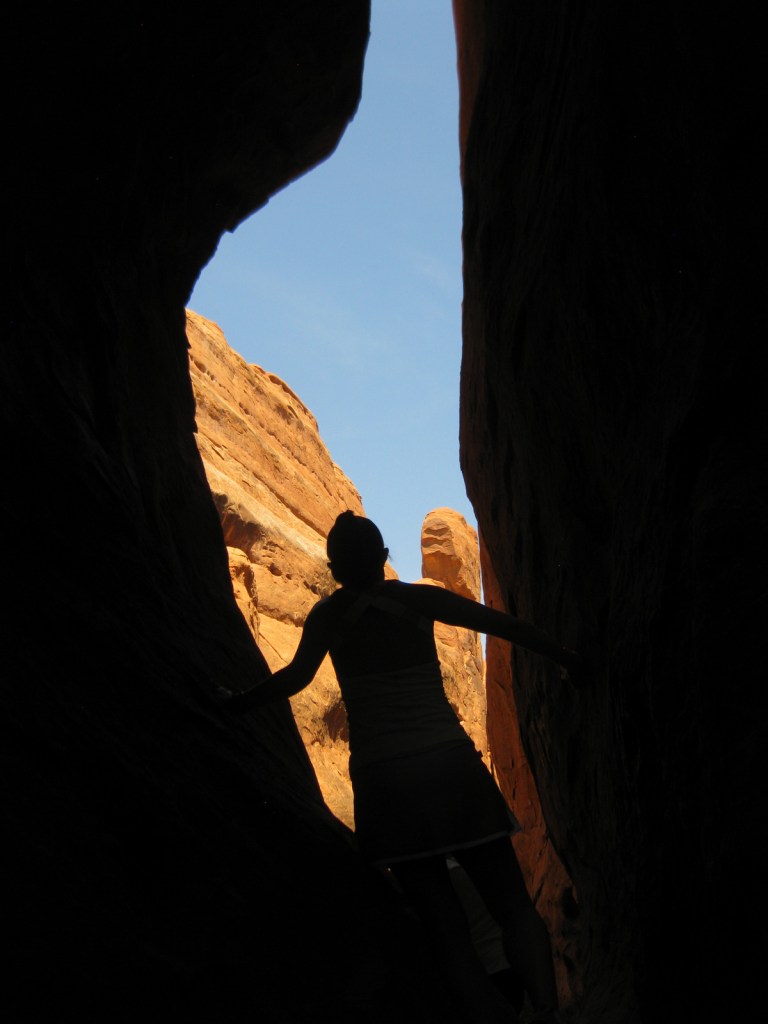
We recommend you reserve a spot on a ranger led hike through the twisting labyrinth of Fiery Furnace (additional fee).  You can get a permit to go alone, but we are glad we had a guide or we might still be trying to find our way out.  The beautiful red rocks really show their color at sunrise and sunset, so find a nice place to watch the show when you come.  As depicted on the state license plate for Utah, Delicate Arch is a popular venue for sunsets.

Best Trail

When the crowds in the park overwhelm you, take the easy 8.3-mile drive down dirt Salt Valley Road to the trailhead for less visited Tower Arch.  Seeing Tower Arch is worth the strenuous 3.4-mile roundtrip hike, but it can be hard to photograph.

Instagram-worthy Photo

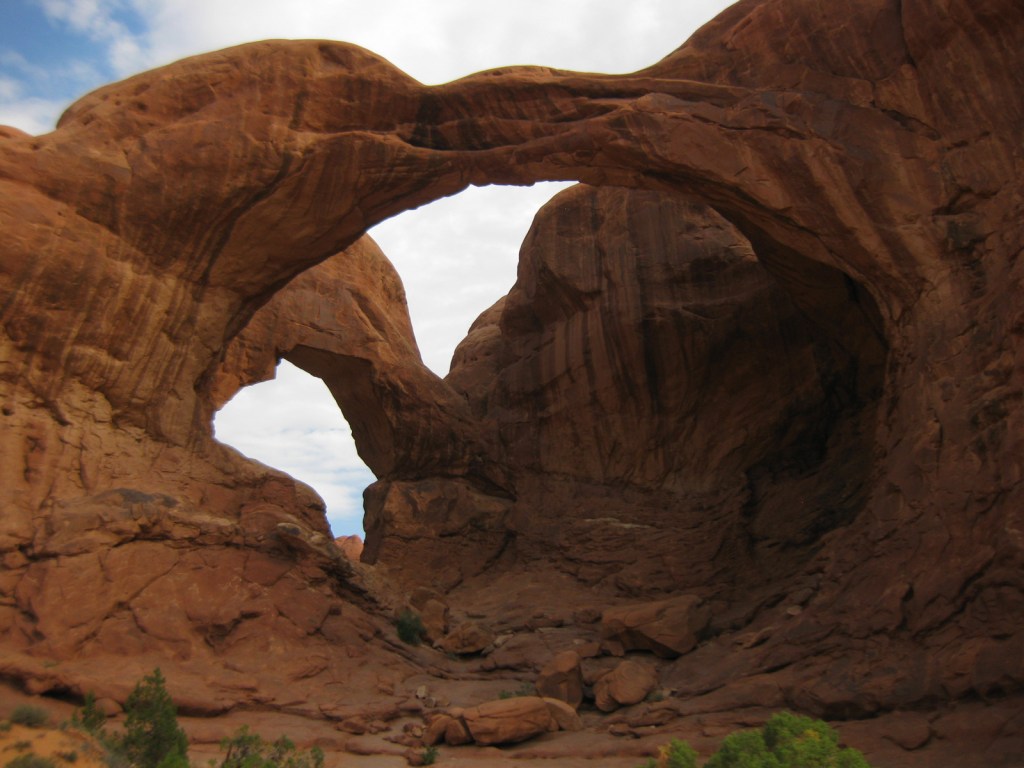
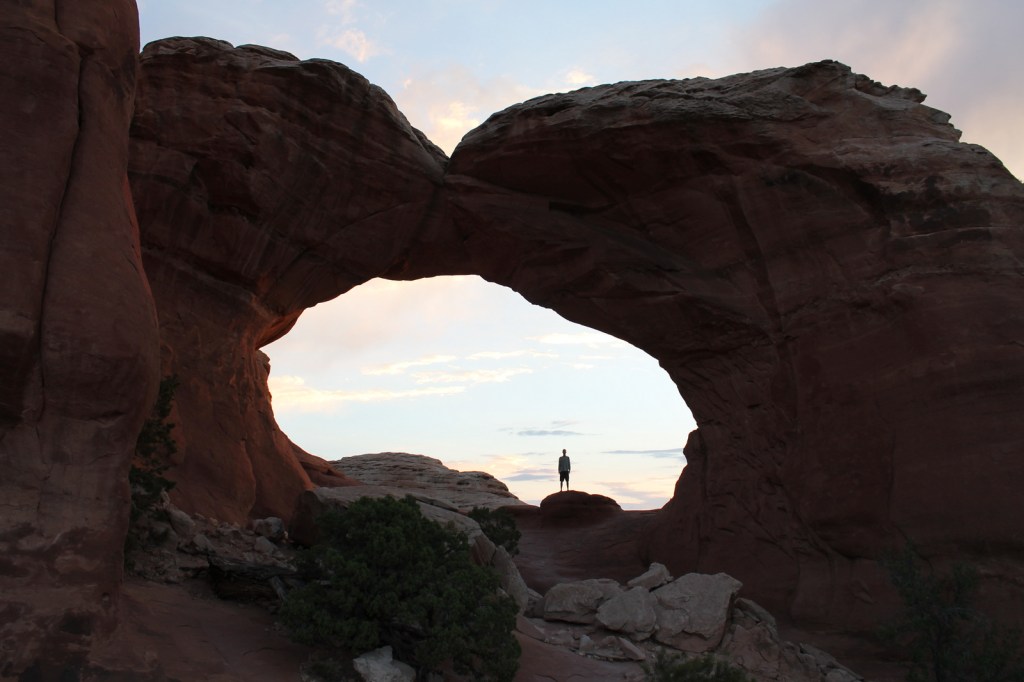
Double Arch is located near the North and South Windows and photographs well in the late afternoon.

Peak Season

Spring and fall

Hours

https://www.nps.gov/arch/planyourvisit/hours.htm

Fees

$30 per vehicle or America the Beautiful pass

Road Conditions

The main road that dead ends at Devils Garden is paved, but there are some dirt roads in the park that require four-wheel-drive, high-clearance vehicles.

Camping

Devils Garden Campground is a great place to spend the night, with easy trail access to Broken Arch and Sand Dune Arch.  The public land around Moab under the jurisdiction of the Bureau of Land Management is often overrun by dispersed campers.

Related Sites

Canyonlands National Park (Utah)

Natural Bridges National Monument (Utah)

Capitol Reef National Park (Utah)

This design we created to celebrate Joshua Tree National Park is available on a variety of products at Cafe Press and Amazon.

Explore More – At 290 feet, Landscape Arch is the fifth longest span in the world; what country contains the four larger arches?

We are a participant in the Amazon Services LLC Associates Program, an affiliate advertising program designed to provide a means for us to earn fees by linking to Amazon.com and affiliated sites.

Top 10 Blog Posts from Our Third 100

To celebrate reaching the milestone of our 300th blog post, we are linking to our top 10 posts from 201-300 based on number of likes.  Click here to see our Top 10 from the first 100 and 200 (or click here if you want to see all of our Top 10 Lists).  Thank you to our readers for continuing to inspire us to visit new National Park Service (NPS) units and share the wonders with you all. 

Our first hardcopy guidebook to the National Parks was released in November 2019.  We have now released a guidebook for the 155 U.S. National Forests.

10. George Washington Carver National Monument (Missouri)

9. Lyndon B. Johnson National Historical Park (Texas)

8. Little River Canyon National Preserve (Alabama)

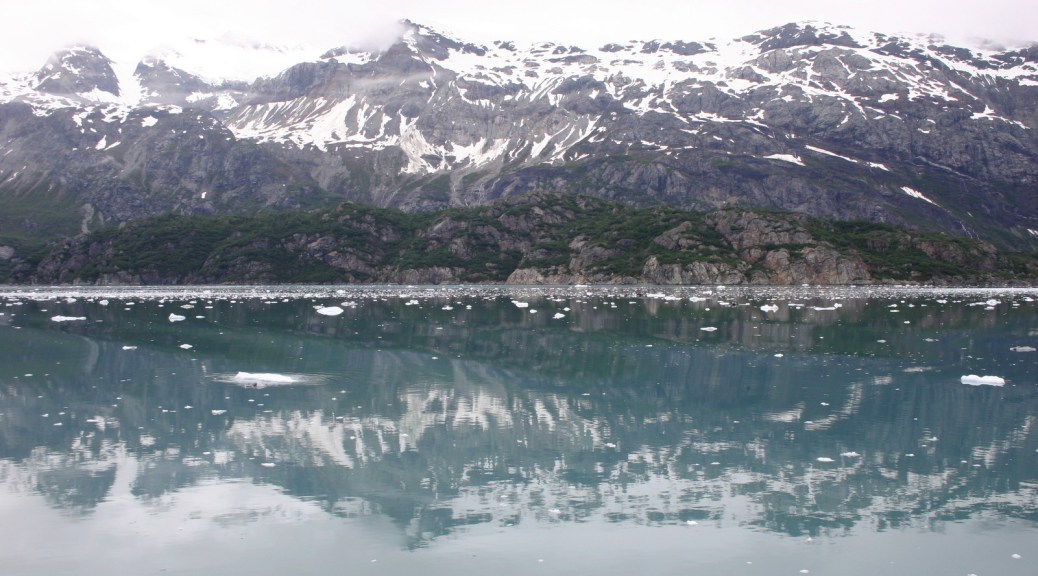
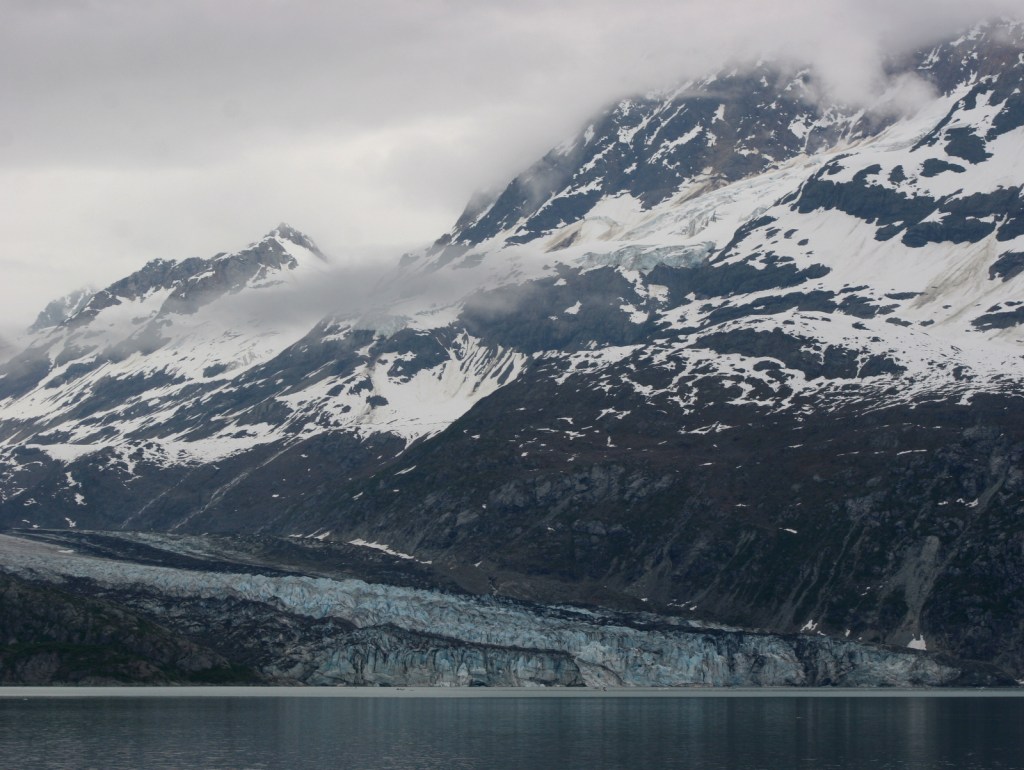
7. Glacier Bay National Park and Preserve (Alaska)

6. Joshua Tree National Park (California)

5. Kennesaw Mountain National Battlefield Park (Georgia)

4. Wind Cave National Park (South Dakota)

3. Saguaro National Park (Arizona)

2. Chiricahua National Monument (Arizona)

…and finally the #1 most popular blog post from our third 100:

1. Canyonlands National Park (Utah)

Honorable Mention

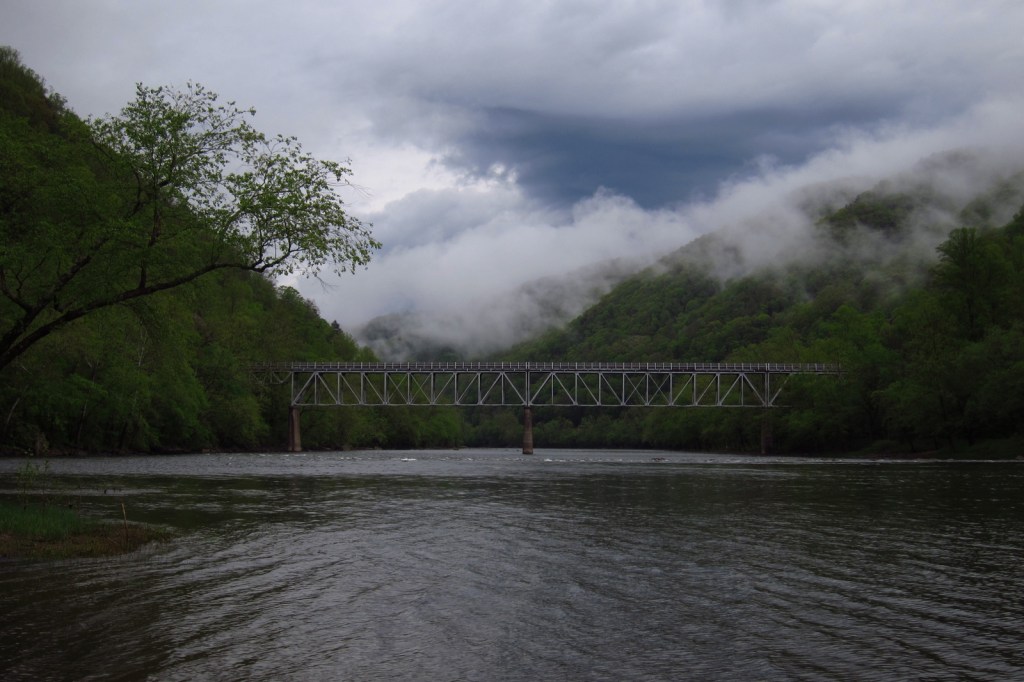
New River Gorge National Park and Preserve (West Virginia, renamed December 27, 2020)

We are a participant in the Amazon Services LLC Associates Program, an affiliate advertising program designed to provide a means for us to earn fees by linking to Amazon.com and affiliated sites.

Cape Hatteras National Seashore

Overview

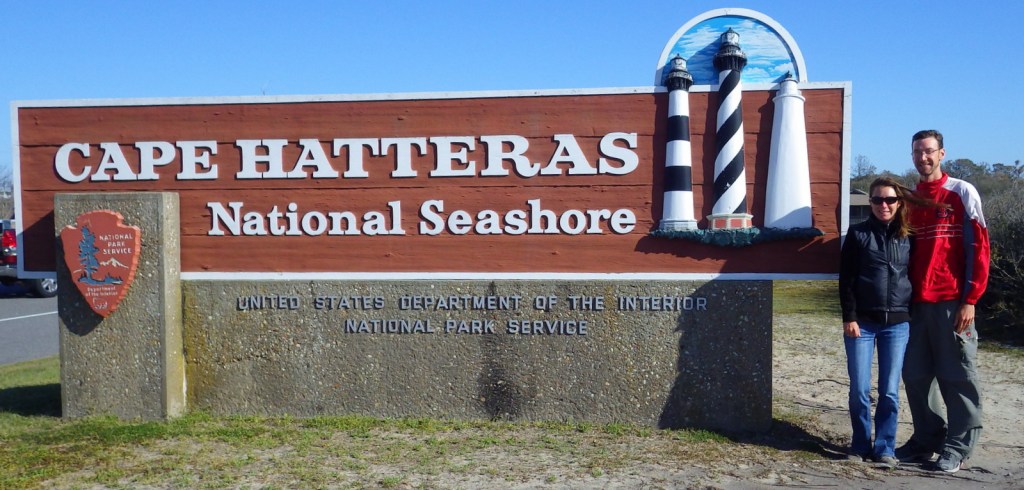
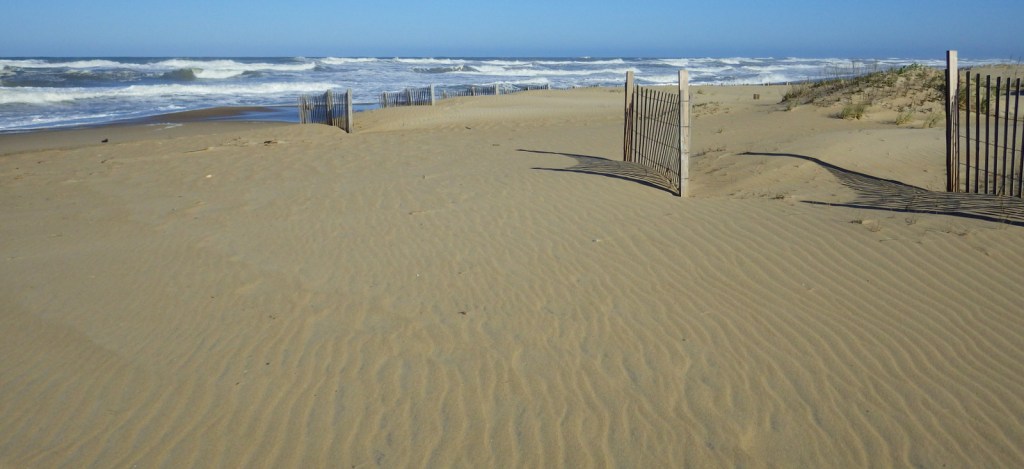
The Outer Banks of North Carolina have sparked the imaginations of travelers ever since British colonists landed here in 1585.  If you are seeking undeveloped beaches that have changed little over the centuries then this is the place to go.  The 70 miles of barrier islands protected as Cape Hatteras National Seashore are interrupted only by small seaside villages and one long section by Pea Island National Wildlife Refuge.  Bodie Island and Hatteras Island are connected by bridges, but Ocracoke Island is only accessible by ferry.

Highlights

1870 Cape Hatteras Lighthouse, 1872 Bodie Island Lighthouse, Ocracoke Island Campground, beaches

Must-Do Activity

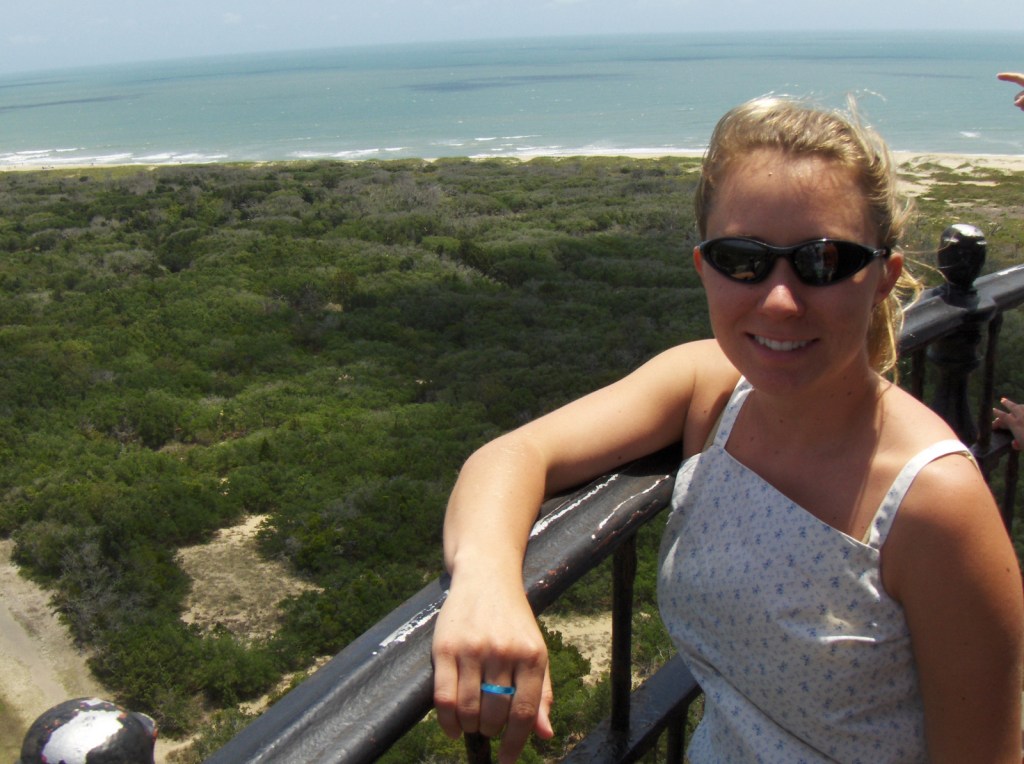
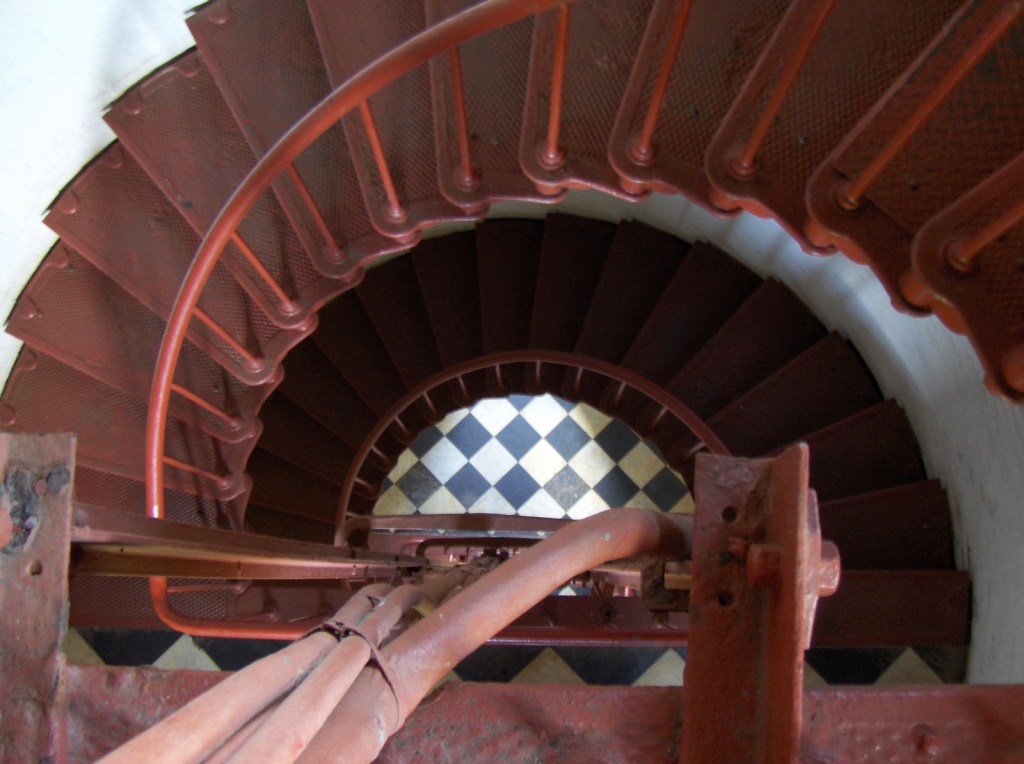
The main National Park Service (NPS) visitor center is located at iconic Cape Hatteras Lighthouse where you can learn about shipwrecks, pirates, and the monumental effort to move the 208-foot tall brick structure in 1999.  Further down Highway 12, pick up a free ferry to Ocracoke Island, a renowned vacation destination.  Several campgrounds are found along the seashore, including one on Ocracoke.  Since this remote strip of sand is not easy to get to, you will want to spend at least a night or two.

Best Trail

Walking the beach and collecting seashells is the most popular diversion, but there are also the Hammock Hills Nature Trail on Ocracoke Island and Buxton Woods Nature Trail on Hatteras Island.

Instagram-worthy Photo

Ocracoke Lighthouse is the oldest operating lighthouse in North Carolina, dating back to 1823, but it is not open to enter inside.

Peak Season

Summer

Hours

https://www.nps.gov/caha/planyourvisit/hours.htm

Fees

None, except a fee is charged to climb Bodie Island and Cape Hatteras Lighthouses

Road Conditions

All main roads are paved and there are designated access points to drive on the beach.

Camping

There are four NPS campgrounds and they all take reservations.

Related Sites

Cape Lookout National Seashore (North Carolina)

Fort Raleigh National Historic Site (North Carolina)

Wright Brothers National Memorial (North Carolina)

Explore More – The Outer Banks are known as the “Graveyard of the Atlantic,” so how many shipwrecks have been recorded in this area?