All posts by Raven About The Parks

Top 10 Non-Fiction Books on Trees and Forests

When we compiled our last Top 10 list on National Forest non-fiction books in honor of our new publication, we realized there were many great books on forests that did not fit that category.  So we created this list of the best books we have read about specific tree species and forests.  Some of the selections are history, some biology, some biography, and some ecology (or a mix of all four).  Click here to see all of our Top 10 lists, including quite a few other book lists. 

10. Beyond the Aspen Grove (1970) by Ann Zwinger

Quaking aspen trees are special, not just because they grow huge clonal stands or turn beautiful colors in the autumn

9. Oak: The Frame of Civilization (2005) by William Bryant Logan

From Eurasia to North America, the many species of oak trees have been essential to humankind

8. The Bristlecone Book: A Natural History of the World’s Oldest Trees (2007) by Ronald M. Lanner

An in-depth look at the oldest single-stem trees on the planet—Great Basin bristlecone pines

7. The Tree: A Natural History of What Trees Are, How They Live, and Why They Matter (2005) by Colin Tudge

A great introduction to dendrology full of fun facts and figures

6. Tales from the Underground: A Natural History Of Subterranean Life  (2001) by David W. Wolfe

The visible parts of forests would never grow without the activity of trillions of microorganisms in the soil

5. American Canopy: Trees, Forests, and the Making of a Nation (2012) by Eric Rutkow

The history of forests in the U.S., including the huge impact of chestnut blight and Dutch elm disease

4. The Hidden Life of Trees: What They Feel, How They Communicate (2016) by Peter Wohlleben

Unable to move, trees use pheromones and other means for intraspecific and interspecific communication; the author also published Forest Walking in 2022

3. The Golden Spruce: A True Story of Myth, Madness, and Greed (2005) by John Vaillant

Basically about a mutant Sitka spruce tree that was killed, this well-written story is hard to put down

2. The Wild Trees: A Story of Passion and Daring (2007) by Richard Preston

Mostly set in Redwood National Park, this book focuses on the people who research the tallest trees in the world

…and finally our #1 non-fiction book on trees and forests:

1. A Sand County Almanac (1949) by Aldo Leopold

The greatest ecologist of the twentieth century, Aldo Leopold worked in Gila National Forest as a young man where the events of the seminal essay “Thinking Like a Mountain” took place

Honorable Mentions

Lives of the Trees: An Uncommon History (2010) by Diane Wells

A beautifully illustrated sampling of information on common trees from around the world

Tree: A Life Story (2004) by David Suzuki and Wayne Grady

The life cycle of a single tree, beautifully narrated and illustrated

What a Plant Knows: A Field Guide to the Senses (2012) by Daniel Chamovitz

An excellent summation of decades of little-known research on plants of all sizes

The Forest Unseen: A Year’s Watch in Nature (2012) by David George Haskell

A detailed look at the activity in a small patch of old-growth forest in Tennessee

We are a participant in the Amazon Services LLC Associates Program, an affiliate advertising program designed to provide a means for us to earn fees by linking to Amazon.com and affiliated sites.

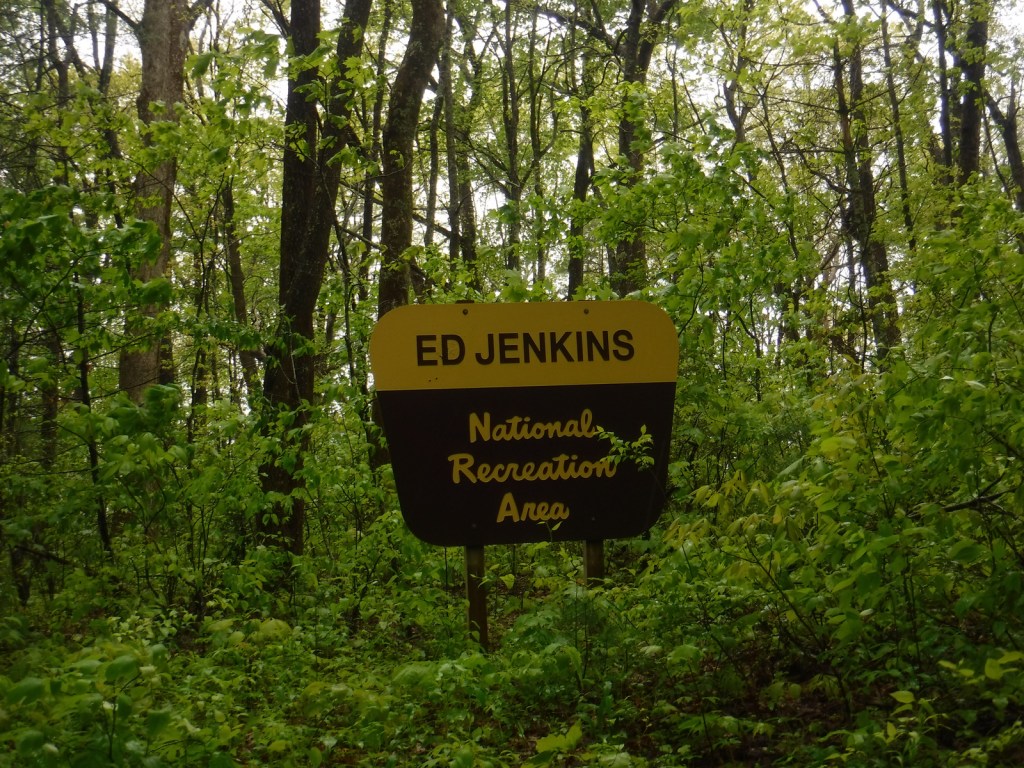
Ed Jenkins National Recreation Area

Ed Jenkins National Recreation Area

Georgia

Managed by U.S. Forest Service, Chattahoochee National Forest

23,330 acres

Overview

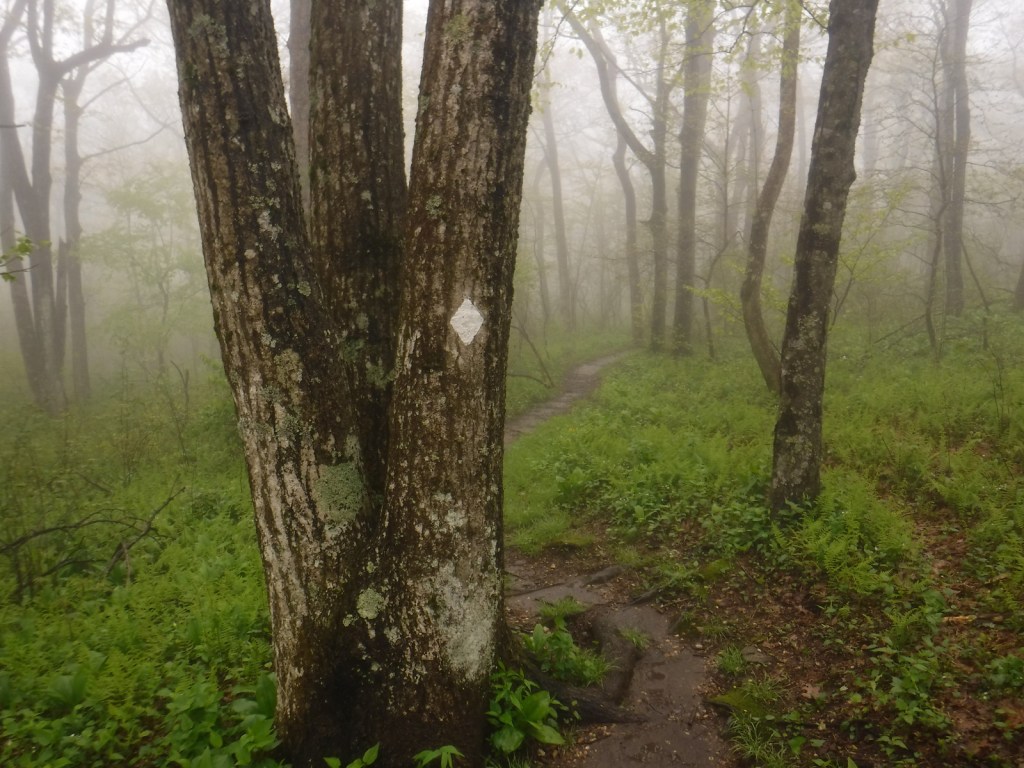
Your first question is probably, “Who is Ed Jenkins?”  Edgar Lanier Jenkins (1933-2012) was a politician who served as one of Georgia’s U.S. Congressional representatives from 1977 to 1993.  This spot was initially proposed as Springer Mountain National Recreation Area, but was renamed when established in 1991.  If Springer Mountain sounds familiar, that is because it is the southern terminus of the Appalachian National Scenic Trail that runs 2,185 miles to Katahdin in Maine through numerous National Forests (as well as Great Smoky Mountains and Shenandoah National Parks).  A memorable part of Bill Bryson’s book A Walk in the Woods takes place in Ed Jenkins National Recreation Area.

Highlights

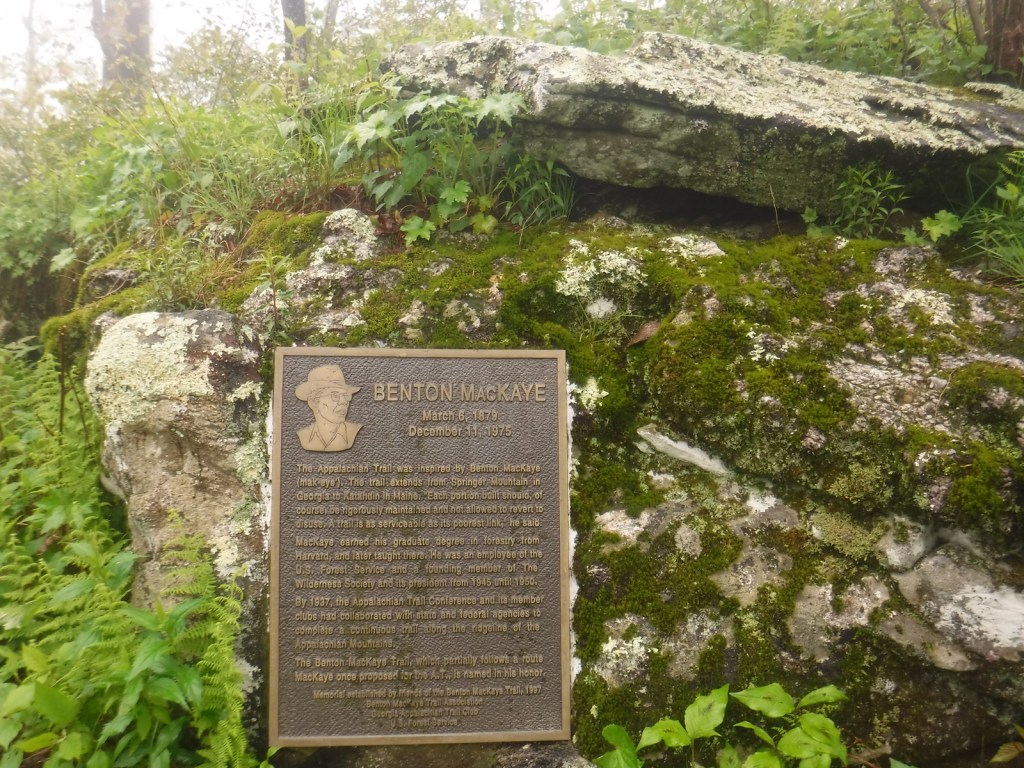
Benton MacKaye Trail, Owen Vista, Appalachian National Scenic Trail southern terminus

Must-Do Activity

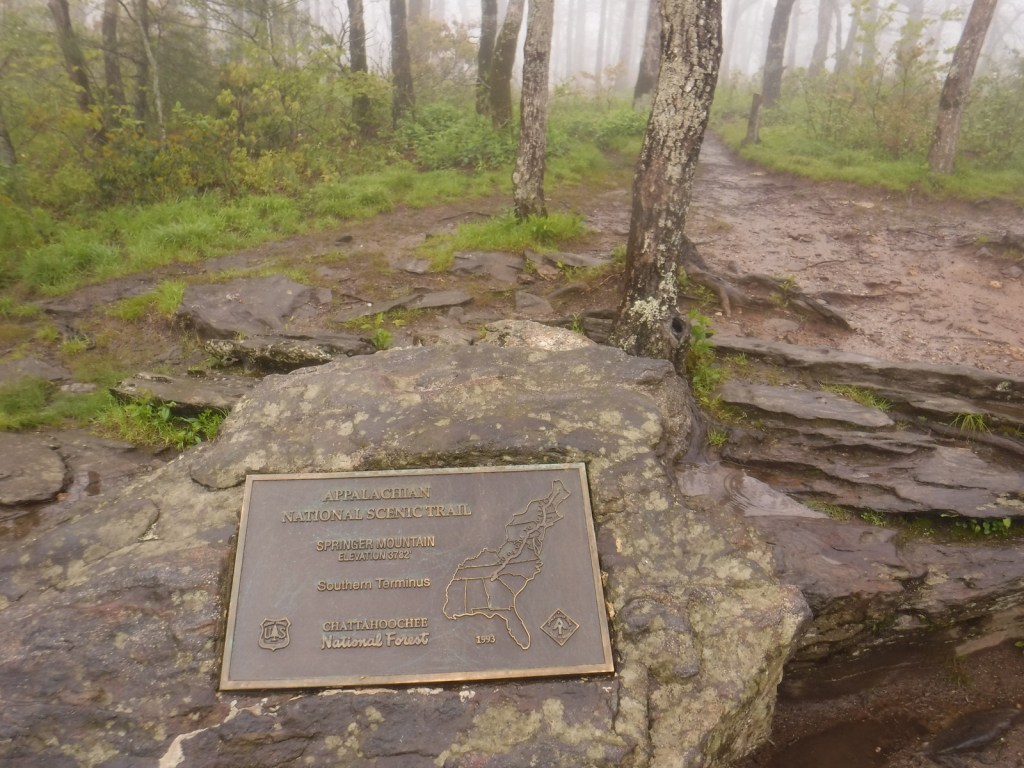
The southern terminus of the Appalachian National Scenic Trail was at Mt. Oglethorpe until 1958, when it was moved 14 miles northeast due to increased development.  Thru-hikers can access the bronze plaque and trail register at the top of Springer Mountain by hiking 8.5 miles from Amicolola Falls State Park.  An easier option is to start from potholed Forest Service Road 42 and ascend 0.9 miles south to the summit.  Some thru-hikers choose to spend the night in the open-front trail shelter near the top, but many simply turn around to head back north.

Best Trail

Similar to summiting Katahdin at the northern terminus of the Appalachian National Scenic Trail, thru-hikers have to hike to the end of the trail, and then turn around.  For day hikers, a nice option is to add the eastern part of the Benton MacKaye Trail to make a 4.7-mile loop that passes Owen Vista.

Instagram-worthy Photo

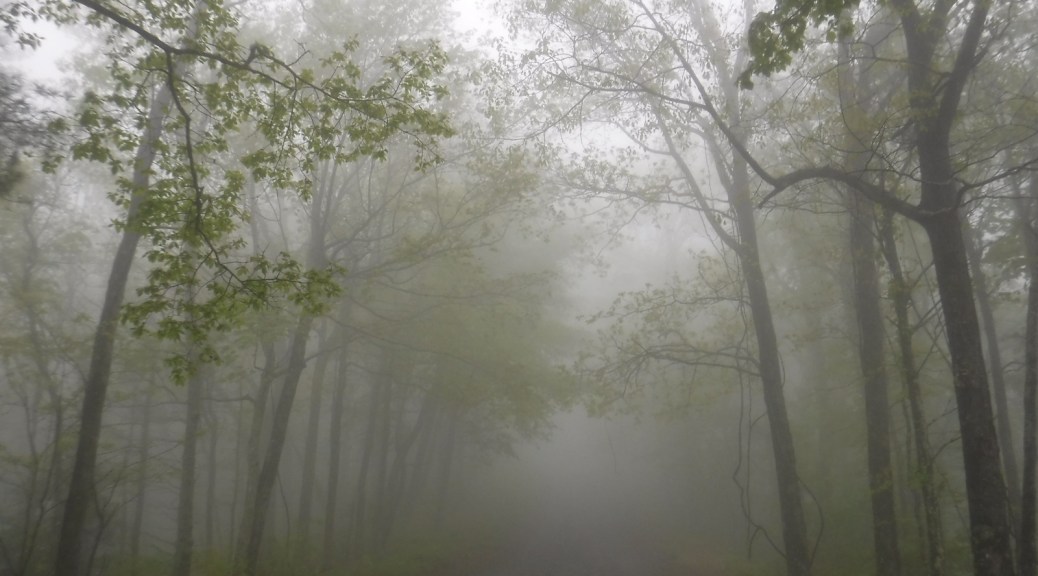
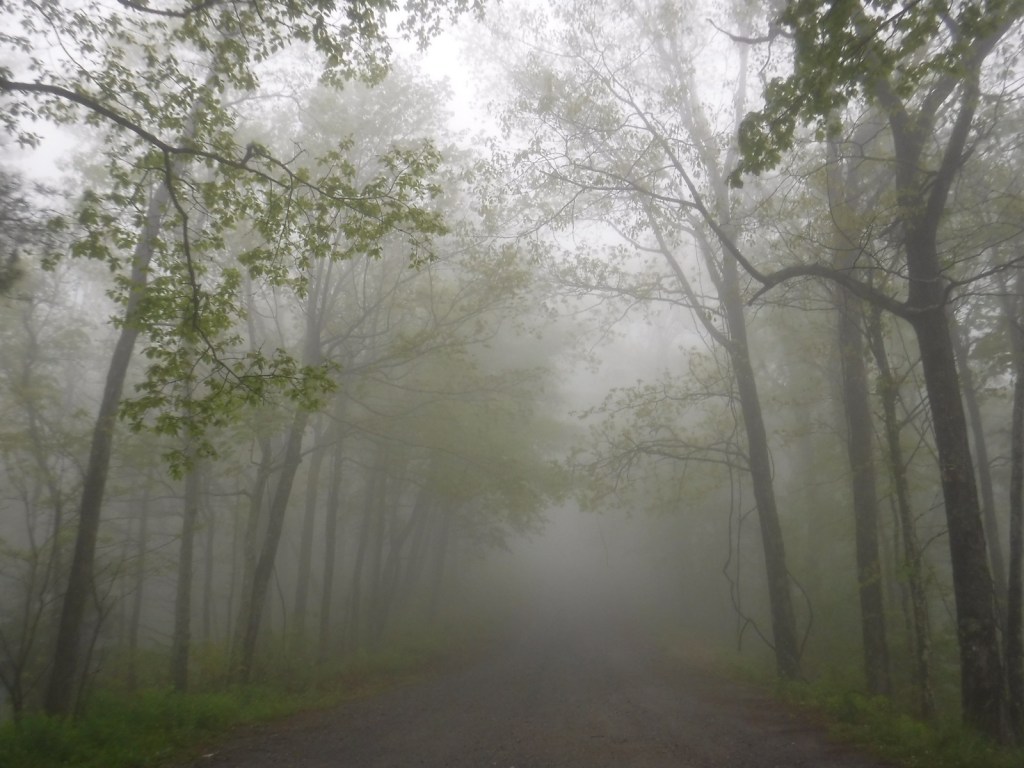
It was quite foggy when we visited, so we did not get any great vistas, but you have to photograph the bronze plaque marking the southern terminus of the famed Appalachian National Scenic Trail.

Peak Season

Spring

Fees

None

Road Conditions

Forest Service Road 42 that accesses the trailhead is dirt and full of potholes, but it is doable in a passenger vehicle. 

Camping

Some thru-hikers choose to spend the night in the open-front trail shelter near the summit of Springer Mountain.  If you have a car, we recommend you drive west in Chattahoochee National Forest to the free Hickey Gap Campground (which made our Top 10 Campgrounds in National Forests list).

Related Sites

Chickamauga and Chattanooga National Military Park (Georgia)

Kennesaw Mountain National Battlefield Park (Georgia)

Appalachian National Scenic Trail (Maine to Georgia)

Nearest National Park

Great Smoky Mountains

Explore More – How many National Forests does the 2,185-mile Appalachian National Scenic Trail cross?

Chattahoochee National Forest

Chattahoochee National Forest

Georgia

Managed by U.S. Forest Service, Southern Region

1,516,006 acres (750,145 federal/ 765,861 other)

Website: https://www.fs.usda.gov/conf

Overview

In mountainous northern Georgia, Chattahoochee National Forest stretches 200 miles east to west, bordering North Carolina, South Carolina, and Tennessee.  In addition to the highest point in Georgia (4,784-foot Brasstown Bald), the National Forest includes the headwaters of the Chattahoochee River and one side of the Chattooga National Wild and Scenic River.  West of the North Georgia Mountains, the Ridge and Valley Scenic Byway traverses the disjunct portion of the National Forest encompassing Johns Mountain, Little Sand Mountain, and Taylor Ridge.

Highlights

Ed Jenkins National Recreation Area, Ridge and Valley Scenic Byway, Keown Falls, Russell-Brasstown Scenic Byway, Brasstown Bald, High Shoal Falls Scenic Area, Lake Conasauga Recreation Area, Anna Ruby Falls, Sosebee Cove Scenic Area, Timpson Falls, Popcorn Overlook, Track Rock Gap Petroglyph Site, DeSoto Falls Scenic Area, Angel Falls, Raven Cliff Trail, Helton Creek Falls Trail, Duncan Ridge National Recreation Trail, Appalachian National Scenic Trail

Must-Do Activity

One of the National Forest’s most popular spots, 150-foot-tall Anna Ruby Falls is accessed by a short trail northeast of Helen, Georgia on State Route 356.  Large tulip-poplar and yellow buckeye trees grow in 175-acre Sosebee Cove Scenic Area, even though it is a second growth forest.  We will have a separate blog post on Ed Jenkins National Recreation Area, which surrounds Springer Mountain, the southern terminus of the 2,185-mile long Appalachian National Scenic Trail.

Best Trail

Chattahoochee National Forest started when the Forest Service purchased 31,000 acres from the Gennett family in 1911 for $7 per acre.  Visitors can still see their namesake Gennett Poplar (a tulip-poplar tree more than five feet in diameter) by hiking 1.8 miles out-and-back with two stream crossings on the Bear Creek Trail.  The rows of holes in the old tree’s trunk were made by yellow-bellied sapsuckers, a type of woodpecker.  The trail continues and connects with the Pinhoti Trail to form a 6.6 to 9-mile long loop.

Watchable Wildlife

In addition to the plentiful white-tailed deer, other large mammals found in Chattahoochee National Forest include black bears, coyotes, bobcats, red foxes, squirrels, beavers, and river otters.  There are a wide variety of songbirds, waterfowl, and raptors, as well as wild turkeys.  One insect species of note is the blue ghost firefly, which produces a distinctive blue phosphorescence.  Panther Creek is among the approximately 2,000 miles of rivers and streams popular for fishing.

Instagram-worthy Photo

There is a small waterfall at Barnes Creek Picnic Area, which was built by the Civilian Conservation Corps (CCC) in the 1930s.

Peak Season

Summer

Fees

None

Road Conditions

Most of the major routes in Chattahoochee National Forest are paved.  Forest Service Road 42 that accesses the Springer Mountain Trailhead is unpaved and full of potholes, but it is doable in a passenger vehicle (as are the dirt roads to Hickey Gap Campground and Bear Creek Trail). 

Camping

The riverside Hickey Gap Campground is so nice that it made it into our list of the Top 10 Campgrounds in National Forests; the best part is: it is free.  We once overnighted at the Locust Stake ORV Area Trailhead north of Atlanta, which was fine until someone decided to ride their motocross bike at 2 a.m.

Wilderness Areas

Big Frog Wilderness (also in Cherokee NF)

Blood Mountain Wilderness

Brasstown Wilderness

Cohutta Wilderness (also in Cherokee National Forest)

Ellicott Rock Wilderness (also in Nantahala and Sumter National Forests)

Mark Trail Wilderness

Raven Cliffs Wilderness

Rich Mountain Wilderness

Southern Nantahala Wilderness (also in Nantahala National Forest)

Tray Mountain Wilderness

Related Sites

Chattahoochee River National Recreation Area (Georgia)

Martin Luther King, Jr. National Historical Park (Georgia)

Ed Jenkins National Recreation Area (Georgia)

Nearest National Park

Great Smoky Mountains

Conifer Tree Species

eastern hemlock, loblolly pine, shortleaf pine, Table Mountain pine, pitch pine

Flowering Tree Species

flowering dogwood, mountain laurel, pawpaw, American beech, white basswood, red maple, mountain maple, moosewood maple, tulip-poplar, sweet buckeye, yellowwood, yellow birch, cucumber magnolia, black cherry, sourwood, pale hickory, mockernut hickory, rock chestnut oak, scarlet oak, black oak, Catawba rhododendron, yellow birch, sweet bay magnolia, mountain-ash, ninebark

Explore More – How many acres are within the Cohutta Wilderness, the largest designated Wilderness east of the Mississippi River?

Learn more about Chattahoochee and the 154 other National Forests in our new guidebook Out in the Woods

We are a participant in the Amazon Services LLC Associates Program, an affiliate advertising program designed to provide a means for us to earn fees by linking to Amazon.com and affiliated sites.
Carson National Forest

Carson National Forest

New Mexico

Managed by U.S. Forest Service, Southwestern Region

1,490,468 acres (1,391,674 federal/ 98,794 other)

Website: https://www.fs.usda.gov/carson

Overview

Carson National Forest is spread across the Sangre de Cristo Mountains that run 200 miles from northern New Mexico into southern Colorado’s Rio Grande and San Isabel National Forests.  In 1982, the Pennzoil Corporation donated the Valle Vidal Unit (about 100,000 acres) to the Forest Service.  A decade earlier, the Taos Pueblo successfully lobbied to return sacred Blue Lake to the tribe and remove it from Carson National Forest. 

Highlights

Enchanted Circle Scenic Byway, Wheeler Peak, Clayton Pass, Vista Grande, Brazos Ridge Overlook, Canjilon Lakes, Lobo Peak, Echo Amphitheater, Cabresto Lake, Pot Creek Cultural Site, Amole Canyon, Devisadero Loop Trail, Continental Divide National Scenic Trail, Columbine-Twining National Recreation Trail

Must-Do Activity

The National Forest contains New Mexico’s highest point (13,161-foot Wheeler Peak) near Taos Ski Valley, one of several ski resorts found here.  The gravel parking lot fills up early on summer weekends, as those looking to summit want to finish before afternoon thunderstorms.  If a 14-mile roundtrip hike with 3,771 feet of elevation gain sounds too strenuous, there are plenty of other trails around Taos Ski Valley listed below.

Best Trail

There is an extensive trail system that spiders out from Taos Ski Valley, including several that follow canyon streams and access small mountain lakes.  We recommend the Bull of the Woods Trail if you want to avoid the crowds summiting Wheeler Peak.  Other hiking options in the area include Williams Lake, Long Canyon, Lobo Peak, and Goose Lake.

Watchable Wildlife

Mule deer, elk, pronghorn, and bighorn sheep are large ungulates found in Carson National Forest.  Its carnivores include black bears, coyotes, red foxes, bobcats, and mountain lions.  The National Forest’s lakes and 400 miles of rivers and streams are mostly stocked with native trout species.

Instagram-worthy Photo

Alpine views abound on the hike up to 13,161-foot Wheeler Peak, the highest point in New Mexico.

Peak Season

Summer

Fees

None

Road Conditions

State Highway 150 is paved to Taos Ski Valley except for the very end, which is a good gravel road (as is FR 597 north of Red River).

Camping

There are many great places to camp in Carson National Forest, with notable areas being Elephant Rock Campground, Hopewell Lake Campground, and several campgrounds around the Canjilon Lakes.  We set up a dispersed camp near a high mountain pass on FR 597 above the town of Red River in the summer.

Wilderness Areas

Chama River Canyon Wilderness (also in Santa Fe National Forest)

Cruces Basin Wilderness

Latir Peak Wilderness

Pecos Wilderness (also in Santa Fe National Forest)

Wheeler Peak Wilderness

Related Sites

Pecos National Historical Park (New Mexico)

Bandelier National Monument (New Mexico)

Fort Union National Monument (New Mexico)

Nearest National Park

Great Sand Dunes

Conifer Tree Species

Engelmann spruce, limber pine, Rocky Mountain bristlecone pine, two-needle pinyon pine, ponderosa pine, Douglas-fir, white fir, subalpine fir

Flowering Tree Species

Gambel oak, quaking aspen, bigtooth maple, boxelder, New Mexico locust, Fremont cottonwood, netleaf hackberry

Explore More – Who was the U.S. President that pushed through Congress the Taos Pueblo appeal to return Blue Lake?

Learn more about Carson and the 154 other National Forests in our new guidebook Out in the Woods

We are a participant in the Amazon Services LLC Associates Program, an affiliate advertising program designed to provide a means for us to earn fees by linking to Amazon.com and affiliated sites.
Top 10 Blog Posts from Our Fourth 100

To celebrate reaching the milestone of our 400th blog post, we are linking to our top 10 posts from 301-400 based on number of likes.  Please check out our Top 10 from the first 100, 200, and 300 (or click here if you want to see all of our Top 10 Lists, including our meta Top 10 of Our Top 10 Lists).  Thank you to our readers for inspiring us to continue traveling and to share the wonders with you all.

When we last posted we were starting work on our guidebook for the 155 U.S. National Forests, which is now published on Amazon.  We had no idea we would write four articles for our local newspaper (and be interviewed for another), give a presentation at our library on National Forests, or publish a coloring book based on illustrations from our first guidebook to the National Parks.  Who knows what we will do between now and our 500th post?

10. Canaveral National Seashore (Florida)

9. Chattahoochee River National Recreation Area (Georgia)

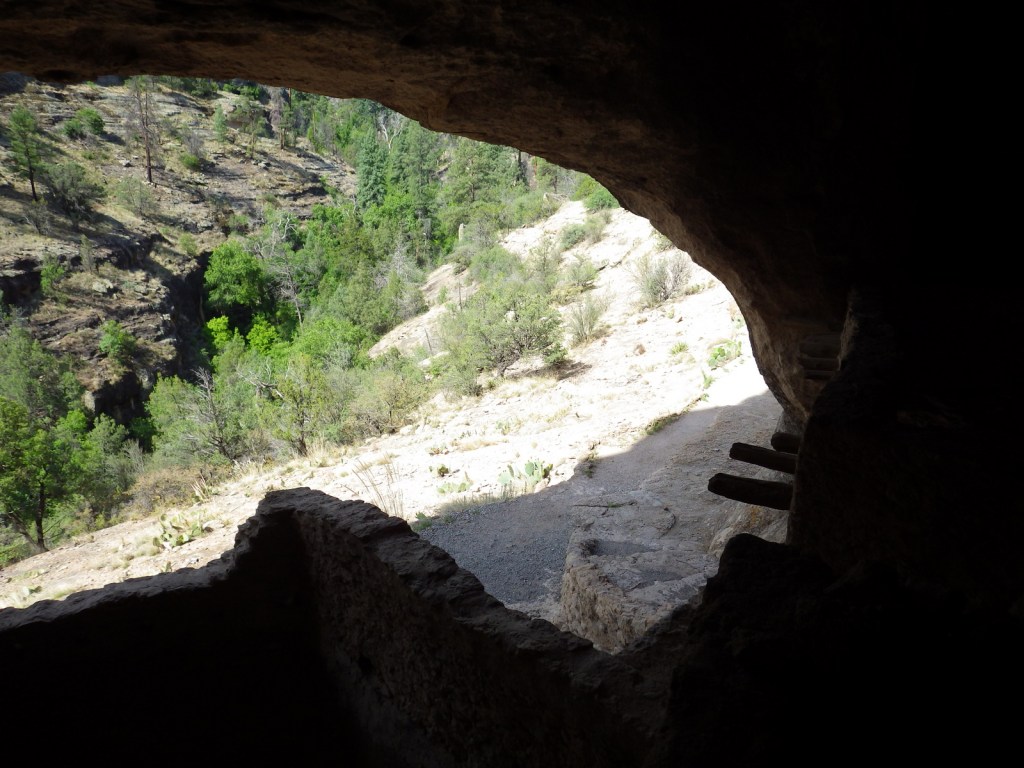
Gila Cliff Dwellings National Monument (New Mexico)

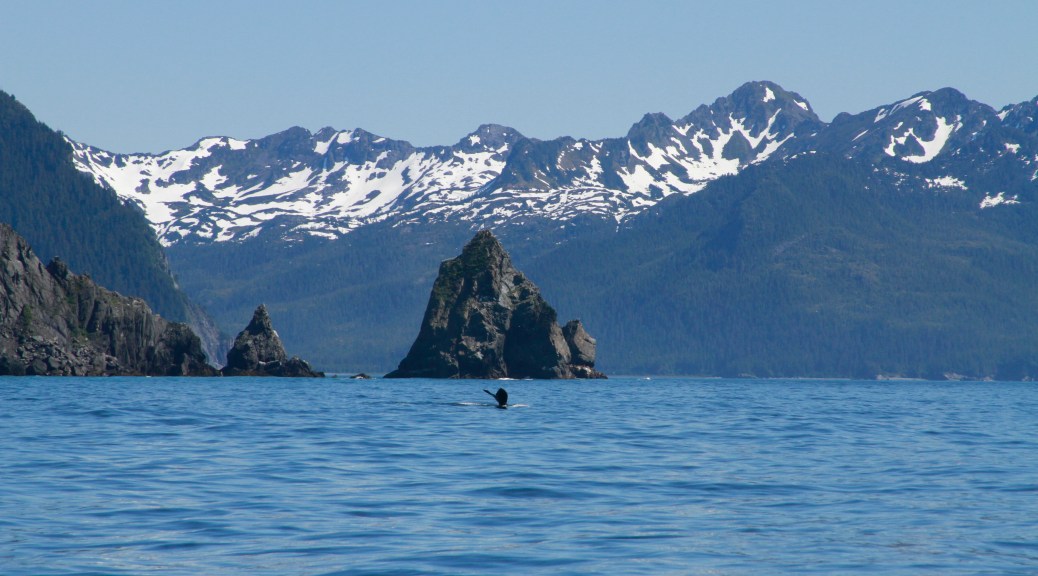
7. Kenai Fjords National Park (Alaska)

6. Arapaho National Recreation Area (Colorado)

5. Cuyahoga Valley National Park (Ohio)

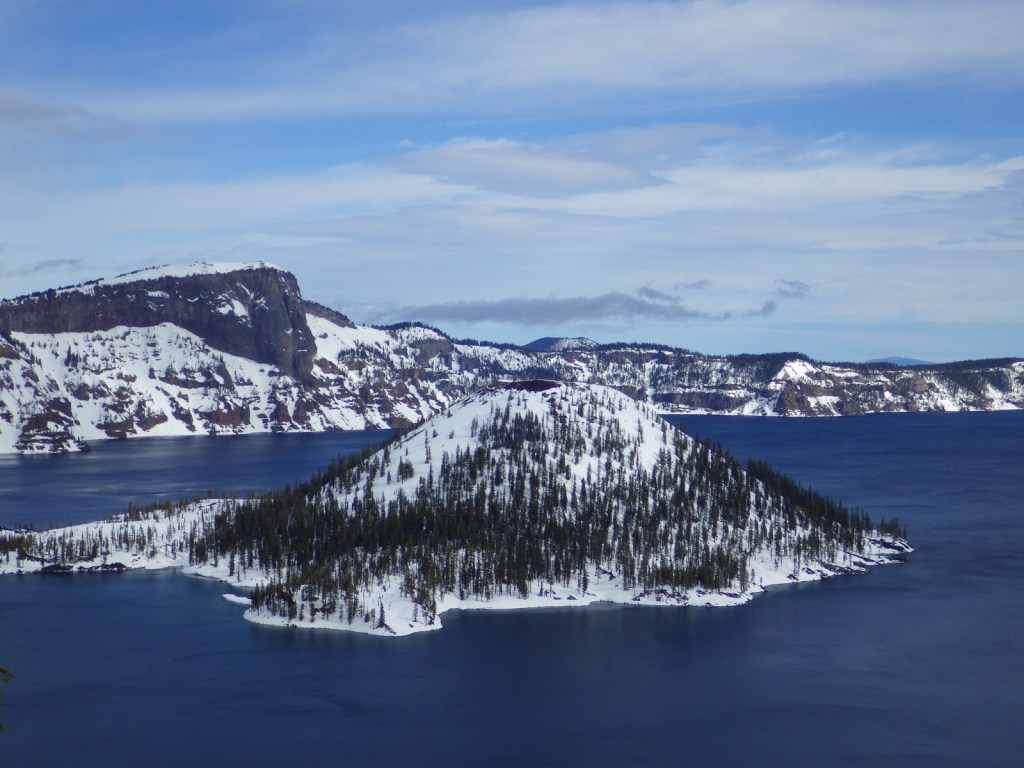
4. Crater Lake National Park (Oregon)

3. Pinnacles National Park (California)

2. Colorado National Monument (Colorado)

…and finally our #1 blog post from our fourth 100:

1. Arches National Park (Utah)

Honorable Mentions

Minidoka National Historic Site (Idaho)

The new visitor center is open where you can watch an excellent film on the internment of U.S. citizens during WWII

Channel Islands National Park (California)

We added photos from our kayaking trip around Santa Cruz Island from November 2021

Indiana Dunes National Park (Indiana)

We visited the eastern parts of this new National Park after visiting it in 2016 as a National Lakeshore

Theodore Roosevelt National Park (North Dakota)

We backpacked around the park’s Petrified Forest Trail in July 2022 and saw an awesome double rainbow and woke up 50 feet from a sleeping bison

Learn more about finding solitude in the National Parks in our guidebook:

We are a participant in the Amazon Services LLC Associates Program, an affiliate advertising program designed to provide a means for us to earn fees by linking to Amazon.com and affiliated sites.