Tag Archives: wildlife

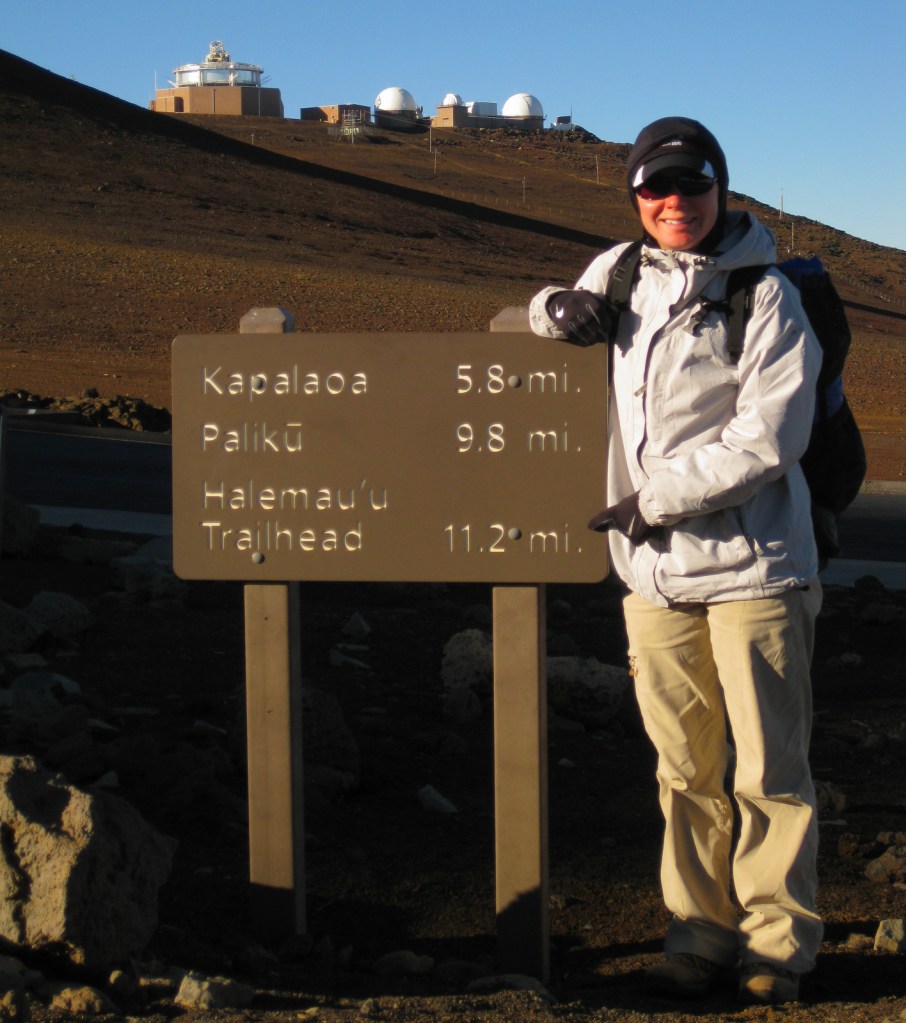
Haleakalā National Park

Overview

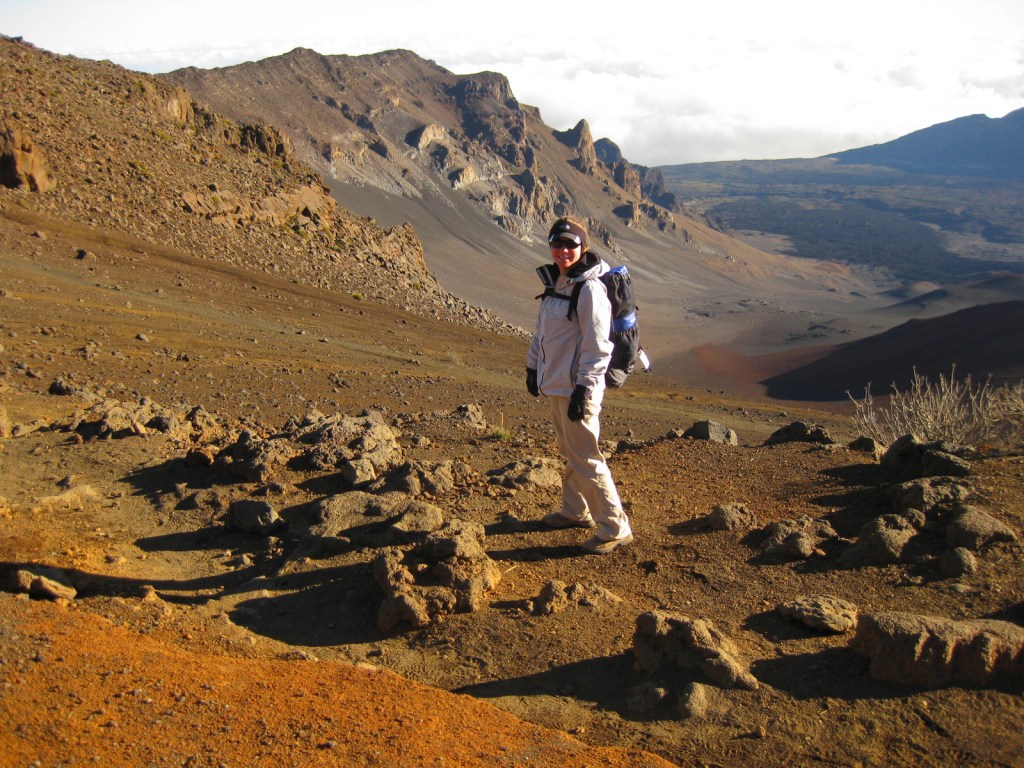
On the tropical island of Maui, Haleakalā National Park is accessible by two memorable roads.  One road climbs from sea level up to 10,023 feet overlooking Haleakalā Crater, which has almost no vegetation.  To the east, a lush tropical rainforest thrives in the Kīpahulu District located at the end of the winding road to Hana.  Both districts offer great hiking opportunities and free campgrounds. There is much more information about this park in our National Park guidebook, available on Amazon.

Highlights

Haleakalā Crater, Sliding Sands Trail, Hosmer Grove, ‘Ohe‘o Gulch pools, Waimoku Falls

Must-Do Activity

The thing to do at Haleakalā National Park is drive up the curvy entrance road in the pitch dark to catch a sunrise from 10,000 feet.  Haleakalā translates to “the house of the sun” so it is kind of a big deal here.  It is like a party atmosphere in the chilly air waiting for the guest of honor.  Of course, we were up there one morning, though we thought the sunsets were prettier and much less crowded.  Several tours drive visitors to the summit for sunrise then provide bicycles to coast back down the switchbacks outside the park boundaries.

Best Trail

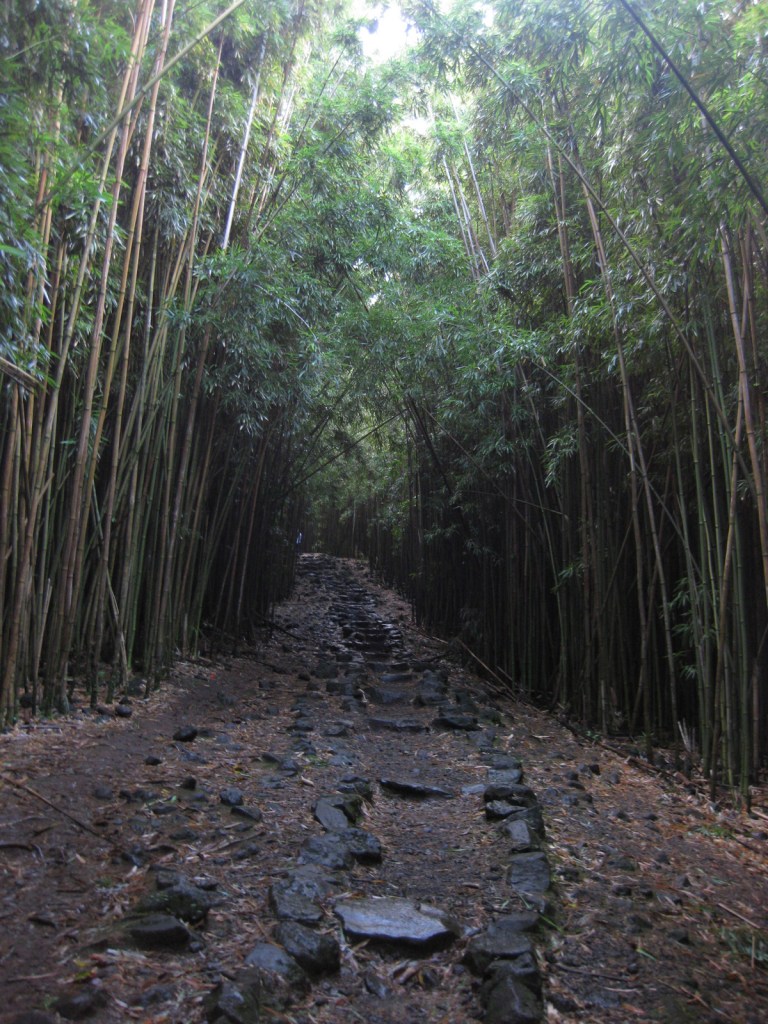
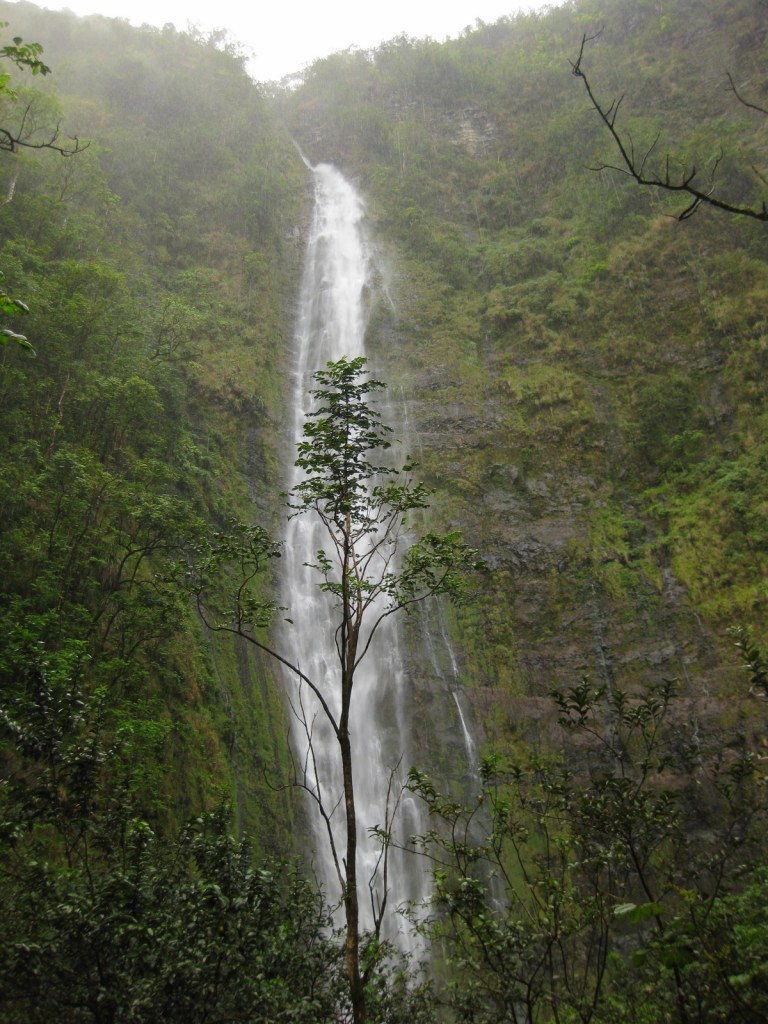
In the Kīpahulu District, we hiked the two-mile Pipiwai Trail to the 400 foot cascades of Waimoku Falls in a steady downpour.   The trail offers some protection from rain under sprawling banyan trees and incredibly dense bamboo thickets.  Like many of the plant and animal species found throughout Hawai‘i, the banyan and bamboo are not native to the islands, but have thrived on this isolated landmass 2,400 miles from the nearest continent. 

Instagram-worthy Photo

Silversword (‘ahinahina) plants grow all along the Sliding Sands Trail that accesses the bottom of the 2,000 foot deep crater.

Peak Season

Year round, though summer might be slightly warmer at 10,000 feet in elevation.

Hours

https://www.nps.gov/hale/planyourvisit/hours.htm

Fees

$30 per vehicle or America the Beautiful pass

Road Conditions

All roads are paved, but the road to the summit is full of switchbacks and bicyclists.  The curvy road to Hana is well known for its one-lane bridges, of which we counted 53 before we reached the Kīpahulu District.

Camping

The two National Park Service campgrounds here are free, a big savings in a place that can be expensive to visit.  There is a lottery for three hike-in cabins and permits available for wilderness backpacking campsites.

Related Sites

Kalaupapa National Historical Park (Hawai‘i)

Hawai‘i Volcanoes National Park (Hawai‘i)

Kaloko-Honokōhau National Historical Park (Hawai‘i)

This design we created to celebrate Haleakalā National Park is available on a variety of products at Cafe Press.

Explore More – How much annual precipitation does the Kīpahulu District receive (making it one of the wettest places on Earth)?

We are a participant in the Amazon Services LLC Associates Program, an affiliate advertising program designed to provide a means for us to earn fees by linking to Amazon.com and affiliated sites.

Point Reyes National Seashore

Overview

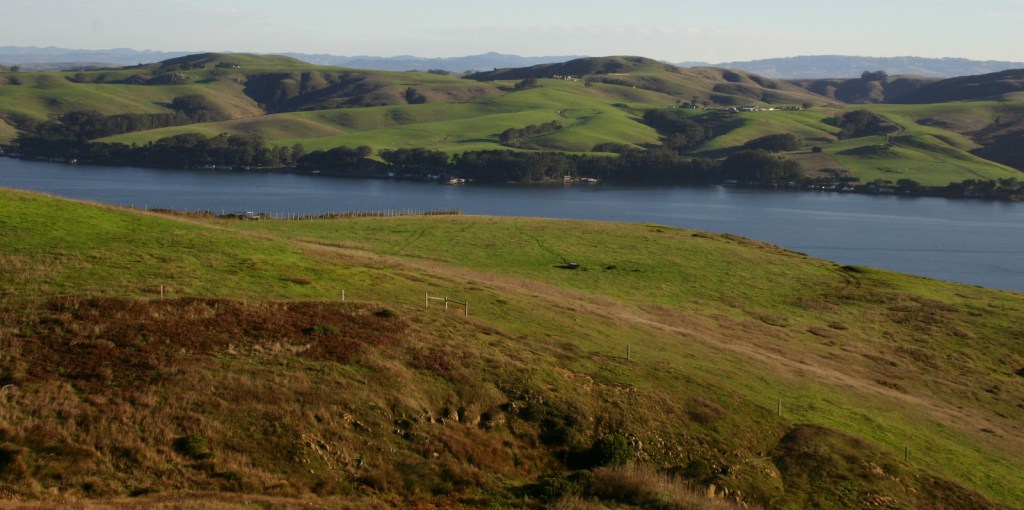
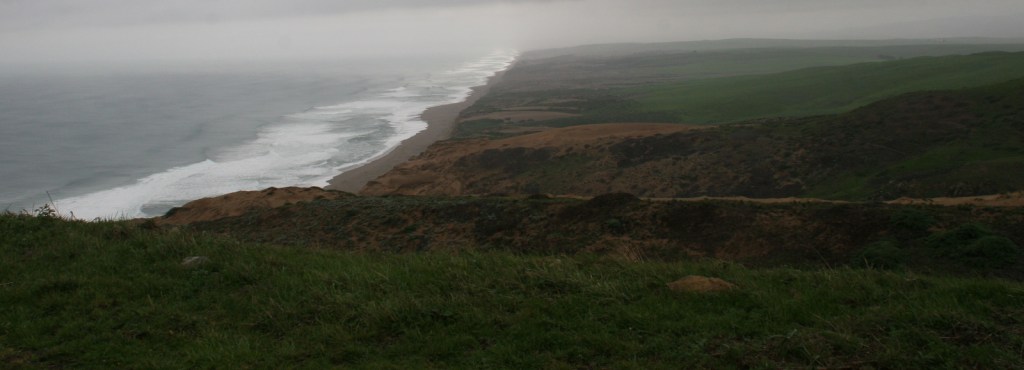
North of San Francisco, California, Point Reyes National Seashore is the only park so designated on the Pacific Coast of the U.S.  Be prepared to get wet as this piece of land located on the San Andreas Fault is frequently enveloped by a fog belt year round.  It might not be the best spot to sunbathe on the beach, but this unique seashore is a great place to watch wildlife.

Highlights

Point Reyes Lighthouse, beaches, Arch Rock, Historic Pierce Point Ranch, Tomales Bay

Must-Do Activity

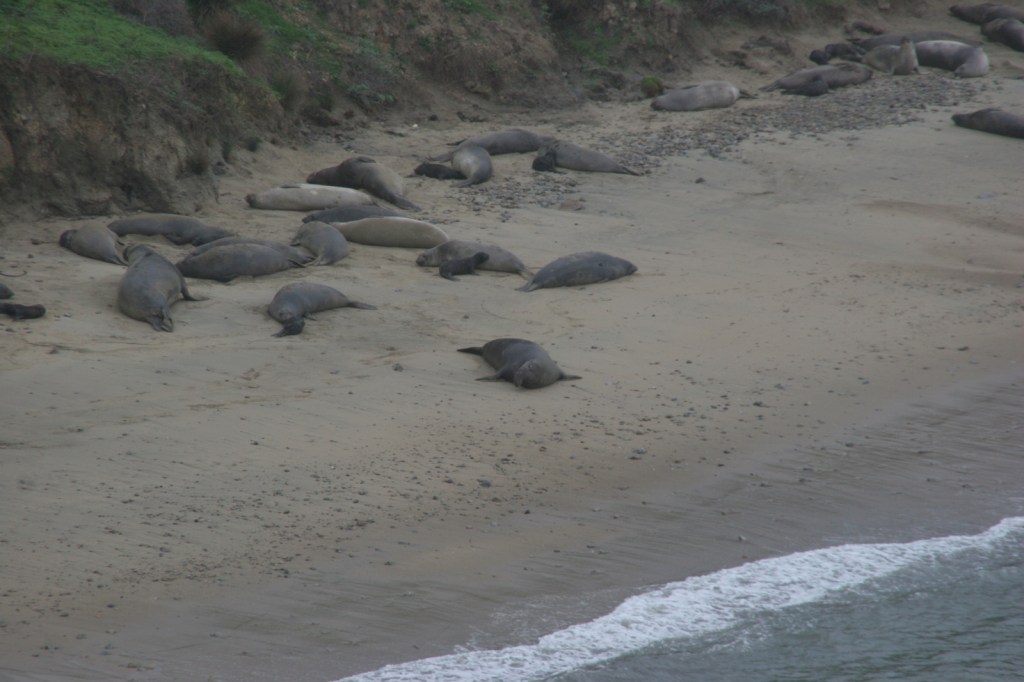
The main attraction is the Point Reyes Lighthouse, where you can try to spot sea lions and gray whales on their winter migration.  It is 300 steps down to the historic lighthouse, then you have to turn around and climb back up.  Nearby Drakes Beach is off limits in the winter months when elephant seals gather there and you can watch (and listen to) them from an overlook.  The park is popular with road and mountain bikers, and well-protected Tomales Bay attracts kayakers.

Best Trail

An extensive trail system with backcountry campsites (including two near the beach) is best accessed from the Bear Valley Visitor Center.  Plus, you can always walk the 11-mile long Point Reyes Beach.

Instagram-worthy Photo

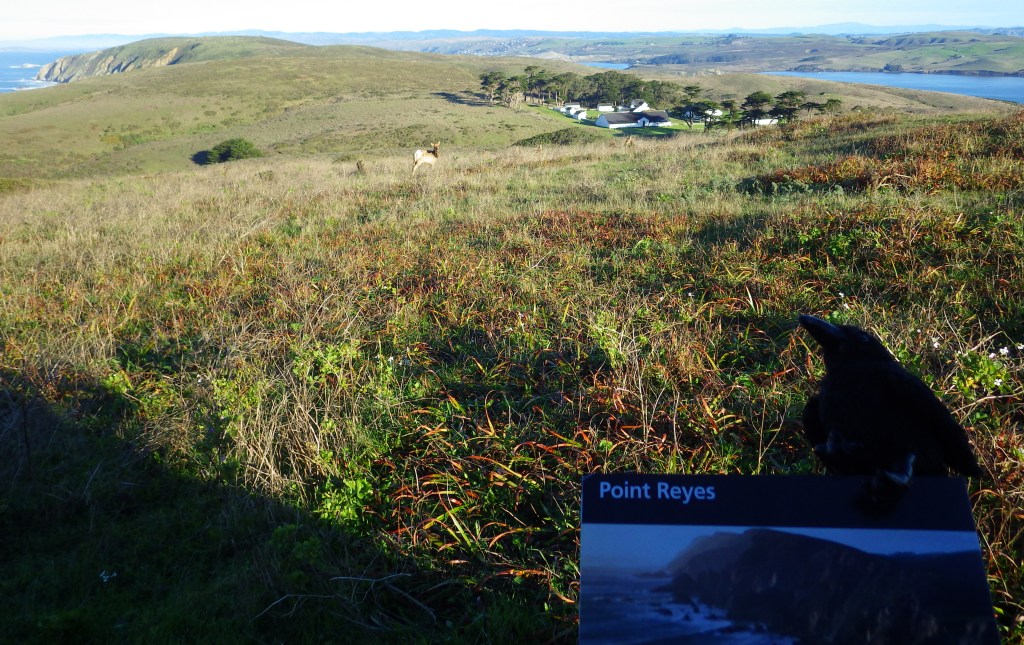
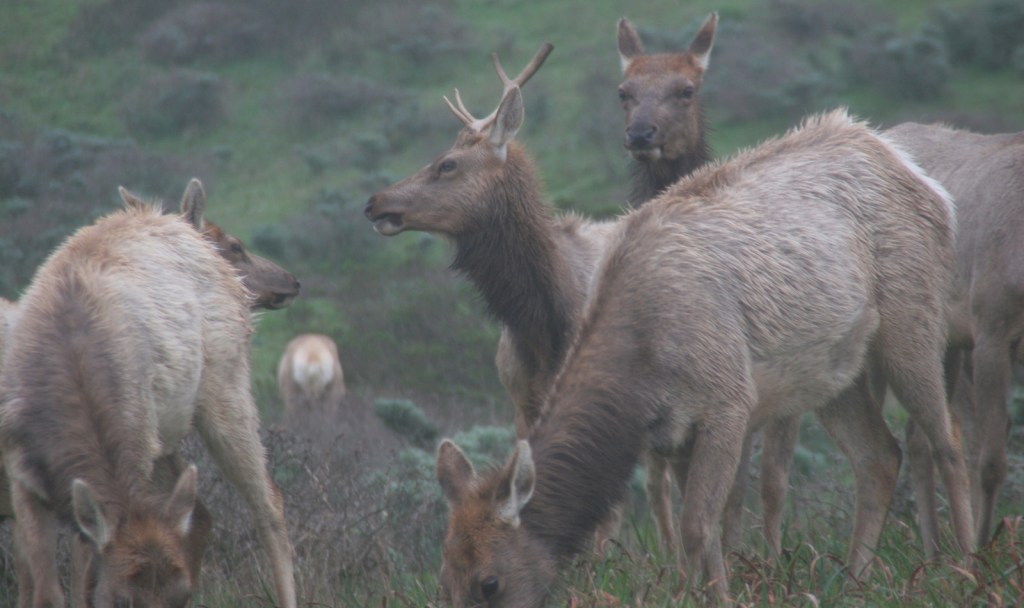
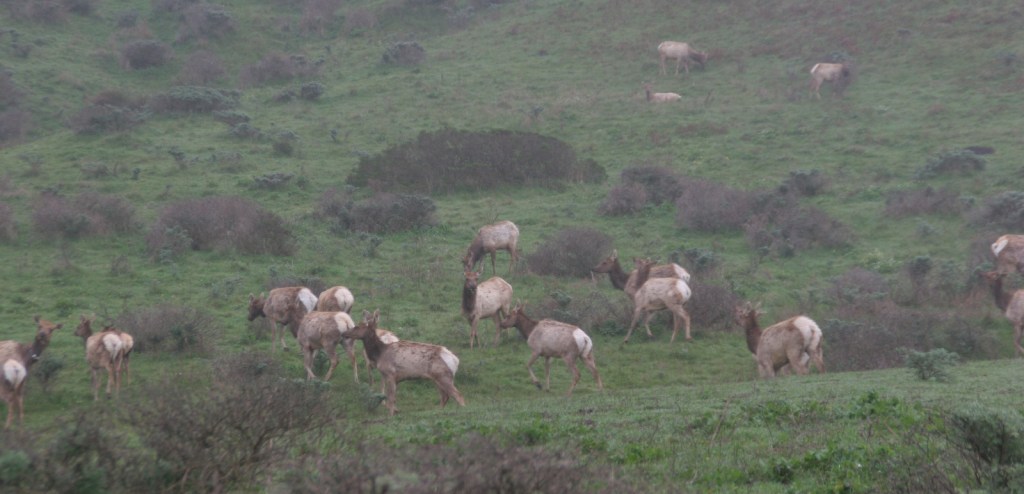
The park has a reintroduced herd of Tule elk near the Historic Pierce Point Ranch on Tomales Point.  If you visit in January, you might find a bull was waiting for his other antler to drop.

Peak Season

Summer, though the weather is pretty much the same year round.

Hours

https://www.nps.gov/pore/planyourvisit/hours.htm

Fees

None

Road Conditions

All roads paved, except a few short ones that access trailheads.

Camping

There is no campground in Point Reyes National Seashore, but there are backcountry campsites that area available with a permit (reservations available).

Related Sites

Cabrillo National Monument (California)

Golden Gate National Recreation Area (California)

Olympic National Park (Washington)

Explore More – How far did the entire Point Reyes Peninsula permanently shift during the 1906 San Francisco Earthquake?

Big Thicket National Preserve

Overview

When most people think of Texas they do not think of the bayou, but since 1974 this unique ecosystem and eight others were preserved in several units in the southeastern portion of the state.  The Big Thicket once covered 3.5-million acres, however, now only 112,000 acres is protected by the National Park Service (NPS) in 15 remnant sections.  Here you can also discover longleaf pine savannah, saltwater estuaries, and wetlands harboring carnivorous plants.  Understandably, the region is noted for its high biodiversity, highlighted by 85 tree species, 20 orchids, and wildlife as dissimilar as alligators and roadrunners.

Highlights

Kirby Nature Trail, Pine Island Bayou, Cooks Lake Paddling Trail, Neches River, birding

Must-Do Activity

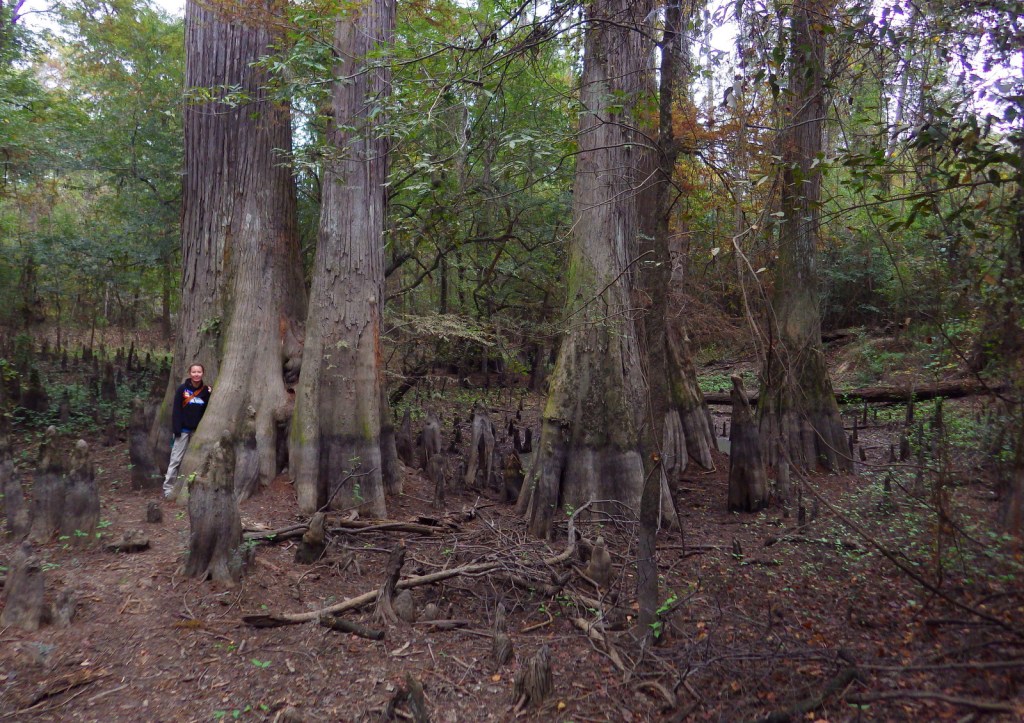
We recommend you start by learning about the nine different ecosystems within the preserve at the NPS visitor center located eight miles north of Kountze, Texas.  The best way to get to know Big Thicket National Preserve is on the water.  Motorboats are allowed in most units, but paddling is preferred for exploring the shallow bayous.  Lined with baldcypress trees, Pine Island Bayou is best explored by kayak or canoe, as is the Cooks Lake Paddling Trail (a five mile loop).  It is also possible to float the park’s 80 miles of the Neches River depending upon the amount of water released from B.A. Steinhagan Lake.

Best Trail

There are 40 miles of hiking trails, but it may be best to start with the Kirby Nature Trail near the NPS visitor center in Kountze, Texas.  Also located in the Turkey Creek Unit, the short Pitcher Plant Trail is best in the spring when the carnivorous plants bloom in the wet savanna.

Instagram-worthy Photo

Inside the NPS visitor center located eight miles north of Kountze, Texas, you can pose with a giant-sized pitcher plant model.

Peak Season

Fall and spring to avoid peak mosquito season.

Hours

https://www.nps.gov/bith/planyourvisit/hours.htm

Fees

None

Road Conditions

The main access roads are paved, but some boat launches may be dirt.

Camping

The NPS offers free backcountry permits, but the nearest campgrounds are at Village Creek State Park and B.A. Steinhagan Lake (managed by the U.S. Army Corps of Engineers).

Related Sites

Jean Lafitte National Historical Park and Preserve (Louisiana)

Big Cypress National Preserve (Florida)

Everglades National Park (Florida)

Explore More – In addition to pitcher plants, how many other carnivorous plant species are found in Big Thicket National Preserve?

Voyageurs National Park

Overview

Water dominates Voyageurs National Park on the border of Minnesota and Ontario, Canada.  So much so that many of the land formations were never given names by the French fur traders (or “voyageurs”) that navigated these waters beginning in the late-1700s.  It was a hard life, paddling large birch bark canoes full of supplies up to sixteen hours per day.  Today the park is famous for its manmade destinations, including Kettle Falls Hotel, Hoist Bay Resort, and the unique sculptures at Ellsworth Rock Gardens. 

Highlights

Kettle Falls, Ellsworth Rock Gardens, Hoist Bay Resort, Kab-Ash Trail

Must-Do Activity

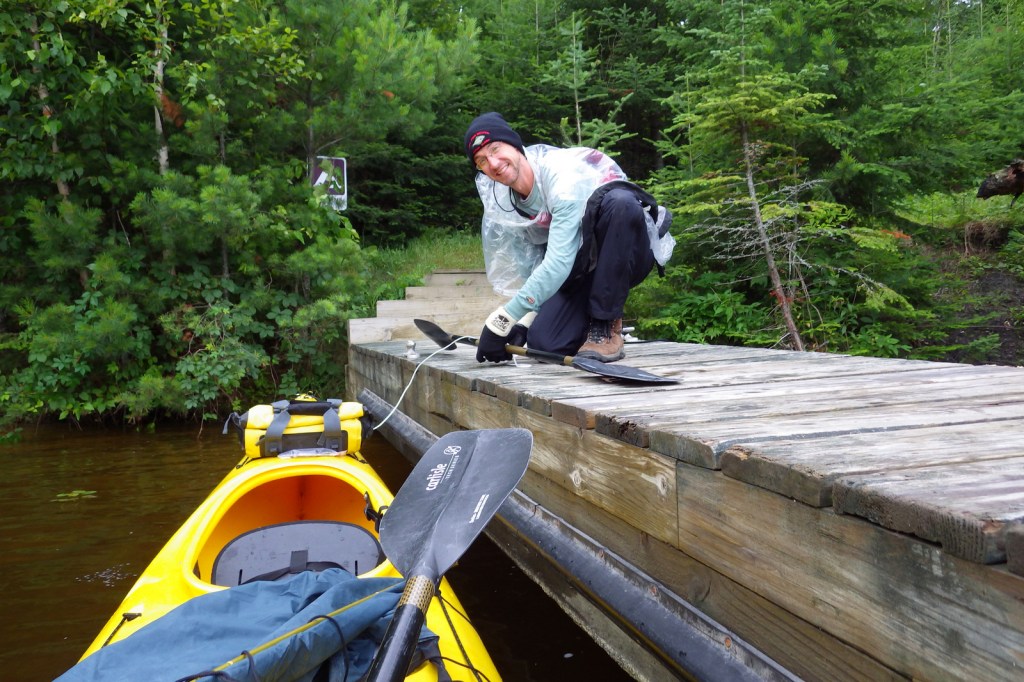
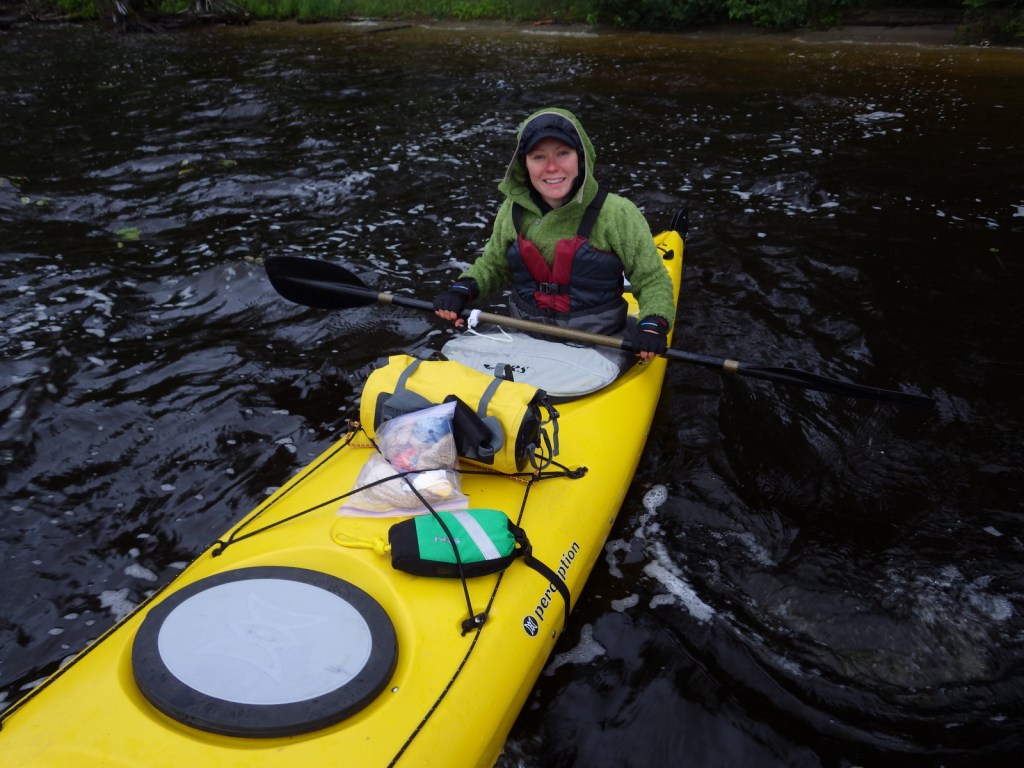
Be sure to get out on the water via a ranger-led tour or take your own boat to one of the shoreline campsites inaccessible by car (permit required).  Reservations can be made for the free ranger-guided North Canoe Voyage that lets passengers paddle a 26-foot canoe, just like the “voyageurs” of old.  For more information, check out our National Park guidebook, A Park to Yourself: Finding Adventure in America’s National Parks (available on Amazon).

Best Trail

There are several short trails that lead from the visitor centers at Rainy Lake and Ash River, in addition to the 28-mile long Kab-Ash Trail that allows backpacking. 

Instagram-worthy Photo

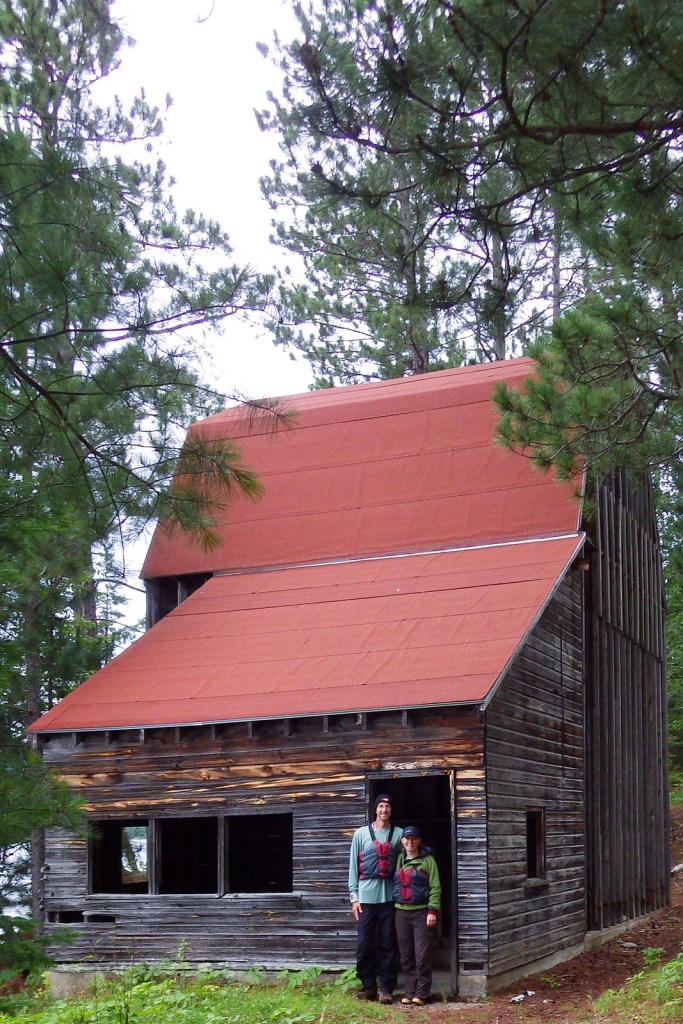
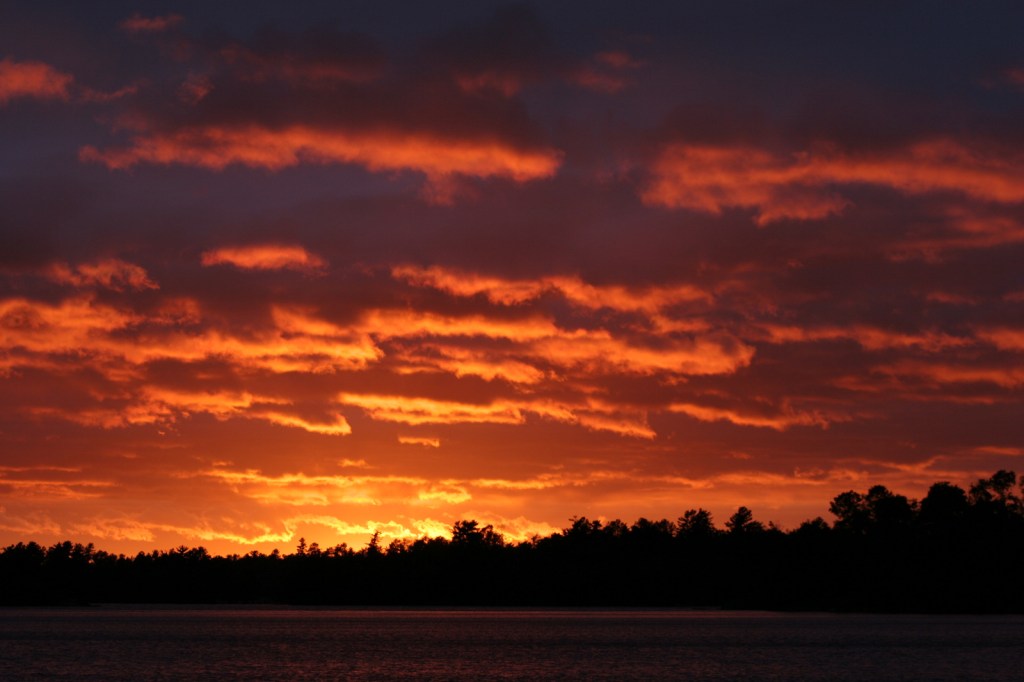
On Namakan Lake, you can explore the remains of Hoist Bay Resort, which was a logging camp before it became a vacation destination.  It feels haunted in the evening, exploring the empty ruins while listening to the eerie calls of common loons.

Peak Season

Summer, but be prepared for bugs.

Hours

https://www.nps.gov/voya/planyourvisit/hours.htm

Fees

None, except for camping frees

Road Conditions

The major access roads to NPS visitor centers are paved, plus in the winter there is a designated 7-mile ice road over Rainy Lake.

Camping

There are 214 boat-in campsites available first-come, first-served with a NPS permit (reservations available).  There are several campgrounds located on the mainland just outside the park boundaries.

Related Sites

Grand Portage National Monument (Minnesota)

Isle Royale National Park (Michigan)

Apostle Islands National Lakeshore (Wisconsin)

This design we created to celebrate Voyageurs National Park is available on a variety of products at Cafe Press and Amazon.

Explore More – When did the Virginia and Rainy Lake Lumber Company operate at Hoist Bay on Namakan Lake?

We are a participant in the Amazon Services LLC Associates Program, an affiliate advertising program designed to provide a means for us to earn fees by linking to Amazon.com and affiliated sites.

Update to Our Guidebook: A Park to Yourself

Since White Sands National Monument was upgraded to the 62nd National Park on December 20, 2019, we decided to update our guidebook to the parks.  If you already bought your copy on Amazon, please find the new page 308 posted below.  White Sands is one of our favorite of the many National Park Service units in New Mexico.  You can read more about the park on this blog

White Sands

New Mexico

148,558 acres

Established 2019

603,008 visitors in 2018

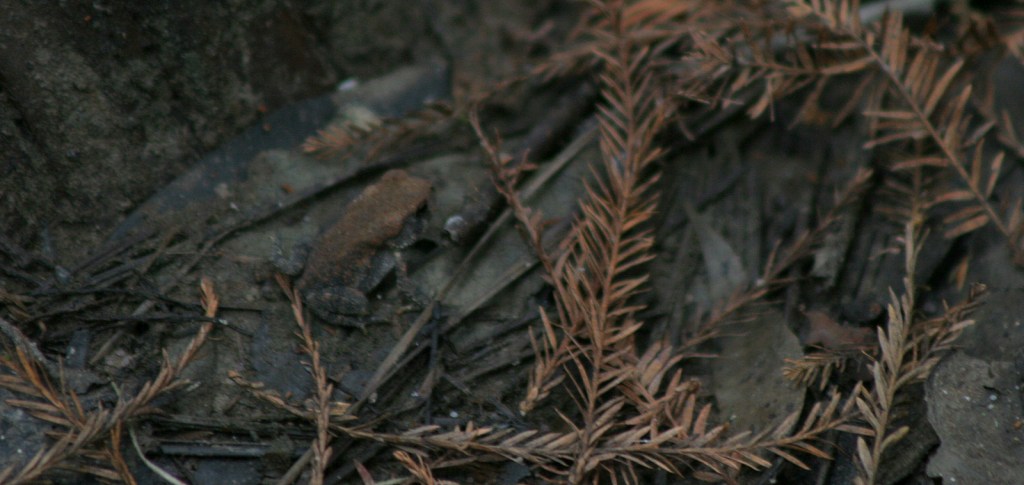
Dunes composed of gypsum make a great destination for snow sledding year round, especially when the sand is wet.  Gypsum readily dissolves in water, but here it forms dunes because no river drains the Tularosa Basin.  Follow markers on the five-mile roundtrip Alkali Flat Trail that goes up and down dunes and provides views of the San Andres Mountains.  Most of the wildlife here is nocturnal, but during the day you may spot bleached earless lizards that evolved to camouflage in the gypsum.  The white dunes take on the colors of the sunset if you attend the ranger-guided Sunset Stroll or backpack camp.  There is no campground and only ten backcountry campsites, and their availability is dependent upon whether the military is conducting missile tests overnight, so call ahead or check the schedule online.  Oliver Lee Memorial State Park offers a full service campground in a beautiful setting south of Alamogordo, New Mexico.
We are a participant in the Amazon Services LLC Associates Program, an affiliate advertising program designed to provide a means for us to earn fees by linking to Amazon.com and affiliated sites.