Tag Archives: wildlife

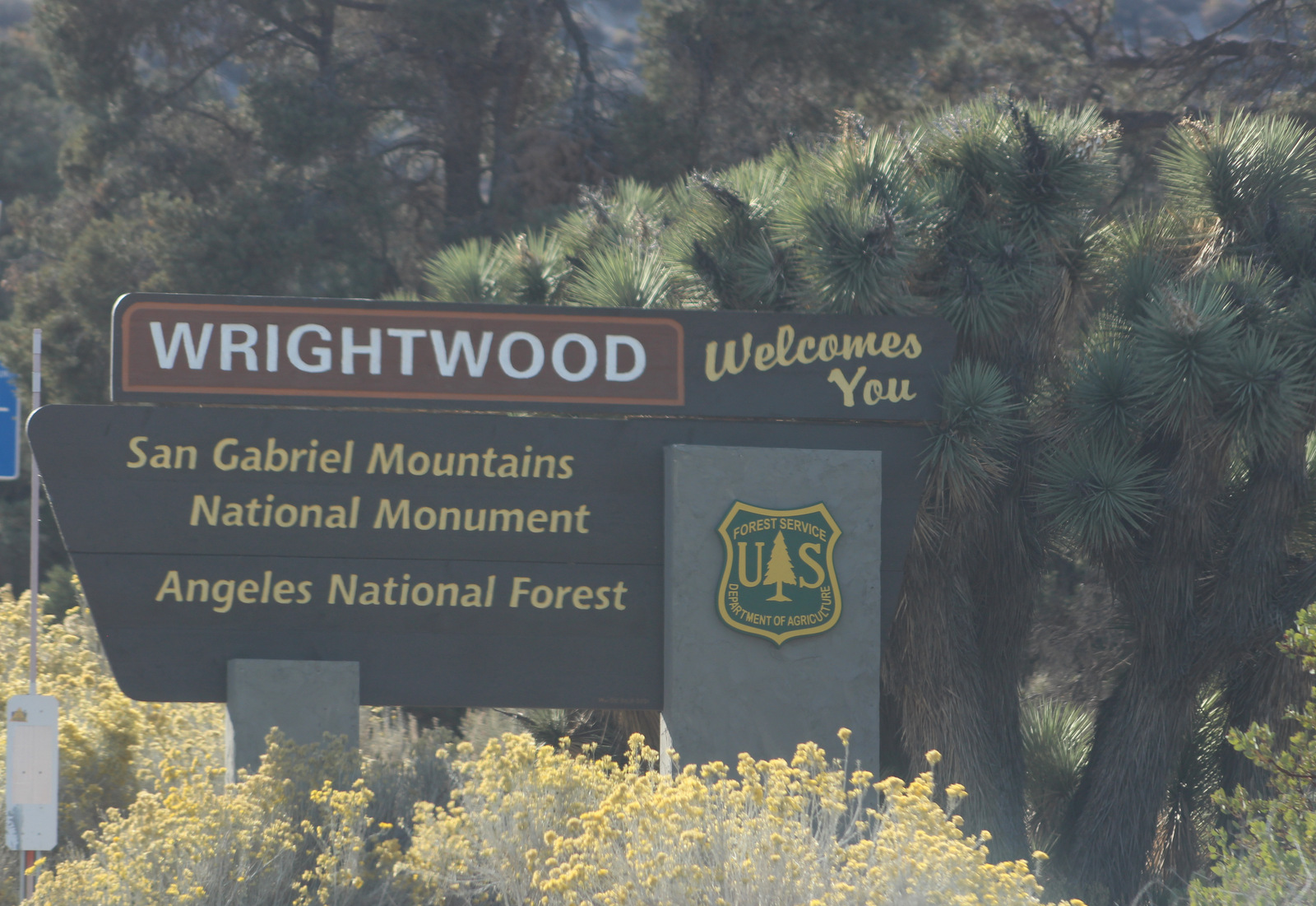
Angeles National Forest

Angeles National Forest

California

Managed by U.S. Forest Service, Pacific Southwest Region

694,175 acres (668,887 federal/ 25,288 other)

Website: https://www.fs.usda.gov/angeles

Overview

Angeles National Forest is registered as a California Historical Landmark since it became the first protected woodland in the state as the San Gabriel Timberland Reserve in 1891.  It serves as a major recreation destination north of the Los Angeles metropolitan area with 697 miles of hiking trails, several lakes, and two alpine ski areas.  Most of the shrub and tree species are adapted to periodic fire and about one-quarter of the National Forest burned in the 2009 Station Fire and an additional 115,796 acres in the 2020 Bobcat Fire.

Highlights

San Gabriel Mountains National Monument, Saint Francis Dam Disaster National Memorial and Monument, Angeles Crest Highway, Crystal Lake Recreation Area, Mt. Wilson Observatory, Bouquet Reservoir, Mt. Baldy, San Antonio Falls, Gabrielino National Recreation Trail, High Desert National Recreation Trail, Pacific Crest National Scenic Trail

Must-Do Activity

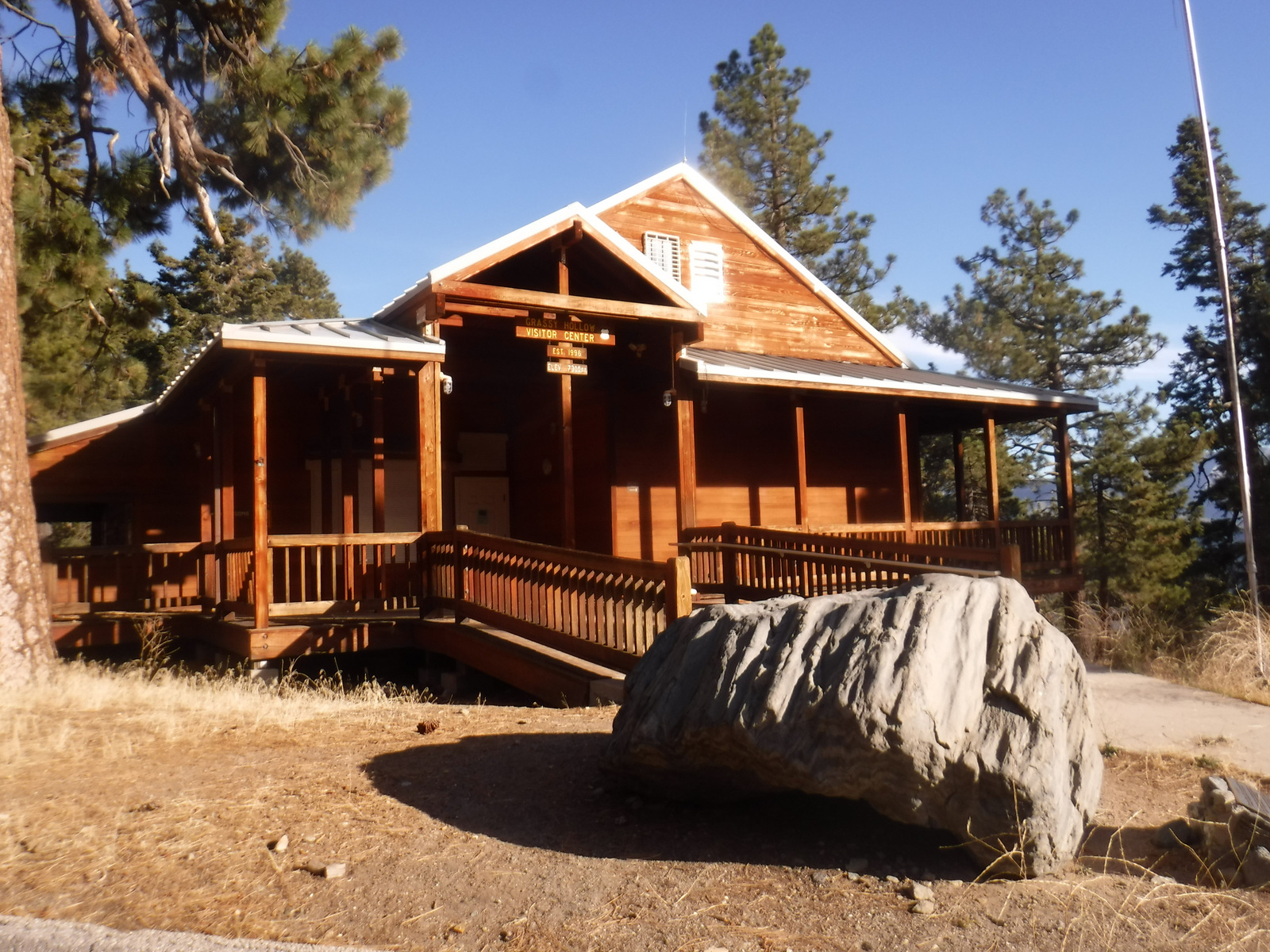
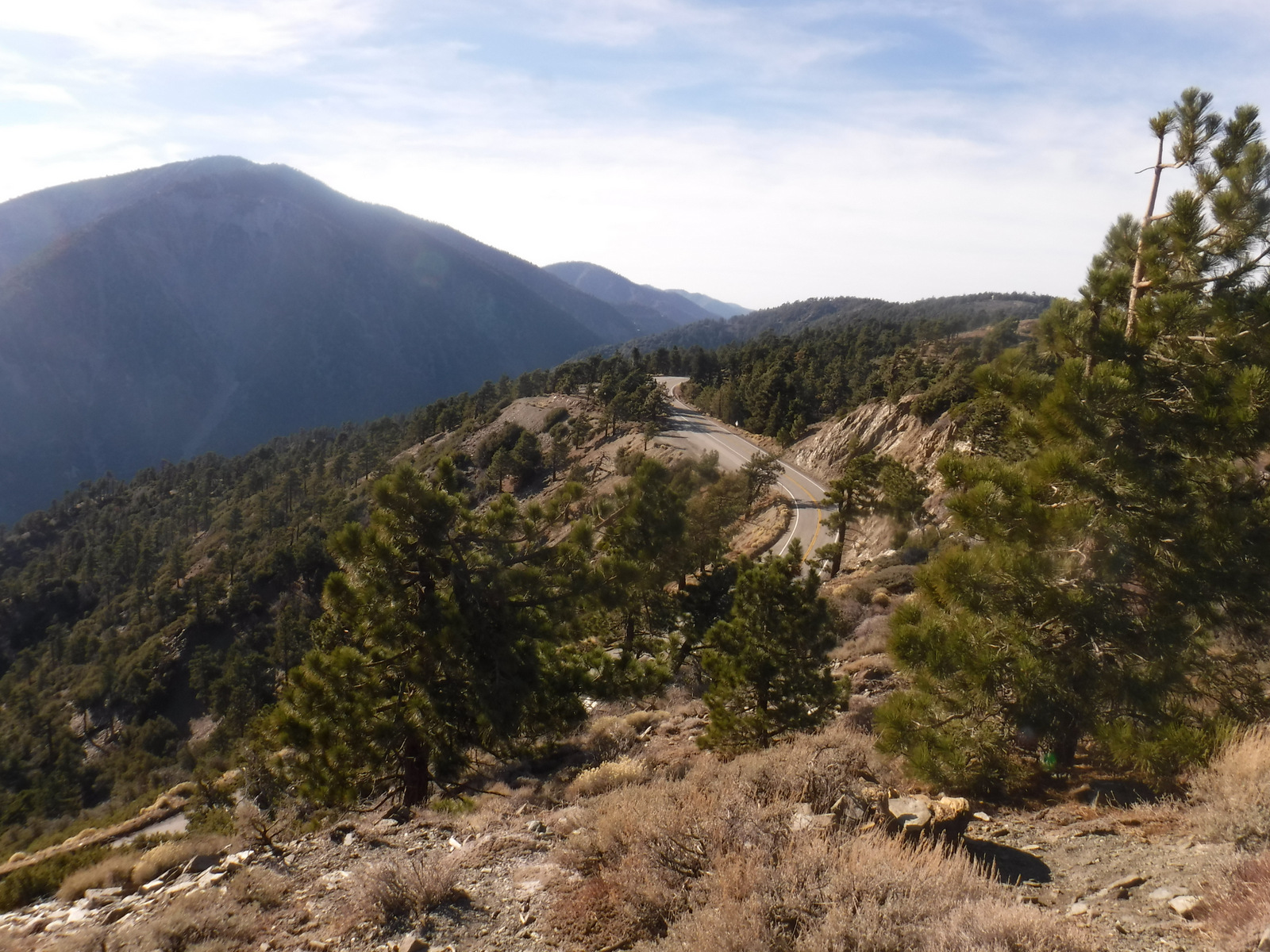
Angeles Crest Highway (Highway 2) cuts through the San Gabriel Mountains National Monument, established in 2014.  Coming from the east, a good place to start is the Big Pines Visitor Center or the Grassy Hollow Visitor Center, both of which have short interpretive trails with signs identifying local species.  Further west, Saint Francis Dam Disaster National Memorial and Monument (est. 2019) commemorates the tragedy that cost at least 431 people their lives in 1928.  Watch in the coming weeks for blog posts specifically detailing these two National Monuments.

Best Trail

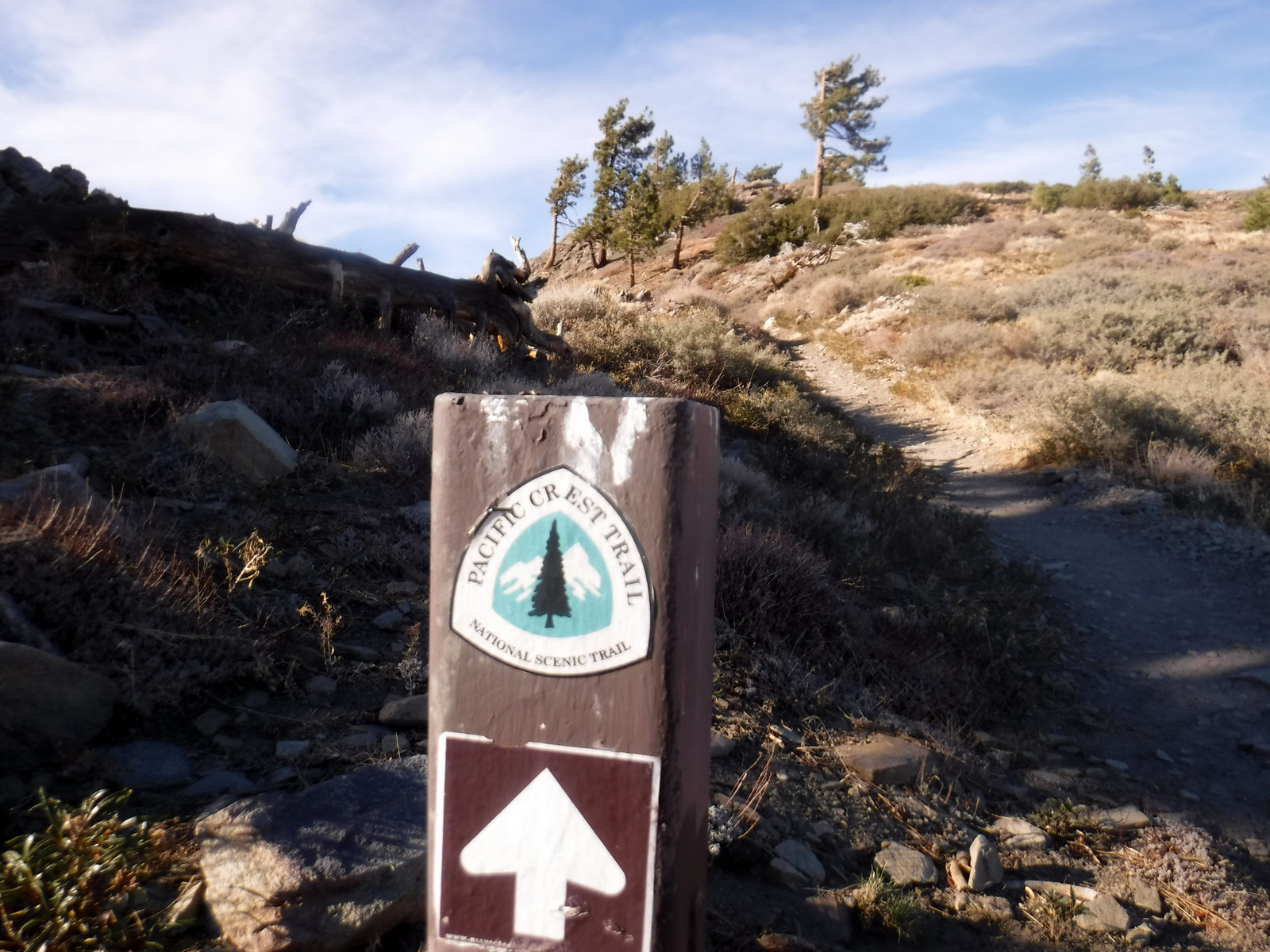
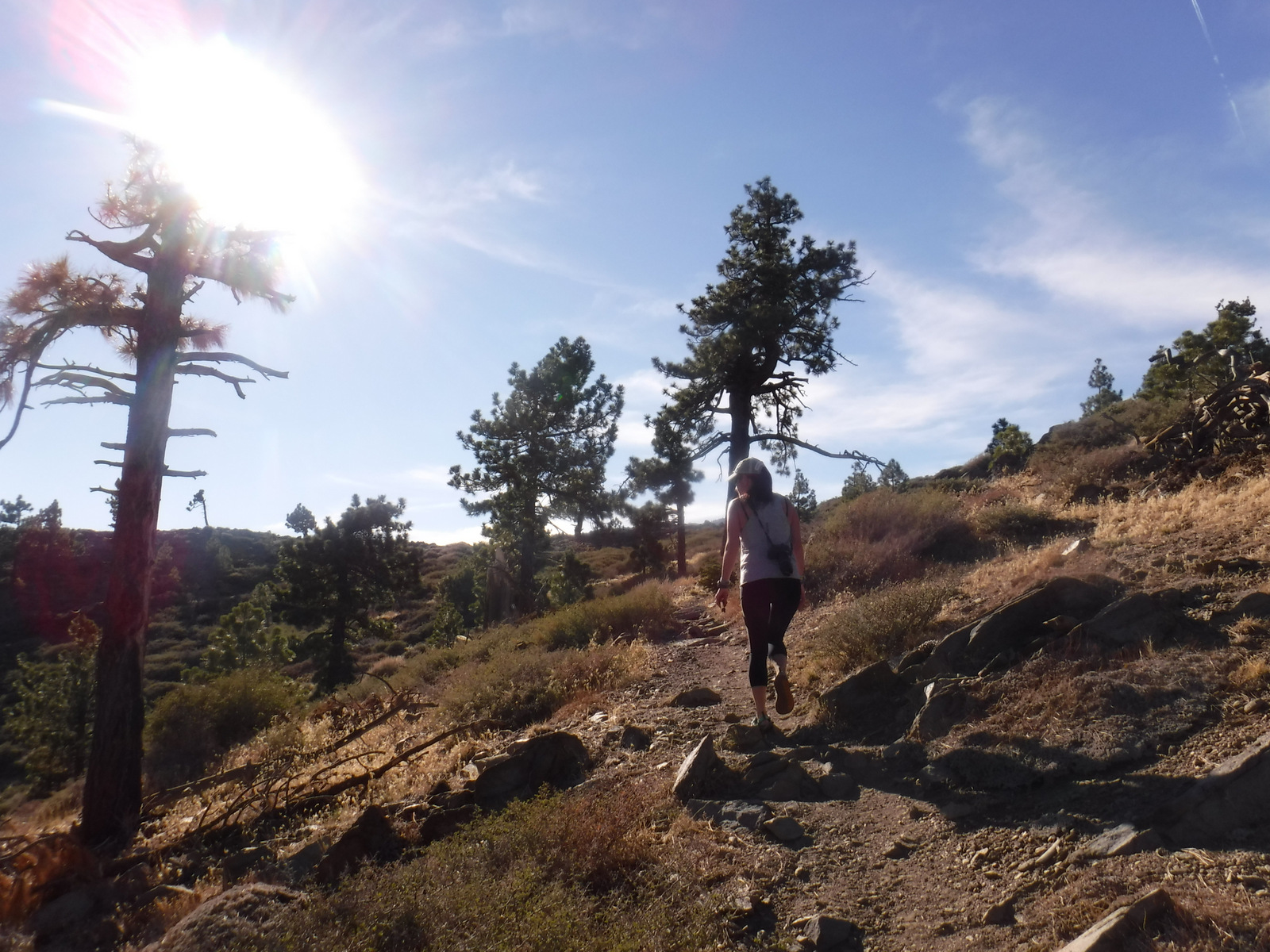
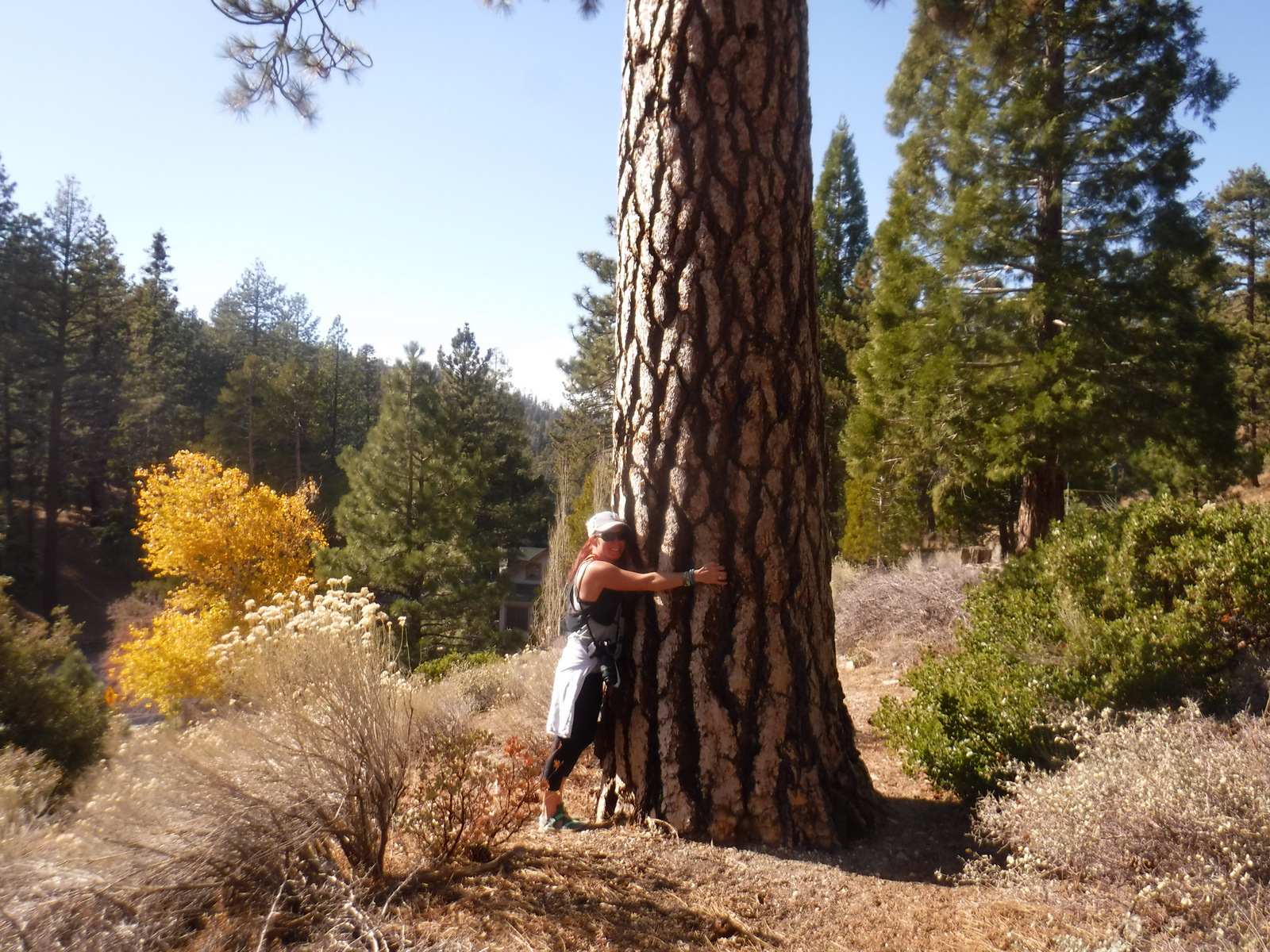
Across from Inspiration Point on Highway 2, there is a parking lot for Lightning Ridge Nature Trail.  The half-mile loop trail offers great panoramas of the surrounding mountains.  It even includes a portion of the 2,600-mile Pacific Crest National Scenic Trail.  Along the trail, my wife and I stopped to sniff the orange, platy bark of a Jeffrey pine for its pleasant vanilla scent, which brought back memories of our time spent living in California. 

Watchable Wildlife

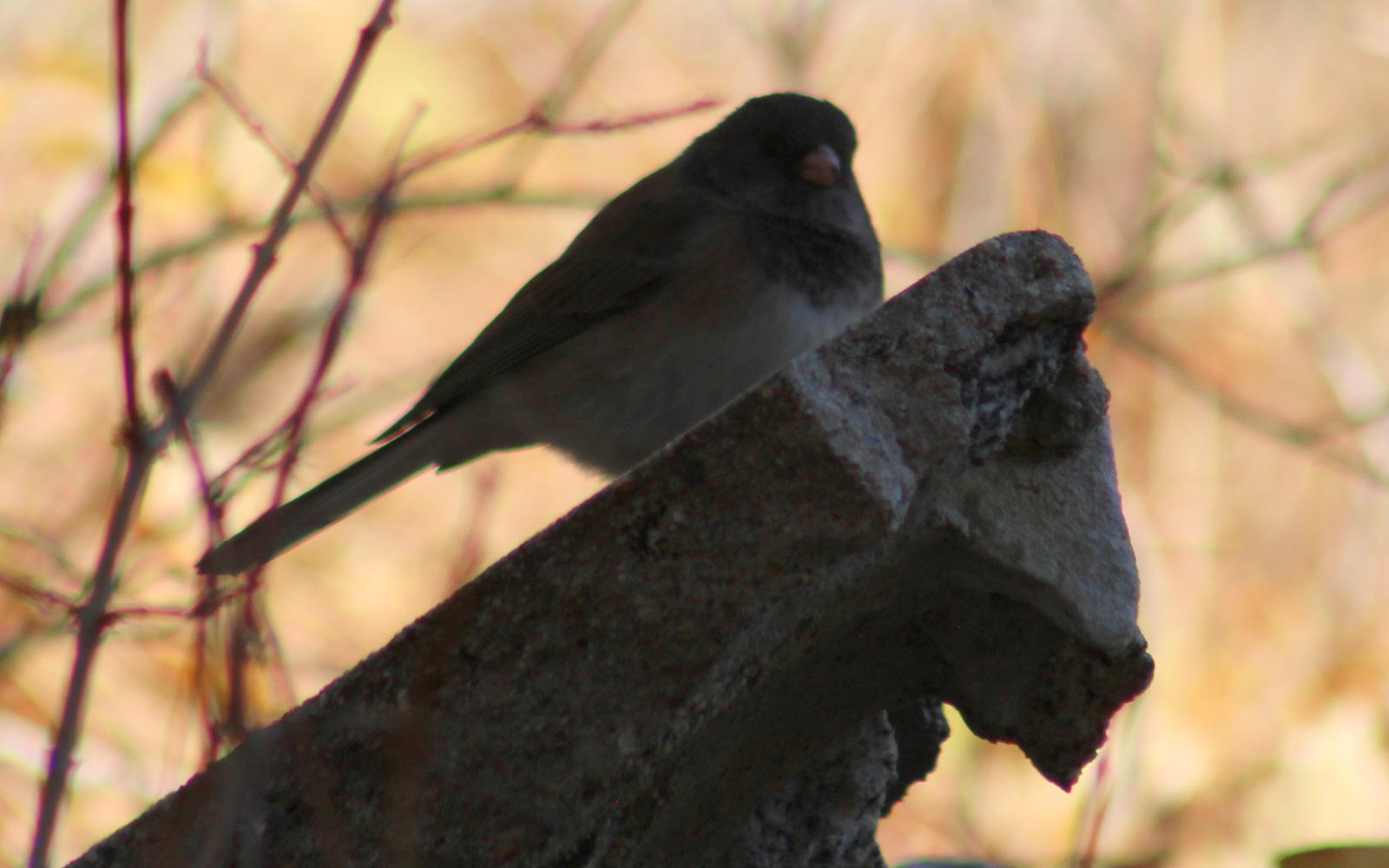
On our November visit, we first saw a western gray squirrel with an incredibly poofy tail atop the Big Pines Visitor Center.  On the Big Pines Interpretive Trail, we spotted dark-eyed juncos and Steller jays flitting about.  Despite its proximity to the city, there are even black bears, mountain lions, and bobcats in this National Forest.  You are more likely to come across coyotes, gray foxes, or mule deer.

Instagram-worthy Photo

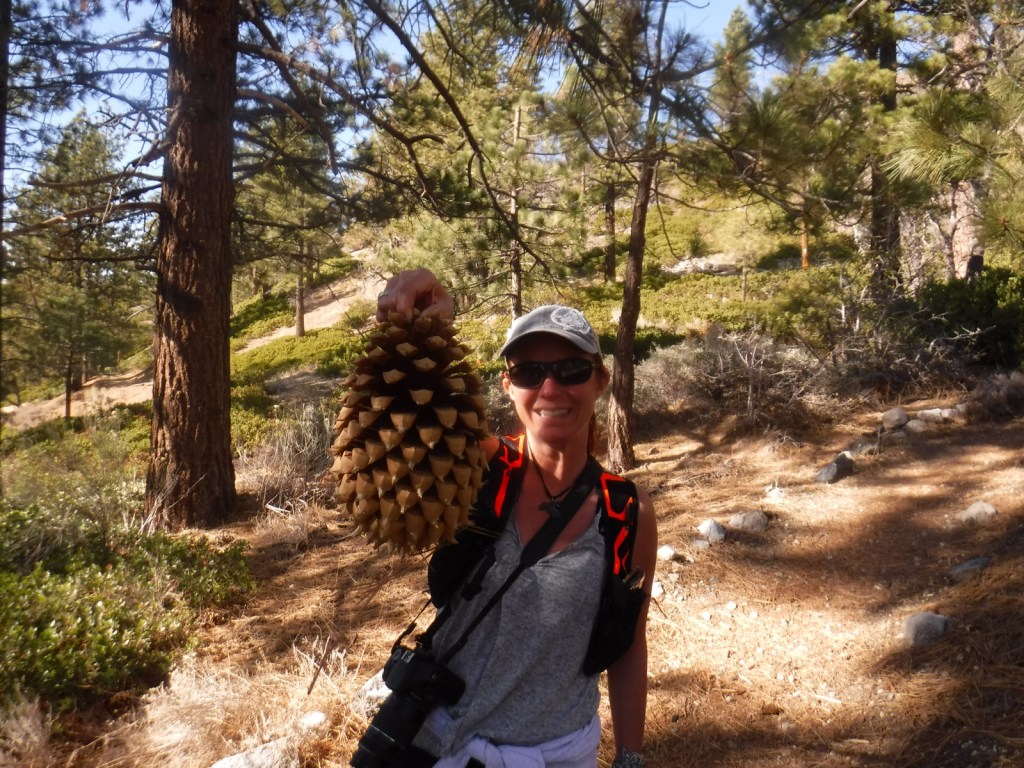
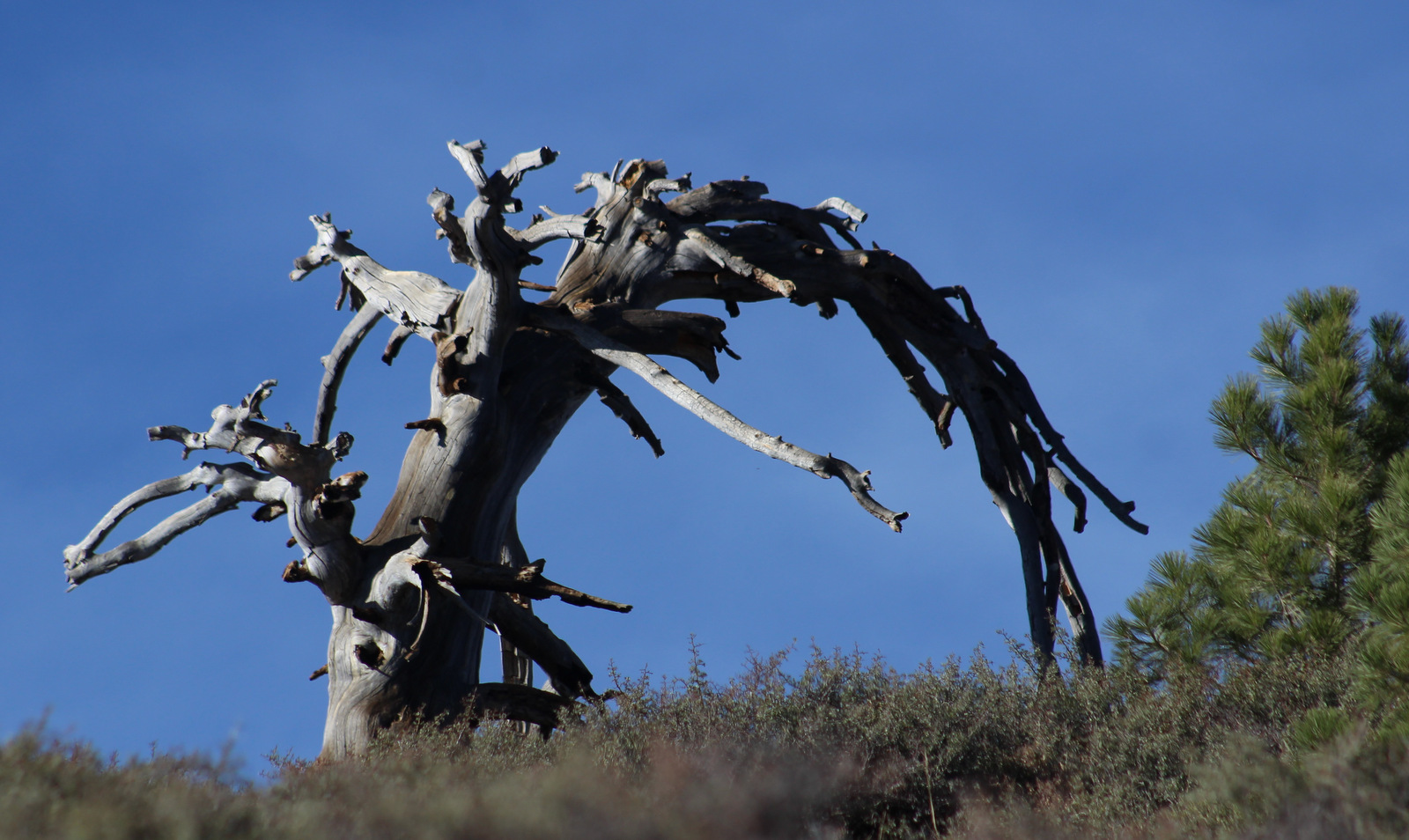
Many species commonly found in this National Forest are endemic to this region and grow nowhere else on Earth, including Coulter pine (famous for its massive pinecones that weigh up to 11 pounds).

Peak Season

Spring and fall

Fees

An Adventure Pass is required to park at many trailheads.  The Forest Service also accepts all America the Beautiful Passes, which can be also used at National Park Service sites.

Road Conditions

The paved Angeles Crest Highway cuts through San Gabriel Mountains National Monument and it used to go through to Glendale, but closed due to damage from the 2020 Bobcat Fire.

Camping

There are many campgrounds in the National Forest, but we did not see any great places to do dispersed car camping when we drove through different portions of it (although we did not drive any dirt roads which is where they typically are found).

Wilderness Areas

Cucamonga Wilderness (also in San Bernardino National Forest)

Magic Mountain Wilderness

Pleasant View Ridge Wilderness

San Gabriel Wilderness

Sheep Mountain Wilderness (also in San Bernardino National Forest)

Related Sites

Pinnacles National Park (California)

Santa Monica Mountains National Recreation Area (California)

César E. Chávez National Monument (California)

Nearest National Park

Channel Islands (California)

Conifer Tree Species

incense-cedar, bigcone Douglas-fir, Jeffrey pine, Coulter pine, knobcone pine, gray pine, lodgepole pine

Flowering Tree/Shrub Species

California black oak, canyon live oak, California walnut, serviceberry, western mountain-mahogany, California coffeeberry, cup-leaf ceonothus, flannel bush, Parry’s manzanita

Explore More – How long are the Gabrielino and High Desert National Recreation Trails?

Allegheny National Recreation Area

Allegheny National Recreation Area

Pennsylvania

Managed by U.S. Forest Service, Allegheny National Forest

24,145 acres

Website: https://www.fs.usda.gov/attmain/allegheny/specialplaces/

Overview

Allegheny National Recreation Area was created by Congress in 1984 under the Pennsylvania Wilderness Act.  It is managed as three separate parcels of land within Allegheny National Forest.  The first is named Cornplanter after an Iroquois warrior and leader during the American Revolution and it has two boat launches and no developed trails on the federal lands west of the Allegheny Reservoir.  The second is Tracy Ridge to the east of the reservoir, which we will discuss below.  Farther south, the third parcel is the Allegheny Front on the east side of the Allegheny River from Charlie Run to South Slater Run, bordered on the west by Highway 62.

Highlights

Willow Bay Recreation Area, Tracy Ridge Hiking Trail System, North Country National Scenic Trail

Must-Do Activity

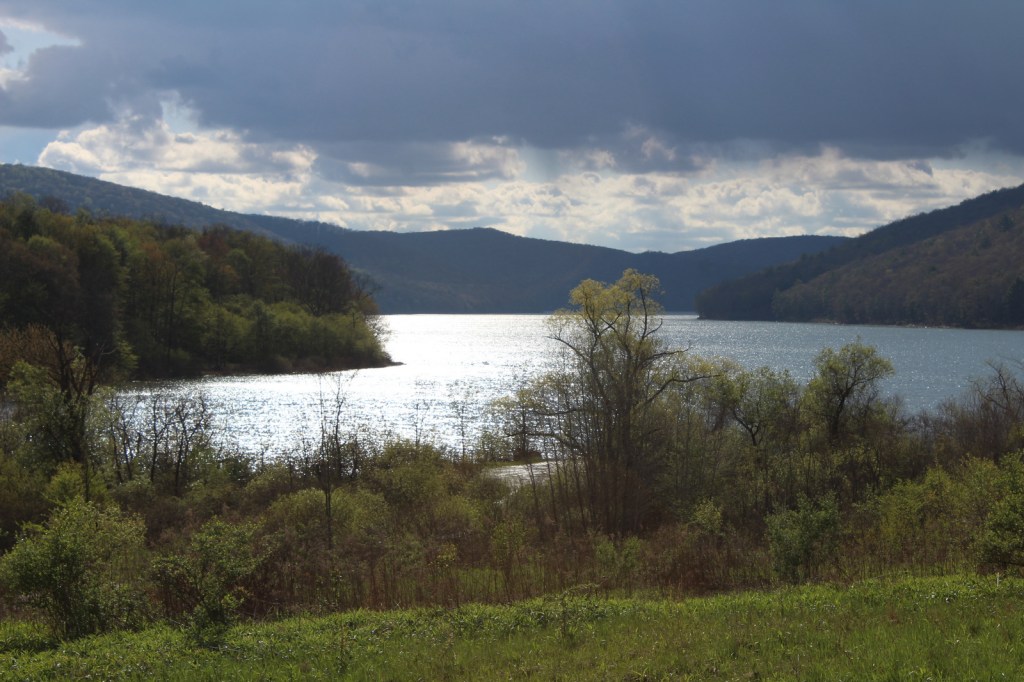
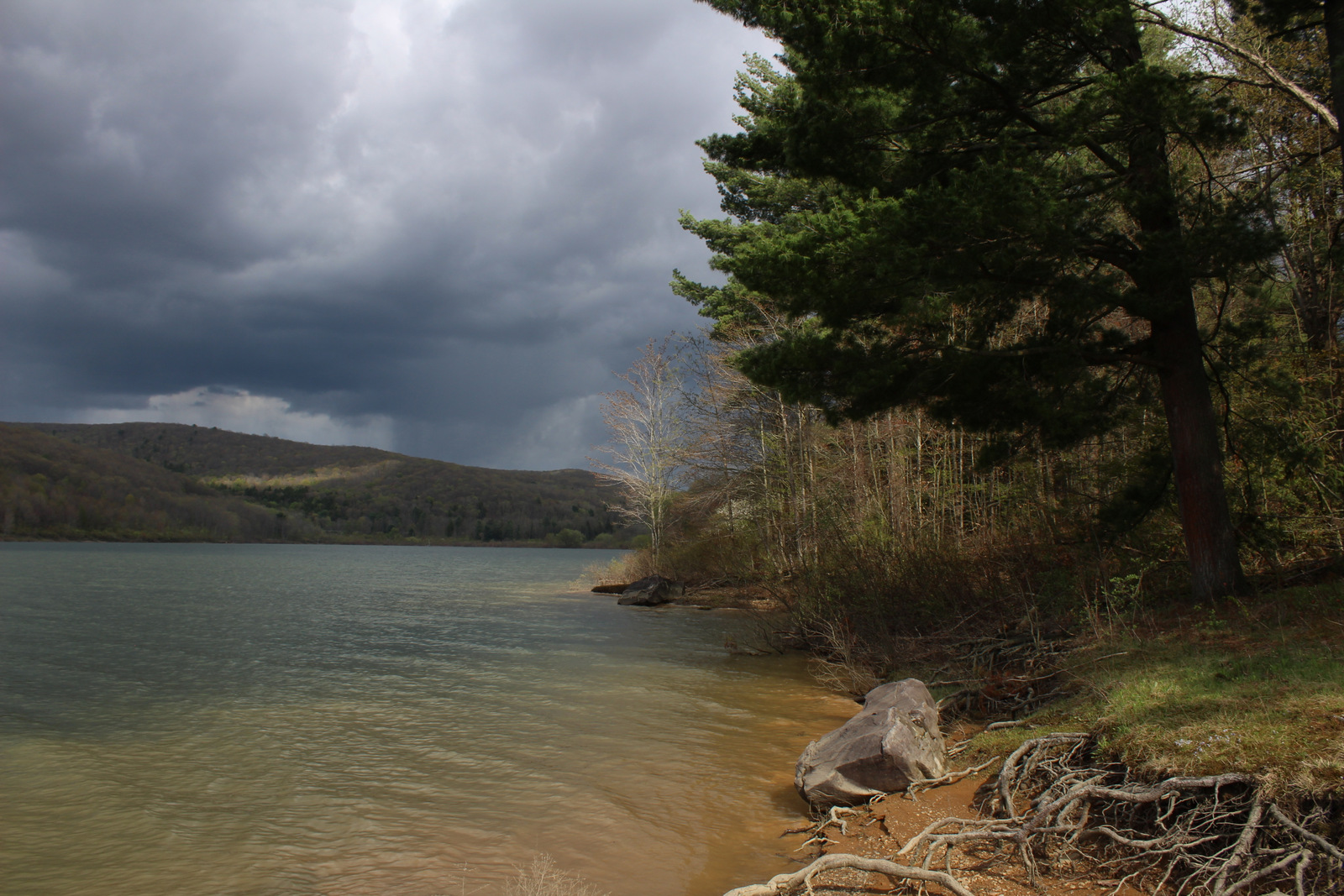
Tracy Ridge is easily accessible from scenic State Highway 321 and it has an extensive system of hiking trails, including a 10-mile section of the North Country National Scenic Trail.  Further north, Willow Bay Recreation Area (day-use fee) is the most developed portion of Allegheny National Recreation Area.  The waters of the Allegheny Reservoir between Cornplanter and Tracy Ridge are also considered to be part of the National Recreation Area with three developed boat-in campgrounds (fee). 

Best Trail

In addition to the Tracy Ridge Hiking Trail System, the undeveloped Allegheny Front parcel contains a three-mile segment of the Tanbark Trail.  These areas are popular with hunters, so remember to wear fluorescent clothing during hunting seasons.

Instagram-worthy Photo

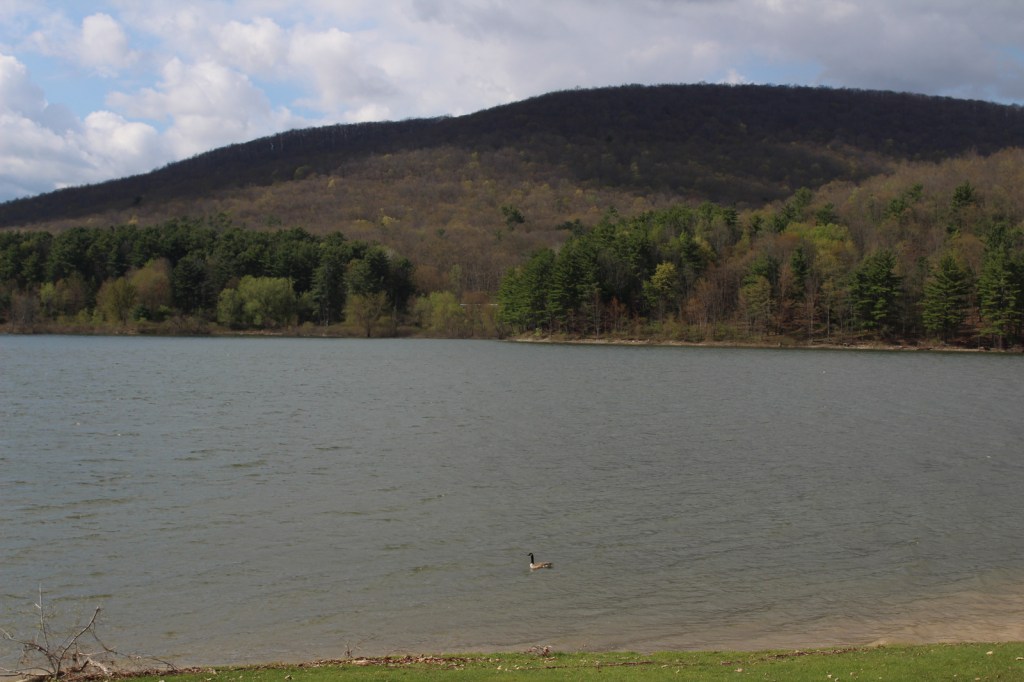
While having lunch near the dock in Willow Bay Recreation Area, we saw a bald eagle, a red-tailed hawk, ravens, and a flock of Canada geese.

Peak Season

Summer

Fees

There is an entrance fee at Willow Bay Recreation Area, but it is half price with an America the Beautiful pass.  Even if you hike in to Hopewell and Handsome Lake Campgrounds on the shores of the Allegheny Reservoir, you need to pay the overnight camping fee.  Based on the signs, we think that backpacking in Tracy Ridge is free.

Road Conditions

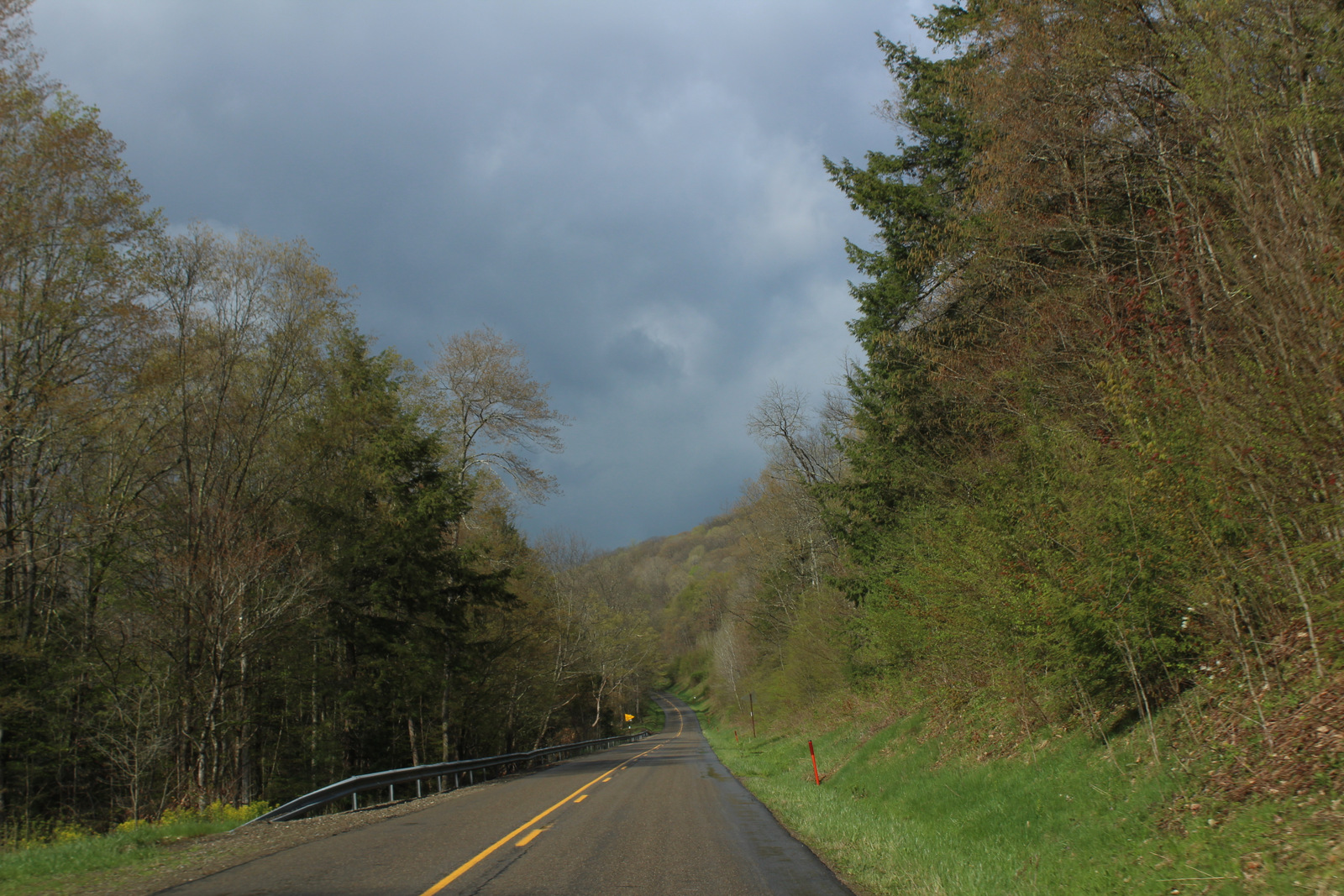
We did not come across any unpaved roads while driving through Allegheny National Recreation Area, but they probably exist.

Camping

Willow Bay Recreation Area and Tracy Ridge have drive-in campgrounds, plus Hooks Brook, Hopewell, and Handsome Lake are accessible by boat.  Dispersed camping is allowed for no more than 14 consecutive days at one site and not within 1500 feet of the Allegheny Reservoir.  The same goes for backpacking sites on the Tracy Ridge Hiking Trail System where hanging bear bags or using bear-proof containers is recommended.

Related Sites

Allegheny National Forest (Pennsylvania)

Allegheny Portage Railroad National Historic Site (Pennsylvania)

Flight 93 National Memorial (Pennsylvania)

Nearest National Park

Cuyahoga Valley (Ohio)

Explore More – When it is completed, how long will the North Country National Scenic Trail be in its entirety?

Allegheny National Forest

Allegheny National Forest

Pennsylvania

Managed by U.S. Forest Service, Eastern Region

742,693 acres (513,175 federal/ 229,518 other)

Website: https://www.fs.usda.gov/allegheny

Overview

The only National Forest in Pennsylvania was created in 1923 utilizing the federal government’s ability to purchase land under the Weeks Act of 1911.  However, they could not afford the subsurface or mineral rights, which has created issues in this oil-producing area.  Before it became Allegheny National Forest, most of the hillsides were clearcut to feed the area’s wood chemical plants, allowing black cherry and early successional species to dominate the second growth forests.  The National Forest contains two Wild and Scenic Rivers: the Clarion River (51.7 miles) and Allegheny River (87 miles in three separate sections).

Highlights

Allegheny National Recreation Area, Hearts Content Scenic Area, Willow Bay Recreation Area, Old Powerhouse, Timberdoodle Flats Interpretive Trail, Minister Creek, Buzzard Swamp Hiking Area, Clarion Wild and Scenic River, Allegheny Wild and Scenic River, Buckaloons Recreation Area, Hall Barn Wildlife Viewing Area, North Country National Scenic Trail

Must-Do Activity

A good place to start exploring Allegheny National Forest is by driving the Longhouse Scenic Byway, a 36-mile loop, which includes views of the Allegheny Reservoir and Kinzua Dam, plus a side trip up to Jakes Rocks Overlook.  We drove in from the east and found the easy walks on the Timberdoodle Flats Wildlife Interpretive Trail to be a good introduction to this region.  This is one of the few places in Pennsylvania with old-growth forests, so be sure to stop at Hearts Content Scenic Area or Tionesta Scenic and Research Natural Areas. 

Best Trail

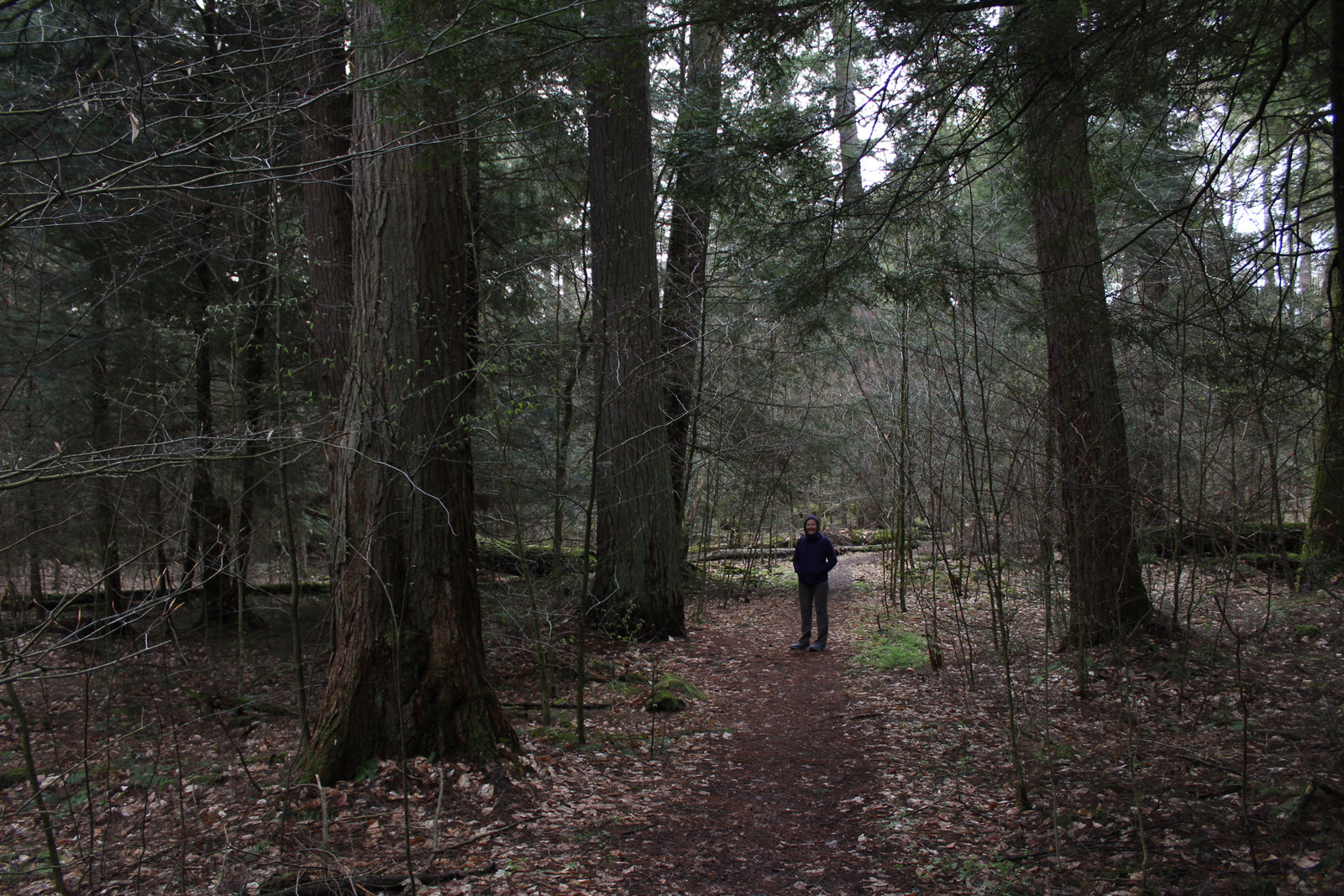
Huge eastern hemlock and eastern white pine trees up to 400 years old can be found in the 20-acre Hearts Content Scenic Area.  This National Natural Landmark has a picnic area constructed by the Civilian Conservation Corps (CCC) and is located across from a nice campground.  There are two short, flat loop trails located here, but you can also connect into 7.8 miles of cross-country skiing and snowshoeing routes.  Other popular hiking destinations include Rimrock Trail and a 10-mile section of the North Country National Scenic Trail within the Tracy Ridge Hiking Trail System (see our post on Allegheny National Recreation Area for more information).

Watchable Wildlife

As hard as it is to believe given their prevalence now, low populations of white-tailed deer in the 1920s allowed this new National Forest to grow back quickly.  Campers should exercise caution with their food and trash since black bears are in the area.  Turkeys, bald eagles, barred owls, Canada geese, black-capped chickadees, and pileated woodpeckers are common bird species.  Hall Barn Wildlife Viewing Area is known for its summer population of 1,000 roosting bats.  There is also evidence of beavers on the Timberdoodle Flats Wildlife Interpretive Trail.  Allegheny Reservoir has walleye, trout, bass, catfish, northern pike, and muskellunge, and small native brook trout can be found in the Farnsworth Stream and other creeks.  We recently learned that the PA Firefly Festival is held in Tionesta, Pennsylvania every June because of their population of synchronous fireflies (or lightning bugs).

Instagram-worthy Photo

Kinzua Dam was completed in 1965 and stands 179 feet tall and 1,897 feet in length.  Kinzua is a Seneca Indian word that translates as “place of many big fishes.”  Watch for fish that gather in eddies at the edges of the Allegheny Reservoir near the dam, but remember that fishing and feeding the fish is prohibited at this spot.

Peak Season

Summer

Fees

There is an entrance fee at both Willow Bay and Buckaloons Recreation Areas, but it is half price with an America the Beautiful pass.

Road Conditions

All roads are paved to Willow Bay Recreation Area and Hearts Content Scenic Area, which are popular with RV campers. 

Camping

Allegheny National Forest contains 15 campgrounds with more than 1,000 sites, and Willow Bay Recreation Area also has cabins for rent.  We enjoyed our stay at Heart’s Content Campground, but found Buckaloons Campground to be too crowded.  Allegheny Islands Wilderness has seven islands that can be used for boat-in dispersed camping.

Wilderness Areas

Allegheny Islands Wilderness

Hickory Creek Wilderness

Related Sites

Allegheny National Recreation Area (Pennsylvania)

Grey Towers National Historic Site (Pennsylvania)

Fort Necessity National Battlefield (Pennsylvania)

Nearest National Park

Cuyahoga Valley (Ohio)

Conifer Tree Species

eastern hemlock, eastern white pine

Flowering Tree Species

sugar maple, black maple, red maple, striped maple, silver maple, mountain maple, yellow birch, sweet birch, black walnut, bitternut hickory, shagbark hickory, sycamore, American beech, white ash, tulip-poplar, green ash, cucumber magnolia, quaking aspen, bigtooth aspen, black cherry, pin cherry, choke cherry, northern red oak, basswood, American elm, slippery elm

Explore More – Timberdoodle is a local nickname for which native bird species that nests in this forest?

Cuyahoga Valley National Park

Overview

If you did not know there was a National Park in Ohio it is understandable since Cuyahoga Valley National Park was not officially designated until 2000.  It is centered around the historic Ohio and Erie Canal, which opened in 1827 to connect Akron to the port of Cleveland on Lake Erie.  Cuyahoga is an American Indian word meaning “crooked” and you will see why if you walk or bike down the 19-mile Towpath Trail where mules once pulled line boats through a series of locks (be sure to stop at Canal Visitor Center at Lock 38).  If you plan it right, you can take your bike on board the Cuyahoga Valley Scenic Railroad for a cheap one-way ride.

Learn more in our guidebook to the National Parks, A Park to Yourself: Finding Adventure in America’s National Parks (available on Amazon).

Highlights

Brandywine Falls, Lock 38, Hunt Farm, Everett Road Covered Bridge, Gorge Parkway

Must-Do Activity

In the park’s southern end near Akron-Canton, you will find a great blue heron rookery and beaver marsh along the crooked Cuyahoga River.  In the central section, you must stop to see the cascades of Brandywine Falls (see it depicted below in our original logo).  Closer to Cleveland, discover the Bedford Reservation along Gorge Parkway, including beautiful Bridal Veil Falls.  For a little culture in the outdoors, look up the summer schedule for Blossom Music Center or Porthouse Theatre.  Fall is an especially popular time to visit when the leaves change, but with over 100 miles of trails within the park, there is plenty to explore in every season.

Best Trail

We highly recommend a hike on the two-mile Ledges Loop Trail where mossy sandstone cliffs are cloaked by a dense forest of hemlock and hardwood trees.  Once a popular destination on the trail, Ice Box Cave is closed to protect the resident bat population, but similar spots nearby still offer a chance for exploration.

Instagram-worthy Photo

In the southern end of the park, Everett Road Covered Bridge has been rebuilt to demonstrate this once common construction method.

Peak Season

Fall

Hours

https://www.nps.gov/cuva/planyourvisit/hours.htm

Fees

None

Road Conditions

All roads paved

Camping

There is no official campground in the park, but there are a variety of other lodging options including the historic Inn at Brandywine Falls.

Related Sites

Allegheny Portage Railroad National Historic Site (Pennsylvania)

James A. Garfield National Historic Site (Ohio)

First Ladies National Historic Site (Ohio)

This design we created to celebrate Cuyahoga Valley National Park is available on a variety of products at Cafe Press and Amazon.

Explore More – Who manages the Hale Farm and Village where costumed re-enactors bring history to life?

We are a participant in the Amazon Services LLC Associates Program, an affiliate advertising program designed to provide a means for us to earn fees by linking to Amazon.com and affiliated sites.

Wupatki National Monument

Overview

In the open plateau northeast of Flagstaff, Arizona lies 35,000 acres set aside in 1924 to protect a collection of archaeological sites.  A 35-mile drive through Sunset Crater Volcano National Monument and adjacent Wupatki National Monument passes through ponderosa pine forests and sunflower-filled meadows on its way to an arid, rocky high desert.  Archaeologists theorize the Ancestral Puebloan people were attracted to this place by the fertile volcanic ash deposited by the contemporaneous eruptions at Sunset Crater. 

Highlights

Wupatki Pueblo, Lomaki Pueblo, Citadel and Nalakihu Pueblos, Wukoki Pueblo

Must-Do Activity

The most famous of the ruins is named Wupatki Pueblo, a three-story, 100-room house inhabited by Sinagua around AD 1100.  At the height of its occupation, the structure was three stories tall and contained 100 rooms.  Its location near a spring allowed villagers to farm the volcanically-enriched soil, plus the leisure to build an amphitheater and ball court.  Here there is more than just crumbling ruins and pottery shards behind glass in a museum; there is a palpable feeling that this was a place where people lived.

Best Trail

The paved walking loop from the visitor center at Wupatki Pueblo is a half mile long and there are short interpretive trails at several additional ruins (see Highlights above), most located not far from parking lots.

Instagram-worthy Photo

Next to the ball court, do not miss the small opening to a larger cavern (or earthcrack) that breathes in or out depending upon the change in barometric pressure.  It is not hard to imagine kids playing here hundreds of years ago.

Peak Season

Summer

Hours

https://www.nps.gov/wupa/planyourvisit/hours.htm

Fees

$25 per vehicle (or America the Beautiful pass), which also covers entrance to neighboring Sunset Crater Volcano National Monument

Road Conditions

All roads to ruins are paved, but there is one dirt road that leads to the Little Colorado River, which forms the border with the Navajo Indian Reservation.

Camping

The U.S. Forest Service runs the Bonito Campground across from the Sunset Crater visitor center between May and October.  Dispersed camping is allowed in portions of Coconino National Forest.

Related Sites

Walnut Canyon National Monument (Arizona)

Tuzigoot National Monument (Arizona)

Grand Canyon National Park (Arizona)

Explore More – What were the two main types of sedimentary rock used to construct the pueblos?