Tag Archives: whitewater

Klamath National Forest

Klamath National Forest

California, Oregon

Managed by U.S. Forest Service, Pacific Southwest Region

1,913,264 acres (1,737,774 federal/ 175,490 other)

Website: https://www.fs.usda.gov/klamath

Overview

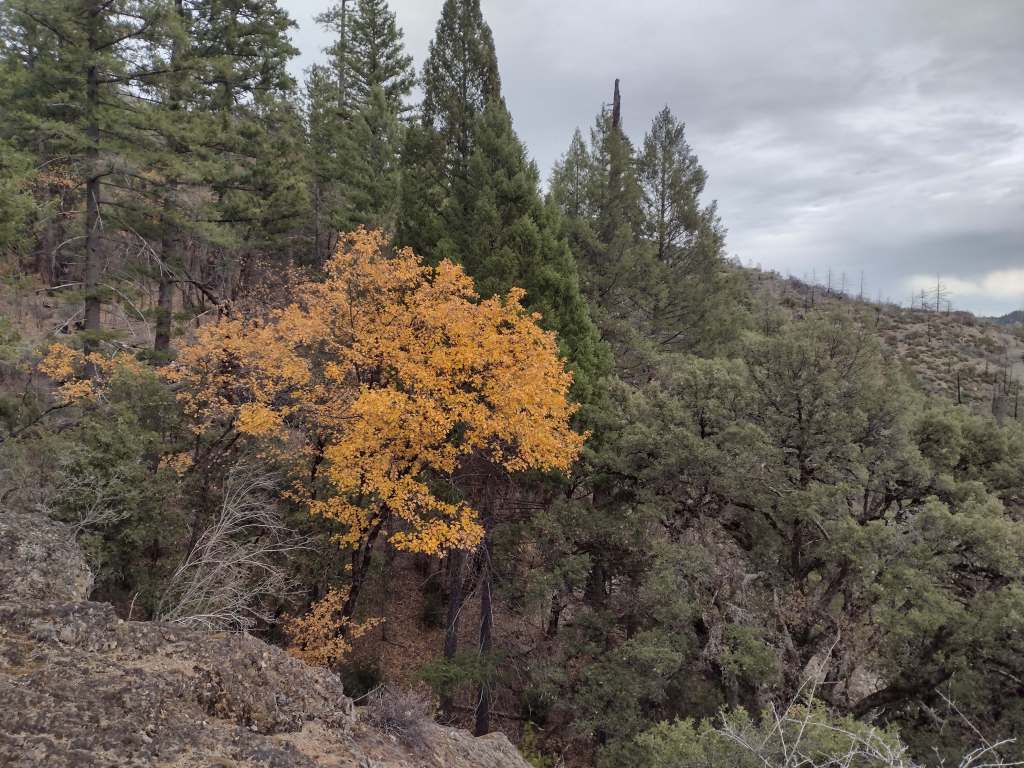
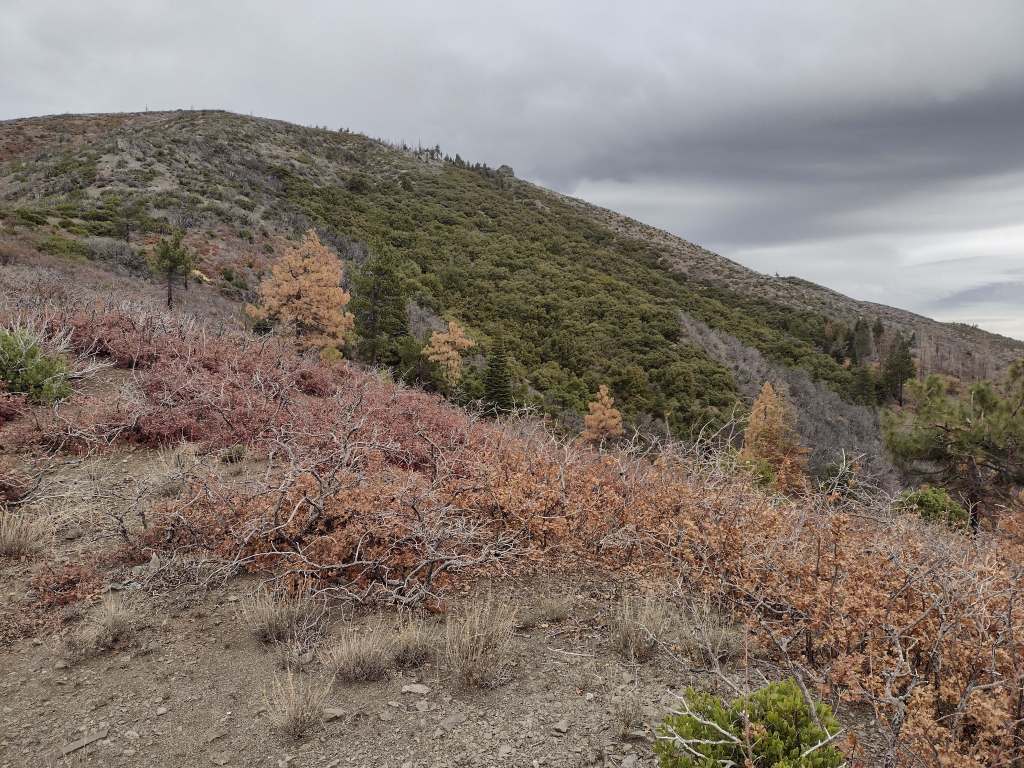
Split into two separate sections by Interstate 5, Klamath National Forest is spread across the Marble, Salmon, Scott, and Siskiyou Mountains of northern California, with less than 2% of its acreage across the border in Oregon.  The National Forest headquarters is located in Yreka on Interstate 5, from where the Forest Service also manages the small Butte Valley National Grassland.  In this remote portion of California, Klamath National Forest borders Modoc, Rogue River, Siskiyou, Six Rivers, Shasta, and Trinity National Forests.  It contains 152 miles of designated National Wild and Scenic Rivers, including some popular for fishing and rafting, like the Klamath River.

Highlights

Horsetail Falls, Kangaroo Lake, Sawyers Bar Catholic Church, Sur Cree Falls, Crater Glass Flow, Panhandle Lake, Chimney Rock, Diamond Lake, Juanita Lake, Cedar Mountain, Kelly Lake, East Boulder Trail, Taylor Lake Trail, Clear Creek National Recreation Trail, Pacific Crest National Scenic Trail

Must-Do Activity

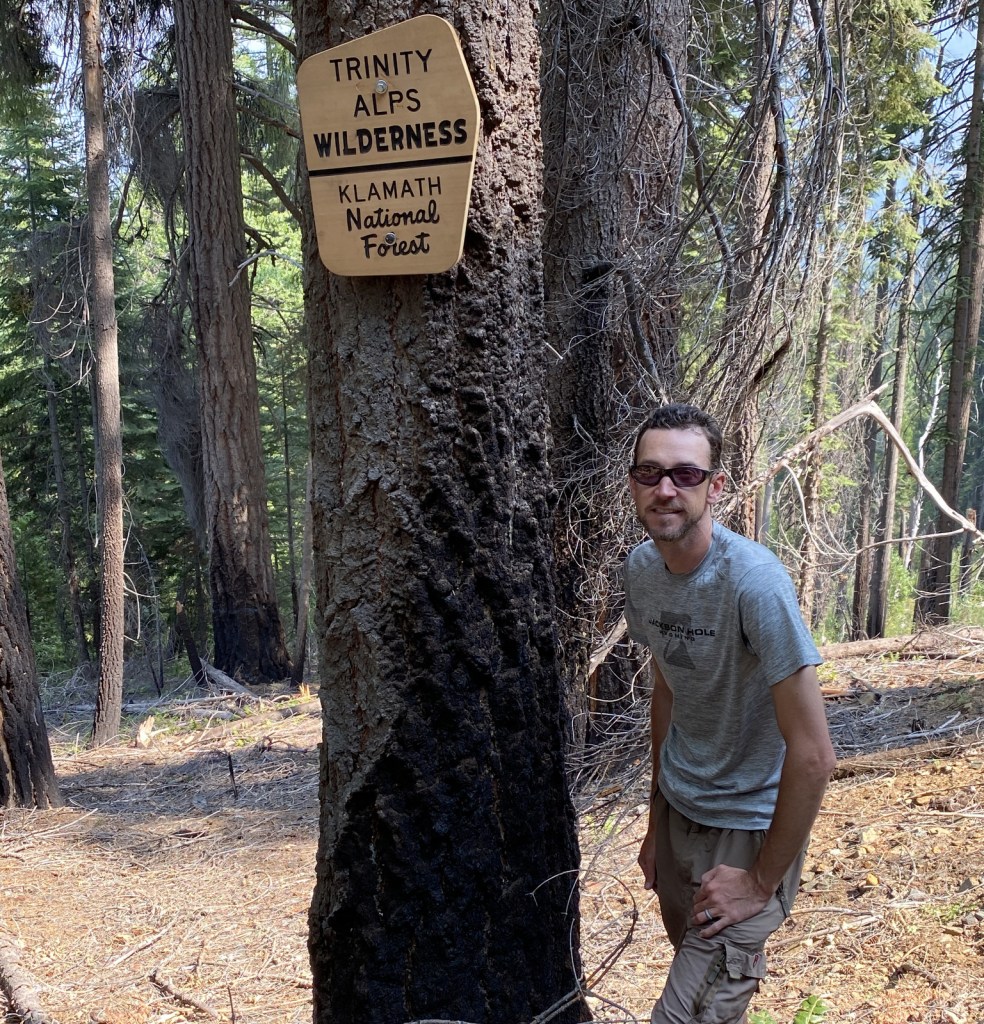
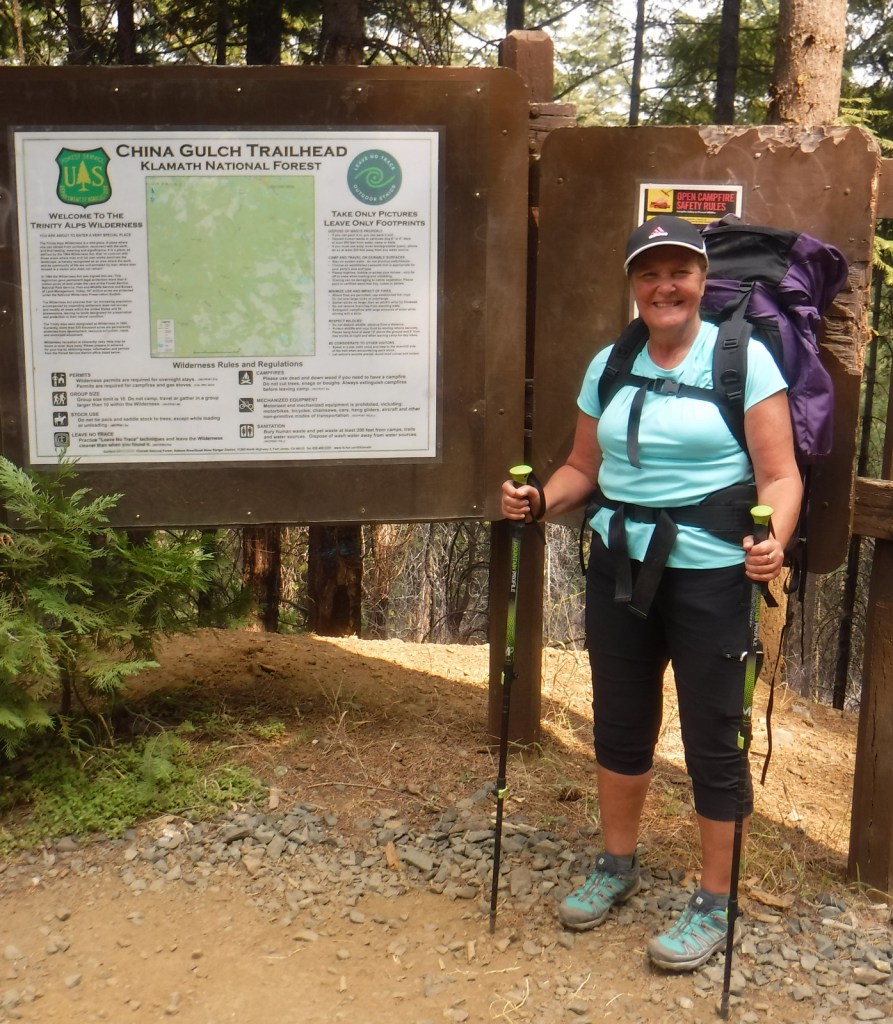
The mountainous western portion of Klamath National is home to several designated Wilderness areas that offer excellent hiking and backpacking (as well as a long stretch of the Pacific Crest National Scenic Trail).  In the Siskiyou Wilderness, a quarter-mile hike leads to Kelly Lake with picnic tables at both ends and an option to continue hiking three miles to a beautiful meadow near Poker Flat.  From the Shackleford Creek Trailhead, a trail follows the creek into the Marble Mountain Wilderness to Log Lake (three miles) and Campbell Lake (4.3 miles).  Russian Lake in the Russian Wilderness is heavily visited, although it is a difficult 4.5-mile hike from the Deacon Lee Trailhead.  Many trails enter the Trinity Alps Wilderness, such as East Boulder (see Best Hike) and Carter Meadows Summit, as well as Long Gulch and Trail Gulch (which together can be a turned into thru-hike with a two-car shuttle)

Best Trail

A popular destination for day hikers, East Boulder Lake is accessed by a 1.7-mile one-way trail that climbs 1,000 feet into the northern Trinity Alps Wilderness.  Due to the number of user trails around the lake, it is difficult to navigate to the 7,100-foot pass, but continue southeast past Upper Boulder Lake and keep heading uphill to locate it.  It is 1.2 miles past East Boulder Lake to the junction with the Pacific Crest National Scenic Trail that runs east-west following the summits of the Scott Mountains (in Shasta National Forest).  It is possible to turn this into a loop hike by connecting with the Middle Boulder Trail and Boulder Tie Trail. 

Watchable Wildlife

Elevations in Klamath National Forest range from 900 to nearly 9,000 feet supporting a variety of ecosystems, including 168,000 acres of old-growth forest.  Large mammals found here include black bears, mountain lions, bobcats, coyotes, foxes, pine martens, skunks, raccoons, mule deer, and possibly gray wolves.  Fishing for rainbow trout, steelhead, and salmon is a major draw to Klamath National Forest with its countless lakes and major rivers like the Klamath, Salmon, Scott, and Trinity. 

Photographic Opportunity

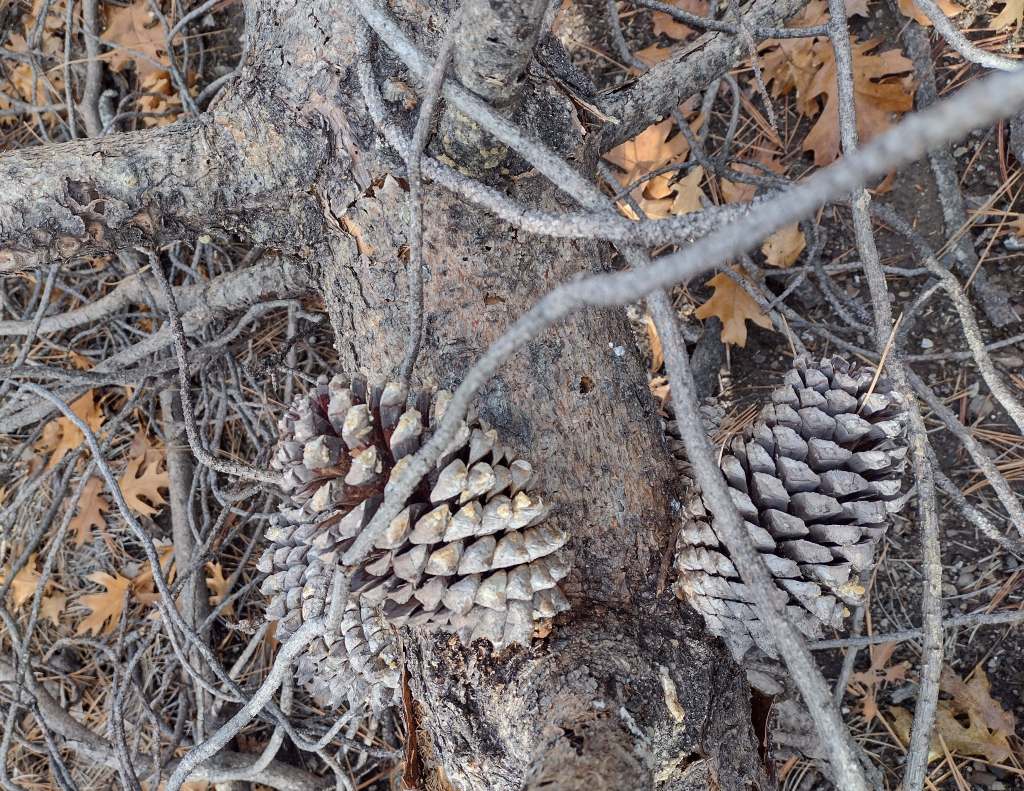
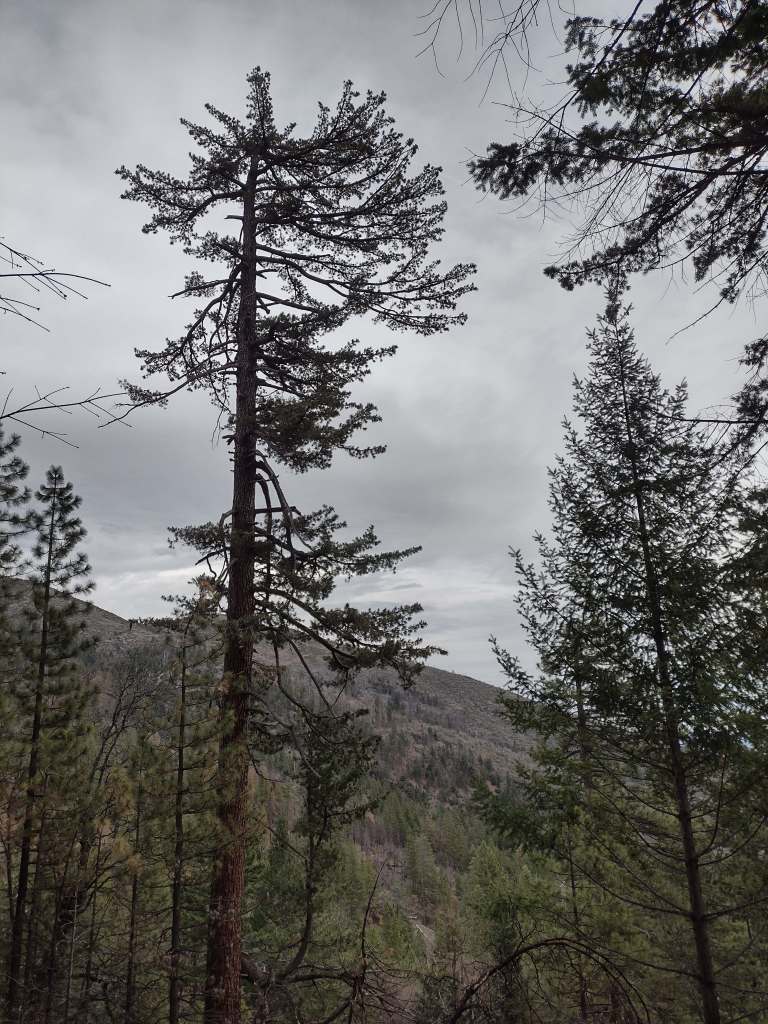
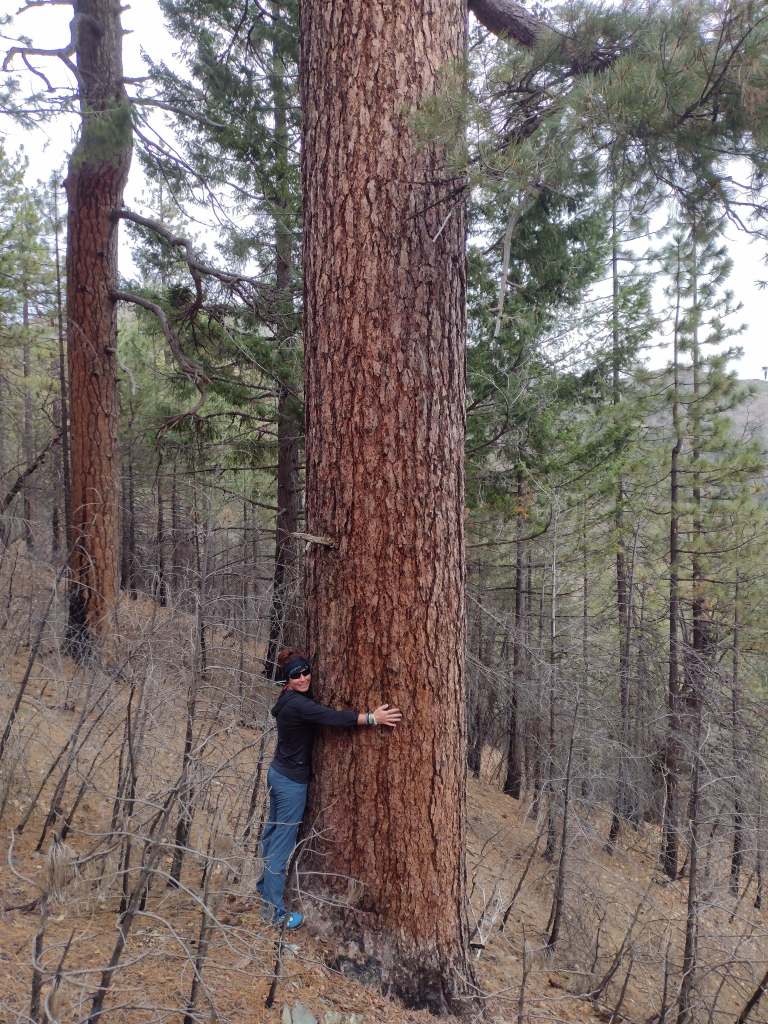
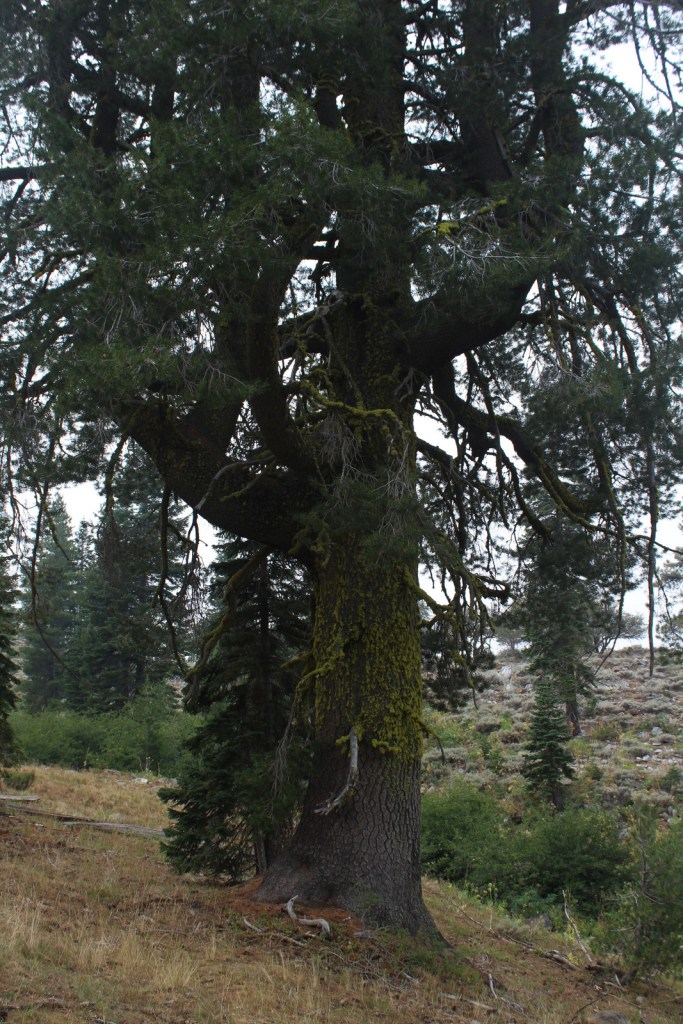
The abundant rainfall that soaks the coastal mountains of California allows conifer trees to reach impressive diameters, like this ponderosa pine we found in the Trinity Alps Wilderness.

Peak Season

Summer

Fees

A free Wilderness Entry Permit is required for overnight trips in the popular Trinity Alps Wilderness where group size is limited to ten people.

Road Conditions

Twisty but paved State Route 96 traverses the western part of the National Forest providing access to the Klamath River, trailheads for the Wilderness areas, and campgrounds.  East Boulder Trailhead is located 7.8 miles from the town of Callahan, which is in a remote part of California north of Clair Engle Lake.  A high-clearance vehicle may help, but is not required for the unpaved final part of the drive.  In the remote eastern portion of the National Forest, a scenic back road travels six miles from Laird’s Camp over Gold Digger Pass near Lava Beds National Monument.

Camping

There are several campgrounds located along paved State Route 96, including Tree of Heaven, Totten, Rocky Bar, and Sulphur Springs (where Elk Creek Trail is a shady two-mile hike to a picnic area by the creek).  In the National Forest’s eastern portion, Juanita Lake Campground has a 1.5 mile paved, barrier-free trail that circles the lake. 

Wilderness Areas

Marble Mountain Wilderness

Red Buttes Wilderness

Russian Wilderness

Siskiyou Wilderness (also in Six Rivers National Forest)

Trinity Alps Wilderness (also in Shasta, Six Rivers, and Trinity National Forests)

Related Sites

Butte Valley National Grassland (California)

Lava Beds National Monument (California)

Oregon Caves National Monument and Preserve (Oregon)

Nearest National Park

Redwood

Conifer Tree Species

ponderosa pine, Jeffrey pine, whitebark pine, foxtail pine, Douglas-fir, incense-cedar, western juniper, red fir, white fir, silver fir

Flowering Tree Species

Pacific madrone, California-laurel, elderberry, curlleaf mountain mahogany, sagebrush

Explore More – How many species of conifers (or Gymnosperms) have been recorded in the Russian Wilderness, possibly the most biodiverse spot for these plants in California, if not the world?

Learn more about this and the 154 other National Forests in our new guidebook Out in the Woods

We are a participant in the Amazon Services LLC Associates Program, an affiliate advertising program designed to provide a means for us to earn fees by linking to Amazon.com and affiliated sites.

Cherokee National Forest

Cherokee National Forest

Tennessee, North Carolina

Managed by U.S. Forest Service, Southern Region

1,204,847 acres (655,598 federal/ 549,249 other)

Website: https://www.fs.usda.gov/cherokee

Overview

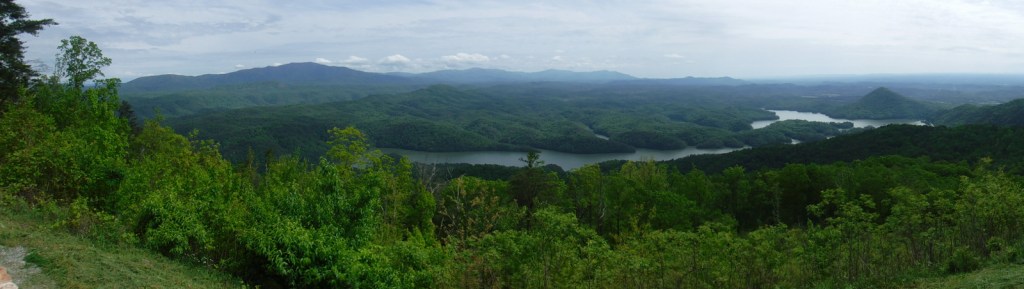
The southern Appalachian Mountains have some of the highest biodiversity in the United States, with more than 20,000 species of plants and animals.  In the heart of this region, Cherokee National Forest is located north and south of Great Smoky Mountains National Park in eastern Tennessee.  Abundant rainfall and steep terrain make whitewater rafting a popular activity, especially on the Ocoee National Wild and Scenic River.

Highlights

Cherohala Skyway, Hiwassee River, Bald River Falls, Ocoee Scenic Byway, Boyd Gap Observation Site, Turtletown Creek Falls Scenic Area, Ocoee Whitewater Center, Coker Creek Scenic Area, Dudley Falls Picnic Area, Watauga Lake, Rock Creek Gorge Scenic Area, Laurel Fork Falls, Bald Mountain Ridge Scenic Area, Unaka Mountains Scenic Area, Doe River Gorge Scenic Area, Backbone Rock, Rogers Ridge Scenic Area, Conasauga River Blue Hole, Gee Creek Falls, Roan High Knob, Falls Branch Falls, Tanasi Trail System, John Muir National Recreation Trail, Margarette Falls Trail, Warrior’s Passage National Recreation Trail, Appalachian National Scenic Trail

Must-Do Activity

Cherokee National Forest is celebrated for its numerous waterfalls, two highlights being 60-foot-tall Margarette Falls and 65-foot Benton Falls, both accessible by short hikes.  If you visit during the fall foliage season, popular driving routes include the 26-mile Ocoee Scenic Byway and 43-mile Cherohala Skyway that climbs over 4,500 feet in elevation into North Carolina’s Nantahala National Forest.  We were intrigued by reading about the Conasauga River Blue Hole, where visitors can snorkel with fish and turtles in the shallows and deep pools. 

Best Trail

On the north side of Ocoee Lake, the Clemmer Trailhead is located right along Highway 30, a quarter mile off Highway 64.  From here one trail follows picturesque Rock Creek Gorge, which is known for its waterfalls.  Mountain bikers can follow several other trails and connect into the trail system around Benton Falls and McCamy Lake in the Chilhowee Recreation Area.  Altogether, the National Forest boasts 700 miles of trail, including a famous stretch of the Appalachian National Scenic Trail through the Roan Highlands.

Watchable Wildlife

Large mammals found in Cherokee National Forest include white-tailed deer, raccoons, skunks, opossums, river otters, beavers, squirrels, bobcats, red foxes, gray foxes, coyotes, and black bears.  In addition to songbirds common to eastern forests, watch the skies for turkey vultures, peregrine falcons, bald eagles, and a variety of hawks.  This area is known for its high diversity of salamanders, including hellbenders and Jordan’s salamanders.  This region also has many reptiles, like eastern box turtles, common snapping turtles, southeastern five-lined skinks, timber rattlesnakes, northern copperheads, and rat snakes (like the one we saw on the Benton Falls Trail). The many streams and rivers support rainbow, brook, and brown trout, while lakes have largemouth bass, bluegills, and crappies.

Instagram-worthy Photo

The whitewater rapids are less intense on the Hiwassee River, which is also followed by Highway 30, the 21-mile long John Muir National Recreation Trail, and a portion of the 300-mile Benton MacKaye Trail. 

Peak Season

Summer and fall

Fees

There is a $3 day-use fee at the Chilhowee Recreation Area and there are likely fees to park elsewhere in this massive National Forest. 

Road Conditions

The scenic byways we drove were all paved, but we found the gravel road up to Chilhowee Recreation Area to be rough and steep, though still easy enough for any passenger car.

Camping

There are countless campgrounds in Cherokee National Forest, but Chilhowee Campground near McKamy Lake seemed nice and provided access to an extensive trail system.

Wilderness Areas

Bald River Gorge Wilderness

Big Frog Wilderness (also in Chattahoochee National Forest)

Big Laurel Branch Wilderness

Citico Creek Wilderness

Cohutta Wilderness (also in Chattahoochee National Forest)

Gee Creek Wilderness

Joyce Kilmer-Slickrock Wilderness (also in Nantahala National Forest)

Little Frog Mountain Wilderness

Pond Mountain Wilderness

Sampson Mountain Wilderness

Unaka Mountain Wilderness

Related Sites

Andrew Johnson National Historic Site (Tennessee)

Manhattan Project National Historical Park (Tennessee-New Mexico-Washington)

Chickamauga and Chattanooga National Military Park (Georgia)

Nearest National Park
Great Smoky Mountains

Conifer Tree Species

eastern hemlock, eastern white pine, loblolly pine, shortleaf pine, Table Mountain pine, pitch pine

Flowering Tree Species

tulip-poplar, sassafras, flowering dogwood, mountain laurel, pawpaw, American beech, white basswood, sweet buckeye, sugar maple, red maple, mountain maple, moosewood maple, yellowwood, yellow birch, cucumber magnolia, black cherry, sourwood, pale hickory, mockernut hickory, rock chestnut oak, scarlet oak, black oak, white oak, southern red oak, Catawba rhododendron, yellow birch, sweet bay magnolia, white ash, mountain-ash, mountain-laurel

Explore More – The National Forest’s Ocoee Whitewater Center hosted events during the Summer Olympics in what year?

Learn more about Cherokee and the 154 other National Forests in our new guidebook Out in the Woods

We are a participant in the Amazon Services LLC Associates Program, an affiliate advertising program designed to provide a means for us to earn fees by linking to Amazon.com and affiliated sites.

Chattahoochee National Forest

Chattahoochee National Forest

Georgia

Managed by U.S. Forest Service, Southern Region

1,516,006 acres (750,145 federal/ 765,861 other)

Website: https://www.fs.usda.gov/conf

Overview

In mountainous northern Georgia, Chattahoochee National Forest stretches 200 miles east to west, bordering North Carolina, South Carolina, and Tennessee.  In addition to the highest point in Georgia (4,784-foot Brasstown Bald), the National Forest includes the headwaters of the Chattahoochee River and one side of the Chattooga National Wild and Scenic River.  West of the North Georgia Mountains, the Ridge and Valley Scenic Byway traverses the disjunct portion of the National Forest encompassing Johns Mountain, Little Sand Mountain, and Taylor Ridge.

Highlights

Ed Jenkins National Recreation Area, Ridge and Valley Scenic Byway, Keown Falls, Russell-Brasstown Scenic Byway, Brasstown Bald, High Shoal Falls Scenic Area, Lake Conasauga Recreation Area, Anna Ruby Falls, Sosebee Cove Scenic Area, Timpson Falls, Popcorn Overlook, Track Rock Gap Petroglyph Site, DeSoto Falls Scenic Area, Angel Falls, Raven Cliff Trail, Helton Creek Falls Trail, Duncan Ridge National Recreation Trail, Appalachian National Scenic Trail

Must-Do Activity

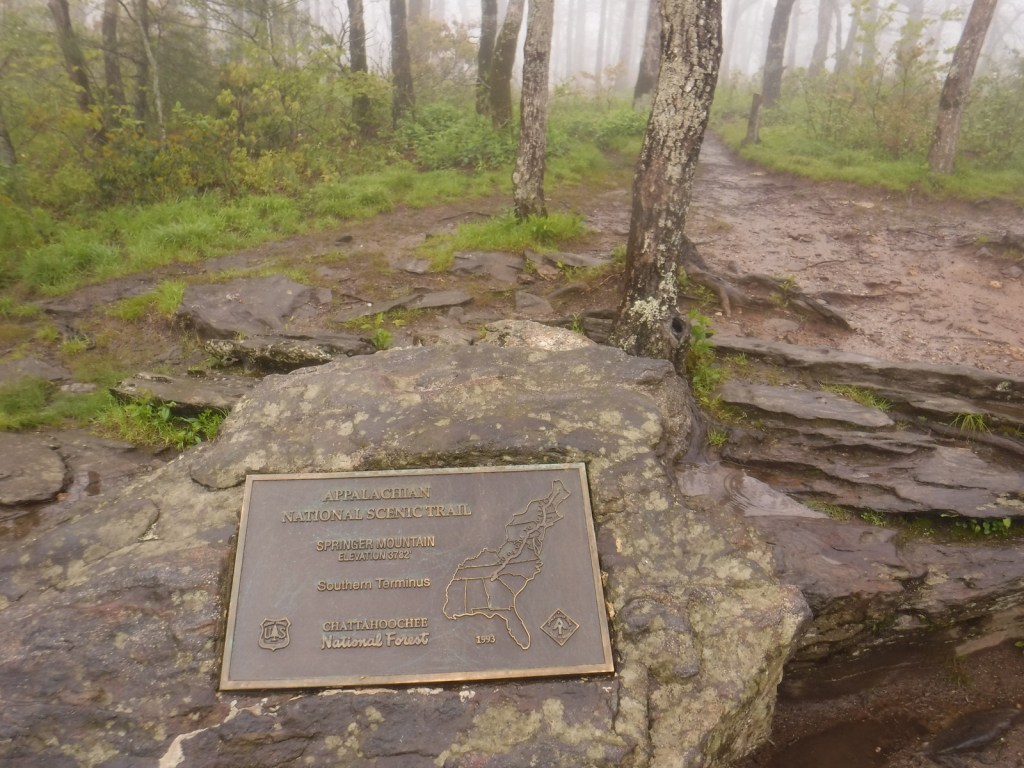
One of the National Forest’s most popular spots, 150-foot-tall Anna Ruby Falls is accessed by a short trail northeast of Helen, Georgia on State Route 356.  Large tulip-poplar and yellow buckeye trees grow in 175-acre Sosebee Cove Scenic Area, even though it is a second growth forest.  We will have a separate blog post on Ed Jenkins National Recreation Area, which surrounds Springer Mountain, the southern terminus of the 2,185-mile long Appalachian National Scenic Trail.

Best Trail

Chattahoochee National Forest started when the Forest Service purchased 31,000 acres from the Gennett family in 1911 for $7 per acre.  Visitors can still see their namesake Gennett Poplar (a tulip-poplar tree more than five feet in diameter) by hiking 1.8 miles out-and-back with two stream crossings on the Bear Creek Trail.  The rows of holes in the old tree’s trunk were made by yellow-bellied sapsuckers, a type of woodpecker.  The trail continues and connects with the Pinhoti Trail to form a 6.6 to 9-mile long loop.

Watchable Wildlife

In addition to the plentiful white-tailed deer, other large mammals found in Chattahoochee National Forest include black bears, coyotes, bobcats, red foxes, squirrels, beavers, and river otters.  There are a wide variety of songbirds, waterfowl, and raptors, as well as wild turkeys.  One insect species of note is the blue ghost firefly, which produces a distinctive blue phosphorescence.  Panther Creek is among the approximately 2,000 miles of rivers and streams popular for fishing.

Instagram-worthy Photo

There is a small waterfall at Barnes Creek Picnic Area, which was built by the Civilian Conservation Corps (CCC) in the 1930s.

Peak Season

Summer

Fees

None

Road Conditions

Most of the major routes in Chattahoochee National Forest are paved.  Forest Service Road 42 that accesses the Springer Mountain Trailhead is unpaved and full of potholes, but it is doable in a passenger vehicle (as are the dirt roads to Hickey Gap Campground and Bear Creek Trail). 

Camping

The riverside Hickey Gap Campground is so nice that it made it into our list of the Top 10 Campgrounds in National Forests; the best part is: it is free.  We once overnighted at the Locust Stake ORV Area Trailhead north of Atlanta, which was fine until someone decided to ride their motocross bike at 2 a.m.

Wilderness Areas

Big Frog Wilderness (also in Cherokee NF)

Blood Mountain Wilderness

Brasstown Wilderness

Cohutta Wilderness (also in Cherokee National Forest)

Ellicott Rock Wilderness (also in Nantahala and Sumter National Forests)

Mark Trail Wilderness

Raven Cliffs Wilderness

Rich Mountain Wilderness

Southern Nantahala Wilderness (also in Nantahala National Forest)

Tray Mountain Wilderness

Related Sites

Chattahoochee River National Recreation Area (Georgia)

Martin Luther King, Jr. National Historical Park (Georgia)

Ed Jenkins National Recreation Area (Georgia)

Nearest National Park
Great Smoky Mountains

Conifer Tree Species

eastern hemlock, loblolly pine, shortleaf pine, Table Mountain pine, pitch pine

Flowering Tree Species

flowering dogwood, mountain laurel, pawpaw, American beech, white basswood, red maple, mountain maple, moosewood maple, tulip-poplar, sweet buckeye, yellowwood, yellow birch, cucumber magnolia, black cherry, sourwood, pale hickory, mockernut hickory, rock chestnut oak, scarlet oak, black oak, Catawba rhododendron, yellow birch, sweet bay magnolia, mountain-ash, ninebark

Explore More – How many acres are within the Cohutta Wilderness, the largest designated Wilderness east of the Mississippi River?

Learn more about Chattahoochee and the 154 other National Forests in our new guidebook Out in the Woods

We are a participant in the Amazon Services LLC Associates Program, an affiliate advertising program designed to provide a means for us to earn fees by linking to Amazon.com and affiliated sites.

Canyonlands National Park

Overview

Canyonlands National Park was established in 1964, part of a large expansion of the National Park Service (NPS) system during the Johnson administration.  It is divided into four distinct areas that are not easily connected by roads: The Needles District, The Maze District, Horseshoe Canyon Unit, and the most heavily-trafficked Island in the Sky District near Moab, Utah.  Backpacking is a major draw to this park, as is whitewater rafting on the Colorado and Green Rivers.

Learn more in our guidebook to the 62 National Parks, A Park to Yourself: Finding Adventure in America’s National Parks (available on Amazon).

Highlights

Mesa Arch, Grand View Point, Chesler Park, Druid Arch, The Maze, Great Gallery

Must-Do Activity

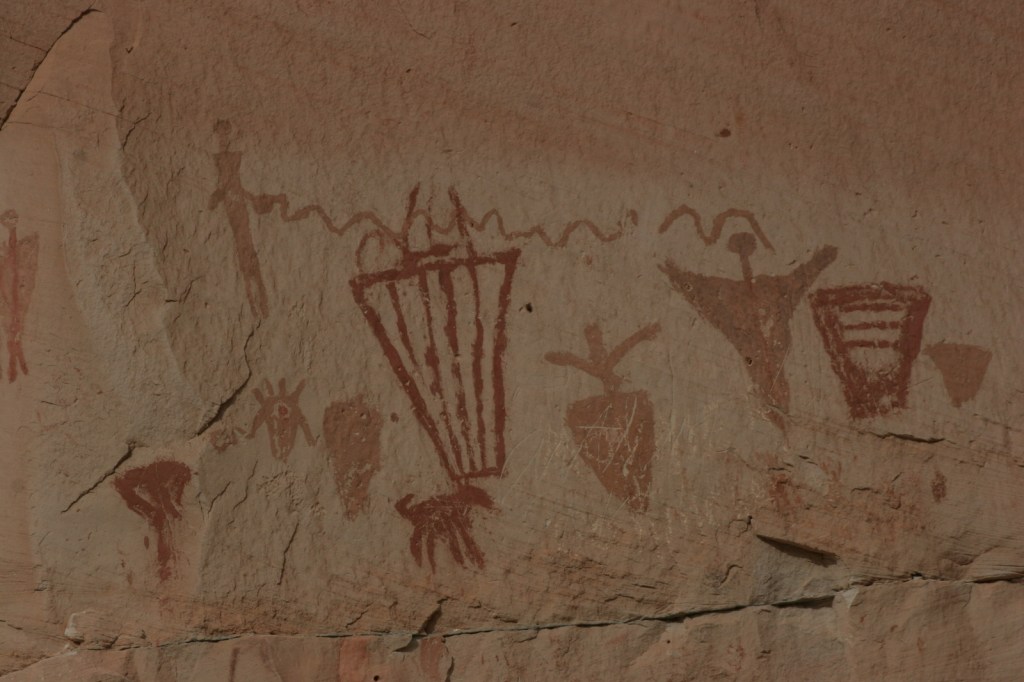
Horseshoe Canyon is a separate unit of Canyonlands National Park accessible by good dirt road from Highway 24 southwest of Green River, Utah.  Its main attractions are four large pictograph panels estimated at 3,000 years old at the bottom of the 800-foot deep canyon.  The largest panel, dubbed the Great Gallery, stretches over 200 feet with numerous life-sized human figures painted in red and white on a sandstone wall.  It is a 3.5-mile hike to get there from the trailhead on top of the canyon rim that drops down to and then follows a meandering stream which passes three smaller panels.

Best Trail

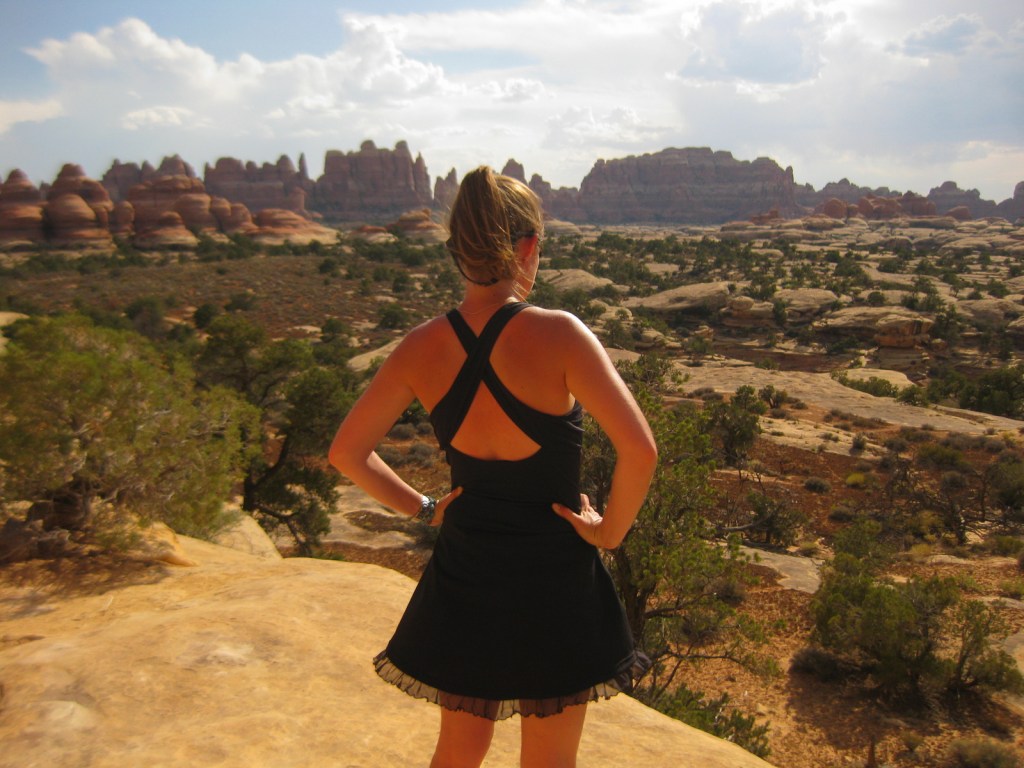
There are miles of incredibly scenic trails in The Needles District, many of which leave from Elephant Hill Trailhead.  We recommend the six-mile roundtrip hike to Chesler Park where you will see the pointy formations that gave this district its name.  Druid Arch or Angel Arch make great destinations for long day hikes, but you should at least stop at Slickrock Foot Nature Trail to get a feel for sandstone beneath your soles.

Instagram-worthy Photo

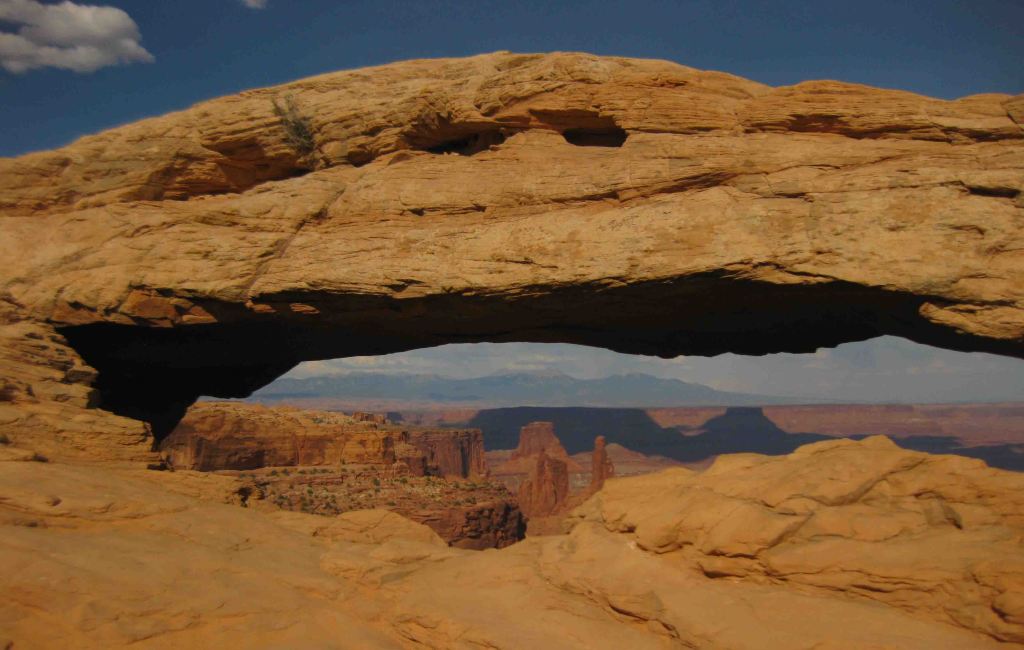
You may have never heard of the Island in the Sky District, but you have surely seen a sunrise photograph of Mesa Arch since it makes it on many calendars.  Walk the half-mile loop to the edge of the cliff where this famous formation frames distant mountains.

Peak Season

Spring and fall

Hours

https://www.nps.gov/cany/planyourvisit/hours.htm

Fees

$30 per vehicle or America the Beautiful pass

Road Conditions

There are seriously rough 4×4 roads throughout this park, so ask a park ranger about road conditions before attempting any drive.  The scenic drive that dead ends at Grand View Point in the Island in the Sky District is entirely paved.

Camping

There is running water at Squaw Flat Campground in The Needles District, but none available at the small Willow Flat Campground in the Island in the Sky District.  White Rim Road and Chesler Park are also famous for their backcountry campsites accessible by 4×4 vehicles (permit required).  Due to high demand, backpacking permits within this park are among the most expensive in the entire NPS system.

Related Sites

Arches National Park (Utah)

Capitol Reef National Park (Utah)

Natural Bridges National Monument (Utah)

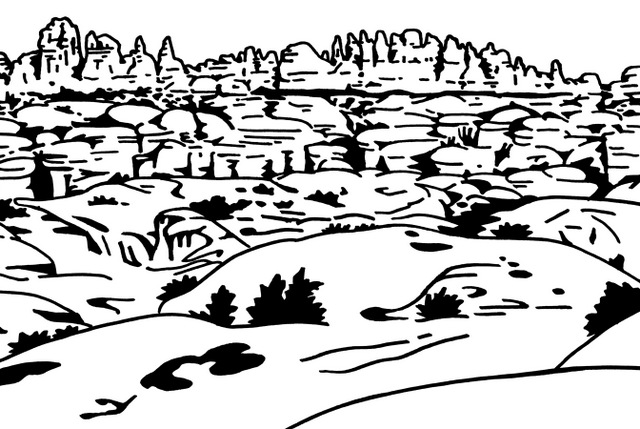
This design we created to celebrate Canyonlands National Park is available on a variety of products at Cafe Press and Amazon.

Explore More – It may look small in photographs, but just how tall is Druid Arch in The Needles District?

We are a participant in the Amazon Services LLC Associates Program, an affiliate advertising program designed to provide a means for us to earn fees by linking to Amazon.com and affiliated sites.

Grand Teton National Park

Overview

Just south of Yellowstone National Park, is one of the most recognizable skylines in the United States, topped by 13,772-foot tall Grand Teton Peak.  The Teton Mountains were established as a National Park in 1929, but the rest of the park has a strange history.  Land in the Jackson Hole valley was bought up by the Rockefeller family and attempted to be donated to the U.S. government for decades.  In 1943, President Franklin D. Roosevelt created Jackson Hole National Monument under the Antiquities Act, but it did not include the Rockefeller holdings.  It was not until 1950 that a deal was struck merging everything into Grand Teton National Park as we know it today.  Part of that negotiation was a requirement that in the future no land in Wyoming would ever be established as a National Monument under the Antiquities Act.

Highlights

Jenny Lake, Inspiration Point, Jackson Lake Lodge, Oxbow Bend Turnout, Mormon Row

Must-Do Activity

One of our favorite places in the park is Jenny Lake, which sparkles below 12,325-foot Teewinot Peak.  This is the trailhead for Cascade Canyon, but there are plenty of activities other than hiking, which include boating, horseback riding, mountain climbing, whitewater rafting, or cross-country skiing in the winter. 

Best Trail

You can hike around Jenny Lake to the lake to Hidden Falls and the waterfalls of Cascade Canyon, or you can take the shortcut aboard a shuttle boat (fee).  This popular trail can get very busy in the summer, which is true of most of the trails in the park.

Instagram-worthy Photo

Oxbow Bend Turnout is found along Highway 89/191/287, north of Moran Junction Entrance Station.  It overlooks a curve in the Snake River towards the Teton Mountain Range, which is why we chose it for our original logo design (see below).

Peak Season

Summer

Hours

https://www.nps.gov/grte/planyourvisit/hours.htm

Fees

$35 per vehicle or America the Beautiful pass

Road Conditions

The only main road that are not paved is the short segment that connects Phelps Lake with Jackson Hole Ski Area, but there are other rough gravel roads that follow the Snake River.

Camping

The first-come, first-served tent-only campsites at Jenny Lake or Signal Mountain are usually full, so you can always try Gros Ventre Campground which has 350 sites and rarely fills up.  Reservations for sites with hook-ups are accepted at Colter Bay RV Park and Headwaters at Flagg Ranch, which is just north of the park boundaries on the John D. Rockefeller Jr. Memorial Parkway.

Related Sites

Yellowstone National Park (Wyoming-Montana-Idaho)

Fossil Butte National Monument (Wyoming)

Devils Tower National Monument (Wyoming)

This design we created to celebrate Grand Teton National Park is available on a variety of products at Cafe Press and Amazon.

Explore More – How did the valley of Jackson Hole (and the city of Jackson) get its name?

We are a participant in the Amazon Services LLC Associates Program, an affiliate advertising program designed to provide a means for us to earn fees by linking to Amazon.com and affiliated sites.