Tag Archives: tour

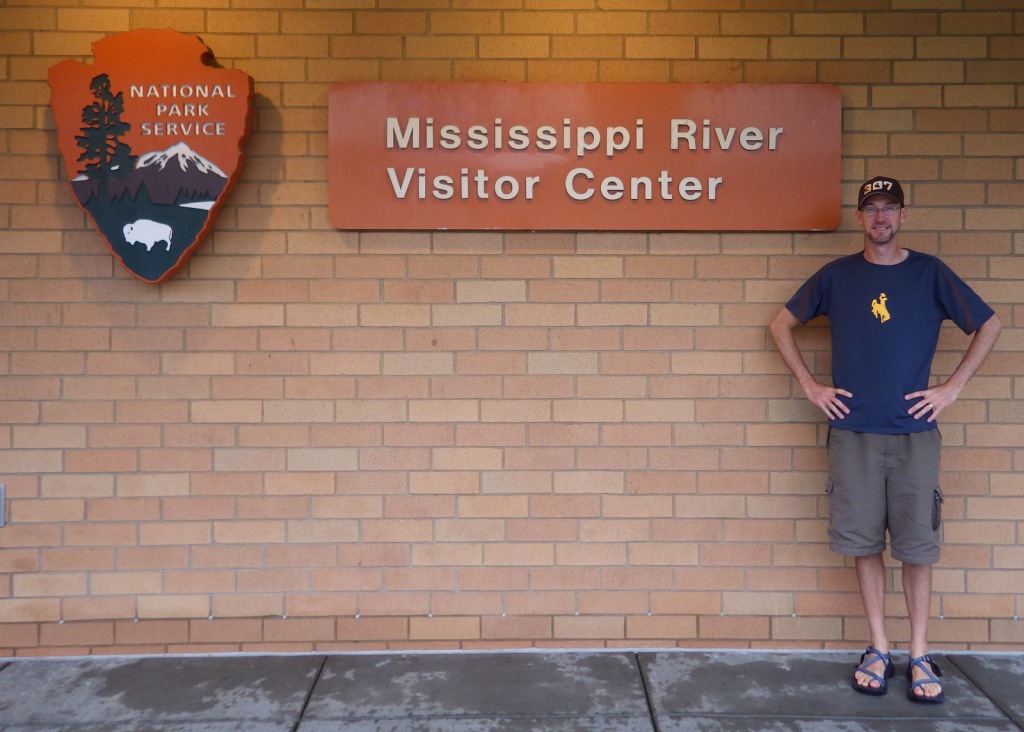
Mississippi National River and Recreation Area

Overview

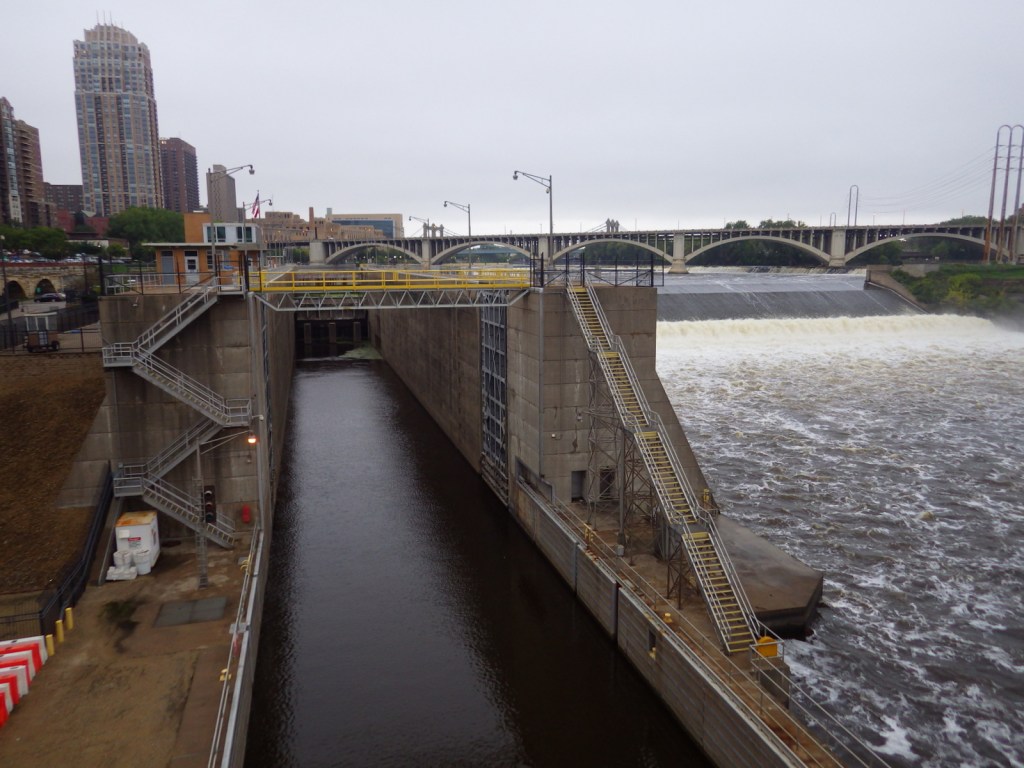
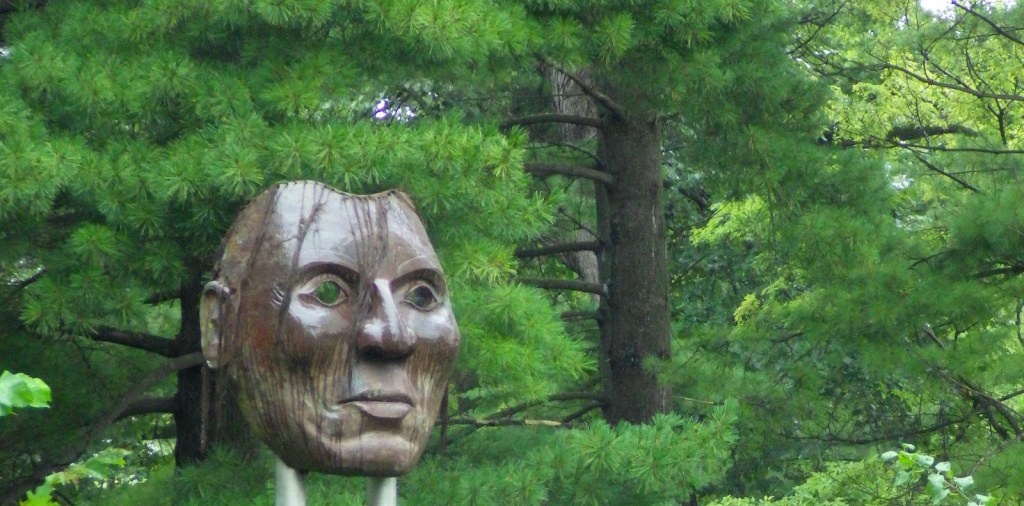
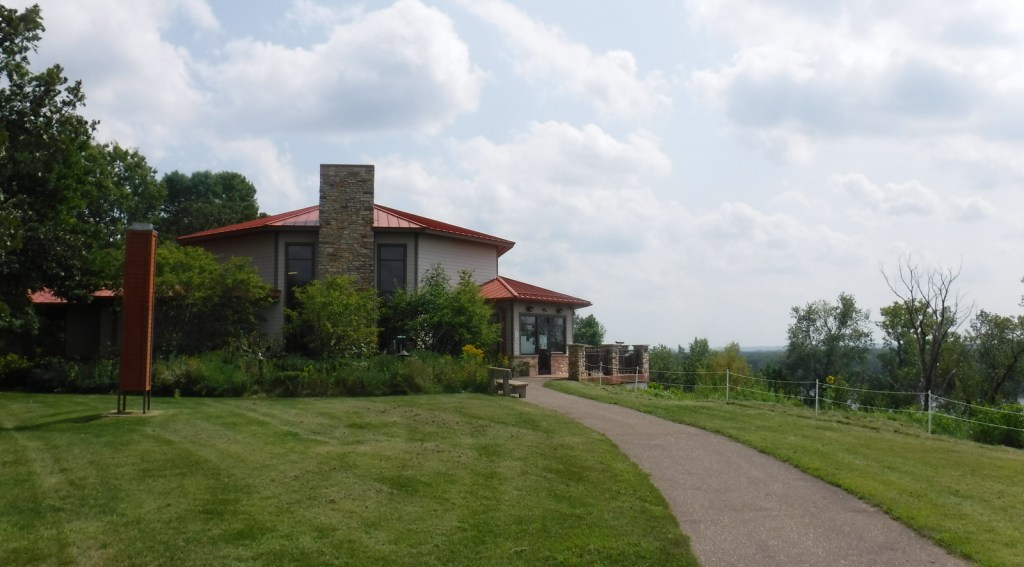
The 2,320-mile long Mississippi River is legendary in our nation and well-known worldwide.  Mississippi National River and Recreation Area (NRRA) covers 72 miles of the famous river’s course through Minnesota, from busy metropolitan sections in the Twin Cities to secluded stretches of water.  Along this section it changes from its shallow headwaters to a powerful force at its confluence with the St. Croix River.  Established in 1988, the National Park Service (NPS) owns only 35 acres of the 54,000 acres protected within the NRRA.

Highlights

St. Anthony Falls, Minnehaha Falls, Coldwater Spring, Indian Mounds Park, Mississippi Gorge Regional Park

Must-Do Activity

Near downtown Minneapolis is St. Anthony Falls, the only true waterfall on the Mississippi River’s entire length.  The falls powered gristmills and sawmills on both banks that drove the settlement of Minneapolis-St. Paul.  Opportunities for walking, biking, boating, fishing, cross-country skiing, and wildlife watching (especially at Minnesota Valley National Wildlife Refuge) abound along the river depending upon the season.

Best Trail

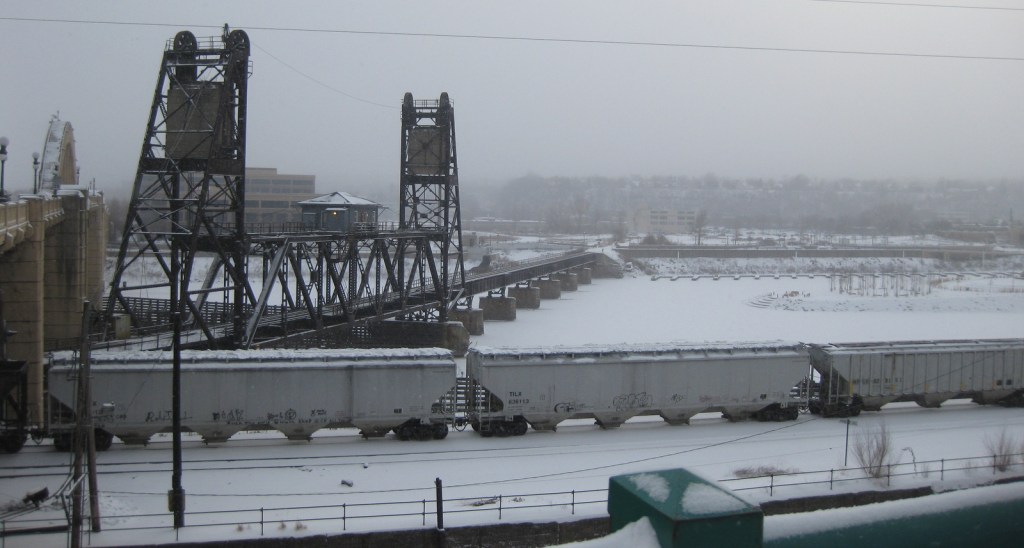
In winter, urban trails along the Mississippi River are very pretty under a layer of white snow, and it can be very quiet and peaceful.

Instagram-worthy Photo

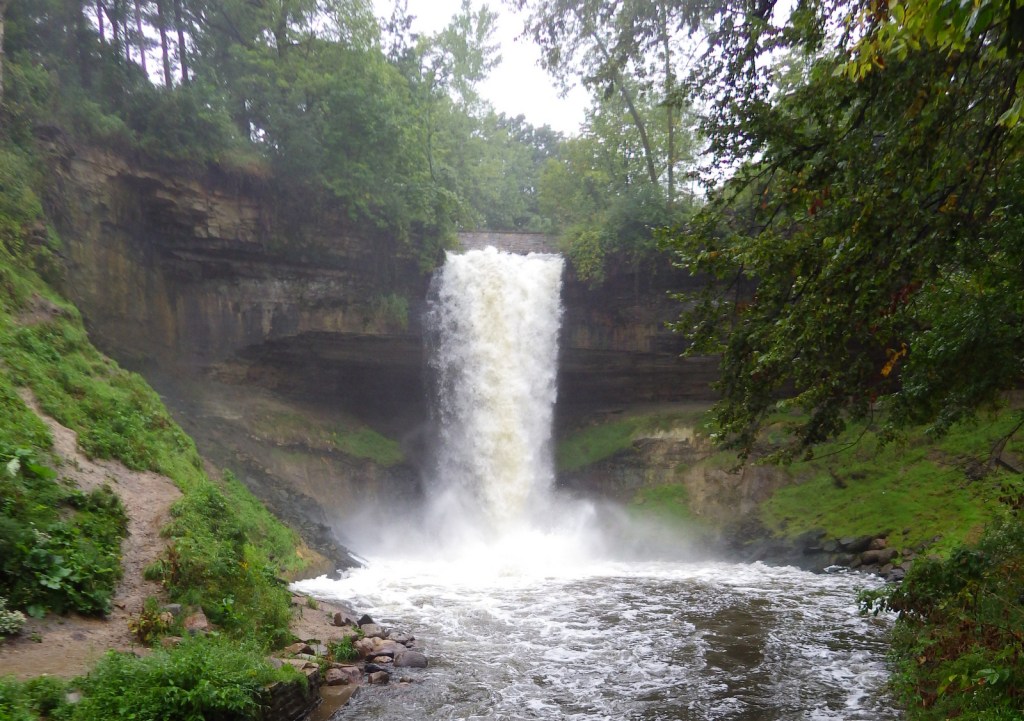
We enjoyed Minnehaha Regional Park where we found the 53-foot tall waterfall celebrated in Henry Wadsworth Longfellow’s Song of Hiawatha.

Peak Season

Summer

Hours

https://www.nps.gov/miss/planyourvisit/hours.htm

Fees

None

Road Conditions

All roads paved, but there is no free parking available at the NPS visitor center located inside the lobby for the Science Museum of Minnesota.

Camping

There are no campgrounds managed by the National Park Service within the NRRA, however, there are many places to camp in the area.

Related Sites

Saint Croix National Scenic Riverway (Minnesota-Wisconsin)

Missouri National Recreational River (Nebraska-South Dakota)

Pipestone National Monument (Minnesota)

Explore More – What did the city of Minneapolis do to make sure Minnehaha Falls was flowing for President Lyndon B. Johnson’s visit during the 1964 drought?

Reconstruction Era National Historical Park

Overview

Like Freedom Riders National Monument in Alabama, President Obama established Reconstruction Era National Monument in 2017.  The park is located about an hour south of Charleston, South Carolina and is still under development, but they already have a Junior Ranger program.  The Reconstruction Era took place following the Civil War when the U.S. military helped freed African-American slaves integrate into southern society.  It was a complicated and mostly failed social experiment with long-lasting repercussions within American culture.

Highlights

Old Beaufort Firehouse, Robert Smalls Memorial, Camp Saxton, Penn Center, Brick Baptist Church

Must-Do Activity

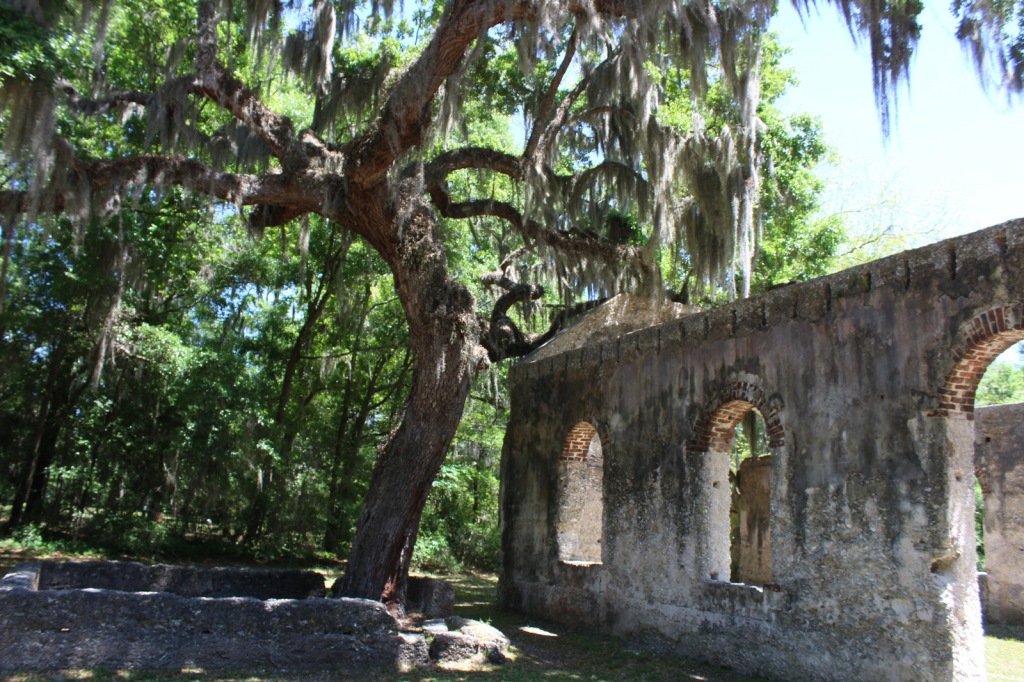
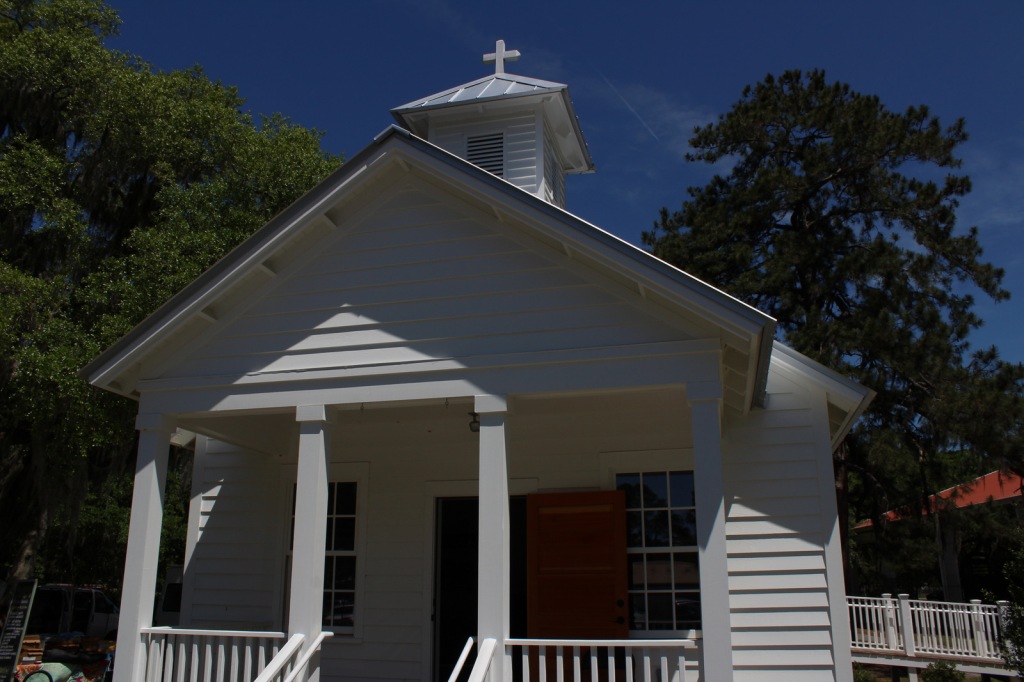
We recommend the ranger-guided tour of Camp Saxton that leaves from the National Park Service (NPS) operated Porter’s Chapel, next to the skate park in Port Royal, South Carolina.  Following the loss of Fort Sumter, the Union Army occupied this area by late-1861, eventually training former slaves to serve as soldiers.  There is nothing left to see of the camp, but there are tabby walls from old Fort Frederick.  After a short walk, the park ranger will help you imagine what the scene would have looked like when the black soldiers were officially freed on Emancipation Day, January 1, 1863.

Best Trail

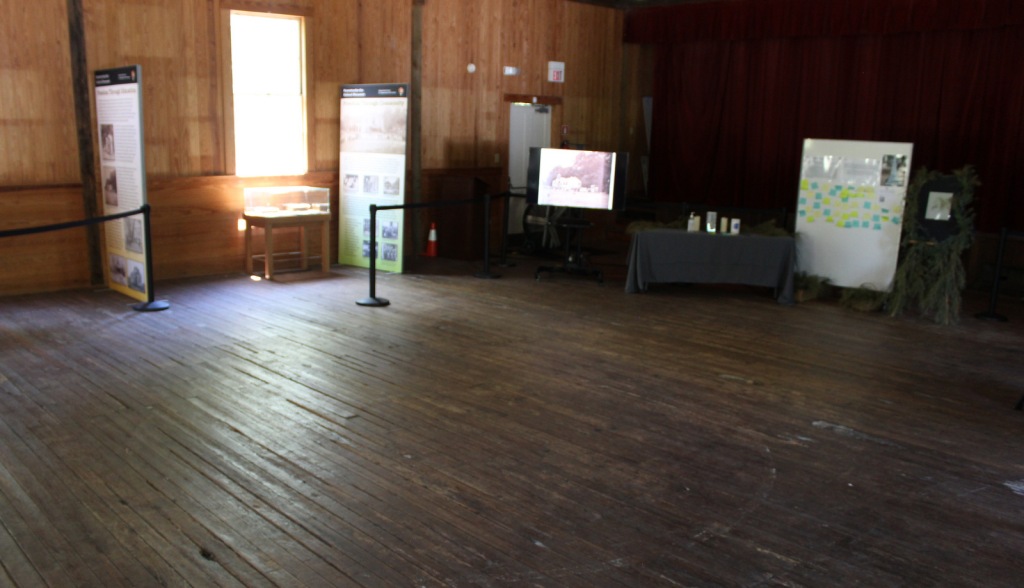
You can walk around the historic Penn Center (guided tours offered) where the NPS maintains a visitor center in Darrah Hall, a donated part of this National Historic Landmark that has a long history of African-American education. 

Instagram-worthy Photo

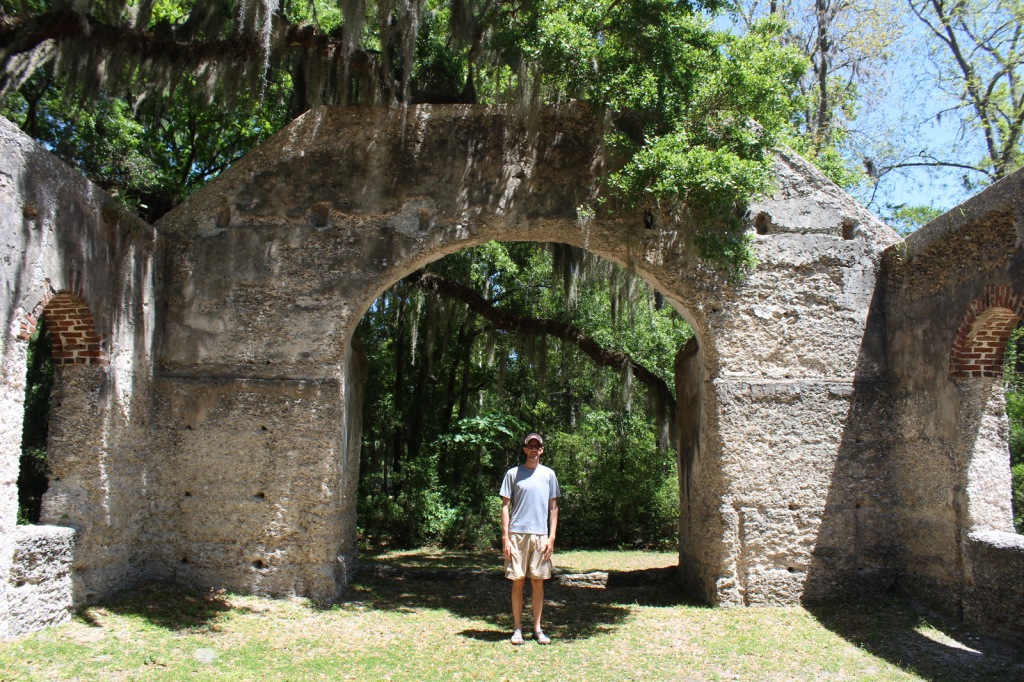
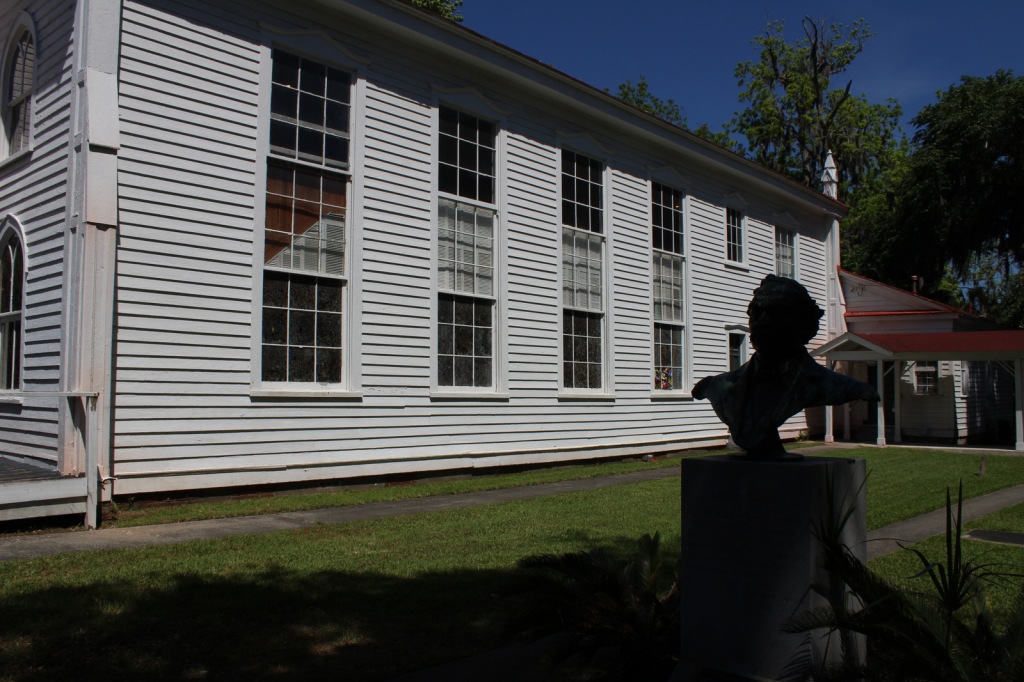
The Old Sheldon Church Ruins are not technically part of the park, but they are located just down the road from the Penn Center.  The Parrish Church of St. Helena outside Beaufort is also very photogenic.

Peak Season

Summer

Hours

https://www.nps.gov/reer/planyourvisit/hours.htm

Fees

None

Road Conditions

All major access roads are paved, although parking can be scarce around Port Royal during the farmers’ market.

Camping

Hunting Island and Edisto Beach State Parks both take camping reservations, so book early.  There are also campgrounds and backcountry campsites north of Charleston, South Carolina in Francis Marion National Forest.

Related Sites

Fort Sumter and Fort Moultrie National Historical Park (South Carolina)

Camp Nelson Heritage National Monument (Kentucky)

Fort Monroe National Monument (Virginia)

Explore More – How did future U.S. Congressman Robert Smalls escape slavery during the Civil War?

Canyon de Chelly National Monument

Overview

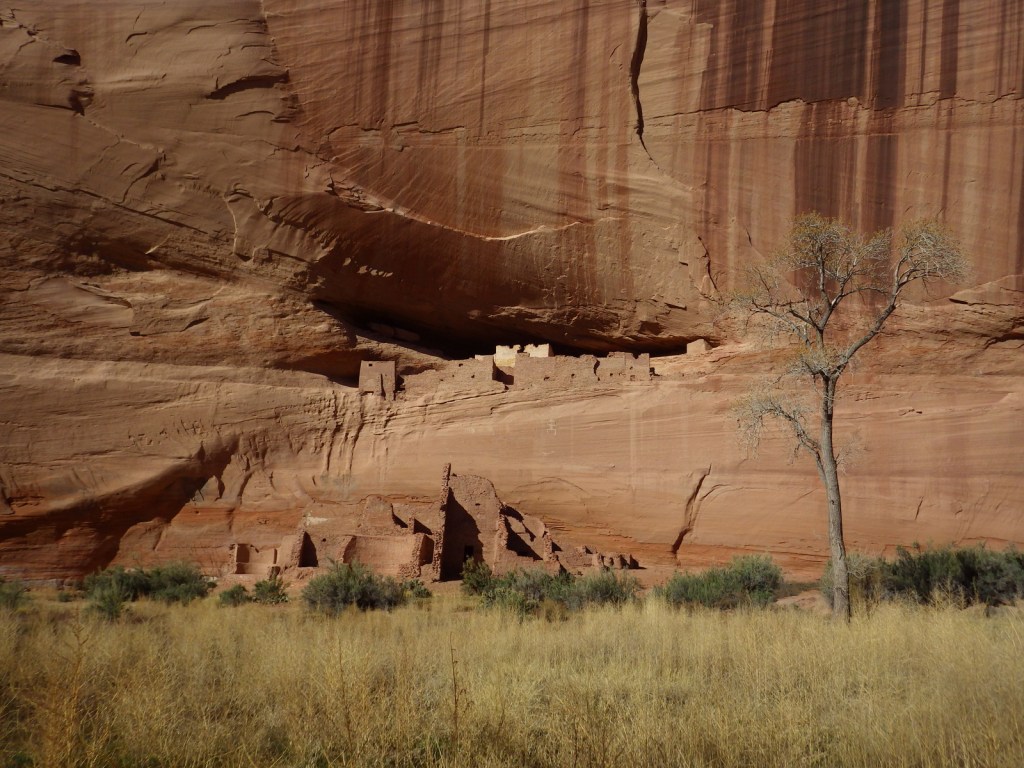
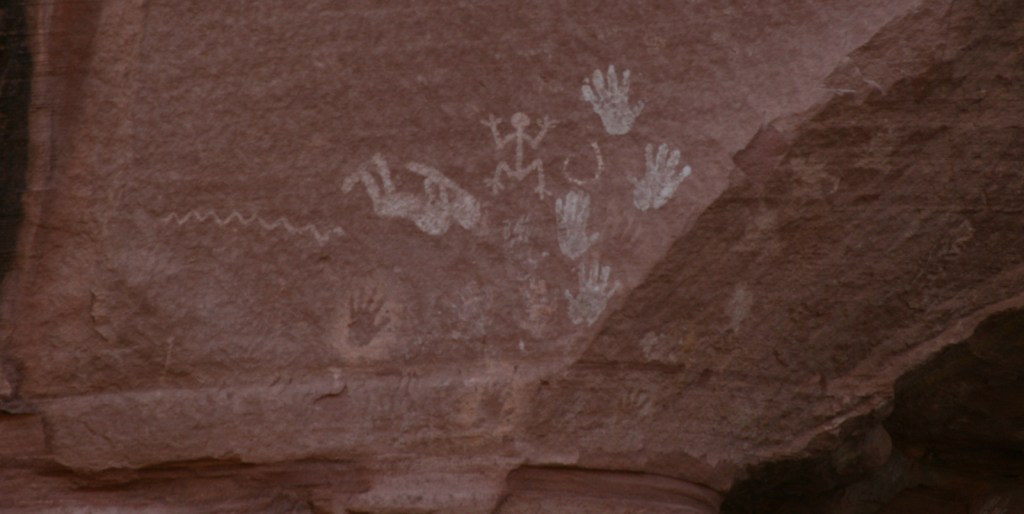
In the heart of the Navajo Nation in northeast Arizona lies Canyon de Chelly National Monument.  Humans have inhabited this area for 4,500 years, leaving behind numerous pictographs and the dramatic ruins of Ancestral Puebloan cliff dwellings.  The Navajo arrived in this region around AD1700 with sheep they gained from Spanish colonists which they utilized to weave intricate wool blankets.  Wars with the Utes, Spanish, Mexicans, and then U.S. government eventually led to their forced migration (“The Long Walk”) to Bosque Redondo in New Mexico around 1864.

Highlights

Spider Rock Overlook, White House Ruin, guided vehicle tours, horseback tours

Must-Do Activity

Four years after being forced to the uninhabitable Bosque Redondo, the Navajo were granted the largest reservation in the country and families still inhabit Canyon de Chelly (pronounced “d’shay”) to this day.  The 84,000-acre National Monument is administered cooperatively with the National Park Service (NPS).  However, entrance into the canyon is limited to guided trips and one publicly accessible trail that drops 500 feet to White House Ruin.  Overlooks along the North and South Rim Drives (17 and 18 miles respectively) are free and open year-round, though.  It not only seems like everything runs on a different clock here, but, unlike the rest of Arizona (and now New Mexico), the Navajo Nation observes Daylight Savings Time, so is always an hour later in the summer months (the same time as New Mexico until the fall).

Best Trail

White House Ruin was inhabited AD1060-1275 and is named for the white plaster used to coat the wall in the upper dwelling.  The 2.5-mile roundtrip White House Trail drops down the canyon wall and cuts through a tunnel.

Instagram-worthy Photo

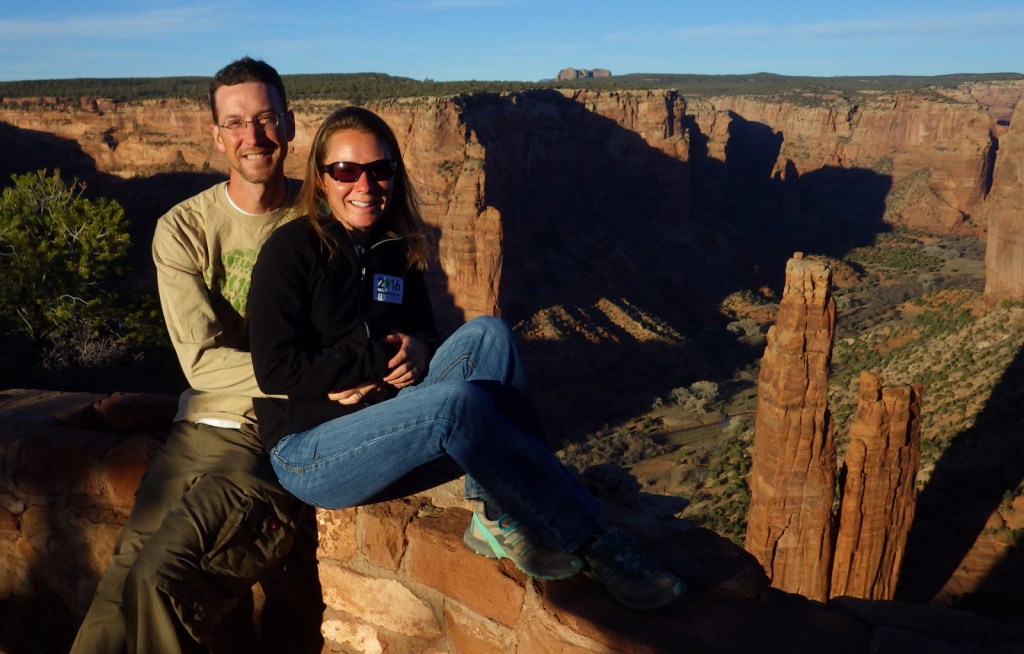
At the end of South Rim Drive is 800-foot tall Spider Rock, a great spot to watch the sun set, which is an ideal time to photograph the canyon’s red sandstone walls.

Peak Season

Summer

Hours

https://www.nps.gov/cach/planyourvisit/hours.htm

Note that there is typically a time difference because Arizona and New Mexico do not observe Daylight Savings Time.

Fees

There is no entrance fee for the North and South Rim Drives, but guided tours into the canyon do charge admission.

Road Conditions

All roads open to the public are paved, but guided tours can be very bumpy since they use the canyon bottom as a road.

Camping

The NPS runs Cottonwood Campground with 96 spaces (and running water in the summer) in a grove of Fremont cottonwood trees that turn yellow in the late autumn.  Guided camping trips in the canyon are also available.

Related Sites

Grand Canyon National Park (Arizona)

Navajo National Monument (Arizona)

Hubbell Trading Post National Historic Site (Arizona)

Explore More – How many millions of years ago did sand dunes turn into Canyon de Chelly’s red sandstone?

Boston Harbor Islands National Recreation Area

Overview

Established in 1996, there are 34 separate sites encompassed within Boston Harbor Islands National Recreation Area.  Not all of the areas are islands, some, like Worlds End, are the tips of peninsulas with roads accessing them from the suburbs of Boston, Massachusetts.  The park is a managed by a hodgepodge of agencies, including the U.S. Coast Guard’s Boston Light on Little Brewster Island (open to ranger-led tours in the summer months).

Highlights

Worlds End, Governors Island, Webb Memorial State Park, Spectacle Island

Must-Do Activity

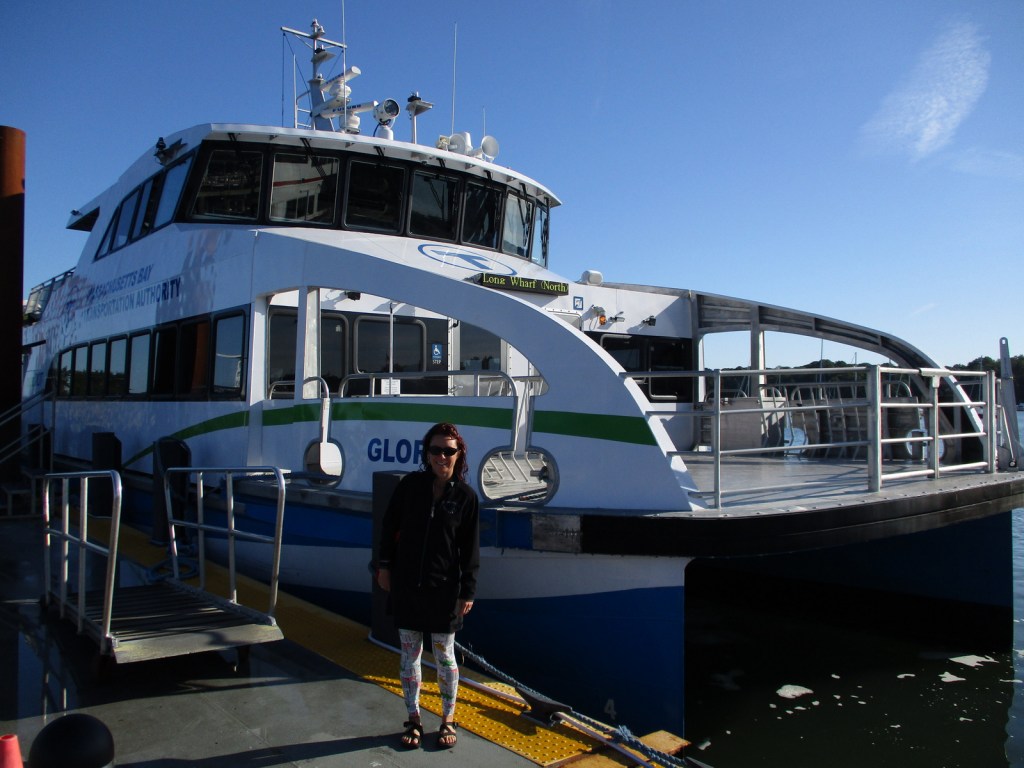
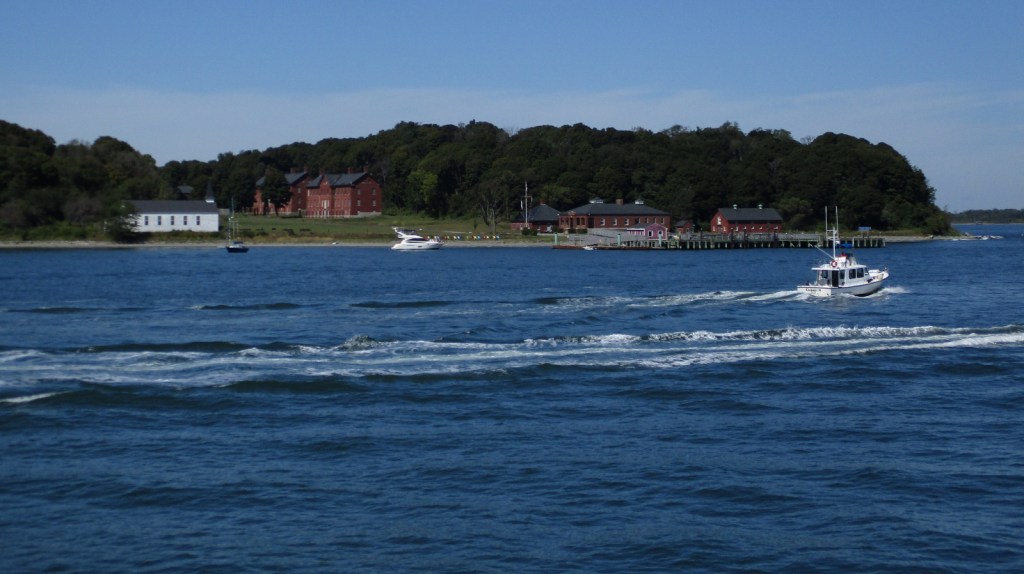
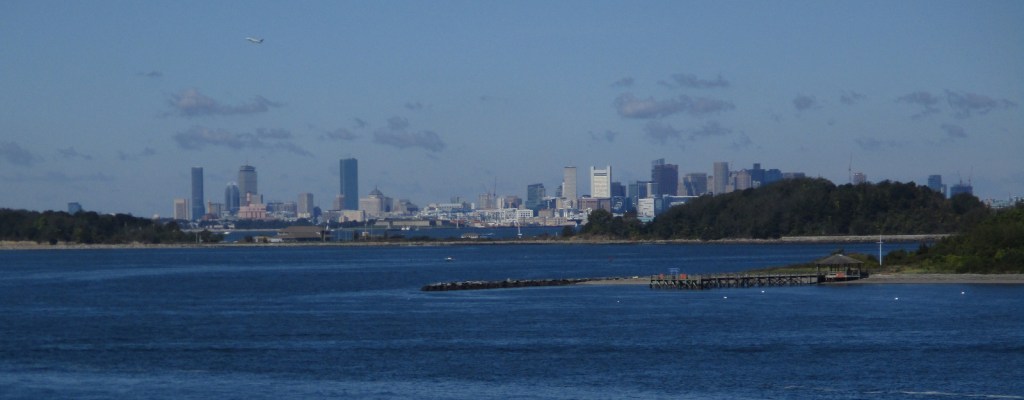
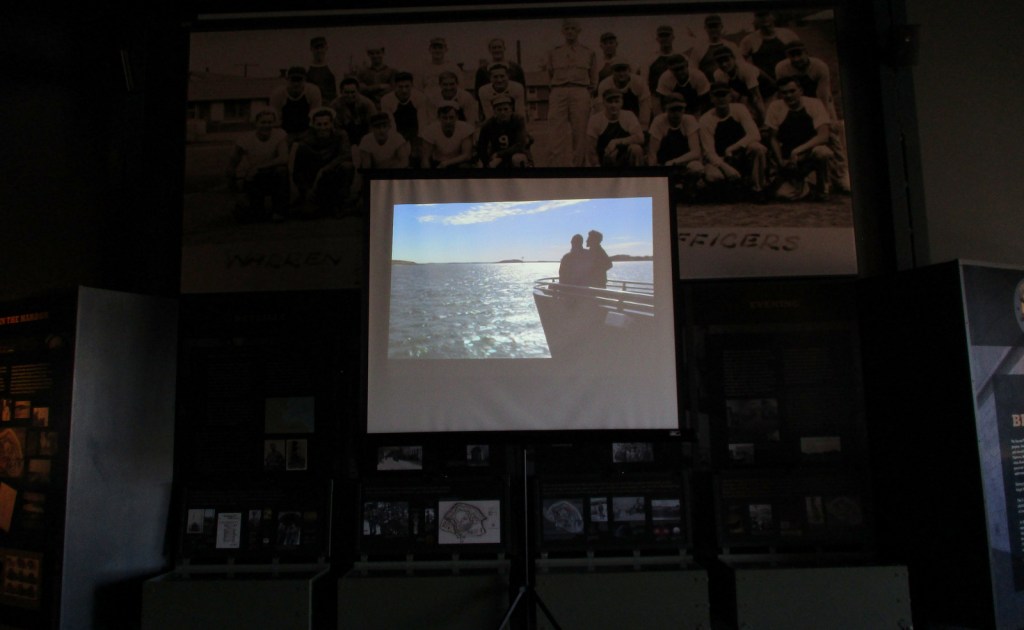
It is probably best to pick one island and thoroughly explore it by catching a ferry from Long Wharf North in downtown Boston, Hingham Shipyard, or Pemberton Point in Hull.  We chose Georges Island which is mostly taken up by Fort Warren, which dates back to 1850.  During the Civil War, the fort served as an artillery base and a prison.  The National Park Service (NPS) operates an excellent museum on the island and shows a film on its history.  Georges and Spectacle Islands are the only two islands that offer food for sale, plus they have water taxis leave from each dock to access many of the other islands.

Best Trail

Spectacle Island has five miles of hiking trails and also contains the highest point within Boston Harbor Islands National Recreation Area at 157 feet in elevation.

Instagram-worthy Photo

The site of the first lighthouse in America, Boston Light on Little Brewster Island can be seen from Georges Island and is open to guided tours in the summer.

Peak Season

Summer

Hours

https://www.nps.gov/boha/planyourvisit/basicinfo.htm

Fees

Passengers ferries charge fares, but there is not an entrance fee to the islands or Webb Memorial State Park.

Road Conditions

Most of the islands do not allow private vehicles, but you can bring your bicycle onto the ferries.  Webb Memorial State Park, Deer Island, Worlds End, and Nut Island are accessible by paved roads in the Boston area.

Camping

There are yurts on Peddocks Island and tent camping is allowed on Bumpkin, Grape, Peddocks, and Lovells Islands from late June through Labor Day.  Backcountry permits are required for stays on undeveloped islands.

Related Sites

Boston National Historical Park (Massachusetts)

Cape Cod National Seashore (Massachusetts)

Gateway National Recreation Area (New York-New Jersey)

Explore More – During the Civil War, who wrote the lyrics to “John Brown’s Body” while serving at Fort Warren?

Cedar Creek and Belle Grove National Historical Park

Overview

The Shenandoah Valley was the Confederate States of America’s “breadbasket” in the 1860s and thus had strategic importance during the Civil War.  This led to numerous skirmishes and the fight that took place on October 19, 1864 is commemorated at Cedar Creek and Belle Grove National Historical Park.  Little of the land within this 3,700-acre park established in 2002 is owned by the federal government, but the National Park Service (NPS) has done a significant amount of work to improve its interpretive signage since our first visit in 2016.

Highlights

Morning Attack Trails, driving tour, Hupp’s Hill Museum, Belle Grove historic plantation

Must-Do Activity

If you need the stamp for your NPS passport, stop at the Visitor Contact Station located in a strip mall in Middletown, Virginia.  There you can pick up a free guide to help you follow the driving tour focused on the October 19, 1864 battle fought at Cedar Creek.  There is also a free app available on the park’s website.  Managed by a non-profit that organizes an annual reenactment of the battle, Hupp’s Hill Civil War Park has a museum (fee).  You can also pay to take a tour of the manor house at Belle Grove.

Best Trail

The Morning Attack Trails are located next to the NPS Headquarters off Highway 11 with interpretive signage placed on the 300-yard long 8th Vermont Monument Trail, 0.6-mile Thomas Brigade Loop, and 0.7-mile Hayes-Ramseur Loop.

Instagram-worthy Photo

Available for guided tours (fee) between April and December, the manor house at Belle Grove plantation dates back to 1797.  Union General Philip Sheridan used the house as his headquarters in 1864 and most of his 31,600 troops camped on the property.

Peak Season

Fall

Hours

https://www.nps.gov/cebe/planyourvisit/hours.htm

Fees

Admission charged for guided tours of Belle Grove manor house and entrance to Hupp’s Hill Museum.

Road Conditions

Some of the roads on the driving tour are unpaved and not recommended for buses or RVs.

Camping

None

Related Sites

Gettysburg National Military Park (Pennsylvania)

Harpers Ferry National Historical Park (West Virginia-Maryland-Virginia)

Shenandoah National Park (Virginia)

Explore More – Belle Grove was owned by Isaac Hite, Jr. and his wife Nelly, who was the sister of which U.S. President?