Tag Archives: river

Montezuma Castle National Monument

Overview

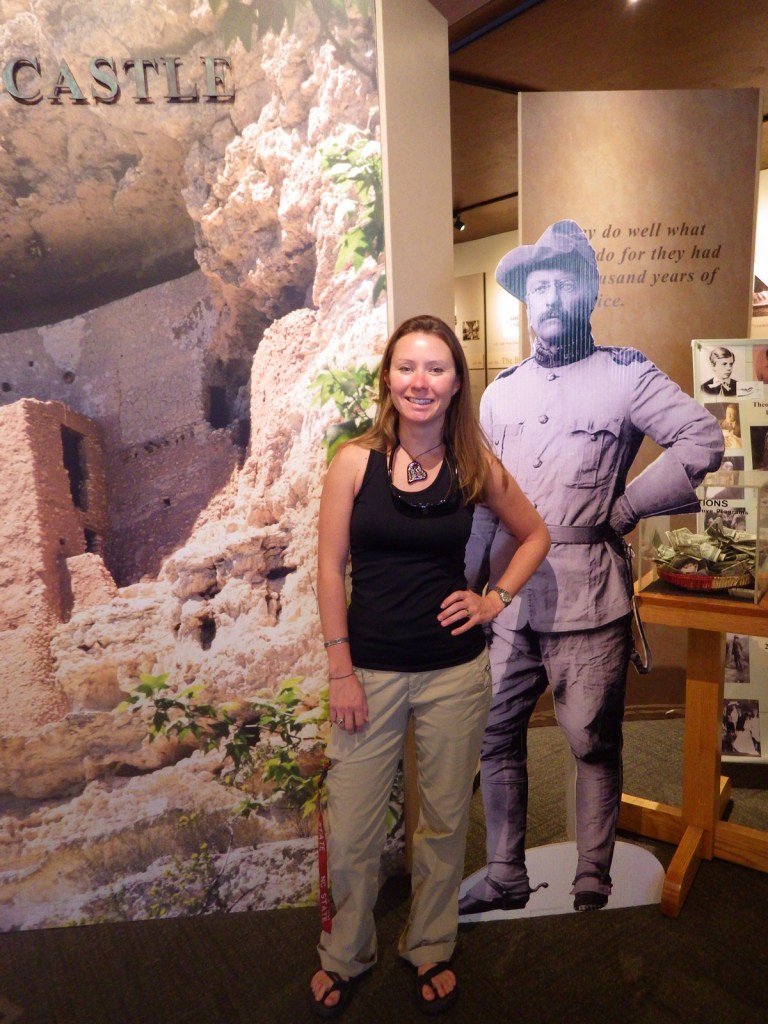
Central Arizona’s Montezuma Castle was one of the first four National Monuments established by President Theodore Roosevelt in 1906.  Conveniently accessible just off Interstate 17 on the way to Sedona or the Grand Canyon, it is a great place to stretch your legs after the 90-minute car ride from Phoenix.  Located in the scenic Verde River Valley, it is one of several sites related to the Sinagua people managed by the National Park Service (also see Walnut Canyon, Tuzigoot, and Wupatki).

Highlights

Cliff dwelling, Montezuma Well

Must-Do Activity

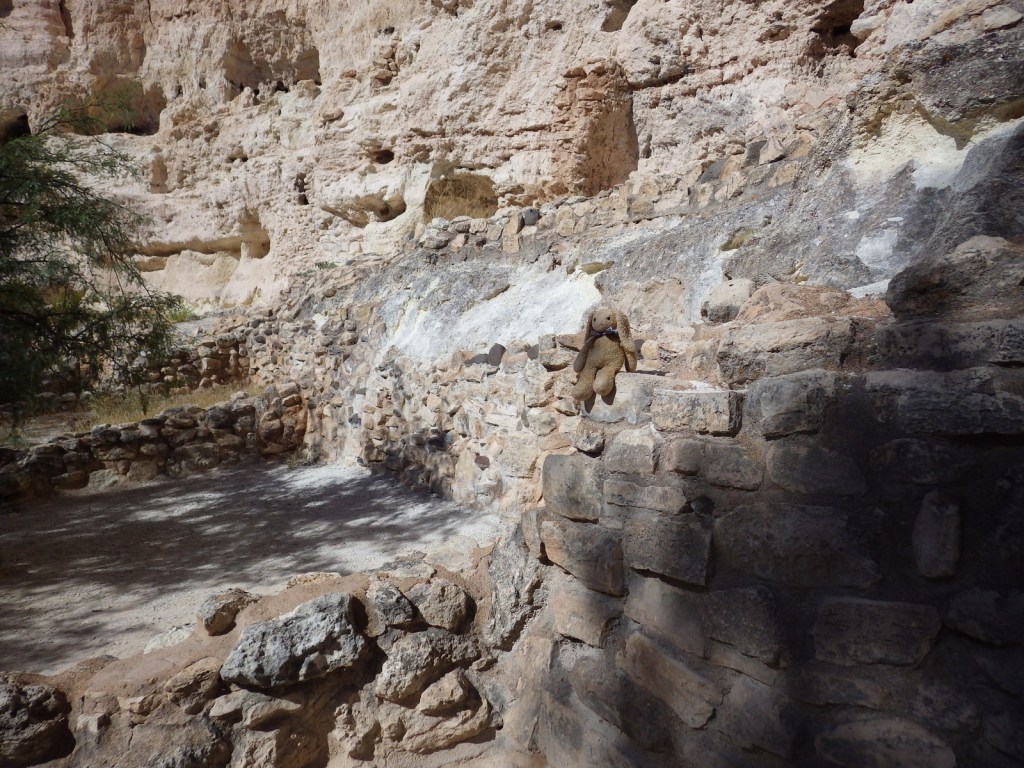
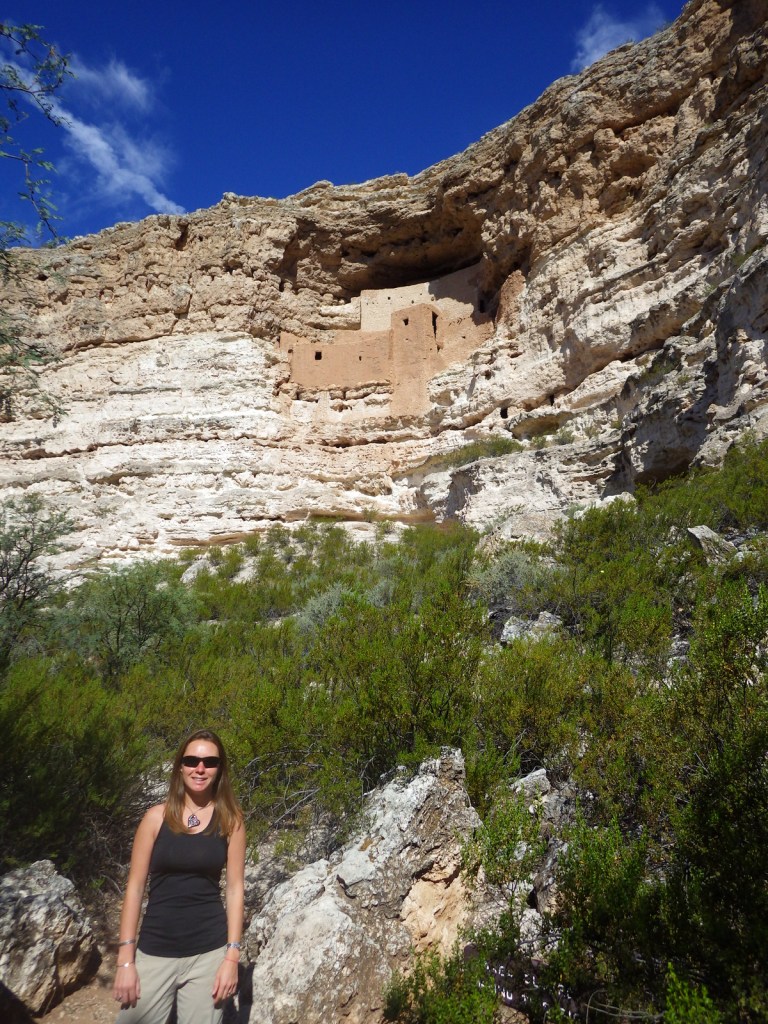
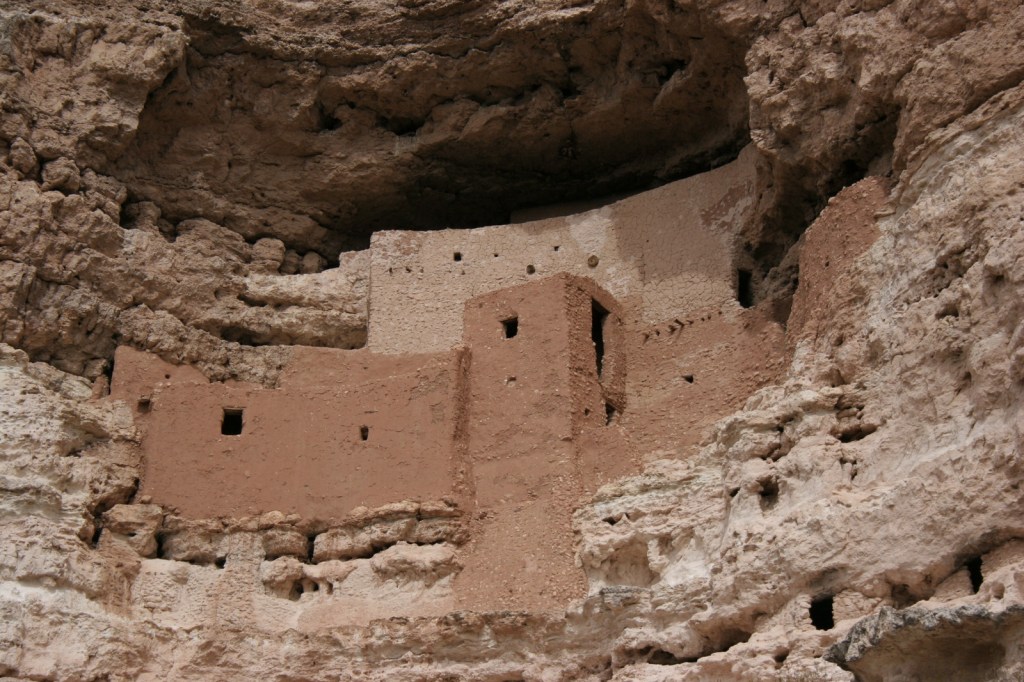
Protected in a cliff recess above Beaver Creek, the five-story tall ruin is not accessible to tourists and can only be viewed from below.  Its name “Montezuma” refers to the mistaken belief that it was somehow connected to the Aztec Empire of Mexico, but its inhabitants had more in common with the Sinagua people living in around Arizona in the 1400s.  Continue on the paved walkway to the ground-level ruins of Castle A and views of Beaver Creek.

Best Trail

To investigate a separate unit of Montezuma Castle National Monument, drive 11 miles north to Montezuma Well, a limestone sinkhole filled by a natural spring that produces 1.5-millions gallons of 74°F water daily.  The trail is only a half-mile long loop, but it is worth the trip to see the historic irrigation ditches and the 55-foot deep sinkhole.

Instagram-worthy Photo

It is unclear why the Sinagua people abandoned the cliff dwelling around 1425, but it may have been due to disease, drought, or climate change.  There were 35 to 50 inhabitants of Montezuma Castle and even more at Castle A, which had approximately 50 rooms.
Peak Season

Summer

Hours

https://www.nps.gov/moca/planyourvisit/hours.htm

Fees

$10 per person or America the Beautiful pass; Montezuma Well is free

Road Conditions

Access roads are paved.

Camping

There is no campground at the National Monument, but many located within massive Coconino National Forest, which also allows dispersed camping.

Related Sites

Tuzigoot National Monument (Arizona)

Tonto National Monument (Arizona)

Sunset Crater Volcano National Monument (Arizona)
Explore More – In what year did the National Park Service stop allowing visitors to climb ladders to walk inside Montezuma Castle?

Top 10 National Park Service Sites for Kayaking

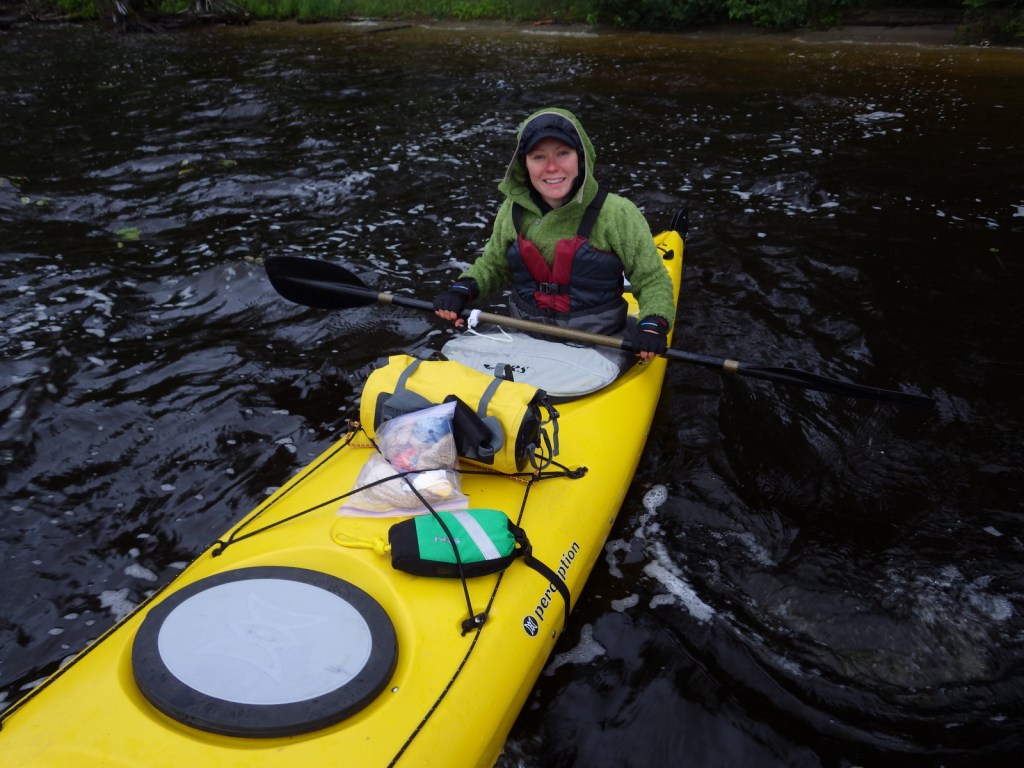
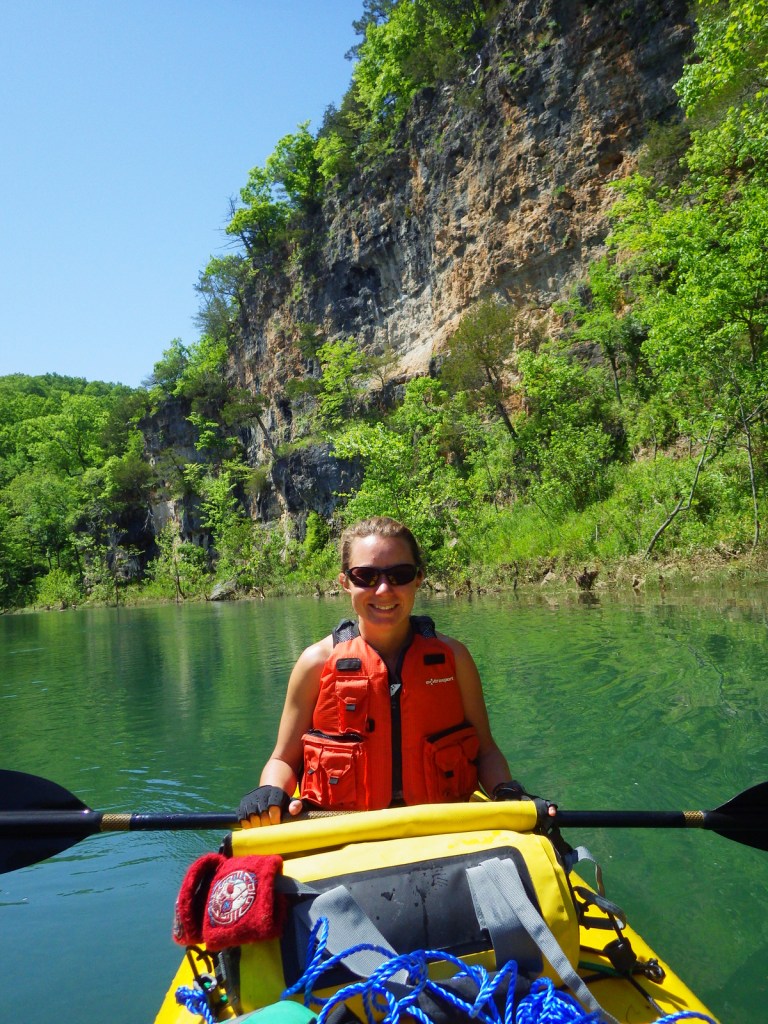
We own a 17-foot long tandem kayak that we have taken all over the United States, including some rivers where it may have been preferable to canoe.  Some of our most memorable National Park experiences have happened while seated in our kayak.  This does not include two amazing trips through Upper Missouri River Breaks National Monument in Montana, which you can read about on our other travel blog since it is not managed by the National Park Service.  Please check out all of our Top 10 lists for more adventure ideas and book recommendations!

10. Virgin Islands Coral Reef National Monument (U.S. Virgin Islands)

There is no dry land in this Caribbean monument that borders Virgin Islands National Park.

9. Ozark National Scenic Riverways (Missouri)

Canoes are also commonly used to explore the Jack’s Fork and Current Rivers.

8. Biscayne National Park (Florida)

A kayak can get close to the mangroves since most of this park covers ocean south of Miami.

7. Voyageurs National Park (Minnesota)

Find a free lakeside campsite and fall asleep listening to loons call.

6. Congaree National Park (South Carolina)

Get up close to wildlife and baldcypress knees on Cedar Creek.

5. Lake Mead National Recreation Area (Nevada-Arizona)

Stop at Emerald Cove for photos on the way to or from Arizona Hot Springs.

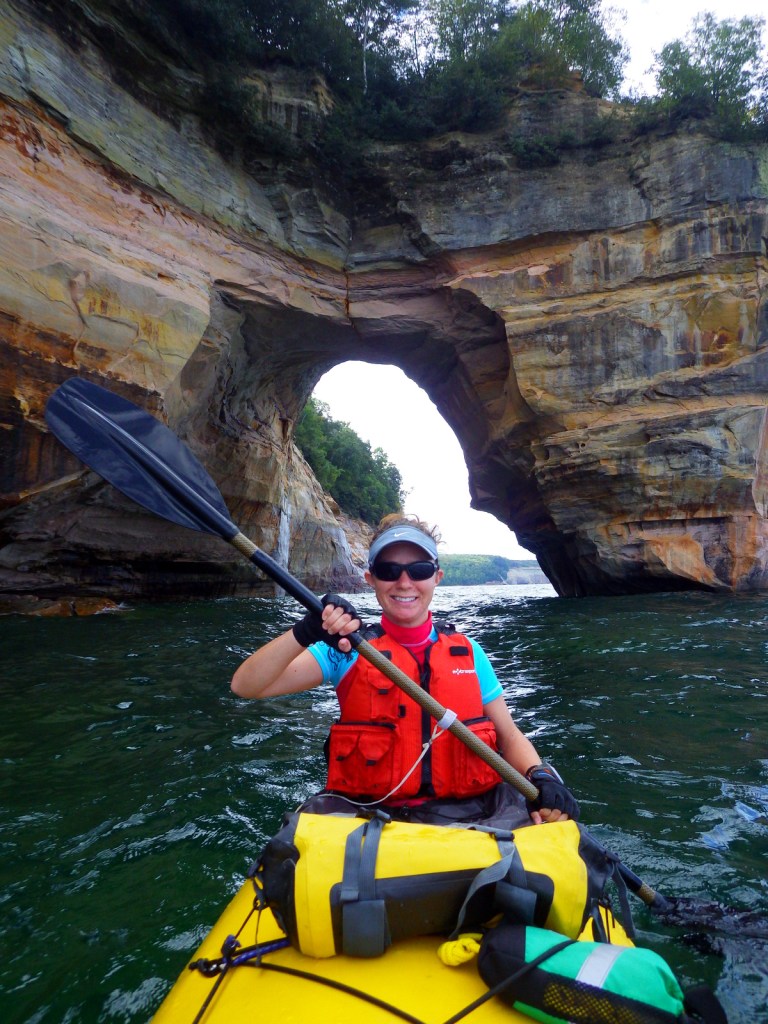
4. Pictured Rocks National Lakeshore (Michigan)

The only way to see Petit Portal is from the water and a kayak is necessary to go through it.

3. Buffalo National River (Arkansas)

Canoes may be preferable to run through the Ponca Wilderness during spring runoff.

2. Everglades National Park (Florida)

The best way to see this park is from a small boat, plus by staying overnight on a chickee.

…and finally our #1 National Park for kayaking!

1. Apostle Islands National Lakeshore (Wisconsin)

Sea caves carved by the waves of Lake Superior require a small craft to explore.

Honorable Mentions

Point Reyes National Seashore (California)

Located on the San Andreas Fault, Tomales Bay is a protected spot to explore north of San Francisco.

Glacier Bay National Park and Preserve (Alaska)

We have heard the best way to see this park is by kayak, but it sounds really cold.

Channel Islands National Park (California)

We hope someday to take a guided kayaking trip to the sea caves on Santa Cruz Island.

Big Thicket National Preserve (Texas)

Spanish moss-draped baldcypress trees line these picturesque bayous.

Missouri National Recreational River

Overview

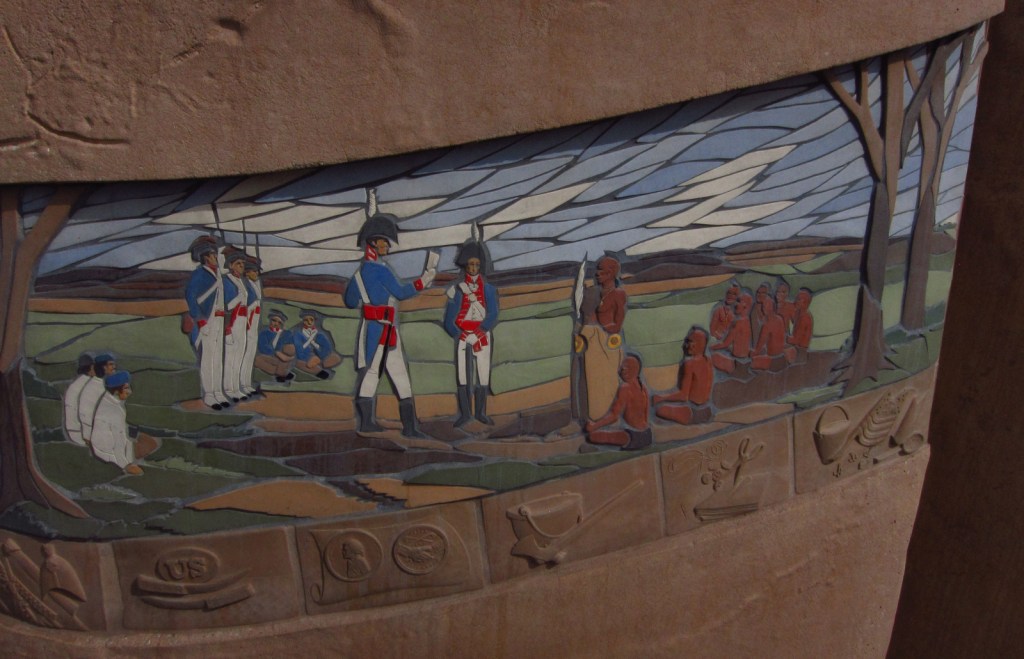
Forming the border of Nebraska and South Dakota, the Missouri National Recreational River was originally designated in 1978, but only 300 of its 34,128 acres are managed by the National Park Service (NPS).  Its lower segment runs 59 miles from the Gavins Point Dam to Ponca State Park.  More than a decade later, a 39-mile stretch was added from the Fort Randall Dam to Niobrara State Park, and includes 20 miles of the Lower Niobrara River (which is itself designated a National Scenic River upstream).  The section of river in between is a 29-mile long reservoir known as Lewis and Clark Lake, named for the explorers that led the Corps of Discovery up this section of river in August-September 1804.

Highlights

Lewis and Clark Visitor Center, Gavins Point National Fish Hatchery and Aquarium, boating, fishing

Must-Do Activity

Most visitors come for the boating and fishing opportunities along the Missouri River.  If you are well-prepared, canoeing can be a fun way to experience these two relatively free-flowing sections of river.  The NPS and U.S. Army Corps of Engineers (COE) manage the Lewis and Clark Visitor Center near Yankton, South Dakota, which, in addition to dam tours, offers the Gavins Point National Fish Hatchery and Aquarium.

Best Trail

The 4,400-mile long Lewis and Clark National Historical Trail tracks through here, but since the Corps of Discovery used the Missouri River as their path, there is no hiking trail to follow.

Instagram-worthy Photo

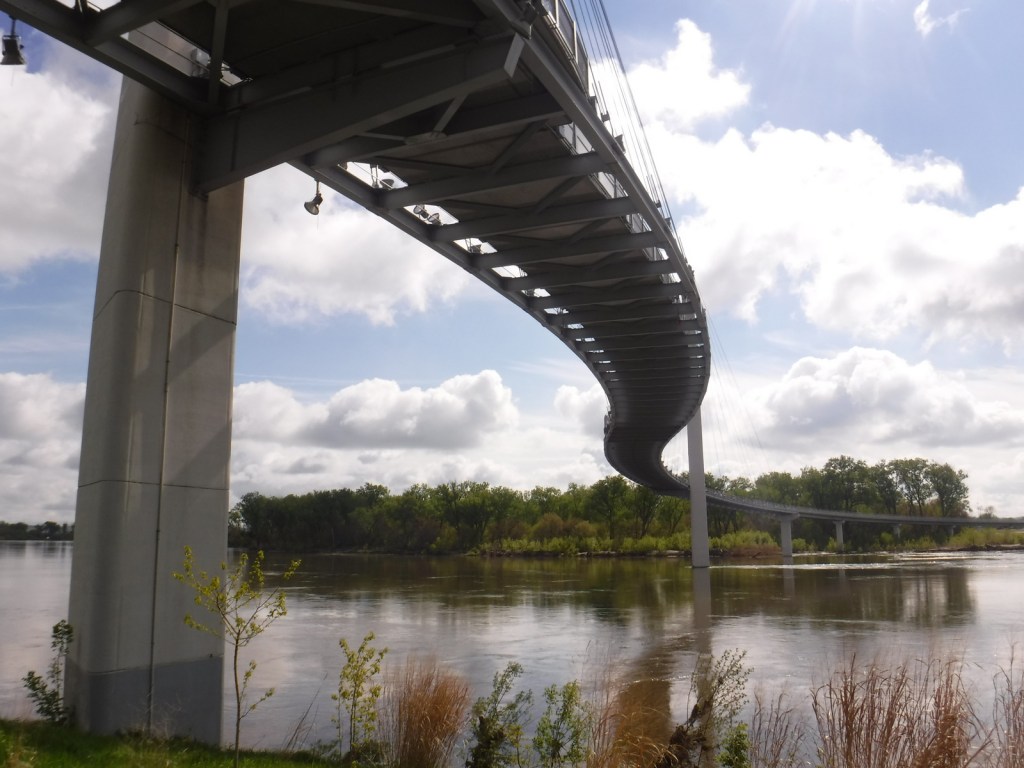
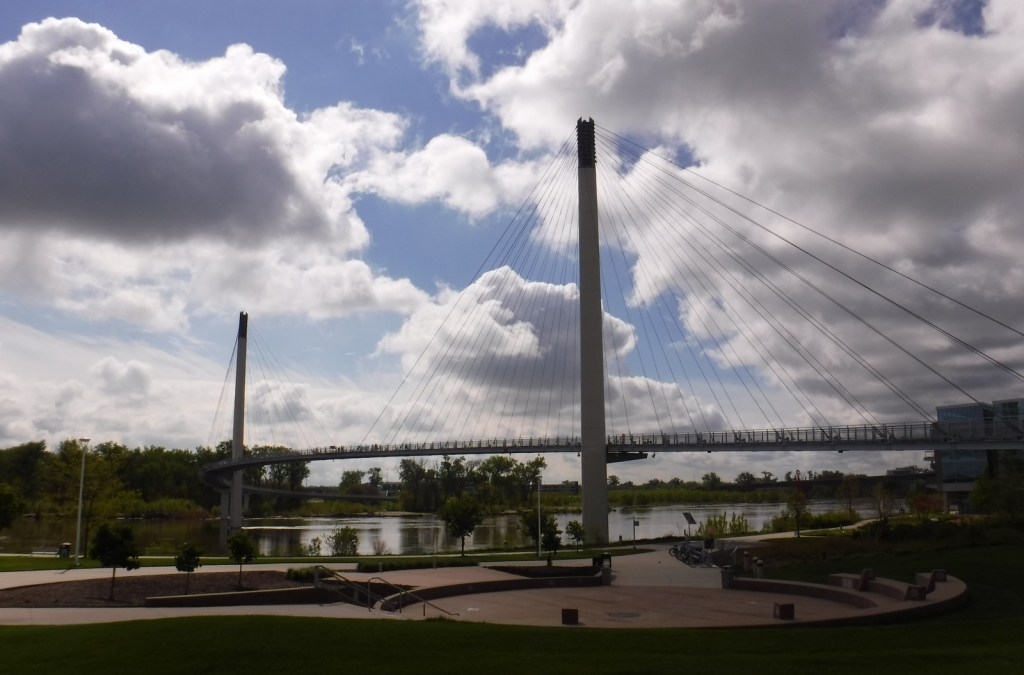
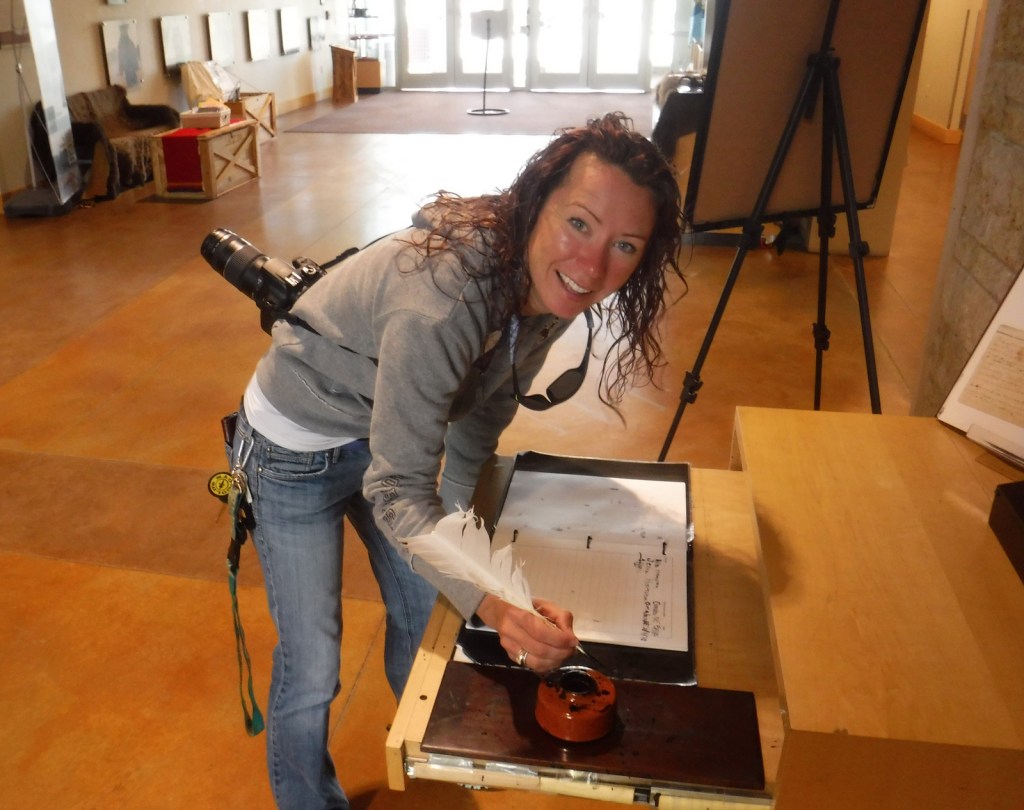
There are several great museums along the Missouri River section of the Lewis and Clark National Historical Trail.  Our favorite is the NPS headquarters for the trail in Omaha, Nebraska, which has the beautiful Bob Kerrey Pedestrian Bridge across the river connecting to Iowa.  If you drive over to Council Bluffs, do not miss the free museum at the Western Historic Trails Center.

Peak Season

Summer

Hours

https://www.nps.gov/mnrr/planyourvisit/hours.htm

Fees

None for the NPS unit, but the state parks charge admission.

Road Conditions

Roads to the state parks and visitor centers are paved, but there are many dirt roads that access boat launches along the river.

Camping

Niobrara State Park and Ponca State Park both have more than 100 campsites with running water.  The COE also operates campgrounds near its dams.

Related Sites

Niobrara National Scenic River (Nebraska)

Knife River Indian Villages National Historic Site (North Dakota)

Lewis and Clark National Historical Park (Oregon-Washington)

Explore More – In the aftermath of several devastating floods, when did Congress enact the Flood Control Act to construct five dams along the Missouri River?

Lewis and Clark National Historical Park

Overview

In the wake of the Louisiana Purchase in 1803, President Thomas Jefferson was anxious to know what he had just bought from France and find out if it provided an easy route to the Pacific Ocean.  He tapped his secretary Captain Meriwether Lewis as leader of the Corps of Discovery, who in turn named his former colleague Captain William Clark co-commander.  Lewis and Clark National Historical Park celebrates the wet winter of 1805-06 that the expedition spent on the coast of Oregon at the mouth of the Columbia River.

Highlights

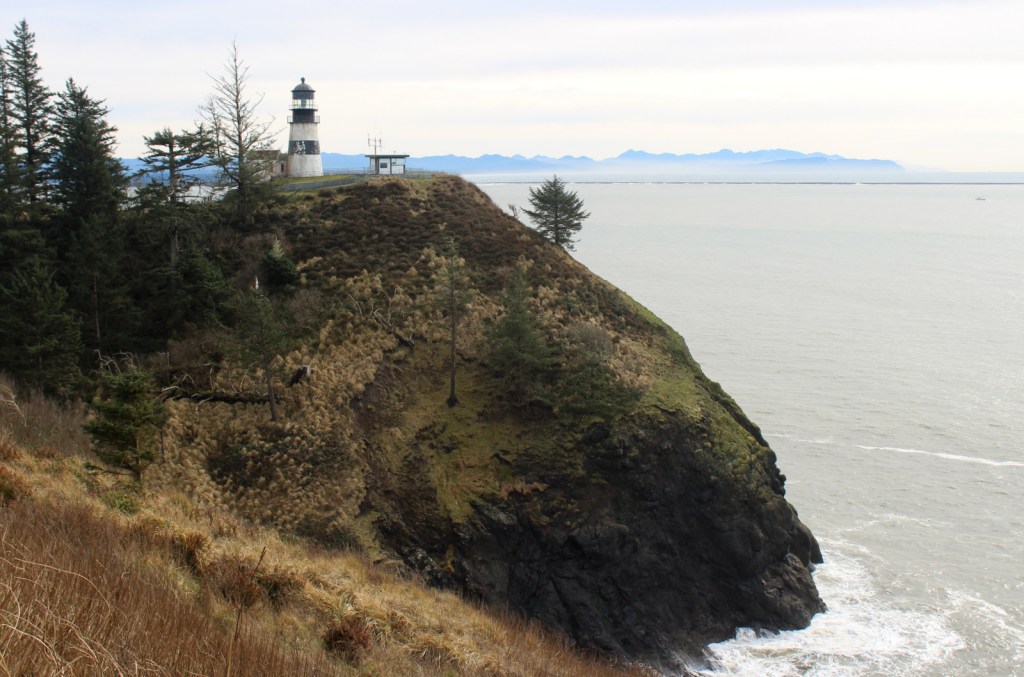
Fort Clatsop, Fort to Sea Trail, Cape Disappointment State Park, Fort Stevens State Park

Must-Do Activity

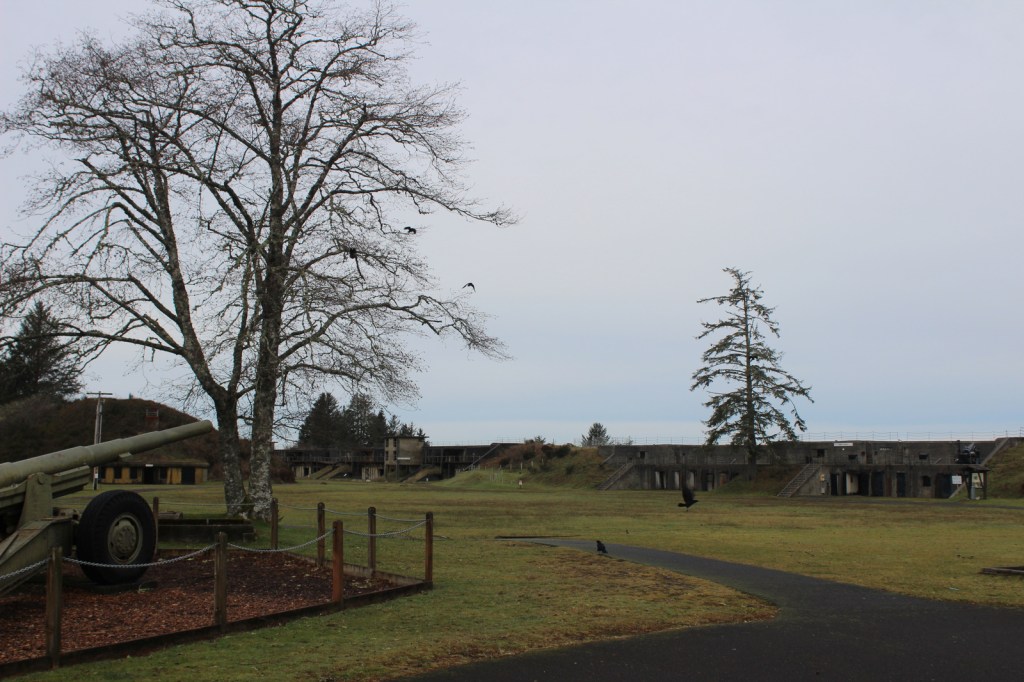
The park is spread across multiple sites, including scenic Cape Disappointment State Park in Washington, plus Fort Clatsop and Fort Stevens State Park in Oregon.  Fort Clatsop was named a National Memorial in 1958 and still serves as the primary National Park Service (NPS) visitor center with exhibits and a film.  Other points of interest include the spot Sacagawea visited to see a beached whale and the salt works where seawater was boiled to produce the necessary commodity for the return trip.

Best Trail

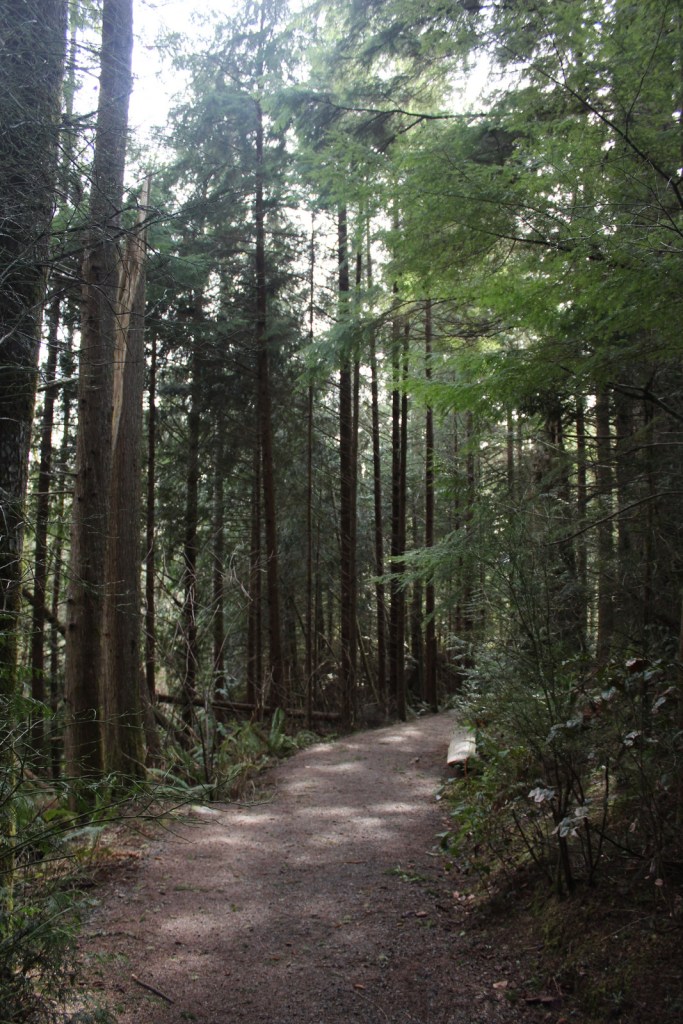
When the Corps of Discovery finally saw the Pacific Ocean on November 7, 1805, Clark journaled, “Ocian in view! O! the joy.”  You can follow in their footsteps by starting at Fort Clatsop then hiking the 6.5-mile one-way Fort to Sea Trail, which marks the terminus of the 4,900-mile long Lewis and Clark National Historic Trail (which is mostly a driving route).

Instagram-worthy Photo

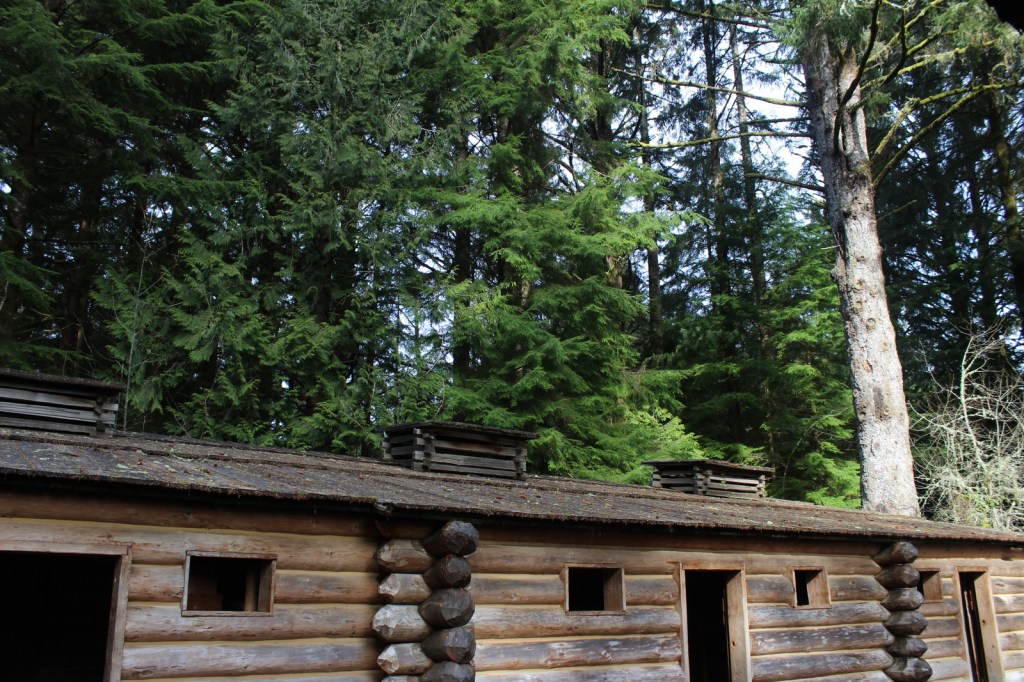
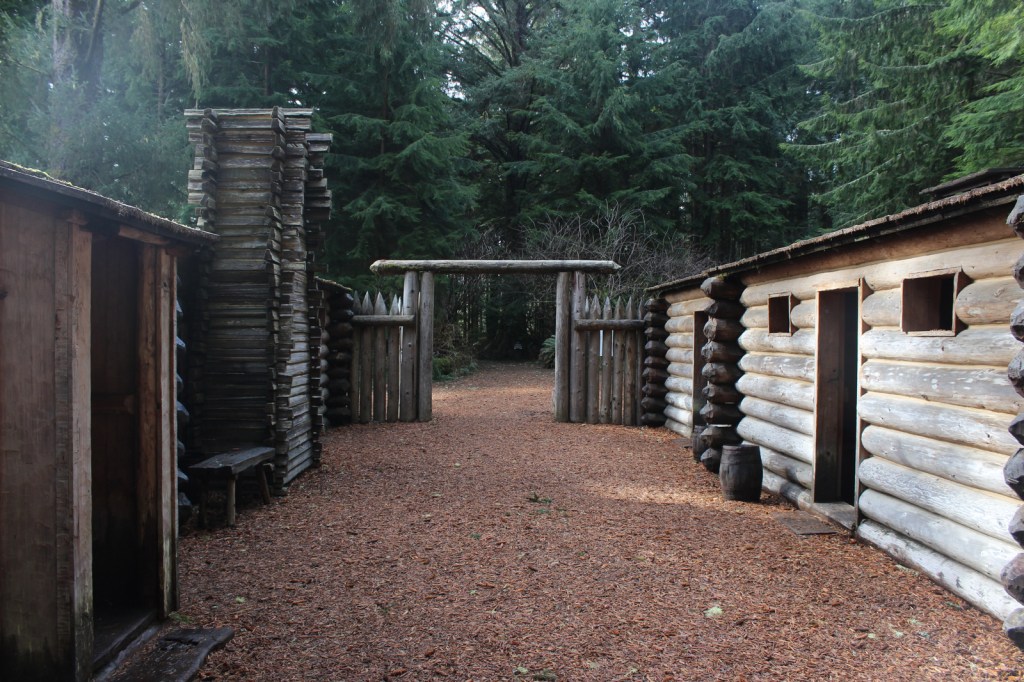
Fort Clatsop is a well-made replica of the small structure where Lewis and Clark spent the winter of 1805-06 and inside you will find rustic furniture similar to that built in 1805.

Peak Season

Summer for costumed demonstrations, though a winter visit would be more historically accurate.

Hours

https://www.nps.gov/lewi/planyourvisit/hours.htm

Fees

$10 per person to visit Fort Clatsop (or America the Beautiful pass) and each State Park has a separate entry fee

Road Conditions

Access roads are paved

Camping

Fort Stevens State Park on the Oregon coast has hundreds of campsites for tents and RVs, and there is also camping available at Cape Disappointment State Park in Washington.

Related Sites

Knife River Indian Villages National Historic Site (North Dakota)

Nez Perce National Historical Park (Idaho-Oregon-Washington)

Missouri National Recreation River (Nebraska-South Dakota)

Explore More – Where did the Corps of Discovery spend the winter prior to Fort Clatsop and first meet Sacagawea?

We are a participant in the Amazon Services LLC Associates Program, an affiliate advertising program designed to provide a means for us to earn fees by linking to Amazon.com and affiliated sites.

Upper Delaware Scenic and Recreational River

Overview

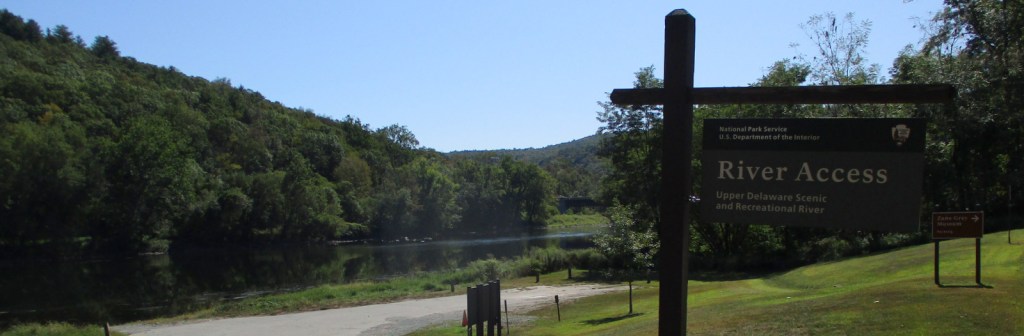
Authorized in 1978, this 73-mile stretch of the Upper Delaware River is the longest free-flowing river in the northeast United States.  Forming the Pennsylvania-New York borderline, only 30 of its 55,575 acres are federally owned.  Upper Delaware Scenic and Recreational River is one of 43 designated National Wild and Scenic Rivers, 10 of which are managed by the National Park Service (NPS).

Highlights

Zane Grey Museum, Roebling Aqueduct, fishing

Must-Do Activity

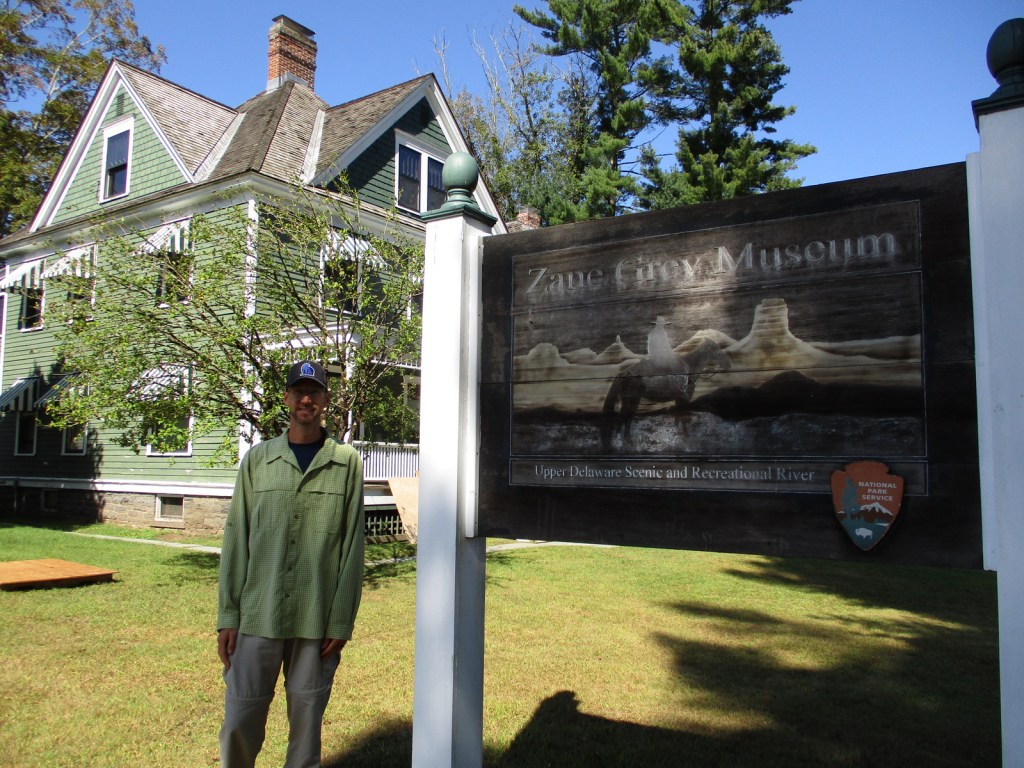
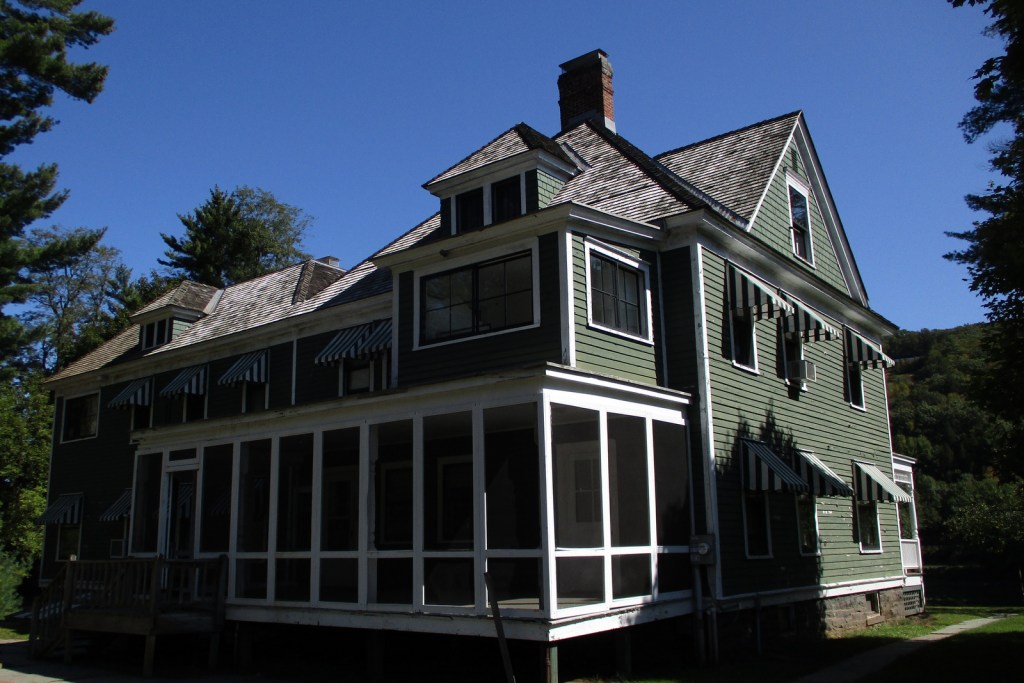
The Upper Delaware River is famous for year-round bald eagle viewing, Class I and II whitewater rafting, and fishing for smallmouth bass and walleye.  The NPS runs the Zane Grey Museum, which celebrates the “Father of the Western Novel” who lived in Lackawaxen, Pennsylvania from 1905 to 1918 and loved fishing here (and throughout his worldwide travels).  It was in this house that the former dentist (Zane Grey) wrote many articles about his outdoor adventures, as well as his novels, including Riders of the Purple Sage (published in 1912).

Best Trail

There are six trails you are required to complete in order to earn your Upper Delaware Hikes patch from the NPS, ranging in length from the quarter-mile Minisink Battleground (Revolutionary War) to the three-mile Tusten Mountain Trail, which provides an excellent view of the river valley.

Instagram-worthy Photo

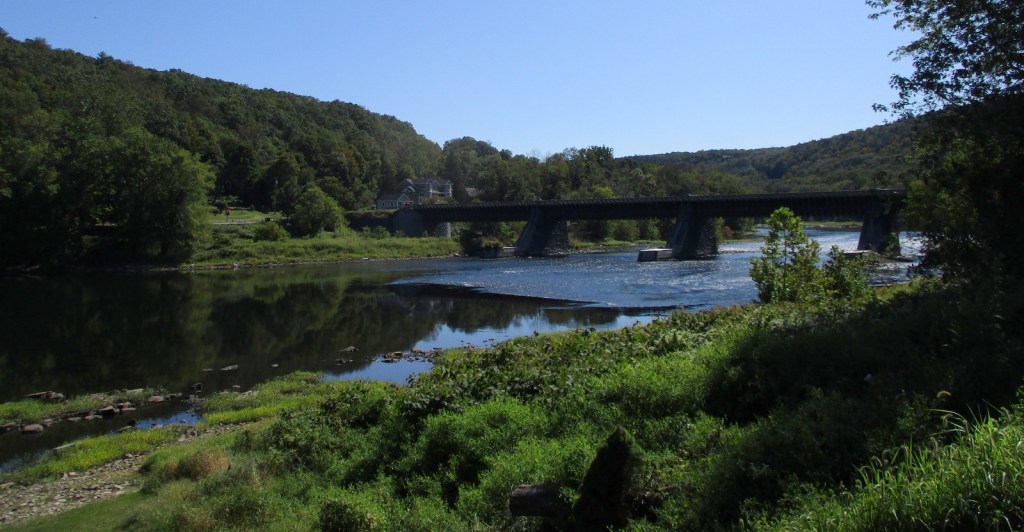
Within eyeshot of the Zane Grey Museum, the Roebling Aqueduct operated between 1848 and 1898 to allowed coal-laden canal boats to cross over the Upper Delaware River.  Its architect is better known for the Brooklyn Bridge, but this aqueduct was converted to a one-lane car bridge before being purchased by the NPS in 1980.

Peak Season

Spring through fall

Hours

https://www.nps.gov/upde/planyourvisit/hours.htm

Fees

None

Road Conditions

All major roads paved, with Highway 97 in New York following the river for most of its length.

Camping

There are no NPS campgrounds, but many private ones along the Upper Delaware River.

Related Sites

Delaware Water Gap National Recreation Area (Pennsylvania-New Jersey)

Buffalo National River (Arkansas)

Minute Man National Historical Park (Massachusetts)

Explore More – Although they live in the Delaware River for most of their lives, what is the name of the sea in the Atlantic Ocean where eels migrate to spawn and die?