Tag Archives: park

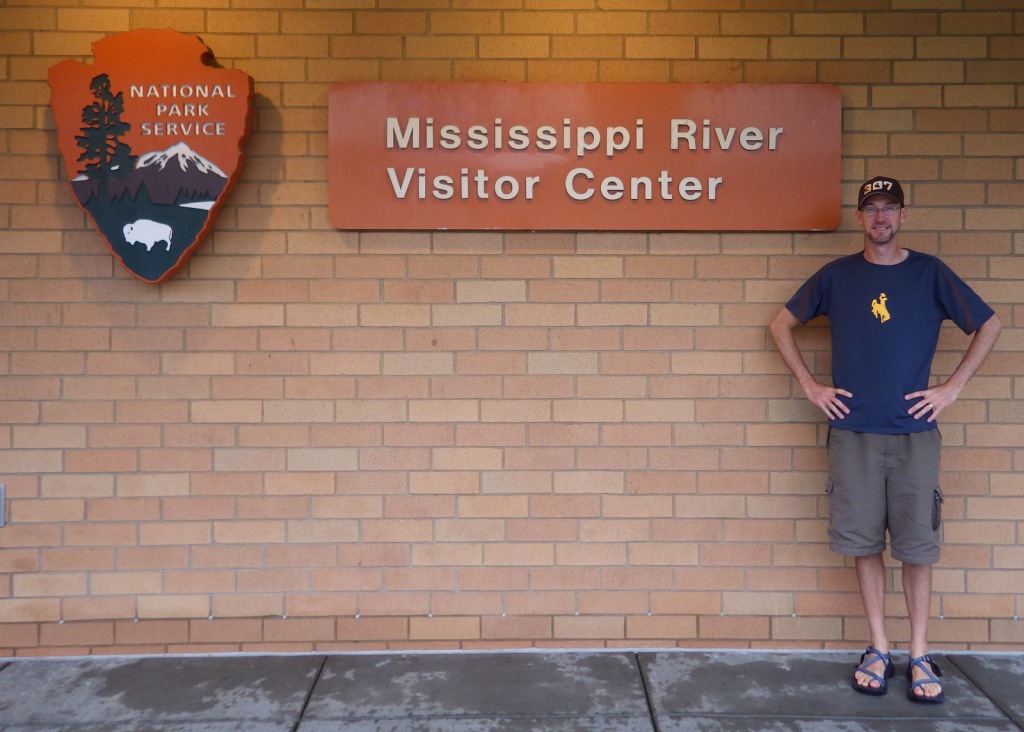
Mississippi National River and Recreation Area

Overview

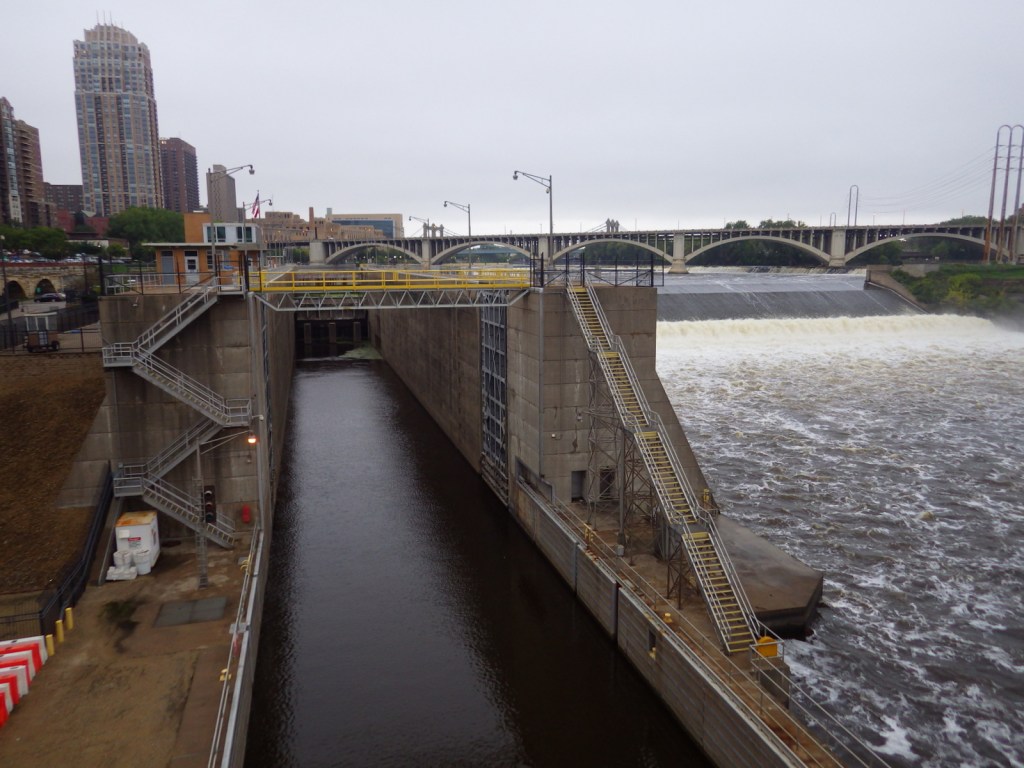
The 2,320-mile long Mississippi River is legendary in our nation and well-known worldwide.  Mississippi National River and Recreation Area (NRRA) covers 72 miles of the famous river’s course through Minnesota, from busy metropolitan sections in the Twin Cities to secluded stretches of water.  Along this section it changes from its shallow headwaters to a powerful force at its confluence with the St. Croix River.  Established in 1988, the National Park Service (NPS) owns only 35 acres of the 54,000 acres protected within the NRRA.

Highlights

St. Anthony Falls, Minnehaha Falls, Coldwater Spring, Indian Mounds Park, Mississippi Gorge Regional Park

Must-Do Activity

Near downtown Minneapolis is St. Anthony Falls, the only true waterfall on the Mississippi River’s entire length.  The falls powered gristmills and sawmills on both banks that drove the settlement of Minneapolis-St. Paul.  Opportunities for walking, biking, boating, fishing, cross-country skiing, and wildlife watching (especially at Minnesota Valley National Wildlife Refuge) abound along the river depending upon the season.

Best Trail

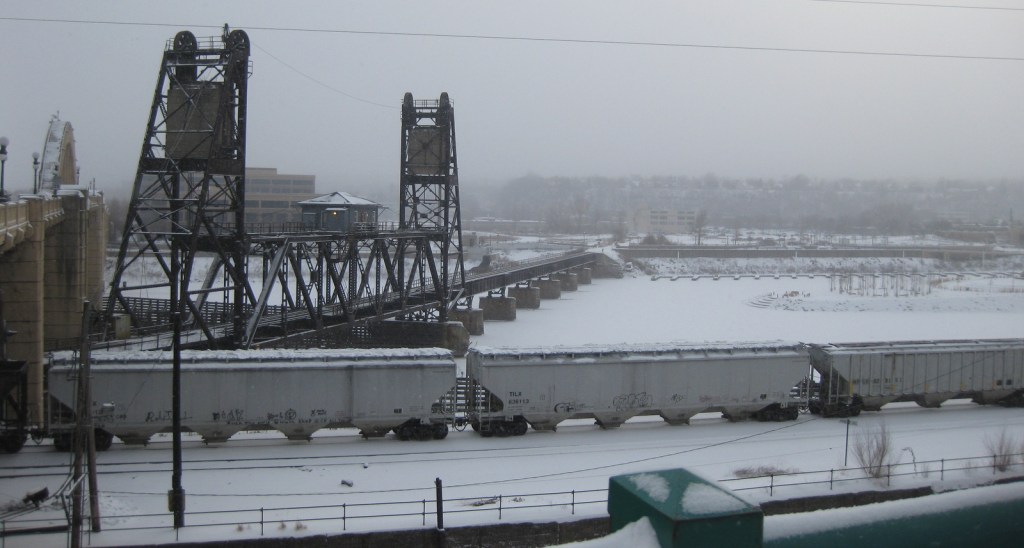
In winter, urban trails along the Mississippi River are very pretty under a layer of white snow, and it can be very quiet and peaceful.

Instagram-worthy Photo

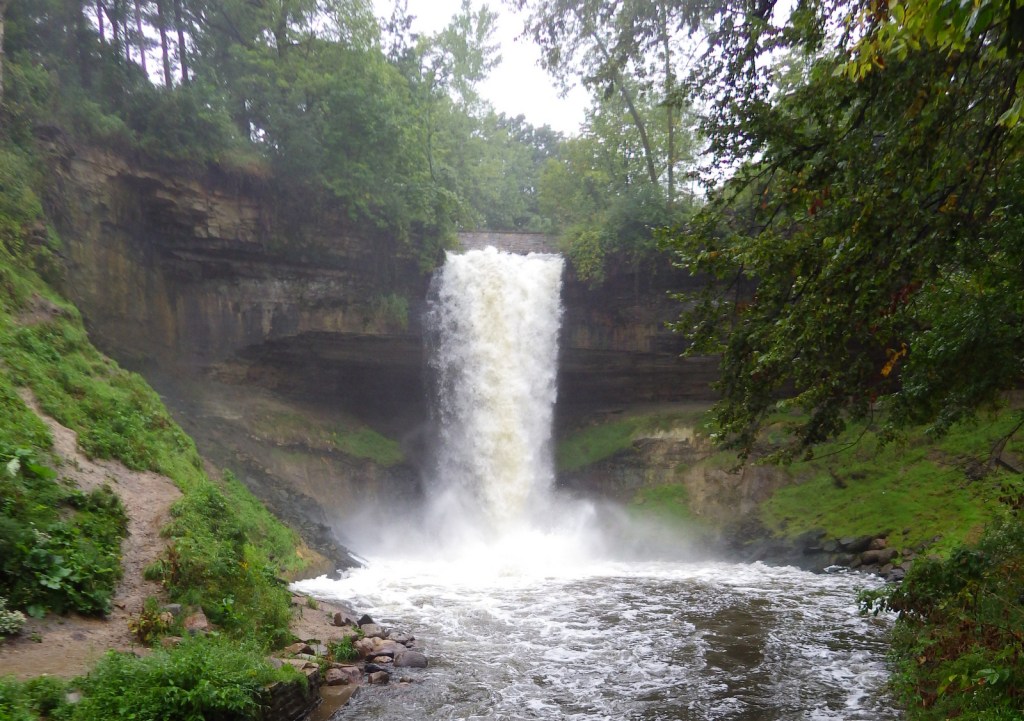
We enjoyed Minnehaha Regional Park where we found the 53-foot tall waterfall celebrated in Henry Wadsworth Longfellow’s Song of Hiawatha.
Peak Season

Summer

Hours

https://www.nps.gov/miss/planyourvisit/hours.htm

Fees

None

Road Conditions

All roads paved, but there is no free parking available at the NPS visitor center located inside the lobby for the Science Museum of Minnesota.

Camping

There are no campgrounds managed by the National Park Service within the NRRA, however, there are many places to camp in the area.

Related Sites

Saint Croix National Scenic Riverway (Minnesota-Wisconsin)

Missouri National Recreational River (Nebraska-South Dakota)

Pipestone National Monument (Minnesota)
Explore More – What did the city of Minneapolis do to make sure Minnehaha Falls was flowing for President Lyndon B. Johnson’s visit during the 1964 drought?

Chickamauga and Chattanooga National Military Park

Overview

Chickamauga and Chattanooga National Military Park was authorized in 1890, the first park of its kind in the United States.  It covers multiple battlefields from late-1863 that straddle the Tennessee-Georgia borderline.  Though the Confederate army initially won at Chickamauga, Georgia, the Union took control of Chattanooga, Tennessee after the arrival of General Ulysses S. Grant with reinforcements in November.  Like Fort Monroe in Virginia, this area then became a beacon for escaped slaves, eventually numbering 2,000 people.

Highlights

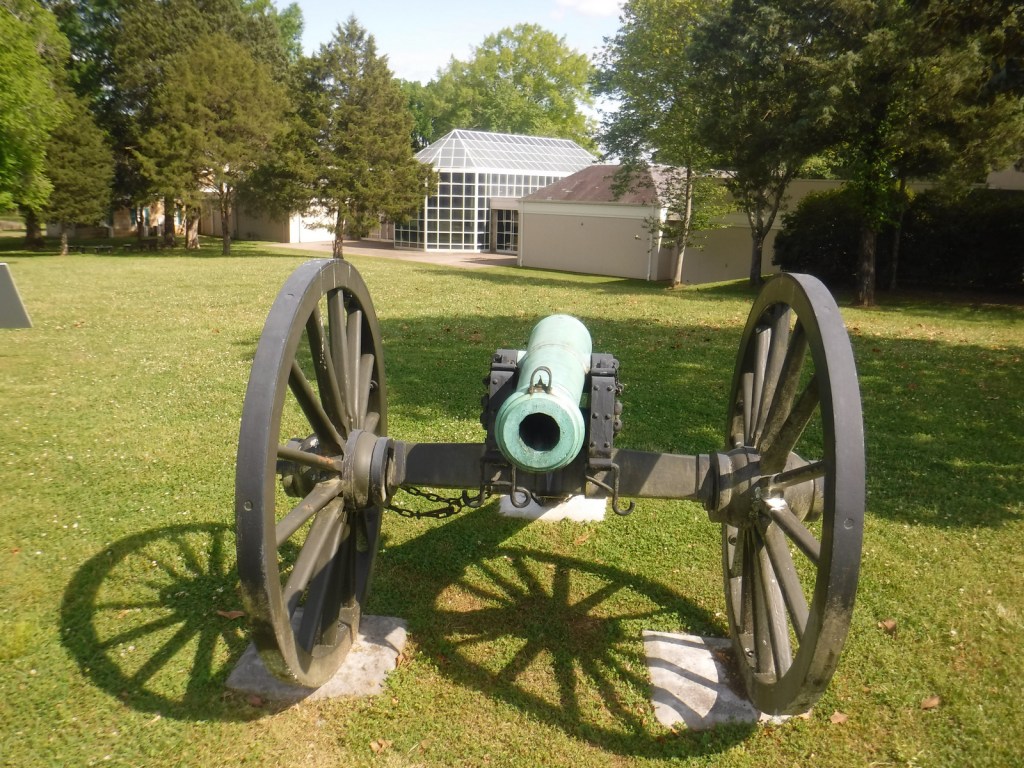
Museums, film, driving tour, Point Park, Ochs Memorial Observatory, Cravens House, cannons

Must-Do Activity

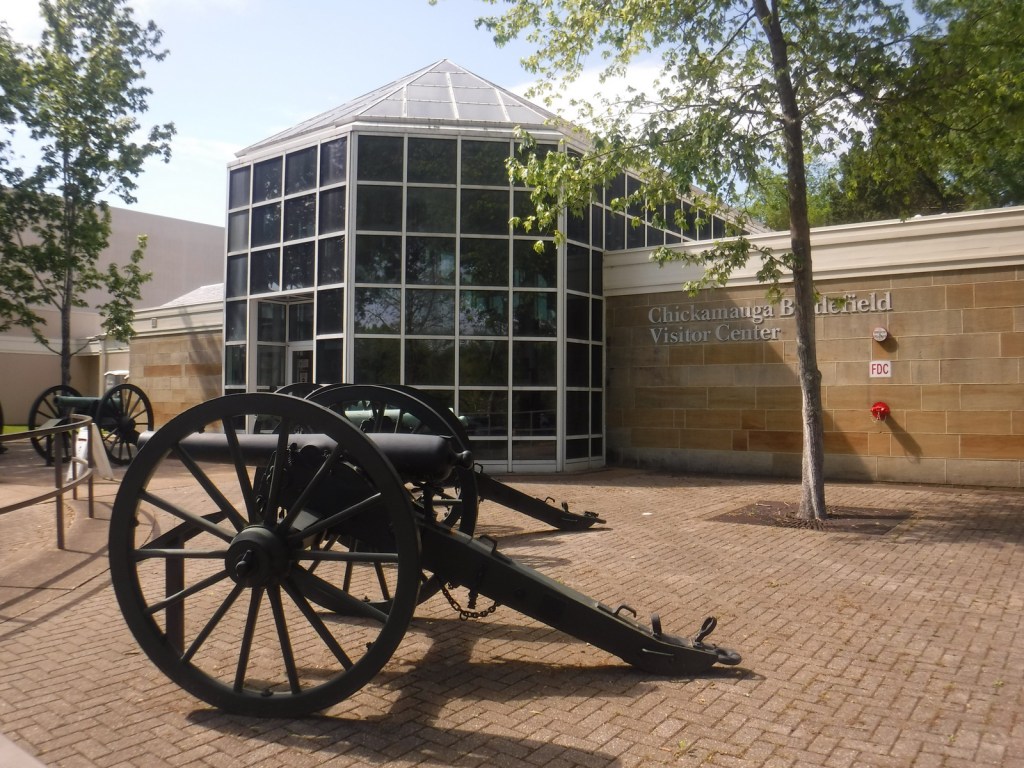
Point Park sits on top of Lookout Mountain offering awesome views of the city of Chattanooga and Moccasin Bend on the Tennessee River.  It is also the home of Ochs Memorial Observatory and museum, one reason Point Park charges an admission fee.  The nearby National Park Service (NPS) visitor center displays the 30×13-foot painting The Battle of Lookout Mountain by James Walker.  At the Chickamauga battlefield, a seven-mile long driving tour explains what happened there on September 20, 1863.  The National Military Park also entails seven small military reservations and the Phelps Monument along the road atop Missionary Ridge, east of Chattanooga.

Best Trail

There are miles of trails atop Lookout Mountain and Ochs Memorial Observatory is only accessible by trail (and many stair steps).  It contains a museum dedicated to the Civil War and American Indians, specifically the Cherokee who passed through Moccasin Bend (which has its own three-mile loop trail) on the Trail of Tears in 1838.

Instagram-worthy Photo

The entrance to Point Park is designed to look like the Army Corps of Engineers insignia.

Peak Season

Summer

Hours

https://www.nps.gov/chch/planyourvisit/hours.htm

Fees

$10 per person to enter Point Park or America the Beautiful pass

Road Conditions

All roads paved, but there is limited free parking available at the NPS visitor center near Point Park.

Camping

Cloudland Canyon State Park in Georgia is about 20 miles southwest of Chattanooga, Tennessee.

Related Sites

Fort Donelson National Battlefield (Tennessee-Kentucky)

Shiloh National Military Park (Tennessee-Mississippi)

Kennesaw Mountain National Battlefield Park (Georgia)

Explore More – Why did President Abraham Lincoln consider capturing Chattanooga (a town of only 2,500) as important as Atlanta?

Hot Springs National Park

Overview

The hot springs that give this Arkansas town its name were the first site ever set aside by the federal government for protection way back in 1832.  That was forty years before Yellowstone National Park came into existence, and is the reason Hot Springs National Park was commemorated as the first minted of the America the Beautiful Coin Collection in 2010.  It is also the reason that Hot Springs is unlike any other National Park in the system, checking in at only 5,550 acres on either side of a bustling downtown lined with historic bathhouses.

Hot Springs National Park is not one of the 50 covered in great detail in our guidebook to the National Parks (available on Amazon), but as one of the 63 National Parks it is included with a photo.

Highlights

Fordyce Bathhouse, West Mountain Scenic Drive, Goat Rock, Hot Springs Mountain Tower, Balanced Rock

Must-Do Activity

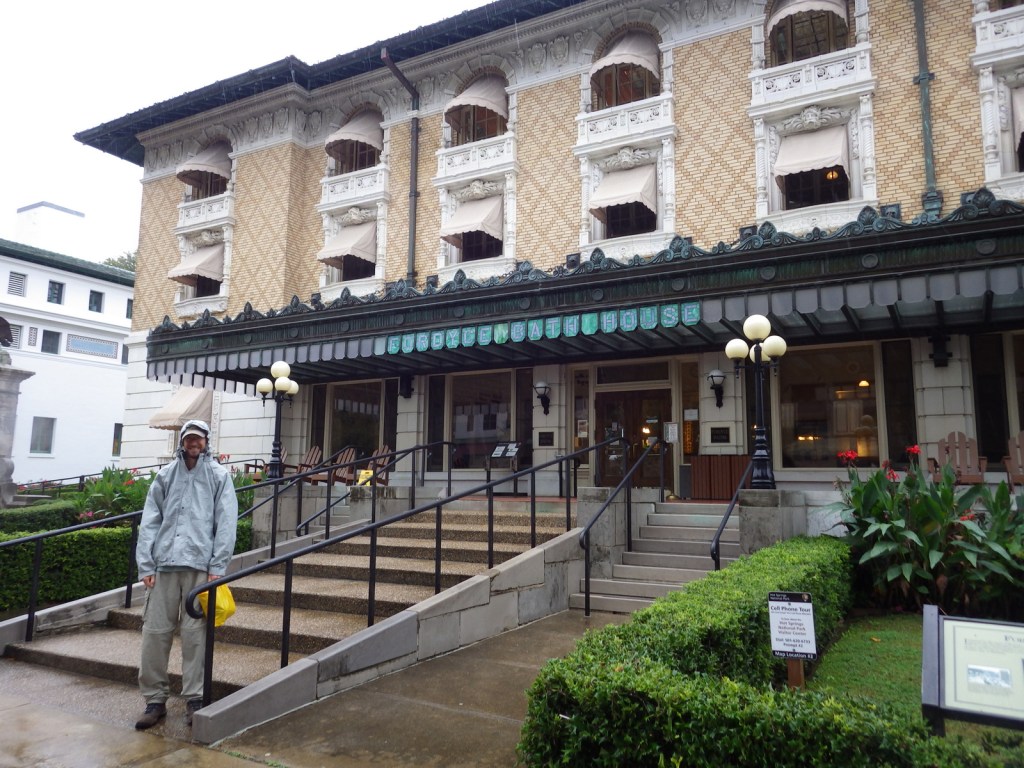
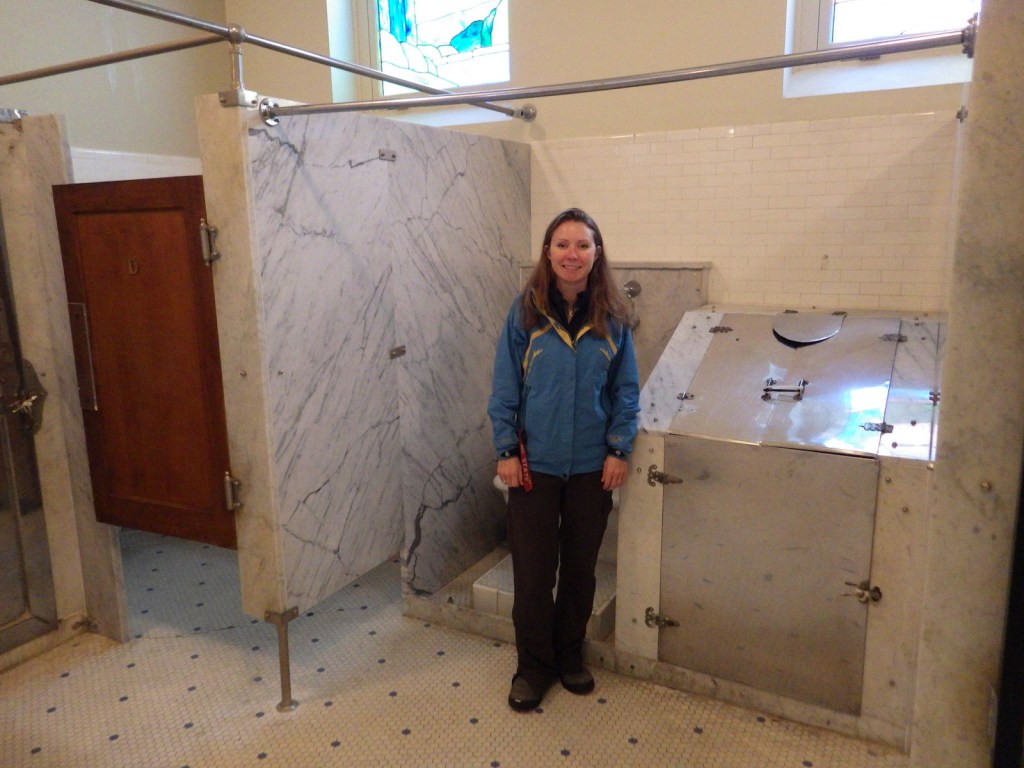
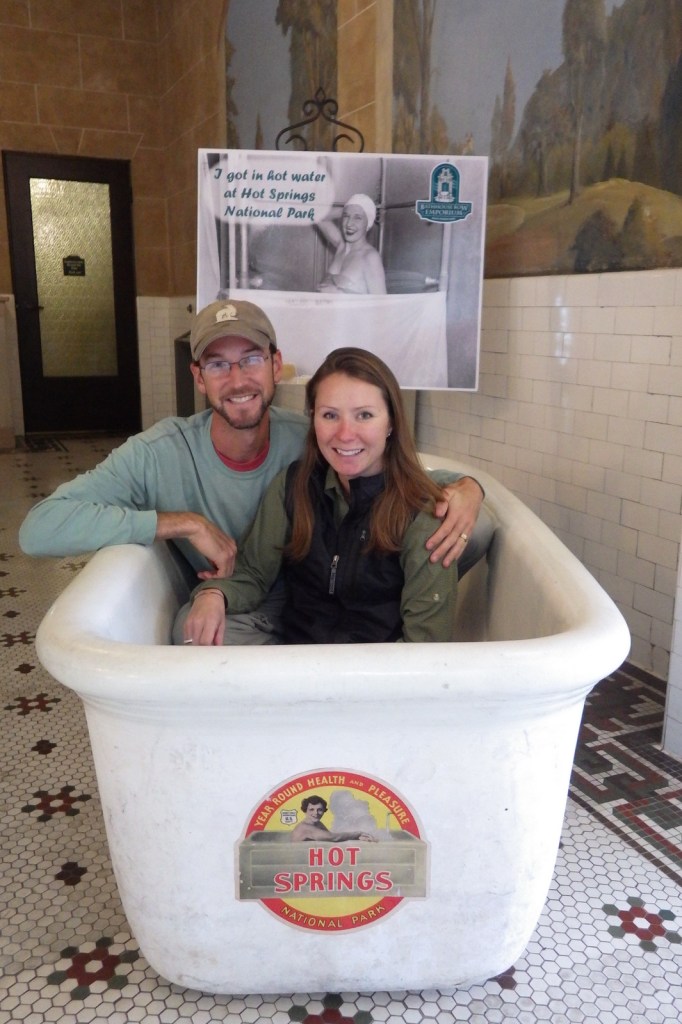
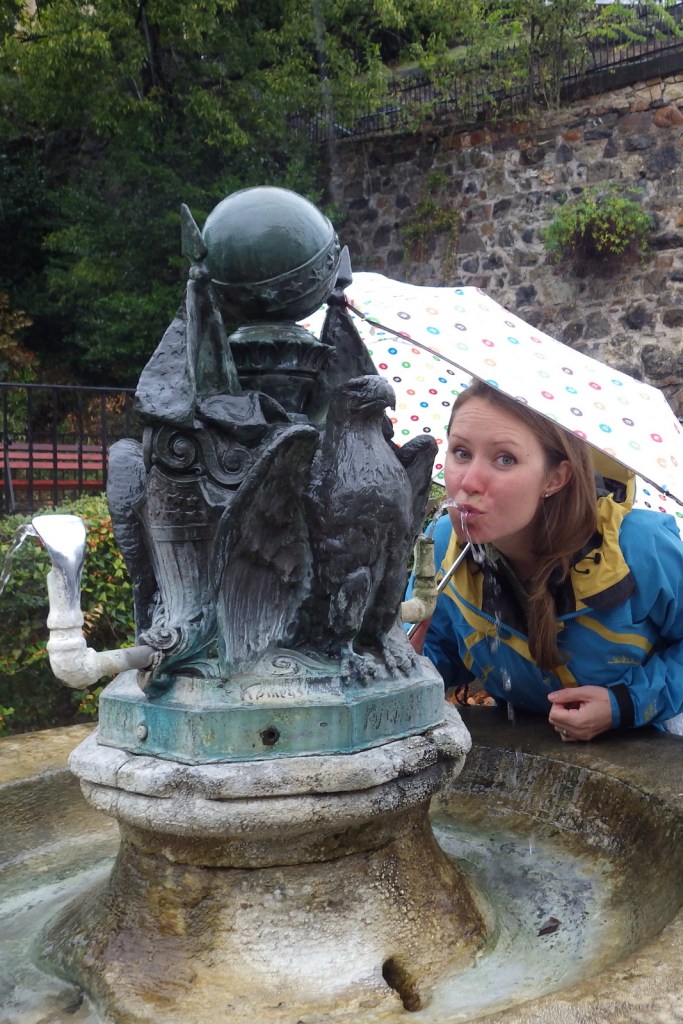
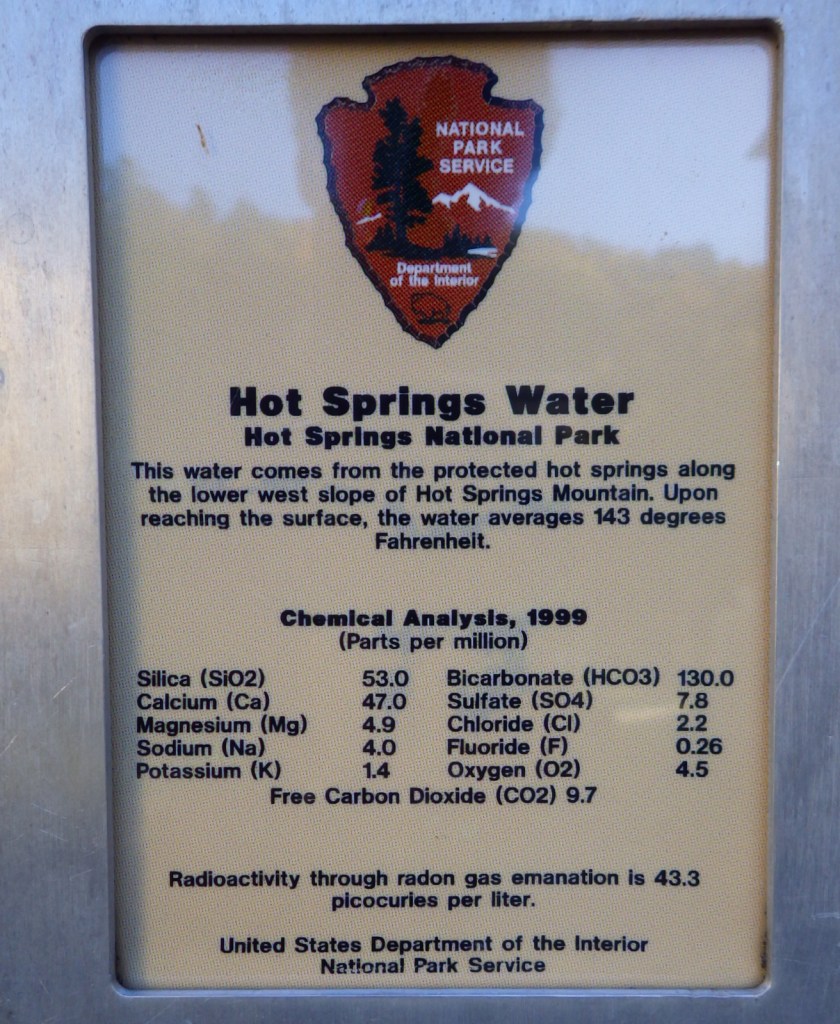
When you visit, it is best to start at the National Park Service (NPS) museum within the former Fordyce Bathhouse, where you will learn that the water is heated not by volcanic activity but by gravitational compression.  Whether or not you pay to soak in the non-sulfurous waters at a privately-owned bathhouse, be sure to fill up a bottle at one of several mineral rich drinking fountains around town.  Then you too can “quaff the elixir” the same way tourists have been doing here for nearly 200 years.

Best Trail

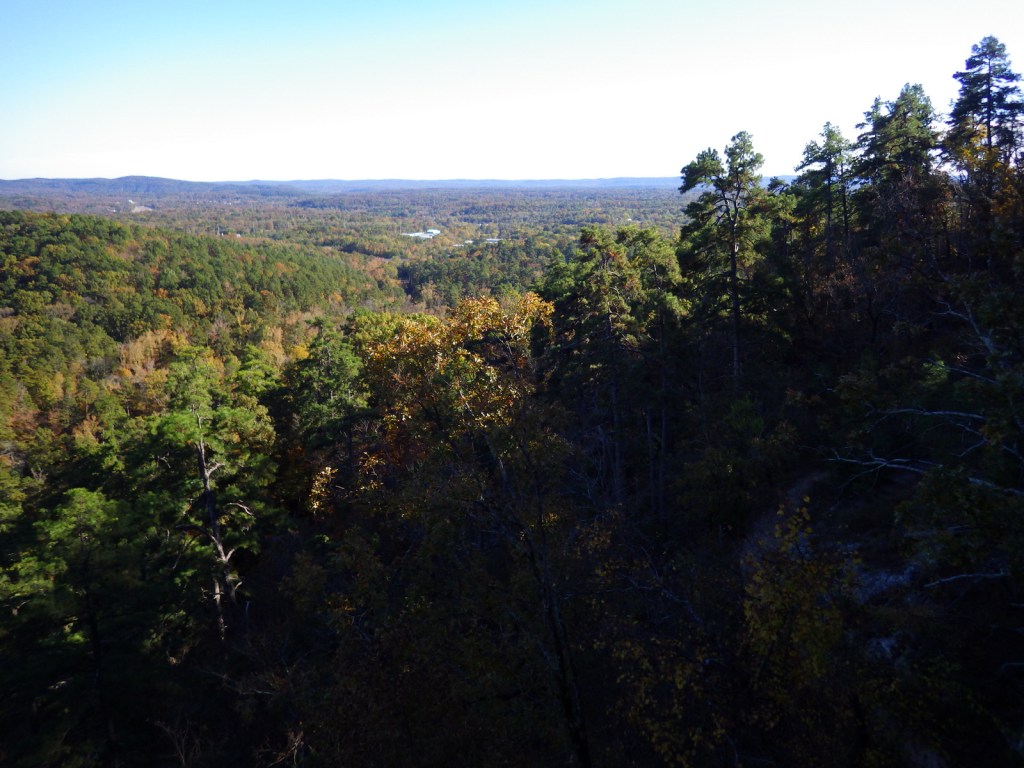
There are several hiking options in the forested hills around the town, including the 17-mile long Sunset Trail that provides access to Balanced Rock.  The Gulpha Gorge Trail leaves from the NPS campground up to vistas at Goat Rock or you can also park at the top of North Mountain and hike down to it on the Goat Rock Trail.

Instagram-worthy Photo

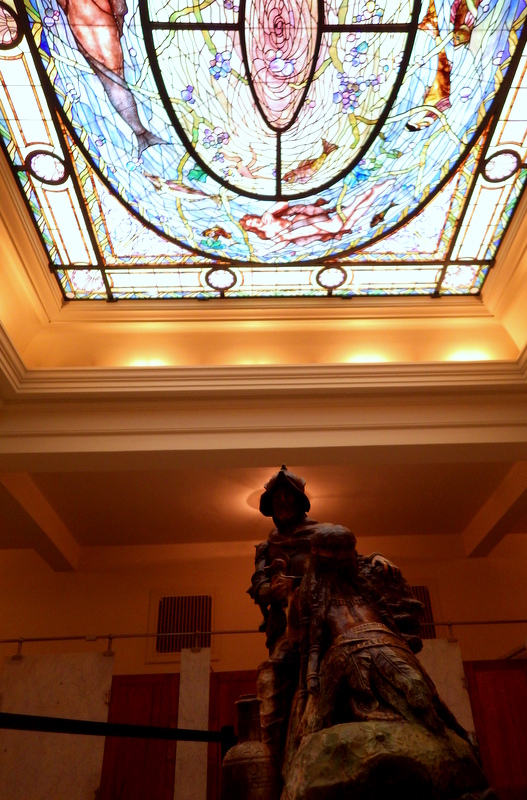
Inside the men’s locker room, a beautiful stained glass ceiling lets in light on the sculpture of Spanish conquistador Hernando de Soto who came to the hot springs in 1541.

Peak Season

Summer

Hours

https://www.nps.gov/hosp/planyourvisit/basicinfo.htm

Fees

None to visit the NPS museum in Fordyce Bathhouse, but there is a charge to climb Hot Springs Mountain Tower or visit one of the privately-owned bathhouses (like Buckstaff Baths or Quapaw Baths and Spa).

Road Conditions

All roads are paved, but there are some tight curves on the scenic drive up Hot Springs Mountain.

Camping

The NPS run Gulpha Gorge Campground offers sites with or without electrical and water hookups.

Related Sites

Chickasaw National Recreation Area (Oklahoma)

Little Rock Central High School National Historic Site (Arkansas)

Buffalo National River (Arkansas)

Explore More – In the roaring 1920s, Hot Springs, Arkansas was like the original Las Vegas attracting athletes, politicians, and which famous mobsters?

We are a participant in the Amazon Services LLC Associates Program, an affiliate advertising program designed to provide a means for us to earn fees by linking to Amazon.com and affiliated sites.

Frederick Law Olmsted National Historic Site

Overview

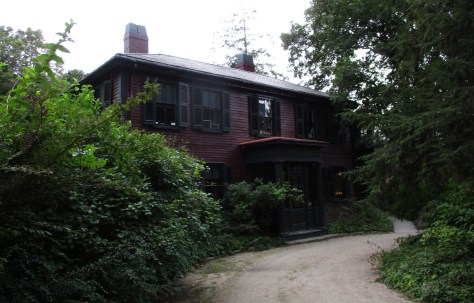
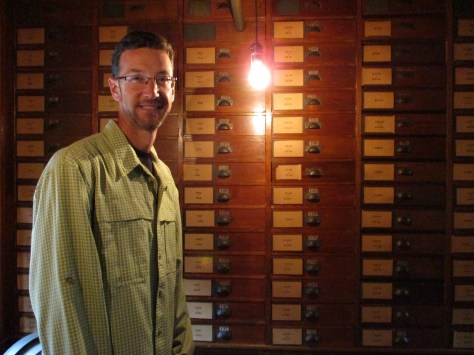
Frederick Law Olmsted, Sr. (1822-1903) is considered the founder of American landscape architecture.  His most famous designs include New York City’s Central Park and the Biltmore Estate in North Carolina, but he also created the protective ramada for Casa Grande Ruins National Monument in Arizona.  This seven-acre site outside Boston, Massachusetts was authorized in 1979 to preserve his house and the Olmsted Archives for future researchers.

Highlights

Museum, film, office tour, Olmsted Archives

Must-Do Activity

In 1883, Frederick Law Olmsted, Sr. moved to Brookline, Massachusetts to establish the world’s first landscape design office.  Self-guided exhibits and a short film inside his home (called Fairsted) are a good place to start before a ranger-guided tour of his office space full of historical artifacts and documents.  Occasionally, rangers lead tours of some of Olmsted’s parks in “The Emerald Necklace” of Boston.

Best Trail

There is a short path on the property and you can also walk to nearby Brookline Reservoir.

Instagram-worthy Photo

Relax on the veranda of Fairsted before or after your tour, which is especially nice when it is raining like during our visit.

Peak Season

Summer

Hours

https://www.nps.gov/frla/planyourvisit/hours.htm

Fees

None

Road Conditions

All roads are paved, but the parking lot is small and street parking in the surrounding neighborhood may be necessary.  It is a bit of a walk from the Brookline Hills Subway Station.

Camping

Wompatuck State Park south of Boston has the nearest large campground, but camping is also allowed in parts of Boston Harbor Islands National Recreation Area.

Related Sites

Boston National Historical Park (Massachusetts)

Adams National Historical Park (Massachusetts)

Longfellow House – Washington’s Headquarters National Historic Site (Massachusetts)

Explore More –Frederick Law Olmsted’s 1865 report was influential in the protection of which “crown jewel” of the National Park Service System?

Chesapeake and Ohio Canal National Historical Park

Overview

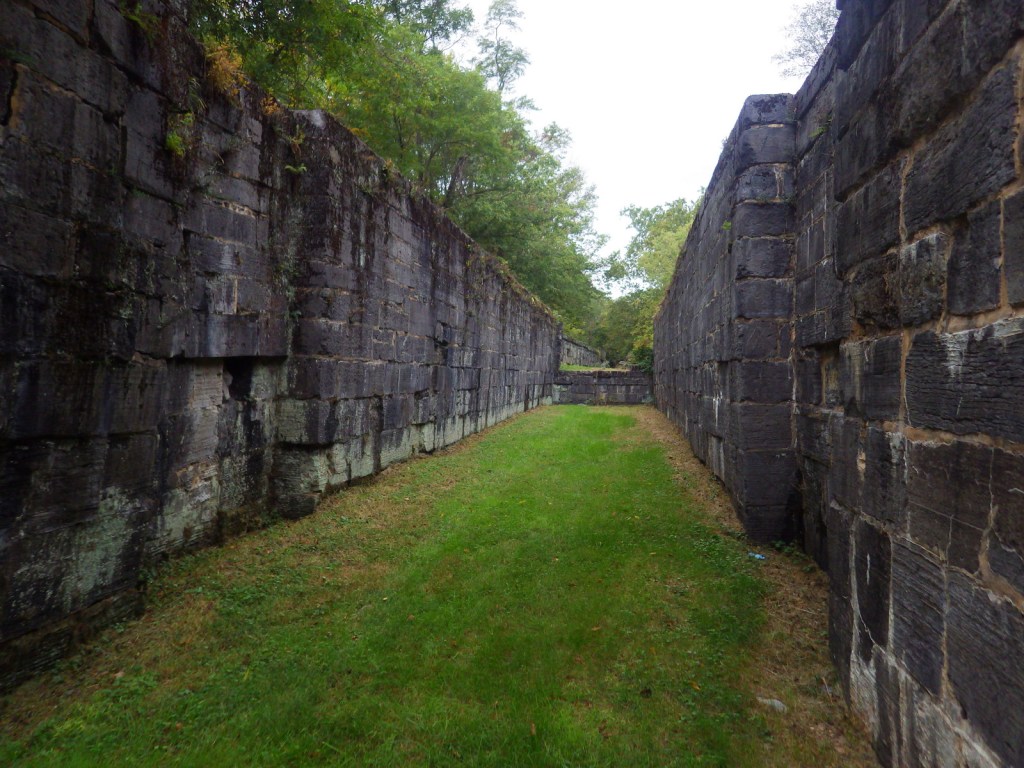
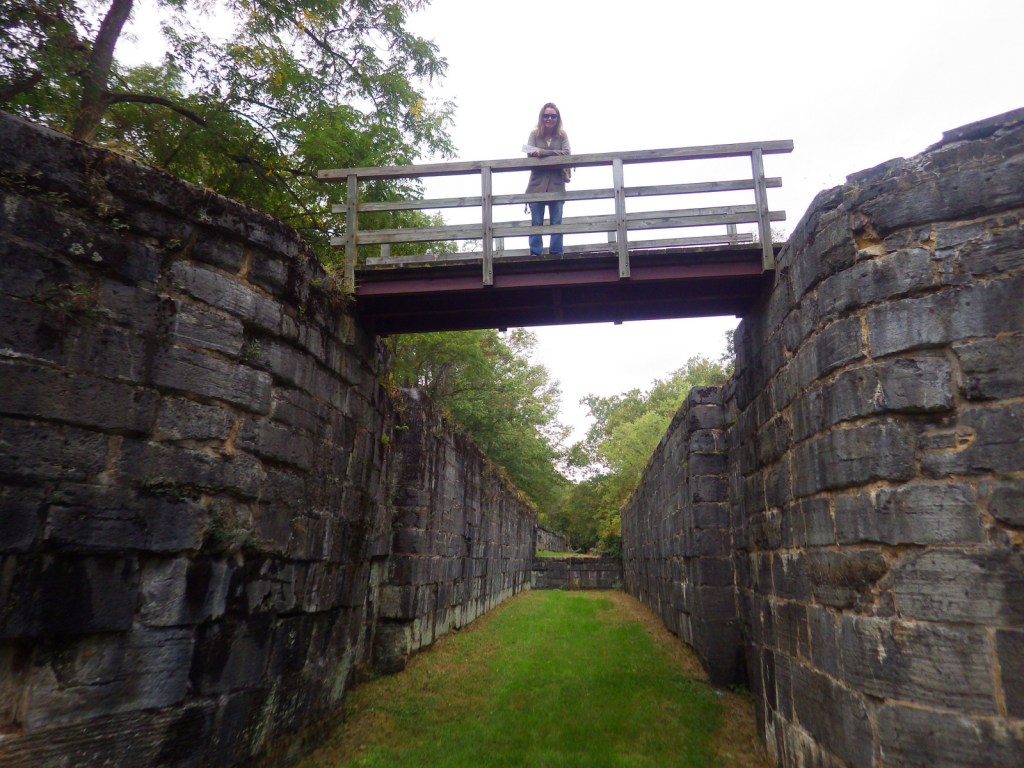
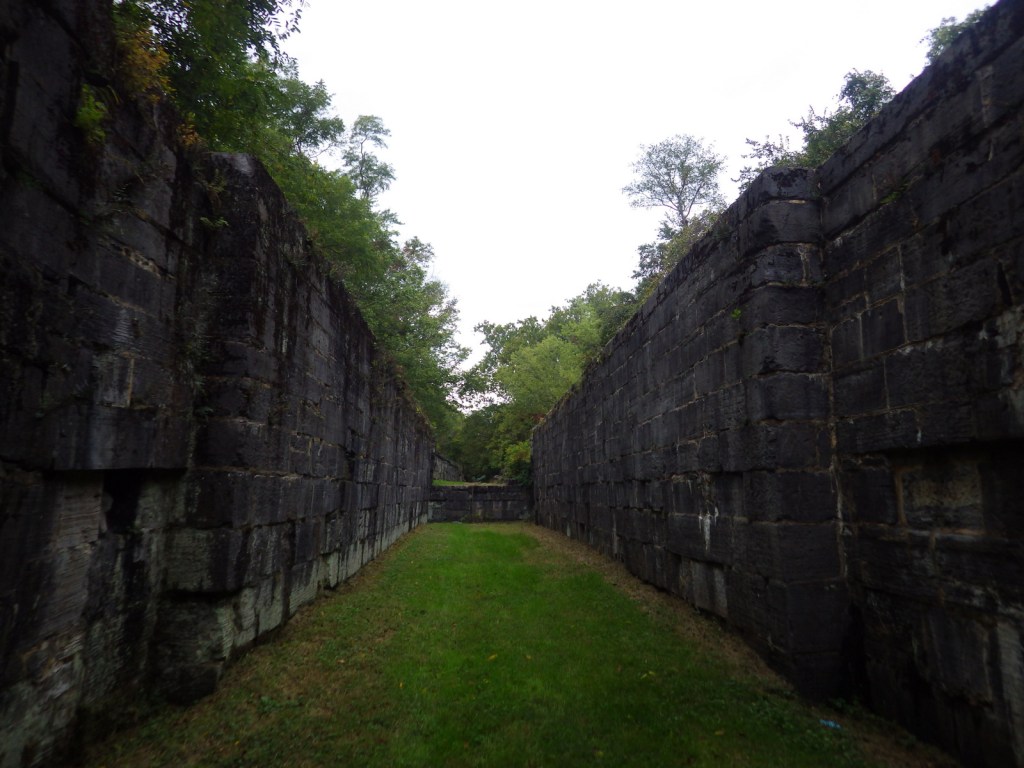
The Chesapeake and Ohio (C&O) Canal was supposed to connect ports in Washington, D.C. with the Ohio River, but it never reached its destination before the Baltimore and Ohio (B&O) Railroad rendered it obsolete in 1850.  It employed 35,000 laborers (mostly European immigrants) during its 22 years of construction and eventually carried coal out of the Appalachian Mountains for decades.  The canal closed in 1924, but it left behind indelible historic landmarks like locks, dams, aqueducts, historic hotels, and a 3,118-foot long tunnel.

Highlights

Historic locks, boat tours, Great Falls Tavern, boating

Must-Do Activity

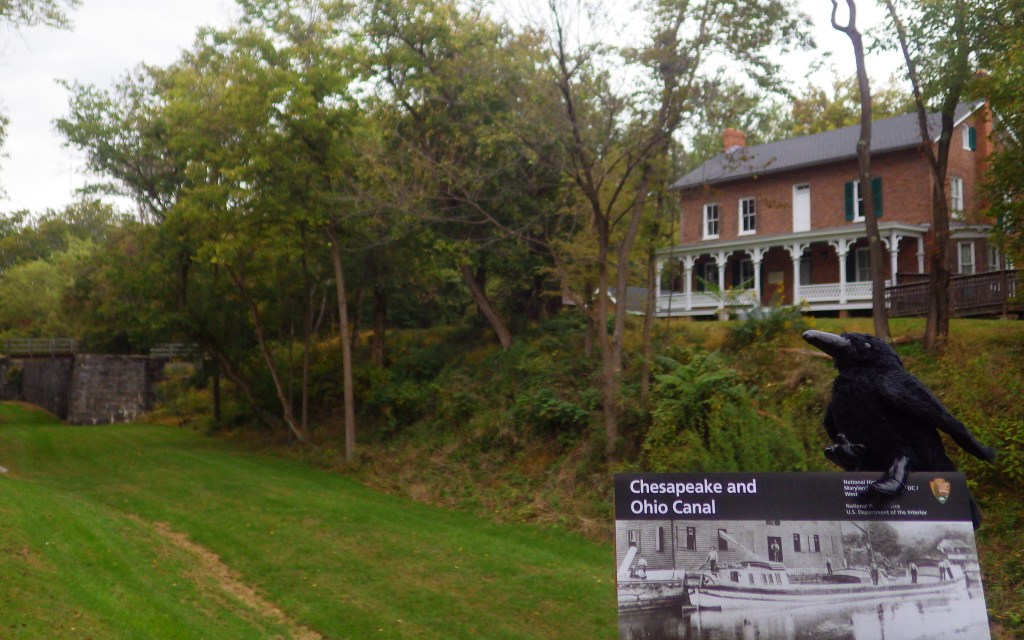
C&O Canal National Historical Park is run by the National Park Service (NPS) and offers multiple free visitor centers along the route that are open seasonally.  Near Washington, D.C. both the Great Falls Tavern and Georgetown Visitor Centers offer mule-drawn canal boat rides on a first-come, first-served basis April through October.  We enjoyed touring the historic locks of the canal in Hancock, Maryland after visiting Catoctin Mountain Park and Antietam National Battlefield.

Best Trail

Today you can walk and bike the graded 184.5-mile towpath that follows the Potomac River, camping at designated sites along the way if you choose.

Instagram-worthy Photo

The canal locks at Hancock, Maryland became part of the park that was created in 1971.  The boarding house located there now serves as an NPS visitor center.

Peak Season

Summer, as most of the visitor centers are closed seasonally

Hours

https://www.nps.gov/choh/planyourvisit/hours.htm

Fees

None, except at Great Falls Tavern

Road Conditions

All roads paved

Camping

There are primitive drive-in camping areas at five spots along the canal path, as well as 30 backpacking campsites spaced approximately five miles apart.  There is also a nice NPS campground at Catoctin Mountain Park in Maryland.

Related Sites

George Washington Memorial Parkway (Virginia-Maryland)

Harpers Ferry National Historical Park (West Virginia-Maryland-Virginia)

Allegheny Portage Railroad National Historic Site (Pennsylvania)

Explore More – At its peak of operation, how many mule-drawn boats were in service on the C&O Canal?