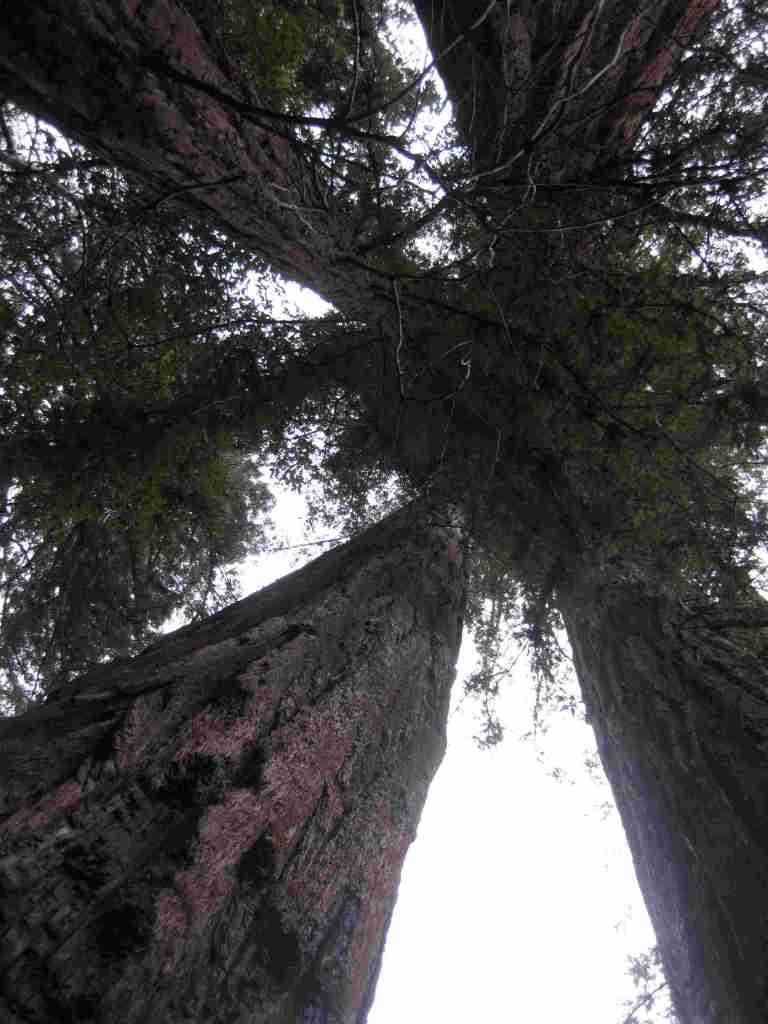
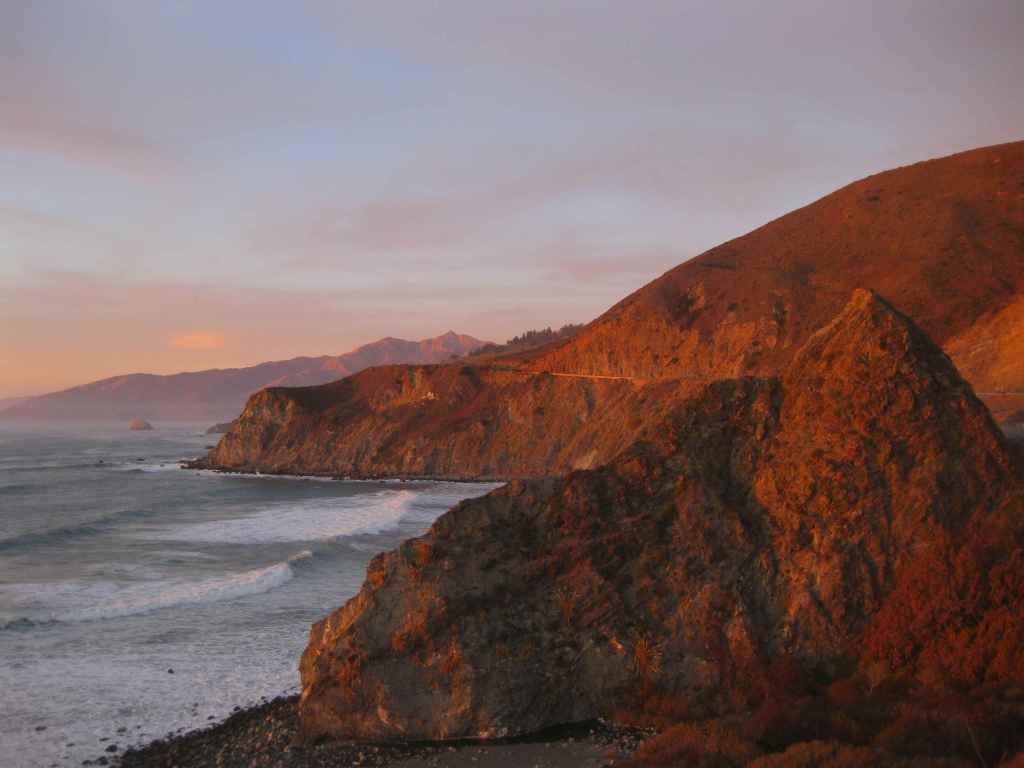
Los Padres National Forest stretches more than 200 miles from Monterrey south beyond Santa Barbara. It contains most of Big Sur, a name that conjures images of craggy cliffs dropping precipitously into white-capped ocean waves. This sparsely inhabited stretch of coastline is known as much for its historic bohemians as its coast redwood trees. It is home to multiple rare tree species with limited native ranges, especially those that can tolerate serpentine soils. As the only National Forest in California that touches the Pacific Ocean, a road trip down scenic Highway 1 should be on everyone’s bucket list, including stops at Julia Pfeiffer Burns State Park, Bixby Creek Bridge, Hearst Castle State Park, and the elephant seal rookery at Piedras Blancas. We have hiked many trails here since Scott taught for three years at Cal Poly State University in San Luis Obispo.
Highlights
Big Sur, Sykes Hot Springs, Salmon Creek Falls, Jade Cove, Cuesta Ridge Botanical Area, Figueroa Mountain, Mt. Pinos, Knapp’s Castle, Seven Falls, Sespe Hot Springs
Must-Do Activity
Los Padres National Forest is 48% designated Wilderness, so the recommended activity is to hike into those natural areas. The Matilija Wilderness is in the Santa Ynez Mountains that loom above the coastal city of Santa Barbara, home to a university, art museum, and historic Presidio built in 1782. If you go to hike to the ruins of Knapp’s Castle in the National Forest, also make a quick stop at Chumash Painted Cave State Historic Park, which contains colorful pictographs dating back to the 1600s. Another popular U.S. Forest Service trailhead located closer to town goes either to Inspiration Point or Seven Falls, the latter a better choice on foggy days, which are common on the coast.
Best Trail
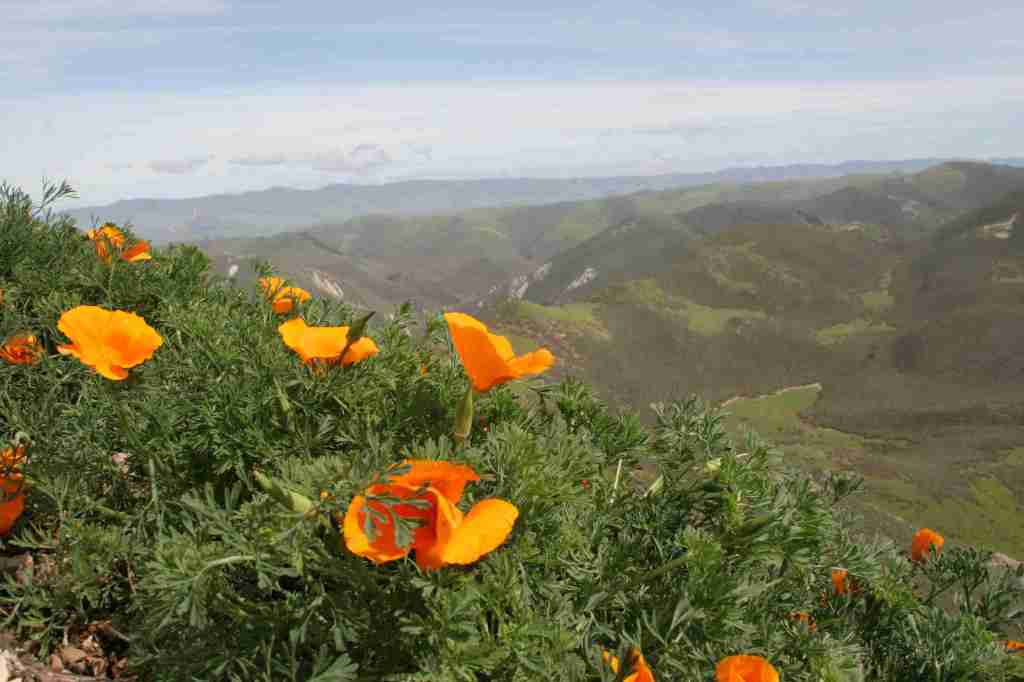
There are 323 miles of incredible hiking trails throughout Los Padres National Forest, including a few that access hot springs. Our favorite trails are in the Santa Lucia Mountains that tower above Big Sur. One pinnacle accessible by trail is Cone Peak at 5,155 feet in elevation. The access road is typically closed in the winter, but when it is open the trail is only 2.3 miles to the summit with a vertical gain of 1,400 feet. Do not expect any shade since multiple fires have burned most of the mountain, although there are still a few surviving examples of the rare Santa Lucia fir tree. Although some areas are no longer vegetated, the plentiful sunshine above the fog belt means there are often incredible displays of wildflowers along the trail early in summer, including lupine, sticky monkeyflower, and yucca.
Watchable Wildlife
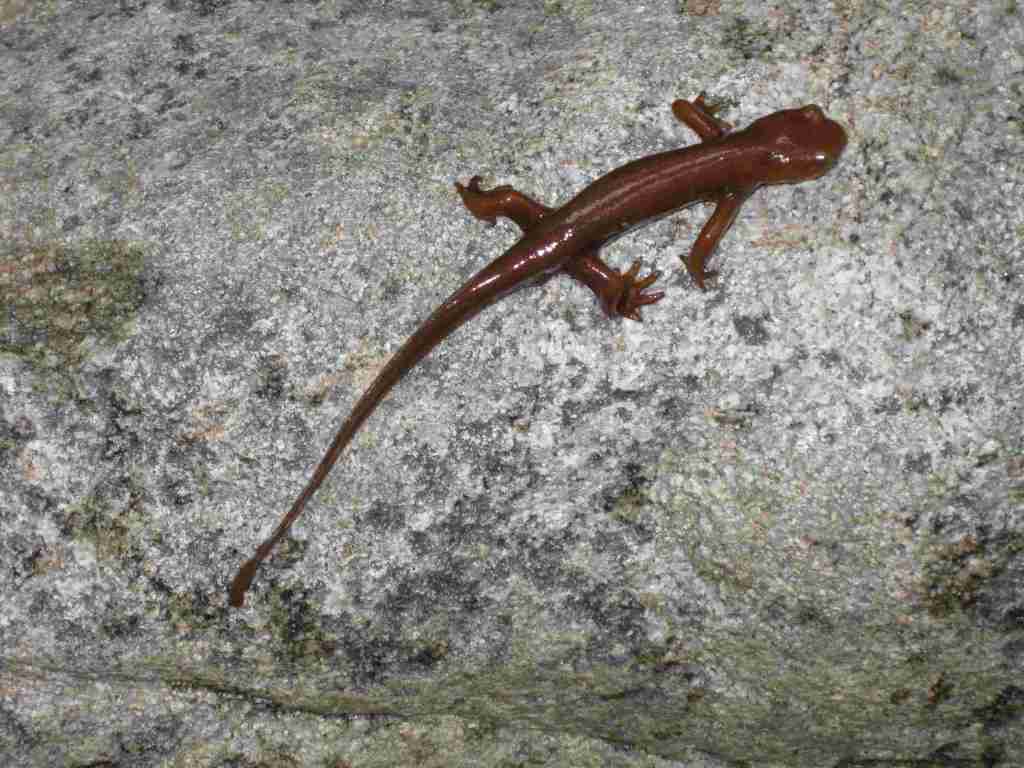
There is a wide range of wildlife found here from sea level up to 8,847 feet in elevation, and the most famous is the reintroduced California condor that nests in the Sespe Condor Sanctuary. Other birds include barn owls, great horned owls, red-tailed hawks, bald eagles, California quail, and California scrub jays. Coyotes, black bears, bobcats, mountain lions, black-tailed deer, bighorn sheep, and raccoons are common large mammals. Species of concern include the foothill yellow-legged frog and California mountain kingsnake. Look for California newts and banana slugs in the moist understory of coast redwood forests.
Photographic Opportunity
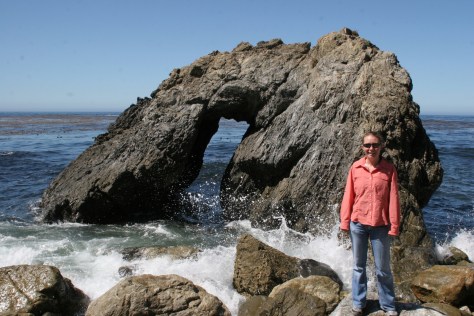
Even if you are not spending the night at Kirk Creek Campground, you can park and walk down the trail to the south that goes past redwood trees to the beach where there is a sea arch and tidepools.
Peak Season
Fall and winter
Fees
$5 per vehicle Adventure Pass (or America the Beautiful pass) required at most trailheads
Road Conditions
There are some steep unpaved roads in Los Padres National Forest, which can be impassable in wet or snowy conditions. Portions of the unpaved Tassajara Road to Chews Ridge are narrow and steep, requiring a four-wheel-drive vehicle to reach Tassajara Hot Springs.
Camping
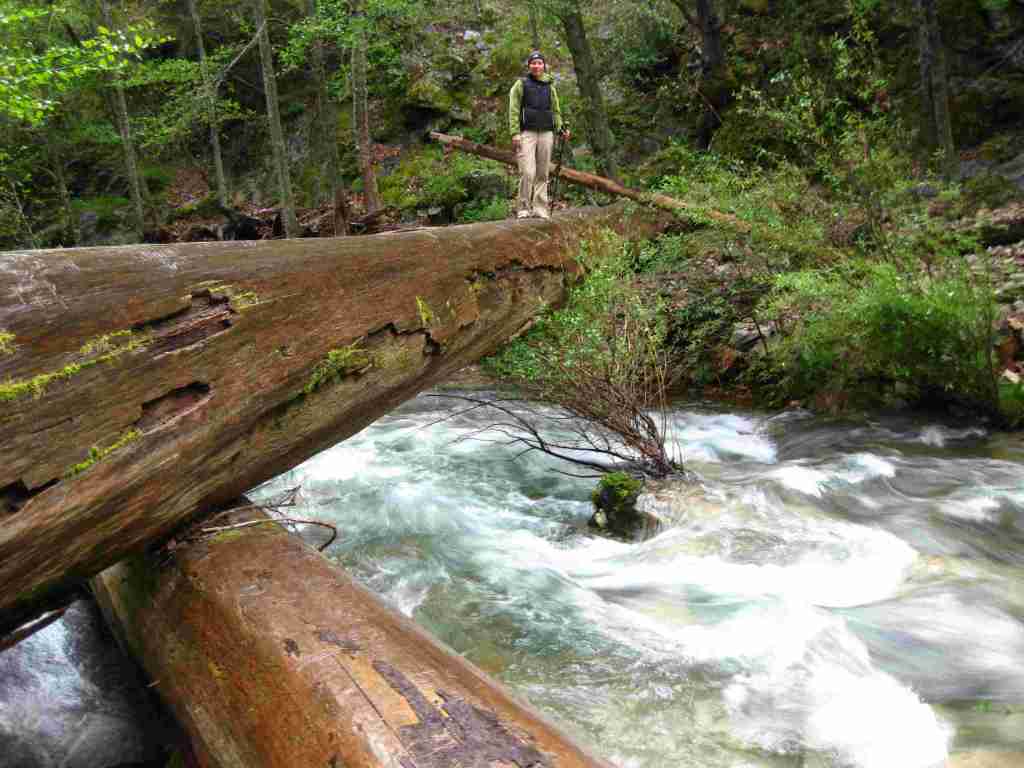
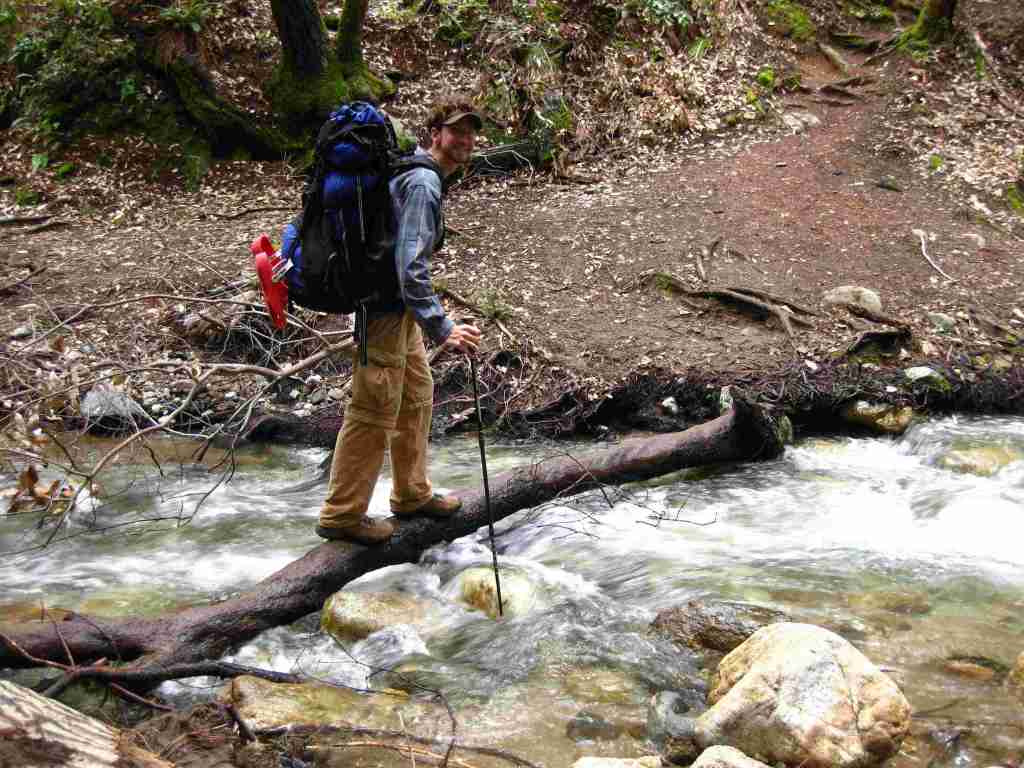
A night spent listening to the ocean waves breaking far below the U.S. Forest Service’s clifftop Kirk Creek Campground is enchanting, which is why it made it on our list of Top 10 Campgrounds in National Forests. There are 11 campgrounds in total, and a free campfire permit is required if you use a camp stove (which can be obtained online). Sespe Hot Springs is a popular ten-mile one-way backpacking destination.
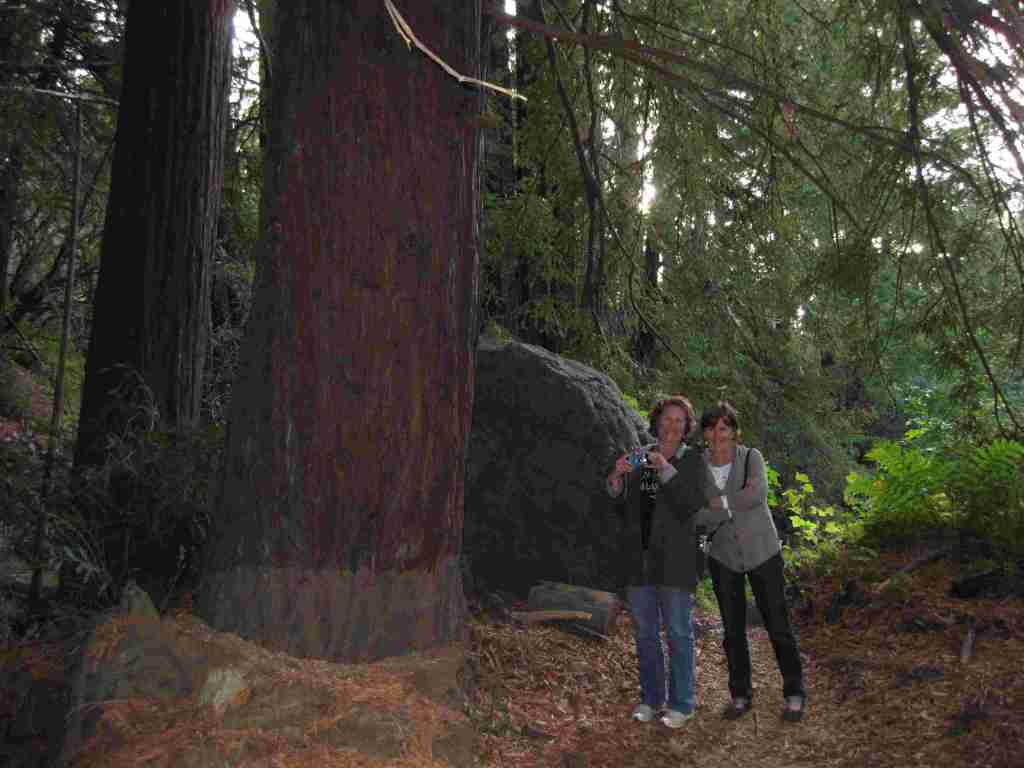
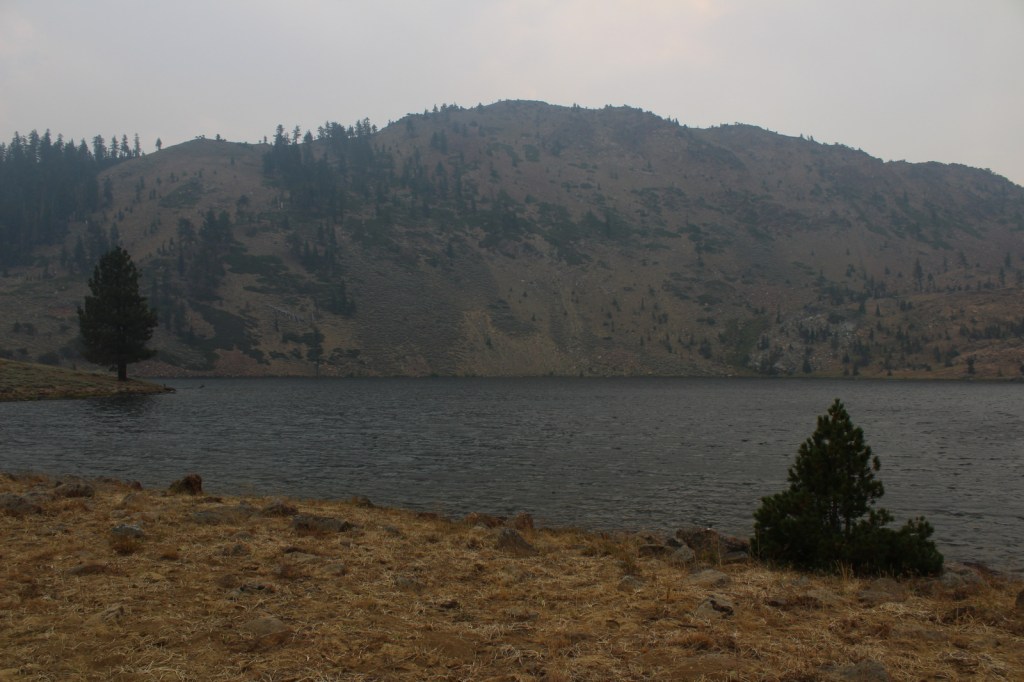
Scott’s mother and aunt in the redwood forestTiff hiking to Sespe Hot SpringsSespe Hot SpringsSticky monkeyflowerScott backpacking to Sespe Hot SpringsHighway 1Scott with a Santa Lucia firScott with a coast redwood treeBanana slugCalifornia newtMt. PinosKirk Creek Campground in Big Sur
Split into two separate sections by Interstate 5, Klamath National Forest is spread across the Marble, Salmon, Scott, and Siskiyou Mountains of northern California, with less than 2% of its acreage across the border in Oregon. The National Forest headquarters is located in Yreka on Interstate 5, from where the Forest Service also manages the small Butte Valley National Grassland. In this remote portion of California, Klamath National Forest borders Modoc, Rogue River, Siskiyou, Six Rivers, Shasta, and Trinity National Forests. It contains 152 miles of designated National Wild and Scenic Rivers, including some popular for fishing and rafting, like the Klamath River.
Highlights
Horsetail Falls, Kangaroo Lake, Sawyers Bar Catholic Church, Sur Cree Falls, Crater Glass Flow, Panhandle Lake, Chimney Rock, Diamond Lake, Juanita Lake, Cedar Mountain, Kelly Lake, East Boulder Trail, Taylor Lake Trail, Clear Creek National Recreation Trail, Pacific Crest National Scenic Trail
Must-Do Activity
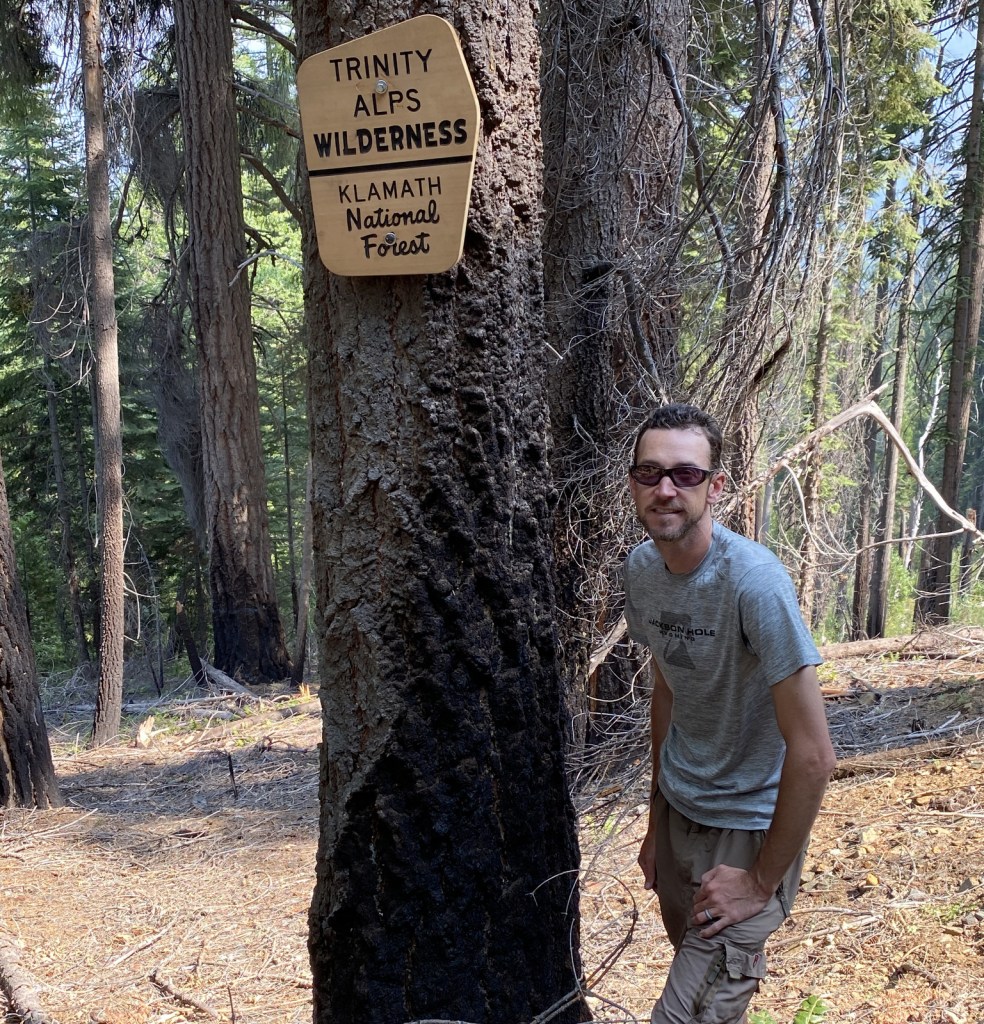
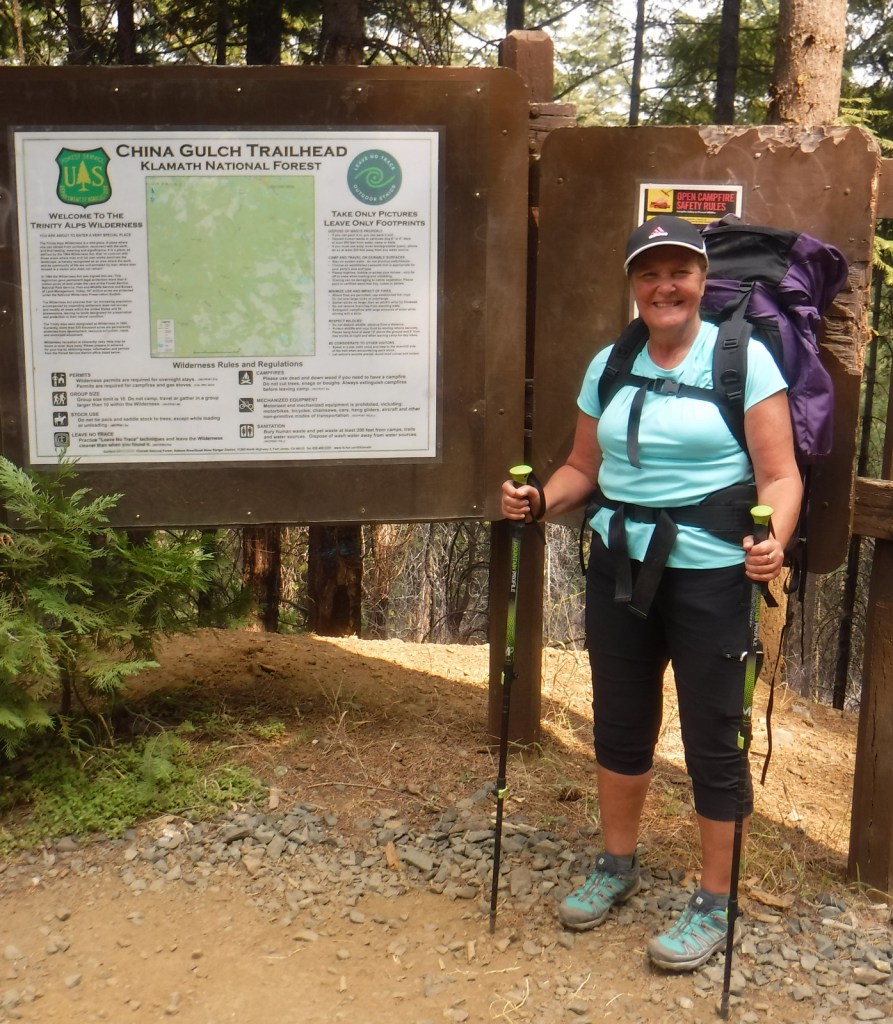
The mountainous western portion of Klamath National is home to several designated Wilderness areas that offer excellent hiking and backpacking (as well as a long stretch of the Pacific Crest National Scenic Trail). In the Siskiyou Wilderness, a quarter-mile hike leads to Kelly Lake with picnic tables at both ends and an option to continue hiking three miles to a beautiful meadow near Poker Flat. From the Shackleford Creek Trailhead, a trail follows the creek into the Marble Mountain Wilderness to Log Lake (three miles) and Campbell Lake (4.3 miles). Russian Lake in the Russian Wilderness is heavily visited, although it is a difficult 4.5-mile hike from the Deacon Lee Trailhead. Many trails enter the Trinity Alps Wilderness, such as East Boulder (see Best Hike) and Carter Meadows Summit, as well as Long Gulch and Trail Gulch (which together can be a turned into thru-hike with a two-car shuttle)
Best Trail
A popular destination for day hikers, East Boulder Lake is accessed by a 1.7-mile one-way trail that climbs 1,000 feet into the northern Trinity Alps Wilderness. Due to the number of user trails around the lake, it is difficult to navigate to the 7,100-foot pass, but continue southeast past Upper Boulder Lake and keep heading uphill to locate it. It is 1.2 miles past East Boulder Lake to the junction with the Pacific Crest National Scenic Trail that runs east-west following the summits of the Scott Mountains (in Shasta National Forest). It is possible to turn this into a loop hike by connecting with the Middle Boulder Trail and Boulder Tie Trail.
Watchable Wildlife
Elevations in Klamath National Forest range from 900 to nearly 9,000 feet supporting a variety of ecosystems, including 168,000 acres of old-growth forest. Large mammals found here include black bears, mountain lions, bobcats, coyotes, foxes, pine martens, skunks, raccoons, mule deer, and possibly gray wolves. Fishing for rainbow trout, steelhead, and salmon is a major draw to Klamath National Forest with its countless lakes and major rivers like the Klamath, Salmon, Scott, and Trinity.
Photographic Opportunity
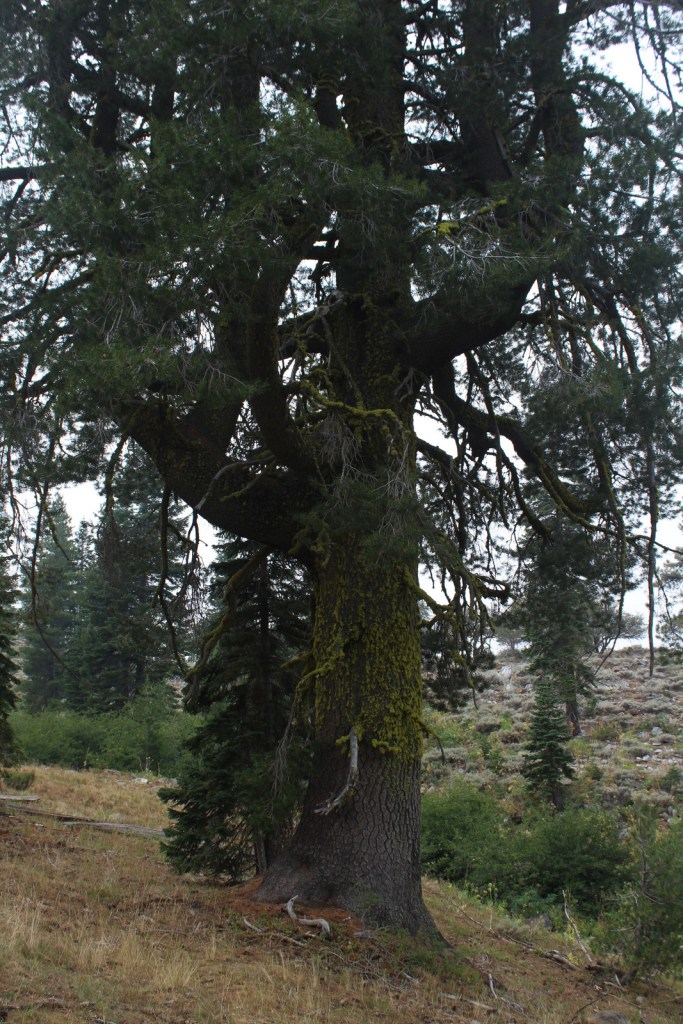
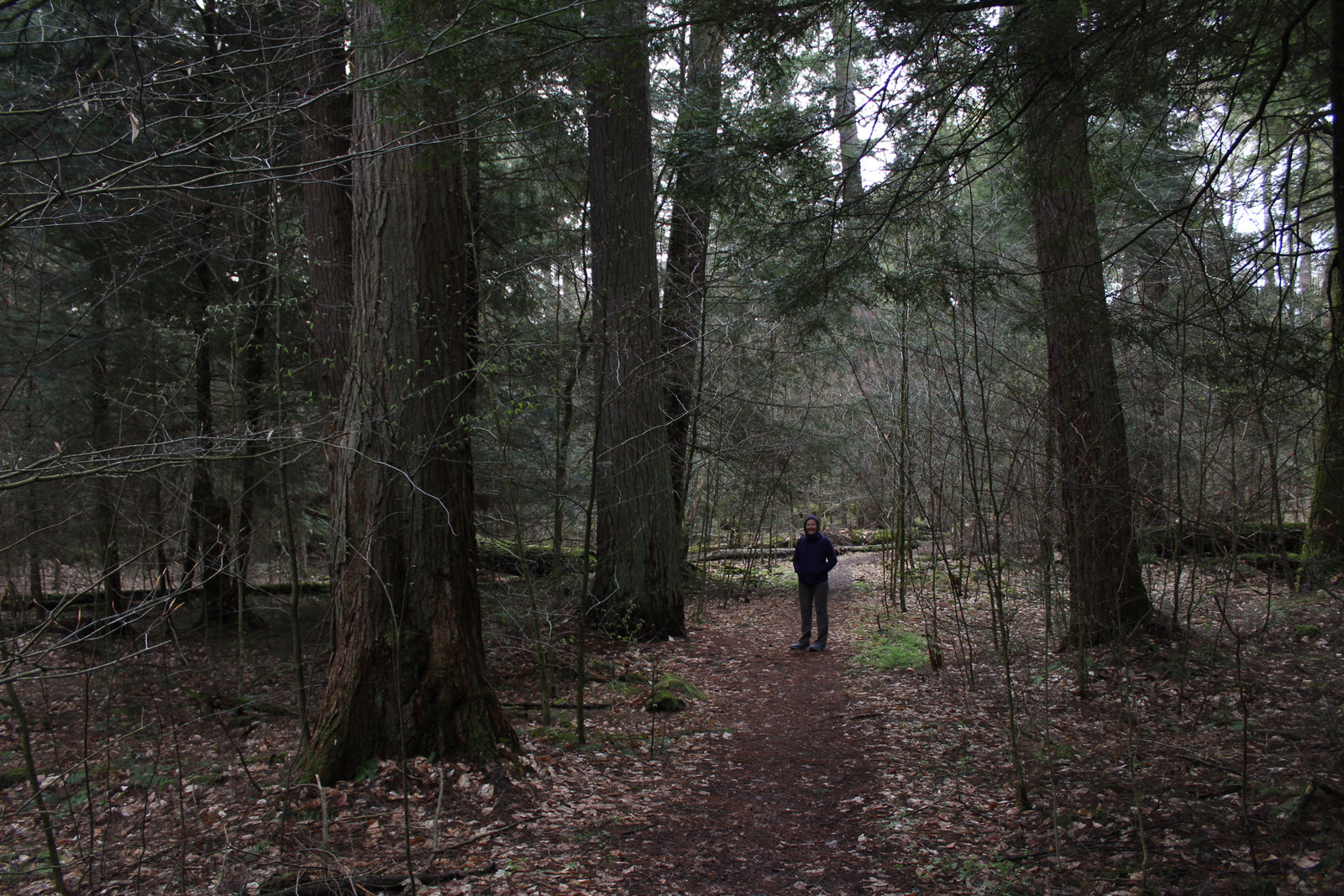
The abundant rainfall that soaks the coastal mountains of California allows conifer trees to reach impressive diameters, like this ponderosa pine we found in the Trinity Alps Wilderness.
Peak Season
Summer
Fees
A free Wilderness Entry Permit is required for overnight trips in the popular Trinity Alps Wilderness where group size is limited to ten people.
Road Conditions
Twisty but paved State Route 96 traverses the western part of the National Forest providing access to the Klamath River, trailheads for the Wilderness areas, and campgrounds. East Boulder Trailhead is located 7.8 miles from the town of Callahan, which is in a remote part of California north of Clair Engle Lake. A high-clearance vehicle may help, but is not required for the unpaved final part of the drive. In the remote eastern portion of the National Forest, a scenic back road travels six miles from Laird’s Camp over Gold Digger Pass near Lava Beds National Monument.
Camping
There are several campgrounds located along paved State Route 96, including Tree of Heaven, Totten, Rocky Bar, and Sulphur Springs (where Elk Creek Trail is a shady two-mile hike to a picnic area by the creek). In the National Forest’s eastern portion, Juanita Lake Campground has a 1.5 mile paved, barrier-free trail that circles the lake.
Wilderness Areas
Marble Mountain Wilderness
Red Buttes Wilderness
Russian Wilderness
Siskiyou Wilderness (also in Six Rivers National Forest)
Trinity Alps Wilderness (also in Shasta, Six Rivers, and Trinity National Forests)
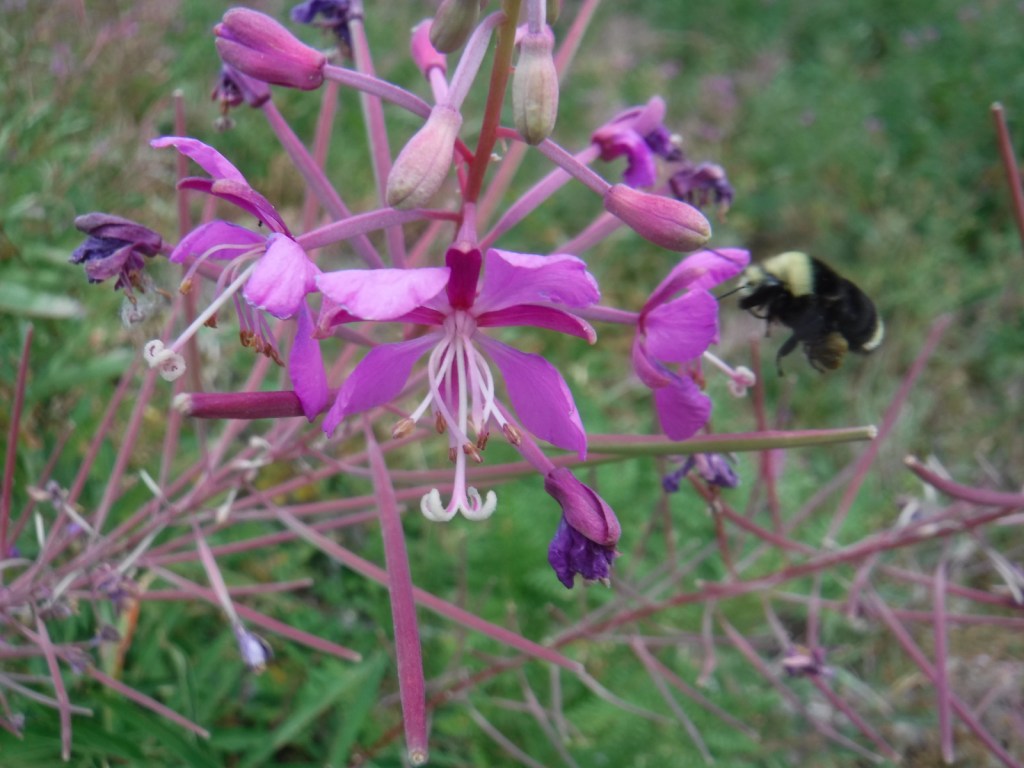
Scott’s mother climbing over the East Boulder Lake damScott’s mother at Boulder LakeBlack-tailed deerIncense-cedarSugar pineFireweedFireweedScott’s mother ready for backpacking
Explore More – How many species of conifers (or Gymnosperms) have been recorded in the Russian Wilderness, possibly the most biodiverse spot for these plants in California, if not the world?
Learn more about this and the 154 other National Forests in our new guidebook Out in the Woods
We are a participant in the Amazon Services LLC Associates Program, an affiliate advertising program designed to provide a means for us to earn fees by linking to Amazon.com and affiliated sites.
Best time of year: Summer for the state fair and access to the northern lakes
We recently published our guidebook 50 States of Great: Road Trip Guide to America, so we decided to start a new type of blog post where we create a travel itinerary for all 50 states, in addition to our usual National Forest and National Park entries. After starting with Kansas, Georgia, Idaho, and Rhode Island, we decided to do a state that is part Midwest and part North Woods. We made an ambitious seven-day plan starting in the southern Minnesota, with plenty of options to extend the trip.
Located in the small town of Austin, this free museum is full of interactive exhibits and photo opportunities, but the best part is that it does not take itself too seriously. Even if you do not like to eat the canned “spiced ham” product, you will come to appreciate its significance to World War II history and pop culture, as well as its amazing gift shop with more branded products than you can imagine.
Niagara Cave is a privately-owned show cave named for its 60-foot-tall underground waterfall that is only viewable on guided tours. Not far away, Forestville/Mystery Cave State Park contains the state’s longest cave (47 degrees year round) which also offers guided tours.
If you come into the state from the southwest corner, consider a stop at a spot that people have come for 2,000 years to mine the red quartzite rock (also known as catlinite). The soft sedimentary stone is relatively easy to carve into smoking pipes and effigies. April through October, you can watch American Indian carvers at the National Park Service (NPS) museum demonstrate how to sculpt this soft yet durable stone into hollow pipes and other beautiful ornaments, some of which you can buy in the gift shop.
Fans of the author’s “Little House” series of books will want to see a replica of the Ingalls’ home in Walnut Grove and some of the family’s historic heirlooms.
Indoor shopping malls are still thriving in the Twin Cities (Minneapolis-St. Paul) metropolitan area, perhaps due to the cold and snowy winter weather. The most famous is the Mall of America with its indoor amusement park and 520 stores, making it the largest mall in the western hemisphere (and eleventh largest in the world).
This park follows 72 miles of the great river’s course through Minnesota, from busy metropolitan sections in the Twin Cities to secluded stretches of water where it reaches its confluence with the Saint Croix National Scenic Riverway. In downtown Minneapolis, Minnehaha Regional Park contains its namesake falls celebrated in Henry Wadsworth Longfellow’s Song of Hiawatha. Nearby, St. Anthony Falls is the only true waterfall along the entire length of the Mississippi River, now controlled by a lock and dam.
Optional stop at University of Minnesota Golden Gophers’ football game
We saw wild turkeys wandering around this beautiful campus that sits on a bluff east of the Mississippi River. Nobody seems to be exactly sure what a golden gopher is (possibly a thirteen-lined ground squirrel), but their mascot Goldie is the cutest in all of college football. Huntington Bank Stadium has one of the best pregame areas with plenty of photo ops and a pep rally held outside the hockey arena, plus we got free Culver’s custard, a clear bag giveaway, and Mystic Lake casino provided free towels and “spinny video thing.” The football team typically schedules their home opener on the Thursday before Labor Day during the Minnesota State Fair.
You will need all day to visit America’s best state fair that is held annually the 12 days before Labor Day, welcoming more than two-million visitors annually. The fair has the standard carnival rides, butter sculptures, farm animals, and artwork, as well as stages where musicians, comedians, and magicians perform throughout the day. Some of the unique food offerings include hotdish-on-a-stick, poutine, fried cheese curds, pronto pup, fried pickles, pork chop-on-a-stick, and fried buckeyes (chocolate and peanut butter candy). Since it started in 1979, Sweet Martha’s Cookie Jar has been overfilling buckets of fresh-baked chocolate chip cookies for customers, making up to 200,000 cookies an hour. To wash all that down, you might want to visit one of the stands offering all-you-can-drink milk.
If you are still hungry after the Minnesota State Fair then you probably didn’t do it right, but we will make one of our rare restaurant recommendations for this unique spot in downtown Minneapolis with interesting décor and really good food (try the poutine or walleye bites).
Day 4
Paul Bunyan Expressway
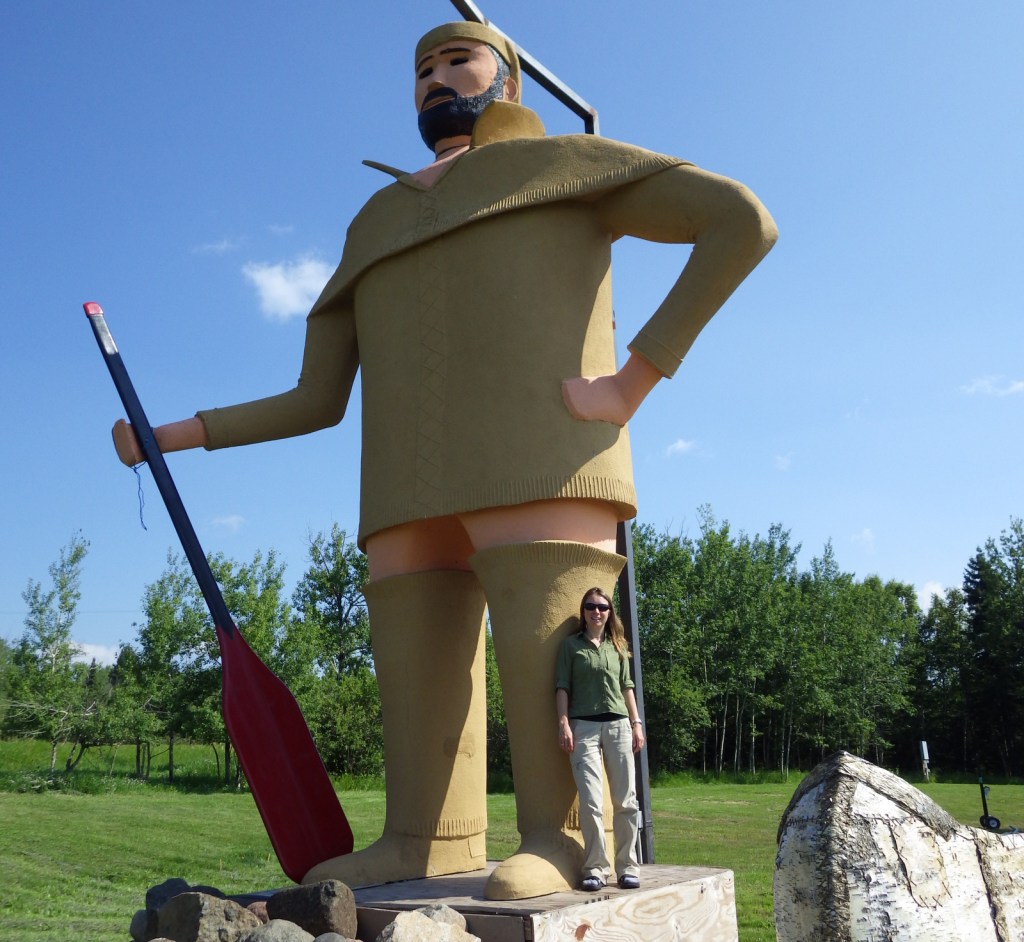
The legendary giant lumberjack Paul Bunyan is a big deal in Minnesota and he has statues honoring him in many towns along the Paul Bunyan Expressway. The 18-foot-tall statues in Bemidji were originally built in 1937 to honor these larger-than-life heroes and continue to be an essential roadside attraction. In Brainerd, Paul Bunyan Land is an entire amusement park built around a 26-foot-tall talking statue of Paul and 19-foot Babe, the latter refurbished after it blew over in a 2006 windstorm.
The Lost 40 is 144 acres of old-growth red and white pine forest that was never logged due to a surveying error that mapped the area as part of Coddington Lake in 1882. The oldest tree here is more than 250 years old and can be seen on an easy one-mile loop trail with interpretive signs. The trailhead is located east of Blackduck on well-signed back roads that are also popular for snowshoeing in the winter. Nearby, Camp Rabideau is perhaps the best preserved Civilian Conservation Corps (CCC) camp left from the 1930s, with free guided tours in the summer.
Lake Itasca is considered the headwaters of the Mississippi River and is located just west of Highway 71 at the beginning of the 2,069-mile-long Great River Road that goes all the way to Louisiana.
Day 5
Roadside Sculptures
Driving north on Highway 71, there is seemingly another great roadside attraction located every few miles. We saw the statues of Uncle Dan Campbell in Big Falls, Jack Pine Savage in Littlefork, the world’s largest crow in Belgrade, and a giant black duck in the town of Blackduck. Right outside Voyageurs National Park, which surrounds Lake Kabetogama, was our favorite—a giant walleye with a saddle for riding. If Kabetogama seems like a mouthful, rest assured that everyone, including park rangers, simply calls it “Lake Kab.”
The park is famous for its manmade destinations, including Kettle Falls Hotel, Hoist Bay Resort, and the unique sculptures at Ellsworth Rock Gardens. Try to get out on one of Minnesota’s 10,000 lakes via a ranger-led tour or take your own boat to one of the shoreline campsites inaccessible by car (permit required). Reservations can be made for the ranger-guided North Canoe Voyage that lets passengers paddle a 26-foot canoe, just like the French-Canadian “voyageurs” of old.
Day 6
Kawishiwi Falls in Ely
The little town of Ely is the gateway to the Boundary Waters Canoe Area Wilderness (see below), but even if you are just passing through be sure to make the short hike to Kawishiwi Falls below the dam on Garden Lake.
Gray wolves (called timber wolves regionally) reside in the North Woods and while a few lucky travelers might hear them howling, your best bet to see one is at the Wolf Center. It also has a section dedicated to Sigurd Olson, a talented local author and naturalist.
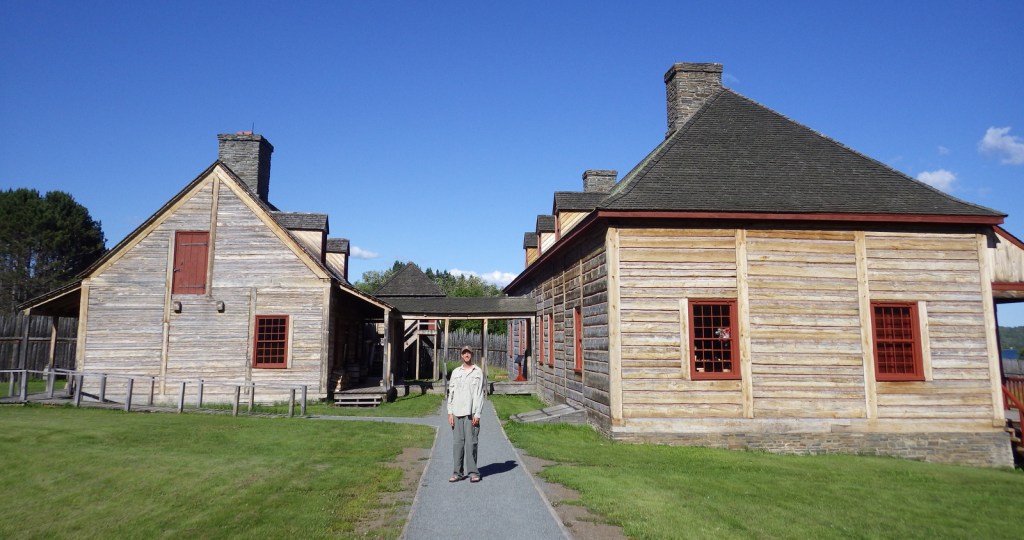
French-Canadian voyageurs had to walk their canoes and goods along an eight-mile-long portage to bypass the rapids on the Pigeon River. In 1784, the end of the trail on the edge of Lake Superior became the site of the North West Company headquarters where they held an annual rendezvous, where today visitors can walk around the reconstructed buildings and talk with the costumed reenactors during the summer.
Optional stop at Two Harbors
North of Duluth, the North Shore Scenic Drive passes through the town of Two Harbors where there is a giant rooster at Weldon’s Gifts and a huge statue of Pierre the Voyageur outside the Earthwood Inn. If you press the speaker button at the statue’s base, Pierre will tell you all about the history of the region, but he never explains why he is not wearing any pants.
In addition to encompassing the state’s highest mountain, Superior National Forest also offers scenic drives on the Gunflint Trail (County Road 12), Fernberg Road (State Route 169), and Echo Trail (County Road 116). Vermilion Gorge Trail is an easy 1.5-mile one-way hike to a narrow canyon cut through Canadian Shield rock in the small community of Crane Lake (on the east side of Voyageurs National Park). Not far away down a dirt road, a short trail leads to Vermilion Falls where the same river cuts a narrow channel through the rock.
Permits for the peak season can be hard to come by for the world’s premiere destination for backcountry canoeing, so plan ahead. This one-million-acre preserve has more than 1,000 lakes with over 1,500 miles of canoe routes and 2,200 designated backcountry campsites. In addition to its famous water routes with numerous portages, a few overland trails exist like the 12-mile Angleworm Trail and the 39-mile Kekekebic Trail, an official part of the North Country National Scenic Trail.
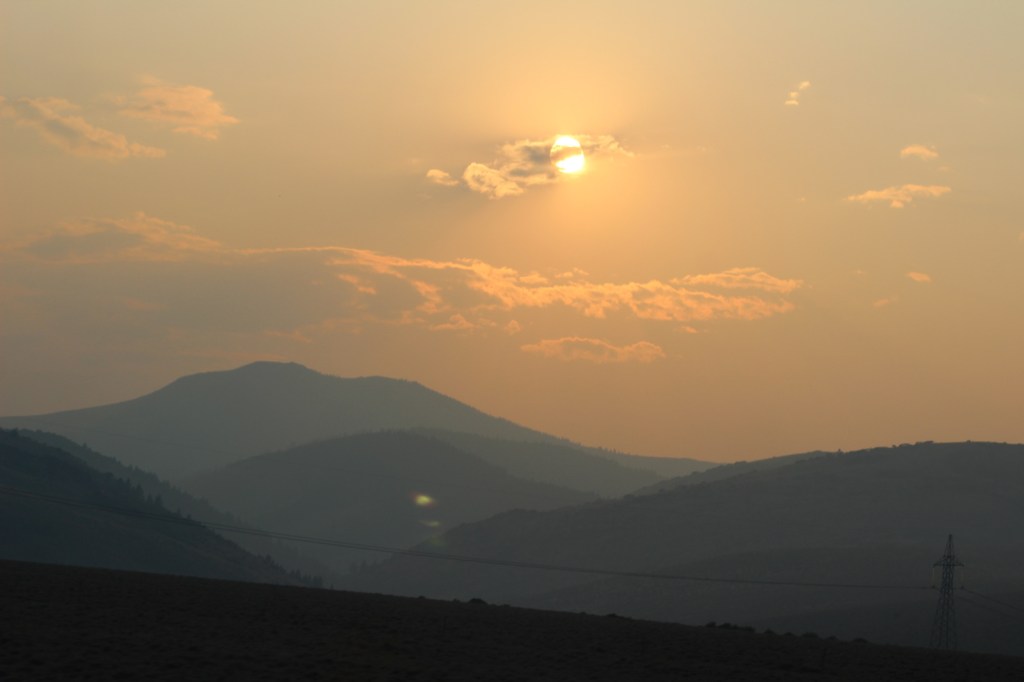
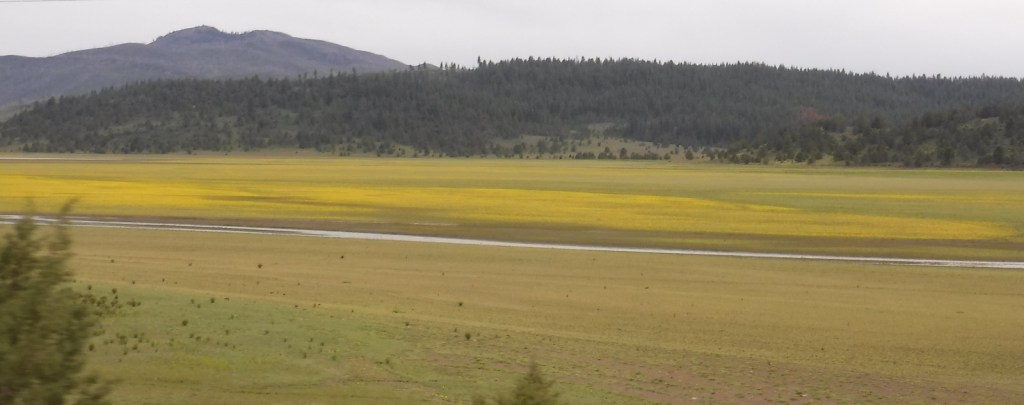
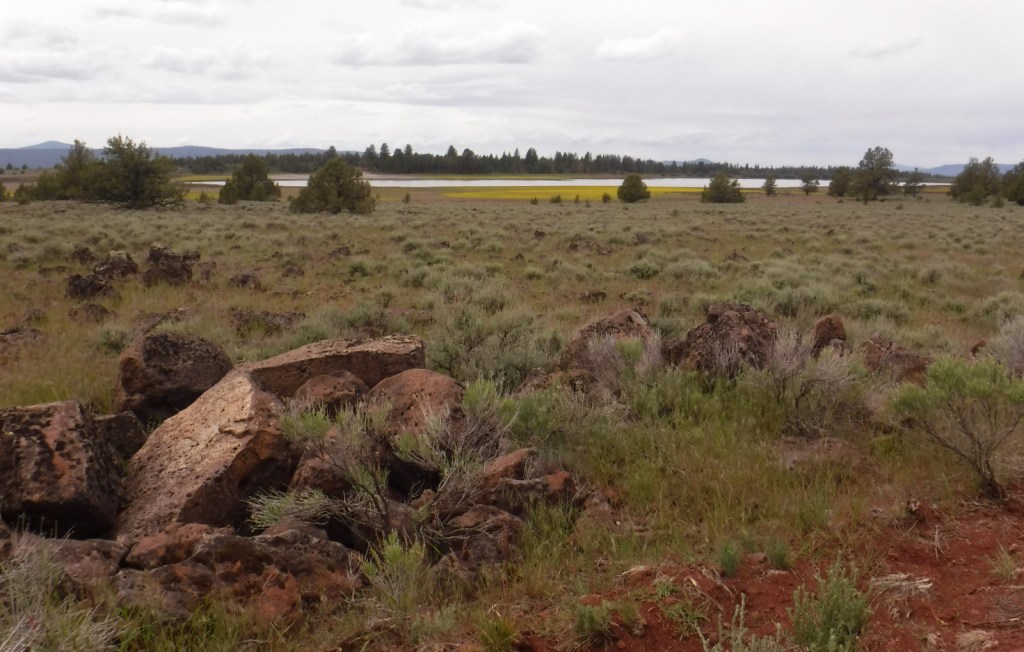
In central Oregon, the sagebrush-dominated high desert is also known as the Oregon Outback because of its rural resemblance to the arid Australian bush. Fremont National Forest encompasses the wooded mountains that rise to the west above Lake Abert and Summer Lake in the Warner Valley, an important wetland area for wildlife. In addition, a separate section located to the southeast covers the Warner Mountains and Abert Rim. The cliffs of Hadley Butte are popular with hang gliders. The Mitchell Monument honors the six American civilians who lost their lives during World War II when a Japanese balloon bomb exploded after traveling 6,000 miles.
Highlights
Oregon Outback Scenic Byway, Goodlow Mountain Natural Area, Drake Peak Lookout, North Warner Viewpoint, Abert Rim, Heart Lake, North Fork of Sprague National Wild and Scenic River, Mitchell Monument, Cottonwood Lake, Crane Mountain National Recreation Trail, Fremont National Recreation Trail, Gearhart Mountain Trail
Must-Do Activity
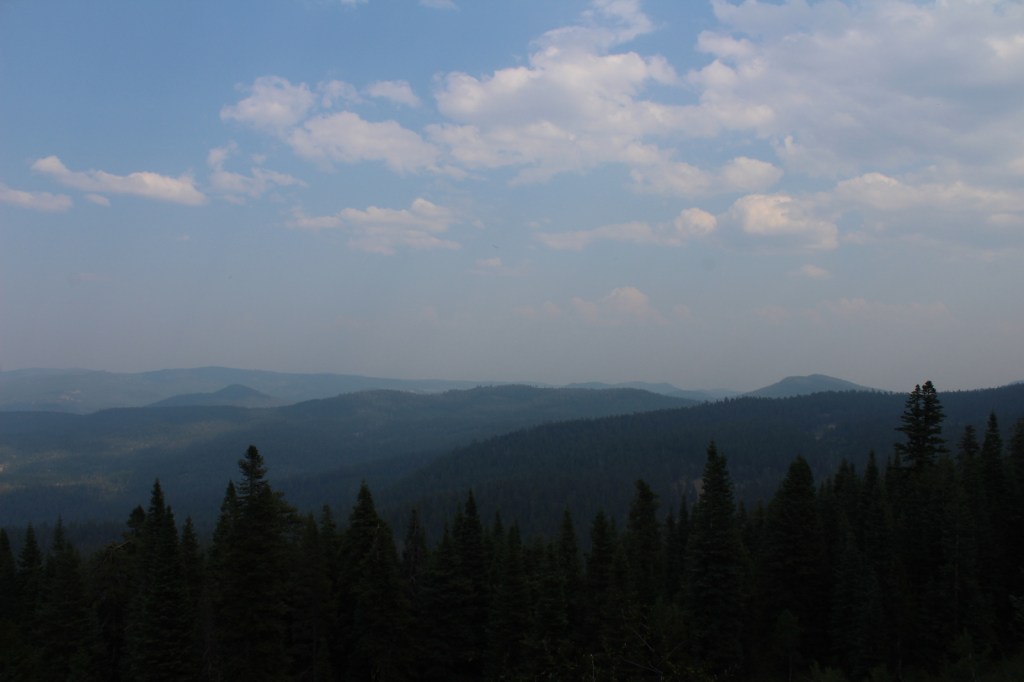
While it is not an official trail, the 4.6-mile out-and-back hike to Coleman Rim does have a good payoff with views of the Chewaucan River Valley. It is reached by driving nine miles up paved Forest Road 3360 from Highway 140, then turning right for two miles on gravel Forest Road 024 to Shepard Camp Creek. From there, you start hiking north to the head of Shepard Camp Meadow, while watching for black-tailed deer, sandhill cranes, and the numerous cattle that frequent this area. At that point, the route starts to gain elevation as it turns east through a forest of ponderosa pine, Sierra white fir, and western white pine trees. You will likely have to climb over a few downed trees as you navigate toward the rocky Coleman Rim that sits above 7,000 feet in elevation.
Best Trail
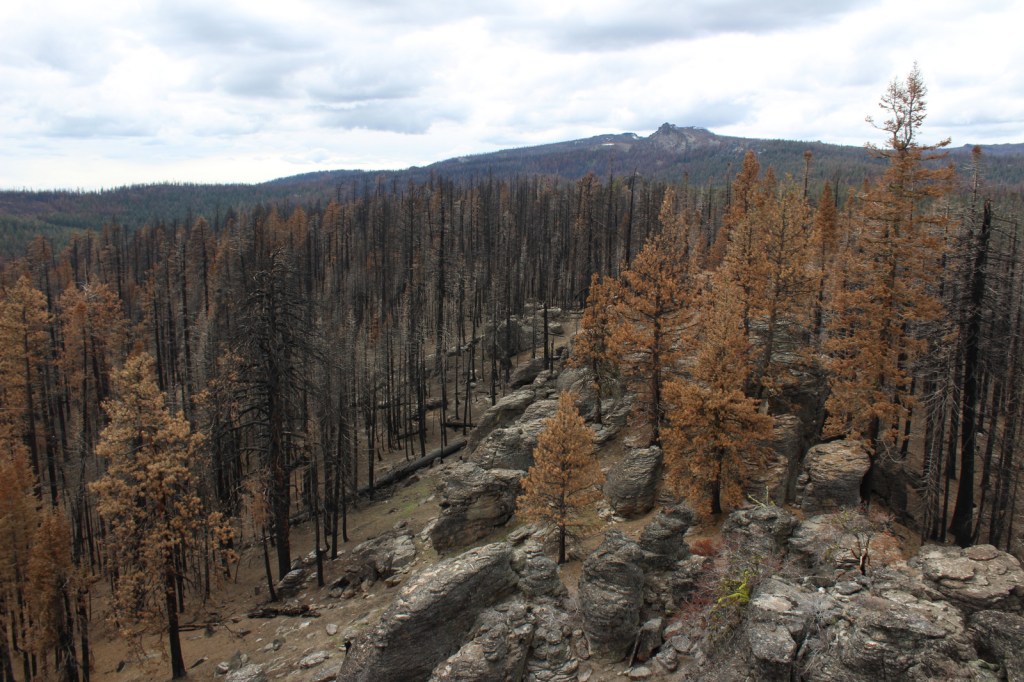
After the Bootleg Fire swept through the area between our 2020 and 2022 visits, it was amazing to see the differences around Gearhart Mountain. We drove as far up the mountain as we could to Lookout Rock Trailhead, parking at the edge of the Gearhart Mountain Wilderness, walking up the gated road to a fire lookout tower that remained unburnt on its rocky ridgetop. It was difficult to the follow the official Gearhart Mountain trail because of downed trees and the blanket of dead needles on the forest floor, but it was worth a look around to see the fire’s aftermath (please exercise caution due to the hazards of standing dead trees). The trail accesses the volcanic Palisade Rocks within one mile from the trailhead.
Watchable Wildlife
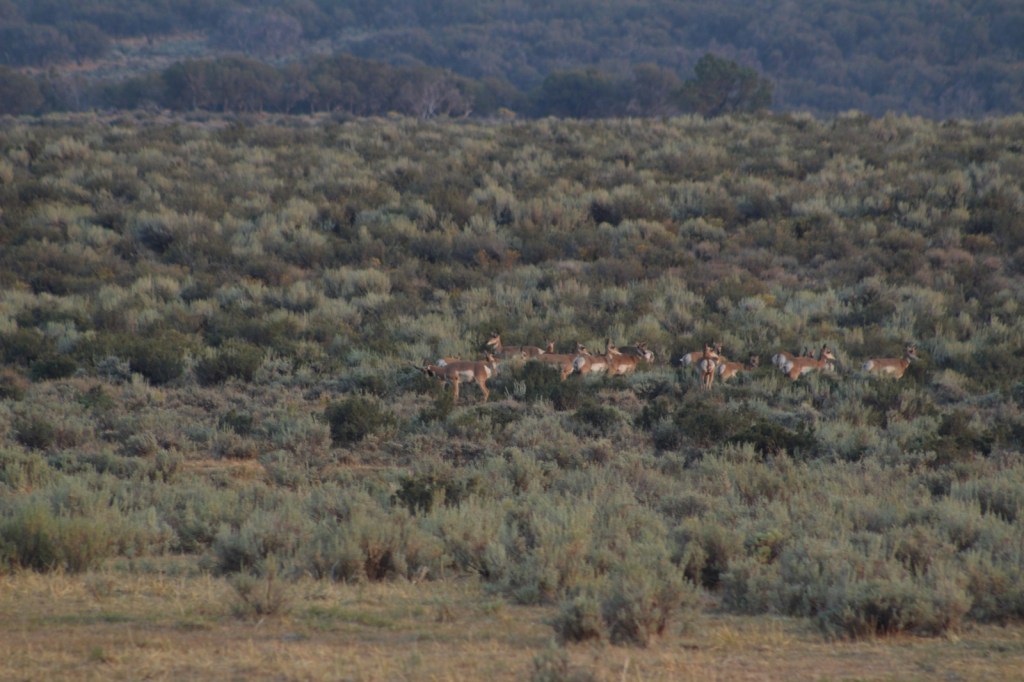
Mule deer, elk, and pronghorns are large ungulates found in Fremont National Forest, sharing habitat with carnivores like black bears, coyotes, mountain lions, and bobcats. The National Forest borders Summer Lake and several large wetlands that are important stops for migrating birds on the Pacific Flyway. Commonly seen waterfowl are Canada geese, mallards, and whistling swans, and the elusive northern spotted owl nests in old-growth forests. There are largemouth bass in the lakes, while streams support several species of trout, including the threatened bull trout.
Instagram-worthy Photo
Nearly 10,000 Fugo balloons were launched by the Japanese during World War II, but only one caused casualties, killing six American civilians when it exploded on May 5, 1945. At the Mitchell Monument, you can read their story and see a ponderosa pine tree that still contains shrapnel from the balloon bomb.
Peak Season
Summer
Fees
None
Road Conditions
Paved Highway 140 runs east-west through the heart of the National Forest, while Highway 395 splits a separate southeastern section on the California border. We found unpaved Forest Road 34 to be full of potholes, but it got better the further east we went towards the Mitchell Monument and Gearhart Mountain. Even after the 2021 fire, we found Forest Road 3660 to the Coleman Rim to be a good gravel road, while Forest Road 024 was a bit overgrown.
Camping
This is a good National Forest for dispersed camping, but we also passed Corral Creek Campground on our way up to Gearhart Mountain and Cottonwood Recreation Area offers a campground on a lake. Rentals are available in the summer for the Drake Peak Lookout, Currier Guard Station, and Bald Butte Lookout.
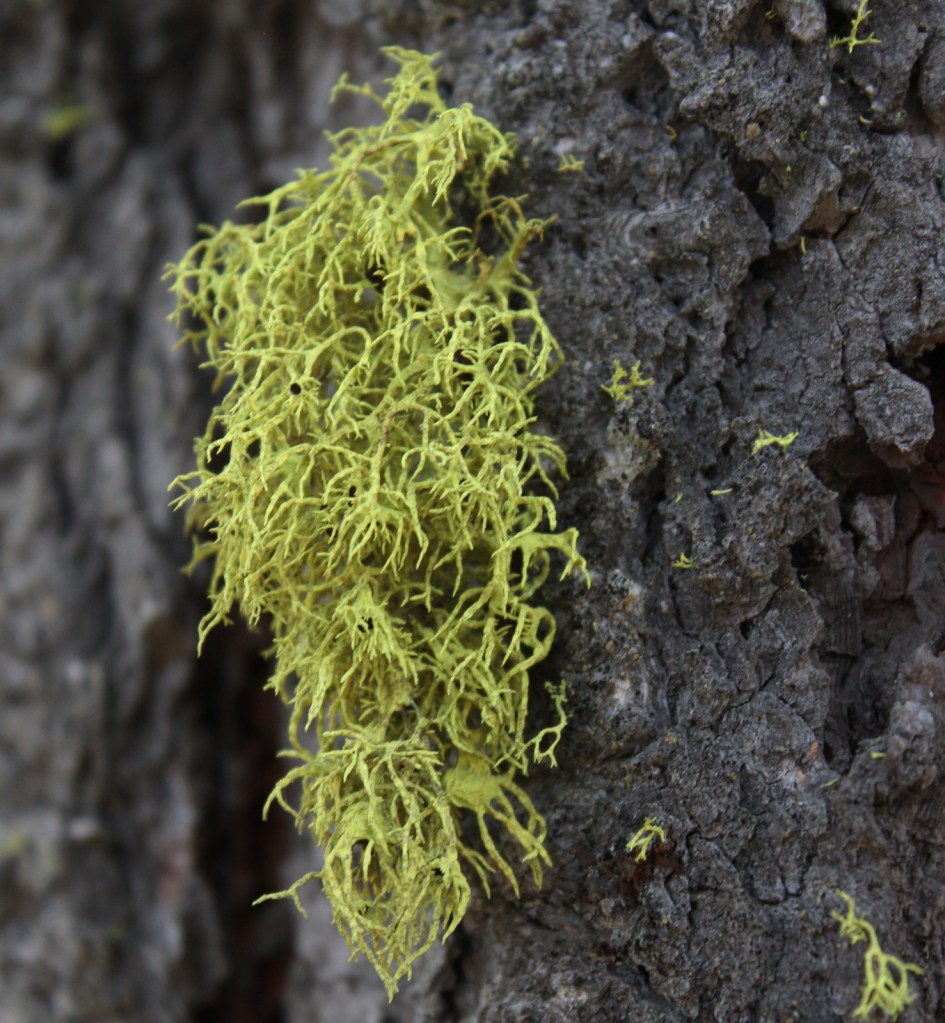
View from Coleman RimHiking to Coleman RimMule deerLichenHiking to Coleman RimView from Highway 140PronghornsMitchell MonumentLookout Rock TrailheadDamage from the 2021 Bootleg FireFire tower survived the 2021 Bootleg FireBurnt spruce conesPonderosa pines
Explore More – The National Forest is named after John C. Fremont who explored this area for the U.S. Army Corps of Engineers and went on to take control of the California Republic (for which he was convicted of mutiny and later pardoned), serve as a U.S. Senator, run twice for President, and then resign while Governor of what U.S. territory?
Learn more about this and the 154 other National Forests in our new guidebook Out in the Woods
We are a participant in the Amazon Services LLC Associates Program, an affiliate advertising program designed to provide a means for us to earn fees by linking to Amazon.com and affiliated sites.
The only National Forest in Pennsylvania was created in 1923 utilizing the federal government’s ability to purchase land under the Weeks Act of 1911. However, they could not afford the subsurface or mineral rights, which has created issues in this oil-producing area. Before it became Allegheny National Forest, most of the hillsides were clearcut to feed the area’s wood chemical plants, allowing black cherry and early successional species to dominate the second growth forests. The National Forest contains two Wild and Scenic Rivers: the Clarion River (51.7 miles) and Allegheny River (87 miles in three separate sections).
Highlights
Allegheny National Recreation Area, Hearts Content Scenic Area, Willow Bay Recreation Area, Old Powerhouse, Timberdoodle Flats Interpretive Trail, Minister Creek, Buzzard Swamp Hiking Area, Clarion Wild and Scenic River, Allegheny Wild and Scenic River, Buckaloons Recreation Area, Hall Barn Wildlife Viewing Area, North Country National Scenic Trail
Must-Do Activity
A good place to start exploring Allegheny National Forest is by driving the Longhouse Scenic Byway, a 36-mile loop, which includes views of the Allegheny Reservoir and Kinzua Dam, plus a side trip up to Jakes Rocks Overlook. We drove in from the east and found the easy walks on the Timberdoodle Flats Wildlife Interpretive Trail to be a good introduction to this region. This is one of the few places in Pennsylvania with old-growth forests, so be sure to stop at Hearts Content Scenic Area or Tionesta Scenic and Research Natural Areas.
Best Trail
Huge eastern hemlock and eastern white pine trees up to 400 years old can be found in the 20-acre Hearts Content Scenic Area. This National Natural Landmark has a picnic area constructed by the Civilian Conservation Corps (CCC) and is located across from a nice campground. There are two short, flat loop trails located here, but you can also connect into 7.8 miles of cross-country skiing and snowshoeing routes. Other popular hiking destinations include Rimrock Trail and a 10-mile section of the North Country National Scenic Trail within the Tracy Ridge Hiking Trail System (see our post on Allegheny National Recreation Area for more information).
Watchable Wildlife
As hard as it is to believe given their prevalence now, low populations of white-tailed deer in the 1920s allowed this new National Forest to grow back quickly. Campers should exercise caution with their food and trash since black bears are in the area. Turkeys, bald eagles, barred owls, Canada geese, black-capped chickadees, and pileated woodpeckers are common bird species. Hall Barn Wildlife Viewing Area is known for its summer population of 1,000 roosting bats. There is also evidence of beavers on the Timberdoodle Flats Wildlife Interpretive Trail. Allegheny Reservoir has walleye, trout, bass, catfish, northern pike, and muskellunge, and small native brook trout can be found in the Farnsworth Stream and other creeks. We recently learned that the PA Firefly Festival is held in Tionesta, Pennsylvania every June because of their population of synchronous fireflies (or lightning bugs).
Instagram-worthy Photo
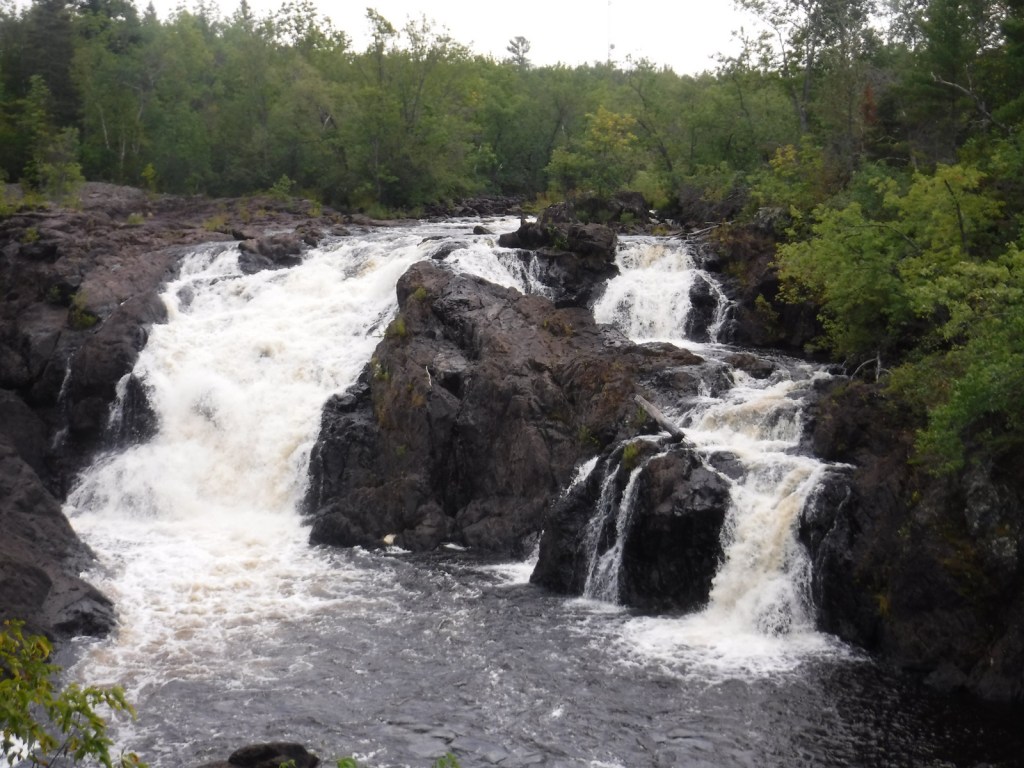
Kinzua Dam was completed in 1965 and stands 179 feet tall and 1,897 feet in length. Kinzua is a Seneca Indian word that translates as “place of many big fishes.” Watch for fish that gather in eddies at the edges of the Allegheny Reservoir near the dam, but remember that fishing and feeding the fish is prohibited at this spot.
Peak Season
Summer
Fees
There is an entrance fee at both Willow Bay and Buckaloons Recreation Areas, but it is half price with an America the Beautiful pass.
Road Conditions
All roads are paved to Willow Bay Recreation Area and Hearts Content Scenic Area, which are popular with RV campers.
Camping
Allegheny National Forest contains 15 campgrounds with more than 1,000 sites, and Willow Bay Recreation Area also has cabins for rent. We enjoyed our stay at Heart’s Content Campground, but found Buckaloons Campground to be too crowded. Allegheny Islands Wilderness has seven islands that can be used for boat-in dispersed camping.
sugar maple, black maple, red maple, striped maple, silver maple, mountain maple, yellow birch, sweet birch, black walnut, bitternut hickory, shagbark hickory, sycamore, American beech, white ash, tulip-poplar, green ash, cucumber magnolia, quaking aspen, bigtooth aspen, black cherry, pin cherry, choke cherry, northern red oak, basswood, American elm, slippery elm
Explore More – Timberdoodle is a local nickname for which native bird species that nests in this forest?