Tag Archives: history

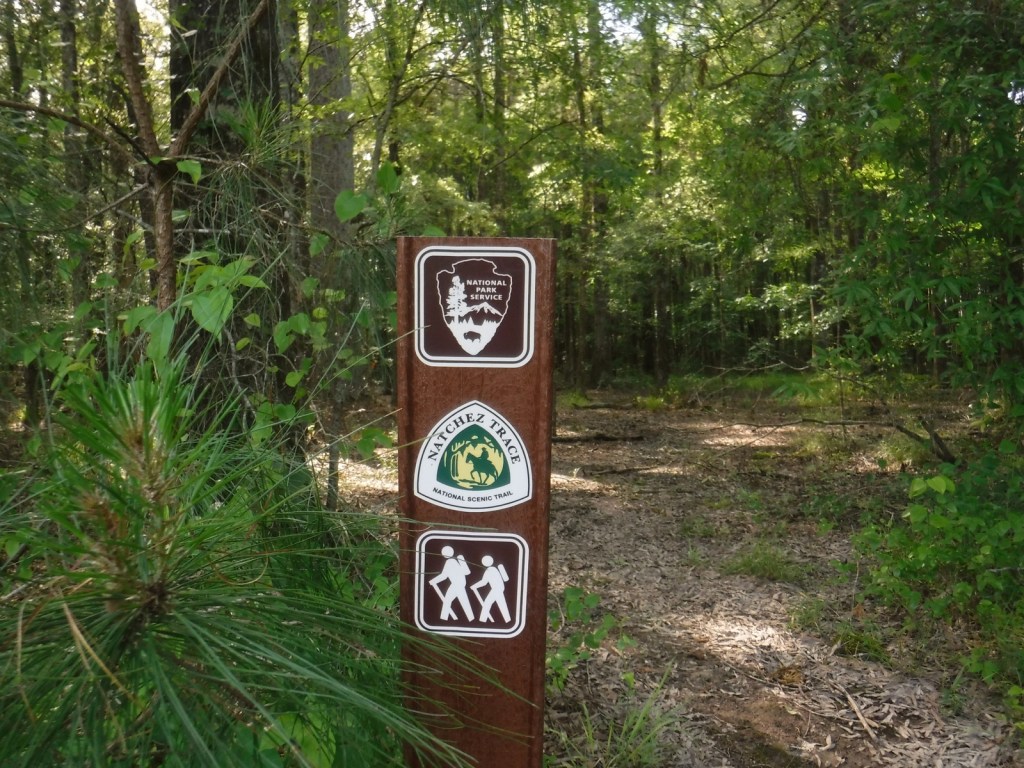
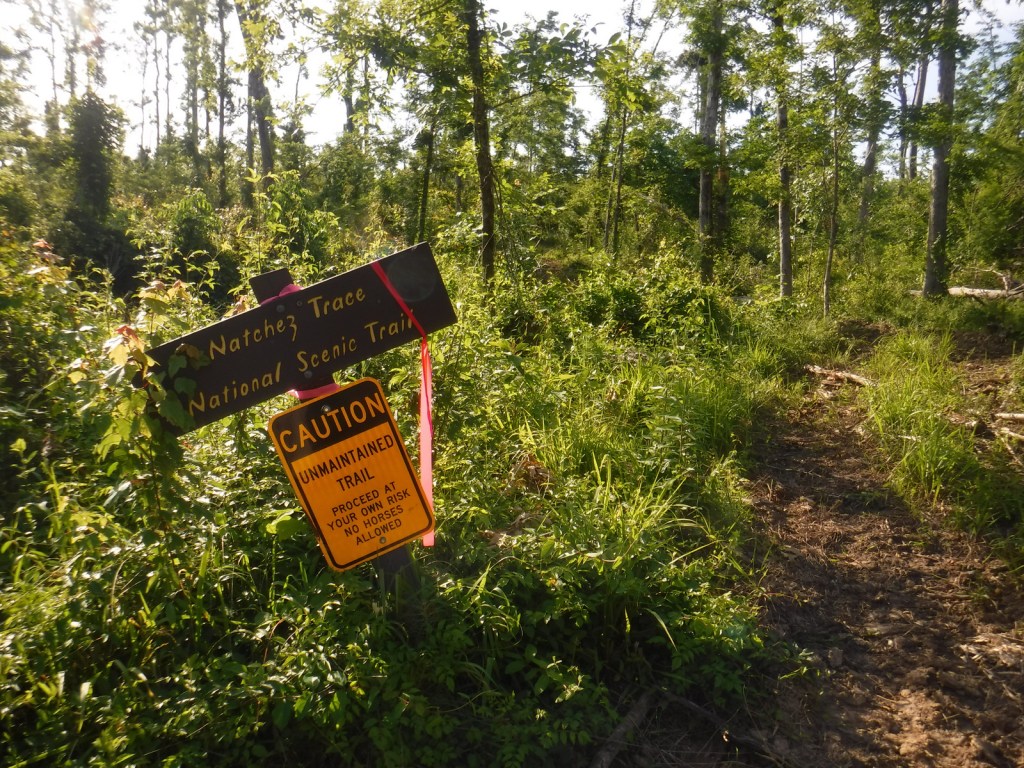
Natchez Trace National Scenic Trail

Natchez Trace National Scenic Trail

Mississippi-Alabama-Tennessee

Managed by National Park Service

Established 1983

67 miles

Website: nps.gov/natt

Overview

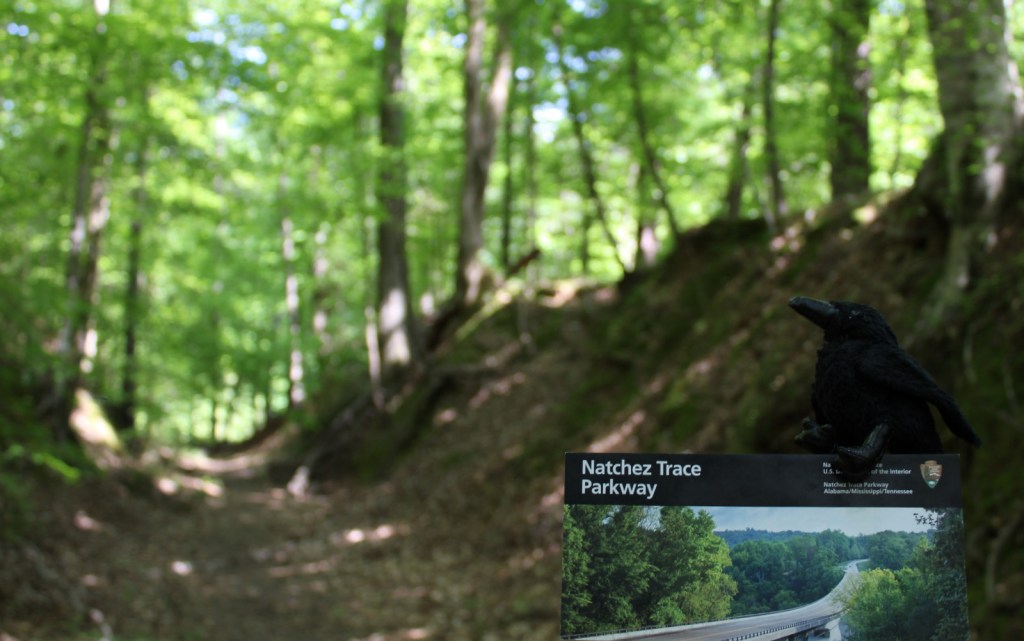
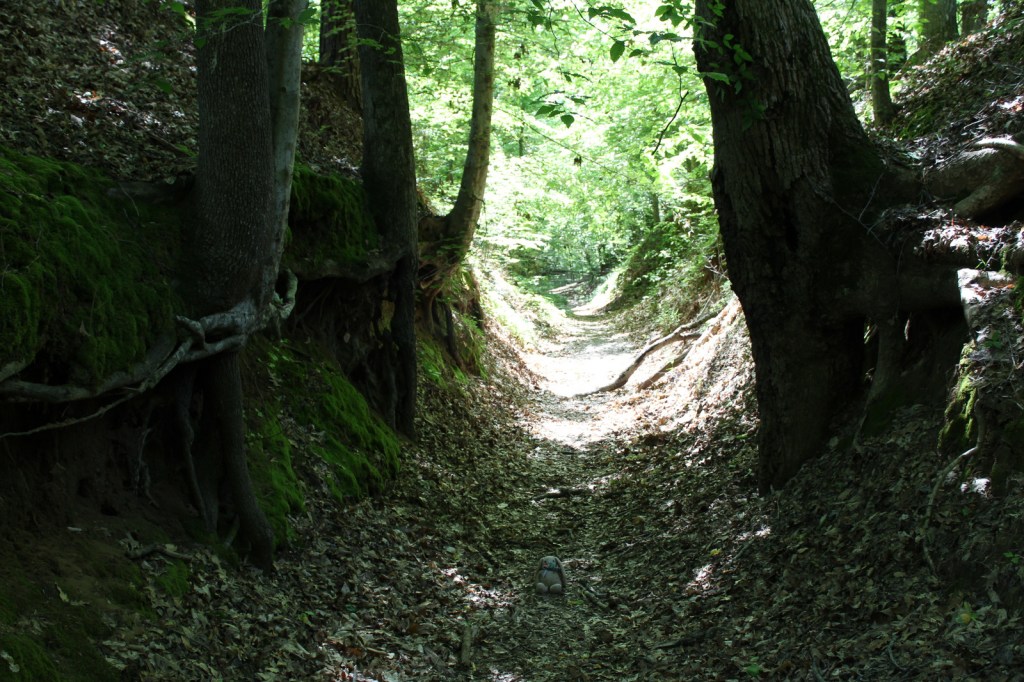
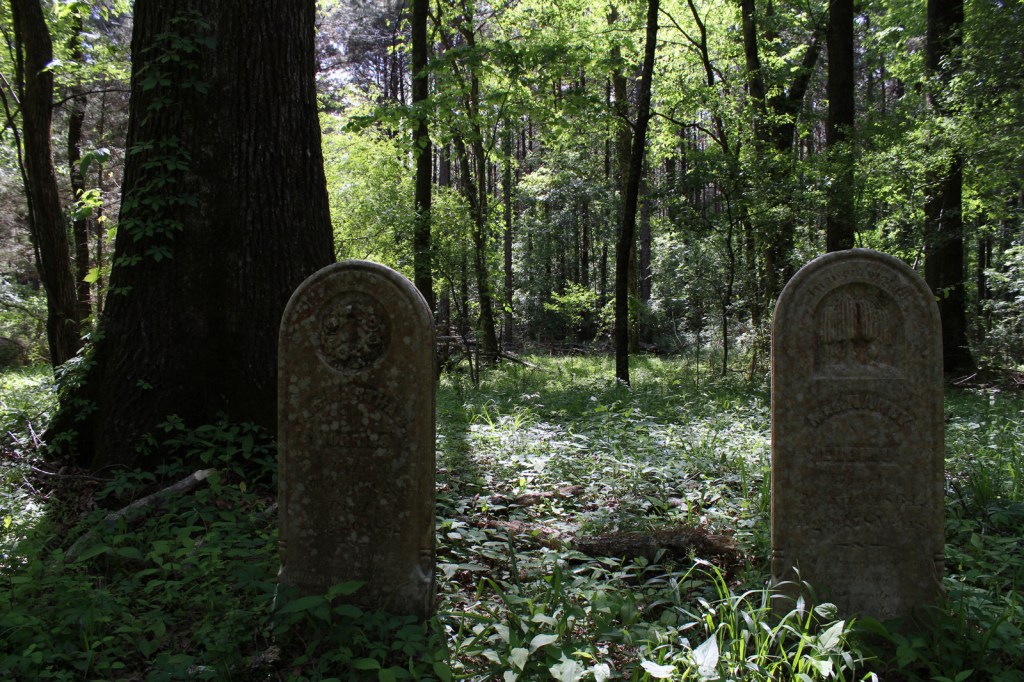
Not as well-known as the Natchez Trace Parkway it parallels, Natchez Trace National Scenic Trail is one of only six National Scenic Trails officially managed by the National Park Service (NPS).  The trace (or trail) started as an American Indian footpath.  Some of the mound builder sites protected here were inhabited when Hernando de Soto led the first Europeans into this area in 1540.  The Natchez Trace was heavily used in the 1800s by “Kaintuck” flatboatmen returning from New Orleans who left the Mississippi River from Natchez, Mississippi and continued on foot north to Nashville, Tennessee.  Today you can follow portions of the “sunken” trail worn down by travelers for centuries.

Highlights

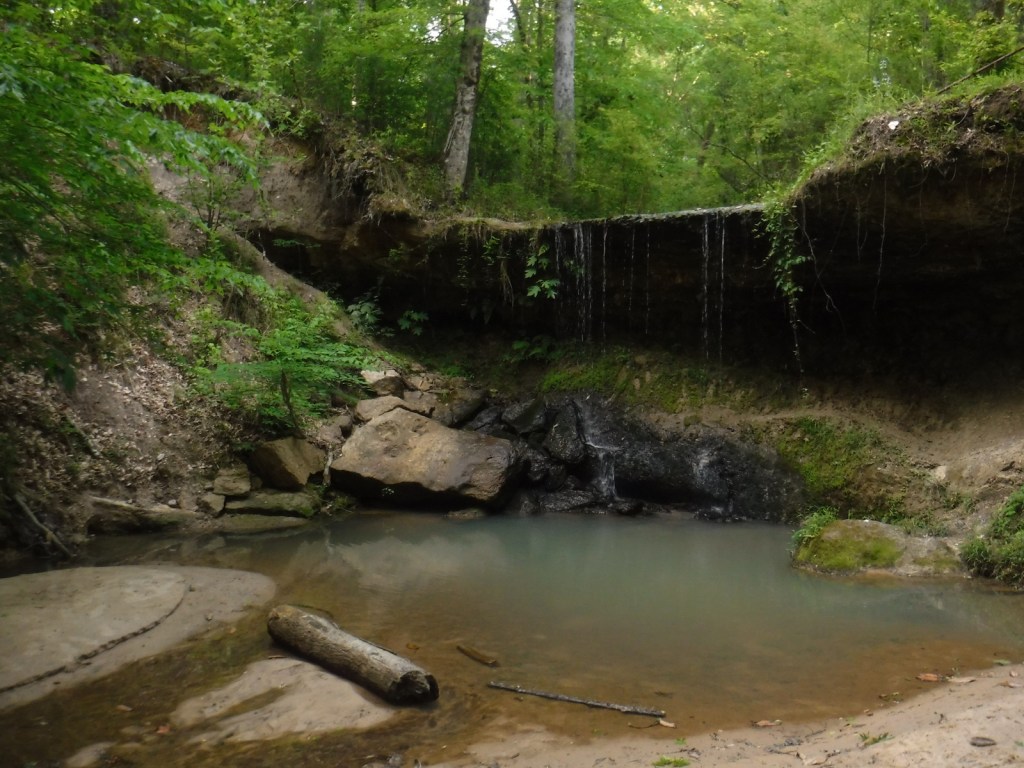
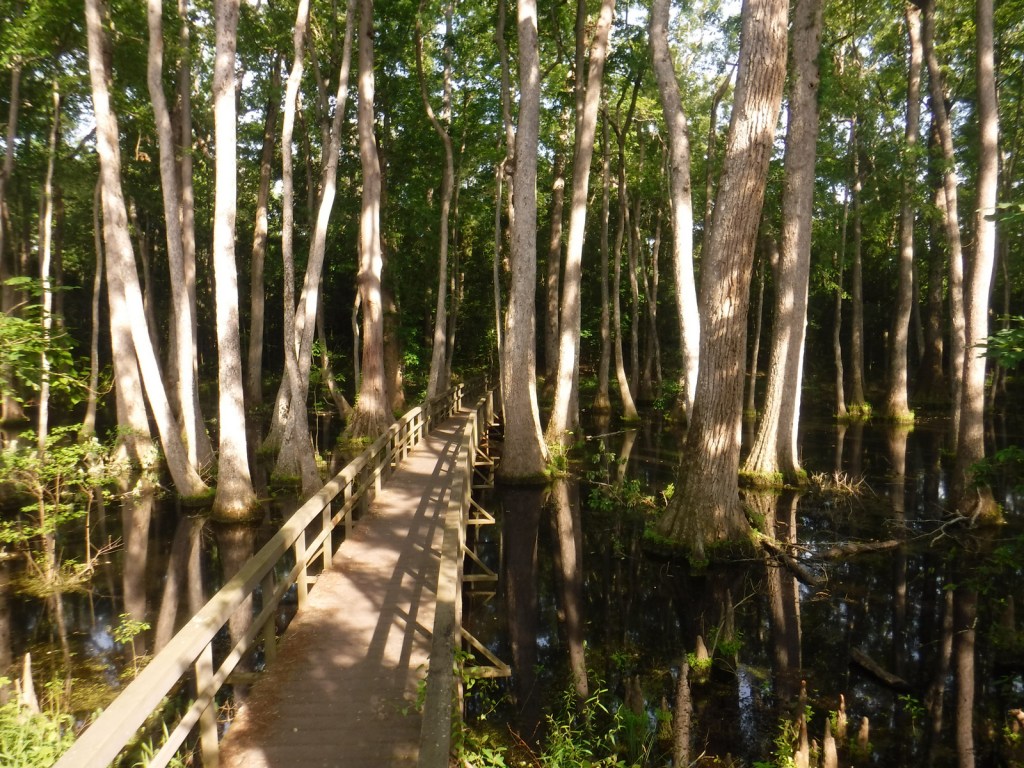
Rocky Springs, Owens Creek Waterfall, Tupelo-Baldcypress Swamp, Grindstone Ford, Witch Dance Horse Trail, War of 1812 Memorial

Must-Do Activity

The Natchez Trace National Scenic Trail does not follow the entire 444-mile parkway, but exists in five segments totaling 67 miles in length.  The two longest sections are near Leipers Fork, Tennessee (Miles 408-427) and north of Jackson, Mississippi (Miles 108-130).  There are many other places to go hiking along the Natchez Trace Parkway, including one of our favorite spots, Tishomingo State Park (Mile 304) in Mississippi.  Near Tupelo, the Parkway Visitor Center at Mile 266 is another must-do stop to learn the history of the trace.

Best Trail

There are eight miles of the original trail around the Rocky Springs Campground near Mile 58 in Mississippi, which provides access to Owens Creek Waterfall and a historic town site.

Instagram-worthy Photo

In early April the dogwood trees bloom along the Natchez Trace Parkway.  At Mile 275 is Dogwood Valley, which also has a short section of “sunken” historic trail.

Peak Season

Spring and fall

Hours

https://www.nps.gov/natt/planyourvisit/hours.htm

Fees

None

Road Conditions

The entire 444-mile Natchez Trace Parkway is paved from Natchez, Mississippi to Nashville, Tennessee, but not all trailheads are RV accessible.

Camping

There are three NPS campgrounds along the Natchez Trace Parkway, as well as those in sites like Mississippi’s Tishomingo State Park.  The three NPS campgrounds are free with running water, plus there are also five bike-only campsites along the route.

Related Sites

Tupelo National Battlefield (Mississippi)

Natchez National Historical Park (Mississippi)

Natchez Trace Parkway (Mississippi-Alabama-Tennessee)

Vicksburg National Military Park (Mississippi)

Nearest National Park

Hot Springs

Explore More – The Natchez Trace Parkway officially joined the NPS system in 1938, but when was construction of the road finally completed?

Fire Island National Seashore

Overview

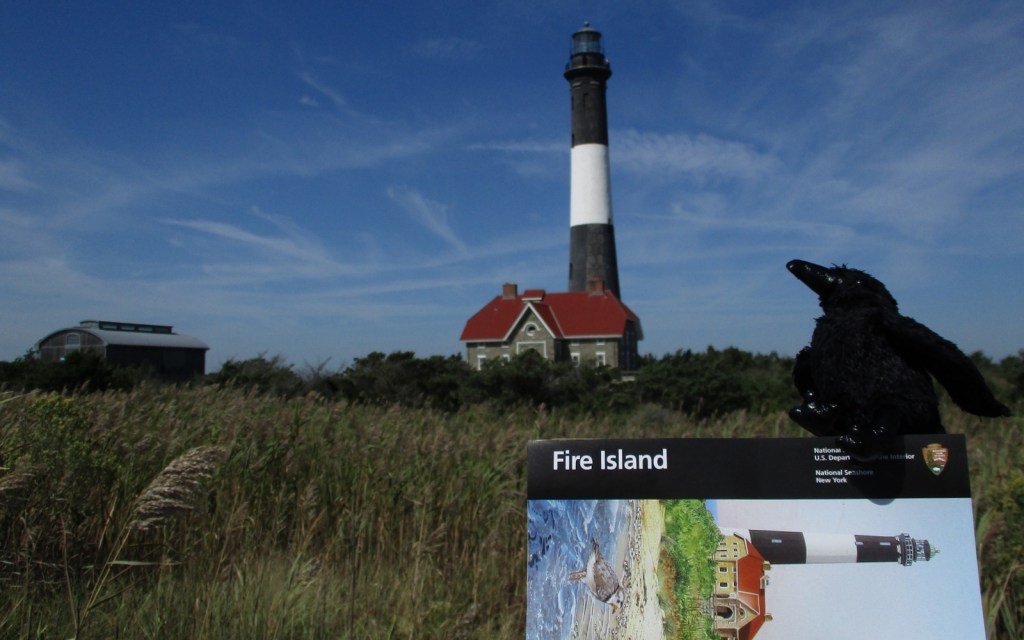
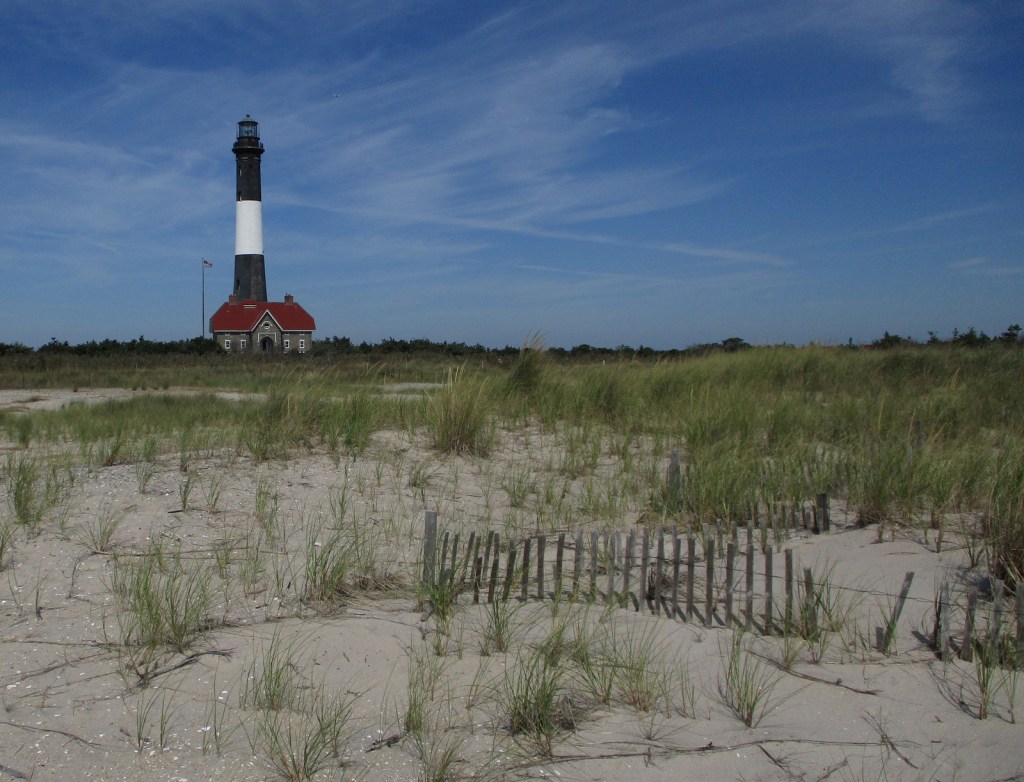
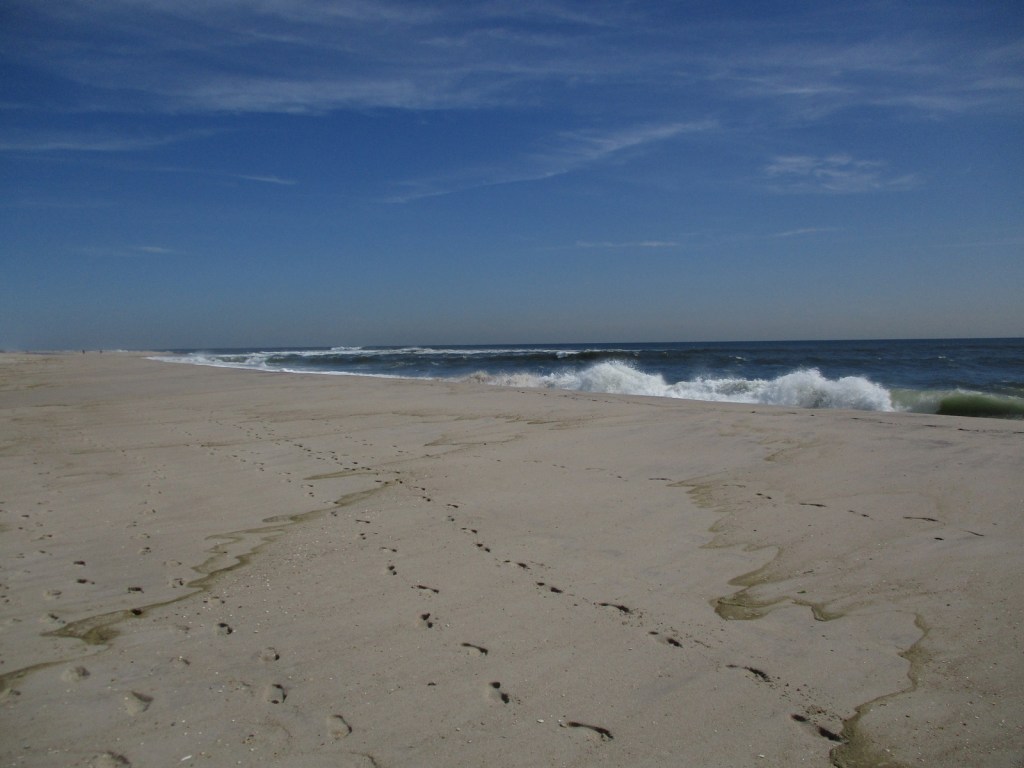
Established in 1964, Fire Island National Seashore stretches across 26 miles of the 32-mile long barrier island off the southern coast of New York’s Long Island.  It encompasses 17 communities that were present when it was created, but otherwise it is mostly roadless and wild.  Backcountry camping is allowed in the Otis Pike Wilderness (1,363 acres), the only federally designated Wilderness area in the state of New York.

Highlights

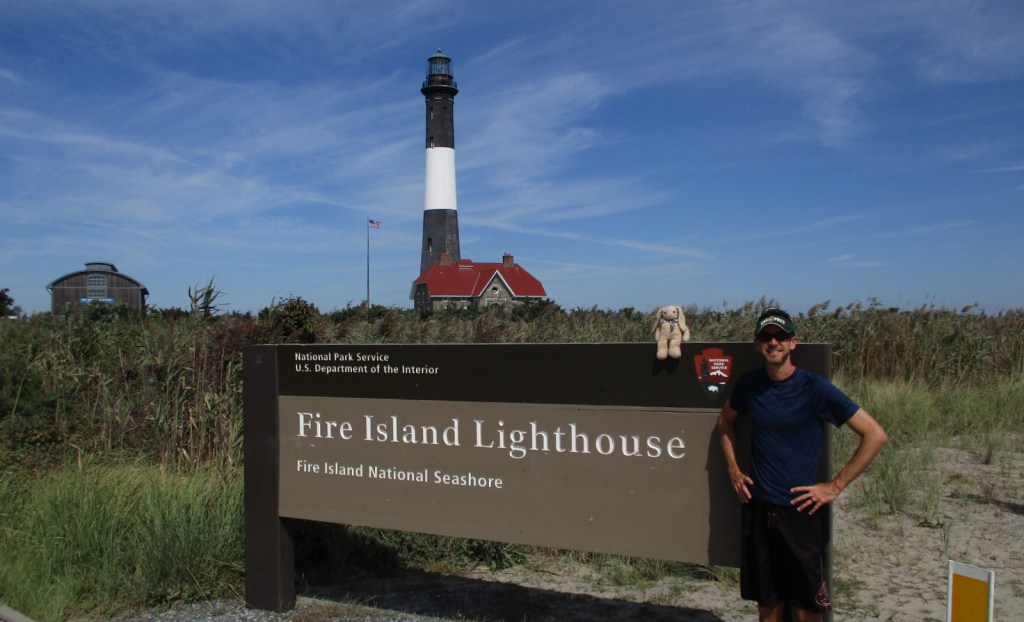
Fire Island Lighthouse, William Floyd Estate, Sunken Forest Trail, Otis Pike Wilderness

Must-Do Activity

About 2.2-million visitors come to Fire Island annually, but not necessarily to the National Seashore, which is primarily accessed by ferry boats from Long Island.  A short walk down the coast can usually escape the crowds, but be aware that the area around Fire Island Lighthouse is an unofficial nude beach.  Visitors can also tour the home and grounds at William Floyd Estate, a 613-acre historical site on Long Island once home to a signer of the Declaration of Independence.

Best Trail

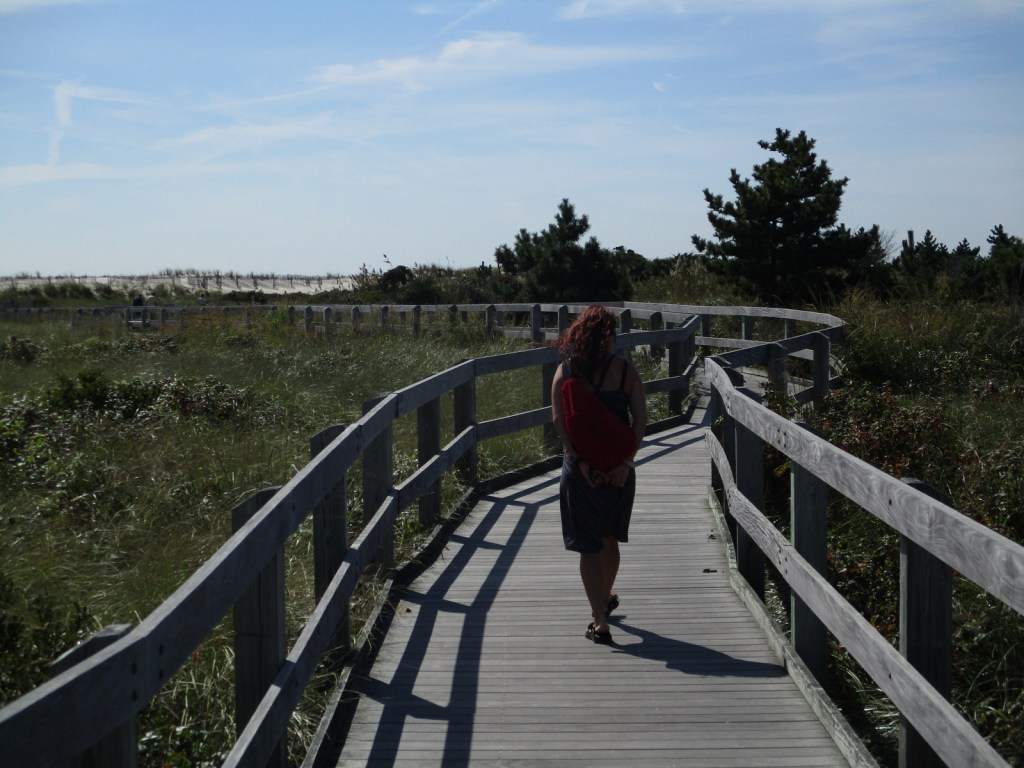
There are nature trails at Fire Island Lighthouse, Sailors Haven, Watch Hill, and Fire Island Wilderness Visitor Centers, plus the beach is wide and good for walking.

Instagram-worthy Photo

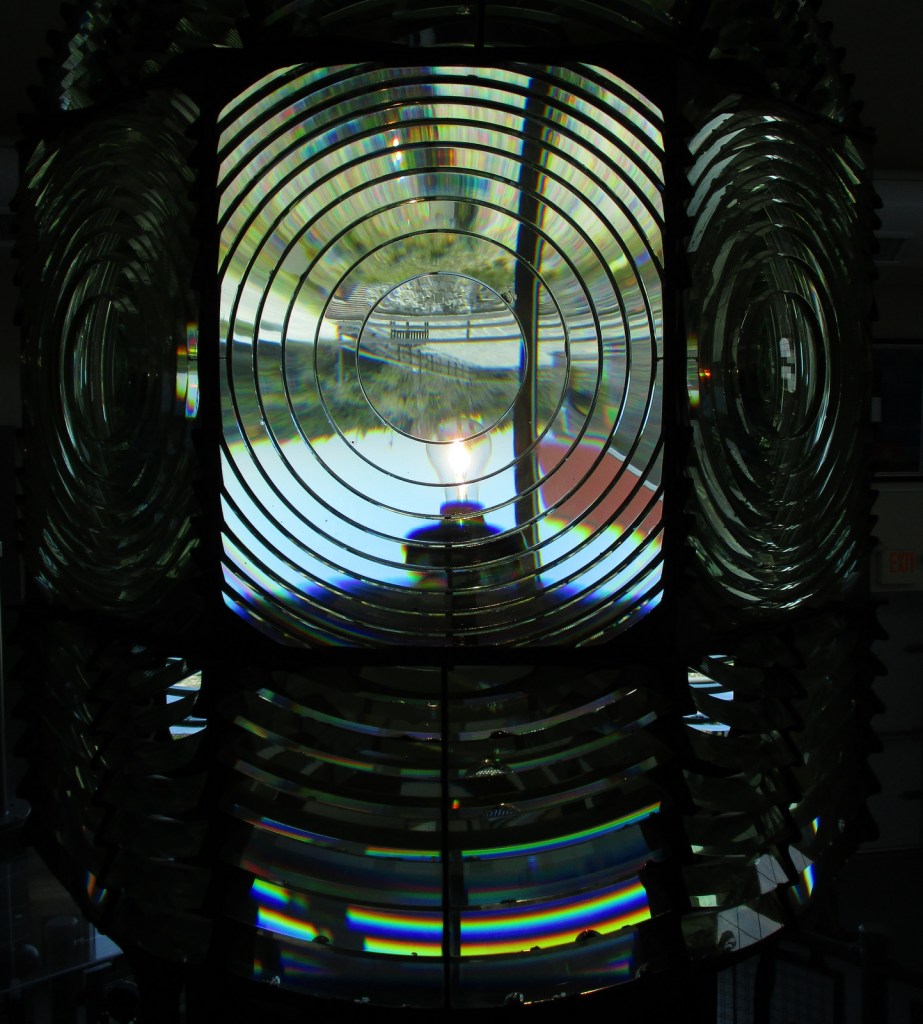
The 167-foot tall Fire Island Lighthouse was built in 1858.  It is run by a nonprofit organization that offers a free museum inside, but charges a fee to climb to the top.

Peak Season

Summer

Hours

https://www.nps.gov/fiis/planyourvisit/hours.htm

Fees

None, except for ferries and to climb to the top of Fire Island Lighthouse

Road Conditions

There are no roads in the National Seashore, but you can drive to the western and eastern edges in Robert Moses State Park and Smith Point County Park, respectively.

Camping

Only reachable by boat, Watch Hill has a campground with restrooms and provides access to backcountry camping in Otis Pike Wilderness (permit required).

Related Sites

Gateway National Recreation Area (New York-New Jersey)

Sagamore Hill National Historic Site (New York)

Cape Cod National Seashore (Massachusetts)

Explore More – How old are the American holly trees that grow along the 1.5-mile Sunken Forest boardwalk trail at Sailors Haven?

Fort Davis National Historic Site

Overview

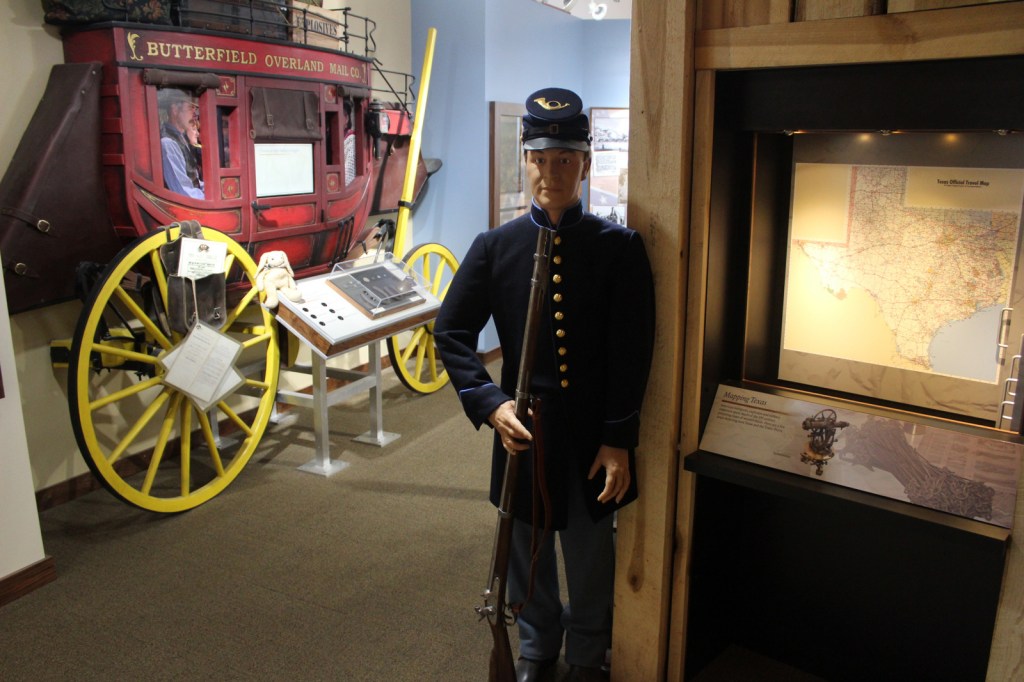
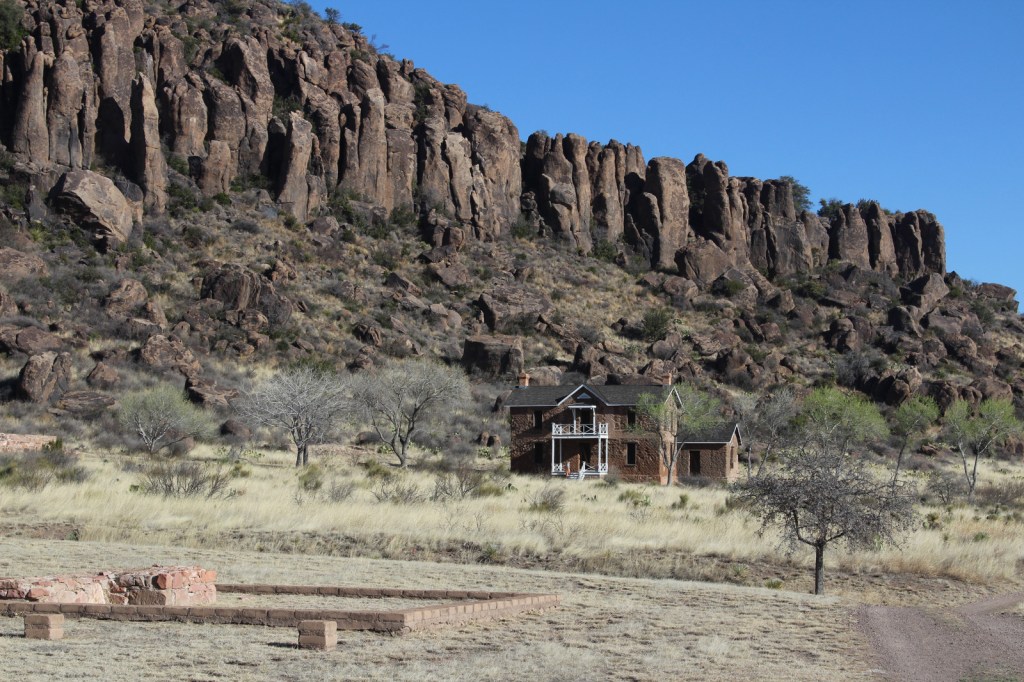
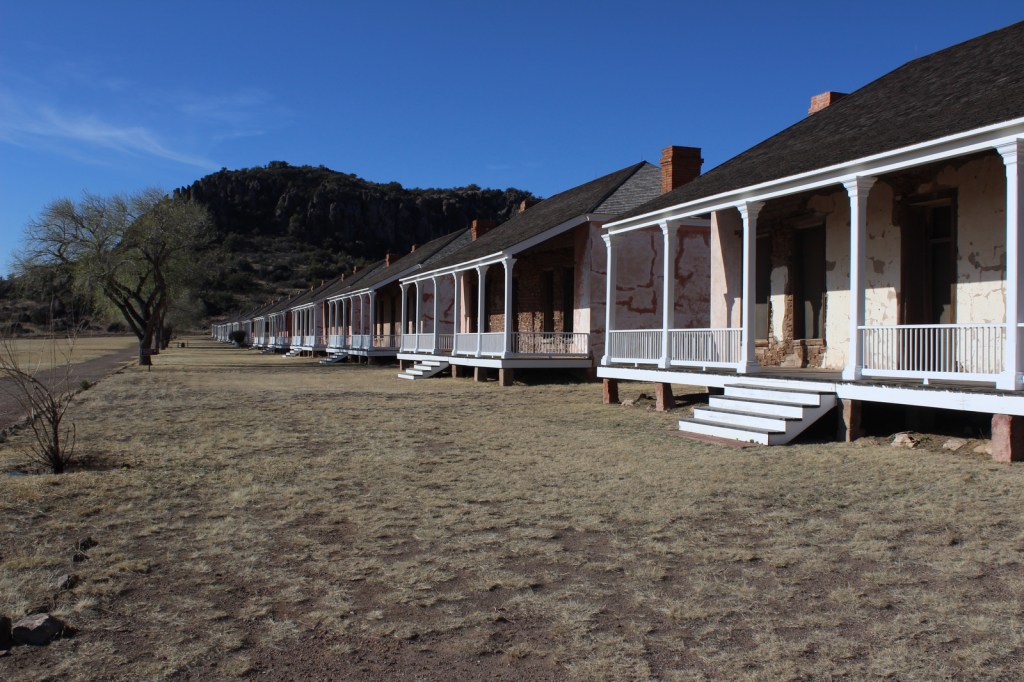
The base of the Davis Mountains is the wonderfully scenic setting for Fort Davis National Historic Site, originally active from 1854 to 1891.  It was manned by U.S. troops except after Texas seceded during the Civil War, which is ironic given that it was named for Jefferson Davis.  Confederate forces obviously saw this as enough reason to occupy the remote frontier fort for a year.  The park preserves its 1867 layout, when the fort was rebuilt following five years of abandonment.

Highlights

Museum, film, historic buildings, Davis Mountains State Park

Must-Do Activity

After the Civil War, Fort Davis became famous for posting African-American “Buffalo Soldiers.”  Maybe this is why they chose to cast 7-foot-2-inch tall Kareem Abdul-Jabbar as the cowboy hat-wearing narrator of the park’s introductory film.  That in-and-of-itself is worth the price of admission.  The dry Chihuahuan Desert air has preserved the 21 remaining buildings well.  Throughout the day, bugle calls on the loudspeaker will hearken you back to frontier days. 

Best Trail

A self-guided trail leads around the 523-acre property and enters six buildings: the commanding officer’s quarters, lieutenants’ quarters, barracks, commissary, hospital, and officers’ servants’ quarters.  There are other trails here and in neighboring Davis Mountains State Park, but be aware that the fort sits at 4,900 feet of elevation.

Instagram-worthy Photo

The morning we visited, mule deer were feeding on the lawn in front of the restored buildings.

Peak Season

Summer

Hours

https://www.nps.gov/foda/planyourvisit/hours.htm

Fees

$10 per person or America the Beautiful pass

Road Conditions

Access roads paved

Camping

If you enjoy spending time at this beautiful spot, consider camping in adjacent Davis Mountains State Park, which offers good stargazing.

Related Sites

Guadalupe Mountains National Park (Texas)

Carlsbad Caverns National Park (New Mexico)

Big Bend National Park (Texas)

Explore More – Who was the first black graduate of West Point military academy briefly stationed here (before a controversial court-martial later overturned in 1976)?

Johnstown Flood National Memorial

Overview

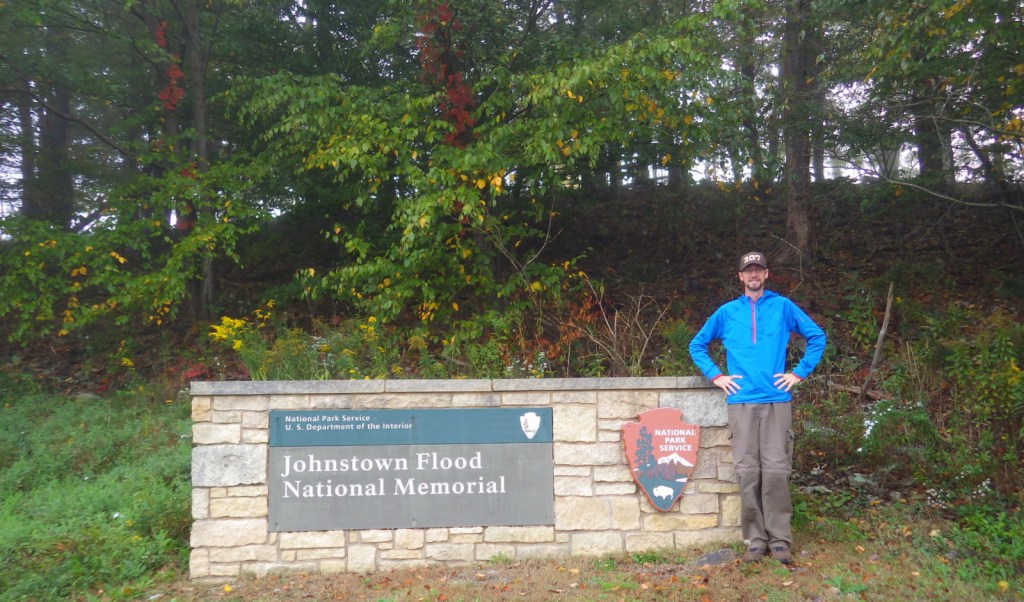
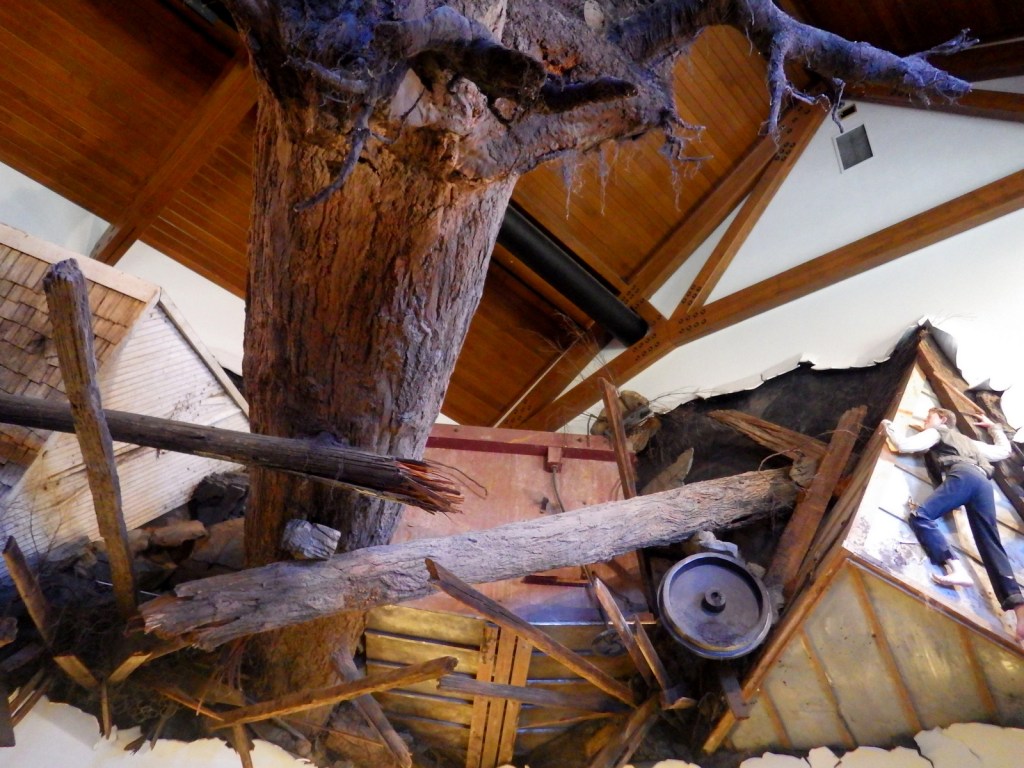
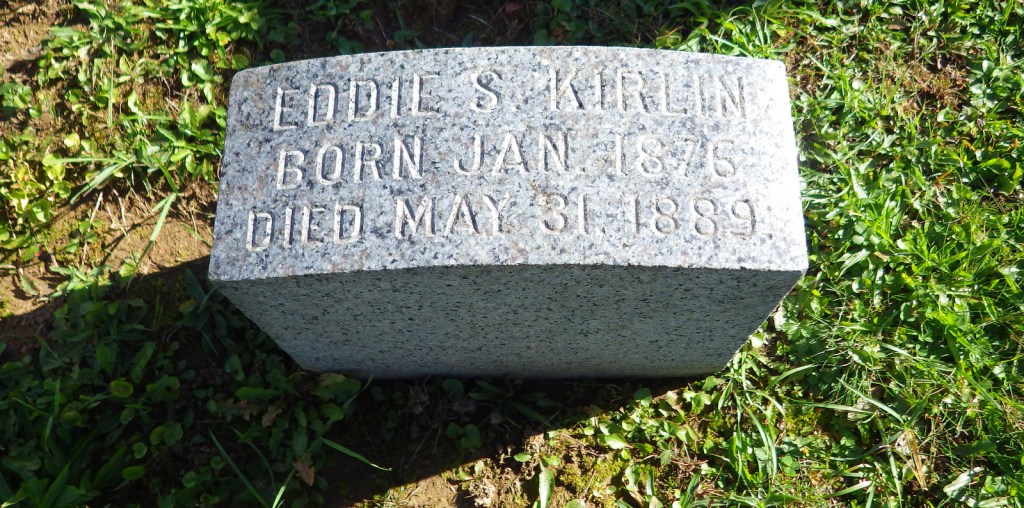
May 31, 1889 was the infamous day when a dam broke sending a 40-foot wall of water downstream, leveling multiple towns and killing more than 2,200 people.  The earthen South Fork Dam was designed for a lower lake level, was poorly maintained since 1853, and was completely ignored by the South Fork Fishing and Hunting Club (with wealthy members such as Andrew Carnegie and Andrew Mellon).  Clara Barton’s newly formed American Red Cross sent a staff of 50 doctors and nurses to assist with recovery efforts, which took years.

Highlights

Museum, film, South Fork Fishing and Hunting Club Historic District, Grandview Cemetery

Must-Do Activity

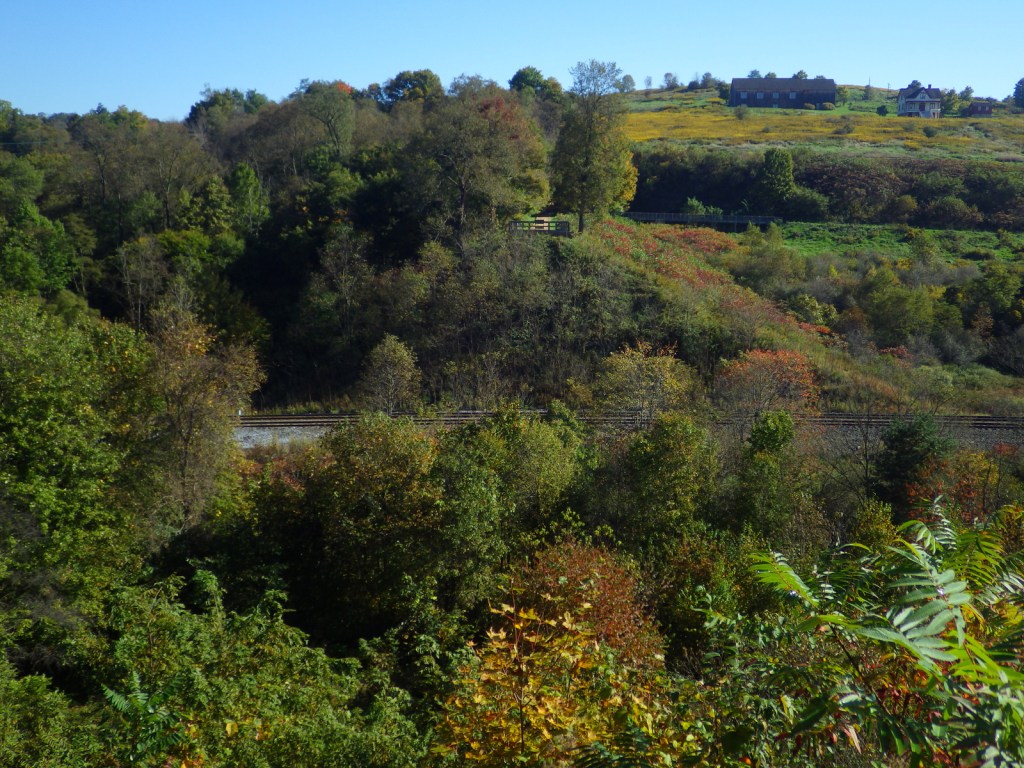
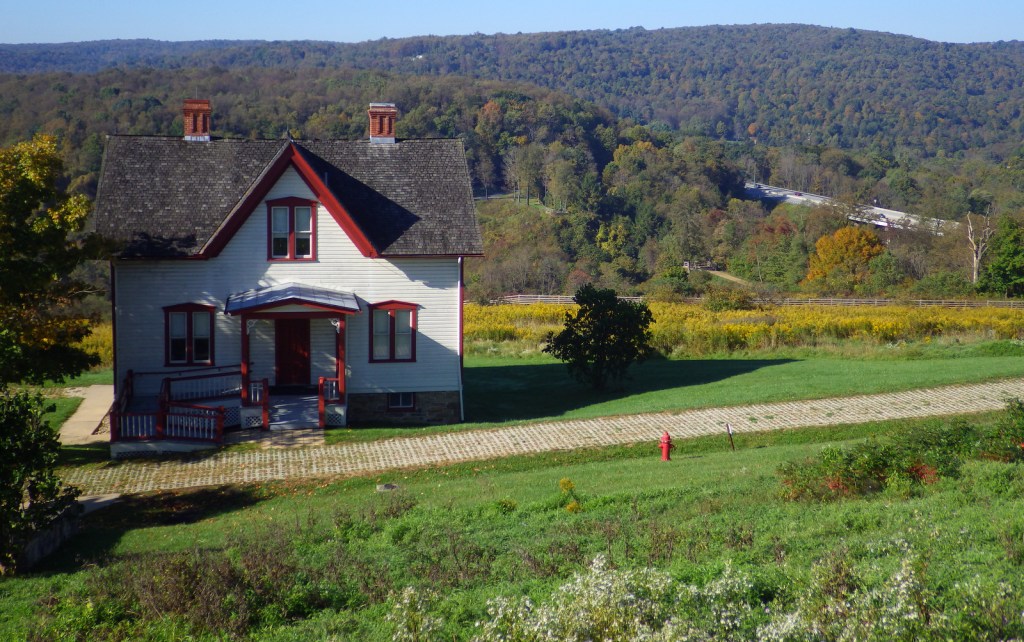
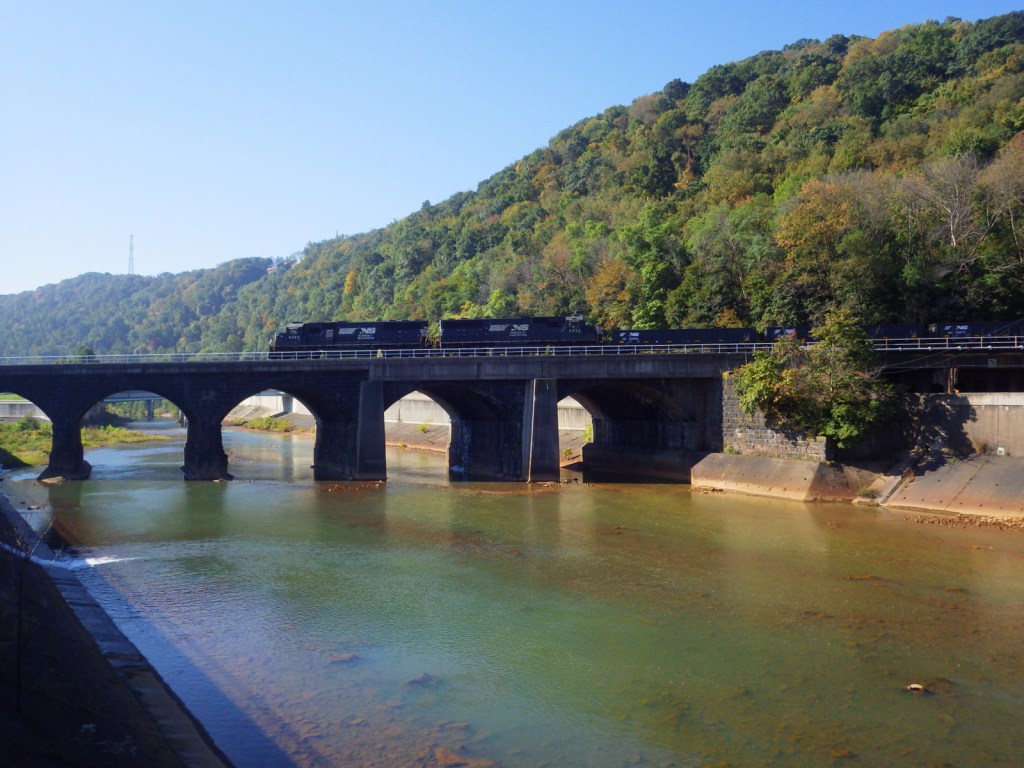
Start your visit at the National Park Service (NPS) museum at the dam site in South Fork, Pennsylvania.  The 35-minute film shown there is not appropriate for young children.  A driving tour leads around the dry lakebed to the South Fork Fishing and Hunting Club Historic District.  Much of the Little Conemaugh River downstream is not accessible by roads, but be sure to drive downstream to Johnstown to visit the Grandview Cemetery and, if you have time, the Johnstown Flood Museum (admission fee). Every year since 1989 on the anniversary, the NPS lights 2,209 luminaria in memoriam.

Best Trail

There is a trail that follows a portion of the Little Conemaugh River and leads to Staple Bend Tunnel, part of Allegheny Portage Railroad National Historic Site.

Instagram-worthy Photo

A memorial to the unidentified victims of the May 31, 1889 flood stands in Grandview Cemetery in Johnstown, Pennsylvania.

Peak Season

Summer

Hours

https://www.nps.gov/jofl/planyourvisit/hours.htm

Fees

None, except at the unaffiliated Johnstown Flood Museum in Johnstown, Pennsylvania

Road Conditions

The main access roads are paved, but some of the smaller roads to the Little Conemaugh River may not be.

Camping

Prince Gallitzin State Park offers a campground with showers 20 miles northwest of Altoona, Pennsylvania.

Related Sites

Flight 93 National Memorial (Pennsylvania)

Fort Necessity National Battlefield (Pennsylvania)

Allegheny Portage Railroad National Historic Site (Pennsylvania)

Explore More – Where did the miles of barbwire that wrapped around the flood debris originate?

Fort Larned National Historic Site

Overview

This Santa Fe Trail fort was only active from 1860 to 1878, but after becoming private property it continued to function as a working ranch which explains why it is in such good shape today.  Costumed re-enactors are really what make this National Park Service (NPS) site special, though, from the blacksmith to the schoolteacher to the commissar to the officers’ wives.  They love to share stories of this extraordinary place.  Surrounded by open fields, it is easy to feel like you are 150 years in the past while touring the grounds.

Highlights

Museum, film, commissary, officers’ quarters, barracks, reconstructed blockhouse

Must-Do Activity

As we walked across the bridge over the Pawnee River towards Fort Larned on a foggy Memorial Day morning, we watched a horse-drawn carriage heading that way, too.  Much to our surprise, the driver (a volunteer) stopped to ask if we would like to hop in for a ride.  Passing through the fog, it was like being carried back in time.  To learn more history, head to the Santa Fe Trail Center in the town of Larned, Kansas.

Best Trail

The parking area is a short walk from the fort, then a self-guided trail (brochure available at the NPS visitor center) leads to stops around the 718-acre site.

Instagram-worthy Photo

Two soldier re-enactors looked ghostly in the glass while watching the blacksmith work his magic.

Peak Season

Summer

Hours

https://www.nps.gov/fola/planyourvisit/hours.htm

Fees

None

Road Conditions

The access road to the main site is paved, but to visit the Santa Fe Trail Ruts Area requires driving an unpaved county road.

Camping

There is a private campground in Larned, Kansas, plus Kansas has a good State Parks system.

Related Sites

Fort Scott National Historic Site (Kansas)

Bent’s Old Fort National Historic Site (Colorado)

Fort Union National Monument (New Mexico)

Explore More – For whom is Fort Larned named?