Tag Archives: history

Baaj Nwaavjo I’tah Kukveni–Ancestral Footprints of the Grand Canyon National Monument

Baaj Nwaavjo I’tah Kukveni–Ancestral Footprints of the Grand Canyon National Monument

Arizona

Managed by U.S. Forest Service, Bureau of Land Management

Established 2023

917,618 acres

Website: https://www.blm.gov/national-conservation-lands/arizona/ancestral-footprints

Overview

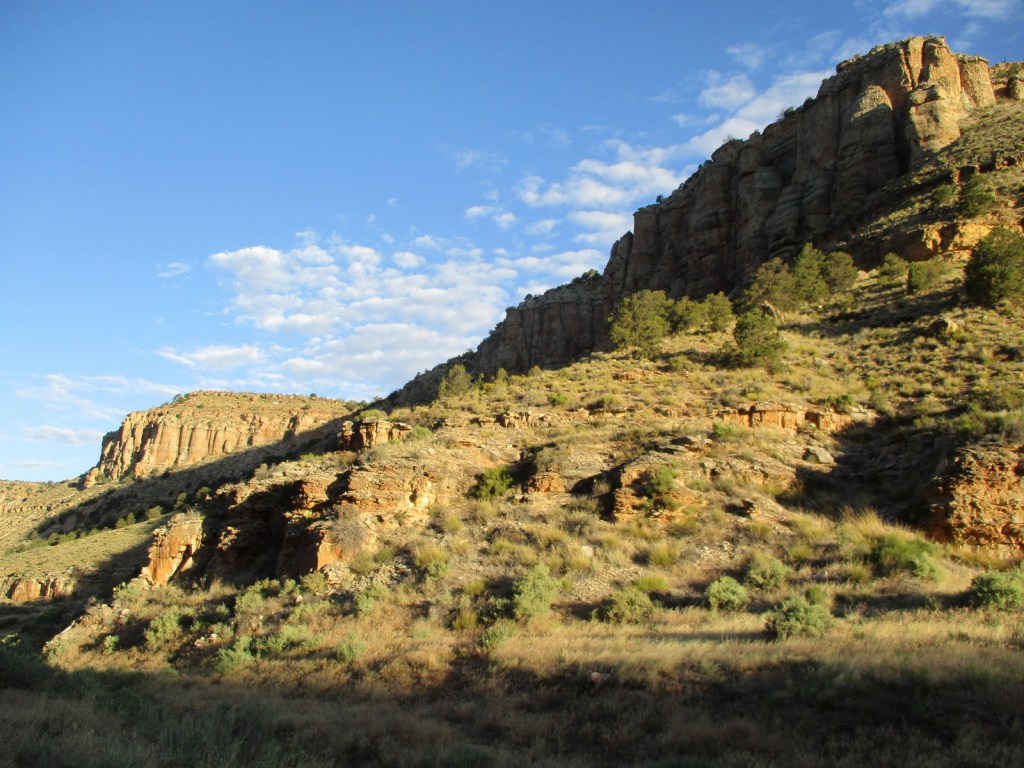
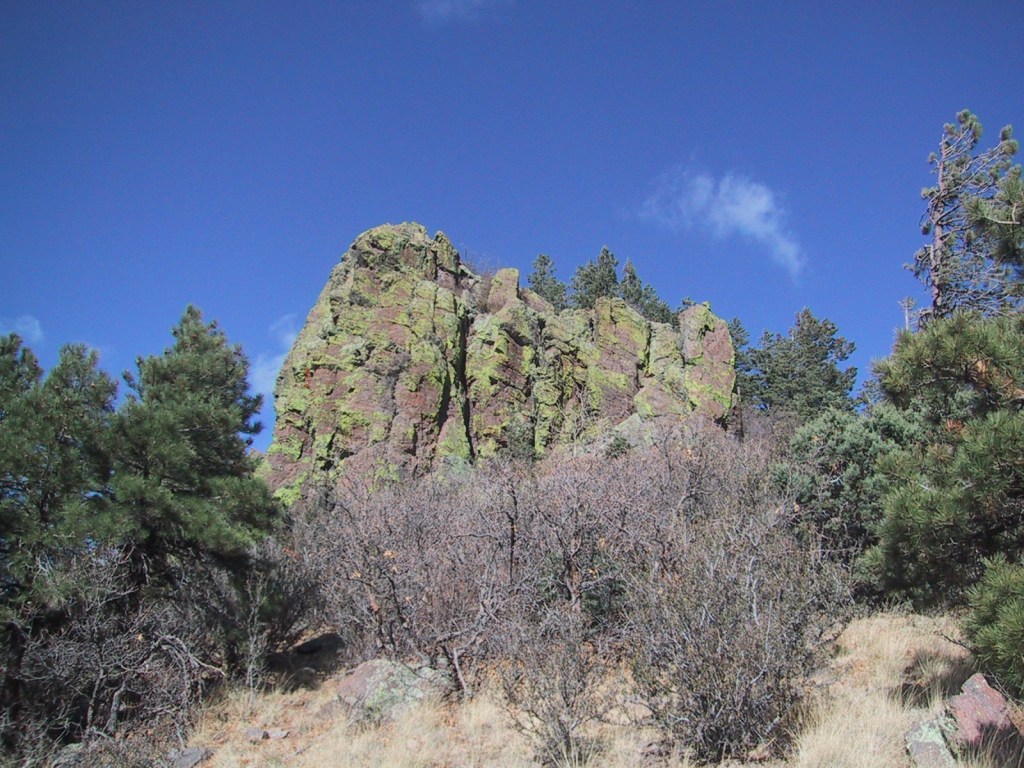
This new National Monument is situated on both the North and South Rim of the Grand Canyon, but outside the boundaries of Grand Canyon National Park.  It includes the entirety of the Tusayan District of Kaibab National Forest on the South Rim, as well as two sections east and west of the 9,000-foot Kaibab Plateau on the Arizona Strip.  Its name is derived from the Havasupai words Baaj Nwaavjo, which translate as “where indigenous peoples roam,” plus the Hopi term I’tah Kukveni, which means “our ancestral footprints.”  According to the Bureau of Land Management (BLM) website it is pronounced “Baahj-Nuh-Waahv-Joh, Ee-Tah-Kook-Venny.”  The National Monument was created primarily to prevent future uranium mining claims in this area and further protect evidence of thousands of years of human habitation (see Best Trail).

Learn more about the other 137 National Monuments in our book Monumental America: Your Guide to All 138 National Monuments. It is now available for sale on Amazon.com.

Highlights

Red Butte, Hull Cabin, Apex Logging Camp, Grand Canyon Airport Historic District, Marble Canyon, Snake Gulch, Arizona National Scenic Trail

Must-Do Activity

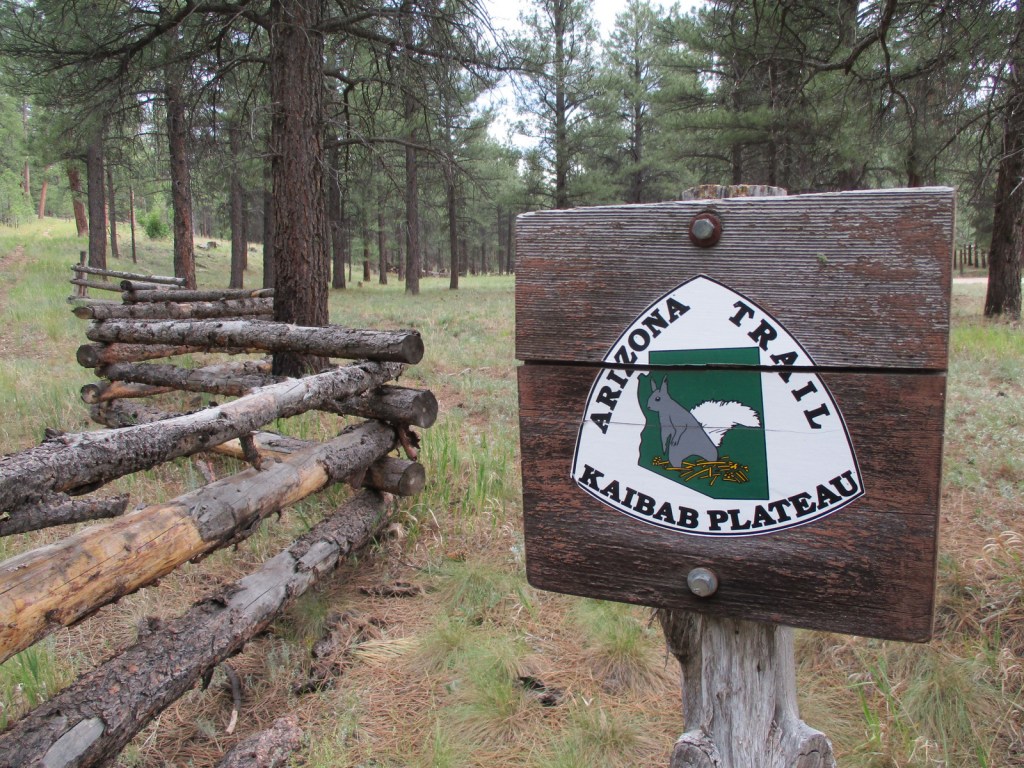
Red Butte is located just east of paved Highway 64/180 on the way to Grand Canyon National Park’s South Rim.  A short 3.3-mile out-and-back trail with 912 feet of elevation gain is found at this geological formation sacred to the Havasupai, Hualapai, Navajo, Hopi, and Zuni people.  Also in this area, Hull Cabin dates back to 1889 and Apex Logging Camp was situated along the Grand Canyon Railroad between 1928 and 1936 (although not much remains other than the foundation of a one-room schoolhouse).  The Arizona National Scenic Trail runs through this part of Kaibab National Forest before entering the Grand Canyon and crossing the Kaibab Plateau.

Best Trail

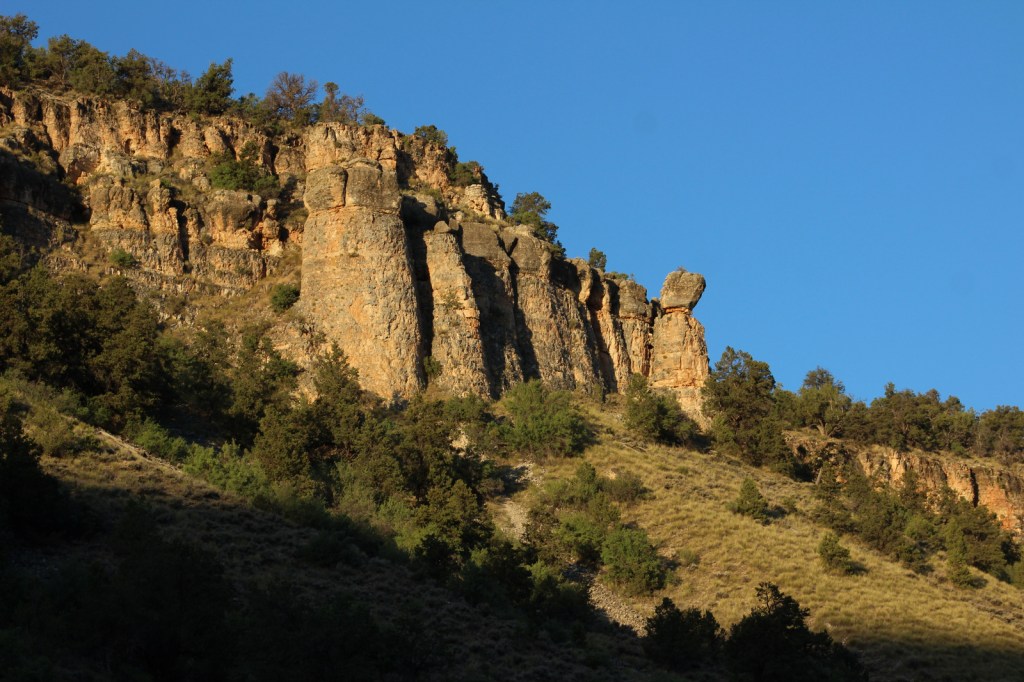
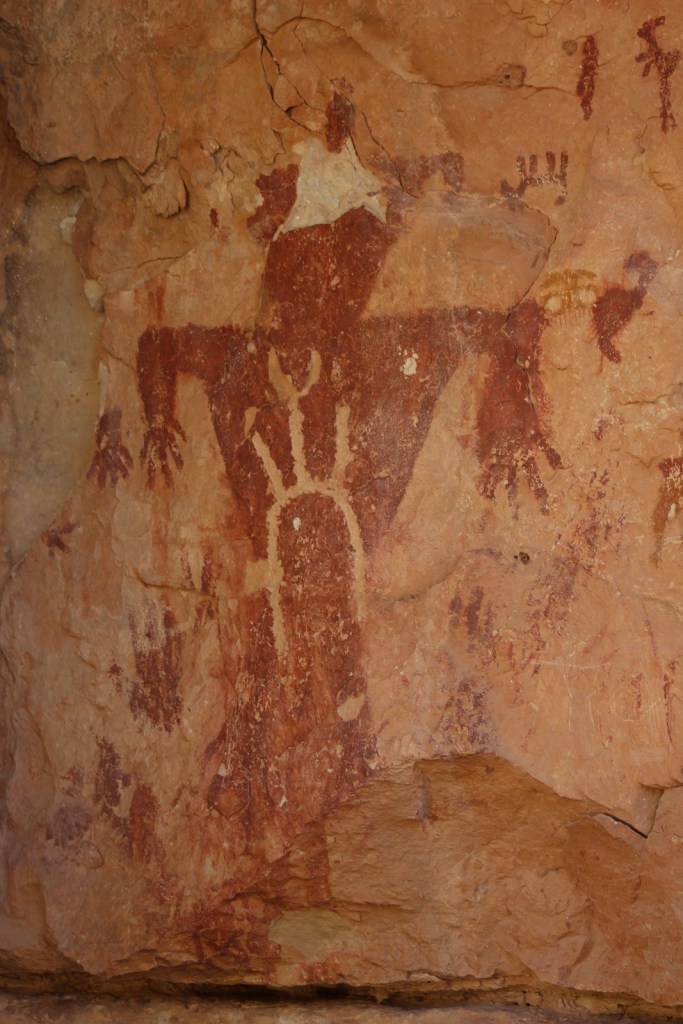
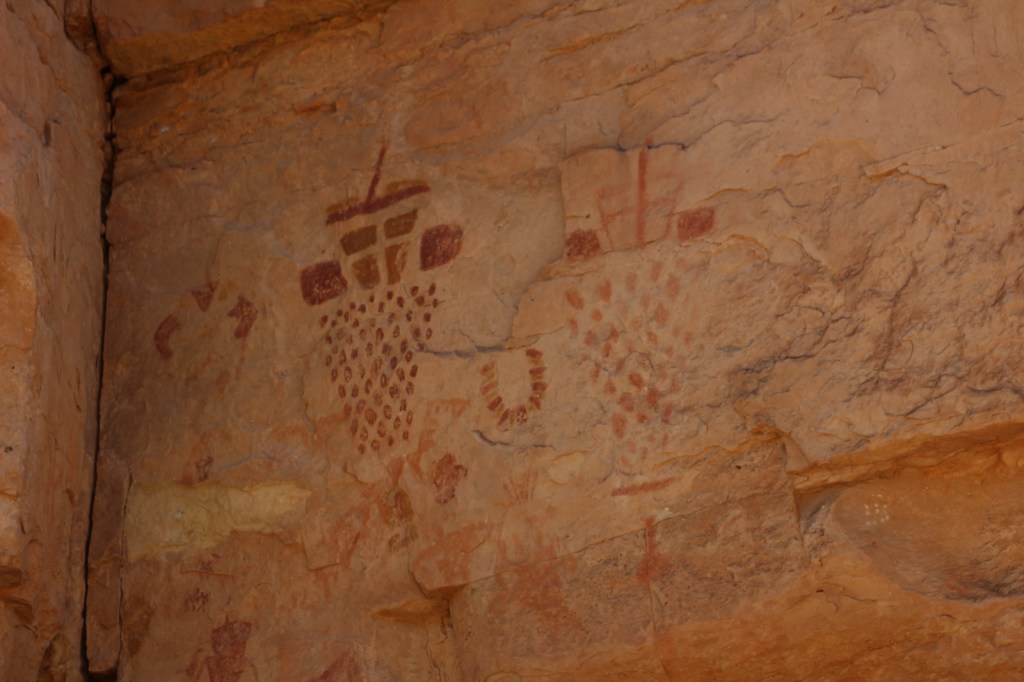
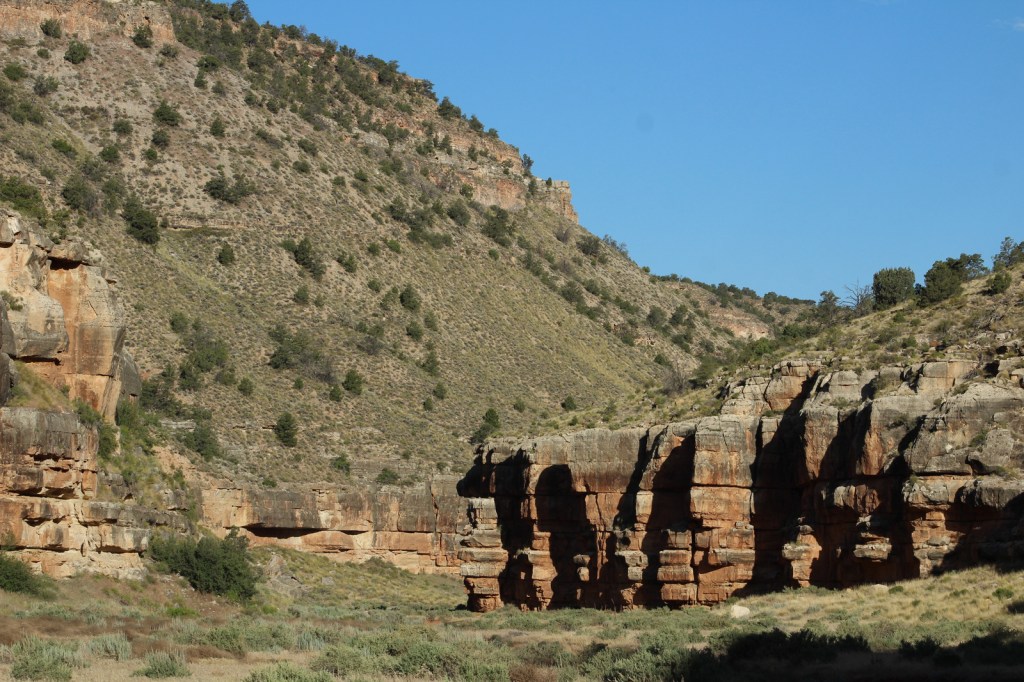
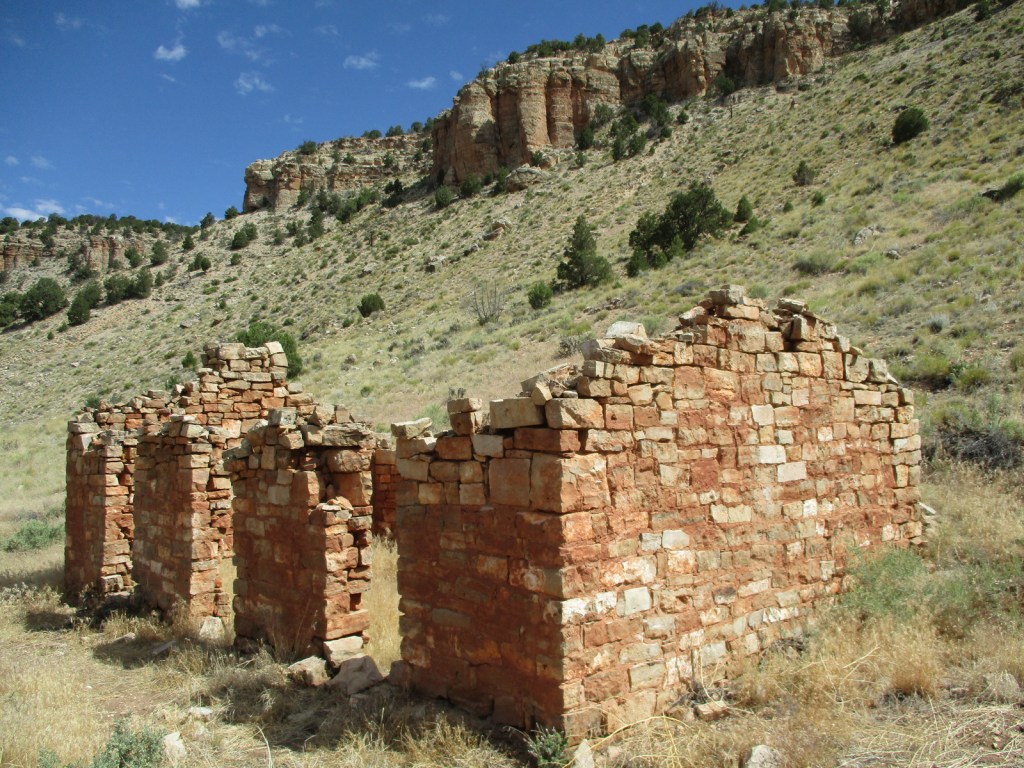
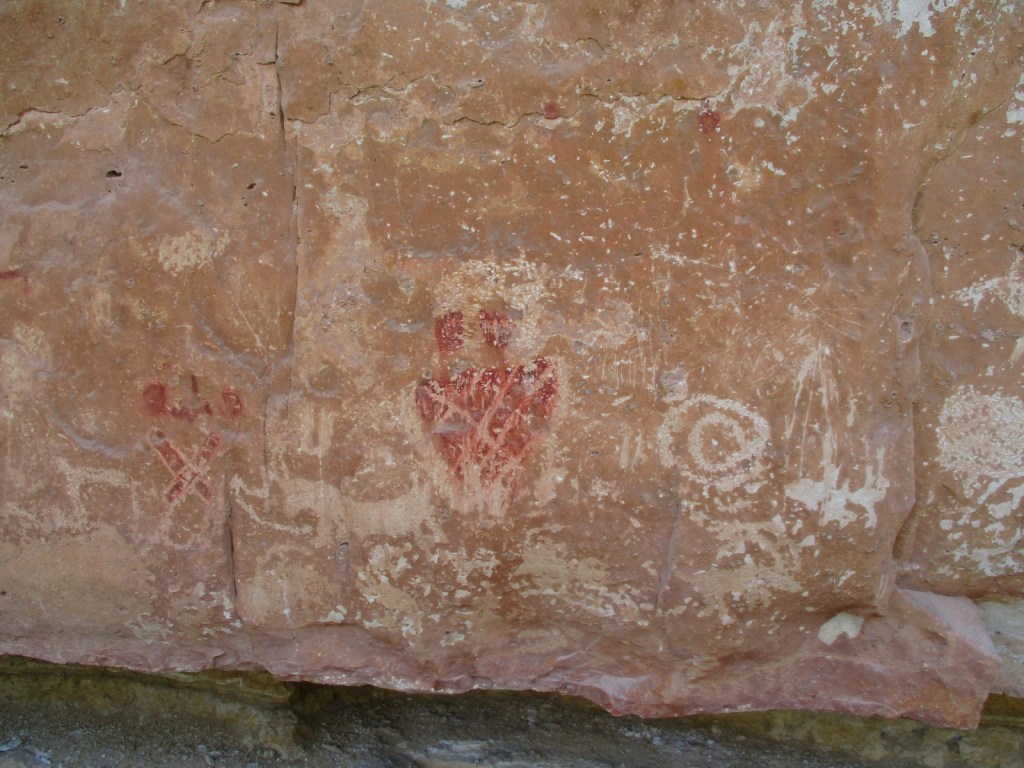
Snake Gulch-Kanab Creek Trail #59 starts at the end of unpaved Forest Road 642 (about five miles from the end of pavement on Forest Highway 22).  It soon passes an old homestead and turns left to enter the canyon, part of the extensive Kanab Creek Wilderness (and within the National Monument boundary).  The first pictographs can be seen about 2.5 miles in and from then on consistently on the north side of the canyon.  The images are primarily done in red paint from the Basketmaker People who resided in this region from 300 BCE to AD 800.  We hiked in seven miles then turned around as it started to get really hot in late June, but the trail through the canyon continues 21 miles to where it connects with Ranger Trail #41.  Our favorite pictographs were located about four miles in, which would make a good turnaround point for a day hike.

Instagram-worthy Photo

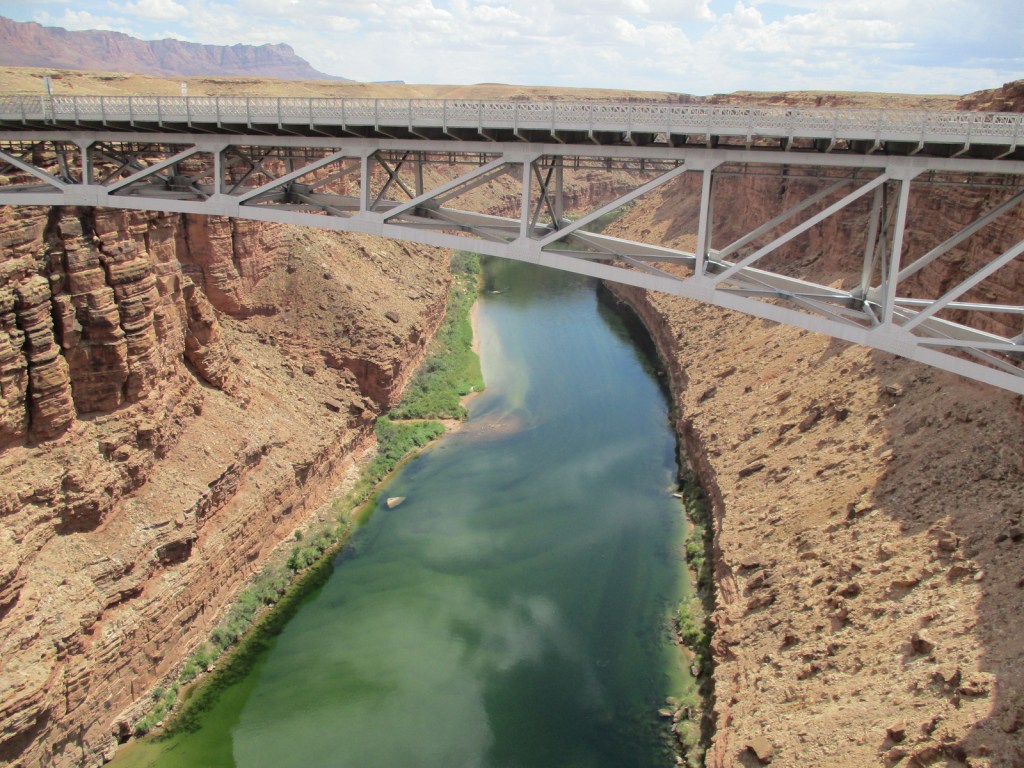
Stop at the historic Navajo Bridge that crosses the Colorado River at Marble Canyon where four public lands meet: Grand Canyon National Park, Glen Canyon National Recreation Area, Vermilion Cliffs National Monument, and Baaj Nwaavjo I’tah Kukveni-Ancestral Footprints of the Grand Canyon National Monument.

Peak Season

Spring and fall, as summer can be very hot

Hours

Navajo Bridge Visitor Center (National Park Service)

https://www.nps.gov/glca/planyourvisit/visitorcenters.htm

Fees

None

Road Conditions

There are many unpaved and four-wheel-drive-only roads spread across this area, but Highway 64/180 to the South Rim is paved.  High clearance is recommended to access Snake Gulch-Kanab Creek Trailhead.  Highway 67 and most Forest Roads on the Kaibab Plateau are closed in winter due to heavy snowfall.

Camping

There are good, dispersed camping options throughout Kaibab National Forest, including along the dirt roads just outside the east entrance of Grand Canyon National Park’s South Rim before entering the Navajo Nation.

Related Sites

Glen Canyon National Recreation Area (Arizona-Utah)

Vermilion Cliffs National Monument (Arizona)

Grand Canyon-Parashant National Monument (Arizona)

Pipe Spring National Monument (Arizona)

Explore More – When were beefalo (bison and cattle mix) introduced to the House Rock Valley area west of Marble Canyon (and now found roaming inside Grand Canyon National Park and Kaibab National Forest)?

Learn more about the other 137 National Monuments in our book Monumental America: Your Guide to All 138 National Monuments

Kaibab National Forest

Kaibab National Forest

Arizona

Managed by U.S. Forest Service, Southwestern Region

1,601,066 acres (1,560,165 federal/ 40,901 other)

Website: https://www.fs.usda.gov/kaibab

Overview

Kaibab National Forest is located both north and south of Grand Canyon National Park, although the paved road from Jacob Lake to the North Rim is closed throughout the winter months due to heavy snowfall on the 9,000-foot Kaibab Plateau.  There are numerous dirt roads to explore on each side of the canyon that in 2023 were encompassed into Baaj Nwaavjo I’tah Kukveni – Ancestral Footprints of the Grand Canyon National Monument (see our next blog post).  The Grand Canyon Forest Reserve was first set aside in 1893, then became Kaibab National Forest in 1908 before Grand Canyon National Park was removed from its acreage a decade later.  In 1934, the southern Tusayan National Forest was joined to form the present boundaries.

Highlights

Kaibab Plateau Scenic Byway, Hull Cabin, Snake Gulch, Kendrick Peak, Sycamore Canyon, Beale Wagon Road, Overland Road, Bill Williams Mountain, Kanab Creek Wilderness, Thunder River Trail

Must-Do Activity

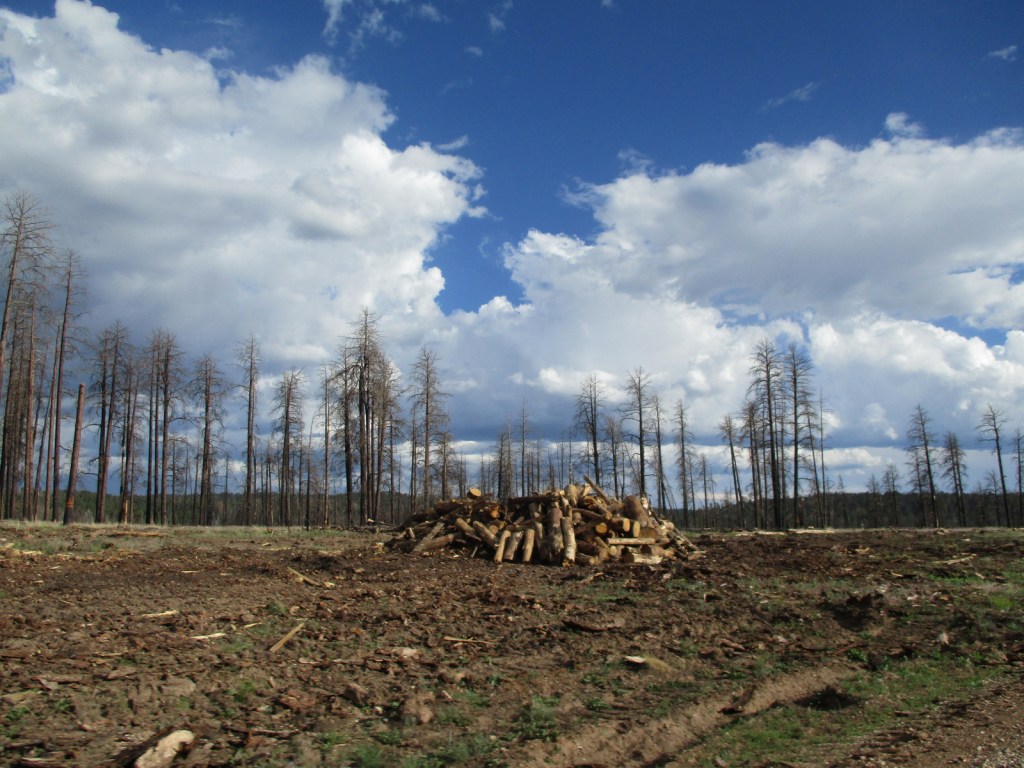
The highest point in Kaibab National Forest is 10,418-foot Kendrick Peak located in the Kendrick Peak Wilderness northwest of Flagstaff, which experienced a large wildfire in 2000.  Scott started as a student at Northern Arizona University the next year, and has been able to watch this area recover over the decades since.  Seven miles of dirt roads leave Highway 180 to access the Kendrick Mountain Trailhead at 7,980 feet in elevation.  A steep, switchbacking 4.6-mile one-way trail partly follows a closed road to the top past Old Lookout Cabin (built in 1912).  Bull Basin and Pumpkin Trails also lead to Kendrick Peak, but require more dirt road driving.  From the summit, views are good north towards the Grand Canyon and east to the taller San Francisco Peaks within Coconino National Forest

Best Trail

Bill Williams Mountain dominates the skyline in the town of Williams, the southern terminus of the 65-mile-long Grand Canyon Railway.  Several routes climb to the top of the peak, but Bixler Saddle Trail starts higher than the others at 7,700 feet.  It is accessed by a rocky road that leads to a small parking area at the saddle.  From there the trail gains 1,000 feet in elevation in 2.5 miles before connecting with Bill Williams Mountain Trail to finish climbing a half-mile to the lookout tower at 9,256 feet.  No matter how you summit, at the top there are breathtaking views in all directions.

Watchable Wildlife

Elk and mule deer are commonly seen on both sides of the Grand Canyon.  Apparently, bison were introduced in the early 1900s and now roam freely in the National Forest, in addition to mountain lions, bobcats, and black bears.  The canyon formed a natural barrier for the evolution of distantly-related Kaibab squirrels on the North Rim, a subspecies of the Abert’s squirrels found on the South Rim.  Common birds include wild turkeys, robins, nuthatches, northern flickers, rufous hummingbirds, Steller jays, American crows, common ravens, and a variety of hawks.  Fishing is a popular activity, with some excellent trout streams found in the National Forest.

Instagram-worthy Photo

There are five trailheads that access the 12-mile Sycamore Rim Trail loop, located south of Interstate 40 after driving ten miles of good dirt road.  The trail passes through a ponderosa pine forest with overlooks of the Sycamore Canyon Wilderness, also managed by Coconino and Prescott National Forests.

Peak Season

Summer

Fees

None

Road Conditions

The paved road from Jacob Lake, Arizona to the North Rim of Grand Canyon National Park is closed throughout the winter months due to heavy snowfall.  There are countless miles of dirt roads on each side of the canyon that access trailheads and allow for dispersed camping.

Camping

There are numerous campgrounds spread throughout the National Forest, as well as rentals of the historic 1917 Spring Valley Cabin and 1889 Hull Cabin (within the newly created Baaj Nwaavjo I’tah Kukveni – Ancestral Footprints of the Grand Canyon National Monument).

Wilderness Areas

Kanab Creek Wilderness

Kendrick Mountain Wilderness (also in Coconino National Forest)

Saddle Mountain Wilderness

Sycamore Canyon Wilderness (also in Coconino and Prescott National Forests)

Related Sites

Pipe Spring National Monument (Arizona)

Tuzigoot National Monument (Arizona)

Sunset Crater Volcano National Monument (Arizona)

Nearest National Park

Grand Canyon

Conifer Tree Species

ponderosa pine, limber pine, southwestern white pine, two-needle pinyon pine, Utah juniper, one-seed juniper, Rocky Mountain juniper, Douglas-fir, white fir, Engelmann spruce

Flowering Tree Species

Gambel oak, quaking aspen, boxelder, Arizona sycamore, Arizona walnut, Fremont cottonwood

Explore More – Kaibab is the Paiute name for the Grand Canyon, which translates as what?

Learn more about this and the 154 other National Forests in our new guidebook Out in the Woods

We are a participant in the Amazon Services LLC Associates Program, an affiliate advertising program designed to provide a means for us to earn fees by linking to Amazon.com and affiliated sites.

Top 10 National Park Service Sites for Living History

Parks Canada is all about costumed interpreters pretending to be from a specific time period, like the Vikings at L’Anse aux Meadows, Newfoundland and the fur traders at Fort Langley, British Columbia.  However, in the U.S., the National Park Service (NPS) has decreased the presence of living history reenactors over recent decades.  In March 2024, Bent’s Old Fort National Historic Site near La Junta, Colorado announced it was removing its costumed interpreters except on specific weekends, similar to the Civil War sites like Gettysburg National Military Park (neighboring Eisenhower National Historic Site also has living history weekends commemorating World War I and II).  There are still blacksmiths to be found at some NPS sites and weapons demonstrations at others, but private museums are the main place to find this type of interpretation today in the U.S.  So we decided to make a list of NPS sites where you can still travel back in time.  Please let us know if you have any favorites that we left off.  Click here to see all our Top 10 lists.

10. Fort Vancouver National Historic Site (Washington)

Reconstructed buildings include the bakehouse, blacksmith shop, chief factor’s house, fur store, and bastion with costumed reenactors inside

9. New Orleans Jazz National Historical Park (Louisiana)

Park rangers play concerts at the New Orleans Jazz Museum

8. Fort Laramie National Historic Site (Wyoming)

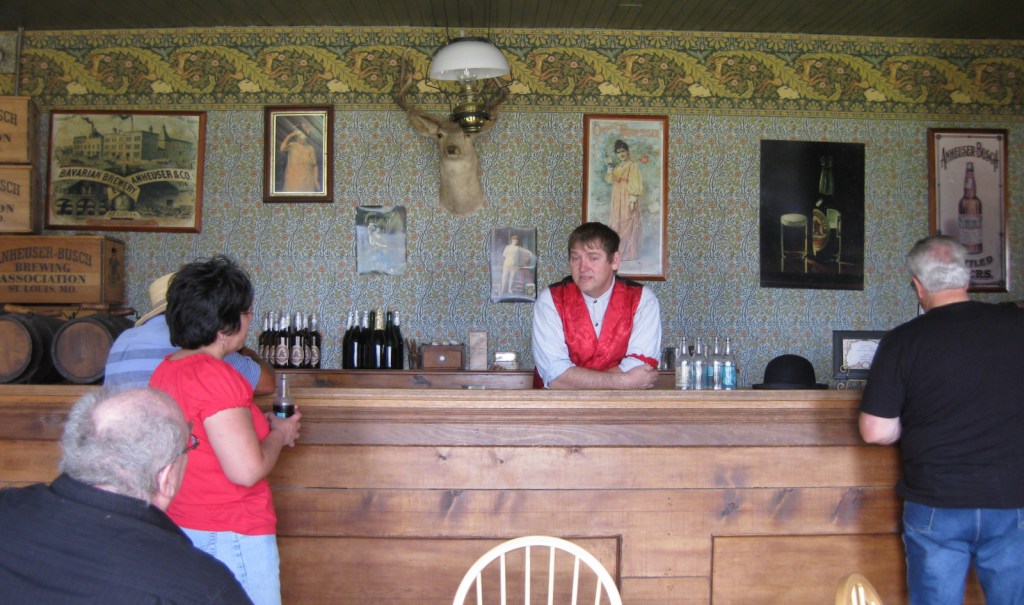
Order a sarsaparilla at the bar at this significant stop on the Oregon Trail (come on the 4th of July for sack races, cannon firing demonstrations, and fireworks)

7. Lowell National Historical Park (Massachusetts)

Watch working textile machinery inside the old Boott Cotton Mills

6. Fort Larned National Historic Site (Kansas)

The soldiers, blacksmith, schoolteacher, commissar, and officers’ wives love to share stories of this extraordinary place on the Santa Fe National Historic Trail

5. Golden Spike National Historical Park (Utah)

Colorfully reconstructed train engines run daily in the summer to evoke the spirit of May 10, 1869

4. Grand Portage National Monument (Minnesota)

Rendezvous with costumed reenactors who demonstrate canoe building, bread baking, and weapons firing at this reconstructed North West Company headquarters on Lake Superior

3. Castillo de San Marcos National Monument (Florida)

If you do not want to pay the admission fee to enter the fort, you can still watch the cannon-firing demonstrations atop its corner bastion for free from outside the moat

1. Cuyahoga Valley National Park (Ohio)

Stop at the Canal Exploration Center at working Lock 38, experience living history at Hale Farm and Village (fee), and board the Cuyahoga Valley Scenic Railroad for a train ride

…and finally our #1 National Park Service Sites for living history:

1. Grant-Kohrs Ranch National Historic Site (Montana)

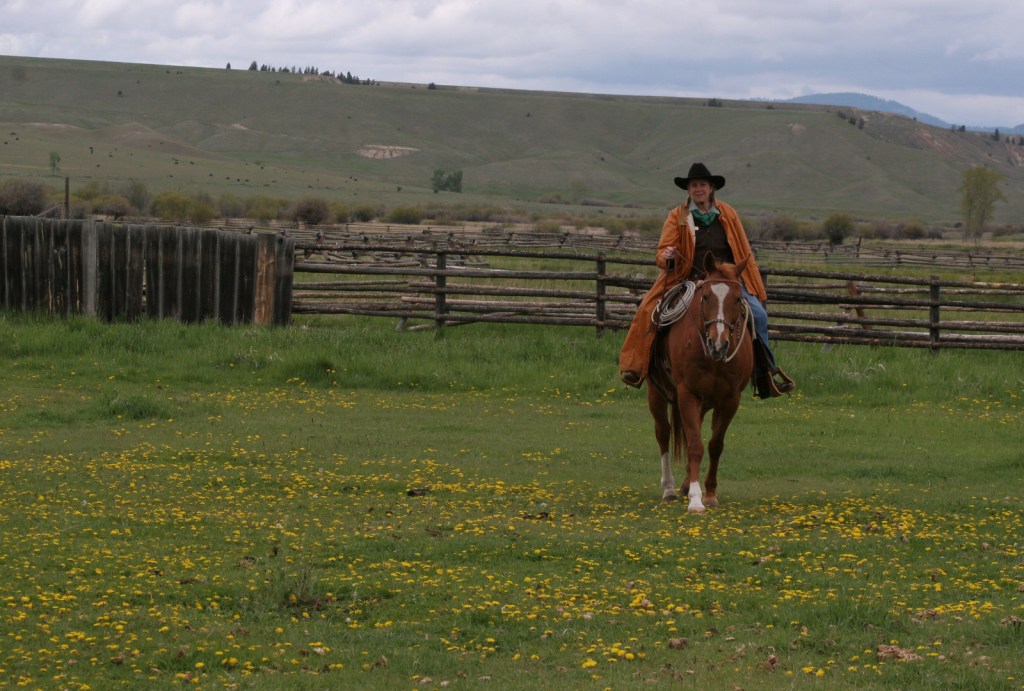
All things “cowboy” are remembered here with volunteer interpreters roaming on horseback

.

Honorable Mentions

Colonial National Historical Park (Virginia)

Next door to the NPS site is Jamestowne Settlement with reenactors at the Powhatan Indian Village, fort, and three reproduction ships (plus, don’t miss nearby Colonial Williamsburg, the national capital of living history)

Fort Raleigh National Historic Site (North Carolina)

Step inside the NPS visitor center’s Elizabethan Room, then buy tickets for “The Lost Colony” outdoor musical performed most nights throughout the summer (there is also a musical held outside Theodore Roosevelt National Park in Medora, North Dakota)

Ford’s Theatre National Historic Site (District of Columbia)

Live theater is still performed at this infamous site of Abraham Lincoln’s assassination (but they officially will never stage the play “My American Cousin” that Abe was watching that night)

Boston National Historical Park (Massachusetts)

The NPS does not utilize costumed volunteers, but you can hire a guide who does, plus pay to participate in your own tea party by chucking replica bundles into Boston Harbor

Jewel Cave National Monument and Wind Cave National Park (South Dakota)

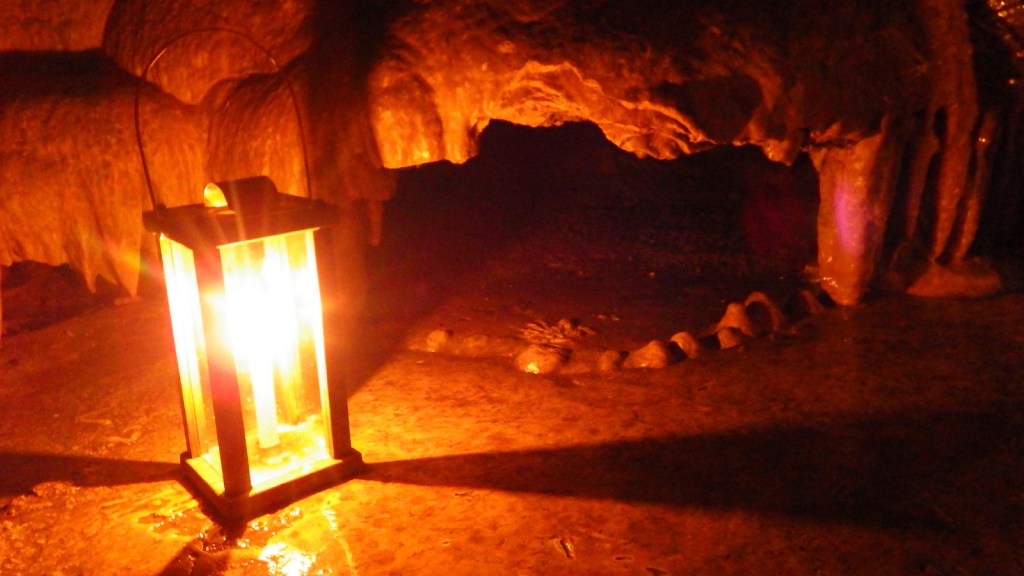
Guided cave tours using lanterns are a fun way to explore underground caverns similar to how tourists did it before the invention of electric lights (also available at Mammoth Cave National Park in Kentucky and Oregon Caves National Monument and Preserve)

Rhode Island Road Trip Itinerary

Rhode Island Road Trip Itinerary

Rhode Island

661,638 acres (0.03% of U.S.)

Statehood 1790 (13th of 50)

Capital: Providence

Population:  1,097,379 (44th of 50)

High Point: Jerimoth Hill (811 feet)

Best time of year: Summer for beaches, music festivals, and WaterFire in Providence

We recently published our guidebook 50 States of Great: Road Trip Guide to America, so we decided to start a new type of blog post where we create a travel itinerary for all 50 states, in addition to our usual National Forest and National Park entries.  After starting with Kansas, Georgia, and Idaho, we decided to do a New England state.  Despite it being the smallest of all 50 states, we were able to make a five-day plan starting in northern Rhode Island, with some options to extend the trip.

Day 1

Providence

Until 2020, the state’s full legal name was Rhode Island and Providence Plantations, but the legislature felt that had slavery connotations so they shortened it to Rhode Island.  At the head of Narragansett Bay, the capital city of Providence holds a summerlong event called WaterFire, where on weekend nights 86 wood-filled braziers blaze around the confluence of the Woonasquatucket and Moshassuck Rivers.

Roger Williams National Memorial (click here for our blog post)

Dedicated to the man who left the Puritan-led Massachusetts Bay Colony in 1636 to found a city based on religious freedom, this 4.5-acre park in downtown Providence houses a small National Park Service (NPS) visitor center.  A short, but steep walk takes you to a large statue of Roger Williams that offers a great overlook of the city. 

Optional stop at Roger Williams Park

Not to be confused with Roger Williams National Memorial, this large park is home to a zoo.  Providence also has two famous historic homes: the Sullivan-Dorr House and John Brown House.

Day 2

Blackstone River State Park

A scenic drive follows Highway 122 to this park, which has a free museum inside the historic Kelly House and a section of the canal that once followed the river.  It also has 3.5 miles of the 24-mile (of a planned 48) paved bikeway along the canal towpath.

Blackstone River Valley National Historical Park (click here for our blog post)

Blackstone River State Park is part of this park, which commemorates the industrial revolution that changed the landscape of America during the 1800s, as well as the immigration of factory workers that changed its face.  The NPS works with a partnership of government agencies, non-profits, and businesses in Massachusetts and Rhode Island.  The National Historical Park’s centerpiece is the nation’s first successful water-powered cotton-spinning factory:

Old Slater Mill National Historical Landmark

Located at a short, 180-foot-long dam on the Blackstone River in Pawtucket, free NPS ranger-guided tours are offered at this site.  Check out the bus station across the street for more interpretive displays and information.  By 1880, this “hardest working river” was one of the most polluted in the country, but it has recovered so that canoeists can now safely float portions of its 46-mile length.

Optional stop at Jerimoth Hill

It is a short, flat walk from a pullout on Highway 101 to the highest point in the state near the border with Connecticut.

Day 3

Shannock

This small village is situated on the Pawcatuck River, which has fueled grist mills, sawmills, woolen mills, cotton mills, and silk mills throughout its history.  Today, the curved shape of ten-foot-tall Horseshoe Falls Dam and fishway makes it unique and very picturesque. 

Fort Adams State Park

One of many red-brick coastal fortifications built in the U.S. after the War of 1812, visitors must purchase a ticket for a guided tour to explore inside the fort.  It hosts the famous Newport Folk Festival and Newport Jazz Festival on successive summer weekends in August, as well as the Great Chowder Cook-Off and Classic Yacht Regatta every Labor Day weekend.  During the Newport Winter Festival, ice carving and sand sculpture competitions are held here.

Optional stop at Seabee Museum and Memorial Park

In North Kingston, the A-shaped Chapel in the Pines and a three-dimensional statue of the Seabee logo are photogenic spots at this collection of Quonset Huts that honors the military engineers of World War II.

Day 4

Newport

Primarily built during the Gilded Age of the late 1800s, there are 11 houses open for tours that were the summer “cottages” of affluent families with recognizable last names like Carnegie, Vanderbilt, Morgan, Astor, and Rockefeller. 

Cliff Walk National Recreation Trail

Only 3.5 miles long, there are multiple public access points to this pathway that follows the shoreline through the backyards of some of the most expensive houses in Newport.  If you can only do part of the trail, make sure it includes the scenic area around the 40 Steps, a granite staircase located at the end of Narragansett Avenue.

Touro Synagogue National Historic Site

The nation’s oldest standing synagogue was originally built in 1763, although its congregation dates back to a century earlier when they came to Newport seeking religious freedom.  There is an admission fee for the 30-minute tour to see the ornate interior of the synagogue, and, next door, the Loeb Visitor Center opened in 2009 with an excellent museum upstairs. 

Newport Tower/Old Stone Mill

A 28-foot-tall tower in Touro Park has been variously attributed to the Vikings, the Knights Templar, Chinese sailors, Portuguese explorers, or the English astronomer John Dee.  We first learned about it from reading the side of a U-Haul trailer.  Although there is no information about it at the site, the nearby Newport Tower Museum provides plenty of speculation on its mysterious origins.  The most likely explanation is that it was built by Rhode Island’s first Governor, Benedict Arnold (great-grandfather of the infamous Revolutionary War General), as the base for a windmill. 

Optional stop at Green Animals Topiary Garden

Located ten miles outside Newport, this stop is more popular with children than the tedious, “do-not-touch” mansion tours. 

Day 5

Save the Bay Seal Watch Cruise

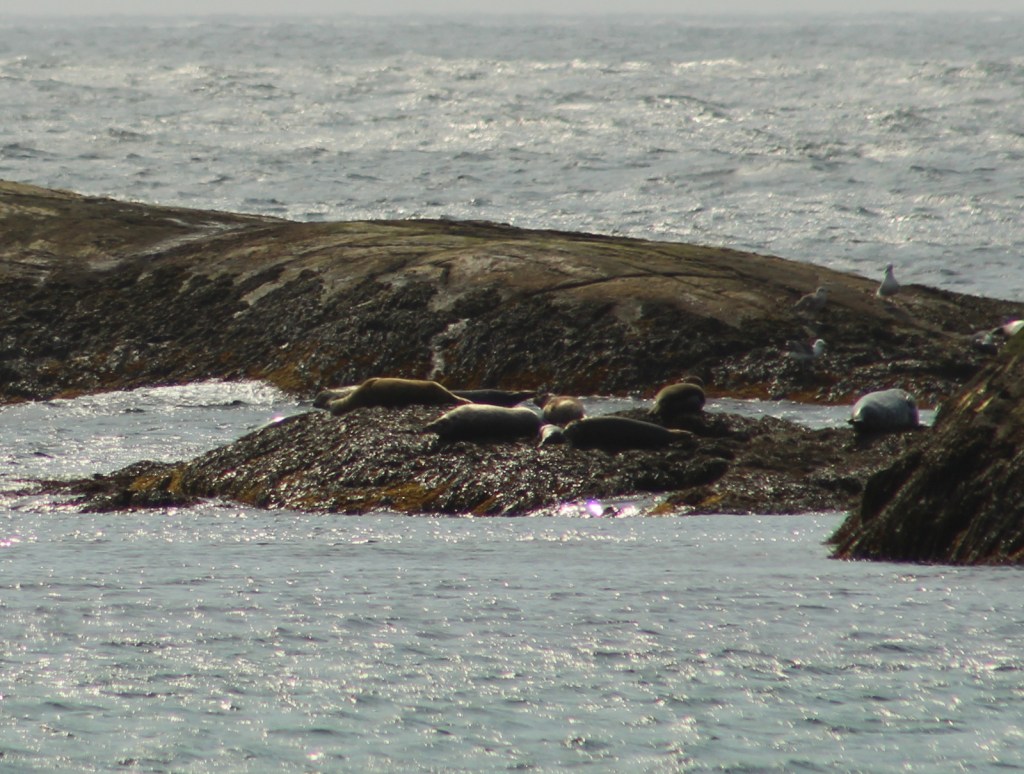
The Ocean State has 384 miles of Atlantic shoreline, much of it in Narragansett Bay, where harbor seals, hooded seals, gray seals, and harp seals can be seen on a guided cruise.

Ninigret National Wildlife Refuge

Walk the beach of a barrier island in Ninigret Conservation Area, or park inland at the Kettle Pond Visitor Center to hike trails through the woods on these 900 acres set aside in 1970 as a National Wildlife Refuge.

Beavertail State Park

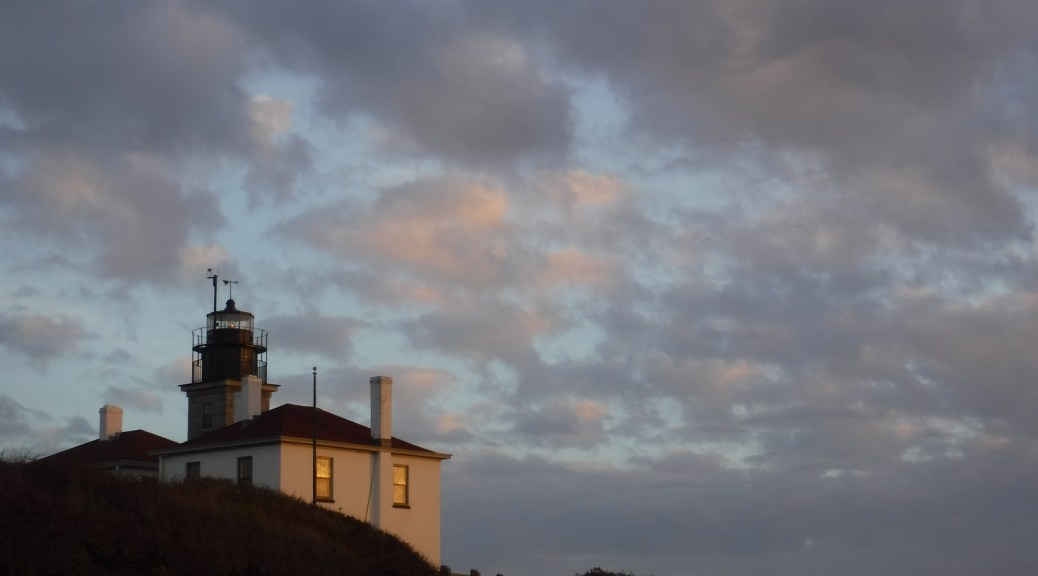
Sitting on 153 acres at the southern tip of Conanicut Island, this park at the entrance to Narragansett Bay is famous for its 1856 lighthouse, but even more so for its sunsets.  The assistant keeper’s house now contains the Beavertail Lighthouse Museum where you will learn about the construction of Beaver Tail Fort during the American Revolution and Fort Burnside during World War II. 

Fishermen’s Memorial Campground

Located not on the beach but inland in the town of Narragansett, this campground is near Roger Wheeler State Beach, Salty Brine State Beach, and Scarborough State Beach, as well as the Block Island Ferry Dock at Point Judith.  It is extremely popular in the summer, so reservations are recommended.

Optional stop at Fantastic Umbrella Factory

This commune on the coast in Charleston has a small store selling handmade artwork and decorations, mostly with a beach theme.

Day 6+ optional ferry to Block Island

Pick up a ferry in Newport or Point Judith to spend a few nights on scenic Block Island (where we hope to visit someday).  There are few cars allowed on the island, so everyone is encouraged to bicycle or walk its 28 miles of nature trails.  More than 47% of the island is preserved from development, including Rodman’s Hollow and Mohegan Bluffs Scenic Natural Areas.

Block Island National Wildlife Refuge

Located at the northern end of the 6,000-acre island situated 12 miles off mainland Rhode Island, the refuge is an important stop for migratory birds since its many ponds contain significant sources of freshwater.  Block Island and its 17 miles of sandy beaches have been attracting summer vacationers for decades, but the National Wildlife Refuge was not established until 1973.

Learn more about Rhode Island’s Most Scenic Drive, Wonderful Waterfall, Top State Park, and other categories in our new travel guidebook 50 States of Great: Road Trip Guide to America.

Jefferson National Forest

Jefferson National Forest

Virginia, West Virginia, Kentucky

Managed by U.S. Forest Service, Southern Region

1,670,846 acres (723,531 federal/ 947,315 other)

Website: https://www.fs.usda.gov/gwj

Overview

In western Virginia, Jefferson National Forest contains Mt. Rogers, the state’s highest point at 5,729 feet (see our post on Mt. Rogers National Recreation Area).  There are 17 designated Wildernesses in Jefferson National Forest, second only to the 19 in Alaska’s massive Tongass National Forest.  In 1995, George Washington and Jefferson National Forests were administratively combined.  Is it just us, or does that name seem to celebrate George Jefferson from the 1970s sitcom?  It is supposed to commemorate native-Virginian Thomas Jefferson who was the original author of the 1776 Declaration of Independence and the third President of the U.S.  The Omnibus Public Land Management Act of 2009 created both the Bear Creek (5,503 acres) and Seng Mountain (6,455 acres) National Scenic Areas as specially designated parts of Jefferson National Forest.

Highlights

Blue Ridge Parkway, Mt. Rogers National Recreation Area, Seng Mountain National Scenic Area, Bear Creek National Scenic Area, Settlers Museum of Southwest Virginia, James River Gorge, Mountain Lake, Apple Orchard Falls, Cave Mountain Lake, Glenwood Iron Furnace, High Knob, Little Stony Creek, Lake Keokee, Olinger Gap Trail, Virginia Creeper Trail, Virginia Highlands Trail, Appalachian National Scenic Trail

Must-Do Activity

We have only visited the Mt. Rogers National Recreation Area (which made it on our Top 10 List) portion of Jefferson National Forest, which sits just north of the North Carolina border.  One popular day trip there is to bike the 33-mile-long Virginia Creeper Trail, which is also open to hikers and horse riders.  Last used in 1977, the former railroad grade runs 18 miles downhill from Whitetop Station Visitor Center to the town of Damascus, and local outfitters can provide shuttles to the trailheads and rental bikes.  The trail drops 1,600 feet in total (sometimes at a 7% grade); no wonder those steam locomotives were “creeping” up the hill.  Outside the National Forest, another 15 miles of railroad bed runs to Abingdon and includes the lowest point on the trail at the scenic South Holston Trestle.

Best Trail

Apple Orchard Falls has a drop of 200 feet and can be accessed from Sunset Fields Overlook at Milepost 78 on the Blue Ridge Parkway.  Considered the most popular hike in Jefferson National Forest, the steep trail is only 1.3 miles long one-way, but gains more than 1,000 feet in elevation.  A six-mile loop can be completed by connecting to the Cornelius Creek Trail with a total elevation gain of 1,438 feet.  Olinger Gap Trail is another short, scenic route that connects the 3.7-mile Lake Keokee Loop Trail and the 14-mile Stone Mountain Trail.

Watchable Wildlife

Jefferson National Forest has elevations ranging from 649 feet at the James River up to 5,729 feet, offering a variety of habitats.  Its most famous residents may be the wild miniature ponies that hang out in the heath balds around Mt. Rogers.  Like George Washington National Forest, there are several types of rare salamanders found here, including the golden pygmy salamander.  Noteworthy mammals are white-tailed deer, black bears, bobcats, raccoons, river otters, martens, and weasels.  Large birds found in Jefferson National Forest include wild turkeys, turkey vultures, bald eagles, peregrine falcons, and several types of hawks.

Instagram-worthy Photo

Spring and early summer are a great time to visit to see blooming azalea, mountain laurel, and rhododendron bushes.

Peak Season

Spring and fall

Fees

$5 day-use fee at Beartree Recreation Area

Road Conditions

The Peaks of Otter Visitor Center on the paved Blue Ridge Parkway is managed by the National Park Service adjacent to Jefferson National Forest.  There are unpaved roads scattered throughout the mountains, including a rough road off Forest Road 606 that comes close to the 15-foot-tall Falls of Dismal (also accessible by hiking trail).

Camping

Beartree, Hurricane, Cane Patch, Laurel Falls, Cave Springs, Bark Camp Lake, Cave Mountain Lake, Pines, and White Rocks are only a selection of the many designated campgrounds in Jefferson National Forest.  There is a 25-foot right-of-way for backpack camping on both sides of the Virginia Creeper Trail, except on private property.

Wilderness Areas

Barbours Creek Wilderness (also in George Washington National Forest)

Beartown Wilderness

Brush Mountain East Wilderness

Brush Mountain Wilderness

Garden Mountain Wilderness

Hunting Camp Creek Wilderness

James River Face Wilderness

Kimberling Creek Wilderness

Lewis Fork Wilderness

Little Dry Run Wilderness

Little Wilson Creek Wilderness

Mountain Lake Wilderness

Peters Mountain Wilderness

Raccoon Branch Wilderness

Shawvers Run Wilderness (also in George Washington National Forest)

Stone Mountain Wilderness

Thunder Ridge Wilderness

Related Sites

Mt. Rogers National Recreation Area (Virginia)

Booker T. Washington National Monument (Virginia)

Cumberland Gap National Historical Park (Kentucky-Tennessee-Virginia)

Nearest National Park
New River Gorge

Conifer Tree Species

eastern hemlock, eastern white pine, Virginia pine, shortleaf pine, pitch pine, Table Mountain pine, red spruce, Fraser fir

Flowering Tree Species

American beech, yellow birch, mountain maple, sugar maple, white oak, black oak, northern red oak, rock chestnut oak, bear oak, hickory, basswood, sweet buckeye, American elm, sourwood, mountain laurel, azalea, rhododendron

Explore More – What is the scientific name for Virginia creeper, the native vine with palmately compound leaves?

Learn more about this and the 154 other National Forests in our new guidebook Out in the Woods

We are a participant in the Amazon Services LLC Associates Program, an affiliate advertising program designed to provide a means for us to earn fees by linking to Amazon.com and affiliated sites.