Tag Archives: fishing

Lake Mead National Recreation Area

Overview

In 1964, Lake Mead became the first National Recreation Area administered by the National Park Service (NPS).  It actually encompasses two reservoirs on the Colorado River: Lake Mead formed by Boulder Dam in 1936 and (further south) Lake Mohave formed by Davis Dam in 1951.  Boulder Dam was later renamed Hoover Dam and is one big reason this is among the busiest NPS sites with about 7-million annual visitors (also partly due to its proximity to Las Vegas, Nevada).

Highlights

Hoover Dam, Northshore Road, Redstone Trail, Arizona Hot Springs, boating

Must-Do Activity

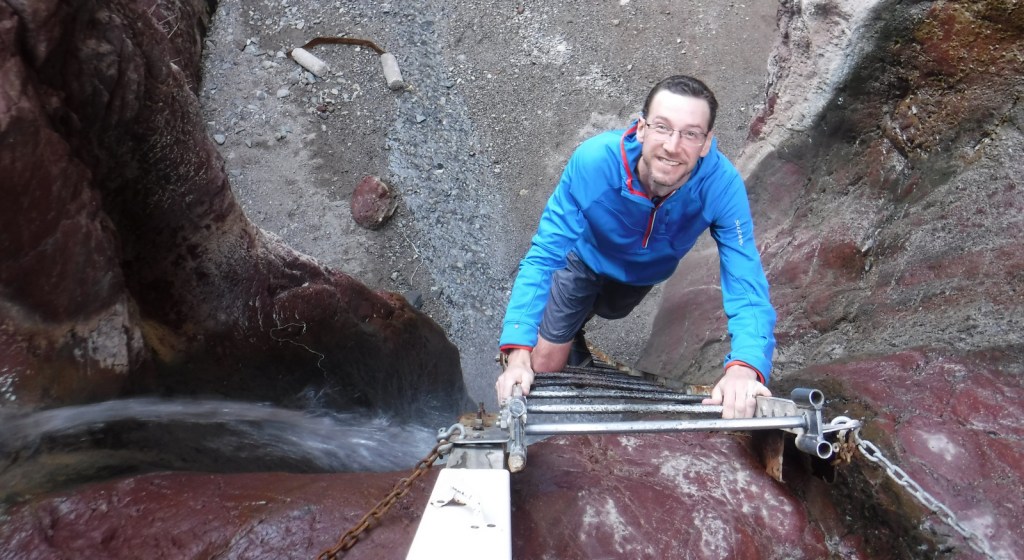
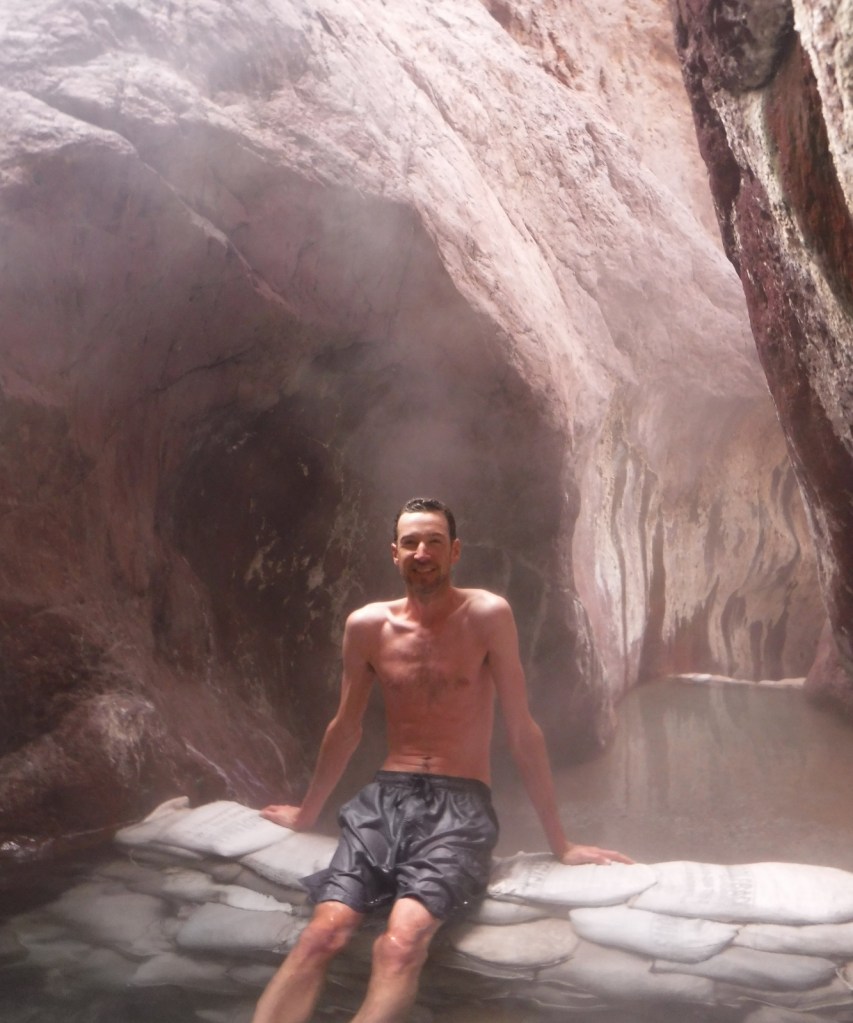
The most fantastic destination in Lake Mead National Recreation Area is Arizona Hot Springs, where pools are formed by sandbags in a narrow canyon.  It is accessible from Liberty Bell Trailhead by a 6.5-mile roundtrip hike through a beautiful canyon down to the Colorado River.  The trail is closed during the hot summer months, but you can still access it by canoe or kayak from Willow Beach Marina or just downstream from the Hoover Dam (with a special permit). Downriver in Black Canyon, stop at Emerald Cove for incredible photographs.

Best Trail

Redstone Trail is a short loop hike through a fantastic red rock area found just off North Shore Drive.  It is similar to the photogenic Valley of Fire State Park located to the north.

Instagram-worthy Photo

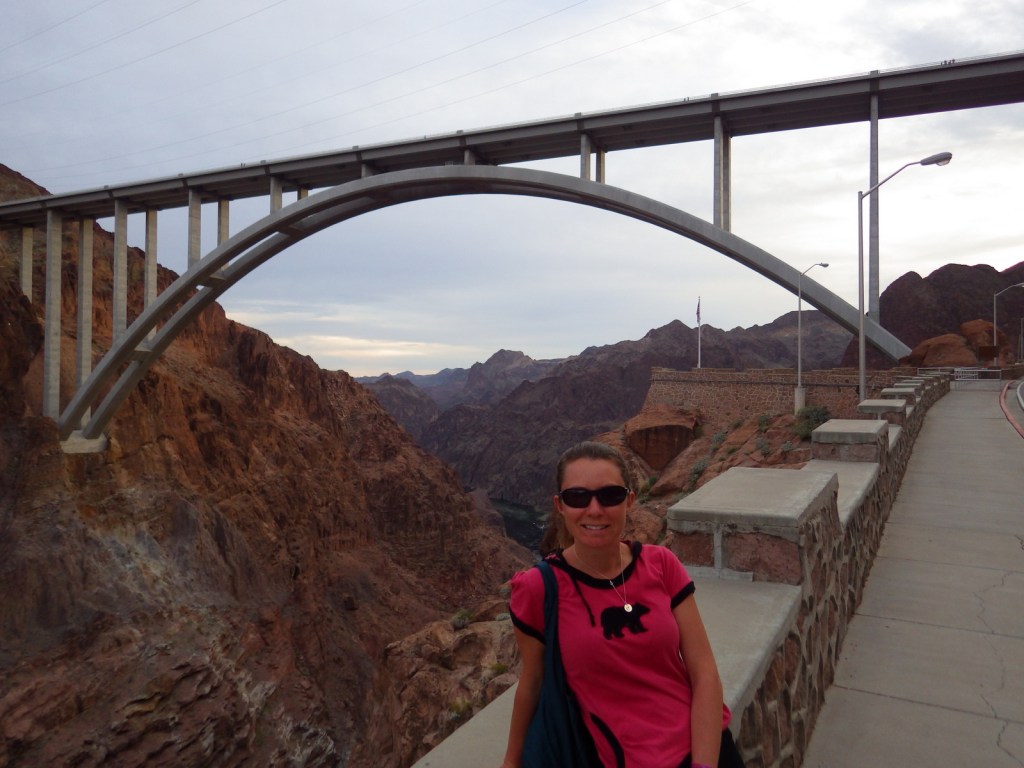
The area around the Hoover Dam can get very crowded, as can the outstanding overlook on the 1,900-foot long Pat Tillman Memorial Bridge (completed in 2010 to route Highway 93 traffic off the dam).  Standing 890-feet above the river below, it ranks as the second highest bridge in the United States behind Colorado’s Royal Gorge Bridge.  Be prepared to pass through a security screening if you park at the bridge or Hoover Dam.

Peak Season

Spring and fall

Hours

https://www.nps.gov/lake/planyourvisit/hours.htm

Fees

$25 per vehicle or America the Beautiful pass to access Willow Beach Marina or Lake Mead itself.  At Hoover Dam there is free parking on the Arizona side, but fees for the museum and tours.

Road Conditions

All major roads are paved, including the steep drive down to Willow Beach Marina, which also has a fish hatchery open to visitors.

Camping

There are multiple NPS campgrounds around the perimeter of Lake Mead and Lake Mohave.  Backcountry camping is allowed without a permit at Arizona Hot Springs, which is even more spectacular after dark.

Related Sites

Grand Canyon National Park (Arizona)

Glen Canyon National Recreation Area (Arizona-Utah)

Tule Springs Fossil Beds National Monument (Nevada)
Explore More – Lake Mead is not often filled to capacity, so when was the last time its spillways were needed during a big snowmelt year?

Missouri National Recreational River

Overview

Forming the border of Nebraska and South Dakota, the Missouri National Recreational River was originally designated in 1978, but only 300 of its 34,128 acres are managed by the National Park Service (NPS).  Its lower segment runs 59 miles from the Gavins Point Dam to Ponca State Park.  More than a decade later, a 39-mile stretch was added from the Fort Randall Dam to Niobrara State Park, and includes 20 miles of the Lower Niobrara River (which is itself designated a National Scenic River upstream).  The section of river in between is a 29-mile long reservoir known as Lewis and Clark Lake, named for the explorers that led the Corps of Discovery up this section of river in August-September 1804.

Highlights

Lewis and Clark Visitor Center, Gavins Point National Fish Hatchery and Aquarium, boating, fishing

Must-Do Activity

Most visitors come for the boating and fishing opportunities along the Missouri River.  If you are well-prepared, canoeing can be a fun way to experience these two relatively free-flowing sections of river.  The NPS and U.S. Army Corps of Engineers (COE) manage the Lewis and Clark Visitor Center near Yankton, South Dakota, which, in addition to dam tours, offers the Gavins Point National Fish Hatchery and Aquarium.

Best Trail

The 4,400-mile long Lewis and Clark National Historical Trail tracks through here, but since the Corps of Discovery used the Missouri River as their path, there is no hiking trail to follow.

Instagram-worthy Photo

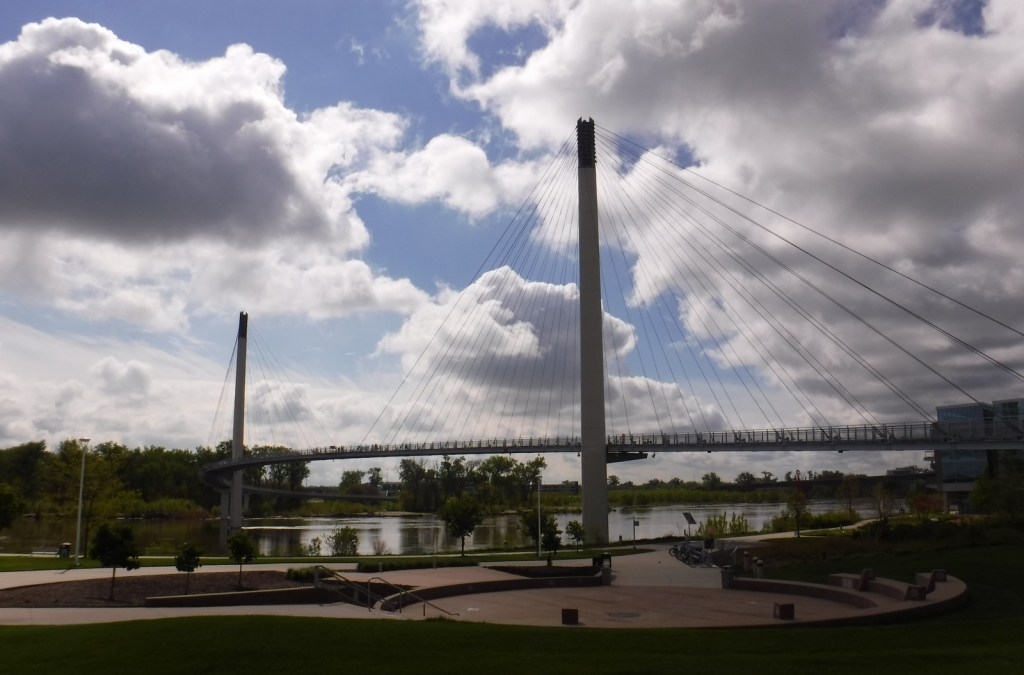
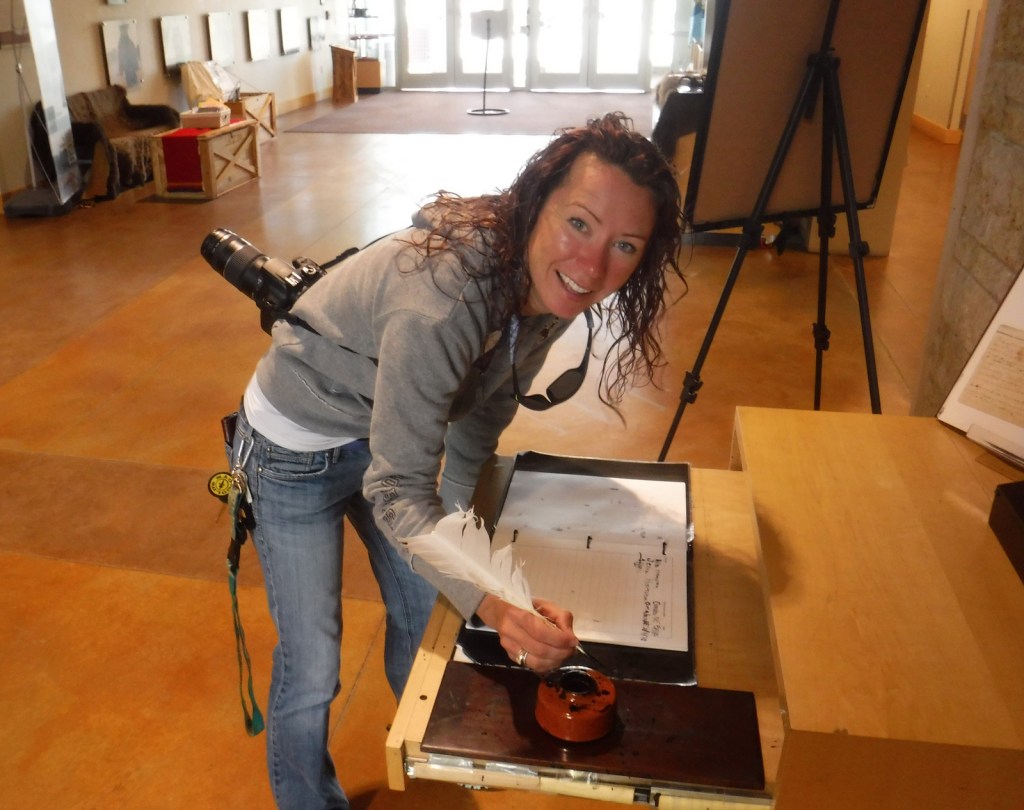
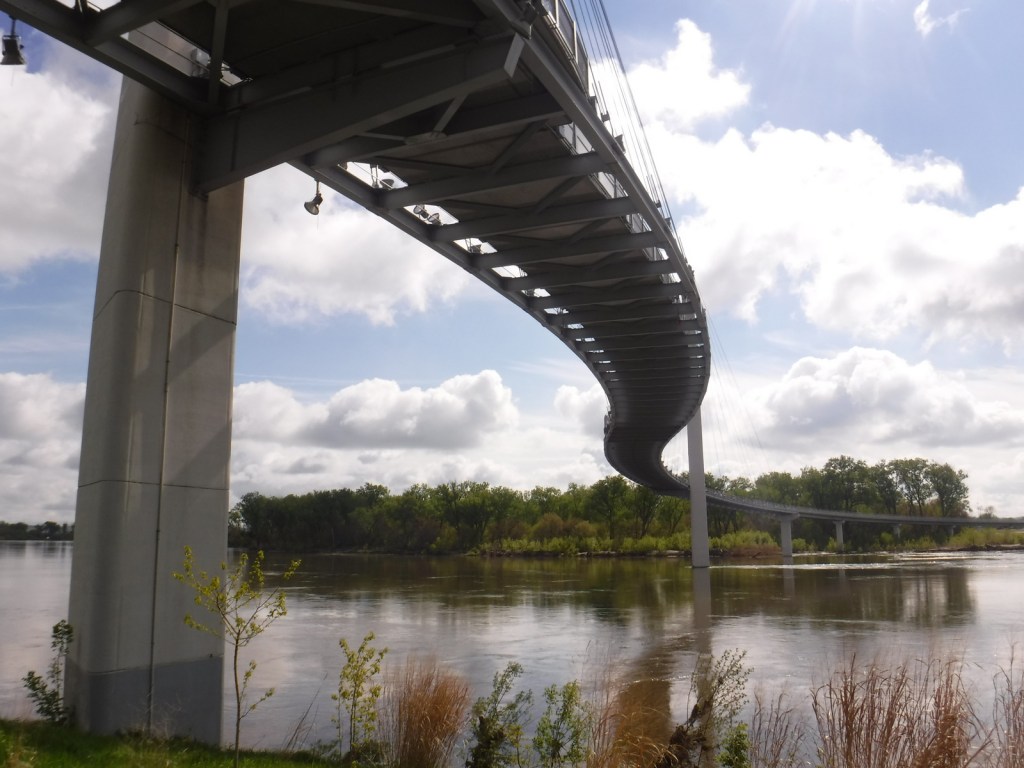
There are several great museums along the Missouri River section of the Lewis and Clark National Historical Trail.  Our favorite is the NPS headquarters for the trail in Omaha, Nebraska, which has the beautiful Bob Kerrey Pedestrian Bridge across the river connecting to Iowa.  If you drive over to Council Bluffs, do not miss the free museum at the Western Historic Trails Center.

Peak Season

Summer

Hours

https://www.nps.gov/mnrr/planyourvisit/hours.htm

Fees

None for the NPS unit, but the state parks charge admission.

Road Conditions

Roads to the state parks and visitor centers are paved, but there are many dirt roads that access boat launches along the river.

Camping

Niobrara State Park and Ponca State Park both have more than 100 campsites with running water.  The COE also operates campgrounds near its dams.

Related Sites

Niobrara National Scenic River (Nebraska)

Knife River Indian Villages National Historic Site (North Dakota)

Lewis and Clark National Historical Park (Oregon-Washington)

Explore More – In the aftermath of several devastating floods, when did Congress enact the Flood Control Act to construct five dams along the Missouri River?
Ninety Six National Historic Site

Overview

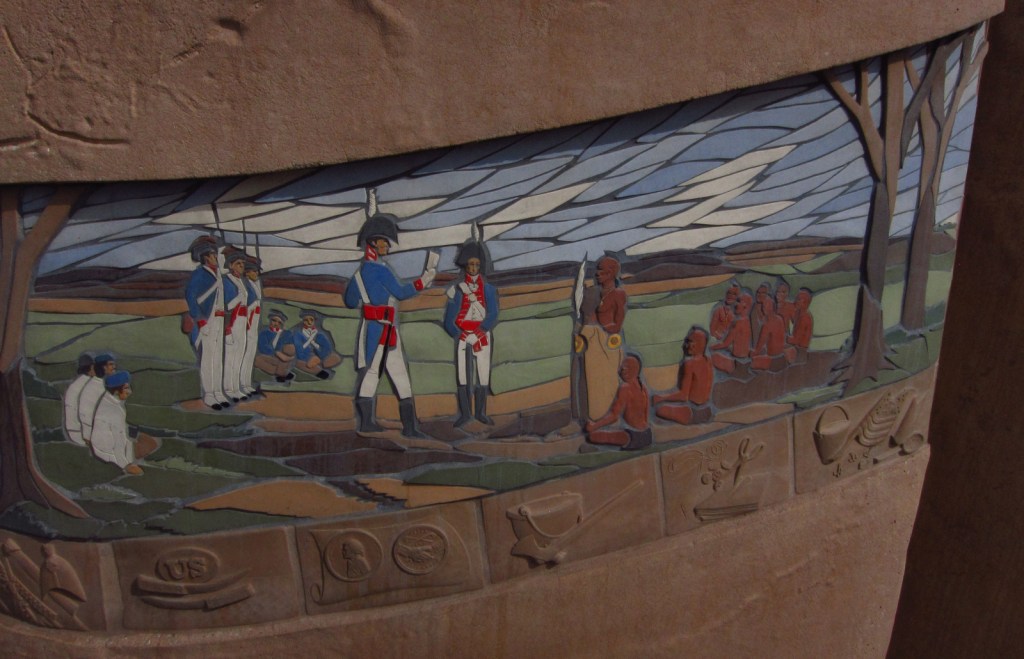
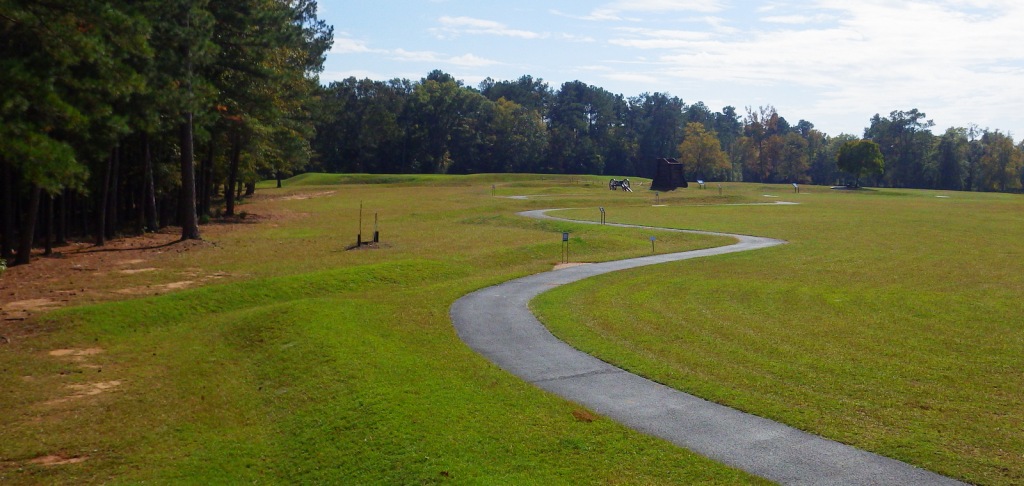
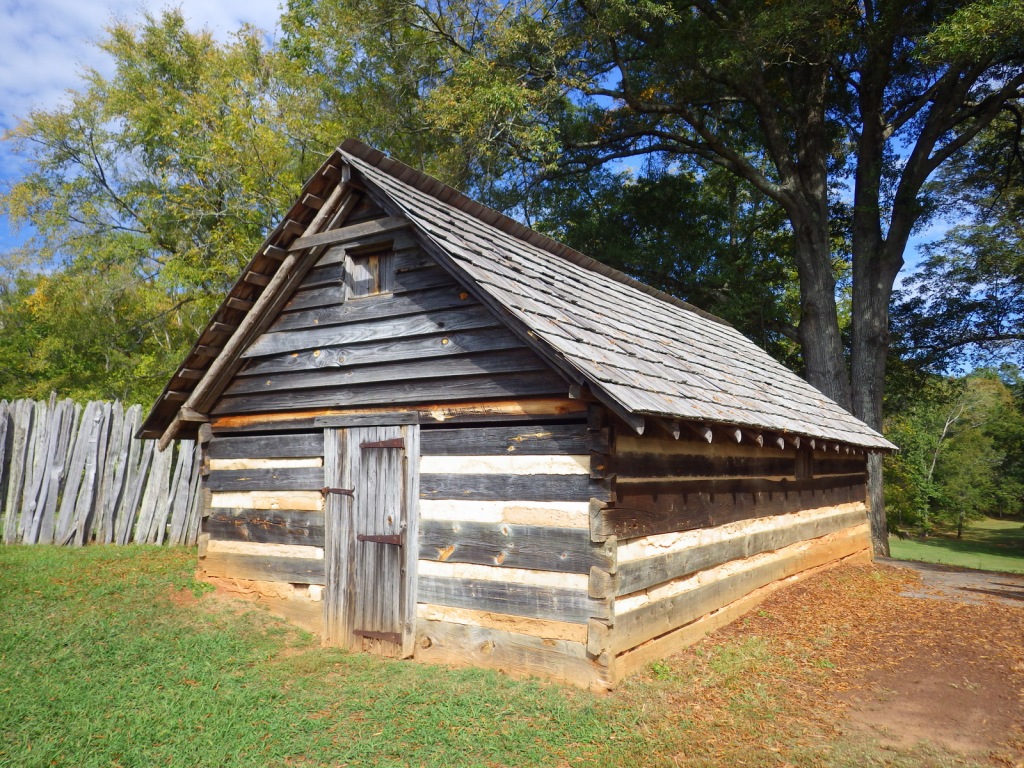
Ninety Six was a bit of a misnomer for this 18th-century trading village in South Carolina.  It was estimated at the time to be 96 miles from a major Cherokee village, but was actually closer to 78.  Then again, Seventy Eight does not have the same ring to it, does it?  A small stockade built around a barn survived two attacks by Cherokees in the 1750s, then during the American Revolution the town fell into British hands after a battle on November 19, 1775.  They proceeded to build a star-shaped earthen fort that was partially reconstructed in the 1970s.

Highlights

Reconstructed Revolutionary War earthen fort, museum, film

Must-Do Activity

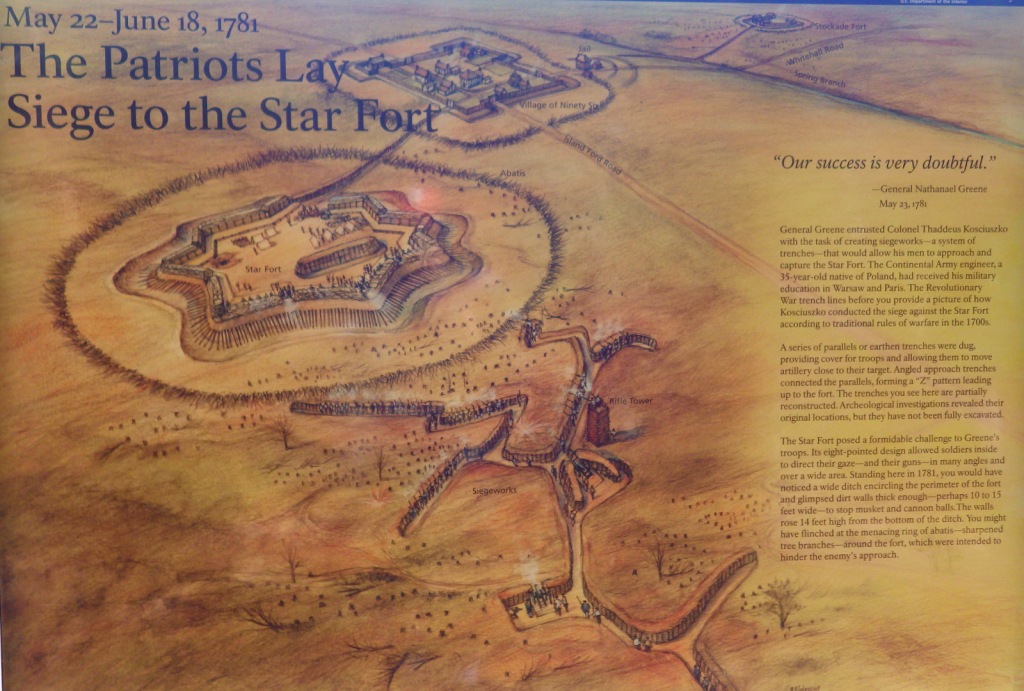
In 1781, six year after the town fell into British hands, a month-long Patriot siege led by General Nathanael Greene failed, but the Patriots abandoned their underground tunneling when they learned of British reinforcements arriving.  The British wound up retreating to Charleston anyway and burning the town behind them.  Ninety Six never fully recovered and remained undeveloped, which allowed archaeologists in the 1970s to rediscover the old tunnels and zigzag trenches designed by Colonel Thaddeus Kosciuszko. 

Best Trail

With interpretive pamphlet in hand, you can get a good idea of Colonel Thaddeus Kosciuszko’s strategy from atop the observation platform built along the one-mile self-guided trail.  The park also contains the 27-acre Star Fort Pond, which is accessible by road or the Cherokee Path Trail from the visitor center.

Instagram-worthy Photo

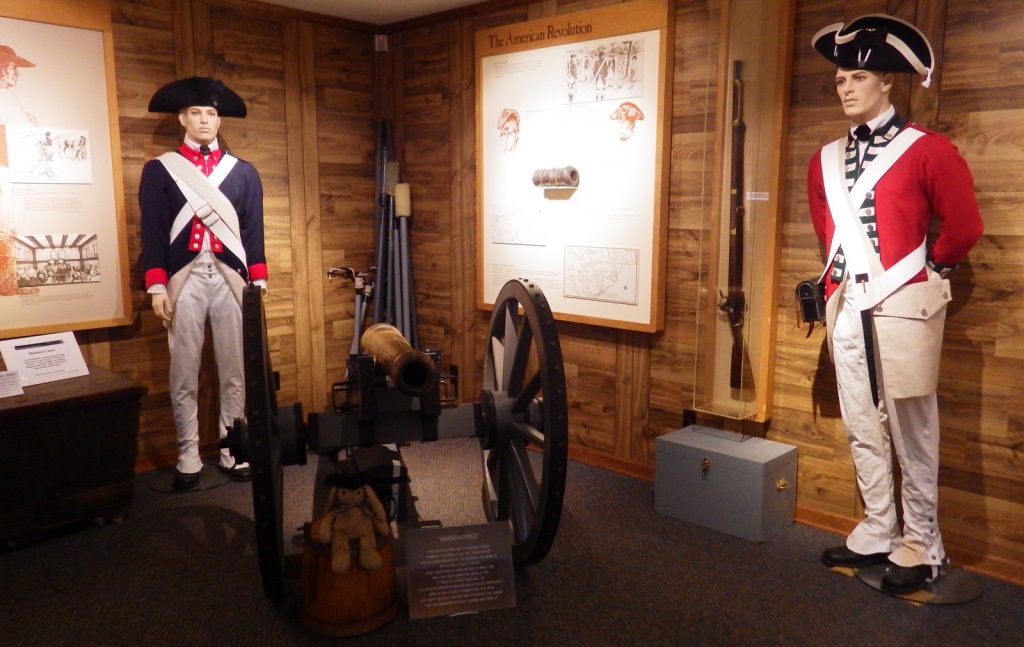
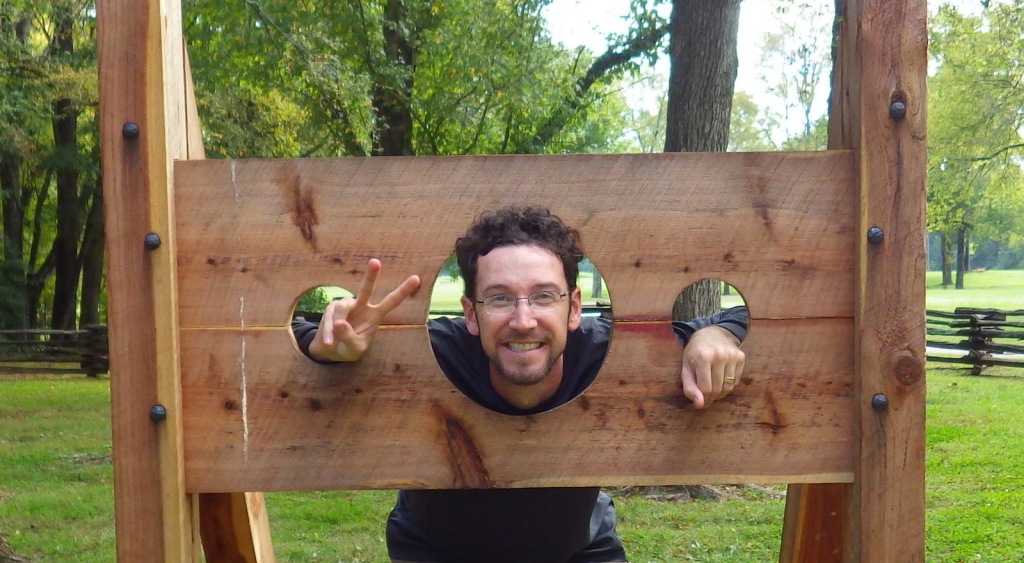
This is the only National Park Service site we know of where visitors are encouraged to brandish a musket.  They also have a pillory to pose in.

Peak Season

Spring and fall, since it can be very hot in the summer with little shade.

Hours

https://www.nps.gov/nisi/planyourvisit/hours.htm

Fees

None

Road Conditions

Access road paved

Camping

Greenwood State Recreation Area has a campground on a lake about nine miles north.

Related Sites

Cowpens National Battlefield (South Carolina)

Fort Sumter and Fort Moultrie National Historical Park (South Carolina)

Thaddeus Kosciuszko National Memorial (Pennsylvania)

Explore More – Who was Robert Gouedy and why was he significant in the history of Ninety Six?

Arkansas Post National Memorial

Overview

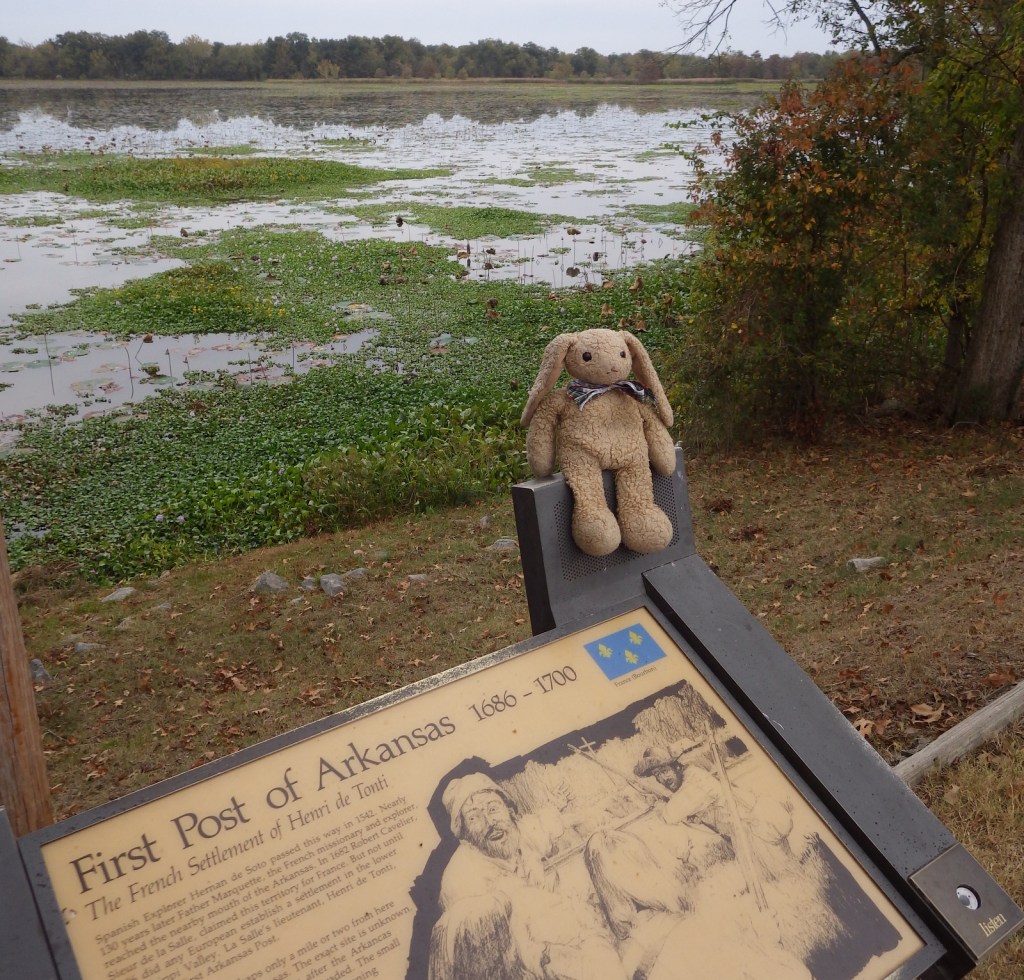
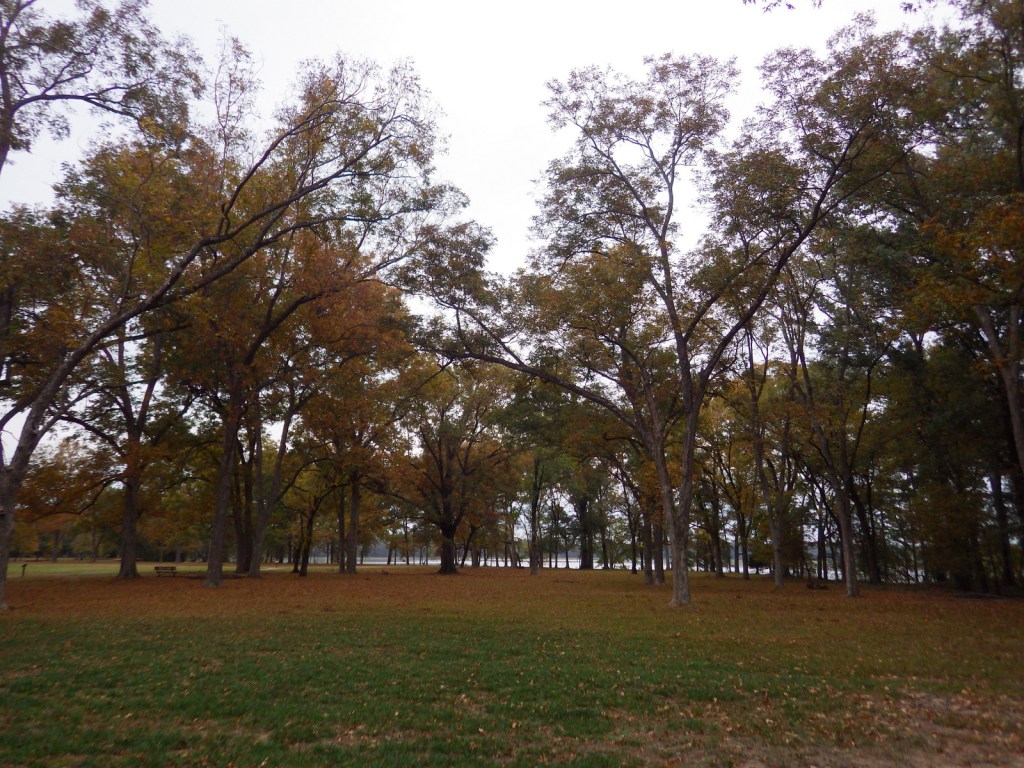
Arkansas Post National Memorial is in the southeastern section of its namesake state near the confluence of the Arkansas and Mississippi Rivers.  The French first settled this area in 1686 in order to trade with a large village of Quapaw Indians.  From 1763-1800 the fort was controlled by the Spanish, who were attacked by the British here in 1783 in what became known as the Colbert Incident, considered one of the final battles in the American Revolution.

Highlights

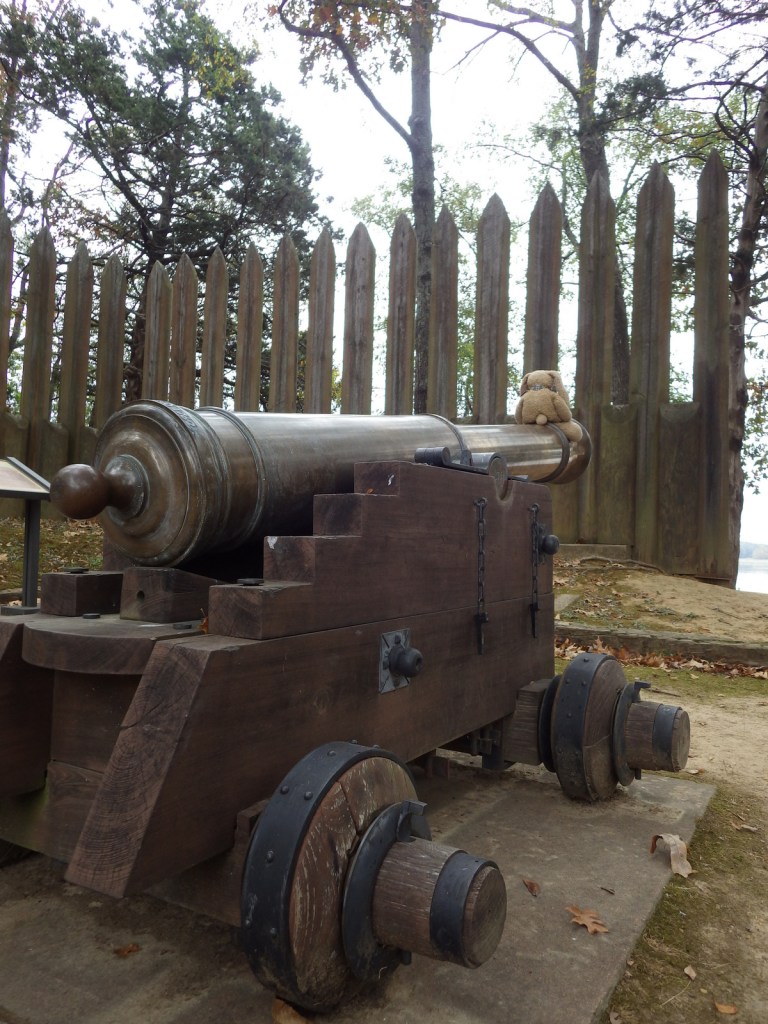
Museum, film, ruins, cannons, wildlife, fishing

Must-Do Activity

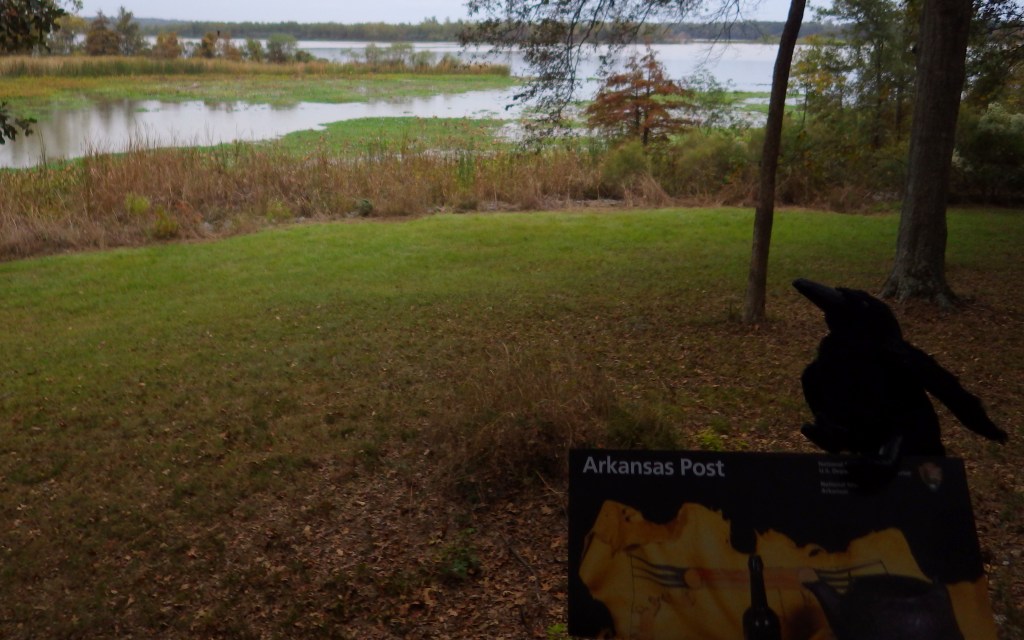
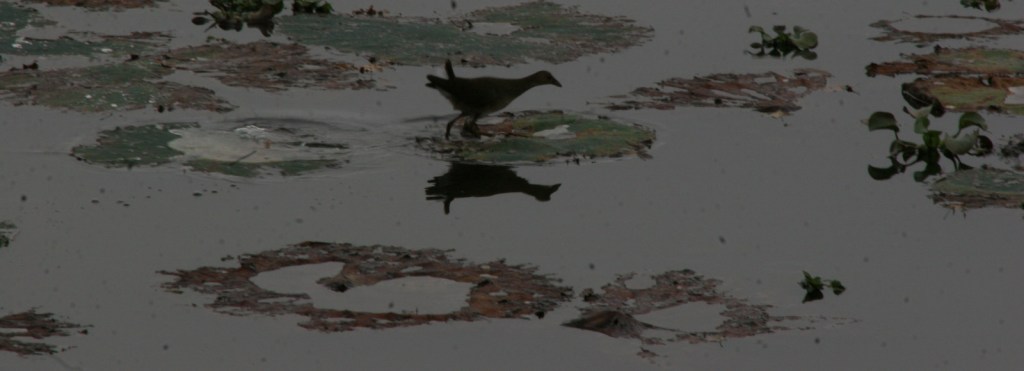
Following the Louisiana Purchase, the post briefly served as the territorial capital, then that moved to Little Rock, Arkansas in 1821.  It fell into decline until Fort Hindman was built during the Civil War, after which time much of the shoreline was washed away by the Arkansas River.  There are not many human structures left to see at the site, but the bayou offers great opportunities for birdwatching.

Best Trail

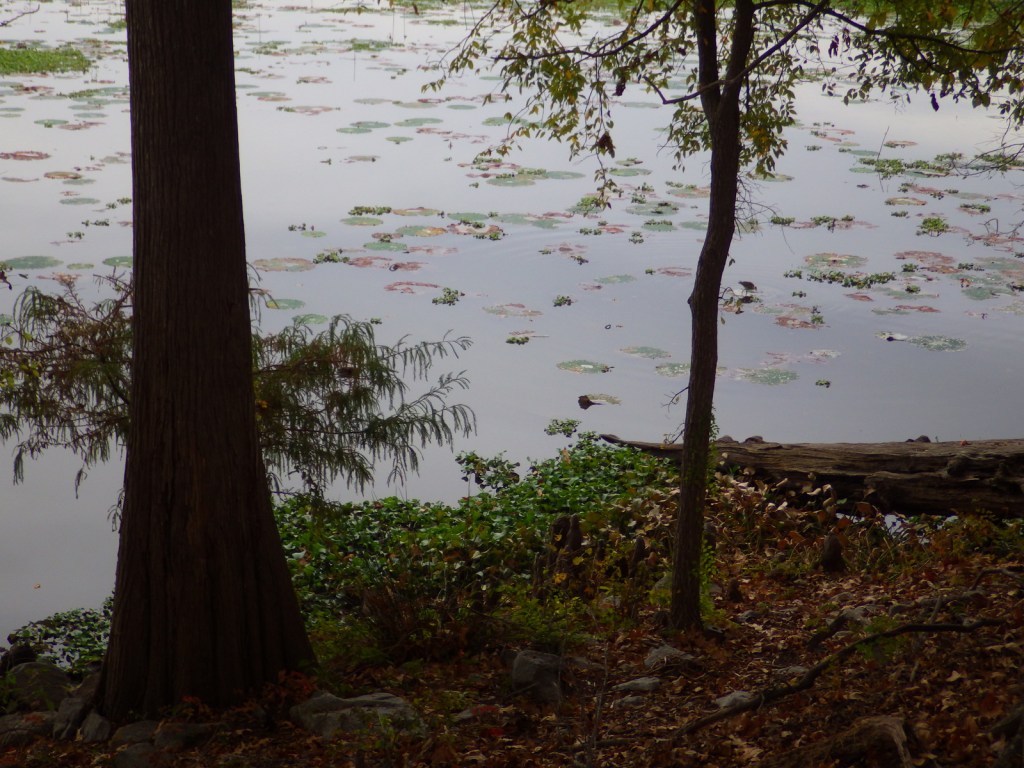
A trail passes Park Lake through the Old Townsite to shoreline views of Post Bayou and the Arkansas River.  A trench dug by the Confederate army during the Civil War is also visible from the trail and a side road north of the visitor center.

Instagram-worthy Photo

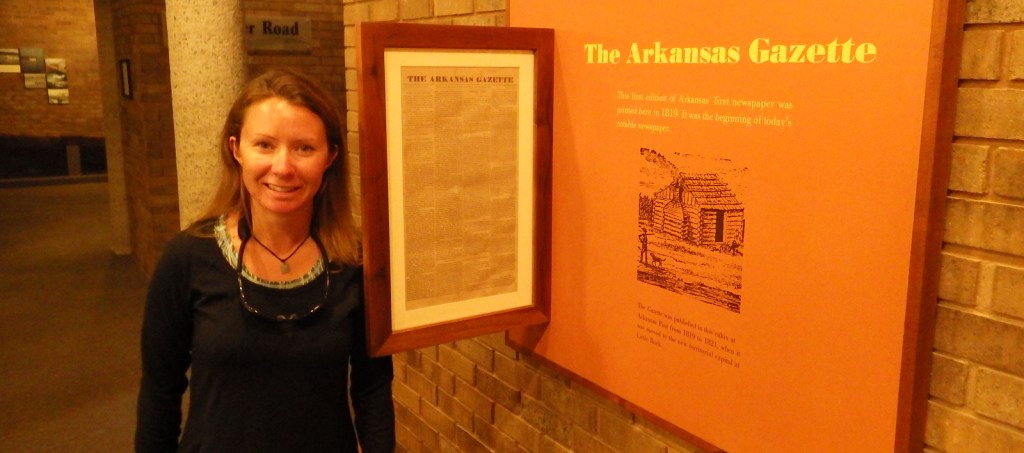
There are plenty of cannons around to pose with, but Tiff was most excited about the original location of The Arkansas Gazette newspaper that started right here in 1819 and is still printed today in Little Rock (which is where she grew up with Wondon).

Peak Season

Spring and fall when there are less mosquitoes.

Hours

https://www.nps.gov/arpo/planyourvisit/basicinfo.htm

Fees

None

Road Conditions

All roads paved

Camping

Camping is not allowed within the park, but the U.S. Army Corps of Engineers manages campgrounds at Pendleton Bend and Merrisach Lake Park.

Related Sites

Little Rock Central High School National Historic Site (Arkansas)

Hot Springs National Park (Arkansas)

Natchez Trace Parkway (Mississippi-Tennessee)

Explore More – Following the 1863 Civil War battle to take the fort, how many Confederate soldiers were taken prisoner?

Whiskeytown-Shasta-Trinity National Recreation Area

Overview

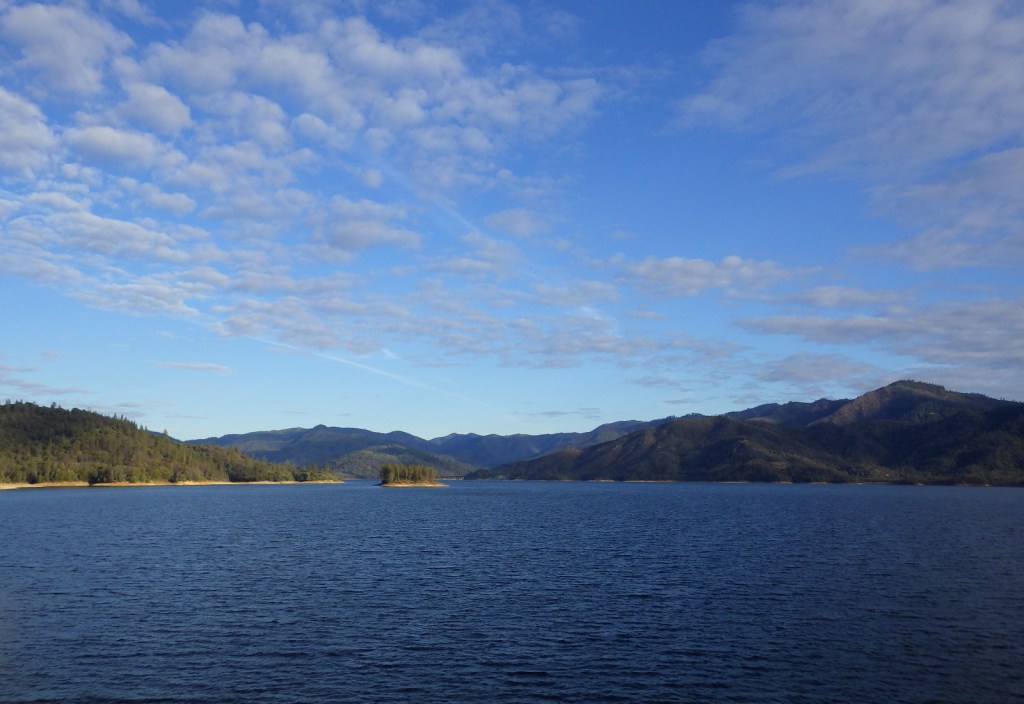
Whiskeytown-Shasta-Trinity National Recreation Area is co-managed by the National Park Service (NPS) and the U.S. Forest Service.  The NPS is in charge of Whiskeytown Lake, a reservoir west of Interstate 5, about 230 miles north of San Francisco, California.  Camping, hiking, gold panning, fishing, boating, and swimming are popular activities, but watch out for poison-oak.

Highlights

Waterfall Challenge, Camden House, gold panning, lake recreation opportunities

Must-Do Activity

Pick up an official Waterfall Challenge Passport at the NPS visitor center along with information on the four waterfall hiking trails.  Tower House Historic District includes the Camden House built in 1852 by a Gold Rush prospector, with seasonal tours offered by the NPS (it was temporarily closed in 2019 after the Carr Fire).  You can even pan for gold (with a $1 permit).

Best Trail

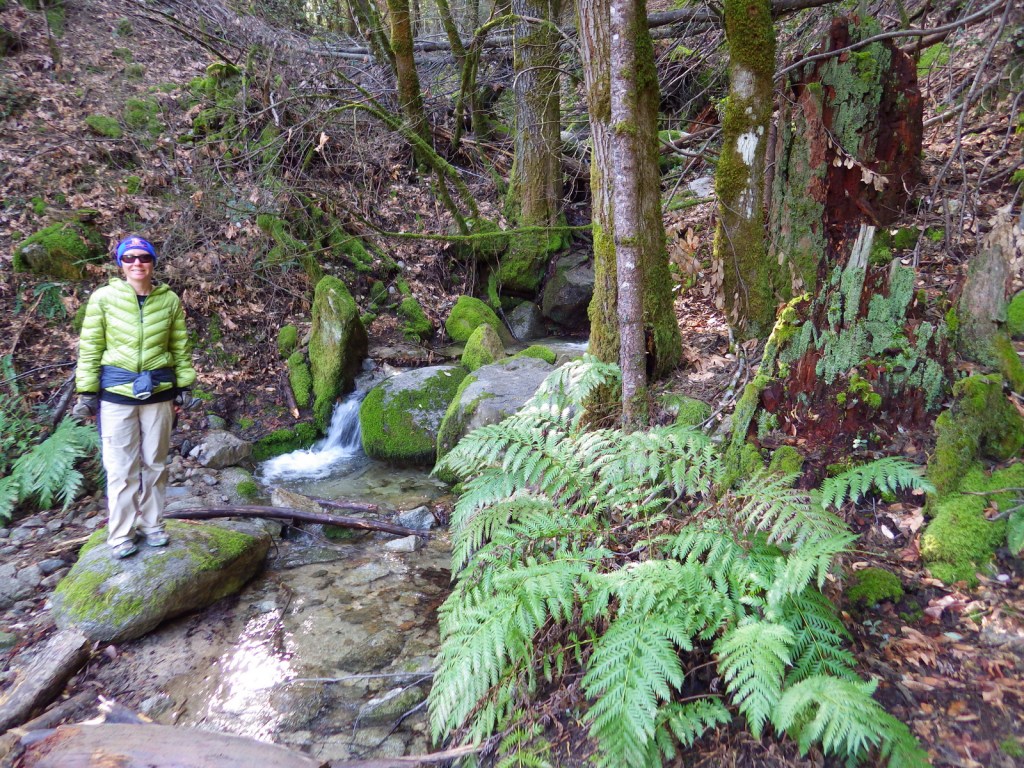
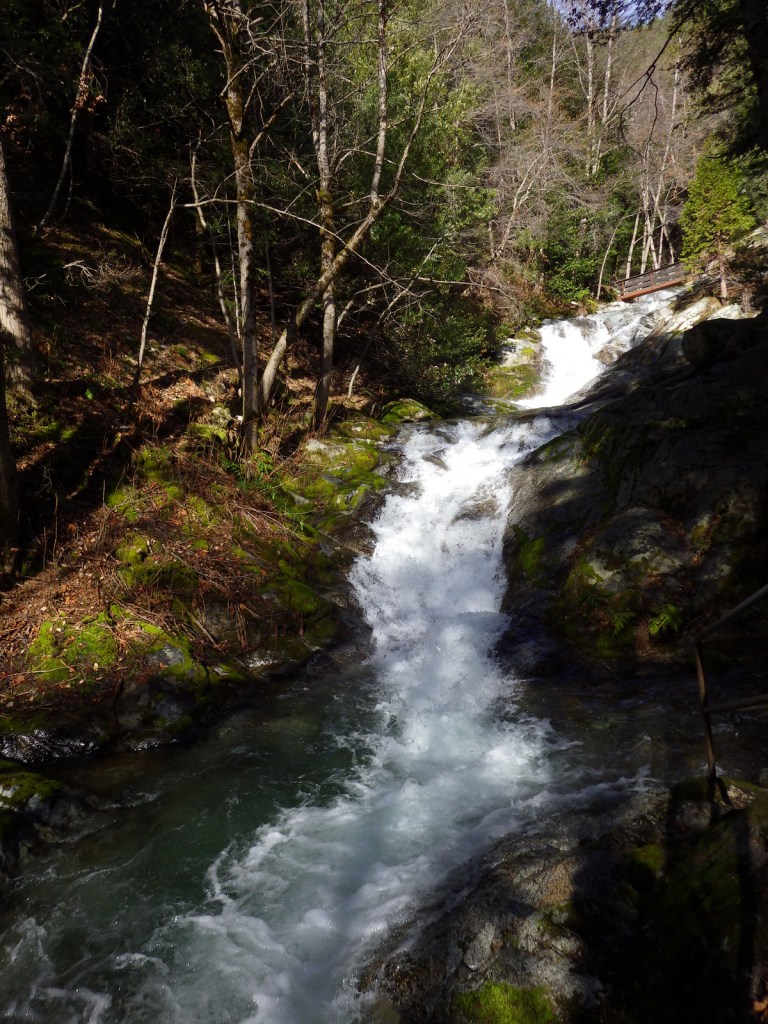
Whiskeytown Falls, Boulder Creek Falls, Brandy Creek Falls, and Crystal Creek Falls are accessible by hiking a total of 11 miles, but it may take longer depending on your choice of trails and road closures.  The trails are steep and poorly marked in some places.

Instagram-worthy Photo

Whiskeytown Falls is 220 feet tall and is accessible on a 3.4-mile roundtrip trail, but we thought the most photogenic waterfall was Crystal Creek Falls.

Peak Season

Summer

Hours

https://www.nps.gov/whis/planyourvisit/hours.htm

Fees

$25 per vehicle or America the Beautiful pass

Road Conditions

Highway 299 on the north side Whiskeytown Lake is paved and accesses Oak Bottom Campground.  Some of the gravel access roads are rough, but passable even with passenger vehicles.

Camping

There are eight campgrounds around the lake, some tent-only, but RVs are allowed at Oak Bottom and Brandy Creek Campgrounds.

Related Sites

Lava Beds National Monument (California)

Lassen Volcanic National Park (California)

Oregon Caves National Monument and Preserve (Oregon)

Explore More – In what year was the Central Valley Project begun that years later formed the 3,200-acre Whiskeytown Lake?