Tag Archives: camping

Joshua Tree National Park

Overview

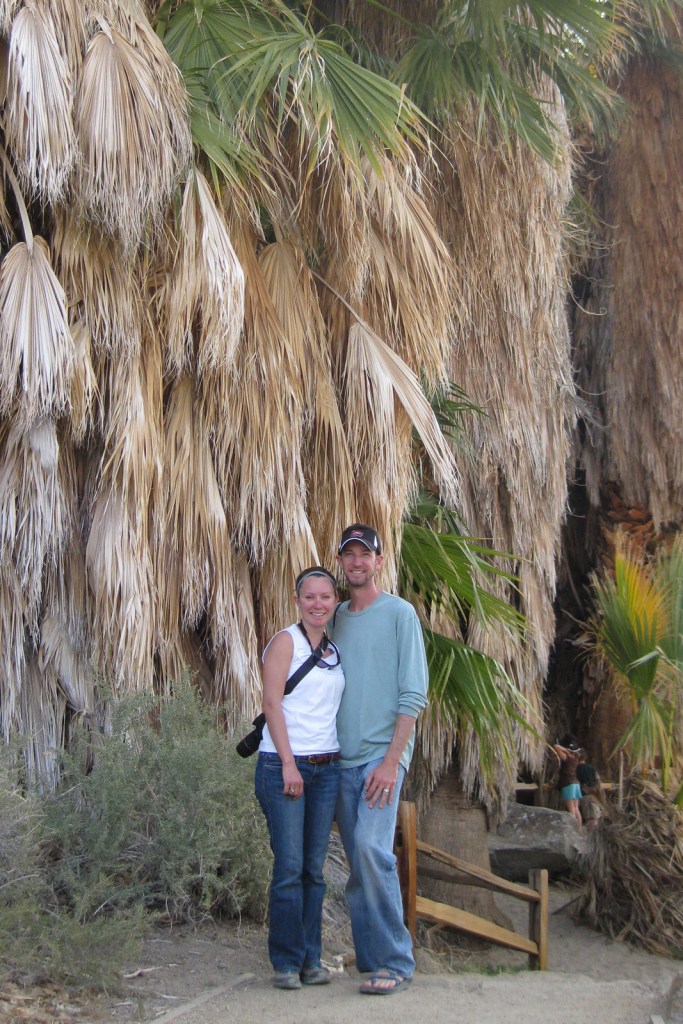
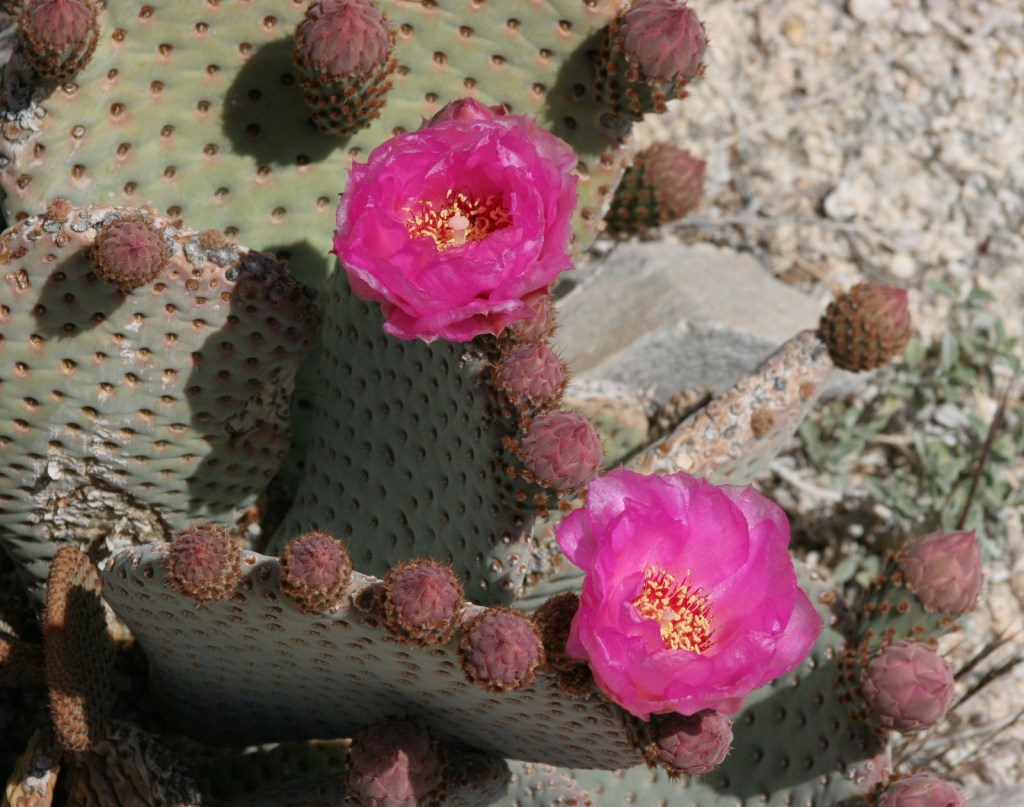
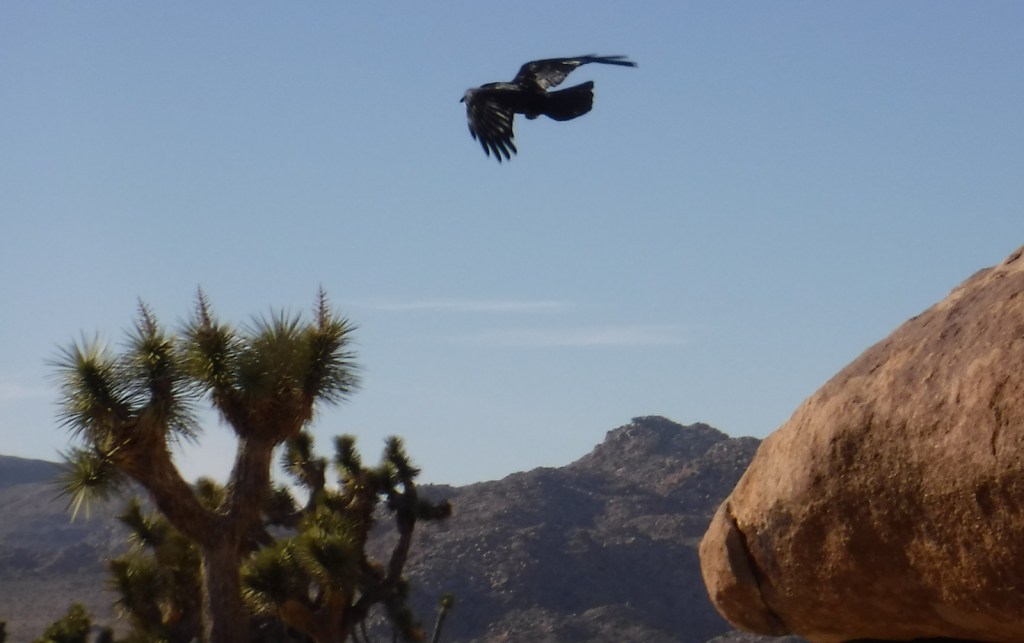
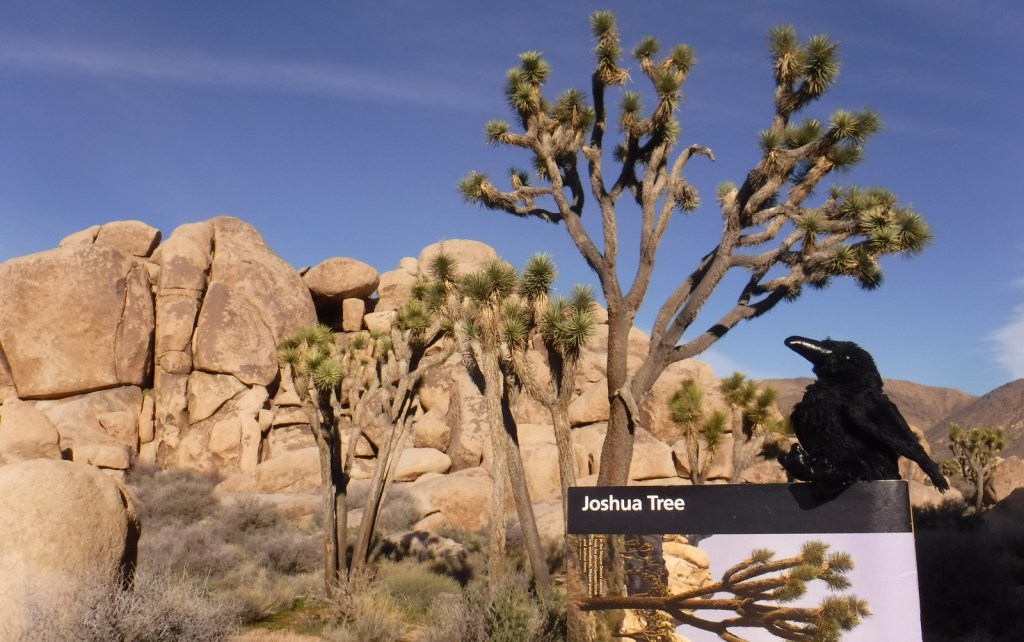
This National Park in southern California is named for a tall yucca plant that grows there in large numbers, but it also contains many other interesting desert life forms and neat rock formations.  In the less-developed southern portion of the park, be sure to stop at the palm trees at Cottonwood Spring, Cholla Cactus Garden, and Ocotillo Patch to learn more about how these unique plants have adapted to survive the harsh desert conditions. 

Learn more in our guidebook to the 62 National Parks, A Park to Yourself: Finding Adventure in America’s National Parks (available on Amazon).
Highlights

Jumbo Rocks, Keys View, Arch Rock, Cottonwood Spring, rock climbing

Must-Do Activity

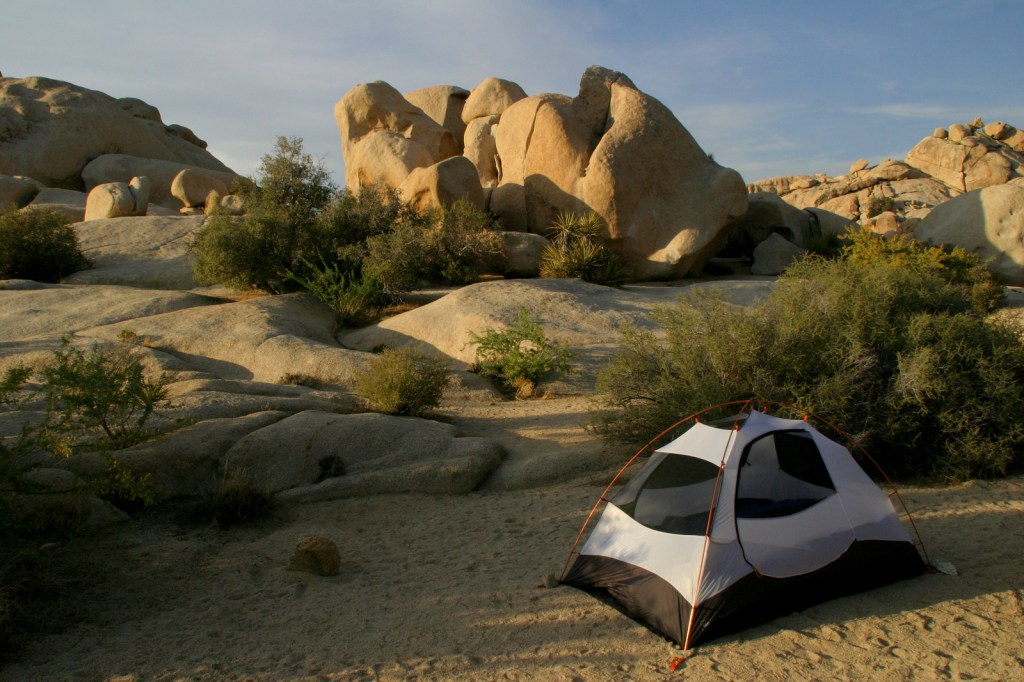
Due to its proximity to Los Angeles, the park gets very busy on Easter weekend (in addition to Thanksgiving weekend).  Campgrounds, like scenic Jumbo Rocks, fill up early.  Other than rock climbing opportunities, the biggest attraction is the myriad of colorful wildflowers that bloom in the spring (including the Joshua trees).

Best Trail

There are many fun hiking options located throughout the park (which are detailed in our guidebook).  At White Tank Campground you can pick up the Arch Rock Nature Trail, which forms a short loop that passes an interesting arch.

Instagram-worthy Photo

Chuckwallas are huge lizards that can grow up to 18 inches long and are related to iguanas.  Chuckwallas can inflate themselves as a defense mechanism so that predators cannot remove them from narrow cracks in the rock. 

Peak Season

Spring and fall

Hours

https://www.nps.gov/jotr/planyourvisit/hours.htm

Fees

$30 per vehicle or America the Beautiful pass

Road Conditions

All major roads are paved, but there are many dirt roads to explore with the right vehicle.

Camping

There are numerous NPS campgrounds located throughout the park, and some take reservations.  The scenic Jumbo Rocks Campground is popular with rock climbers.

Related Sites

Death Valley National Park (California)

Mojave National Preserve (California)

Castle Mountains National Monument (California)

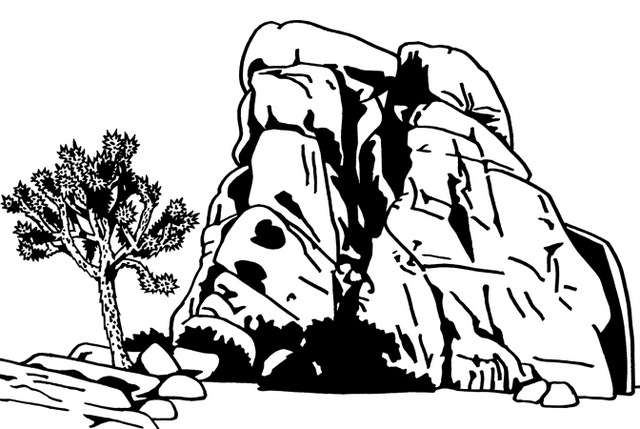
This design we created to celebrate Joshua Tree National Park is available on a variety of products at Cafe Press and Amazon.

Explore More – How tall can Joshua trees grow?

We are a participant in the Amazon Services LLC Associates Program, an affiliate advertising program designed to provide a means for us to earn fees by linking to Amazon.com and affiliated sites.

Amistad National Recreation Area

Overview

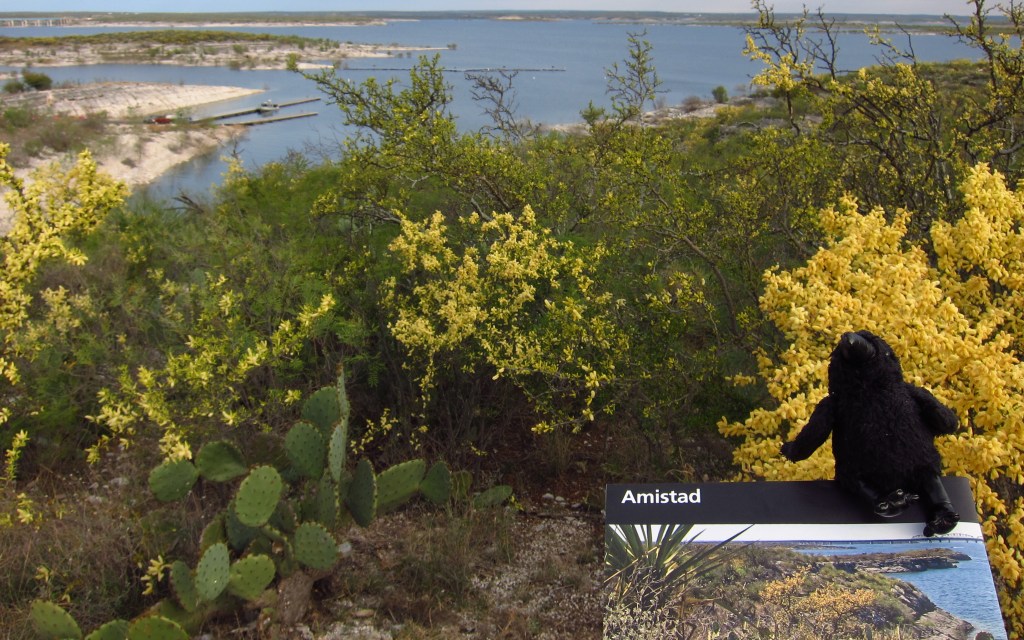
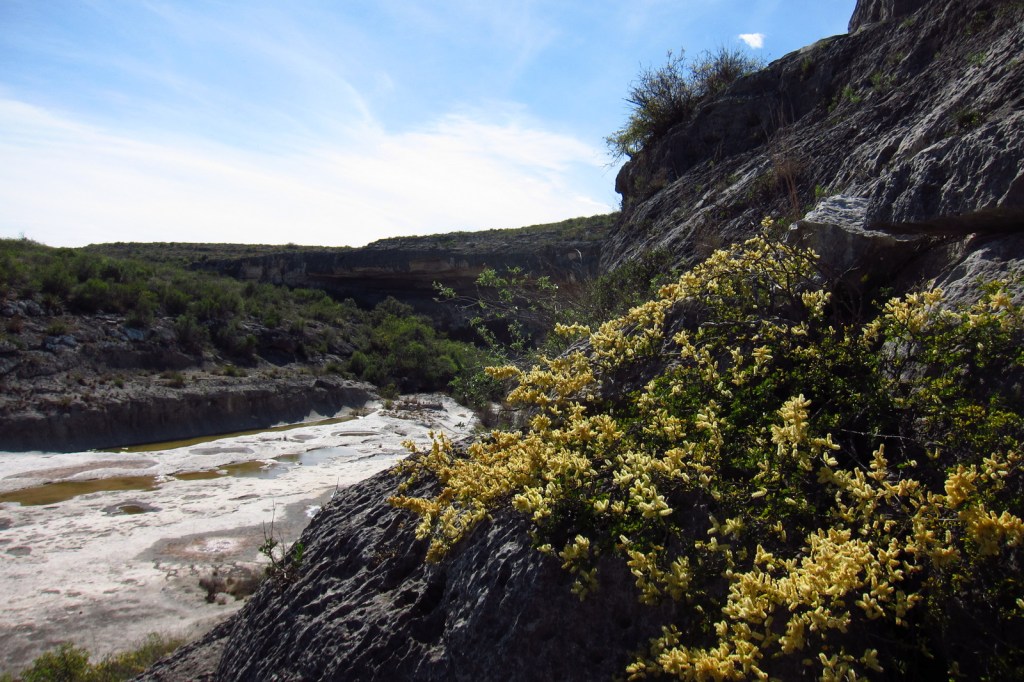
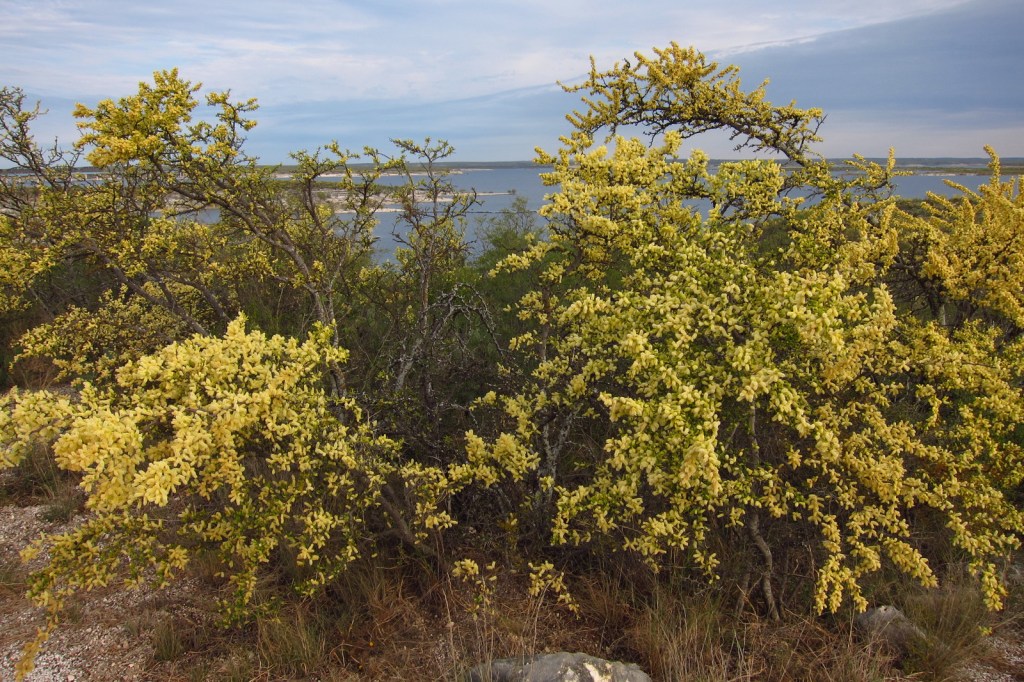
Amistad translates as “friendship” from Spanish, which is fitting given that this reservoir is shared by the U.S. and Mexico.  Marinas and boat ramps provide access to the lake for watersports, like fishing and waterskiing.  The 254-foot tall dam across the Rio Grande was built in 1968 and serves as a customs station in Del Rio, Texas.  The National Park Service (NPS) runs a free museum nearby.

Highlights

Panther Cave pictographs, Seminole Canyon State Park, watersports

Must-Do Activity

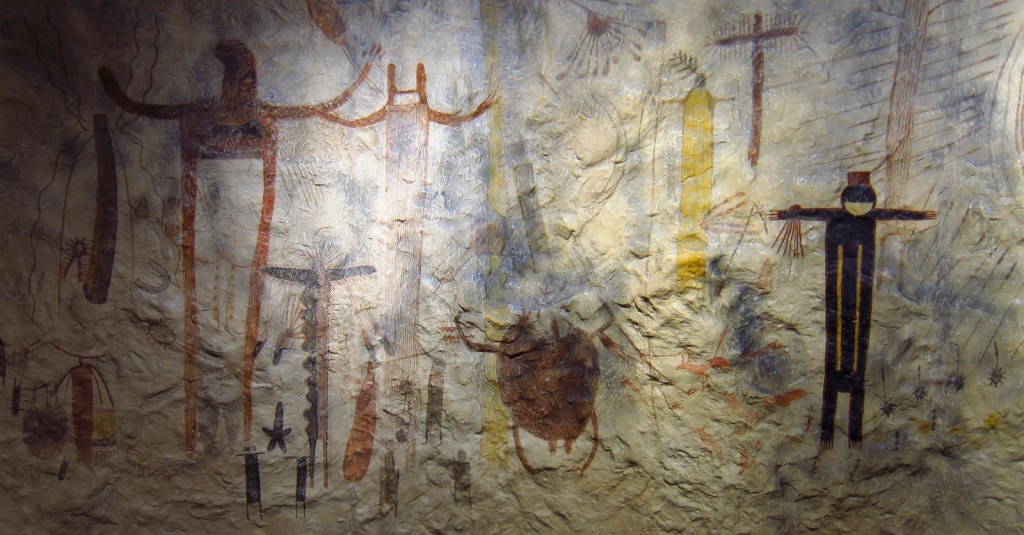
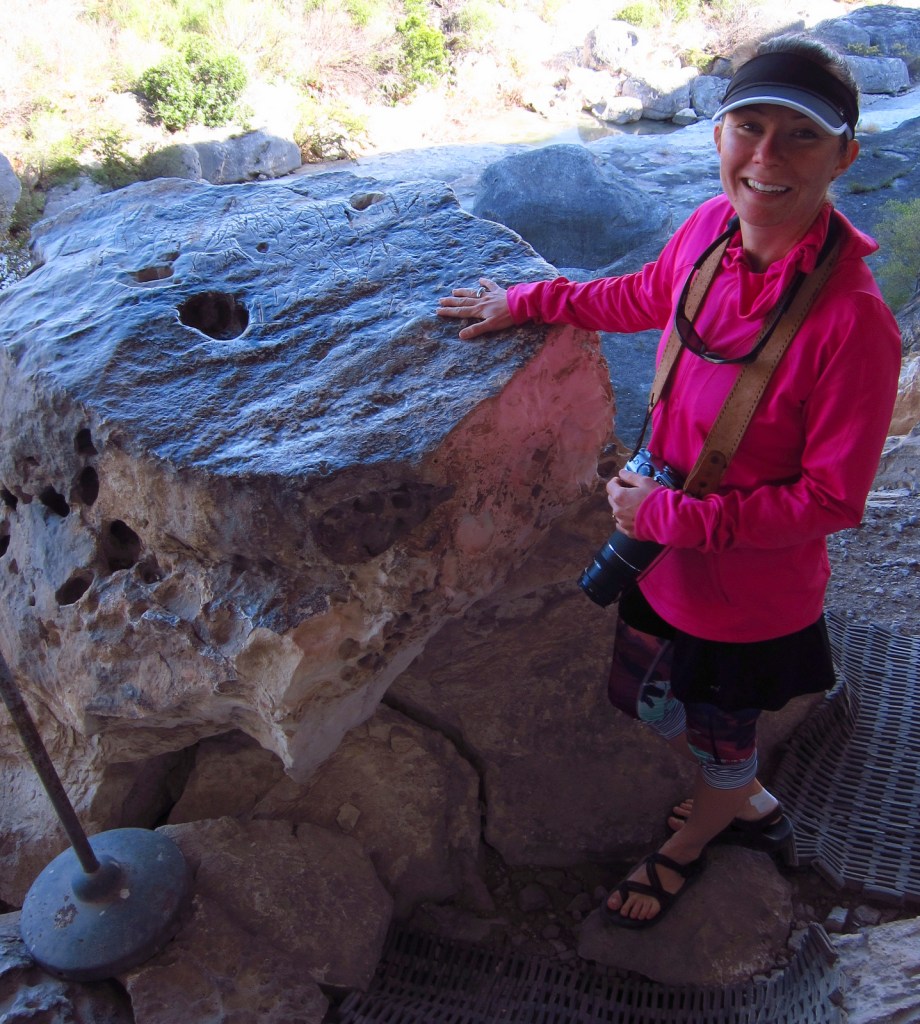
Amistad National Recreation Area is also famous for its 4,000-year-old pictographs, which can most easily be accessed on guided tours of Seminole Canyon State Park, 45 miles outside Del Rio, Texas on Highway 90.  Admission is charged for the museum and tour, but provides the only way to see the colorful artwork in Fate Bell Shelter.  Viewing fossils in the limestone was an added bonus on the tour.

Best Trail

The pictographs in Panther Cave can be seen from afar by hiking a trail in the state park or up-close by boating to the dock and climbing a steep stairway. 

Instagram-worthy Photo

If you are unable to hike down into the canyon, the Seminole Canyon State Park museum has a replica of the rock art.

Peak Season

Summer

Hours

https://www.nps.gov/amis/planyourvisit/hours.htm

Fees

Boating passes start at $4 for a 1-day pass, $8 per person to tour Seminole Canyon State Park

Road Conditions

All major roads paved

Camping

Two NPS campgrounds are available at Governors Landing and San Pedro and there is a campground at Seminole Canyon State Park.

Related Sites

Alibates Flint Quarries National Monument (Texas)

Waco Mammoth National Monument (Texas)

Canyonlands National Park (Utah)

Explore More – How many miles of the Rio Grande do the park’s boundaries encompass?

Chesapeake and Ohio Canal National Historical Park

Overview

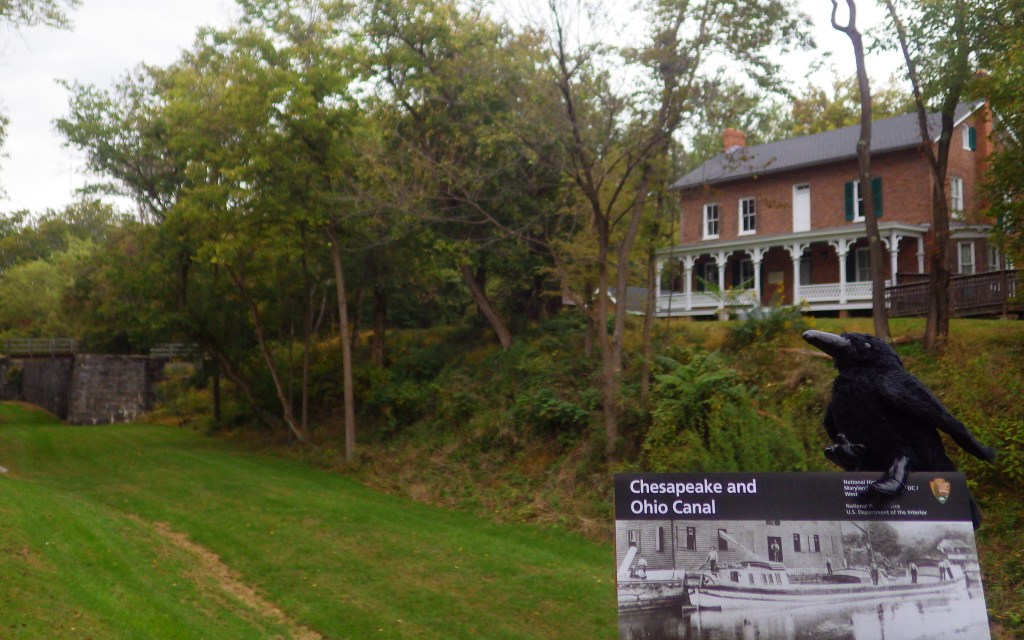
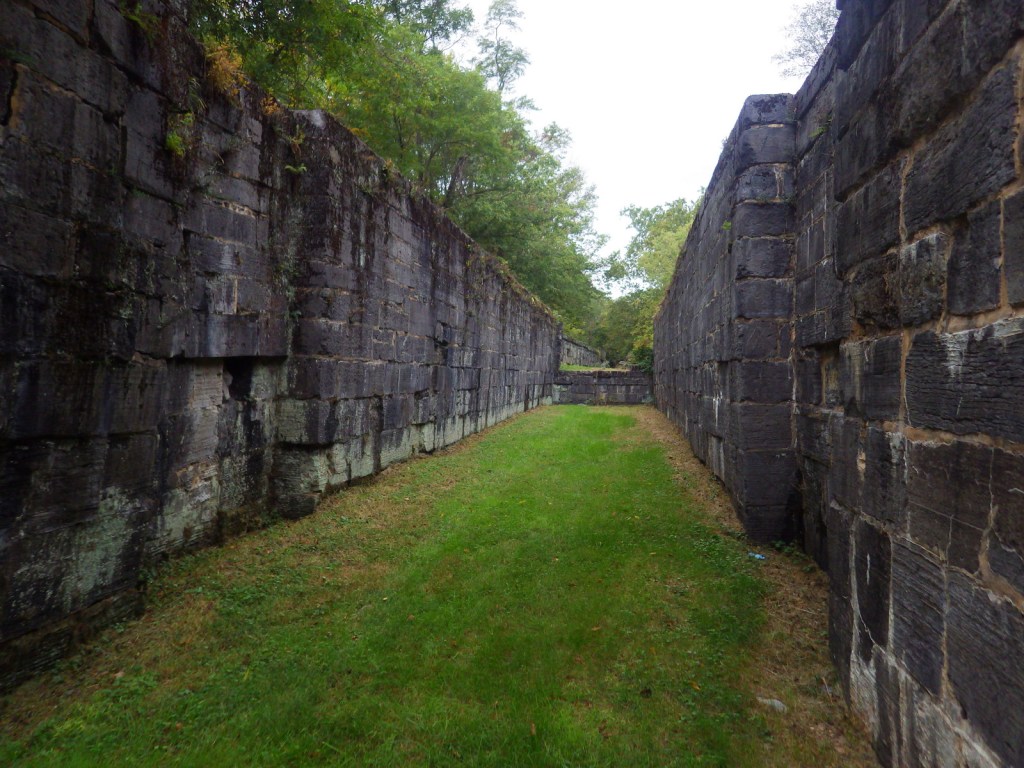
The Chesapeake and Ohio (C&O) Canal was supposed to connect ports in Washington, D.C. with the Ohio River, but it never reached its destination before the Baltimore and Ohio (B&O) Railroad rendered it obsolete in 1850.  It employed 35,000 laborers (mostly European immigrants) during its 22 years of construction and eventually carried coal out of the Appalachian Mountains for decades.  The canal closed in 1924, but it left behind indelible historic landmarks like locks, dams, aqueducts, historic hotels, and a 3,118-foot long tunnel.

Highlights

Historic locks, boat tours, Great Falls Tavern, boating

Must-Do Activity

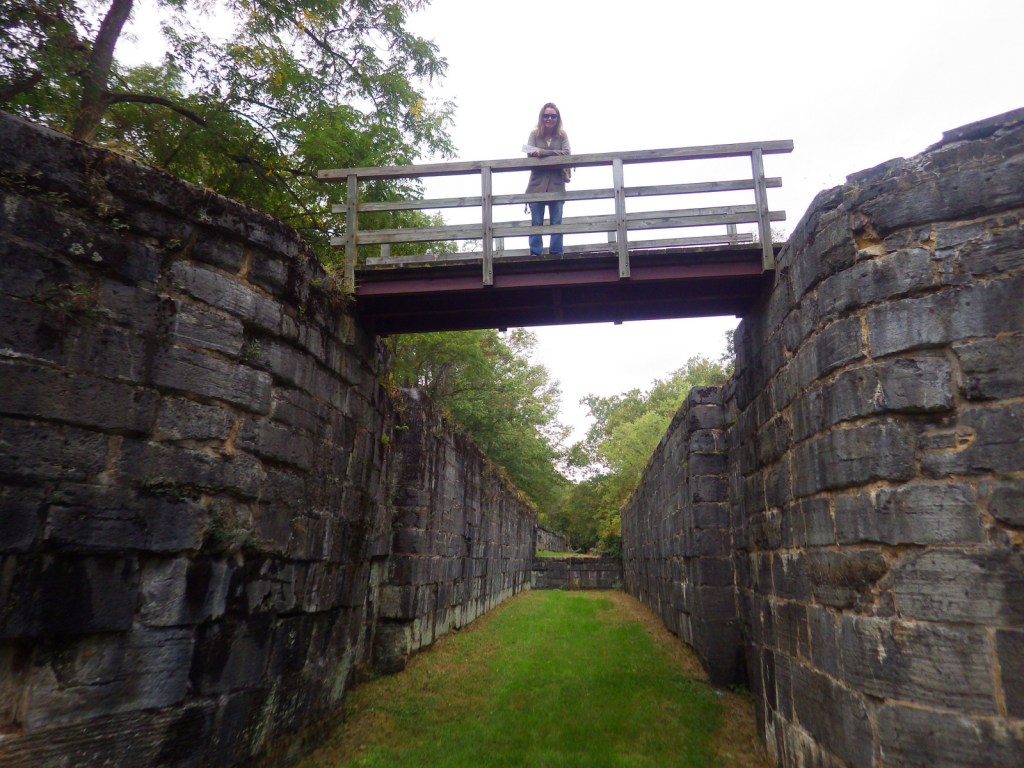
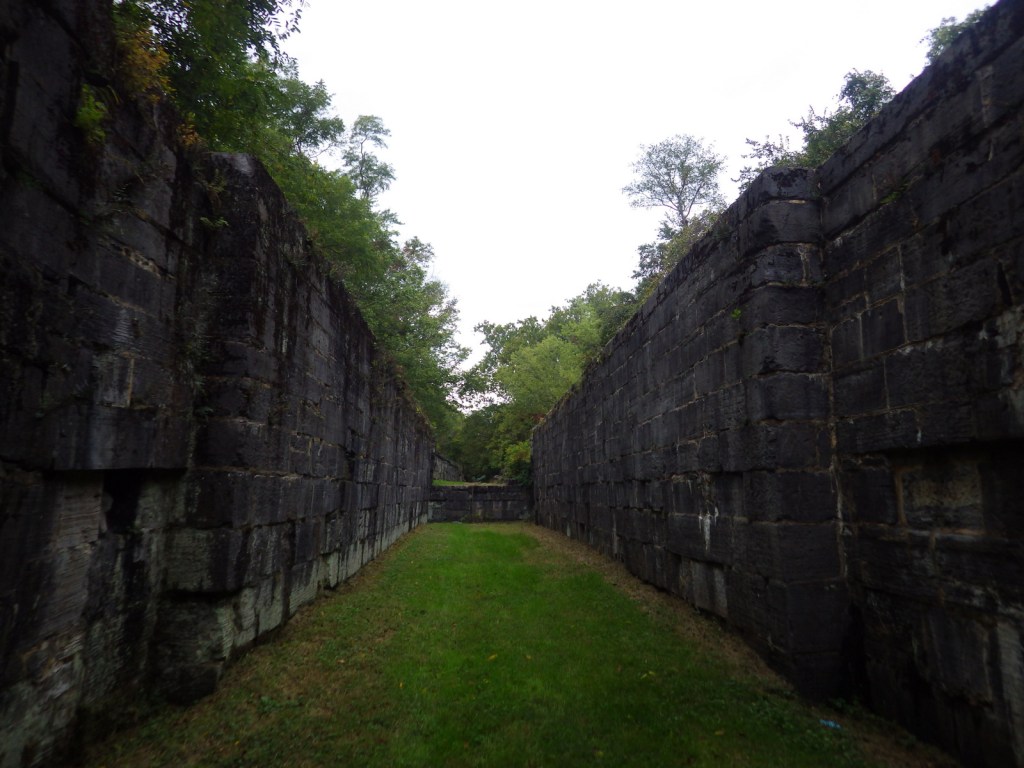
C&O Canal National Historical Park is run by the National Park Service (NPS) and offers multiple free visitor centers along the route that are open seasonally.  Near Washington, D.C. both the Great Falls Tavern and Georgetown Visitor Centers offer mule-drawn canal boat rides on a first-come, first-served basis April through October.  We enjoyed touring the historic locks of the canal in Hancock, Maryland after visiting Catoctin Mountain Park and Antietam National Battlefield.

Best Trail

Today you can walk and bike the graded 184.5-mile towpath that follows the Potomac River, camping at designated sites along the way if you choose.

Instagram-worthy Photo

The canal locks at Hancock, Maryland became part of the park that was created in 1971.  The boarding house located there now serves as an NPS visitor center.

Peak Season

Summer, as most of the visitor centers are closed seasonally

Hours

https://www.nps.gov/choh/planyourvisit/hours.htm

Fees

None, except at Great Falls Tavern

Road Conditions

All roads paved

Camping

There are primitive drive-in camping areas at five spots along the canal path, as well as 30 backpacking campsites spaced approximately five miles apart.  There is also a nice NPS campground at Catoctin Mountain Park in Maryland.

Related Sites

George Washington Memorial Parkway (Virginia-Maryland)

Harpers Ferry National Historical Park (West Virginia-Maryland-Virginia)

Allegheny Portage Railroad National Historic Site (Pennsylvania)

Explore More – At its peak of operation, how many mule-drawn boats were in service on the C&O Canal?

Mojave National Preserve

Overview

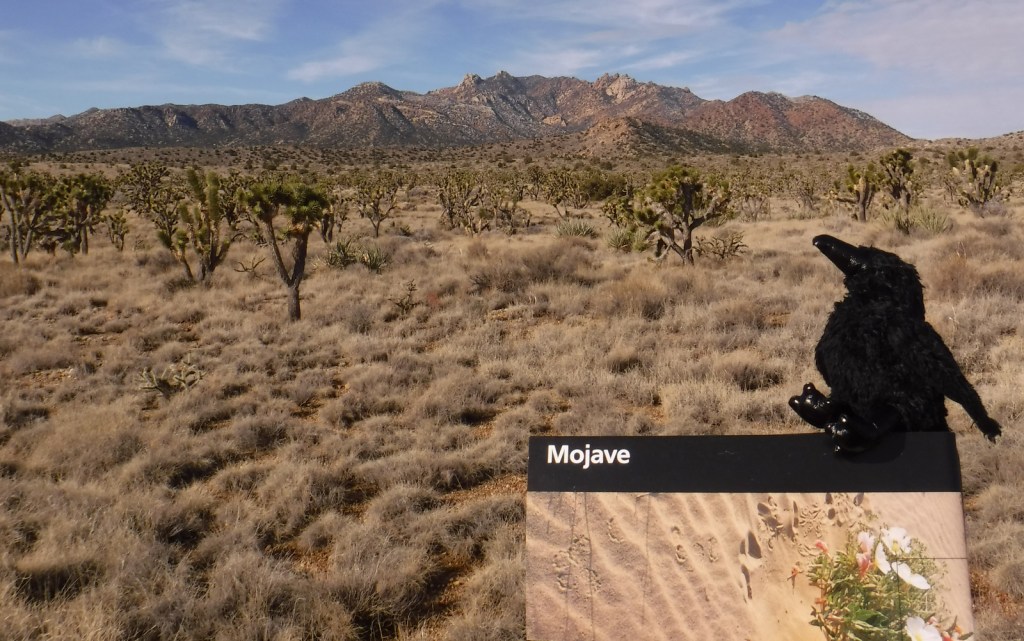
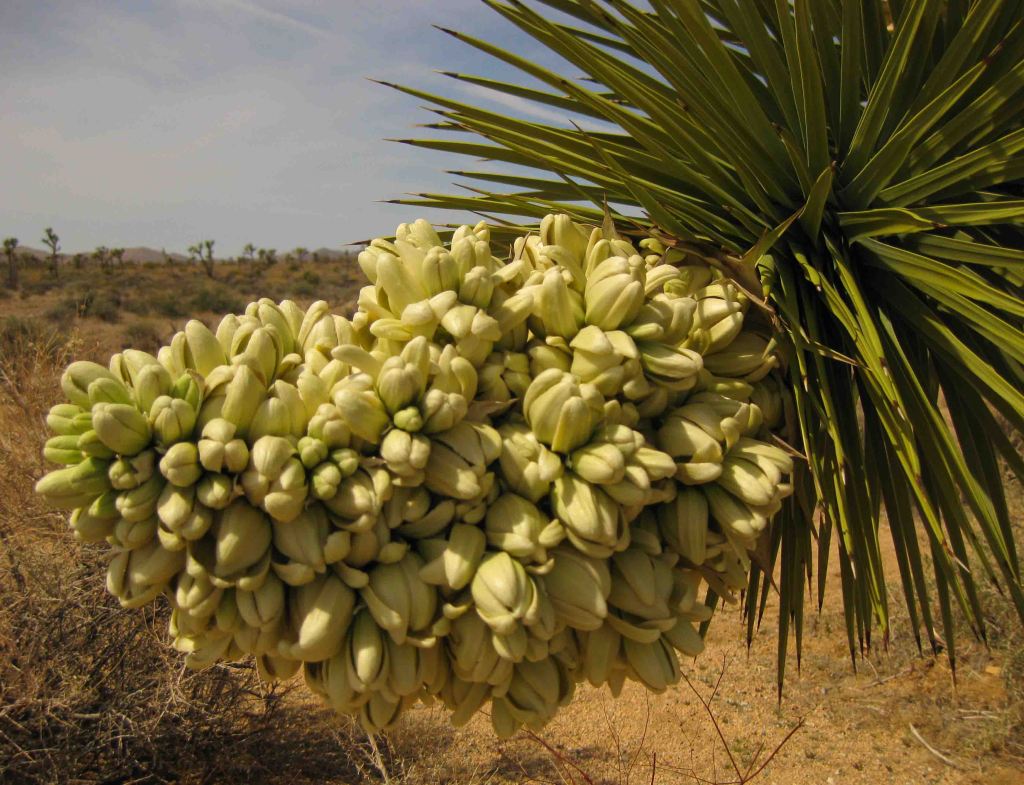
Mojave National Preserve is a massive 1.6-million acres of desert bounded by Interstate 15 to the north and Interstate 40 to the south.  Passed by millions of commuters every year, it does not take many miles of driving to leave behind the bustling freeways for a quiet landscape.  Species diversity is high here given its elevation range from 800 to 7,929 feet and its place at the intersection of three deserts: the Mojave, Great Basin, and Sonoran.  Watch for desert tortoises, Mojave rattlesnakes, roadrunners, ravens, kangaroo rats, mountain lions, mule deer, and some of the 1,000 bighorn sheep that reside in the preserve.

Highlights

Kelso Depot, film, Kelso Dunes, Hole-in-the-Wall Nature Trail, Rings Loop Trail

Must-Do Activity

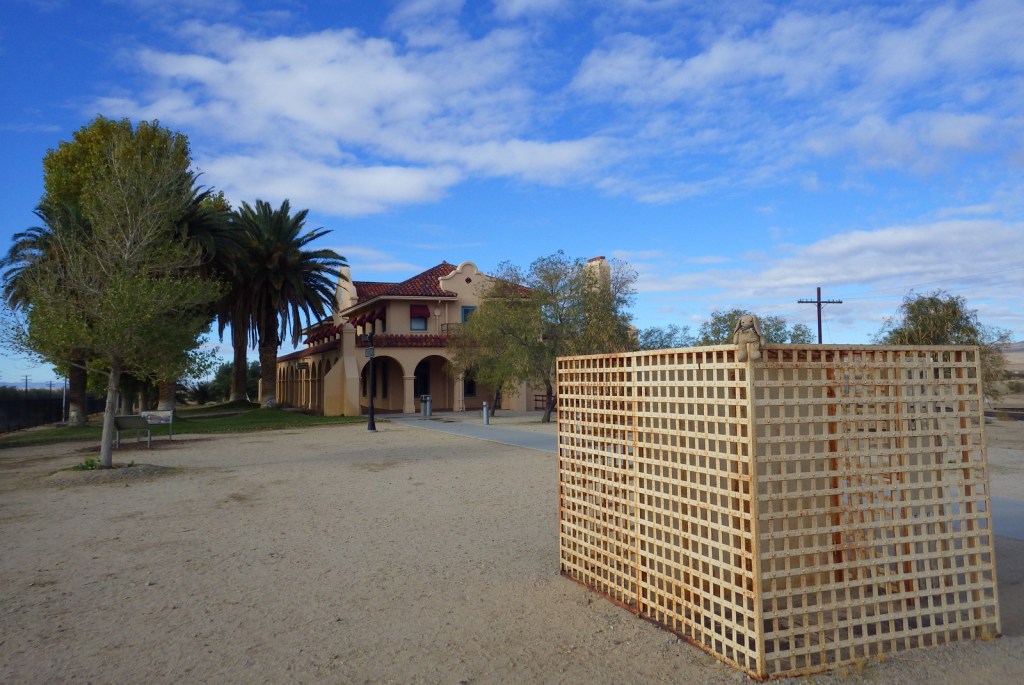
If you are driving on I-15 between California and Nevada consider entering the preserve via the Cima Road exit, with a first stop at its gas station’s interesting waterfall urinal in the men’s restroom.   From there drive south on a paved road into a dense Joshua tree forest on the gently sloping flanks of the enormous Cima Dome (an extinct volcano) and then stop at Kelso Depot where the National Park Service (NPS) operates a visitor center and museum.  From there you can continue south to the beautiful Kelso Dunes or take the paved Kelbaker Road back to Interstate 15 at Baker, home of the world’s tallest thermometer.

Best Trail

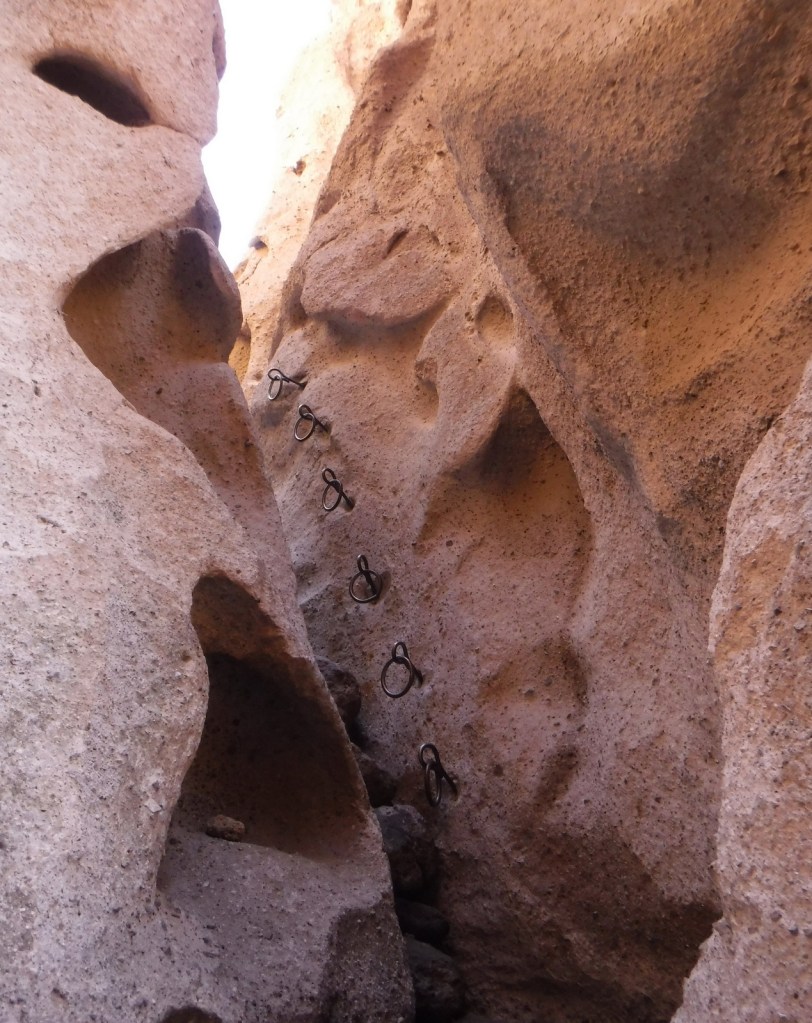
The one-mile Rings Loop Trail has metal rings cemented into its canyon walls in some places to help you ascend and descend steep portions.  Hole-in-the-Wall Nature Trail and the six-mile Barber Peak Loop Trail are also found in this area near the NPS campgrounds.

Instagram-worthy Photo

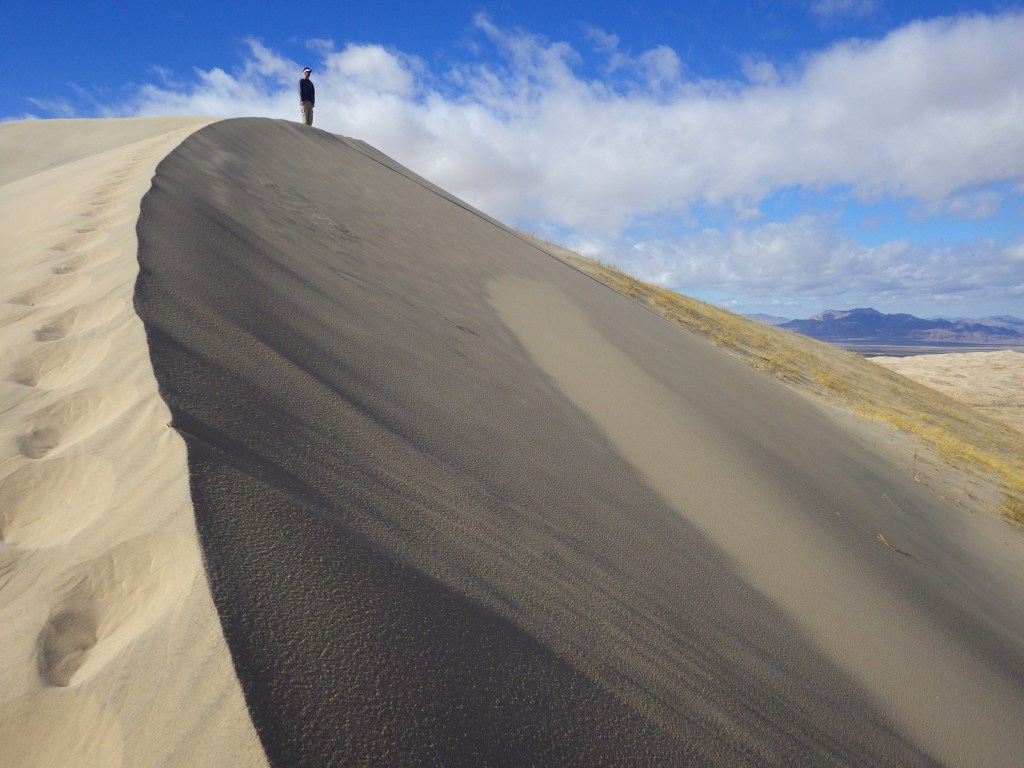
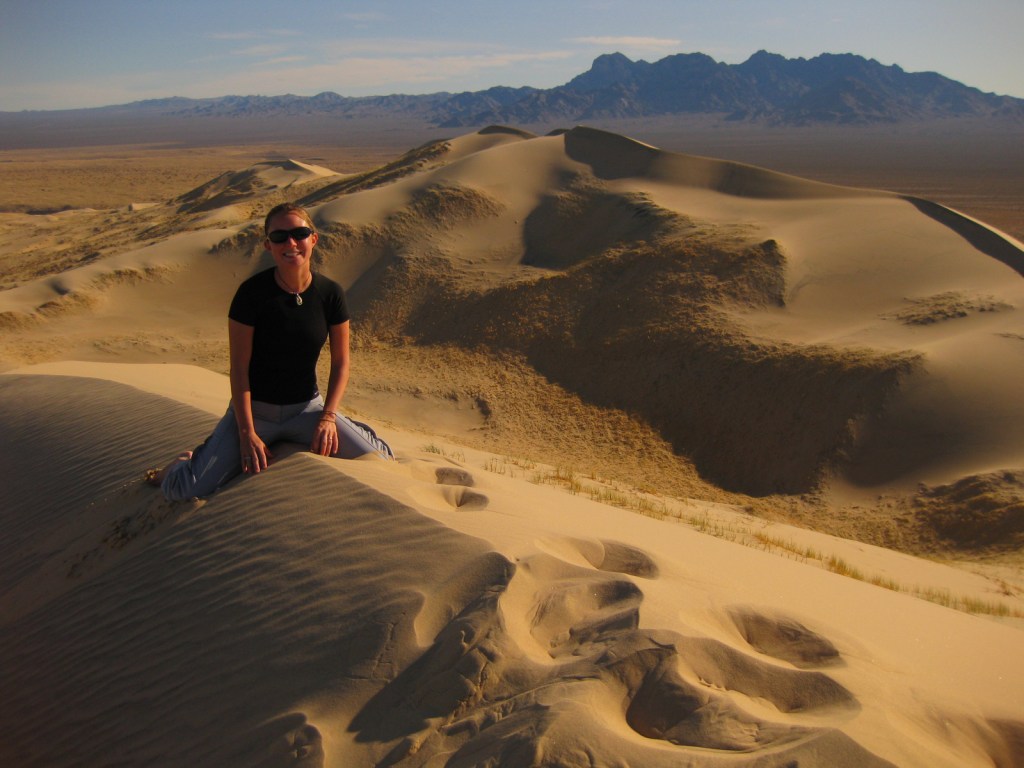
We love sand dunes (see our Top 10 list) and one of our favorites is the nearly 700-foot tall Kelso Dunes, which create a booming sound when the sand shifts and moisture conditions are right.

Peak Season

Spring and fall

Hours

https://www.nps.gov/moja/planyourvisit/hours.htm

Fees

None

Road Conditions

The main roads are paved, however, most of the 1,000 miles of roads are unpaved and some of them require a high-clearance vehicle, especially if you want to access neighboring Castle Mountains National Monument.

Camping

Dispersed camping is allowed throughout most of the preserve, but there are also NPS campgrounds around the Hole-in-the-Wall Ranger Station.

Related Sites

Castle Mountains National Monument (California)
Joshua Tree National Park (California)

Death Valley National Park (California)

Explore More – How many acres of Wilderness are designated within Mojave National Preserve?

Chiricahua National Monument

Overview

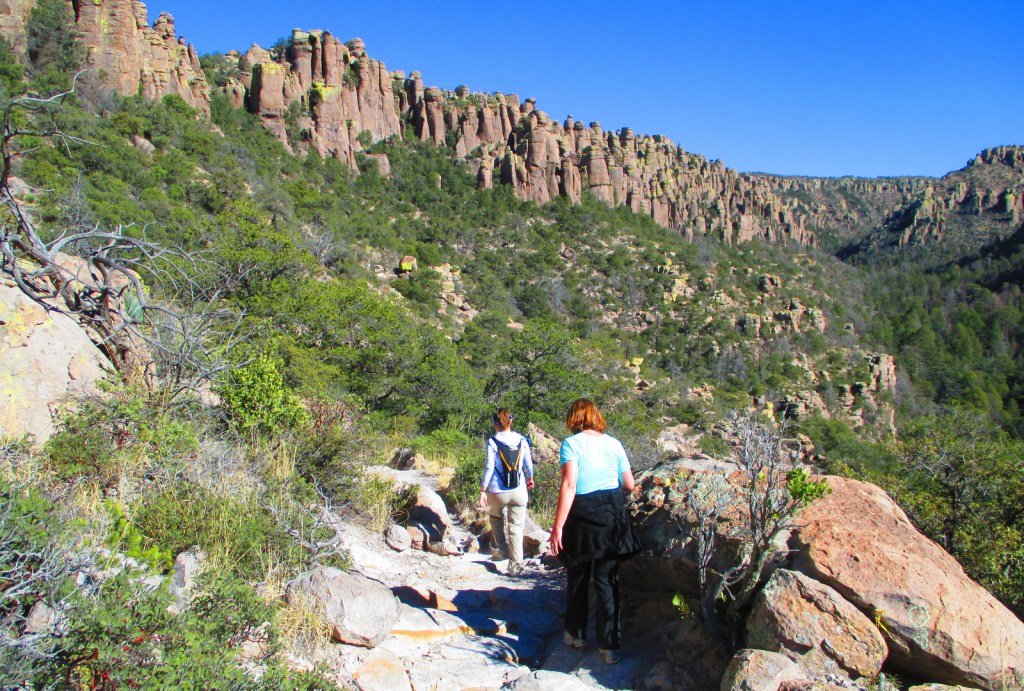
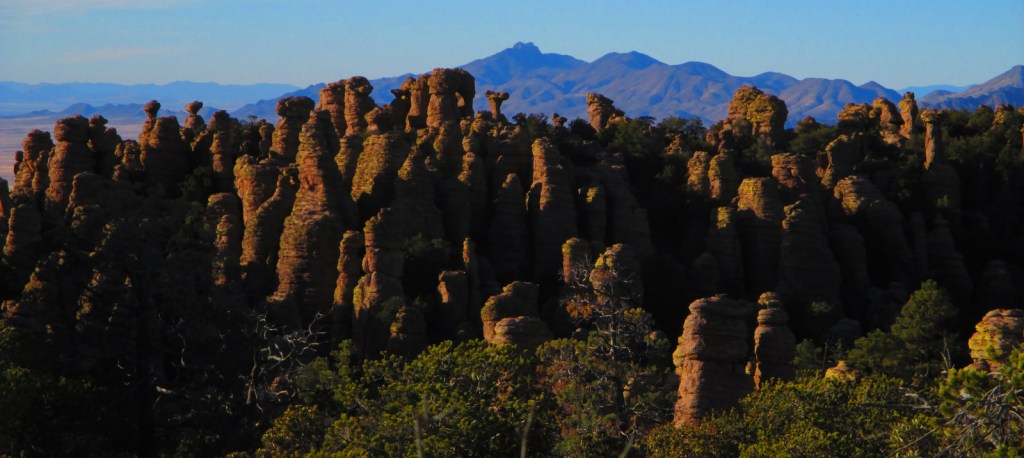
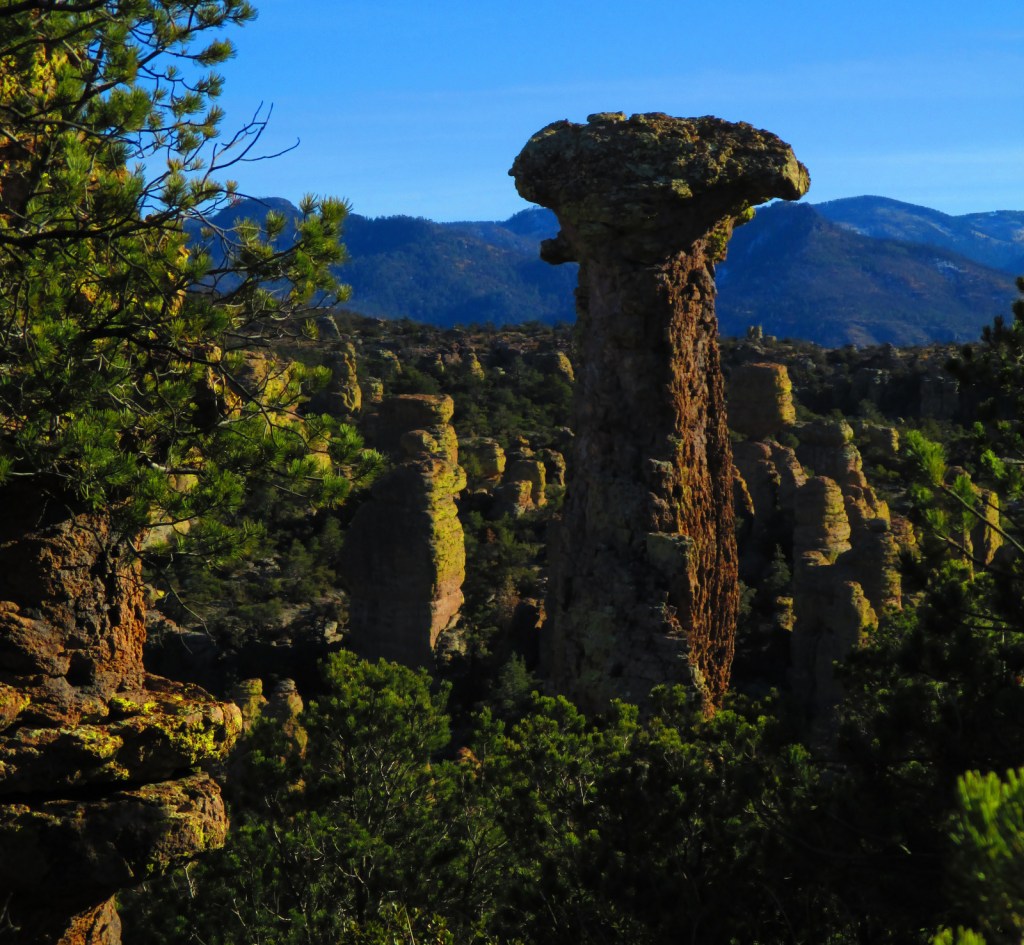
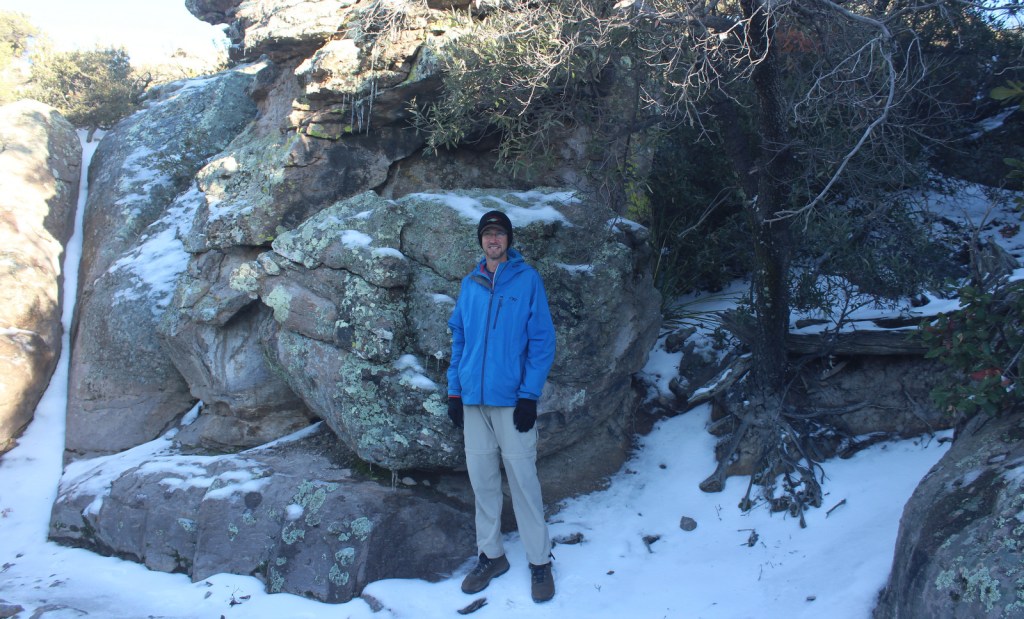
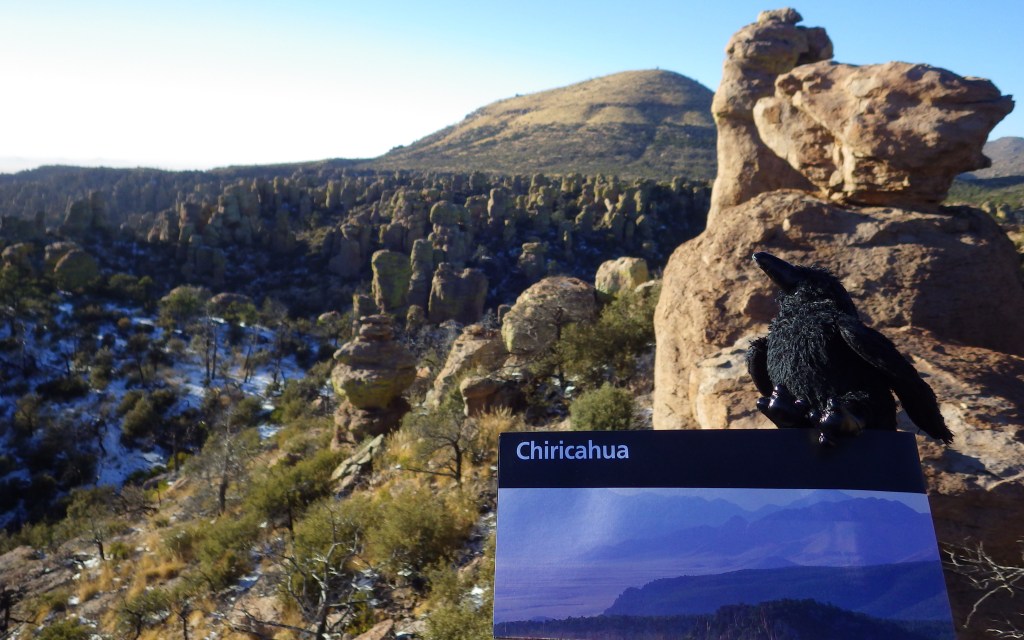
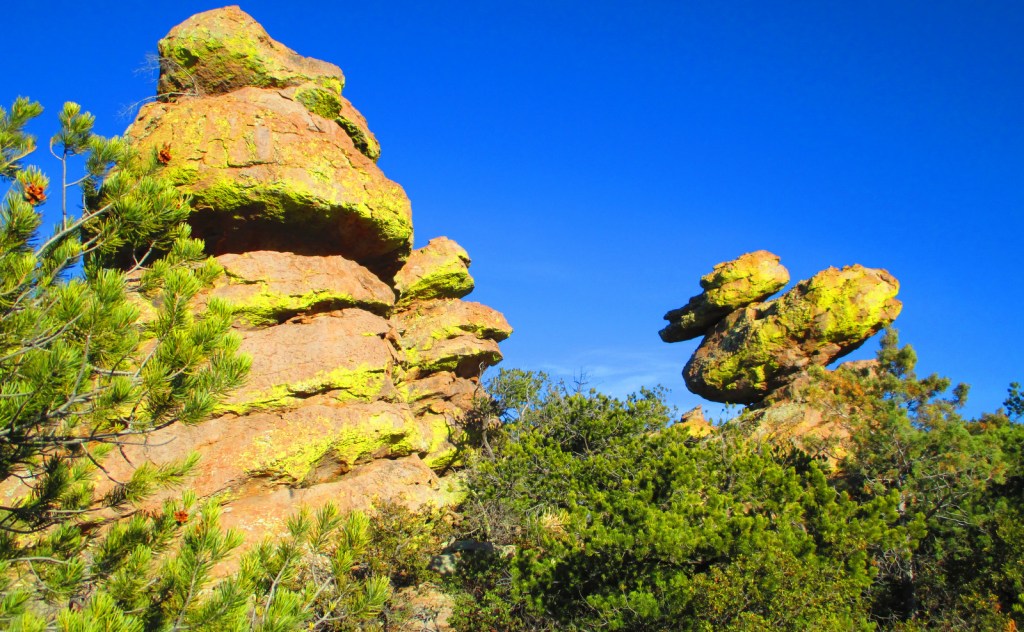
Tucked away in the southeastern corner of Arizona, Chiricahua National Monument was established in 1924 to protect a spectacular collection of rhyolite rock formations.  Millions of years of erosion left behind tall pinnacles that rise above surrounding evergreen trees.  A six-mile long paved road leads up from the National Park Service (NPS) visitor center to Massai Point for great views of the volcanic pillars.  At an elevation of around 7,000 feet it can get cold in the winter, but still quite hot in the summer, so spring and fall are the best seasons to visit.
Highlights

Massai Point, Echo Canyon, Big Balanced Rock, Heart of Rocks Loop

Must-Do Activity

We recommend an all-day loop hike through Echo Canyon to the Heart of Rocks Loop where you will find rocks resembling camels, ducks, and anything else you can imagine.  The wildlife and vegetation here is diverse and representative of many ecosystems because of the elevation range of this “sky island.”  Many visitors that spend the night in the NPS campground report seeing coatimundi, a unique long-tailed omnivore related to the raccoon with a species distribution stretching into South America. 

Best Trail

There are 17 miles of trails in the park and hiking is the best way to explore the rock formations.  A self-guided loop at Massai Point is an option if you are short on time and cannot make it all the way to the impressive Big Balanced Rock.

Instagram-worthy Photo

There is a formation on the Heart of Rocks Loop that is appropriately known as Duck on a Rock. 

Peak Season

Spring and fall

Hours

https://www.nps.gov/chir/planyourvisit/hours.htm

Fees

None

Road Conditions

All roads paved

Camping

The small 24-site NPS campground is known for its nocturnal visitations by coatimundi.

Related Sites

Coronado National Memorial (Arizona)

Organ Pipe Cactus National Monument (Arizona)

Tumacacori National Historical Park (Arizona)

Explore More – Big Balanced Rock is 22-feet in diameter, so how much is it estimated to weigh?