Tag Archives: camping

El Morro National Monument

El Morro National Monument

New Mexico

Managed by National Park Service

Established 1906

1,278 acres

Website: nps.gov/elmo

Overview

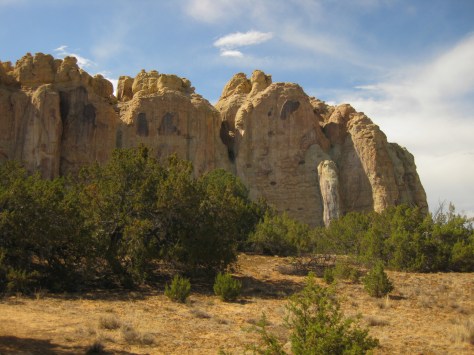
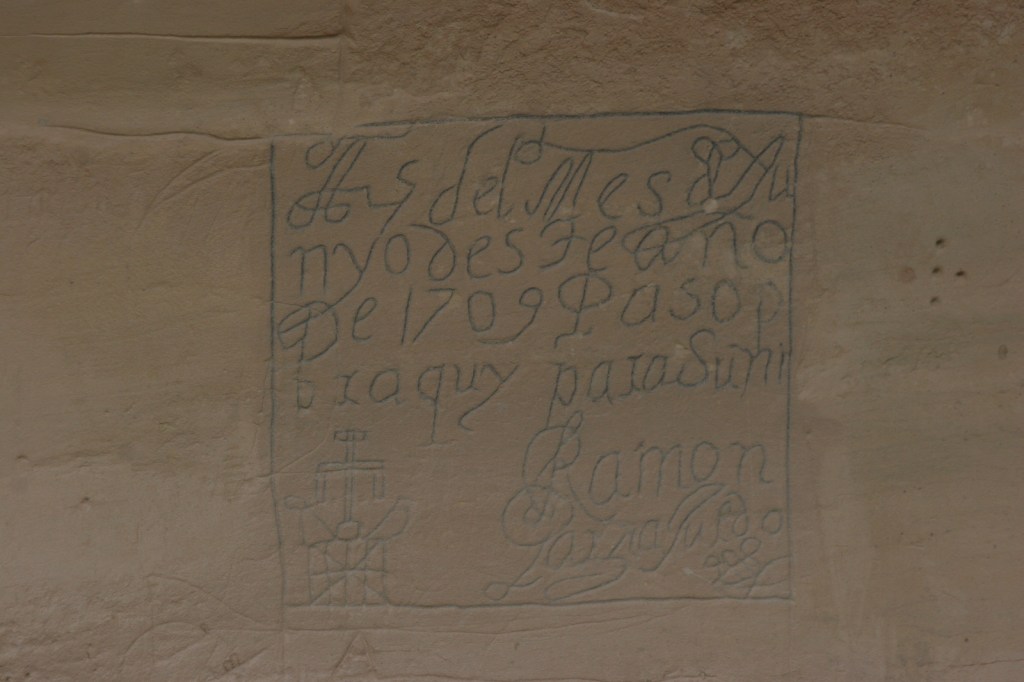
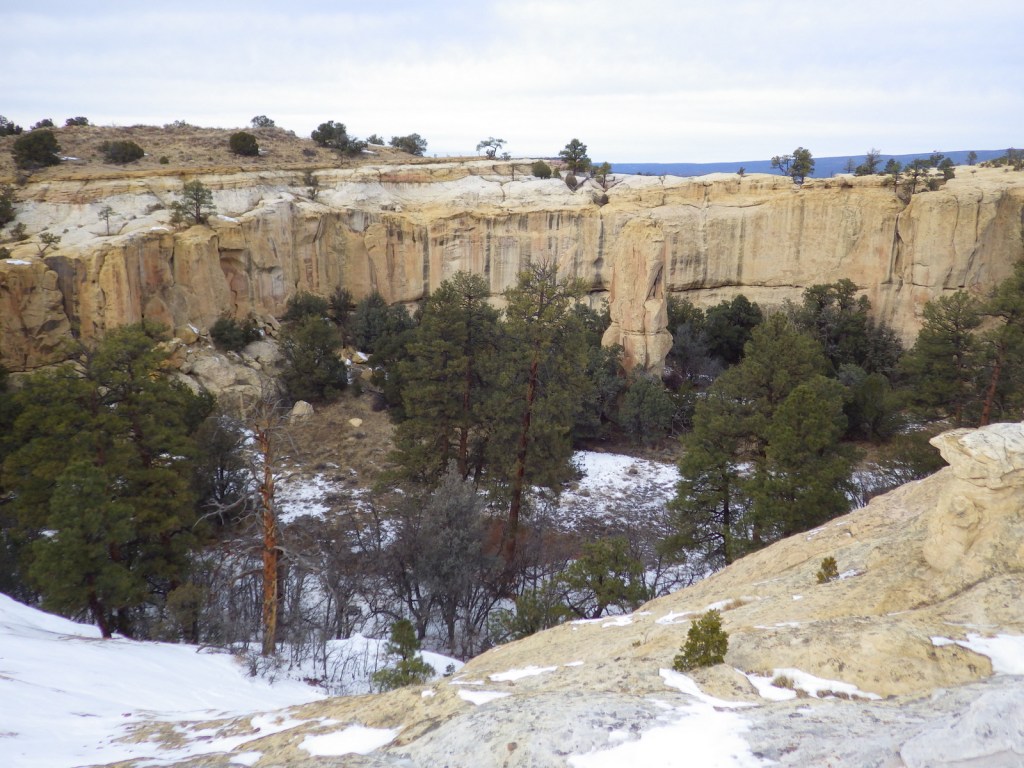
A small pool of reliable water at the base of a sandstone bluff has attracted humans and animals for centuries in this arid region.  Ancestral Puebloans built a village atop the 200-foot-tall mesa and Spanish explorers carved their names alongside petroglyphs at a place they dubbed “el morro” (the headland).  Today, El Morro National Monument is located about 125 miles west of Albuquerque, about 42 miles off Interstate 40.

Highlights

Inscription Rock Trail, Atsinna Pueblo ruins, Mesa Top Trail

Must-Do Activity

The National Park Service visitor center offers a 15-minute film and the half-mile paved Inscription Rock Trail loop to view the carvings.  Pick up a free guidebook that provides details on the earliest European inscriptions that date back to 1605 and the petroglyphs that may be around 1,000 years old. 

Best Trail

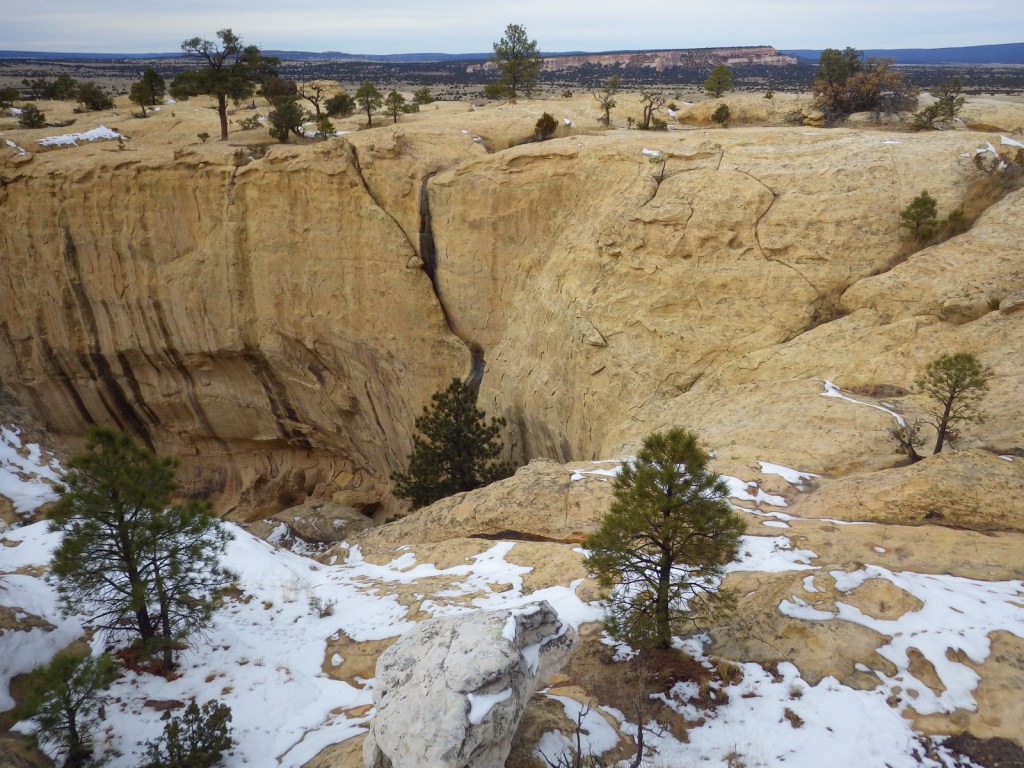
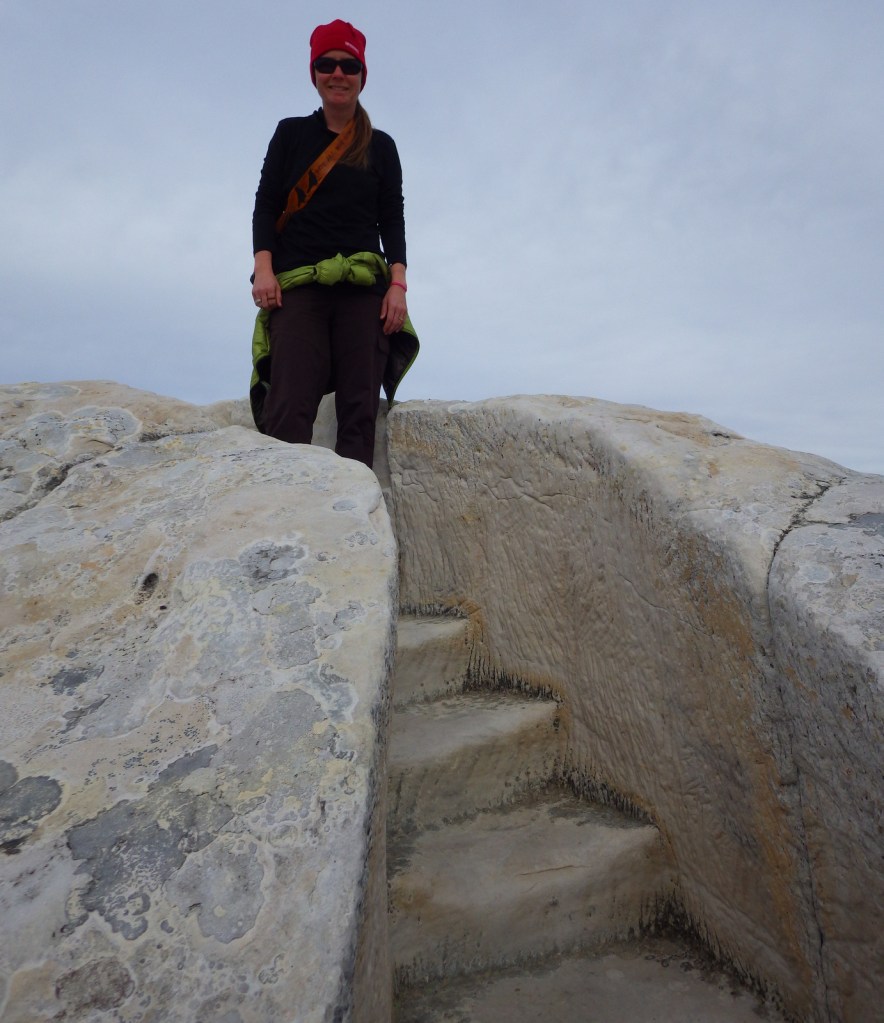
The Mesa Top Trail loop climbs to the top of the bluff where there are Ancestral Puebloan ruins and great views of the volcanic El Malpais National Monument.  The hike is about two miles roundtrip, with interesting steps carved into the soft sandstone in places.  The trail may be closed during thunderstorms during the summer and after heavy snowfalls in the winter.

Instagram-worthy Photo

It is worth the short but steep climb to check out the ruins of Atsinna Pueblo (built in the late-1200s) atop the sandstone bluff.

Peak Season

Spring and fall

Hours

https://www.nps.gov/elmo/planyourvisit/hours.htm

Fees

None

Road Conditions

The short entrance road is paved from Highway 53.

Camping

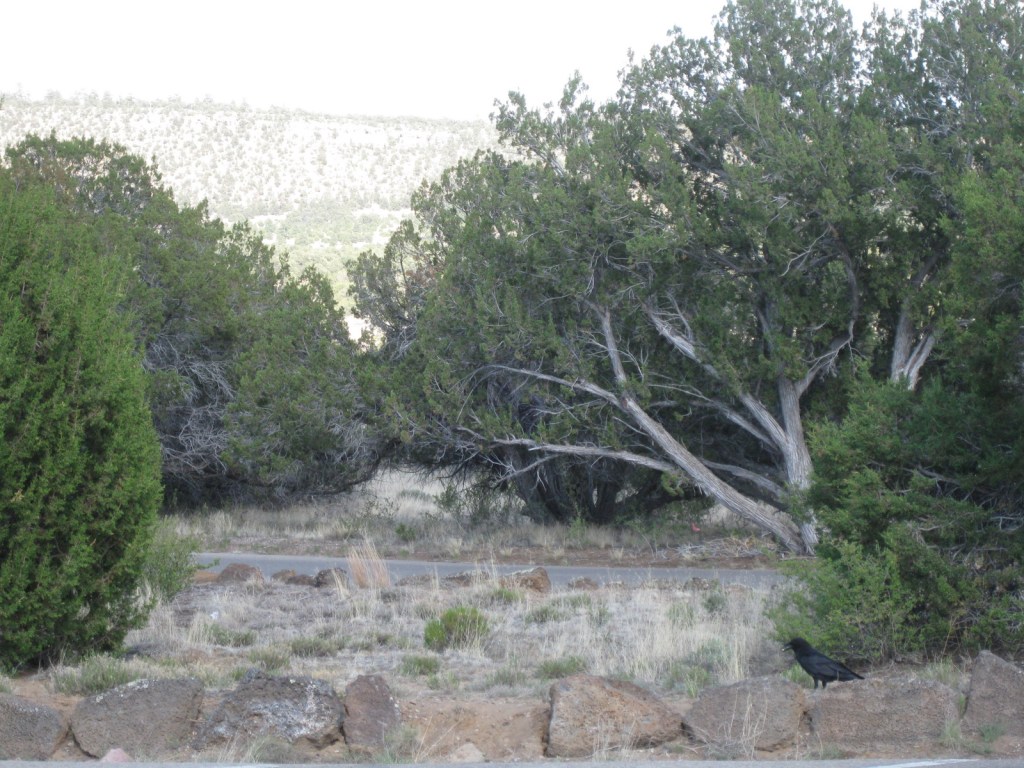
The small primitive campground at El Morro National Monument is open year round (except during snowstorms), plus there is a private RV park located near the entrance.

Related Sites

El Malpais National Monument (New Mexico)

Cibola National Forest (New Mexico)

Chaco Culture National Historical Park (New Mexico)

Explore More – Who were the first Anglo-Americans to inscribe their names at El Morro in 1849?

Chugach National Forest

Chugach National Forest

Alaska

Managed by U.S. Forest Service, Alaska Region

6,908,540 acres (5,384,460 federal/ 1,524,080 other)

Website: https://www.fs.usda.gov/chugach/

Overview

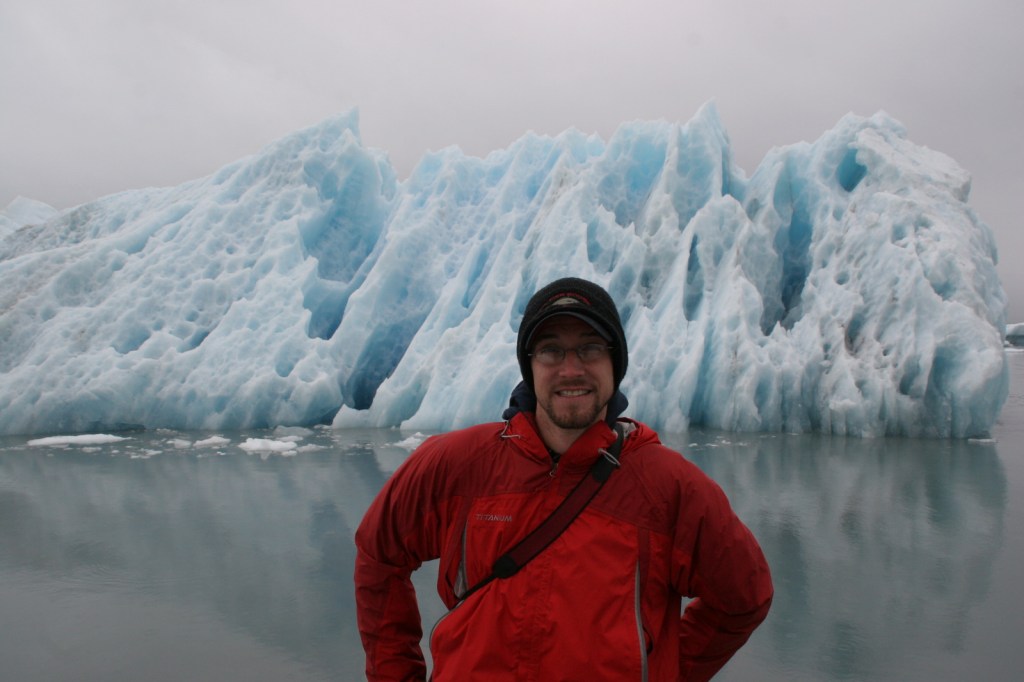
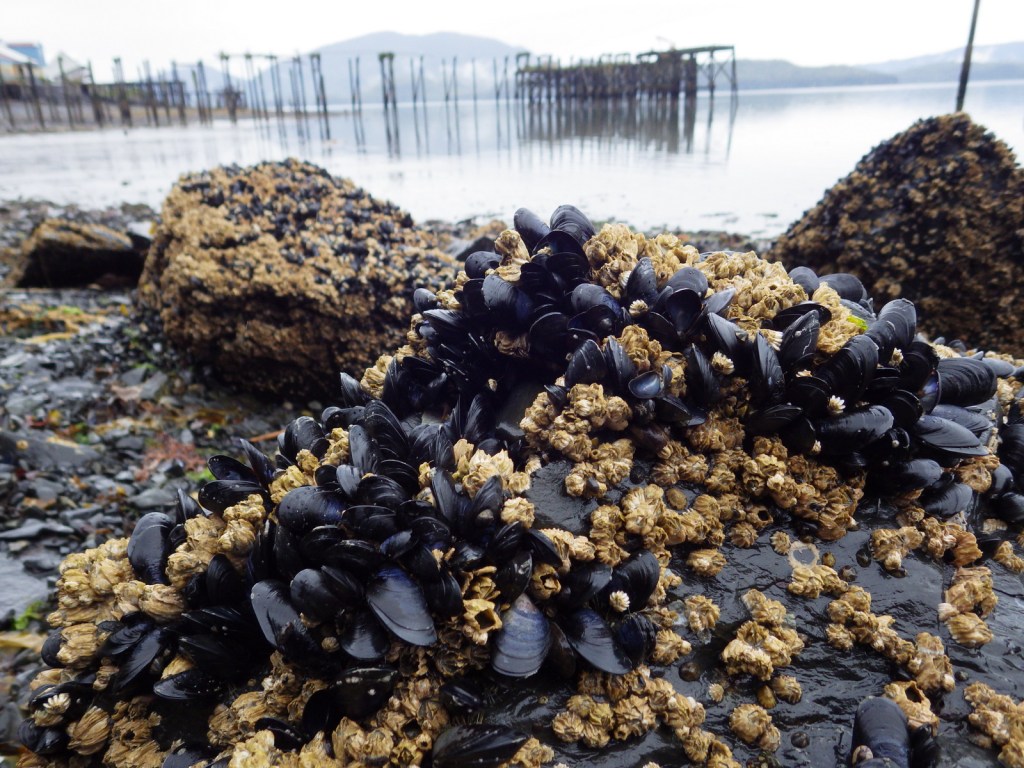
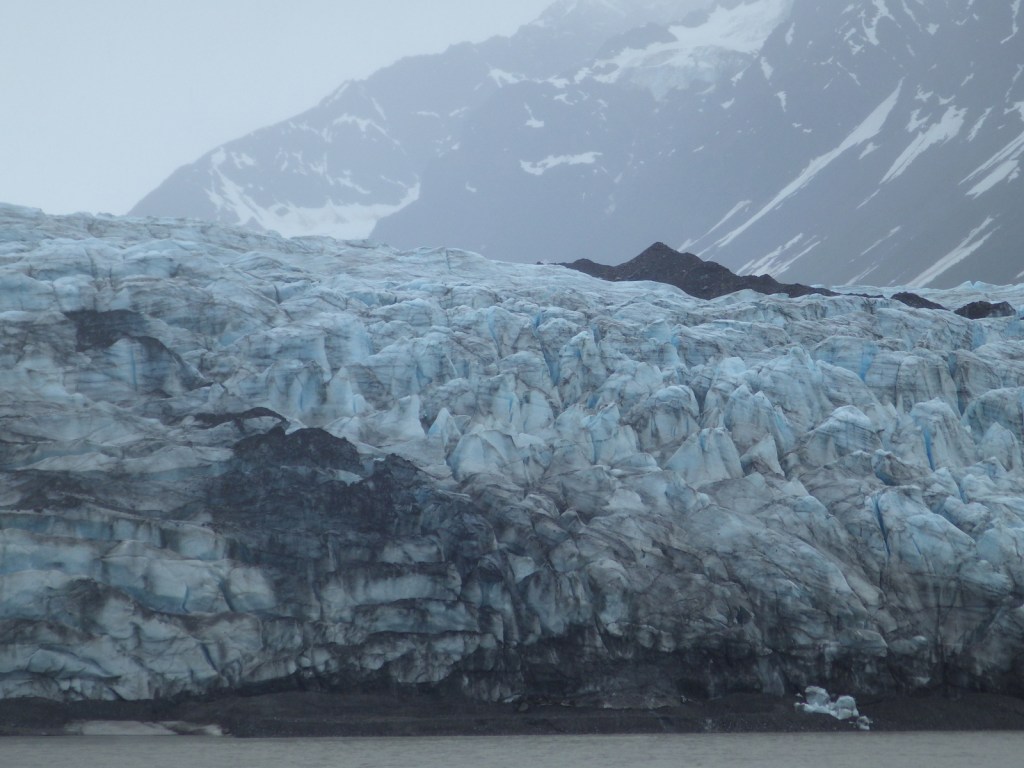
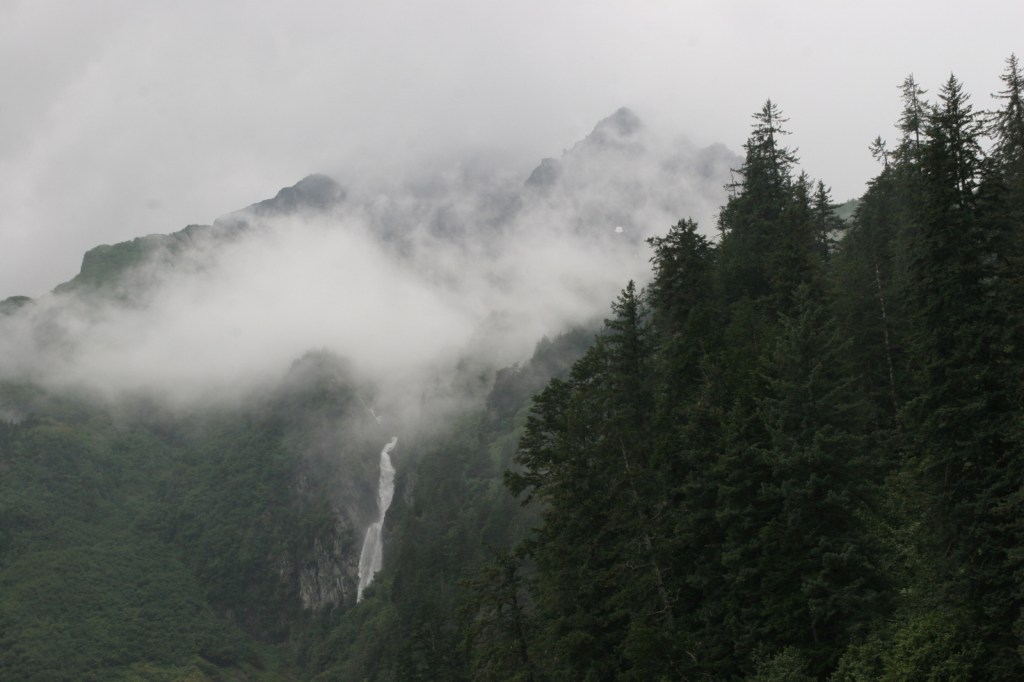
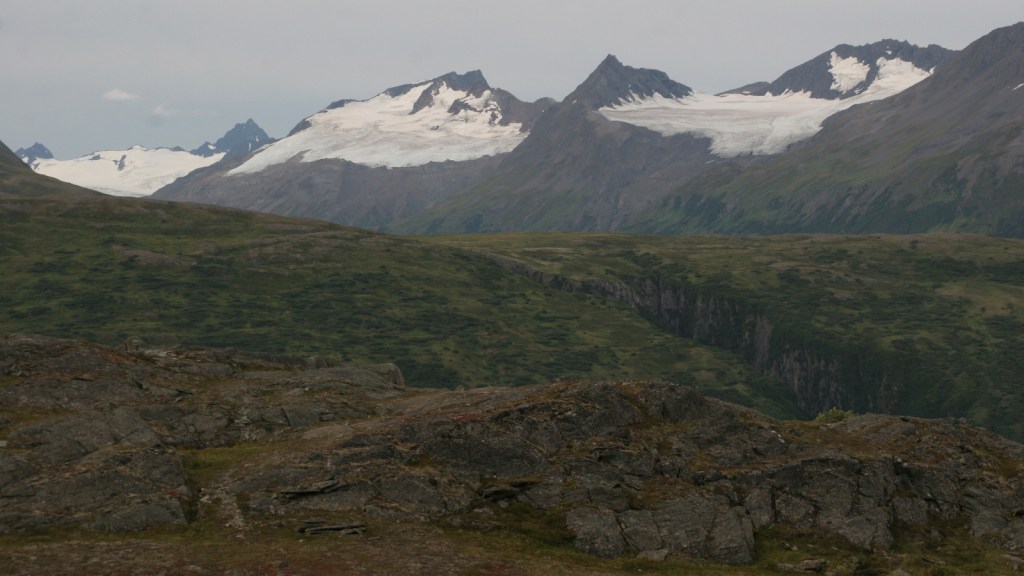
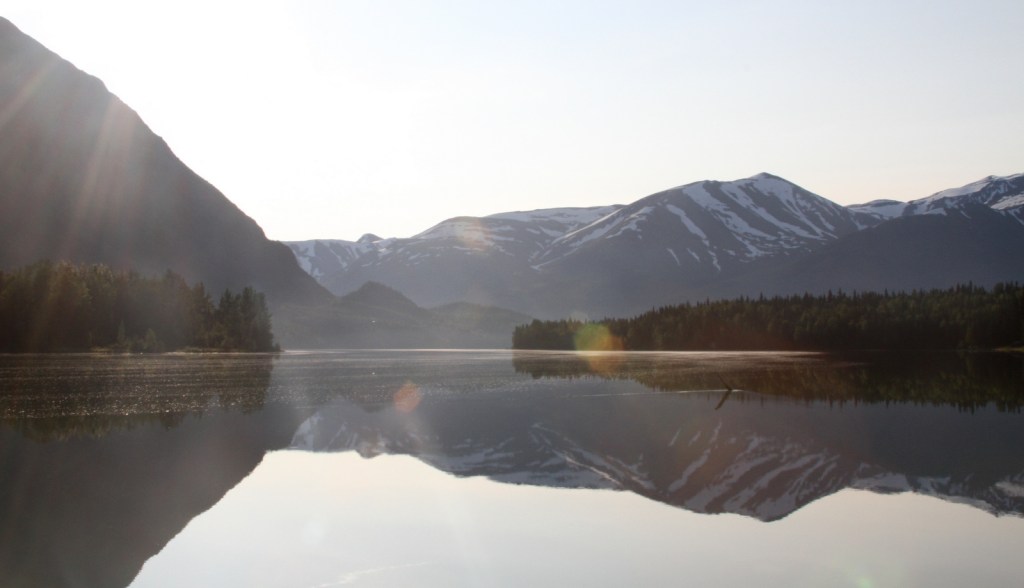
Roughly the size of New Hampshire, Chugach National Forest stretches from Seward, Alaska to the east beyond Cordova.  It encompasses 3,500 miles of shoreline in scenic Prince William Sound, one of the sport fishing world’s top destinations for halibut, ling cod, and salmon.  It is the northernmost and westernmost of all 155 National Forests, and 30% of its acreage is covered by glaciers (including 22 tidewater glaciers).  Chugach National Forest was established in 1907 from part of a Forest Reserve originally created in 1892, only 25 years after Alaska was purchased from Russia.

Highlights

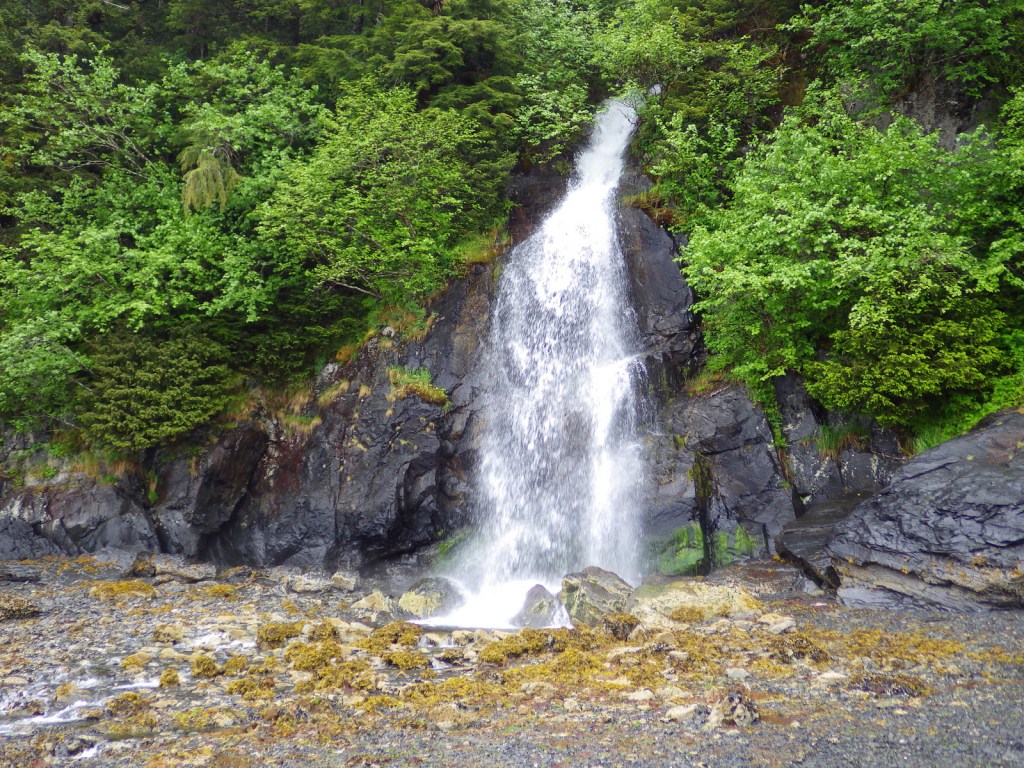
Seward Scenic Byway, Turnagain Arm, Portage Glacier, Porcupine Campground, Russian River, Columbia Glacier, Million Dollar Bridge, Childs Glacier, Grayling Lake, Porcupine Creek Falls, Hope Point Trail, Iditarod National Historic Trail, Johnson Pass Trail, Russian Lakes Trail

Must-Do Activity

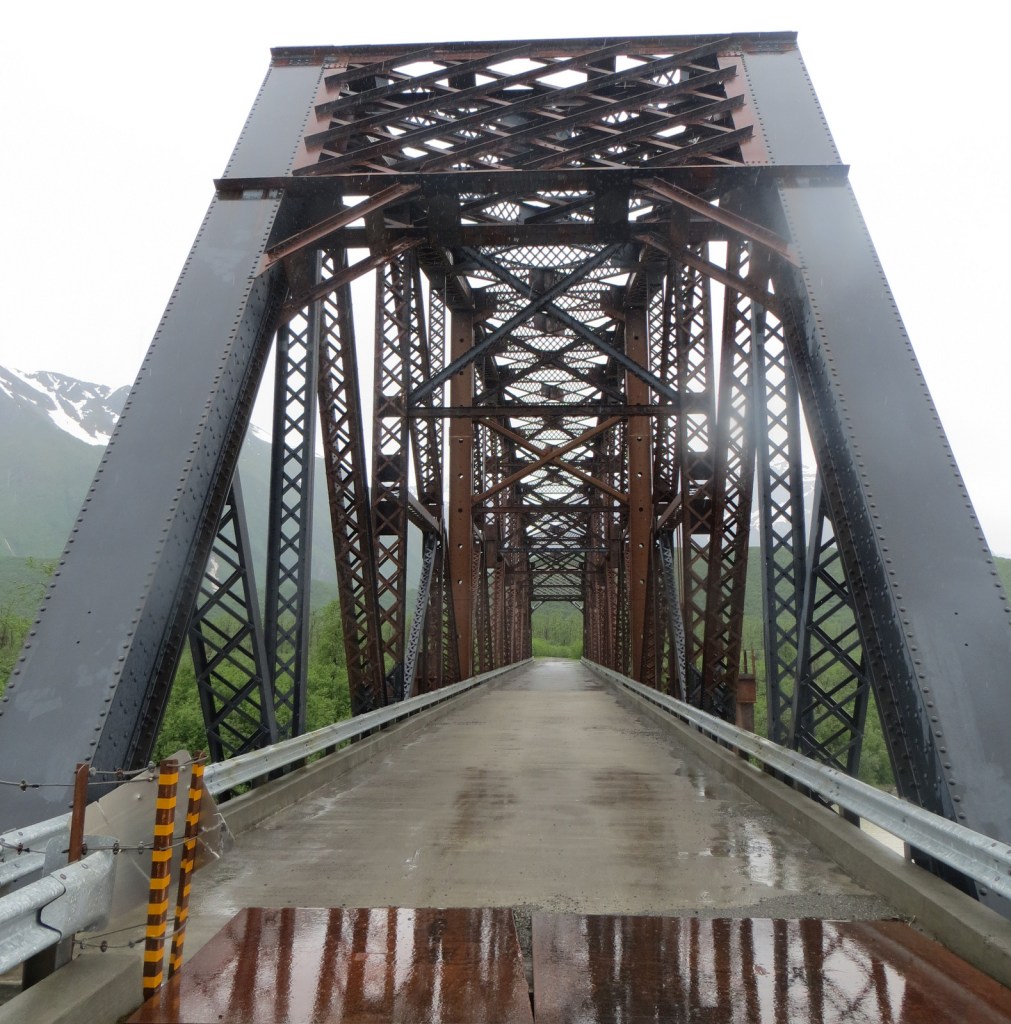
Cut off from the road system of Alaska, Cordova is a fishing village on Prince William Sound at the end of the Copper River Delta, which is considered the largest contiguous wetlands complex on North America’s Pacific coast.  Surrounded by Chugach National Forest, Cordova’s road network was dramatically shortened in 2011 when the mighty Copper River washed out a bridge 36 miles outside of town.  Now if you want to get to the dramatic Million Dollar Bridge or stunning Childs Glacier you have to arrange a trip by air boat.  Starting in 1911, the Million Dollar Bridge brought railcars full of copper ore from Kennecott Mine (which is now part of Wrangell-St. Elias National Park and Preserve).  Just across the Million Dollar Bridge, a short climb up a small hill provides great views of Miles Lake and the surrounding area.

Best Trail

There are over 500 miles of designated trails in the National Forest, including several long trails on the Kenai Peninsula, which is accessible by paved roads from Anchorage.  Three trails popular with backpackers are the 23-mile Johnson Pass Trail, 22-mile long Russian Lakes Trail (with three Forest Service cabins for rent along its route), and 39-mile Resurrection Pass Trail (with eight Forest Service cabins). 

Watchable Wildlife

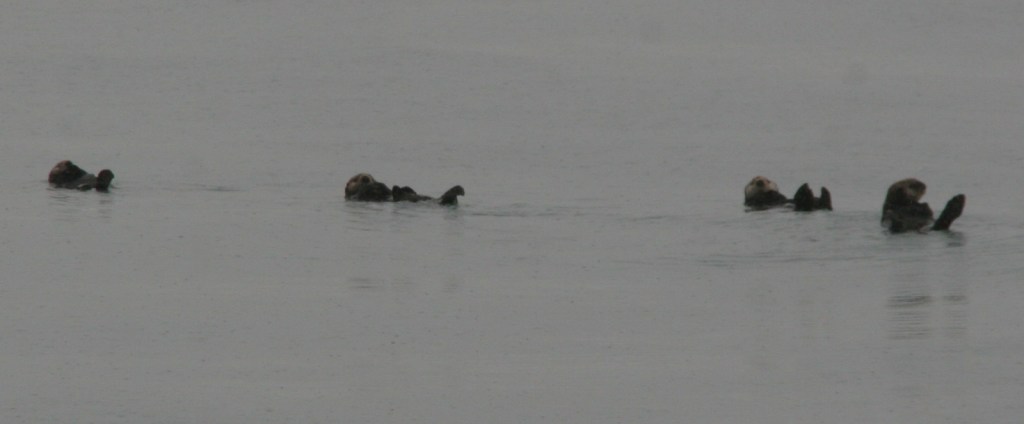
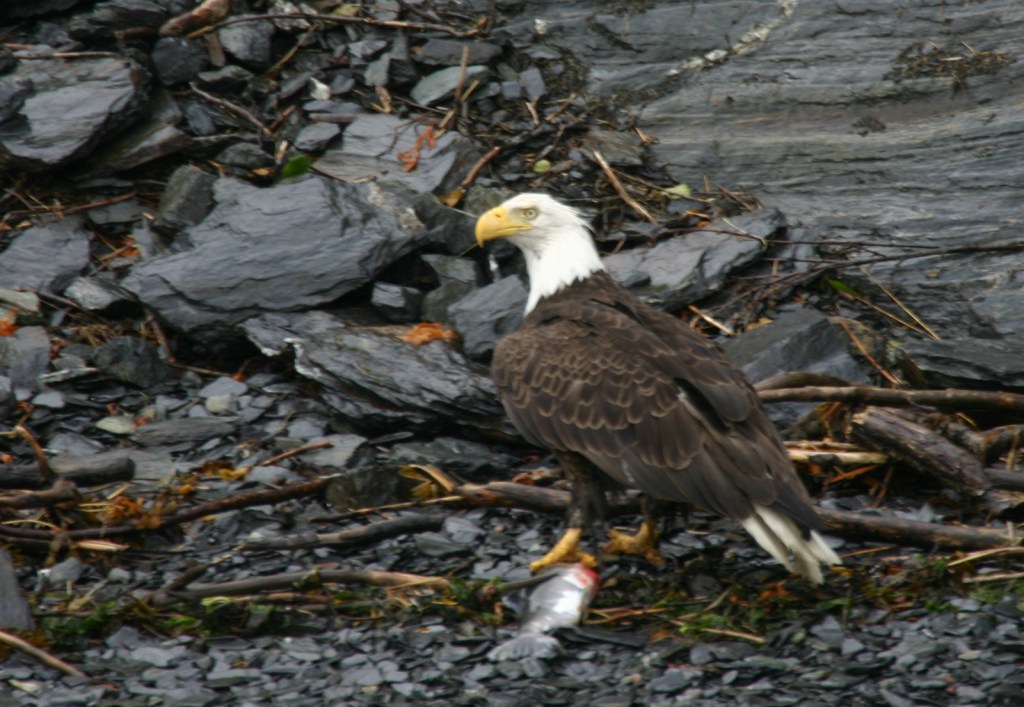
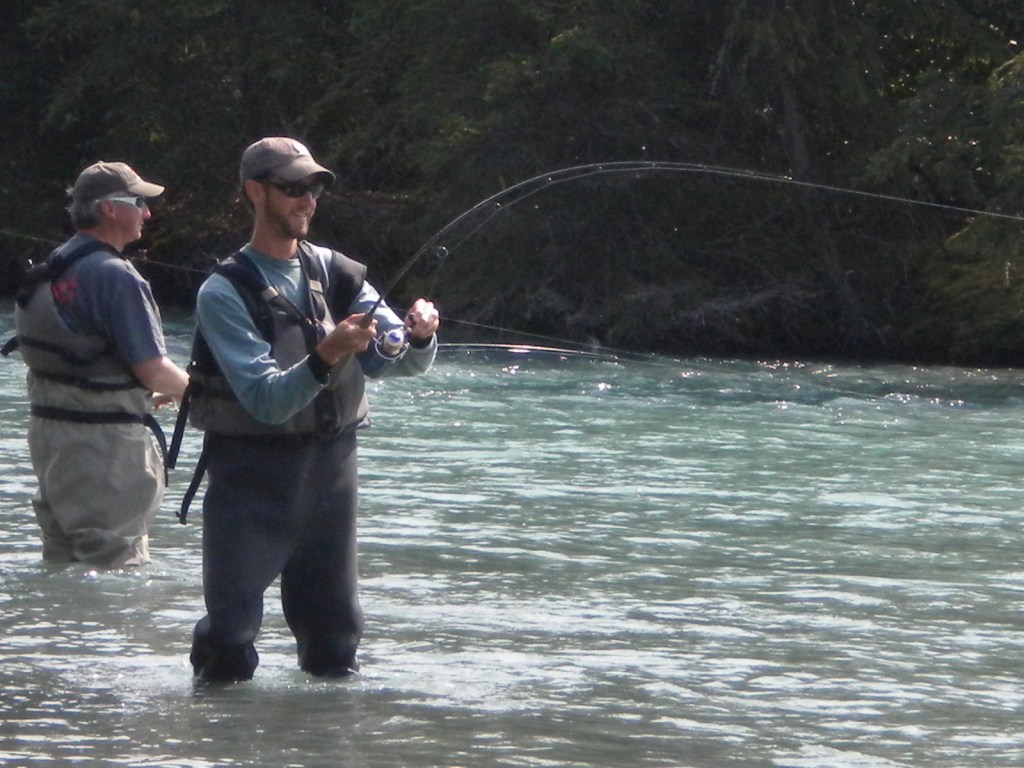
Chugach National Forest provides nesting habitat for millions of birds, including a huge population of bald eagles and more than 200 colonies of seabirds.  Large mammals include moose, caribou, Sitka black-tailed deer, Dall sheep, mountain goats, pine martens, coyotes, gray wolves, black bears, and grizzly/brown bears.  Marine mammals include humpback whales, minke whales, Dall’s porpoises, Steller sea lions, and sea otters.  Rivers and creeks provide spawning beds for all five species of Pacific salmon: chinook/king, sockeye/red, coho/silver, chum/dog, and pink/humpback. 

Instagram-worthy Photo

Boat tours out of the beautiful port of Valdez get close to the massive Columbia Glacier, a tidewater glacier that produces so many icebergs that it is inaccessible from the water.

Peak Season

Summer

Fees

None

Road Conditions

There are not many roads in Chugach National Forest, and to access the Million Dollar Bridge and Childs Glacier outside Cordova you will need to arrange a trip by air boat since a bridge washed out in 2011.

Camping

There are 16 campgrounds in Chugach National Forest, including the Porcupine Campground in Hope near a creek popular for salmon fishing.

Wilderness Areas

Nellie Juan-College Fiord Wilderness Study Area

Related Sites

Katmai National Park and Preserve (Alaska)

Wrangell-St. Elias National Park and Preserve (Alaska)

Glacier Bay National Park and Preserve (Alaska)

Nearest National Park

Kenai Fjords

Conifer Tree Species

Sitka spruce, western hemlock, mountain hemlock, yellow-cedar

Flowering Tree Species

thinleaf alder, balsam poplar, paper birch, Scouler willow, Bebb willow, feltleaf willow, undergreen willow, Barclay willow, netleaf willow, arctic willow, Sitka willow, Sitka mountain-ash, Oregon crab apple

Explore More – Chugach National Forest covers nearly seven-million acres of land, but how many miles of Forest Service roads are there?

Learn more about Chugach and the 154 other National Forests in our new guidebook Out in the Woods

We are a participant in the Amazon Services LLC Associates Program, an affiliate advertising program designed to provide a means for us to earn fees by linking to Amazon.com and affiliated sites.

Katmai National Park and Preserve

Katmai National Park and Preserve

Alaska

Managed by National Park Service

Established 1918 National Monument, 1980 National Park

3,674,529 acres

Website: nps.gov/katm

Overview

Katmai National Monument was created after the Novarupta Volcano erupted in 1912 (an event recorded in the skinny tree rings grown throughout Alaska that year).  Ash fell in Seattle (1,500 miles away) and piled up to 700 feet deep in the Valley of Ten Thousand Smokes.  The valley is no longer smoking, but it is there are still 15 active volcanoes within the park’s boundaries.  This remote park on the Alaska Peninsula has few roads and is only accessible by airplane (typically equipped with floats for water landings).  Oh yeah, and there are lots of grizzly bears, or brown bears as they are called in coastal areas of Alaska.

Highlights

Brooks Falls, North Arm of Naynek Lake, Hallo Bay, Valley of Ten Thousand Smokes, Baked Mountain Huts, Savonoski Loop

Must-Do Activity

The grizzly/brown bears of Brooks Falls are celebrities due to the annual Fat Bear Week vote for the chunkiest bear on social media.  Less famous are the bears that hang out around Hallo Bay on the coastline, eating grass and shellfish until the salmon arrive.  Regardless of your destination, flights from road-accessible portions of Alaska (like Homer and Kenai) can be quite costly.  Most of the approximately 50,000 annual visitors come only for a day trip, although there are three expensive lodges and a campground in the park.

Best Trail

Brooks Falls Trail connects the Lower River Bear Viewing Platform 1.2 miles to the Falls and Riffles Platforms at Brooks Falls.  Near the visitor center, the short Cultural Site Trail visits a prehistoric camp and reconstructed dwelling.

Instagram-worthy Photo

Brooks Falls is a world-class destination for wildlife photographers from around the world, so you might want to bring along a camera with a good zoom lens if you pay to get there during the peak months of July and September. This photo is from Scott’s father (see more of his photos and paintings at Bruce Sink.com)

Peak Season

Summer

Hours

https://www.nps.gov/katm/planyourvisit/hours.htm

Fees

The National Park Service does not charge an entry fee, but it is very expensive to fly to Brooks Camp or Hallo Bay.

Road Conditions

There is a 23-mile long road that leads from Brooks Falls to the Valley of Ten Thousand Smokes and a daily eight-hour ranger-guided bus tour is available in the summer.  Backpackers can buy one-way tickets and explore the area, with the Baked Mountain Huts a popular destination 12 miles away across two difficult river crossings.

Camping

There are 60 sites at Brooks Camp Campground (reservations required prior to arrival), which is surrounded by an electric fence to keep bears out.

Related Sites

Kenai Fjords National Park (Alaska)

Lake Clark National Park and Preserve (Alaska)

Denali National Park and Preserve (Alaska)

Explore More – How many grizzly/brown bears are estimated to live within Katmai National Park and Preserve?

We are a participant in the Amazon Services LLC Associates Program, an affiliate advertising program designed to provide a means for us to earn fees by linking to Amazon.com and affiliated sites.

Chippewa National Forest

Chippewa National Forest

Minnesota

Managed by U.S. Forest Service, Northeastern Region

1,599,664 acres (666,623 federal/ 933,041 other)

Website: https://www.fs.usda.gov/chippewa

Overview

Following passage of the Morris Act in 1902, the Minnesota Forest Reserve was created from 200,000 acres of unallotted lands on Ojibwe Indian reservations.  It was renamed Chippewa National Forest in 1928 and 44% of its acreage remains part of the Leech Lake Indian Reservation.  The forest includes 1,300 lakes and ponds, 925 miles of rivers, and 440,000 acres of wetlands, which represents 13% of all surface water within the entire National Forest system and provides habitat for a variety of wildlife.  Three of the ten largest lakes in Minnesota are located here: Lake Winnibigoshish, Cass Lake, and Leech Lake.

Highlights

Edge of the Wilderness Scenic Byway, Avenue of Pines Scenic Byway, Lady Slipper Scenic Byway, Woodtick Auto Trail, Cass Lake, Camp Rabideau, Lake Winnibigoshish, Benjamin Lake, Norway Beach Recreation Area, Leech Lake, Lost 40 Natural Area, Heartland Bike Trail, Simpson Creek Trail, Cut Foot Sioux National Recreation Trail, Big Pine Forest Trail, Chippewa Adventure Trail, North Country National Scenic Trail

Must-Do Activity

Other than getting out on the water, a great way to explore Chippewa National Forest is by driving one of five designated Scenic Byways: Lake Country, Edge of the Wilderness, Avenue of Pines, Lady Slipper, and the Great River Road.  Chippewa National Forest has more than 3,000 archeological and historic sites, including Camp Rabideau, perhaps the best preserved Civilian Conservation Corps (CCC) camp left from the 1930s.  Free guided tours of the camp are offered in summer, or you can take a self-guided tour around the well-signed buildings during daylight hours.

Best Trail

The Lost 40 is 144 acres of old-growth red and white pine forest that was never logged due to a surveying error that mapped the area as part of Coddington Lake in 1882.  The oldest tree here is more than 250 years old and can be seen on an easy one-mile loop trail with interpretive signs.  There is also an optional 0.2-mile one-way spur to an overlook of Moose Brook.  The trailhead is located east of Blackduck, Minnesota on well-signed back roads and is also popular for snowshoeing in the winter.

Watchable Wildlife

The most vocal and noticeable residents of Chippewa National Forest are its red squirrels, sandhill cranes, and common loons.  Its many rivers and lakes make ideal habitat for its 180 nesting pairs of bald eagles, one of the highest densities in the contiguous U.S.  Rarer wildlife sightings include Canadian lynx, black bears, moose, and trumpeter swans.  Important gamefish include lake trout, smallmouth bass, walleye, northern pike, and muskellunge (muskie). 

Instagram-worthy Photo

The largest red pine in the Lost 40 is 120 feet tall and three feet in diameter.

Peak Season

Summer

Fees

None

Road Conditions

The scenic byways seem to all be paved, but the roads accessing the Lost 40 and Camp Rabideau are unpaved, although well-signed and maintained.

Camping

The National Forest contains 21 developed campgrounds and 68 official dispersed camping locations. 

Wilderness Areas

None

Related Sites

Grand Portage National Monument (Minnesota)

Mississippi National River and Recreation Area (Minnesota)

Superior National Forest (Minnesota)

Nearest National Park

Voyageurs

Conifer Tree Species

northern white-cedar, tamarack, red pine, eastern white pine, jack pine, balsam fir, black spruce, white spruce

Flowering Tree Species

basswood, sugar maple, red maple, northern red oak, bur oak, basswood, American elm, slippery elm, bog birch, yellow birch, paper birch, bigtooth aspen, quaking aspen, balsam poplar

Explore More – The Lost 40 grows on an esker (or glacial ridge); how many years ago did the esker form?

Learn more about Chippewa and the 154 other National Forests in our new guidebook Out in the Woods

We are a participant in the Amazon Services LLC Associates Program, an affiliate advertising program designed to provide a means for us to earn fees by linking to Amazon.com and affiliated sites.

Challis National Forest

Challis National Forest

Idaho

Managed by U.S. Forest Service, Intermountain Region

2,488,105 acres (2,463,471 federal/ 24,634 other)

Website: https://www.fs.usda.gov/scnf/

Overview

Challis National Forest covers the southern portion of the co-managed Salmon-Challis National Forest in central Idaho.  It includes the northern parts of Sawtooth National Recreation Area and a section of the Salmon Wild and Scenic River, as well as several northwest-southeast running mountain ranges.  In the forest’s scenic Lost River Range, 12,667-foot Borah Peak is the highest point in Idaho.  Further south near Arco, a steep half-mile trail leads to King Mountain Natural Arch in Bridge Canyon, a limestone formation with an 80-foot span. 
Highlights

Salmon River Scenic Byway, Stanley Museum, Sunbeam Hot Springs, Custer Adventure Motorway, Yankee Fork Hot Springs, Lemhi Range, White Knob Mountains, Camas Meadows, Challis Creek Lakes, Hidden Mouth Cave, Sawtooth Lake, White Cloud Peaks, Grover Creek Lake, Borah Peak

Must-Do Activity

The Salmon River Scenic Byway runs 162 miles to Lost Trail Pass, starting in Stanley where it intersects with the Sawtooth and Ponderosa Pine Scenic Byways.  Challis National Forest manages the free Stanley Museum there inside the historic Valley Creek Ranger Station.  Further down the road, the Sunbeam Bathhouse was built in 1937 by the Civilian Conservation Corps (CCC) at a hot springs on the Salmon River where people still go to soak seeking the perfect spot between the frigid river and scalding spring water.

Best Trail

We previously covered the trail to stunning Sawtooth Lake in our post on Sawtooth National Recreation Area.  While it is not for everyone due to its strenuousness, we will write here about the route up 12,667-foot Borah Peak.  From its beginning (which we started in the dark) the entire trail is incredibly steep, so much so that we ran back down the final two miles because it was easier on our knees.  The route gains 5,400 feet of elevation in 4.5 miles and often requires the use of your hands, but no special climbing equipment.  Even if you decide to turn around at Chicken-Out Ridge before ascending the Knife Edge, the panoramic scenery is well worth the effort.

Watchable Wildlife

This is a fairly arid portion of the west, so you are more likely to see a ground squirrel or coyote than any other wildlife.  Trout fishing is a popular activity in the Salmon River.  Large mammalian species include elk, mule deer, pronghorns, and black bears.  Ravens and a variety of birds of prey catch the thermals around Borah Peak.

Instagram-worthy Photo

The view of King Mountain Natural Arch’s 80-foot span is arguably better while driving in than it is after ascending the treacherous final mile of road and hiking the steep half-mile trail to its overlook (see below).

Peak Season

Late summer due to snowpack

Fees

None

Road Conditions

The road from Highway 93 to the Borah Peak Campground and Trailhead is well maintained.  The last mile of road to the trailhead for King Mountain Natural Arch requires a high-clearance vehicle, but the nine miles of unpaved roads before that are decent and well signed (although we got a flat tire).

Camping

The campground at the base of Borah Peak is only $5 per night and allows climbers to get an early start.  There are many campgrounds along the Salmon River Scenic Byway and historic Yankee Fork Road/ Custer Adventure Motorway.

Wilderness Areas

Frank Church-River of No Return Wilderness (also in Bitterroot, Boise, Nez Perce, Payette, and Salmon National Forests)

Jim McClure-Jerry Peak Wilderness (also run by the Bureau of Land Management)

Sawtooth Wilderness (also in Boise and Sawtooth National Forests)

Related Sites

Caribou National Forest (Idaho-Utah-Wyoming)

Craters of the Moon National Monument and Preserve (Idaho)

Minidoka National Historic Site (Idaho-Washington)

Nearest National Park

Yellowstone

Conifer Tree Species

Engelmann spruce, subalpine fir, ponderosa pine, lodgepole pine, limber pine, whitebark pine, Douglas-fir, Rocky Mountain juniper

Flowering Tree Species

quaking aspen, water birch, Rocky Mountain maple, boxelder, Bebb willow, blue elderberry, chokecherry, curlleaf mountain-mahogany, white alder, syringa, sagebrush

Explore More – How many Civilian Conservation Corps (CCC) camps were in Idaho during the Great Depression?

Learn more about Challis and the 154 other National Forests in our new guidebook Out in the Woods

We are a participant in the Amazon Services LLC Associates Program, an affiliate advertising program designed to provide a means for us to earn fees by linking to Amazon.com and affiliated sites.