Fort Larned National Historic Site

Overview

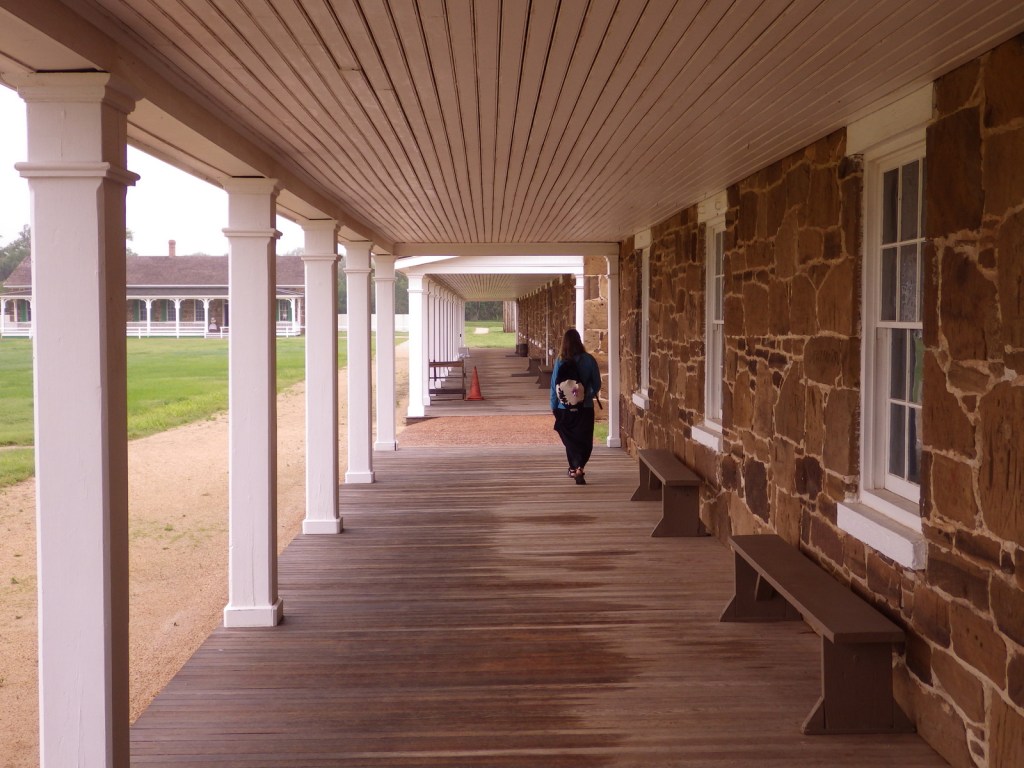
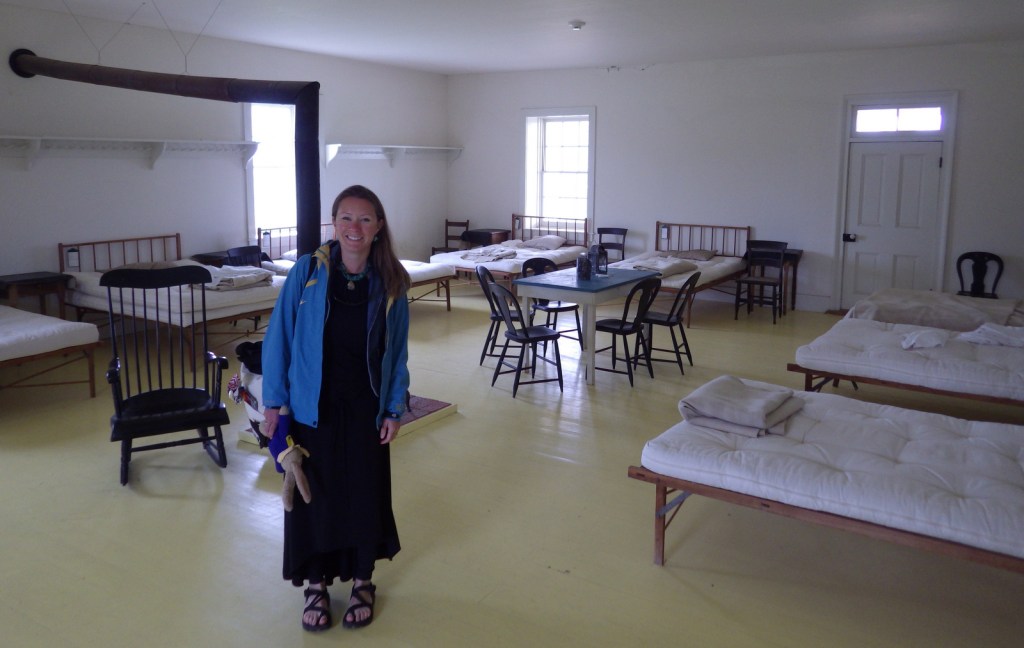
This Santa Fe Trail fort was only active from 1860 to 1878, but after becoming private property it continued to function as a working ranch which explains why it is in such good shape today.  Costumed re-enactors are really what make this National Park Service (NPS) site special, though, from the blacksmith to the schoolteacher to the commissar to the officers’ wives.  They love to share stories of this extraordinary place.  Surrounded by open fields, it is easy to feel like you are 150 years in the past while touring the grounds.

Highlights

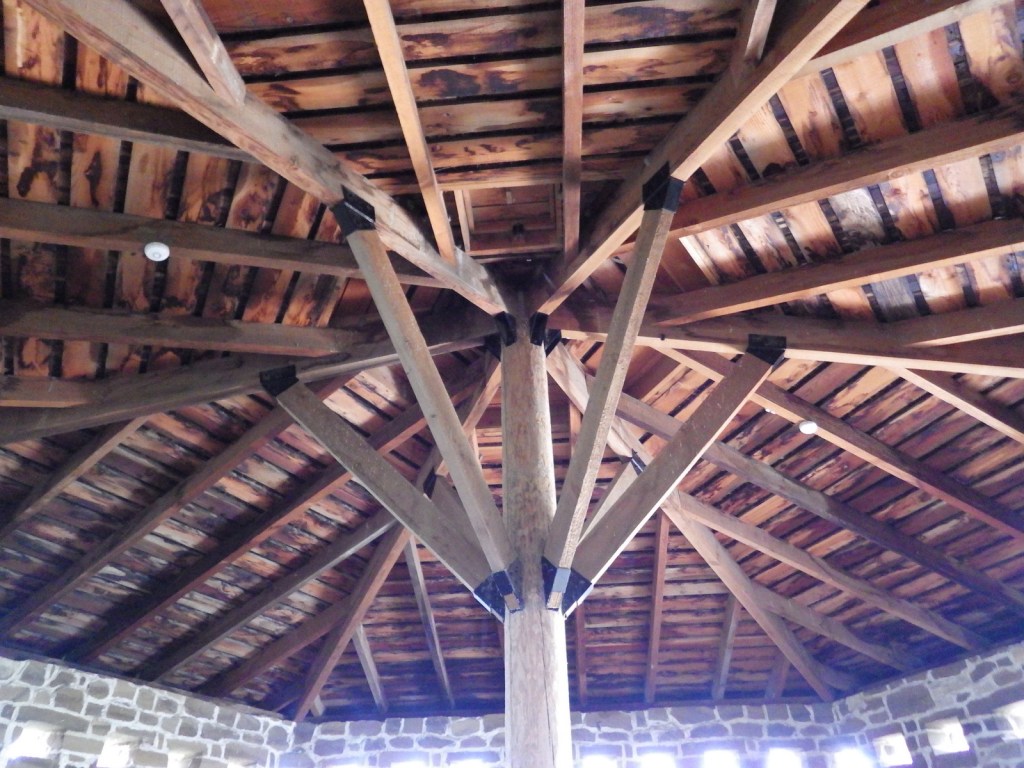
Museum, film, commissary, officers’ quarters, barracks, reconstructed blockhouse

Must-Do Activity

As we walked across the bridge over the Pawnee River towards Fort Larned on a foggy Memorial Day morning, we watched a horse-drawn carriage heading that way, too.  Much to our surprise, the driver (a volunteer) stopped to ask if we would like to hop in for a ride.  Passing through the fog, it was like being carried back in time.  To learn more history, head to the Santa Fe Trail Center in the town of Larned, Kansas.

Best Trail

The parking area is a short walk from the fort, then a self-guided trail (brochure available at the NPS visitor center) leads to stops around the 718-acre site.

Instagram-worthy Photo

Two soldier re-enactors looked ghostly in the glass while watching the blacksmith work his magic.

Peak Season

Summer

Hours

https://www.nps.gov/fola/planyourvisit/hours.htm

Fees

None

Road Conditions

The access road to the main site is paved, but to visit the Santa Fe Trail Ruts Area requires driving an unpaved county road.

Camping

There is a private campground in Larned, Kansas, plus Kansas has a good State Parks system.

Related Sites

Fort Scott National Historic Site (Kansas)

Bent’s Old Fort National Historic Site (Colorado)

Fort Union National Monument (New Mexico)

Explore More – For whom is Fort Larned named?
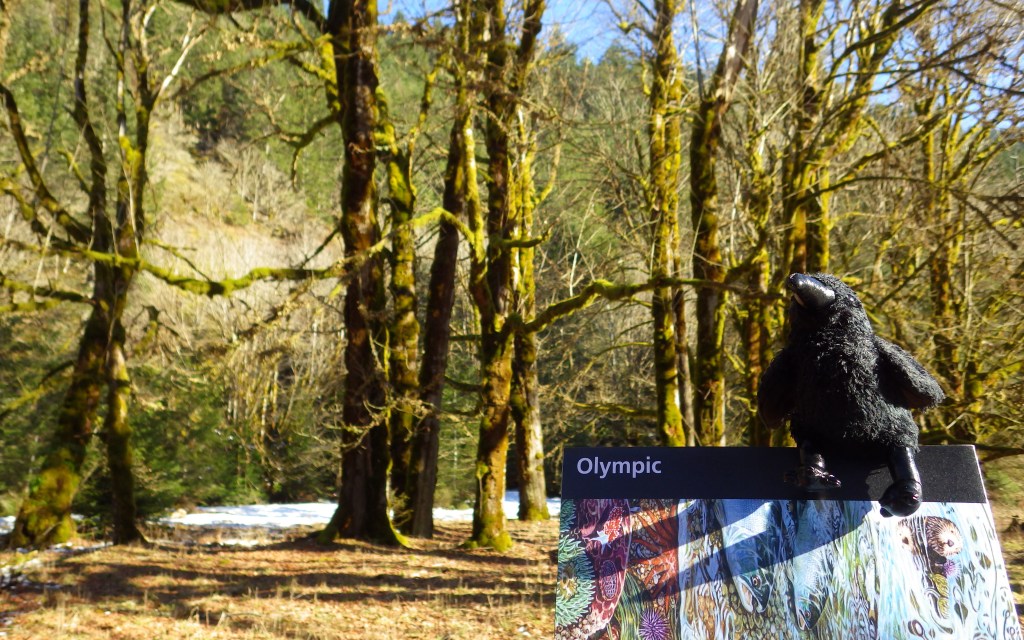
Olympic National Park

Overview

Rising from the Pacific Ocean to 7,980-foot tall Mount Olympus, western Washington’s Olympic National Park is arguably the most diverse National Park in the entire country.  Originally named as a National Monument in 1909 by President Theodore Roosevelt to protect his namesake Roosevelt elk, the area was almost named Elk National Park when upgraded in 1938. 

Learn more in our guidebook to the National Parks, A Park to Yourself: Finding Adventure in America’s National Parks (available on Amazon).

Highlights

Ruby Beach, Lake Quinault, Hoh Rainforest, Sol Duc Falls, Hurricane Ridge

Must-Do Activity

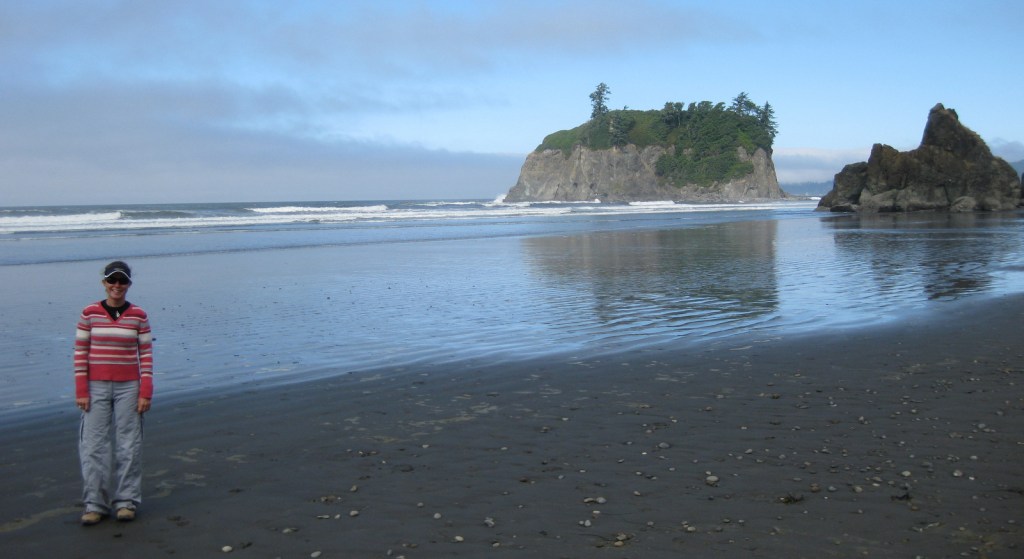
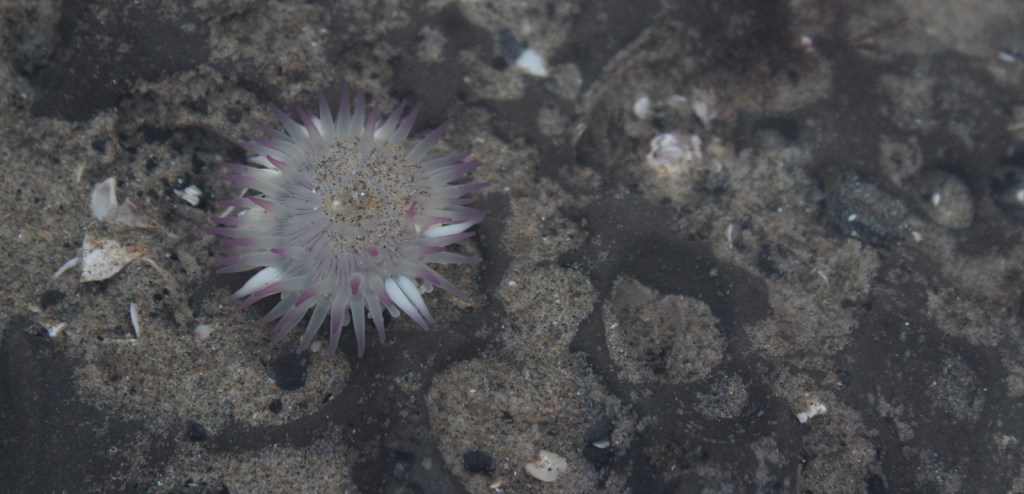
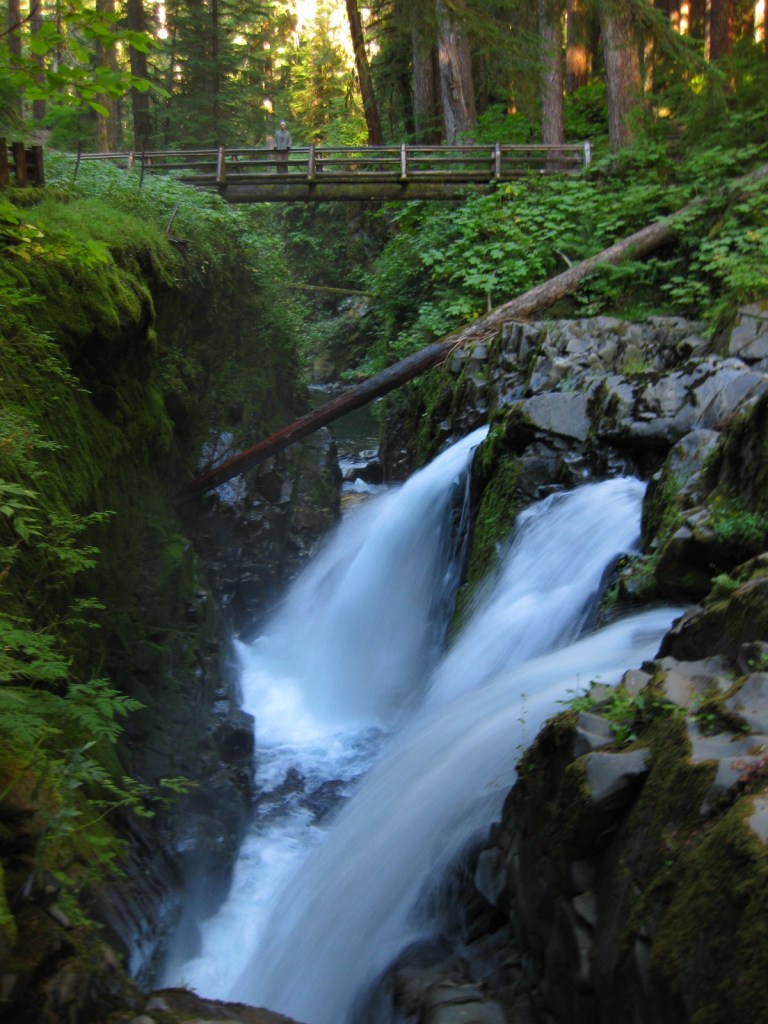
Visitors can explore tidepools at Ruby Beach (pictured in our logo below), soak at a hot springs resort after hiking around Sol Duc Falls, experience sweeping mountain vistas from Hurricane Ridge, and boat across picturesque Lake Crescent.

Best Trail

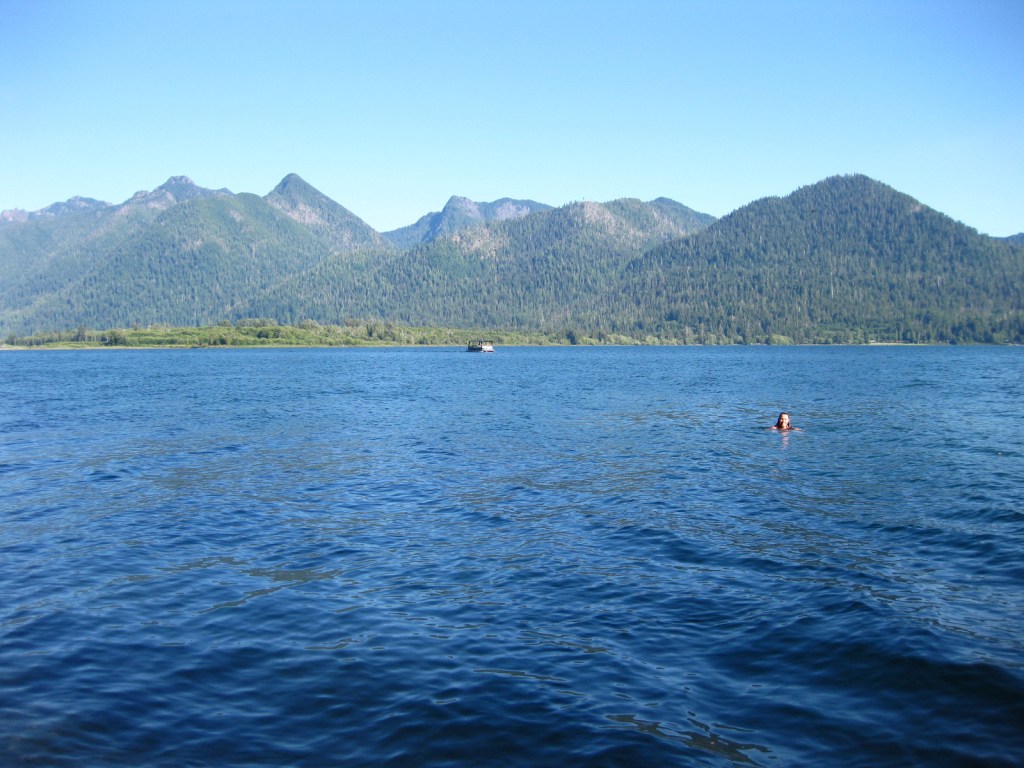
There are more than 600 miles of trails, but one of the quietest is on the north shore of Lake Quinault and leads to a huge, hollow western redcedar tree.

Instagram-worthy Photo

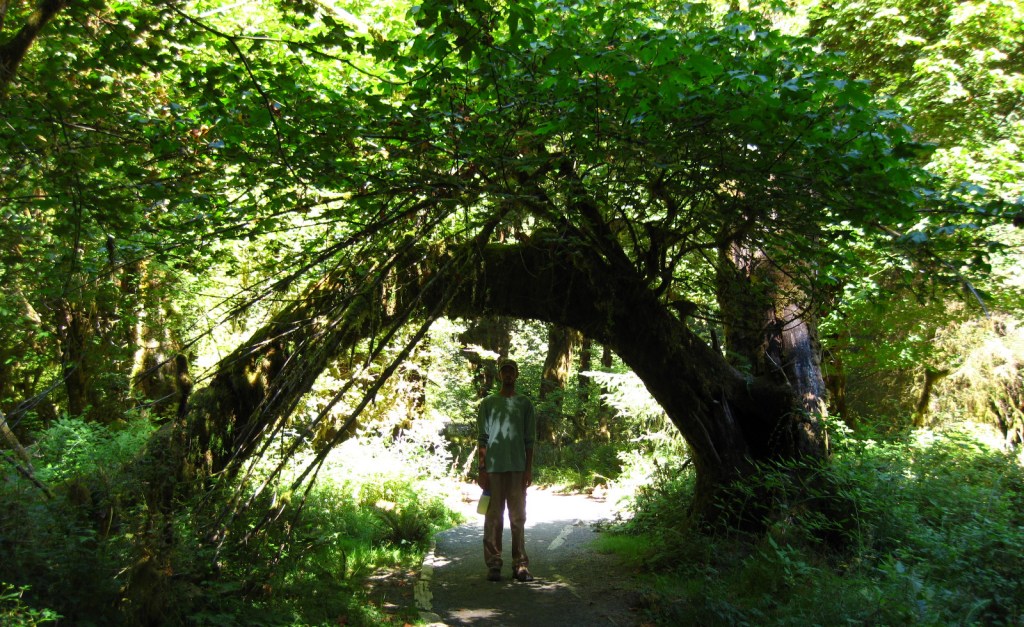
Discover the moss-draped Hoh Rainforest, which at 160 inches annually experiences the highest rainfall totals in the continental U.S.

Peak Season

Summer

Hours

https://www.nps.gov/olym/planyourvisit/hours.htm

Fees

$30 per vehicle or America the Beautiful pass

Road Conditions

All major roads are paved, but notably the road up to Hurricane Ridge is not open every day of the week in the offseason.

Camping

There are numerous campgrounds and four lodges, plus the historic Lake Quinault Lodge built in 1926 (and technically outside of the park).

Related Sites

Lewis and Clark National Historical Park (Oregon-Washington)

Ebey’s Landing National Historic Reserve (Washington)

Mount Rainier National Park (Washington)

This design we created to celebrate Olympic National Park is available on a variety of products at Cafe Press and Amazon.

Explore More – Although they are shrinking, how many glaciers are found in the Olympic Mountains?

We are a participant in the Amazon Services LLC Associates Program, an affiliate advertising program designed to provide a means for us to earn fees by linking to Amazon.com and affiliated sites.

Canaveral National Seashore

Overview

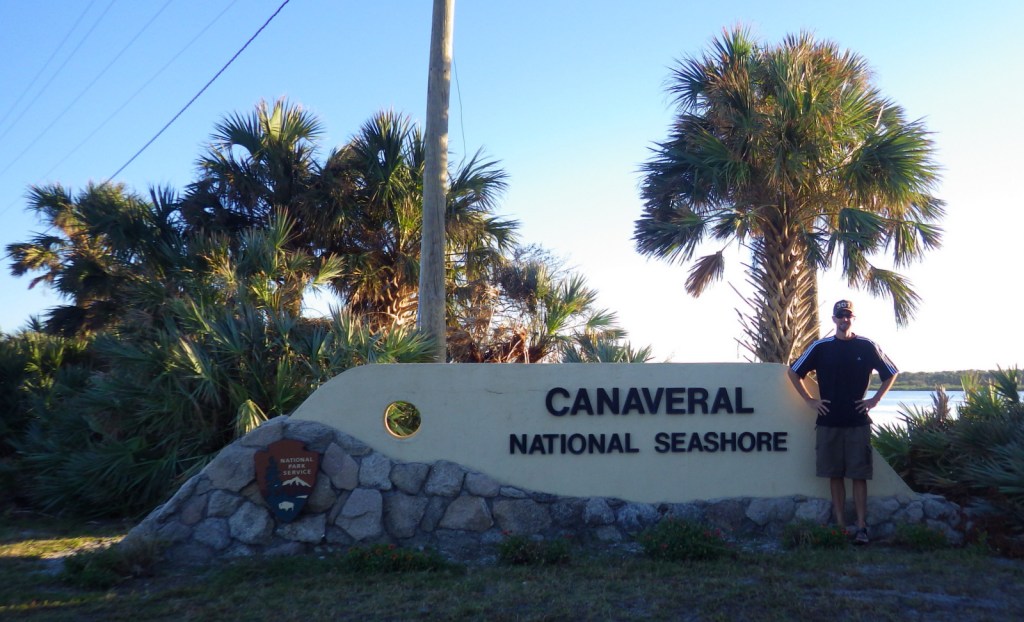
When NASA (National Aeronautics and Space Administration) prevented this portion of Florida coast from development in the 1950s, surely they did not imagine it would soon become one of the last long stretches of wild coastline left on the Atlantic seaboard.  The area north of John F. Kennedy Space Center was set aside as Canaveral National Seashore (in 1975) and Merritt Island National Wildlife Refuge (in 1963).

Highlights

Eldora State House, shell mounds, wildlife, fishing, kayaking, beaches

Must-Do Activity

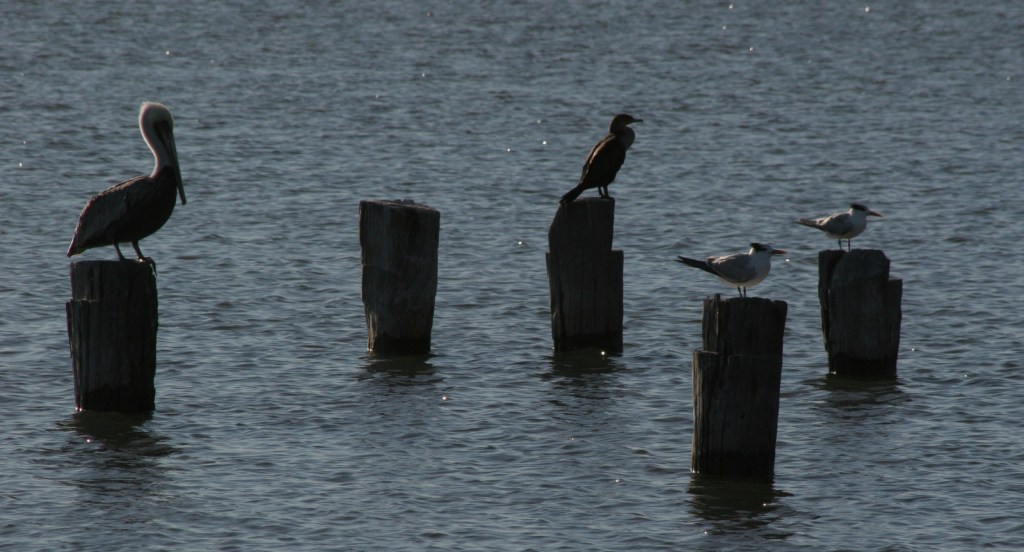
About 310 avian species have been spotted in Merritt Island National Wildlife Refuge.  Other than birds, we were excited to see our first living armadillo and manatee outside of a zoo.  Despite its unappealing name, Mosquito Lagoon is a nice spot for fishing and paddling.  We hope someday to return to witness a rocket launch from John F. Kennedy Space Center.

Best Trail

Human activity in Canaveral National Seashore is evident in Timucuan shell mounds that date back thousands of years, with a separate trail to Eldora State House preserving more recent history.  At the southern end of the park in Merritt Island National Wildlife Refuge, you will find Oak and Palm Hammock Trails, as well as Cruickshank Trail that leads to an observation tower.

Instagram-worthy Photo

The park ranger told us the most likely place to see a West Indian manatee was at the boat launch in New Smyrna Beach, Florida just north of the park boundary.  There were also dolphins, great blue herons, anhingas, great egrets, ospreys, brown pelicans, and royal terns.

Peak Season

Summer

Hours

https://www.nps.gov/cana/planyourvisit/hours.htm

Fees

$20 per vehicle day use or America the Beautiful pass

Road Conditions

The main access roads are paved, but the six-mile Black Point Wildlife Drive and some boat launches are not.  Unlike at other National Seashores, there is no driving on the beach allowed, but you can bicycle or walk to remote Klondike Beach.

Camping

Inside the park boundaries there are no campgrounds, but backcountry camping is allowed with a permit.

Related Sites

Castillo de San Marcos National Monument (Florida)

Cumberland Island National Seashore (Georgia)

Fort Caroline National Memorial (Florida)

Explore More – What did engineers build in the 1950s to limit the breeding area for saltmarsh mosquitoes?

Walnut Canyon National Monument

Walnut Canyon National Monument

Arizona

Managed by National Park Service

Established 1915

3,529 acres

Website: nps.gov/waca

Overview

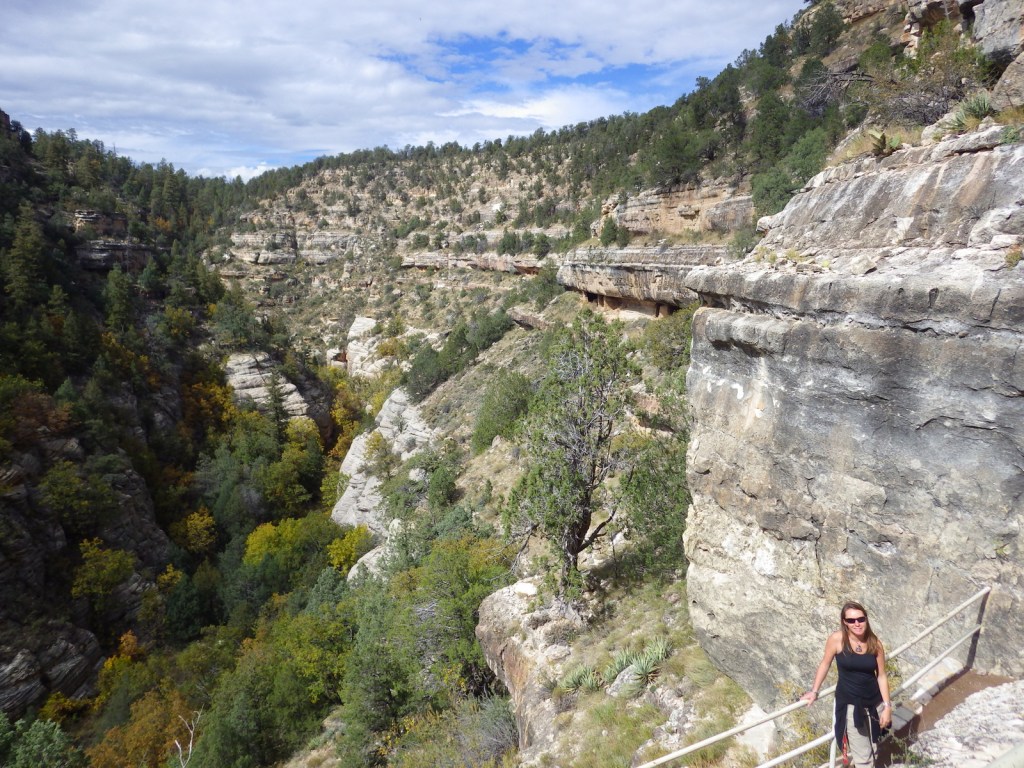
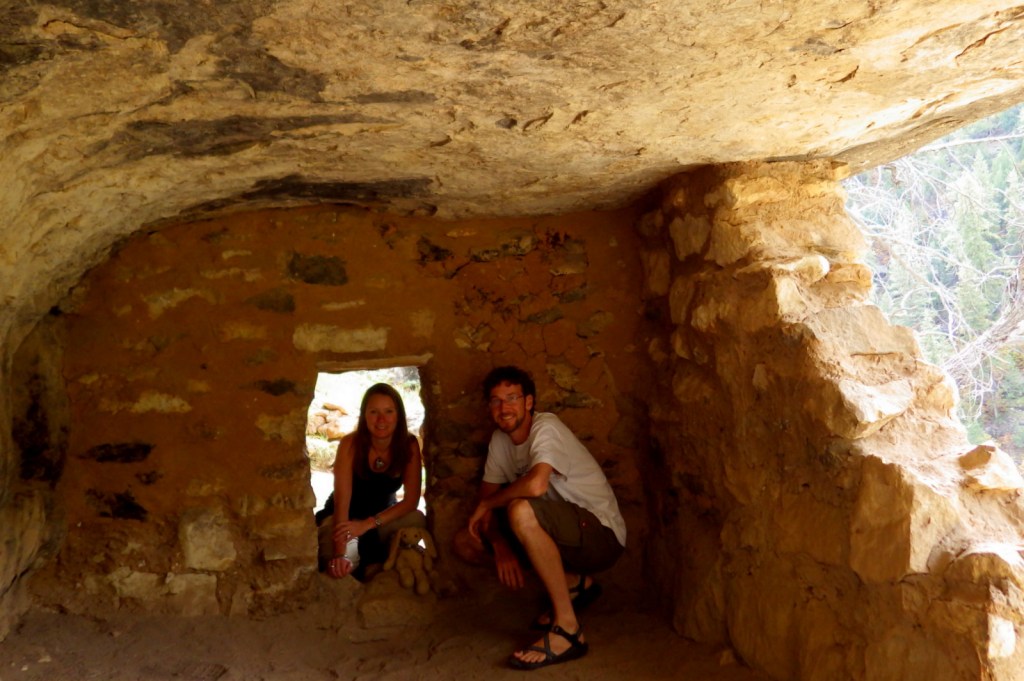
Cliff dwellings were built in Walnut Canyon around the same time another group of Sinagua was living at nearby Wupatki National Monument.  These cliff dwellings were only occupied for about a hundred years and abandoned by AD 1250.  For over a century, they have been protected within Walnut Canyon National Monument, a 3,541-acre park on Interstate 40 east of Flagstaff, Arizona.

Know someone who loves exploring new National Monuments? Gift them our book Monumental America: Your Guide to All 138 National Monuments that is available for sale on Amazon.com.

Highlights

Museum, ruins, scenic views

Must-Do Activity

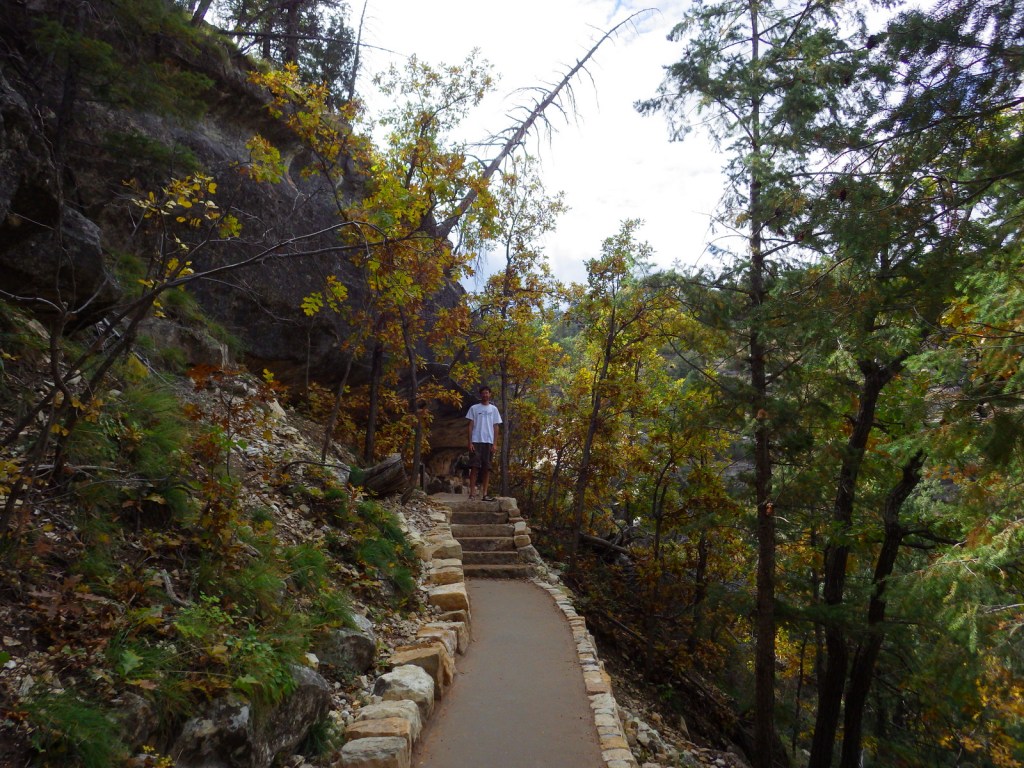
To get up close with the ruins requires a hike down 200 stairs on the one-mile Island Trail loop.  At 6,690 feet in elevation, downhill is easy, but getting back up is another matter entirely.  It is well worth the effort to get a feeling for a life spent inside the shallow limestone recesses in the canyon walls.

Best Trail

The paved Island Trail drops 185 feet and takes you right up to the 25 rooms built into the cliffs.  Above the canyon, 0.75-mile Rim Trail is handicap accessible and provides views of the ruins.

Instagram-worthy Photo

October is a great time to visit to see changing leaves in Walnut Canyon, especially the bigtooth maple trees.

Peak Season

Summer

Hours

https://www.nps.gov/waca/planyourvisit/hours.htm

Fees

$15 per person, $25 per vehicle, or America the Beautiful pass

Road Conditions

Access road is paved

Camping

There is not a campground at the site, but dispersed camping is allowed down the dirt road that turns off to the left just before entering the National Monument.

Related Sites

Sunset Crater Volcano National Monument (Arizona)

Montezuma Castle National Monument (Arizona)

Tuzigoot National Monument (Arizona)

Nearest National Park

Grand Canyon

Explore More – There are multiple Arizona sites in the National Park Service system dedicated to the vanished Sinagua people; what does their name mean in Spanish?

Learn more about the other 137 National Monuments in our book Monumental America: Your Guide to All 138 National Monuments

Top 10 NPS Sites for Hiking

Some of the best places to hike in the entire United States of America lie within our National Park Service (NPS) system.  We already ranked the best places to hike within the 63 National Parks, so in this Top 10 list we focus on the best of the rest.  We decided to leave off the 2,185-mile Appalachian National Scenic Trail that runs from Maine to Georgia (one of three long trails managed by the NPS).  Click here to see all of our Top 10 Lists.

10. Cumberland Gap National Historical Park (Kentucky-Tennessee-Virginia)

85 miles of trails lead to Tri-State Peak, Wilderness Road, Hensley Settlement, and Gap Cave

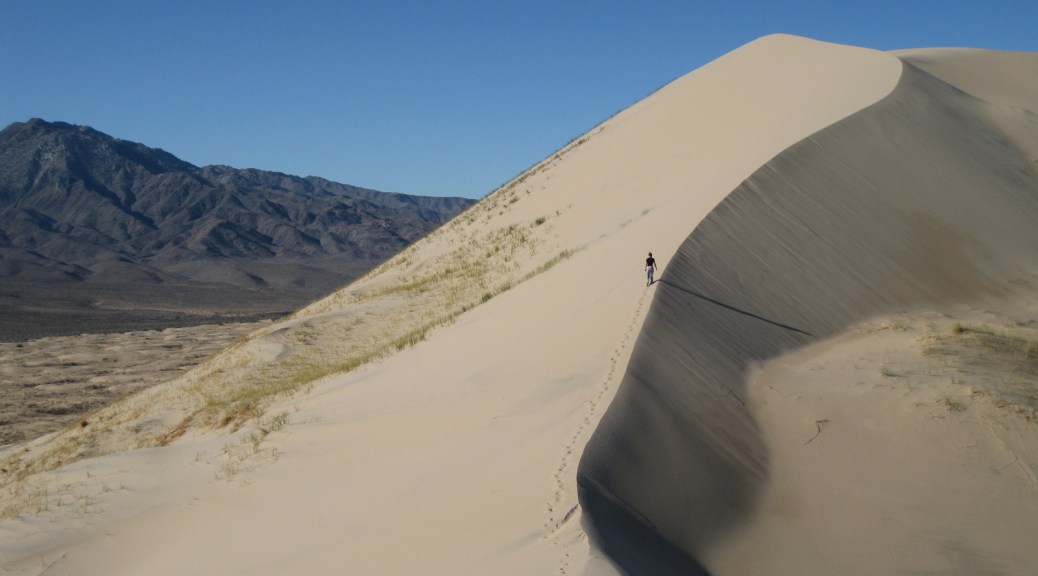
9. Mojave National Preserve (California)

Rings Loop Trail requires metal handholds to navigate a narrow canyon, plus climb Kelso Dunes

8. Delaware Water Gap National Recreation Area (Pennsylvania)

Short hikes lead to Raymondskill and Dingmans Falls, or summit Mt. Minsi on the Appalachian National Scenic Trail

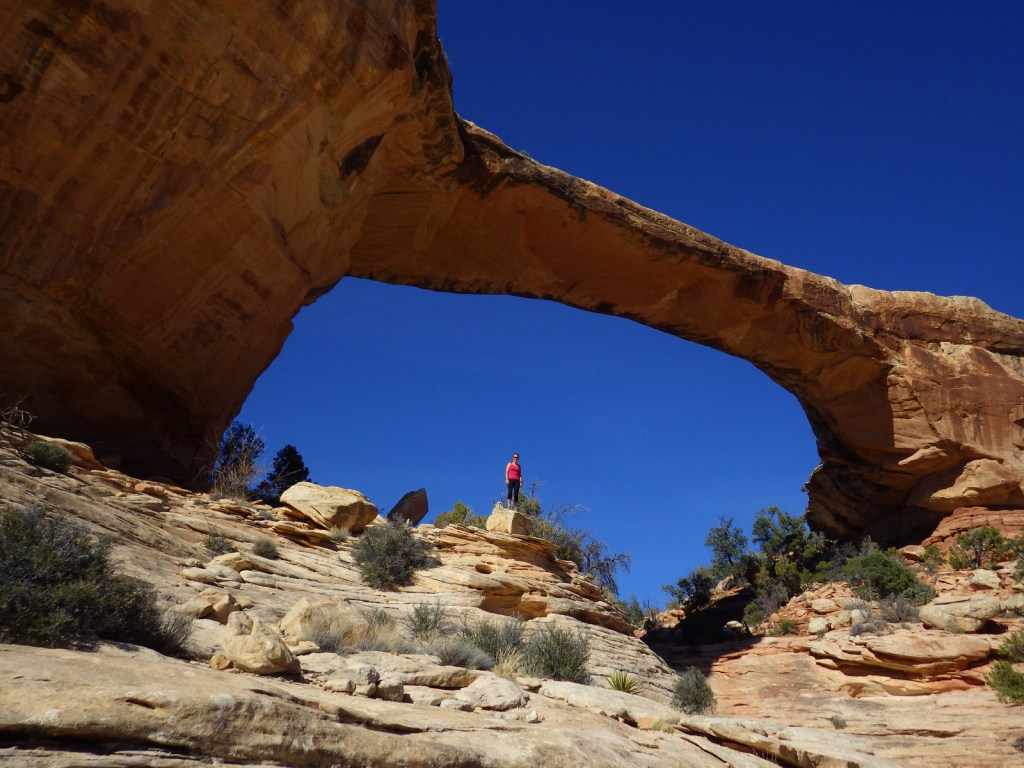
7. Natural Bridges National Monument (Utah)

A nine-mile loop hike connects all three natural bridges, also accessible individually by shorter trails

6. Navajo National Monument (Arizona)

Canyon hiking (or backpacking) is required to access the Ancestral Puebloan ruins protected here

5. Craters of the Moon National Monument and Preserve (Idaho)

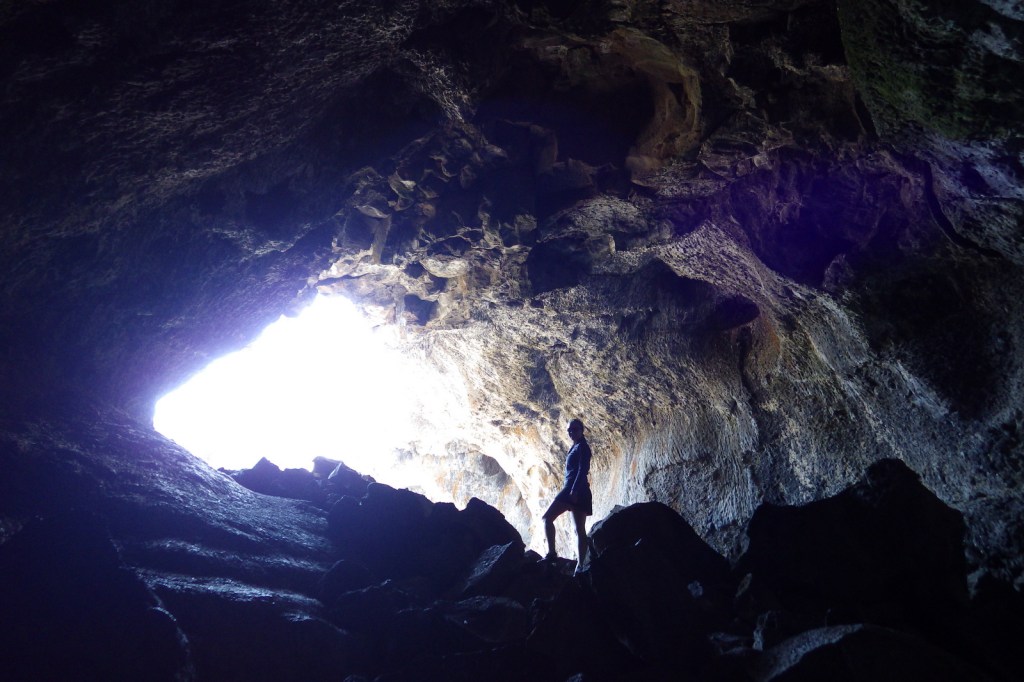
There is no shade in this stark yet beautiful landscape, except inside the lava tubes

4. Oregon Caves National Monument and Preserve (Oregon)

After a cave tour continue on the Cliff Nature Trail and hike the Big Tree Trail up to the largest diameter Douglas-fir tree in Oregon

3. Colorado National Monument (Colorado)

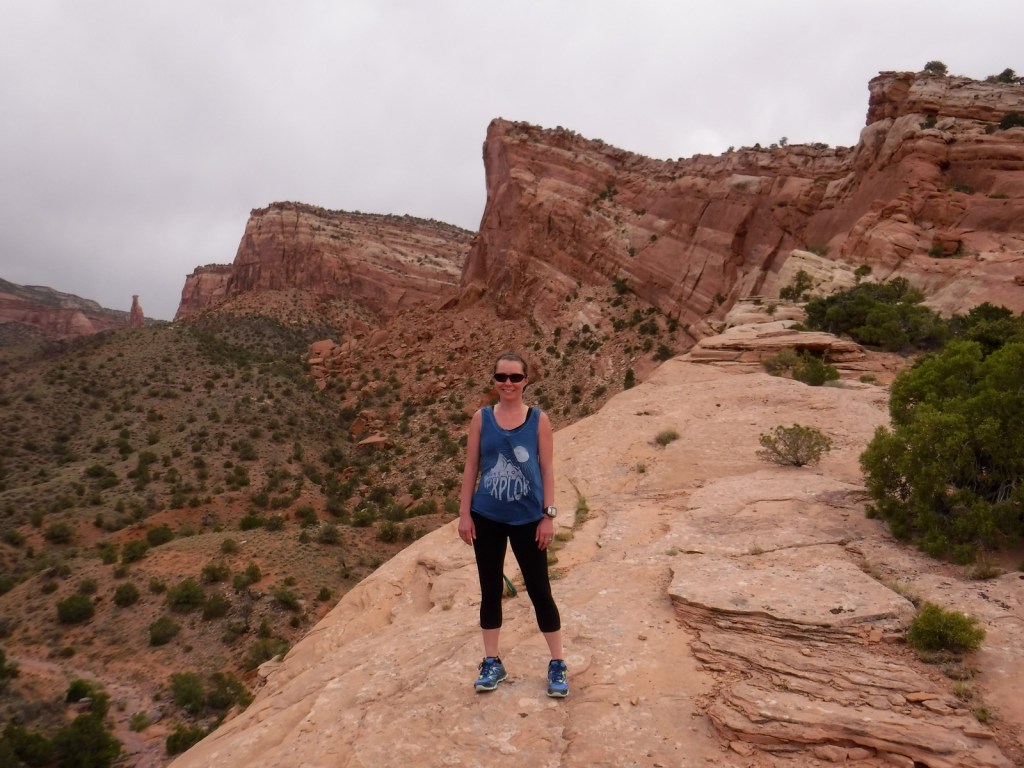
Many colorful canyon hikes, plus the Serpents Trail once known as the “Crookedest Road in the World”

2. Lake Chelan National Recreation Area (Washington)

The Pacific Crest National Scenic Trail is just one scenic option through here and adjoining North Cascades National Park

…and finally the #1 NPS site for hiking:

1. Chiricahua National Monument (Arizona)

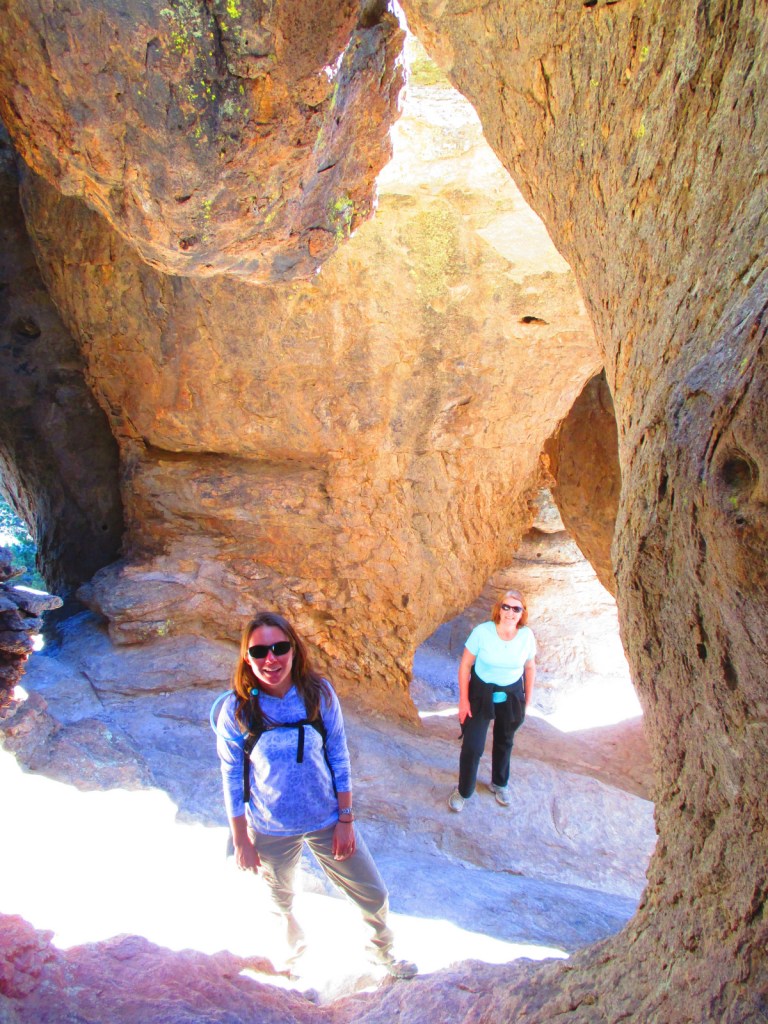
We recommend an all-day loop hike through Echo Canyon to the Heart of Rocks Loop

Honorable Mentions

Devils Tower National Monument (Wyoming)

The volcanic plug looks different from every angle on the Joyner Ridge, Red Beds, and Tower Trails

Muir Woods National Monument (California)

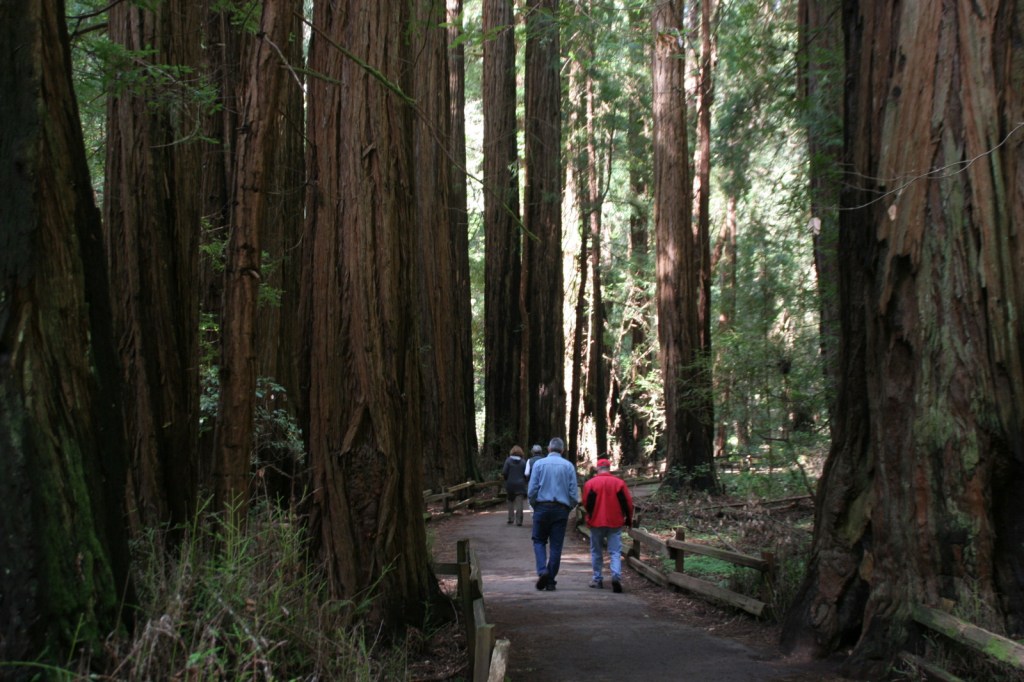
Only six miles of trails through towering coast redwoods, but they connect with Mount Tamalpais State Park

Buffalo National River (Arkansas)

Not just for canoeing, trails access Hideout Hollow, Hawksbill Crag, and Hemmed-In-Hollow