Tag Archives: wilderness

Kaniksu National Forest

Kaniksu National Forest

Idaho, Montana, Washington

Managed by U.S. Forest Service, Northern Region

1,833,582 acres (1,628,024 federal/ 205,558 other)

Website: https://www.fs.usda.gov/ipnf

Overview

In the mountainous tip of the Idaho pandhandle bordering Canada, Kaniksu National Forest stretches into three states.  Recreational opportunities surround three major rivers and two large natural bodies of water: Lake Pend Oreille and Priest Lake.  As you might imagine in a place this wet, waterfalls abound (see Must-Do Activity).  Coeur d’Alene National Forest is located on both sides of Interstate 90, east of the city of Coeur d’Alene, which was the French name given to the indigenous people.  In 1973, Kaniksu National Forest was joined with Coeur d’Alene and St. Joe National Forests to form Idaho Panhandle National Forests.

Highlights

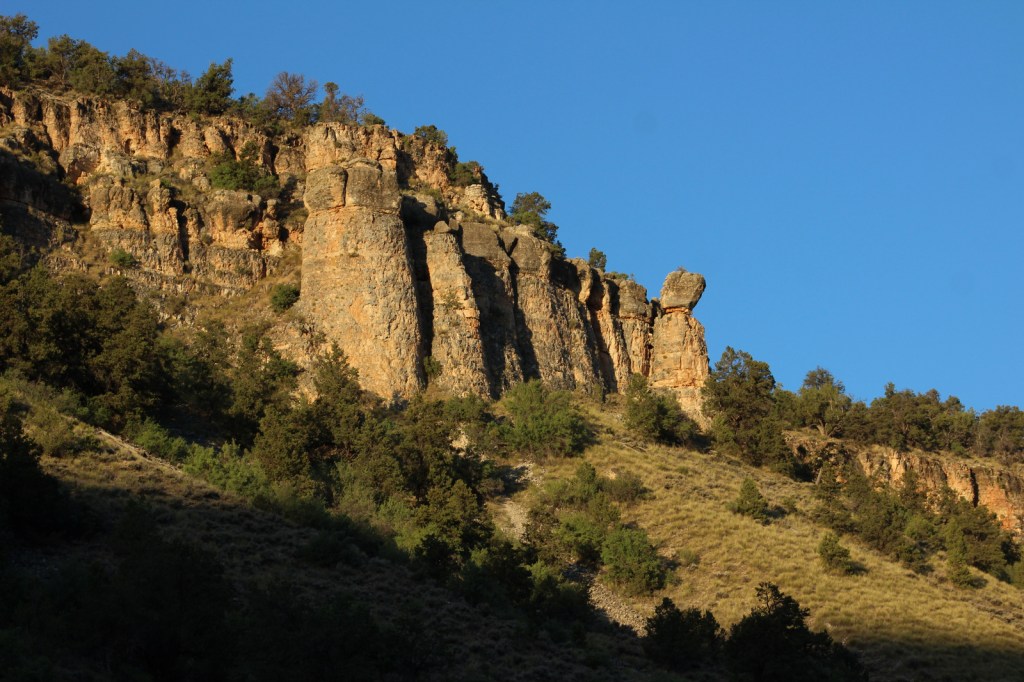
Priest Lake, Northeast Peak Scenic Area, Lake Pend Oreille, Bottle Lake, Snow Creek Falls, Chimney Rock, Huff Lake, Canyon Creek Natural Area, Copper Falls, Gunsight Peak, Hahn Lake, Hanna Flats Nature Trail, Gold Hill Trail

Must-Do Activity

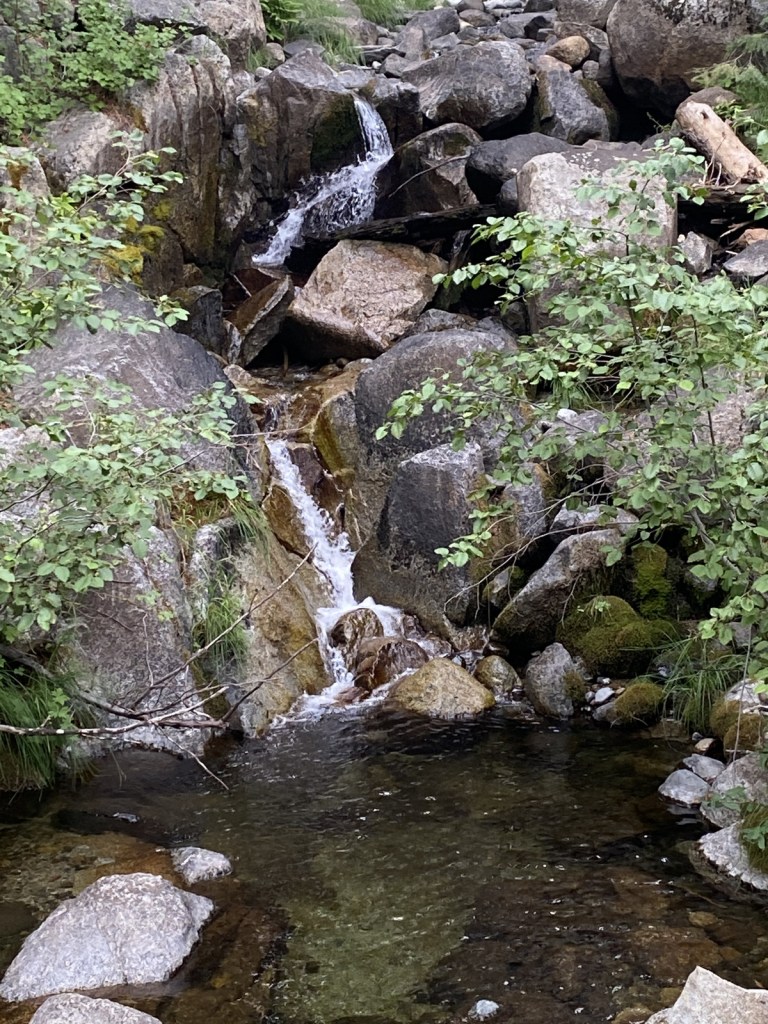
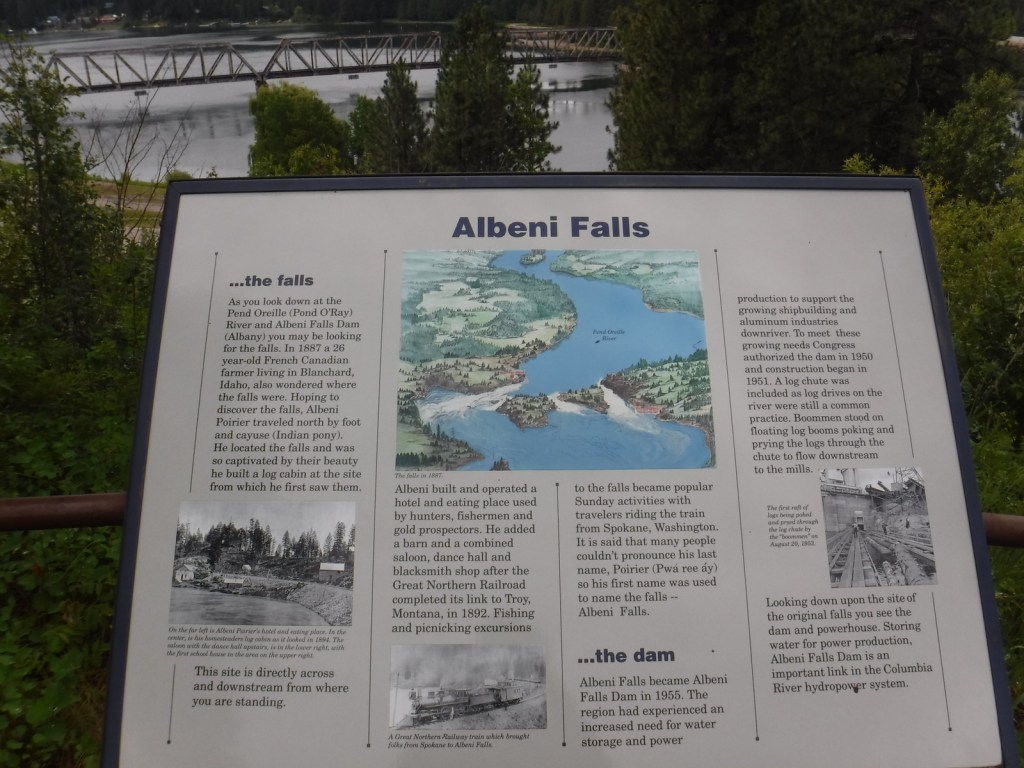
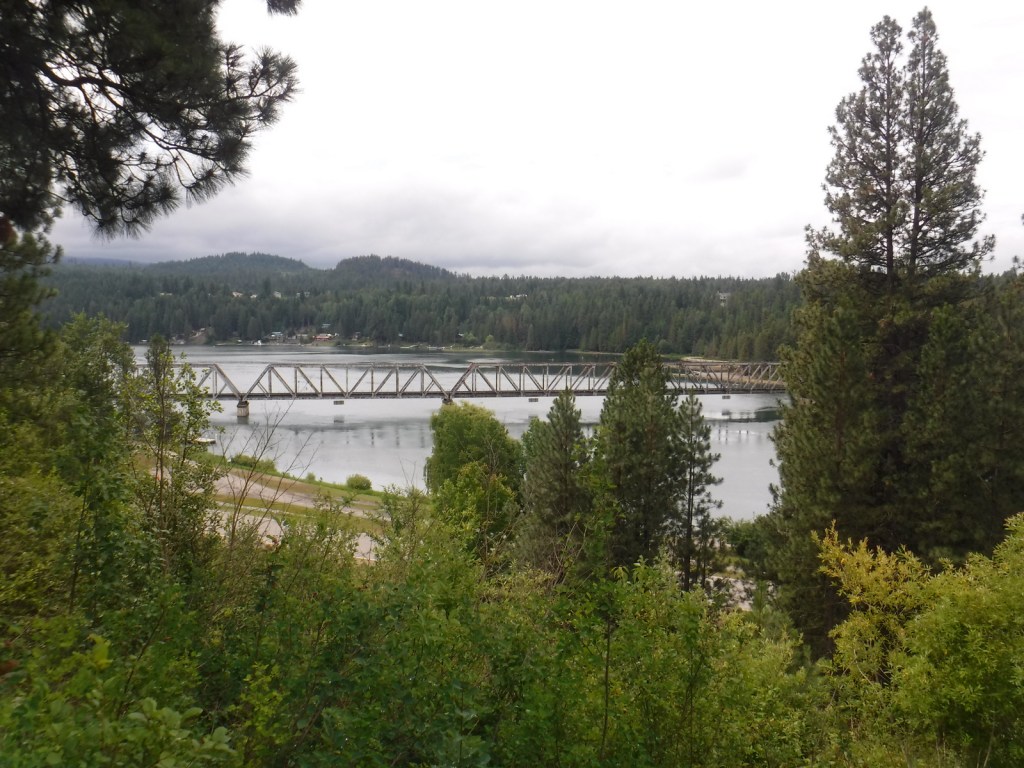
As you might imagine in a place this wet, waterfalls abound, including 160-foot Copper Falls, 150-foot Jeru Creek Falls, 75-foot Wellington Creek Falls, and 75-foot Char Falls.  South of Bonners Ferry, a forest road leads to Snow Creek Falls with an upper drop of 125 feet and a lower plunge of 75 feet.  Rapid Lightning Falls, Grouse Creek Falls, and Torelle Falls are also in Kaniksu National Forest.  If you want to see more waterfalls, Moyie Falls drops 140 feet in a series of cascades located just outside the National Forest and there is a roadside pullout at Albani Falls Dam on the Pend Oreille River.  A paved scenic byway follows the north shore of Lake Pend Oreille and the Clarks Fork River into Montana.

Best Trail

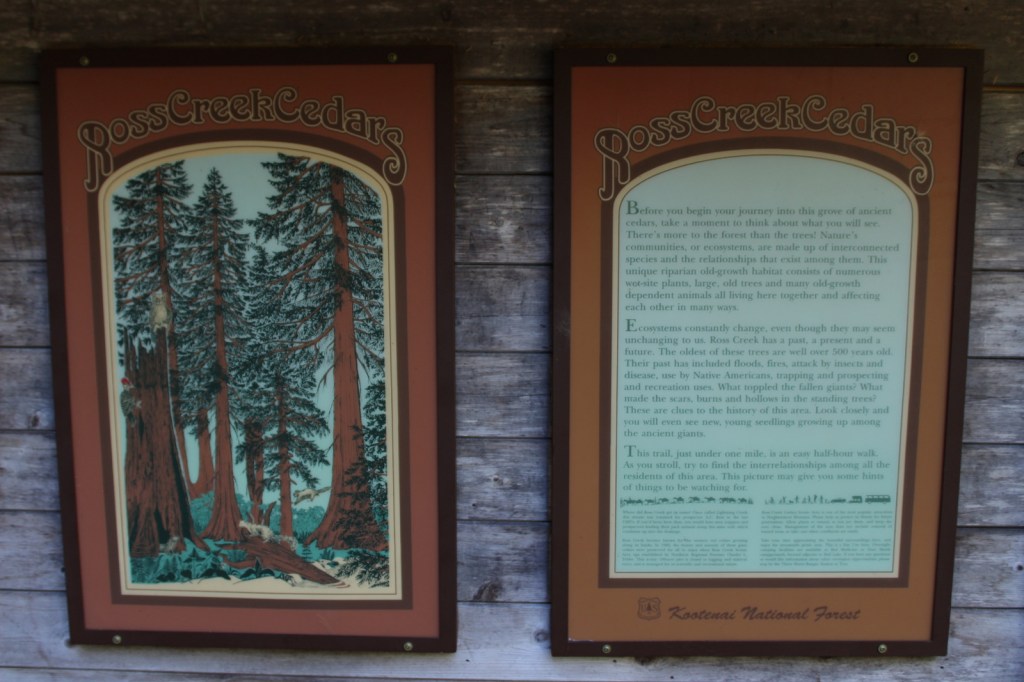
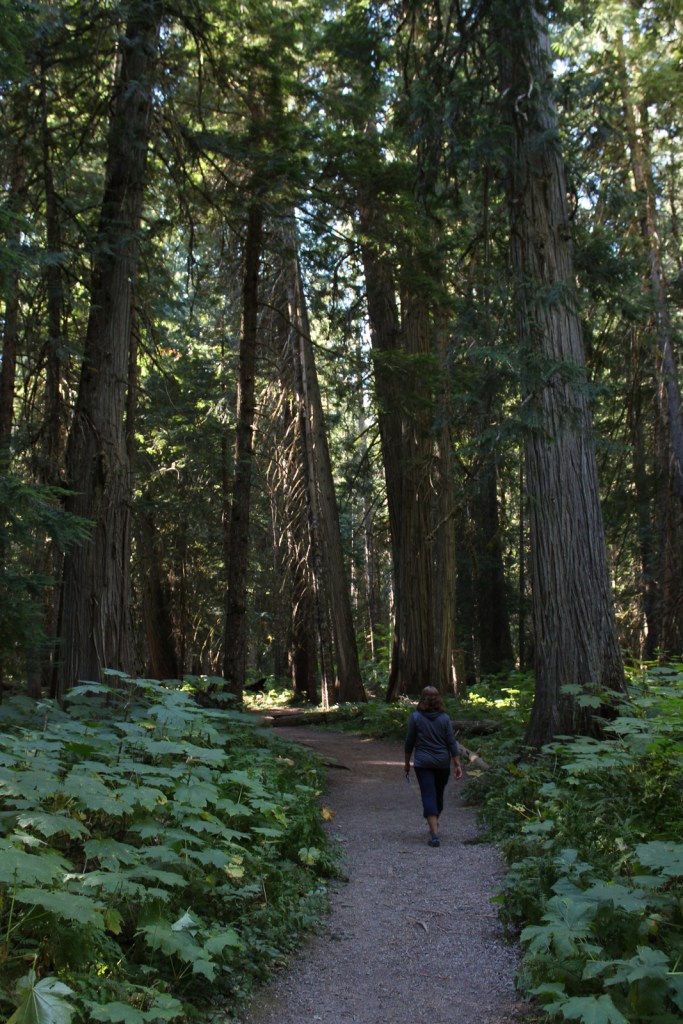
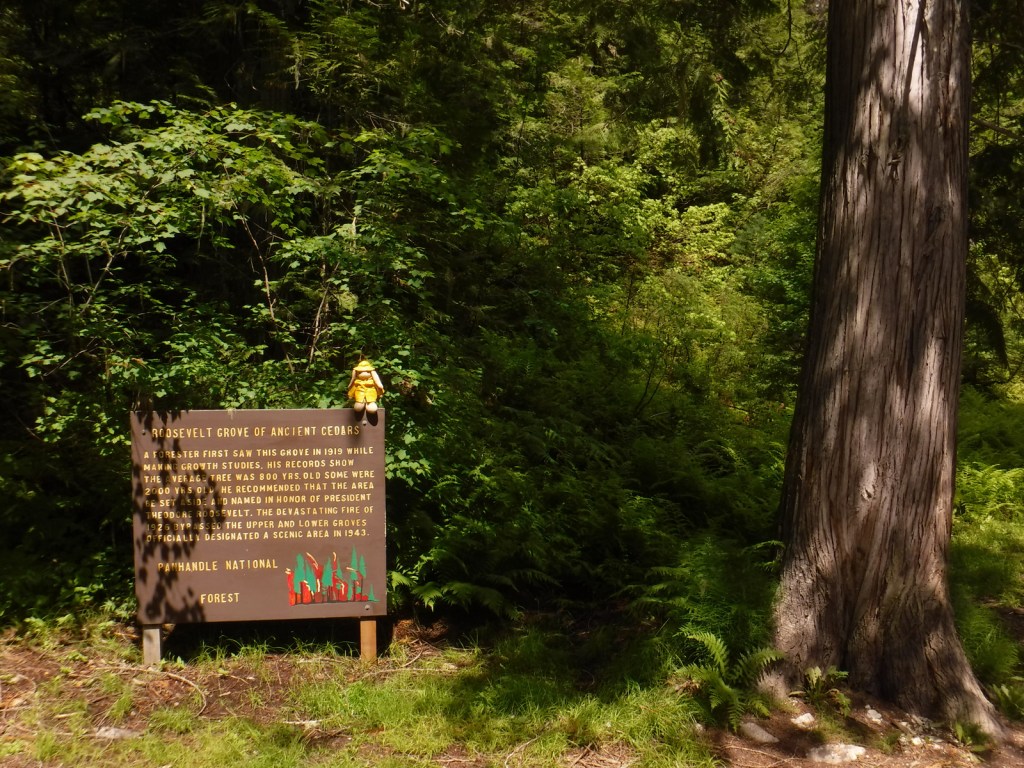
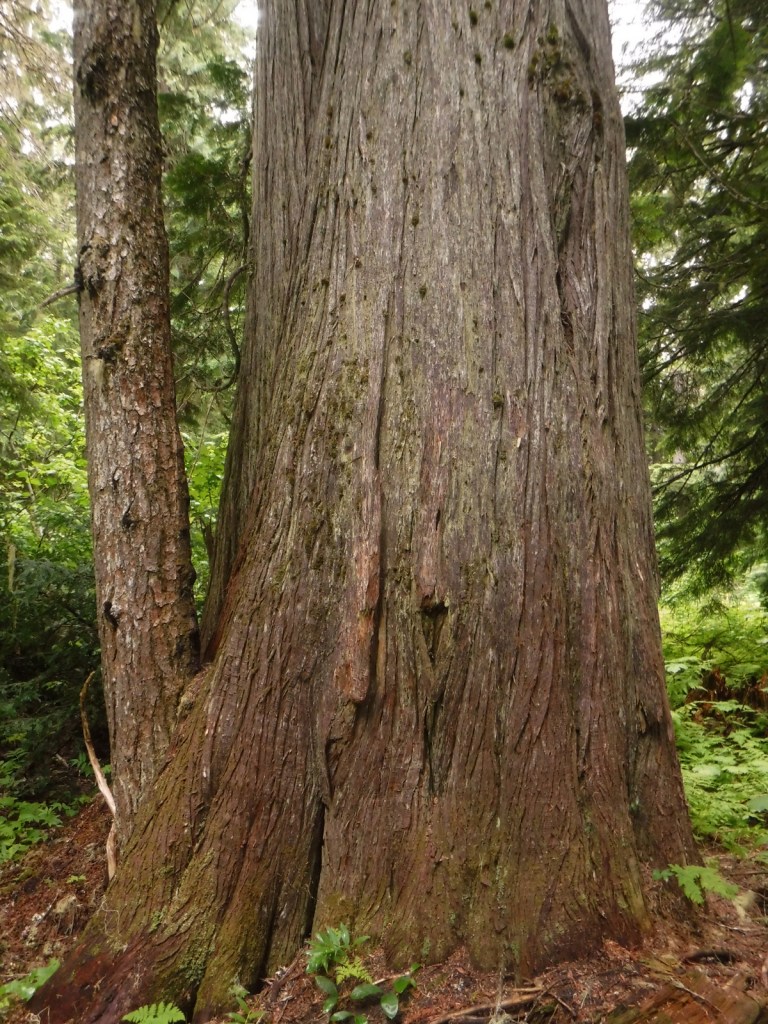
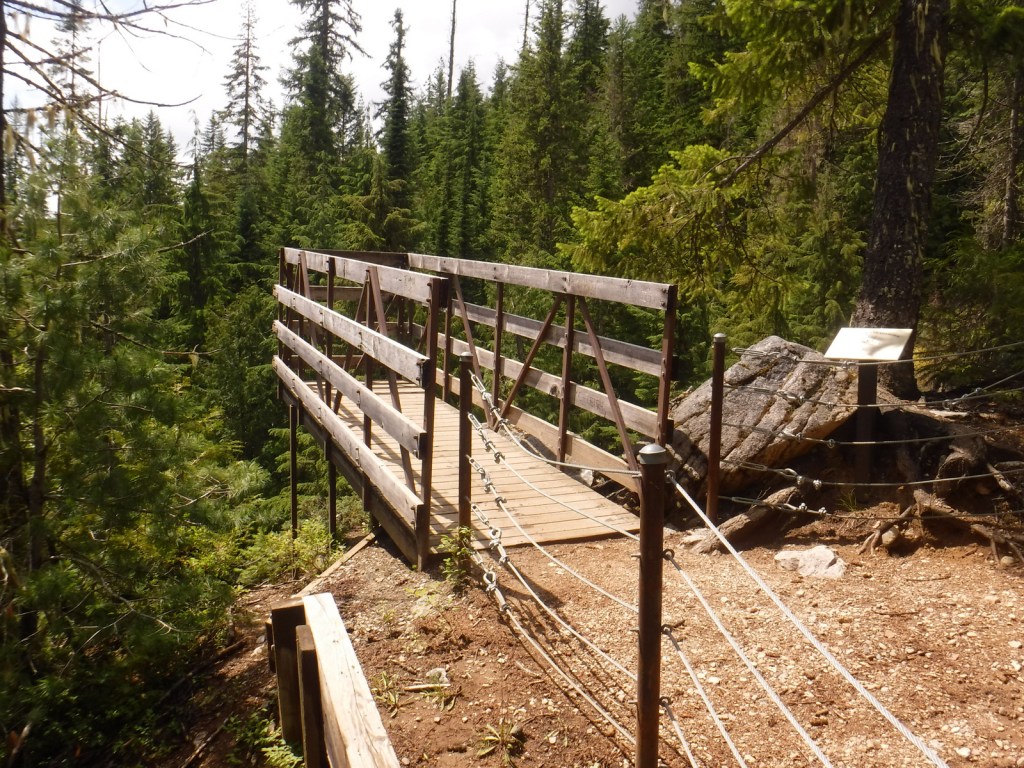
First discovered by a forester in 1919, the Roosevelt Grove of Ancient Cedars Scenic Area in Washington was named in honor of Theodore Roosevelt.  A 1926 fire killed three-quarters of the trees, leaving two smaller remnant patches.  Most of the western redcedars are around 800 years old, but some of them are estimated to be more than 2,000 years old.  Of course, since this is Kaniksu National Forest there is also a trail here to a waterfall, with a one-mile loop climbing 200 feet to an overlook.  From that point it is only a half-mile walk to the 20-acre Upper Grove.  The trail leaves from the colorfully-named Stagger Inn Trailhead, which gets its moniker from a 1926 fire camp located an exhausting 14-mile hike from the nearest road.

Watchable Wildlife

Kaniksu National Forest is home to mule deer, elk, moose, black bears, bobcats, coyotes, and mountain lions.  This close to Canada, it is also possible to find grizzly bears and gray wolves.  The Selkirk Mountains represent the sole place in the contiguous U.S. where you might see mountain caribou.  Common large birds include ospreys, golden eagles, bald eagles, wild turkeys, and ravens.  The National Forest borders Lake Pend Oreille and Priest Lake, plus it contains many of the rivers and creeks that feed them, which provide incredible fishing opportunities.

Photographic Opportunity

At the Roosevelt Grove of Ancient Cedars Scenic Area, a one-mile loop trail climbs to a vista above Lower Granite Falls where Upper Granite Falls may be viewed.

Peak Season

Summer

Fees

None

Road Conditions

A long dirt road (FR 302) leads to the Roosevelt Grove of Ancient Cedars Scenic Area in Washington (and continues west into neighboring Colville National Forest), but it is maintained in good condition for passenger vehicles, although not all forest roads are. 

Camping

There are numerous campgrounds on the west side of Priest Lake and around Lake Pend Oreille, plus dispersed campsites along the dirt roads near the Roosevelt Grove of Ancient Cedars Scenic Area.

Wilderness Areas

Cabinet Mountains Wilderness (also in Kootenai National Forest)

Salmo-Priest Wilderness (also in Colville National Forest)

Related Sites

Coeur d’Alene National Forest (Idaho)

Clearwater National Forest (Idaho)

Nez Perce National Historical Park (Idaho-Oregon-Montana)

Nearest National Park
Glacier

Conifer Tree Species

western redcedar, ponderosa pine, lodgepole pine, western white pine, whitebark pine, Douglas-fir, grand fir, subalpine fir, Engelmann spruce, western hemlock, mountain hemlock, western larch

Flowering Tree Species

Rocky Mountain maple, quaking aspen, Pacific dogwood, balsam poplar, dwarf birch, paper birch, Piper’s hawthorn, boxelder, Bebb willow, western mountain-ash, choke cherry, western serviceberry, red alder, mountain alder

Explore More – Kaniksu is derived from a Kalispel Indian word meaning what?

Learn more about this and the 154 other National Forests in our new guidebook Out in the Woods

We are a participant in the Amazon Services LLC Associates Program, an affiliate advertising program designed to provide a means for us to earn fees by linking to Amazon.com and affiliated sites.

Baaj Nwaavjo I’tah Kukveni–Ancestral Footprints of the Grand Canyon National Monument

Baaj Nwaavjo I’tah Kukveni–Ancestral Footprints of the Grand Canyon National Monument

Arizona

Managed by U.S. Forest Service, Bureau of Land Management

Established 2023

917,618 acres

Website: https://www.blm.gov/national-conservation-lands/arizona/ancestral-footprints

Overview

This new National Monument is situated on both the North and South Rim of the Grand Canyon, but outside the boundaries of Grand Canyon National Park.  It includes the entirety of the Tusayan District of Kaibab National Forest on the South Rim, as well as two sections east and west of the 9,000-foot Kaibab Plateau on the Arizona Strip.  Its name is derived from the Havasupai words Baaj Nwaavjo, which translate as “where indigenous peoples roam,” plus the Hopi term I’tah Kukveni, which means “our ancestral footprints.”  According to the Bureau of Land Management (BLM) website it is pronounced “Baahj-Nuh-Waahv-Joh, Ee-Tah-Kook-Venny.”  The National Monument was created primarily to prevent future uranium mining claims in this area and further protect evidence of thousands of years of human habitation (see Best Trail).

Learn more about the other 137 National Monuments in our book Monumental America: Your Guide to All 138 National Monuments. It is now available for sale on Amazon.com.

Highlights

Red Butte, Hull Cabin, Apex Logging Camp, Grand Canyon Airport Historic District, Marble Canyon, Snake Gulch, Arizona National Scenic Trail

Must-Do Activity

Red Butte is located just east of paved Highway 64/180 on the way to Grand Canyon National Park’s South Rim.  A short 3.3-mile out-and-back trail with 912 feet of elevation gain is found at this geological formation sacred to the Havasupai, Hualapai, Navajo, Hopi, and Zuni people.  Also in this area, Hull Cabin dates back to 1889 and Apex Logging Camp was situated along the Grand Canyon Railroad between 1928 and 1936 (although not much remains other than the foundation of a one-room schoolhouse).  The Arizona National Scenic Trail runs through this part of Kaibab National Forest before entering the Grand Canyon and crossing the Kaibab Plateau.

Best Trail

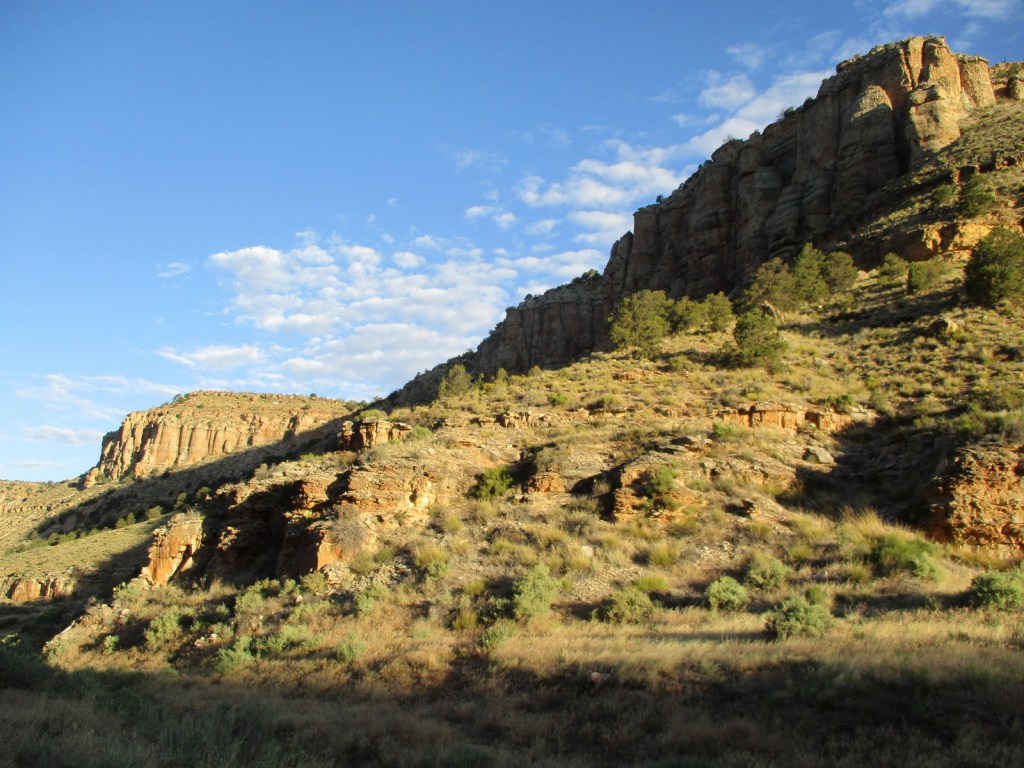
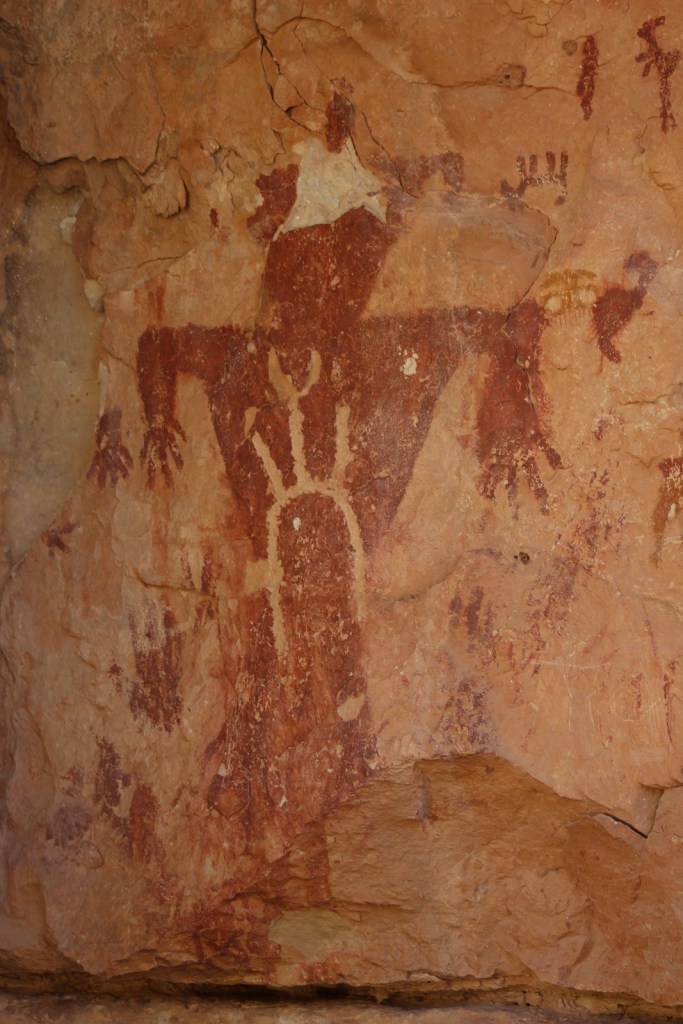
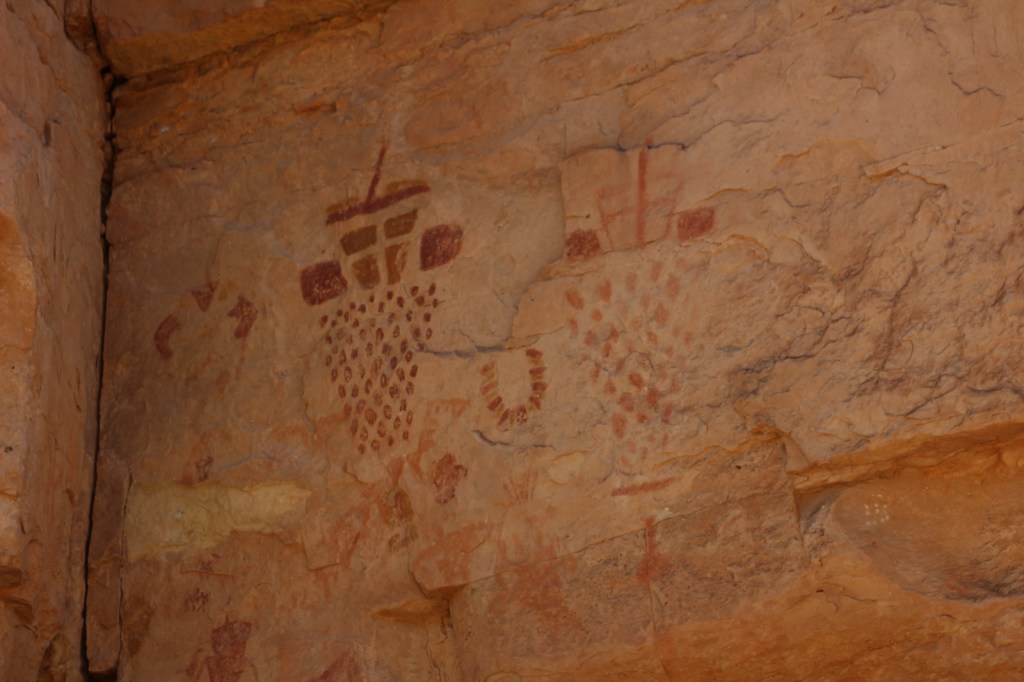
Snake Gulch-Kanab Creek Trail #59 starts at the end of unpaved Forest Road 642 (about five miles from the end of pavement on Forest Highway 22).  It soon passes an old homestead and turns left to enter the canyon, part of the extensive Kanab Creek Wilderness (and within the National Monument boundary).  The first pictographs can be seen about 2.5 miles in and from then on consistently on the north side of the canyon.  The images are primarily done in red paint from the Basketmaker People who resided in this region from 300 BCE to AD 800.  We hiked in seven miles then turned around as it started to get really hot in late June, but the trail through the canyon continues 21 miles to where it connects with Ranger Trail #41.  Our favorite pictographs were located about four miles in, which would make a good turnaround point for a day hike.

Instagram-worthy Photo

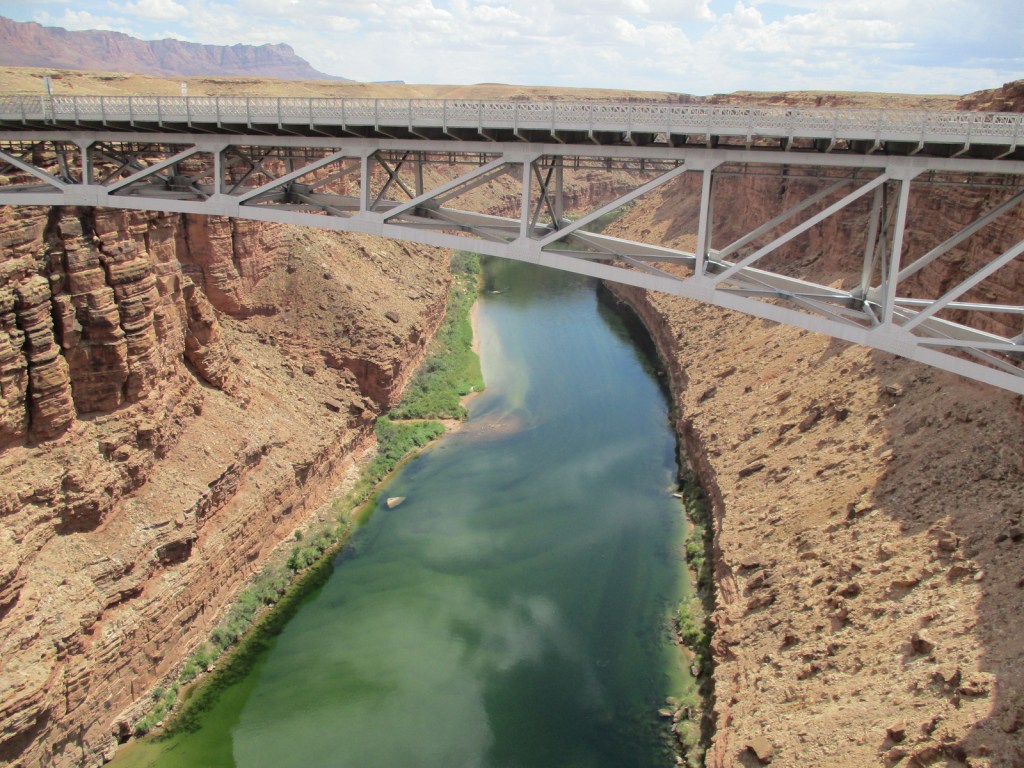
Stop at the historic Navajo Bridge that crosses the Colorado River at Marble Canyon where four public lands meet: Grand Canyon National Park, Glen Canyon National Recreation Area, Vermilion Cliffs National Monument, and Baaj Nwaavjo I’tah Kukveni-Ancestral Footprints of the Grand Canyon National Monument.

Peak Season

Spring and fall, as summer can be very hot

Hours

Navajo Bridge Visitor Center (National Park Service)

https://www.nps.gov/glca/planyourvisit/visitorcenters.htm

Fees

None

Road Conditions

There are many unpaved and four-wheel-drive-only roads spread across this area, but Highway 64/180 to the South Rim is paved.  High clearance is recommended to access Snake Gulch-Kanab Creek Trailhead.  Highway 67 and most Forest Roads on the Kaibab Plateau are closed in winter due to heavy snowfall.

Camping

There are good, dispersed camping options throughout Kaibab National Forest, including along the dirt roads just outside the east entrance of Grand Canyon National Park’s South Rim before entering the Navajo Nation.

Related Sites

Glen Canyon National Recreation Area (Arizona-Utah)

Vermilion Cliffs National Monument (Arizona)

Grand Canyon-Parashant National Monument (Arizona)

Pipe Spring National Monument (Arizona)

Explore More – When were beefalo (bison and cattle mix) introduced to the House Rock Valley area west of Marble Canyon (and now found roaming inside Grand Canyon National Park and Kaibab National Forest)?

Learn more about the other 137 National Monuments in our book Monumental America: Your Guide to All 138 National Monuments

Jefferson National Forest

Jefferson National Forest

Virginia, West Virginia, Kentucky

Managed by U.S. Forest Service, Southern Region

1,670,846 acres (723,531 federal/ 947,315 other)

Website: https://www.fs.usda.gov/gwj

Overview

In western Virginia, Jefferson National Forest contains Mt. Rogers, the state’s highest point at 5,729 feet (see our post on Mt. Rogers National Recreation Area).  There are 17 designated Wildernesses in Jefferson National Forest, second only to the 19 in Alaska’s massive Tongass National Forest.  In 1995, George Washington and Jefferson National Forests were administratively combined.  Is it just us, or does that name seem to celebrate George Jefferson from the 1970s sitcom?  It is supposed to commemorate native-Virginian Thomas Jefferson who was the original author of the 1776 Declaration of Independence and the third President of the U.S.  The Omnibus Public Land Management Act of 2009 created both the Bear Creek (5,503 acres) and Seng Mountain (6,455 acres) National Scenic Areas as specially designated parts of Jefferson National Forest.

Highlights

Blue Ridge Parkway, Mt. Rogers National Recreation Area, Seng Mountain National Scenic Area, Bear Creek National Scenic Area, Settlers Museum of Southwest Virginia, James River Gorge, Mountain Lake, Apple Orchard Falls, Cave Mountain Lake, Glenwood Iron Furnace, High Knob, Little Stony Creek, Lake Keokee, Olinger Gap Trail, Virginia Creeper Trail, Virginia Highlands Trail, Appalachian National Scenic Trail

Must-Do Activity

We have only visited the Mt. Rogers National Recreation Area (which made it on our Top 10 List) portion of Jefferson National Forest, which sits just north of the North Carolina border.  One popular day trip there is to bike the 33-mile-long Virginia Creeper Trail, which is also open to hikers and horse riders.  Last used in 1977, the former railroad grade runs 18 miles downhill from Whitetop Station Visitor Center to the town of Damascus, and local outfitters can provide shuttles to the trailheads and rental bikes.  The trail drops 1,600 feet in total (sometimes at a 7% grade); no wonder those steam locomotives were “creeping” up the hill.  Outside the National Forest, another 15 miles of railroad bed runs to Abingdon and includes the lowest point on the trail at the scenic South Holston Trestle.

Best Trail

Apple Orchard Falls has a drop of 200 feet and can be accessed from Sunset Fields Overlook at Milepost 78 on the Blue Ridge Parkway.  Considered the most popular hike in Jefferson National Forest, the steep trail is only 1.3 miles long one-way, but gains more than 1,000 feet in elevation.  A six-mile loop can be completed by connecting to the Cornelius Creek Trail with a total elevation gain of 1,438 feet.  Olinger Gap Trail is another short, scenic route that connects the 3.7-mile Lake Keokee Loop Trail and the 14-mile Stone Mountain Trail.

Watchable Wildlife

Jefferson National Forest has elevations ranging from 649 feet at the James River up to 5,729 feet, offering a variety of habitats.  Its most famous residents may be the wild miniature ponies that hang out in the heath balds around Mt. Rogers.  Like George Washington National Forest, there are several types of rare salamanders found here, including the golden pygmy salamander.  Noteworthy mammals are white-tailed deer, black bears, bobcats, raccoons, river otters, martens, and weasels.  Large birds found in Jefferson National Forest include wild turkeys, turkey vultures, bald eagles, peregrine falcons, and several types of hawks.

Instagram-worthy Photo

Spring and early summer are a great time to visit to see blooming azalea, mountain laurel, and rhododendron bushes.

Peak Season

Spring and fall

Fees

$5 day-use fee at Beartree Recreation Area

Road Conditions

The Peaks of Otter Visitor Center on the paved Blue Ridge Parkway is managed by the National Park Service adjacent to Jefferson National Forest.  There are unpaved roads scattered throughout the mountains, including a rough road off Forest Road 606 that comes close to the 15-foot-tall Falls of Dismal (also accessible by hiking trail).

Camping

Beartree, Hurricane, Cane Patch, Laurel Falls, Cave Springs, Bark Camp Lake, Cave Mountain Lake, Pines, and White Rocks are only a selection of the many designated campgrounds in Jefferson National Forest.  There is a 25-foot right-of-way for backpack camping on both sides of the Virginia Creeper Trail, except on private property.

Wilderness Areas

Barbours Creek Wilderness (also in George Washington National Forest)

Beartown Wilderness

Brush Mountain East Wilderness

Brush Mountain Wilderness

Garden Mountain Wilderness

Hunting Camp Creek Wilderness

James River Face Wilderness

Kimberling Creek Wilderness

Lewis Fork Wilderness

Little Dry Run Wilderness

Little Wilson Creek Wilderness

Mountain Lake Wilderness

Peters Mountain Wilderness

Raccoon Branch Wilderness

Shawvers Run Wilderness (also in George Washington National Forest)

Stone Mountain Wilderness

Thunder Ridge Wilderness

Related Sites

Mt. Rogers National Recreation Area (Virginia)

Booker T. Washington National Monument (Virginia)

Cumberland Gap National Historical Park (Kentucky-Tennessee-Virginia)

Nearest National Park

New River Gorge

Conifer Tree Species

eastern hemlock, eastern white pine, Virginia pine, shortleaf pine, pitch pine, Table Mountain pine, red spruce, Fraser fir

Flowering Tree Species

American beech, yellow birch, mountain maple, sugar maple, white oak, black oak, northern red oak, rock chestnut oak, bear oak, hickory, basswood, sweet buckeye, American elm, sourwood, mountain laurel, azalea, rhododendron

Explore More – What is the scientific name for Virginia creeper, the native vine with palmately compound leaves?

Learn more about this and the 154 other National Forests in our new guidebook Out in the Woods

We are a participant in the Amazon Services LLC Associates Program, an affiliate advertising program designed to provide a means for us to earn fees by linking to Amazon.com and affiliated sites.

Inyo National Forest

Inyo National Forest

California, Nevada

Managed by U.S. Forest Service, Pacific Southwest Region

2,048,459 acres (1,948,726 federal/ 99,733 other)

Website: https://www.fs.usda.gov/inyo

Overview

Inyo National Forest was established by President Teddy Roosevelt in 1907 to accommodate the Los Angeles Aqueduct, so it is mostly sagebrush slopes without much dense forest cover.  We added it to our Top 10 Movies Filmed in National Forests after reading its history as a filming location.  Inyo National Forest offers the shortest route to Mt. Whitney, the tallest peak in the contiguous U.S. at 14,495 feet in elevation.  Its proximity to Badwater Basin (282 feet below sea level) in Death Valley National Park makes its rise all the more impressive.  You will need a permit to summit, since this popular peak lies within Sequoia National Park.  One added benefit is you will learn all about how to use a “W.A.G. bag.”  In addition to accessing the eastern Sierra Nevada (see Best Trail), Inyo National Forest also offers a portal to the beautiful White Mountains along the California-Nevada border (see Must-Do Activity) and 800,000 acres of designated Wilderness. 

Highlights

Mono Basin National Scenic Area (see our blog post), Lee Vining Canyon Scenic Byway, Tioga Pass, Ancient Bristlecone Pine Forest, Convict Lake, Hot Creek Geologic Site, Mammoth Lakes, Minaret Summit Vista, Crystal Lake, Mt. Whitney Trail, Minaret Falls, Pacific Crest National Scenic Trail

Must-Do Activity

In the White Mountains, a paved road leads to the U.S. Forest Service visitor center at the Ancient Bristlecone Pine Forest, where a 4.5-mile loop trail through the Methuselah Grove passes one live Great Basin bristlecone pine tree recorded at over 5,000 years of age.  That ranks it as the oldest living single-stem tree on the planet based on annual tree-ring measurements.  You can continue to drive above 11,000 feet in elevation along a narrow gravel road famous for puncturing tires (so bring a spare).  The route offers awesome views of the Owens Valley and Mt. Whitney, then takes you to the Patriarch Grove, a wonderful park of gnarled Great Basin bristlecone pine trees surrounded by snow throughout the summer. 

Best Trail

Onion Valley Road west of Independence dead ends at the trailhead for Kearsarge Pass in the Sierra Nevada.  The trail is a series of endless switchbacks that lead past beautifully twisted foxtail pines and unbelievably blue lakes up to the 11,823-foot pass at the boundary with Kings Canyon National Park.  The view from the pass is worth the effort, even if you do not proceed to enter the National Park, for which you need a permit to camp overnight.  John Muir called these mountains “the range of light,” and from up here you will surely see why. 

Watchable Wildlife

Inyo National Forest is on the rain-shadow side of the Sierra Nevada, so it generally receives less precipitation throughout the year than the western slopes, especially at lower elevations.  In the conifer forests of the mountains look for mule deer, black bears, weasels, martens, mountain lions, and bobcats.  California quail, mountain quail, sooty grouse, and wild turkeys are common game birds.  Watch the skies for raptors like bald eagles, ospreys, red-tailed hawks, and turkey vultures. 

Instagram-worthy Photo

Sun-streaked and wind-blasted branches of bristlecone pine trees twist in backbreaking curls, stretching up towards the deep blue skies above 10,000 feet elevation.

Peak Season

Summer

Fees

There are no day use fees to our knowledge.

Road Conditions

The road is paved to the trailhead for the 4.5-mile loop through the Methuselah Grove in the Ancient Bristlecone Pine Forest.  The unpaved road beyond is famous for puncturing tires (so take it slow and bring a spare) and retains snow late into the summer.  A shuttle ticket or camping permit is required to drive into the National Forest west of the ski resort town of Mammoth Lakes to access Devils Postpile National Monument.

Camping

Grandview Campground near the Ancient Bristlecone Pine Forest lives up to its name.  There is a campground at Whitney Portal Trailhead and two on Onion Valley Road on the way to the trailhead for Kearsarge Pass (plus some epic dispersed campsites). 

Wilderness Areas

Ansel Adams Wilderness (also in Sierra National Forest and Devils Postpile National Monument)

Boundary Peak Wilderness

Golden Trout Wilderness (also in Sequoia National Forest)

Hoover Wilderness (also in Toiyabe National Forest)

Inyo Mountains Wilderness

John Muir Wilderness (also in Sierra National Forest)

Owens River Headwaters Wilderness

South Sierra Wilderness (also in Sequoia National Forest)

White Mountains Wilderness

Related Sites

Humboldt National Forest (Nevada)

Yosemite National Park (California)

Manzanar National Historic Site (California)

Nearest National Park

Kings Canyon

Conifer Tree Species

Great Basin bristlecone pine, foxtail pine, Jeffrey pine, ponderosa pine, lodgepole pine, Douglas-fir, California red fir, white fir, incense-cedar

Flowering Tree Species

quaking aspen, greenleaf manzanita, sagebrush

Explore More – What 1973 film starring Clint Eastwood was filmed in Inyo National Forest?

Learn more about this and the 154 other National Forests in our new guidebook Out in the Woods

Isle Royale National Park

Isle Royale National Park

Michigan

Managed by National Park Service

Established 1940

571,790 acres

Website: nps.gov/isro

Overview

Surrounded by Lake Superior, Isle Royale is 45 miles long and nearer to Canada’s shores than it is to the rest of the United States.  Long ferry boat rides with short layovers make this a difficult National Park to see on a daytrip, so the average stay for visitors is 3.5 days.  The main access points are the ferry docks at Windigo in the west and Rock Harbor (which has a lodge) in the east. 

Learn more in the expanded 2nd edition of our guidebook to the National Parks— A Park to Yourself: Finding Solitude in America’s 63 National Parks.

Highlights

Rock Harbor, Suzy’s Cave, Scoville Point, Windigo, Minong Ridge Trail, Greenstone Ridge Trail

Must-Do Activity

Hiking is the main activity at Rock Harbor and popular destinations include Scoville Point (5 miles roundtrip), 1,080-foot tall Mount Franklin (4 miles), and a water-carved arch called Suzy’s Cave (4 miles).  From June to early-September, boat tours leave from the the marina to visit Rock Harbor Lighthouse, Edisen Fishery, Raspberry Island, Hidden Lake Trailhead, and Passage Island Lighthouse.  Kayak and canoe rentals are also available at Rock Harbor Marina.

Best Trail

Since 99% of the park is designated Wilderness, backpacking is the best way to experience Isle Royale (but come prepared for biting insects).  There are 34 backcountry campsites spread across the 165 miles of trail, but not right along the 42-mile Greenstone Ridge Trail that follows the island’s backbone west to east.

Instagram-worthy Photo

There are four lighthouses surrounding Isle Royale and two of them are visited by boat tours.  We circumnavigated the entire island on a ferry boat and our favorite was the red-brick Isle Royale Lighthouse on Menagerie Island.

Peak Season

Summer

Hours

Despite the fact that it is closer to Minnesota (Central Time Zone), Isle Royale is part of Michigan and therefore in the Eastern Time Zone. 

https://www.nps.gov/isro/planyourvisit/hours.htm

Fees

$7 per person, per day or America the Beautiful pass

Road Conditions

There are no roads on Isle Royale, which is only accessible by boat and floatplane.  Ferries run in the summer months from Grand Portage, Minnesota and Copper Harbor and Houghton, Michigan.

Camping

There are nine screened-in shelters and eleven tent sites right at Rock Harbor, but camping there is limited to one night only to accommodate backpackers.  Washington Harbor Campground is located at Windigo and allows up to a three-night stay, but the other 34 campsites require a backpacking permit (available at Rock Harbor, Windigo, and aboard the ferry boats from Michigan).  Advanced reservations are only accepted for groups of more than six people, so plans must be flexible since there are limits to the number of campers per site.

Related Sites

Grand Island National Recreation Area (Michigan)

Pictured Rocks National Lakeshore (Michigan)

Grand Portage National Monument (Minnesota)

Keweenaw National Historical Park (Michigan)

Explore More – After depleting mines on the Keweenaw Peninsula, companies were eyeing Isle Royale’s deposits of what metal when it first gained federal protection in 1931?

This design we created to celebrate Isle Royale National Park is available on a variety of products at Cafe Press and Amazon.

We are a participant in the Amazon Services LLC Associates Program, an affiliate advertising program designed to provide a means for us to earn fees by linking to Amazon.com and affiliated sites.