Tag Archives: wilderness

Cleveland National Forest

Cleveland National Forest

California

Managed by U.S. Forest Service, Pacific Southwest Region

568,634 acres (439,281 federal/ 129,353 other)

Website: https://www.fs.usda.gov/cleveland

Overview

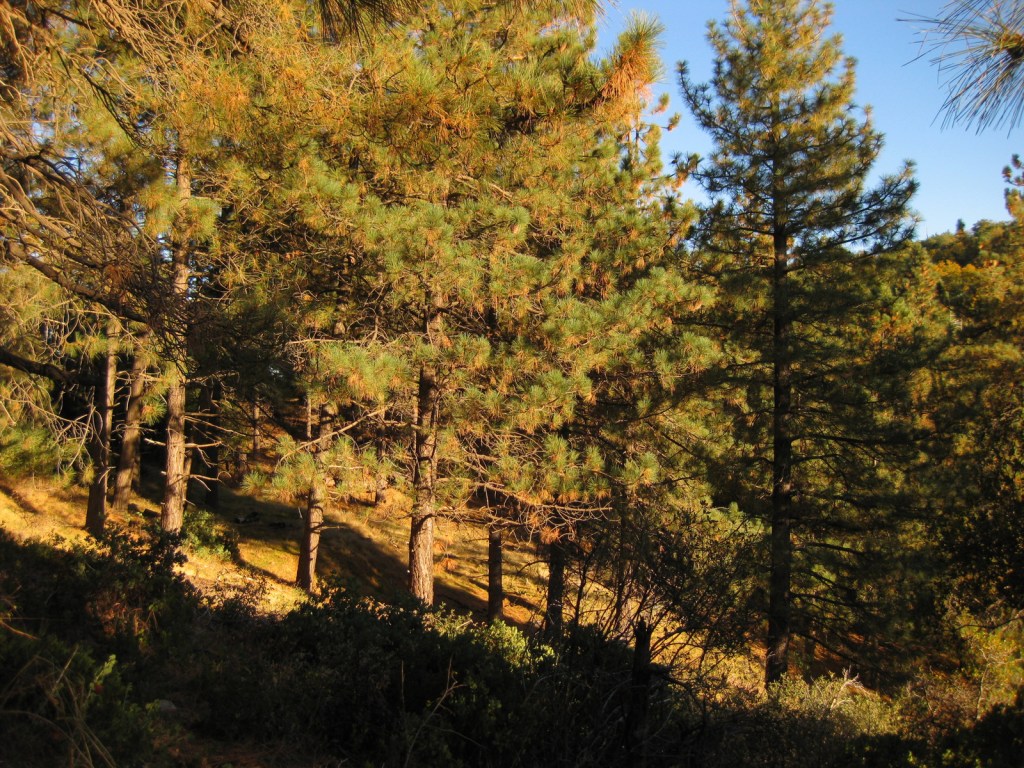
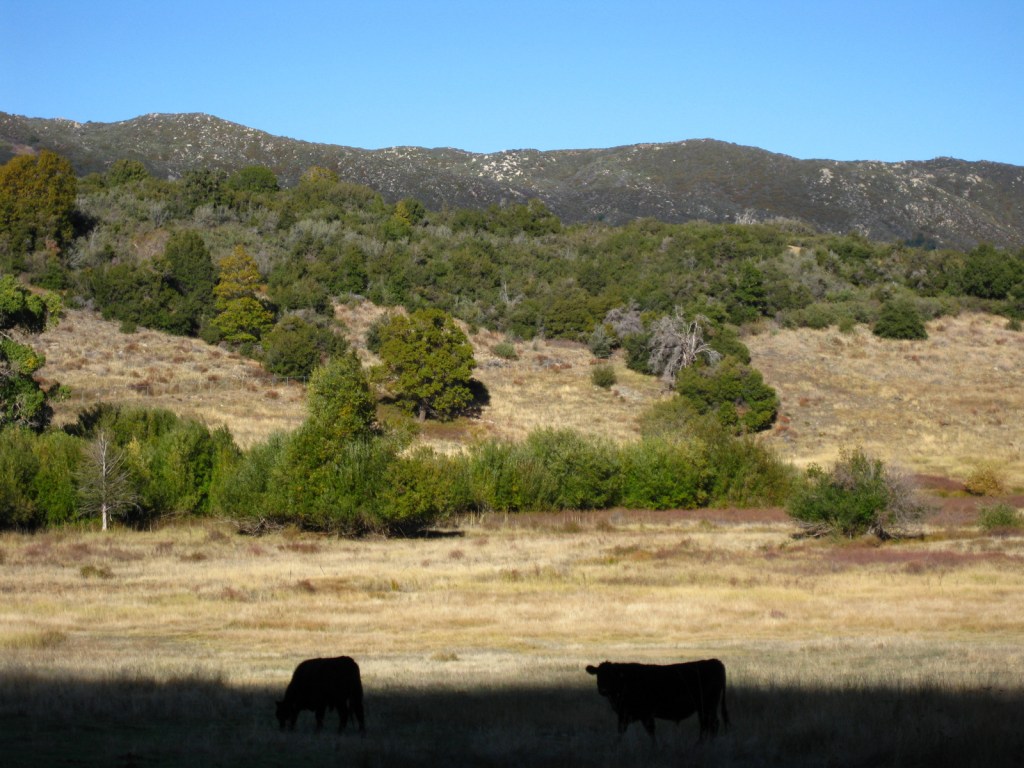
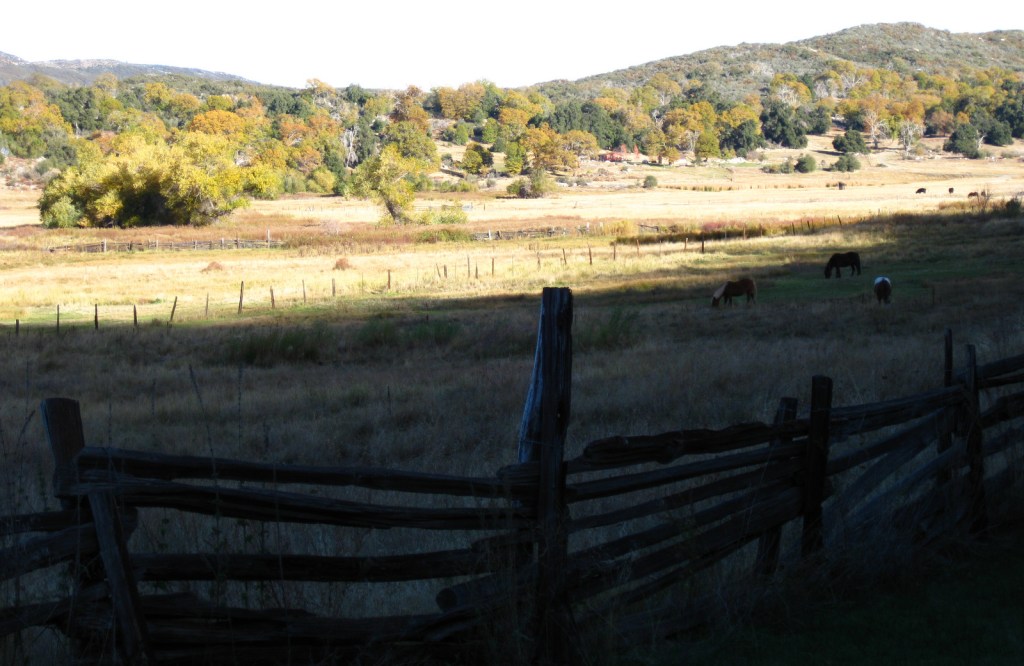
In southwestern California, Cleveland National Forest was established in 1908 and named for the U.S. President who added 21-million acres to the Forest Reserve system in the 1890s.  The National Forest is notable for its Mediterranean climate and low elevation (its highest point is 6,271-foot Monument Peak).  Most of its acreage is chaparral, not forest, making it more prone to frequent wildfires.  Despite its proximity to San Diego and the densely-populated Pacific Coastline, it contains four designated Wilderness areas. 

Highlights

Sunrise Scenic Byway, Henshaw Scenic Vista, Monument Peak, Three Sisters Falls, Laguna Mountain Recreation Area, Cedar Creek Falls, Sunset Trail, Noble Canyon National Recreation Trail, Agua Tibia Trail, San Juan Loop Trail, Desert View Nature Trail, Pioneer Mail Trail, Observatory Trail

Must-Do Activity

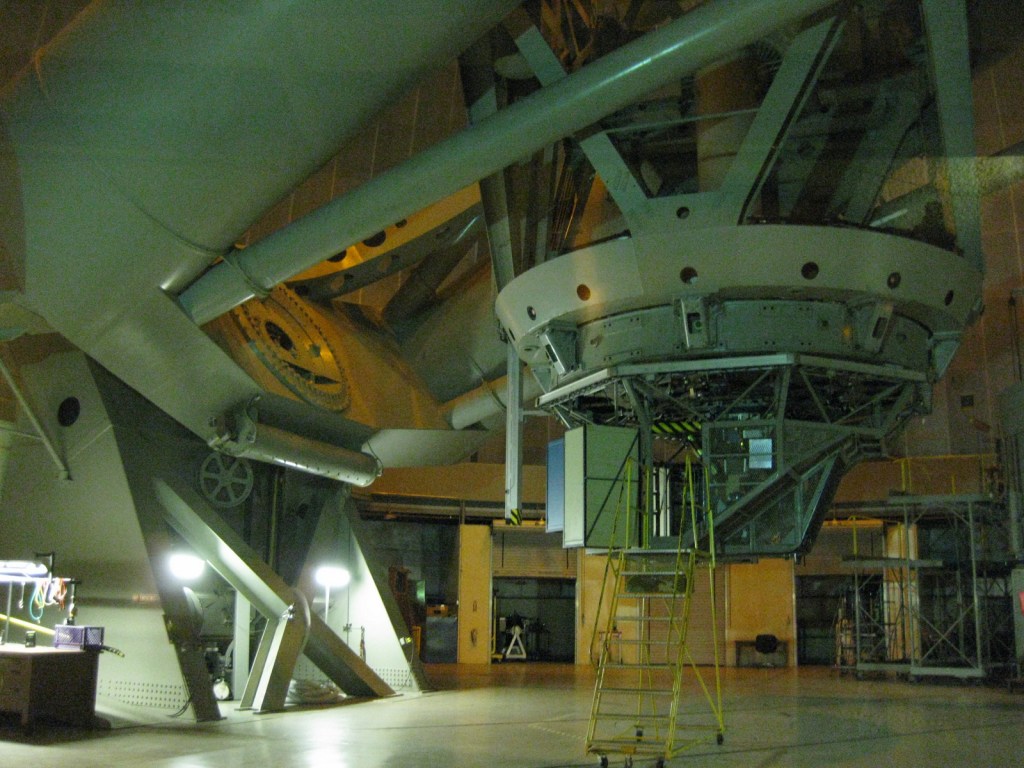
Located ten miles north of Highway 76, Palomar Mountain is best known as the home of Caltech’s Palomar Observatory, which was established in 1928.  It is open daily for tours of the A.W. Greenway Jr. Visitor Center and the 200-inch Hale Telescope, which reigned as the world’s largest from 1949 until 1975.  Two miles downhill is the Forest Service’s Observatory Campground and the trailhead for the 2.2-mile one-way Observatory National Recreation Trail.  An Adventure Pass is required to park here, but not if you start at the observatory.  The trail gains about 900 feet in elevation as it climbs through an oak-pine forest to the Palomar Observatory (that sits at 5,598 feet in elevation) providing views of the Mendenhall Valley. 

Best Trail

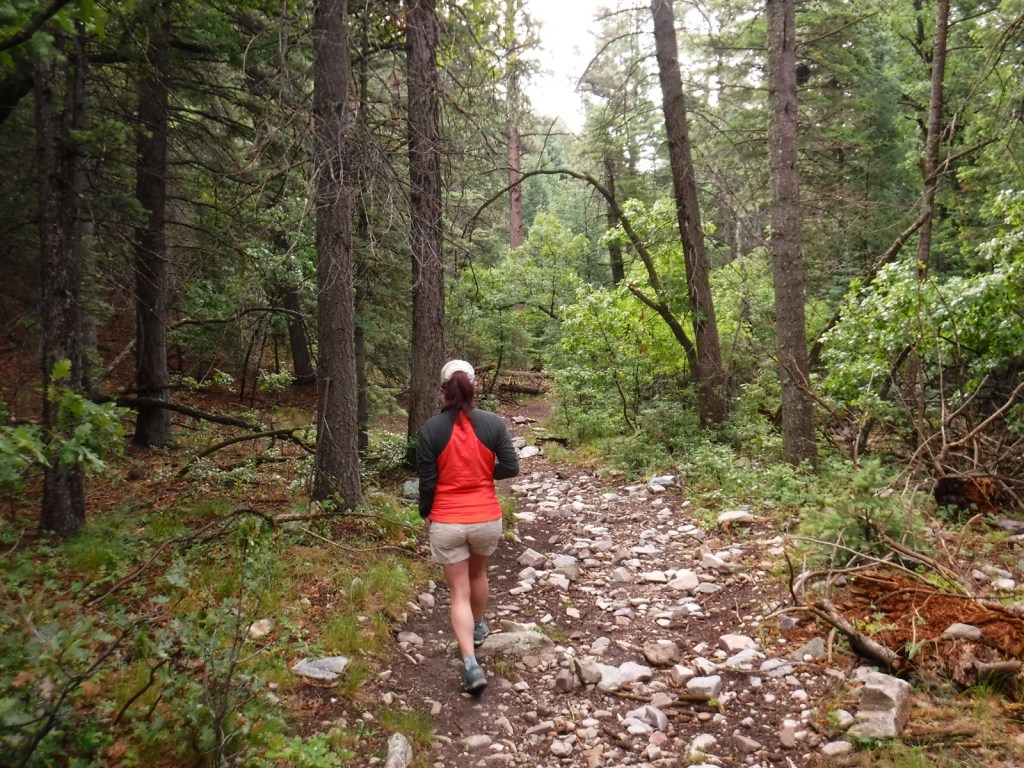
The Sunset Trail makes a 4.6-mile loop from the Meadows Trailhead at mile marker 19 on the Sunrise Scenic Byway.  The trail provides a view of the Pacific Ocean after passing meadows, ponds, and oak savannahs. 

Watchable Wildlife

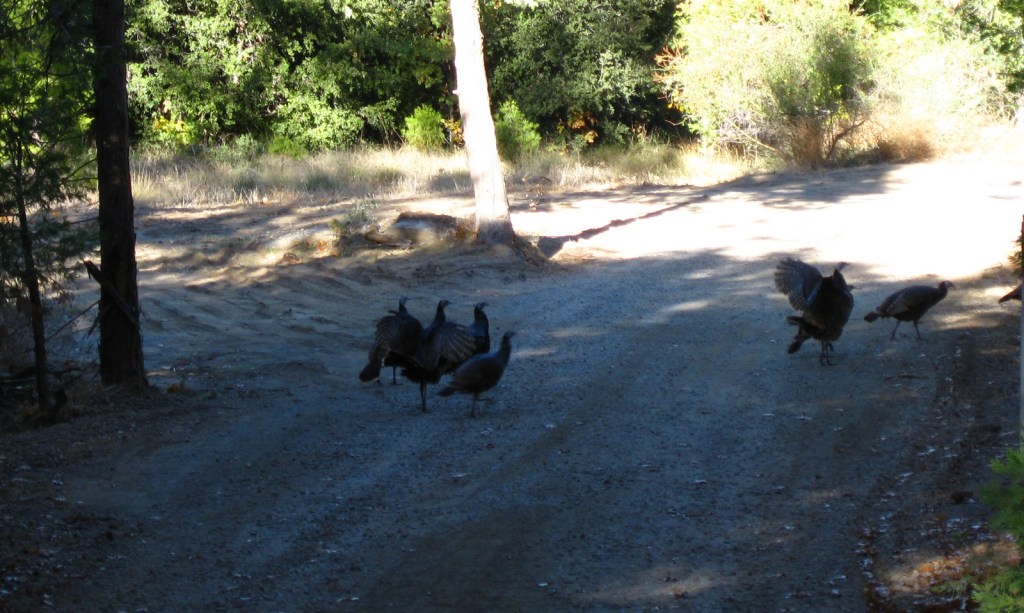
Despite its proximity to the San Diego metropolitan area, Cleveland National Forest is home to black bears, gray foxes, bobcats, and mountain lions.  Black-tailed deer, bighorn sheep, wild turkeys, and coyotes are more likely to be encountered by visitors.

Instagram-worthy Photo

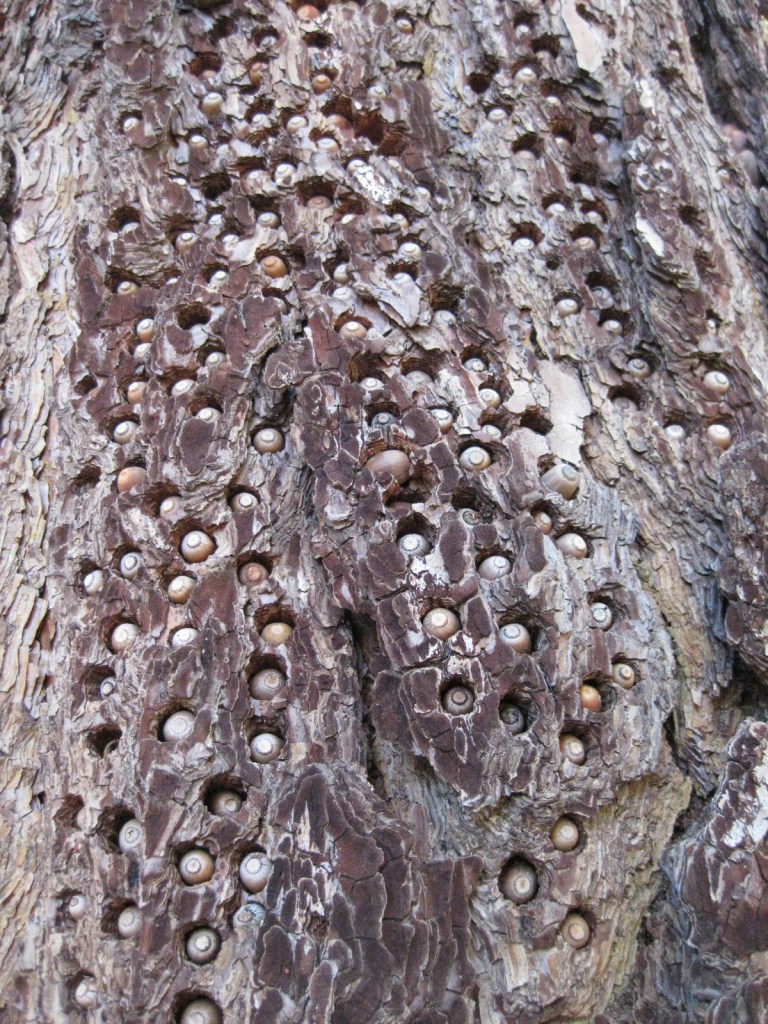
Look for acorn woodpeckers’ seed caches riddled into some of the Jeffrey pine trees in the forest.

Peak Season

Winter

Fees

An Adventure Pass is required to park at several trailheads (including the Observatory Trail) throughout the National Forest, but an America the Beautiful pass can be substituted.

Road Conditions

The Sunrise Scenic Byway and the road to Palomar Observatory are both paved, although there are many unpaved routes through the National Forest.

Camping

Two miles downhill from the Palomar Observatory is the Forest Service’s Observatory Campground, a great place to stay if you plan to attend a star party on moonless nights.  Palomar Mountain State Park also has a campground.

Wilderness Areas

Agua Tibia Wilderness (also run by the Bureau of Land Management)

Hauser Wilderness

Pine Creek Wilderness

San Mateo Canyon Wilderness

Related Sites

Channel Islands National Park (California)

Cabrillo National Monument (California)

Mojave National Preserve (California)

Nearest National Park

Joshua Tree

Conifer Tree Species

Jeffrey pine, Coulter pine, white fir, California juniper, Arizona cypress, Tecate cypress

Flowering Tree Species

Engelmann oak, coast live oak, California black oak, manzanita

Explore More – Who was the U.S. President that established the first 13-million acres of Forest Reserves starting in 1891, prior to Grover Cleveland?

Learn more about Cleveland and the 154 other National Forests in our new guidebook Out in the Woods

We are a participant in the Amazon Services LLC Associates Program, an affiliate advertising program designed to provide a means for us to earn fees by linking to Amazon.com and affiliated sites.

Cibola National Forest

Cibola National Forest

New Mexico

Managed by U.S. Forest Service, Southwestern Region

2,103,528 acres (1,633,783 federal/ 469,745 other)

Website: https://www.fs.usda.gov/cibola

Overview

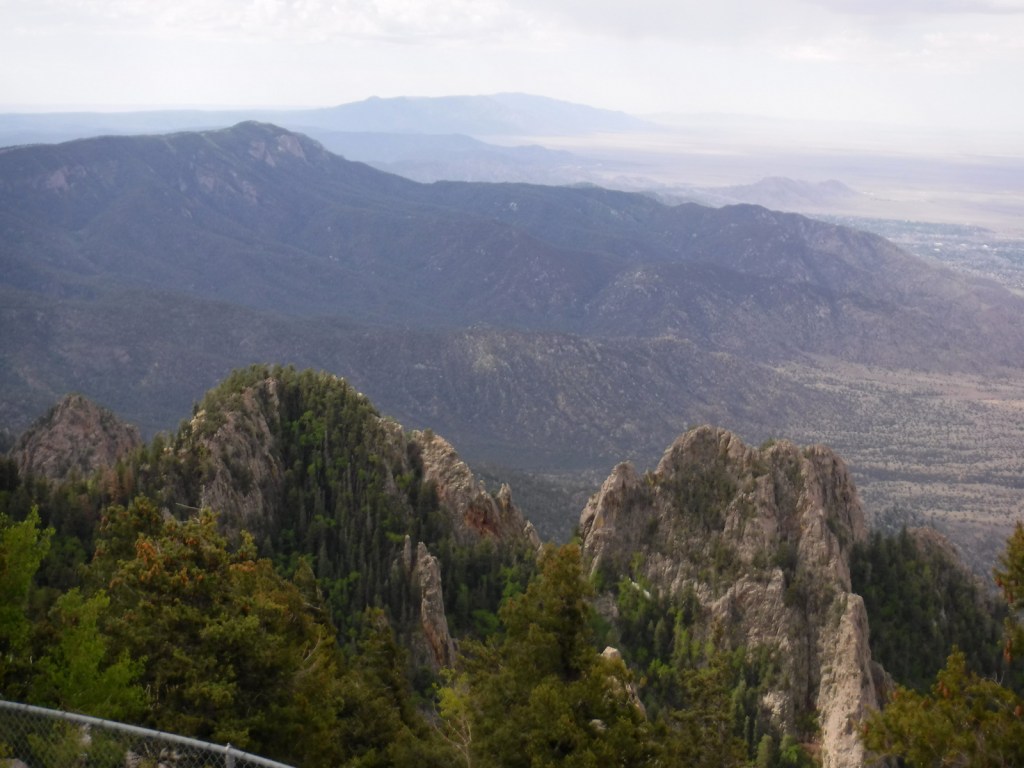
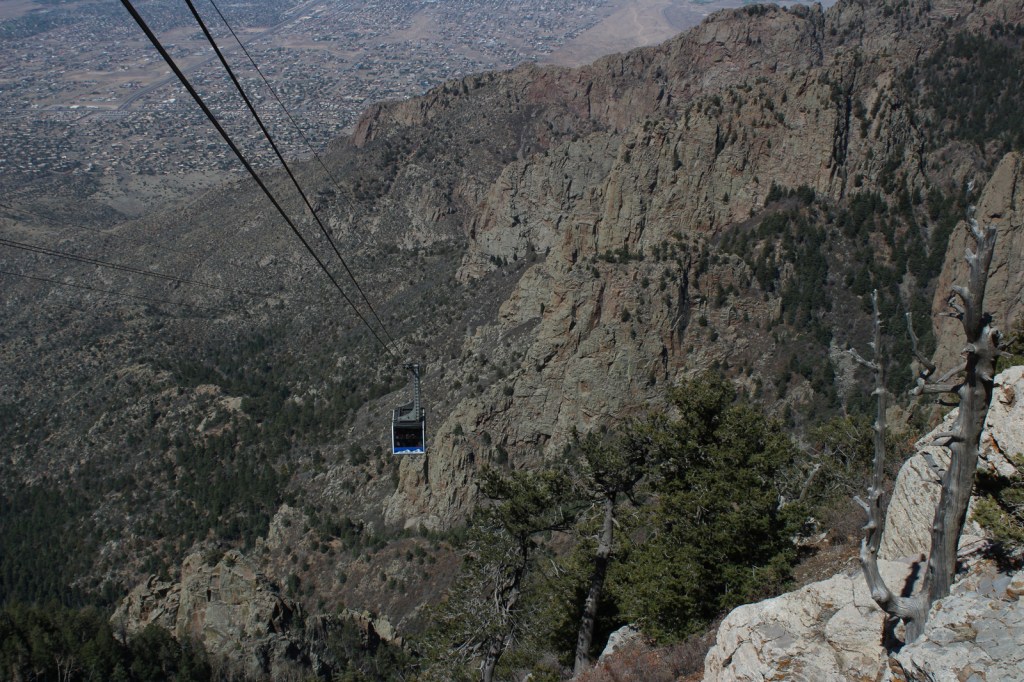
Cibola National Forest is spread across many mountain ranges in central New Mexico, including the Bear, Datil, Magdalena, San Mateo, Gallinas, Manzano, and Zuni Mountains.  Due to their proximity to Albuquerque, the most visited are the Sandia Mountains, which have a ski resort that is only open during good snow years.  You can reach the top by riding the aerial tramway (admission fee), driving Sandia Crest Scenic Byway (fee), or hiking La Luz Trail that climbs 3,800 feet in elevation. 

Highlights

Sandia Crest Scenic Byway, Tajique Canyon, Continental Divide Loop Auto Tour, Mt. Taylor, Cienega Canyon Picnic Area, McGaffey Lake, Mt. Withington, Kelly ghost town, South Baldy Peak, Whitehorse Canyon, Paxton Cone, La Luz Trail, Kiwanis Trail

Must-Do Activity

Sandia Peak rises to 10,678 feet in elevation, dominating the skyline east of Albuquerque.  The mountain makes a great backdrop for photos during the International Balloon Fiesta held every October, but we can imagine it would also be fun to watch the balloons launch or do their night lighting from the summit.  Once atop the busy peak, the North Crest, 10K, and South Crest Trails are all good hiking options that do not lose too much elevation.  Some hikers choose to ride the aerial tramway up and then take a steep trail back down to the parking lot (trekking poles recommended).

Best Trail

In the Manzano Mountains, both the Red Canyon (3.5 miles one-way) and Fourth of July Trails (two miles) climb to the 22-mile-long Crest Trail, which offers stunning views along its length.  Further south, the Crest Trail also accesses 10,098-foot-tall Manzano Peak.  In the San Mateo Mountains north of Interstate 40, a trail (six miles roundtrip) summits 11,301-foot Mt. Taylor, an extinct stratovolcano that is one of four mountains sacred to the Navajo.

Watchable Wildlife

The “sky islands” of Cibola National Forest rise high above the surrounding landscape, providing habitat for numerous isolated and rare species.  Mule deer and pronghorn are the two main large ungulates found in Cibola National Forest, while its carnivores include black bears, coyotes, red foxes, bobcats, and mountain lions.  Due to its proximity to the Rio Grande Valley, many migratory birds pass through the National Forest during the spring and fall.  If you take the Sandia Peak tramway, watch for birds of prey flying the updrafts along the steep mountain grades.

Instagram-worthy Photo

From either the point where the Sandia Peak aerial tramway unloads passengers or the end of the Sandia Crest Scenic Byway, it is an easy one-hour roundtrip hike through the subalpine forest to the Kiwanis Cabin and its awesome views.

Peak Season

Summer

Fees

There is a day-use fee to park along the Sandia Crest Scenic Byway, although you can use the America the Beautiful Pass. Sandia Peak Tramway tickets are about $29 roundtrip.

Road Conditions

The Sandia Crest Scenic Byway is paved to the top, but Road 165 offers a rough dirt road alternative partway up.  Most of the roads in the Manzano Mountains are well-maintained gravel.

Camping

The Manzano Mountains south of Albuquerque are a great place for dispersed camping, and there are also several campgrounds.

Wilderness Areas

Apache Kid Wilderness

Manzano Mountain Wilderness

Sandia Mountain Wilderness

Withington Wilderness

Related Sites

Carson National Forest (New Mexico)

El Morro National Monument (New Mexico)

Petroglyph National Monument (New Mexico)

Nearest National Park
White Sands

Conifer Tree Species

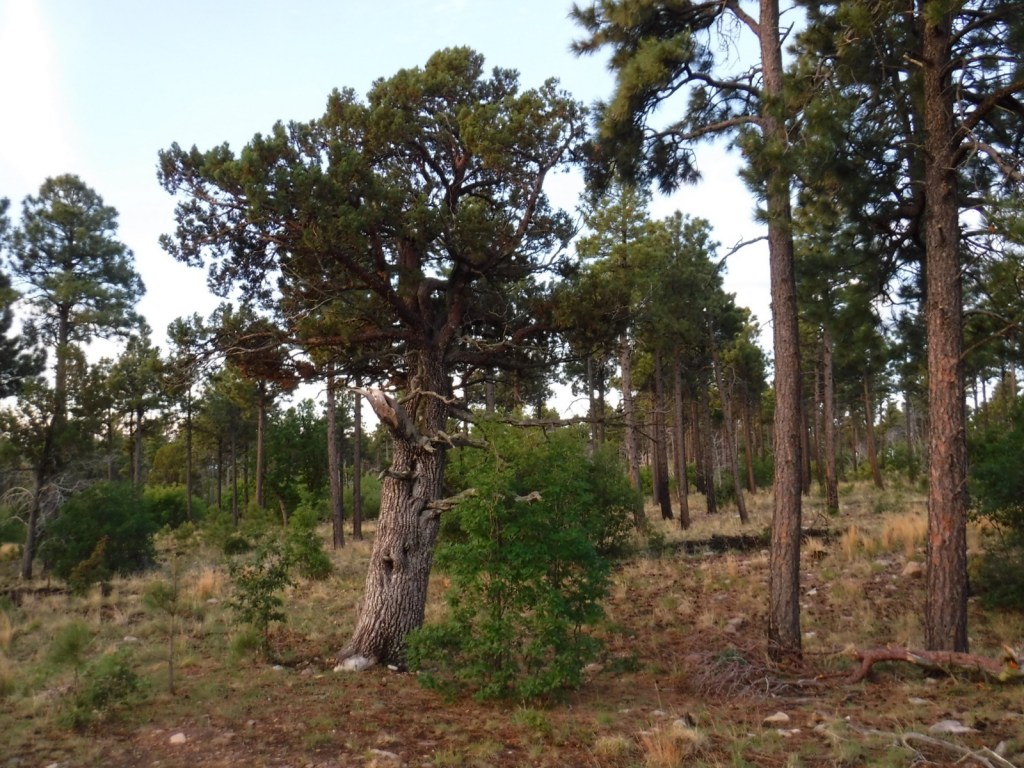
Rocky Mountain juniper, alligator juniper, Engelmann spruce, limber pine, Rocky Mountain bristlecone pine, two-needle pinyon pine, ponderosa pine, Douglas-fir, white fir, subalpine fir

Flowering Tree Species

Gambel oak, quaking aspen, bigtooth maple, boxelder, New Mexico locust, Fremont cottonwood, netleaf hackberry

Explore More – How did the Manzano Mountains get their name?

Learn more about Cibola and the 154 other National Forests in our new guidebook Out in the Woods

We are a participant in the Amazon Services LLC Associates Program, an affiliate advertising program designed to provide a means for us to earn fees by linking to Amazon.com and affiliated sites.

Katmai National Park and Preserve

Katmai National Park and Preserve

Alaska

Managed by National Park Service

Established 1918 National Monument, 1980 National Park

3,674,529 acres

Website: nps.gov/katm

Overview

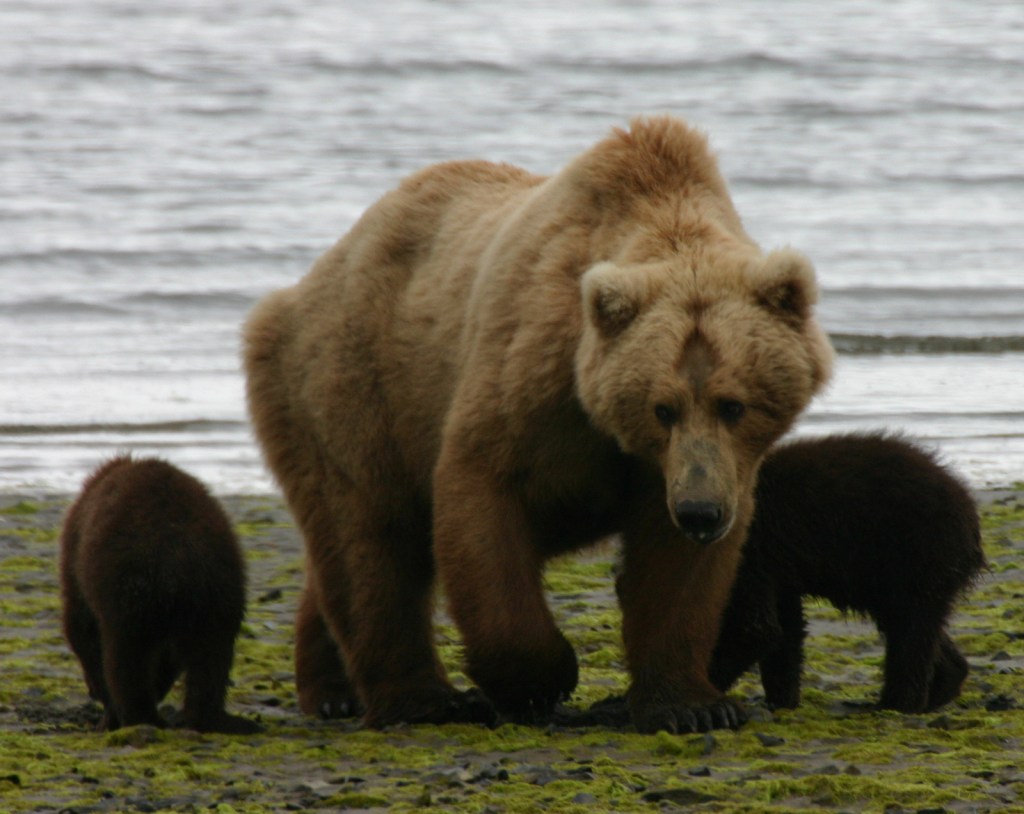
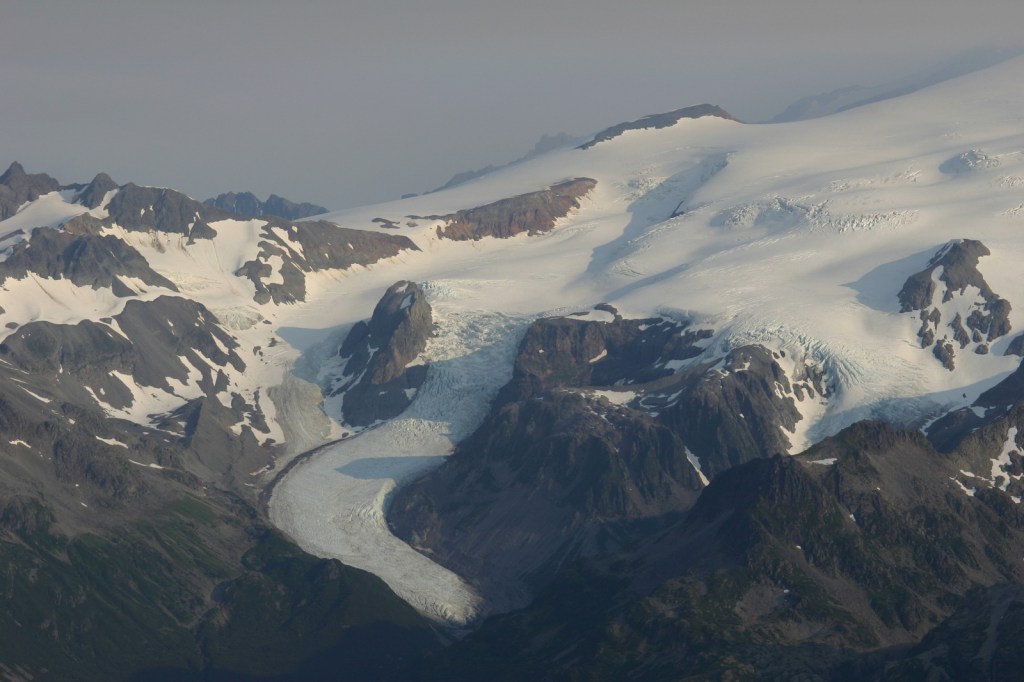
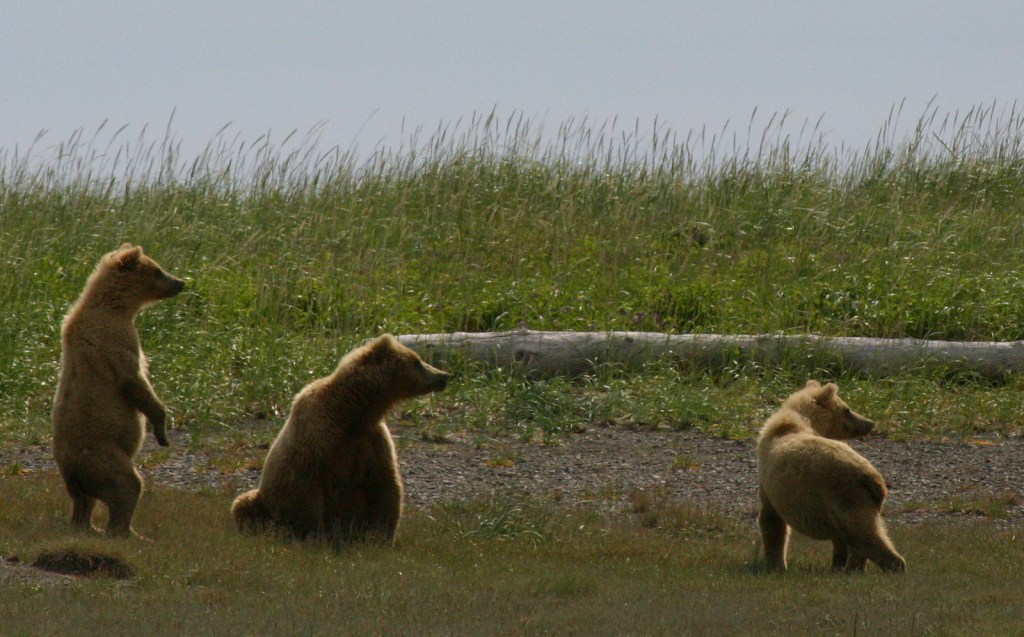
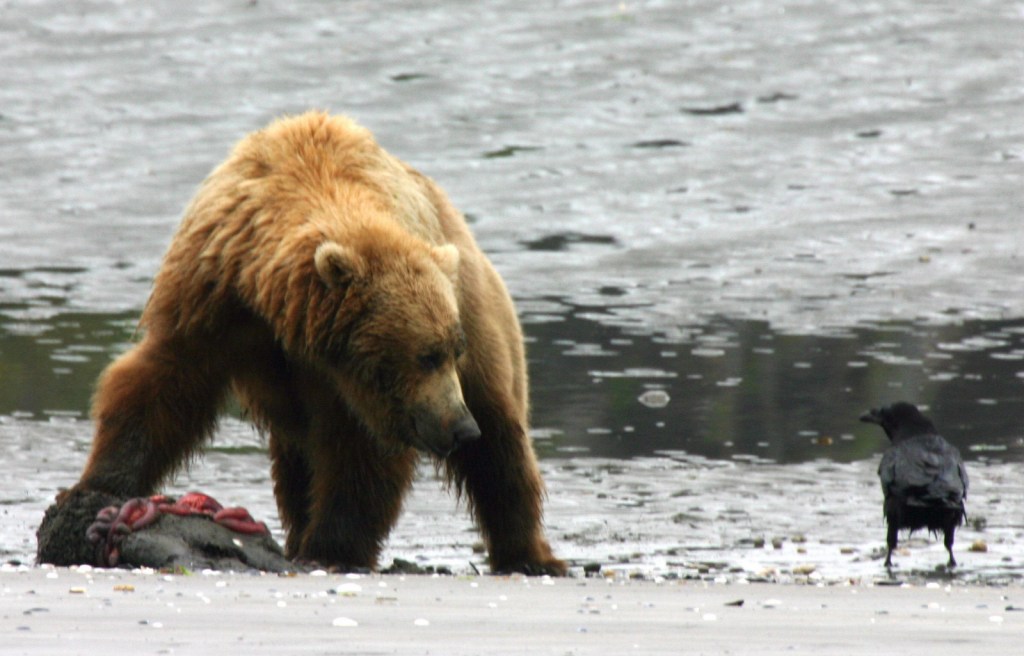
Katmai National Monument was created after the Novarupta Volcano erupted in 1912 (an event recorded in the skinny tree rings grown throughout Alaska that year).  Ash fell in Seattle (1,500 miles away) and piled up to 700 feet deep in the Valley of Ten Thousand Smokes.  The valley is no longer smoking, but it is there are still 15 active volcanoes within the park’s boundaries.  This remote park on the Alaska Peninsula has few roads and is only accessible by airplane (typically equipped with floats for water landings).  Oh yeah, and there are lots of grizzly bears, or brown bears as they are called in coastal areas of Alaska.

Highlights

Brooks Falls, North Arm of Naynek Lake, Hallo Bay, Valley of Ten Thousand Smokes, Baked Mountain Huts, Savonoski Loop

Must-Do Activity

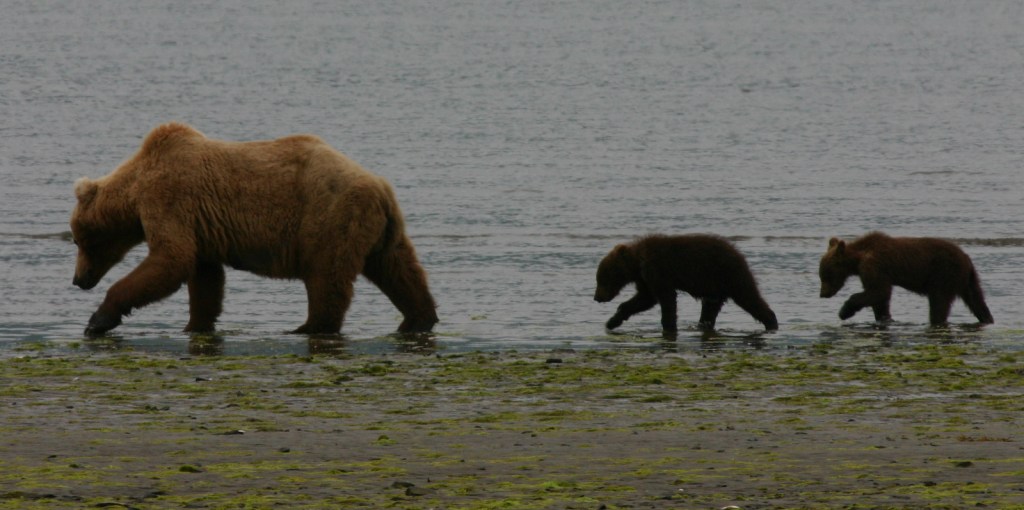
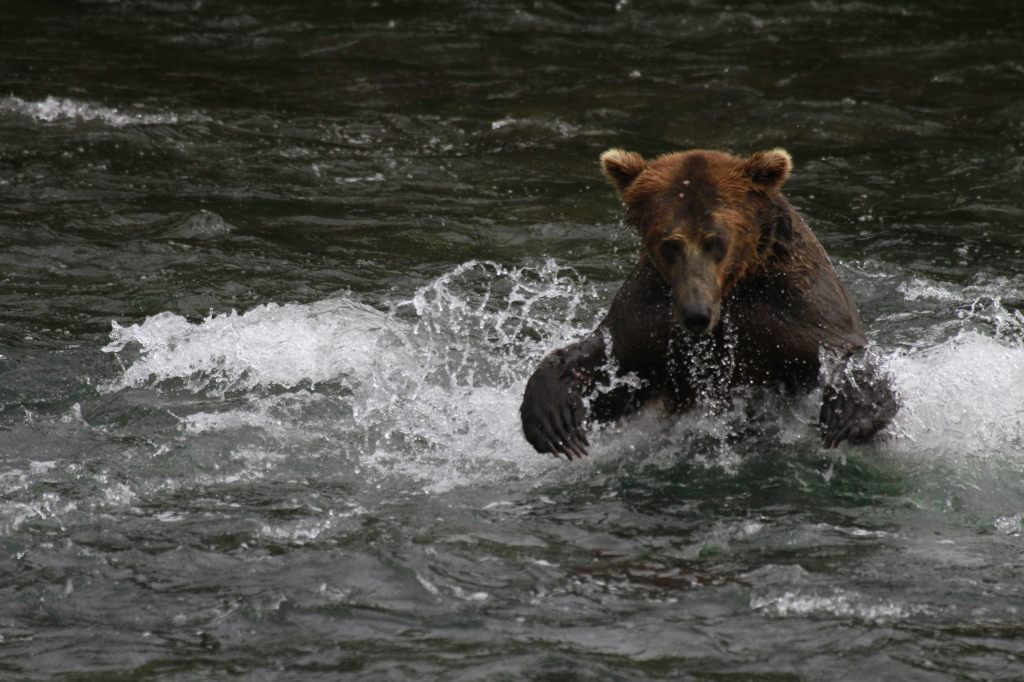
The grizzly/brown bears of Brooks Falls are celebrities due to the annual Fat Bear Week vote for the chunkiest bear on social media.  Less famous are the bears that hang out around Hallo Bay on the coastline, eating grass and shellfish until the salmon arrive.  Regardless of your destination, flights from road-accessible portions of Alaska (like Homer and Kenai) can be quite costly.  Most of the approximately 50,000 annual visitors come only for a day trip, although there are three expensive lodges and a campground in the park.

Best Trail

Brooks Falls Trail connects the Lower River Bear Viewing Platform 1.2 miles to the Falls and Riffles Platforms at Brooks Falls.  Near the visitor center, the short Cultural Site Trail visits a prehistoric camp and reconstructed dwelling.

Instagram-worthy Photo

Brooks Falls is a world-class destination for wildlife photographers from around the world, so you might want to bring along a camera with a good zoom lens if you pay to get there during the peak months of July and September. This photo is from Scott’s father (see more of his photos and paintings at Bruce Sink.com)

Peak Season

Summer

Hours

https://www.nps.gov/katm/planyourvisit/hours.htm

Fees

The National Park Service does not charge an entry fee, but it is very expensive to fly to Brooks Camp or Hallo Bay.

Road Conditions

There is a 23-mile long road that leads from Brooks Falls to the Valley of Ten Thousand Smokes and a daily eight-hour ranger-guided bus tour is available in the summer.  Backpackers can buy one-way tickets and explore the area, with the Baked Mountain Huts a popular destination 12 miles away across two difficult river crossings.

Camping

There are 60 sites at Brooks Camp Campground (reservations required prior to arrival), which is surrounded by an electric fence to keep bears out.

Related Sites

Kenai Fjords National Park (Alaska)

Lake Clark National Park and Preserve (Alaska)

Denali National Park and Preserve (Alaska)

Explore More – How many grizzly/brown bears are estimated to live within Katmai National Park and Preserve?

We are a participant in the Amazon Services LLC Associates Program, an affiliate advertising program designed to provide a means for us to earn fees by linking to Amazon.com and affiliated sites.

Challis National Forest

Challis National Forest

Idaho

Managed by U.S. Forest Service, Intermountain Region

2,488,105 acres (2,463,471 federal/ 24,634 other)

Website: https://www.fs.usda.gov/scnf/

Overview

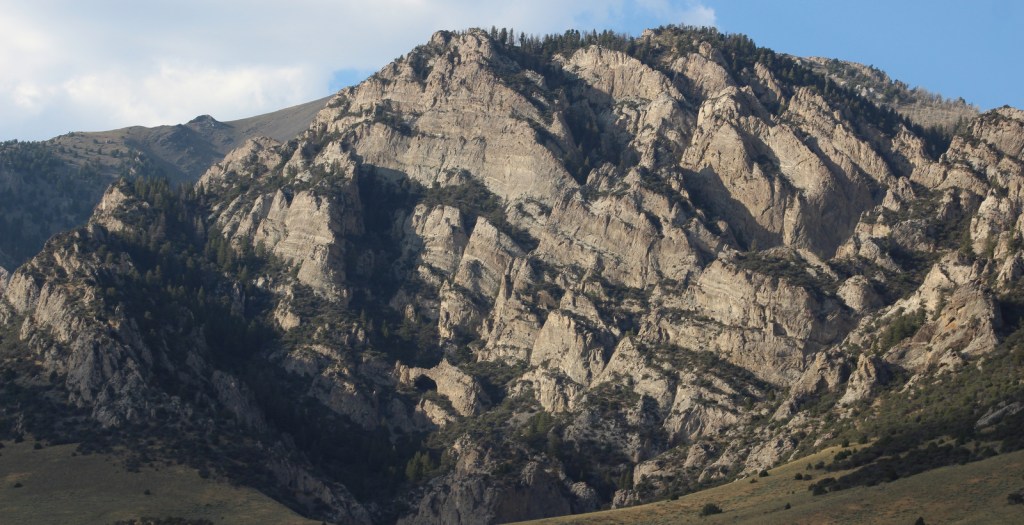
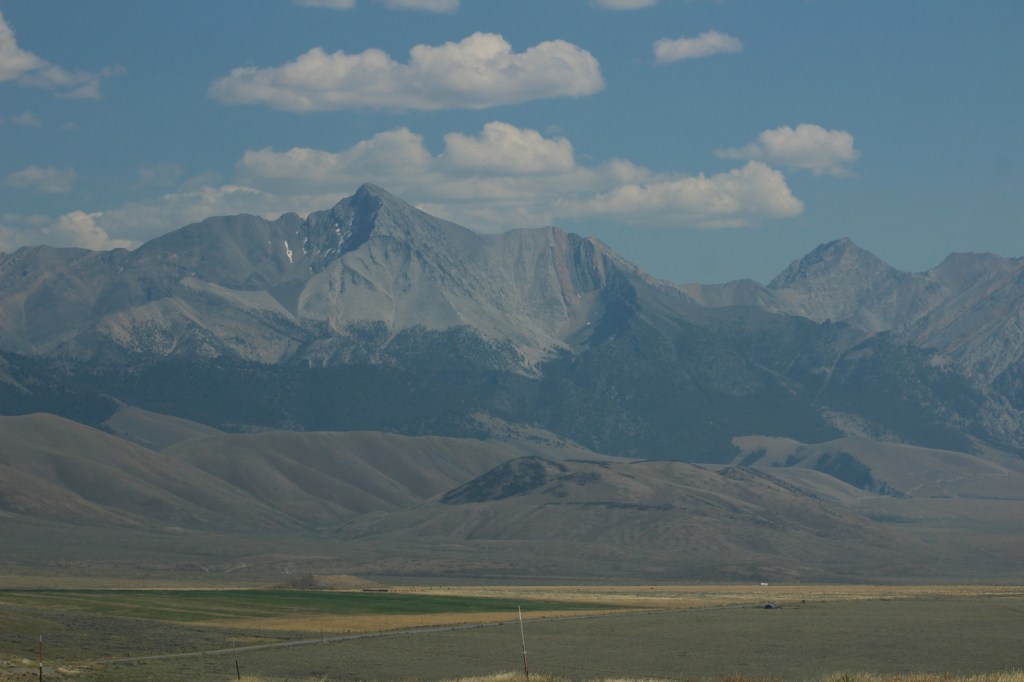
Challis National Forest covers the southern portion of the co-managed Salmon-Challis National Forest in central Idaho.  It includes the northern parts of Sawtooth National Recreation Area and a section of the Salmon Wild and Scenic River, as well as several northwest-southeast running mountain ranges.  In the forest’s scenic Lost River Range, 12,667-foot Borah Peak is the highest point in Idaho.  Further south near Arco, a steep half-mile trail leads to King Mountain Natural Arch in Bridge Canyon, a limestone formation with an 80-foot span. 

Highlights

Salmon River Scenic Byway, Stanley Museum, Sunbeam Hot Springs, Custer Adventure Motorway, Yankee Fork Hot Springs, Lemhi Range, White Knob Mountains, Camas Meadows, Challis Creek Lakes, Hidden Mouth Cave, Sawtooth Lake, White Cloud Peaks, Grover Creek Lake, Borah Peak

Must-Do Activity

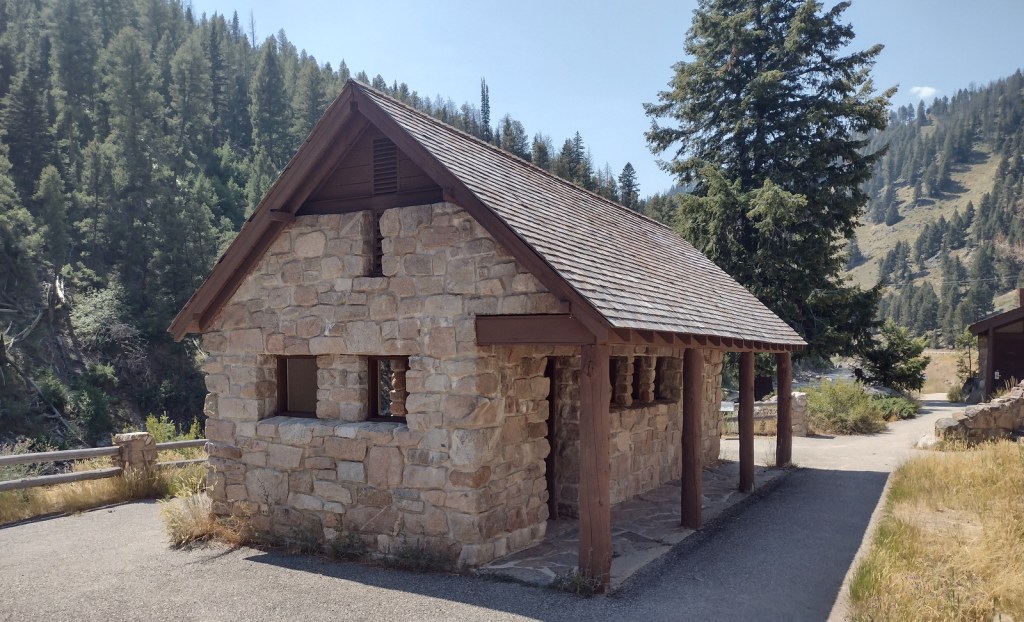
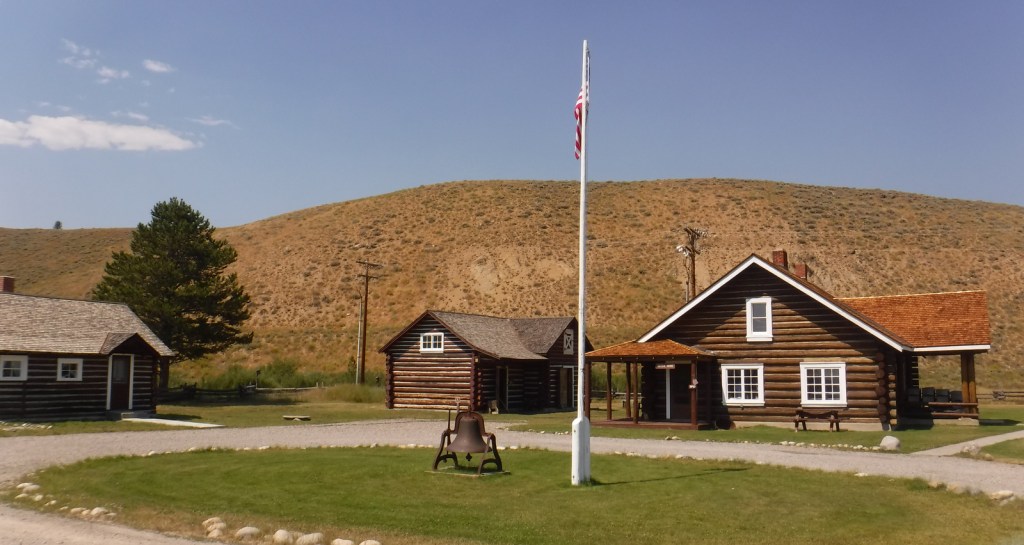
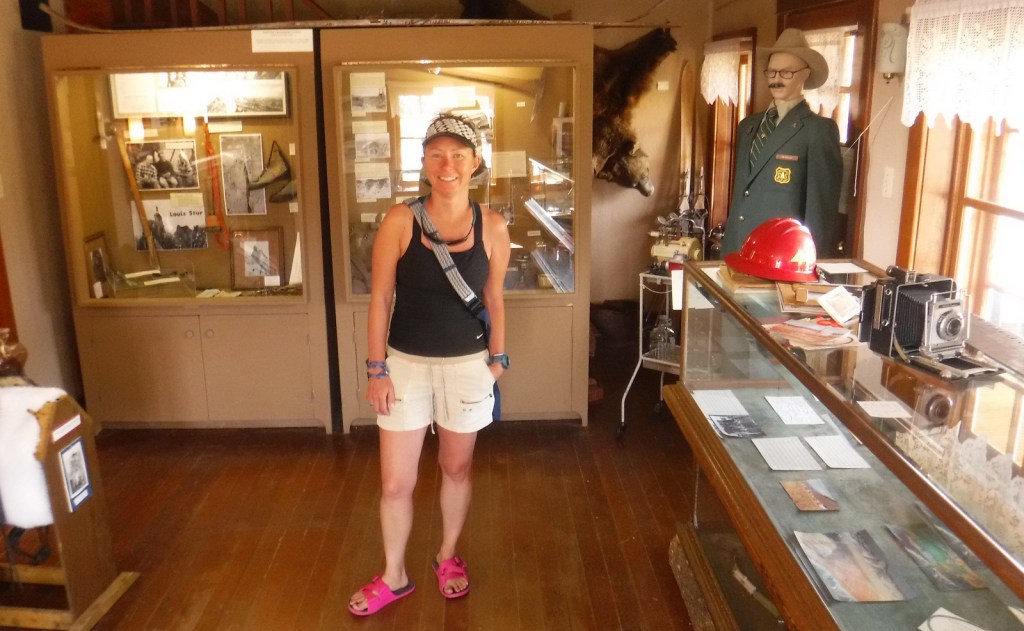
The Salmon River Scenic Byway runs 162 miles to Lost Trail Pass, starting in Stanley where it intersects with the Sawtooth and Ponderosa Pine Scenic Byways.  Challis National Forest manages the free Stanley Museum there inside the historic Valley Creek Ranger Station.  Further down the road, the Sunbeam Bathhouse was built in 1937 by the Civilian Conservation Corps (CCC) at a hot springs on the Salmon River where people still go to soak seeking the perfect spot between the frigid river and scalding spring water.

Best Trail

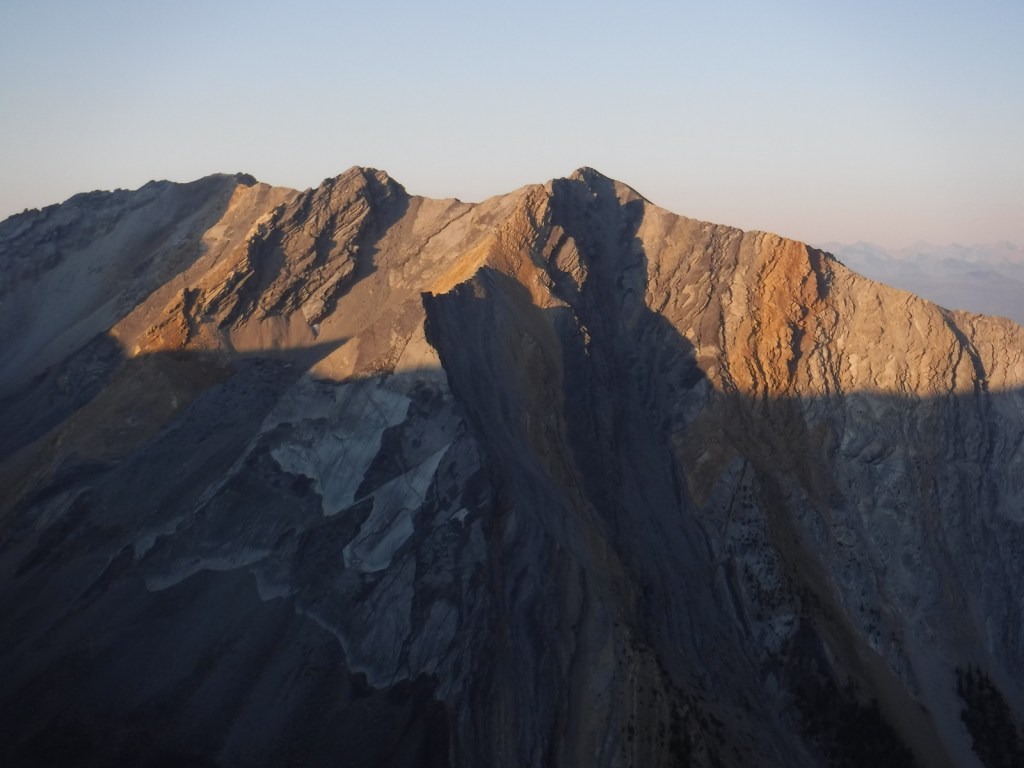
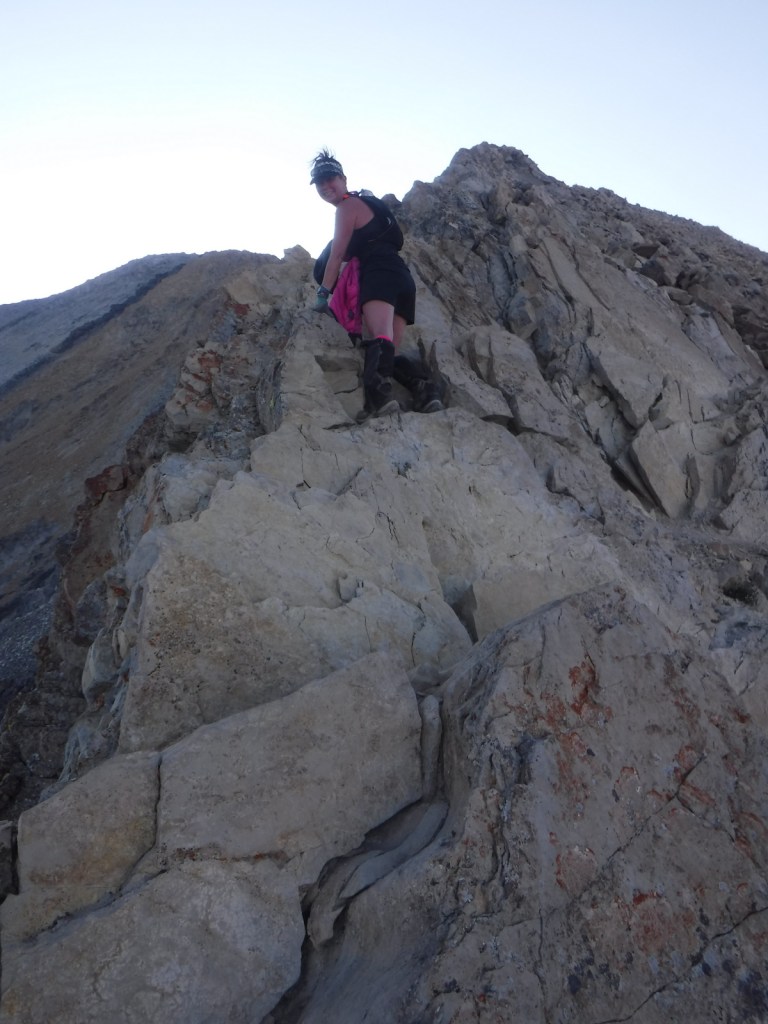
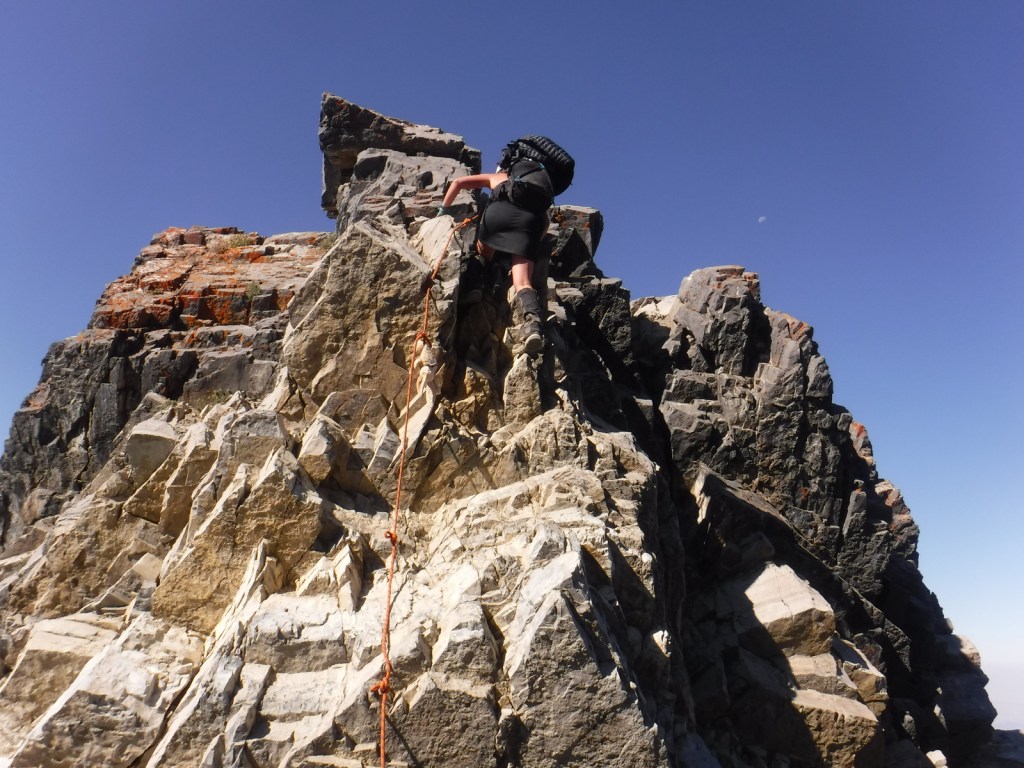
We previously covered the trail to stunning Sawtooth Lake in our post on Sawtooth National Recreation Area.  While it is not for everyone due to its strenuousness, we will write here about the route up 12,667-foot Borah Peak.  From its beginning (which we started in the dark) the entire trail is incredibly steep, so much so that we ran back down the final two miles because it was easier on our knees.  The route gains 5,400 feet of elevation in 4.5 miles and often requires the use of your hands, but no special climbing equipment.  Even if you decide to turn around at Chicken-Out Ridge before ascending the Knife Edge, the panoramic scenery is well worth the effort.

Watchable Wildlife

This is a fairly arid portion of the west, so you are more likely to see a ground squirrel or coyote than any other wildlife.  Trout fishing is a popular activity in the Salmon River.  Large mammalian species include elk, mule deer, pronghorns, and black bears.  Ravens and a variety of birds of prey catch the thermals around Borah Peak.

Instagram-worthy Photo

The view of King Mountain Natural Arch’s 80-foot span is arguably better while driving in than it is after ascending the treacherous final mile of road and hiking the steep half-mile trail to its overlook (see below).

Peak Season

Late summer due to snowpack

Fees

None

Road Conditions

The road from Highway 93 to the Borah Peak Campground and Trailhead is well maintained.  The last mile of road to the trailhead for King Mountain Natural Arch requires a high-clearance vehicle, but the nine miles of unpaved roads before that are decent and well signed (although we got a flat tire).

Camping

The campground at the base of Borah Peak is only $5 per night and allows climbers to get an early start.  There are many campgrounds along the Salmon River Scenic Byway and historic Yankee Fork Road/ Custer Adventure Motorway.

Wilderness Areas

Frank Church-River of No Return Wilderness (also in Bitterroot, Boise, Nez Perce, Payette, and Salmon National Forests)

Jim McClure-Jerry Peak Wilderness (also run by the Bureau of Land Management)

Sawtooth Wilderness (also in Boise and Sawtooth National Forests)

Related Sites

Caribou National Forest (Idaho-Utah-Wyoming)

Craters of the Moon National Monument and Preserve (Idaho)

Minidoka National Historic Site (Idaho-Washington)

Nearest National Park

Yellowstone

Conifer Tree Species

Engelmann spruce, subalpine fir, ponderosa pine, lodgepole pine, limber pine, whitebark pine, Douglas-fir, Rocky Mountain juniper

Flowering Tree Species

quaking aspen, water birch, Rocky Mountain maple, boxelder, Bebb willow, blue elderberry, chokecherry, curlleaf mountain-mahogany, white alder, syringa, sagebrush

Explore More – How many Civilian Conservation Corps (CCC) camps were in Idaho during the Great Depression?

Learn more about Challis and the 154 other National Forests in our new guidebook Out in the Woods

We are a participant in the Amazon Services LLC Associates Program, an affiliate advertising program designed to provide a means for us to earn fees by linking to Amazon.com and affiliated sites.

Sawtooth National Recreation Area

Sawtooth National Recreation Area

Idaho

Managed by U.S. Forest Service, Intermountain Region

730,864 acres

Website: https://www.fs.usda.gov/recarea/sawtooth/recarea/?recid=5842

Overview

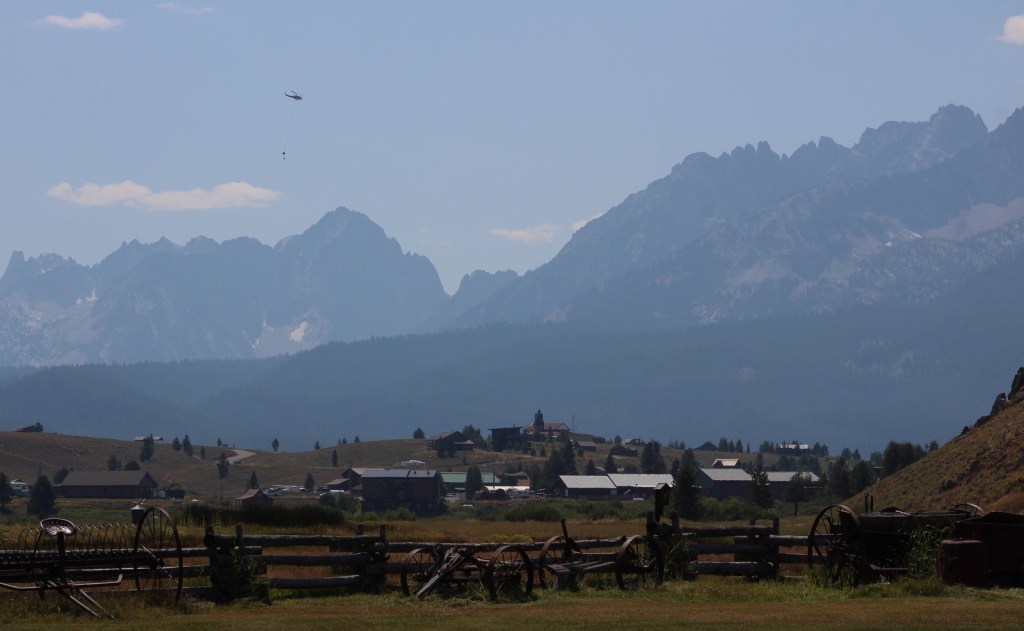
Sawtooth National Recreation Area claims some of the most incredible mountain scenery in the heart of Idaho and spreads across Boise, Challis, and Sawtooth National Forests.  According to a U.S. Forest Service publication, the 217,088-acre Sawtooth Wilderness claims the cleanest air in the continental United States, and it also contains over 270 miles of trails so there is plenty to explore.  In addition to the jagged peaks in the spectacular Sawtooth Wilderness, in 2015 President Obama signed the Sawtooth National Recreation Area and Jerry Peak Wilderness Additions Act creating three new Wildernesses that cover an additional 275,665 acres.

Highlights

Sawtooth Scenic Byway, Galena Overlook, Redfish Lake, Salmon River Scenic Byway, Stanley Lake, Cramer Divide, Alpine Lake (there are actually two in different places), Baron Lakes, Sawtooth Lake

Must-Do Activity

On our first drive north on Highway 75, we were not prepared for the beautiful mountain views once we summited 8,701-foot Galena Pass.  It was also a good observation point for a wildfire burning alongside the highway.  The date it ignited was July 4th, 2014 and it was burning near Fourth of July Creek, so naturally it was named the Hell Roaring Fire.  According to Inciweb it eventually closed the road and burned 325 acres.  Once through the smoke, we had great views of the Salmon River Valley on our way to scenic Redfish Lake, which is named for the endangered sockeye (or red) salmon that travel 900 miles and gain 6,500 feet in elevation to arrive here for spawning.  The lake also has chinook (or king) salmon and kokanee salmon (landlocked sockeyes that are not anadromous). We returned in 2022 to backpack 40 miles on trails off of Redfish Lake Creek.

Best Trail

From Iron Creek Trailhead it is 11 miles roundtrip out-and-back with an elevation gain of 1,700 feet to access Sawtooth Lake.  As we hit 8,400 feet in elevation, the ponds were still predominantly frozen over and covered in snow.  We were initially disappointed, as we had originally considered stopping halfway up the trail at deep blue Alpine Lake thinking nowhere could be prettier.  Then we rounded a bend and realized we were wrong.  Our first view of Sawtooth Lake was a soul stirring sight (see Instagram-worthy Photo below).  A surprisingly warm night revealed an incredible firmament above snow-striped mountain peaks that seemed to glow in the dark.  In the morning the quiet here was profound, broken only by the occasional peep of a pika scurrying through the talus slope.  We found it hard to say goodbye to such a picturesque and revitalizing place.

Instagram-worthy Photo

On our first visit to Sawtooth Lake, snowy Mt. Regan was lit by the setting sun and reflected in open leads in the ice, glassy still but for the occasional ripple of a rising trout. 

Peak Season

Late summer after the snow melts

Fees

None

Road Conditions

The side road to Redfish Lake is paved and access to Iron Creek Trailhead was doable with our low-clearance passenger vehicle.

Camping

The shores of crystal-clear Redfish Lake have a lodge and four campgrounds near the scenic lake.  Stanley Lake and Alturus Lake also have popular campgrounds.

Related Sites

City of Rocks National Reserve (Idaho)

Minidoka National Historic Site (Idaho-Washington)

Craters of the Moon National Monument and Preserve (Idaho)

Nearest National Park

Yellowstone (Wyoming-Montana-Idaho)

Explore More – When was Sawtooth National Recreation Area established?