Tag Archives: trail

Canyon de Chelly National Monument

Overview

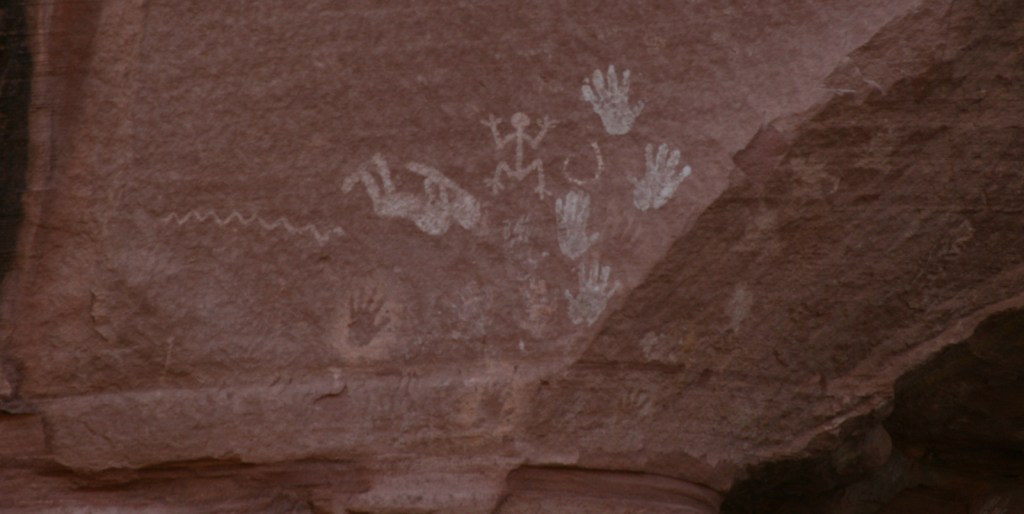
In the heart of the Navajo Nation in northeast Arizona lies Canyon de Chelly National Monument.  Humans have inhabited this area for 4,500 years, leaving behind numerous pictographs and the dramatic ruins of Ancestral Puebloan cliff dwellings.  The Navajo arrived in this region around AD1700 with sheep they gained from Spanish colonists which they utilized to weave intricate wool blankets.  Wars with the Utes, Spanish, Mexicans, and then U.S. government eventually led to their forced migration (“The Long Walk”) to Bosque Redondo in New Mexico around 1864.

Highlights

Spider Rock Overlook, White House Ruin, guided vehicle tours, horseback tours

Must-Do Activity

Four years after being forced to the uninhabitable Bosque Redondo, the Navajo were granted the largest reservation in the country and families still inhabit Canyon de Chelly (pronounced “d’shay”) to this day.  The 84,000-acre National Monument is administered cooperatively with the National Park Service (NPS).  However, entrance into the canyon is limited to guided trips and one publicly accessible trail that drops 500 feet to White House Ruin.  Overlooks along the North and South Rim Drives (17 and 18 miles respectively) are free and open year-round, though.  It not only seems like everything runs on a different clock here, but, unlike the rest of Arizona (and now New Mexico), the Navajo Nation observes Daylight Savings Time, so is always an hour later in the summer months (the same time as New Mexico until the fall).

Best Trail

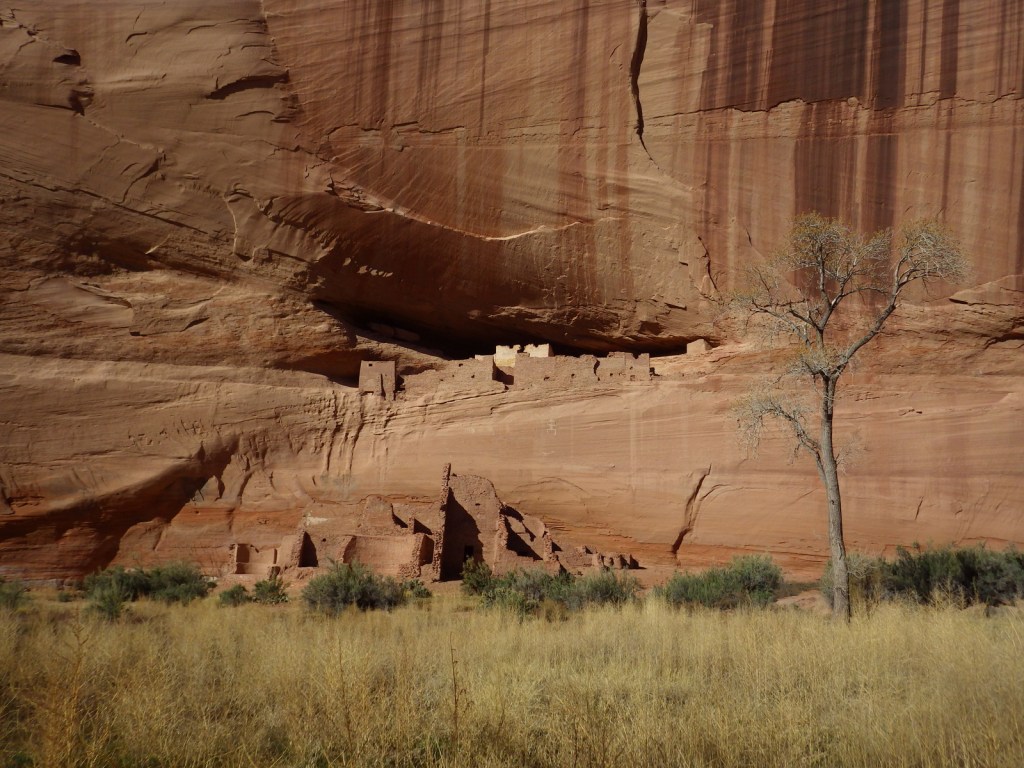
White House Ruin was inhabited AD1060-1275 and is named for the white plaster used to coat the wall in the upper dwelling.  The 2.5-mile roundtrip White House Trail drops down the canyon wall and cuts through a tunnel.

Instagram-worthy Photo

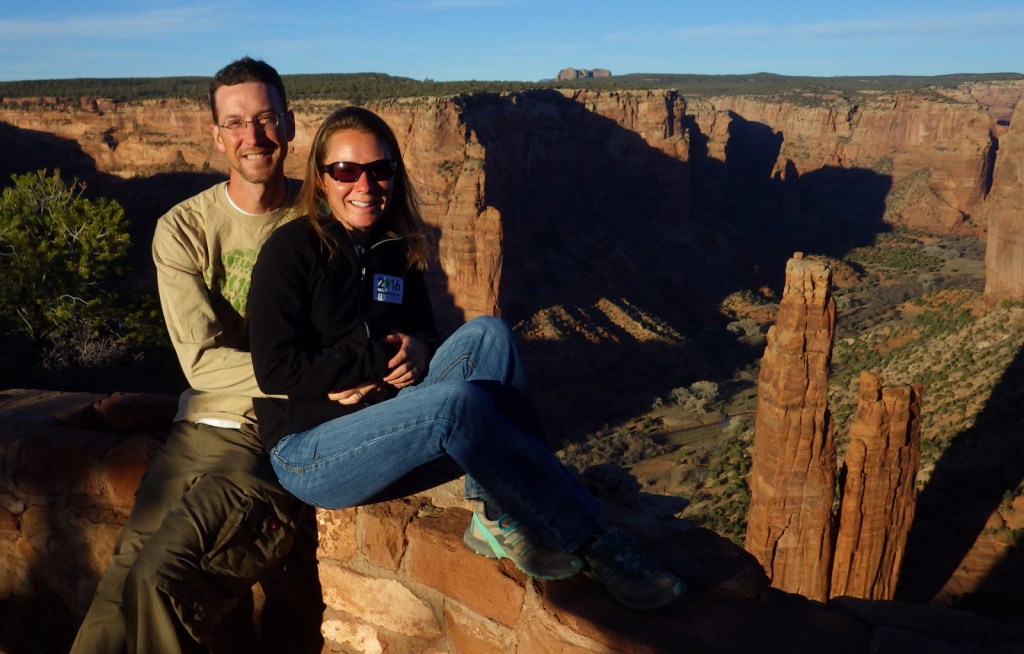
At the end of South Rim Drive is 800-foot tall Spider Rock, a great spot to watch the sun set, which is an ideal time to photograph the canyon’s red sandstone walls.

Peak Season

Summer

Hours

https://www.nps.gov/cach/planyourvisit/hours.htm

Note that there is typically a time difference because Arizona and New Mexico do not observe Daylight Savings Time.

Fees

There is no entrance fee for the North and South Rim Drives, but guided tours into the canyon do charge admission.

Road Conditions

All roads open to the public are paved, but guided tours can be very bumpy since they use the canyon bottom as a road.

Camping

The NPS runs Cottonwood Campground with 96 spaces (and running water in the summer) in a grove of Fremont cottonwood trees that turn yellow in the late autumn.  Guided camping trips in the canyon are also available.

Related Sites

Grand Canyon National Park (Arizona)

Navajo National Monument (Arizona)

Hubbell Trading Post National Historic Site (Arizona)

Explore More – How many millions of years ago did sand dunes turn into Canyon de Chelly’s red sandstone?

Lake Roosevelt National Recreation Area

Overview

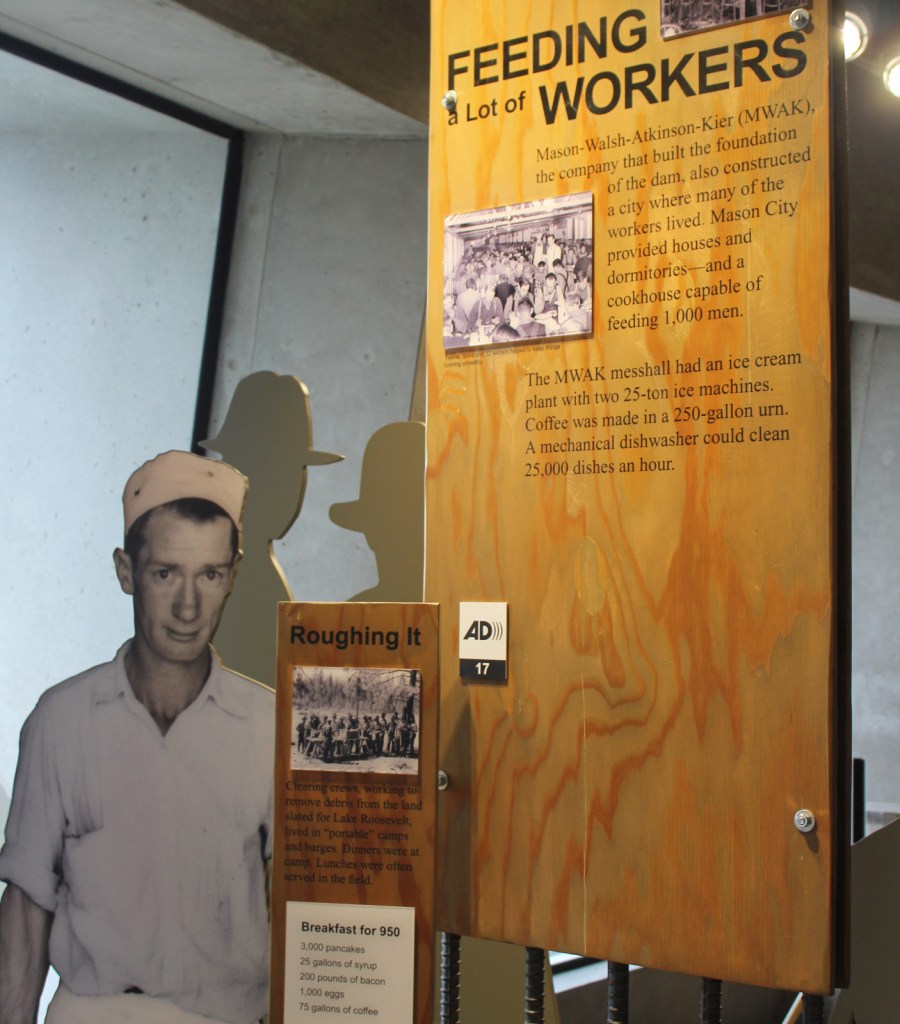
Stretching nearly one mile (5,223 feet) in length, the Grand Coulee Dam was the first constructed across the mighty Columbia River between 1933 and 1942.  In case you are wondering what a “coulee” is, that is a regional name for a canyon, many of which were carved by the walls of water that scoured this region after Lake Missoula burst through its ice dams periodically 15,000 to 13,000 years ago.  The reservoir created by the dam was named for President Franklin D. Roosevelt, which is why the National Park Service (NPS) manages it as Lake Roosevelt National Recreation Area.

Highlights

Grand Coulee Dam Visitor Center, Fort Spokane, St. Paul’s Mission, watersports

Must-Do Activity

The Bureau of Reclamation manages the museum at Grand Coulee Dam Visitor Center and a free laser light show is projected on the mile-long dam during the summer months.  Near a major river confluence, Fort Spokane was established in 1880 and now has a one-mile trail explaining its diverse history.  The reservoir submerged the salmon fishing grounds at Kettle Falls that had been used for millennia.  Native Americans still inhabit this region today, as the lake creates a border between the Colville and Spokane Indian Reservations.  Campgrounds and boat launch sites are located all along the narrow lake’s 129-mile length, although some may close due to changing reservoir levels.

Best Trail

A quarter-mile trail with interpretive signs is located at St. Paul’s Mission, one of the oldest churches in Washington state.  Here you will learn about (now submerged) Kettle Falls and the Hudson’s Bay Company’s historic impact on the region.

Instagram-worthy Photo

At the time, the Grand Coulee Dam became the largest masonry structure ever built, breaking a record held for 4,700 years by the Great Pyramid in Egypt.

Peak Season

Summer

Hours

https://www.nps.gov/laro/planyourvisit/hours.htm

Fees

The NPS charges a fee at boat launches and you cannot use the America the Beautiful pass.  Grand Coulee Dam Visitor Center is free, as are the Keller Ferry and Gifford–Inchelium Ferry that cross the lake.

Road Conditions

There are some unpaved roads, but the designated Scenic Drive follows only paved roads and utilizes two free ferries.

Camping

There are 26 campgrounds available on a first-come, first-served basis, while sites at a few take reservations.  Boat-in campgrounds and shoreline camping are both free.

Related Sites

Whitman Mission National Historic Site (Washington)

Glen Canyon National Recreation Area (Arizona-Utah)

Lake Mead National Recreation Area (Nevada-Arizona)

Explore More – During peak construction, how many people were employed at the Grand Coulee Dam?
Glen Canyon National Recreation Area

Overview

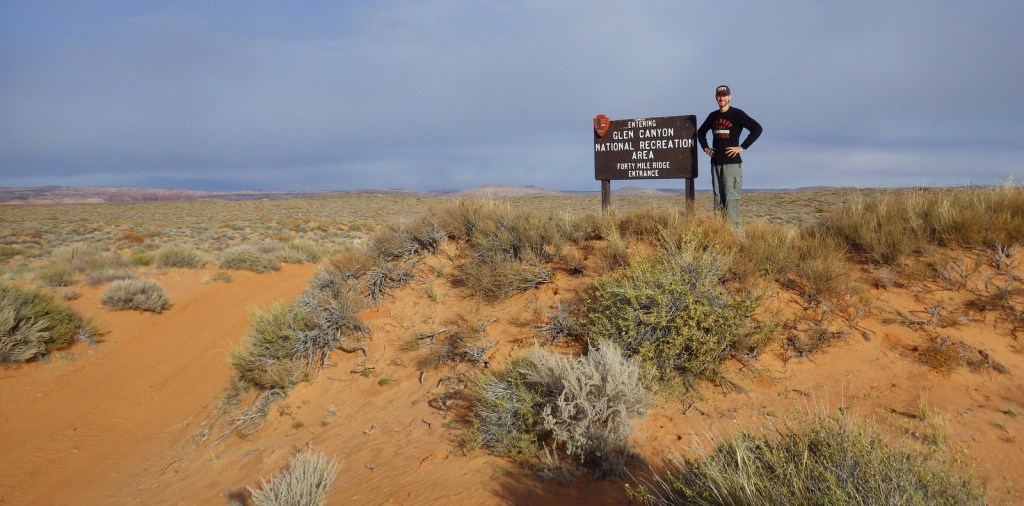
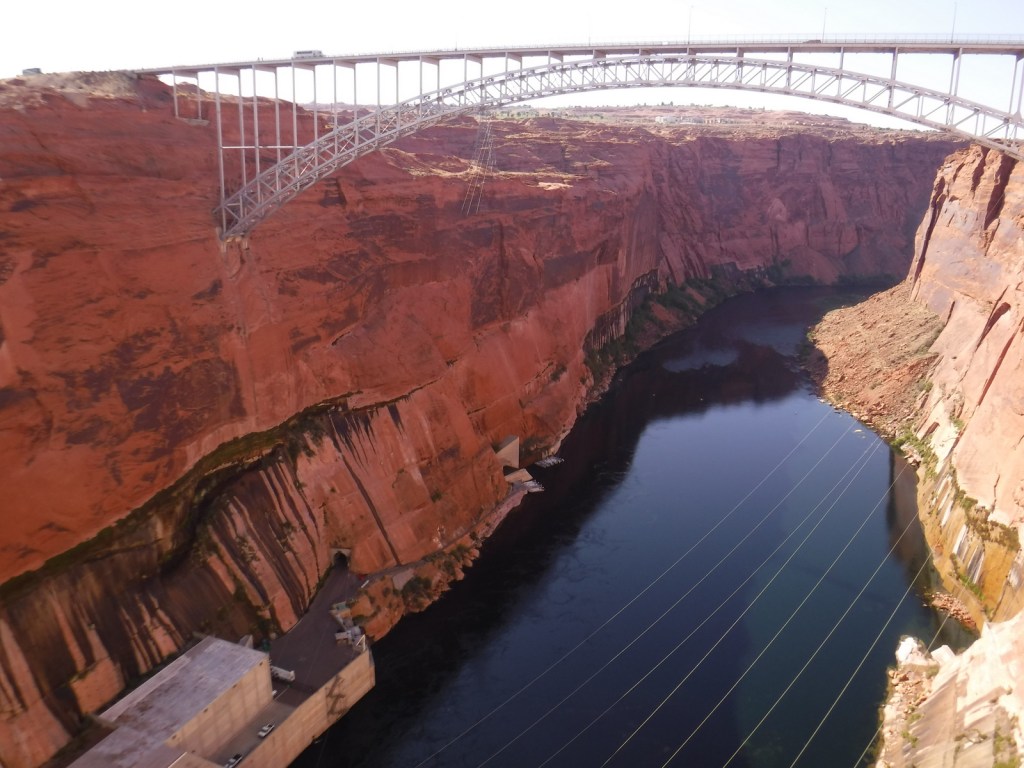
Glen Canyon National Recreation Area encompasses 1.2-million acres surrounding the snaky shoreline of Lake Powell, named for geologist John Wesley Powell who led a mapping expedition down the Colorado River in 1869.  The reservoir was formed by the Glen Canyon Dam, which was built between 1956-63 to store water for the Southwestern U.S. and generate hydroelectricity.  The damming was controversial because it destroyed archaeological sites, submerged scenic canyons, and altered the flow of the Colorado River into Grand Canyon National Park

Highlights

Horseshoe Bend Overlook, Lake Powell, Glen Canyon Dam, Cathedral Wash, Lees Ferry, Hole-in-the-Rock

Must-Do Activity

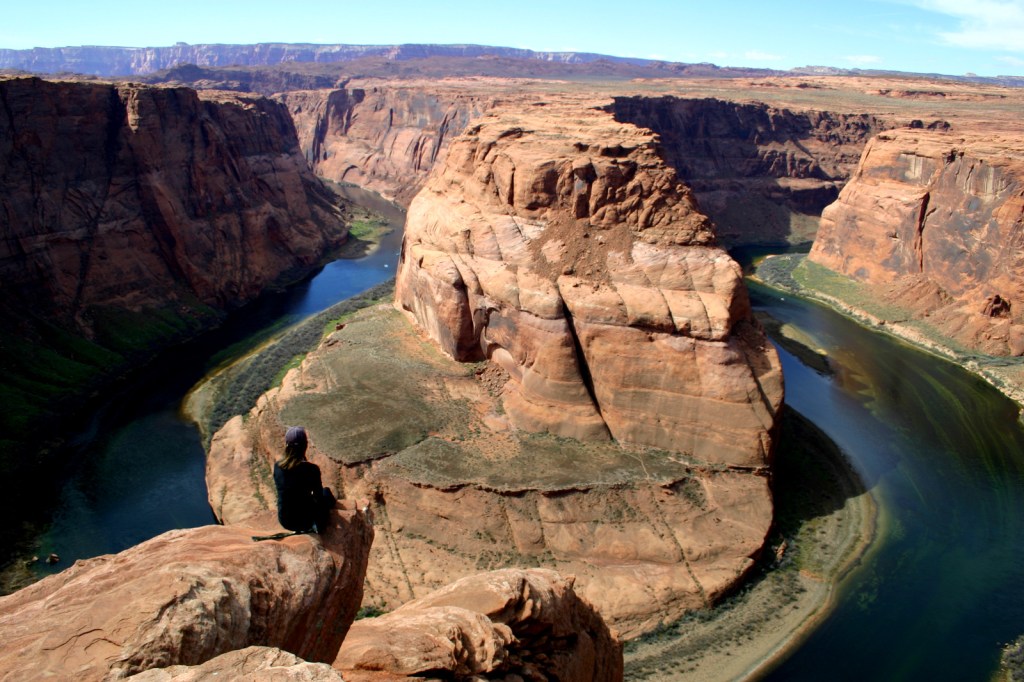
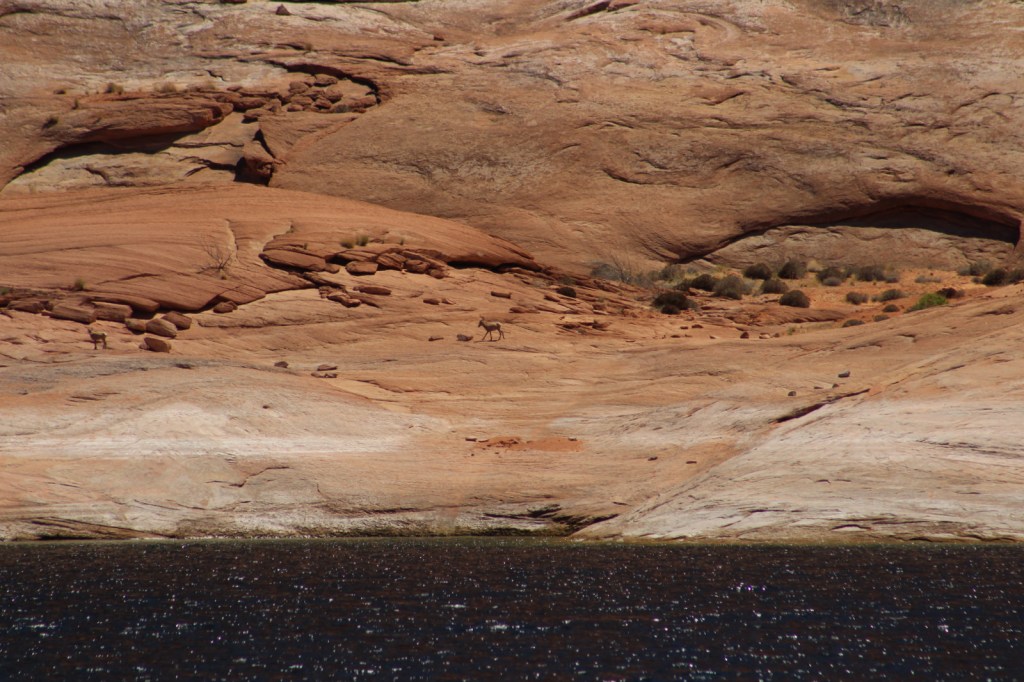
The National Park Service (NPS) run Carl Hayden Visitor Center in Page, Arizona is a good place to start a visit, where you can purchase tickets for a dam tour.  The meandering lake has about 2,000 miles of shoreline (mostly in Utah) with plenty of coves to explore and spend the night aboard a houseboat (rentals available).  If you do not want to attempt navigation there are many commercial boat trips, including an all-day cruise to Rainbow Bridge National Monument.  If you plan to stay on land, be sure to walk out to Horseshoe Bend Overlook, hike through the high desert landscape, or drive some of the hundreds of miles of dirt roads.

Best Trail

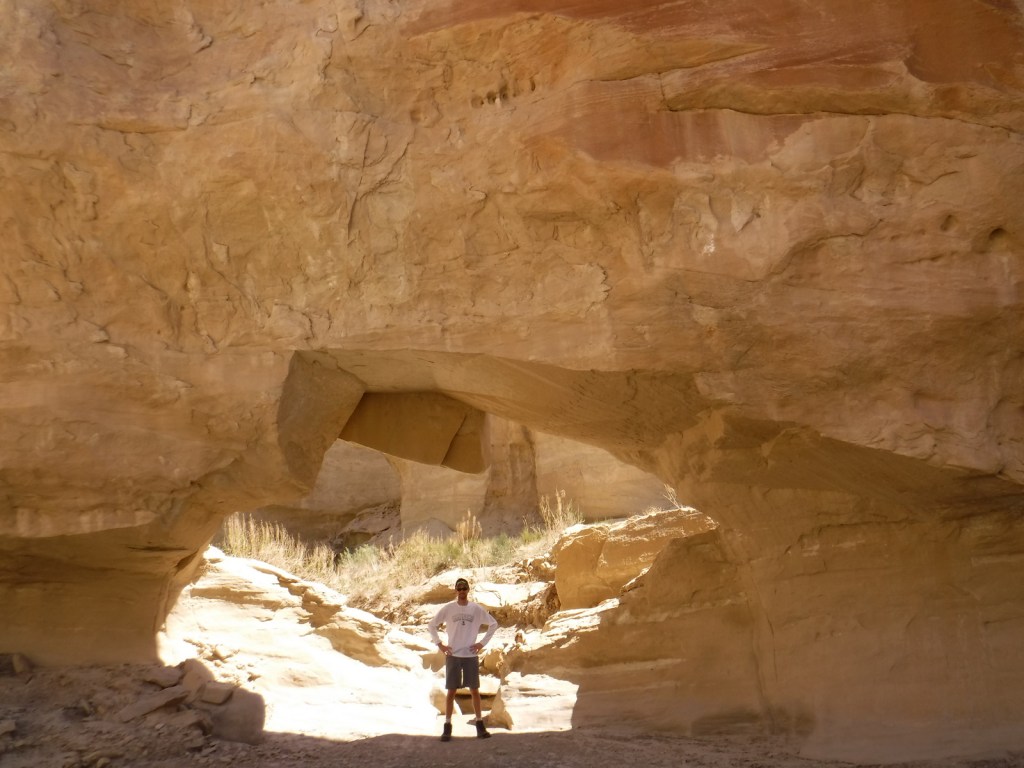
Wiregrass Canyon is located east of Big Water, Utah and the rocky trail passes hoodoos and two natural bridges.

Instagram-worthy Photo

You might want to bring your “selfie stick” to iconic Horseshoe Bend Overlook, a short 0.7-mile one-way hike from the parking area on Highway 89 outside Page, Arizona.

Peak Season

Spring and fall

Hours

https://www.nps.gov/glca/planyourvisit/hours.htm

Fees

Parking is now $10 at Horseshoe Bend Overlook (no NPS passes accepted), but many other sites are free. There is a $30 per vehicle entrance fee at some marinas (NPS passes accepted), in addition to charges for the dam tour and guided boat tours.

Road Conditions

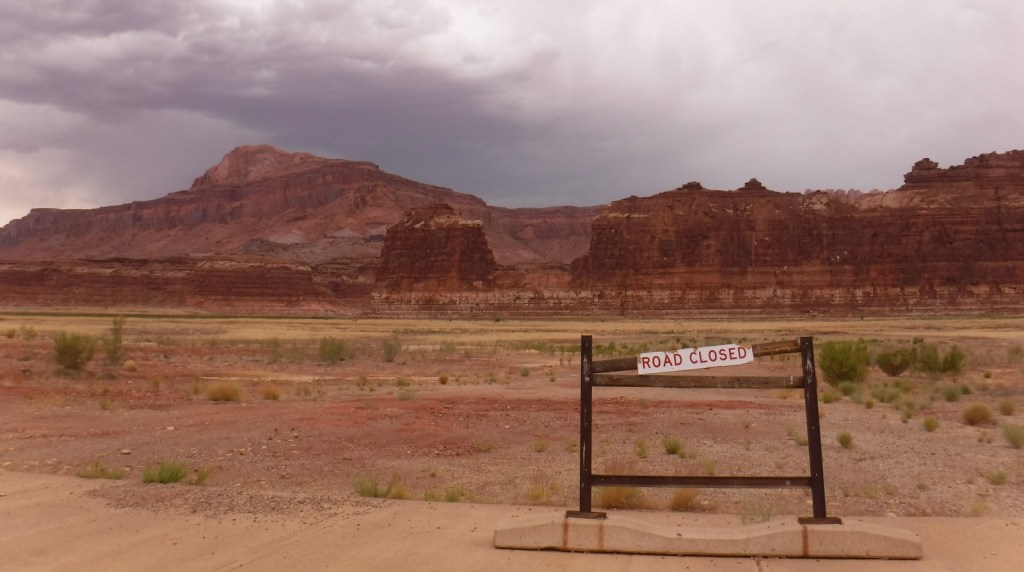
This park is famous for its backcountry 4×4 roads (like Hole-in-the-Rock Road) and flash floods, so check with a park ranger before attempting anything unpaved.  A fee is charged to ferry across the lake between Halls Crossing and Bullfrog Marina.

Camping

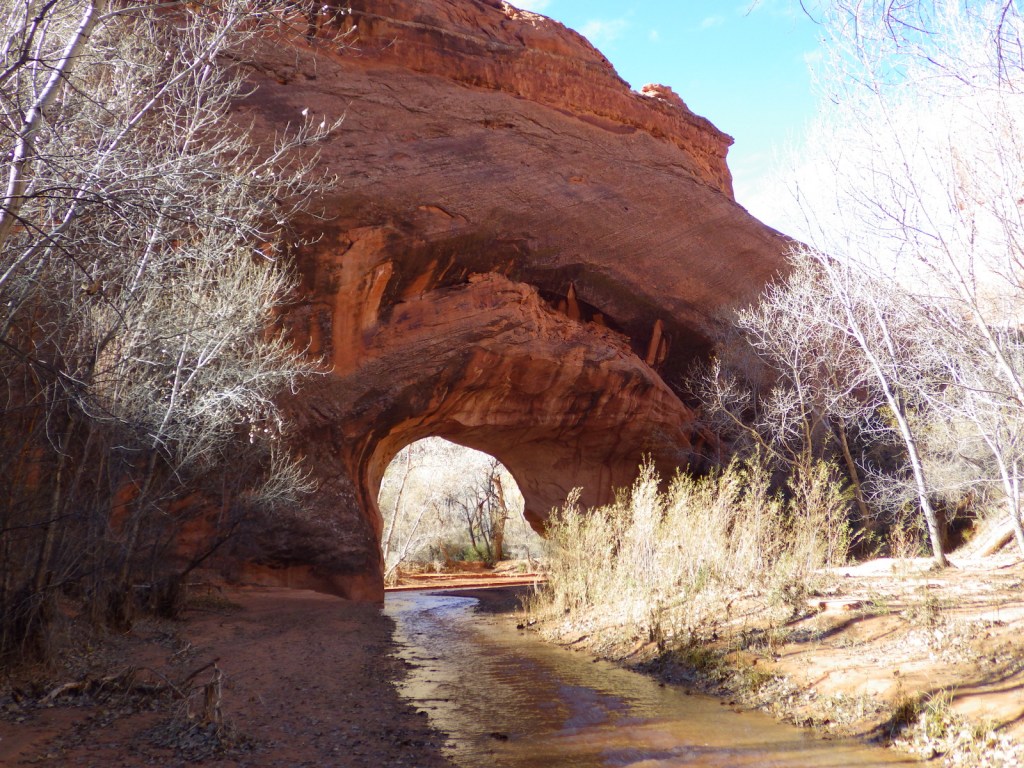
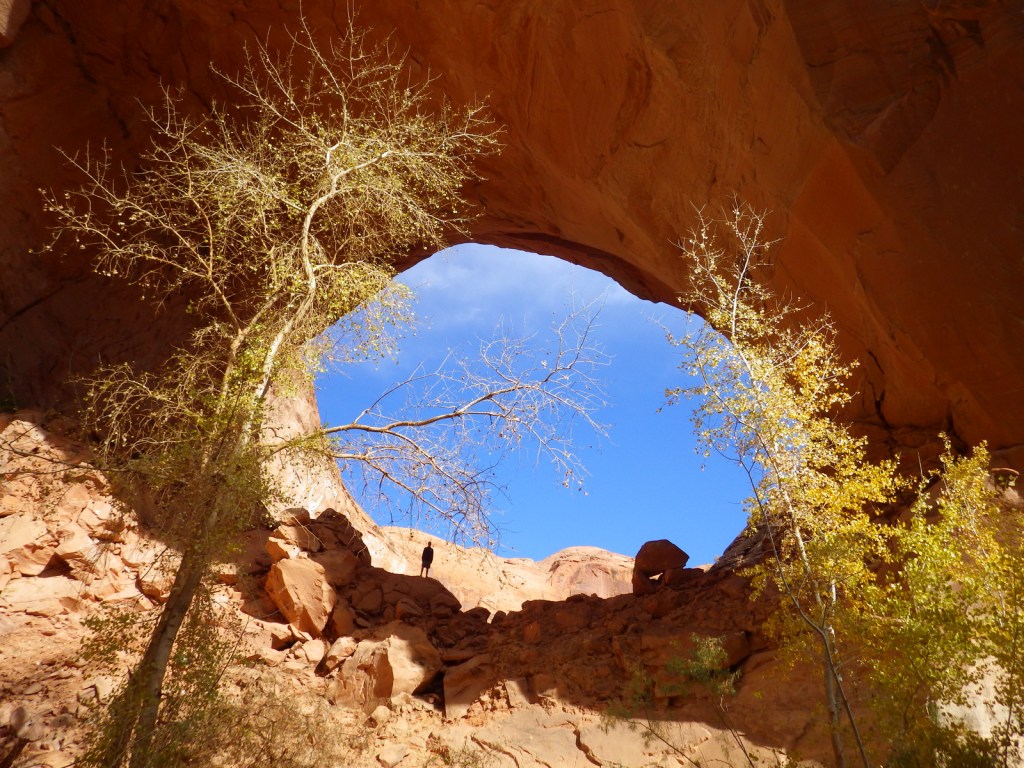
There are several developed campgrounds (mostly near marinas), but free primitive camping is allowed along most dirt roads.  A permit is required for overnight camping in the beautiful Coyote Gulch area, which is popular with backpackers.

Related Sites

Lake Mead National Recreation Area (Nevada-Arizona)

Canyon de Chelly National Monument (Arizona)

Capitol Reef National Park (Utah)

Explore More – Lake Powell is well known for its “bath tub ring,” so when did the reservoir last reach its high-water mark?

Hot Springs National Park

Overview

The hot springs that give this Arkansas town its name were the first site ever set aside by the federal government for protection way back in 1832.  That was forty years before Yellowstone National Park came into existence, and is the reason Hot Springs National Park was commemorated as the first minted of the America the Beautiful Coin Collection in 2010.  It is also the reason that Hot Springs is unlike any other National Park in the system, checking in at only 5,550 acres on either side of a bustling downtown lined with historic bathhouses.

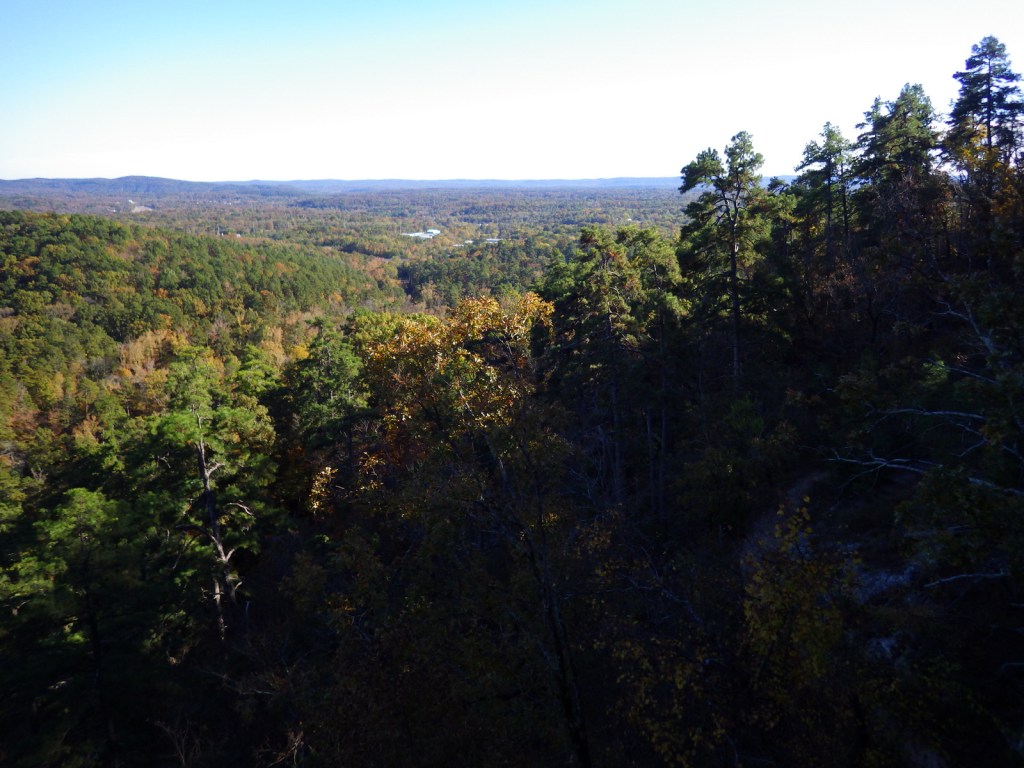
Hot Springs National Park is not one of the 50 covered in great detail in our guidebook to the National Parks (available on Amazon), but as one of the 63 National Parks it is included with a photo.

Highlights

Fordyce Bathhouse, West Mountain Scenic Drive, Goat Rock, Hot Springs Mountain Tower, Balanced Rock

Must-Do Activity

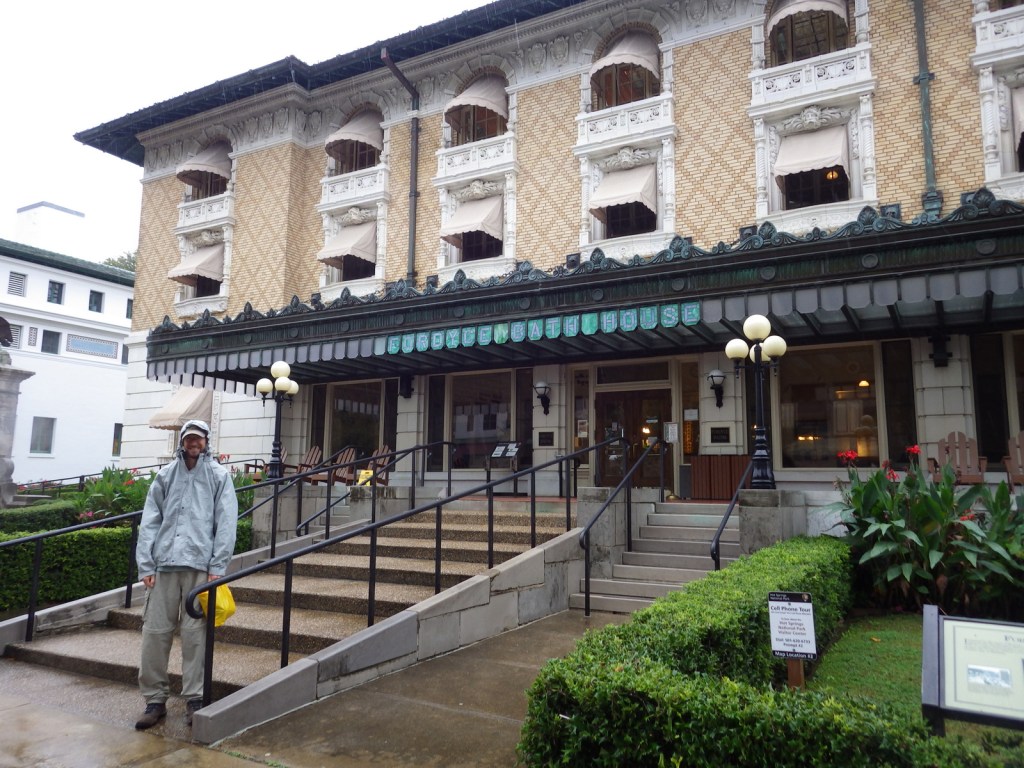
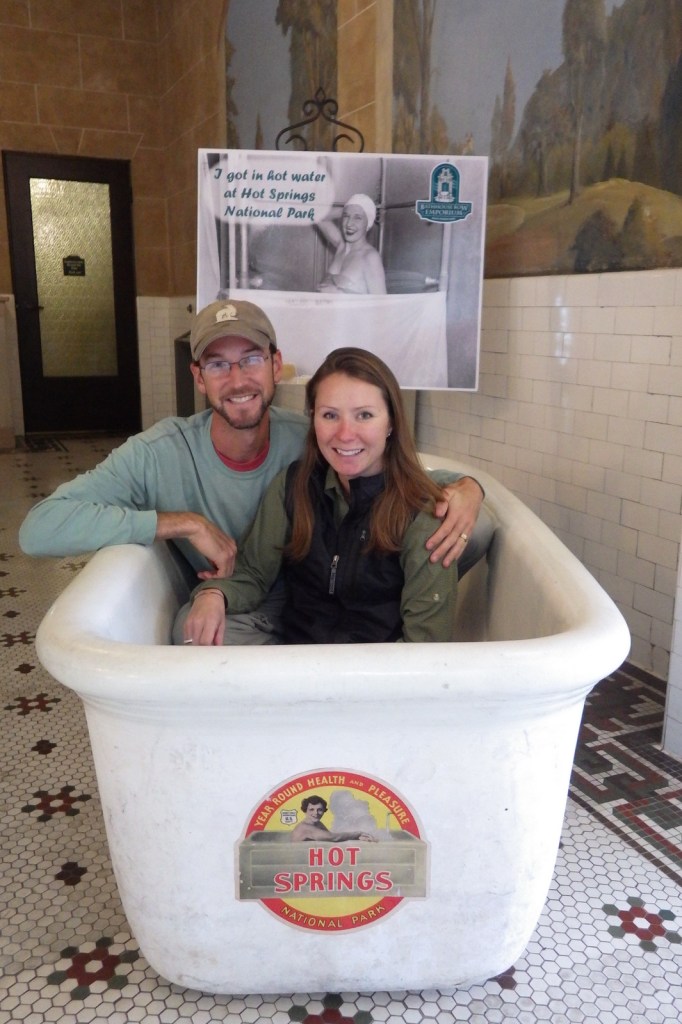
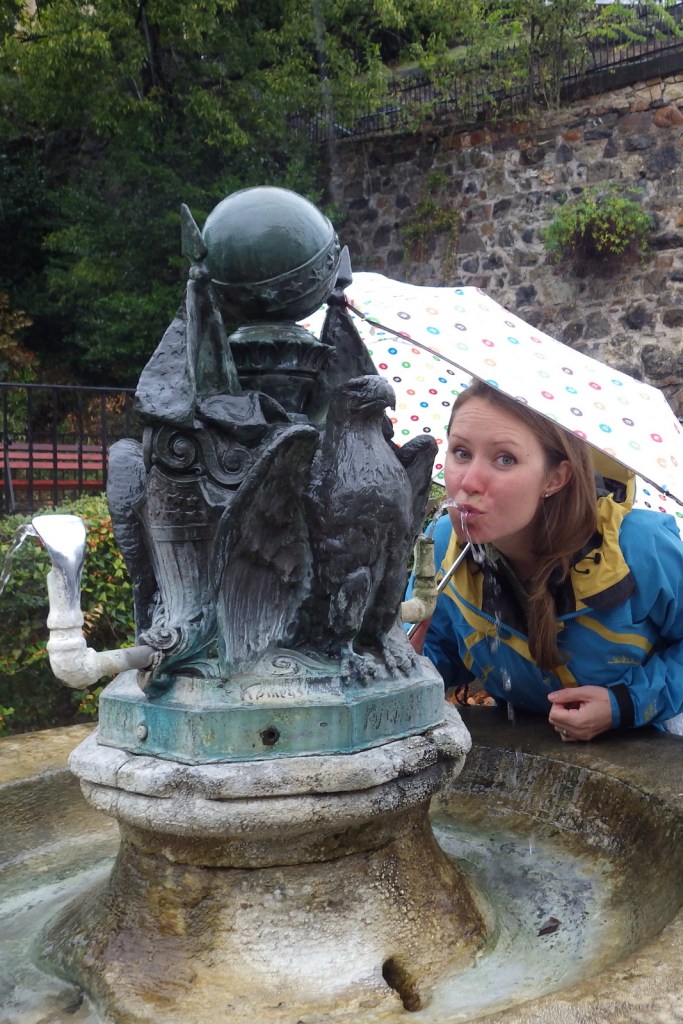
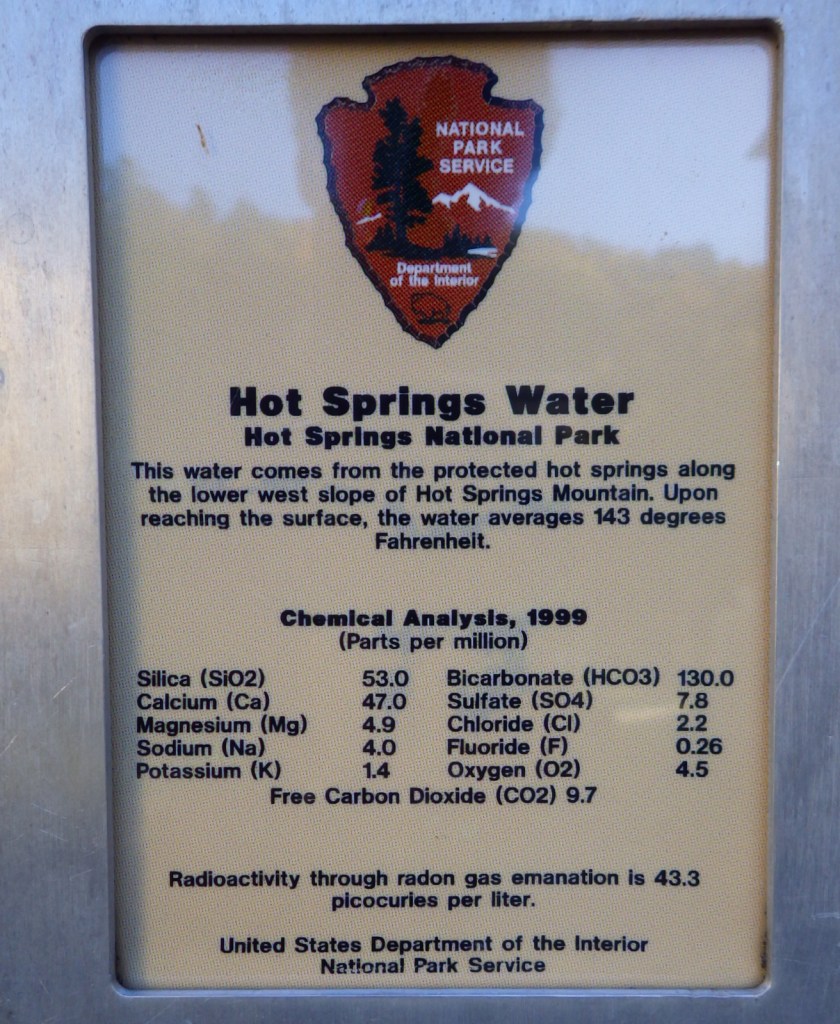
When you visit, it is best to start at the National Park Service (NPS) museum within the former Fordyce Bathhouse, where you will learn that the water is heated not by volcanic activity but by gravitational compression.  Whether or not you pay to soak in the non-sulfurous waters at a privately-owned bathhouse, be sure to fill up a bottle at one of several mineral rich drinking fountains around town.  Then you too can “quaff the elixir” the same way tourists have been doing here for nearly 200 years.

Best Trail

There are several hiking options in the forested hills around the town, including the 17-mile long Sunset Trail that provides access to Balanced Rock.  The Gulpha Gorge Trail leaves from the NPS campground up to vistas at Goat Rock or you can also park at the top of North Mountain and hike down to it on the Goat Rock Trail.

Instagram-worthy Photo

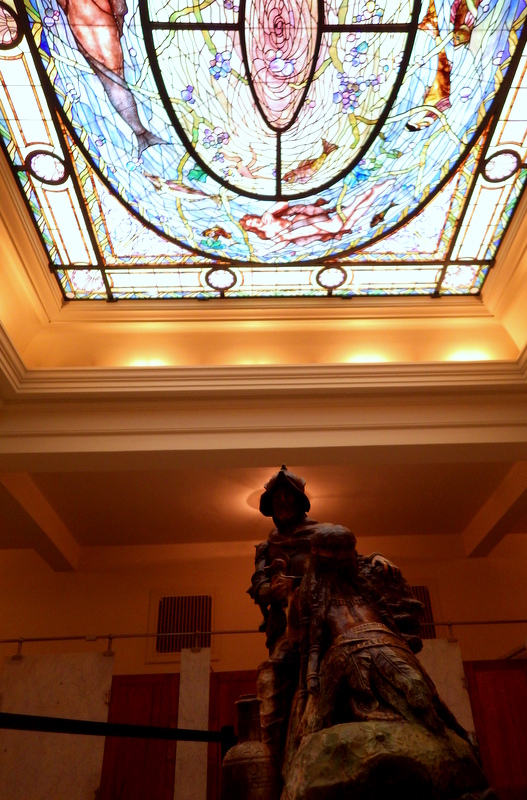
Inside the men’s locker room, a beautiful stained glass ceiling lets in light on the sculpture of Spanish conquistador Hernando de Soto who came to the hot springs in 1541.

Peak Season

Summer

Hours

https://www.nps.gov/hosp/planyourvisit/basicinfo.htm

Fees

None to visit the NPS museum in Fordyce Bathhouse, but there is a charge to climb Hot Springs Mountain Tower or visit one of the privately-owned bathhouses (like Buckstaff Baths or Quapaw Baths and Spa).

Road Conditions

All roads are paved, but there are some tight curves on the scenic drive up Hot Springs Mountain.

Camping

The NPS run Gulpha Gorge Campground offers sites with or without electrical and water hookups.

Related Sites

Chickasaw National Recreation Area (Oklahoma)

Little Rock Central High School National Historic Site (Arkansas)

Buffalo National River (Arkansas)

Explore More – In the roaring 1920s, Hot Springs, Arkansas was like the original Las Vegas attracting athletes, politicians, and which famous mobsters?

We are a participant in the Amazon Services LLC Associates Program, an affiliate advertising program designed to provide a means for us to earn fees by linking to Amazon.com and affiliated sites.

Cedar Creek and Belle Grove National Historical Park

Overview

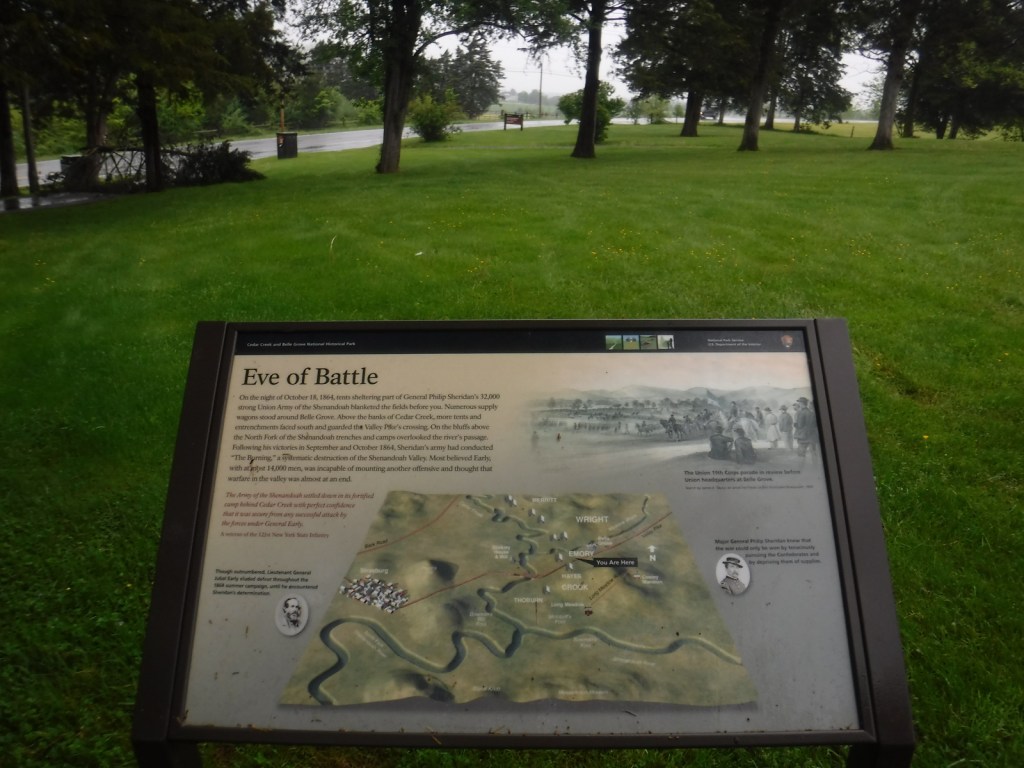
The Shenandoah Valley was the Confederate States of America’s “breadbasket” in the 1860s and thus had strategic importance during the Civil War.  This led to numerous skirmishes and the fight that took place on October 19, 1864 is commemorated at Cedar Creek and Belle Grove National Historical Park.  Little of the land within this 3,700-acre park established in 2002 is owned by the federal government, but the National Park Service (NPS) has done a significant amount of work to improve its interpretive signage since our first visit in 2016.

Highlights

Morning Attack Trails, driving tour, Hupp’s Hill Museum, Belle Grove historic plantation

Must-Do Activity

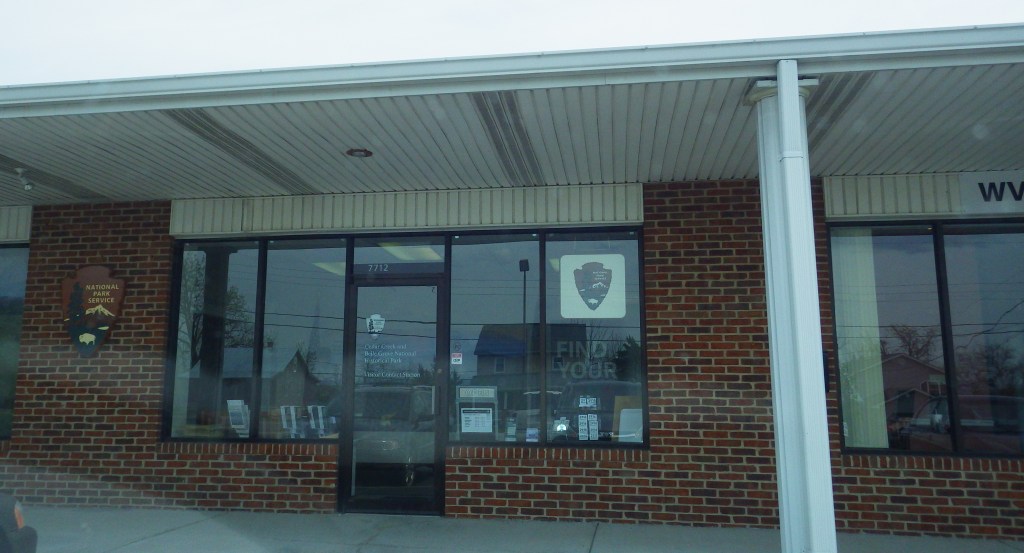
If you need the stamp for your NPS passport, stop at the Visitor Contact Station located in a strip mall in Middletown, Virginia.  There you can pick up a free guide to help you follow the driving tour focused on the October 19, 1864 battle fought at Cedar Creek.  There is also a free app available on the park’s website.  Managed by a non-profit that organizes an annual reenactment of the battle, Hupp’s Hill Civil War Park has a museum (fee).  You can also pay to take a tour of the manor house at Belle Grove.

Best Trail

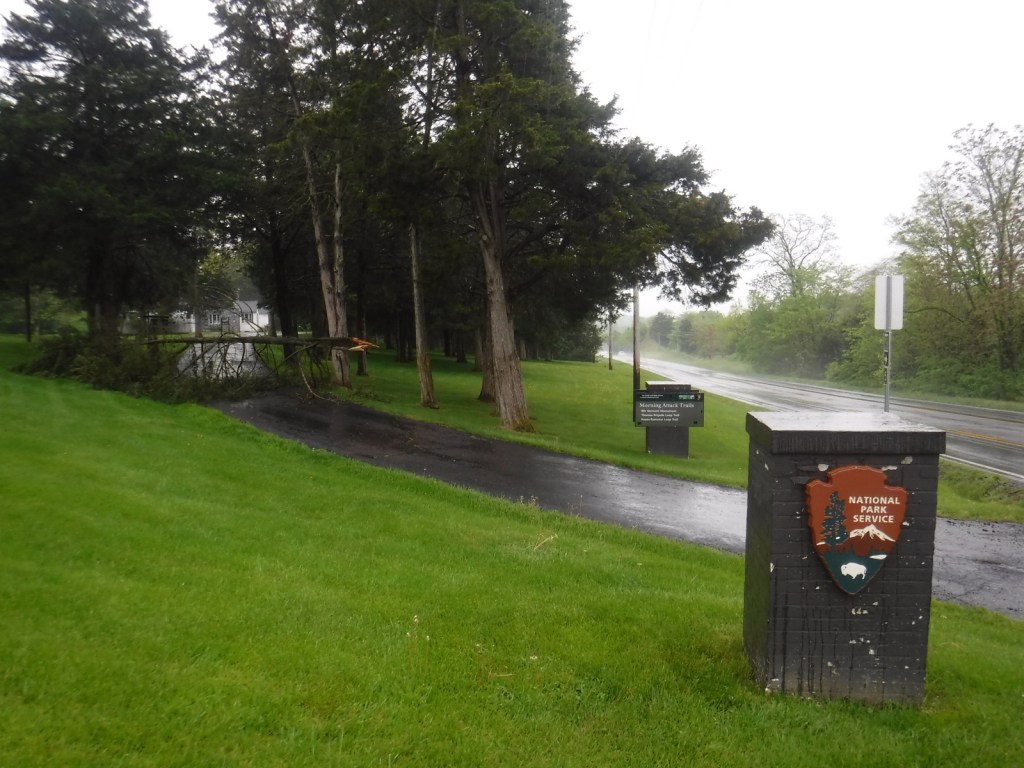
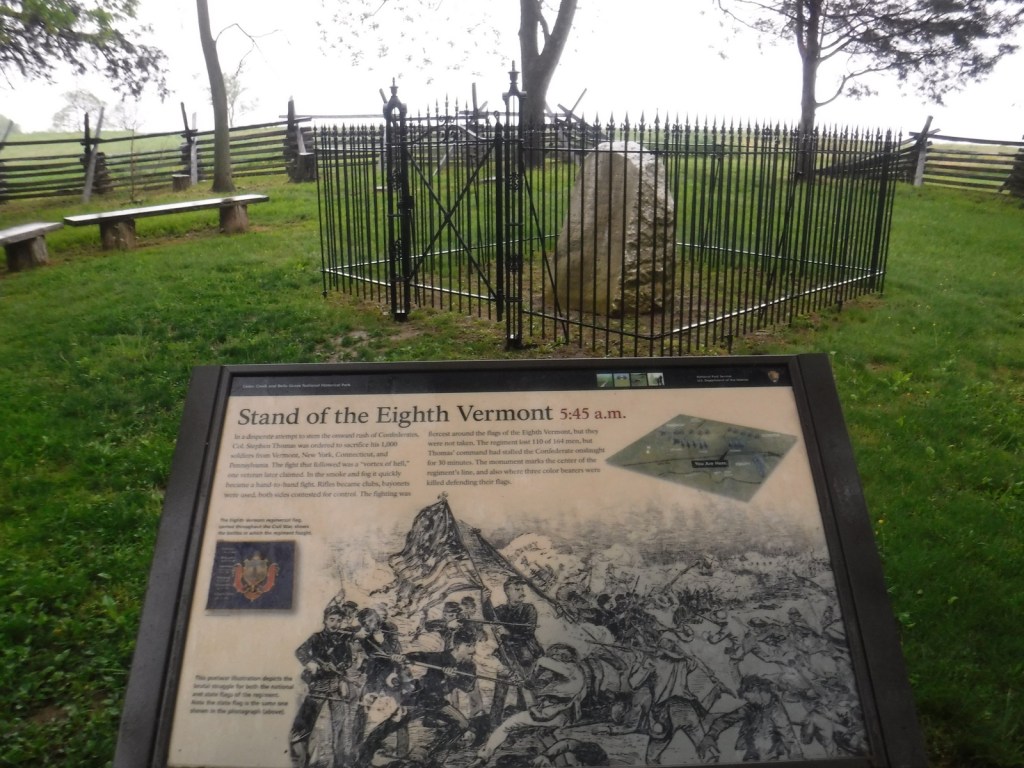
The Morning Attack Trails are located next to the NPS Headquarters off Highway 11 with interpretive signage placed on the 300-yard long 8th Vermont Monument Trail, 0.6-mile Thomas Brigade Loop, and 0.7-mile Hayes-Ramseur Loop.

Instagram-worthy Photo

Available for guided tours (fee) between April and December, the manor house at Belle Grove plantation dates back to 1797.  Union General Philip Sheridan used the house as his headquarters in 1864 and most of his 31,600 troops camped on the property.

Peak Season

Fall

Hours

https://www.nps.gov/cebe/planyourvisit/hours.htm

Fees

Admission charged for guided tours of Belle Grove manor house and entrance to Hupp’s Hill Museum.

Road Conditions

Some of the roads on the driving tour are unpaved and not recommended for buses or RVs.

Camping

None

Related Sites

Gettysburg National Military Park (Pennsylvania)

Harpers Ferry National Historical Park (West Virginia-Maryland-Virginia)

Shenandoah National Park (Virginia)

Explore More – Belle Grove was owned by Isaac Hite, Jr. and his wife Nelly, who was the sister of which U.S. President?