Tag Archives: rock climbing

Comanche National Grassland

Comanche National Grassland

Colorado

Managed by U.S. Forest Service, Rocky Mountain Region

Established 1960

467,373 acres (443,081 federal/ 24,292 other)

Website: https://www.fs.usda.gov/psicc

Overview

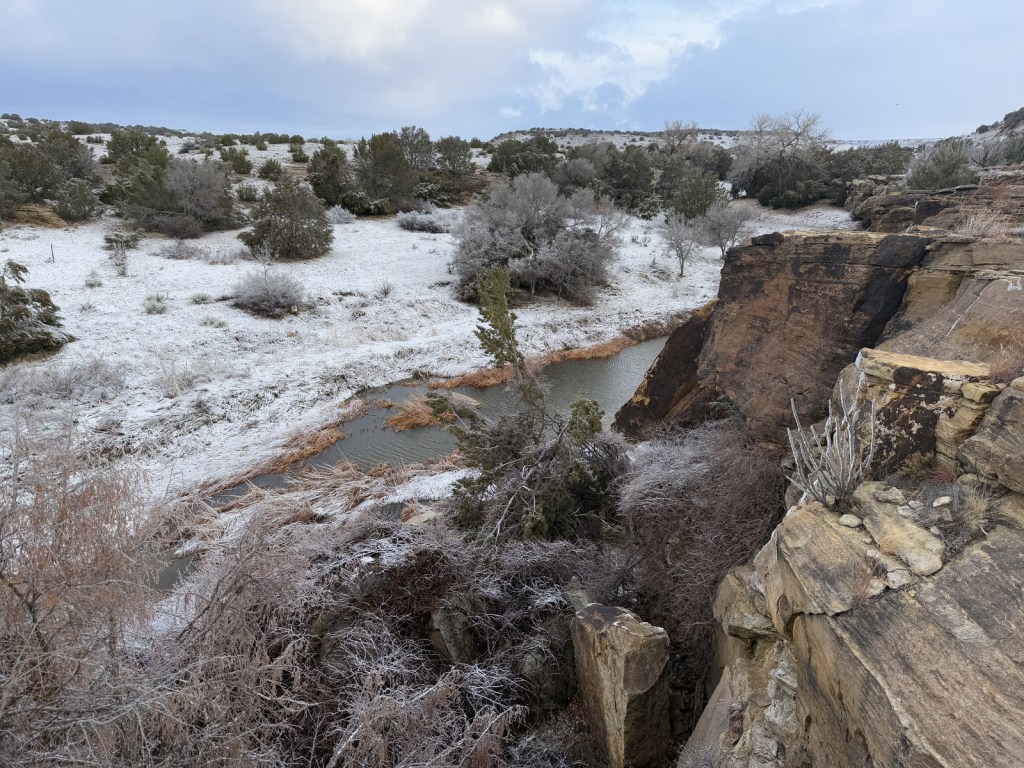
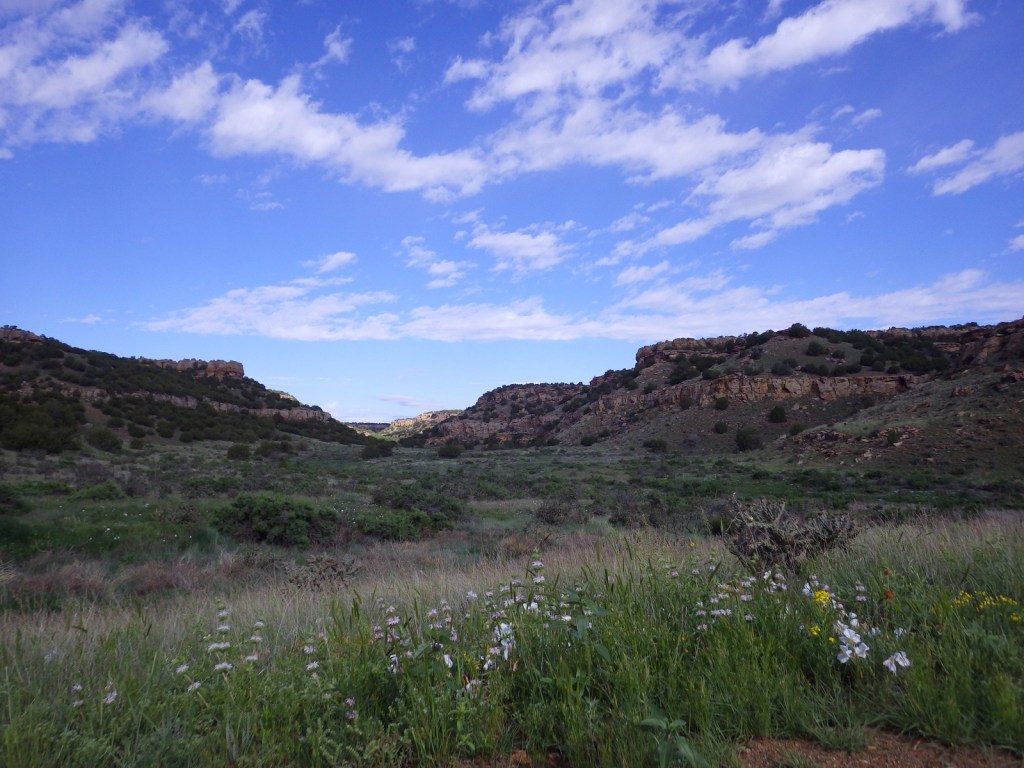
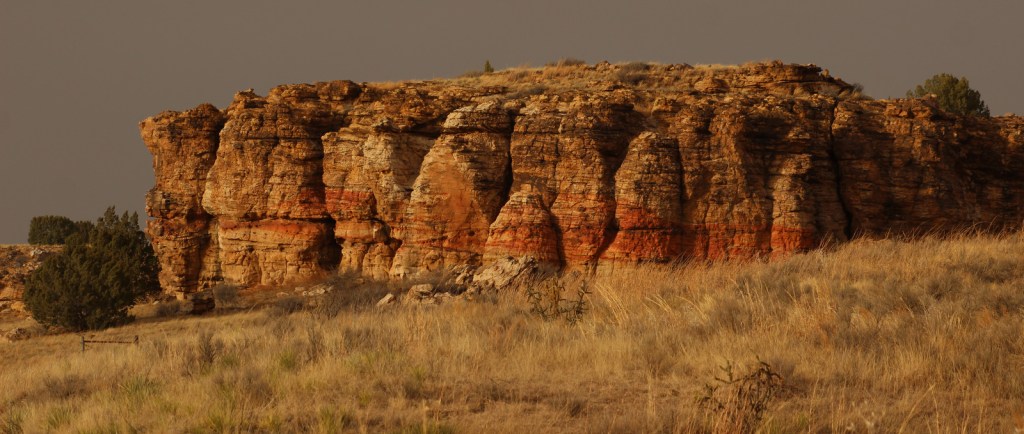
Near the Oklahoma border in southeast Colorado, Comanche National Grassland is comprised of two areas of shortgrass prairie co-managed with Pike and San Isabel National Forests and Cimarron National Grassland (in nearby Kansas).  The Timpas Unit is in the watershed of the Purgatoire (or Picket Wire) River, while the more southern Carrizo Unit is mostly centered around Carrizo Creek, a tributary of the Cimarron River.  There is a long history of human use of the canyons here, with petroglyphs dating back as far back as 8,000 years.  Before giving the National Grassland its name, the Comanche pushed the Apache out of this area in the 1700s and their circular tipi rings can still be found.  A branch of the Santa Fe National Historic Trail runs through the northern Timpas Unit with interpretive sites at Sierra Vista Overlook and Timpas Picnic Area (including a three-mile trail following the wagon tracks between the two). 

Highlights

Picture Canyon, Crack Cave, Picket Wire Canyon, Dolores Mission, Rourke Ranch, Carrizo Canyon, Vogel Canyon, Santa Fe National Historic Trail

Must-Do Activity

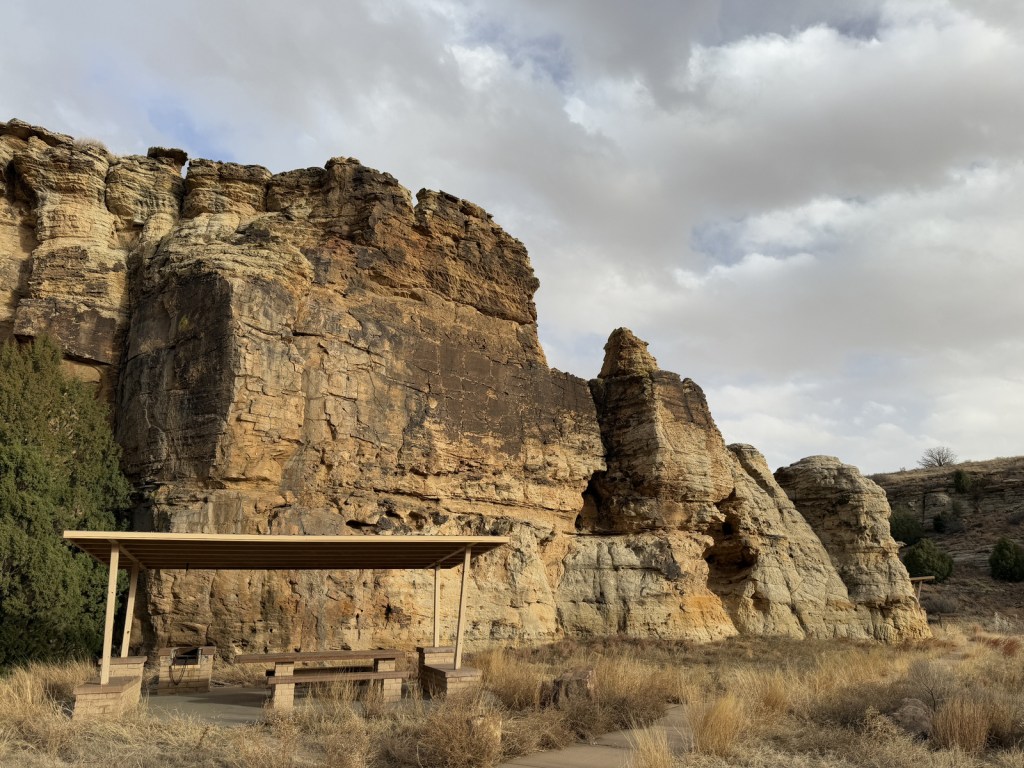
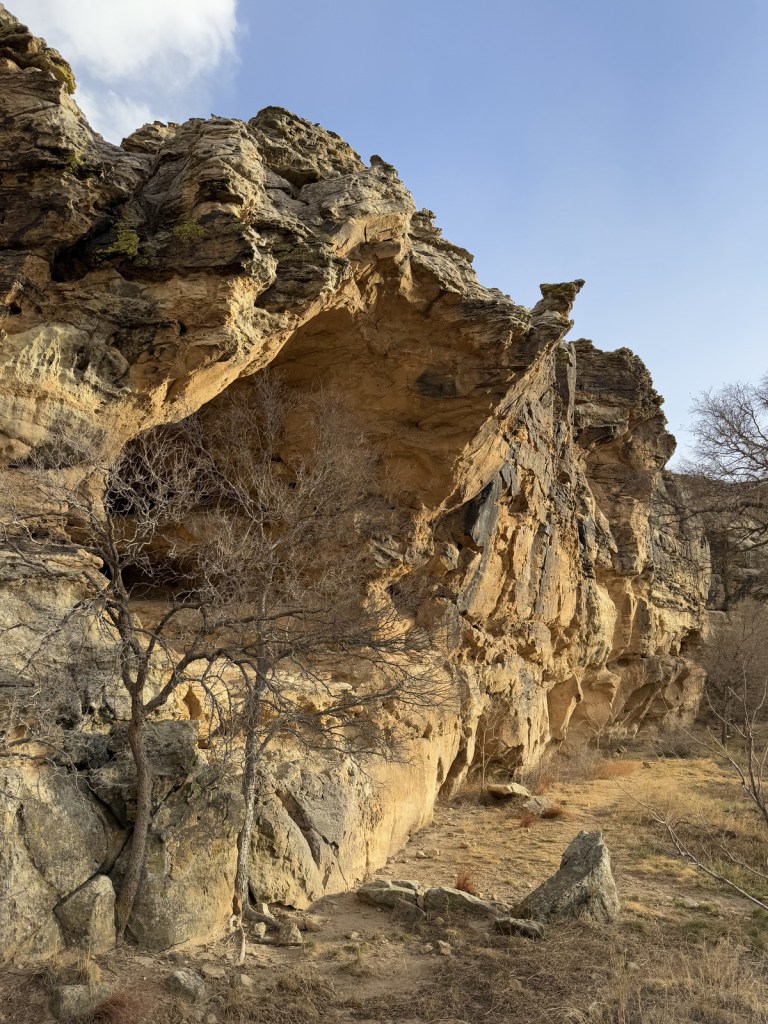
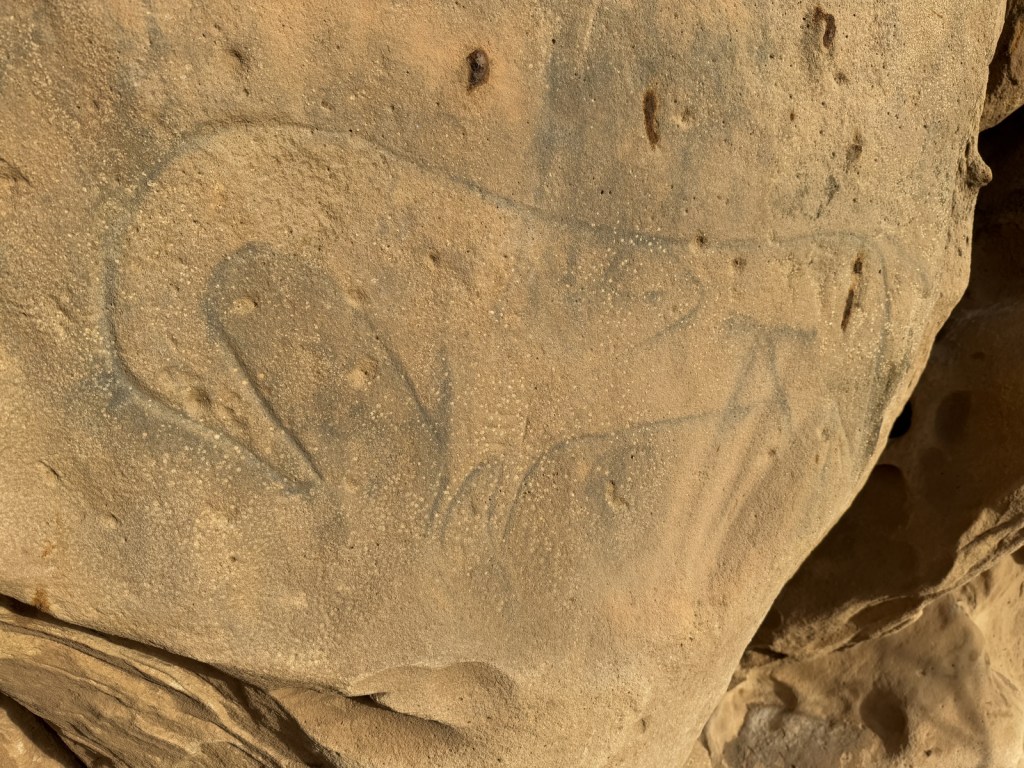
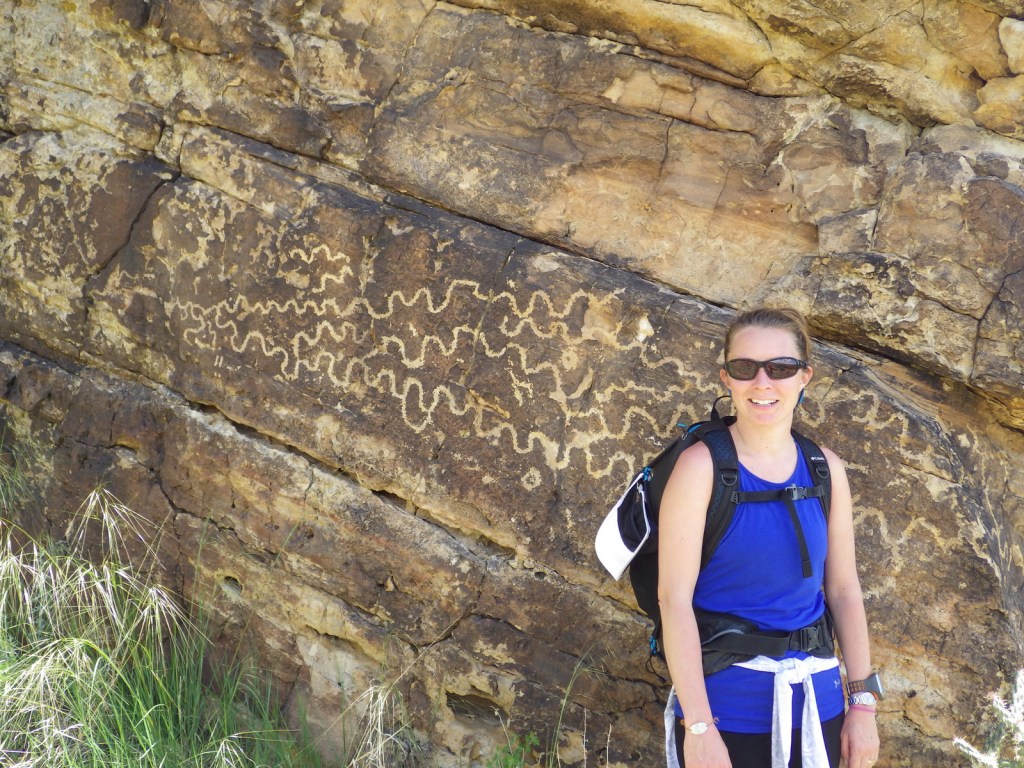
Petroglyphs can be seen on trails near Vogel Canyon and Carrizo Canyon Picnic Areas, with the most famous found in Picture Canyon.  It is about 16 miles of unpaved roads to access Picture Canyon from Highway 287, and there are vault toilets and picnic tables at the site.  From there, the U.S. Forest Service traditionally leads a hike on Arch Rock Trail to Crack Cave on both the spring and fall equinox, when at dawn the sun’s rays illuminate a specific petroglyph that is usually behind a locked gate that blocks a narrow opening in the sandstone.  A similar petroglyph with deeply-carved lines can be seen in an opening above a blue-tinted pictograph about a quarter-mile down the trail.  Rock climbing is also a draw here, with a few permanent anchors in the sandstone behind the picnic tables. 

Best Trail

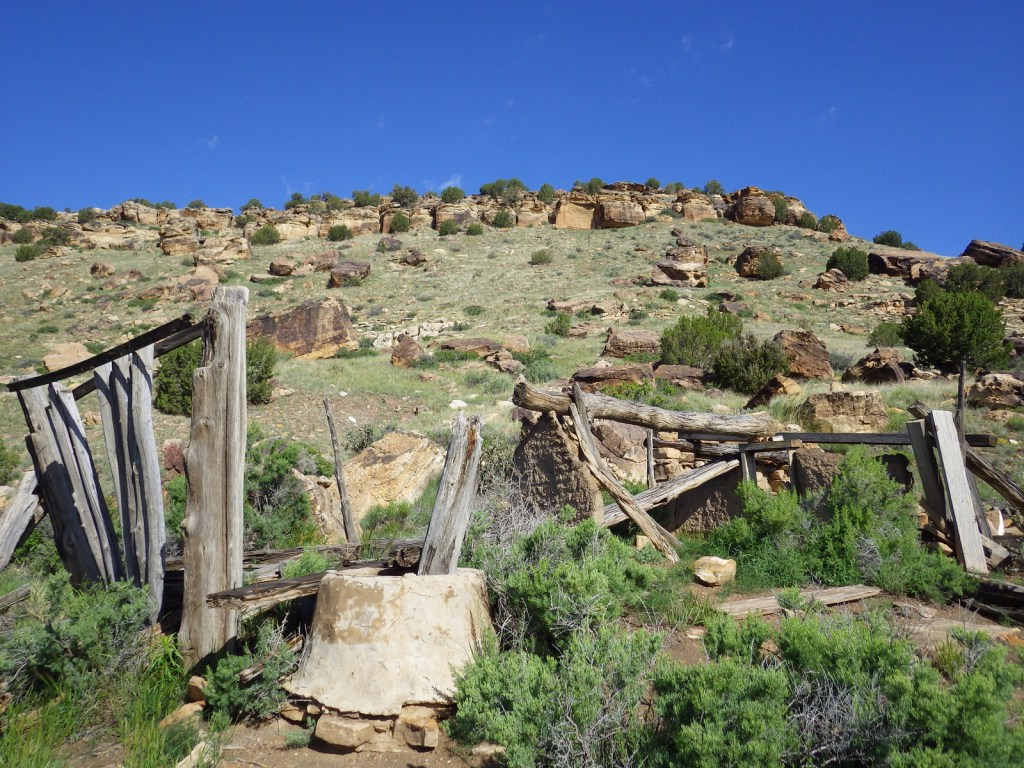
It is a 17-mile drive down unpaved roads to Picket Wire Canyon, where a long trail leads to dinosaur tracks (19 miles out-and-back) and Rourke Ranch National Historic District (25 miles) that dates back to 1871.  There are approximately 1,900 tracks left by Apatosaurs and Allosaurs over 150-million years ago.  Along the way, look for petroglyphs, a model of a dinosaur fossil, and the ruins of Dolores Mission (see Photographic Opportunity). 

Watchable Wildlife

Elevations range from 3,900 to 6,200 feet atop Fallas Mesa with ponderosa pine, pinyon pine, juniper, Gambel oak, and cottonwoods trees found in moister areas.  Yucca and cacti are common in the prairie, as are desert-dwelling creatures like roadrunners and tarantulas (we saw one crossing the road).  Hunters come here for mule deer, elk, pronghorn, and wild turkey in season.  The National Grassland contains a lek for lesser prairie chickens, but it is typically closed during mating season due to their endangered status.  About 328 bird species have been identified here, including many eastern birds at the extent of their range. 

Photographic Opportunity

On the way to the dinosaur track site in Picket Wire Canyon, hikers pass Dolores Mission with a cemetery and the ruins of a small Catholic church dating back to 1898.

Peak Season

Spring and fall

Fees

None

Road Conditions

We have almost gotten stuck twice on the long dirt roads in Comanche National Grassland, once in deep mud following a spring thunderstorm and another time on thick ice following a spring blizzard. 

Camping

It is free to disperse camp almost anywhere not on private lands in Comanche National Grassland, with the exception of the parking lots at the following canyons: Picture, Carrizo, Vogel, and Picket Wire.

Related Sites

Cimarron National Grassland (Kansas)

Bent’s Old Fort National Historic Site (Colorado)

Sand Creek Massacre National Historic Site (Colorado)

Nearest National Park
Great Sand Dunes

Explore More – The markings in Crack Cave are theorized by some people to spell out what word in Ogam (an ancient Celtic alphabet)?

Bridger National Forest

Bridger National Forest

Wyoming

Managed by U.S. Forest Service, Intermountain Region

1,744,705 acres (1,736,115 federal/ 8,590 other)

Website: https://www.fs.usda.gov/btnf

Overview

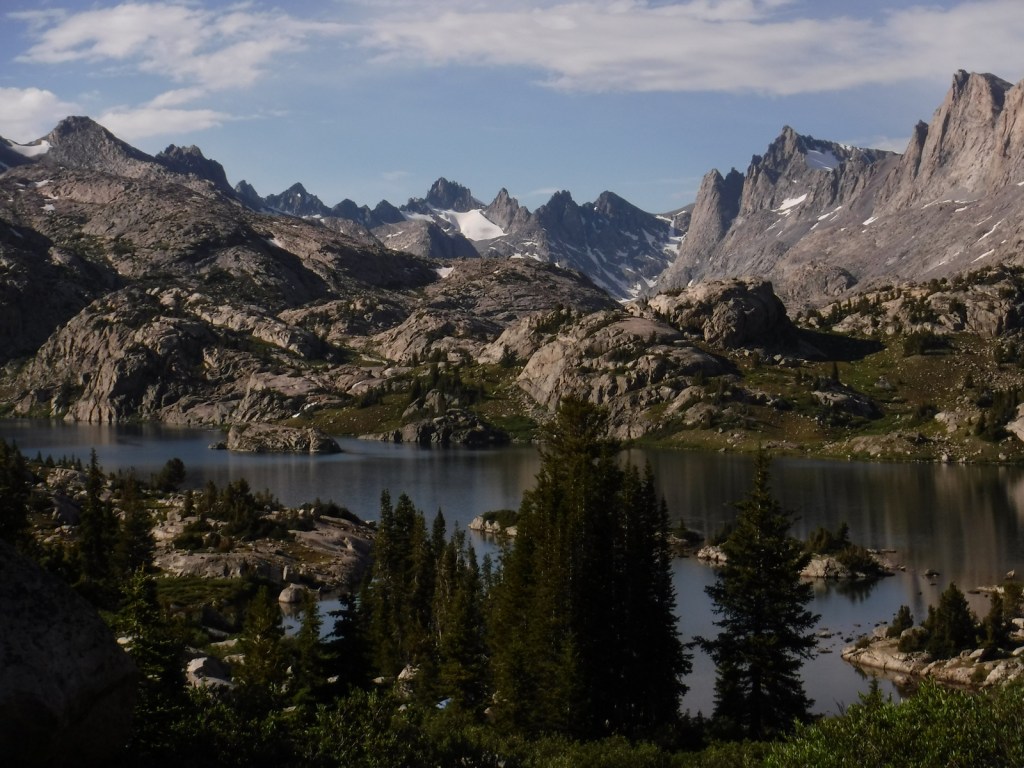
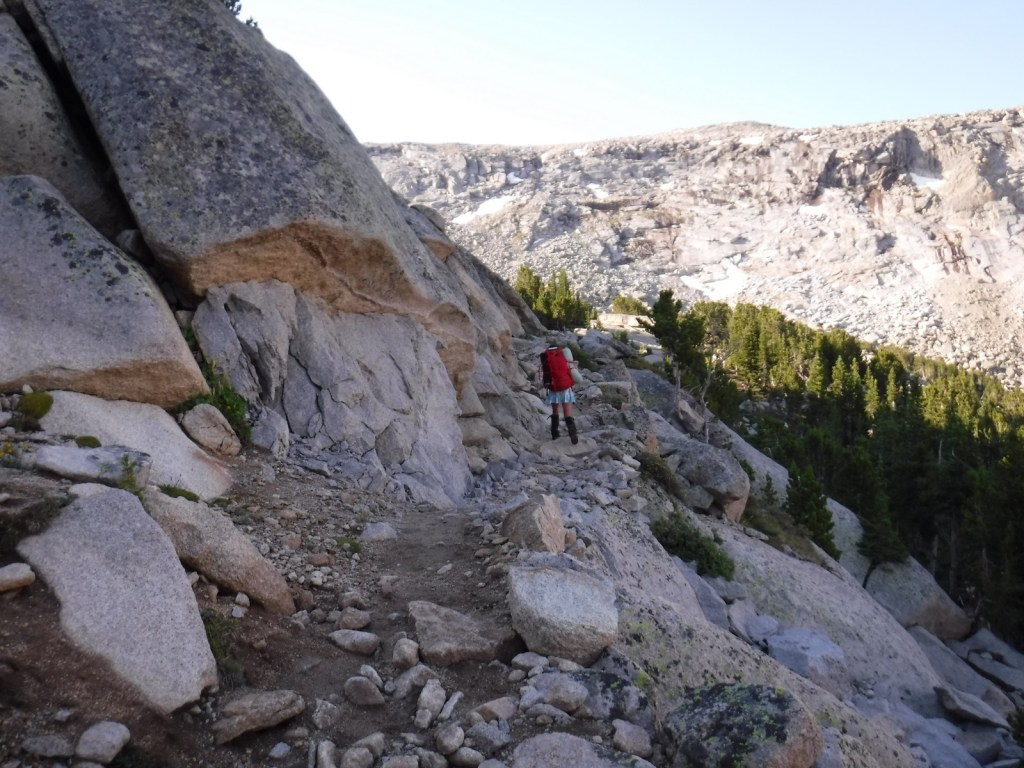
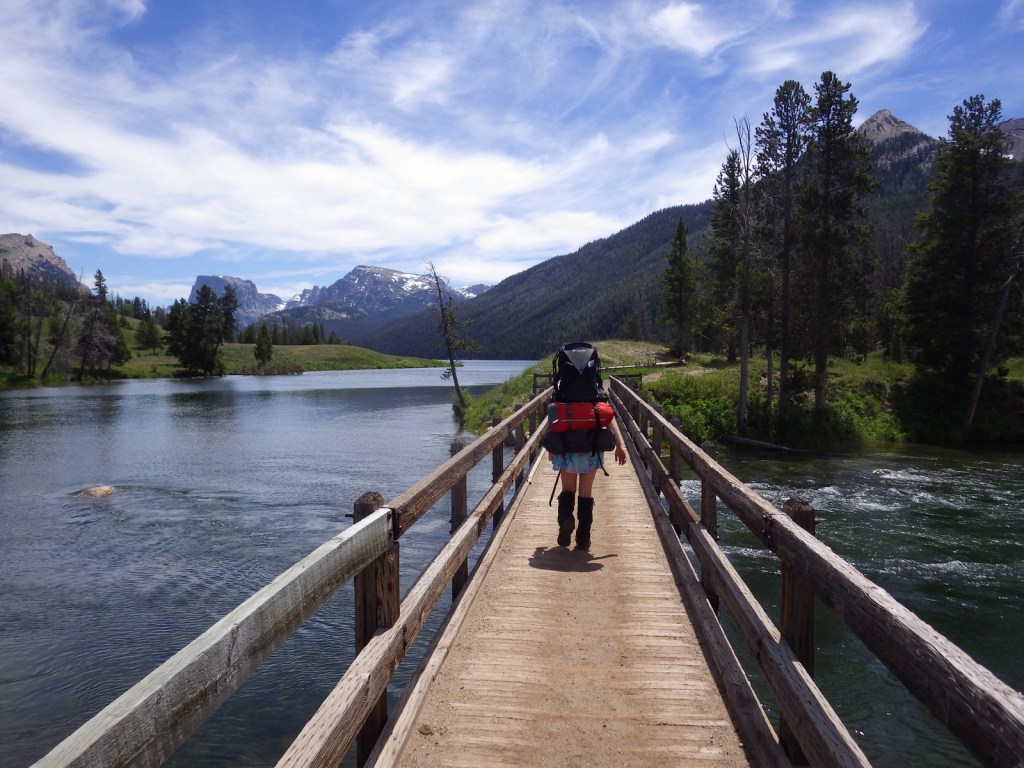
The peaks of the Wind River Range not only represent the Continental Divide, but also a division between Bridger-Teton National Forest and Shoshone National Forest which happen to be in two different U.S. Forest Service Regions.  These mountains are our favorite place to go backpacking in the entire world with jagged peaks that rival the Teton Range for picturesqueness and a fraction of the visitors (except at overcrowded Titcomb Basin and the Cirque of the Towers).  Read more about our 120-mile trip on the Highline Trail in our newspaper article.

Highlights

Fremont Lake, Kendall Warm Springs, Green River Lakes, Wind River Range, Titcomb Basin, Periodic Spring geyser, Lake Alice, Wyoming Range National Recreation Trail, Highline Trail, Continental Divide National Scenic Trail

Must-Do Activity

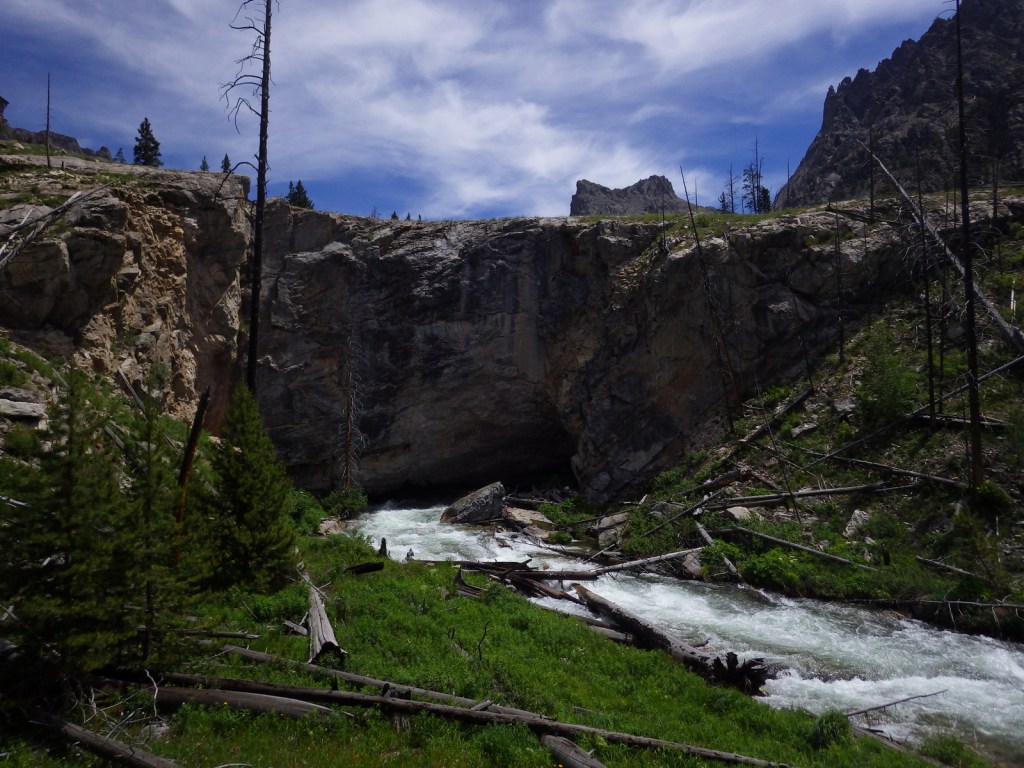
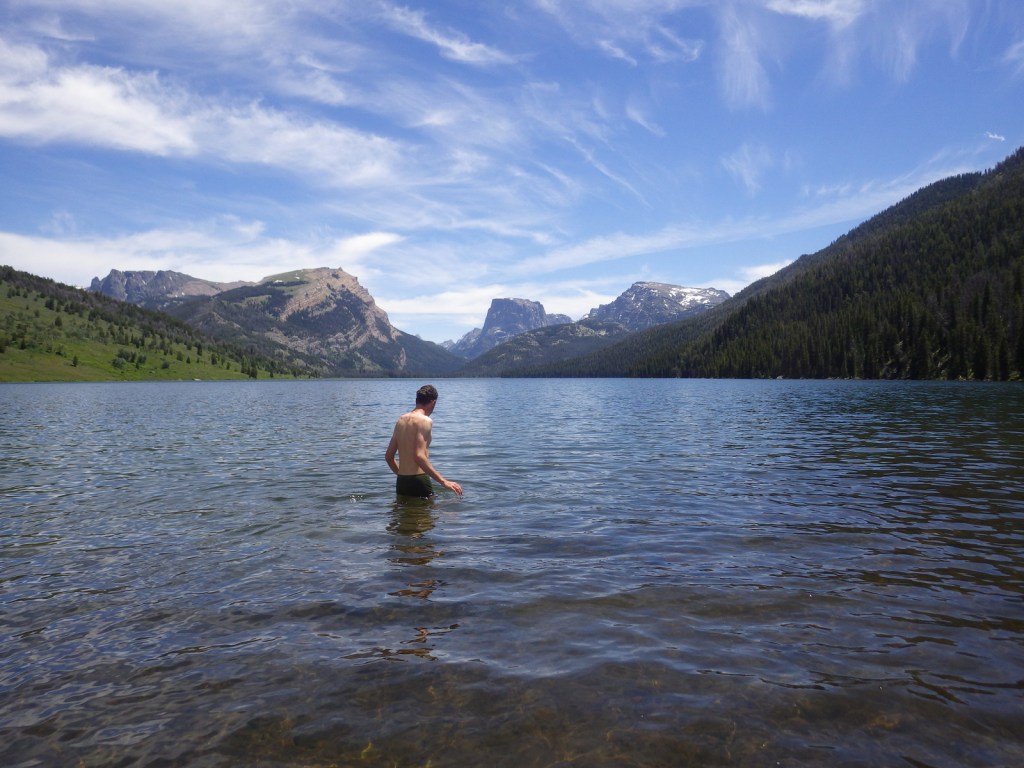
From Pinedale, Wyoming, a 50-mile partially-paved drive leads to the campground at Green River Lakes, which opens up into a beautiful valley that frames photogenic Squaretop Mountain.  Hiking around the northerly of the two lakes makes a great couple-hour jaunt, but if you are looking for a unique destination add the two-mile spur to fascinating Clear Creek Natural Bridge.  Here the water pours through and continues to widen a four-foot tall gap in the limestone.  Starting from the campground, the Highline Trail is a 72-mile one-way trek popular with backpackers.  The first ten miles are very flat following the river to Beaver Meadows, which offers 360° mountain views. 

Best Trail

Further south in the Wind River Range than stunning Squaretop Mountain, it is only eight miles from Big Sandy Trailhead to the Cirque of the Towers, which is famous among rock climbers and actually in neighboring Shoshone National Forest.  Even though there were a lot of campers back there, we found a secluded spot between Big Sandy Lake and Clear Lake in Bridger National Forest.  When we finally made it over 10,800-foot Jackass Pass to the cirque, it was full of fog and hail was dropping from the sky.  Although we have been back on a sunny day, that was the more memorable experience, which is why we selected a photo from that morning for the cover of our new guidebook Out in the Woods (see bottom of this post).

Watchable Wildlife

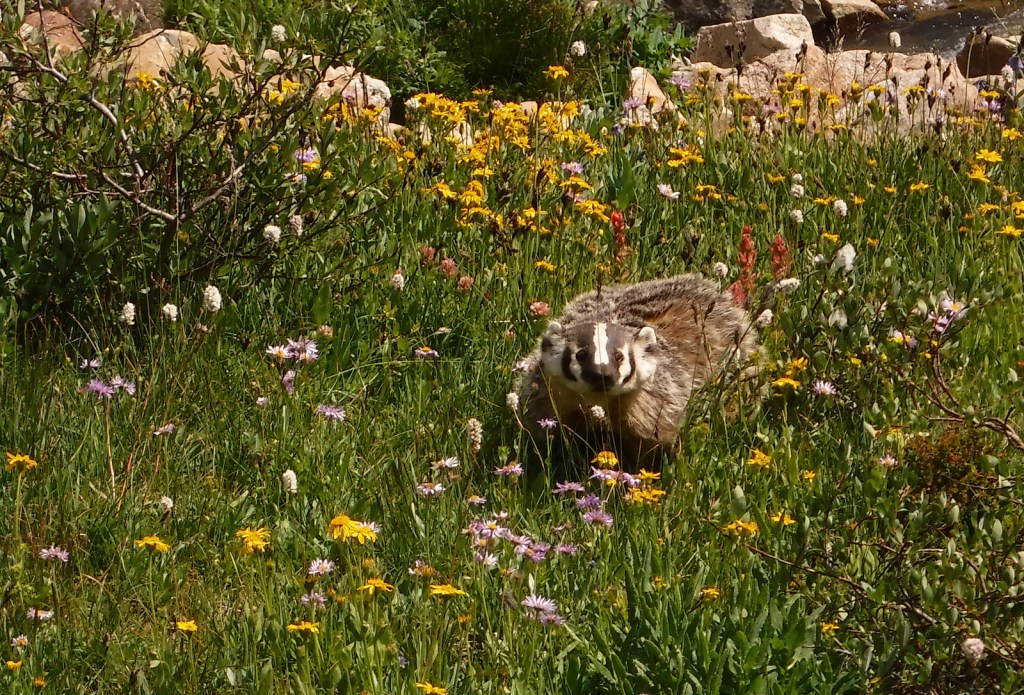
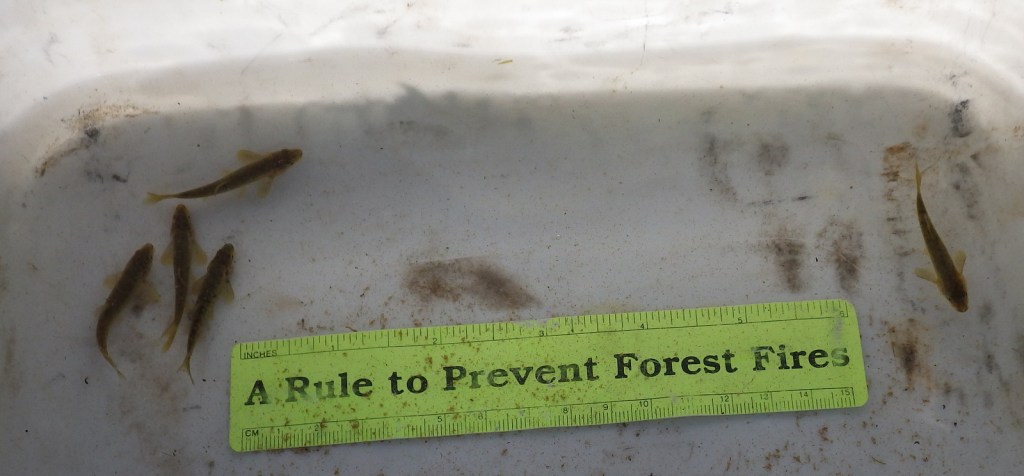
On the way to Green River Lakes outside Pinedale, Wyoming, make time for a quick stop at Kendall Warm Springs where the water is a constant 85°F but is protected from human bathing.  The main attraction is a fish less than 2-inches long, the endangered Kendall Warm Springs dace.  During spawning (which occurs frequently throughout the year due to the warm water), the males turn purple and the females light green.  U.S. Forest Service biologists keep careful track of the population and if you’re lucky, you’ll meet them when they are out there conducting a survey.  On the trails and roads, keep an eye out for moose, elk, mule deer, pronghorns, both black and grizzly bears, and badgers (even in the middle of the day).  Trout fishing is also a major attraction to this area’s many lakes and streams.

Instagram-worthy Photo

This incredible view of Squaretop Mountain and Green River Lakes is at the end of a long drive down a washboard dirt road; maybe that is why it is on the Wyoming license plate.

Peak Season

Summer

Fees

None

Road Conditions

The long dirt roads back to the trailheads at Big Sandy and Green River Lakes are well maintained, and we have never had a problem accessing them in a passenger vehicle.  Limited parking when you get there is the bigger problem.

Camping

The campground at Green River Lakes has an incredible view of Squaretop Mountain (which is on the Wyoming license plate).  There are more dispersed campsites on the road to Big Sandy Trailhead than Green River Lakes.

Wilderness Areas

Bridger Wilderness

Related Sites

Shoshone National Forest (Wyoming)

Fossil Butte National Monument (Wyoming)

Yellowstone National Park (Wyoming-Montana-Idaho)

Nearest National Park

Grand Teton (Wyoming)

Conifer Tree Species

Engelmann spruce, subalpine fir, Douglas-fir, lodgepole pine, ponderosa pine, limber pine, whitebark pine

Flowering Tree Species

quaking aspen, Rocky Mountain maple, bog birch, Booth’s willow, red osier dogwood, sagebrush

Explore More – What is the entire length of the stream that is the only place where the endangered Kendall Warm Springs dace lives (before it pours into the chilly Green River, home to a genetically distinct dace population)?

Learn more about Bridger and the 154 other National Forests in our new guidebook Out in the Woods

We are a participant in the Amazon Services LLC Associates Program, an affiliate advertising program designed to provide a means for us to earn fees by linking to Amazon.com and affiliated sites.

Pinnacles National Park

Overview

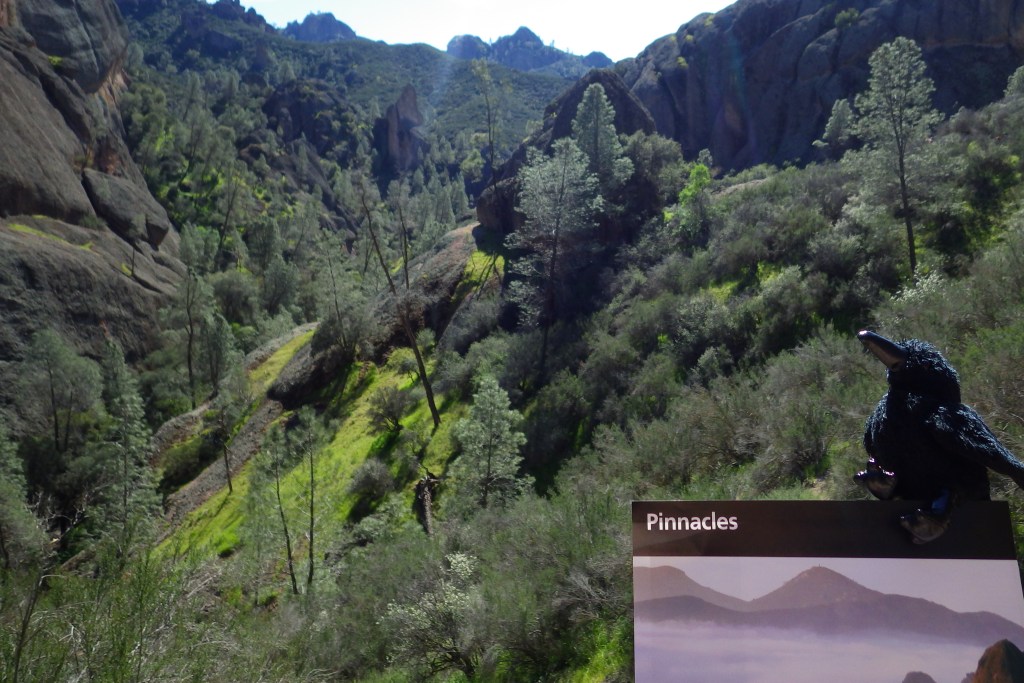
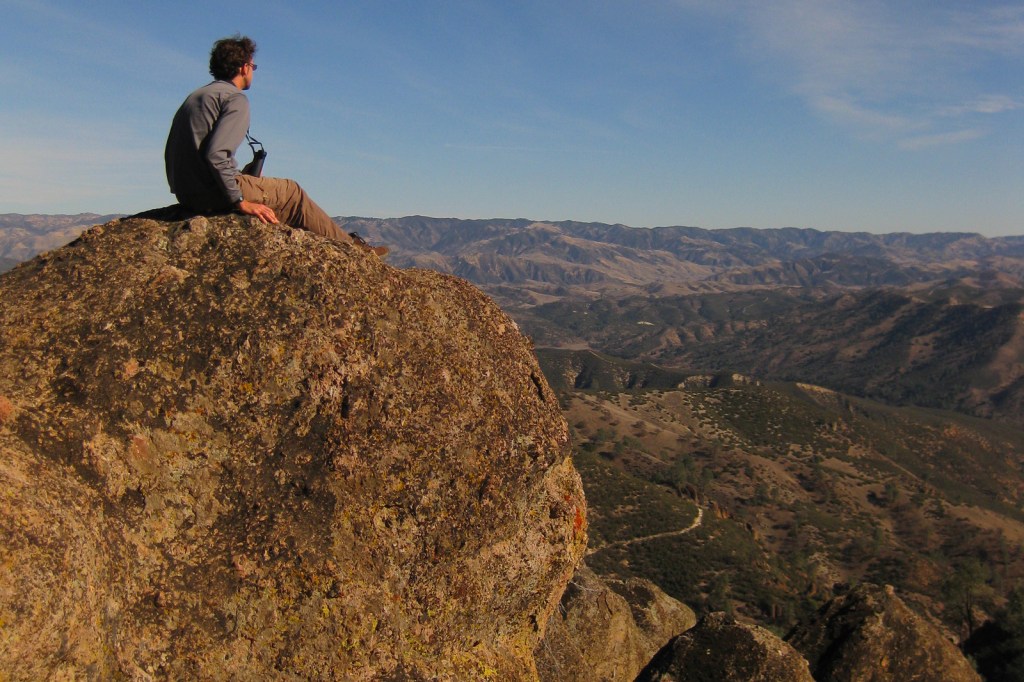
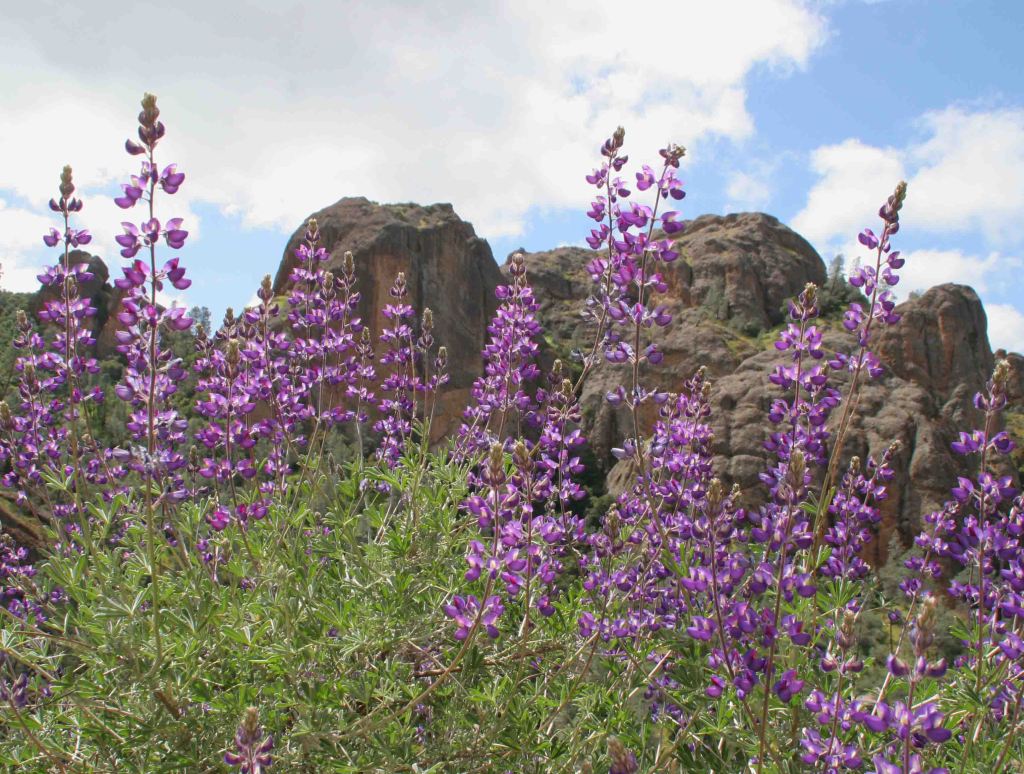
California has nine National Parks, which is more than any other state, including Alaska.  The newest is Pinnacles National Park, upgraded from a National Monument in 2013.  Rising above the agricultural Salinas Valley, it does have quite a long history, going back even before President Theodore Roosevelt officially recognized its significance in 1908.  The park’s West Entrance is accessible from Highway 101 and the East Entrance is closer to Interstate 5 and the Central Valley.  It is actually faster to hike from one side to another, than to drive two hours around. 

Learn more in our guidebook to the National Parks, A Park to Yourself: Finding Adventure in America’s National Parks (available on Amazon).

Highlights

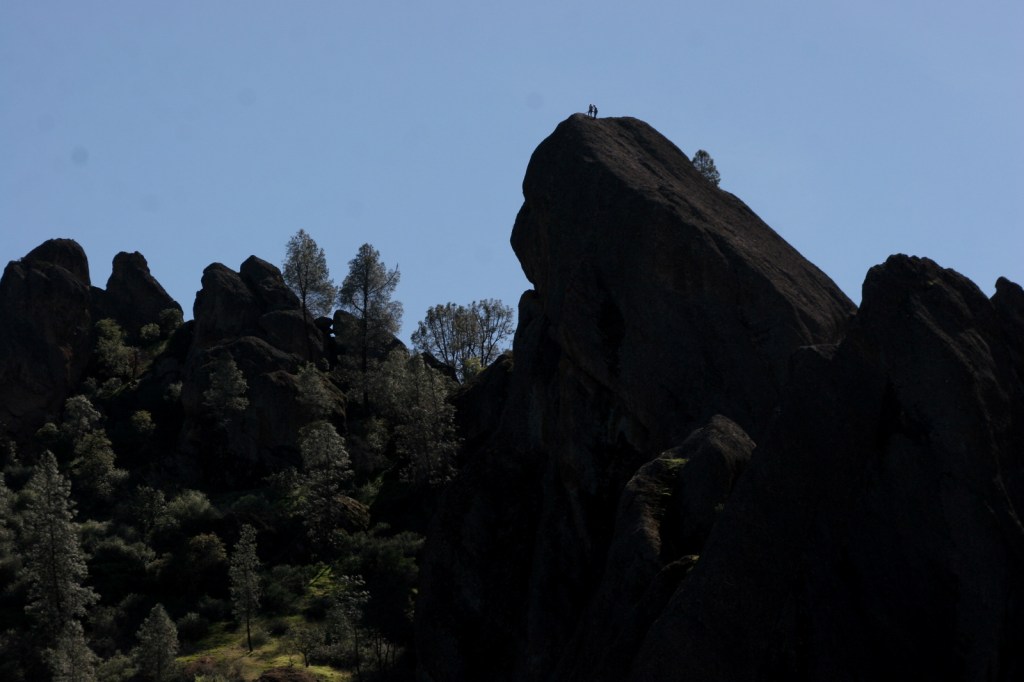
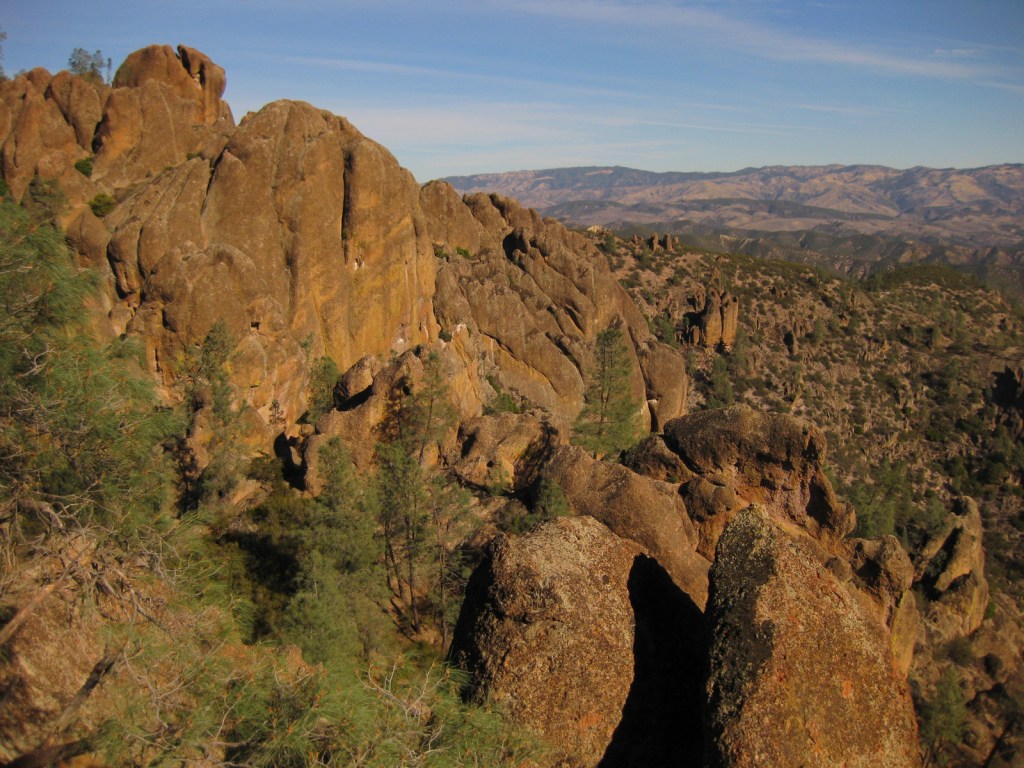
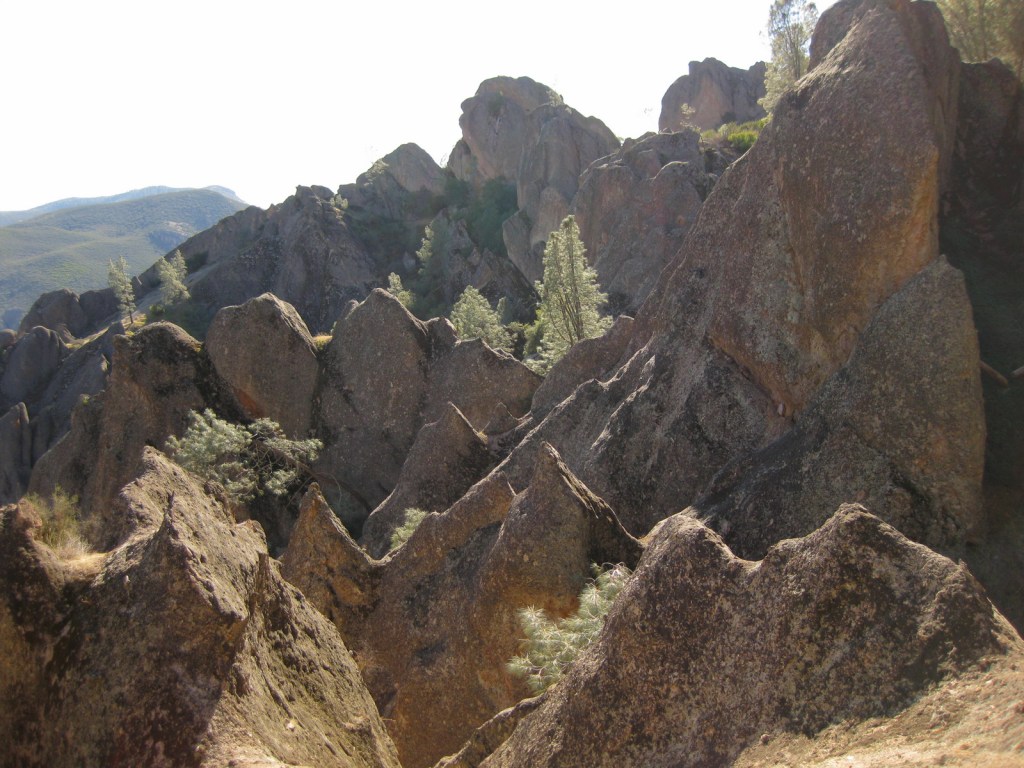
Scenic views, talus caves, rock climbing, endangered California condors

Must-Do Activity

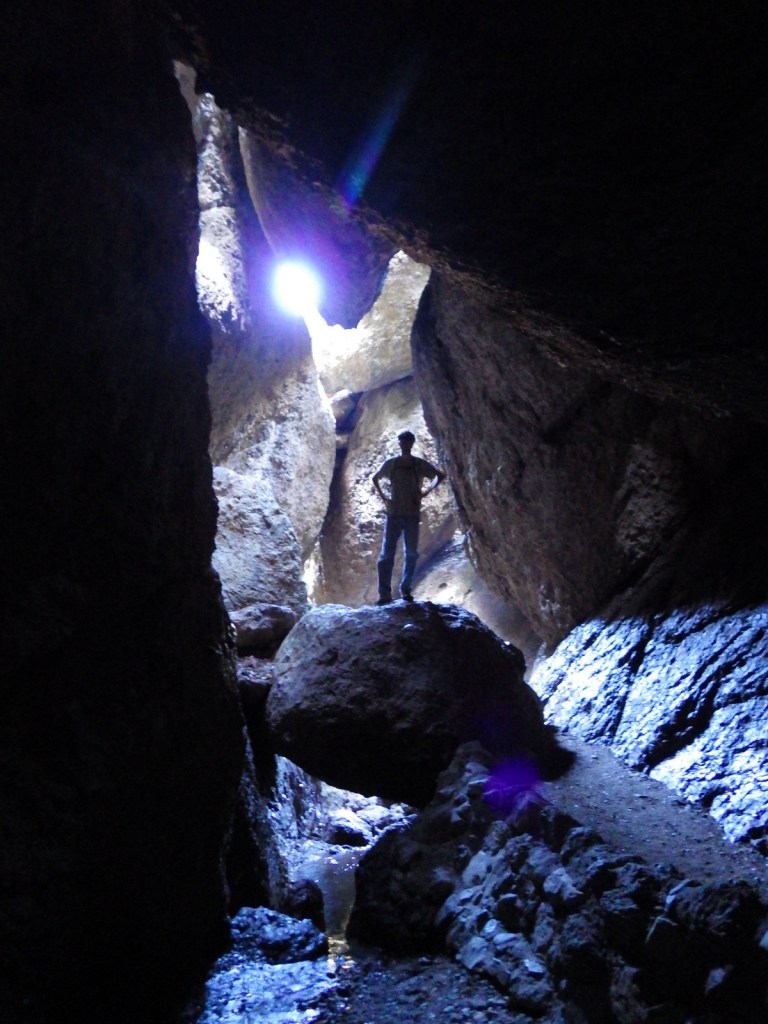
In addition to its striking rock spires, the park is known for talus caves, which are tunnels formed by boulders falling and catching between narrow canyon walls.  Flashlights are necessary to navigate through them, although small gaps in the chaotic ceiling often allow shafts of light through in picturesque fashion.  You might spot a bat flying through the caves, which are seasonally closed for their protection.

Best Trail

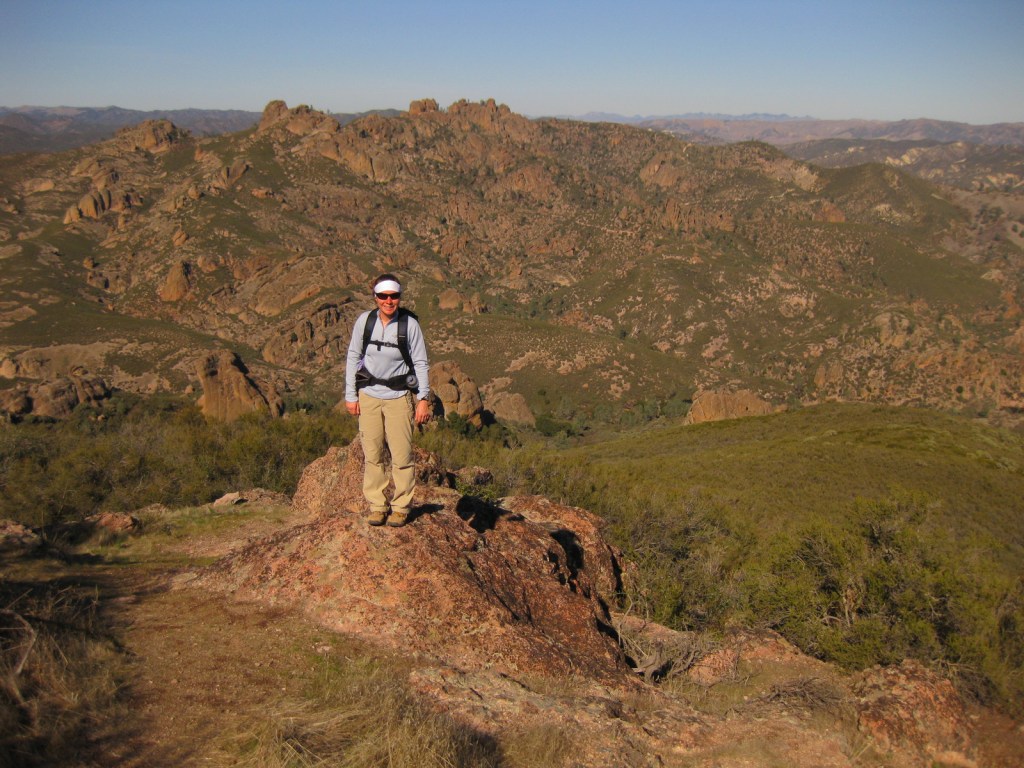
Mild temperatures make this a park for hiking in all seasons.  Just be sure to hold onto the chains while navigating the Steep and Narrow section of the steep High Peaks Trail.

Instagram-worthy Photo

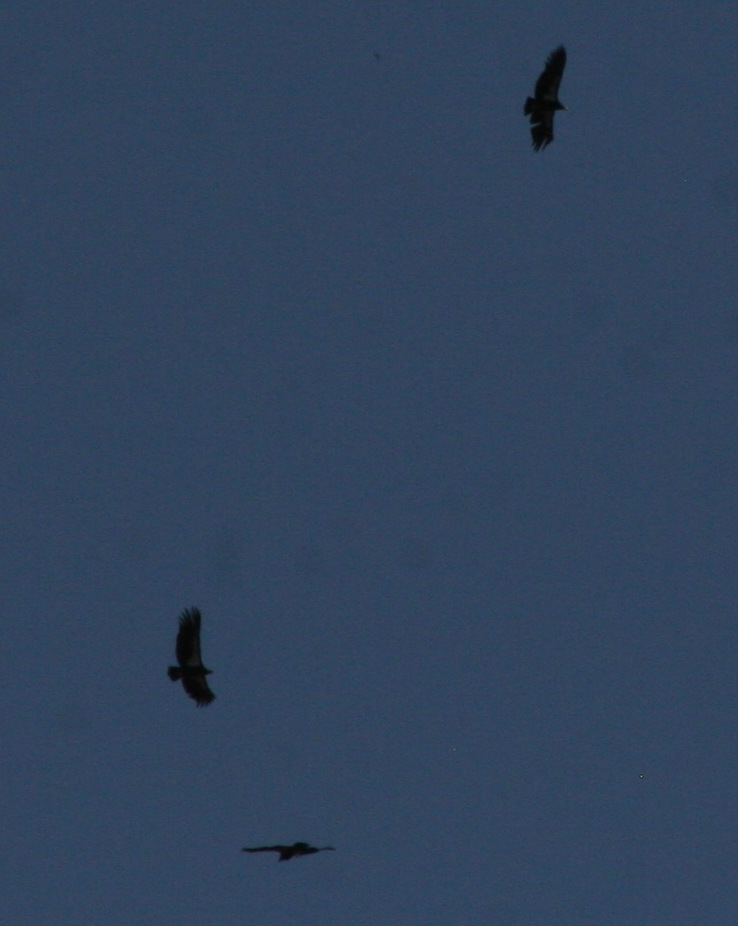
While you may not see a bat in the talus caves of Pinnacles National Park, it is likely you will spot the nine-foot wingspan of a California condor slicing the blue sky outside the caves.  This is perhaps the most successful of all release sites for this species teetering on the brink of extinction.

Peak Season

Summer

Hours

https://www.nps.gov/pinn/planyourvisit/hours.htm

Fees

$30 per vehicle or America the Beautiful pass

Road Conditions

All roads are paved, but there is not a road connecting the East and West Entrances, which are about a two-hour drive apart.

Camping

The West Entrance gate is locked every night as it is day use only, but there is a campground that takes reservations at the East Entrance.  No backcountry camping is allowed.

Related Sites

Yosemite National Park (California)

Channel Islands National Park (California)

Sequoia National Park (California)

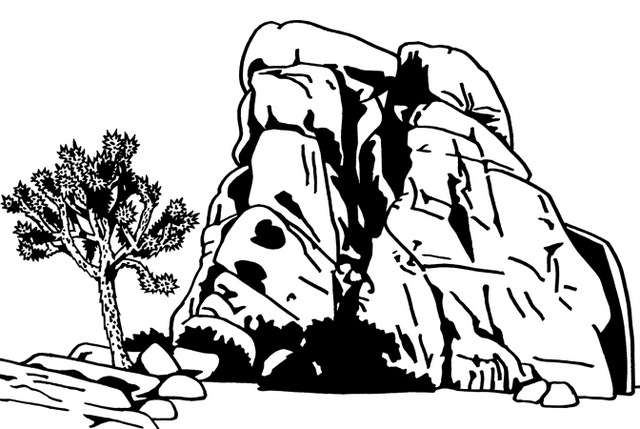
This design we created to celebrate Joshua Tree National Park is available on a variety of products at Cafe Press and Amazon.

Explore More – Accessible by a nine-mile roundtrip hike with more than 2,000 feet of elevation gain, how tall is North Chalone Peak?

We are a participant in the Amazon Services LLC Associates Program, an affiliate advertising program designed to provide a means for us to earn fees by linking to Amazon.com and affiliated sites.

Joshua Tree National Park

Overview

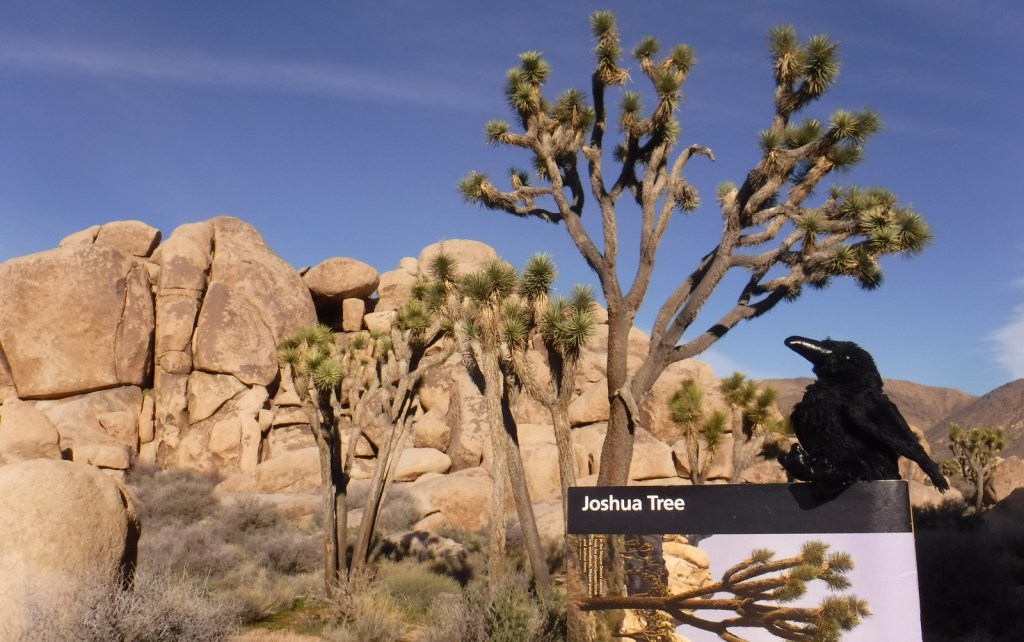
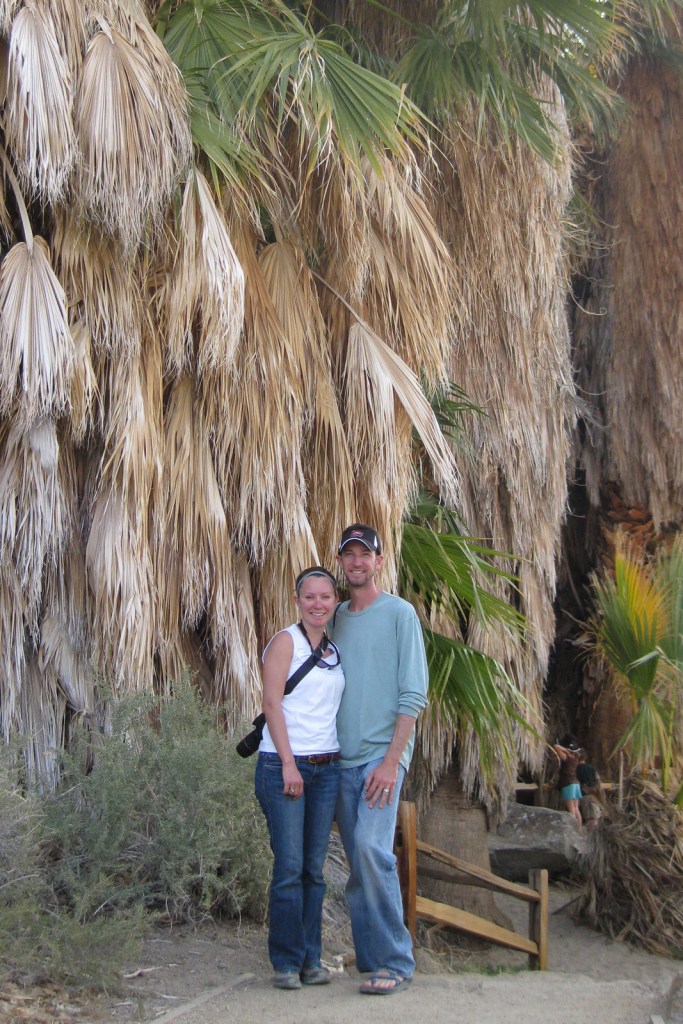
This National Park in southern California is named for a tall yucca plant that grows there in large numbers, but it also contains many other interesting desert life forms and neat rock formations.  In the less-developed southern portion of the park, be sure to stop at the palm trees at Cottonwood Spring, Cholla Cactus Garden, and Ocotillo Patch to learn more about how these unique plants have adapted to survive the harsh desert conditions. 

Learn more in our guidebook to the 62 National Parks, A Park to Yourself: Finding Adventure in America’s National Parks (available on Amazon).

Highlights

Jumbo Rocks, Keys View, Arch Rock, Cottonwood Spring, rock climbing

Must-Do Activity

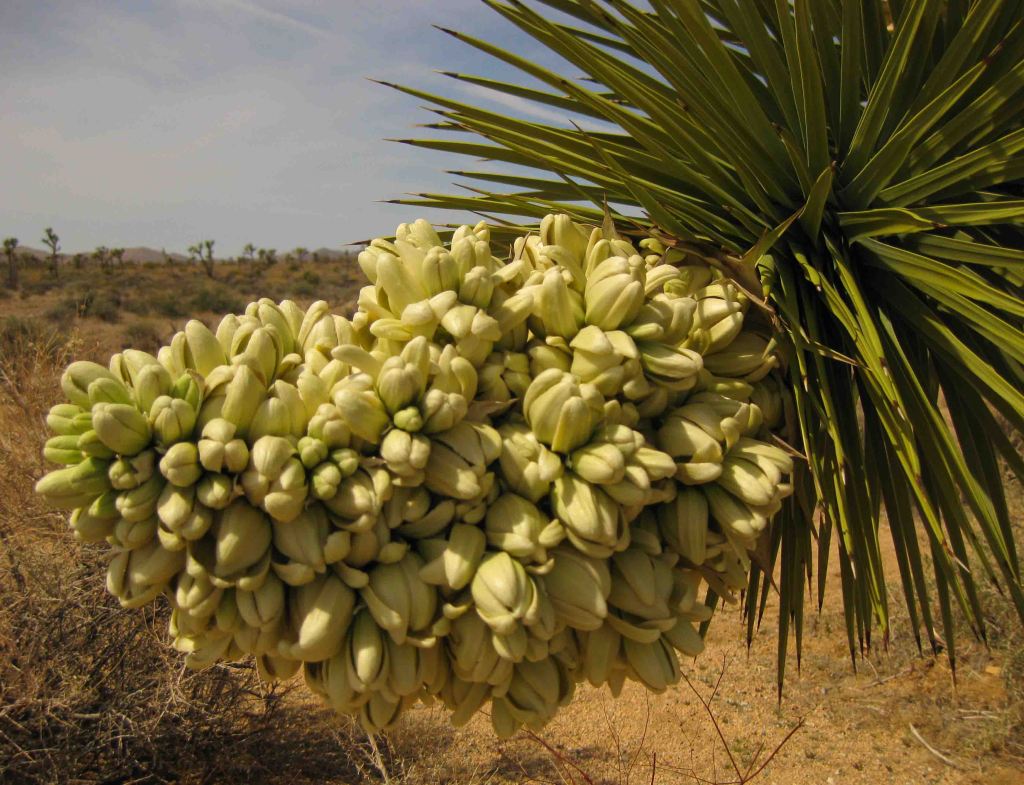
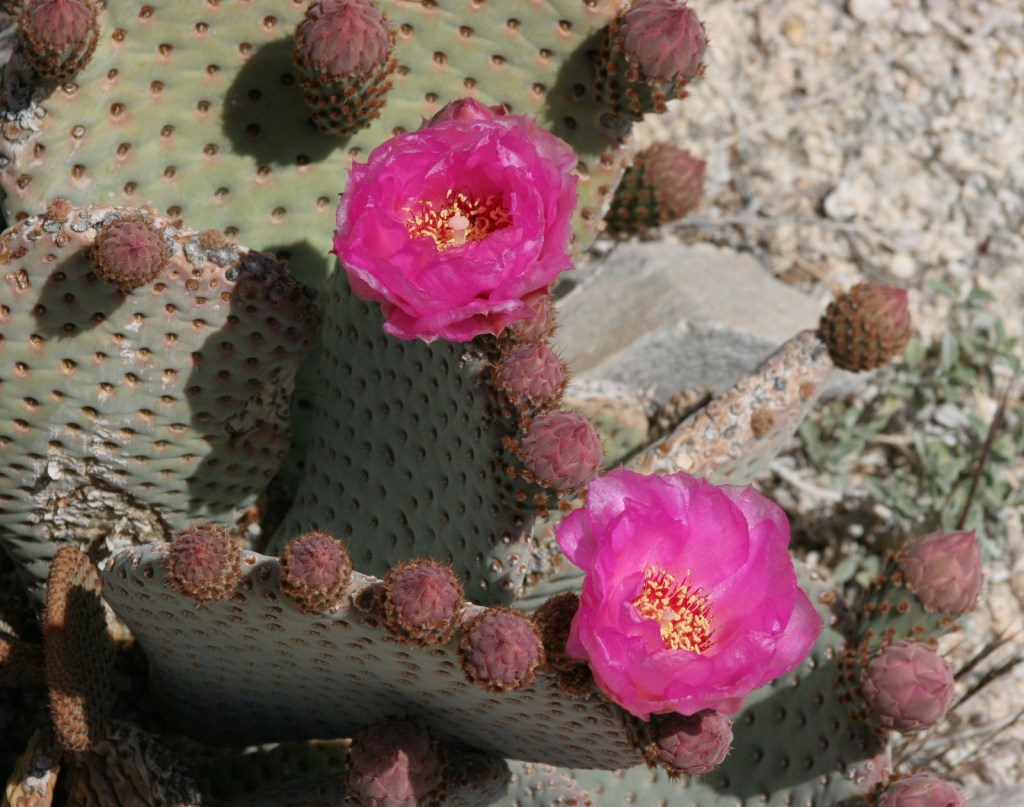
Due to its proximity to Los Angeles, the park gets very busy on Easter weekend (in addition to Thanksgiving weekend).  Campgrounds, like scenic Jumbo Rocks, fill up early.  Other than rock climbing opportunities, the biggest attraction is the myriad of colorful wildflowers that bloom in the spring (including the Joshua trees).

Best Trail

There are many fun hiking options located throughout the park (which are detailed in our guidebook).  At White Tank Campground you can pick up the Arch Rock Nature Trail, which forms a short loop that passes an interesting arch.

Instagram-worthy Photo

Chuckwallas are huge lizards that can grow up to 18 inches long and are related to iguanas.  Chuckwallas can inflate themselves as a defense mechanism so that predators cannot remove them from narrow cracks in the rock. 

Peak Season

Spring and fall

Hours

https://www.nps.gov/jotr/planyourvisit/hours.htm

Fees

$30 per vehicle or America the Beautiful pass

Road Conditions

All major roads are paved, but there are many dirt roads to explore with the right vehicle.

Camping

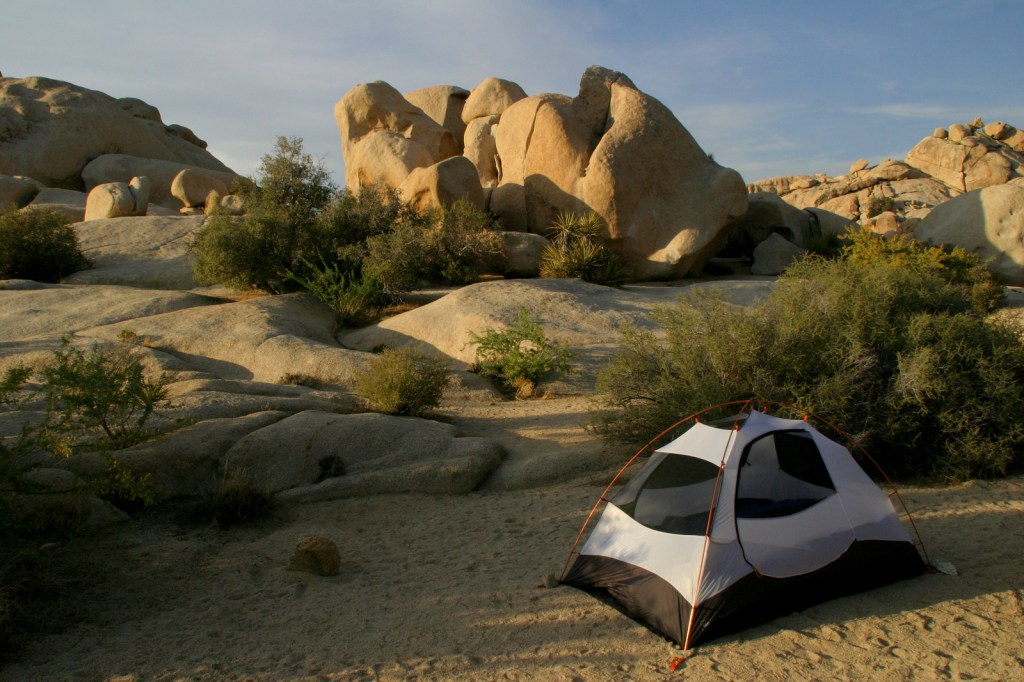
There are numerous NPS campgrounds located throughout the park, and some take reservations.  The scenic Jumbo Rocks Campground is popular with rock climbers.

Related Sites

Death Valley National Park (California)

Mojave National Preserve (California)

Castle Mountains National Monument (California)

This design we created to celebrate Joshua Tree National Park is available on a variety of products at Cafe Press and Amazon.

Explore More – How tall can Joshua trees grow?

We are a participant in the Amazon Services LLC Associates Program, an affiliate advertising program designed to provide a means for us to earn fees by linking to Amazon.com and affiliated sites.

Canyonlands National Park

Overview

Canyonlands National Park was established in 1964, part of a large expansion of the National Park Service (NPS) system during the Johnson administration.  It is divided into four distinct areas that are not easily connected by roads: The Needles District, The Maze District, Horseshoe Canyon Unit, and the most heavily-trafficked Island in the Sky District near Moab, Utah.  Backpacking is a major draw to this park, as is whitewater rafting on the Colorado and Green Rivers.

Learn more in our guidebook to the 62 National Parks, A Park to Yourself: Finding Adventure in America’s National Parks (available on Amazon).

Highlights

Mesa Arch, Grand View Point, Chesler Park, Druid Arch, The Maze, Great Gallery

Must-Do Activity

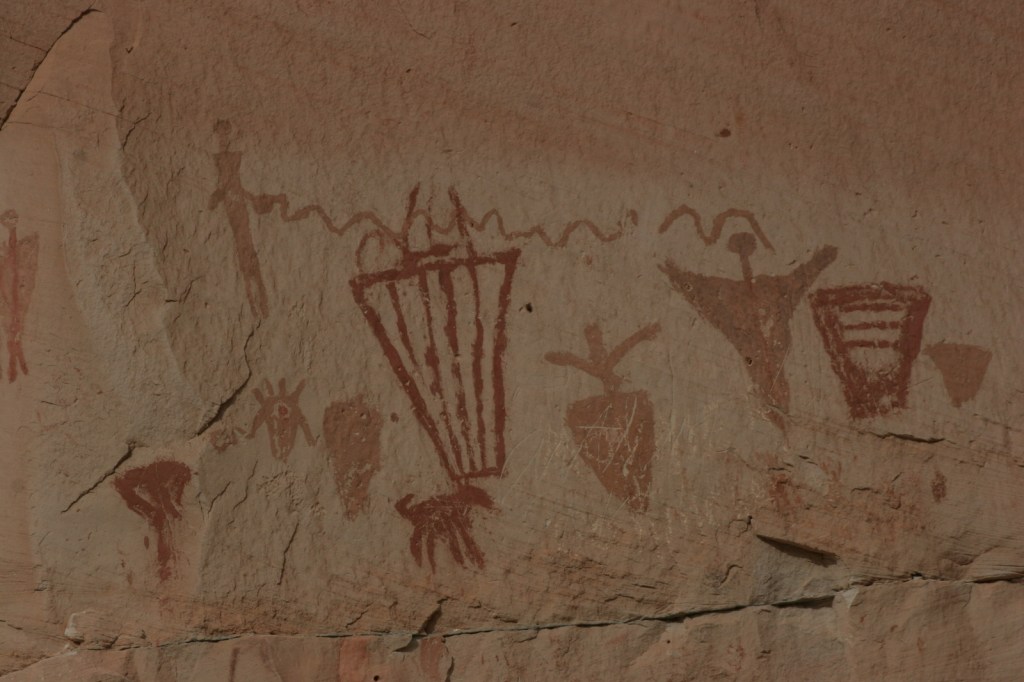
Horseshoe Canyon is a separate unit of Canyonlands National Park accessible by good dirt road from Highway 24 southwest of Green River, Utah.  Its main attractions are four large pictograph panels estimated at 3,000 years old at the bottom of the 800-foot deep canyon.  The largest panel, dubbed the Great Gallery, stretches over 200 feet with numerous life-sized human figures painted in red and white on a sandstone wall.  It is a 3.5-mile hike to get there from the trailhead on top of the canyon rim that drops down to and then follows a meandering stream which passes three smaller panels.

Best Trail

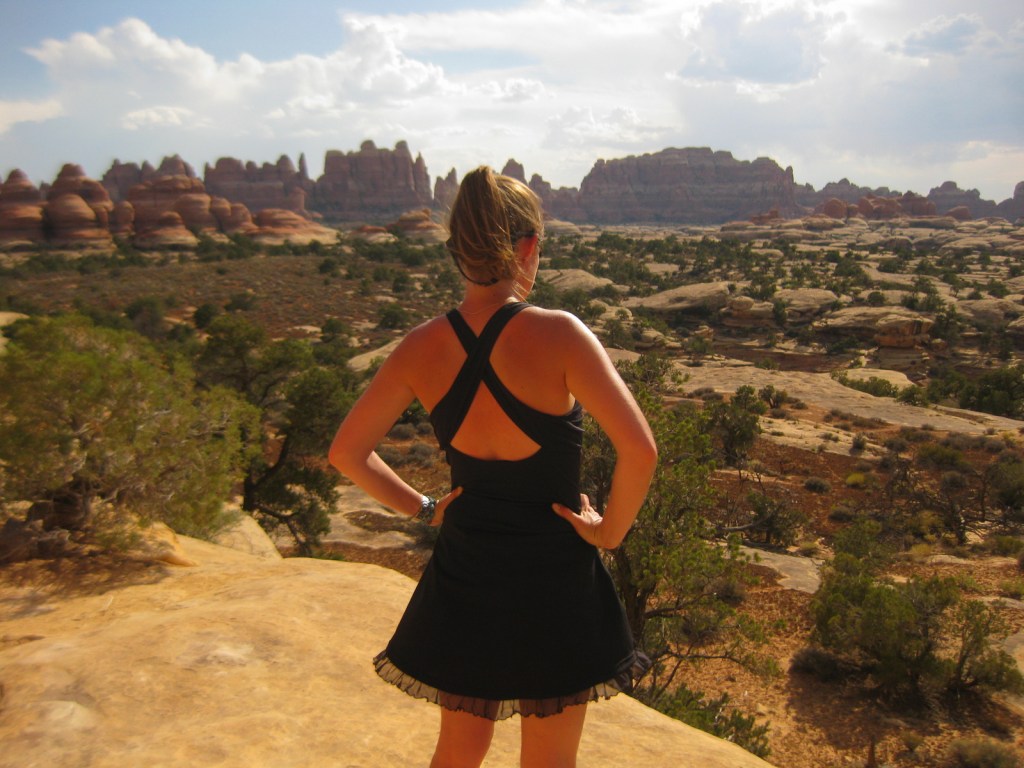
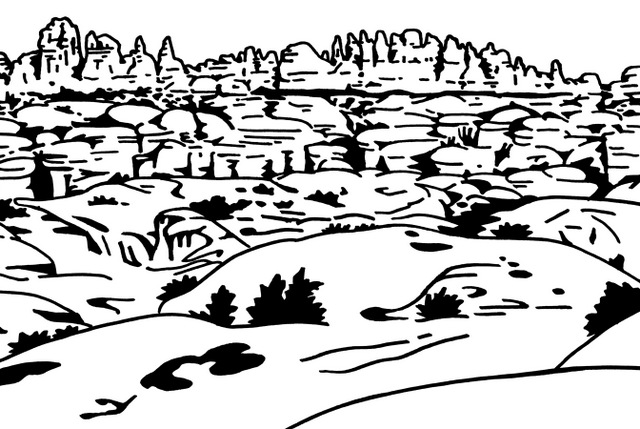
There are miles of incredibly scenic trails in The Needles District, many of which leave from Elephant Hill Trailhead.  We recommend the six-mile roundtrip hike to Chesler Park where you will see the pointy formations that gave this district its name.  Druid Arch or Angel Arch make great destinations for long day hikes, but you should at least stop at Slickrock Foot Nature Trail to get a feel for sandstone beneath your soles.

Instagram-worthy Photo

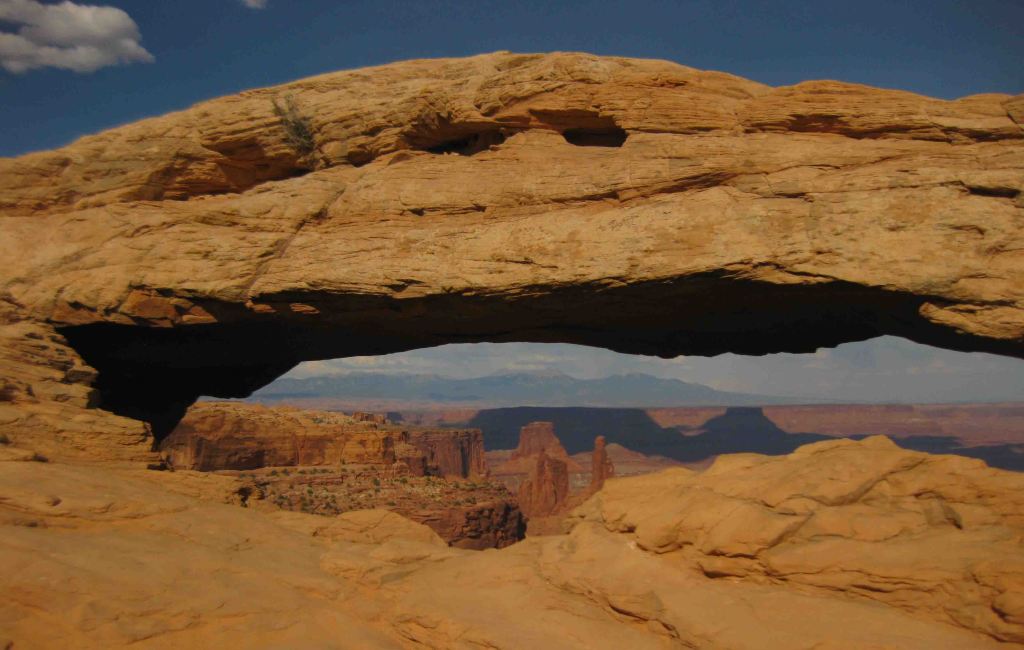
You may have never heard of the Island in the Sky District, but you have surely seen a sunrise photograph of Mesa Arch since it makes it on many calendars.  Walk the half-mile loop to the edge of the cliff where this famous formation frames distant mountains.

Peak Season

Spring and fall

Hours

https://www.nps.gov/cany/planyourvisit/hours.htm

Fees

$30 per vehicle or America the Beautiful pass

Road Conditions

There are seriously rough 4×4 roads throughout this park, so ask a park ranger about road conditions before attempting any drive.  The scenic drive that dead ends at Grand View Point in the Island in the Sky District is entirely paved.

Camping

There is running water at Squaw Flat Campground in The Needles District, but none available at the small Willow Flat Campground in the Island in the Sky District.  White Rim Road and Chesler Park are also famous for their backcountry campsites accessible by 4×4 vehicles (permit required).  Due to high demand, backpacking permits within this park are among the most expensive in the entire NPS system.

Related Sites

Arches National Park (Utah)

Capitol Reef National Park (Utah)

Natural Bridges National Monument (Utah)

This design we created to celebrate Canyonlands National Park is available on a variety of products at Cafe Press and Amazon.

Explore More – It may look small in photographs, but just how tall is Druid Arch in The Needles District?

We are a participant in the Amazon Services LLC Associates Program, an affiliate advertising program designed to provide a means for us to earn fees by linking to Amazon.com and affiliated sites.