Tag Archives: Native American

Hopewell Culture National Historical Park

Overview

The Hopewell Culture was found in southern Ohio from approximately 2,200 to 1,500 years before present.  Sites are identified by their construction of geometric enclosures made of earth, primarily for burials.  Many earth mounds were plowed under for farms or destroyed during construction of an army base in Chillicothe during the 1910s, which increased awareness of these archaeological treasures.  In 1923, it was protected as Mound City Group National Monument and in 1992 expanded to become Hopewell Culture National Historical Park.

Highlights

Indian mounds, museum, film from 2016

Must-Do Activity

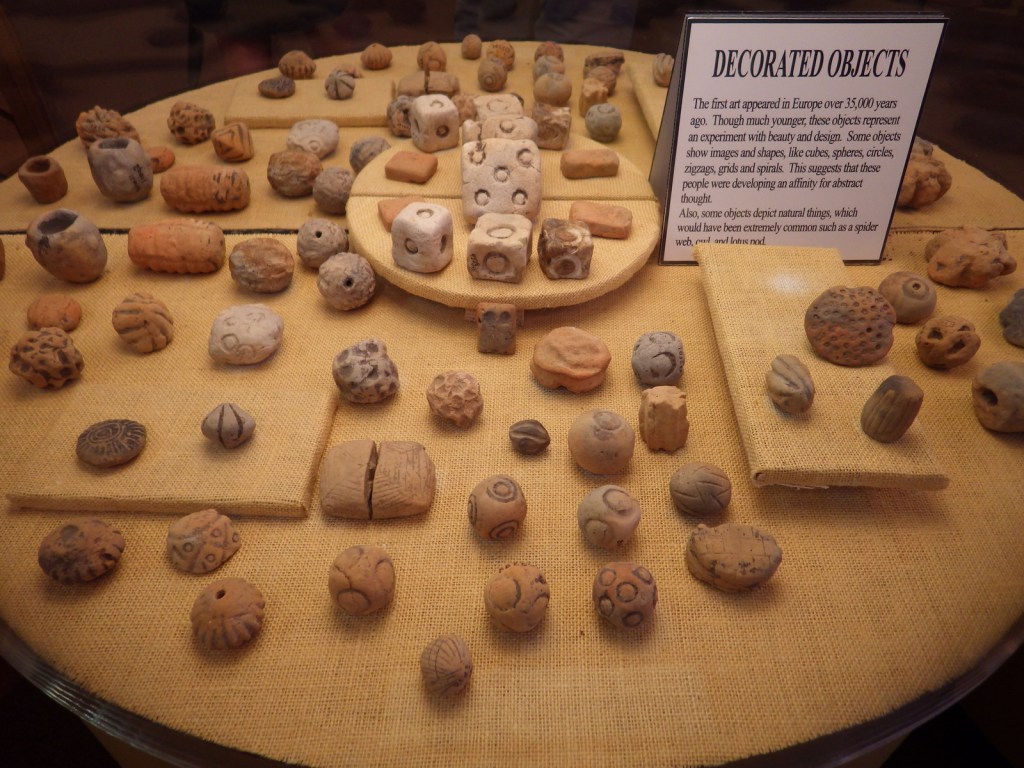
The National Park Service (NPS) visitor center in Chillicothe is small but has had recent updates, including the excellent film and displays of beautifully intricate artwork in the museum.  From there you can walk to the Mound City Group on the Scioto River.  Most of these 23 mounds are less than four feet tall, but the largest mound in the area was 33 feet high. 

Best Trail

At separate portions of the National Historical Park, Tri-County Triangle bike path passes near the Hopewell Mound Group and the Ohio Historical Society maintains Seip Earthworks, 17 miles west of Chillicothe on Highway 50.  Two other protected earthworks are closed to the public.

Instagram-worthy Photo

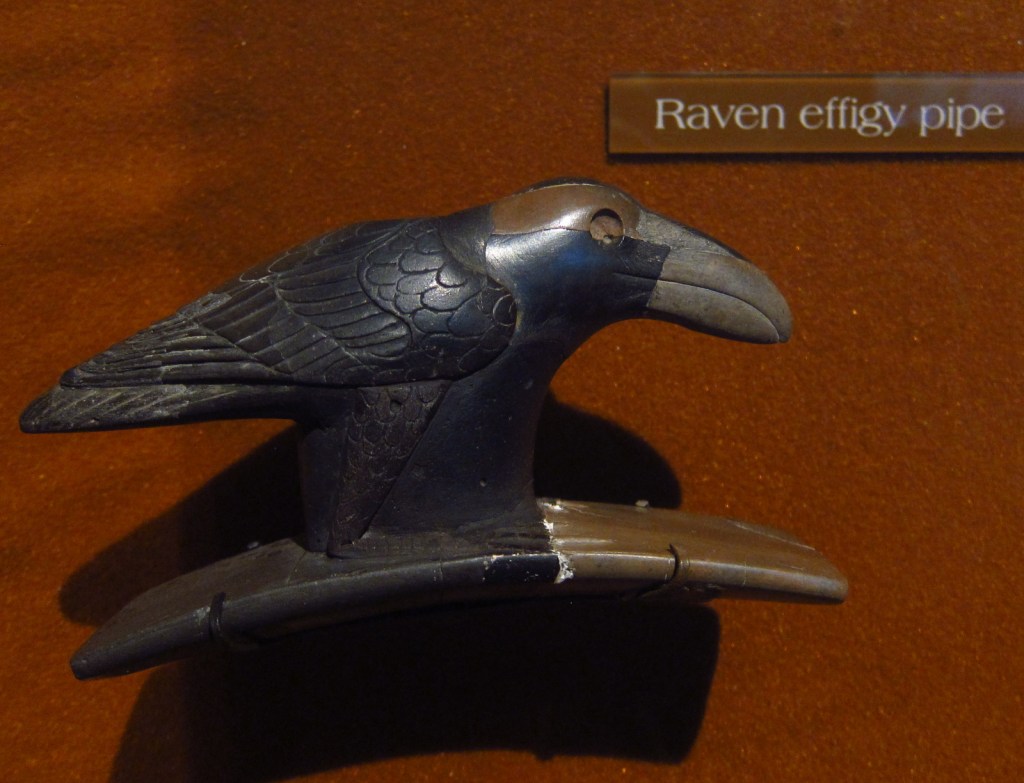
The Hopewell Culture must have had an extensive trading network to obtain the shells, copper, obsidian, and sharks’ teeth which have been excavated from their burial mounds and displayed artfully in the NPS museum.

Peak Season

Open year round

Hours

https://www.nps.gov/hocu/planyourvisit/hours.htm

Fees

None

Road Conditions

All roads paved or good gravel

Camping

There are private campgrounds in Chillicothe and state parks within 30 miles, including the scenic Hocking Hills.

Explore More – Where in today’s United States of America did the copper and obsidian found here originate?

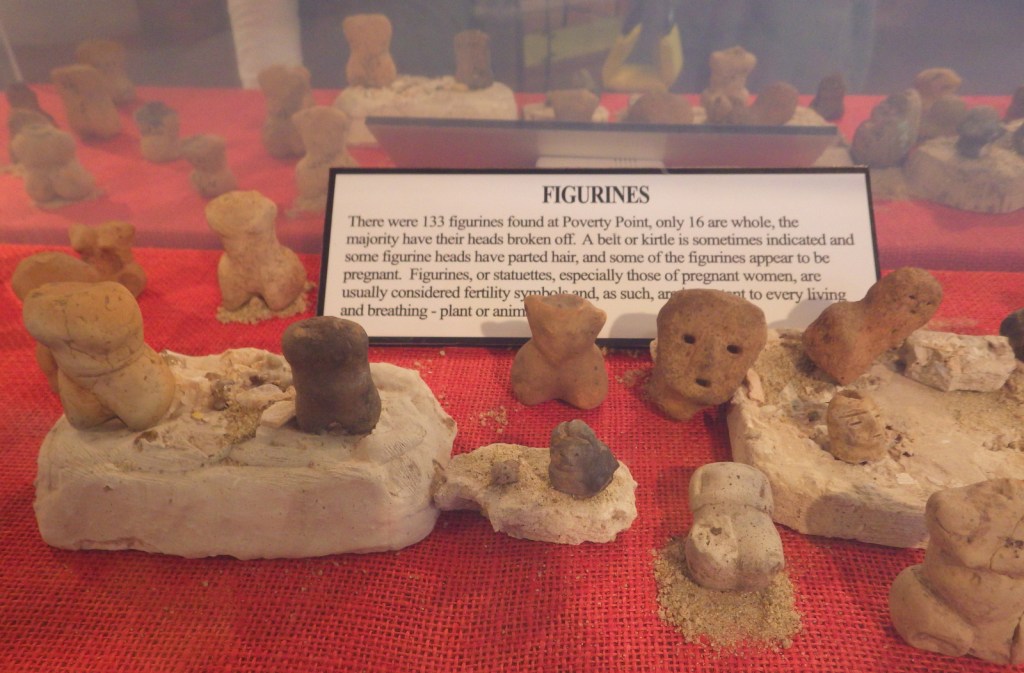
Poverty Point National Monument

Overview

Mound builders historically settled near major rivers, especially the Ohio and Mississippi, because the floodplains provided fertile soil for farming.  However, Poverty Point was settled 3,700 years ago by hunter-gatherers so efficient they did not need agriculture to provide leisure time.  They built a city with a population estimated at 1,500 along Bayou Macon in northeast Louisiana. 

Highlights

72-foot-tall Mound A, film, tram tour

Must-Do Activity

A guided tram ride with a State Park ranger is included in your admission fee, which in addition to the film shown in the State Park visitor center is the best way to learn about this site.  The tram tour does not stop to allow visitors to climb Mound A, so you will have to return in your own vehicle.

Best Trail

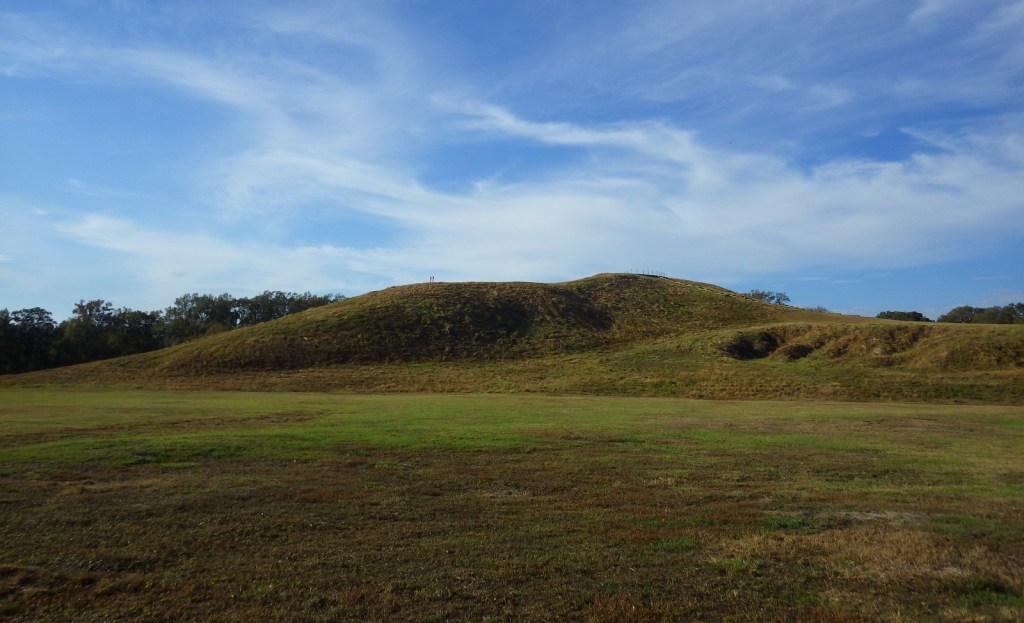
A stairway leads to the top of Mound A, the most impressive mound at 72 feet tall in the shape of a bird with a 70-foot-wide base.  It required approximately 15-million basket loads of soil to complete.  They had no wheelbarrows or domesticated animals for assistance, so each basket was carried by hand to form the largest manmade structure in North America at the time.  No wonder this site was chosen in 2014 as a UNESCO World Heritage Site.

Instagram-worthy Photo

The inhabitants constructed other mounds and built their houses atop concentric rings in a semi-circle D-shape facing towards Bayou Macon.  This pattern is best seen from atop Mound A.

Peak Season

The tram tour operates March through October.

Hours

https://www.nps.gov/popo/planyourvisit/hours.htm

Fees

$4 per adult for general admission or $10 for the tram tour, and America the Beautiful passes are no longer accepted.

Road Conditions

All roads paved

Camping

There are private campgrounds nearby or 40 miles away is Chemin-A-Haut State Park.

Related Sites

Hopewell Culture National Historical Park (Ohio)

Ocmulgee Mounds National Historical Park (Georgia)

Effigy Mounds National Monument (Iowa)

Nearest National Park

Hot Springs

Explore More – Why will you not find any National Park Service logos at this National Monument?
Alibates Flint Quarries National Monument

Overview

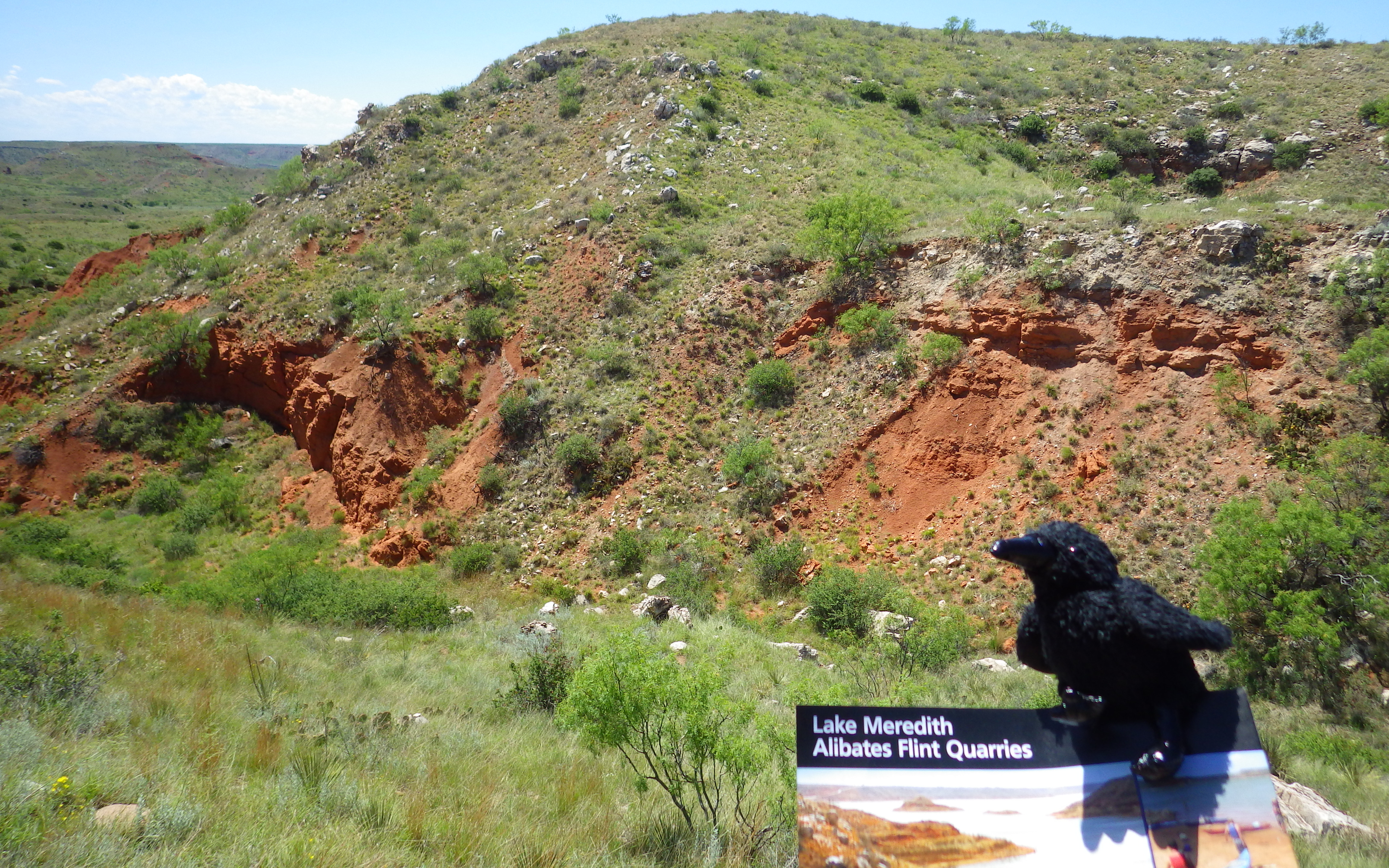
Quarrying in this part of the panhandle of Texas dates back 13,000 years to the last Ice Age.  The flint found here was especially good for making spear points and was traded across the continent over the centuries.  However, the harsh climate meant few humans lived here until recently, except between AD1200 and 1450.  Alibates Flint Quarries National Monument is jointly managed with Lake Meredith National Recreation Area by the National Park Service (NPS).

Highlights

Flint knapping demonstrations, 10-minute film, ranger-guided tour of quarries

Must-Do Activity

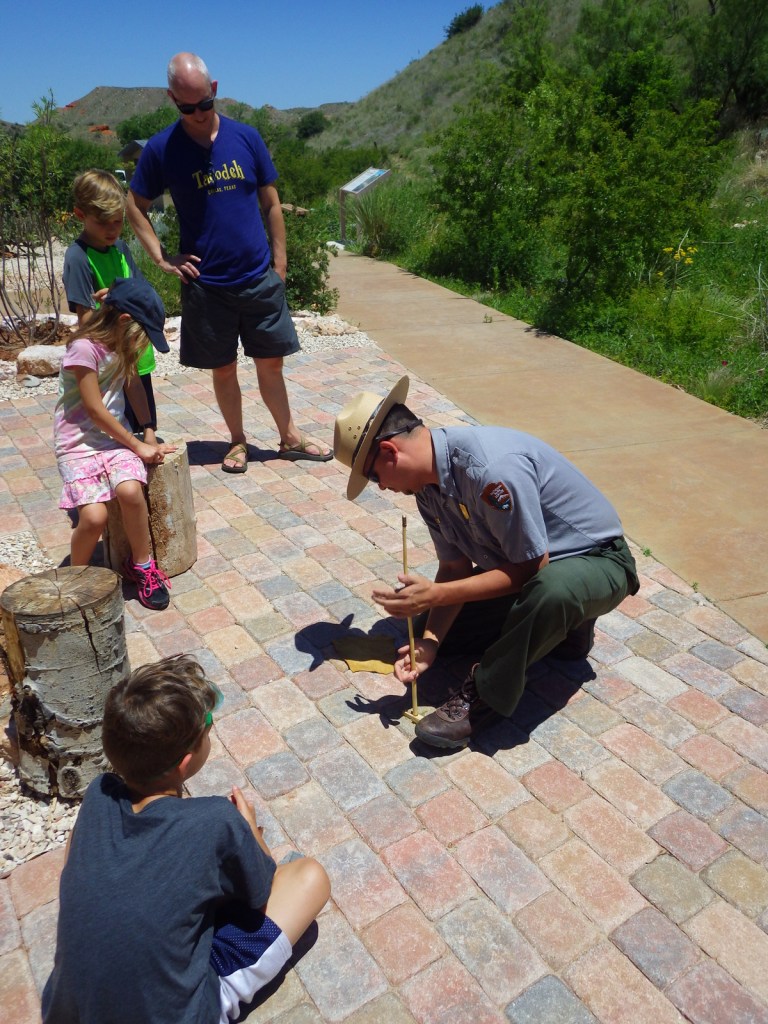
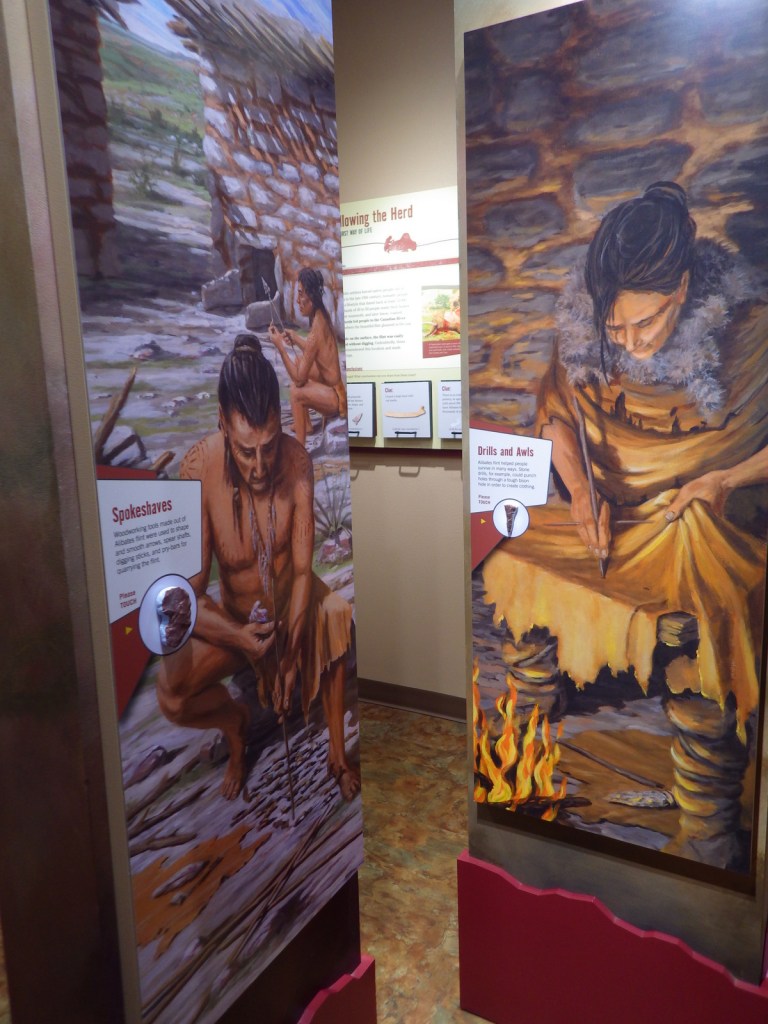
Outside the NPS visitor center, dedicated park rangers frequently demonstrate the art of knapping points from flint blanks (not from within park boundaries) and other primitive survival skills. 

Best Trail

We recommend you take the free ranger-guided tour (offered twice daily) up to the quarries to get the full experience.  It is a bit of a climb, but is the only way access the sites.

Instagram-worthy Photo

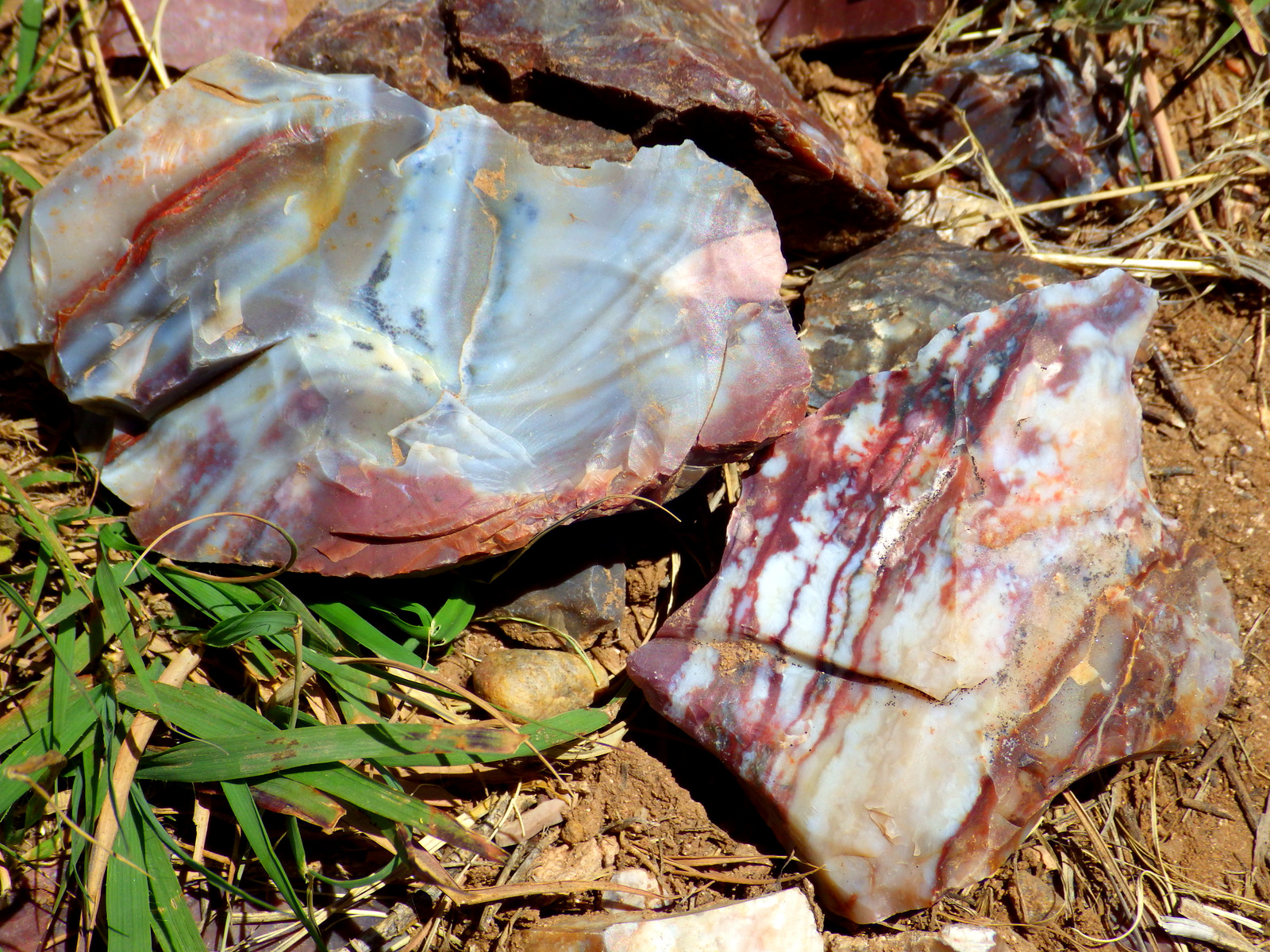
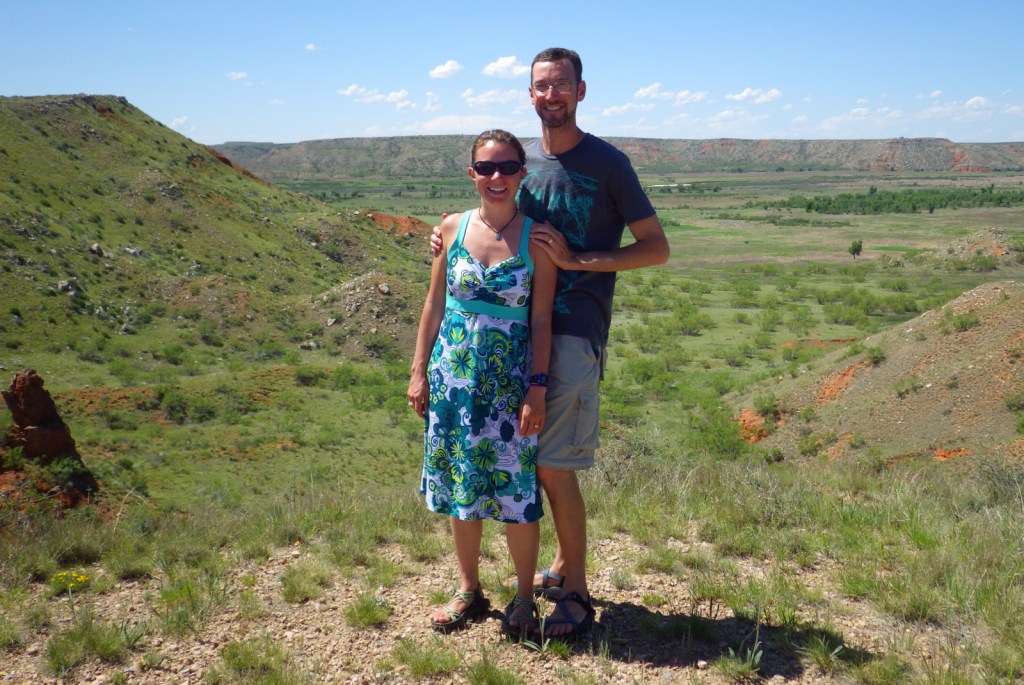
The flint here not only holds a great edge, it is also beautifully colored.  The rangers will be happy to let you take rock samples home from knapping demonstrations (since the flint is not from within park boundaries).

Peak Season

Spring and fall, as it can be very hot in the summer.

Hours

https://www.nps.gov/alfl/planyourvisit/hours.htm

Fees

None

Road Conditions

Paved to the National Monument and many good dirt roads surround Lake Meredith National Recreation Area.

Camping

Free primitive camping is available around Lake Meredith where there are many dirt roads to explore, as well as developed campgrounds (fee).

Explore More – What is the origin of the interesting name “Alibates?”

Russell Cave National Monument

Overview

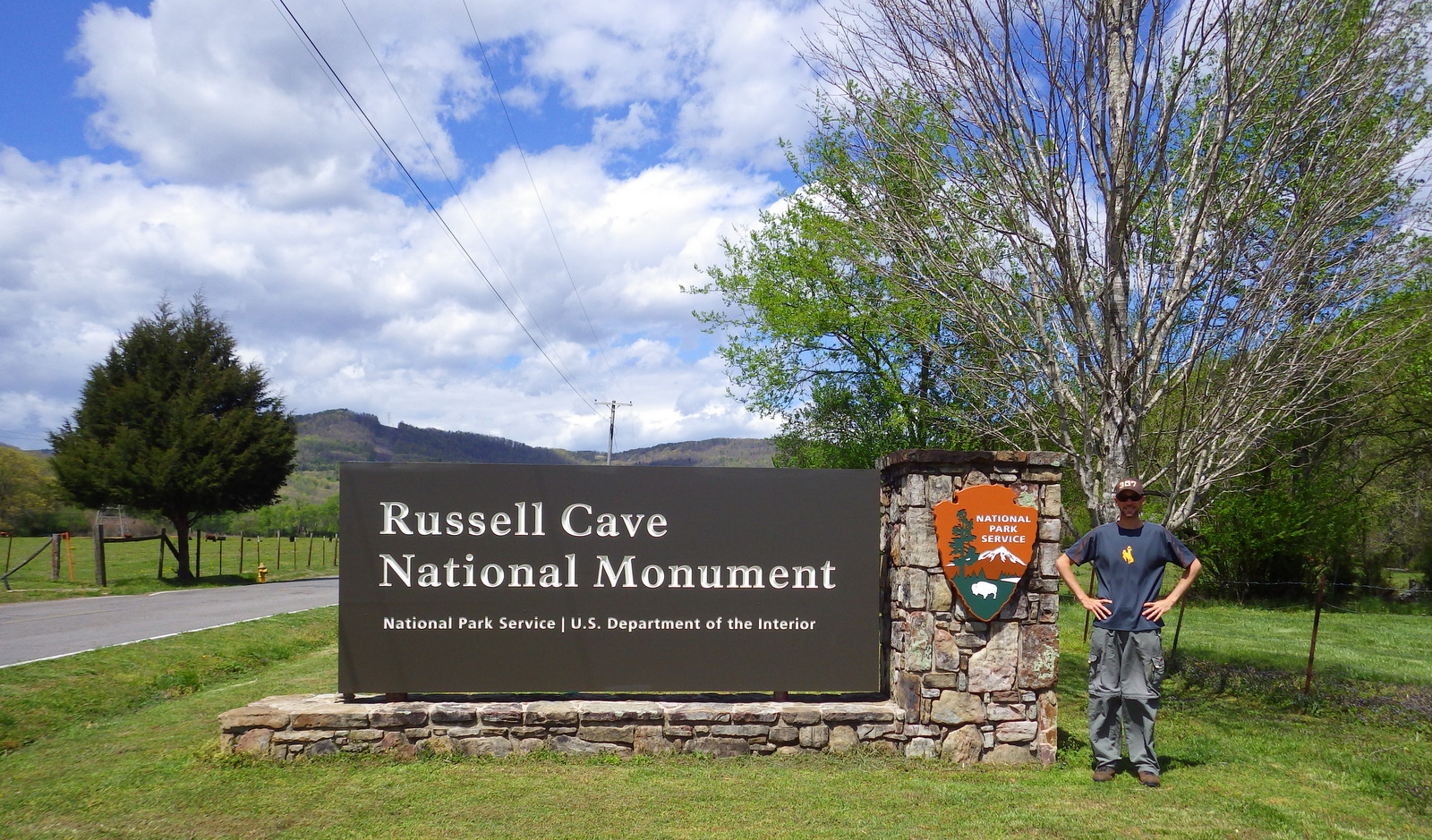
Humans have been visiting Russell Cave in northeast Alabama since about the time its limestone roof collapsed creating an entrance around 10,000 years ago.  A timeline of human invention was preserved in the floor of this hunting camp for millennia, from atlatls to bows, pottery to pump drills.  The park rangers were the friendliest we encountered during Pretirement and often offer demonstrations of prehistoric tools and weapons.

Highlights

Museum with American Indian artifacts, boardwalk to cave entrance, nature trails

Must-Do Activity

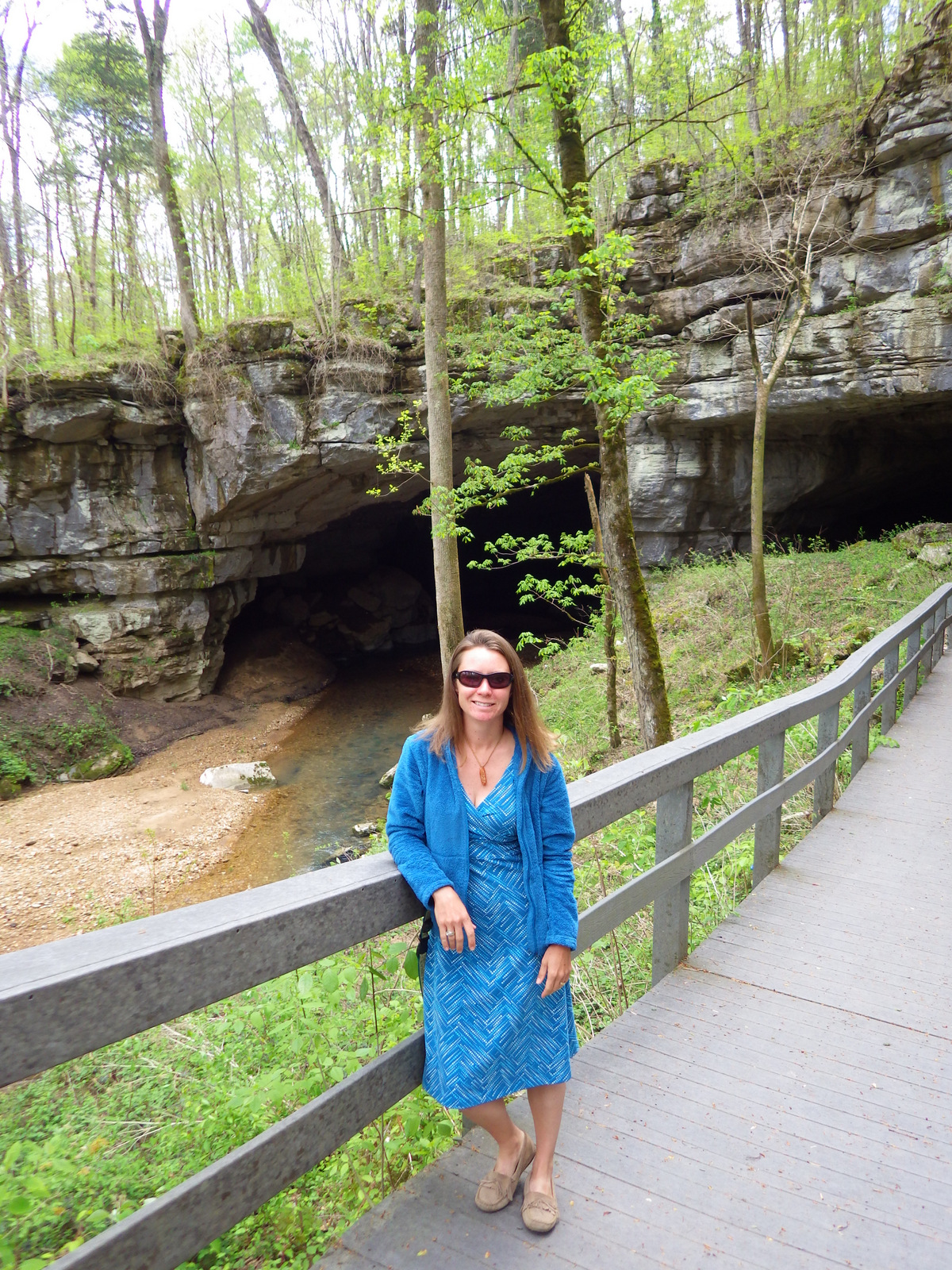
There are a select few artifacts displayed on site in the National Park Service (NPS) visitor center.  From there a short boardwalk leads through the forest to an overlook of the archaeological digs at the cave entrance, which you cannot enter. 

Best Trail

Two nature trails (0.6 and 1.2 miles long) split off from the boardwalk to explore the surrounding hills.

Instagram-worthy Photo

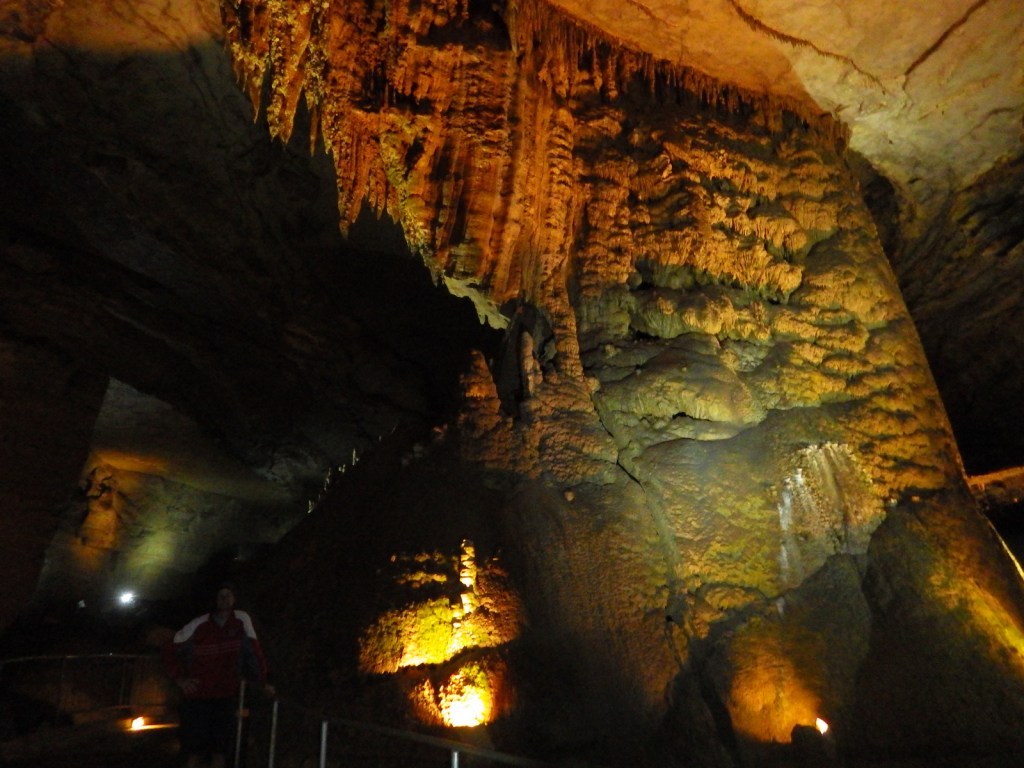
This cave is not famous for its pretty cave formations, but for its incredible archaeological record.  If you want to see beautiful stalactites and stalagmites, I recommend you head west to the impressive Cathedral Caverns State Park.

Peak Season

Summer, when it can be muggy and buggy.

Hours

https://www.nps.gov/ruca/planyourvisit/basicinfo.htm

Fees

None

Road Conditions

All roads paved, but RVs are not recommended on Highway 156 if entering from the north.

Camping

DeSoto State Park has a campground and primitive camping is allowed at three sites in nearby Little River Canyon National Preserve.

Explore More – How far down into the cave floor did archaeologists dig in the 1950s?

Bandelier National Monument

Overview

One of 13 national monuments in New Mexico, this archaeological site is located in a beautiful forested canyon at 6,000 feet elevation outside Los Alamos.  Ancestral Puebloans inhabited Frijoles Canyon from AD 1150 to 1550, building villages and carving rooms out of the soft volcanic tuff, much like in Cappadocia, Turkey.

Bandelier

Highlights

Ruins, cavates, Alcove House, Upper Falls, Painted Cave

Must-Do Activity

Climb 140 feet up ladders and steep steps to Alcove House cliff dwelling for superlative views of the canyon.

Best Trail

After exploring the ruins, be sure to hike 1.5 miles to Upper Falls downstream from the visitor center.

Instagram-worthy Photo

The National Park Service has installed some awesome, authentic-looking ladders to access the cavates.

04-IMG_0324.JPG

Peak Season

Summer when a shuttle is required from Los Alamos, New Mexico due to limited parking

Hours

https://www.nps.gov/band/planyourvisit/hours.htm

Fees

$25 per group or America the Beautiful pass

Road Conditions

Paved, but visitors are required to take a shuttle from Los Alamos between 9 a.m. and 3 p.m. in the summer (May 17 – October 17)

Camping

Juniper Campground has 94 sites, running water, and is open most of the year.  Its 70 miles of trails also make the park popular for backpacking, which requires a zoned camping permit.

08-IMG_0346

Scott at the entryway for a large dwelling
Scott inside a cavate

Tiff a few rooms down
Tiff inside a cavate

Tiff climbing down

16-May New Mexico 247

05-IMG_0326
The tuff looks like Swiss cheese; maybe that’s what attracted Swiss anthropologist Adolph Bandelier.

Waterfall
Upper Falls is only a 1.5 mile hike downstream from the visitor center

Explore More – When did the giant volcano erupt that created the 16-mile wide Valles Caldera and deposited hundreds of feet of volcanic ash that formed tuff?

1WonsTiny2

WONDON WAS HERE