Tag Archives: National Recreation Area

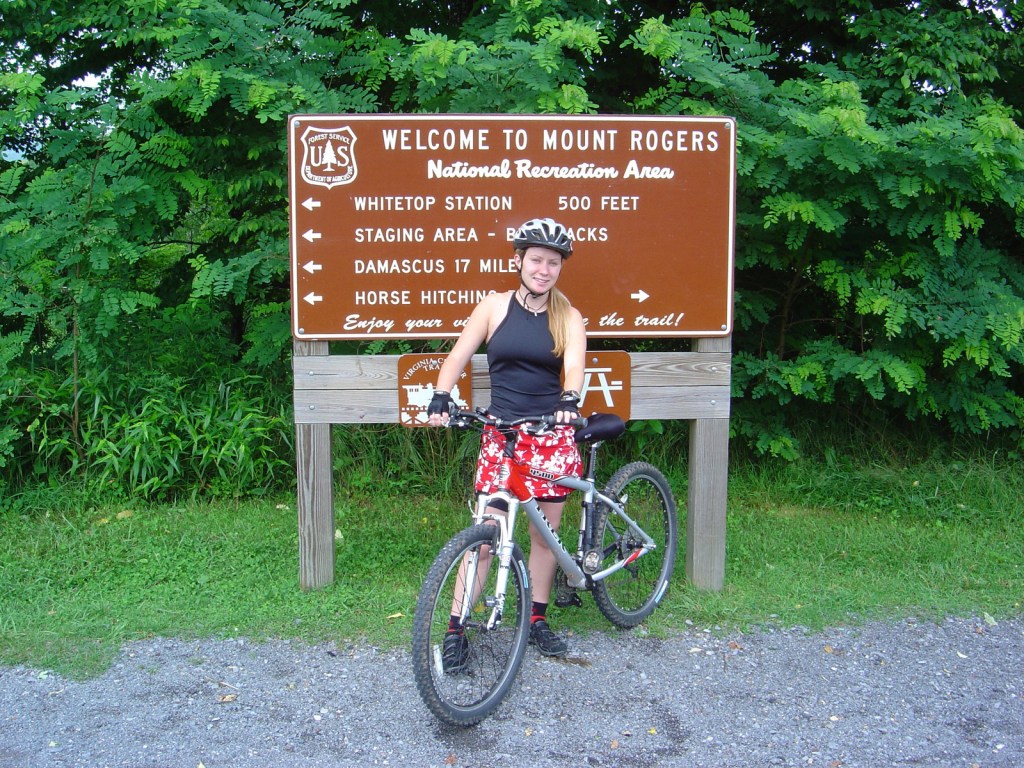
Mt. Rogers National Recreation Area

Mt. Rogers National Recreation Area

Virginia

Managed by U.S. Forest Service, Southern Region

154,816 acres

Website: https://www.fs.usda.gov/recarea/gwj/recarea/?recid=77722

Overview

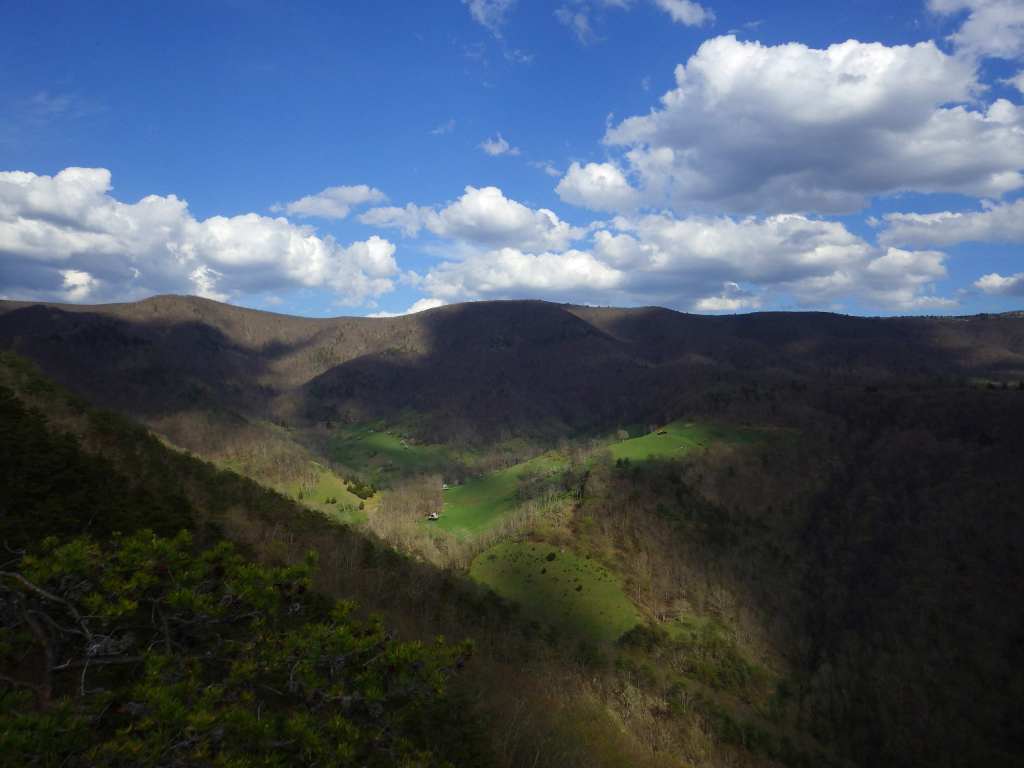
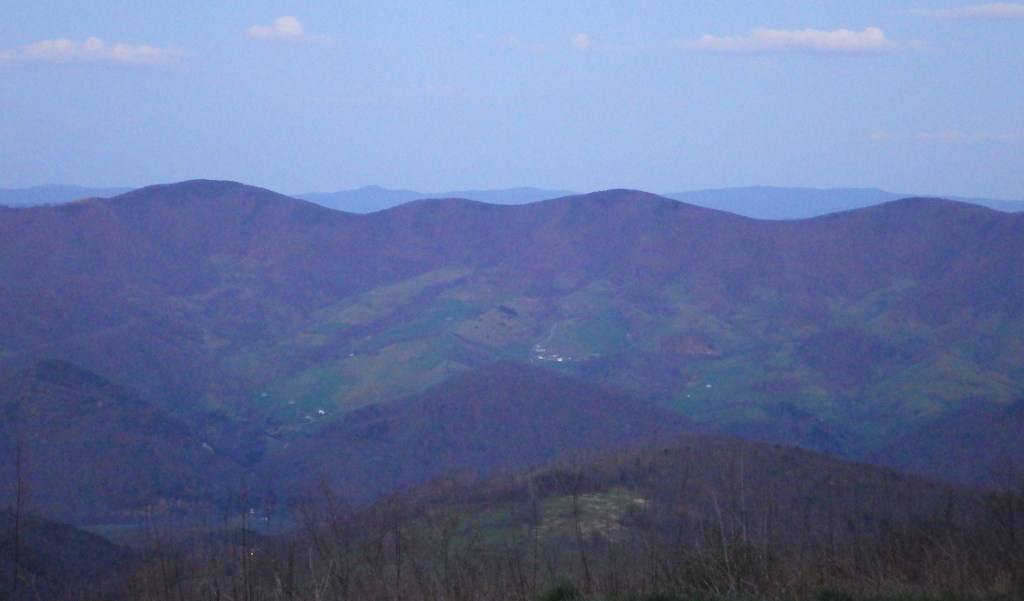
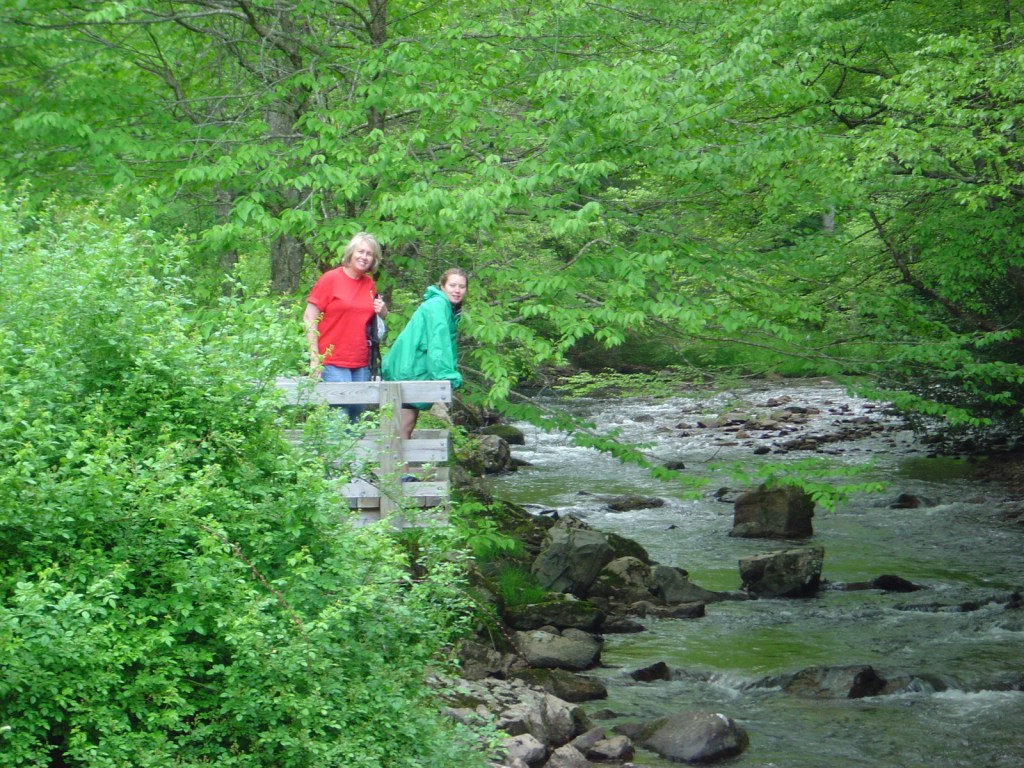
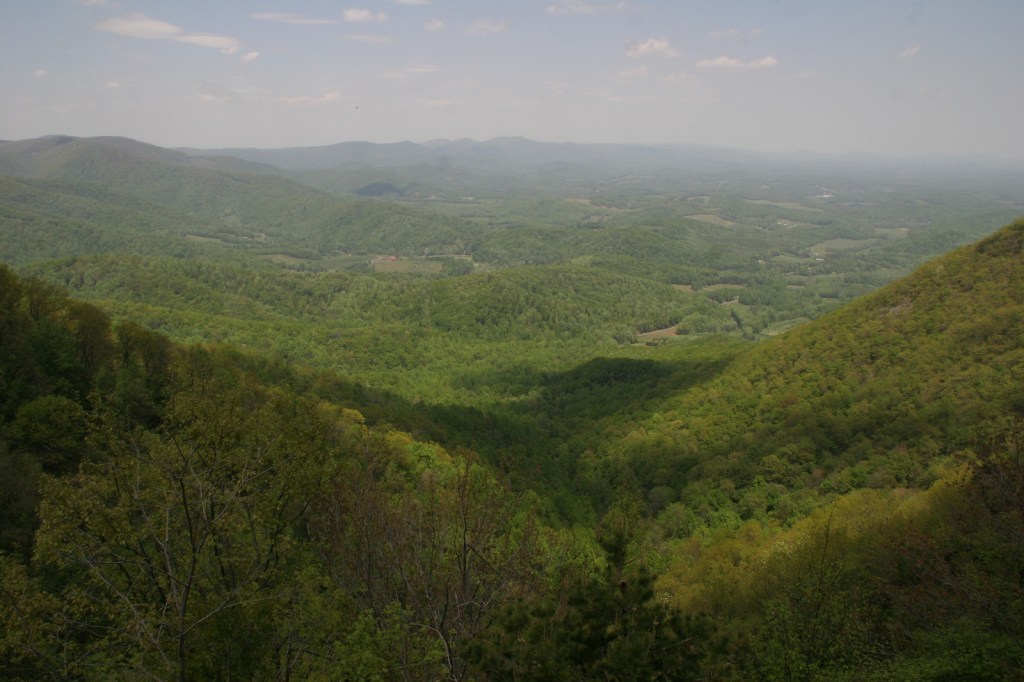
In southwestern Virginia, Jefferson National Forest manages Mt. Rogers National Recreation Area, which was established in 1966.  Although it is only 154,816 acres in extent, Mt. Rogers National Recreation Area encompasses the highest point in Virginia at 5,729 feet, four federally designated Wilderness areas (totaling 18,500 acres), and nearly 500 miles of trails.  At Raven Cliff Recreation Area, a short trail crosses an interesting bridge over Cripple Creek to access an old iron furnace that operated until the early 1900s.  Nearby at Collins Cove is a rare example of an old-growth cove hardwood forest.

It even made it on our Top 10 National Recreation Areas list.

Highlights

Seng Mountain National Scenic Area, Mt. Rogers, Whitetop Mountain, Elk Garden, Raven Cliff Recreation Area, New River Recreation Area, Beartree Recreation Area, Comer’s Rock, Falls Branch Waterfall, New River State Park, Grayson Highlands State Park, Two Ponds Nature Trail, Virginia Creeper Trail, Horse Heaven Trail, Iron Mountain Trail, Appalachian National Scenic Trail

Must-Do Activity

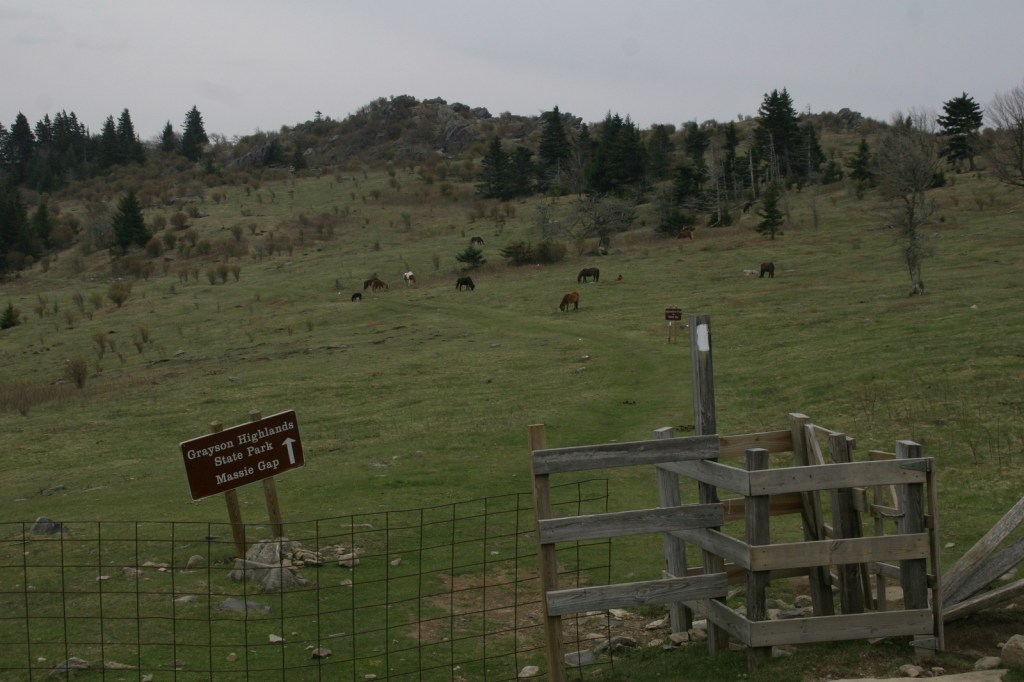
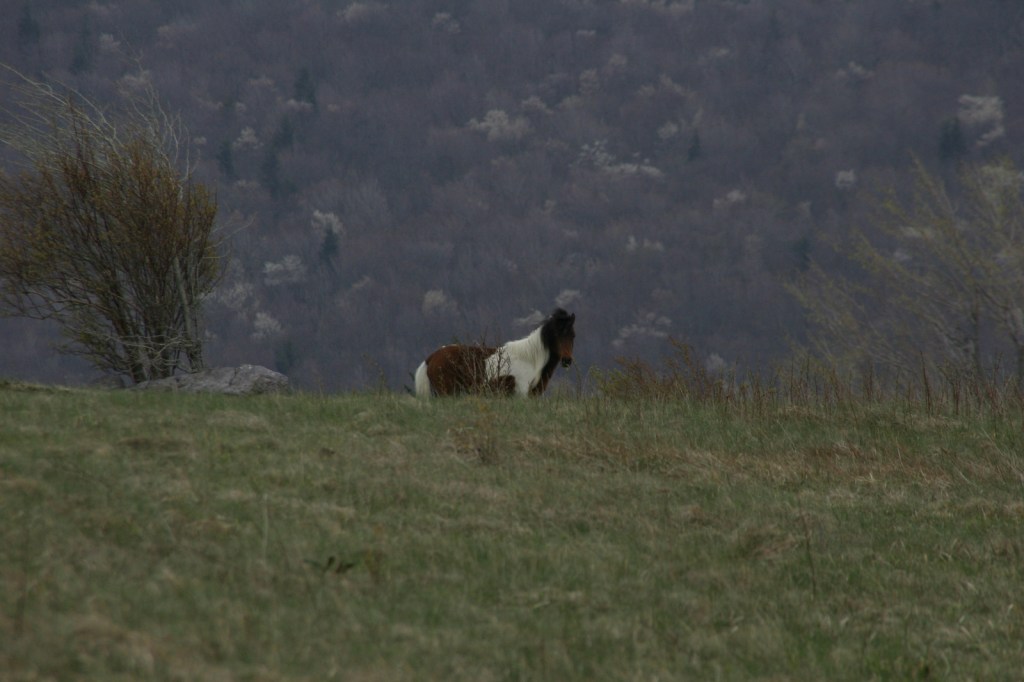
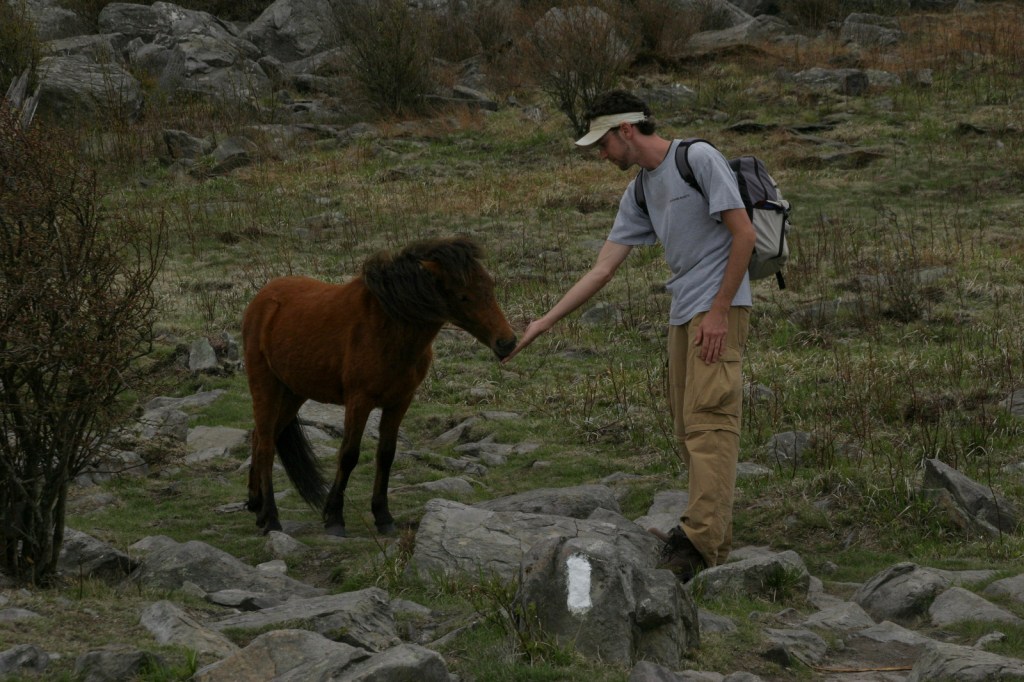
Pat Jennings Visitor Center is located six miles south of Interstate 81 in Brushy Mountain, and there are two visitor centers situated along the Virginia Creeper Rail Trail (see our post on Jefferson National Forest).  There are multiple routes to reach the summit of Mt. Rogers, but the two shortest are both 4.5 miles one-way from Elk Garden (on State Route 600) or Grayson Highlands State Park (that gains about 1,350 feet in elevation).  At Massie Gap, we encountered a herd of wild miniature ponies that had no fear of humans and liked to lick the salt from our skin, but watch your fingers because they will bite.

Best Trail

There are about 500 miles of hiking trails within Mt. Rogers National Recreation Area, including 78 miles of the famous Appalachian National Scenic Trail (or A.T.).  The A.T. runs through the Lewis Fork Wilderness, which also features the Virginia Highlands, Mt. Rogers, Grassy Branch, Helton Creek, Cliffside, Pine Mountain, and Sugar Maple Trails.  The A.T. also traverses the Little Wilson Creek Wilderness, as do the First Peak, Bearpen, Kabel, Hightree Rock, and Little Wilson Creek Trails.

Instagram-worthy Photo

A beat-up USGS marker can be found at the highest point in Virginia on 5,729-foot Mt. Rogers, located on a short spur trail off the A.T.

Peak Season

Summer

Fees

$5 day use fee at Beartree Recreation Area

Road Conditions

All the roads we drove in Mt. Rogers National Recreation Area were paved.

Camping

There are eight campgrounds, four horse camps, and two rental cabins in Mt. Rogers National Recreation Area.  Grindstone Campground has nature trails and an amphitheater, Hurricane Campground offers a one-mile loop trail, and Raccoon Branch Campground is popular with trout fishermen.  We stayed at Chestnut Hollow Campground in Grayson Highlands State Park and had the place to ourselves in early May.  There is a 25-foot right-of-way for backpack camping on both sides of the Virginia Creeper Trail (see our post on Jefferson National Forest), except on private property.

Related Sites

Jefferson National Forest (Virginia-Kentucky-West Virginia)

Blue Ridge Parkway (North Carolina-Virginia)

Cherokee National Forest (Tennessee-North Carolina)

Nearest National Park
Shenandoah

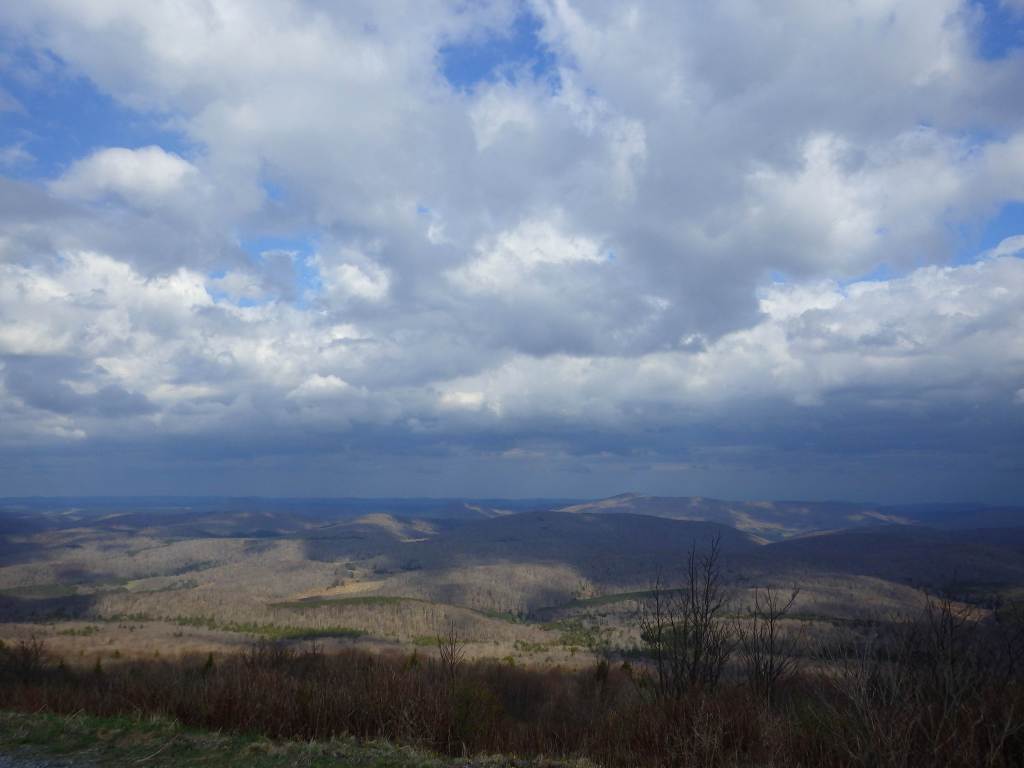
Explore More – Common to the high elevations of Mt. Rogers National Recreation Area, what exactly is a heath bald?

Top 10 National Recreation Areas in National Forests

There are 21 National Recreation Areas administered solely by the U.S. Forest Service (and one co-managed with the National Park Service).  This is a list of our favorites, since we already ranked our Top 10 National Recreation Areas run by the National Park Service.  The U.S. Forest Service also manages nine National Scenic Areas, so we will probably never rank those, but by far the two best are Oregon’s Columbia River Gorge and California’s Mono BasinClick here to see all our Top 10 lists.

10. Land Between The Lakes (Kentucky-Tennessee)

A planetarium and a bison herd can be found in the land between Lake Barkley and Kentucky Lake

9. Grand Island (Michigan)

An undeveloped island beckons hikers and bikers at the western edge of Pictured Rocks National Lakeshore

8. Winding Stair Mountain (Oklahoma)

Eastern Oklahoma is surprisingly mountainous and densely forested

7. Mt. Rogers (Virginia)

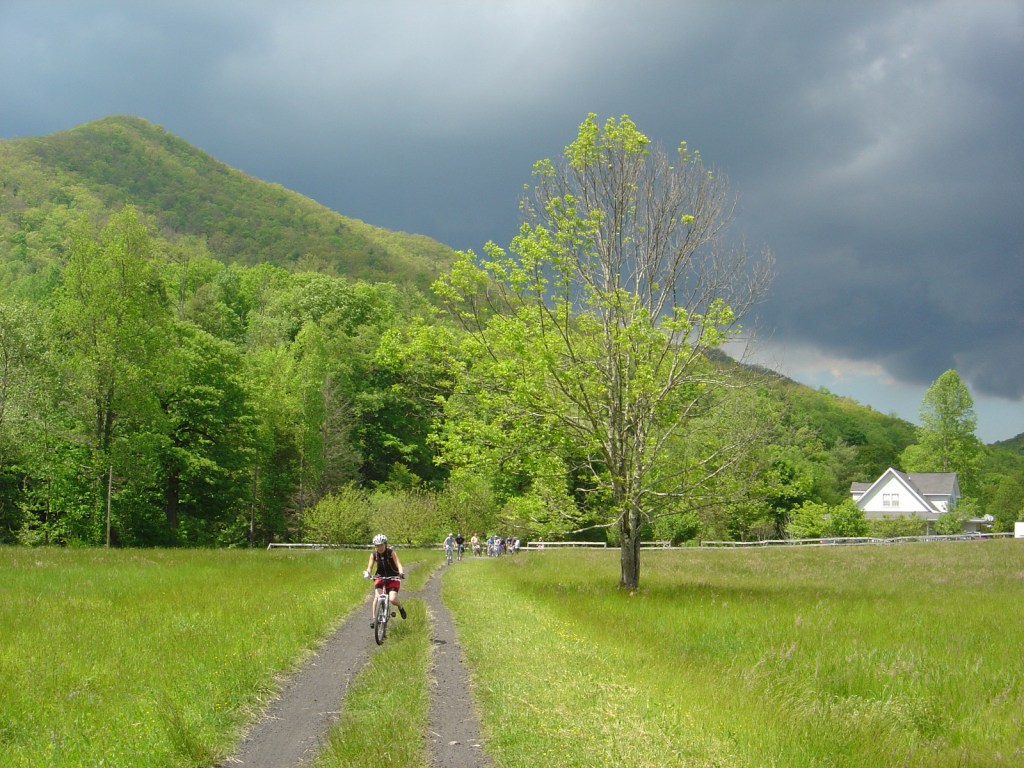
Hike the Appalachian National Scenic Trail to the top of Virginia or hop on a bike to coast down the Virginia Creeper Rail Trail

6. Spring Mountains (Nevada)

Snow frequently falls in these scenic peaks just north of Las Vegas

5. Hells Canyon (Oregon-Idaho)

The whitewater rapids of the Snake River cut what is arguably the deepest canyon in North America

4. Oregon Dunes (Oregon)

Coastal sand dunes interspersed with Douglas-fir forests attract hikers and ORV drivers

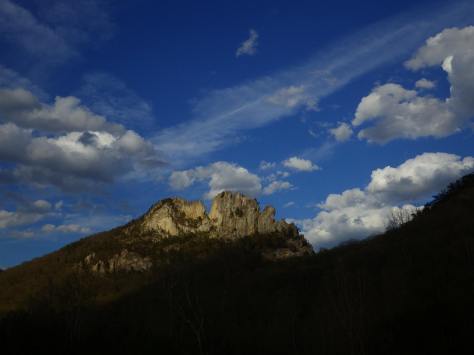
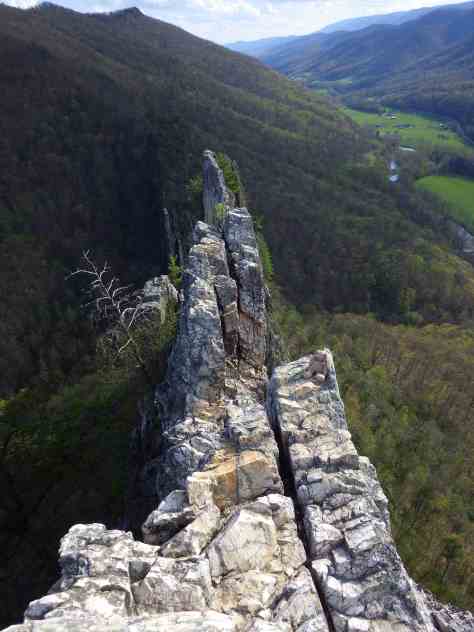
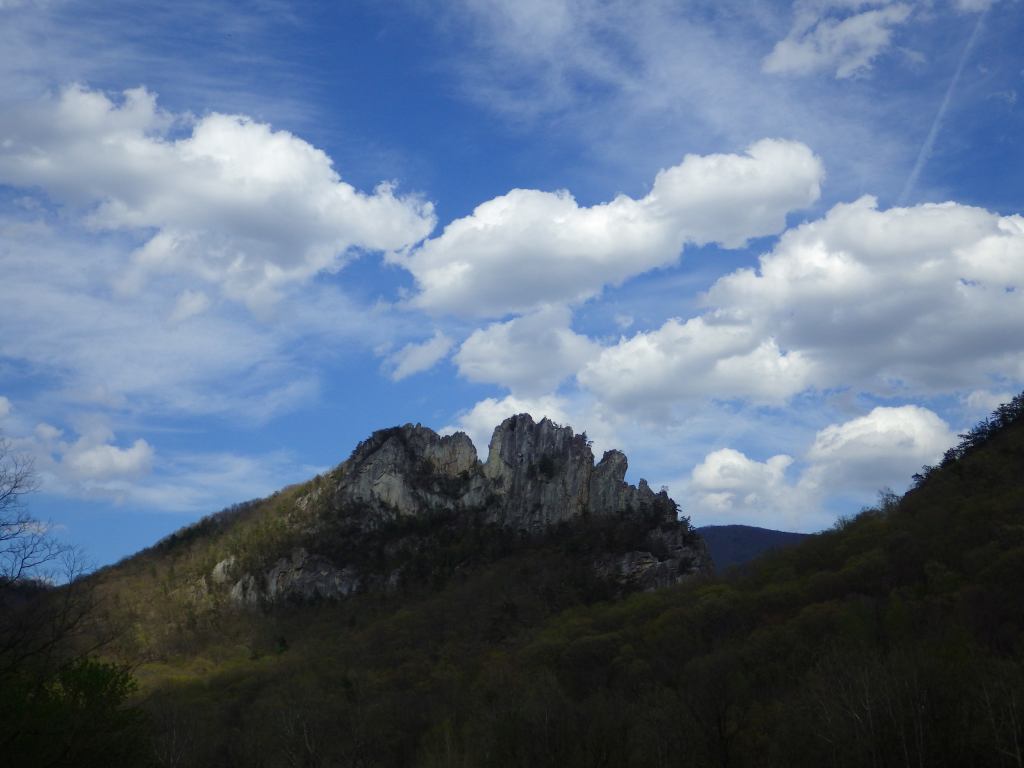
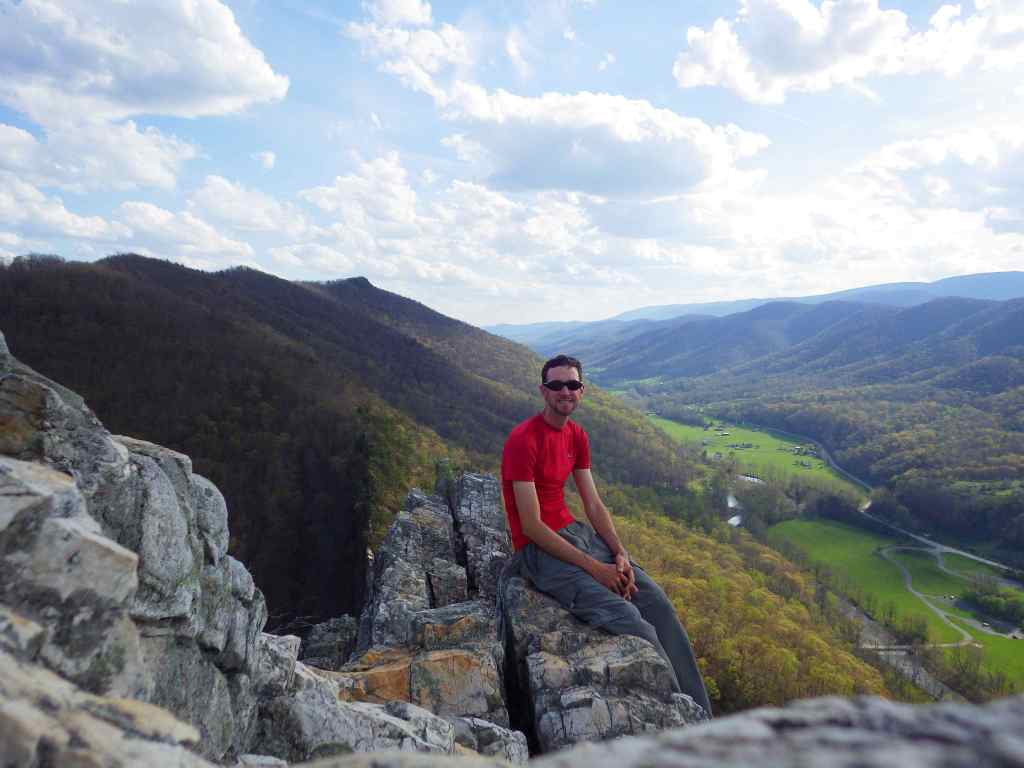
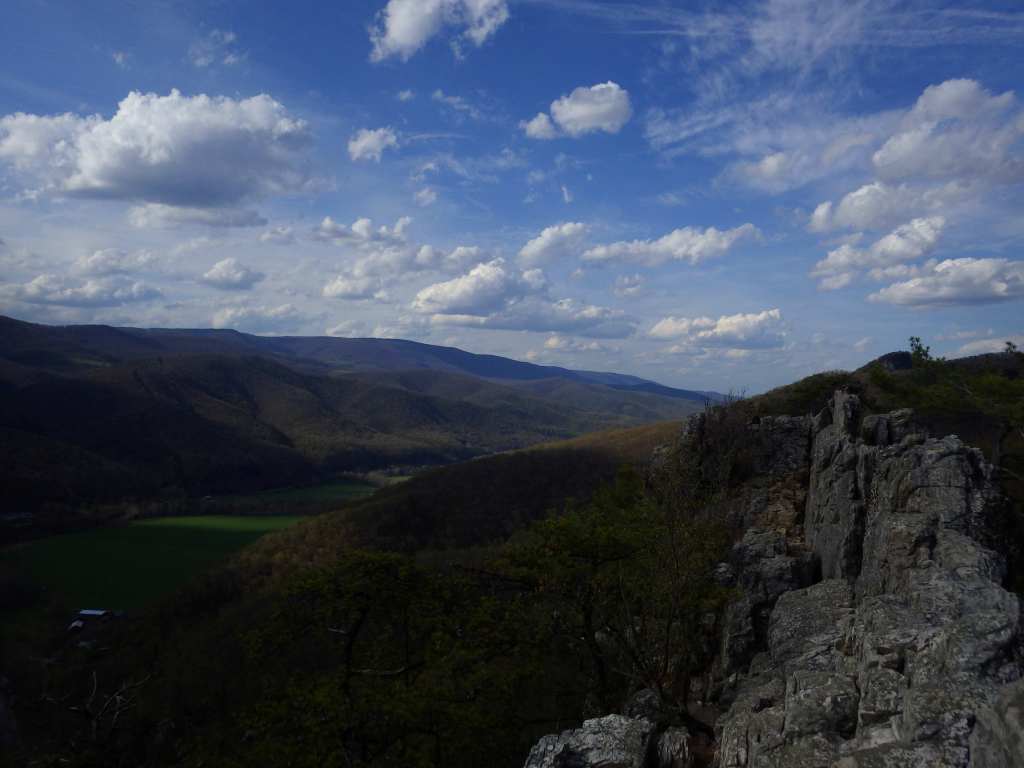
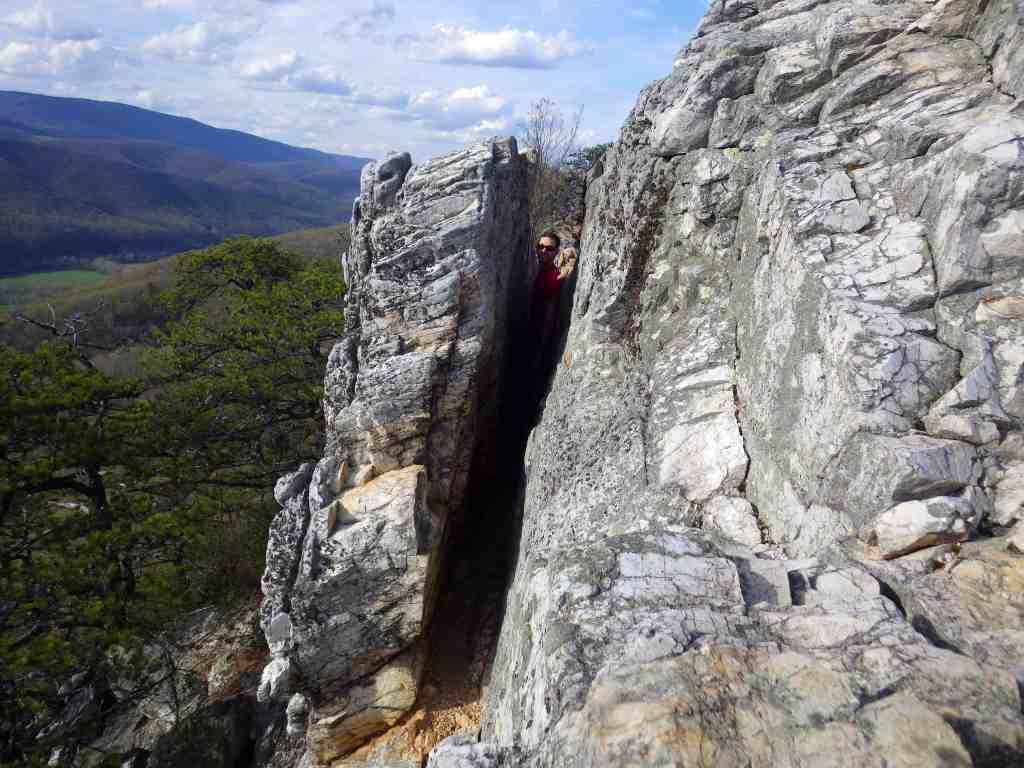
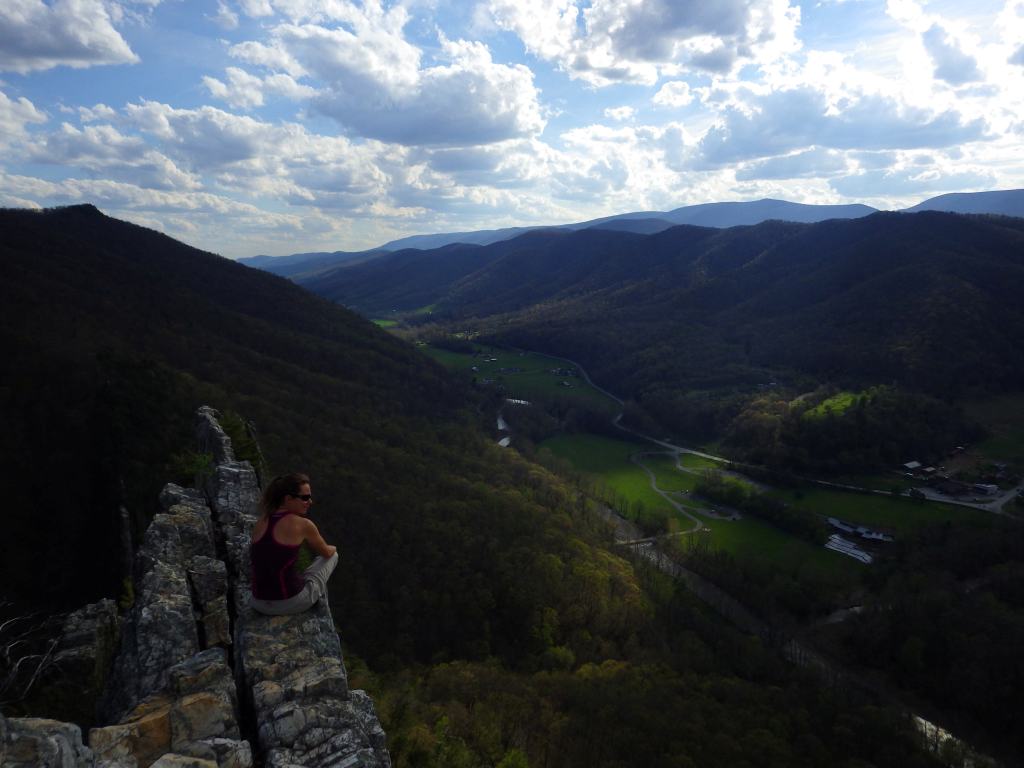
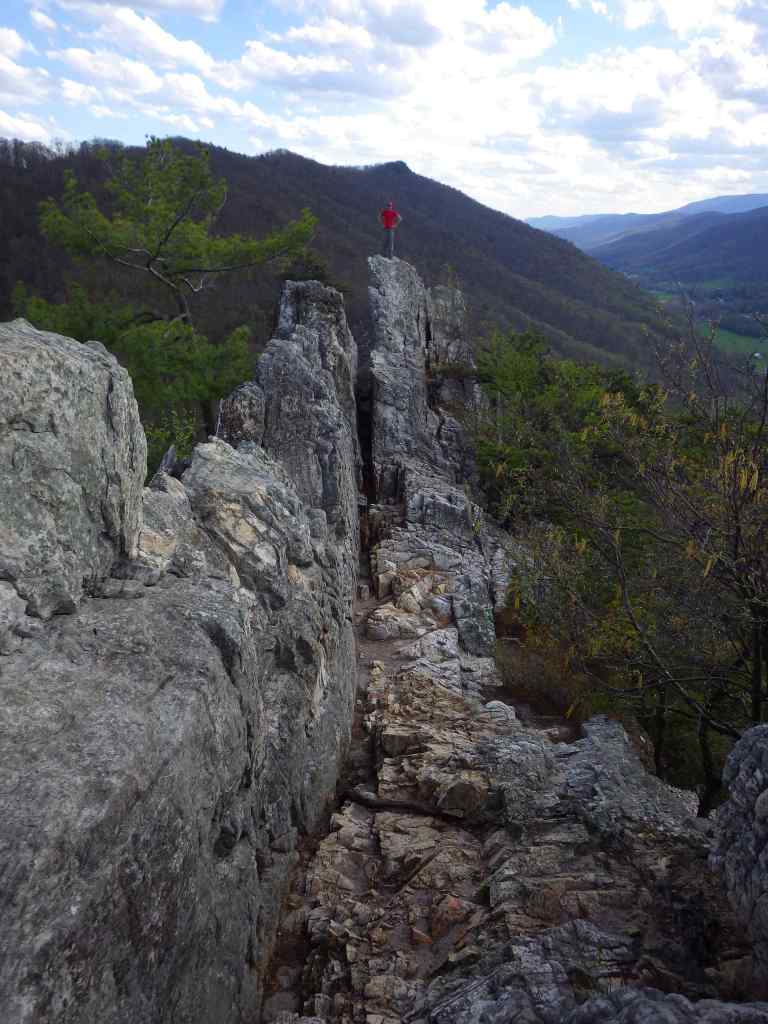
3. Spruce Knob-Seneca Rocks (West Virginia)

The state’s highest point and a popular rock climbing area are separated by a narrow valley

2. Mt. Baker (Washington)

One of the prettiest roads in the U.S., Mt. Baker Scenic Byway (Highway 542) dead ends at the high elevation of Artist Point

…and finally our #1 National Recreation Area in a National Forest:

1. Sawtooth (Idaho)

The jagged peaks here live up to their name at the intersection of Boise, Challis, and Sawtooth National Forests

.

Honorable Mentions

Ed Jenkins (Georgia)

Encompassing Springer Mountain, the southern terminus of the Appalachian National Scenic Trail

Arapaho (Colorado)

The Continental Divide National Scenic Trail cuts through this lake-filled basin west of Rocky Mountain National Park

Flaming Gorge (Wyoming-Utah)

A red rock canyon on the Green River was dammed to form this pretty border-crossing reservoir

Pine Ridge (Nebraska)

An extension of the Black Hills into northwestern Nebraska, this seldom visited area is home to reintroduced bighorn sheep

Moosalamoo (Vermont)

The Falls of Lana, Silver Lake, Voter Brook Overlook, and Robert Frost Interpretive Trail are all worth a visit

Learn more about these National Recreation Areas and the 155 National Forests they are in with our guidebook Out in the Woods

Hiawatha National Forest

Hiawatha National Forest

Michigan

Managed by U.S. Forest Service, Eastern Region

1,294,645 acres (894,836 federal/ 399,809 other)

Website: https://www.fs.usda.gov/hiawatha

Overview

Hiawatha National Forest is separated into two sections on the Upper Peninsula of Michigan, both of which touch Lake Superior and Lake Michigan.  The East Unit also fronts Lake Huron, and includes scenic Round Island Lighthouse near Mackinac Island, as well as beautiful Point Iroquois Light Station.  Most of these sandy soils in the East Unit were never homesteaded, so they were easily designated Marquette National Forest by President Theodore Roosevelt in 1909.  Land purchases for the West Unit began in 1928, and were later replanted by the Civilian Conservation Corps (CCC).  The West Unit includes 13,500-acre Grand Island National Recreation Area (see our blog post) in Lake Superior, a popular destination for camping, biking, and kayaking at the western edge of Pictured Rocks National Lakeshore.

Highlights

Grand Island National Recreation Area, St. Helena Island National Scenic Area, Whitefish Bay Scenic Byway, Point Iroquois Light Station, Scott Falls, Diamond Hill Lookout, Porcupine Nature Trail, Haymeadow Falls Trail, Naomikong Point Blue Trail, North Country National Scenic Trail

Must-Do Activity

Several lighthouses are located along the shores of the Great Lakes, including the picturesque Round Island Lighthouse near touristy Mackinac Island, Point Iroquois Light Station (see Instagram-worthy Photo) on the Whitefish Bay Scenic Byway, and one on private land near Wick Point within Grand Island National Recreation Area (see our blog post).  Further to the west Highway M-28 follows the shores of Lake Superior, where a Wayside Park at the east side of AuTrain Bay provides parking for those wishing to carefully cross the road to see ten-foot-tall Scott Falls.

Best Trail

Foley Creek Day Use Area is located just off Interstate 75 at a large pullout along paved Mackinac Trail Road.  A hike starts at the north end of a former campground, and soon the sound of the freeway is dispersed by the trees as you enter the small Horseshoe Bay Wilderness.  The trail has boardwalks across the wettest spots and after 1.4 miles opens up to a secluded sandy beach on Lake Huron with views of Mackinac Island.  Naomikong Point Blue Trail is a popular 3.4-mile out-and-back trail that connects with the North Country National Scenic Trail, crossing Naomikong Creek on a suspension bridge then ending at Menekaunee Point on Naomikong Island.

Watchable Wildlife

These forests are home to gray wolves, black bears, bobcats, Canada lynx, mountain lions, red foxes, coyotes, striped skunks, weasels, minks, river otters, porcupines, beavers, muskrats, snowshoe hares, white-tailed deer, and moose.  Large birds found here include wild turkeys, spruce grouse, ruffed grouse, golden eagles, bald eagles, ospreys, great blue herons, sandhill cranes, and trumpeter swans.  Hiawatha National Forest has more than 100 miles of shoreline on three Great Lakes, offering fishing for walleye, northern pike, muskies, Atlantic salmon, and steelhead trout.  In addition, there are 75 inland lakes and 600 miles of streams, including five National Wild and Scenic Rivers: Carp River, Indian River, Sturgeon River, Tahquamenon River (East Branch), and Whitefish River.  The 0.9-mile Haymeadow Falls Trail loop partially follows a productive trout stream.

Instagram-worthy Photo

Located on the Whitefish Bay Scenic Byway, the iconic 65-foot Point Iroquois Light Station stands on the shores of Lake Superior at the mouth of St. Mary’s River.  The first lighthouse and residence were built here in 1855, and the current buildings were placed on the National Register of Historic Places in 1975.  When not under construction, you can pay to enter the museum and climb the spiral staircase to the top of the tower.

Peak Season

Summer

Fees

None

Road Conditions

Whitefish Bay Scenic Byway is fully paved, and we found the unpaved roads to Hovey Lake Campground to be in good enough shape for our passenger vehicle.

Camping

We spent an enjoyable night at the free Hovey Lake Campground and awoke to find a pair of trumpeter swans on the water.  Hiawatha National Forest has many other campgrounds, including two near the Mackinaw Toll Bridge: Lake Michigan (35 campsites) and Carp River (44 sites).  Near the town of Brimley on Lake Superior, Bay View (24 sites) and Monocle Lake (39 sites) Campgrounds are also popular.

Wilderness Areas

Big Island Lake Wilderness

Delirium Wilderness

Horseshoe Bay Wilderness

Mackinac Wilderness

Rock River Canyon Wilderness

Round Island Wilderness

Related Sites

Ottawa National Forest (Michigan)

Keweenaw National Historical Park (Michigan)

Pictured Rocks National Lakeshore (Michigan)

Nearest National Park

Isle Royale

Conifer Tree Species

eastern hemlock, jack pine, eastern white pine, red pine, balsam fir, black spruce, white spruce, eastern arborvitae, tamarack

Flowering Tree Species

basswood, red maple, sugar maple, American beech, quaking aspen, paper birch, white birch, northern red oak, mountain holly

Explore More – The subject of a famous Henry Wadsworth Longfellow poem, who was Hiawatha in real life?

Learn more about this and the 154 other National Forests in our new guidebook Out in the Woods

Grand Island National Recreation Area

Grand Island National Recreation Area

Michigan

Managed by U.S. Forest Service, Eastern Region

13,279 acres

Website: https://www.fs.usda.gov/recarea/hiawatha/recarea/?recid=13270

Overview

The turquoise color of Lake Superior beneath the sandstone cliffs of Grand Island National Recreation Area makes it seem warmer than it actually is.  Glaciers carved this island’s shoreline thousands of years ago and the Ice Age never seems far off in the lake’s cold waters.  Managed by Hiawatha National Forest, the most popular activities here are commercial boat tours, backpacking, and mountain biking the 20-mile loop around the island.  Paddling a sea kayak can be an unforgettable experience and guides can provide the necessary gear.  Most of the northern two-thirds of Grand Island is surrounded by cliffs with nowhere to land a boat, so be careful as large waves can become hazardous on Lake Superior. 

Highlights

East Channel Lighthouse, 1870 wreck of the Bermuda, Williams-Powell Cemetery, Stone Quarry Cabin, Waterfall Beach Overlook, Merchandise Beach, Echo Lake

Must-Do Activity

After a night spent at the free Hovey Lake Campground in Hiawatha National Forest, we kayaked to Grand Island from the ferry dock west of Munising to see East Channel Lighthouse and the 1870 wreck of the Bermuda from the water.  We then landed our boat on the sandy beach at Murray Bay Group Site to walk to Williams-Powell Cemetery and Stone Quarry Cabin.  You can pick up a guided boat tour from the docks in Munising that makes a long explanatory stop over the Bermuda or take the ferry to the island with your mountain bike for exploring.  Make sure to visit the free Pictured Rocks Interpretive Center in downtown Munising for informational displays provided by the U.S. Forest Service.

Best Trail

There is a 20-mile-long bike trail that circles Grand Island, with some inland trails (like the one to Echo Lake) and a few open only to hikers. The non-motorized trails are closed to eBikes.

Instagram-worthy Photo

East Channel Lighthouse is situated on private land near Wick Point, so no landing is allowed onshore there.

Peak Season

Summer

Fees

A day use fee of $5 per person, per trip applies if you land on the island. Ferry rides cost $23 per person and camping fees also apply ($8 to $10 per night).

Road Conditions

Bike trails around the southern part of Grand Island are roads also used by tour vans, so watch out for traffic.

Camping

There are many campsites on the island, including a few protected in Murray Bay about two miles from the Williams Landing ferry dock.  Reservations are required for camping except at Flat Rock, Cobble Cove, and Muskrat Point, which offer first-come, first-served campsites all in the southeast corner of Grand Island.

Related Sites

Hiawatha National Forest (Michigan)

Pictured Rocks National Lakeshore (Michigan)

Keweenaw National Historical Park (Michigan)

Nearest National Park

Isle Royale

Explore More – Given the common names of northern white-cedar or eastern arborvitae, why is Thuja occidentalis known as the “tree-of-life”?

Green Mountain National Forest

Green Mountain National Forest

Vermont

Managed by U.S. Forest Service, Eastern Region

821,040 acres (399,151 federal/ 421,889 other)

Website: https://www.fs.usda.gov/gmfl

Overview

The only National Forest in Vermont is divided into a north and south section, each with its own National Recreation Area.  In the north, Moosalamoo National Recreation Area has the Voter Brook Overlook and trails to the Falls of Lana and Silver Lake, which has a popular backpacking campground.  In the south, Robert T. Stafford White Rocks National Recreation Area includes a portion of the historic Long Trail where the Appalachian National Scenic Trail overlaps it.  Vermont literally translates as Green Mountain from French, the name of the range that forms the state’s granite backbone.  Winter recreation is a big deal here, with three alpine ski areas in the National Forest and seven designated cross-country ski areas, as well as 900 miles of trails for snowshoeing and some areas open specifically for snowmobiling.  Green Mountain National Forest also co-manages Finger Lakes National Forest in central New York.

Highlights

Moosalamoo National Recreation Area, White Rocks National Recreation Area, Hapgood Pond Recreation Area, Texas Falls, Robert Frost Wayside, Voter Brook Overlook, Falls of Lana, Devil’s Den Cave, Lye Brook Falls, Moss Glen Falls, Mt. Ellen, Robert Frost Interpretive Trail, Long Trail, Appalachian National Scenic Trail

Must-Do Activity

Texas Falls is not located in the right place on the Forest Service visitor app, but it is easy to get to right alongside paved Texas Falls Road off State Route 125.  The falls formed at the end of the Ice Age around 12,000 years ago, when meltwater scoured the quartz-chlorite schist.  A footbridge crosses the Hancock Branch over an interesting glacial pothole in the rock, and a nature trail continues uphill forming a 1.2-mile loop.  We did not make it to Lye Brook Falls or Moss Glen Falls, but found the off-trail Falls of Lana worth the effort (see Moosalamoo National Recreation Area).

Best Trail

Green Mountain National Forest contains about half of the 272-mile Long Trail, which in 1931 became the first named long-distance hiking trail in the U.S.  In Robert T. Stafford White Rocks National Recreation Area, the Long Trail is coincident with the Appalachian National Scenic Trail (AT) with several overnight shelters (some of which charge $5 per person, per night).

Watchable Wildlife

The National Forest contains 450 miles of streams, which is great for trout and salmon fishermen, especially since some wildlife management projects have been done to improve their habitat.  Other work has been completed to support ruffed grouse, wild turkey, black bear, and Bicknell’s thrush.  We were told by a local that there is a black bear named Jenny that hangs out around the White Rocks Day Use Area.  Additional species of interest include moose, white-tailed deer, coyote, porcupine, and beaver.

Instagram-worthy Photo

Less than a mile up the Ice Beds Trail, a short climb reaches a viewpoint of the white rocks, a glacier-scoured cliff of Cheshire quartzite that is (part of) the namesake for Robert T. Stafford White Rocks National Recreation Area.

Peak Season

Fall

Fees

Ski areas at Mount Snow, Stratton Mountain, and Bromley Mountain have recreation fees.  Along the Long Trail/AT, there is a camping fee of $5 per person, per night at Little Rock Pond, Peru Peak, Stratton Pond, and Griffith Lake.

Road Conditions

All the gravel roads we drove were in good shape during the spring, including the roads to Voter Brook Overlook and White Rocks Day Use Area.

Camping

One of the most developed parts of the National Forest is at 7-acre Hapgood Pond where there is a campground, swimming beach, and boat ramp.  Moosalamoo Campground has 18 campsites located at the base of the Mt. Moosalamoo Trail, near Voter Brook Overlook.  There are a couple dispersed campsites also on the road, but we had one of our worst nights camping here with college kids blasting music late and another group waking us up before sunrise.  The backpacking campground at Silver Lake is nice, or you can stay at Branbury State Park on Lake Dunmore.

Wilderness Areas

Big Branch Wilderness

Breadloaf Wilderness

Bristol Cliffs Wilderness

George D. Aiken Wilderness

Glastenbury Wilderness

Joseph Battell Wilderness

Lye Brook Wilderness

Peru Peak Wilderness

Related Sites

Marsh-Billings-Rockefeller National Historical Park (Vermont)

Saint-Gaudens National Historical Park (New Hampshire)

White Mountain National Forest (New Hampshire-Maine)

Nearest National Park

Acadia

Conifer Tree Species

eastern hemlock, eastern white pine, red pine, red spruce, balsam fir

Flowering Tree Species

sugar maple, American beech, yellow birch, white birch, paper birch, mountain ash

Explore More – Texas Falls is located on the Hancock Branch, which feeds the White River that converges with what major river?

Learn more about this and the 154 other National Forests in our new guidebook Out in the Woods

We are a participant in the Amazon Services LLC Associates Program, an affiliate advertising program designed to provide a means for us to earn fees by linking to Amazon.com and affiliated sites.