In this Expanded 2nd Edition of A Park to Yourself, we sort through the enormous amount of information about National Parks to select the best trails, guided tours, photography spots, and wildlife viewing areas. America’s 63 National Parks are busier than ever, so we help you decide what places are worth the crowds and where you can find solitude. We identify the peak months of visitation and the busiest places in each park, whether you are attracted to those spots or want to avoid them altogether.
Whether you are looking to camp, backpack, or stay in a lodge, we cover the options, both inside and outside of the park. We also include insider tips and nearby attractions to help you make the most of your vacation.
We are a participant in the Amazon Services LLC Associates Program, an affiliate advertising program designed to provide a means for us to earn fees by linking to Amazon.com and affiliated sites.
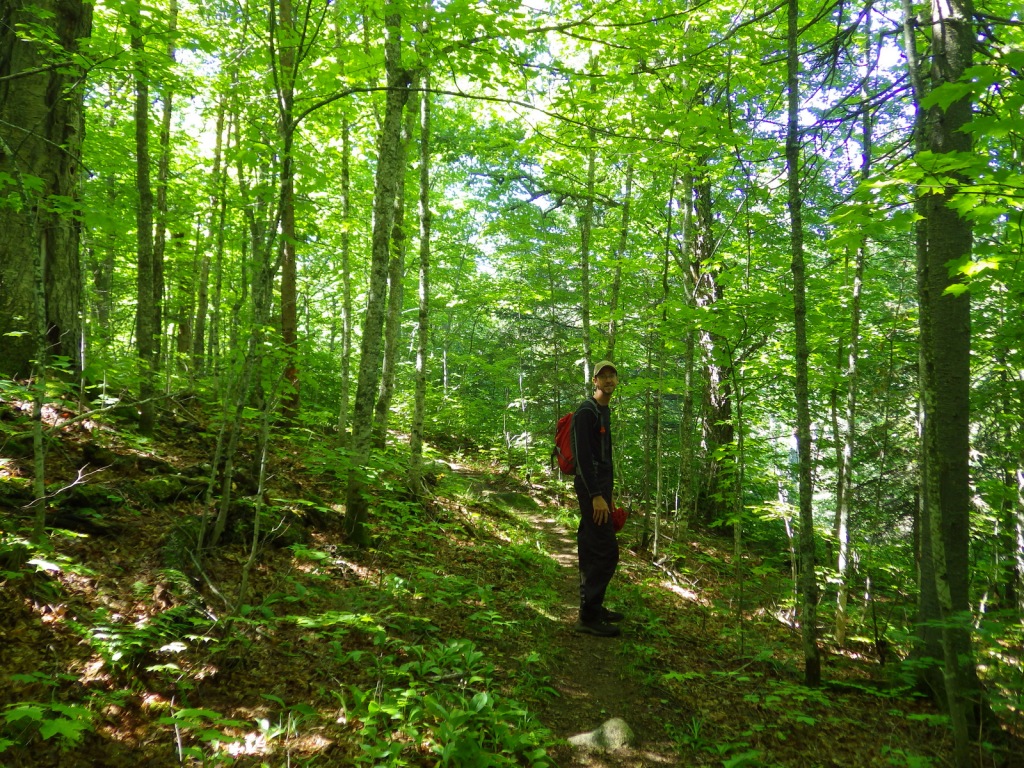
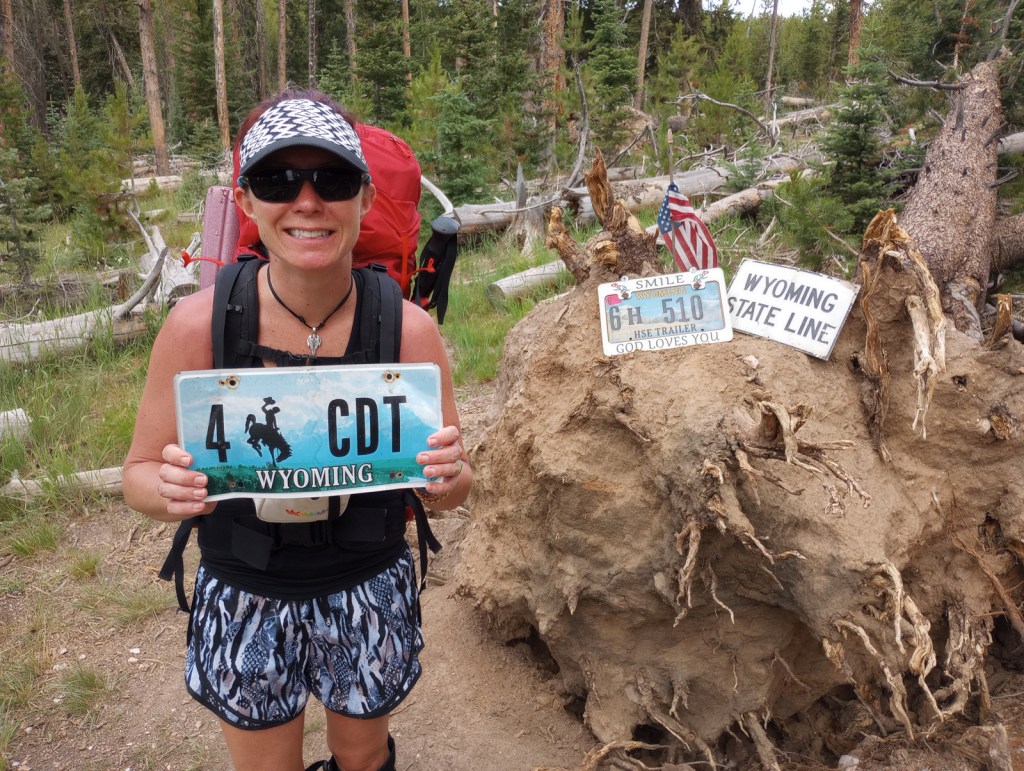
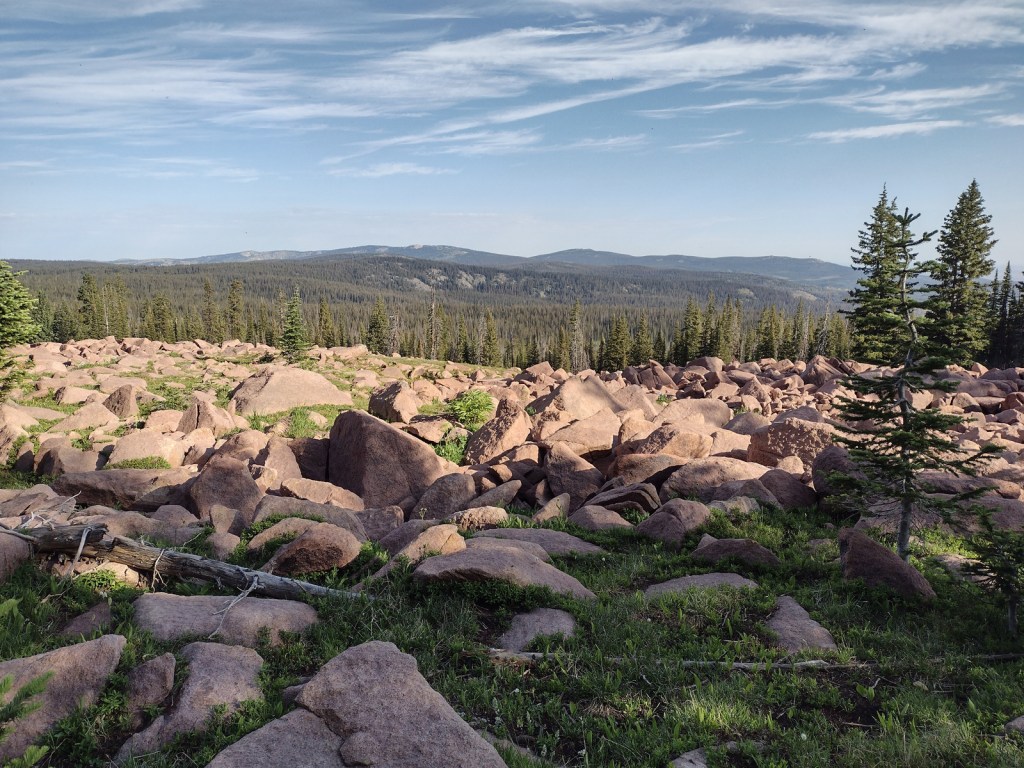
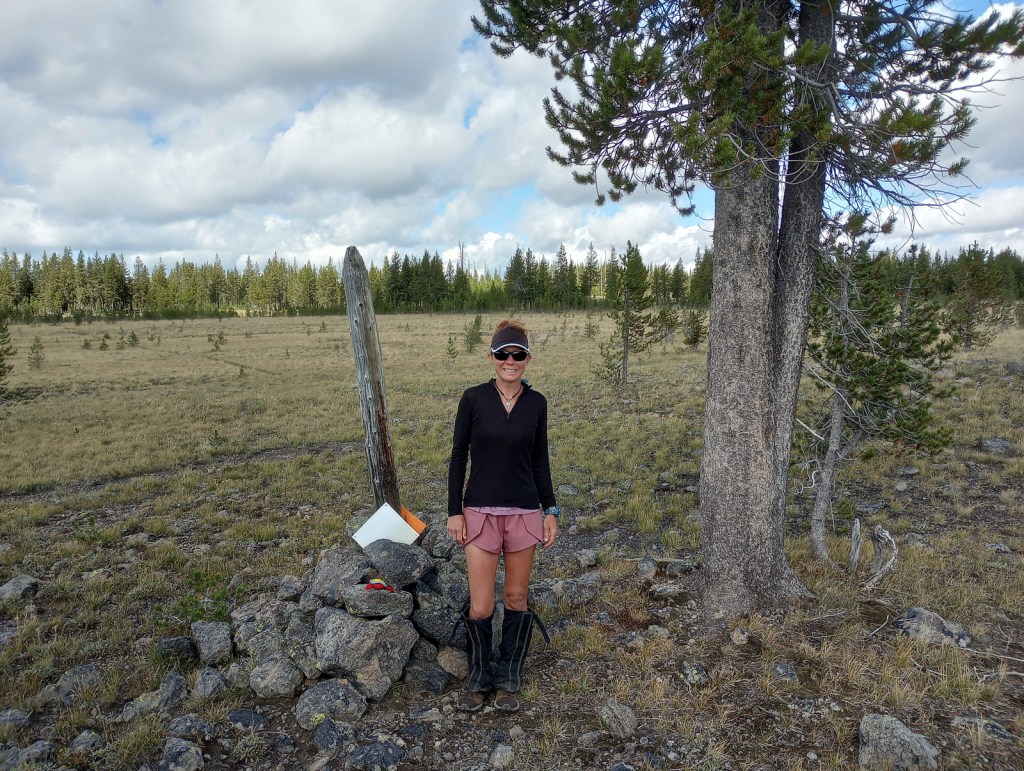
We decided to write about the Continental Divide National Scenic Trail (CDT) now, since Tiff recently finished backpacking the entire 512-mile Wyoming section of the route. The CDT stretches 3,028 miles from the Crazy Cook Monument on the border with Mexico north to Waterton-Glacier International Peace Park. The official trail is known as the “red route,” with popular alternatives called “blue routes” detouring through sections like New Mexico’s Gila Wilderness (which 95% of thru-hikers choose). Tiff was supported by Scott along portions of the trail and they both backpacked through Yellowstone National Park together. Tiff met dozens of thru-hikers doing the entire trail this year, many of whom were “flip-flopping” after getting stopped north bound (NOBO) by snowy Colorado mountains so switching to a south bound (SOBO) direction to finish.
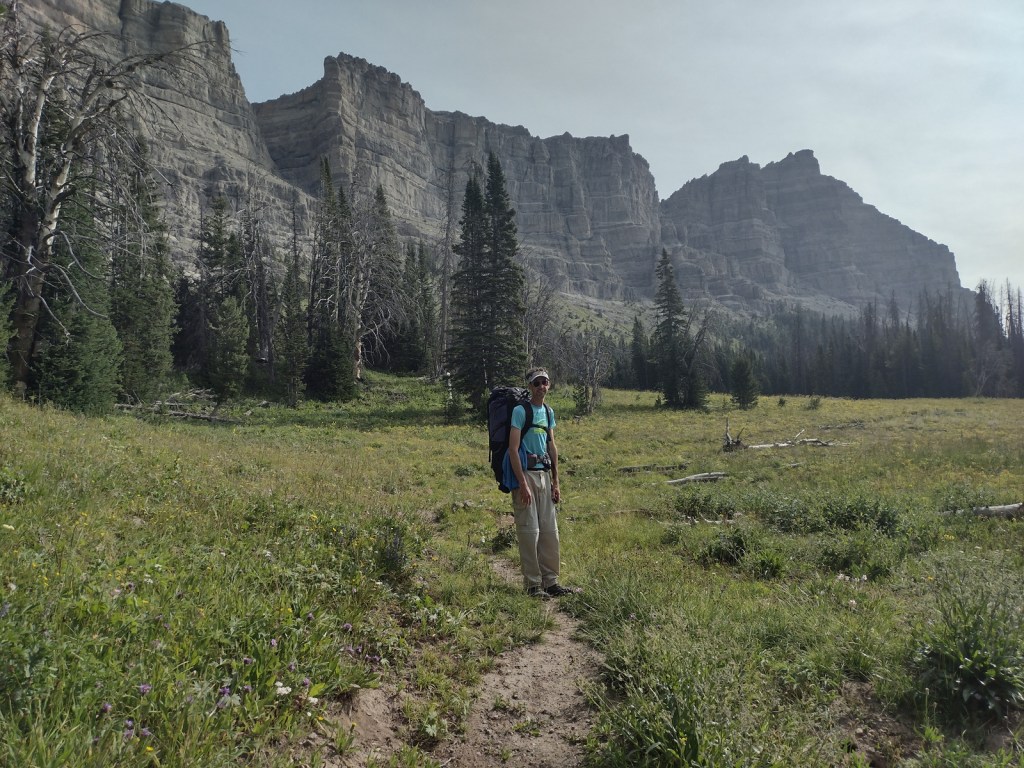
It takes the average thru-hiker 147 days to complete the trek (including “zeros days”), but you can get a feel for the experience on shorter point-to-point or loop hikes. We have done the Rocky Mountain National Park section as a long day hike and Scott has backpacked the minimum 40 miles to see the famous Chinese Wall in Montana’s Lewis and Clark National Forest. We had all three of our backcountry campsites to ourselves along Yellowstone National Park’s 67-mile stretch of CDT and went a full day without seeing another person near the park’s Idaho border.
Best Trail
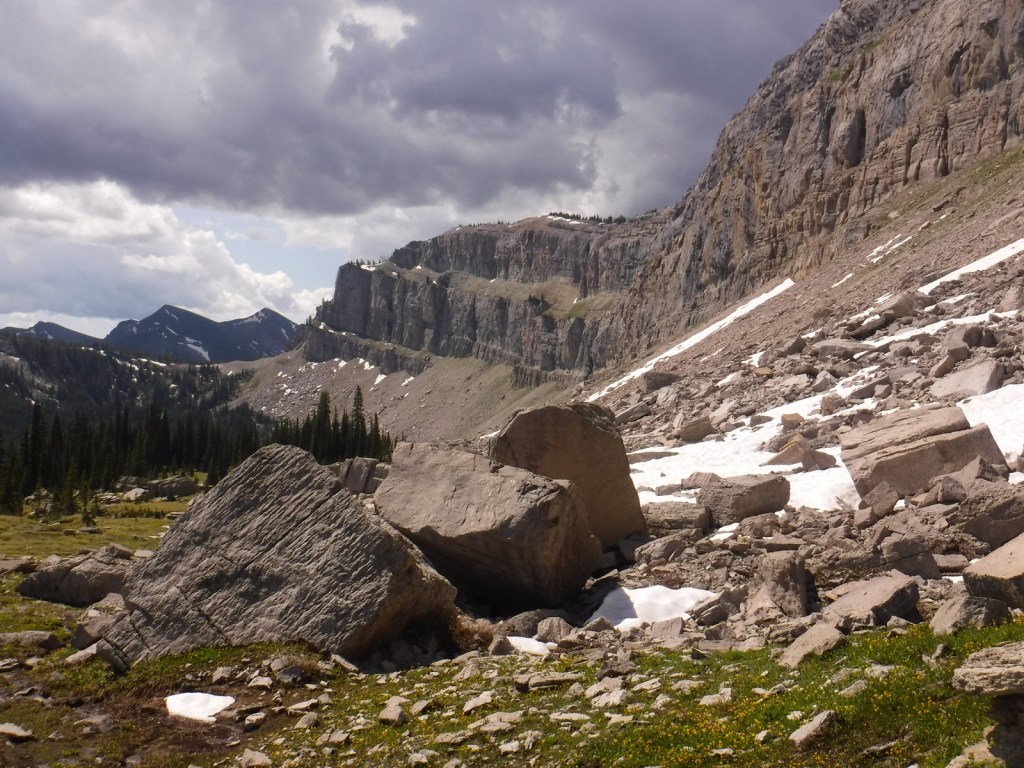
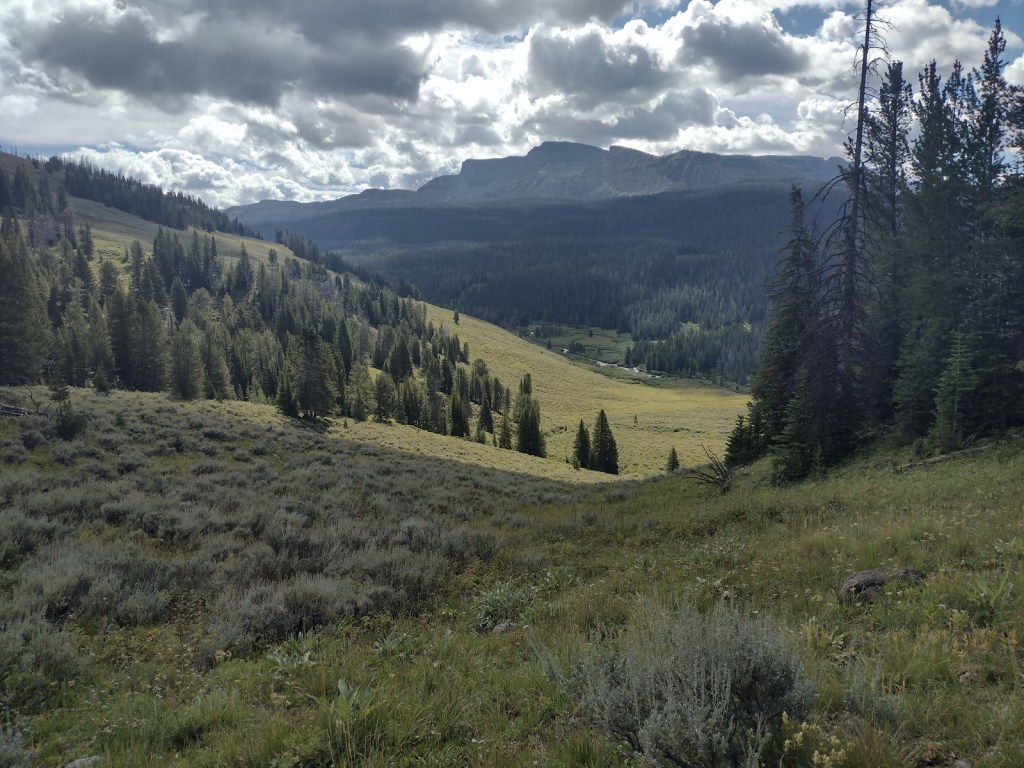
The Wind River Range in Wyoming’s Bridger National Forest is probably the most scenic stretch of mountains on the entire CDT. Many thru-hikers detour to a blue route to see beautiful, but overcrowded Titcomb Basin and the Cirque of the Towers (actually in neighboring Shoshone National Forest). Read more about our 2020 trip (mostly) following the CDT 120 miles through the range in our newspaper article.
Instagram-worthy Photo
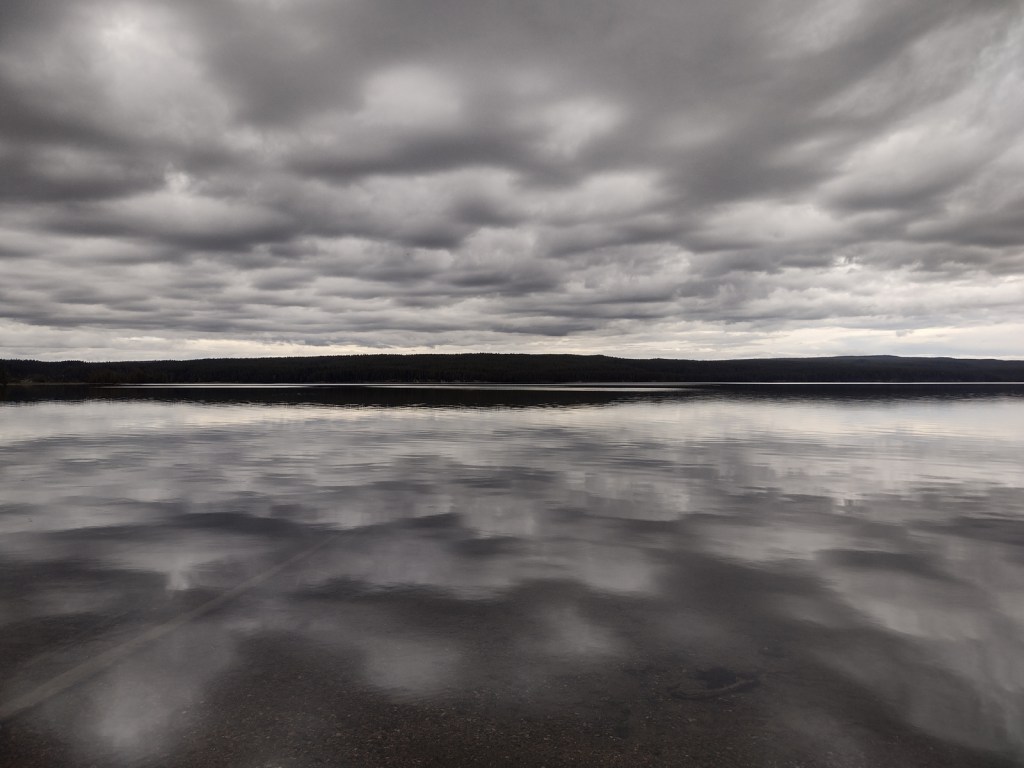
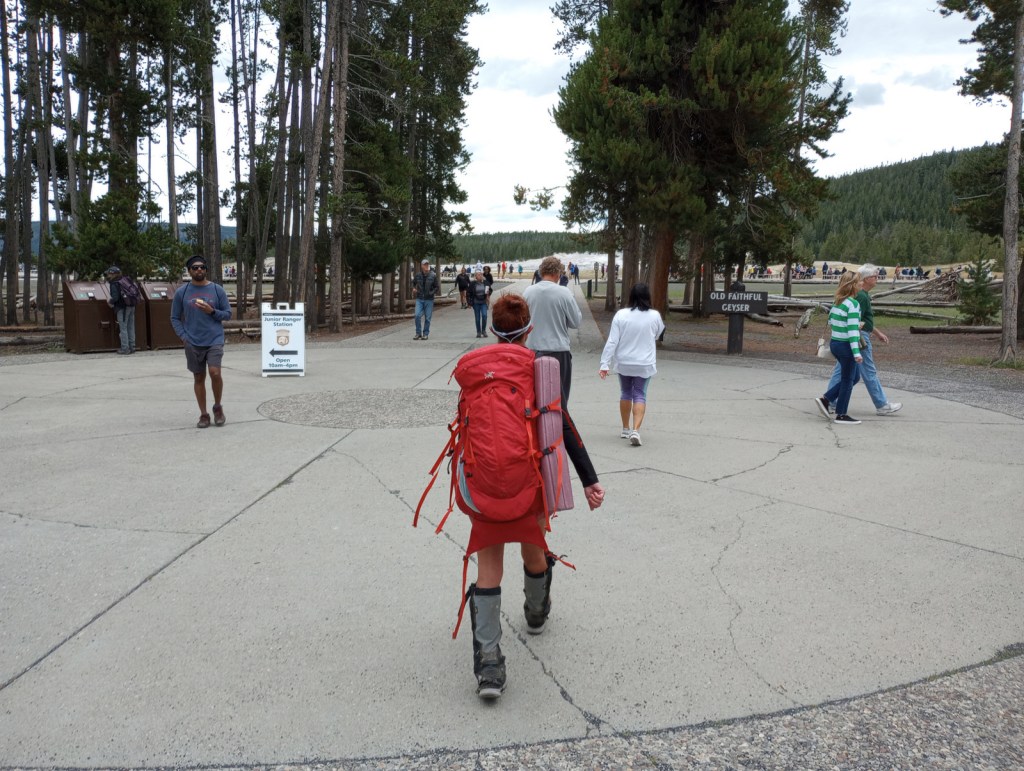
The CDT goes right past crowded Old Faithful in Yellowstone National Park’s Lower Geyser Basin, although there are other areas of colorful hot springs like those near Heart Lake (pictured).
Peak Season
Summer
Fees
Fees apply if you camp inside or drive into Rocky Mountain, Yellowstone, and Glacier National Parks
Road Conditions
Much of the trail is actually walking dirt roads and some paved roads, especially in New Mexico. Access roads to certain trailheads can be very rough and require driving long unpaved sections, such as the 30 miles to busy Big Sandy Trailhead in Bridger National Forest.
Camping
Camping is dispersed except for designated sites (permit required) in Rocky Mountain, Yellowstone, and Glacier National Parks.
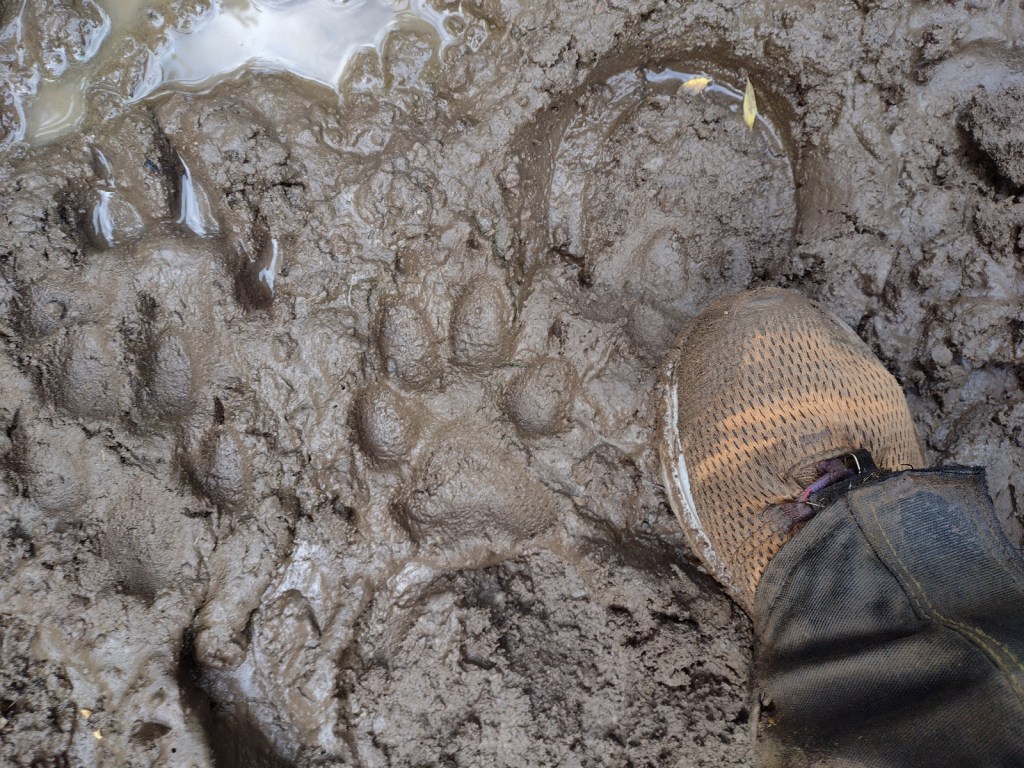
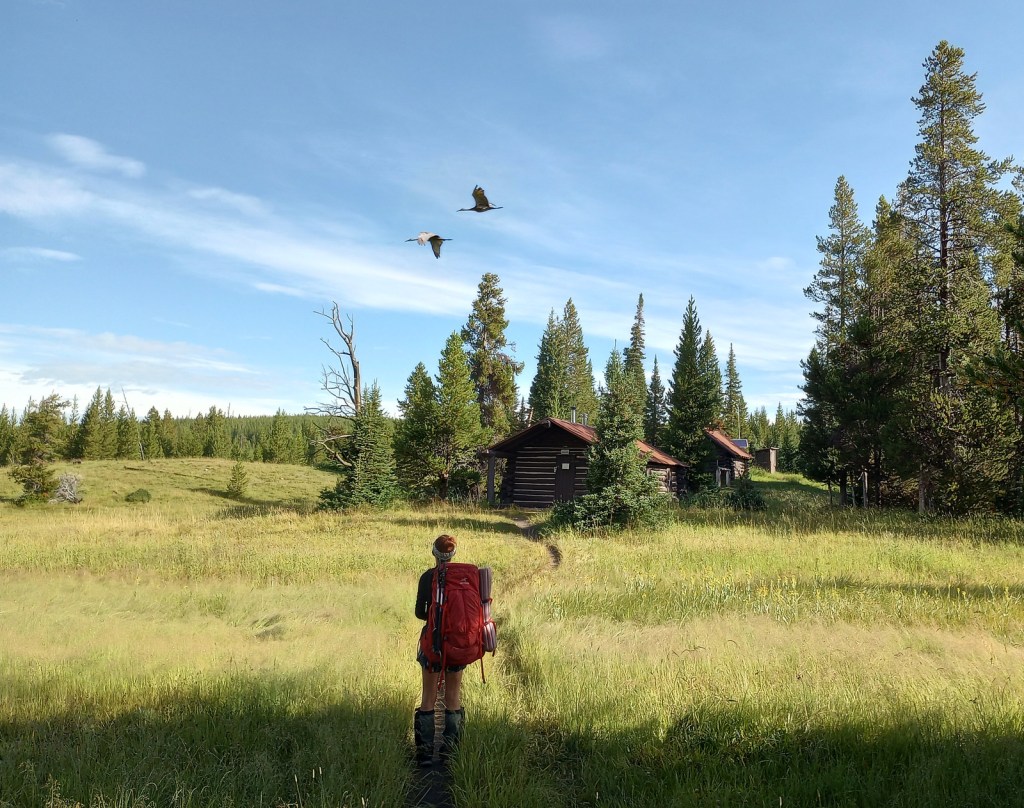
Tiff starting at the Colorado-Wyoming borderTiff in Wyoming’s South Pass City State Historic SiteEntering the Wind River RangeTiff in the Wind River RangeScott near Terrace MountainMule deerWolf tracks outside Tiff’s tent in the morningTiff at Heart Lake in Yellowstone National ParkSandhill cranes in Yellowstone National ParkShoshone Lake in Yellowstone National ParkScott crossing the Lewis River in Yellowstone National ParkGeysers in Yellowstone National ParkTiff at Old Faithful in Yellowstone National ParkYellowstone National ParkTiff finished at the Idaho border in Yellowstone National ParkBeargrass in Montana’s Lewis and Clark National ForestGrizzly bear in Lewis and Clark National ForestChinese WallLewis and Clark National Forest
Explore More – Which three oceans receive water from Triple Divide Pass in Montana?
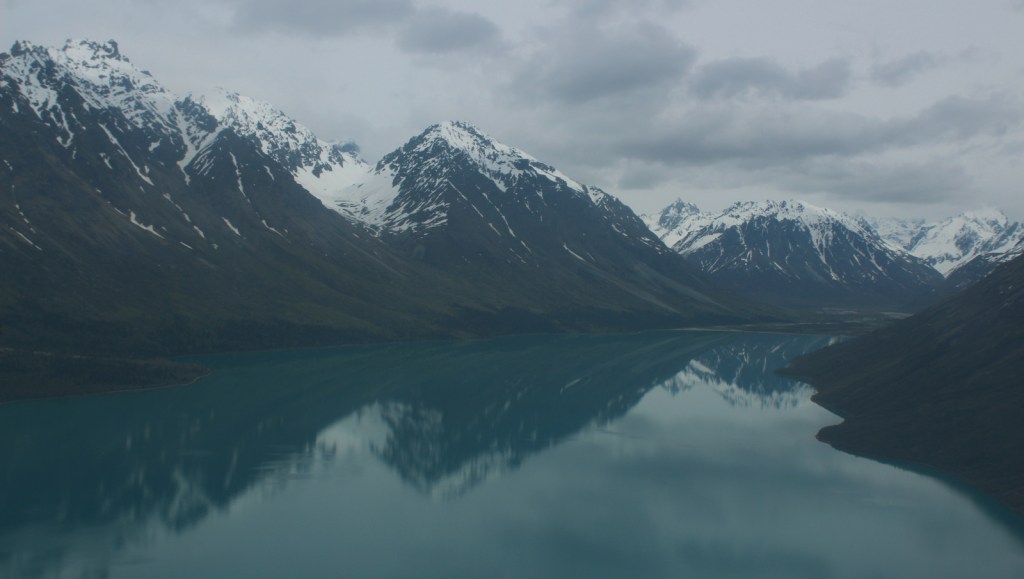
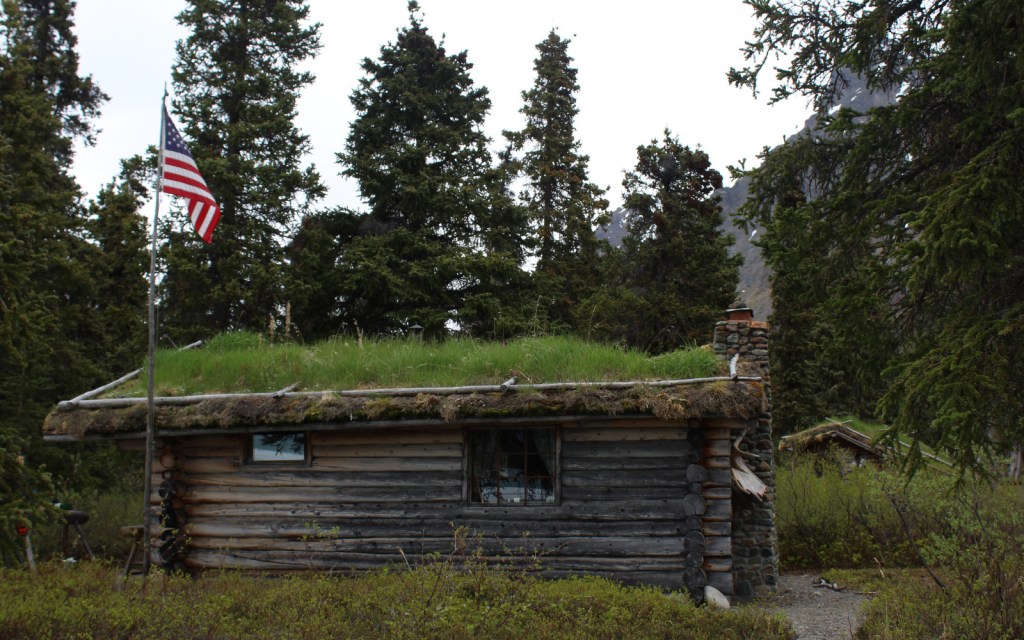
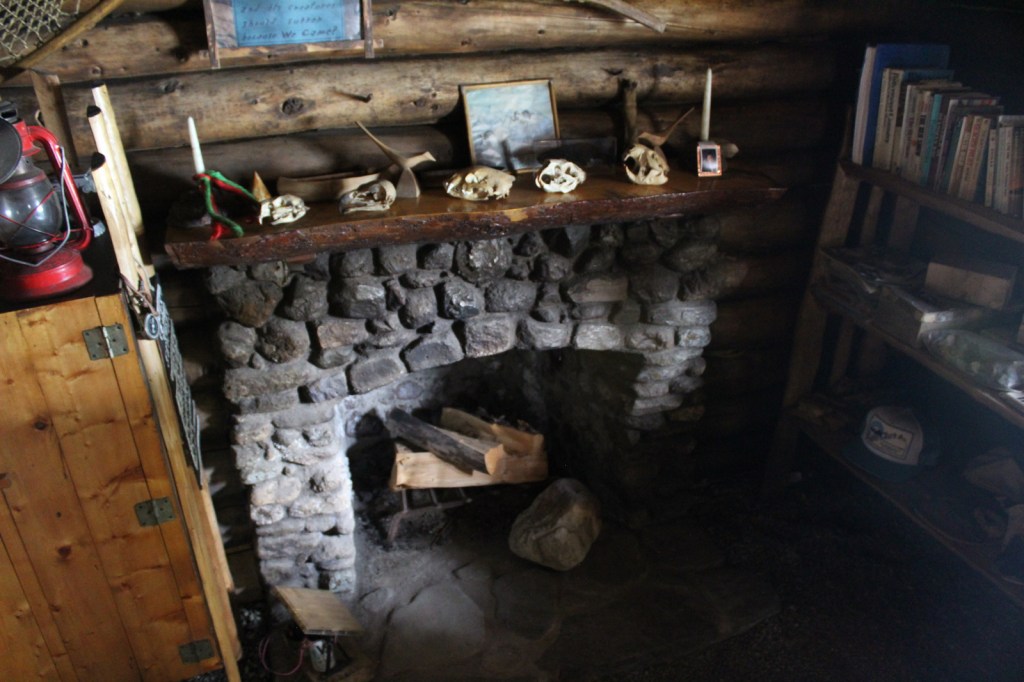
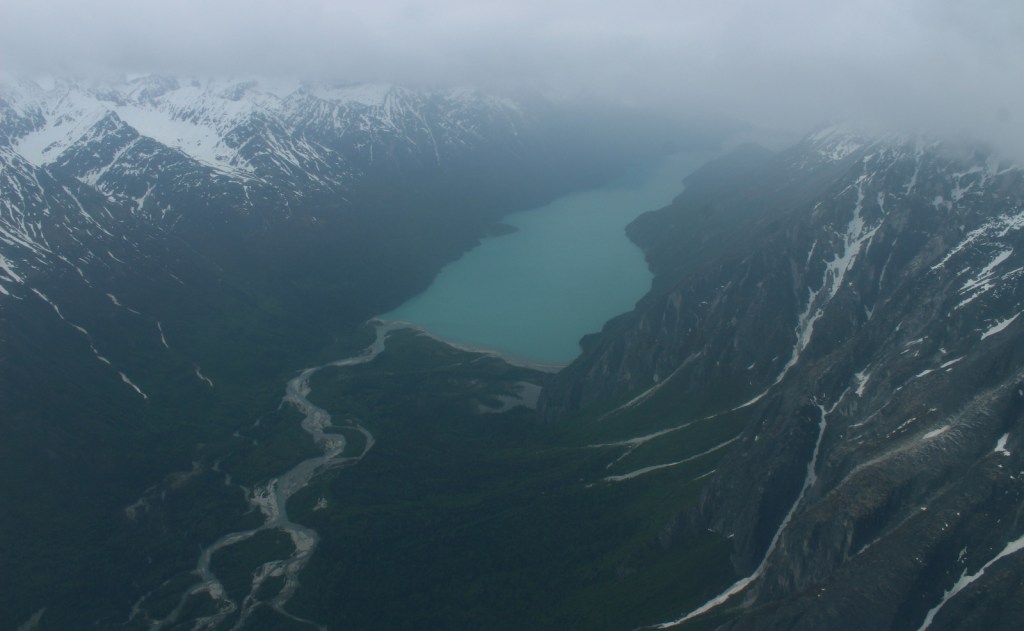
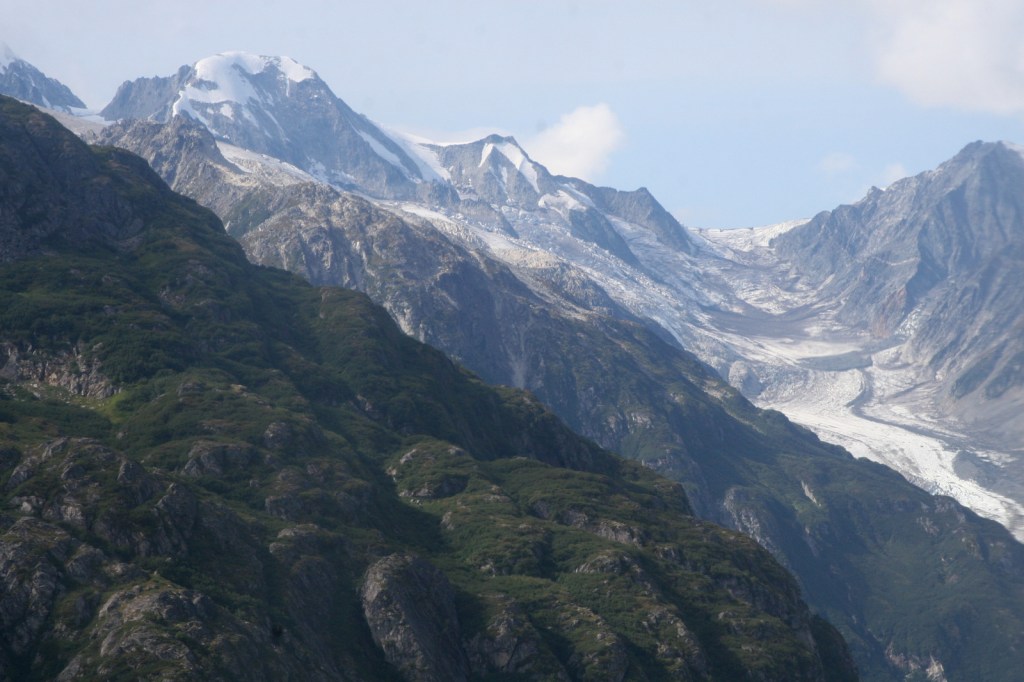
Lake Clark National Park and Preserve is inaccessible by road and receives only about 15,000 visitors annually. It sits at the northern end of the massive Alaska Peninsula southwest of Anchorage, home to the twin 10,000-foot volcanoes Redoubt and Iliamna. Cloaked in the whitest of snow, on a clear day they dominate the skyline view from a boat bobbing in Cook Inlet or a vehicle driving the Sterling Highway. Behind the mountains lies massive Lake Clark itself, as well as the Twin Lakes made famous in the film Alone in the Wilderness and the book One Man’s Wilderness that both documented Richard “Dick” Proenneke’s cabin building and backcountry lifestyle (see our list of the Top 10 Non-Fiction Books Set in a National Park and Alaska). Many visitors take flightseeing tours and never step foot on the ground, but that does not make their experience any less extraordinary.
Redoubt Volcano, Iliamna Volcano, Port Alsworth, Lake Clark, Richard Proenneke Historic Site, Double Glacier
Must-Do Activity
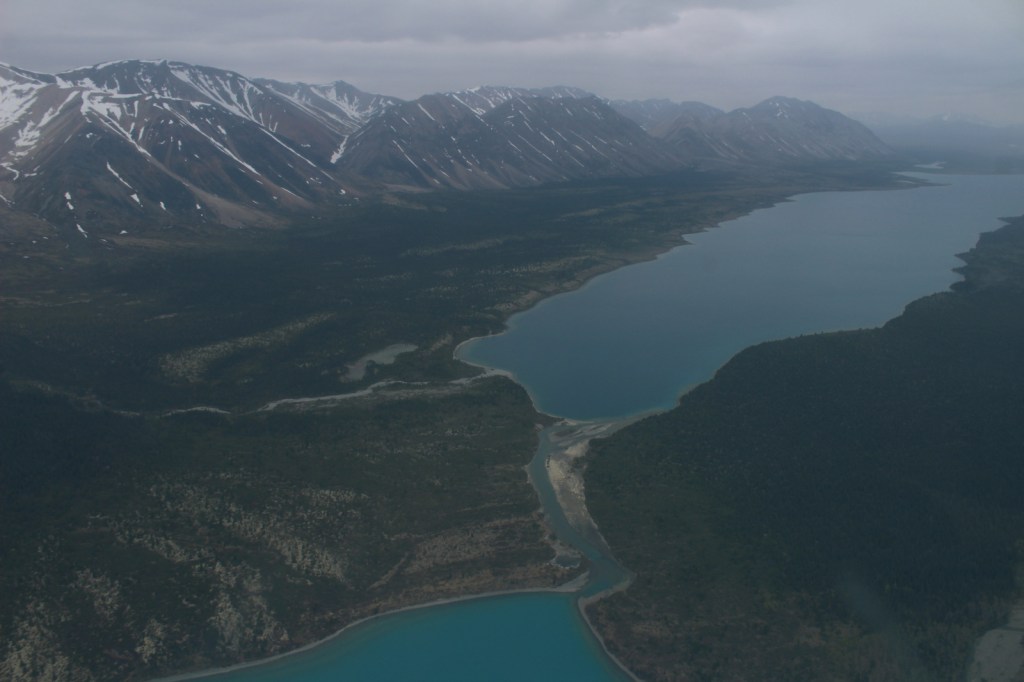
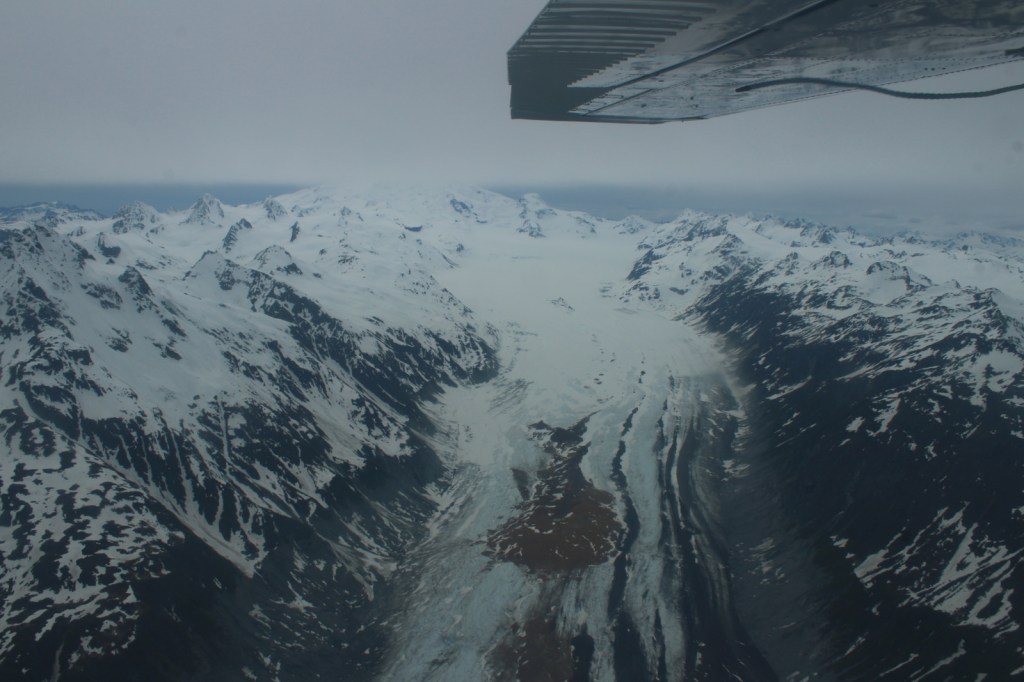
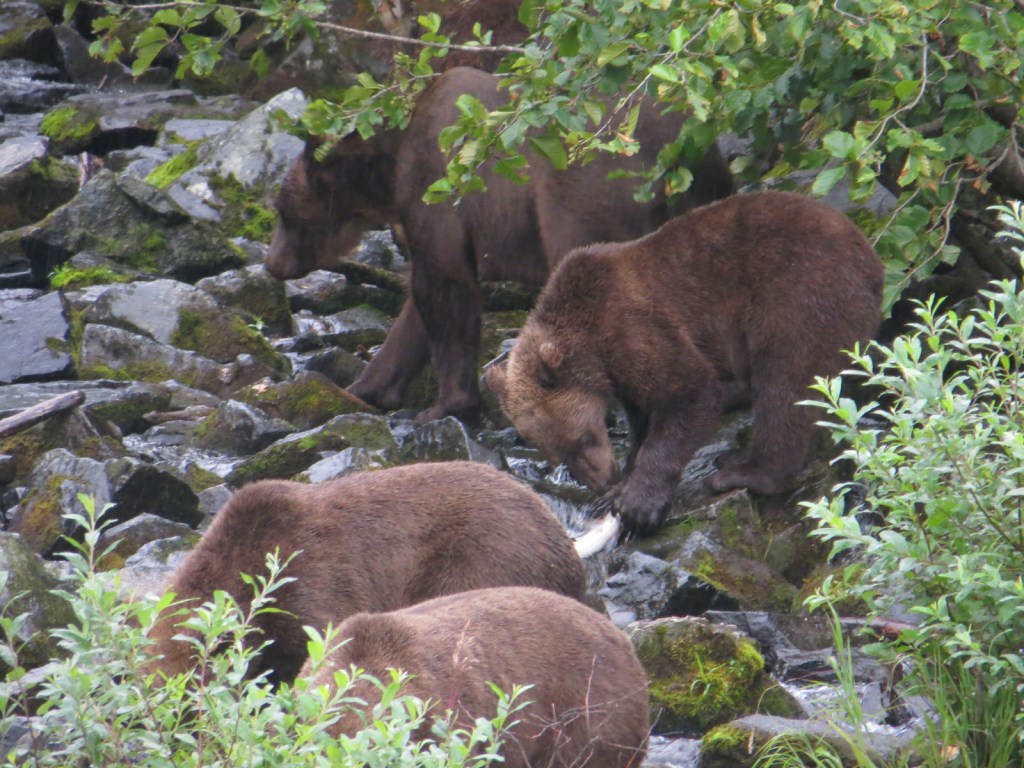
You can easily see the twin 10,000-foot volcanoes (Redoubt and Iliamna) within the park from Anchorage or Homer on a clear day, but getting to them is no easy task. Your best bet is to take a float plane charter service and land on one of the big, glacier-fed lakes. While you are over there try to do some salmon fishing; that is why the brown bears and bald eagles like it here. The park’s visitor center is in Port Alsworth on Lake Clark, and another popular destination is Richard Proenneke Historic Site on Twin Lakes. The park’s best attraction may be the massive glaciers that cling to the peaks of the Alaska and Aleutian Ranges and the Chigmit and Neacola Mountains. Flying over a jagged glacial field offers a unique perspective on these giant rivers of ice and the boulder strewn valleys where gray, milky streams follow the wide pathways left by receded glaciers.
Best Trail
At the park’s visitor center in Port Alsworth, 2.5-mile Tanalian Falls Trail is the only officially maintained trail and a popular destination for backpackers. At Richard Proenneke Historic Site, we hiked the scenic and steep Teetering Rock Trail less than a mile up to its namesake boulder that moves when you push on it.
Instagram-worthy Photo
Viewed from above, Double Glacier appears cracked and fissured like the skin on the back of a human hand. Rocky debris in lines of black accentuate the frozen white that hint at the slow flow of the ice river down the valley. Deeper crevasses reflect a cerulean shade that bewilders the eye in this otherwise monochrome landscape.
None, but it is expensive to access by airplane. We took Kachemak Air Service to Twin Lakes and Talon Air Service to Double Glacier and Big River Lakes/Wolverine Creek.
Road Conditions
Essentially, there are no roads in Lake Clark National Park and Preserve.
Camping
No designated campgrounds exist within the park, so backcountry campers must come prepared with everything they need, plus the supplies required to wait an extra week for pickup should the weather turn bad.
Upper Twin LakeView from the floatplane flying to Twin LakesLower Twin LakeProenneke cabinScott’s mother on Upper Twin LakeBrown bear hair on a back-scratching spruce treeScott’s nephew on the Teetering Rock TrailScott nudging Teetering RockProenneke cabin on Upper Twin LakeProenneke cabinProenneke cabin on Upper Twin LakeIliamna Volcano and glacierLake ClarkA brown bear sow and her three cubs fish for sockeye salmon in shallow Wolverine CreekBig River LakesRedoubt Volcano from Cook InletBlack bear at Wolverine CreekIliamna Volcano from Cook Inlet
Explore More – Before this area was a National Park, when did Richard “Dick” Proenneke arrive at Twin Lakes to begin building his cabin?
We are a participant in the Amazon Services LLC Associates Program, an affiliate advertising program designed to provide a means for us to earn fees by linking to Amazon.com and affiliated sites.
Zion National Park protects an outstanding canyon where steep sandstone walls up to 3,000 feet high appear to glow at sunrise and sunset. Views are great from the road along the North Fork of the Virgin River, but to really get a sense of scale here you have to hike uphill on one of many trails. Check out a new film on the park here: https://zionpark.org/wethekeepers/
Learn more in our guidebook to the National Parks, A Park to Yourself: Finding Adventure in America’s National Parks (available on Amazon).
Highlights
Kolob Canyons, The Narrows, Emerald Pools, Weeping Rock, Observation Point, The Subway, Angels Landing, Canyon Overlook Trail
Must-Do Activity
Kolob Canyons is in the northern section of the park located just off Interstate 15, where a short drive leaves the road noise behind and opens up a world of red rock beauty. There are no campgrounds in this area of the park, so we picked up a backpacking permit at the visitor center to spend the night near Timber Creek. The flowing water meant croaking frogs and toads provided a chorus throughout the night. This site provided a good jumping off point for the La Verkin Creek Trail which travels 7.5 miles one-way to Kolob Arch. At 310 feet across, this arch is one of the biggest in the world, but you cannot get nearly as close to it as you can to those at Arches National Park. Hiking anywhere in Kolob Canyons is much less busy than other parts of Zion National Park, but the trails can be snow covered in the winter (when the access road sometimes closes).
Best Trail
The Narrows, Angels Landing, and The Subway are hiking destinations known around the world, and their popularity means they each require a reservation. Wading upriver through the frigid water of the Narrows, where the canyon pinches to only 18 feet wide in places, is an essential experience open to all visitors for the first five miles to Big Spring. The busy 5.4-mile out-and-back trail to Angels Landing is not for the faint of heart as it follows a knife-edge route with chains mounted in places. But it is worth the effort, even if you just make it to the saddle at the end of Walter’s Wiggles, perhaps the world’s most famous trail switchbacks.
Instagram-worthy Photo
We watched a huge California condor flying over Zion Canyon from Observation Point, a popular eight-mile out-and-back hike that leaves from the same trailhead as Weeping Rock.
The main roads into Kolob Canyons and Zion Canyon are paved, but a free shuttle bus is required to enter the dead end Zion Canyon Scenic Drive from 7 a.m. to 7 p.m. daily from March to November (click here for more shuttle information). There is an extra fee for large RVs to use the Zion-Mount Carmel Tunnel, since they require a pilot car and the road must be shut down to one-way traffic only.
Camping
There is not a campground in Kolob Canyons, but in Zion Canyon you can wake up to an awesome morning view in sprawling Watchman or South Campgrounds. Lava Point Campground is located down the long, unpaved Kolob Terrace Road and is closed in the winter. Dispersed camping is allowed by the Bureau of Land Management outside park boundaries, but it can be hard to find an open spot.
Tiff wading The NarrowsBighorn sheepLooking out from underneath the Weeping WallTiff at Observation PointYearling mule deerSunriseScott on the trail to Hidden Canyon (note the chains on the wall to grab on to)Tiff having to balance on a tree to get up the trailAn archKolob CanyonsKolob CanyonsScott in Kolob CanyonsTalkin’ turkey about the parks
Explore More – Walter’s Wiggles may be the world’s most famous trail switchbacks, so who are they named after?
This design we created to celebrate Zion National Park is available on a variety of products at Cafe Pressand Amazon.
Explore More – Walter’s Wiggles may be the world’s most famous trail switchbacks, so who are they named after?
We are a participant in the Amazon Services LLC Associates Program, an affiliate advertising program designed to provide a means for us to earn fees by linking to Amazon.com and affiliated sites.
The standard license plate for Washington state depicts Mount Rainier, but this alternative one seemingly covers North Cascades and Olympic National Parks as well
We always found the image on this specialty plate a little too washed out to see while driving down the road when we lived in California (but more interesting than the state’s white plate)
This stunning plate has been standard issue for all Utah drivers for decades and depicts Delicate Arch while not specifically mentioning the National Park (there is a mostly white Zion plate, too)