Tag Archives: National Historical Park

Reconstruction Era National Historical Park

Overview

Like Freedom Riders National Monument in Alabama, President Obama established Reconstruction Era National Monument in 2017.  The park is located about an hour south of Charleston, South Carolina and is still under development, but they already have a Junior Ranger program.  The Reconstruction Era took place following the Civil War when the U.S. military helped freed African-American slaves integrate into southern society.  It was a complicated and mostly failed social experiment with long-lasting repercussions within American culture.

Highlights

Old Beaufort Firehouse, Robert Smalls Memorial, Camp Saxton, Penn Center, Brick Baptist Church

Must-Do Activity

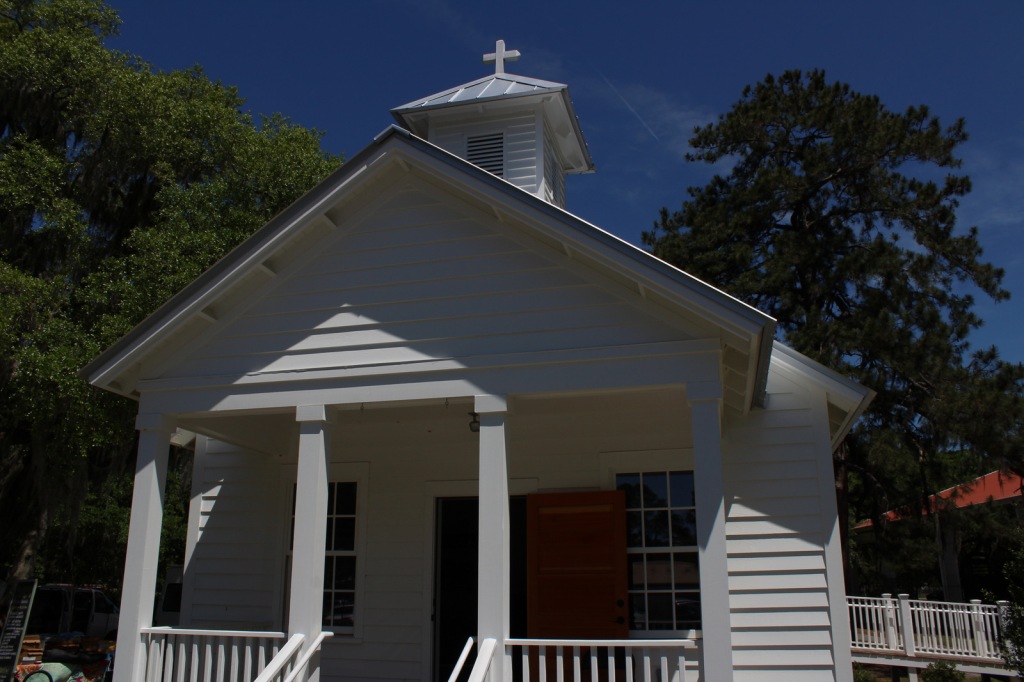
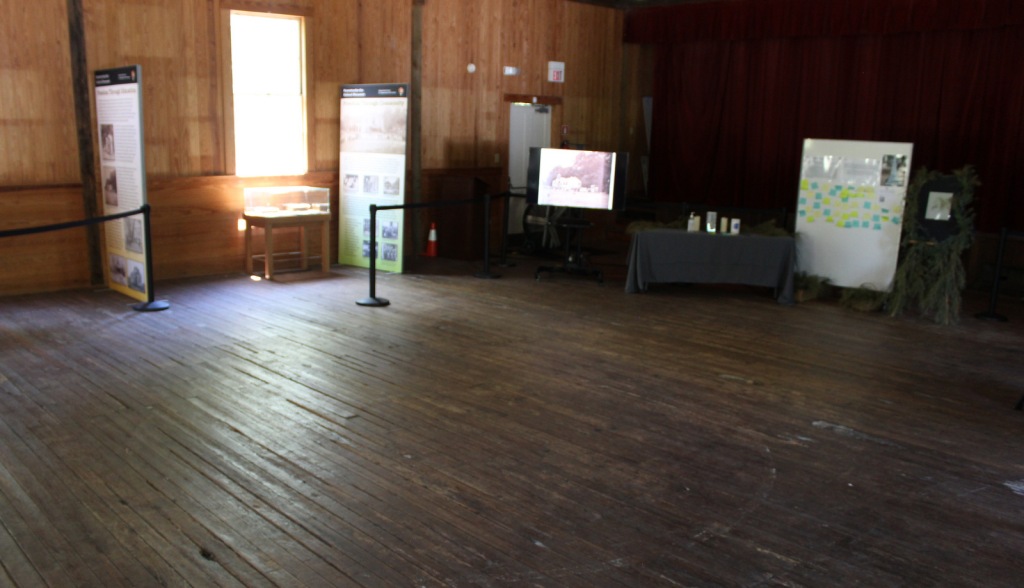
We recommend the ranger-guided tour of Camp Saxton that leaves from the National Park Service (NPS) operated Porter’s Chapel, next to the skate park in Port Royal, South Carolina.  Following the loss of Fort Sumter, the Union Army occupied this area by late-1861, eventually training former slaves to serve as soldiers.  There is nothing left to see of the camp, but there are tabby walls from old Fort Frederick.  After a short walk, the park ranger will help you imagine what the scene would have looked like when the black soldiers were officially freed on Emancipation Day, January 1, 1863.

Best Trail

You can walk around the historic Penn Center (guided tours offered) where the NPS maintains a visitor center in Darrah Hall, a donated part of this National Historic Landmark that has a long history of African-American education. 

Instagram-worthy Photo

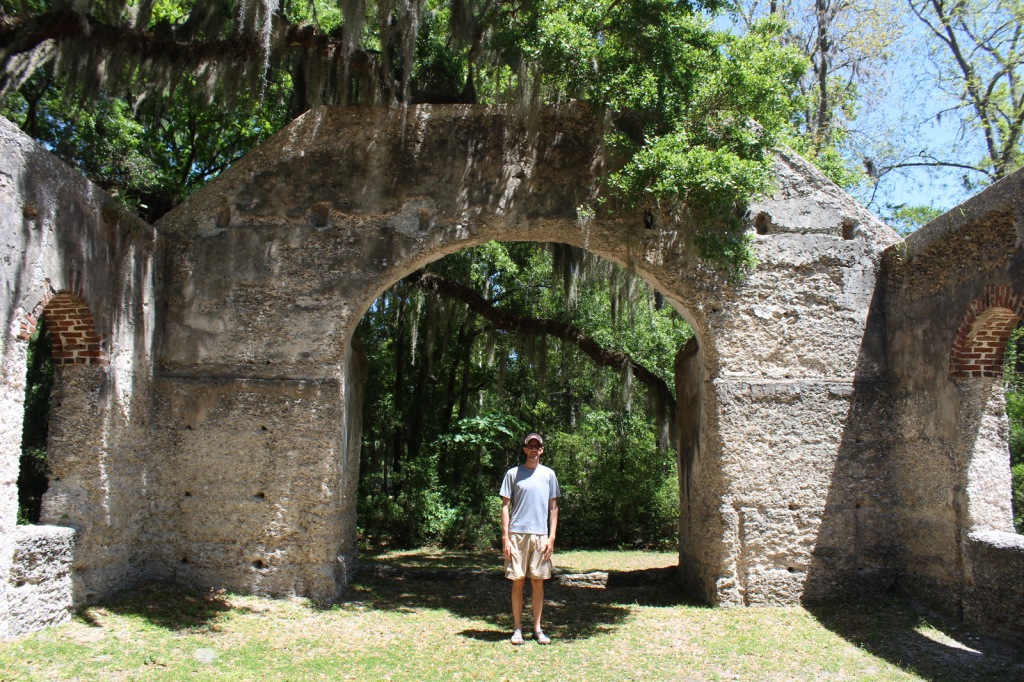
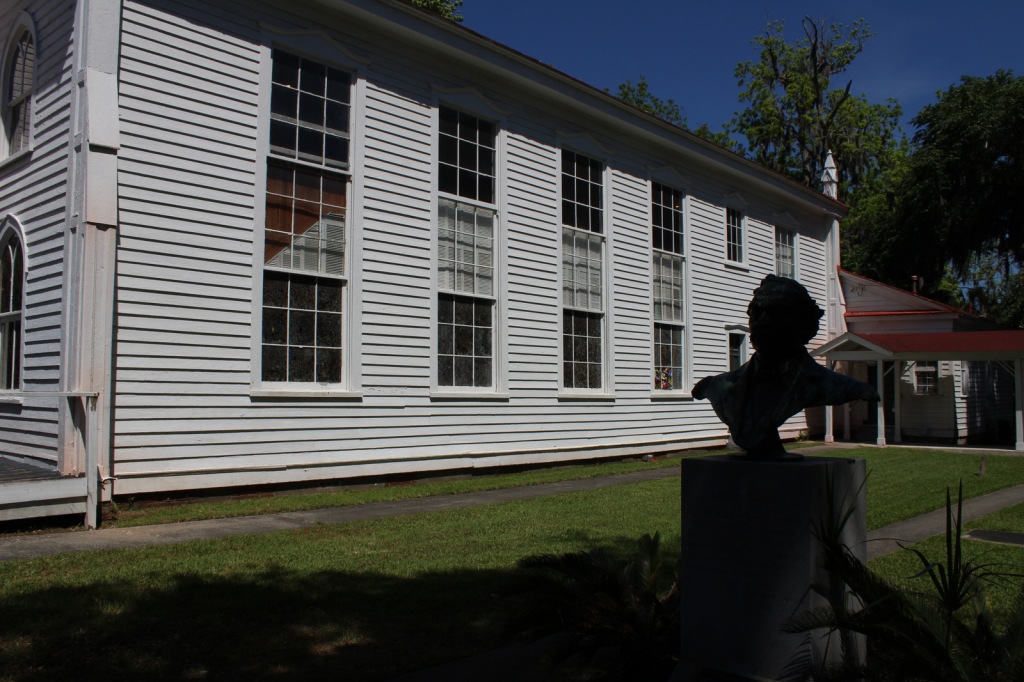
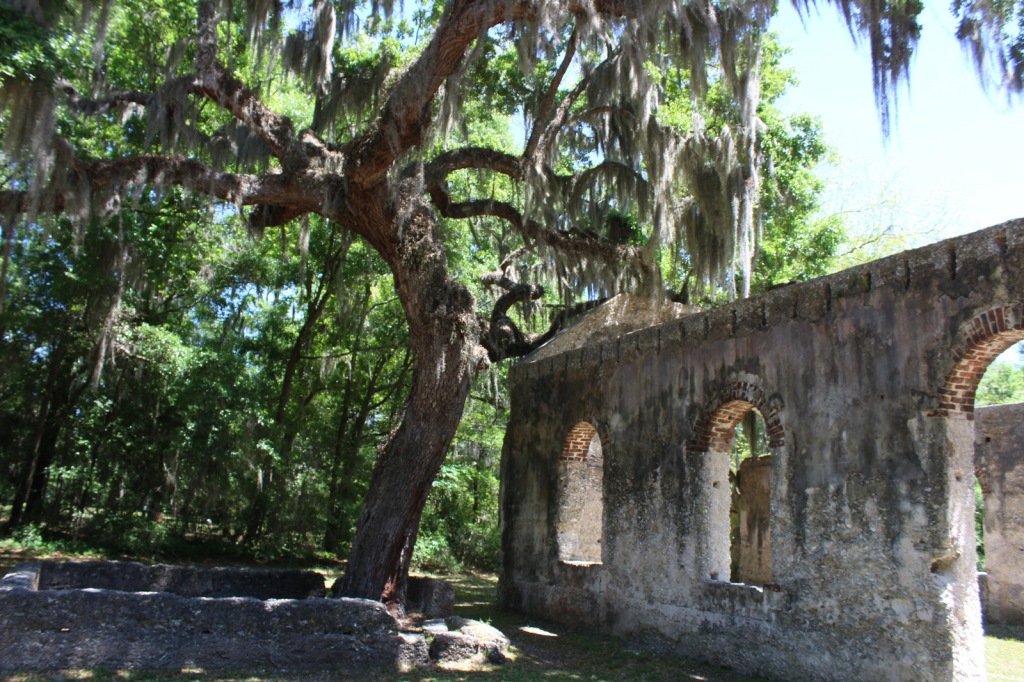
The Old Sheldon Church Ruins are not technically part of the park, but they are located just down the road from the Penn Center.  The Parrish Church of St. Helena outside Beaufort is also very photogenic.
Peak Season

Summer

Hours

https://www.nps.gov/reer/planyourvisit/hours.htm

Fees

None

Road Conditions

All major access roads are paved, although parking can be scarce around Port Royal during the farmers’ market.

Camping

Hunting Island and Edisto Beach State Parks both take camping reservations, so book early.  There are also campgrounds and backcountry campsites north of Charleston, South Carolina in Francis Marion National Forest.

Related Sites

Fort Sumter and Fort Moultrie National Historical Park (South Carolina)

Camp Nelson Heritage National Monument (Kentucky)

Fort Monroe National Monument (Virginia)

Explore More – How did future U.S. Congressman Robert Smalls escape slavery during the Civil War?

Top National Park Service Site in Each State

We kicked off our travel blog by highlighting our favorite National Park Service site in each of the 50 states.

Alabama

Tuskegee Airmen National Historic Site

Alaska

Wrangell-St. Elias National Park and Preserve

Arizona

Organ Pipe Cactus National Monument

Arkansas

Buffalo National River

California

Lava Beds National Monument

Colorado

Great Sand Dunes National Park and Preserve

Connecticut

Weir Farm National Historic Site

Delaware

First State National Historical Park

Florida

Dry Tortugas National Park

Georgia

Andersonville National Historic Site

Hawaii

Kalaupapa National Historical Park

Idaho

City of Rocks National Reserve

Illinois

Pullman National Historical Park

Indiana

Indiana Dunes National Park

Iowa

Effigy Mounds National Monument

Kansas

Brown v. Board of Education National Historic Site

Kentucky

Mammoth Cave National Park

Louisiana

Jean Lafitte National Historical Park and Preserve

Maine

Appalachian National Scenic Trail 

Maryland

Catoctin Mountain Park

Massachusetts

Lowell National Historical Park

Michigan

Pictured Rocks National Lakeshore

Minnesota

Grand Portage National Monument

Mississippi

Vicksburg National Military Park

Missouri

Ozark National Scenic Riverways

Montana

Big Hole National Battlefield

Nebraska

Scotts Bluff National Monument

Nevada

Great Basin National Park

New Hampshire

Saint-Gaudens National Historic Site

New Jersey

Thomas Edison National Historical Park

New Mexico

Bandelier National Monument

New York

Fort Stanwix National Monument

North Carolina

Cape Lookout National Seashore

North Dakota

Theodore Roosevelt National Park

Ohio

Dayton Aviation Heritage National Historical Park

Oklahoma

Chickasaw National Recreation Area

Oregon

John Day Fossil Beds National Monument 

Pennsylvania

Fort Necessity National Battlefield

Rhode Island

Roger Williams National Memorial

South Carolina

Congaree National Park

South Dakota

Jewel Cave National Monument

Tennessee

Big South Fork National River and Recreation Area

Texas

Big Bend National Park

Utah

Capitol Reef National Park

Vermont

Marsh-Billings-Rockefeller National Historical Park 

Virginia

Fort Monroe National Monument

Washington

Lake Chelan National Recreation Area

West Virginia

New River Gorge National Park and Preserve

Wisconsin

Apostle Islands National Lakeshore

…and finally our home state…

Wyoming

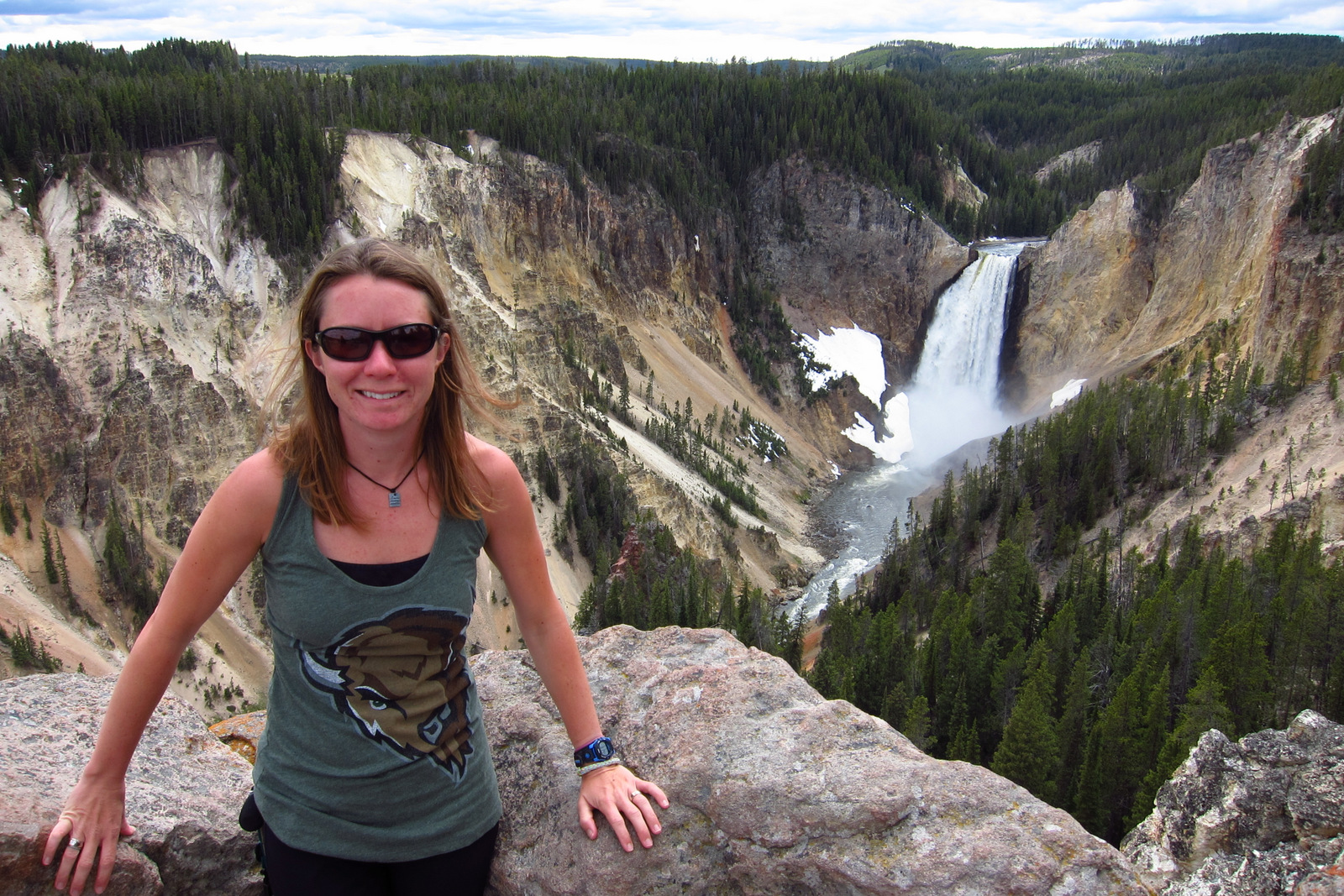
Yellowstone National Park


Honorable Mention

District of Columbia

Ford’s Theatre National Historic Site

Cedar Creek and Belle Grove National Historical Park

Overview

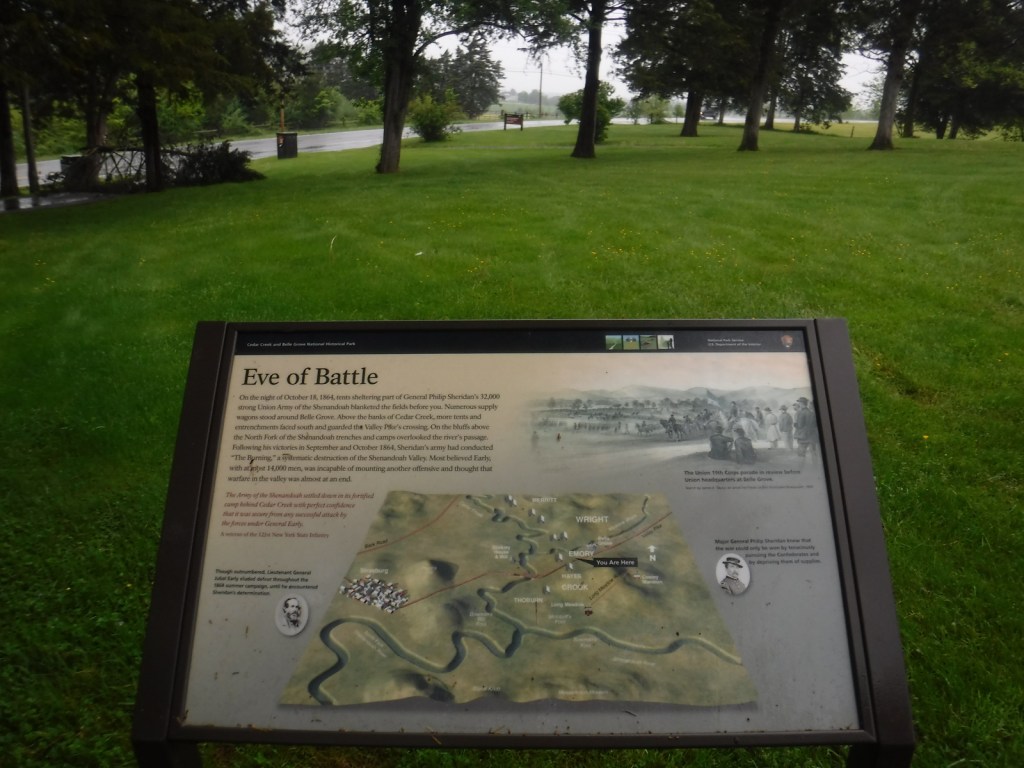
The Shenandoah Valley was the Confederate States of America’s “breadbasket” in the 1860s and thus had strategic importance during the Civil War.  This led to numerous skirmishes and the fight that took place on October 19, 1864 is commemorated at Cedar Creek and Belle Grove National Historical Park.  Little of the land within this 3,700-acre park established in 2002 is owned by the federal government, but the National Park Service (NPS) has done a significant amount of work to improve its interpretive signage since our first visit in 2016.

Highlights

Morning Attack Trails, driving tour, Hupp’s Hill Museum, Belle Grove historic plantation

Must-Do Activity

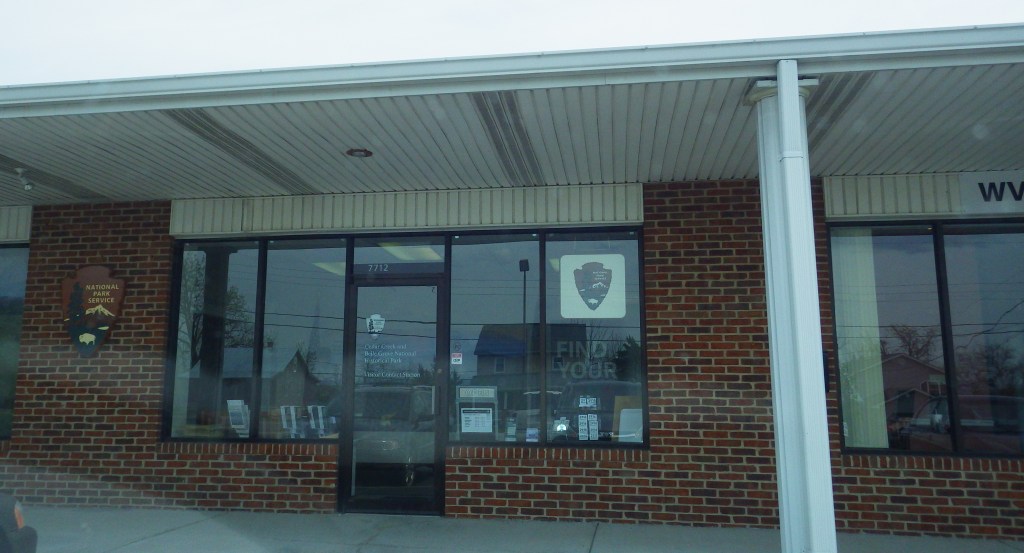
If you need the stamp for your NPS passport, stop at the Visitor Contact Station located in a strip mall in Middletown, Virginia.  There you can pick up a free guide to help you follow the driving tour focused on the October 19, 1864 battle fought at Cedar Creek.  There is also a free app available on the park’s website.  Managed by a non-profit that organizes an annual reenactment of the battle, Hupp’s Hill Civil War Park has a museum (fee).  You can also pay to take a tour of the manor house at Belle Grove.

Best Trail

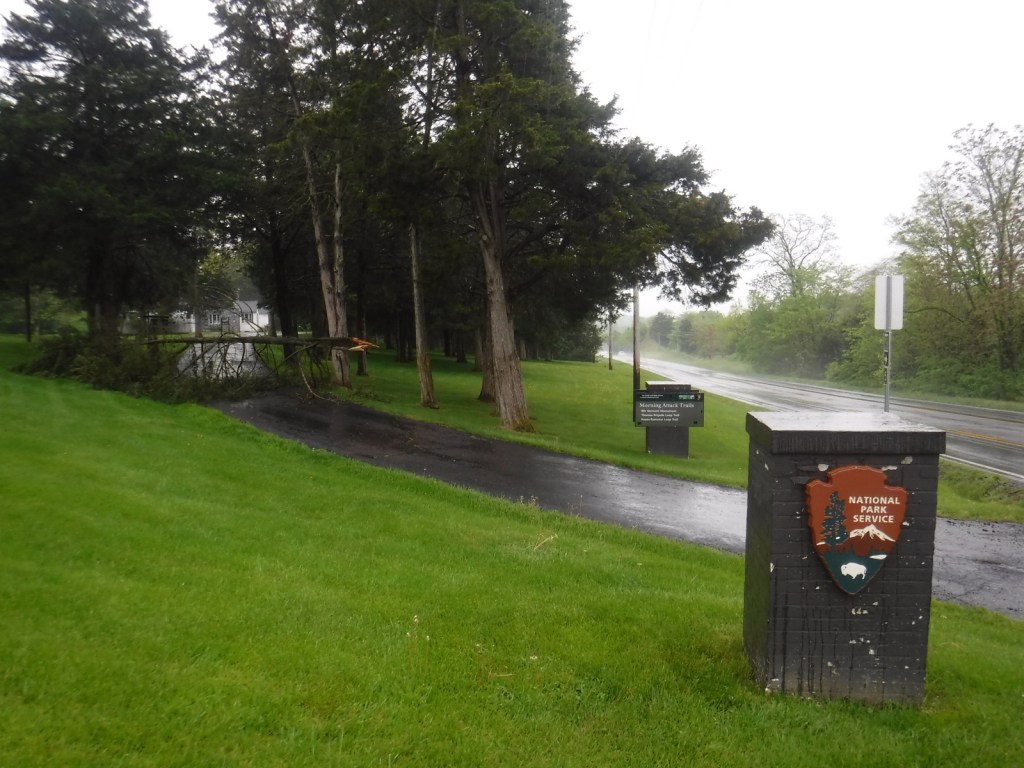
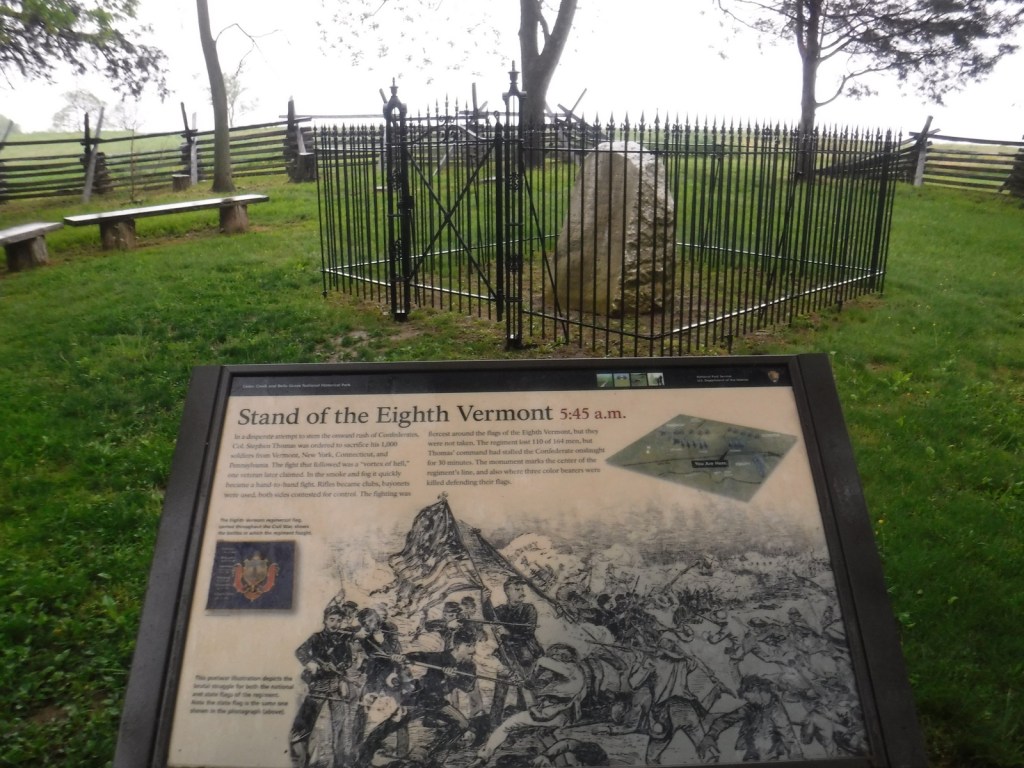
The Morning Attack Trails are located next to the NPS Headquarters off Highway 11 with interpretive signage placed on the 300-yard long 8th Vermont Monument Trail, 0.6-mile Thomas Brigade Loop, and 0.7-mile Hayes-Ramseur Loop.

Instagram-worthy Photo

Available for guided tours (fee) between April and December, the manor house at Belle Grove plantation dates back to 1797.  Union General Philip Sheridan used the house as his headquarters in 1864 and most of his 31,600 troops camped on the property.

Peak Season

Fall

Hours

https://www.nps.gov/cebe/planyourvisit/hours.htm

Fees

Admission charged for guided tours of Belle Grove manor house and entrance to Hupp’s Hill Museum.

Road Conditions

Some of the roads on the driving tour are unpaved and not recommended for buses or RVs.

Camping

None

Related Sites

Gettysburg National Military Park (Pennsylvania)

Harpers Ferry National Historical Park (West Virginia-Maryland-Virginia)

Shenandoah National Park (Virginia)

Explore More – Belle Grove was owned by Isaac Hite, Jr. and his wife Nelly, who was the sister of which U.S. President?

Cane River Creole National Historical Park

Overview

In colonial Louisiana, the word “Creole” referred to any New World product, from architecture to livestock to human beings (and was not specific to any ethnicity).  South of Natchitoches, Louisiana the Cane River National Heritage Area follows an abandoned meander of the Red River, with two antebellum cotton plantations protected as Cane River Creole National Historical Park.  This National Park Service (NPS) site was authorized in 1994 and continues to be developed; meanwhile it provides an interesting perspective on a unique culture and excellent photographic opportunities.

Highlights

Oakland Plantation, Magnolia Plantation, historic buildings, pecan picking

Must-Do Activity

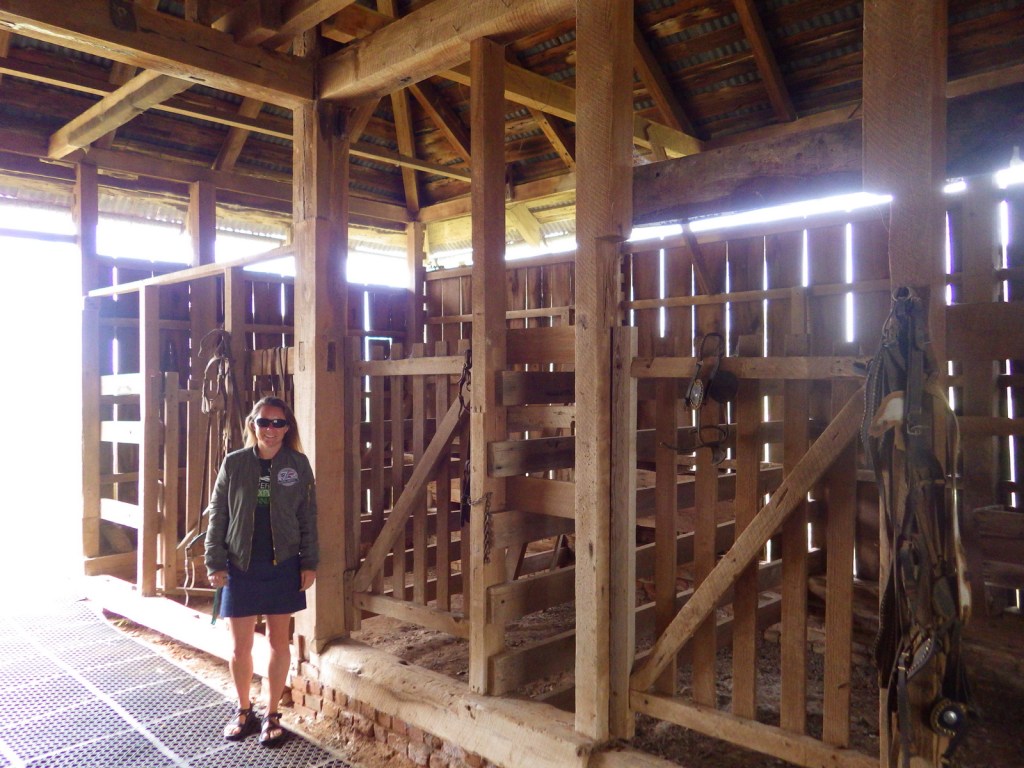
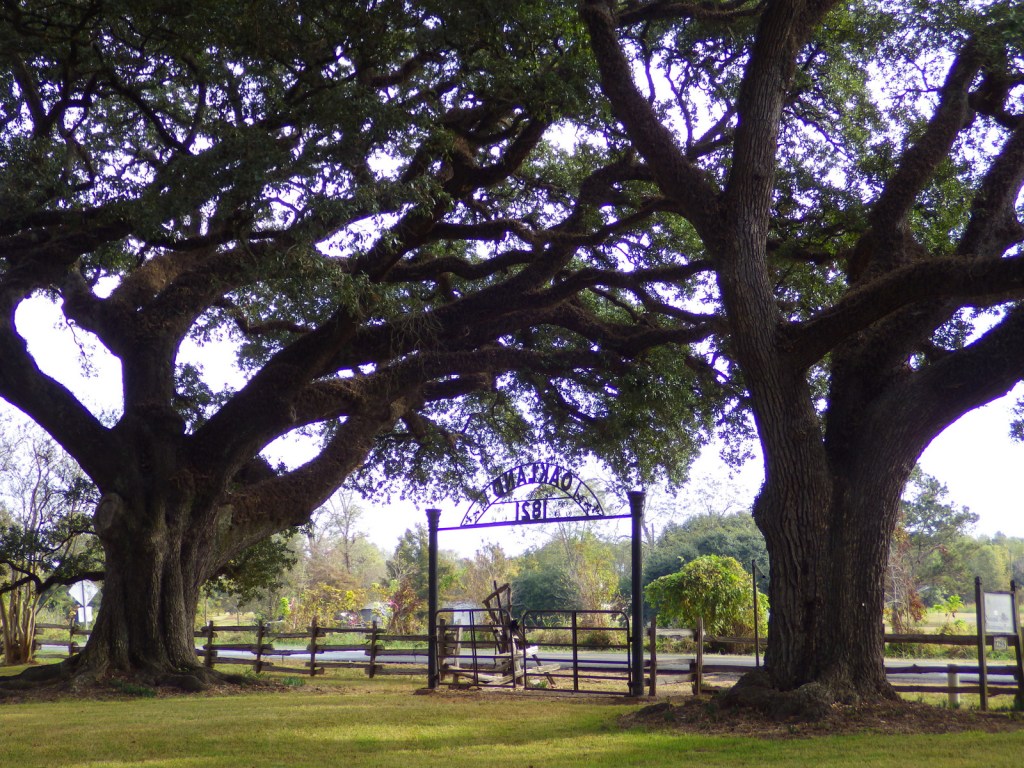
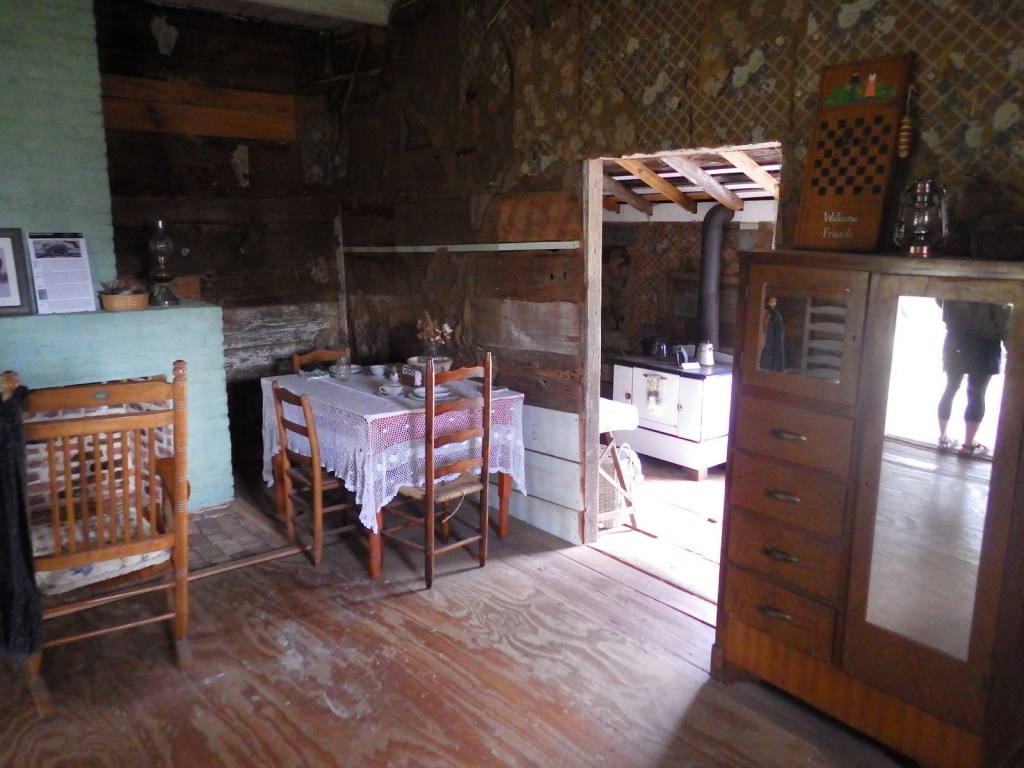
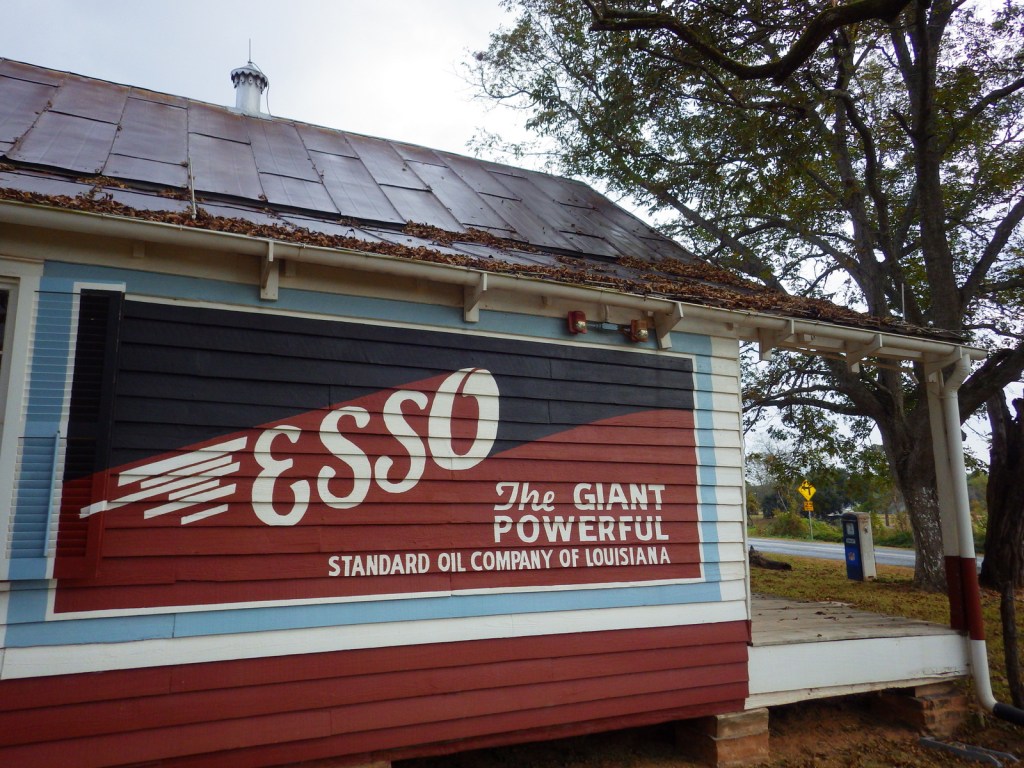
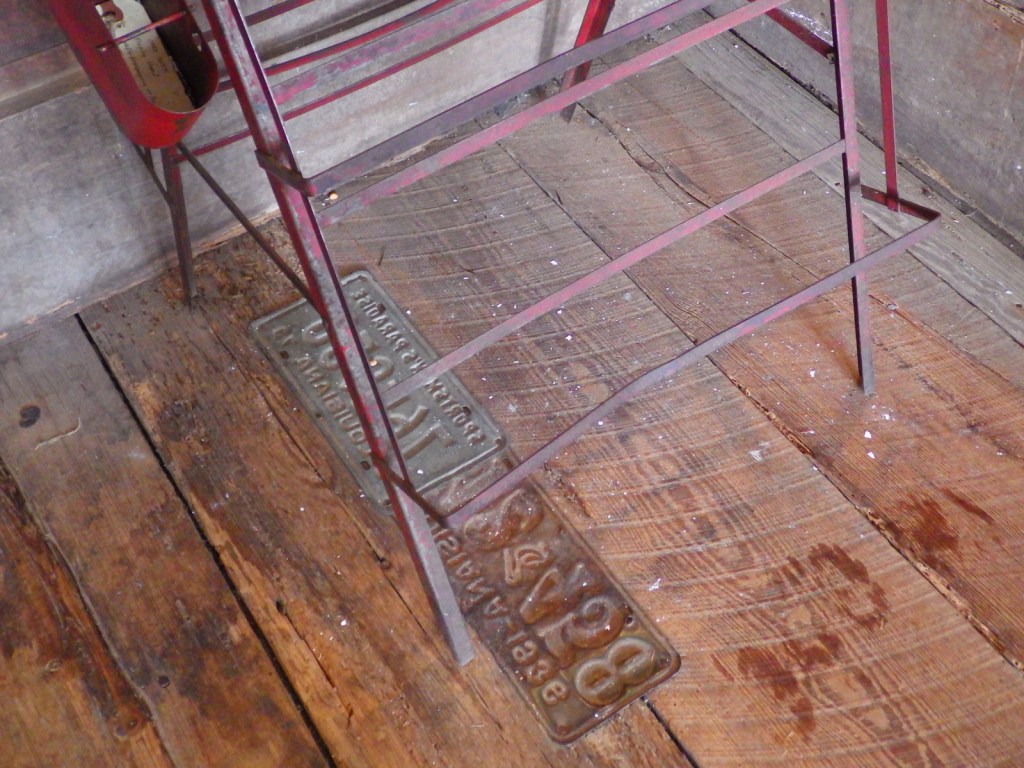
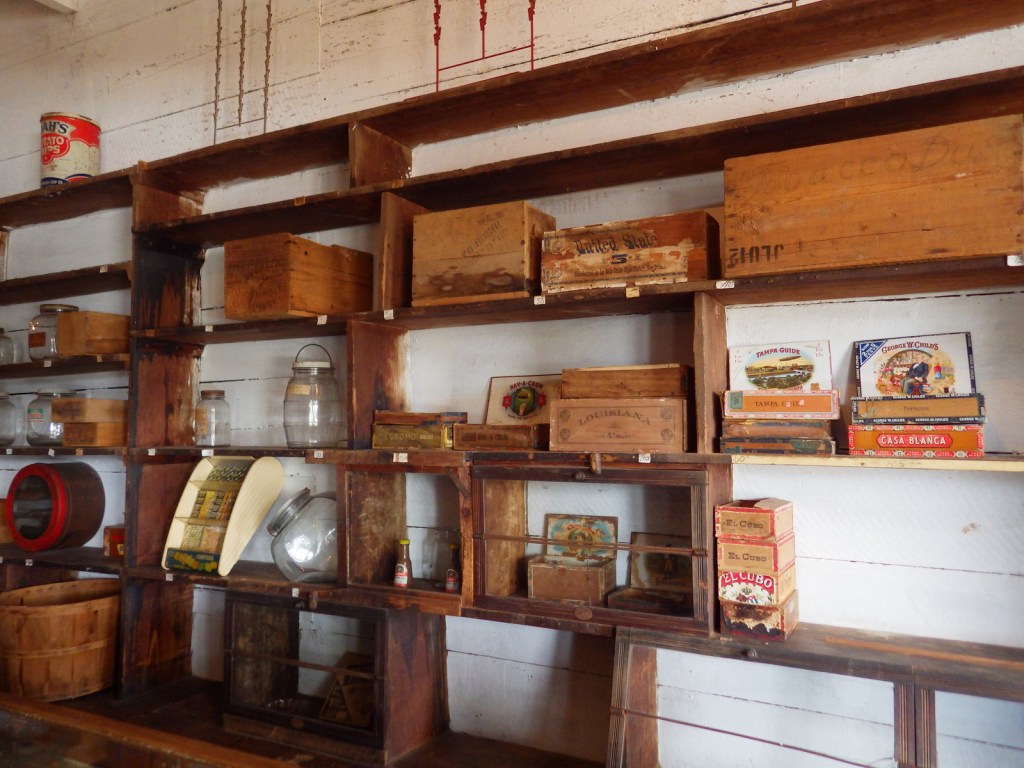
Oakland Plantation dates back to the late 1700s and survived the Civil War intact, but in the wake of Reconstruction tenant farming created a new form of indentured servitude.  Self-guided tours of the site take you through the mule barn, general store, and several cottages.  When we visited in November 2016, park volunteers were only offering one tour per day, but were happy to spend time talking with us inside the old general store.  Slave/tenant quarters are also preserved at Magnolia Plantation downstream, but the main house (which was burned during the Civil War and rebuilt) is privately owned and closed to the public. 

Best Trail

None

Instagram-worthy Photo

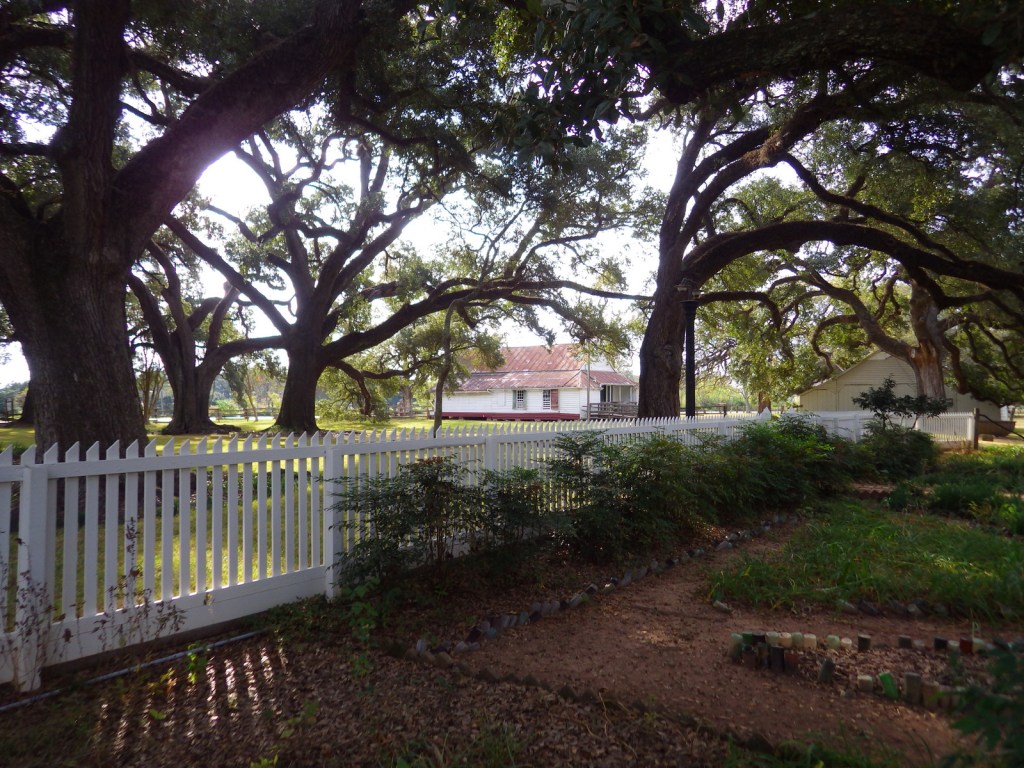
Nothing says you are in the South like the crooked branches of live oak trees.  Live oaks drape over the bottle-lined garden at the Oakland Plantation main house.

Peak Season

Fall

Hours

https://www.nps.gov/cari/planyourvisit/hours.htm

Fees

None

Road Conditions

All roads paved

Camping

Kisatchie National Forest has a small campground three miles north of Natchitoches off State Road 117.

Related Sites

Natchez National Historical Park (Mississippi)

Jean Lafitte National Historical Park and Preserve (Louisiana)

Poverty Point National Monument (Louisiana)

Explore More – Cane River National Heritage Area covers 40,000 acres, but how large is Cane River Creole National Historical Park?

Salt River Bay National Historical Park and Ecological Preserve

Overview

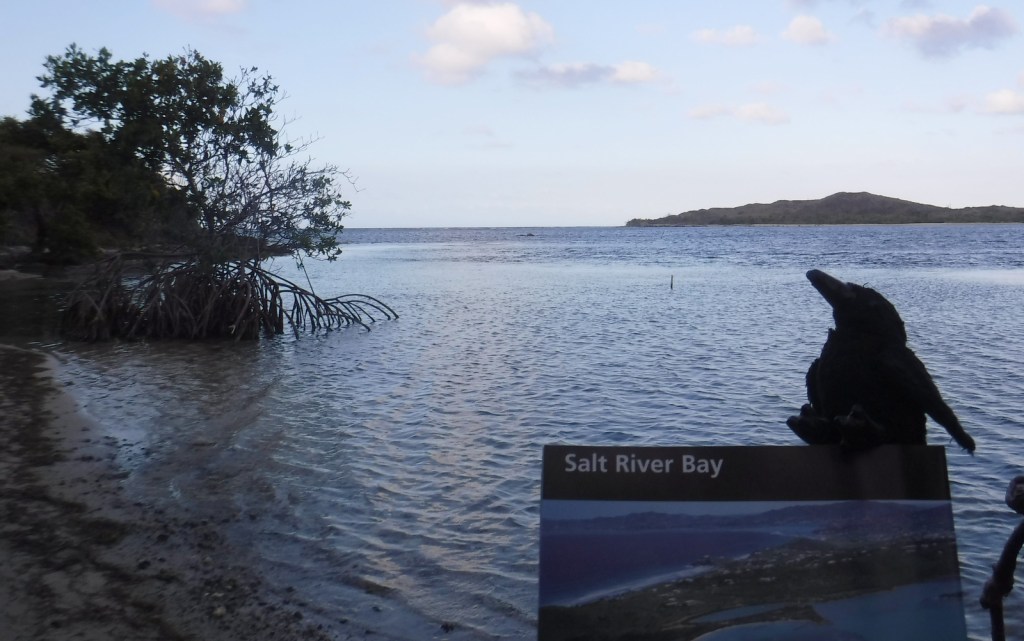
When the U.S. Virgin Islands chose a National Park Service (NPS) site for their quarter (see below) in the America the Beautiful coin collection they selected this undeveloped park, which we would rank worst of the five NPS units there.  Established in 1992, it contains the only place in the United States where Christopher Columbus’s men set foot 500 years ago (although that is now underwater).  The region is still recovering after Hurricanes Irma and Maria did extensive damage in 2017, including the removal of the NPS contact station here.

Highlights

Mangroves, bioluminescent bay

Must-Do Activity

On St. Croix Island, the NPS has exhibits about this park at Christiansted National Historic Site, including descriptions of the western hemisphere’s first violent resistance by natives to European encroachment in 1493.  The park is completely undeveloped, including the archaeological sites.  The must-do activity is a kayaking trip after dark to Mangrove Lagoon to see the bioluminescent organisms there.  Plan your trip around a new moon when the darkness helps them show up better.  Do not bother bringing your waterproof camera, since it is nearly impossible to capture on film.

Best Trail

None

Instagram-worthy Photo

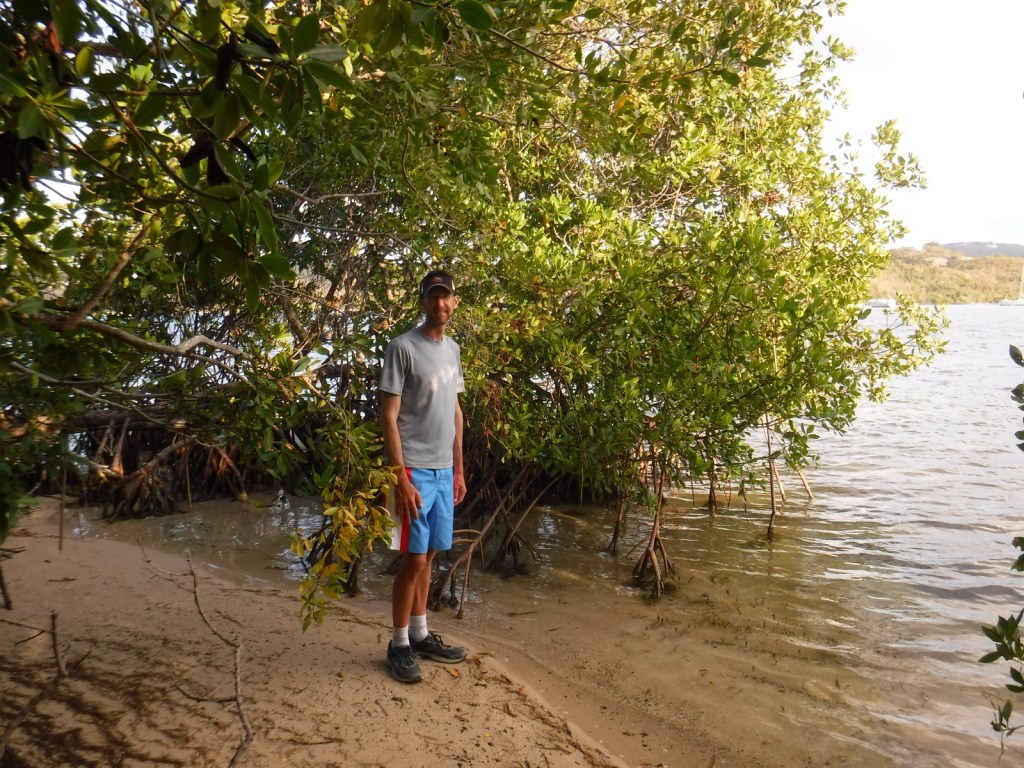
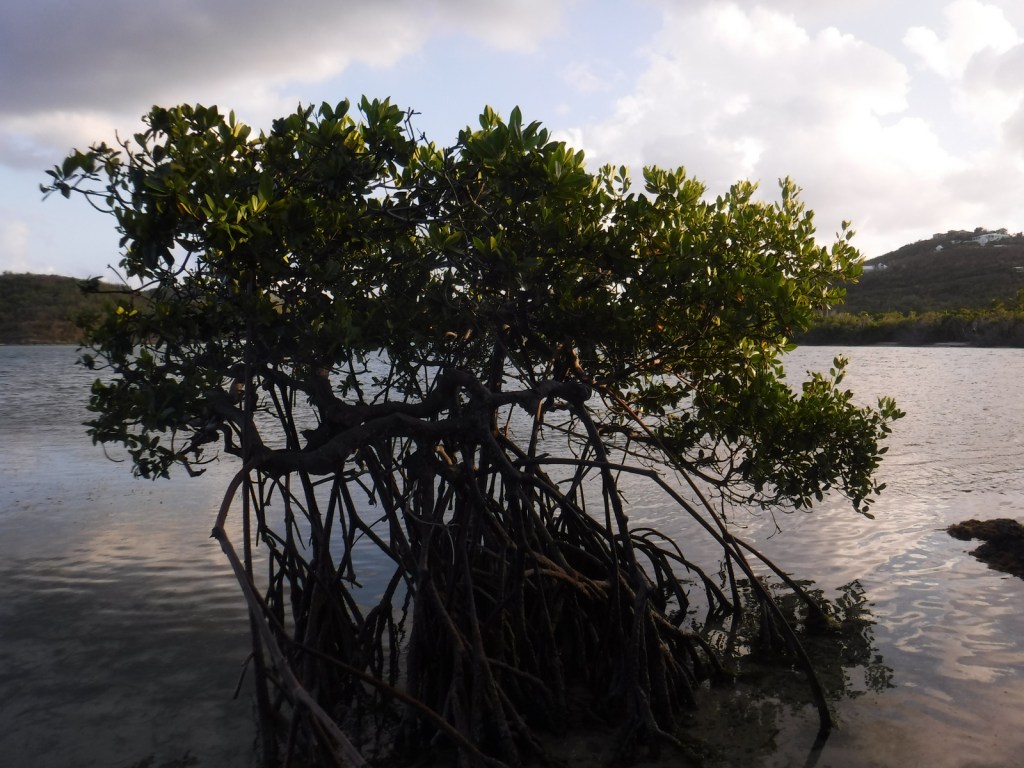
The long roots of mangroves help protect the shore from storm damage and provide a safe hiding place for small fish.

Peak Season

Spring

Hours

https://www.nps.gov/sari/planyourvisit/hours.htm

Fees

None, except for guided tours of the bioluminescent bay

Road Conditions

Access roads paved

Camping

There is no official campground, but locals have semi-permanent camps set up on the beach within Salt River Bay National Historical Park and Ecological Preserve and other parts of the island.  We found the best deals on St. Croix Island were available through Airbnb.

Related Sites

Buck Island Reef National Monument (U.S. Virgin Islands)

Christiansted National Historic Site (U.S. Virgin Islands)

Virgin Islands National Park (U.S. Virgin Islands)

Explore More – This park contains the only Taino ballcourt in the Caribbean built before Columbus’s arrival; when was it discovered?

We are a participant in the Amazon Services LLC Associates Program, an affiliate advertising program designed to provide a means for us to earn fees by linking to Amazon.com and affiliated sites.