Tag Archives: museum

Navajo National Monument

Navajo National Monument

Arizona

Managed by National Park Service

Established 1909

360 acres

Website: nps.gov/nava

Overview

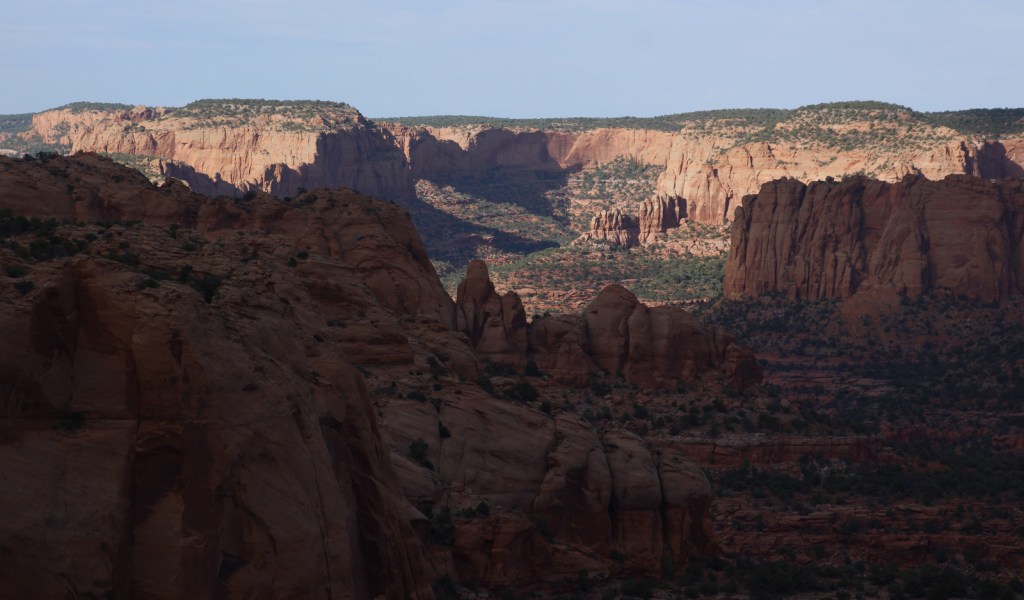
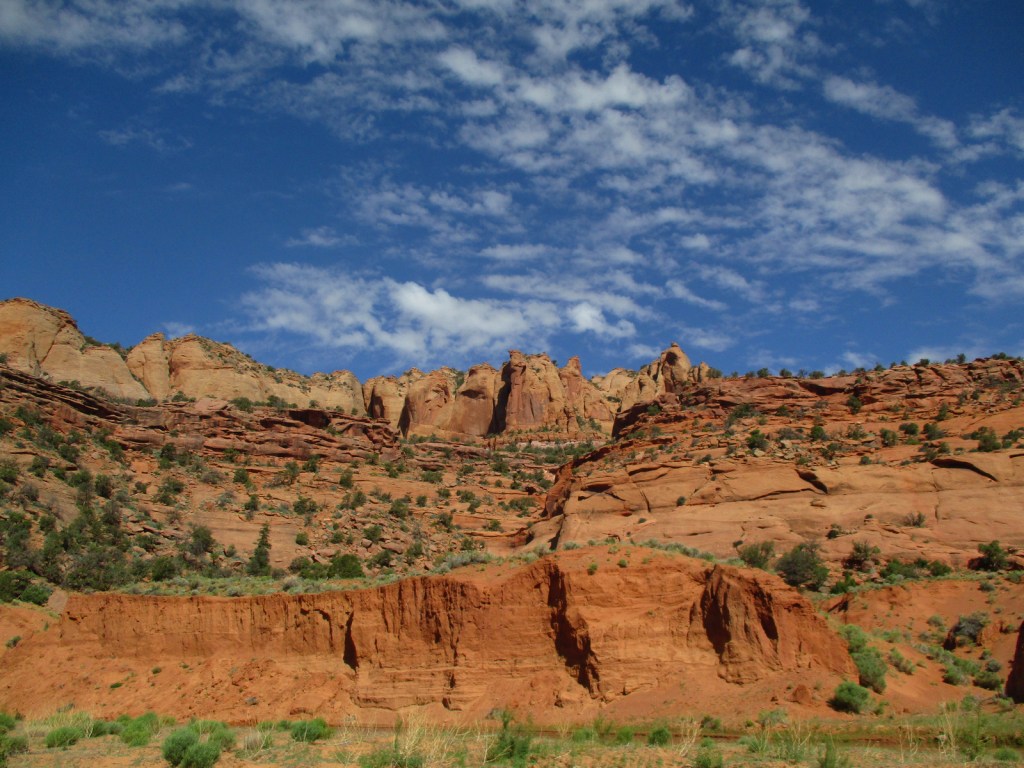
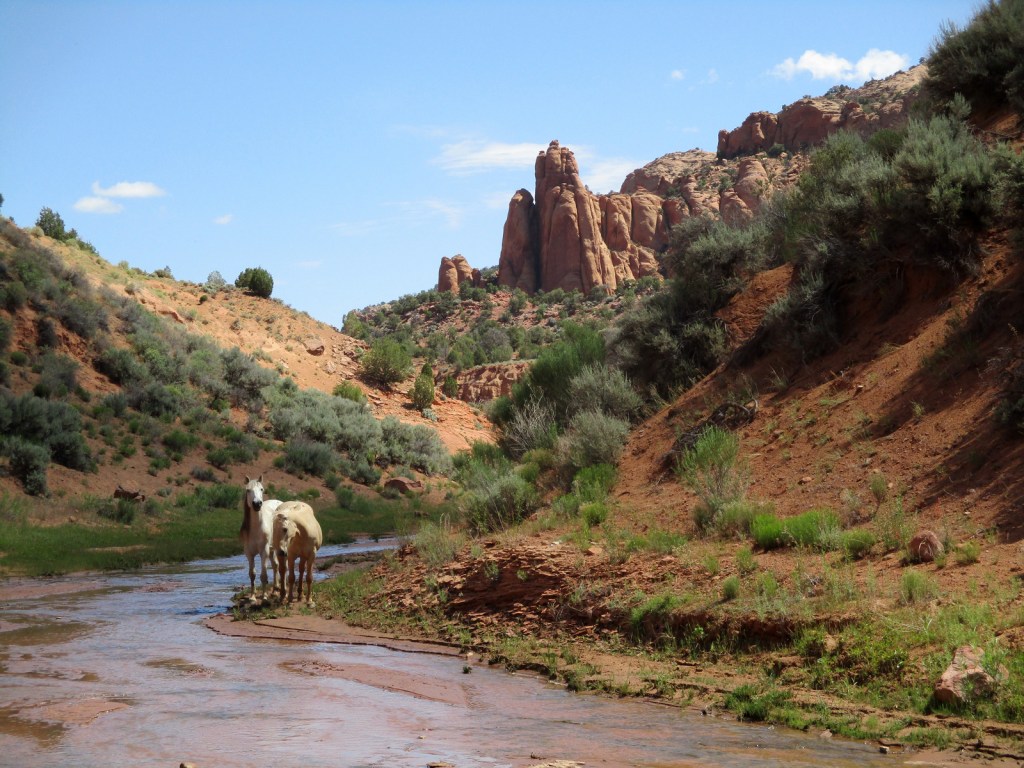
Navajo National Monument was created to protect the Keet Seel ruin on the Navajo Nation, although the Ancestral Puebloan people who lived here in the 1200s are more closely related to the Hopi and Zuni.  Three years later, the ruins at Betatakin and Inscription House (closed to the public) were added to the National Monument. We had such a great visit that we had to add it to his list of Top 10 National Monuments

Learn more about the other 137 National Monuments in our book Monumental America: Your Guide to All 138 National Monuments. It is now available for sale on Amazon.com.

Highlights

Tsegi Point Overlook, museum, film, Sandal Trail, Keet Seel overnight trip

Must-Do Activity

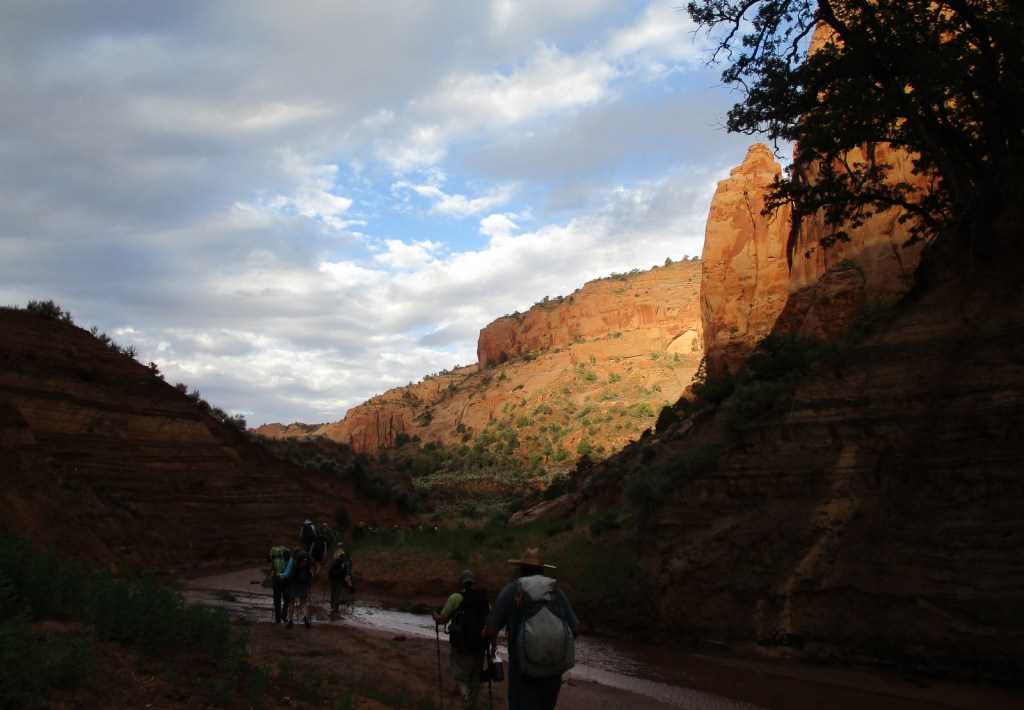
During the pandemic, the National Park Service (NPS) closed all access to the ruins until 2023, but visitors can now reserve spots on the 20-person ranger-led backpacking trips to Keet Seel that are offered twice per month in the summer.  This strenuous trip covers 17 miles total with numerous stream crossings and all water must be carried in.  The hardest part is at the end, when a 1,000 foot climb awaits, but it is worth it to be one of the few who get to see Keet Seel, the 150-room ruin that is second in size only to Cliff Palace at Mesa Verde National Park.  You also get to eat lunch at a surprisingly large waterfall in Keet Seel Canyon.  For those looking for a shorter five-mile trip with only 580 feet elevation change, weekend day hikes to Betatakin are led by park rangers (sign up the day before on a first-come, first-served basis).

Best Trail

From the NPS visitor center (which is actually on Navajo land outside the National Monument boundary), the paved Sandal Trail follows the canyon rim to an overlook of the Betatakin cliff dwelling.  There are signs explaining the local plant species and their uses by indigenous people on the 1.3-mile out-and-back trail.  The 0.8-mile roundtrip Aspen Trail and 0.8-mile Canyon View Trail also leave from the visitor center.

Photographic Opportunity

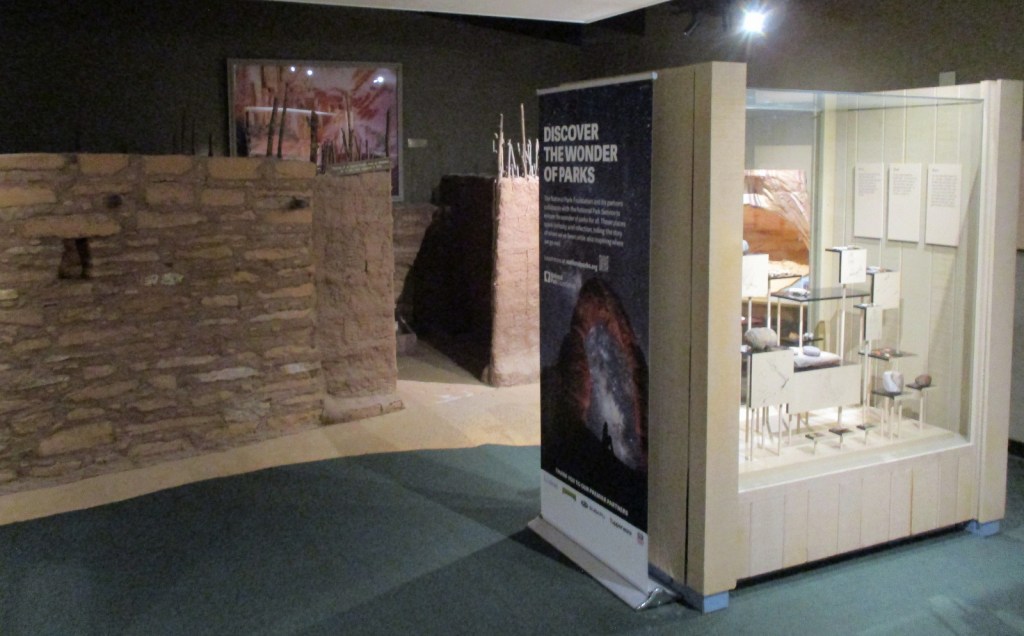
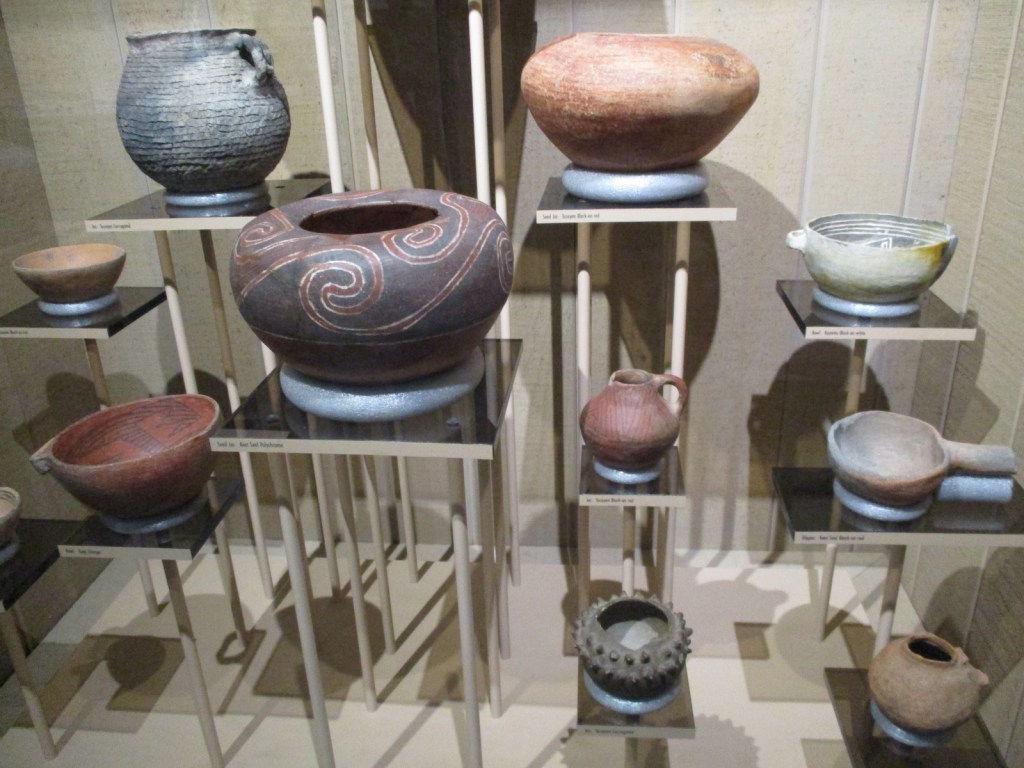
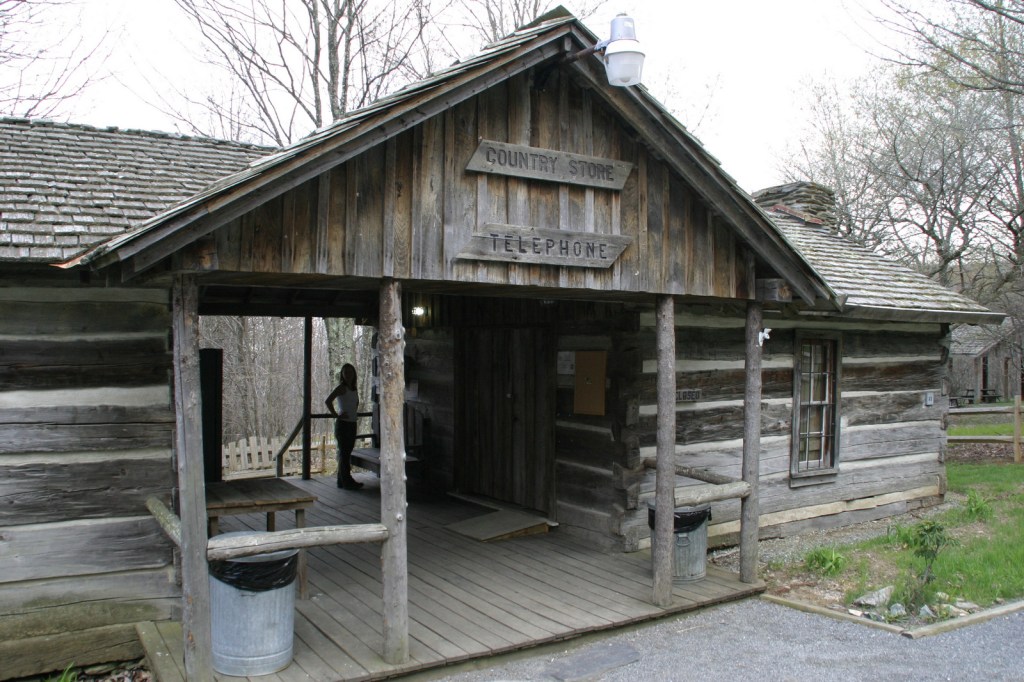
Outside the visitor center, a replica sweathouse and male hogan are on display, plus examples of three-toed dinosaur footprints left in the sandstone.  Inside the visitor center, pottery and an example of a family dwelling are on display, plus a short introductory film is offered.

Peak Season

Summer

Hours

https://www.nps.gov/nava/planyourvisit/hours.htm

Fees

None

Road Conditions

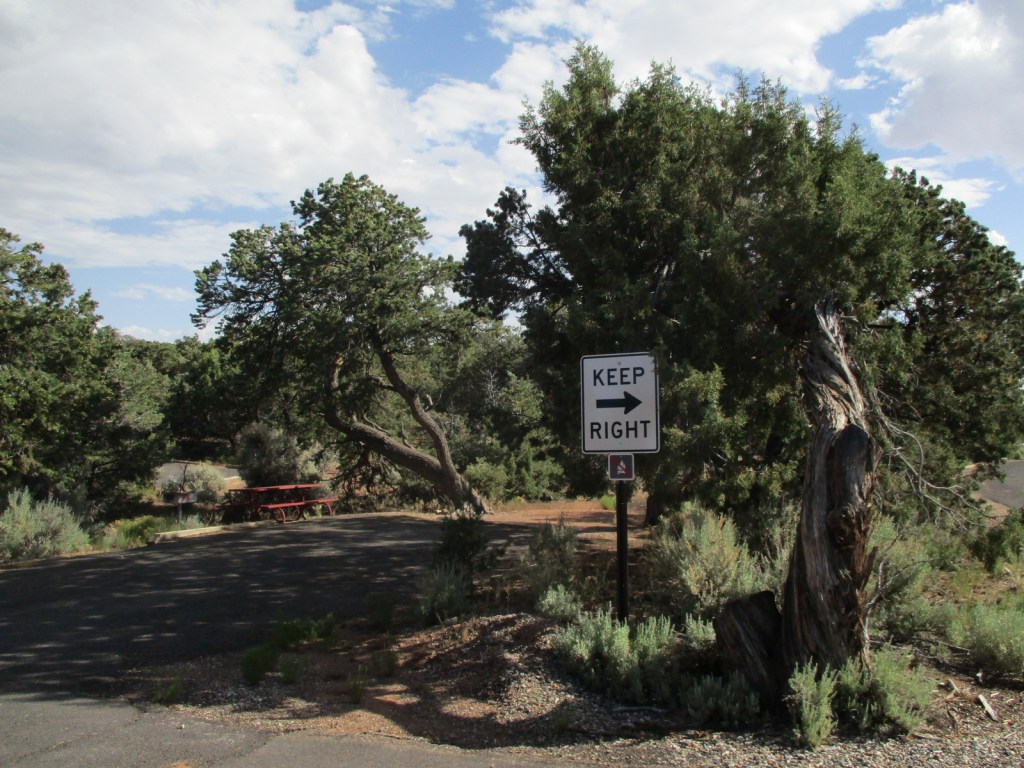
Highway 564 is paved to the visitor center and Sunset View Campground, then a good dirt road leads to the Canyon View Campground and gated trailhead for ranger-led hikes to Betatakin and Keet Seel.

Camping

The free Sunset View Campground has running water and is one of the nicest campgrounds in the entire NPS system (now added to the Top 10 National Park Campgrounds with Running Water).  There are vault toilets at Canyon View Campground, which is also free.  Campers are limited to a total of seven nights per year at the campgrounds.

Related Sites

Hubbell Trading Post National Historic Site (Arizona)

Canyon de Chelly National Monument (Arizona)

Walnut Canyon National Monument (Arizona)

Explore More – When was the large white fir tree added above the main entrance to Keet Seel cliff dwelling?

Learn more about the other 137 National Monuments in our book Monumental America: Your Guide to All 138 National Monuments

Jefferson National Forest

Jefferson National Forest

Virginia, West Virginia, Kentucky

Managed by U.S. Forest Service, Southern Region

1,670,846 acres (723,531 federal/ 947,315 other)

Website: https://www.fs.usda.gov/gwj

Overview

In western Virginia, Jefferson National Forest contains Mt. Rogers, the state’s highest point at 5,729 feet (see our post on Mt. Rogers National Recreation Area).  There are 17 designated Wildernesses in Jefferson National Forest, second only to the 19 in Alaska’s massive Tongass National Forest.  In 1995, George Washington and Jefferson National Forests were administratively combined.  Is it just us, or does that name seem to celebrate George Jefferson from the 1970s sitcom?  It is supposed to commemorate native-Virginian Thomas Jefferson who was the original author of the 1776 Declaration of Independence and the third President of the U.S.  The Omnibus Public Land Management Act of 2009 created both the Bear Creek (5,503 acres) and Seng Mountain (6,455 acres) National Scenic Areas as specially designated parts of Jefferson National Forest.

Highlights

Blue Ridge Parkway, Mt. Rogers National Recreation Area, Seng Mountain National Scenic Area, Bear Creek National Scenic Area, Settlers Museum of Southwest Virginia, James River Gorge, Mountain Lake, Apple Orchard Falls, Cave Mountain Lake, Glenwood Iron Furnace, High Knob, Little Stony Creek, Lake Keokee, Olinger Gap Trail, Virginia Creeper Trail, Virginia Highlands Trail, Appalachian National Scenic Trail

Must-Do Activity

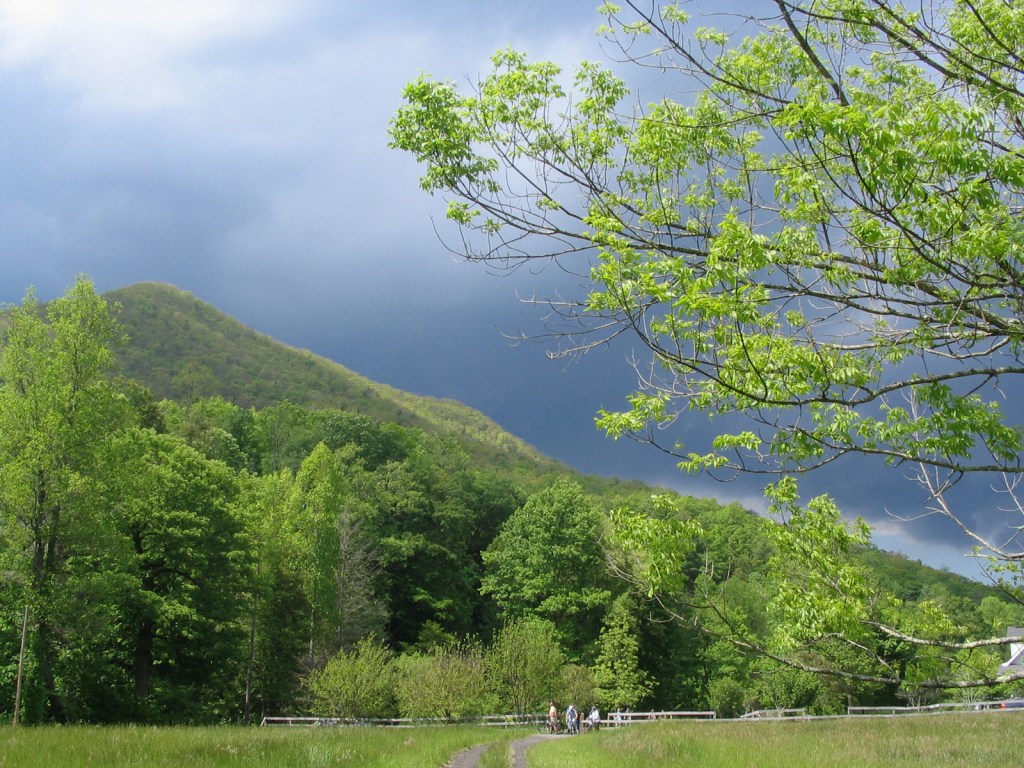
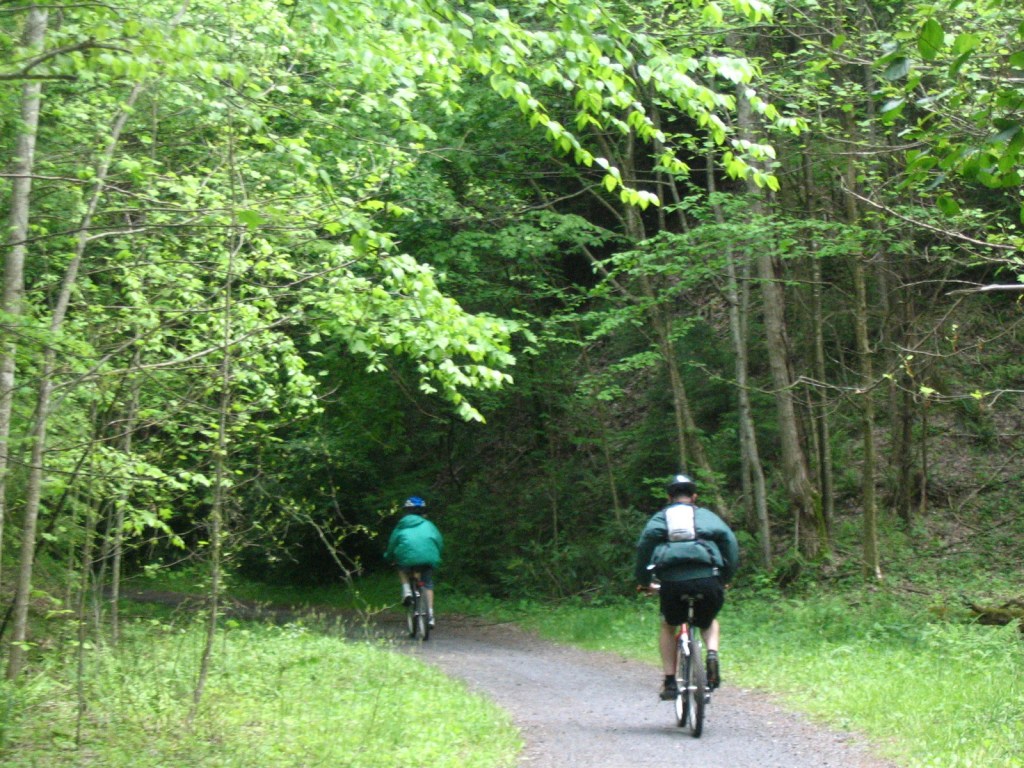
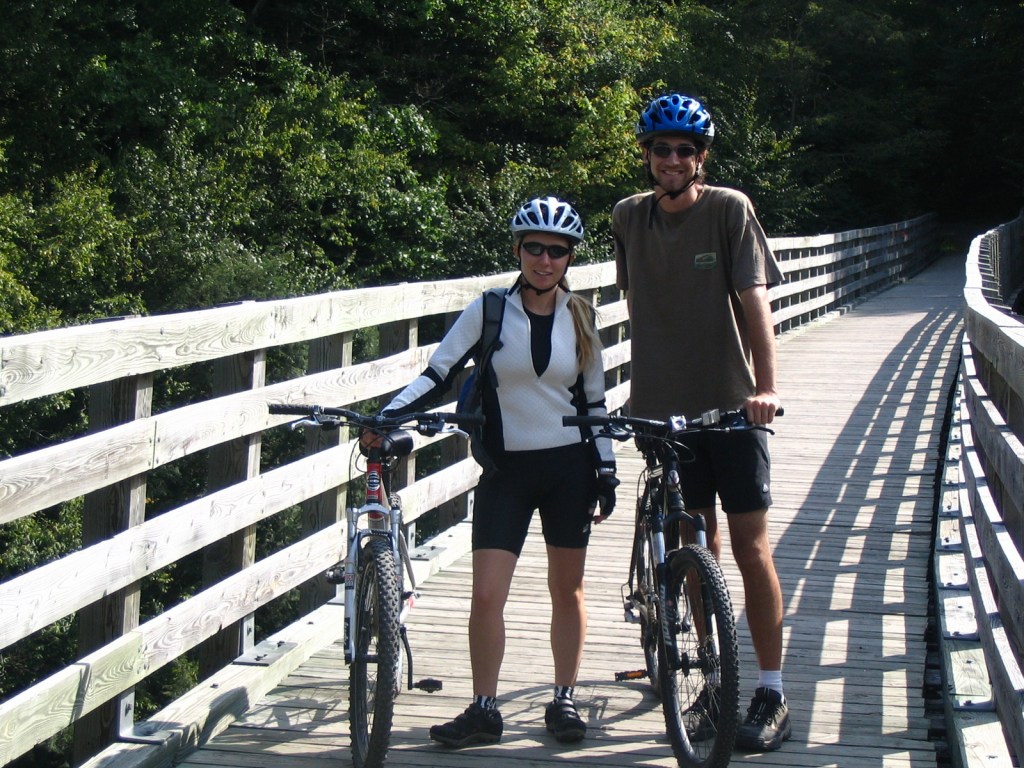
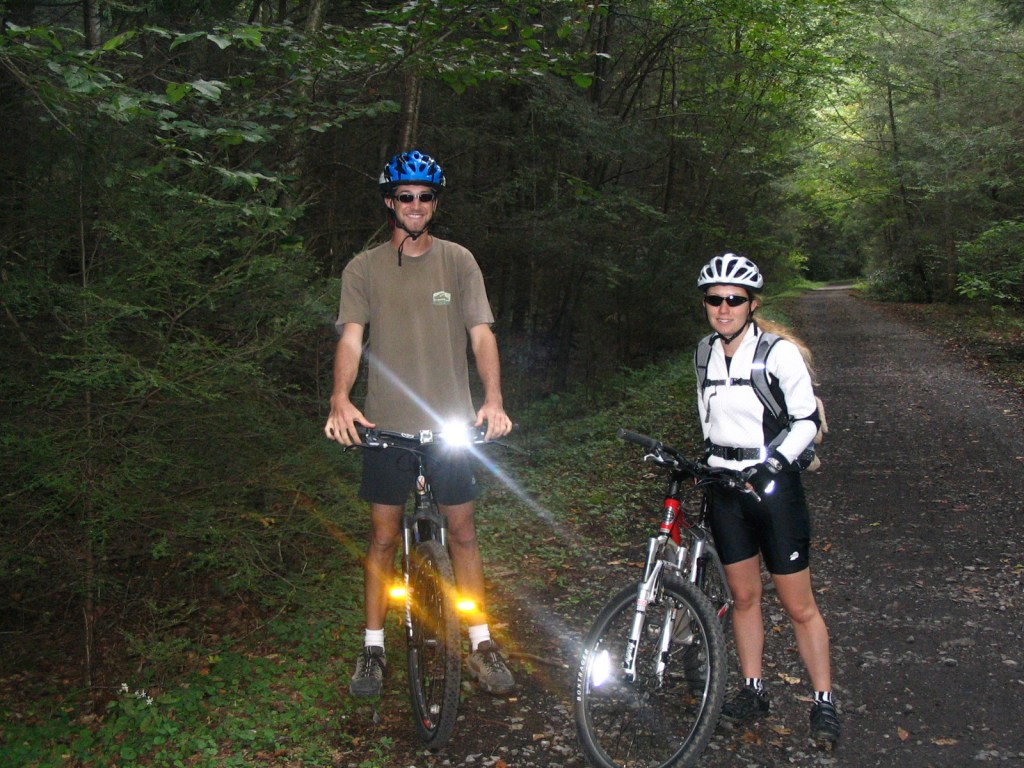
We have only visited the Mt. Rogers National Recreation Area (which made it on our Top 10 List) portion of Jefferson National Forest, which sits just north of the North Carolina border.  One popular day trip there is to bike the 33-mile-long Virginia Creeper Trail, which is also open to hikers and horse riders.  Last used in 1977, the former railroad grade runs 18 miles downhill from Whitetop Station Visitor Center to the town of Damascus, and local outfitters can provide shuttles to the trailheads and rental bikes.  The trail drops 1,600 feet in total (sometimes at a 7% grade); no wonder those steam locomotives were “creeping” up the hill.  Outside the National Forest, another 15 miles of railroad bed runs to Abingdon and includes the lowest point on the trail at the scenic South Holston Trestle.

Best Trail

Apple Orchard Falls has a drop of 200 feet and can be accessed from Sunset Fields Overlook at Milepost 78 on the Blue Ridge Parkway.  Considered the most popular hike in Jefferson National Forest, the steep trail is only 1.3 miles long one-way, but gains more than 1,000 feet in elevation.  A six-mile loop can be completed by connecting to the Cornelius Creek Trail with a total elevation gain of 1,438 feet.  Olinger Gap Trail is another short, scenic route that connects the 3.7-mile Lake Keokee Loop Trail and the 14-mile Stone Mountain Trail.

Watchable Wildlife

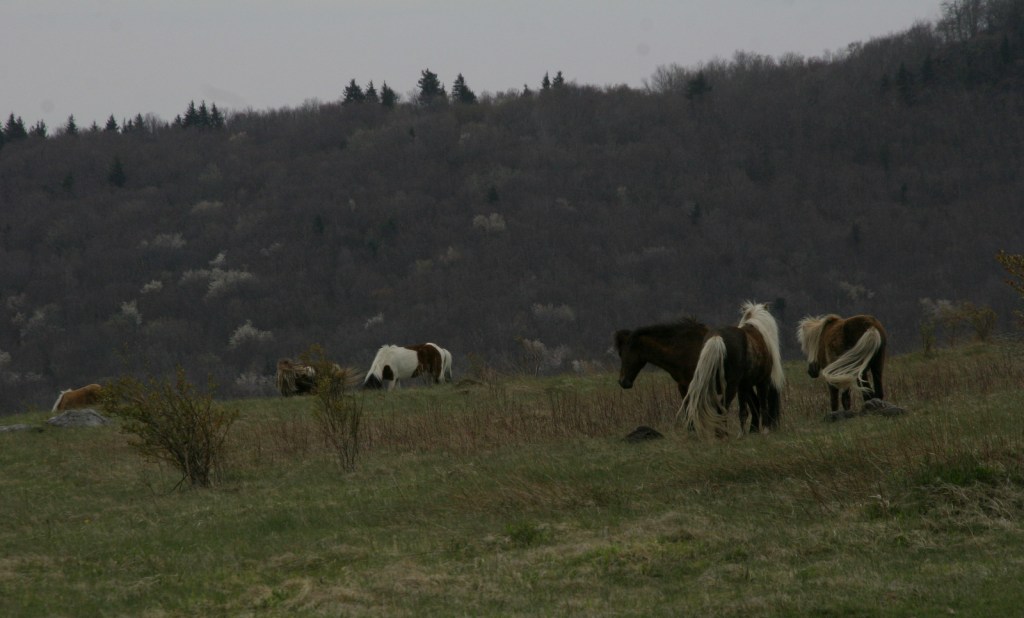
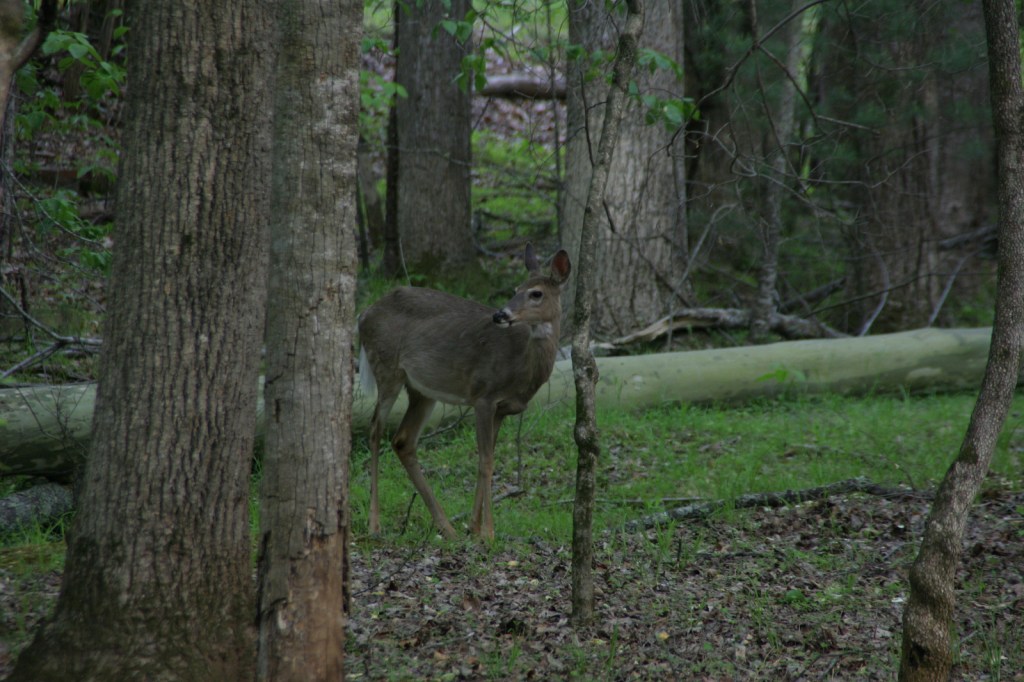
Jefferson National Forest has elevations ranging from 649 feet at the James River up to 5,729 feet, offering a variety of habitats.  Its most famous residents may be the wild miniature ponies that hang out in the heath balds around Mt. Rogers.  Like George Washington National Forest, there are several types of rare salamanders found here, including the golden pygmy salamander.  Noteworthy mammals are white-tailed deer, black bears, bobcats, raccoons, river otters, martens, and weasels.  Large birds found in Jefferson National Forest include wild turkeys, turkey vultures, bald eagles, peregrine falcons, and several types of hawks.

Instagram-worthy Photo

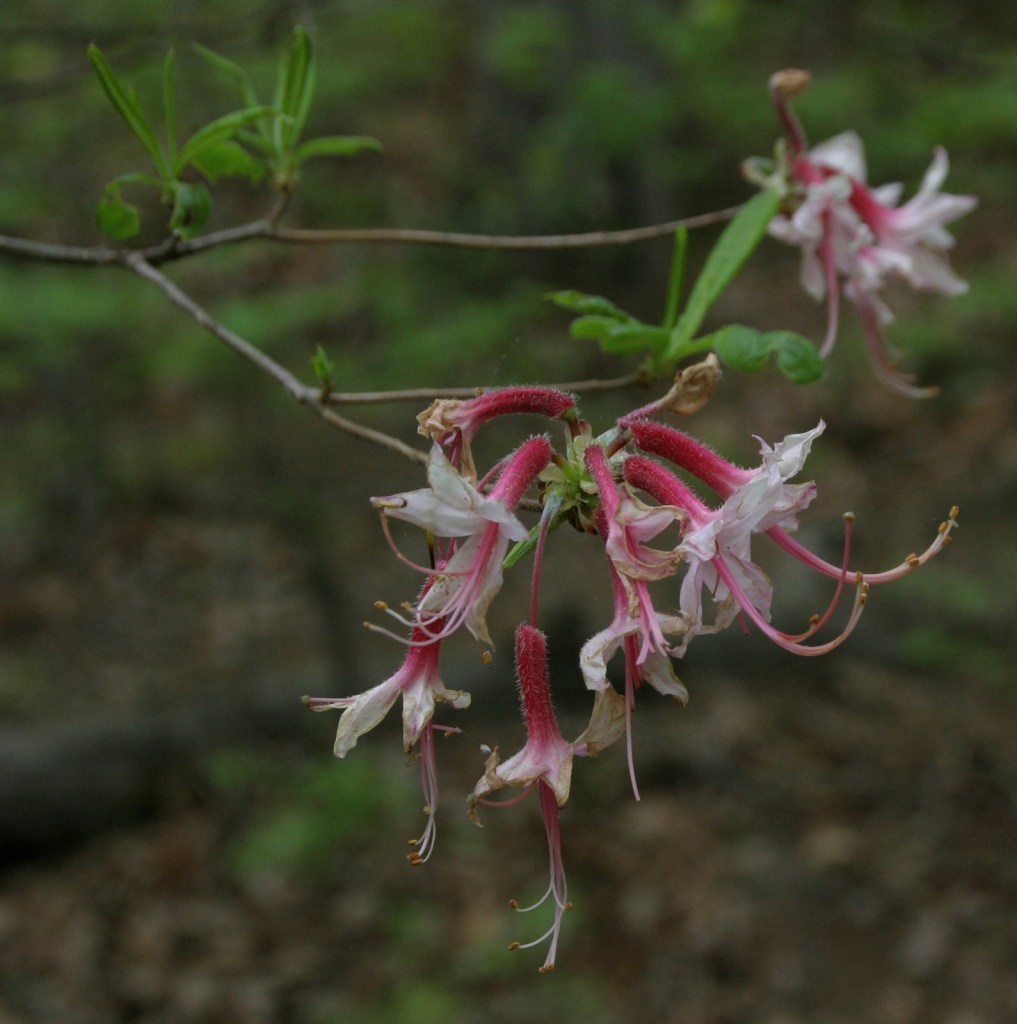
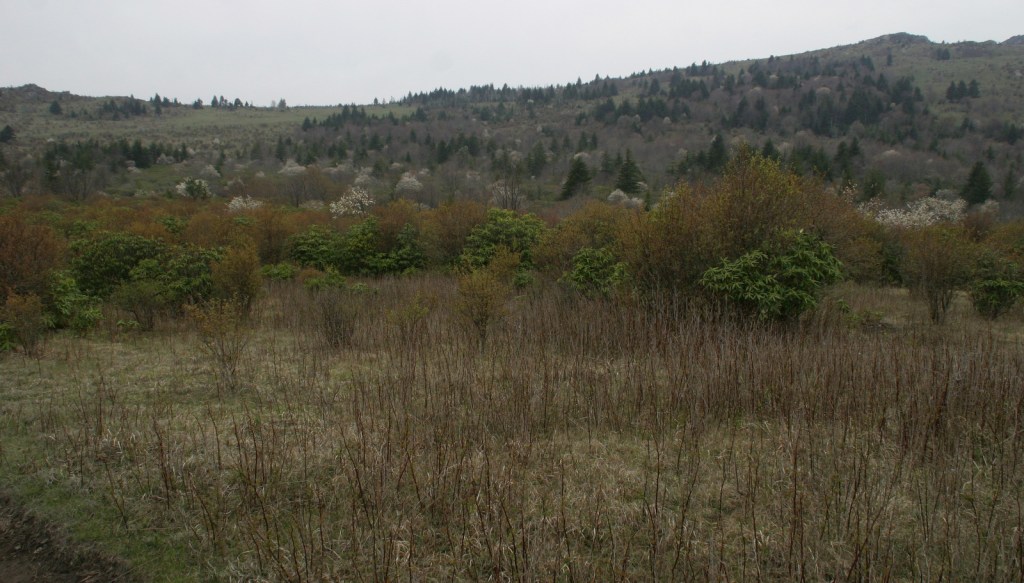
Spring and early summer are a great time to visit to see blooming azalea, mountain laurel, and rhododendron bushes.

Peak Season

Spring and fall

Fees

$5 day-use fee at Beartree Recreation Area

Road Conditions

The Peaks of Otter Visitor Center on the paved Blue Ridge Parkway is managed by the National Park Service adjacent to Jefferson National Forest.  There are unpaved roads scattered throughout the mountains, including a rough road off Forest Road 606 that comes close to the 15-foot-tall Falls of Dismal (also accessible by hiking trail).

Camping

Beartree, Hurricane, Cane Patch, Laurel Falls, Cave Springs, Bark Camp Lake, Cave Mountain Lake, Pines, and White Rocks are only a selection of the many designated campgrounds in Jefferson National Forest.  There is a 25-foot right-of-way for backpack camping on both sides of the Virginia Creeper Trail, except on private property.

Wilderness Areas

Barbours Creek Wilderness (also in George Washington National Forest)

Beartown Wilderness

Brush Mountain East Wilderness

Brush Mountain Wilderness

Garden Mountain Wilderness

Hunting Camp Creek Wilderness

James River Face Wilderness

Kimberling Creek Wilderness

Lewis Fork Wilderness

Little Dry Run Wilderness

Little Wilson Creek Wilderness

Mountain Lake Wilderness

Peters Mountain Wilderness

Raccoon Branch Wilderness

Shawvers Run Wilderness (also in George Washington National Forest)

Stone Mountain Wilderness

Thunder Ridge Wilderness

Related Sites

Mt. Rogers National Recreation Area (Virginia)

Booker T. Washington National Monument (Virginia)

Cumberland Gap National Historical Park (Kentucky-Tennessee-Virginia)

Nearest National Park

New River Gorge

Conifer Tree Species

eastern hemlock, eastern white pine, Virginia pine, shortleaf pine, pitch pine, Table Mountain pine, red spruce, Fraser fir

Flowering Tree Species

American beech, yellow birch, mountain maple, sugar maple, white oak, black oak, northern red oak, rock chestnut oak, bear oak, hickory, basswood, sweet buckeye, American elm, sourwood, mountain laurel, azalea, rhododendron

Explore More – What is the scientific name for Virginia creeper, the native vine with palmately compound leaves?

Learn more about this and the 154 other National Forests in our new guidebook Out in the Woods

We are a participant in the Amazon Services LLC Associates Program, an affiliate advertising program designed to provide a means for us to earn fees by linking to Amazon.com and affiliated sites.

Emmett Till and Mamie Till-Mobley National Monument         

Emmett Till and Mamie Till-Mobley National Monument         

Mississippi, Illinois

Managed by National Park Service

Established 2023

5.7 acres

Website: nps.gov/till

Overview

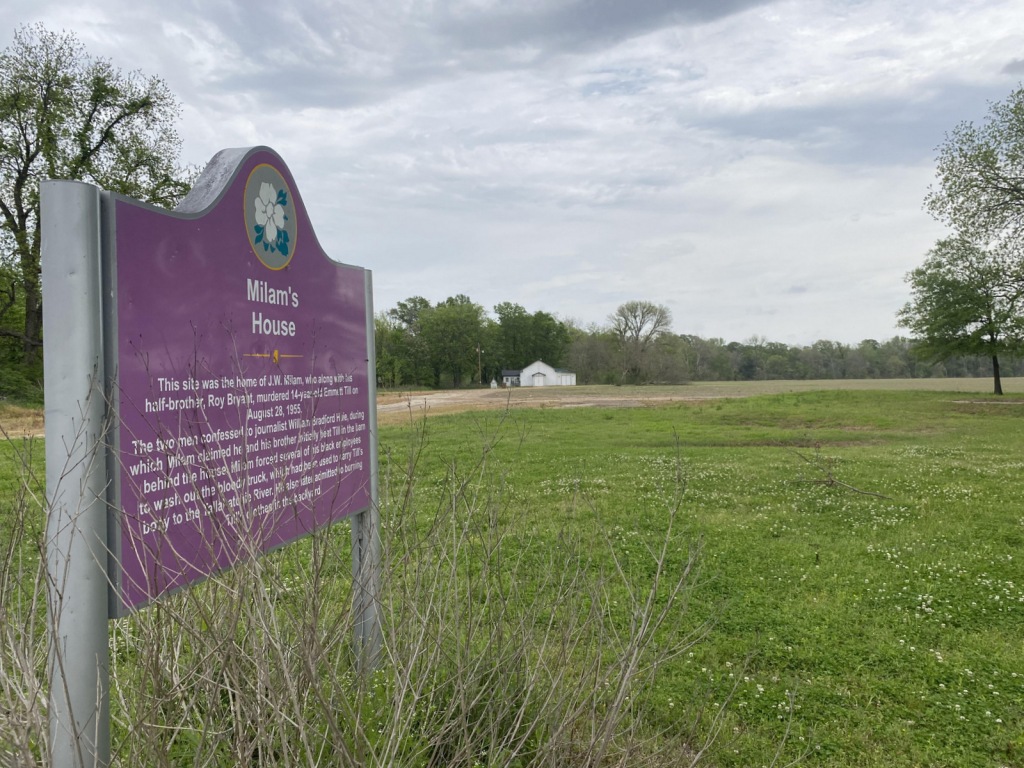
In 1955, 14-year-old Emmett “Bo” Till left Chicago to visit family in Mississippi, where he whistled at Carolyn Bryant, a white woman who ran the Bryant’s Grocery & Meat Market in the town of Money.  A few nights later on August 28, Carolyn’s husband (Roy Bryant) and his half-brother (John William “J.W.” Milam) abducted Emmett Till from his relatives’ house.  They took Emmett to Milam’s farm where he was tortured and killed according to their admission in Look magazine a year later.  After Till’s body was recovered at Graball Landing and sent back to Chicago for a funeral, a five-day trial took place in Sumner’s Tallahatchie County Courthouse where Bryant and Milam were acquitted of the crime.  It is probably not a coincidence that the National Monument was proclaimed by President Joe Biden following the release of the 2022 film Till.  Not open to the public but also part of the National Monument in Illinois, the Roberts Temple Church of God in Christ in the Chicago neighborhood of Bronzeville is where Mamie Till-Mobley insisted on an open-casket funeral service so the public could see the terrible results of the murder.  Historians believe the outcry over this lynching of a 14-year-old boy helped lead to the Civil Rights Act of 1957.

Highlights

Emmett Till Interpretive Center, Tallahatchie County Courthouse, Emmett Till Historic Intrepid Center (ETHIC), Black Bayou Bridge, Graball Landing, Greenwood statue, Bryant’s Grocery site

Must-Do Activity

Emmett Till Historic Intrepid Center (ETHIC) is located in a former cotton gin near the site of Emmett Till’s torture and murder on the farm of “J.W.” Milam in Glendora, Mississippi.  Established in 2005, there is an atmosphere to the museum that bears the full weight of history, heightened by the short introductory video showing Emmett Till’s family members’ recollections of the events of 1955.  Inside, there is a recreation of the Bryant’s Grocery & Meat Market storefront, as well as a coffin with the prop used in the film Till depicting Emmett’s shockingly disfigured head.  The museum also has artifacts highlighting the Mississippi Delta’s history with slavery, indigenous people, and blues music (specifically Sonny Boy Williamson II).  Although not part of the National Monument, we recommend a half-hour drive south to Money to see the ruins of Bryant’s Grocery & Meat Market with a restored gas station next door, part of the Mississippi Freedom Trail.

Best Trail

From ETHIC, drive or walk to the Black Bayou Bridge where Emmett “Bo” Till’s body was dumped into the Black Bayou tied to a heavy fan from the cotton gin.  We were grateful to get a personal tour from Tamita Davis who helps run ETHIC.  It is also a short drive down a dirt road to Graball Landing on the Tallahatchie River where there is a small interpretive sign explaining it as the site Till’s body was recovered.

Instagram-worthy Photo

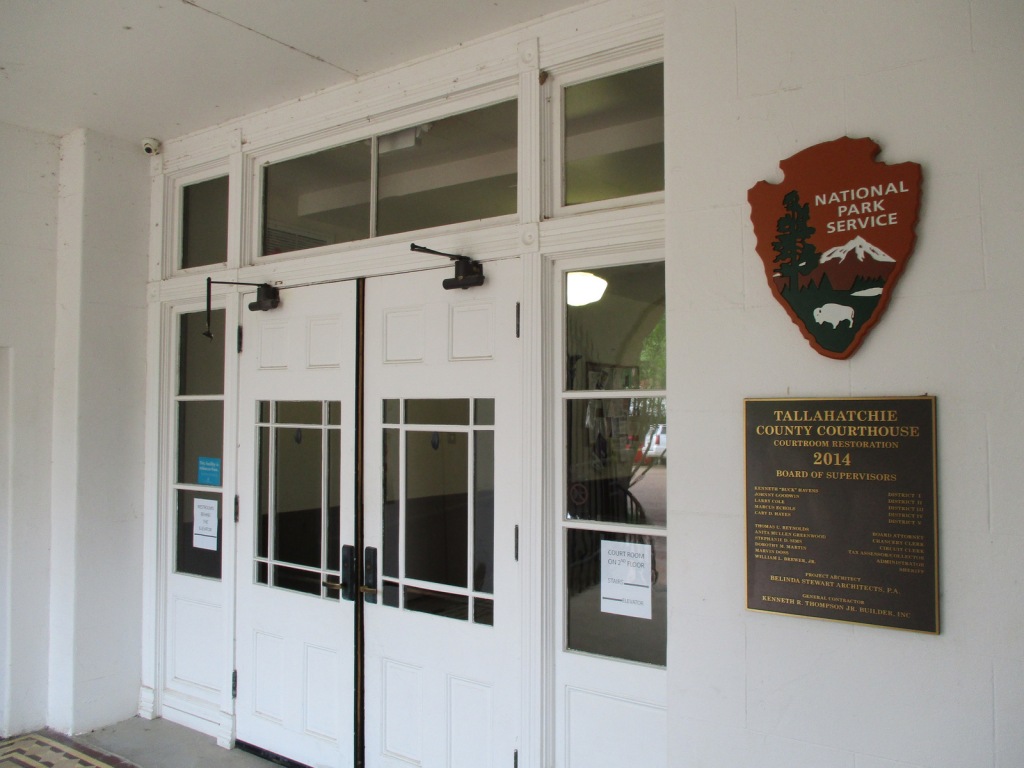
The National Park Service operates out of the Emmett Till Interpretive Center, located in a strip mall opposite the Tallahatchie County Second District Courthouse in Sumner, Mississippi.  It has limited hours, but the courtroom where the September 1955 trial was held was unlocked when we visited on a Tuesday morning. 

Peak Season

Spring and fall

Hours

In Sumner, the Emmett Till Interpretive Center is open to the public Tuesday through Saturday 12-5, while the Tallahatchie County Courthouse is open to the public on Mondays when the center is closed.  In Glendora, Emmett Till Historic Intrepid Center (ETHIC) is open Monday through Saturday 10-5.

Fees

$12 per adult at ETHIC, $5 donation recommended at Emmett Till Interpretive Center

Road Conditions

Paved roads lead to the Tallahatchie County Courthouse in Sumner and Emmett Till Historic Intrepid Center (ETHIC) in Glendora, where a gravel road in good shape leads to Graball Landing.

Camping

To the south, Delta National Forest offers online reservations for campsites (September through March when the forest is not seasonally flooded).

Related Sites

Medgar and Myrlie Evers Home National Monument (Mississippi)

Birmingham Civil Rights National Monument (Alabama)

Freedom Riders National Monument (Alabama)

Pullman National Historical Park (Illinois)

Explore More – A statue of Emmett Till was added in 2022 to Greenwood, Mississippi’s Rail Spike Park, but what city in Colorado has his statue alongside one of Dr. Martin Luther King, Jr.?

Hawai‘i Volcanoes National Park

Hawai‘i Volcanoes National Park

Hawai‘i

Managed by National Park Service

Established 1916

344,812 acres

Website: nps.gov/havo

Overview

Hawai‘i National Park was created in 1916, before being split in 1961 into this park on the Big Island of Hawai‘i and Haleakala National Park on Maui.  Encompassing two of the world’s most active volcanoes (Kīlauea and Mauna Loa), Hawaiʻi Volcanoes National Park is constantly changing.  Indigenous people considered Kīlauea Caldera and its bubbling Halemaʻumaʻu Crater as the sacred home of Pele, goddess of the volcano.  This area first became a tourist attraction in the 1840s when Volcano House was still a grass shack.  A small, wooden hotel was built in 1877 that now serves as Volcano Art Center Gallery, before the larger lodge was finished in the 1940s on the edge of the caldera.  A strenuous backpacking trail summits the world’s largest shield volcano, 13,677-foot Mauna Loa, which erupted in 1926, 1942, 1950, 1984, and 2022. 
To learn more about the separate Kahuku Unit and how to find solitude in this National Park that saw 1.6-million visitors in 2023, check out our expanded 2nd edition of our guidebook A Park to Yourself: Finding Solitude in America’s 63 National Parks

Highlights

Volcano Art Center, Halemaʻumaʻu Crater, Chain of Craters Road, Kīlauea Iki Crater, Nāhuku (Thurston Lava Tube), Hōlei Sea Arch, Lava Tree Molds, Mauna Loa Overlook, Kīpukapuaulu Trail, Pu‘u Loa Petroglyphs Trail

Must-Do Activity

Arrive early or late at the visitor center to avoid tour bus crowds, then check with a ranger to find the best overlooks to view any volcanic activity in Halemaʻumaʻu Crater (depicted in our illustration below).  Consider returning to view the molten lava after dark, although parking can be a challenge.  The Chain of Craters Road leads 20 miles south from the forested caldera rim above 4,078 feet in elevation down to the sparsely vegetated seashore, descending through a wide range of environments before it dead ends into recent lava flows near the Hōlei Sea Arch and 1.5-mile Pu‘u Loa Petroglyphs Trail, where the crisp images chipped into the black lava have been spared from centuries of volcanic activity. 

Best Trail

Kīlauea Iki Trail makes a four-mile loop descending 400 feet to the bottom of the crater that was a lake of lava in 1959.  It is recommended to hike it in a counter-clockwise direction to avoid ascending the steepest sections. 

Instagram-worthy Photo

Kīlauea erupted nonstop from 1983 through 2018, when lava poured in a near constant stream into the ocean, and it has been sporadically active since then.  Lava made it into the #1 spot on our Top 10 Natural Phenomena to See in the U.S.

Peak Season

Year round or whenever a volcano is active

Hours

https://www.nps.gov/havo/planyourvisit/hours.htm

Fees

$30 per vehicle or America the Beautiful pass

Road Conditions

Chain of Craters Road is paved, but can be closed during volcanic eruptions, just as half of Crater Rim Drive has been closed since March 19, 2008.  The side road to Hilina Pali Overlook is usually closed beyond Kulanaokuaiki Campground.  The one-lane, potholed Mauna Loa Road is doable with a passenger vehicle if you take it slow, as is the unpaved road into the western Kahuku Unit. 

Camping

The name of Kulanaokuaiki Campground translates as “shaking earth,” and this nine-site primitive camp has no drinking water, unlike the concessionaire-run Nāmakanipaio Campground and Cabins on Highway 11.  Even though this is Hawai‘i, bring some warm clothes as it can be quite rainy and windy, especially when the volcano is erupting; the temperature around Halemaʻumaʻu Crater did not rise above 59°F all day during our 2023 visit.

Related Sites

Pu‘uhonua o Honaunau National Historical Park (Hawai‘i)

Kaloko-Honokohau National Historical Park (Hawai‘i)

Pu’ukohola Heiau National Historic Site (Hawai‘i)

Explore More – When was the 115,788-acre Kahuku Unit added to the National Park?

This design we created to celebrate Hawai’i Volcanoes National Park is available on a variety of products at Cafe Press
We designed this ‘ohi’a lehua logo for the park available on Amazon.com

We are a participant in the Amazon Services LLC Associates Program, an affiliate advertising program designed to provide a means for us to earn fees by linking to Amazon.com and affiliated sites.

Mono Basin National Scenic Area

Mono Basin National Scenic Area

California

Managed by U.S. Forest Service, Pacific Southwest Region

128,303 acres

Website: https://www.fs.usda.gov/detail/inyo/specialplaces/?cid=stelprdb5129903

Overview

Established in 1984, this portion of Inyo National Forest is a geological wonderland that was once part of the former Mono National Forest.  Along the edge of this ancient salt lake are ten-foot-tall tufa towers exposed after water levels dropped beginning in 1941 when river water was diverted to Los Angeles.  Tufa is limestone that precipitated when the alkaline lake water combined with calcium from underground springs.  Paoha Island in the center of Mono Lake is also a nesting area for snowy plovers and California gulls, giving its salty waters even more of a Pacific Ocean impression.  This entire region is volcanically active as evidenced by isolated hot springs, cinder cones that erupted as recently as 350 years ago, and the forest devastation caused by a 1989 release of carbon dioxide from Horseshoe Lake.  It is also rich in minerals, showcased by the mines at Bodie State Historic Park, a ghost town conserved in “arrested decay.” 

Highlights

Mono Basin National Forest Scenic Area Visitor Center, film, Mono Lake Tufa State Natural Reserve, Panum Crater, Mono Craters, Bodie State Historic Park, South Tufa Trail

Must-Do Activity

Open May through October, the Mono Basin National Forest Scenic Area Visitor Center is located on Highway 395, just east of Tioga Pass (the eastern entrance to Yosemite National Park).  It features interactive displays on geology and human history, the 20-minute film Of Ice and Fire: A Portrait of the Mono Basin, photo exhibits, and a bookstore.  Situated atop a hill on the lake’s western shore, it offers an overlook of Mono Lake, Paoha Island, and the Mono Craters.

Best Trail

On the lake’s south side is the fascinating Mono Lake Tufa State Natural Reserve, established in 1981.  A short trail leads from the unpaved parking area to the shoreline.  Just to the west, the 0.7-mile Plug Trail enters the cone of Panum Crater, a 650-year-old plugged dome volcano.

Instagram-worthy Photo

The fragile tufa formations are a great resting place for violet-green swallows and other migratory birds that come to feed on the lake’s abundant brine shrimp and alkali flies.

Peak Season

Summer

Fees

$3 per person at South Tufa Trail or America the Beautiful pass; $8 per person to enter Bodie State Historic Park

Road Conditions

There are well-graded dirt roads to Panum Crater, South Tufa, and Bodie State Historic Park.  However, the routes on the north and east sides of Mono Lake are loose sand that require a four-wheel-drive vehicle.

Camping

There are campgrounds at June Lake and along Highway 120 to Tioga Pass, but that road is closed in the winter.  Dispersed camping is allowed in Inyo National Forest, but be careful on the sandy roads around Mono Lake.

Related Sites

Inyo National Forest (California-Nevada)

Manzanar National Historic Site (California)

Devils Postpile National Monument (California)

Death Valley National Park (California-Nevada)

Nearest National Park

Yosemite

Explore More – Most of the 27 Mono Craters are phreatic volcanoes that have been plugged or over-topped by rhyolite domes and lava flows; what does “phreatic” mean?