Tag Archives: museum

Mississippi National River and Recreation Area

Overview

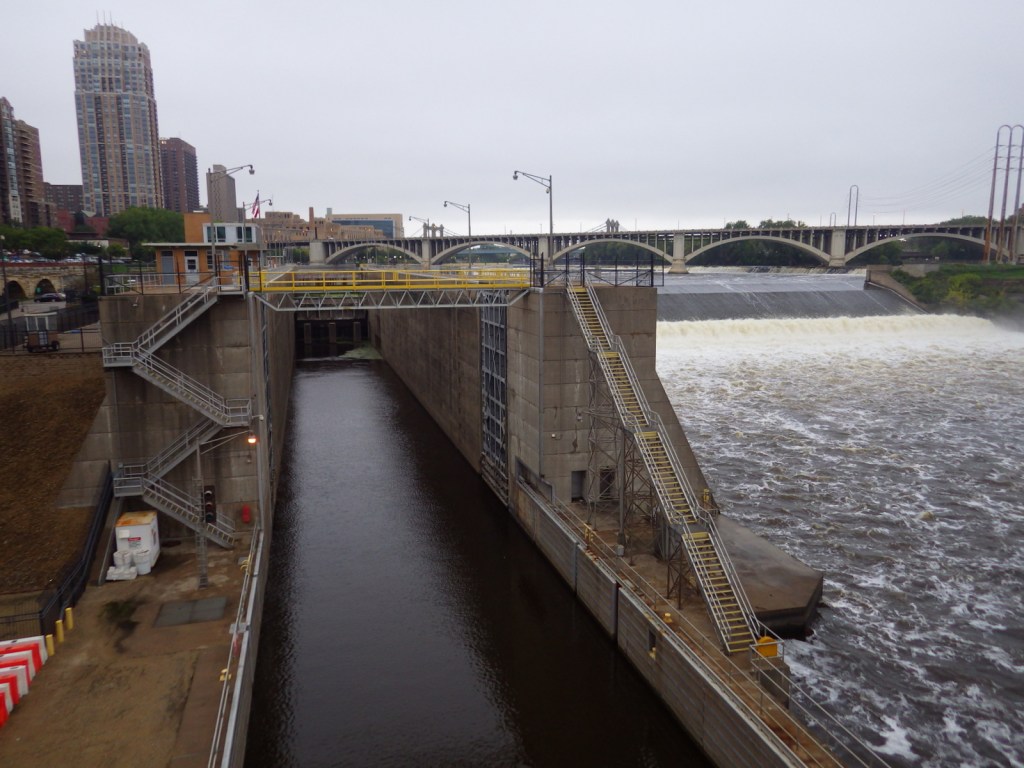
The 2,320-mile long Mississippi River is legendary in our nation and well-known worldwide.  Mississippi National River and Recreation Area (NRRA) covers 72 miles of the famous river’s course through Minnesota, from busy metropolitan sections in the Twin Cities to secluded stretches of water.  Along this section it changes from its shallow headwaters to a powerful force at its confluence with the St. Croix River.  Established in 1988, the National Park Service (NPS) owns only 35 acres of the 54,000 acres protected within the NRRA.

Highlights

St. Anthony Falls, Minnehaha Falls, Coldwater Spring, Indian Mounds Park, Mississippi Gorge Regional Park

Must-Do Activity

Near downtown Minneapolis is St. Anthony Falls, the only true waterfall on the Mississippi River’s entire length.  The falls powered gristmills and sawmills on both banks that drove the settlement of Minneapolis-St. Paul.  Opportunities for walking, biking, boating, fishing, cross-country skiing, and wildlife watching (especially at Minnesota Valley National Wildlife Refuge) abound along the river depending upon the season.

Best Trail

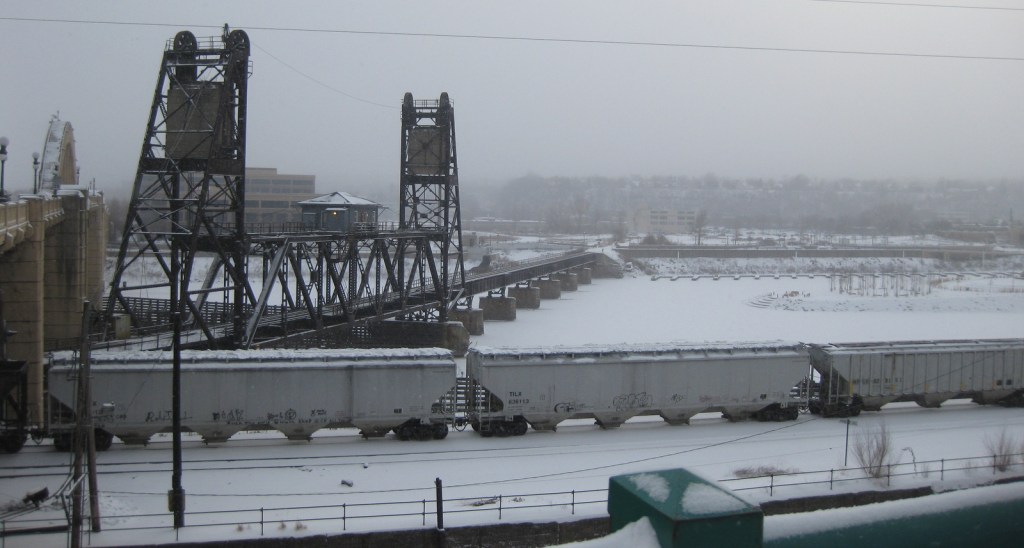
In winter, urban trails along the Mississippi River are very pretty under a layer of white snow, and it can be very quiet and peaceful.

Instagram-worthy Photo

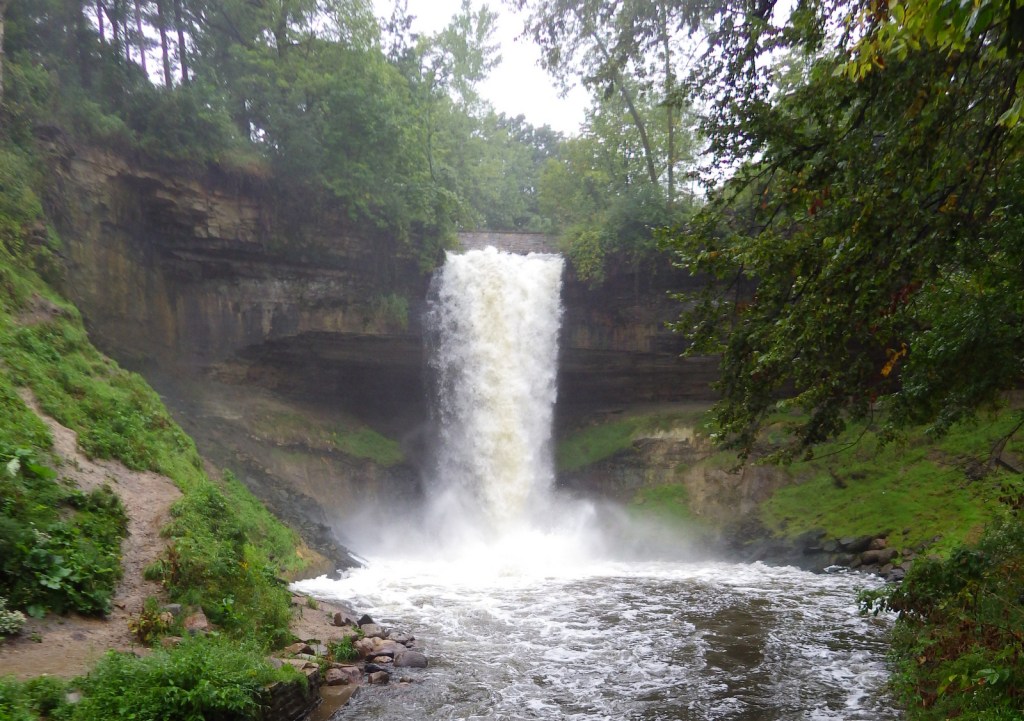
We enjoyed Minnehaha Regional Park where we found the 53-foot tall waterfall celebrated in Henry Wadsworth Longfellow’s Song of Hiawatha.

Peak Season

Summer

Hours

https://www.nps.gov/miss/planyourvisit/hours.htm

Fees

None

Road Conditions

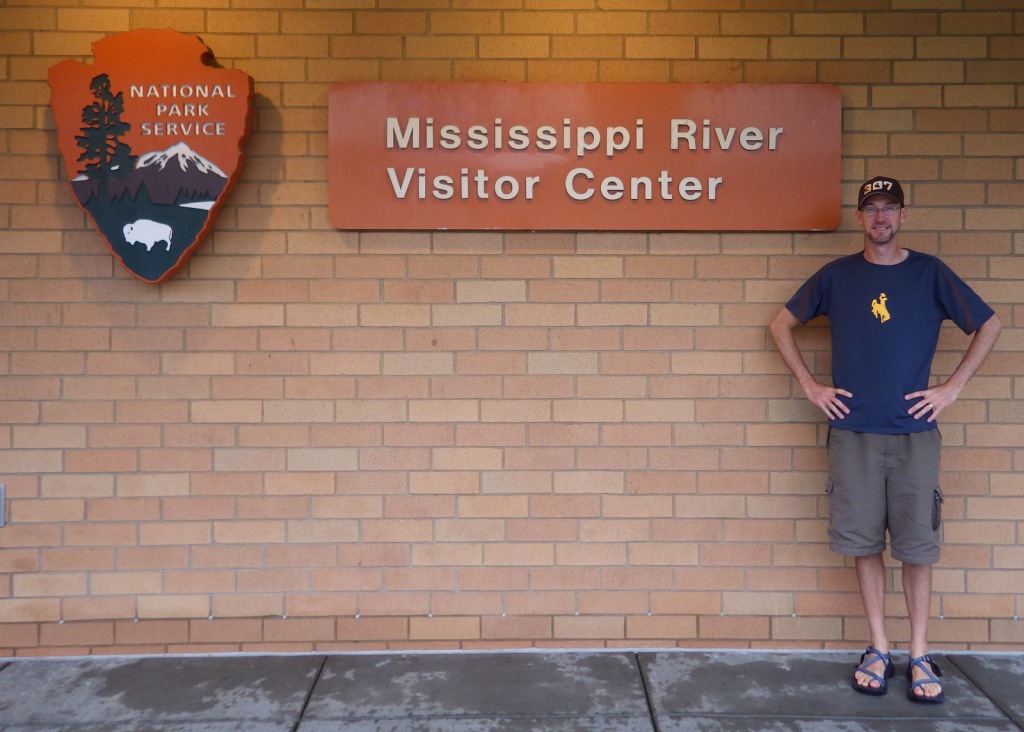
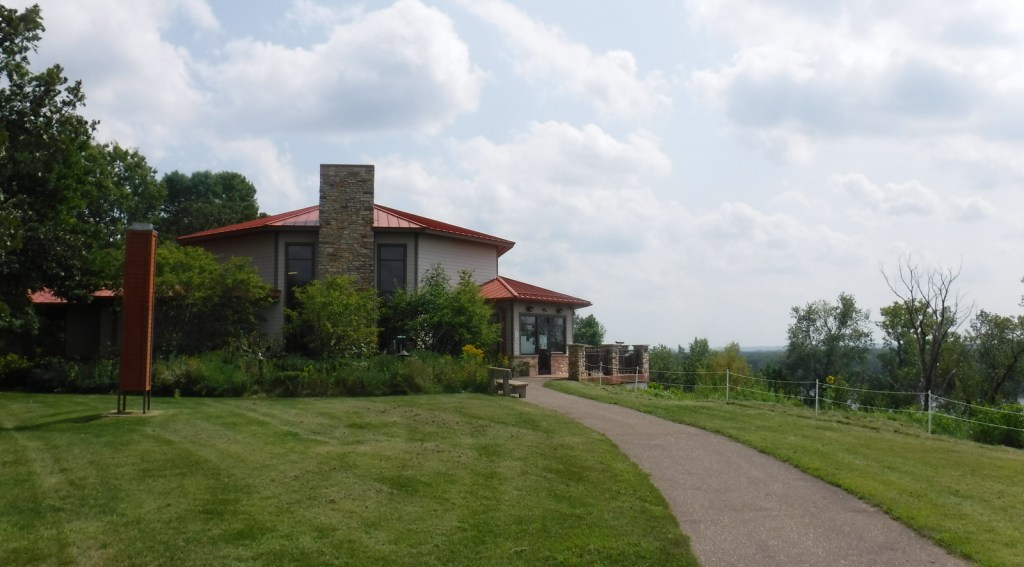
All roads paved, but there is no free parking available at the NPS visitor center located inside the lobby for the Science Museum of Minnesota.

Camping

There are no campgrounds managed by the National Park Service within the NRRA, however, there are many places to camp in the area.

Related Sites

Saint Croix National Scenic Riverway (Minnesota-Wisconsin)

Missouri National Recreational River (Nebraska-South Dakota)

Pipestone National Monument (Minnesota)

Explore More – What did the city of Minneapolis do to make sure Minnehaha Falls was flowing for President Lyndon B. Johnson’s visit during the 1964 drought?

Freedom Riders National Monument

Overview

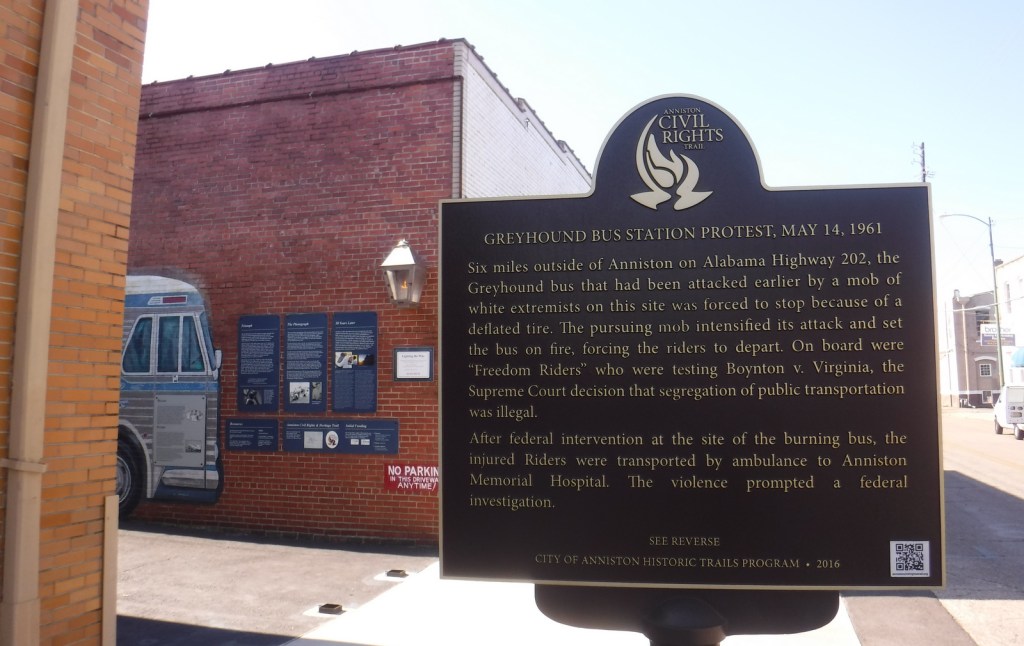
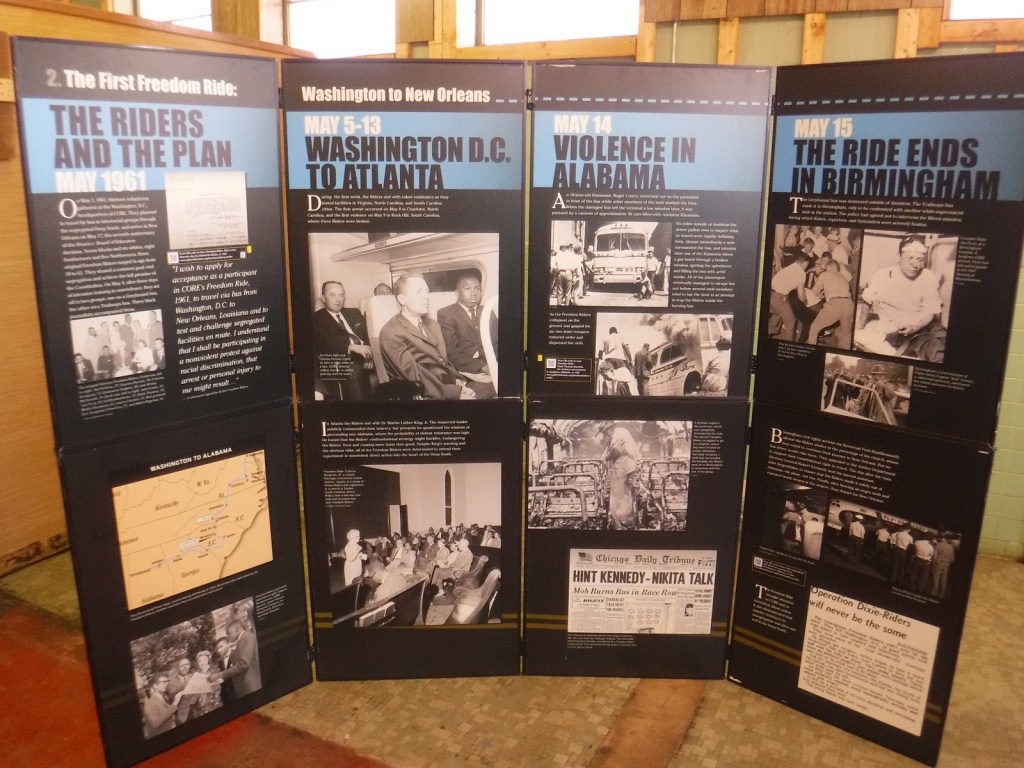
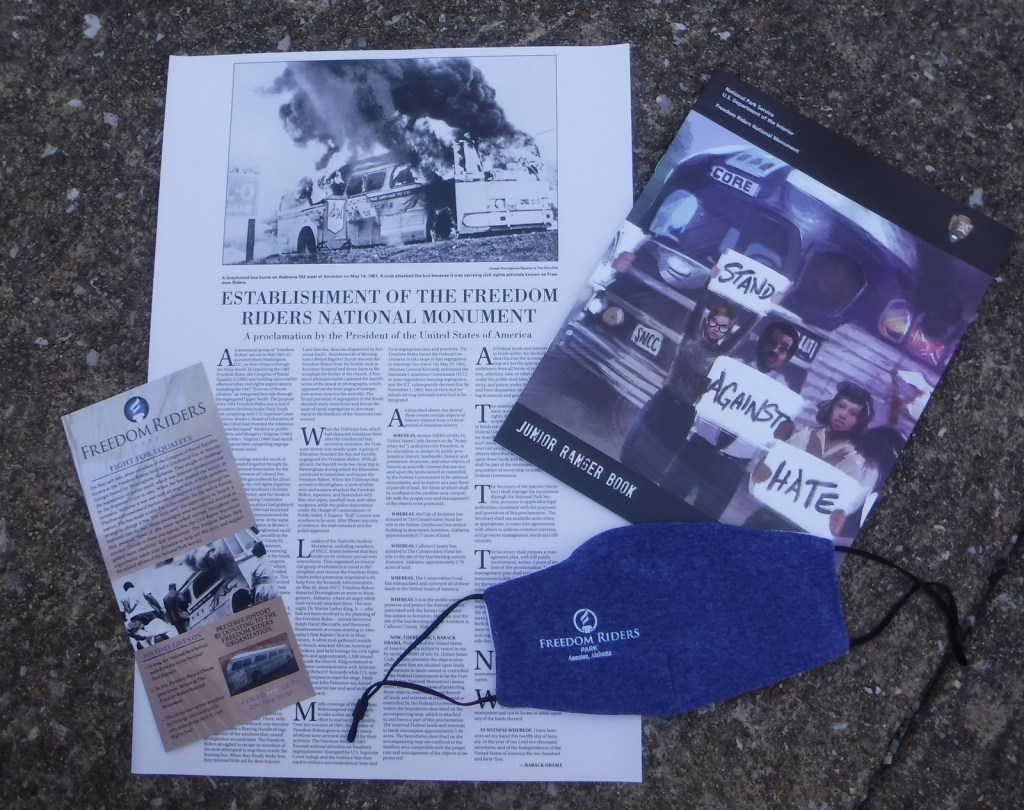
On May 4, 1961, an interracial group of “Freedom Riders” boarded two buses in Washington, D.C. bound for New Orleans to test whether southern bus stations were following the U.S. Supreme Court ruling that ended segregation in interstate travel.  On Sunday, May 14, the Greyhound bus was met by an angry mob in Anniston, Alabama that broke windows and slashed tires.  Eventually police officers cleared a path for the bus, but it was forced to stop just five miles outside town where a bundle of flaming rags caused an explosion and fire inside the vehicle.  Everyone escaped the bus although there were attempts to trap the seven Freedom Riders on board.  Joseph Postiglione’s iconic photo of the burning bus appeared in newspapers across the country, encouraging more Freedom Riders and changes to laws.

Highlights

Greyhound bus depot, Trailways bus mural, site of bus burning

Must-Do Activity

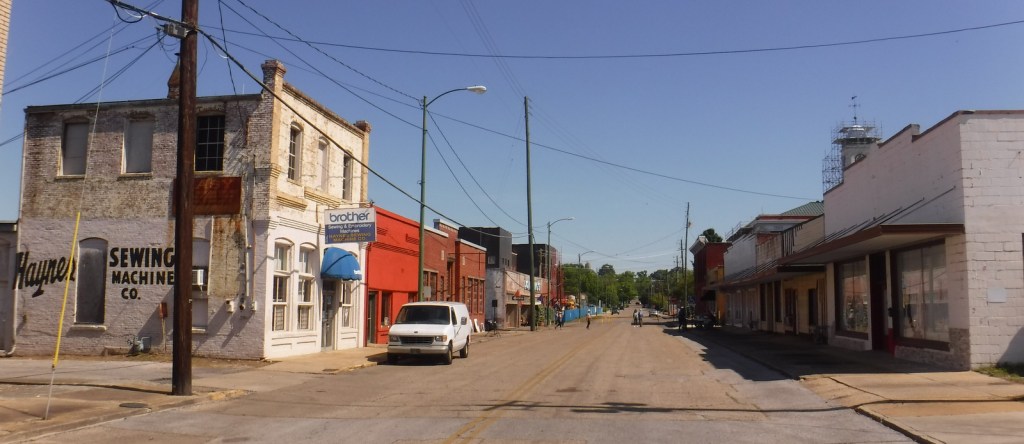
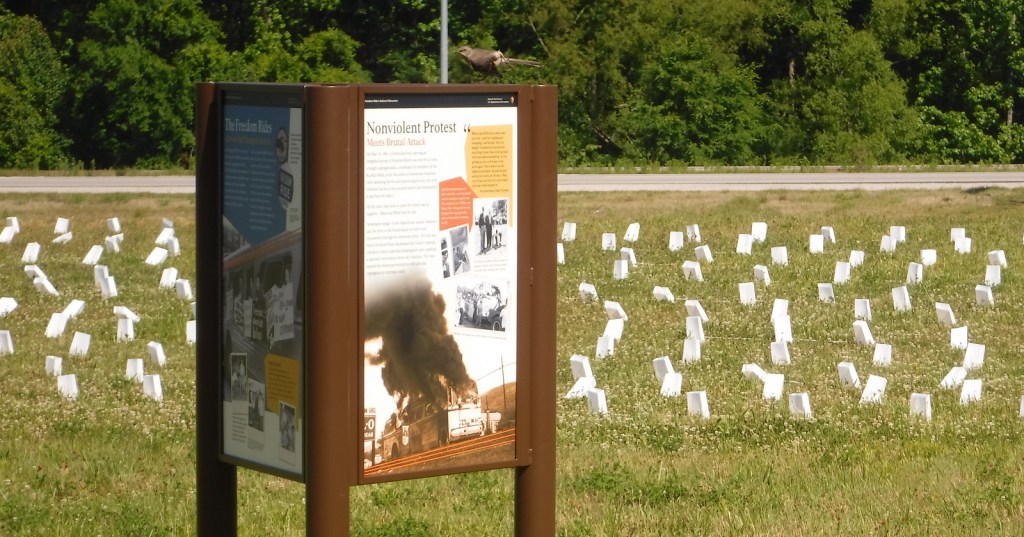
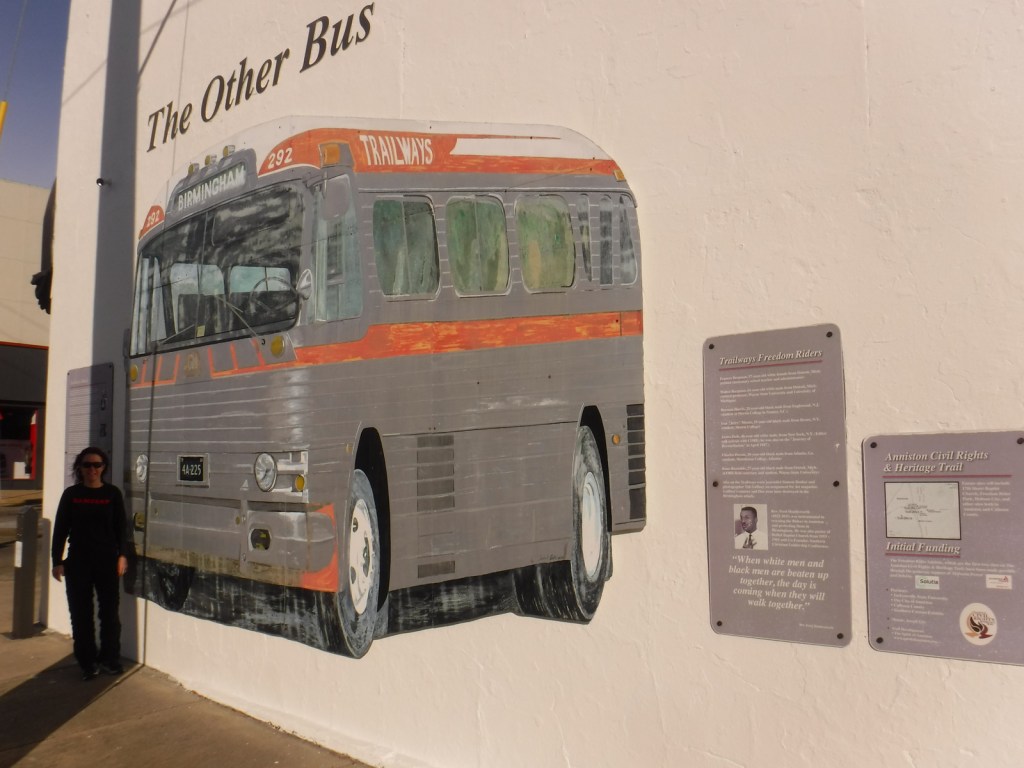
President Obama established Freedom Riders National Monument in 2017, so the park is still under development, but they do already have an outstanding Junior Ranger program.  The National Park Service (NPS) has temporary displays inside its visitor center in the historic Anniston bus station and outside is a beautiful mural of a Greyhound bus and an audio recounting of the 1961 events by Hank Thomas, a survivor.  Down the road on Highway 202, the bus burning site is currently just an informational display in a field.  We were there for the 60th anniversary events, when 400 luminaria were placed to represent the total number of Freedom Riders.  Several other murals can be found around Anniston, including a second bus at Noble and 9th Street with Charles Person’s audio description of events that took place that same day. We also recommend the excellent Freedom Rides Museum (admission charged) in Montgomery, Alabama, where similar violence took place on May 20, 1961.

Best Trail

None

Instagram-worthy Photo

In the alley next to the NPS visitor center, in front of the life-sized mural of a 1961 Greyhound bus is a lamp dedicated in August 2013 to the bravery of the Freedom Riders.

Peak Season

Spring

Hours

https://www.nps.gov/frri/planyourvisit/hours.htm

Fees

None

Road Conditions

Street parking is free outside the NPS visitor center.  To access the bus burning site, be sure to park off Old Birmingham Highway and not along the busy Highway 202 shoulder.

Camping

South of Interstate 20, campgrounds can be found in Cheaha State Park and Talladega National Forest, which also provides dispersed camping and great backpacking opportunities.

Related Sites

Birmingham Civil Rights National Monument (Alabama)

Martin Luther King, Jr., National Historical Park (Georgia)

Medgar and Myrlie Evers Home National Monument (Mississippi)

Explore More – Who was the future U.S. Congressman who took part in the 1961 Freedom Rides?

Flight 93 National Memorial

Overview

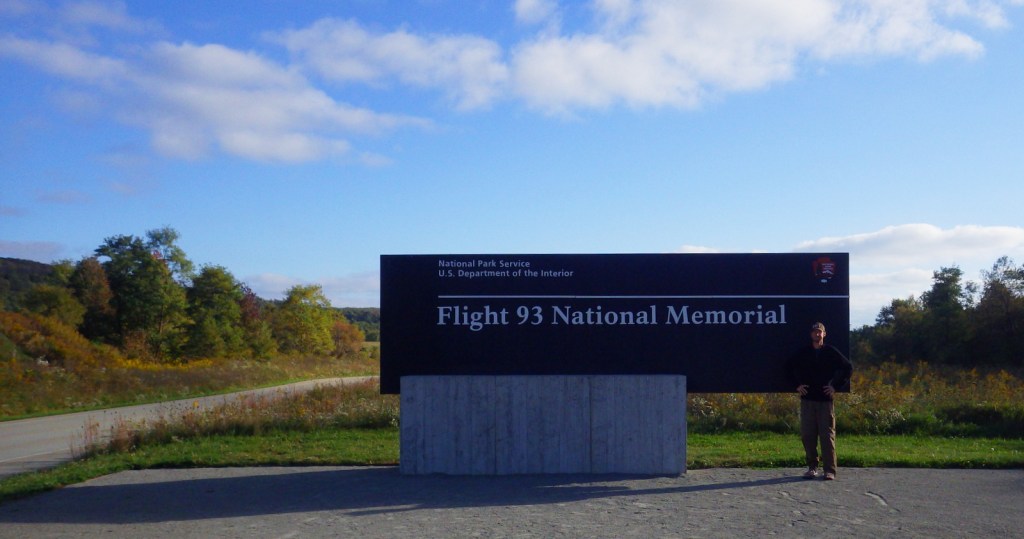
One of the most emotionally difficult places we have ever visited is the Flight 93 National Memorial in southwest Pennsylvania.  Most readers remember the details of September 11, 2001 vividly and the feelings of that day still resonate.  Thanks to the courage of the 40 passengers and crew aboard United Flight 93, the airplane crashed only 18 minutes short of its target in Washington, D.C.

Highlights

Museum, Memorial Plaza, Wall of Names

Must-Do Activity

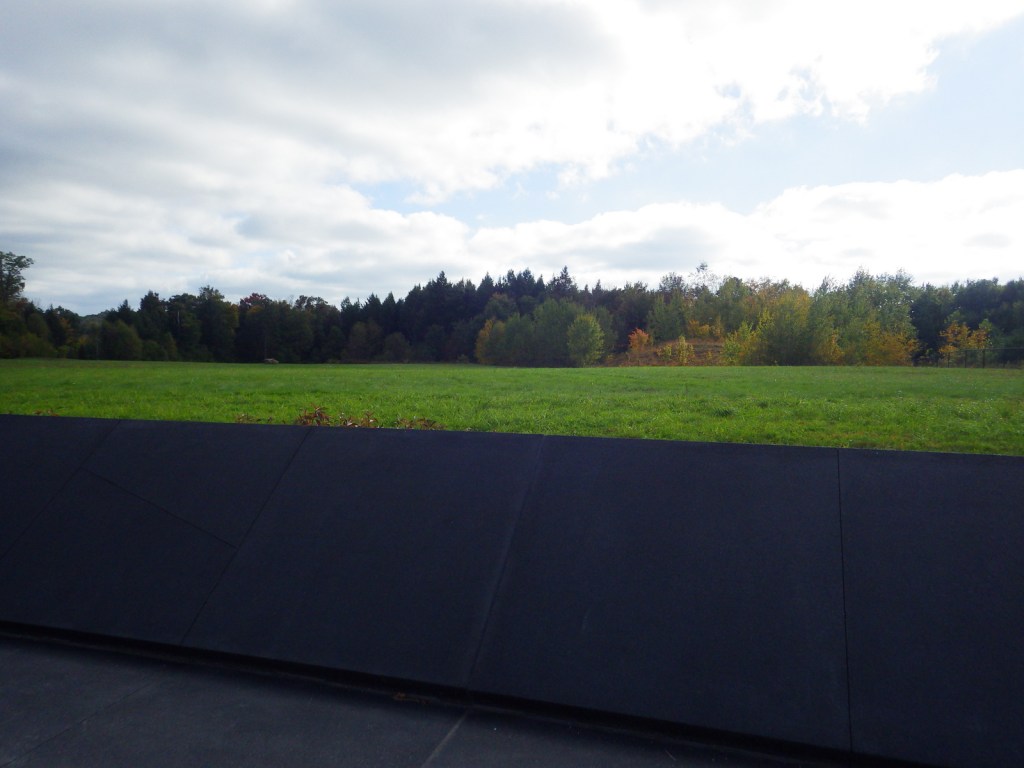
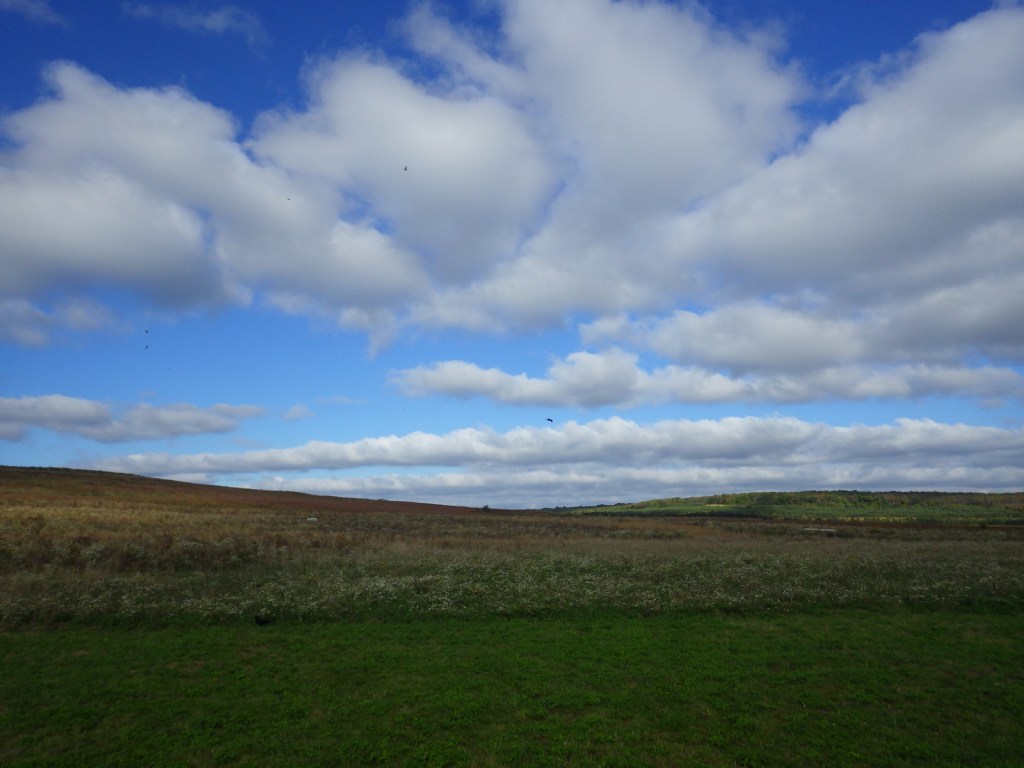
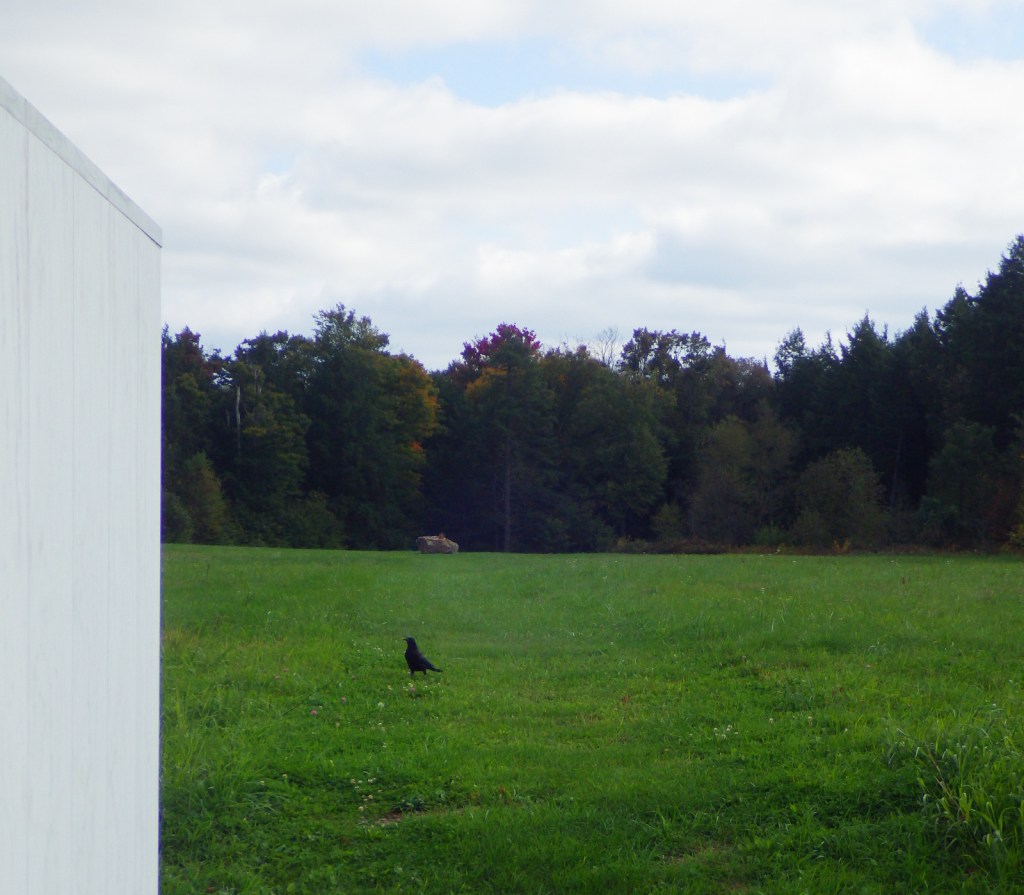
Even if you never saw the Hollywood film, the story of Flight 93 is well known.  The National Park Service (NPS) has put together a high-quality museum near the airplane crash site and the memorial itself is simple yet strong.  One wall is inscribed with this excellent quote: “A common field one day.  A field of honor forever.”  The focus is on the bravery of the 33 passengers and seven crew members that stood up to the four hijackers that tragic morning.  Since it is essentially a mass grave, the actual crash site is off limits except to family members of the victims, but it is marked by a large boulder visible from the Memorial Plaza.  We left after our visit feeling both saddened and empowered.

Best Trail

An allée (formal walkway) leads from the NPS visitor center past the 40 Memorial Groves of trees (planted in 2012) to the Memorial Plaza and the Wall of Names.  You can also drive to the parking lot at the visitor shelter next to the Memorial Plaza.

Instagram-worthy Photo

The names of the Flight 93 passengers and crew are on the 40 marble panels of the Wall of Names (the NPS visitor center is visible in the background).

Peak Season

Summer and the September anniversary

Hours

https://www.nps.gov/flni/planyourvisit/hours.htm

Fees

None

Road Conditions

All roads paved

Camping

We camped on state forest land near Stoystown, Pennsylvania.

Related Sites

Johnstown Flood National Memorial (Pennsylvania)

Fort Necessity National Battlefield (Pennsylvania)

Gettysburg National Military Park (Pennsylvania)

Explore More – Where was the United Airlines flight from Newark, New Jersey bound for on September 11, 2001?

Boston Harbor Islands National Recreation Area

Overview

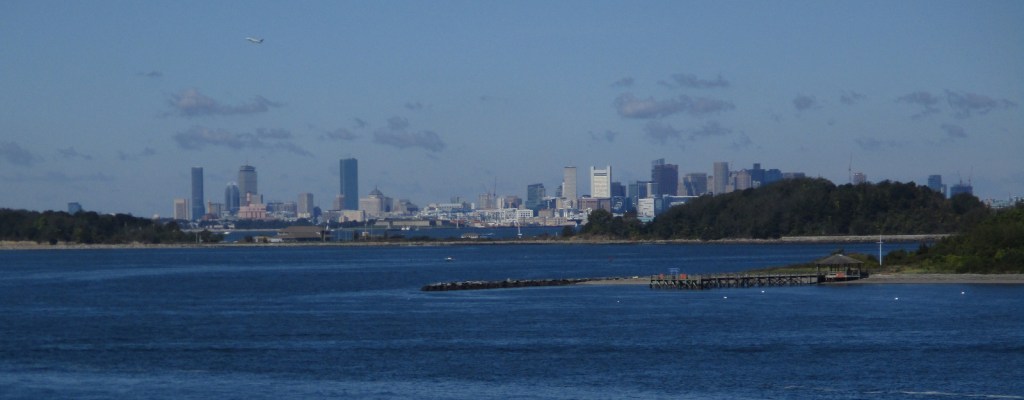
Established in 1996, there are 34 separate sites encompassed within Boston Harbor Islands National Recreation Area.  Not all of the areas are islands, some, like Worlds End, are the tips of peninsulas with roads accessing them from the suburbs of Boston, Massachusetts.  The park is a managed by a hodgepodge of agencies, including the U.S. Coast Guard’s Boston Light on Little Brewster Island (open to ranger-led tours in the summer months).

Highlights

Worlds End, Governors Island, Webb Memorial State Park, Spectacle Island

Must-Do Activity

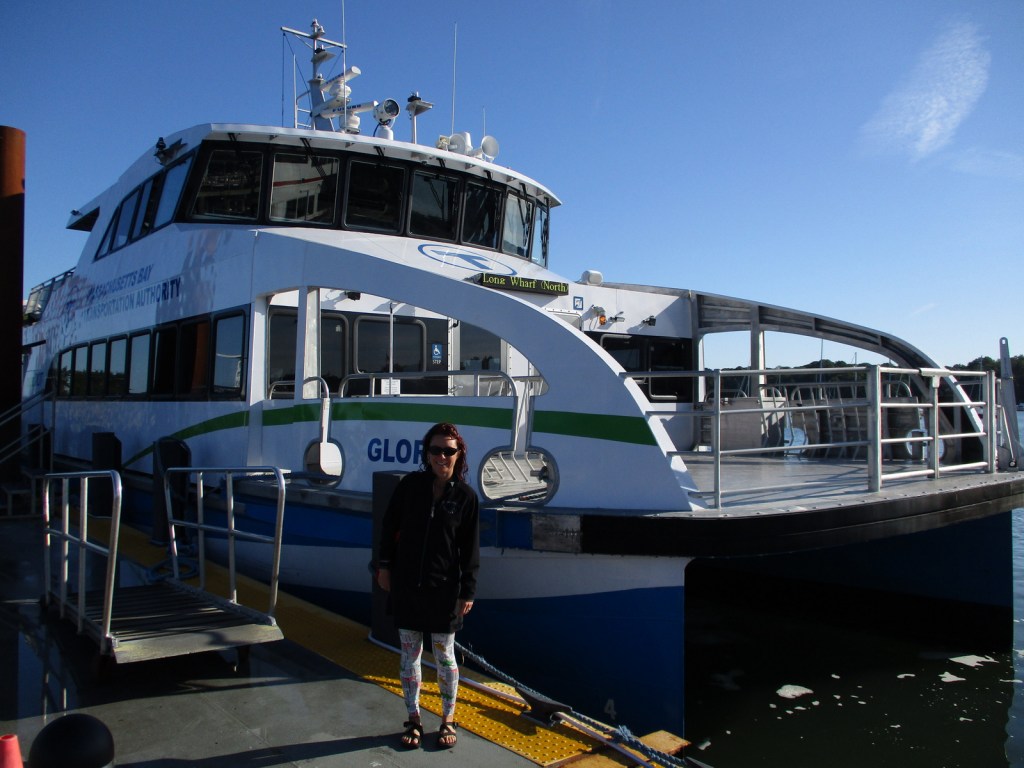
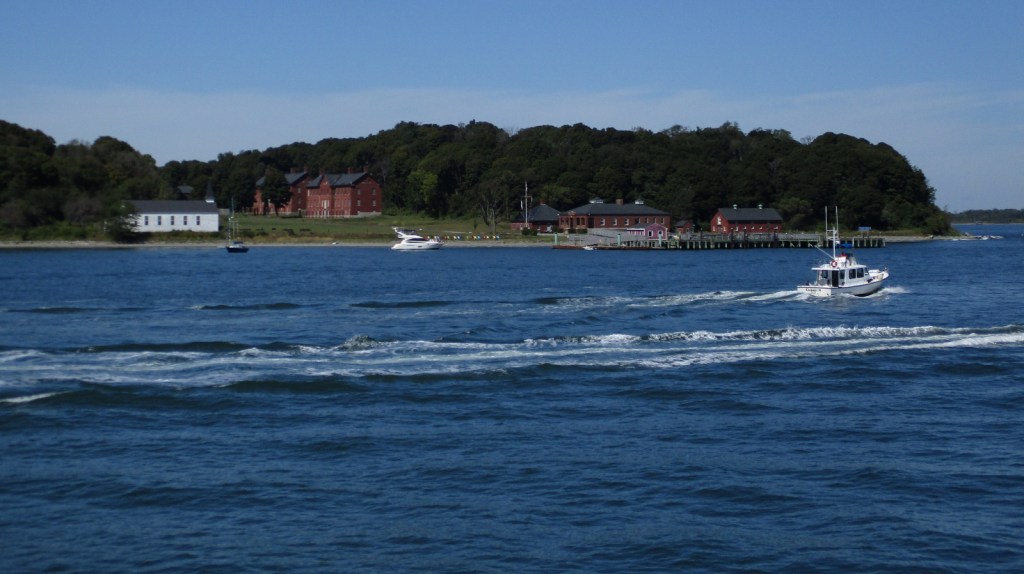
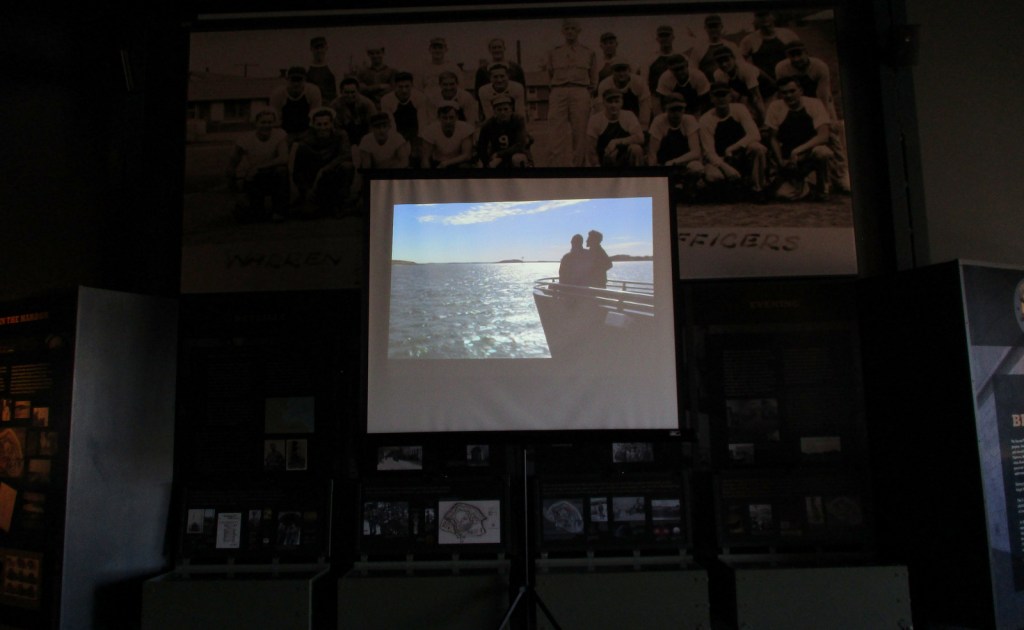
It is probably best to pick one island and thoroughly explore it by catching a ferry from Long Wharf North in downtown Boston, Hingham Shipyard, or Pemberton Point in Hull.  We chose Georges Island which is mostly taken up by Fort Warren, which dates back to 1850.  During the Civil War, the fort served as an artillery base and a prison.  The National Park Service (NPS) operates an excellent museum on the island and shows a film on its history.  Georges and Spectacle Islands are the only two islands that offer food for sale, plus they have water taxis leave from each dock to access many of the other islands.

Best Trail

Spectacle Island has five miles of hiking trails and also contains the highest point within Boston Harbor Islands National Recreation Area at 157 feet in elevation.

Instagram-worthy Photo

The site of the first lighthouse in America, Boston Light on Little Brewster Island can be seen from Georges Island and is open to guided tours in the summer.

Peak Season

Summer

Hours

https://www.nps.gov/boha/planyourvisit/basicinfo.htm

Fees

Passengers ferries charge fares, but there is not an entrance fee to the islands or Webb Memorial State Park.

Road Conditions

Most of the islands do not allow private vehicles, but you can bring your bicycle onto the ferries.  Webb Memorial State Park, Deer Island, Worlds End, and Nut Island are accessible by paved roads in the Boston area.

Camping

There are yurts on Peddocks Island and tent camping is allowed on Bumpkin, Grape, Peddocks, and Lovells Islands from late June through Labor Day.  Backcountry permits are required for stays on undeveloped islands.

Related Sites

Boston National Historical Park (Massachusetts)

Cape Cod National Seashore (Massachusetts)

Gateway National Recreation Area (New York-New Jersey)

Explore More – During the Civil War, who wrote the lyrics to “John Brown’s Body” while serving at Fort Warren?

Lake Roosevelt National Recreation Area

Overview

Stretching nearly one mile (5,223 feet) in length, the Grand Coulee Dam was the first constructed across the mighty Columbia River between 1933 and 1942.  In case you are wondering what a “coulee” is, that is a regional name for a canyon, many of which were carved by the walls of water that scoured this region after Lake Missoula burst through its ice dams periodically 15,000 to 13,000 years ago.  The reservoir created by the dam was named for President Franklin D. Roosevelt, which is why the National Park Service (NPS) manages it as Lake Roosevelt National Recreation Area.

Highlights

Grand Coulee Dam Visitor Center, Fort Spokane, St. Paul’s Mission, watersports

Must-Do Activity

The Bureau of Reclamation manages the museum at Grand Coulee Dam Visitor Center and a free laser light show is projected on the mile-long dam during the summer months.  Near a major river confluence, Fort Spokane was established in 1880 and now has a one-mile trail explaining its diverse history.  The reservoir submerged the salmon fishing grounds at Kettle Falls that had been used for millennia.  Native Americans still inhabit this region today, as the lake creates a border between the Colville and Spokane Indian Reservations.  Campgrounds and boat launch sites are located all along the narrow lake’s 129-mile length, although some may close due to changing reservoir levels.

Best Trail

A quarter-mile trail with interpretive signs is located at St. Paul’s Mission, one of the oldest churches in Washington state.  Here you will learn about (now submerged) Kettle Falls and the Hudson’s Bay Company’s historic impact on the region.

Instagram-worthy Photo

At the time, the Grand Coulee Dam became the largest masonry structure ever built, breaking a record held for 4,700 years by the Great Pyramid in Egypt.

Peak Season

Summer

Hours

https://www.nps.gov/laro/planyourvisit/hours.htm

Fees

The NPS charges a fee at boat launches and you cannot use the America the Beautiful pass.  Grand Coulee Dam Visitor Center is free, as are the Keller Ferry and Gifford–Inchelium Ferry that cross the lake.

Road Conditions

There are some unpaved roads, but the designated Scenic Drive follows only paved roads and utilizes two free ferries.

Camping

There are 26 campgrounds available on a first-come, first-served basis, while sites at a few take reservations.  Boat-in campgrounds and shoreline camping are both free.

Related Sites

Whitman Mission National Historic Site (Washington)

Glen Canyon National Recreation Area (Arizona-Utah)

Lake Mead National Recreation Area (Nevada-Arizona)

Explore More – During peak construction, how many people were employed at the Grand Coulee Dam?