Tag Archives: mountains

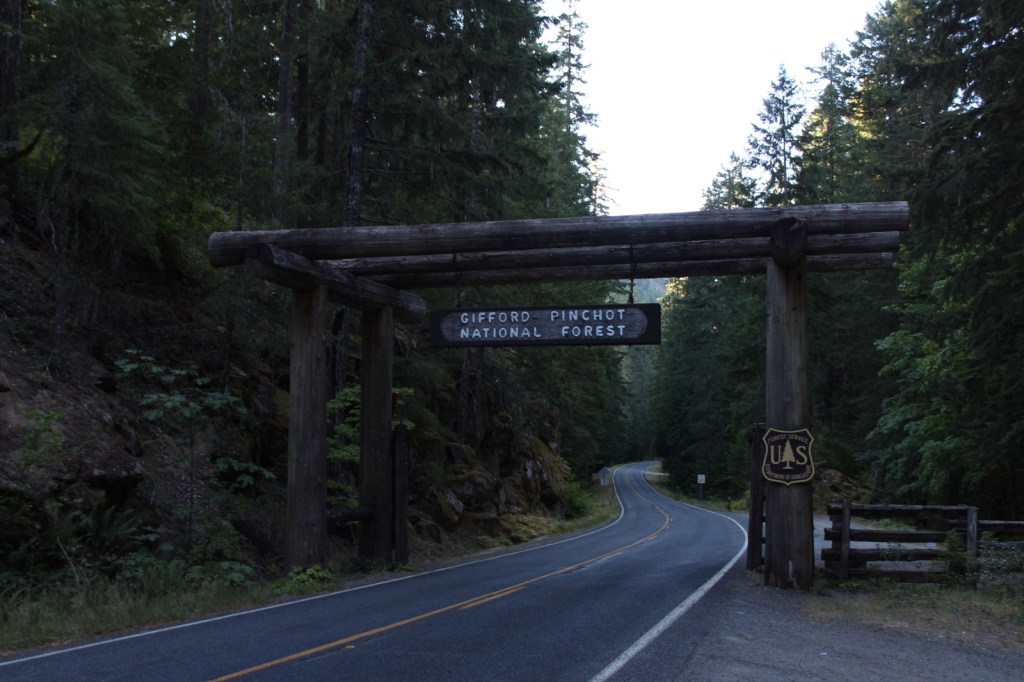
Gifford Pinchot National Forest

Gifford Pinchot National Forest

Washington

Managed by U.S. Forest Service, Pacific Northwest Region

1,409,966 acres (1,321,506 federal/ 88,460 other)

Website: https://www.fs.usda.gov/giffordpinchot/

Overview

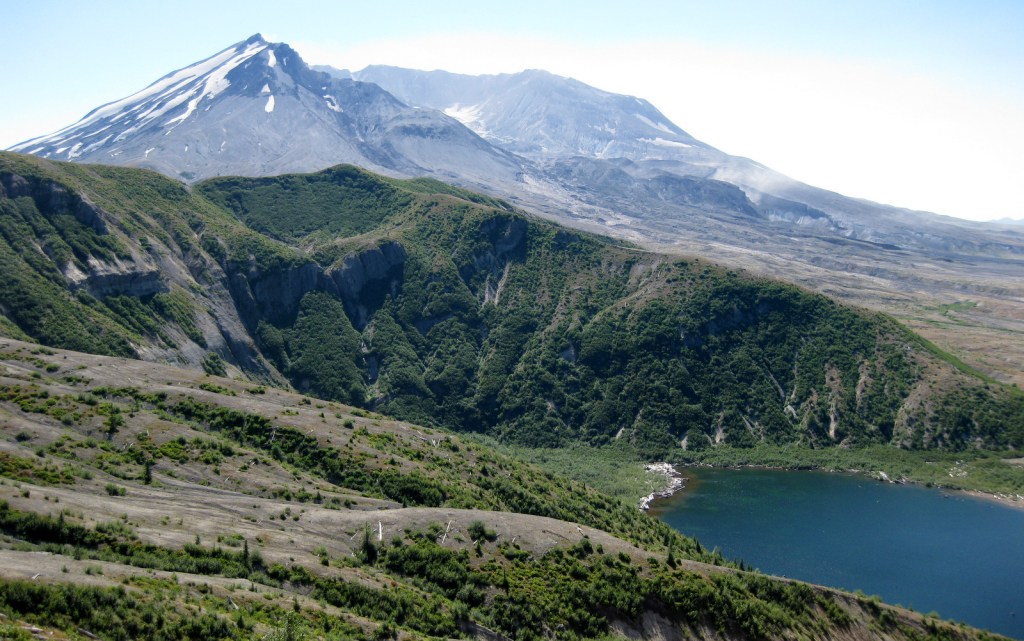
First set aside as Mt. Rainier Forest Reserve in 1897, nearly one-million acres were renamed Columbia National Forest in 1908.  It became Gifford Pinchot National Forest in 1949 to honor the chief of the U.S. Division of Forestry (1898-1905) and first chief of the U.S. Forest Service (1905-1910).  The Yale graduate studied forestry in Europe and his family founded the Yale Forest School (see Grey Towers National Historic Site).  Gifford Pinchot National Forest borders the Columbia River to the south, across from Oregon’s Mt. Hood National Forest.  It stretches north to Mt. Rainier National Park and contains 12,276-foot Mt. Adams (the state’s second tallest volcano) and Mt. St. Helens, which was designated a National Monument after its eruption on Sunday, May 18, 1980.  There are 1,475 miles of trails and more than 4,000 miles of roads in the National Forest, so there is plenty to explore outside the volcanoes. 

Highlights

Mt. St. Helens National Volcanic Monument, Silver Star Scenic Area, Lower Falls of the Lewis River, Tatoosh Range, Packwood Lake, Quartz Creek, Ape Cave, Langfield Falls, Horseshoe Lake, Panther Creek Falls, Ice Cave, Mt. Adams, Midway High Lakes Area, Takhlakh Lake, Lava Canyon Trail, Pacific Crest National Scenic Trail

Must-Do Activity

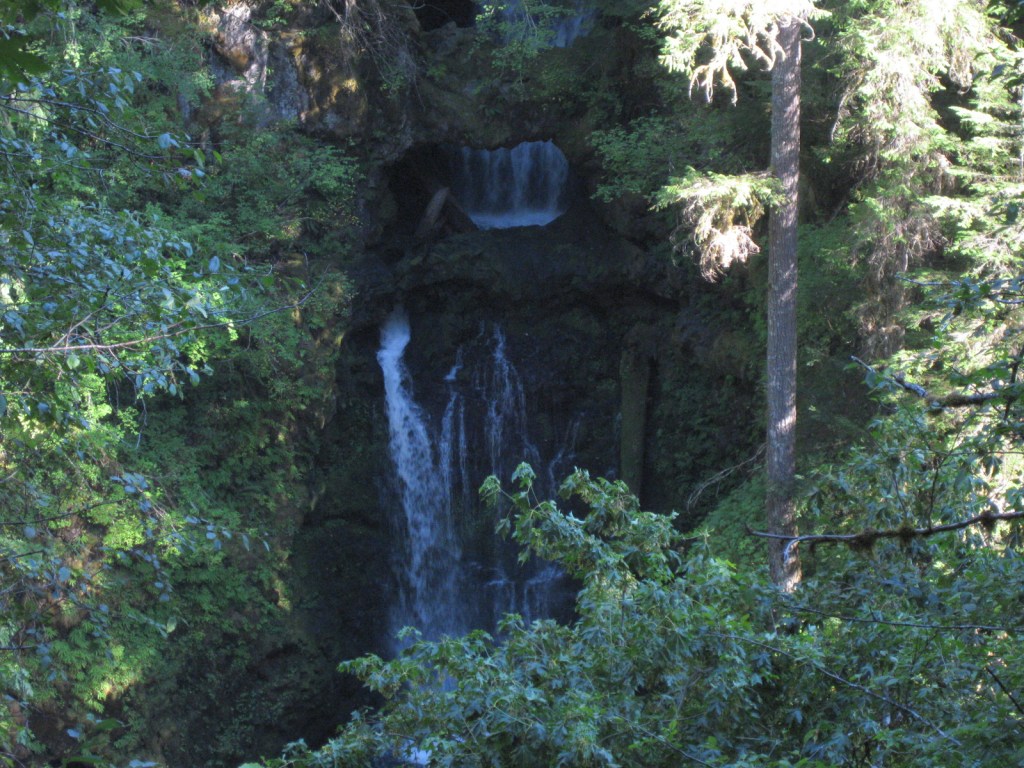
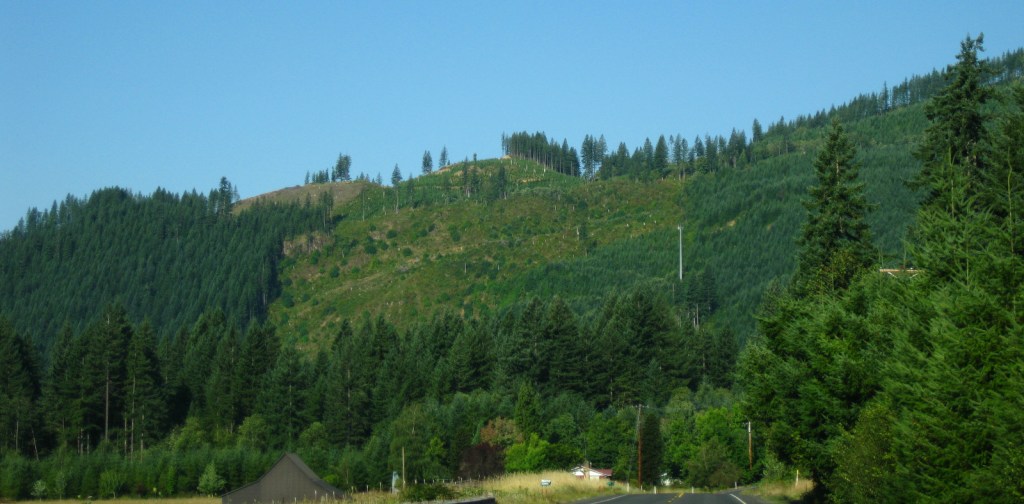
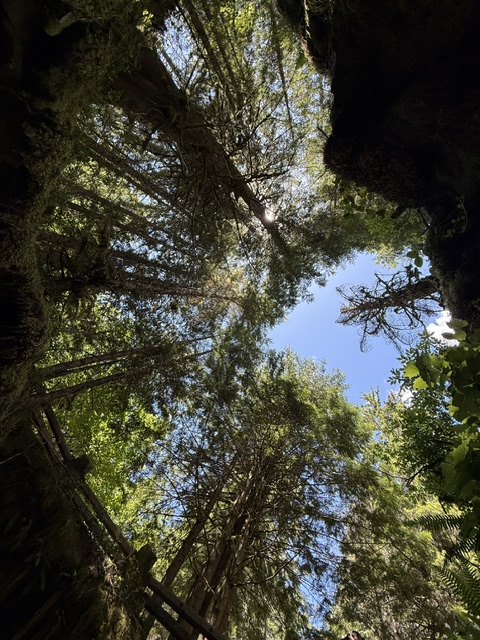
We will cover Mt. St. Helens National Volcanic Monument in a separate post, so here we will focus on the National Forest’s other attractions.  North of Mt. St. Helens, a half-mile trail follows Quartz Creek through an old-growth forest of huge Douglas-firs.  To the south, check out Lava Canyon Trail and Cedar Flats Research Natural Area where old-growth western redcedar trees are draped in lichen.  There are numerous waterfalls in the National Forest, including dual Panther Creek Falls that drops 175 feet side by side and the triple Falls Creek Falls that cascades 150 feet.  This lush region is also known for its berry picking, especially the renowned Sawtooth Berry Fields. 

Best Trail

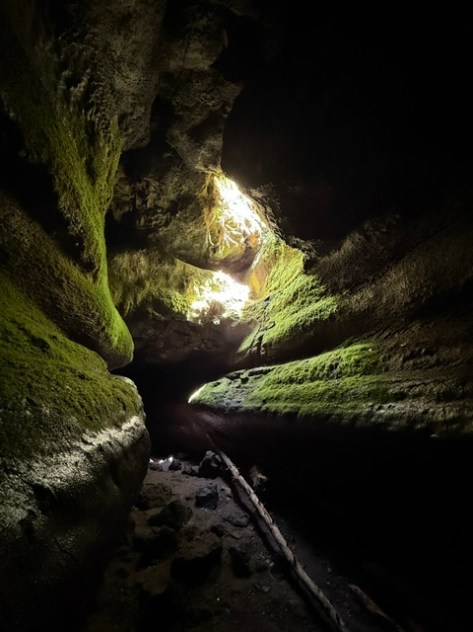
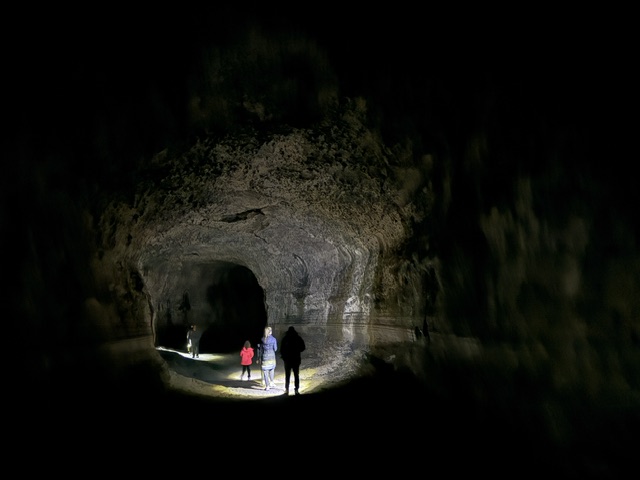
Ape Cave is a lava tube located south of Mt. St. Helens, which at 2.5 miles is the third longest in North America.  The cave is not named for a fossil discovery, but rather the local Boy Scout troop that explored its interior in the 1950s after its discovery.  It is believed that the lava tube formed during a basaltic flow 1,900 years ago.  Ape Cave Trail is a National Recreation Trail receiving approximately 170,000 visitors annually (a timed reservation is required).  There are two layers to the cave, a smoother 0.8-mile upper level and a rougher 1.5-mile lower level that requires scaling an eight-foot lava wall.  Bundle up if you visit, as the underground temperature is 42°F year round.  The 650-foot-long Ice Cave is another lava tube known for its ice stalactites in spring (reservation required).

Watchable Wildlife

Located on the rainy side of the Cascades, Gifford Pinchot National Forest receives plenty of precipitation to feed its many rivers, including the glacier-fed White Salmon National Wild and Scenic River.  Four species of fish identified as threatened inhabit this region’s waters: bull trout, steelhead, chinook salmon, and coho salmon.  Another threatened species, the northern spotted owl requires buffer zones around its nests.  Mammals of Gifford Pinchot National Forest include elk, black-tailed deer, black bears, bobcats, and several species of marmots.  The wettest parts of the forest, especially in riparian corridors, have a variety of frogs, salamanders, and newts.

Instagram-worthy Photo

There are numerous waterfalls in this forest due to its high annual rainfall and steep elevation gradients.

Peak Season

Summer

Fees

An America the Beautiful Pass or Northwest Forest Pass ($5 day use) is required at many parking areas in the National Forest, including Ice Cave and Ape Cave (where a timed reservation is required from recreation.gov). 

Road Conditions

The major roads are paved to viewpoints in Mt. St. Helens National Volcanic Monument, but there are plenty of unpaved roads throughout the National Forest, some requiring high-clearance vehicles. 

Camping

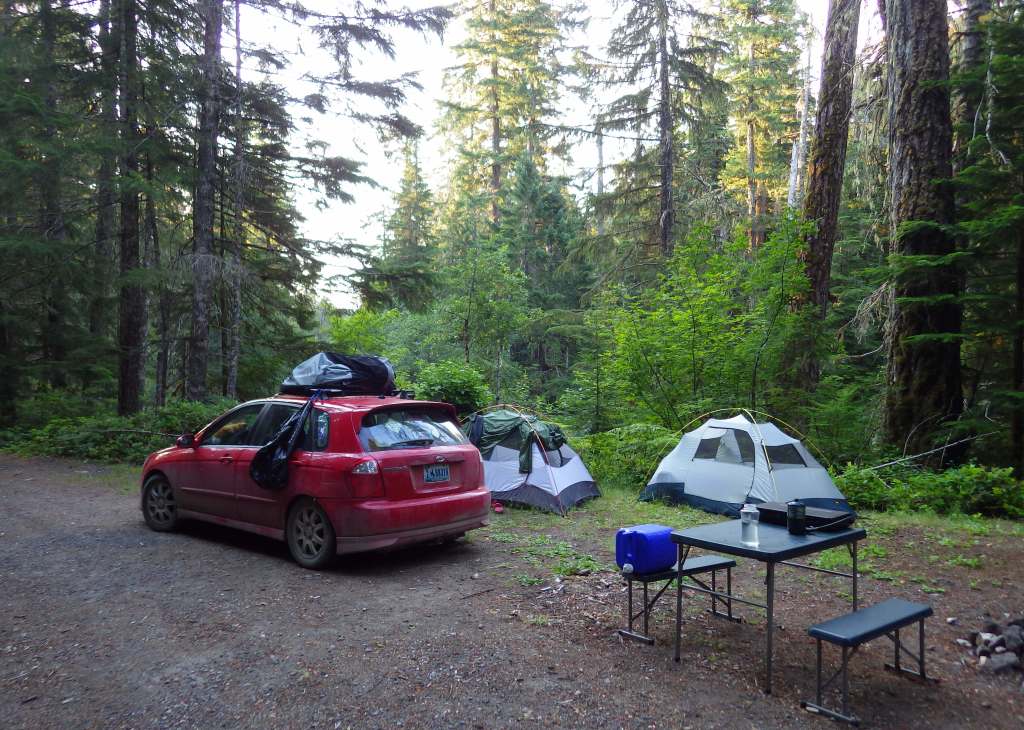
Iron Creek Campground north of Mt. St. Helens has two short trails, a quarter-mile trail through old-growth forest and one that follows a river 1.5 miles under a canopy of Douglas-fir and western redcedar.  Dispersed camping is allowed throughout the National Forest, and we have camped here to avoid the crowds while visiting the beautiful waterfalls of Columbia River Gorge National Scenic Area, part of Oregon’s Mt. Hood National Forest.

Wilderness Areas

Dark Divide Roadless Area

Glacier View Wilderness

Goat Rocks Wilderness (also in Wenatchee National Forest)

Indian Heaven Wilderness

Mount Adams Wilderness

Tatoosh Wilderness

Trapper Creek Wilderness

William O. Douglas Wilderness (also in Wenatchee National Forest)

Related Sites

Mt. St. Helens National Volcanic Monument (Washington)

Ross Lake National Recreation Area (Washington)

Fort Vancouver National Historic Site (Washington)

Nearest National Park

Mount Rainier

Conifer Tree Species

Douglas-fir, western redcedar, Pacific silver fir, noble fir, subalpine fir, mountain hemlock, western hemlock, whitebark pine, lodgepole pine, Alaska yellow-cedar

Flowering Tree Species

balsam poplar, paper birch, willow, red alder, bigleaf maple, Pacific rhododendron

Explore More – In addition to the White Salmon River, which four other waterways in the National Forest have been recommended to be added to the Wild and Scenic River System?

Learn more about this and the 154 other National Forests in our new guidebook Out in the Woods

We are a participant in the Amazon Services LLC Associates Program, an affiliate advertising program designed to provide a means for us to earn fees by linking to Amazon.com and affiliated sites.

Gallatin National Forest

Gallatin National Forest

Montana

Managed by U.S. Forest Service, Northern Region

2,151,461 acres (1,819,515 federal/ 331,946 other)

Website: https://www.fs.usda.gov/main/custergallatin/home

Overview

Gallatin National Forest borders much of the north and west sides of Yellowstone National Park, providing important wildlife habitat in the Absaroka-Beartooth and Lee Metcalf Wilderness areas.  The National Forest also contains portions of the Bridger Range and Crazy Mountains north of Bozeman and Interstate 90.  The Gallatin Petrified Forest is only accessible by trail, either from a short two-mile one-way jaunt (that gains 650 feet of elevation) or by backpacking the 27-mile Gallatin Divide-Devils Backbone Trail.  Free permits are available from Forest Service Ranger Stations to collect up to 20 cubic-inches of petrified wood each year.  Since 2014, it has been co-managed as the Custer-Gallatin National Forest, stretching east into South Dakota.

Highlights

Earthquake Lake Visitor Center, film, Fairy Lake, Devils Slide, Flathead Pass, Big Timber Canyon, Palisade Falls, Spire Rock Campground, Natural Bridge, Kersey Lake, Hardscrabble Peak, Pine Creek Falls, Bridger Mountains National Recreation Trail, Spanish Creek Trail, Red Canyon Trail, Petrified Forest Interpretive Trail

Must-Do Activity

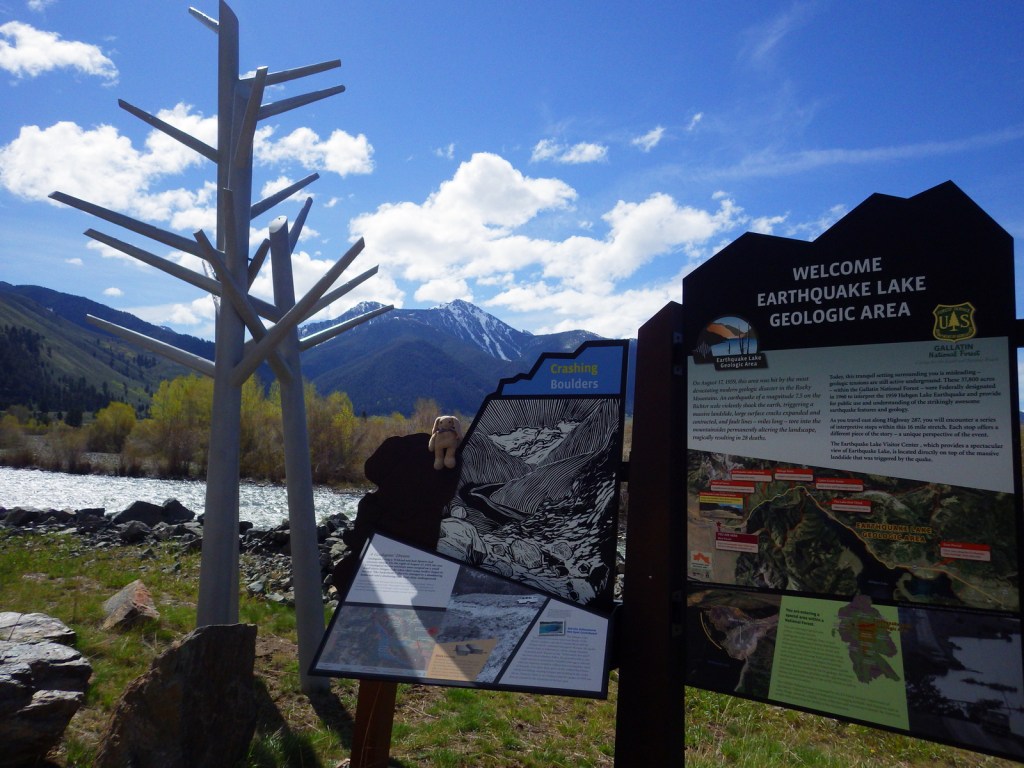
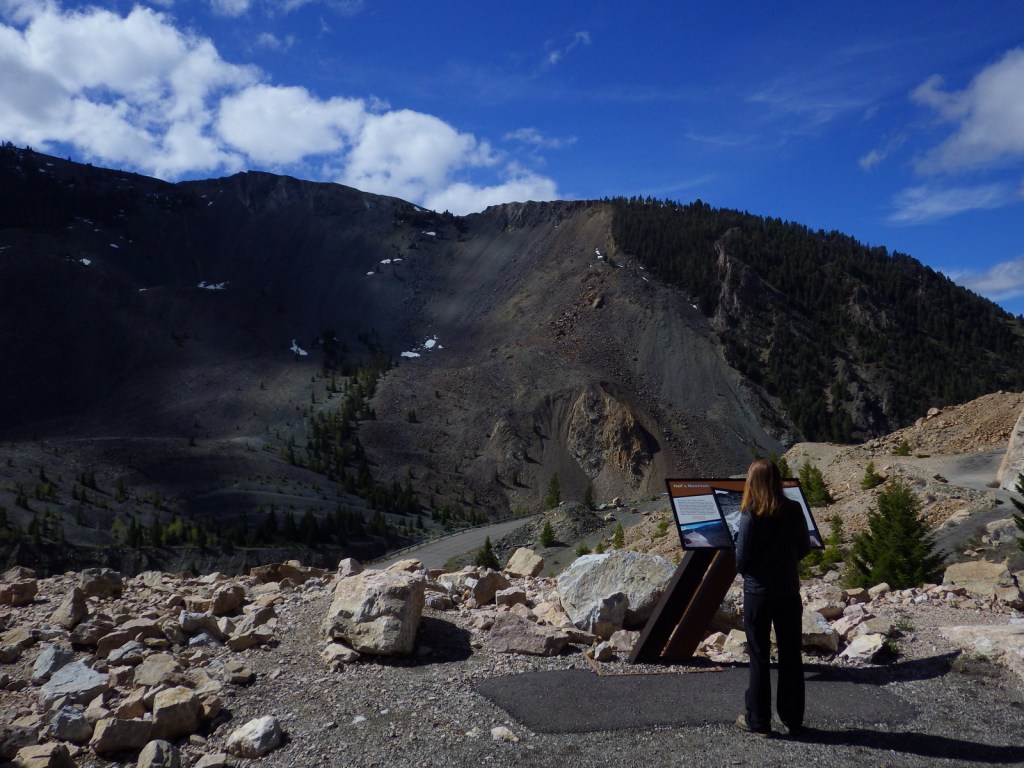
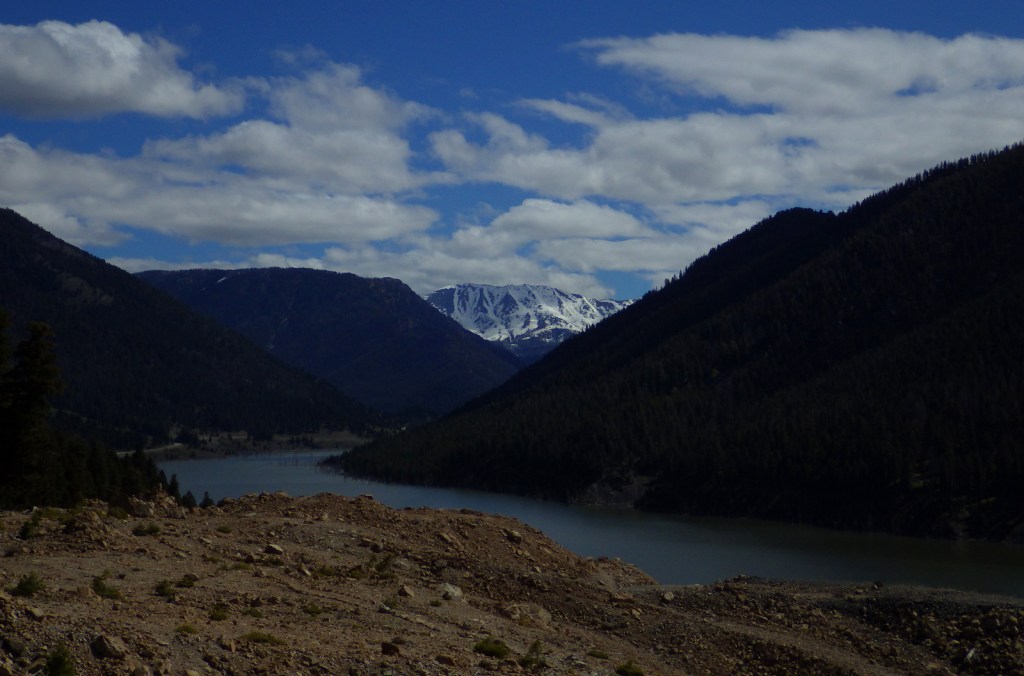
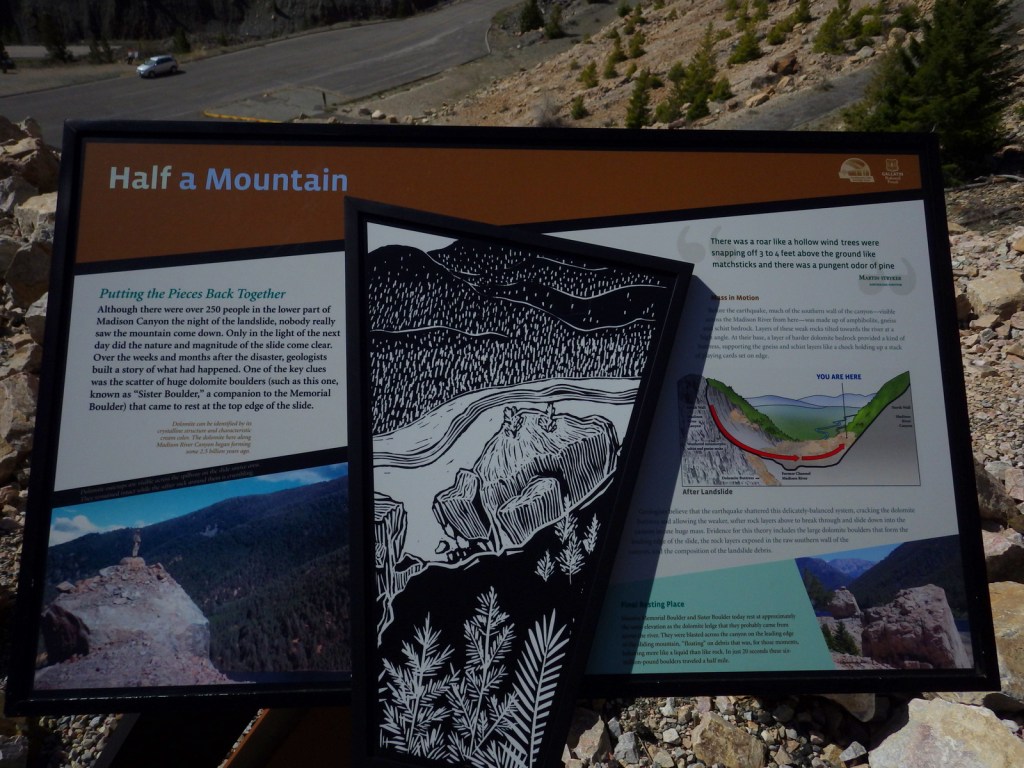
Earthquake Lake Geologic Area stretches along Highway 287 to commemorate the events that occurred around midnight on August 17, 1959 when a magnitude 7.5 earthquake hit West Yellowstone, Montana.  The strongest earthquake ever recorded in the Rocky Mountains caused a hillside to crumble and block the Madison River and form Quake Lake, which is still there today.  Seiches (“lake tsunamis”) on Hebgen Lake and landslides claimed 28 lives and trapped hundreds campers.  The next day, after Forest Service smokejumpers parachuted in to assist survivors, the most seriously injured were evacuated out by helicopter.  Today there is an interpretive auto tour with multiple stops along the highway.  In addition, a visitor center operates in the summer where they show a film and the 0.3-mile Landslide Trail has signs explaining the events and how the massive Memorial Boulder crossed from one side of the valley to the other in less than 20 seconds (see Instagram-worthy Photo).

Best Trail

Pine Creek Falls is located 1.3 miles from the Pine Creek Campground after a 400 foot elevation gain.  The popular route first enters a burned forest then crosses a bridge over the creek at a half-mile before reaching the waterfall where most hikers turn around.  The trail gets steeper as it continues another four miles to Pine Creek Lake climbing about 3,400 feet, including one grueling stretch that ascends 1,800 feet in only 1.3 miles.

Watchable Wildlife

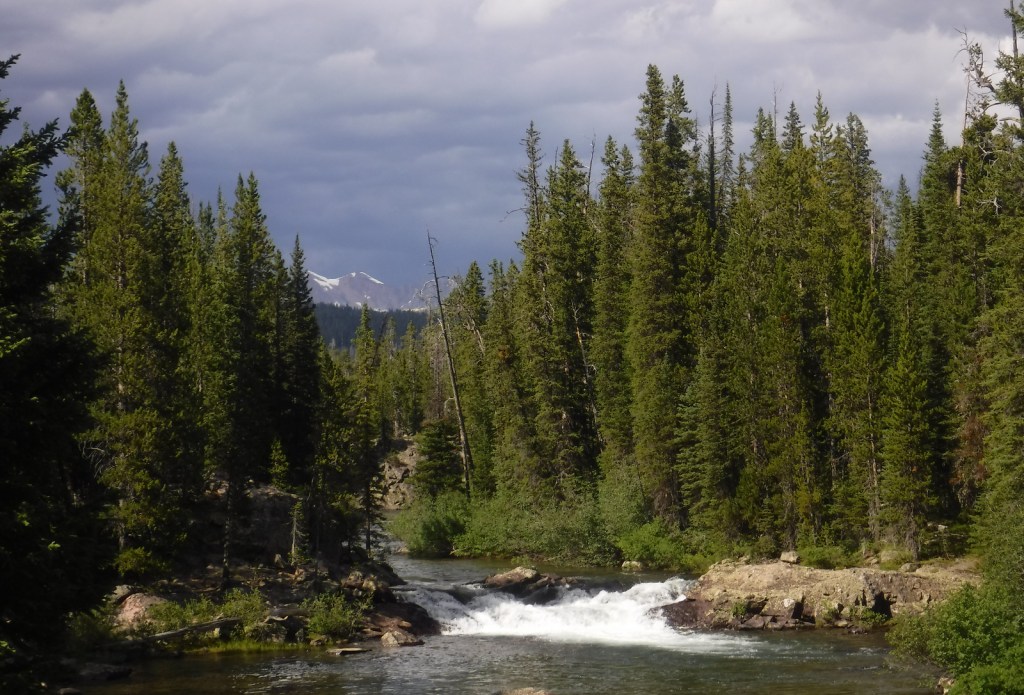
There are more than 4,000 miles of streams and rivers in the National Forest, including major tributaries of the Yellowstone and Missouri Rivers.  This makes Gallatin National Forest one of the premiere fly fishing destinations in the U.S. and also attracts bald eagles and ospreys.  Due to its proximity to Yellowstone National Park, there are also gray wolves and grizzly bears.  Other large mammals include elk, mule deer, moose, bighorn sheep, pronghorns, mountain lions, and black bears.

Instagram-worthy Photo

Memorial Boulder and Sister Boulder used to be located across the valley, but during the 1959 earthquake these six-million-pound dolomite slabs crossed the half-mile distance in less than 20 seconds.

Peak Season

Summer

Fees

None

Road Conditions

The roads are paved up to the Earthquake Lake Visitor Center, Pine Creek Campground, and Big Sky Mountain Village (south of Bozeman).  It is 13 miles (mostly unpaved) from Highway 89 to the Petrified Forest Interpretive Trail, and there is a free campground where Rock Creek Road dead ends at the trailhead.  There are also many miles of four-wheel-drive roads to explore throughout the National Forest.

Camping

There are many campgrounds in Gallatin National Forest (like Eagle Creek just outside Gardiner on the northern border of Yellowstone National Park), as well as dispersed camping options. 

Wilderness Areas

Absaroka-Beartooth Wilderness (also in Custer and Shoshone National Forests)

Lee Metcalf Wilderness (also in Beaverhead National Forest)

Related Sites

Custer National Forest (Montana-South Dakota)

Big Hole National Battlefield (Montana)

BeaverheadDeerlodge National Forest (Montana)

Nearest National Park
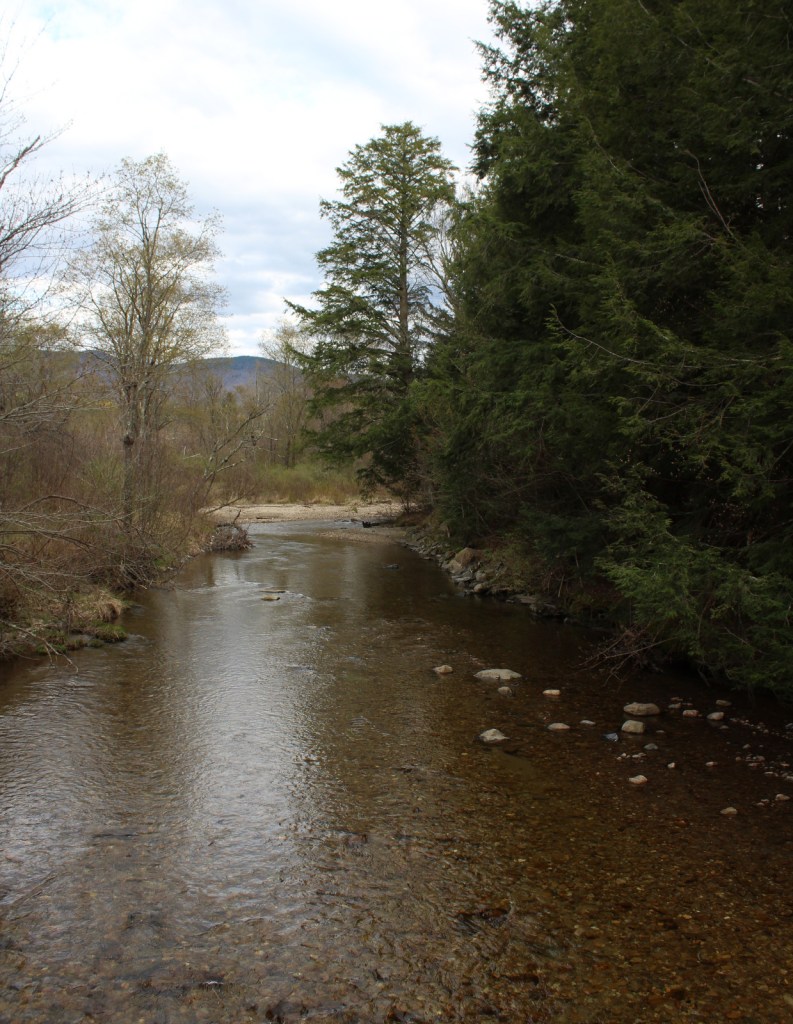
Yellowstone

Conifer Tree Species

lodgepole pine, ponderosa pine, whitebark pine, subalpine fir, Douglas-fir, Engelmann spruce

Flowering Tree Species

quaking aspen, balsam poplar, cottonwood, alder, mountain maple, mountain ash

Explore More – Why was the National Forest named after Albert Gallatin?

Learn more about this and the 154 other National Forests in our new guidebook Out in the Woods

We are a participant in the Amazon Services LLC Associates Program, an affiliate advertising program designed to provide a means for us to earn fees by linking to Amazon.com and affiliated sites.

Continental Divide National Scenic Trail

Continental Divide National Scenic Trail

New Mexico, Colorado, Wyoming, Idaho, Montana

Managed by U.S. Forest Service (70%), Bureau of Land Management (12%), National Park Service (10%), other (8%)

Established 1978

3,028 miles

Website: https://www.fs.usda.gov/managing-land/trails/cdt

Overview

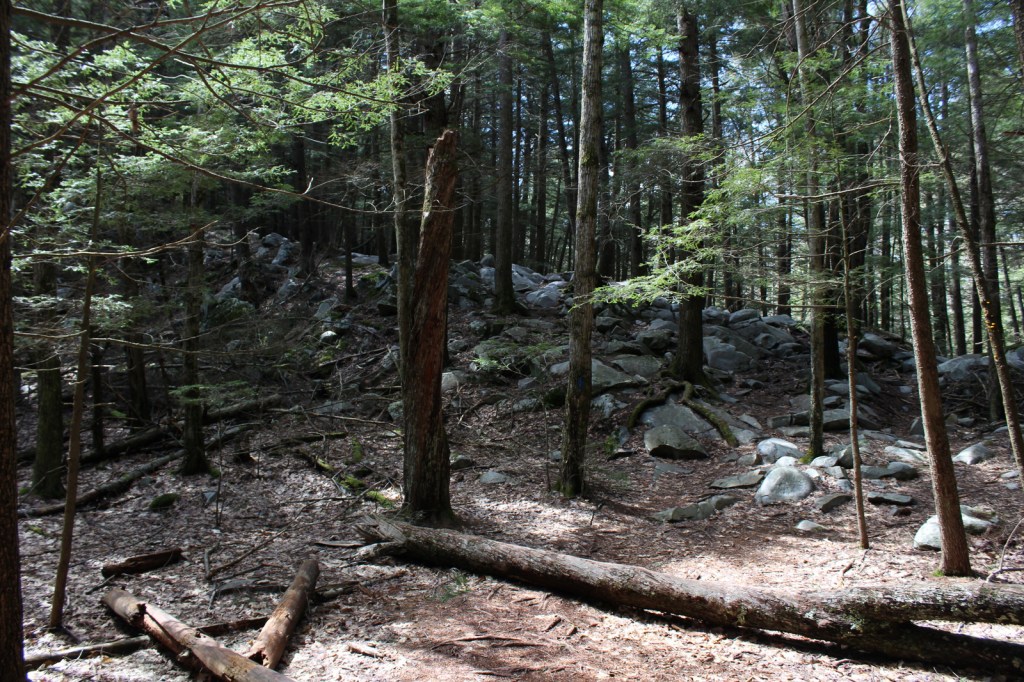
We decided to write about the Continental Divide National Scenic Trail (CDT) now, since Tiff recently finished backpacking the entire 512-mile Wyoming section of the route.  The CDT stretches 3,028 miles from the Crazy Cook Monument on the border with Mexico north to Waterton-Glacier International Peace Park.  The official trail is known as the “red route,” with popular alternatives called “blue routes” detouring through sections like New Mexico’s Gila Wilderness (which 95% of thru-hikers choose).  Tiff was supported by Scott along portions of the trail and they both backpacked through Yellowstone National Park together.  Tiff met dozens of thru-hikers doing the entire trail this year, many of whom were “flip-flopping” after getting stopped north bound (NOBO) by snowy Colorado mountains so switching to a south bound (SOBO) direction to finish.

Highlights

Rocky Mountain National Park, Yellowstone National Park, Glacier National Park, Gila Wilderness, El Malpaís National Monument, South Pass City State Park, Wind River Range, Lemhi Pass, Chinese Wall, Triple Divide Pass

Must-Do Activity

It takes the average thru-hiker 147 days to complete the trek (including “zeros days”), but you can get a feel for the experience on shorter point-to-point or loop hikes.  We have done the Rocky Mountain National Park section as a long day hike and Scott has backpacked the minimum 40 miles to see the famous Chinese Wall in Montana’s Lewis and Clark National Forest.  We had all three of our backcountry campsites to ourselves along Yellowstone National Park’s 67-mile stretch of CDT and went a full day without seeing another person near the park’s Idaho border.
Best Trail

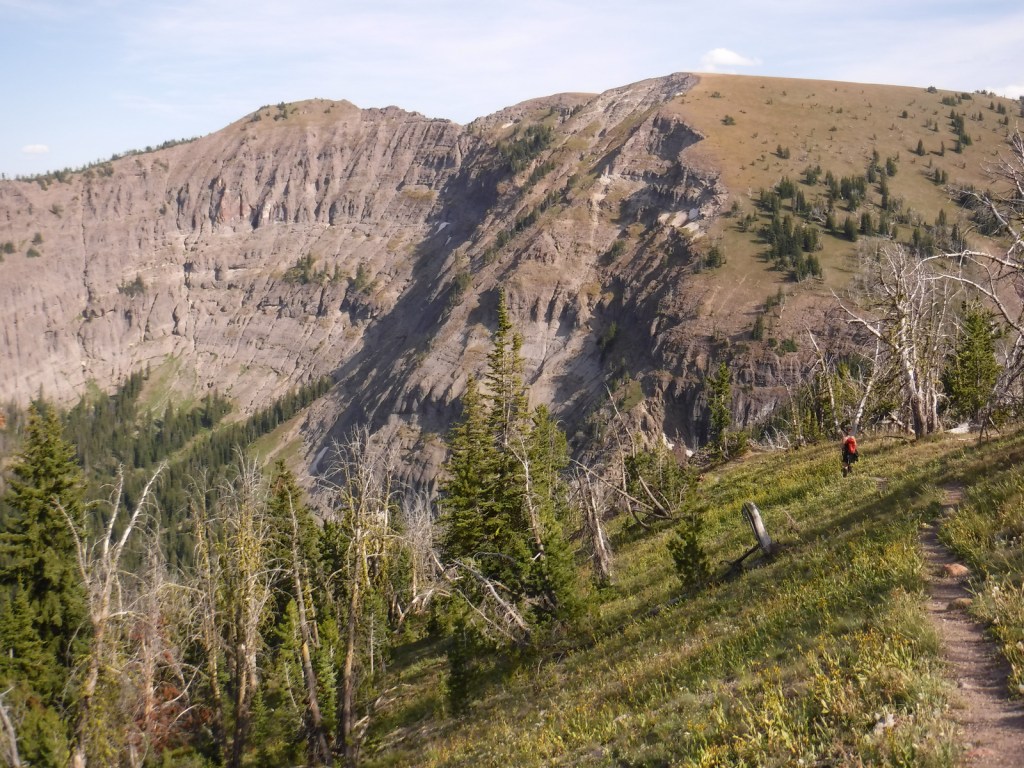
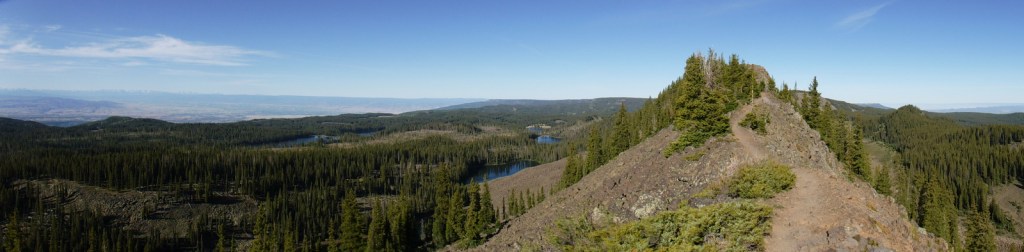
The Wind River Range in Wyoming’s Bridger National Forest is probably the most scenic stretch of mountains on the entire CDT.  Many thru-hikers detour to a blue route to see beautiful, but overcrowded Titcomb Basin and the Cirque of the Towers (actually in neighboring Shoshone National Forest).  Read more about our 2020 trip (mostly) following the CDT 120 miles through the range in our newspaper article.

Instagram-worthy Photo

The CDT goes right past crowded Old Faithful in Yellowstone National Park’s Lower Geyser Basin, although there are other areas of colorful hot springs like those near Heart Lake (pictured).

Peak Season

Summer

Fees

Fees apply if you camp inside or drive into Rocky Mountain, Yellowstone, and Glacier National Parks

Road Conditions

Much of the trail is actually walking dirt roads and some paved roads, especially in New Mexico.  Access roads to certain trailheads can be very rough and require driving long unpaved sections, such as the 30 miles to busy Big Sandy Trailhead in Bridger National Forest.

Camping

Camping is dispersed except for designated sites (permit required) in Rocky Mountain, Yellowstone, and Glacier National Parks.
Related Sites

Appalachian National Scenic Trail (Georgia to Maine)

Pacific Crest National Scenic Trail (California-Oregon-Washington)

Natchez Trace National Scenic Trail (Mississippi-Alabama-Tennessee)

Explore More – Which three oceans receive water from Triple Divide Pass in Montana?

Top 10 Summit Trails in National Forests

Now that the snow is melting on the trails to the highest peaks in America, we thought it would be a good time to release our ranking of the Top 10 Summit Trails in National Forests.  None of the trails we selected require ropes, crampons, or ice axes to reach the top, but there are plenty of mountains in National Forests that do (like Wyoming’s Gannett Peak, Oregon’s Mt. Hood, and California’s Mt. Shasta).  It is best to start all of these hikes early in the morning (or even before sunrise) to avoid afternoon thunderstorms.  Click here to see all of our Top 10 Lists, including our Top 10 Backpacking and Day Hiking Trails in National Forests.

10. Black Elk Peak

Black Hills National Forest (South Dakota)

Rising in the center of the Black Elk Wilderness is 7,242-foot tall Black Elk Peak (formerly Harney Peak), the highest point in the U.S. east of the Rocky Mountains (with a distant view of Mt. Rushmore)

9. Mt. Elbert

San Isabel National Forest (Colorado)

Unlike some of the scrambles up Colorado’s 14ers, summiting the tallest of all is entirely on a good trail with switchbacks that steadily climb over 4,000 feet

8. Mt. Rogers

Jefferson National Forest (Virginia)

The shortest route to the highest point in Virginia is 4.5-miles one-way from Grayson Highlands State Park, gaining 1,350 feet in elevation (plus, watch for wild ponies)

7. Wheeler Peak

Carson National Forest (New Mexico)

You can summit this 13,161-foot peak by hiking out-and-back, but we opted for a 14-mile loop with 3,771 feet of elevation gain

6. Kings Peak

Ashley National Forest (Utah)

Utah’s highest point (13,528 feet) is in Ashley National Forest, but is most easily accessed from Wasatch National Forest (still 30 miles roundtrip) in the beautiful High Uintas Wilderness

5. Medicine Bow Peak

Medicine Bow National Forest (Wyoming)

Snowy Range Scenic Byway provides paved access in the summer to the high-elevation Medicine Bow Mountains, where this scenic and relatively easy trail begins

4. El Yunque

El Yunque National Forest (Puerto Rico)

The views atop this tropical 3,496-foot peak are often shrouded by rainclouds, as is the nearby prominent peak at the end of El Toro National Recreation Trail

3. Mt. Humphreys

Coconino National Forest (Arizona)

We have summited Arizona’s highest point starting from Snowbowl Ski Area (easiest), Lockett Meadow (prettiest), and Weatherford Trailhead (hardest)

2. Mt. Sneffels

Uncompahgre National Forest (Colorado)

The most direct hike up the 14,150-foot summit requires scrambling up loose rock, so we opted for the less-frequented Southwest Ridge Route that climbs from Blue Lakes Pass

…and finally our #1 summit trail in a National Forest:

1. Borah Peak

Challis National Forest (Idaho)

A trail you will love to hate; it is a steep, all-day journey to Idaho’s highest point: 12,667-foot Borah Peak in the Lost River Range

.

Honorable Mentions

Mt. Whitney

Inyo National Forest (California)

Although Mt. Whitney is technically inside Sequoia National Park, the main access trail is through the National Forest and typically involves two nights backpacking (permit required)

Haystack Mountain

Deerlodge National Forest (Montana)

There is not much shade along this eight-mile out-and-back route that ends in a mountaintop boulder field with stunning panoramic views and the remnants of a fire lookout tower

Mt. Verstovia

Tongass National Forest

It is a strenuous climb from sea level to the top of 3,349-foot Mt. Verstovia, but anywhere above timberline has unsurpassed views of Baranof Island and Sitka’s harbor

We have included our favorite hiking trail for each of the 155 National Forests in our travel guidebook Out in the Woods

Flathead National Forest

Flathead National Forest

Montana

Managed by U.S. Forest Service, Northern Region

2,628,720 acres (2,404,925 federal/ 223,795 other)

Website: https://www.fs.usda.gov/flathead

Overview

Flathead National Forest borders the entire south and west sides of Glacier National Park, providing important wildlife habitat in the Great Bear and Bob Marshall Wilderness areas.  It also borders the Flathead Indian Reservation, with the Mission Mountains Tribal Wilderness neighboring the beautiful Mission Mountains Wilderness (see Best Trail).  Flathead National Forest is known for great hiking and backpacking, especially from trailheads off Highway 83 east of Flathead Lake.  The National Forest contains most of the extensive Flathead National Wild and Scenic River, with the South Fork known for one particular four-mile stretch of rapids up to Class V.  The 564-foot-tall Hungry Horse Dam created a 34-mile-long reservoir with many boat ramps and campgrounds.

Highlights

Hungry Horse Reservoir, Holland Lake, Martin Falls, Glacier Lake, Big Salmon Falls, Flathead National Wild and Scenic River, Coram Experimental Forest, Jewel Basin, Danny On Memorial National Recreation Trail, Pacific Northwest National Scenic Trail, Continental Divide National Scenic Trail

Must-Do Activity

Near the town of Kalispell, Jewel Basin Hiking Area (stock prohibited) is famous among backpackers, but further south so is Holland Lake.  Several campgrounds surround the lake, including the free Owl Creek Packer Camp used by stock trailers.  From there the steep Holland-Gordon Trail climbs 2,100 feet in 5.8 miles one-way to Upper Holland Lake and continues into “the Bob” (Bob Marshall Wilderness).  A shorter option is a 3.2 mile-roundtrip that ascends only 550 feet to pretty Holland Falls.

Best Trail

Flathead National Forest contains more than 2,800 miles of hiking trails, including 38 miles of the Pacific Northwest National Scenic Trail and a shorter stretch of the Continental Divide National Scenic Trail (which is mostly to the east in Lewis and Clark National Forest).  Accessible from Highway 83 in the southwest corner of Flathead National Forest is Glacier Lake Trailhead.  A long, good dirt road leads to the edge of the Mission Mountains Wilderness and a popular trail that accesses multiple mountain lakes.  It is only 1.5 miles one-way to Glacier Lake, but we continued on to Turquoise Lake for an 11.6-mile out-and-back hike with a cumulative elevation gain of 2,460 feet.  Both destinations are great for backpacking with stunning alpine scenery, but keep in mind that this is grizzly bear country and come prepared.

Watchable Wildlife

The most talked about species of wildlife found here is the grizzly bear, whose population primarily resides in the 1.5-million-acre Bob Marshall-Great Bear-Scapegoat Wilderness complex.  Other large mammals include black bear, Canada lynx, bobcat, mountain lion, coyote, wolverine, and beaver, as well as ungulates like moose, elk, mountain goat, bighorn sheep, and white-tailed deer.  Prominent birds include bald eagles, ospreys, ruffed grouse, dusky grouse, white pelicans, and trumpeter swans.  Fishermen are drawn to the lakes and rivers for a variety of species, including the bull trout.

Instagram-worthy Photo

The steep terrain on the western flank of the Bob Marshall Wilderness creates numerous waterfalls, such as Barrier, Big Salmon, Dean, and Needle Falls.  Holland Falls is a short 3.2-mile roundtrip hike that ascends only 550 feet from Holland Lake.

Peak Season

Summer

Fees

None?

Road Conditions

The National Forest contains 1,700 miles of roads, so there are probably some rough ones out there, but we never had a problem accessing the major trailheads in a passenger vehicle.

Camping

Flathead National Forest has 31 campgrounds and 14 cabins available for rent.  Several campgrounds surround Hungry Horse Reservoir and Holland Lake, including the free Owl Creek Packer Camp used by stock trailers. 

Wilderness Areas

Bob Marshall Wilderness (also in and Lewis and Clark National Forest)

Great Bear Wilderness (also in Lewis and Clark National Forest)

Mission Mountains Wilderness

Related Sites

Lolo National Forest (Montana)

Grant-Kohrs Ranch National Historic Site (Montana)

Nez Perce National Historical Park (Idaho-Oregon-Washington-Montana)

Nearest National Park

Glacier

Conifer Tree Species

ponderosa pine, lodgepole pine, whitebark pine, Douglas-fir, Engelmann spruce, subalpine fir, western larch, alpine larch

Flowering Tree Species

quaking aspen, paper birch, sagebrush

Explore More – Coram Experimental Forest is an 800-acre area managed for what commercial tree species?

Learn more about this and the 154 other National Forests in our new guidebook Out in the Woods

We are a participant in the Amazon Services LLC Associates Program, an affiliate advertising program designed to provide a means for us to earn fees by linking to Amazon.com and affiliated sites.