Fort Pierre National Grassland is located south of the state capital of Pierre, north of Interstate 90, and west of the Lower Brule Indian Reservation. The topography ranges from gently rolling hills to steeper slopes along creeks that flow into the Bad River and the Missouri River. Portions of the movie Dances with Wolves were filmed here in the early 1990s. If there is abundant spring precipitation, wildflower blooms of goldenrod, spiderwort, purple coneflower, and daisy fleabane are supposed to be incredible.
Highlights
Richland Wildlife Area, Sheriff Dam Recreation Area
Must-Do Activity
Before arriving, download the maps of Fort Pierre National Grassland through the U.S. Forest Service Visitor Maps app, or pick up a paper map at the visitor center in Wall, South Dakota. Look online for the publication South Dakota Fishing Guide to the National Grasslands, which provides information on 41 fishing ponds in Fort Pierre National Grassland. Originally built in 1934, Richland Dam was renovated in 2014 and now features handicapped-accessible fishing and a concrete boat ramp. The reservoir contains largemouth bass, yellow perch, bluegill, black crappie, and bullhead catfish. Fishing ponds are generally open December 1 to August 31 to avoid overlap with hunting season.
Best Trail
We did not see any defined trails, but you could walk cross-country, on the dirt roads, or circle around the many ponds.
Watchable Wildlife
Richland Wildlife Area is 540 acres managed to provide nesting cover for greater prairie chickens, sharp-tailed grouse, and ring-necked pheasants. Black-tailed prairie dog towns provide habitat for prairie rattlesnakes and burrowing owls. Both mule and white-tailed deer are found here, in addition to pronghorns, jackrabbits, badgers, and coyotes. We saw a prairie falcon, bald eagle, and northern harrier hunting from the air.
Instagram-worthy Photo
Look for muskrat activity along the banks of Sherriff Dam Reservoir. This is also where we saw more than 200 red-winged blackbirds take flight from a field of sunflowers (see photos below).
Peak Season
Spring and fall
Fees
None
Road Conditions
The clay soils of Fort Pierre National Grassland can make the unpaved roads impassable to passenger vehicles when muddy, plus the deep ruts make it easy to get high-centered.
Camping
It is free to camp at Richland Dam or Sheriff Dam Recreation Areas, and dispersed camping is allowed anywhere on public land parcels (so be sure to consult maps).
Living wind breakMeadowlarkTiff at Sherriff Dam ReservoirMuskrat activitySherriff Dam ReservoirRed-winged blackbirdsPrairie dog holesSouth Dakota state capitol in Pierre
Explore More – Now considered a suburb of the capital city of Pierre (although it is in a different time zone), when was Fort Pierre originally constructed on the Missouri River?
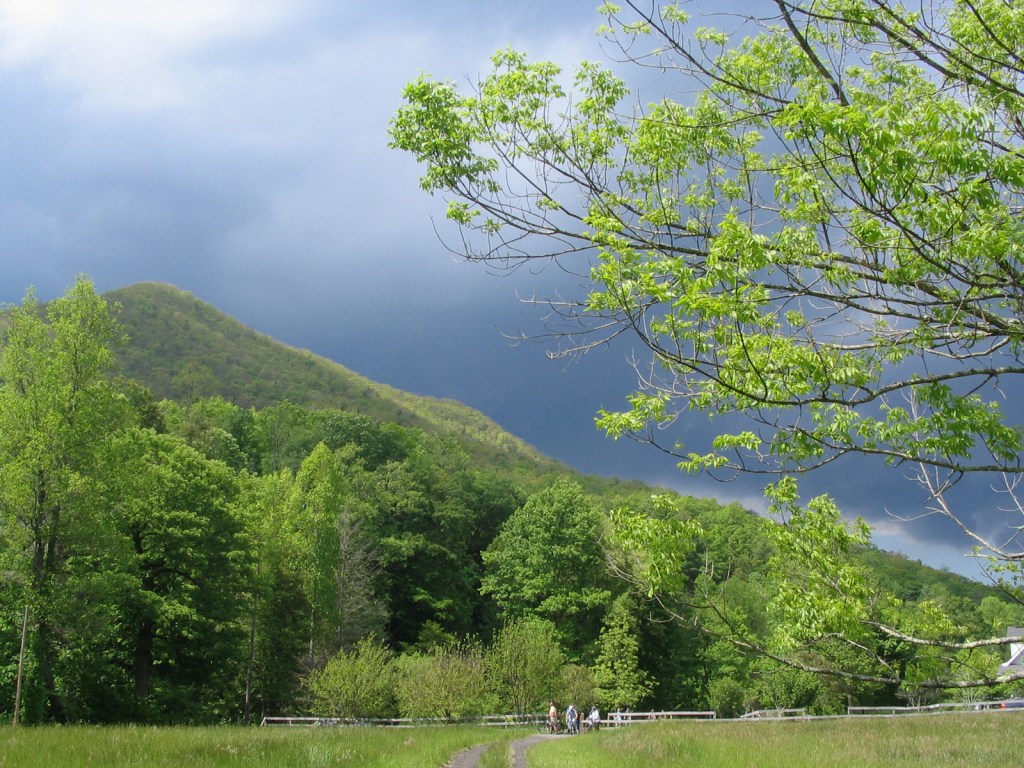
In western Virginia, Jefferson National Forest contains Mt. Rogers, the state’s highest point at 5,729 feet (see our post on Mt. Rogers National Recreation Area). There are 17 designated Wildernesses in Jefferson National Forest, second only to the 19 in Alaska’s massive Tongass National Forest. In 1995, George Washington and Jefferson National Forests were administratively combined. Is it just us, or does that name seem to celebrate George Jefferson from the 1970s sitcom? It is supposed to commemorate native-Virginian Thomas Jefferson who was the original author of the 1776 Declaration of Independence and the third President of the U.S. The Omnibus Public Land Management Act of 2009 created both the Bear Creek (5,503 acres) and Seng Mountain (6,455 acres) National Scenic Areas as specially designated parts of Jefferson National Forest.
Highlights
Blue Ridge Parkway, Mt. Rogers National Recreation Area, Seng Mountain National Scenic Area, Bear Creek National Scenic Area, Settlers Museum of Southwest Virginia, James River Gorge, Mountain Lake, Apple Orchard Falls, Cave Mountain Lake, Glenwood Iron Furnace, High Knob, Little Stony Creek, Lake Keokee, Olinger Gap Trail, Virginia Creeper Trail, Virginia Highlands Trail, Appalachian National Scenic Trail
Must-Do Activity
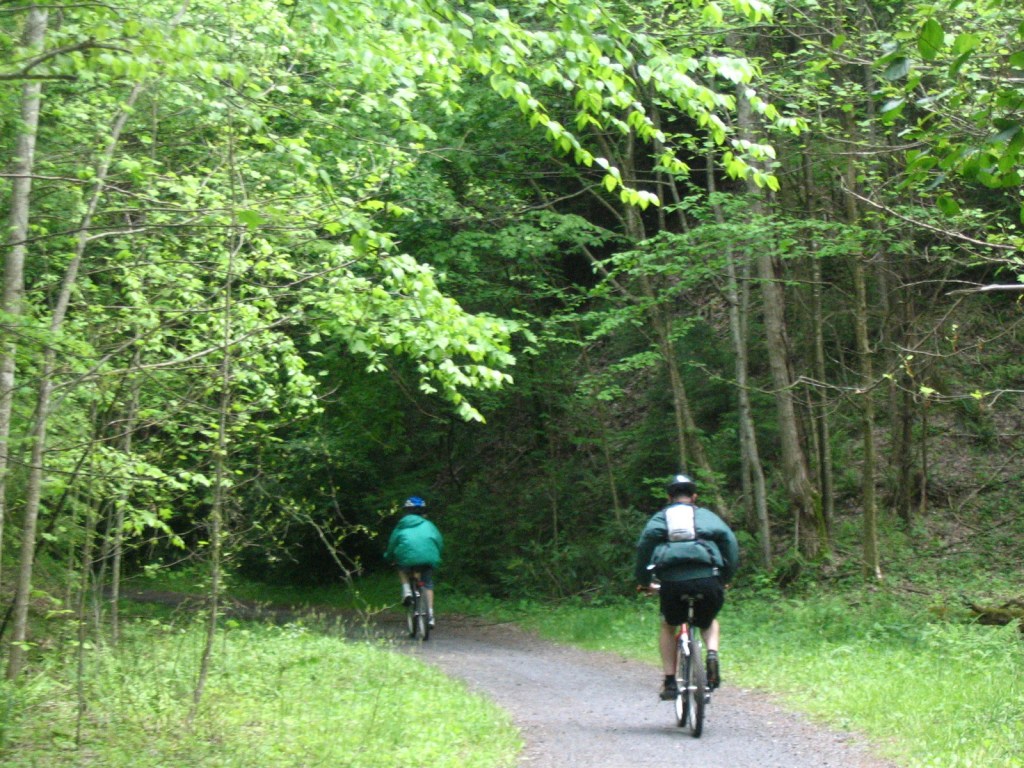
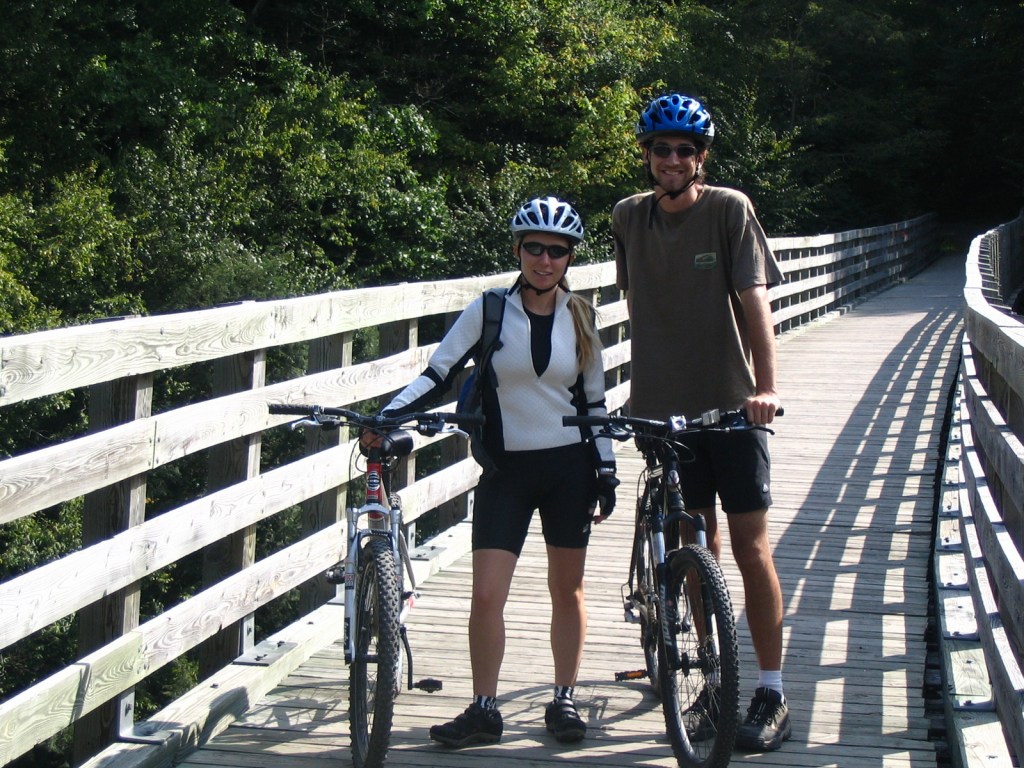
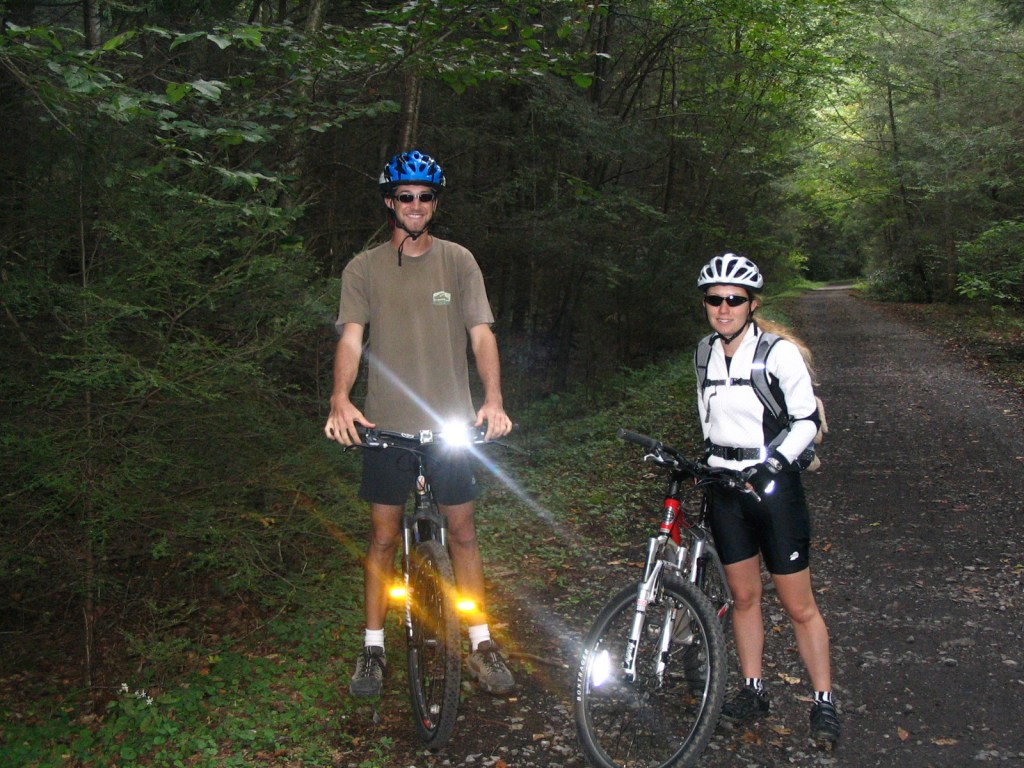
We have only visited the Mt. Rogers National Recreation Area (which made it on our Top 10 List) portion of Jefferson National Forest, which sits just north of the North Carolina border. One popular day trip there is to bike the 33-mile-long Virginia Creeper Trail, which is also open to hikers and horse riders. Last used in 1977, the former railroad grade runs 18 miles downhill from Whitetop Station Visitor Center to the town of Damascus, and local outfitters can provide shuttles to the trailheads and rental bikes. The trail drops 1,600 feet in total (sometimes at a 7% grade); no wonder those steam locomotives were “creeping” up the hill. Outside the National Forest, another 15 miles of railroad bed runs to Abingdon and includes the lowest point on the trail at the scenic South Holston Trestle.
Best Trail
Apple Orchard Falls has a drop of 200 feet and can be accessed from Sunset Fields Overlook at Milepost 78 on the Blue Ridge Parkway. Considered the most popular hike in Jefferson National Forest, the steep trail is only 1.3 miles long one-way, but gains more than 1,000 feet in elevation. A six-mile loop can be completed by connecting to the Cornelius Creek Trail with a total elevation gain of 1,438 feet. Olinger Gap Trail is another short, scenic route that connects the 3.7-mile Lake Keokee Loop Trail and the 14-mile Stone Mountain Trail.
Watchable Wildlife
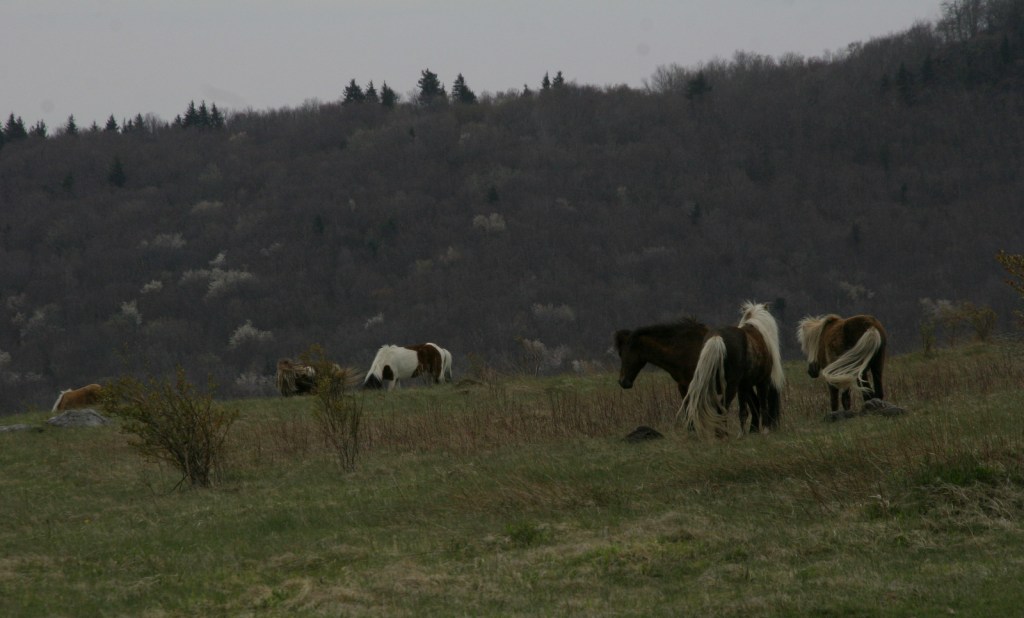
Jefferson National Forest has elevations ranging from 649 feet at the James River up to 5,729 feet, offering a variety of habitats. Its most famous residents may be the wild miniature ponies that hang out in the heath balds around Mt. Rogers. Like George Washington National Forest, there are several types of rare salamanders found here, including the golden pygmy salamander. Noteworthy mammals are white-tailed deer, black bears, bobcats, raccoons, river otters, martens, and weasels. Large birds found in Jefferson National Forest include wild turkeys, turkey vultures, bald eagles, peregrine falcons, and several types of hawks.
Instagram-worthy Photo
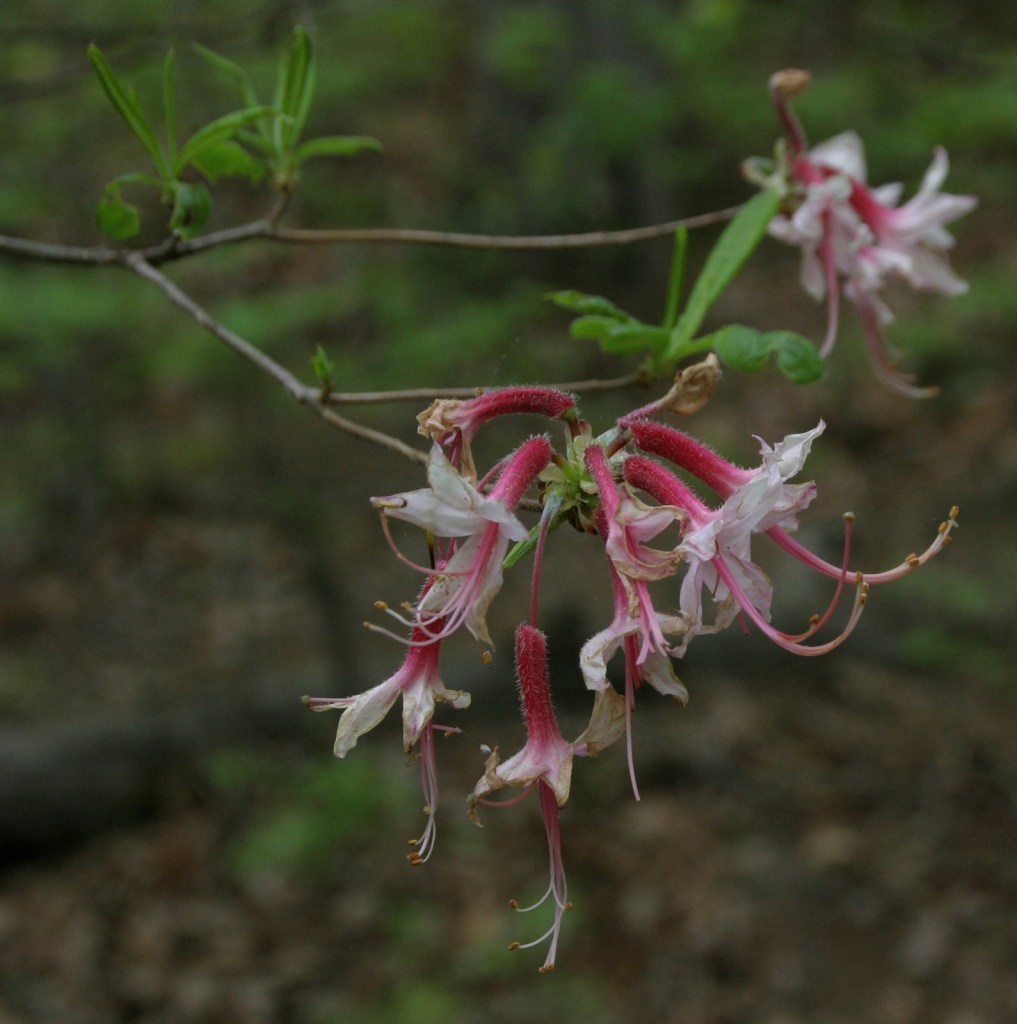
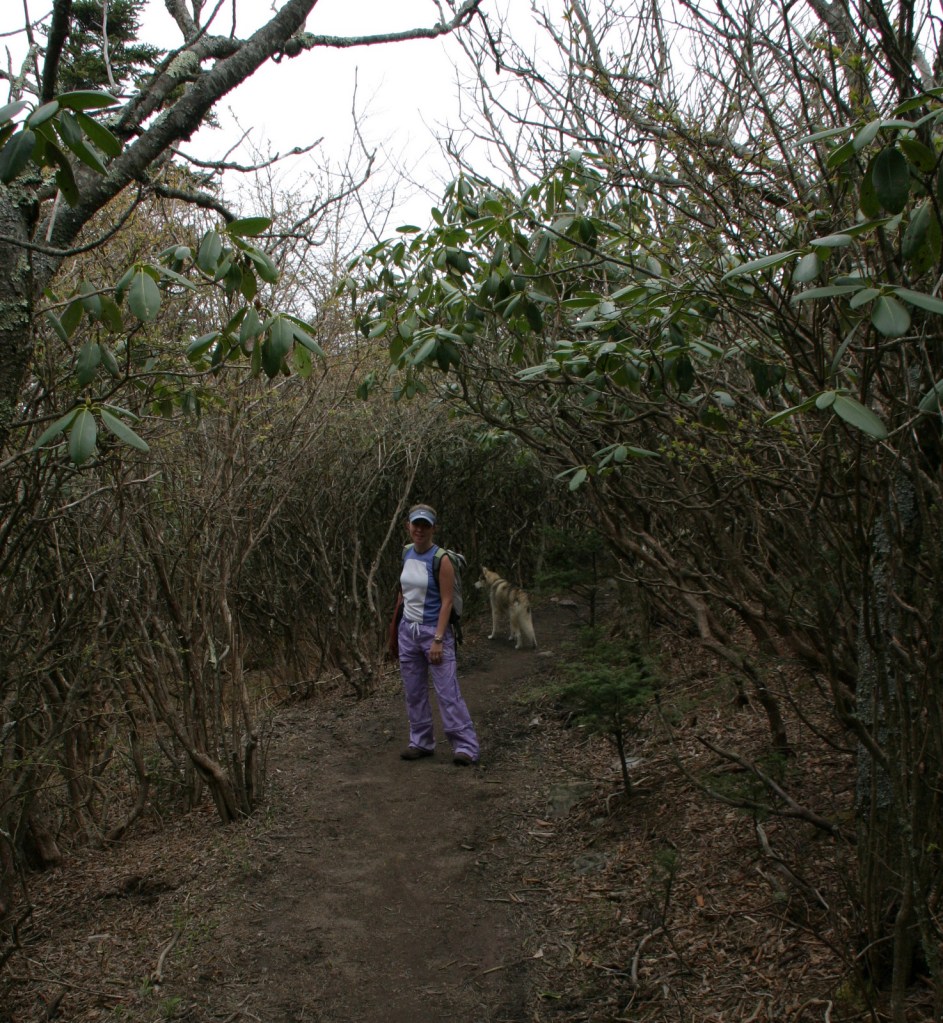
Spring and early summer are a great time to visit to see blooming azalea, mountain laurel, and rhododendron bushes.
Peak Season
Spring and fall
Fees
$5 day-use fee at Beartree Recreation Area
Road Conditions
The Peaks of Otter Visitor Center on the paved Blue Ridge Parkway is managed by the National Park Service adjacent to Jefferson National Forest. There are unpaved roads scattered throughout the mountains, including a rough road off Forest Road 606 that comes close to the 15-foot-tall Falls of Dismal (also accessible by hiking trail).
Camping
Beartree, Hurricane, Cane Patch, Laurel Falls, Cave Springs, Bark Camp Lake, Cave Mountain Lake, Pines, and White Rocks are only a selection of the many designated campgrounds in Jefferson National Forest. There is a 25-foot right-of-way for backpack camping on both sides of the Virginia Creeper Trail, except on private property.
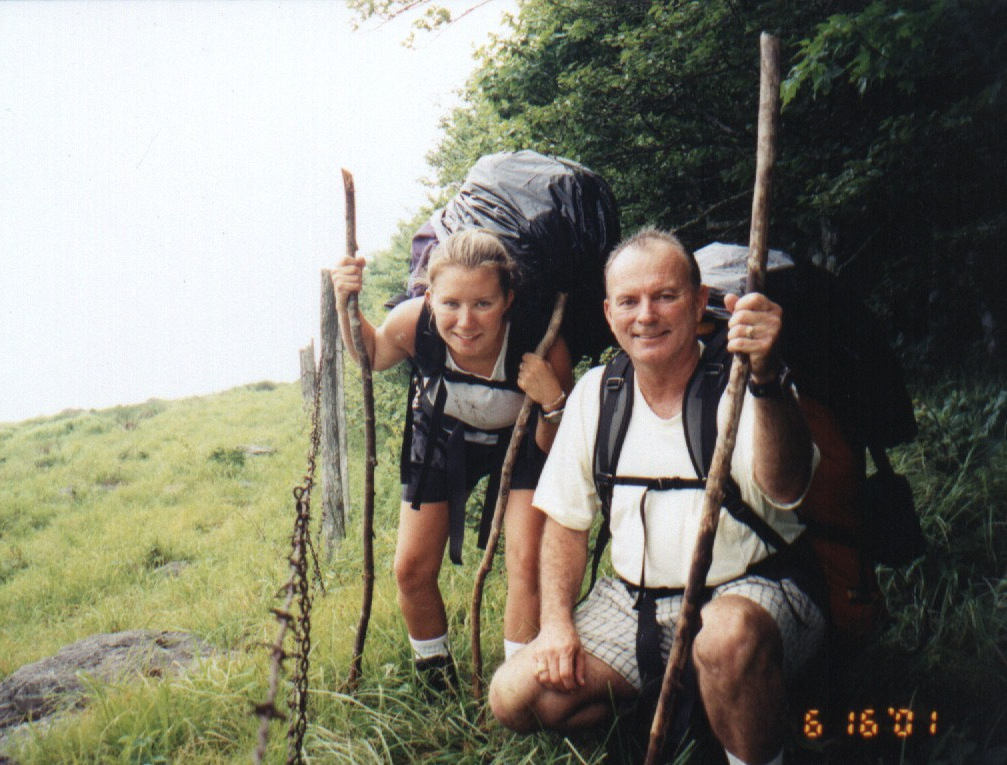
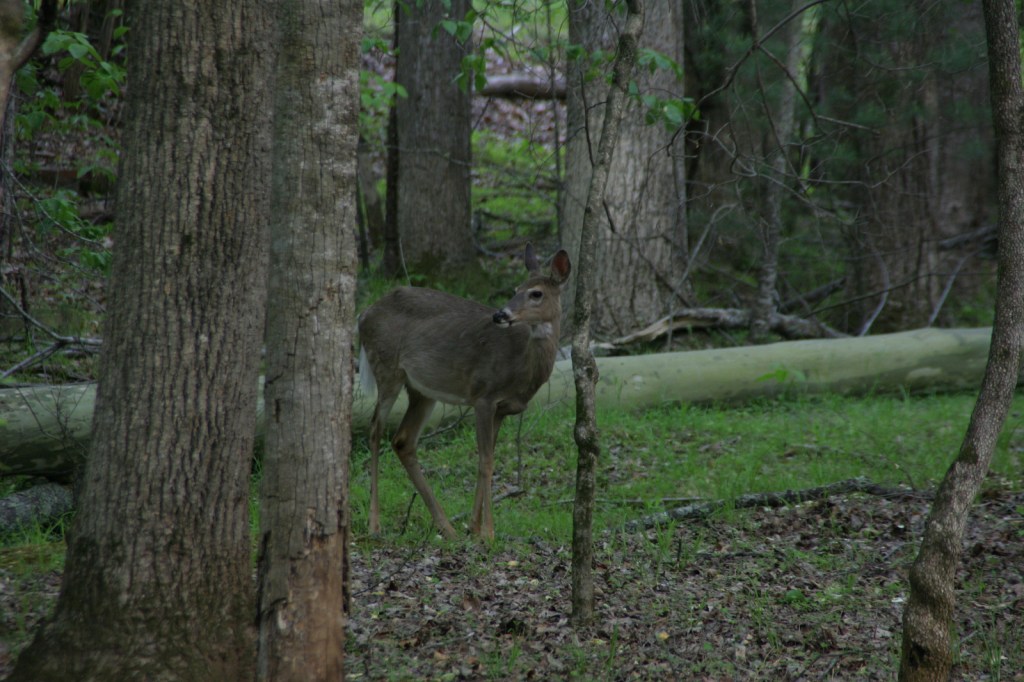
Tiff on the Virginia Creeper TrailVirginia Creeper TrailVirginia Creeper TrailTiff and Scott on the Virginia Creeper TrailTiff with a friendly localTiff and her father backpacking in 2001Tiff and Scott on the Virginia Creeper TrailVirginia Creeper TrailWhite-tailed deer
American beech, yellow birch, mountain maple, sugar maple, white oak, black oak, northern red oak, rock chestnut oak, bear oak, hickory, basswood, sweet buckeye, American elm, sourwood, mountain laurel, azalea, rhododendron
Explore More – What is the scientific name for Virginia creeper, the native vine with palmately compound leaves?
Learn more about this and the 154 other National Forests in our new guidebook Out in the Woods
We are a participant in the Amazon Services LLC Associates Program, an affiliate advertising program designed to provide a means for us to earn fees by linking to Amazon.com and affiliated sites.
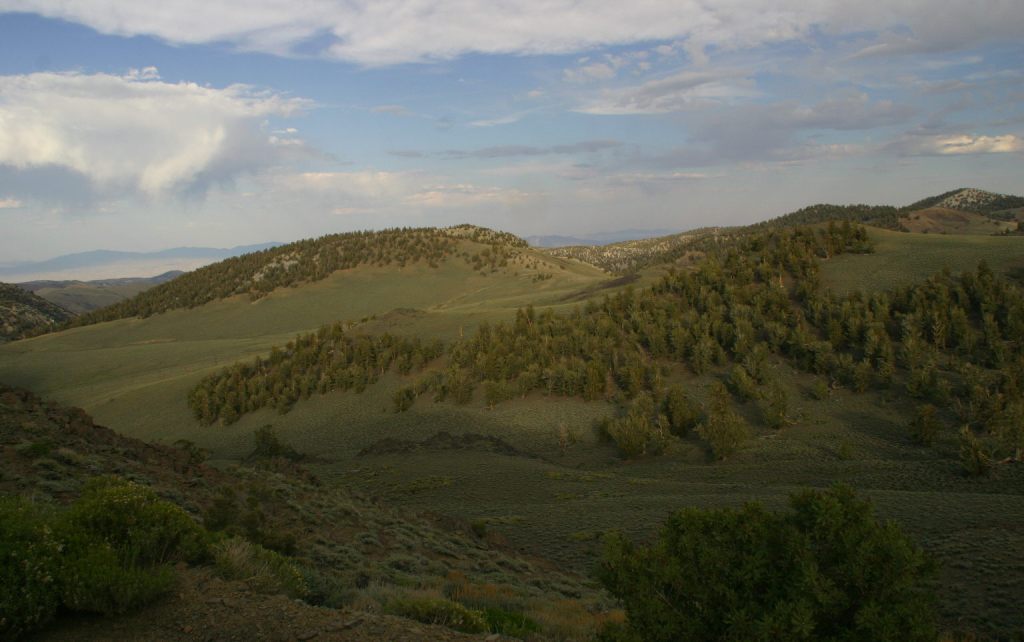
Inyo National Forest was established by President Teddy Roosevelt in 1907 to accommodate the Los Angeles Aqueduct, so it is mostly sagebrush slopes without much dense forest cover. We added it to our Top 10 Movies Filmed in National Forests after reading its history as a filming location. Inyo National Forest offers the shortest route to Mt. Whitney, the tallest peak in the contiguous U.S. at 14,495 feet in elevation. Its proximity to Badwater Basin (282 feet below sea level) in Death Valley National Park makes its rise all the more impressive. You will need a permit to summit, since this popular peak lies within Sequoia National Park. One added benefit is you will learn all about how to use a “W.A.G. bag.” In addition to accessing the eastern Sierra Nevada (see Best Trail), Inyo National Forest also offers a portal to the beautiful White Mountains along the California-Nevada border (see Must-Do Activity) and 800,000 acres of designated Wilderness.
Highlights
Mono Basin National Scenic Area (see our blog post), Lee Vining Canyon Scenic Byway, Tioga Pass, Ancient Bristlecone Pine Forest, Convict Lake, Hot Creek Geologic Site, Mammoth Lakes, Minaret Summit Vista, Crystal Lake, Mt. Whitney Trail, Minaret Falls, Pacific Crest National Scenic Trail
Must-Do Activity
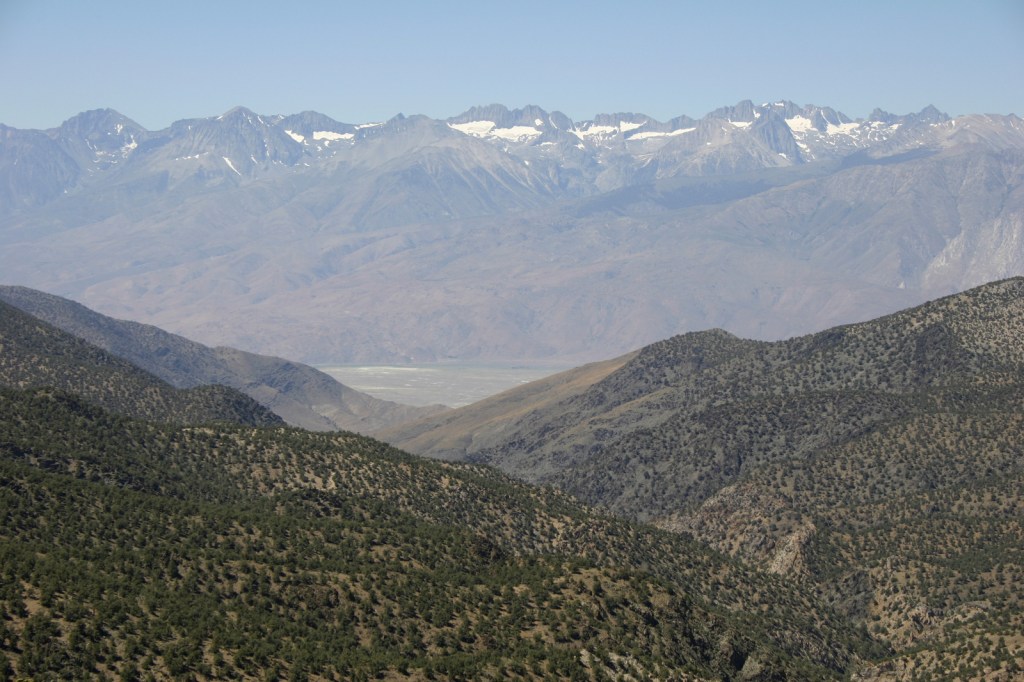
In the White Mountains, a paved road leads to the U.S. Forest Service visitor center at the Ancient Bristlecone Pine Forest, where a 4.5-mile loop trail through the Methuselah Grove passes one live Great Basin bristlecone pine tree recorded at over 5,000 years of age. That ranks it as the oldest living single-stem tree on the planet based on annual tree-ring measurements. You can continue to drive above 11,000 feet in elevation along a narrow gravel road famous for puncturing tires (so bring a spare). The route offers awesome views of the Owens Valley and Mt. Whitney, then takes you to the Patriarch Grove, a wonderful park of gnarled Great Basin bristlecone pine trees surrounded by snow throughout the summer.
Best Trail
Onion Valley Road west of Independence dead ends at the trailhead for Kearsarge Pass in the Sierra Nevada. The trail is a series of endless switchbacks that lead past beautifully twisted foxtail pines and unbelievably blue lakes up to the 11,823-foot pass at the boundary with Kings Canyon National Park. The view from the pass is worth the effort, even if you do not proceed to enter the National Park, for which you need a permit to camp overnight. John Muir called these mountains “the range of light,” and from up here you will surely see why.
Watchable Wildlife
Inyo National Forest is on the rain-shadow side of the Sierra Nevada, so it generally receives less precipitation throughout the year than the western slopes, especially at lower elevations. In the conifer forests of the mountains look for mule deer, black bears, weasels, martens, mountain lions, and bobcats. California quail, mountain quail, sooty grouse, and wild turkeys are common game birds. Watch the skies for raptors like bald eagles, ospreys, red-tailed hawks, and turkey vultures.
Instagram-worthy Photo
Sun-streaked and wind-blasted branches of bristlecone pine trees twist in backbreaking curls, stretching up towards the deep blue skies above 10,000 feet elevation.
Peak Season
Summer
Fees
There are no day use fees to our knowledge.
Road Conditions
The road is paved to the trailhead for the 4.5-mile loop through the Methuselah Grove in the Ancient Bristlecone Pine Forest. The unpaved road beyond is famous for puncturing tires (so take it slow and bring a spare) and retains snow late into the summer. A shuttle ticket or camping permit is required to drive into the National Forest west of the ski resort town of Mammoth Lakes to access Devils Postpile National Monument.
Camping
Grandview Campground near the Ancient Bristlecone Pine Forest lives up to its name. There is a campground at Whitney Portal Trailhead and two on Onion Valley Road on the way to the trailhead for Kearsarge Pass (plus some epic dispersed campsites).
Huron National Forest occupies a strip of land in eastern Michigan that follows the Au Sable National Wild and Scenic River to near its confluence with Lake Huron. The National Forest was established in 1909 after logging in the area went into decline. In 1945, it was administratively combined with the Manistee National Forest, which is on the western side of the state. Two years later, the first Au Sable River Canoe Marathon was held when 46 teams entered, but only 15 teams finished the 120-mile-long race. Held annually the last weekend of July, thousands of spectators watch the event, but if you are not there then at least stop by the Canoer’s Memorial. In the winter, snowmobiling and cross-country skiing are popular activities in Huron National Forest.
Highlights
River Road Scenic Byway, Lumberman’s Monument, Canoer’s Memorial, Iargo Springs Interpretive Site, Cooke Dam Pond, Tuttle Marsh, Bull Gap ORV Trail, Hoist Lakes Foot Travel Area, Highbanks Trail, Eagle Run Cross-Country Ski and Hiking Trail
Must-Do Activity
The 22-mile-long River Road Scenic Byway follows the Au Sable National Wild and Scenic River with 18 stops at memorials, overlooks, dams, ponds, trailheads, and campgrounds. The National Forest’s most developed area surrounds the Lumberman’s Monument, a 14-foot bronze statue dedicated in 1932. The site also has a museum, gift shop, interactive visitor activities, hiking trails, and a campground. Three other popular stops along the River Road Scenic Byway are the Iargo Springs Interpretive Site, Kiwanis Monument, and Foote Pond Overlook where visitors might spot a bald eagle.
Best Trail
A day use fee is charged to park at the two entrances to Hoist Lakes Foot Travel Area in the northern part of Huron National Forest. We started at the west entrance, just 1.8 sandy miles off paved Aspen Alley Road, and hiked a half-mile to Carp Lake, which had a large beaver hut in its center. There are many loop options in this forest that is being managed for old-growth conditions, which makes it ideal for cross-country skiing.
Watchable Wildlife
Huron National Forest manages its jack pine forests to provide summer nesting habitat for the formerly-endangered Kirtland’s warbler. After being placed under protection of the Endangered Species Act when its population fell to 167 nesting pairs in 1974, it was delisted in 2019 after rebounding to 2,300 pairs. Since dense, young stands of jack pine are unsuitable habitat, Kirtland’s warblers need old-growth forests, which are extremely susceptible to crown fires. Other species prefer old-growth forests, too, like pileated woodpeckers, saw-whet owls, and pine martens. We saw one of the rare Kirtland’s warblers at Au Sable Scenic River Highbanks Overlook, in addition to spotting a trumpeter swan, hairy woodpecker, raven, black squirrel, porcupine, and white-tailed deer. The Au Sable River offers trout fishing for people and bald eagles.
Instagram-worthy Photo
We stopped at Au Sable Scenic River Highbanks Overlook and were able to photograph a Kirtland’s warbler.
Peak Season
Summer
Fees
A day use fee is charged to park at the two entrances to Hoist Lakes Foot Travel Area, or you can use the America the Beautiful pass. Access to the Lumberman’s Monument is free.
Road Conditions
The unpaved roads are very sandy, but they were mostly flat without deep sand and easily drivable with a passenger vehicle in the summer.
Camping
There were signs prohibiting camping at the Hoist Lakes Foot Travel Area trailhead and Au Sable Scenic River Highbanks Overlook, and the dense forest offered no dispersed camping options that we noticed. A developed campground is available at the Lumberman’s Monument, as well as at Algona Dam Pond, Loud Dam Pond, Cooke Dam Pond, and Foote Dam Pond.
red maple, sugar maple, American elm, black ash, quaking aspen, paper birch, northern red oak, pin cherry, shadbush
Explore More – When the first 120-mile-long Au Sable River Canoe Marathon was held in 1947, who were the two paddlers that won with a time of 21 hours and 40 minutes?
Learn more about this and the 154 other National Forests in our new guidebook Out in the Woods
Surrounded by Lake Superior, Isle Royale is 45 miles long and nearer to Canada’s shores than it is to the rest of the United States. Long ferry boat rides with short layovers make this a difficult National Park to see on a daytrip, so the average stay for visitors is 3.5 days. The main access points are the ferry docks at Windigo in the west and Rock Harbor (which has a lodge) in the east.
Rock Harbor, Suzy’s Cave, Scoville Point, Windigo, Minong Ridge Trail, Greenstone Ridge Trail
Must-Do Activity
Hiking is the main activity at Rock Harbor and popular destinations include Scoville Point (5 miles roundtrip), 1,080-foot tall Mount Franklin (4 miles), and a water-carved arch called Suzy’s Cave (4 miles). From June to early-September, boat tours leave from the the marina to visit Rock Harbor Lighthouse, Edisen Fishery, Raspberry Island, Hidden Lake Trailhead, and Passage Island Lighthouse. Kayak and canoe rentals are also available at Rock Harbor Marina.
Best Trail
Since 99% of the park is designated Wilderness, backpacking is the best way to experience Isle Royale (but come prepared for biting insects). There are 34 backcountry campsites spread across the 165 miles of trail, but not right along the 42-mile Greenstone Ridge Trail that follows the island’s backbone west to east.
Instagram-worthy Photo
There are four lighthouses surrounding Isle Royale and two of them are visited by boat tours. We circumnavigated the entire island on a ferry boat and our favorite was the red-brick Isle Royale Lighthouse on Menagerie Island.
Peak Season
Summer
Hours
Despite the fact that it is closer to Minnesota (Central Time Zone), Isle Royale is part of Michigan and therefore in the Eastern Time Zone.
$7 per person, per day or America the Beautiful pass
Road Conditions
There are no roads on Isle Royale, which is only accessible by boat and floatplane. Ferries run in the summer months from Grand Portage, Minnesota and Copper Harbor and Houghton, Michigan.
Camping
There are nine screened-in shelters and eleven tent sites right at Rock Harbor, but camping there is limited to one night only to accommodate backpackers. Washington Harbor Campground is located at Windigo and allows up to a three-night stay, but the other 34 campsites require a backpacking permit (available at Rock Harbor, Windigo, and aboard the ferry boats from Michigan). Advanced reservations are only accepted for groups of more than six people, so plans must be flexible since there are limits to the number of campers per site.
Explore More – After depleting mines on the Keweenaw Peninsula, companies were eyeing Isle Royale’s deposits of what metal when it first gained federal protection in 1931?
This design we created to celebrate Isle Royale National Park is available on a variety of products at Cafe Pressand Amazon.
We are a participant in the Amazon Services LLC Associates Program, an affiliate advertising program designed to provide a means for us to earn fees by linking to Amazon.com and affiliated sites.
Start your U.S. National Forests, National Parks, and National Monuments adventure here!