Tag Archives: house

Homestead National Historical Park

Overview

In the midst of the Civil War, a Republican-dominated legislature passed the Homestead Act of 1862, which allowed citizens to stake a claim to 160 acres of unappropriated government land.  Until its repeal in 1976, over 270-million acres across 30 states were transferred from public land to private ownership under this law.  Potential landowners had to apply and pay a fee then “prove up” their claim by farming at least 10 acres and building a home within five years.  Nebraska’s Homestead National Monument of America was authorized in 1936 to remember this era of settlement and renamed in 2021.

Highlights

Heritage Center, film, Palmer-Epard cabin, Freeman School, restored tallgrass prairie

Must-Do Activity

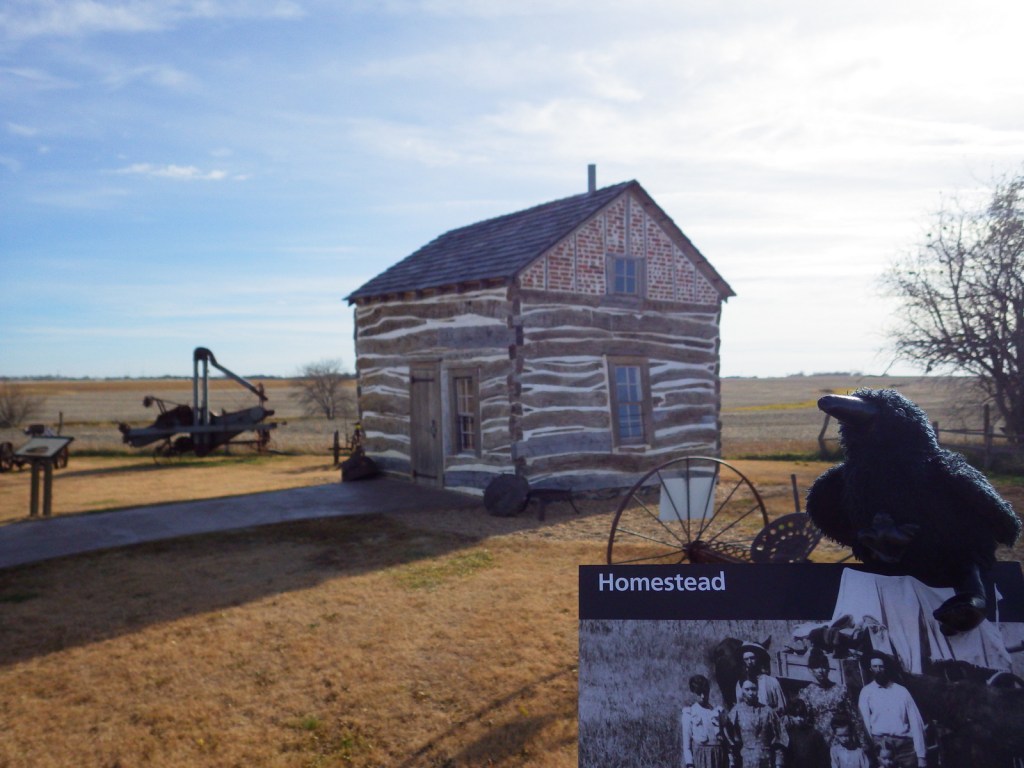
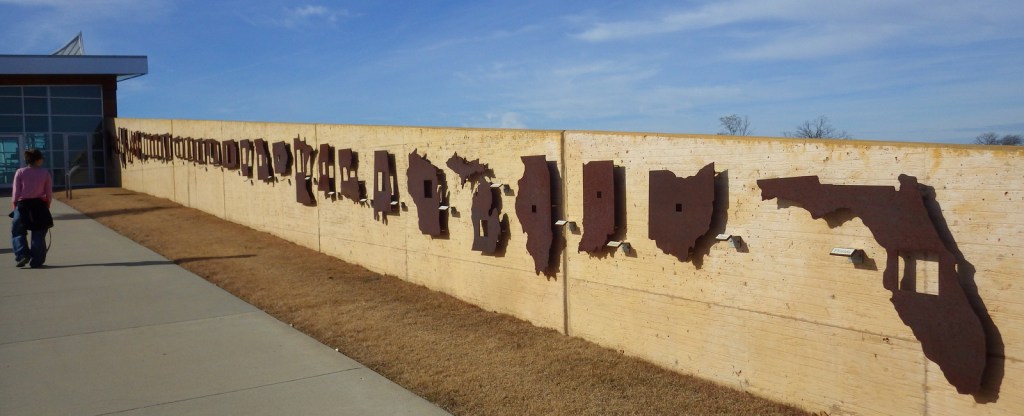
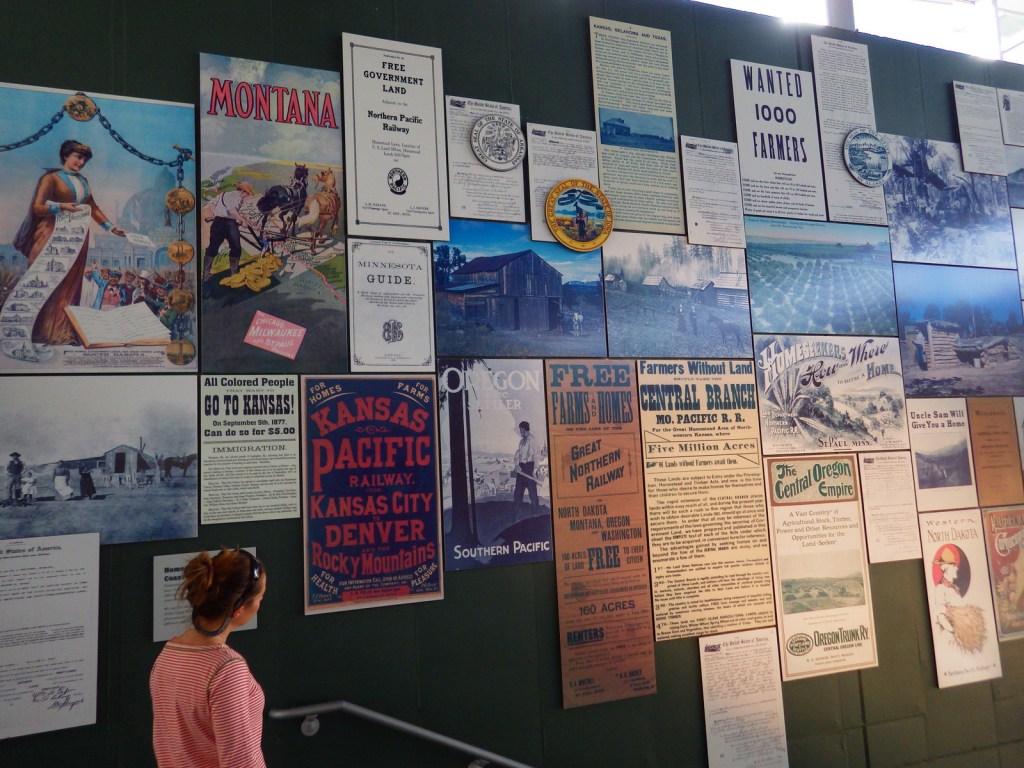
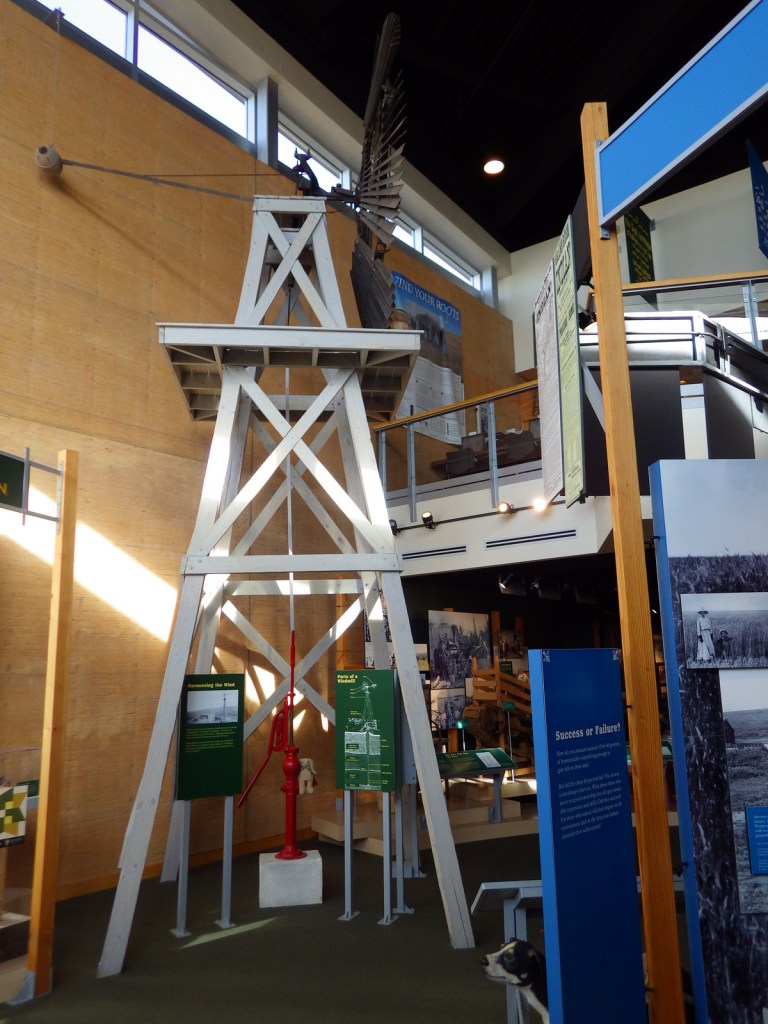
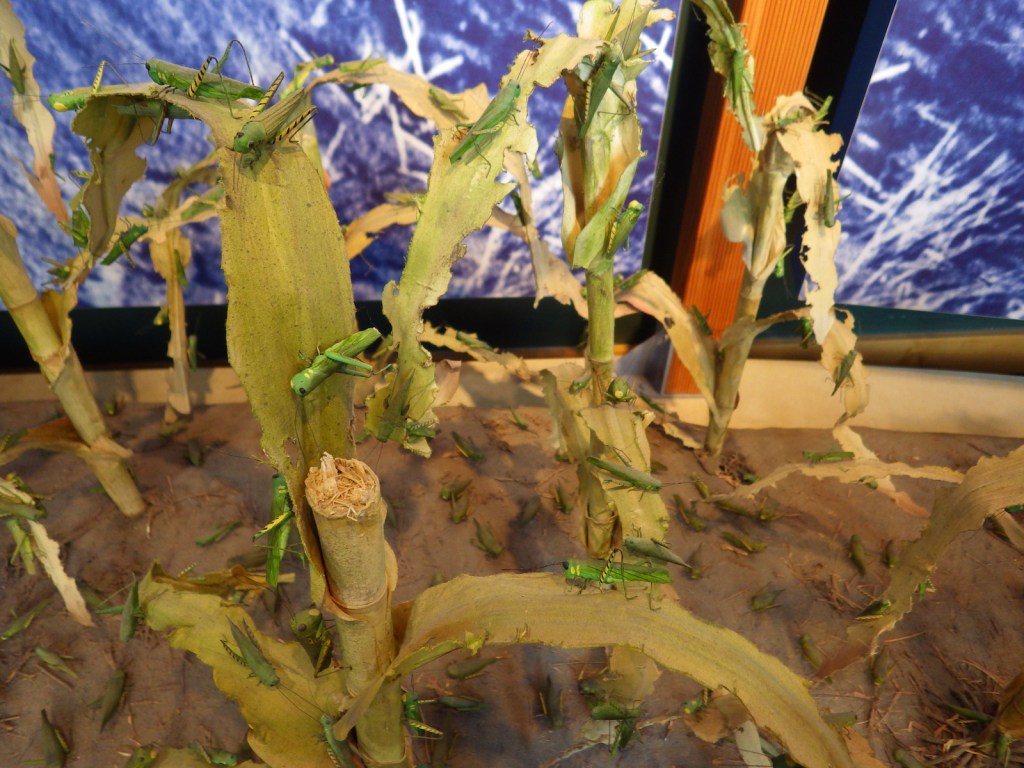
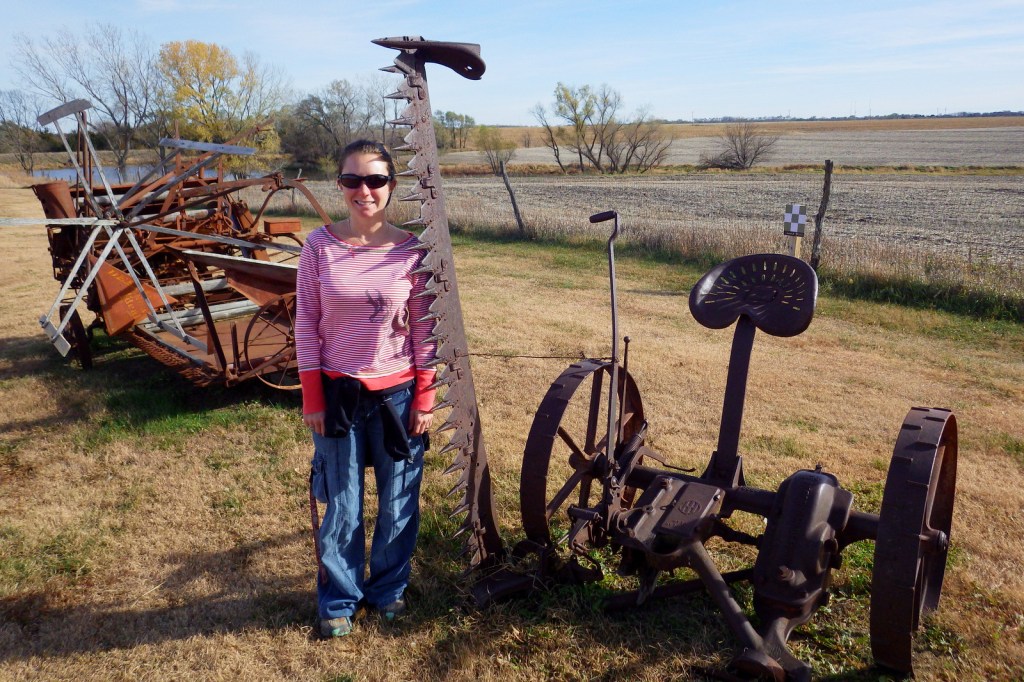
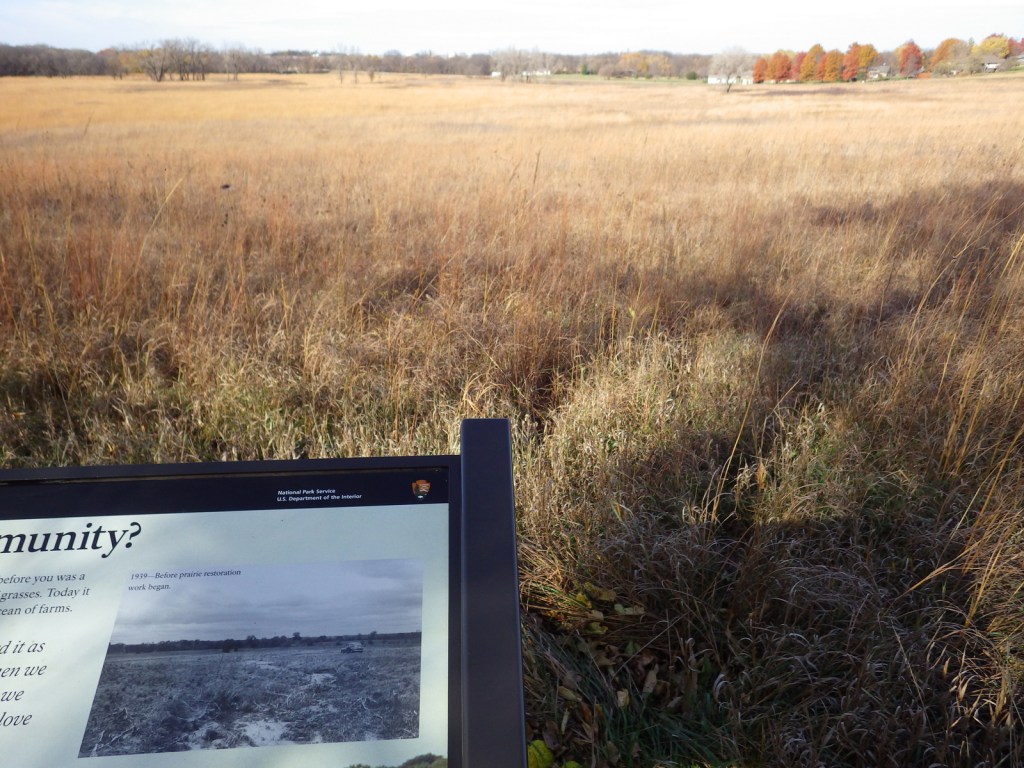
Since 1939, half of this 200-acre piece of land has been managed to resemble the tallgrass prairie that existed here when the Freeman family claimed this T-shaped homestead on January 1, 1863.  It was one of the first farms started after passage of the Homestead Act by Congress.  Inside the Heritage Center, there are many unique exhibits that tell the story of settlement across the western United States of America (plus Florida).  Do not forget to stop by the Education Center and one-room Freeman Schoolhouse that was used from 1872 to 1967.

Best Trail

At the park, 2.5 miles of walking trails connect the museums at the Heritage Center and the Education Center, passing by hedgerows of Osage-orange trees. 

Instagram-worthy Photo

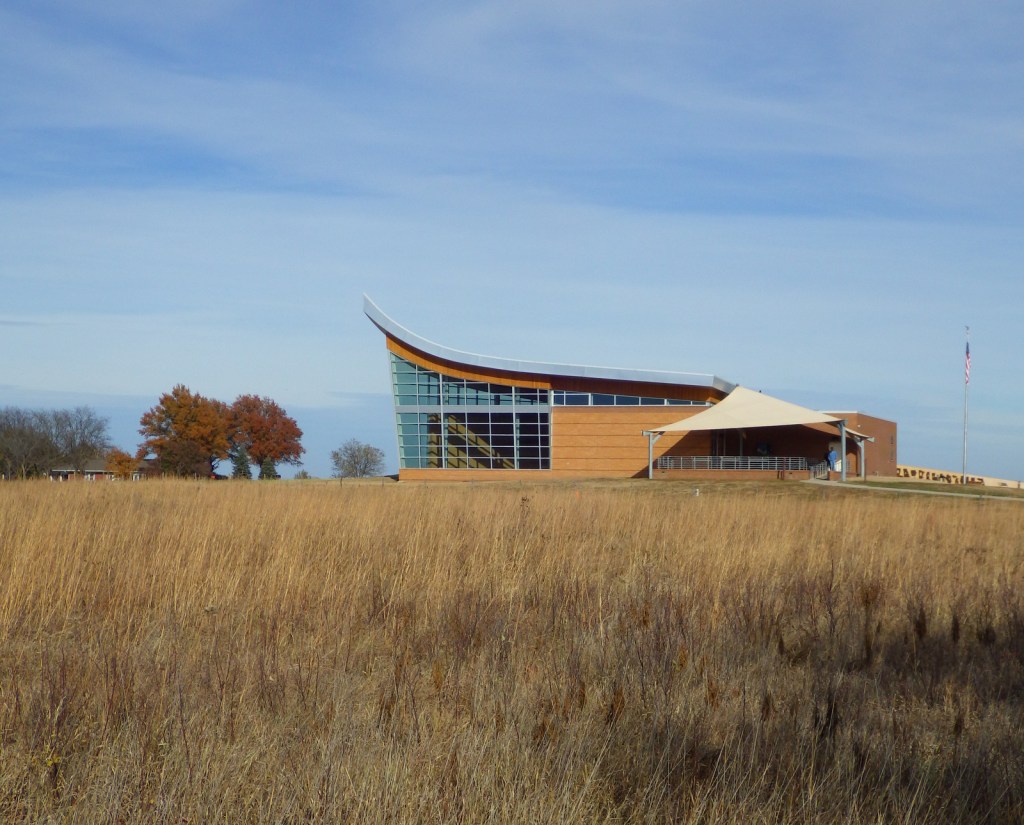
The Heritage Center’s roofline is designed to resemble a single-bottom plow stands and it sits at the edge of a restored tallgrass prairie ecosystem.  Similar to Fort Scott National Historic Site and Tallgrass Prairie National Preserve in Kansas, prescribed fire is used here to promote the growth of native plants.

Peak Season

Summer

Hours

https://www.nps.gov/home/planyourvisit/hours.htm

Fees

None

Road Conditions

All roads paved except a short section to access the parking lot for the Freeman School.  The parking lot at the Heritage Center is exactly one acre in size to help visitors visualize the 10 acres required to farm for “proving up” a homestead.

Camping

Four miles east of the park, Beatrice, Nebraska has two city parks with campgrounds.

Related Sites

Tallgrass Prairie National Preserve (Kansas)

Scotts Bluff National Monument (Nebraska)

Hubbell Trading Post National Historic Site (Arizona)

Explore More – Which First Amendment right was first challenged in court because of its use in teaching at the one-room Freeman School?
We are a participant in the Amazon Services LLC Associates Program, an affiliate advertising program designed to provide a means for us to earn fees by linking to Amazon.com and affiliated sites.

Pea Ridge National Military Park

Overview

This 4,300-acre park memorializes a battle fought early in the Civil War for control of the Union state of Missouri.  It took place in March 1862, seven months after the events at Wilson’s Creek National Battlefield.  Pea Ridge National Military Park is located near Fayetteville, Arkansas and also contains a section of the Trail of Tears National Historic Trail.  Two regiments fighting on the Confederate side during the Battle of Pea Ridge were Cherokees that were forced to march to Indian Territory from North Carolina in 1838.

Highlights

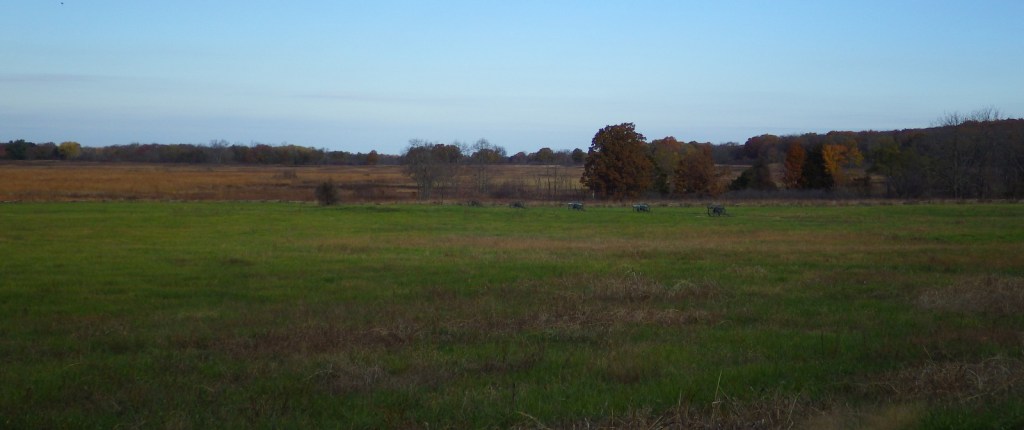
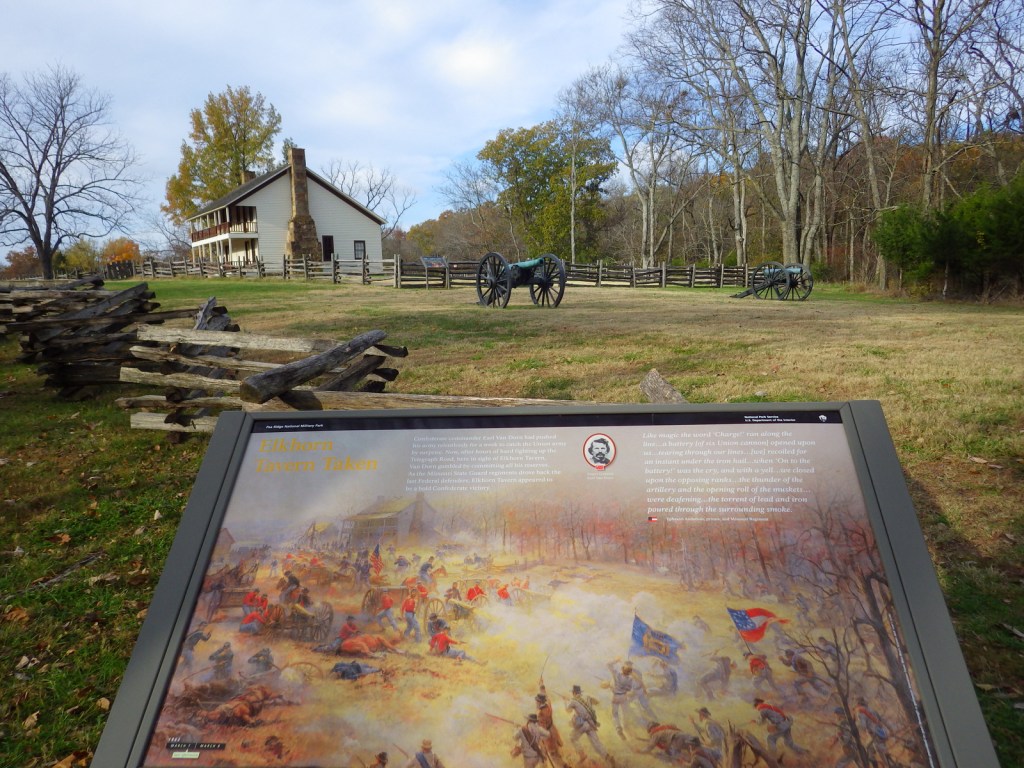
Museum, film, driving tour, Elkhorn Tavern, cannons

Must-Do Activity

A quality film and further exhibits at the visitor center help fill in any unclear parts about the battle on March 7-8, 1862 that kept Missouri in the Union.  The seven-mile driving tour includes informational stops that explain the battle in chronological order from the Confederate assault at Leetown to their eventual retreat from Elkhorn Tavern. 

Best Trail

There are ten miles of hiking trails and 11 miles of equestrian trails that run through the park.  Also, a portion of the infamous Trail of Tears follows the route of the telegraph wire road from 1838.  To learn more about the Trail of Tears National Historic Trail, we recommend a visit to Fort Smith National Historic Site, which is only a two-hour drive away.

Instagram-worthy Photo

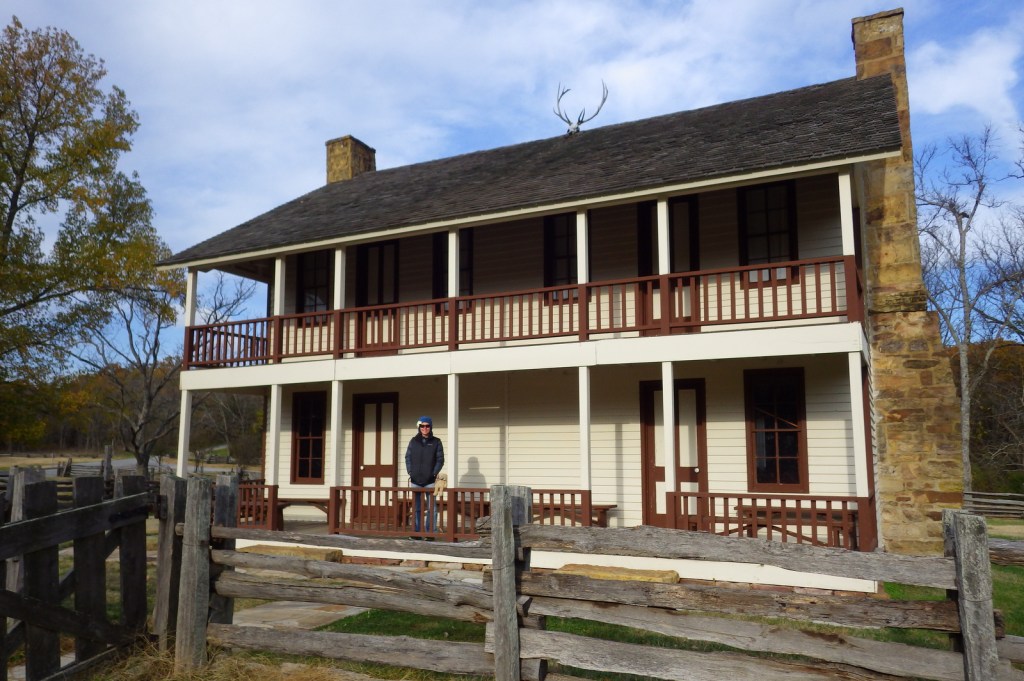
Stop to walk around a reconstruction of Elkhorn Tavern, which was used as a hospital by both sides during the battle and later as a Union telegraph station.  The original building was burned by Confederate guerillas in 1863.

Peak Season

Summer

Hours

https://www.nps.gov/peri/planyourvisit/hours.htm

Fees

$20 per vehicle or America the Beautiful pass

Road Conditions

All roads paved

Camping

Beaver Reservoir is 20 miles away and has public campgrounds.

Related Sites

Wilson’s Creek National Battlefield (Missouri)

Buffalo National River (Arkansas)

Fort Smith National Historic Site (Arkansas-Oklahoma)

Explore More – The Trail of Tears National Historic Trail has multiple routes; how long is it in total?

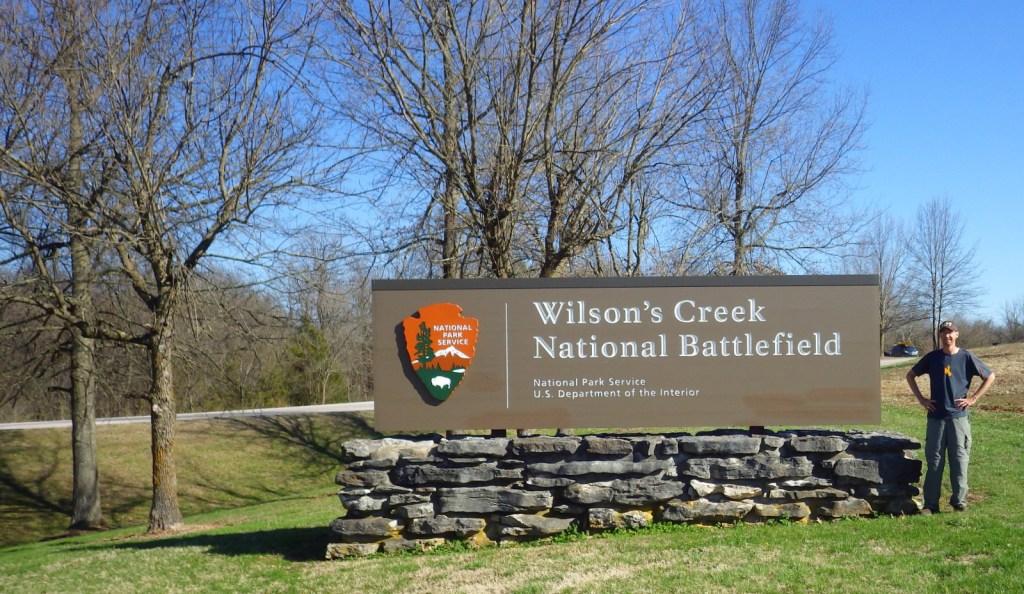
Wilson’s Creek National Battlefield

Overview

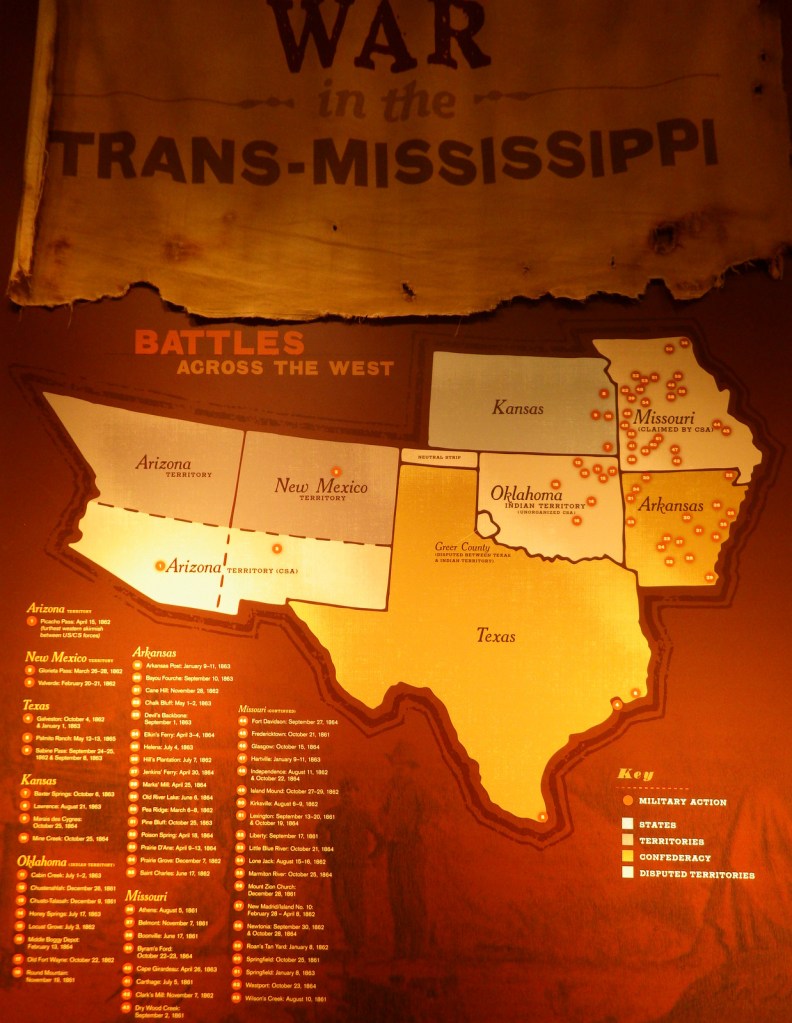
Early in the Civil War control of the state of Missouri hung in the balance.  Union and Confederate forces gathered near Springfield and both organized surprise attacks for the morning of August 10, 1861.  Rain overnight caused Confederate General Sterling Price to cancel his plan, but Union General Nathaniel Lyon went through with his in the face of overwhelming odds.  The strategy worked briefly but cost Lyon his life.  Even though the Union army retreated that day, seven months later they prevailed during the Battle of Pea Ridge in northern Arkansas, successfully keeping Missouri in the Union. 

Highlights

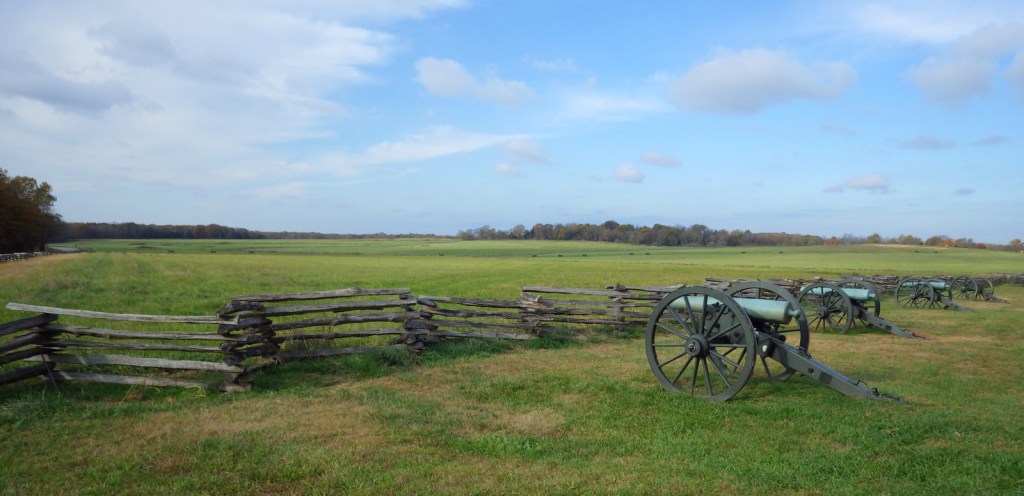
Museum, film, driving tour, Ray House, cannons

Must-Do Activity

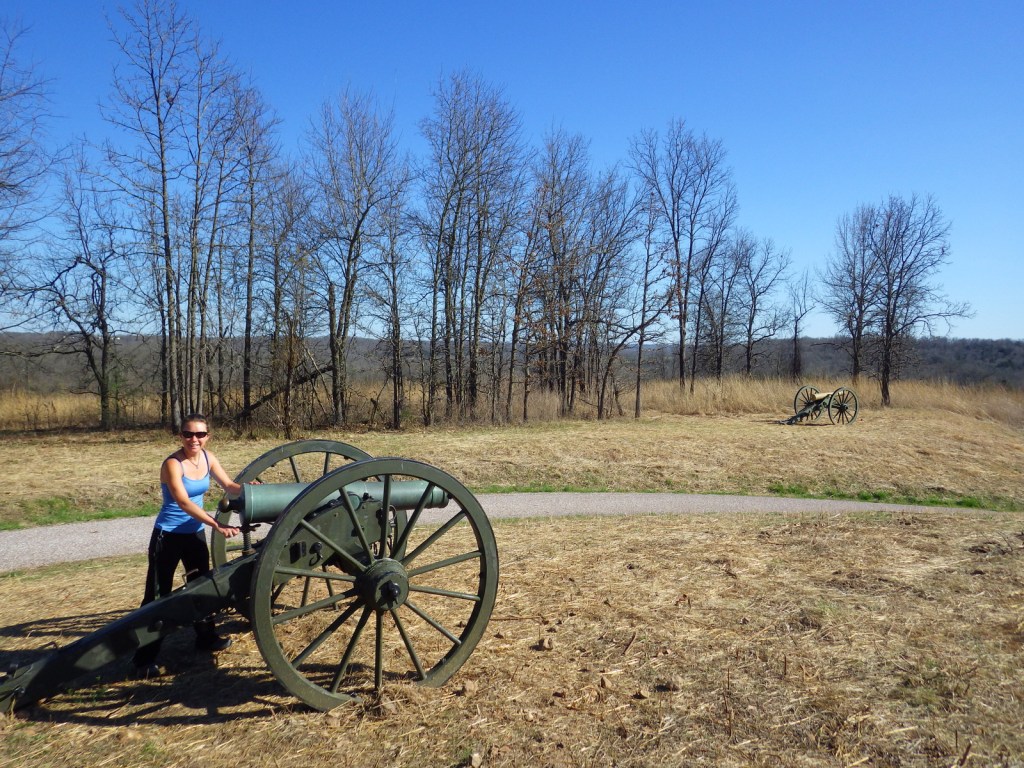
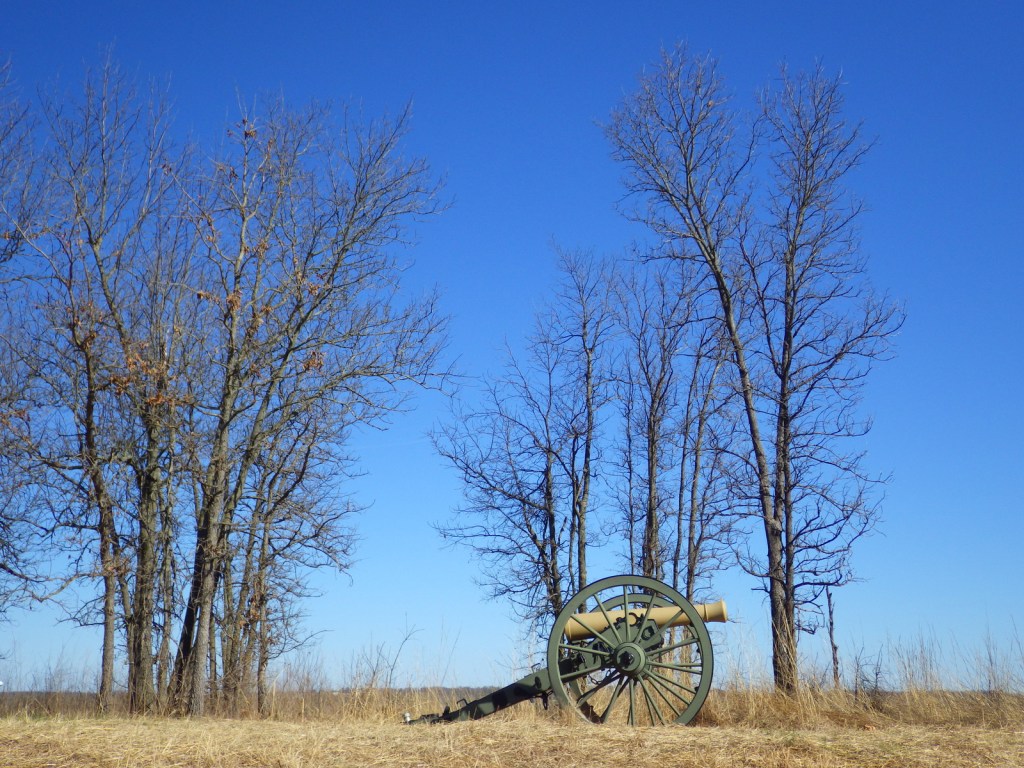
Missouri stayed in the Union throughout the war despite the $10-million in property damage caused by guerrilla fighters, making it the third most fought-over state.  Start your visit by watching a short film, then peruse the excellent museum before taking the five-mile driving route that provides an overview of the battle at eight interpretive stops.  The paved road is heavily used by locals for jogging and biking, so drive carefully.

Best Trail

A portion of the infamous Trail of Tears crosses through this park following the route of the telegraph wire south towards Elkhorn Tavern in Arkansas’ Pea Ridge National Military Park.  There are also hiking and equestrian trails through the park’s 1,926 acres.

Instagram-worthy Photo

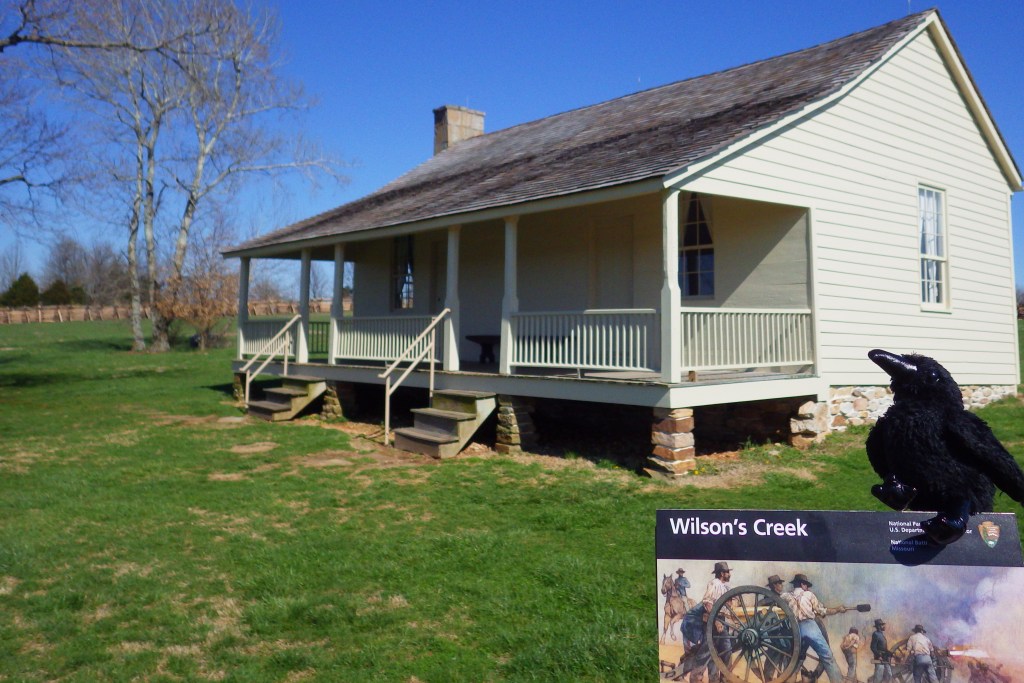
Rebuilt at its original location, there is a reconstruction of the Ray House, which was used as a Confederate hospital.  Nearby split-rail fences add to the bucolic ambiance.

Peak Season

Summer

Hours

https://www.nps.gov/wicr/planyourvisit/hours.htm

Fees

$20 per vehicle or America the Beautiful pass

Road Conditions

Paved, but gate closes tour road exactly at 5 p.m.

Camping

Within five miles there is a private campground near Interstate-44, plus a variety of state parks within an hour’s drive.

Related Sites

Pea Ridge National Military Park (Arkansas)

Ulysses S. Grant National Historic Site (Missouri)

George Washington Carver National Monument (Missouri)

Explore More – How many Union soldiers were buried in the sinkhole near Totten’s Battery on Bloody Hill (then in 1867 were moved to a National Cemetery in Springfield)?

Manassas National Battlefield Park

Overview

The first major confrontation of the Civil War occurred on July 21, 1861 at Bull Run Creek near Manassas, Virginia.  Due to its proximity to Washington, D.C., civilians drove their carriages down to picnic and watch the spectacle of 34,000 men trying to kill each other.  It was on Henry Hill that Confederate General Thomas “Stonewall” Jackson earned his nickname when he refused to flee in the face of a Union advance.  In the north it was known as the Battle of Bull Run and run they did when Confederate reinforcements arrived to take the field.  The next year there was another fight here, which the southern army also won on its march north before being turned back at Antietam.

Highlights

Museum, film, “Stonewall” Jackson statue, cannons, Stone House

Must-Do Activity

As with other battlefield sites, Manassas National Battlefield Park has a National Park Service (NPS) visitor center with a movie, maps, driving tour, and hiking trails.  Start in the museum, as the fiber-optic maps with recorded narration are one of the best ways to understand the events of each battle.  The first of the two Battles of Bull Run took place around the visitor center on Henry Hill.  The second battle was spread across the landscape and is the focus of the 18-mile driving tour.

Best Trail

Cannons line the one-mile hiking trail on Henry Hill, where one of the first civilian casualties of the Civil War occurred in a house that was rebuilt in 1870 and still stands.

Instagram-worthy Photo

General Thomas “Stonewall” Jackson earned his nickname at the first battle at Manassas.  We understand that Confederate statues are justifiably controversial, but this is one place that they actually belong.

Peak Season

Summer

Hours

https://www.nps.gov/mana/planyourvisit/hours.htm

Fees

None

Road Conditions

Exercise caution as the 18-mile driving tour goes through residential areas with a couple unpaved roads.

Camping

There is not an NPS campground, but nearby Bull Run Regional Park has 150 sites with RV hookups.

Related Sites

Antietam National Battlefield (Maryland)

Fredericksbug and Spotsylvania County Battlefields Memorial National Military Park (Virginia)

Cedar Creek and Belle Grove National Historical Park (Virginia)

Explore More – What state has a memorial to its troops on the spot where 123 men were killed in five minutes on August 30, 1862 (which was the greatest loss of life in any single infantry regiment in a Civil War battle)?

Ulysses S. Grant National Historic Site

Overview

In a suburb of St. Louis, Missouri is the antebellum plantation (White Haven) of Ulysses S. Grant.  Following his graduation from West Point in 1843, Lieutenant Grant was stationed at nearby Jefferson Barracks.  It was while visiting his former roommate at White Haven that he met Fred Dent’s sister, Julia.  Grant would eventually marry her and together they raised their children here from 1854-59, following his resignation from the U.S. Army.  The family intended to return to the plantation following the Civil War, but Grant’s two terms as President did not allow that to happen.

Highlights

Museum, film, historic house, cannons

Must-Do Activity

A thorough museum housed in the former horse stables provides days’ worth of reading on this controversial General and President.  Opposing arguments are posted around the stables allowing visitors to answer tough questions like, Was Grant a butcher? and Was Grant a corrupt politician?  Access inside the house requires a free guided tour given regularly throughout the day by National Park Service (NPS) rangers.

Best Trail

There is a short walking tour on the ten-acre NPS property.  The neighboring wildlife park named Grant’s Farm (admission fee) contains a log cabin built by Grant in 1855.

Instagram-worthy Photo

During our visit in early April, the redbud trees were in bloom.  Plus, there are cannons to pose with.

Peak Season

Summer

Hours

https://www.nps.gov/ulsg/planyourvisit/basicinfo.htm

Fees

None, but a free guided tour (tickets required) is the only way to enter the main house

Road Conditions

All roads paved

Camping

None at the site, but several private campgrounds nearby.

Related Sites

General Grant National Memorial (New York)

Ozark National Scenic Riverways (Missouri)

Gateway Arch National Park (Missouri)

Explore More – Did the family have slaves at White Haven?